
Research article · 2026 · Full text
International Journal of Geography Geology and EnvironmentEthnopharmacological evaluation of Dendrocalamus strictus (Roxb.) Nees
Volume 8(9) · Pages 35–41 · DOI: 10.22271/27067483.2026.v8.i9a.863 ↗
Research areasEthnobotanical and Medicinal Plants StudiesMedicinal Plant ResearchBamboo properties and applications
Abstract
Author-writtenDendrocalamus strictus is an economically and ecologically important bamboo species widely distributed in the Indian subcontinent. The present study was undertaken to document the morphology, habitat and phytochemical properties of D. strictus, with particular emphasis on the qualitative screening and quantitative estimation of its secondary metabolites. Field observations were carried out to document its morphological characteristics and habitat, followed by phytochemical analysis of the plant material using standard analytical methods. Qualitative screening revealed the presence of primary metabolites including protein, carbohydrate, starch and several bioactive constituents including tannin, saponin, flavonoids, terpenoids and reducing sugar. Quantitative analysis demonstrated the occurrence of 17.94 mg / 100 ml tannin, 6.13% saponin, 1.72 mg / 100 ml phenolic compounds and 0.40 mg / ml. The antioxidant activity using DPPH assay evaluated demonstrated considerable antioxidant potential with inhibition percentage increased from 48.92% to 51.71% for ethanol extract and 39.28% to 50.71% for aqueous extract of D. strictus in the increasing concentration. The presence of these metabolites suggests that D. strictus may possess significant biological and therapeutic potential. In addition to its traditional uses in construction, handicrafts, household materials and other livelihood activities, the species has potential for further exploration as a source of valuable bioactive compounds. The findings reveal the multifaceted importance of D. strictus and provide a basis for future investigations on nutraceutical and pharmacological and toxicity. Sustainable utilization and conservation of this valuable bamboo resource are recommended for maintaining its ecological and socioeconomic benefits.
Summary
Source-checkedPlain-language reading of the full paper, prepared with AI and checked against the text. Each point links to the authors' own words.
Why it matters
- Dendrocalamus strictus is a bamboo species of significant ecological and economic importance across the Indian subcontinent. View evidence ↗
- The young shoots of this bamboo are used as a traditional seasonal food source for indigenous and rural communities in India. View evidence ↗
- Various parts of the plant, including the leaves, have a history of traditional use in treating ailments such as fever, colds, coughs, and wounds. View evidence ↗
The question
- The study aimed to document the habitat and morphology of D. strictus, analyze its primary and secondary metabolites qualitatively and quantitatively, and test its antioxidant potential. View evidence ↗
What they did
- The researchers conducted a floristic survey along the Mahanadi River in the Boudh District of Odisha to observe the plant in its natural habitat. View evidence ↗
- Fresh leaves from naturally growing plants were collected for phytochemical profiling and antioxidant testing. View evidence ↗
- Leaf extracts were prepared by macerating 1 gram of dried, powdered leaves in 10 mL of solvent for 48 hours. View evidence ↗
- The DPPH radical-scavenging assay was used to evaluate the antioxidant activity of aqueous, ethanol, and n-hexane leaf extracts. View evidence ↗
What they found
- The plant's culms are typically smooth, cylindrical, and non-thorny, reaching heights between 6 and 16 meters. View evidence ↗
- Qualitative screening found proteins and carbohydrates in both ethanol and aqueous extracts, while starch was only present in the aqueous extract; lipids, sucrose, and amino acids were absent. View evidence ↗
- Secondary metabolite screening showed that tannins, flavonoids, terpenoids, and reducing sugars were in both ethanol and aqueous extracts, but saponins were only in the aqueous extract. View evidence ↗
- Quantitative analysis identified tannin as the most abundant constituent (17.94 mg/100 mL), followed by saponin (6.13%), phenol (1.72 mg/100 mL), and flavonoids (0.40 mg/mL). View evidence ↗
- Antioxidant activity increased with concentration: the aqueous extract's inhibition rose from 39.28% to 50.71%, and the ethanol extract's rose from 48.92% to 51.71%. View evidence ↗
- The ethanol extract exhibited the highest antioxidant activity compared to the aqueous extract. View evidence ↗
What it means
- The authors conclude that the identified phytochemicals indicate that D. strictus has promising potential for use in pharmacology, nutraceuticals, and as an antioxidant. View evidence ↗
- The authors recommend the sustainable conservation, propagation, and harvesting of the species to maintain its socioeconomic and ecological value. View evidence ↗
- The authors state that further research is needed to explore the plant's antimicrobial properties, antioxidant mechanisms, and bioactive compounds. View evidence ↗
Figures & tables
From the original paper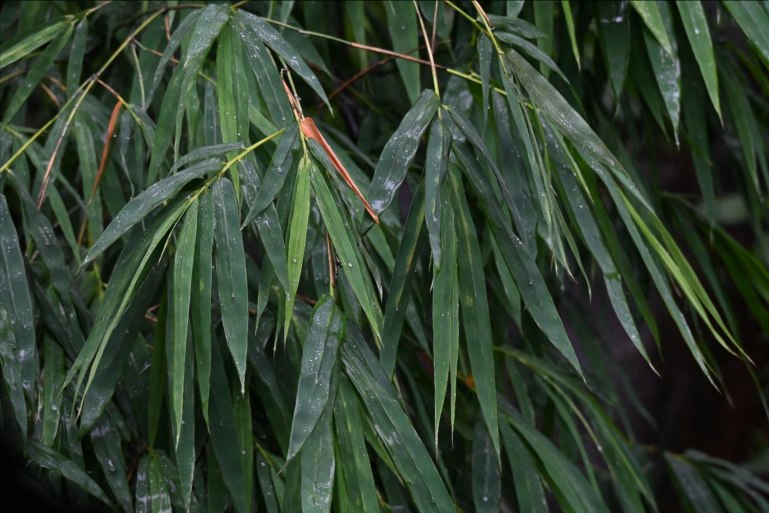 Figure 1
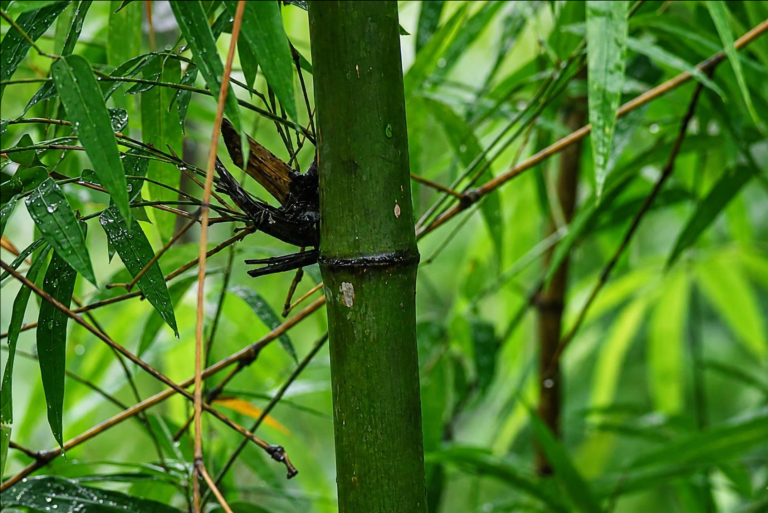 Figure 2
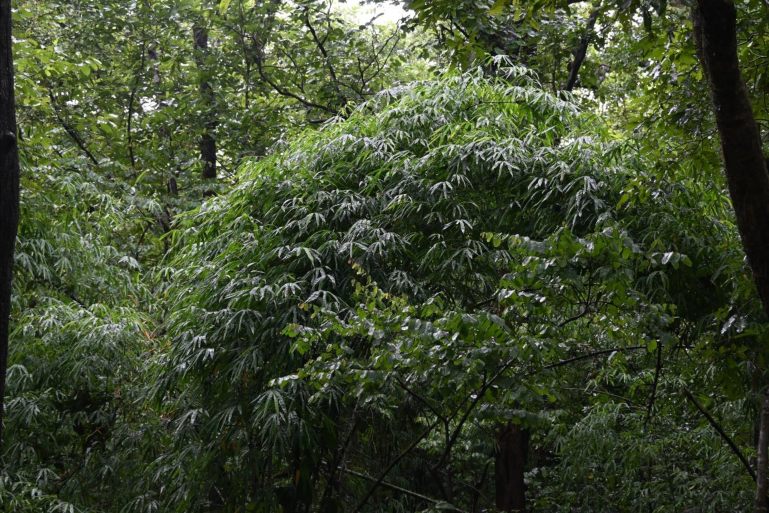 Figure 3
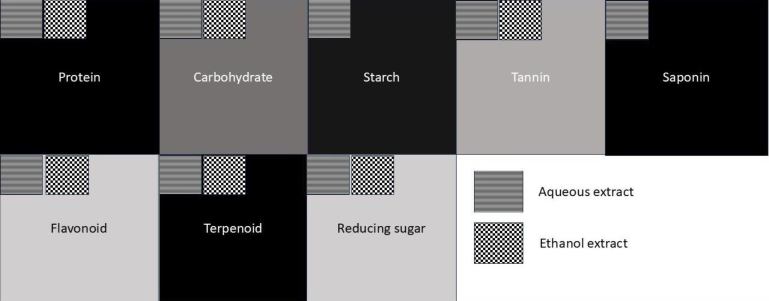 Figure 4
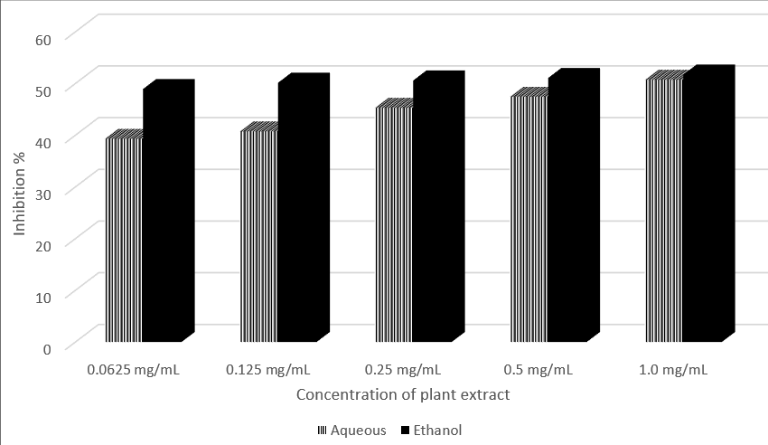 Figure 5
Introduction
Dendrocalamus strictus is one of the most ecologically and economically important bamboo species of India. It is a perennial, clump-forming bamboo characterized by a sympodial growth habit and a pachymorph rhizome system. The culms are erect, cylindrical, smooth and generally unarmed, typically attaining a height of approximately 8-16 m. The species has a wide ecological amplitude and occurs predominantly in dry deciduous forests, open forest areas, dry hills, plains, ravines, forest margins and degraded landscapes. D. strictus is capable of growing under relatively dry conditions and is distributed from near sea level to approximately 1,200 m elevation. It generally prefers well-drained soils, particularly sandyloam and other coarse-textured soils and can tolerate a relatively broad range of soil conditions. The species is widely distributed throughout India, including Odisha, Madhya Pradesh, Uttar Pradesh, Himachal Pradesh, parts of the Western Ghats and Northeast India (Sreedevi et al., 2026; Nongdam and Tikendra, 2014) [29,21] . The ethnobotanical importance of D. strictus is closely associated with the multifunctional utilization of its young shoots, leaves, culms and other plant parts. Young bamboo shoots are traditionally consumed as vegetables in several parts of India and constitute an important seasonal food resource for rural and indigenous communities. Bamboo shoots are commonly harvested at an early developmental stage and subjected to processing such as boiling, soaking, cooking or fermentation before consumption. The consumption of bamboo shoots is particularly important in traditional food systems because they provide dietary fibre, protein, carbohydrates, minerals and several bioactive compounds (Nongdam and Tikendra, 2014; Karthik and Jayashankar, 2023; Maya et al., 2024) [21,14,20] . Different parts of D. strictus have also been associated with traditional medicinal practices. Leaves and other plant materials have traditionally been used for various ailments, including cough, cold, fever and wounds, while siliceous material obtained from bamboo has been incorporated into traditional medicinal preparations. Research have found that D. strictus indigenous communities have utilized different plant parts according to locally developed ethnomedicinal knowledge (Sreedevi et al., 2026) [29] . Karthik and Jayashankar (2023) [14] evaluated the nutritional and qualitative phytochemical composition of edible bamboo shoots collected from different parts of Karnataka and reported variation in moisture, carbohydrate, protein, crude fibre and ash among bamboo species. Their findings indicated that edible bamboo shoots can contribute to dietary diversification and may serve as nutritionally valuable vegetables. Bamboo shoots are particularly important as sources of fibre and plant-based nutrients, and their low-fat nature further enhances their potential as a functional food. (Karthik & Jayashankar, 2023) [14] . In addition to its food and therapeutic values, it is also a fodder plant for Asian Elephant, an endangered animal (Dhamdhere et al., 2026) [8] . Considering its importance in food and therapeutic importance, the present study aimed to document the morphological characteristics and habitat of D. strictus, assess the qualitative profile of primary and secondary metabolites, quantify the major secondary metabolites, and evaluate the antioxidant potential of the plant extracts using the DPPH radical-scavenging assay.
Methodology
During a floristic survey conducted along the Mahanadi River in Boudh District, Odisha, the authors recorded Dendrocalamus strictus in its natural habitat (Figure 1, 2 and 3). Detailed observations of the habitat and plant morphology were documented, and photographs of the habit and diagnostic plant parts were taken during field visits. The species was identified using standard regional floras, herbarium specimens, and authenticated online botanical databases (Gunjal et al., 2025; Sharma et al., 2024) [10,26] . Fresh leaves were collected from naturally growing plants and processed for phytochemical profiling and evaluation of antioxidant activity.
Qualitative phytochemical analysis
The leaf extracts of D. strictus were subjected to qualitative screening for primary and secondary metabolites using standard phytochemical procedures. For protein detection, 1 mL of extract was treated with 2-5 drops of Millon's reagent and heated in a water bath for 30 min. Development of pink coloration was considered indicative of protein.
Carbohydrates were assessed by adding Fehling's solutions A and B to 1 mL of extract followed by heating; the formation of an orange to red precipitate indicated a positive reaction. Starch was detected by acid hydrolysis of the extract followed by neutralization and treatment with Benedict's reagent, with a red-orange colour indicating its presence. Sucrose was tested using iodine solution, while lipids were detected by staining with Sudan III, with pinkcoloured droplets indicating a positive reaction. Amino acids were examined using ninhydrin reagent; the development of purple-coloured Rhuemann's purple confirmed their presence. Secondary metabolites were screened using specific colour and precipitation reactions. Tannins were detected by treating the extract with 10% lead acetate, where formation of a gelatinous precipitate indicated a positive result. Saponins were evaluated by vigorous shaking of the extract with distilled water, with persistent frothing confirming their presence. Flavonoids were detected by treatment with 2% sodium hydroxide followed by dilute hydrochloric acid; the development of an intense yellow colour that subsequently disappeared upon acidification indicated a positive reaction. For terpenoids, the extract was treated with chloroform and concentrated sulphuric acid, and a reddish-brown interface was considered positive. Phenolic compounds were tested using 5% ferric chloride, with dark bluish-black coloration indicating their presence. Reducing sugars were identified using Fehling's solutions A and B, followed by heating, with a red-orange precipitate indicating a positive reaction. Steroids were detected by treatment with chloroform and concentrated sulphuric acid, while alkaloids were screened using Dragendorff's reagent, with formation of a reddish-brown precipitate indicating a positive reaction.
Quantitative estimation of secondary metabolites Estimation of phenolic compound content
For total phenol estimation, 0.5 g of plant material was extracted with 60% methanol using a mortar and pestle. The homogenate was centrifuged at 5000 rpm for 20 min, and the extraction procedure was repeated. Suitable aliquots of the extract were diluted to 1 mL with 60% methanol and treated with 0.1 N HCl followed by a sodium nitritemolybdate reagent. After appropriate incubation, the mixture was diluted with distilled water and treated with 1 N NaOH. Absorbance was measured at 515 nm, and the phenolic content was determined from a gallic acid standard calibration curve (Swain and Hills, 1959).
Estimation of tannin content
For tannin estimation, a tannic acid standard solution was prepared and different concentrations were reacted with Folin reagent and 20% sodium carbonate. Following incubation under dark conditions, absorbance was measured at 720 nm to construct the standard calibration curve. For sample extraction, 5 mg of plant material was boiled in distilled water for 30 min and centrifuged at 2000 rpm for 20 min. The supernatant was collected, appropriately diluted and treated with Folin reagent and 20% sodium carbonate. After incubation, absorbance was recorded at 720 nm, and tannin content was calculated using the tannic acid standard curve (Sadasivam and Manickam, 2009) [25] .
Estimation of saponin content
For total saponin estimation, 5 gms of powdered plant material were extracted with 20% aqueous ethanol and stirred for 30 min, followed by heating at 45°C for 4 h. The extract was filtered and the residue was re-extracted with 25% aqueous ethanol. The combined extracts were concentrated and partitioned successively with diethyl ether and n-butanol. The n-butanol fraction was washed with 5% aqueous sodium chloride and evaporated to dryness. The residue was oven-dried at 40°C to constant weight, and the percentage of saponin was calculated (Swain and Hills, 1959). Saponin (%) = (Weight of dried saponin fraction / Weight of initial sample) × 100
Estimation of flavonoid content
Total flavonoid content was determined using the aluminium chloride colorimetric method of Chang et al. (2002) [5] . 100 µL of plant extract was mixed with 100 µL of 5% sodium nitrite and allowed to react for 5 min. Subsequently, 150 µL of aluminium chloride was added and incubated for 6 min, followed by the addition of 200 µL of 1 M sodium hydroxide. The final volume was adjusted to 3 mL with distilled water and incubated for 15 min at room temperature in the dark. Absorbance was measured at 510 nm. Quercetin was used as the reference standard, and flavonoid content was calculated from the corresponding calibration curve (Chang et [5,27,23] .
Quantitative antioxidant activity
Leaf extracts were prepared by the maceration method following Abubakar and Haque (2020) [1] . 1 gm of dried and powdered leaves was macerated separately with 10 mL of the respective solvents in tightly closed containers for 48 h with intermittent stirring. The mixtures were subsequently strained, pressed and filtered. The resulting filtrates were concentrated in a hot-air oven to obtain crude extracts, which were reconstituted in 1% dimethyl sulfoxide (DMSO) to prepare the working solutions. A 0.1 mM DPPH solution was prepared. 3.94 mg of 2,2-diphenyl-1-picrylhydrazyl (DPPH) was dissolved in 100 mL methanol to obtain the stock solution. Subsequently, 3 mL of the stock solution was diluted to 50 mL with methanol to prepare the working solution. The DPPH solution was protected from light by wrapping the container in aluminium foil. The antioxidant activity of the aqueous, ethanol and n-hexane leaf extracts was evaluated using the DPPH radical-scavenging assay. Different concentrations of each extract were prepared and mixed with an equal volume of 0.1 mM DPPH solution.
Appropriate sample blanks containing the respective extract and solvent without DPPH were included for background correction, while methanol was used as the control blank. The reaction mixtures were incubated in the dark at room temperature for 10 min, and absorbance was measured at 517 nm using a UV spectrophotometer. Quercetin was used as the reference antioxidant. Radical-scavenging activity was expressed as percentage inhibition and calculated using the following equation (Baliyan et al., 2022; Majhi et al., 2026) [3,17] : DPPH inhibition (%) = [(A₀ -A₁) / A₀] × 100 where A₀ represents the absorbance of the control and A₁ represents the absorbance of the sample. A graph of percentage inhibition against extract concentration was plotted to evaluate the concentration-dependent antioxidant activity.
Results and Discussion
Morphology D. strictus is a perennial, clump-forming bamboo characterized by usually small central cavity. The culms are generally erect, cylindrical, smooth and non-thorny and usually attain a height of approximately 6-16 m, although considerable variation occurs depending on geographical and environmental conditions. Lower culm sheaths oblong 7.5-30 cm, top rounded or waved, not or only slightly auricled. Young culms are generally bluish-green and gradually become greenish-yellow or yellowish with maturity. The internodes are usually relatively short, while the nodes are prominent. One characteristic feature of D. strictus is the variable nature of its culm cavity. The culm sheaths are well developed and the leaves are linear to lanceolate with parallel venation and distinct midribs. The inflorescence consists of fasciculate pseudospikelets, and flowering may occur sporadically or synchronously over large areas. Considerable morphological variation has been documented within the species, reflecting its adaptation to diverse ecological conditions (Sreedevi et al., 2026) [29] .
Qualitative phytochemical analysis of primary metabolites
The qualitative phytochemical screening of Dendrocalamus strictus leaves revealed various distribution of primary metabolites among the solvent extracts. Proteins and carbohydrates were detected in both aqueous and ethanol extracts. Starch was detected only in the aqueous extract, while sucrose, lipids and amino acids were not detected in any of the three extracts. The occurrence of proteins and carbohydrates predominantly in the aqueous and ethanol extracts may be attributed to their relatively polar nature and greater solubility in polar solvents (Figure 4). The absence of detectable lipids in the tested extracts may reflect either their low abundance in the leaves or the sensitivity and specificity of the qualitative tests employed.
Qualitative phytochemical analysis of secondary metabolites
The screening of secondary metabolites demonstrated a more pronounced response in the aqueous and ethanol extracts. Tannins, flavonoids, terpenoids and reducing sugars were detected in both aqueous and ethanol extracts, whereas saponins were detected only in the aqueous extract. Terpenoids were also detected in both extracts. The detection of saponins exclusively in the aqueous extract may be associated with their generally polar and water-soluble nature. Reducing sugars were present in both aqueous and ethanol extracts, consistent with the positive carbohydrate reaction (Figure 4). The present findings are broadly consistent with earlier phytochemical investigations of D. strictus leaves, which have reported the presence of several classes of bioactive constituents, including tannins, flavonoids, glycosides and other secondary metabolites (Wangawar et al., 2017) [31] . Such phytochemical diversity may contribute to the traditional and pharmacological importance attributed to the species.
Quantitative phytochemical composition
Quantitative analysis further confirmed the presence of several important secondary metabolites in D. strictus leaves. Tannin was the predominant quantified constituent, with a concentration of 17.94 mg/100 mL, followed by saponin at 6.13%, phenol at 1.72 mg/100 mL, and flavonoids at 0.40 mg/mL. The comparatively higher tannin content suggests that tannins constitute an important component of the phytochemical profile of the leaves. Tannins are polyphenolic compounds known for their astringent properties and their potential antioxidant and antimicrobial activities. Phenolic compounds and flavonoids were quantitatively detected despite the negative qualitative result for the broad "phenolic group". This apparent discrepancy may arise from differences in assay sensitivity, extraction conditions or the specificity of the qualitative and quantitative methods used. Therefore, the quantitative data provide additional evidence that D. strictus leaves contain measurable concentrations of phenolic and flavonoid constituents. Differences in reported phytochemical concentrations among studies may be expected because phytochemical accumulation is influenced by geographical origin, environmental conditions, plant age, season, extraction solvent and analytical methodology (Wangawar et al., 2017; Sreedevi et al., 2026) [31,29] . DPPH radical-scavenging activity The antioxidant potential of D. strictus leaves was evaluated using the 2,2-diphenyl-1-picrylhydrazyl (DPPH) radicalscavenging assay, and all three extracts demonstrated measurable antioxidant activity. A better DPPH inhibition was observed for the aqueous while the ethanol extract also showed a gradual increase across the tested concentration range. In the aqueous extract, inhibition increased from 39.28% at 0.0625 mg/ml to 50.71% at 1.0 mg/ml. Similarly, the ethanol extract showed an increase from 48.92% to 51.71%. The present findings indicate that increasing extract concentration generally enhanced the ability of the leaf extracts to reduce the DPPH radical (Figure 5). Among the three extracts, the ethanol extract showed the highest activity, with inhibition increasing from 48.92% to 51.71%, whereas the aqueous extract showed comparatively lower activity, ranging from 39.28% to 50.71%. The comparatively stronger activity of the ethanol extract may be associated with its ability to extract a broad spectrum of flavonoids, tannins and terpenoid constituents, which were detected qualitatively in the present study. Phenolic compounds and flavonoids are widely recognized for their capacity to donate hydrogen atoms or electrons to free radicals, thereby contributing to radical-scavenging activity. The measurable antioxidant activity of the aqueous extract is also consistent with the presence of tannins, flavonoids and saponins. Previous studies on D. strictus have reported phytochemical constituents and biological activities in different plant parts, supporting the possibility that its secondary metabolites contribute to antioxidant and other functional properties (Wangawar et al., 2017; Sreedevi et al., 2026) [31,29] . The phytochemical composition of D. strictus is diverse and varies according to the plant part, developmental stage, geographical origin and extraction solvent. Studies on bamboo shoots and leaves have reported several classes of secondary metabolites, including phenolics, flavonoids, tannins, alkaloids, saponins, glycosides, steroids and phytosterols. Karthik and Jayashankar (2023) [14] reported the occurrence of different phytochemical groups in edible bamboo shoots collected from Karnataka, with phenolic compounds and flavonoids contributing substantially to their functional-food potential. Similarly, Acharya et al. (2024) [2] documented variation in alkaloids, flavonoids, saponins and other phytochemical constituents among bamboo species sampled from the Niyamgiri Hill Range. The leaves of D. strictus have also been investigated for their phytochemical and antimicrobial properties. Wangawar et al. (2017) [31] reported several phytochemical groups in leaf extracts, including flavonoids, steroids, glycosides and tannins. The occurrence of phenolic and flavonoid compounds is particularly relevant because these classes of metabolites are frequently associated with antioxidant properties. Singha et al. (2024) [28] investigated the physicochemical properties of D. strictus and Bambusa bambos seeds and identified bamboo seeds as a potentially valuable functional-food resource. Bamboo seeds contain carbohydrates, protein and fibre together with phenolic and flavonoid compounds. Their nutritional characteristics suggest that they may have potential as alternative grain-like food resources, particularly during bamboo flowering events when large quantities of seeds can become available. Kapoor et al. (2026) [12] further emphasized the potential of bamboo seeds in relation to nutrition, phytochemistry, germination, storage and biotechnological applications.
Conclusion
The present study on D. strictus shows considerable morphological, ecological and phytochemical significance. The species is a versatile bamboo with important applications in rural livelihoods, construction, handicrafts, food, traditional medicine and environmental management.
The qualitative phytochemical investigation indicated the presence of several biologically important primary and secondary metabolites, while the quantitative analysis demonstrated appreciable levels of compounds such as tannins, phenols, flavonoids and saponins. These phytoconstituents suggest that D. strictus possesses promising nutraceutical, pharmacological and antioxidant potential. The study therefore emphasizes the importance of further research on its bioactive compounds, antioxidant mechanisms, antimicrobial properties and traditional uses. Sustainable harvesting, propagation and conservation of D. strictus should also be encouraged to ensure its long-term ecological and socioeconomic value.
Figures and tables from the paper
References
31 in the original paper- Abubakar AR, Haque M. Preparation of medicinal plants: basic extraction and fractionation procedures for experimental purposes. J Pharm Bioallied Sci. 2020;12(1):1-10.
- Acharya B, Behera A, Sahu PK, Mishra DP, Purohit S, Chowdhury B, et al. Exploring the mineral content, nutritional, and phytochemical composition of aqueous shoot extracts of bamboo for ethnopharmacological significance from the Niyamgiri hill range, Kalahandi, Odisha, India. Adv Bamboo Sci. 2024;9:100110.
- Baliyan S, Mukherjee R, Priyadarshini A, Vibhuti A, Gupta A, Pandey RP, et al. Determination of antioxidants by DPPH radical scavenging activity and quantitative phytochemical analysis of Ficus religiosa. Molecules. 2022;27(4):1326.
- Bondya SL, Das A. Touch therapy: socio-cultural beliefs maintaining health of tribal communities. Biobrio. 2014;1(1):29-34.
- Chang CC, Yang MH, Wen HM, Chern JC. Estimation of total flavonoid content in propolis by two complementary colorimetric methods. J Food Drug Anal. 2002;10(3):3-5.
- Coffie GY, Boasiako CA, Darkwa NA. Phytochemical constituents of the leaves of three bamboo (Poaceae) species in Ghana. J Pharmacogn Phytochem. 2014;2(6):34-38.
- Devi R, Manjula BL, Kumar M, Kumar S, Marndi S. Food and medicinal values of some Ficus species. Medico-Biowealth India. 2022;6:21-26.
- Dhamdhere DH, Ramasamy P, Kumar S. Fodder plants of Asian Elephants in Keonjhar Forest Division, Odisha. Odisha: Ambika Prasad Research Foundation; 2026.
- Govindan B, Johnson AJ, Nair S, Nair A. Nutritional properties of the largest bamboo fruit Melocanna baccifera and its ecological significance. Sci Rep. 2016;6:26135.
- Gunjal M, Changdeo S, Tambe AN, Navale MB, Sharma BP, Chauhan J, et al. Building an herbarium unit: from collection to curation-a guide for botanical research and conservation. J Biodivers Conserv. 2025;9(3):135-152.
- Jena N, Rout S, Devi RS, Kumar S. Phytochemical and cytotoxicity analysis of fruits of Zanthoxylum asiaticum (L.) Appelhans, Groppo & J. Wen: a minor fruit plant of Odisha, India. e-Planet. 2024;22(1):62-70.
- Kapoor PP, Madaan A, Rao U. Bamboo seeds as a resource for the future: a review of germination, storage, phytochemistry, and biotechnological applications. Int J Environ Agric Res. 2026;12(3):8993.
- Karanja PN, Kenji GM, Njoroge SM, Sila DN, Onyango CA, Koaze H, et al. Variation of nutrients and functional properties within young shoots of a bamboo species (Yushania alpina) growing at Mt. Elgon region in Western Kenya. J Food Nutr Res. 2015;3(10):675680.
- Karthik MB, Jayashankar M. Nutritional and qualitative phytochemical analysis of edible bamboo shoots harvested from Karnataka. Int J Food Nutr Sci. 2023;12(1):1-11.
- Karthik MB. Nutritional and qualitative phytochemical analysis of edible bamboo shoots harvested from Karnataka. Int J Food Nutr Sci. 2023;12(1):1-11.
- Kumar S, Behera SP, Jena PK. Validation of tribal claims on Dioscorea pentaphylla through phytochemical screening an evaluation of antibacterial activity. Plant Sci Res. 2013;35:55-61.
- Majhi S, Pradhan MK, Marndi S, Rout S, Jethy S. Gliricidia sepium (Jacq.) Kunth (Fabaceae): antioxidant potential of the flowers of a shade tree. J Biodivers Conserv. 2026;10(1):117-124.
- Marndi S, Barik M, Kumar S. Phytochemical and cytotoxicity analysis of Eulophia explanata Lindl. (tuber extracts). Afr J Biol Sci. 2024;6(Si4):2756-2760.
- Marndi S, Barik M, Kumar S. Phytochemical and cytotoxicity analysis of Eulophia explanata Lindl. (tuber extracts). Afr J Biol Sci. 2024;6(Si4):2756-2760.
- Maya BKC, Lamichhane J, Khanaa SN, Gauchan DP. Traditional utilization of bamboo in the Central Siwalik region, Nepal. PLoS One. 2024;19(1):e0296886.
- Nongdam P, Tikendra L. The nutritional facts of bamboo shoots and their usage as important traditional foods of Northeast India. IS RN. 2014;2014:679073.
- Opeña JM, Bumanglag RA, Cabang VMT. Morphological, phytochemical, and molecular profiling of bamboo species growing in various ecosystems of Cagayan Province, Luzon, Philippines. Biodiversitas. 2023;24(8):4342-4358.
- Raina AP, Misra RC. Phytochemical evaluation of Costus speciosus (Koen) J. E. Sm. germplasm from Eastern India-an important antidiabetic plant. Med Plants. 2023;15(4):723-731.
- Rathoura R, Kumara H, Prasada K, Aneraoa P, Kumar M, Kapleya A, et al. Multifunctional applications of bamboo crop beyond environmental management: an Indian prospective. Bioengineered. 2022;13(4):88938914.
- Sadasivam S, Manickam A. Biochemical methods. 3rd ed. New Delhi: New Age International Publishers; 2009.
- Sharma BP, Das K, Sinha MK, Yadav R, Kaminee, Lal S, et al. Preserving biodiversity: the critical role of herbaria in plant conservation. J Biodivers Conserv. 2024;8(4):140-151.
- Shirazi OU, Khattak MMAK, Shukri NAM, Nasyriq MNA. Determination of total phenolic, flavonoid content and free radical scavenging activities of common herbs and spices. J Pharmacogn Phytochem. 2014;3(3):104-108.
- Singha P, Satya S, Naik SN, Singh RK. Physicochemical properties of Dendrocalamus strictus and Bambusa bambos seeds: an unexplored functional food. Indian J Agrofor. 2024;26(1):80-85.
- Sreedevi CD, James D, Sreekumar VB, Dev SA. Dendrocalamus strictus: a comprehensive synthesis of current knowledge and future research priorities. Front Ecol Evol. 2026;14:1877064.
- Swain T, Hillis WE. The phenolic constituents of Prunus domestica. I.-the quantitative analysis of phenolic constituents. J Sci Food Agric. 1959;10(1):6368.
- Wangawar SN, Shendarkar GR, Shelke DP, Daswad AK, Pohare JG, Roge AB. Phytochemical screening and antimicrobial activity of Dendrocalamus strictus leaves extracts. World J Pharm Res. 2017;6(4):10291041.
Cited by 1
From OpenAlex, OpenCitations and reference lists read by Scinovex
- Phytochemical composition and antioxidant potential of leaves of Butea parviflora Roxb. ex DC. (Fabaceae): A fodder plant of Asian elephants
Subhalakshmai Rout, Niraj Kumar, Kadambini Das, Parminder Singh Dehar, Sanjeet Kumar · International Journal of Geography Geology and Environment · 2026
Background: Butea parviflora is a leguminous plant and leaves are the fodder of many herbivorous wildlife including Asian Elephants. However, information on its phytochemical composition and antioxidant properties is limited. The present study evaluated the primary and secondary metabolites along with antioxidant potential of B. parviflora leaves. Methods: Leaf extracts were prepared using distilled water, ethanol and n-hexane solvents. Extracts were subjected to qualitative phytochemical screening for selected primary and secondary metabolites. Quantitative analysis was performed for tannins,