
Research article · 2026 · Full text
International Journal of Biology SciencesA field study of the types of bacteria causing hospital-acquired urinary tract infections Baghdad
Volume 8(8) · Pages 85–89 · DOI: 10.33545/26649926.2026.v8.i8a.982 ↗
Research areasUrinary Tract Infections ManagementAntibiotic Resistance in BacteriaBacterial Identification and Susceptibility Testing
Abstract
Author-writtenThe field study included the isolation and diagnosis of bacterial species in patients with urinary tract infections. Infections were detected in hospitals on the outskirts of Baghdad, including Al-Mahmoudiya, Al-Nahrawan Al-Jadeed, and Al-Madain General Hospitals. This disease is considered one of the most serious health problems facing large numbers of people annually. The research included a study of the health status of (150) individuals suspected of having urinary tract infections who were patients at hospitals on the outskirts of Baghdad. Samples were taken from individuals of different ages and both sexes. The infection was diagnosed through microscopic and culture examination of urine, and drug sensitivity testing was performed on the samples. (28) samples were identified as belonging to one species and (12) as belonging to the species Escherichia coli.(12) Sample belonging to the genus Staphylococcus (25) samples belong to Streptococcus Thirteen (13) samples belonged to the genus Proteus, nine (9) to the genus Klebsiella, seven (7) to the genus Enterobacter, three (3) to Candida albicans, and seven (7) to Aeromonas. The results of the current study showed that the highest infection rate was in the 3-12 year age group, and it was higher in females than males, reaching 523% in females compared to 48.7% in males. The lowest infection rate was in the 5-65 year age group, with 52.3% of females infected, while no infections were recorded in males in this age group. Drug susceptibility testing was performed on the identified bacterial samples using antibiotics. E. coli and Staphylococcus showed the highest percentage of resistant strains, while Candida albicans and Aeromonas showed the lowest resistance rates. resistance ratio.
Summary
Source-checkedPlain-language reading of the full paper, prepared with AI and checked against the text. Each point links to the authors' own words.
Why it matters
- Urinary tract infections (UTIs) are regarded as one of the most significant health issues affecting many people every year. View evidence ↗
- The indiscriminate and prolonged use of antibiotics has exacerbated UTIs by promoting the emergence of antibiotic-resistant microbial strains. View evidence ↗
- Women are more prone to UTIs than men because of anatomical and physiological factors, including a shorter urethra and pregnancy. View evidence ↗
The question
- The study aimed to isolate and diagnose the specific bacterial species causing urinary tract infections in patients. View evidence ↗
What they did
- The researchers studied 150 individuals suspected of having UTIs at hospitals located on the outskirts of Baghdad. View evidence ↗
- Urine samples were collected between April 2023 and April 2025 from Al-Madain, Al-Nahrawan, and Al-Mahmoudiya hospitals. View evidence ↗
- Diagnosis was conducted using microscopic examination and urine cultures, followed by drug sensitivity testing on the isolated samples. View evidence ↗
- Blood agar and MacConkey agar were used as the primary culture media to isolate the bacteria. View evidence ↗
What they found
- Out of 150 total samples, 104 male samples (69.3%) tested positive for bacterial growth. View evidence ↗
- Escherichia coli was identified in 28 males and 7 females, making it one of the most common causes of UTI in the study. View evidence ↗
- Streptococcus was isolated from 25 males and 6 females. View evidence ↗
- The 3-12 year age group had the highest infection rate, with 52.3% of females and 48.7% of males infected. View evidence ↗
- The lowest infection rate occurred in the 5-65 age group, where 9.035% of females were infected and no males were infected. View evidence ↗
- E. coli and Staphylococcus exhibited the highest levels of antibiotic resistance, whereas Candida albicans and Aeromonas showed the lowest. View evidence ↗
- Trimethoprim sulfamethoxazole (SXT) showed high resistance in Staphylococcus (11 isolates) and E. coli (10 isolates). View evidence ↗
What it means
- The authors conclude that E. coli is one of the most prevalent bacterial causes of UTIs in both genders. View evidence ↗
- The authors note that prior antibiotic use by patients may have led to negative culture results despite the presence of pus cells. View evidence ↗
Visual summary
3 visualsIllustrations explain the paper; charts are replotted from the paper's own table values.
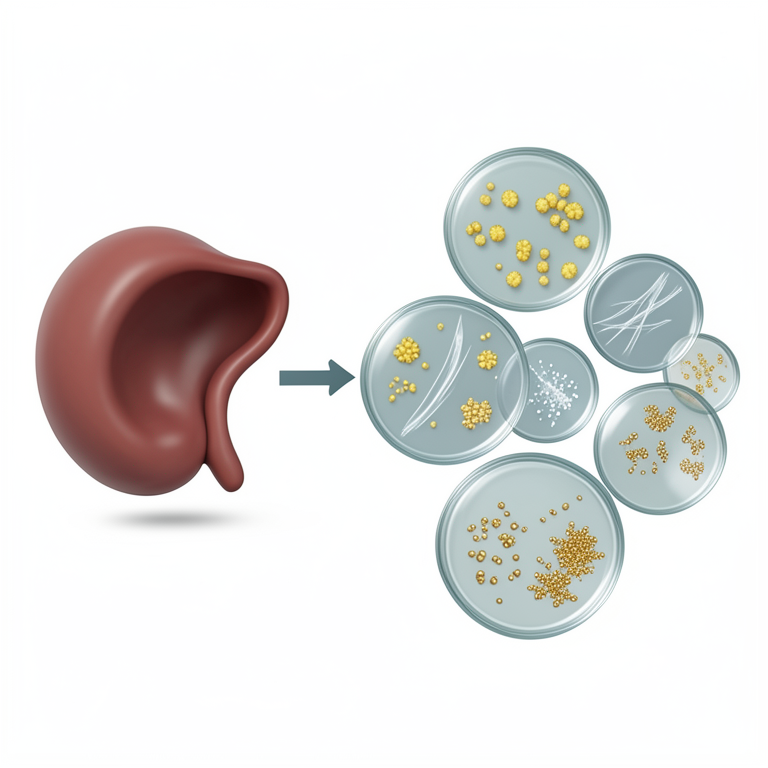
Distribution of Pathogens
AI-generated conceptual illustration (various bacterial species including Escherichia coli and Streptococcus). It explains the idea and does not show study data.
View source evidence ↗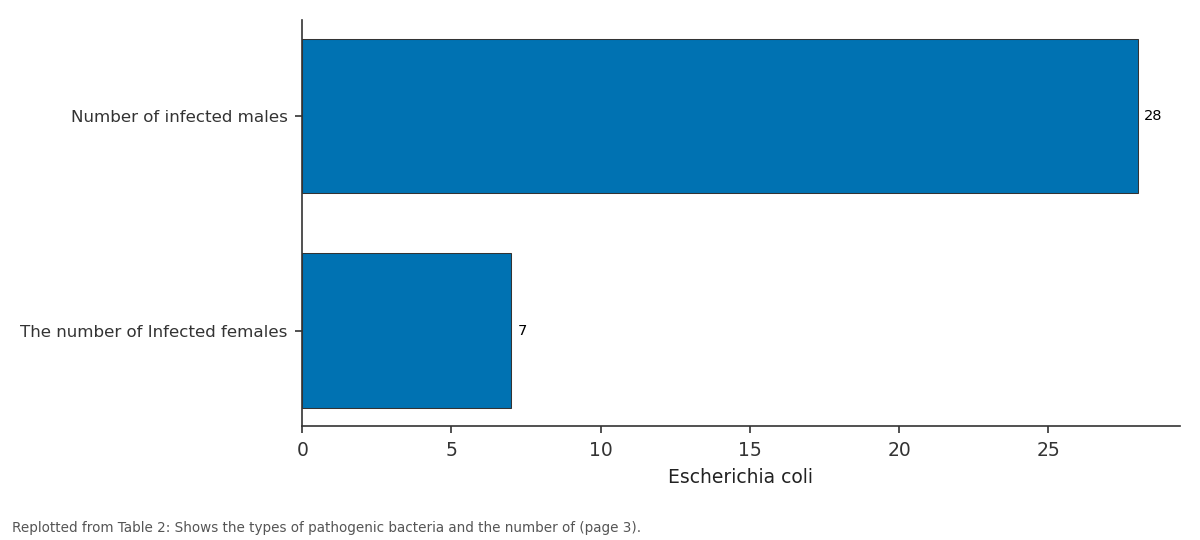
Escherichia coli: Number of infected males vs The number of Infected...
Replotted from Table 2 (page 3) of the original paper. Every bar is the paper's own table value.
View source evidence ↗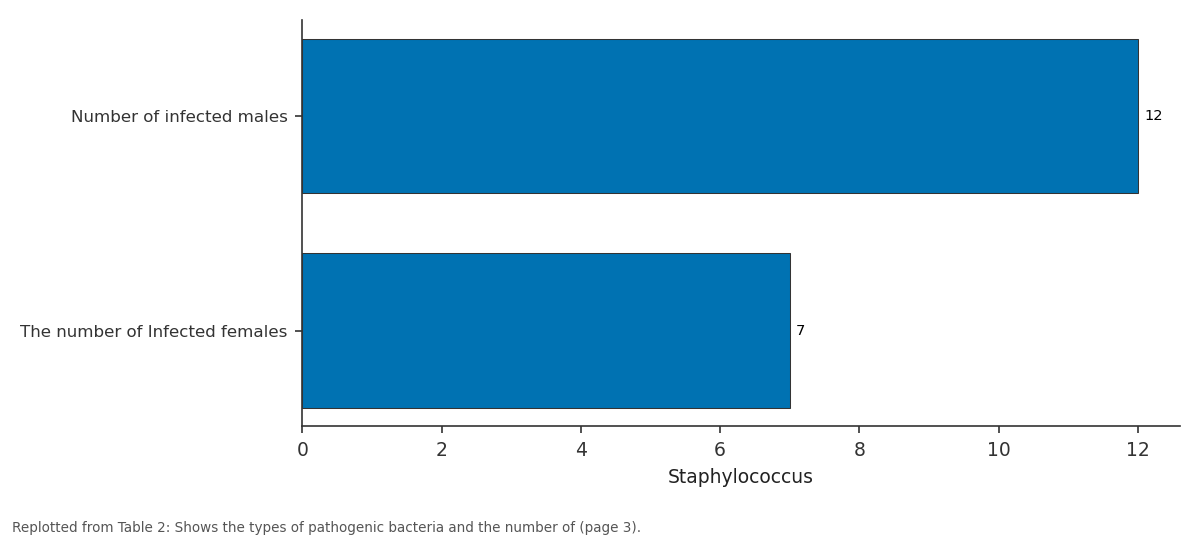
Staphylococcus: Number of infected males vs The number of Infected...
Replotted from Table 2 (page 3) of the original paper. Every bar is the paper's own table value.
View source evidence ↗Figures & tables
From the original paper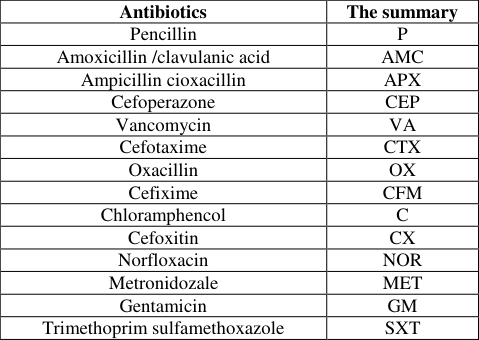 Table 1
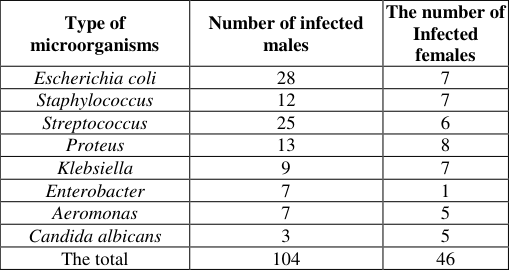 Table 2
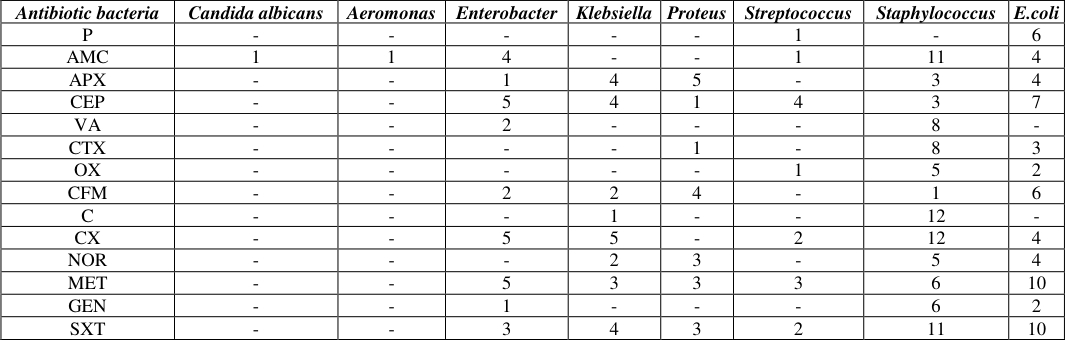 Table 3
Introduction
The urinary tract, consisting of the kidneys, ureters, and urethra, is one of the vital systems in the human body. Its function is crucial in filtering the blood of harmful substances and excess materials, eliminating them through urine. Urine, its characteristics, and its contents are good indicators of normal or pathological physiological status, in addition to the kidneys' other functions in maintaining the body's fluid balance. The widespread and indiscriminate use of antibiotics has increased the problem of urinary tract infections. Urinary tract infection (UTI) returns the reason for this is that the continued use of these antibiotics for long periods of time has led to the emergence of resistance in microorganisms and the appearance of a number of strains with high tolerance to antibiotics (Jawetz et al., 1989) [9] . Therefore, we can conclude that bacteria are the primary cause of many cases of urinary tract infections, among other organisms responsible for the disease. E. coli is one of the ost important types of Gram-negative bacteria that are isolated from urine samples of infected individuals. Staphylococcus, as well as Obiet et al. (1996) [14] , possess mechanisms of resistance to antibiotics (Jawetz et al., 2004) [10] . Urinary tract infections (UTIs) may be the sole infection a person experiences, or they may be secondary to other diseases. The infection may occur alone or alongside other conditions such as gastritis, malnutrition, and acute respiratory infections. UTIs are more closely related to the patient's overall health, gender, and age than to the specific symptoms of the various UTI conditions. Therefore, UTIs are among the most serious health problems affecting millions of people, particularly women. Women are more susceptible than men due to the shorter urethra, the absence of prostatic secretions, pregnancy, and greater susceptibility to fecal contamination.
Another study proved that the occurrence of UTI increases in sexually active women more than in other groups of women (Howes, 2001) [7] . This disease is not common among men, but it is extremely dangerous if a man is infected with it compared to women. Urine is free of any bacterial, viral, or fungal contamination. Urinary tract infection occurs when bacteria from the digestive system, specifically those present in the anus and very close to the urethral opening, reach the anus and begin to grow and multiply. The infection may be caused by a single type of bacteria, such as E. coli, starting in the urethra and then spreading to the bladder. If left untreated, it can spread to the ureters and then to the kidneys. It can also spread via other routes, such as from the blood to the kidneys or from the intestines to the bladder via the lymphatic system in infected individuals or those exhibiting symptoms. People vary in their susceptibility to the disease, with some being more prone than others. Furthermore, any urinary tract abnormality that obstructs or impedes urine flow increases susceptibility because urinary stasis provides an opportunity for bacterial growth. This disease is common during childhood. (Vernon et al., 1997) [15] . Women who contracted the disease. Women are more susceptible to recurrent infections, as studies have indicated a higher risk of reinfection due to the presence of probiotic factors in the cells lining the urinary tract. These factors facilitate bacterial adhesion and subsequent migration into the urinary system. This has also been linked to similarities in blood types among women who experience recurrent infections. Jantaush et al. (1994) [8] suggested that specific blood group patterns may play a role in susceptibility. The prevalence of the disease varies depending on geographical and health conditions (Fargason et al., 1995) [5] , with poor sanitation and malnutrition contributing to higher infection rates (Develay). Also noted this. Others (1996) indicated that poor health conditions contribute to the increased incidence and spread of many diseases, especially those related to these infections. Numerous studies have shown that urinary tract infections are a cause of kidney damage. Furthermore, women with diabetes who have a history of urinary tract infections, particularly in the upper urinary tract, experience a higher prevalence of kidney damage compared to those without urinary tract infections (Wullt, 2003) [16] . It has been found that the pathogenicity of urinary tract infections is not limited to the acute phase but extends to the chronic stage. Renal scarring, which leads to kidney dysfunction, is particularly dangerous in adolescents and children. This scarring can progress to an advanced stage, especially if there is a delay in diagnosis and treatment. Urinary tract infection Abu Daia et al. (2000) [3] .
Classification of urinary tract infections (UTI)
Urinary tract infections are classified into several groups, including: acute cystitis and recurrent cystitis. Cystitis, acute pyelonephritis, urinary tract infections (UTIs) related to indwelling, asymptomatic bacteriuria, chronic bacteriuria, urethritis, and prostatitis.
Factors contributing to urinary tract infections
It is common for a person to develop a urinary tract infection without showing any obvious symptoms. Some contributing factors, as mentioned by Orenstein and Wong in 1999, are as follows:
1. The presence of congenital defects in the urinary tract, including the congenital defect between the bladder and the ureter, or what is called Vesicoureteral Reflux. This is due to the backflow of urine to varying degrees, which causes frequent urinary tract infections and may also lead to kidney failure if it is not treated early. 2. Urinary tract obstruction, which leads to recurrent urinary tract infections, which may be followed by kidney atrophy and then kidney failure. The causes of obstruction are due to the formation of kidney stones or the presence of congenital defects in the urinary tract. 3. Pressure from the uterus on the ureter during pregnancy may lead to urinary retention and subsequently to inflammation, especially bacterial pyelonephritis. 4. Sexual contact with a person infected with the bacteria that cause the infection. 5. Having diabetes makes patients susceptible to urinary tract infections, whether bacterial or fungal.
Symptoms associated with urinary tract infection
Bacterial urinary tract infections have telltale symptoms.
The patient may complain of some of them, and this condition is called symptomatic bacteriuria. Some of these symptoms are: 1. Pain in the upper urinary tract, which can occur with pyelonephritis (kidney infection). 2. Burning sensation during urination, and a strong urge to urinate, but the patient finds it difficult to do so, resulting in a dribbling urine stream. 3. The appearance of blood in the urine may be microscopic or visible to the naked eye. 4. Discharge of pus from the urethra. Also, a person may have an infection but show no symptoms; this condition is called asymptomatic bacteriuria.
Materials and Methods
Materials and Methods
Materials
Materials
Methodology of research procedures Sample collection from patients
Samples were collected from patients referred to Al-Madain, Al-Nahrawan, and Al-Mahmoudiya hospitals in southern Baghdad Governorate from the beginning of April 2023 to the end of April 2025, in cooperation with the Baghdad/Rusafa II Health Directorate. A questionnaire was used to collect information from patients, including their name, age, gender, address, and type of treatment. Urine samples were collected from the hospital's outpatient laboratory and transported to the bacteriology laboratory with the assistance of the support staff.
Microscopic examination of urine from sample members
Urine samples were collected and placed in test tubes. They were centrifuged at 5000 rpm for 15 minutes. The filtrate was discarded, and the deposit was collected. A drop of the deposit was placed on a clean glass slide, covered with a slide cap, and examined under a microscope at 40x magnification to detect pus cells (Al-Dabbagh, 1998) [2] .
Culture on media
Urine samples were collected and cultured on suitable media, namely blood agar and MacConkey agar. All urine samples were cultured on these media to isolate the bacteria causing the urinary tract infection, and then diagnosed using a number of conventional tests (Al-Ismail 2007).
Isolation and diagnosis of bacteria
The bacteria were identified by culture on enriched blood agar. Based on colony growth, hemolysis, and differential maconkey agar medium.The diagnosis was based on the bacteria's ability or inability to ferment Biochemical tests were also used, and the diagnosis was confirmed using the API 20 system. The current study also found that some individuals did not exhibit clinical symptoms of the disease despite positive bacterial culture results. This, in turn, leads to a complex disease progression that negatively impacts the individual's health. The reason for negative bacterial culture results despite the presence of pus cells is that the patients may have taken antibiotics before the samples were taken, thus preventing the bacteria from appearing in the sample. The cause may also be a virus that does not grow in environments near the city center, or it may be bacteria that are not isolated using routine methods, such as anaerobic bacteria and other microorganisms. (Al-Ismail, 2007)
Materials needed for resistance testing
• Bacterial cultures aged 24-48 hours.
• Petra dishes containing sterile culture medium • Antibiotic tablets (Multidisc or Unidisc)
Method of operation for resistance testing
• Using sterile forceps, take one of the tablets containing the antibiotics and place it in one corner of the plate containing the bacterial culture, and press it down slightly to obtain good contact between the tablet and the medium.
• Repeat the above steps with the remaining discs, ensuring that the number of discs is approximately (6) per plate. • Incubate the plates upside down at a temperature of (37) °C for (24-48) hours. Then, record observations of the inhibition zones surrounding the discs by measuring the diameter of the zone in millimeters and comparing the inhibition zones for different antibiotics and types of bacteria. The different types of bacteria were then compared with the values in the attached table to determine whether the bacteria were resistant, intermediately resistant, or sensitive.
Study results for sample members
The results of the current study, after analysis, showed that the number of infected male samples was (104) out of a total of (150) samples, representing 69.3%, positive for bacterial growth. Of these samples, (28) were E. coli and ( 9) were other bacteria. Klebsiella (12) samples belonging to bacteria Staphylococcus (13) One sample belonging to Proteus bacteria and (25) samples belonging to bacteria Streptococcus (7) Sample Enterobacter (3) Sample Candida albicans (7) The sample belongs to Aeromonas, and E. coli bacteria are among the most common types of bacteria causing urinary tract infections in both women and men. [3] and Al-Dabbagh 1998 [2] . The results of the urine sample analysis showed that the infection was present in (104) males out of a total of (150) samples, with (633) positive for microbial growth. Of these infected samples, (28) isolates were identified as belonging to Escherichia coli, (9) isolates as belonging to Klebsiella, (12%) isolates as belonging to Staphylococcus aureus, (13) isolates as belonging to Proteus, and (25) isolates as belonging to Streptococcus. As shown in Table (2) It was observed that E. coli was one of the most common causes of UTIs, consistent with the findings of researcher Ali. ( 2011) and (2001, Akbar et al, Wullt et al 2003) [16] .
As it was the most common cause, it also came in agreement with the researcher (Wajihah 2007).
In addition to other bacteria isolated as pathogens, Grampositive bacteria such as Staphlococcus and Streptococcosis were also found in association with inflammatory conditions In studying the incidence of the disease according to age groups, the results showed a significant effect of age groups, with the most affected groups
Figures and tables from the paper
| Antibiotics | The summary |
|---|---|
| Pencillin | P |
| Amoxicillin /clavulanic acid | AMC |
| Ampicillin cioxacillin | APX |
| Cefoperazone | CEP |
| Vancomycin | VA |
| Cefotaxime | CTX |
| Oxacillin | OX |
| Cefixime | CFM |
| Chloramphencol | C |
| Cefoxitin | CX |
| Norfloxacin | NOR |
| Metronidozale | MET |
| Gentamicin | GM |
| Trimethoprim sulfamethoxazole | SXT |
Table text extracted from the original PDF; superscript letters are shown inline. The original table image is below.
View original table image
| Type of microorganisms | Number of infected males | The number of Infected females |
|---|---|---|
| Escherichia coli | 28 | 7 |
| Staphylococcus | 12 | 7 |
| Streptococcus | 25 | 6 |
| Proteus | 13 | 8 |
| Klebsiella | 9 | 7 |
| Enterobacter | 7 | 1 |
| Aeromonas | 7 | 5 |
| Candida albicans | 3 | 5 |
| The total | 104 | 46 |
Table text extracted from the original PDF; superscript letters are shown inline. The original table image is below.
View original table image
| Antibiotic bacteria | Candida albicans | Aeromonas | Enterobacter | Klebsiella | Proteus | Streptococcus | Staphylococcus | E.coli |
|---|---|---|---|---|---|---|---|---|
| P | - | - | - | - | - | 1 | - | 6 |
| AMC | 1 | 1 | 4 | - | - | 1 | 11 | 4 |
| APX | - | - | 1 | 4 | 5 | - | 3 | 4 |
| CEP | - | - | 5 | 4 | 1 | 4 | 3 | 7 |
| VA | - | - | 2 | - | - | - | 8 | - |
| CTX | - | - | - | - | 1 | - | 8 | 3 |
| OX | - | - | - | - | - | 1 | 5 | 2 |
| CFM | - | - | 2 | 2 | 4 | - | 1 | 6 |
| C | - | - | - | 1 | - | - | 12 | - |
| CX | - | - | 5 | 5 | - | 2 | 12 | 4 |
| NOR | - | - | - | 2 | 3 | - | 5 | 4 |
| MET | - | - | 5 | 3 | 3 | 3 | 6 | 10 |
| GEN | - | - | 1 | - | - | - | 6 | 2 |
| SXT | - | - | 3 | 4 | 3 | 2 | 11 | 10 |
Table text extracted from the original PDF; superscript letters are shown inline. The original table image is below.
View original table image
References
15 in the original paper- Al-Smaeel WAKM. Bacteria Causing Urinary Tract Infections, Especially Escherichia coli and Type Antibiotic Resistance in Saudi Arabia. Master's thesis. College of Science, King Saud University; 2007.
- Al-Dabbagh NN. Isolation and diagnosis of urinary isolates from children with bacteriuria causing urinary tract infections. Master's thesis. University of Babylon; 1998.
- Abu Daia JM, Al-Aaly M, De Castro R. Urinary tract infection in childhood. Saudi Med J. 2000;21(8):711714.
- Devely A, Fontaine A, Guiot-Rodriguez M, Brodin M. Analysis of pediatric home care services of the Assistance Publique-Hôpitaux de Paris. Arch Pediatr. 1996;3(1):28-34. doi:10.1016/0929-693X(96)89849-5
- Fargason CA Jr, Bronstein JM, Johnson VA. Patterns of care received by Medicaid recipients with urinary tract infections in pediatrics. Pediatrics. 1995;96(4 Pt 1):638642.
- Hoberman A, Wald ER. Urinary tract infections in young febrile children. Pediatr Infect Dis J. 1997;16(1):11-17. DOI:10.1097/00006454-199701000-00004
- Howes DJ. Urinary tract infection in female. Med J. 2001;2:9-13.
- Jantausch BA, Criss VR, O'Donnell R, et al. Association of Lewis blood group phenotypes with urinary tract infection in children. J Pediatr. 1994;124(6):863-868. DOI:10.1016/s0022-3476(05)83172-1
- Jawetz E, Melnick JL. Medical Microbiology. 18th ed. Library Dliban; 1989.
- Jawetz E, Melnick JL, Adelberg EA, Brooks GF, Butel JS, Morse SA. Medical Microbiology. 23rd ed. McGraw-Hill Companies; 2004.
- Millar LK, Cox SM. Urinary tract infections complicating pregnancy. Infect Dis Clin North Am. 1997;11(1):13-26. doi:10.1016/s0891-5520(05)70339-1
- Oelschlaeger TA, Dobrindt U, Hacker J. Pathogenicity islands of uropathogenic E. coli and the evolution of virulence. Int J Antimicrob Agents. 2002;19(6):517521. DOI:10.1016/s0924-8579(02)00093-4
- Obiet CL, Tarupiwa A, Simango C. Scope of urinary pathogens isolated in the Public Health Bacteriology Laboratory, Harare: Antibiotic susceptibility patterns of isolates and incidence of haemolytic bacteria. Cent Afr J Med. 1996;42(8):244-249.
- Vernon SJ, Foo CK, Coulthard MG. How general practitioners manage children with urinary tract infection: An audit in the former Northern Region. Br J Gen Pract. 1997;47(418):297-300.
- Wullt B, Bergsten G, Samuelsson M, Svanborg C. The role of P fimbriae for Escherichia coli establishment and mucosal inflammation in the human urinary tract. Int J Antimicrob Agents. 2003;21(6):522-530. DOI:10.1016/s0924-8579(03)00054-0