
Research article · 2026 · Full text
International Journal of Horticulture and Food ScienceIntegrating poultry into jasmine (Jasminum sambac L.) cultivation: A sustainable strategy for weed suppression, biological pest management, soil health improvement, and enhanced farm productivity
Volume 8(8S) · Pages 34–47 · DOI: 10.33545/26631067.2026.v8.i8sa.843 ↗
Research areasAgroforestry and silvopastoral systemsAgricultural Systems and PracticesLivestock and Poultry Management
Abstract
Author-writtenThe growing emphasis on resource-efficient and ecologically sound agriculture has renewed interest in integrated crop-livestock systems that reduce dependence on synthetic inputs while sustaining yield and environmental quality. Jasminum sambac L., a economically significant ornamental and aromatic crop cultivated widely across South and Southeast Asia, faces persistent production constraints from weed competition and insect infestation, including termite damage in several cultivation zones. Conventional control measures, based largely on repeated herbicide and pesticide applications, raise input costs, disrupt non-target soil biota, and pose long-term risks to soil and ecosystem health. Poultry integration within perennial cropping systems offers an alternative agroecological strategy, combining biological weed and pest suppression with nutrient recycling and income diversification. This review examines existing evidence on poultry-crop integration in perennial systems and appraises its applicability to jasmine cultivation. Free-ranging poultry exhibit foraging behaviours scratching, pecking, and soil disturbance that reduce weed seed banks and seedling establishment while lowering populations of soil-surface arthropods and insect larvae, thereby complementing integrated pest management strategies. Concurrently, poultry excreta contribute organic matter and readily available nutrients, enhance microbial biomass and activity, and improve soil aggregation and nutrient turnover. Beyond agronomic outcomes, such integration may lower labour costs associated with manual weeding and generate supplementary revenue through poultry meat and egg production, improving overall farm-level economic resilience. However, empirical evidence specific to jasmine-poultry systems remains scarce, with most supporting data derived from orchard, vineyard, and agroforestry contexts. This gap underscores the need for controlled, replicated field trials to determine optimal poultry stocking densities, breed suitability, and management protocols under jasmine cultivation conditions. Future investigations should quantify the effects of poultry integration on weed suppression efficacy, pest incidence, soil physicochemical and microbial properties, flower yield and quality, and overall economic and environmental performance. This synthesis positions poultry integration as a viable, climate-smart component of sustainable jasmine production systems, while highlighting the necessity of rigorous, evidence-based validation to inform its adoption at commercial scale.
Summary
Source-checkedPlain-language reading of the full paper, prepared with AI and checked against the text. Each point links to the authors' own words.
Why it matters
- Jasmine (Jasminum sambac L.) is an economically important aromatic crop in South and Southeast Asia that is frequently hindered by weeds, insects, and termites. View evidence ↗
- Standard methods for controlling pests and weeds rely on herbicides and pesticides, which increase costs and can damage soil health and non-target organisms. View evidence ↗
- Integrating poultry into perennial crops is an agroecological alternative that can suppress pests and weeds while recycling nutrients and diversifying farm income. View evidence ↗
The question
- The authors aim to address the lack of specific evidence regarding poultry integration in commercial jasmine plantations, as most existing data comes from orchards or vineyards. View evidence ↗
What they did
- The study uses an evidence-informed narrative synthesis to evaluate the plausibility of poultry integration in jasmine systems. View evidence ↗
- The authors searched seven major scientific databases for literature published between 1990 and 2026, including seminal earlier works. View evidence ↗
- The methodology prioritized direct evidence from jasmine studies, treating data from other perennial systems as indirect or transferable evidence. View evidence ↗
What they found
- Based on general poultry behavior, free-ranging birds can suppress weed emergence and reduce pest populations by consuming seeds, seedlings, and various insects. View evidence ↗
- Poultry manure provides essential nutrients like nitrogen, phosphorus, and potassium, which support soil microbes and improve nutrient cycling. View evidence ↗
- Evidence from Indian mango and litchi orchards indicates that poultry integration can benefit resource use and farm diversification. View evidence ↗
- Poultry foraging is selective and unlikely to control pests that are protected within the plant's upper canopy or internal tissues. View evidence ↗
- While poultry may eat exposed termites, this is not the same as suppressing an established termite colony. View evidence ↗
- Integrated systems do not automatically lower costs, as profitability depends on whether the income from poultry offsets the new expenses for feed and labor. View evidence ↗
What it means
- The authors conclude that the most significant benefit of poultry integration is likely resource recycling rather than the total replacement of conventional inputs. View evidence ↗
- The authors recommend treating poultry-jasmine integration as a research hypothesis that requires further validation before being adopted as a production technology. View evidence ↗
- The primary limitation of the current assessment is the absence of field evidence specifically conducted within jasmine crops. View evidence ↗
Visual summary
1 visualsIllustrations explain the paper; they do not show study data.
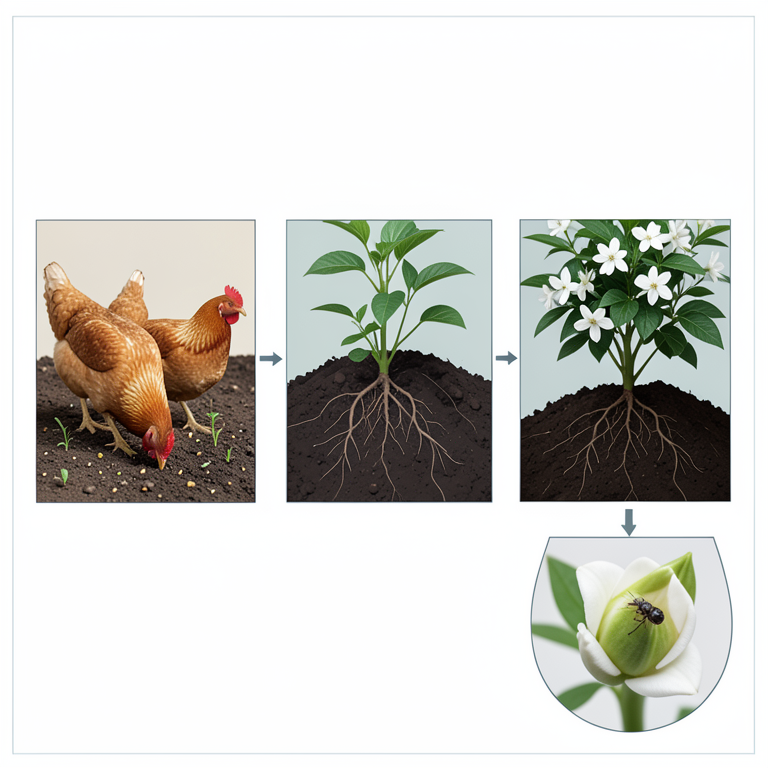
The Poultry-Jasmine Interaction Cycle
AI-generated conceptual illustration (free-range chickens and jasmine plants). It explains the idea and does not show study data.
View source evidence ↗Figures & tables
From the original paper Figure 1
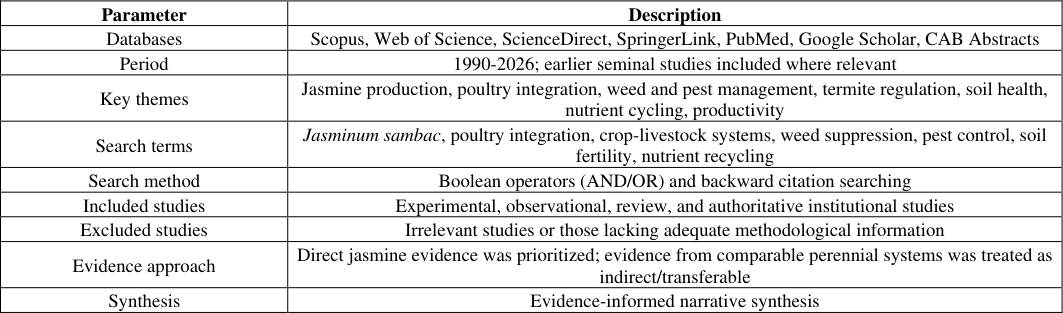 Table 1
 Table 2
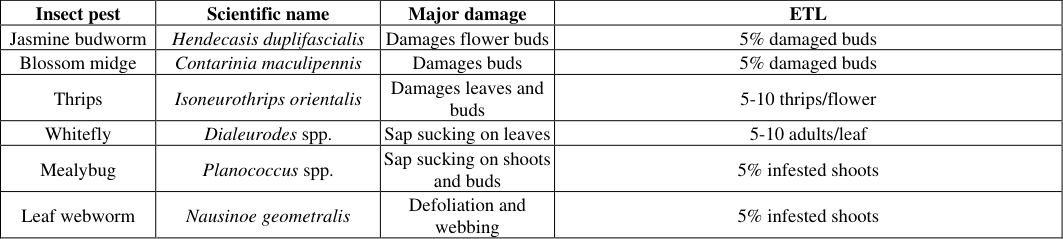 Table 3
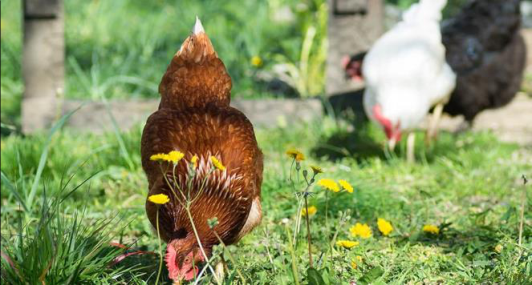 Figure 2
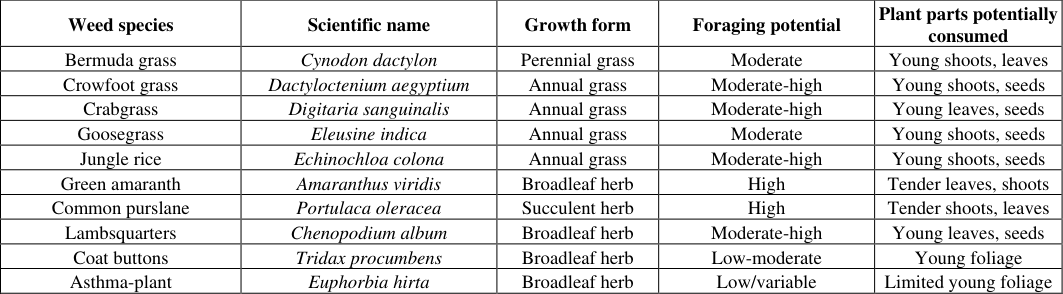 Table 4
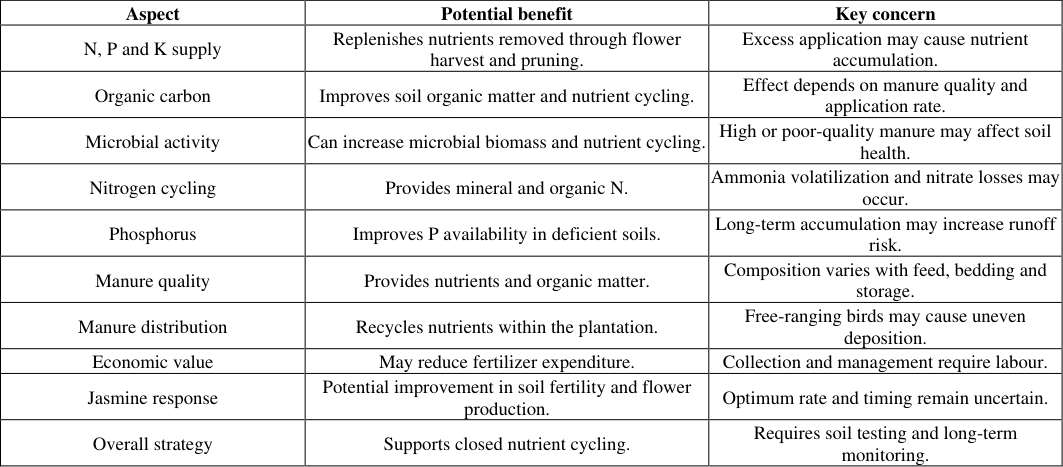 Table 5
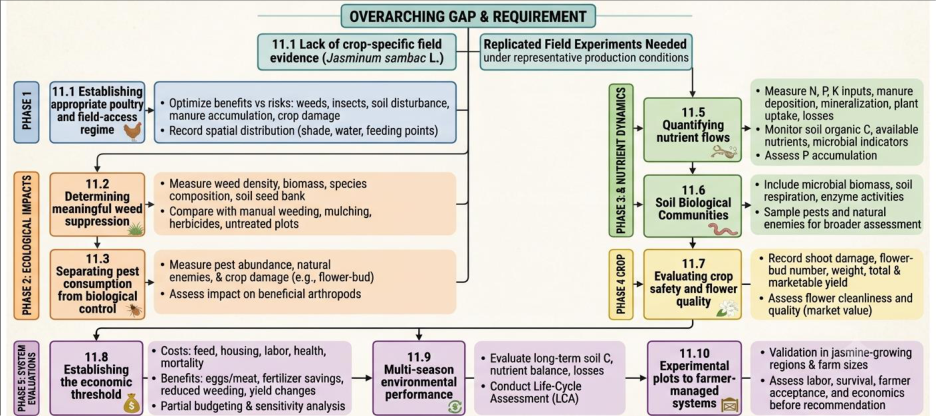 Figure 3
Introduction
Global agriculture stands at a difficult juncture. Rising food demand, shrinking arable land, biodiversity loss, and an increasingly unstable climate have put pressure on farming systems to produce more while degrading less. For much of the twentieth century, the answer to this pressure was intensification through synthetic fertilizers, herbicides, and pesticides a strategy that undeniably raised yields but left behind a well-documented trail of soil degradation, water contamination, pesticide resistance, and declining populations of beneficial organisms (Altieri, 1999; Tilman et al., 2002; Pretty, 2008; Foley et al., 2011; Gliessman, 2015) [2,11,21,33,44] . It is against this backdrop that Integrated Farming Systems (IFS) have gained renewed attention, not as a rejection of productivity but as an attempt to achieve it differently by folding livestock, poultry, fisheries, or forestry into cropping systems so that nutrients, labor, and biological processes are recycled rather than replaced with external inputs. Farmers who adopt such systems tend to see gains on more than one front: better soil fertility, greater resilience to shocks, and income that no longer depends on a single commodity (Herrero et al., 2010; Thornton, 2010; Gliessman, 2015; Lal, 2020) [21,24] . Within this broader movement, poultry integration into perennial cropping systems has drawn particular scientific interest, largely because chickens do considerably more for a farm than lay eggs. Jasmine (Jasminum sambac L., family Oleaceae) is a case in point for where this kind of integration could matter. It is among the most commercially important ornamental and aromatic crops grown across the tropics and subtropics, prized for a fragrance that anchors entire segments of the perfume, cosmetic, pharmaceutical, and religious-flower industries. India alone accounts for a substantial share of world production, with cultivation concentrated in Tamil Nadu, Karnataka, Andhra Pradesh, Telangana, and Uttar Pradesh, where the crop supports rural livelihoods well beyond the farm gate through garland-making, oil extraction, and local flower markets (Bhattacharjee, 2006; Bose et al., 2003; Singh, 2006; Kannan et al., 2017; Ravindran et al., 2019) [6,7,38] . Because jasmine is perennial, it can, in principle, produce flowers year-round, which is precisely what makes it attractive to smallholders and precisely what makes its recurring production constraints so costly. Chief among these constraints is weed competition. Weeds draw down the same nutrients, moisture, and light that jasmine plants need, and in a perennial plantation they do so continuously rather than during a single cropping window. They also complicate harvesting, provide cover for insect pests, and are linked to higher disease incidence. The conventional response manual weeding or repeated herbicide application solves the immediate problem while creating others: manual weeding is labor-intensive and increasingly expensive as rural labor becomes scarce, while sustained herbicide use has been associated with resistance evolution, off-target environmental damage, and a slow erosion of soil biological health (Swanton and Weise, 1991; Duke and Powles, 2008; Heap, 2014; Harker and O'Donovan, 2013; Chauhan, 2020) [10,15,22,23,42] . Insect pests and termites add a second layer of difficulty. Termites are, ecologically speaking, indispensable decomposers, but several species cross the line into economically damaging pests when they feed on roots and woody tissue near cultivated plants a problem that intensifies under drought or where organic matter management is poor. Here too, the default response has been chemical: synthetic insecticides remain the standard termite control measure, despite mounting concern over residues, resistance, and harm to non-target soil organisms, all of which have pushed researchers toward Integrated Pest Management (IPM) as a more durable alternative (Logan et al., 1990; Su and Scheffrahn, 2000; Kogan, 1998; Verma et al., 2009; Ratnadass et al., 2012) [26,27,34,41,45] . Poultry integration offers a way to address both problems at once, and it does so through behavior that chickens perform naturally rather than through any specialized intervention. Free-ranging birds scratch and peck at the soil surface, consuming weed seeds and seedlings alongside insects, larvae, termites, ants, and beetles activity that can suppress weed emergence and reduce certain pest populations while incidentally loosening and aerating the topsoil. What they leave behind is equally valuable: manure rich in nitrogen, phosphorus, potassium, calcium, and micronutrients that feeds soil microbial communities and improves nutrient cycling over time. Evidence from orchards, vineyards, agroforestry plots, and organic farms consistently points to lower labor and herbicide costs, improved soil condition, and an added income stream from eggs and meat once poultry are brought into the system (Fanatico et [13,16,18,30,36] . What is missing is evidence for jasmine specifically. Nearly all of the studies cited above were conducted in orchard, vineyard, or agroforestry settings none, to our knowledge, in commercial jasmine plantations. That gap is the starting point for this review. Rather than assume that findings from tree crops transfer directly to a low-growing, densely planted, continuously harvested crop like jasmine, we treat the question as open and worth examining systematically. This review therefore synthesizes what is currently known about poultry integration in perennial systems and considers, point by point, how it might apply to jasmine through weed suppression, biological pest and termite control, soil fertility enhancement, nutrient recycling, and the economics of a diversified farm enterprise. It also identifies where the evidence runs out and what a credible research agenda for jasmine-poultry integration would need to look like. The intent is to give researchers, extension officers, and farmers a starting point grounded in what the literature actually supports, rather than what seems intuitively plausible a distinction that matters if poultry integration is to be adopted on jasmine farms with any confidence.
Jasmine Cultivation: Economic Significance and Production Constraints
Jasminum sambac L. is one of the important commercial jasmine species cultivated in southern India, with Tamil Nadu being a major production region. The crop has considerable importance in rural economies because its flowers are used for garlands, religious purposes, personal adornment and fragrance-related products. Unlike many annual crops, jasmine provides repeated harvests during the flowering season, allowing growers to receive income at relatively frequent intervals. This feature has contributed to its popularity among small and marginal farmers, although the actual profitability of cultivation varies with yield, flower quality, labour expenditure and market price (ICAR-CCARI, 2021; Janaki Rani and Murugan, 2020) [25] . [4,25,31] . Production losses are also associated with insect pests and diseases. Damage to young shoots, leaves and flower buds can directly reduce the quantity of flowers available for sale. Disease problems are particularly important when they affect the flowering capacity of established bushes. Phytoplasma-associated disorders have been reported in Jasminum sambac and can produce serious symptoms in affected plants (Panda et al., 2023). Crop protection therefore remains an important part of jasmine management. Although insecticides and other chemical inputs are widely used, dependence on repeated applications can increase production expenditure and may create problems involving pesticide resistance, residues and effects on non-target organisms. Integrated pest management offers a more appropriate long-term approach where preventive and biological measures can be combined with need-based chemical control. Weeds constitute another persistent constraint in jasmine plantations. Because the crop remains in the field for several years, weeds can compete repeatedly for soil moisture, nutrients and light. They can also make movement through the plantation difficult during harvesting and other field operations. Manual removal is commonly used but requires considerable labour, while herbicide use must be carefully managed because of the possibility of crop injury and environmental effects. Timely weeding and mulching are therefore important components of routine jasmine management (National Horticulture Board, 2025). Nutrient and water management have a direct bearing on sustained flower production. Repeated harvesting removes nutrients from the field, while inadequate or poorly timed fertilizer application can restrict vegetative growth and flowering. Research on J. sambac has indicated that fertilizer scheduling, including split application, can influence production and economic returns (Kerala Agricultural University, 2011; Mangroliya et al., 2022) [28] . Water availability is equally important. Irregular rainfall, prolonged dry periods and excessive soil moisture may affect plant growth and flowering. Efficient irrigation, drainage and moisture conservation are consequently necessary where rainfall is unreliable. Labour remains one of the more difficult constraints because jasmine requires repeated manual operations. Harvesting itself is labour intensive, and additional labour is required for pruning, weeding, pest management, grading and packing. The problem becomes more pronounced during periods of heavy flowering, when harvesting cannot easily be postponed. Surveys of jasmine growers in Tamil Nadu have identified labour shortage and rising labour costs as important concerns (Janaki Rani and Murugan, 2020; Anand et al., 2023) [4,25] . These constraints provide a rationale for examining alternative production arrangements rather than addressing each problem separately. Integration of poultry with jasmine could potentially add another source of farm income and facilitate recycling of nutrients through poultry manure. Poultry foraging may also influence weed growth and some soil-surface arthropods. However, evidence obtained from orchards and other cropping systems cannot automatically be applied to J. sambac. The effects of bird density, duration of access, crop age, plant architecture, manure accumulation and possible damage to jasmine plants need to be established under field conditions. Poultry-jasmine integration should therefore be considered a promising research avenue rather than a validated production practice
Literature Search Strategy and Scope of the Review
A structured literature search was conducted to identify published evidence relevant to the integration of poultry with perennial crop production, with particular emphasis on Jasminum sambac L., weed suppression, biological pest management, termite regulation, soil health, nutrient cycling, and farm-level productivity. Literature was searched using major scientific databases, including Scopus, Web of Science, PubMed, ScienceDirect, SpringerLink, Google Scholar, and CAB Abstracts, supplemented by searches of relevant institutional and agricultural research databases. The search covered literature published primarily between 1990 and 2026, while earlier seminal studies were considered where they provided important conceptual or historical foundations for integrated pest management, agroecology, mixed farming, or crop-livestock integration. Search terms were developed around four major themes: (i) jasmine production, (ii) poultry integration, (iii) ecological and agronomic functions, and (iv) sustainability and farm productivity. Representative search strings included combinations of terms such as "Jasminum sambac", jasmine cultivation, jasmine production, poultry integration, chicken integration, poultry-crop systems, integrated farming systems, agroecology, free-range poultry, orchard poultry, weed suppression, weed management, insect pest suppression, termite control, biological pest management, soil health, soil fertility, nutrient cycling, organic manure, nutrient recycling, farm productivity, farm diversification, and sustainable agriculture. Boolean operators such as AND and OR were used to combine terms and broaden or refine the search where appropriate. Reference lists of relevant review articles and key primary studies were also examined through backward citation searching to identify additional literature not retrieved through database searches. Studies were considered eligible when they provided evidence directly relevant to one or more of the following themes: (1) jasmine cultivation, production economics, pests, diseases, weed management, nutrient management, or soil health; (2) poultry integration with perennial crops, orchards, agroforestry, or other comparable cropping systems; (3) effects of poultry foraging on weeds, insects, or other soil-surface organisms; (4) poultry manure and nutrient recycling; (5) effects of integrated crop-livestock systems on soil properties, farm productivity, or resourceuse efficiency; and (6) economic, environmental, or management implications of diversified farming systems. Both experimental and observational studies were considered, while high-quality review articles were used to establish broader conceptual and mechanistic frameworks. Priority was given to peer-reviewed journal articles, systematic and narrative reviews, authoritative books, and publications from recognized agricultural research institutions and international organizations. Studies were excluded when they lacked sufficient methodological or bibliographic information, were unrelated to the objectives of the review, or concerned production systems that were not reasonably comparable to jasmine or perennial horticultural systems. Where direct evidence from J. sambac was unavailable, evidence from other perennial horticultural systems, particularly orchards, agroforestry systems, and diversified crop-livestock systems, was considered as indirect or transferable evidence rather than as direct evidence for jasmine. The literature was subsequently organized into five principal thematic areas: (i) economic significance and production constraints of jasmine; (ii) poultry-mediated weed suppression; (iii) biological regulation of insect pests and termites; (iv) effects of poultry integration on soil health and nutrient cycling; and (v) economic, environmental, and productivity implications of integrated poultry-jasmine production. Particular attention was given to distinguishing experimentally demonstrated effects from proposed or context-dependent mechanisms. This distinction was considered essential because direct research on poultry integration specifically within commercial J. sambac plantations appears to be limited. Accordingly, the review synthesizes evidence from jasmine-specific studies together with evidence from comparable perennial and integrated farming systems, while explicitly identifying areas where conclusions remain uncertain and require field validation. The review therefore adopts an evidence-informed narrative synthesis rather than claiming a fully systematic review or meta-analysis. The primary objective was to assess the scientific plausibility, potential benefits, limitations, and research requirements associated with integrating poultry into jasmine production systems, and to identify priority areas for future experimental research under field conditions.
Weed Interference in Jasmine Plantations and the Shortcomings of Conventional Control
Weed management is a recurring requirement in Jasminum sambac L. because plantations remain in the field for several years. Weed pressure is often pronounced during establishment and following pruning, when increased soil exposure favours weed emergence. Irrigation and fertilizer application can further support weed growth. Weeds compete with jasmine for water, nutrients, light and growing space, and heavy infestation can increase the labour required for maintaining the plantation. However, the magnitude of yield loss specifically attributable to weeds in jasmine has not been adequately quantified under different production environments. This limitation is important when evaluating alternative weed-management strategies (Swanton and Weise, 1991; Harker and O'Donovan, 2013; Chauhan, 2020) [10, 22, 42] .
Limitations of manual weed control
Manual weeding remains useful in jasmine because weeds can be removed selectively without exposing the crop to herbicides. Its major limitation is the labour requirement. Repeated weed removal may be necessary during active crop growth, particularly where rainfall or irrigation favours successive weed flushes. Rising wages and declining availability of agricultural labour can therefore increase the cost of maintaining perennial jasmine plantations. Delayed weeding can further increase the difficulty of removal because mature weeds develop stronger root systems and may contribute additional seeds to the soil seed bank.
Manual cultivation should consequently be regarded as one component of weed management rather than a practical stand-alone solution for all production situations (Harker and O'Donovan, 2013; Chauhan, 2020) [10,22] .
Herbicide use and its limitations
Herbicides provide relatively rapid weed suppression and can reduce dependence on manual labour. Their use in perennial jasmine, however, requires careful consideration of crop age, weed spectrum, application rate, timing and the possibility of spray contact with jasmine foliage or stems. Repeated dependence on herbicides with similar modes of action can also favour the development of herbicideresistant weed populations. The global expansion of resistance has strengthened the case for integrated weed management rather than reliance on chemical control alone (Duke and Powles, 2008; Heap, 2014) [15,23] . Herbicide movement into soil and water and possible effects on nontarget organisms are additional concerns. Thus, chemical control is most appropriately incorporated as a targeted measure within a broader weed-management programme.
Cultural and mechanical approaches
Cultural practices such as mulching, timely removal of emerging weeds and appropriate field sanitation can reduce weed establishment. Mulching may provide the additional benefits of conserving soil moisture and contributing organic matter as the material decomposes. Its effectiveness nevertheless depends on the availability and quality of mulch material. Mechanical cultivation can be useful between jasmine rows where sufficient space is available, but operations close to the plant base may injure roots or stems. Repeated soil disturbance may also stimulate the emergence of buried weed seeds. Combining cultural and mechanical measures according to plantation spacing, soil conditions and weed composition is therefore preferable to repeated use of a single practice.
Why an integrated approach is needed
The limitations associated with individual weed-control methods provide a strong rationale for integrated weed management. A combination of mulching, timely manual removal, suitable mechanical operations and need-based herbicide application can reduce the dependence on any single intervention. This approach is particularly relevant to jasmine because weed-management costs accumulate over the productive life of a perennial plantation. The economic value of an intervention should therefore be assessed over repeated production cycles rather than on the basis of a single weeding operation.
Poultry as a potential component of weed management
Poultry may provide an additional biological component through scratching and pecking behaviour. Chickens can disturb the soil surface and consume some weed seeds, seedlings and associated arthropods. Evidence from other perennial and integrated farming systems indicates that poultry activity can modify vegetation and ground-dwelling organisms, although the response depends on bird density, duration of access, availability of supplementary feed and vegetation characteristics (Clark and Gage, 1996; Dal Bosco et al., 2014) [11,13] . In jasmine, unrestricted access could also disturb the soil, injure young plants or result in uneven manure deposition. Managed access is therefore more appropriate for experimental evaluation. The relevant question is whether poultry can reduce weed biomass, weeding frequency or labour expenditure without adversely affecting jasmine growth and flower production.
Evidence gap for jasmine
Evidence for poultry-based weed suppression has largely originated from orchards, agroforestry systems and other perennial cropping environments. Direct evidence for J. sambac remains limited. Jasmine differs from many orchard systems in its relatively compact growth habit, repeated pruning and frequent manual flower harvesting. Poultry movement could consequently affect crop management and flower cleanliness in ways that are not apparent in widely spaced tree crops. Field experiments should therefore compare different poultry densities and access periods while recording weed biomass and composition, labour requirements, herbicide use, jasmine growth, flower yield, flower quality and economic returns. Until such evidence is available, poultry should be considered a potential supplementary component of integrated weed management, rather than a substitute for established control practices.
Termites and Insect Pests in Jasmine: Ecological Function versus Economic Injury
In a perennial jasmine plantation, the presence of insects does not necessarily indicate an economically damaging infestation. Jasminum sambac L. provides a relatively stable habitat for herbivores, predators, parasitoids and decomposers, and these groups interact throughout the crop cycle. The practical objective of pest management is therefore not complete insect elimination but prevention of pest populations from reaching levels that reduce plant growth, flower production or marketable quality. This principle is consistent with integrated pest management (IPM), which emphasizes monitoring, biological regulation and intervention based on economic importance rather than routine insecticide application (Kogan 1998; Ratnadass et al. 2012) [26,34] . The significance of an insect pest also depends on the plant part attacked. Damage to older leaves may have limited economic consequences when adequate photosynthetic tissue remains, whereas injury to flower buds can directly reduce the harvested product. Pest pressure during bud formation and flowering is consequently of particular concern in jasmine. Crop age, cultivar, weather, plant nutrition and surrounding vegetation may further influence pest abundance and damage, making regular field monitoring more appropriate than fixed calendar-based spraying.
Termites: Ecological organisms and potential crop pests
Termites have an important ecological function as decomposers and contributors to organic-matter turnover.
Their presence in agricultural soil should therefore not automatically be interpreted as crop damage. Economic concern arises when termites feed on living roots, stems or other plant tissues and cause measurable injury (Logan et al. 1990; Su and Scheffrahn 2000) [27] . In jasmine, termite activity may become more consequential where plants experience moisture stress or other conditions that reduce their tolerance to root injury. However, the importance of termites is likely to differ among production environments. The distinction between decomposition and crop injury is particularly relevant where organic materials are applied.
Termites associated with dead plant residues or manure may simply be participating in decomposition, whereas feeding on living jasmine tissues represents a different management concern. Thus, the effects of organic amendments on termite activity should be assessed alongside their benefits for soil fertility rather than assuming either a positive or negative relationship.
Insect pests and the importance of economic injury
Jasmine is attacked by insect pests affecting leaves, shoots, buds and flowers. From a grower's perspective, pests damaging reproductive structures are especially important because injury directly reduces marketable flowers. Pest abundance, however, does not always correspond proportionally to economic loss. The same population may produce different levels of damage depending on crop stage and environmental conditions. The concept of economic injury level therefore provides a useful basis for decision-making. Rather than treating every detected insect as a target, management should consider pest abundance, crop susceptibility and actual injury relative to the cost of intervention (Kogan 1998) [26] . Development of jasmine-specific thresholds would strengthen such decisionmaking. [26, 34] . Continued exposure can also select for less susceptible pest populations, reducing control efficiency and increasing dependence on further applications. For jasmine, pesticide management has an additional quality dimension because flowers are harvested directly for commercial, cultural and ornamental uses. Need-based application, proper product selection and integration of biological and cultural measures are therefore preferable to routine prophylactic spraying.
Ecological function within the jasmine plantation
The jasmine field functions as an agroecosystem in which herbivores, predators, parasitoids, soil organisms and decomposers interact. Maintaining these interactions can contribute to natural pest regulation. IPM consequently seeks to keep economically important pests below damaging levels while conserving organisms that provide ecological services (Ratnadass et al. 2012) [34] . This perspective is important when poultry are introduced. Their effects should be evaluated not simply by counting insects consumed, but by examining consequences for pests, natural enemies, weeds and soil organisms.
Potential contribution of poultry to pest regulation
Chickens naturally scratch and peck the soil surface and consume insects and other small organisms encountered while foraging. Studies in diversified and perennial production systems indicate that free-ranging poultry can alter vegetation and ground-dwelling arthropod communities, although the magnitude of the effect depends on bird density, access period and management conditions (Clark and Gage 1996; Dal Bosco et al. 2014) [11,13] . The potential benefit in jasmine is likely to be greatest for insects and pest stages accessible at ground level. Poultry should not, however, be regarded as capable of controlling pests protected within foliage, flower buds or plant tissues. Likewise, consuming exposed termites is fundamentally different from suppressing an established termite colony. Poultry should therefore be considered a supplementary component of IPM rather than a stand-alone pest-control method.
Potential trade-offs of poultry integration
Unrestricted poultry movement may produce undesirable effects. Excessive scratching can disturb soil around plants, while concentrated manure deposition may create uneven nutrient distribution. During flowering and harvesting, bird movement may also increase the risk of physical or sanitary contamination of flowers. These concerns are particularly relevant to jasmine because plants are comparatively low-growing, frequently pruned and repeatedly harvested by hand. Appropriate bird density, restricted access during sensitive crop stages and designated poultry areas may therefore be necessary.
From insect reduction to measurable crop benefit
A decline in insect numbers alone does not demonstrate successful biological control. A meaningful benefit should be reflected in reduced crop injury, lower pesticide use, improved flower yield or quality, or reduced production costs. Future experiments should therefore record pest abundance together with flower-bud damage, marketable yield, natural-enemy activity, pesticide applications, labour requirements and economic returns.
Research gap and implications for jasmine-poultry systems
Direct evidence on poultry-mediated suppression of termites and insect pests in commercial J. sambac plantations remains limited. Findings from orchards and other perennial systems provide a useful starting point, but differences in crop architecture, spacing, pruning and harvesting prevent direct extrapolation. Future field trials should compare conventional pest management with defined poultry-integration treatments while testing bird density, access duration and crop growth stage. Overall, poultry may contribute to pest regulation through direct foraging and associated ecological interactions, but this possibility requires field validation. Until such evidence is available, poultry integration should be presented as a potential supplementary IPM component, not as a proven replacement for conventional termite or insect-pest management.
Poultry Integration in Perennial Cropping Systems: Conceptual Basis and Existing Evidence
Poultry integration with perennial crops represents a form of farm diversification in which crop and animal enterprises share land, nutrients and farm resources. Poultry obtain feed from purchased sources and, where management permits, from vegetation and organisms present within the cropping area, while manure returns nutrients and organic matter to the soil. This arrangement fits within the broader concept of integrated crop-livestock systems, where resource recycling, diversification and efficient use of farm inputs are considered at the whole-farm level (Herrero et [16,20,24] . Several functions may occur simultaneously. Chickens scratch and peck the soil surface and may consume insects, larvae, seeds and young weeds. Their manure supplies nutrients, while eggs or meat provide an additional source of farm income. These interactions offer potential links between crop protection, soil fertility and economic diversification. Their magnitude, however, is determined by bird density, feed availability, duration of access, crop architecture and the manner in which the system is managed (Dumont et al., 2013; Garrett et al., 2017) [16,20] . Experience from orchard-based systems provides a useful starting point. Poultry have been incorporated into mango and litchi orchards in India, with reports of benefits related to farm diversification and resource use (Mishra and Ram, 2021; Singh et al., 2023) [29,39] . Such evidence demonstrates practical feasibility, but it cannot be transferred directly to jasmine. The structure of the crop, frequency of pruning and harvesting, and proximity of poultry to marketable flowers are substantially different. Foraging is one of the principal ecological mechanisms proposed in poultry-integrated systems. Chickens can disturb the soil surface and consume accessible insects and young vegetation. However, their activity is selective and is unlikely to influence pests protected within plant tissues or the upper canopy. Consequently, poultry should be viewed as a supplementary component of integrated management rather than a replacement for established weed and pestcontrol practices (Garrett et al., 2017) [20] . Manure management provides another important link. Poultry manure supplies nitrogen, phosphorus, potassium and organic matter and can contribute to nutrient cycling when appropriately applied. Recent evidence from integrated organic production systems indicates that poultry inclusion can improve nutrient availability and soil-related properties, although manure composition varies with bird diet and management (Garrett et al., 2025). Excessive application, however, may lead to nutrient accumulation and environmental losses. Economic performance also requires careful assessment. Eggs and meat may provide additional revenue, but feed, labour, housing and veterinary costs increase with poultry integration. Integrated systems therefore do not automatically reduce production costs; profitability depends on how effectively additional outputs compensate for these inputs (Poffenbarger et al., 2017) [32] . For Jasminum sambac, the evidence supports testing poultry integration rather than assuming its effectiveness. Field experiments should evaluate bird density and access period against weed biomass, pest incidence, soil fertility, flower yield and quality, labour requirements, poultry productivity and net returns. Flower contamination and physical crop injury should receive particular attention because these risks may determine whether the system is practically suitable for commercial jasmine production.
Foraging Behavior of Poultry and Its Potential for Weed Suppression
Chickens spend much of their active period walking, scratching and pecking while searching for food. In a crop field, this behaviour inevitably interacts with vegetation and soil-surface organisms. Young weeds, seeds and insects may be consumed during foraging, while scratching can disturb recently emerged seedlings. These characteristics have led to interest in poultry as a component of integrated weed management, particularly in perennial systems where repeated weed removal can become a major labour expense (Clark and Gage, 1996; Soares et al., 2022) [11,40] . The response, however, depends considerably on the weed community and the way birds are managed. Not all weeds are equally affected by poultry. Chickens generally show greater interest in soft, young and readily accessible vegetation than in mature or fibrous plants. Earlier work in agroecosystems found relatively limited effects of chickens overall vegetation compared with geese, while subsequent observations have suggested stronger effects on some grasses than on broad-leaved weeds (Clark and Gage, 1996; Miller, 2021) [11] . Poultry should therefore be regarded as a source of selective grazing pressure, rather than as a general substitute for conventional weed-control practices. The timing of foraging is equally important. Newly emerged seedlings are more vulnerable to pecking and scratching than established weeds. Repeated removal at this stage could reduce weed growth and, where plants are prevented from producing seed, potentially reduce later recruitment. Evidence reviewed by Soares et al. (2022) [40] indicates that animal-based interventions can influence particular weed species, although the available studies are too limited to support broad conclusions across different cropping environments. Such variation makes local field evaluation essential. Bird density and access duration also determine the intensity of disturbance. A small flock may have little measurable effect where weed growth is vigorous, whereas excessive stocking can produce unnecessary soil disturbance. Supplementary feeding introduces another variable because birds receiving abundant feed may spend less time searching within the crop. Shade, water, shelter and preferred resting locations can further influence where birds concentrate their activity. Consequently, poultry distribution within a plantation may be as important as the total number of birds introduced (Clark and Gage, 1996; Miller, 2021) [11] . Scratching can provide short-term weed suppression by uprooting seedlings and disturbing the upper soil layer. The same behaviour can become undesirable when concentrated around crop plants. Young jasmine plants, exposed roots and recently irrigated soil may be particularly vulnerable to physical disturbance. Poultry integration must therefore balance the potential benefit of surface disturbance against the possibility of root injury and soil structural damage. These considerations are particularly relevant to Jasminum sambac L. The crop remains in the field for several years and undergoes repeated pruning and intercultural operations. Such practices periodically modify ground cover and create conditions favourable for new weed emergence. Poultry could potentially act on these early weed flushes, but jasmine differs from mature orchard trees because its relatively low-growing canopy brings birds into closer contact with stems and branches. Evidence from mango and litchi systems can therefore provide a conceptual basis, but not direct confirmation of effectiveness in jasmine (Mishra and Ram, 2021; Singh et al., 2023) [29,39] . The practical benefit may be better expressed as reduced weed-management intensity rather than complete weed control. If poultry consistently suppress a proportion of emerging weeds, the number of subsequent hand-weeding operations or herbicide applications might decline. Such a benefit would have economic value even if conventional weed management remained necessary. Poultry manure may provide an additional benefit through nutrient return, although uneven deposition and localized nutrient accumulation must be considered (Garrett et al., 2025). For commercial jasmine, the hypothesis should be tested under controlled field conditions. Experiments should compare poultry densities and access periods while recording weed density, biomass, species composition, soil disturbance, jasmine growth, flower yield and quality, labour use and herbicide requirements. Access should also be related to pruning and flowering schedules to determine periods when weed suppression can be obtained without damaging the crop. Overall, available evidence supports poultry foraging as a potential supplementary weed-management mechanism, not as a replacement for established practices. Its usefulness in J. sambac will depend on weed species, bird behaviour, stocking density, access period and crop stage. Direct field evidence from commercial jasmine plantations is still required before poultry-based weed suppression can be recommended as a reliable component of jasmine production.
Poultry as a Biological Control Component against Insect Pests and Termites
Poultry integration may have a useful role in pest management in perennial cropping systems because chickens naturally forage on the soil surface. Scratching, pecking and litter disturbance may expose or consume insects, larvae and other arthropods. The possible advantage is that pest removal occurs alongside egg or meat production. However, poultry presence alone cannot be considered effective biological control. Its effect depends on pest abundance, location, accessibility, bird density and the period of access to the crop (Clark and Gage 1996; Schoof et al. 2022) [11] . Studies from perennial systems show both benefits and limitations. In apple-based systems, free-ranging chickens consumed several arthropods associated with crop production, but this did not always result in a measurable reduction in crop damage. Thus, biological control should be judged by changes in pest populations and crop injury rather than by the number of insects consumed by birds (Clark and Gage 1996) [11] . [12] . Poultry are therefore better viewed as a supplementary component of integrated pest management rather than as a replacement for monitoring, biological conservation or need-based pesticide use (Kogan 1998; Ratnadass et al. 2012) [26,34] . For J. sambac, field studies should measure pest abundance, termite activity, natural enemies, flower-bud damage, marketable flower yield and pesticide use together. Poultry density, access duration and crop growth stage should also be recorded. Indian orchard studies provide a useful starting point, but direct evidence for jasmine remains insufficient (Mishra and Ram 2021; Singh et al. 2023) [29,39] . Overall, poultry may contribute to pest regulation, but its value will depend on whether reduced pest pressure results in measurable improvements in flower yield, production costs and farm returns.
Nutrient Recycling Through Poultry Manure: Implications for Soil Fertility and Microbial Health
Poultry integration provides an opportunity to recycle nutrients within the farm instead of treating manure as a waste material. Poultry manure contains nitrogen (N), phosphorus (P), potassium (K) and organic carbon, and its relatively low C:N ratio generally favours decomposition after application. For perennial Jasminum sambac L., this is relevant because nutrients are continuously removed through flower harvesting, pruning and other biomass losses. Returning poultry manure to the plantation could therefore help maintain soil fertility and reduce dependence on external fertilizers (Amanullah et al. 2007; Edmeades 2003) [3,17] . The nutrient content of poultry manure varies with bird age, feed, bedding material, moisture and storage conditions. Fresh manure contains readily decomposable organic matter and mineral nutrients, whereas composting changes nutrient availability and stability. Therefore, manure application should be based on its nutrient composition and soil-test results rather than on application quantity alone. Appropriate rates can reduce the risk of nutrient deficiency as well as excessive nutrient accumulation (Bernal et al. 2009; Amanullah et al. 2007) [3,5] . Nitrogen management is particularly important. Microorganisms decompose manure and release mineral N, part of which becomes available for plant uptake while another portion enters microbial biomass and soil organic matter. The efficiency of this process depends on soil moisture, temperature, aeration, manure characteristics and crop demand. Poor timing can increase nitrogen losses through ammonia volatilization or nitrate movement. Application during periods of active jasmine growth may therefore improve nutrient-use efficiency (Bernal et al. 2009) [5] . Phosphorus requires attention in long-term poultryintegrated systems. Poultry manure can increase available P where soils are deficient, but repeated application above crop requirements may lead to accumulation. Because jasmine plantations remain in the same field for several years, phosphorus inputs should be considered on a cumulative basis. Excess soil P can increase the risk of movement through runoff and erosion, particularly under heavy rainfall (Sharpley et al. 2004) [37] . Poultry manure also contributes organic carbon to soil and provides substrates for microorganisms. Decomposition of these materials can stimulate microbial activity and nutrient transformation. Previous studies have reported increases in microbial biomass, respiration and enzyme activities following organic manure application, indicating greater biological activity involved in carbon and nutrient cycling (Acosta-Martínez and Harmel 2006; Delgado et al. 2012) [1] . However, greater microbial activity does not automatically indicate improved soil health. Application rate, manure quality and soil conditions strongly influence the response. Fresh manure may also present environmental and sanitary concerns. Poorly managed applications can increase soluble salts and nutrient concentrations, while fresh manure may contain microorganisms of sanitary importance and antimicrobial-resistance determinants. Composting can reduce some of these risks when suitable temperature, moisture and aeration conditions are maintained. Nevertheless, composting alters nutrient concentration, so the final material should be analysed before field application (Azeem et al. 2015; Rizzo et al. 2022) [35] . For J. sambac, poultry manure could be incorporated into a planned nutrient-management programme rather than applied independently. Such integration may reduce fertilizer expenditure while returning nutrients generated within the farm. However, the optimum manure rate, application method and timing specifically for jasmine remain insufficiently established. Evidence from other crops can provide guidance but should not be directly converted into jasmine recommendations without field validation. Uneven manure deposition is another concern when poultry move freely. Birds commonly remain near feeding, watering and shaded areas, resulting in localized nutrient accumulation. Controlled movement, rotational access or collection and redistribution of manure may provide more uniform nutrient management. Future studies should measure soil organic carbon, available N, P and K, pH, electrical conductivity, microbial biomass, soil respiration and enzyme activity together with jasmine growth, flower yield, flower quality, fertilizer savings and poultry productivity. Such measurements would clarify whether poultry integration improves long-term soil functioning rather than simply increasing short-term nutrient availability.
Overall, poultry manure has potential to support nutrient recycling and soil fertility in jasmine-based systems. Its benefits depend on manure quality, treatment, application rate and long-term nutrient balance. Properly managed poultry manure could become an important component of a closed nutrient-cycling strategy for sustainable J. sambac production. [36] . Nutrient recycling provides both economic and environmental benefits. Poultry manure supplies nitrogen, phosphorus and potassium and may contribute to soil organic matter and microbial activity (Edmeades 2003; Diacono and Montemurro 2010) [14,17] . However, repeated application without nutrient budgeting may result in phosphorus accumulation and nutrient losses through runoff or leaching (Sharpley et al. 2004) [37] . Manure handling, storage and application can also contribute to ammonia emissions and other environmental losses (Chadwick et al. 2011; Mottet et al. 2017) [9,30] . Poultry activity may further disturb soil and influence beneficial arthropods. Therefore, environmental assessment should consider both pest reduction and possible effects on the wider soil and arthropod community (Clark et al. 1997) [12] . For jasmine, economic evaluation should include flower yield and quality, egg or meat production, feed and labour costs, fertilizer and pesticide savings, manure use and net farm income. Environmental indicators should include soil nutrient balance and potential nutrient losses. Partial-budget analysis, supported where possible by life-cycle assessment, would provide a stronger basis for evaluating the system. Until field evidence is available, poultry-jasmine integration should be considered a promising but managementdependent diversification strategy rather than a universally superior production system.
Research Gaps Priorities for Field Validation
The literature reviewed indicates that the main limitation in assessing poultry-jasmine integration is the lack of cropspecific field evidence. Most available studies have been conducted in orchards, agroforestry systems or mixed farms, where crop structure and management differ from Jasminum sambac L. Findings on poultry foraging, pest consumption and manure use therefore cannot be directly applied to jasmine. Replicated field experiments under representative production conditions are needed.
Establishing the appropriate poultry density and field-access regime
Bird density and access period are likely to influence both benefits and risks. Low stocking may have little effect on weeds or insects, whereas excessive stocking could increase soil disturbance, manure accumulation and crop damage. Studies should compare different bird densities and access periods with conventional jasmine management. Poultry distribution within the plantation should also be recorded because birds may concentrate around shade, water and feeding points (Clark and Gage 1996; Schoof et al. 2022) [11] .
Determining whether poultry provide meaningful weed suppression
Poultry may reduce some weed species, but the response is unlikely to be uniform. Jasmine trials should measure weed density, biomass, species composition and, where possible, the soil seed bank. Comparisons with manual weeding, mulching, herbicide treatment and untreated plots would help determine the actual contribution of poultry to weed management (Clark and Gage 1996; Soares et al. 2022) [11,40] . [12] .
Resolving the uncertainty surrounding termite management
Evidence that chickens consume exposed termites should not be confused with colony suppression. Jasmine studies should measure termite activity, affected plants, root or stem injury and, where feasible, colony persistence before and after poultry exposure. This would establish whether poultry have any meaningful effect on termite damage. 2017) [30] .
Moving from experimental plots to farmermanaged systems
Finally, promising results should be tested under farmermanaged conditions. Trials across different jasminegrowing regions and farm sizes would help determine labour requirements, poultry survival, farmer acceptance and economic performance. Such validation is essential before recommending poultry integration as a practical component of sustainable J. sambac production. [11,16] .
The strongest case for integration may lie in resource recycling rather than complete substitution of conventional inputs. Poultry manure can contribute nitrogen, phosphorus, potassium and organic carbon to soil and may stimulate microbial processes involved in nutrient transformation. Its value, however, depends on application rate, nutrient composition and the capacity of the crop to utilize the supplied nutrients. Repeated application without nutrient accounting may increase phosphorus accumulation and nutrient losses. Thus, manure recycling should be incorporated into a nutrient-management plan based on soil testing and crop demand rather than treated as an unrestricted organic input (Edmeades 2003; Diacono and Montemurro 2010; Sharpley et al. 2004) [14,17,37] . The evidence for weed and insect suppression is more uncertain. Poultry foraging can influence weeds and epigeic arthropods, but reductions in organism abundance do not necessarily translate into higher jasmine yield. Poultry may also affect beneficial predators and other non-target organisms. This distinction is particularly important when considering termites, because consumption of exposed individuals cannot be equated with suppression of established colonies. Future studies should therefore evaluate pest abundance together with crop injury, naturalenemy populations and final flower yield (Clark et al. 1997; Schoof et al. 2022) [12] . Economic performance is similarly dependent on local conditions. Additional income from eggs or meat may improve farm diversification, while reduced expenditure on fertilizer or weed management could provide further savings. Against these benefits must be considered feed, labour, housing, vaccination, mortality and manuremanagement costs. The relevant indicator is consequently the change in net farm return, rather than additional poultry production alone. Economic analysis should also account for seasonal variation in jasmine prices and poultry feed costs, both of which can substantially influence the profitability of an integrated enterprise (Herrero et al. 2010;
Figures and tables from the paper
| Parameter | Description |
|---|---|
| Databases | Scopus, Web of Science, ScienceDirect, SpringerLink, PubMed, Google Scholar, CAB Abstracts |
| Period | 1990-2026; earlier seminal studies included where relevant |
| Key themes | Jasmine production, poultry integration, weed and pest management, termite regulation, soil health, nutrient cycling, productivity |
| Search terms | Jasminum sambac, poultry integration, crop-livestock systems, weed suppression, pest control, soil fertility, nutrient recycling |
| Search method | Boolean operators (AND/OR) and backward citation searching |
| Included studies | Experimental, observational, review, and authoritative institutional studies |
| Excluded studies | Irrelevant studies or those lacking adequate methodological information |
| Evidence approach | Direct jasmine evidence was prioritized; evidence from comparable perennial systems was treated as indirect/transferable |
| Synthesis | Evidence-informed narrative synthesis |
Table text extracted from the original PDF; superscript letters are shown inline. The original table image is below.
View original table image
| Herbicide | Main use | Major limitation |
|---|---|---|
| Glyphosate | Post-emergence | Non-selective; crop injury risk |
| Paraquat | Post-emergence | Non-selective; contact injury |
| Oxyfluorfen | Pre-/post-emergence | Possible phytotoxicity |
| Pendimethalin | Pre-emergence | Poor control of established weeds |
Table text extracted from the original PDF; superscript letters are shown inline. The original table image is below.
View original table image
| Insect pest | Scientific name | Major damage | ETL |
|---|---|---|---|
| Jasmine budworm | Hendecasis duplifascialis | Damages flower buds | 5% damaged buds |
| Blossom midge | Contarinia maculipennis | Damages buds | 5% damaged buds |
| Thrips | Isoneurothrips orientalis | Damages leaves and buds | 5-10 thrips/flower |
| Whitefly | Dialeurodes spp. | Sap sucking on leaves | 5-10 adults/leaf |
| Mealybug | Planococcus spp. | Sap sucking on shoots and buds | 5% infested shoots |
| Leaf webworm | Nausinoe geometralis | Defoliation and webbing | 5% infested shoots |
Table text extracted from the original PDF; superscript letters are shown inline. The original table image is below.
View original table image
| Weed species | Scientific name | Growth form | Foraging potential | Plant parts potentially consumed |
|---|---|---|---|---|
| Bermuda grass | Cynodon dactylon | Perennial grass | Moderate | Young shoots, leaves |
| Crowfoot grass | Dactyloctenium aegyptium | Annual grass | Moderate-high | Young shoots, seeds |
| Crabgrass | Digitaria sanguinalis | Annual grass | Moderate-high | Young leaves, seeds |
| Goosegrass | Eleusine indica | Annual grass | Moderate | Young shoots, seeds |
| Jungle rice | Echinochloa colona | Annual grass | Moderate-high | Young shoots, seeds |
| Green amaranth | Amaranthus viridis | Broadleaf herb | High | Tender leaves, shoots |
| Common purslane | Portulaca oleracea | Succulent herb | High | Tender shoots, leaves |
| Lambsquarters | Chenopodium album | Broadleaf herb | Moderate-high | Young leaves, seeds |
| Coat buttons | Tridax procumbens | Broadleaf herb | Low-moderate | Young foliage |
| Asthma-plant | Euphorbia hirta | Broadleaf herb | Low/variable | Limited young foliage |
Table text extracted from the original PDF; superscript letters are shown inline. The original table image is below.
View original table image
References
45 in the original paper- Acosta-Martínez V, Harmel RD. Soil microbial communities and enzyme activities associated with poultry litter application. 2006.
- Altieri MA. The ecological role of biodiversity in agroecosystems. Agriculture, Ecosystems & Environment. 1999;74(1-3):19-31. DOI:10.1016/S0167-8809(99)00028-6.
- Amanullah MM, Somasundaram E, Vaiyapuri K, Sathyamoorthi K. Poultry manure to crops A review. Agricultural Reviews. 2007;28:216-222.
- Anand G, et al. Level of awareness, adoption and constraints of jasmine growers. International Journal of Environment and Climate Change. 2023;13(10):36413651.
- Bernal MP, Alburquerque JA, Moral R. Composting of animal manures and chemical criteria for compost maturity assessment: A review. Bioresource Technology. 2009;100:5444-5453.
- Bhattacharjee SK. Advances in ornamental horticulture. Vols. 1-6. Pointer Publishers; 2006.
- Bose TK, Yadav LP, Pal P, Das P, Parthasarathy VA. Commercial flowers. Naya Prokash; 2003.
- Carey AM, Dutter CR, Mbacke K, McDaniel MD, Nair A. Integrating poultry improves soil health and vegetable yield in organic, cover-cropped system. Agriculture, Ecosystems & Environment. 2025;382:109499. DOI:10.1016/j.agee.2025.109499.
- Chadwick D, et al. Manure management: Implications for greenhouse gas emissions. Animal Feed Science and Technology. 2011;166-167:514-531.
- Chauhan BS. Grand challenges in weed management. Frontiers in Agronomy. 2020;1:3. DOI:10.3389/fagro.2019.00003.
- Clark MS, Gage SH. Effects of free-range chickens and geese on insect pests and weeds in an agroecosystem. American Journal of Alternative Agriculture. 1996;11:39-47.
- Clark MS, Gage SH, Spence JR. The effects of freerange domestic birds on the abundance of epigeic predators and earthworms. Applied Soil Ecology. 1997;5:255-260.
- Dal Bosco A, Mugnai C, Rosati A, Paoletti A, Caporali S, Castellini C. Effect of range enrichment on performance, behavior, and forage intake of free-range chickens. Journal of Applied Poultry Research. 2014;23(1):137-145. DOI:10.3382/japr.2013-00814.
- Diacono M, Montemurro F. Long-term effects of organic amendments on soil fertility: A review. Agronomy for Sustainable Development. 2010;30:401422.
- Duke SO, Powles SB. Glyphosate: A once-in-a-century herbicide. Pest Management Science. 2008;64(4):319325. DOI:10.1002/ps.1518.
- Dumont B, Fortun-Lamothe L, Jouven M, Thomas M, Tichit M. Prospects from agroecology and industrial ecology for animal production in the 21st century. Animal. 2013;7:1028-1043.
- Edmeades DC. The long-term effects of manures and fertilizers on soil productivity and quality: A review. Nutrient Cycling in Agroecosystems. 2003;66:165-180.
- Fanatico AC, Pillai PB, Emmert JL, Owens CM. Alternative poultry production systems: Integration of agroforestry and poultry production. 2005.
- Foley JA, Ramankutty N, Brauman KA, Cassidy ES, Gerber JS, Johnston M, et al. Solutions for a cultivated planet. Nature. 2011;478(7369):337-342. DOI:10.1038/nature10452.
- Garrett RD, et al. Social and ecological analysis of commercial integrated crop-livestock systems: Current knowledge and remaining uncertainty. Agricultural Systems. 2017;155:136-146.
- Gliessman SR. Agroecology: The ecology of sustainable food systems. 3rd ed. CRC Press; 2015. DOI:10.1201/b17420.
- Harker KN, O'Donovan JT. Recent weed control, weed management, and integrated weed management. Weed Technology. 2013;27(1):1-11. DOI:10.1614/WT-D-1200109.1.
- Heap I. Global perspective of herbicide-resistant weeds. Pest Management Science. 2014;70(9):1306-1315. DOI:10.1002/ps.3696.
- Herrero M, Thornton PK, Notenbaert AM, Wood S, Msangi S, Freeman HA, et al. Smart investments in sustainable food production: Revisiting mixed croplivestock systems. Science. 2010;327(5967):822-825. DOI:10.1126/science.1183725.
- Janaki Rani A, Murugan PP. Yield gap and constraints in jasmine cultivation and suggestions to increase the production in Tamil Nadu, India. International Journal of Current Microbiology and Applied Sciences. 2020;9(3):1373-1381.
- Kogan M. Integrated pest management: Historical perspectives and contemporary developments. Annual Review of Entomology. 1998;43:243-270. DOI:10.1146/annurev.ento.43.1.243.
- Logan JA, Cowie RH, Wood TG. Termite (Isoptera) control in agriculture and forestry by non-chemical methods: A review. Bulletin of Entomological Research. 1990;80:309-330.
- Mangroliya RM, et al. Economics of jasmine (Jasminum sambac L.) production influenced by split application of fertilizers. Asian Journal of Agricultural Extension, Economics & Sociology. 2022;40(10):976981.
- Mishra M, Ram RA. Rural poultry integration in mango orchard ecosystem for augmenting farmer's income. Indian Horticulture. 2021;66(4).
- Mottet A, Tempio G. Global poultry production: Current state and future outlook and challenges. World's Poultry Science Journal. 2017;73(2):245-256. DOI:10.1017/S0043933917000071.
- Nisha VS, Parasuraman B, Kannan M. Petals to profit: Value chain analysis of jasmine and tuberose in Tamil Nadu. Madras Agricultural Journal. 2026;112(4):28-35.
- Poffenbarger H, Artz G, Dahlke G, Edwards W, Hanna M, Russell J, et al. An economic analysis of integrated crop-livestock systems in Iowa, U.S.A. Agricultural Systems. 2017;157:51-69. DOI:10.1016/j.agsy.2017.07.001.
- Pretty J. Agricultural sustainability: Concepts, principles and evidence. Philosophical Transactions of the Royal Society B: Biological Sciences. 2008;363(1491):447-465. DOI:10.1098/rstb.2007.2163.
- Ratnadass A, Fernandes P, Avelino J, Habib R. Plant species diversity for sustainable management of crop pests and diseases in agroecosystems: A review. Agronomy for Sustainable Development. 2012;32:273303. DOI:10.1007/s13593-011-0022-4.
- Rizzo PF, et al. Integral approach for the evaluation of poultry manure, compost, and digestate. Waste Management. 2022.
- Ryschawy J, Dumont B, Therond O, Donnars C, Hendrickson J, Benoit M, et al. Review: An integrated graphical tool for analysing impacts and services provided by livestock farming. Animal. 2019;13(8):1760-1772. DOI:10.1017/S1751731119000351.
- Sharpley AN, McDowell RW, Kleinman PJA. Amounts, forms, and solubility of phosphorus in poultry litter: A review. Journal of Environmental Quality. 2004;33:234-243.
- Singh AK. Flower crops: Cultivation and management. New Delhi: New India Publishing Agency; 2006.
- Singh SK, Kumar P, Nath V, Pandey SD. Desi poultry integration in litchi orchard for enhancing farmer's income. Indian Horticulture. 2023;68(1):29-32.
- Soares MBB, et al. Alternative methods to synthetic chemical control of Cynodon dactylon: A systematic review. Agronomy for Sustainable Development. 2022.
- Su N-Y, Scheffrahn RH. Termites as pests of agriculture and forestry. In: Abe T, Higashi M, Yamamoto T, editors. Termites: Evolution, sociality, symbioses, ecology. Kluwer Academic Publishers; 2000. p. 437-453.
- Swanton CJ, Weise SF. Integrated weed management: The rationale and approach. Weed Technology. 1991;5(3):657-663.
- Thornton PK, van de Steeg J, Notenbaert A, Herrero M. The impacts of climate change on livestock and livestock systems in developing countries: A review of what we know and what we need to know. Agricultural Systems. 2009;101(3):113-127.
- Tilman D, Cassman KG, Matson PA, Naylor R, Polasky S. Agricultural sustainability and intensive production practices. Nature. 2002;418(6898):671-677. DOI:10.1038/nature01014.
- Verma M, Sharma S, Prasad R. Biological alternatives for termite control: A review. International Biodeterioration & Biodegradation. 2009;63(8):959972. DOI:10.1016/j.ibiod.2009.07.011.