
Research article · 2026 · Full text
International Journal of Advanced Chemistry ResearchCoordination chemistry approaches to transition metal-based anticancer agents
Volume 8(8) · Pages 127–135 · DOI: 10.33545/26646781.2026.v8.i8b.740 ↗
Research areasMetal complexes synthesis and propertiesInorganic and Organometallic ChemistryOrganometallic Complex Synthesis and Catalysis
Abstract
Author-writtenTransition metal complexes occupy a distinctive position in anticancer research because their chemical behavior cannot be replicated by purely organic drugs. Through control of coordination geometry, ligand environment, redox activity, and kinetic stability, metal-based systems offer access to therapeutic mechanisms that extend beyond classical DNA damage. This review examines how principles of coordination chemistry shape the design and biological performance of transition metal-based anticancer agents. Emphasis is placed on the role of ligand frameworks in controlling stability, cellular uptake, selectivity, and reactivity, as well as on the contribution of metal-centered properties to diverse modes of action, including DNA interaction, redox stress induction, mitochondrial dysfunction, and enzyme inhibition. Compared with traditional platinum drugs, non-platinum systems introduce alternative chemical strategies but also raise challenges related to speciation, toxicity, and translational reliability. By discussing these issues from a coordination-chemical perspective, this article aims to clarify how rational metal-ligand design can move the field beyond empirical screening toward more predictable and effective anticancer agents.
Summary
Source-checkedPlain-language reading of the full paper, prepared with AI and checked against the text. Each point links to the authors' own words.
Why it matters
- Cancer is difficult to treat due to its biological heterogeneity, ability to metastasize, and tendency to develop resistance to therapy. View evidence ↗
- Conventional organic chemotherapy is often limited by narrow mechanisms of action, nonspecific toxicity, and the rapid emergence of multidrug resistance. View evidence ↗
- Transition metal complexes are unique in anticancer research because they exhibit chemical behaviors that purely organic drugs cannot replicate. View evidence ↗
The question
- The review aims to examine how the principles of coordination chemistry influence the design and biological performance of transition metal-based anticancer agents. View evidence ↗
What they did
- The analysis focuses on how ligand frameworks control stability, selectivity, and uptake, and how metal properties contribute to mechanisms like DNA interaction and mitochondrial dysfunction. View evidence ↗
- Modern design utilizes crystallography, spectroscopy, computational chemistry for SAR analysis, and machine learning to predict cytotoxicity trends. View evidence ↗
What they found
- Platinum complexes (oxidation states +2, +4) typically use square-planar geometry to target DNA via cross-linking, providing clinically validated efficacy and strong cytotoxicity. View evidence ↗
- Ruthenium complexes (oxidation states +2, +3) often adopt octahedral geometries and can be designed for hypoxia-activated behavior targeting DNA, proteins, and redox pathways. View evidence ↗
- Titanium(IV) complexes typically use octahedral geometry to target proteins and cell cycle pathways, offering reduced nephrotoxicity compared to platinum drugs. View evidence ↗
- Gold complexes (oxidation states +1, +3) use linear or square-planar geometries to target mitochondria and thiol-rich enzymes, resulting in strong protein inhibition. View evidence ↗
- Copper complexes (oxidation states +1, +2) often use distorted octahedral or square-pyramidal geometries to induce ROS-mediated cytotoxicity in mitochondria. View evidence ↗
- Macrocyclic ligands provide high thermodynamic and kinetic stability, which enhances serum stability and reduces deactivation for metals like Cu, Co, Ru, and Ni. View evidence ↗
- Salan and salophen ligands provide stronger binding and hydrolytic stability, improving cytotoxicity through non-DNA pathways for Ti, Cu, and Ru. View evidence ↗
- Mitochondrial dysfunction, leading to loss of membrane potential and apoptosis, is driven by lipophilicity and soft donor interactions in Au, Ru, and Cu complexes. View evidence ↗
What it means
- The authors conclude that anticancer performance depends on the interplay of metal identity, coordination geometry, ligand framework, redox behavior, and kinetic stability, rather than the metal alone. View evidence ↗
- A major limitation in the development of metallodrugs is the difficulty of controlling chemical speciation within physiological environments. View evidence ↗
Visual summary
1 visualsIllustrations explain the paper; they do not show study data.
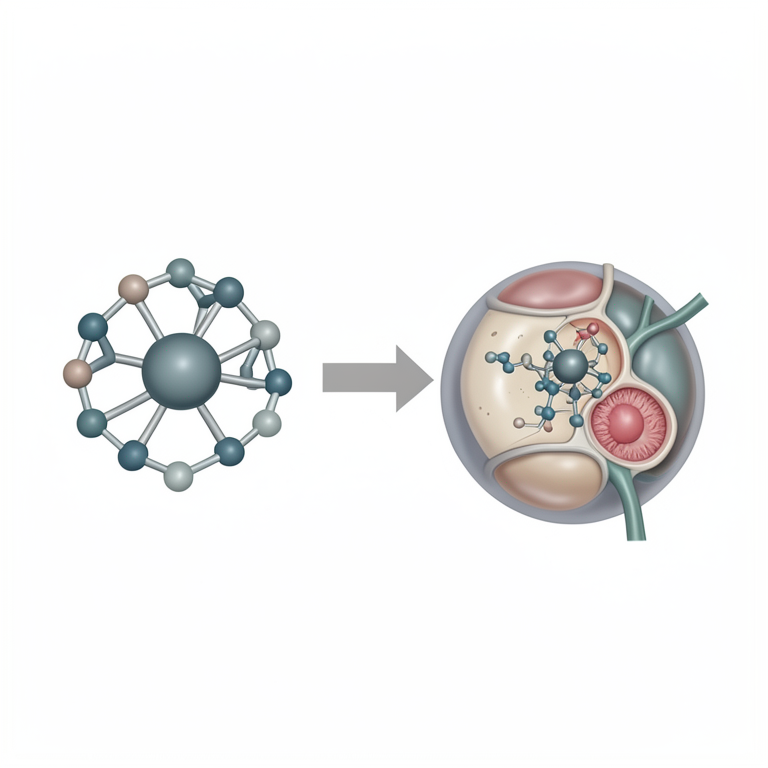
Interplay of Coordination Factors
AI-generated conceptual illustration (transition metal coordination complex and a cancer cell). It explains the idea and does not show study data.
View source evidence ↗Figures & tables
From the original paper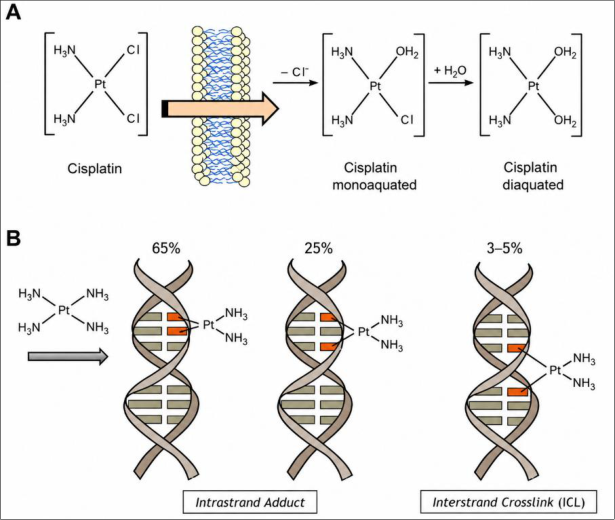 Figure 1
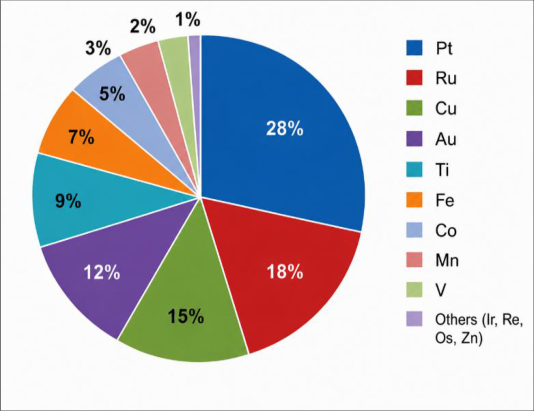 Figure 2
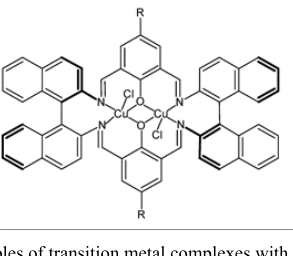 Figure 3
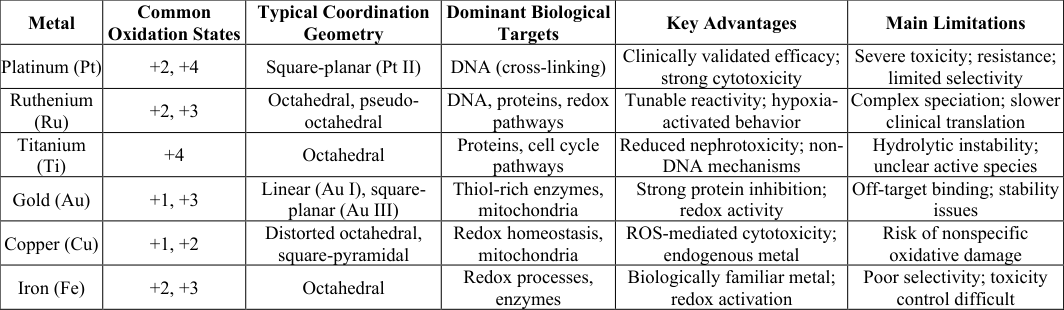 Table 1
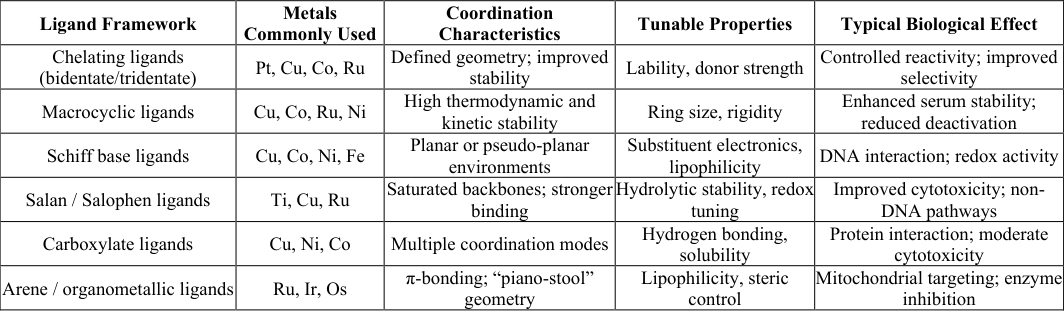 Table 2
 Table 3
Introduction
Cancer remains one of the most challenging diseases to treat because of its biological heterogeneity, capacity for metastasis, and propensity to develop resistance to therapy [1] . While organic small-molecule drugs form the backbone of conventional chemotherapy, their clinical use is often limited by nonspecific toxicity, narrow mechanisms of action, and the rapid emergence of multidrug resistance [2] . These limitations have motivated sustained interest in alternative therapeutic strategies, among which transition metal complexes have emerged as versatile platforms for anticancer drug design [3] . The clinical success of cisplatin was a landmark in medicinal chemistry, demonstrating that coordination complexes can function as potent and clinically useful anticancer agents [4] . Cisplatin and its later analogues, such as carboplatin and oxaliplatin, exert their effects primarily through DNA cross-linking, which ultimately blocks replication and triggers cell death [4,5] . However, their utility is constrained by dose-limiting nephrotoxicity, neurotoxicity, and the development of intrinsic and acquired resistance [5,6] . These drawbacks have driven efforts to move beyond classical platinum drugs and exploit the broader chemical space offered by other transition metals [6] . Transition metals are attractive building blocks for anticancer agents because they can access multiple oxidation states, adopt diverse coordination geometries, and display tunable ligand-exchange kinetics and redox properties [7] . Unlike purely organic drugs, metal complexes can participate in redox reactions, bind selectively to nucleic acids and proteins, or perturb mitochondrial and enzymatic function [7,8] . This multidimensional reactivity enables mechanisms of action that differ fundamentally from those of traditional organic chemotherapeutics and can help circumvent cross-resistance [3,8] . Coordination chemistry provides the conceptual framework that links structure to function in these systems. The biological behavior of a metal complex is determined not only by the identity of the metal ion but also by its entire coordination environment [9] . Ligand selection and design control key parameters such as aqueous stability, hydrolysis rate, lipophilicity, overall charge, and the ability to recognize specific biomolecular targets [9,10] . Macrocyclic ligands, salan and salophen frameworks, Schiff bases, carboxylates, and organometallic scaffolds have all been employed to tune these properties, often leading to complexes with improved stability, selectivity, and cytotoxic profiles compared with simple aqua or halide complexes [10,11] . A wide range of transition metals has been explored as anticancer centers beyond platinum, including ruthenium, titanium, vanadium, copper, gold, manganese, rhenium, and others [3,12] . Ruthenium complexes, for example, can exhibit favorable ligand-exchange kinetics and the ability to mimic iron in binding to biomolecules, and several Ru drugs have reached clinical or preclinical evaluation [12] . Titanium and other early-transition-metal complexes, including titanocenes and Ti(IV) salan or salophen derivatives, show promising activity with distinct, often non-DNA-centered mechanisms and reduced nephrotoxicity relative to cisplatin [13] . Gold(III) and gold(I) complexes frequently target mitochondrial enzymes and redox homeostasis rather than DNA, while copper and iron complexes exploit intracellular redox cycling to generate reactive oxygen species and induce apoptosis [3,11,14] . Recent developments have also highlighted more rational and data-driven strategies for discovering and optimizing metal-based anticancer agents. Improvements in crystallography, spectroscopy, and computational chemistry have enabled detailed structure-activity relationship (SAR) analyses across families of complexes [10] . In parallel, emerging machine learning approaches now allow prediction of cytotoxicity trends and prioritization of candidate complexes based solely on metal-ligand composition, significantly accelerating early-stage screening [15] . These tools complement traditional empirical optimization and help navigate the vast chemical space of possible metal-ligand combinations [15] . In this context, the present review focuses on coordination chemistry approaches to transition metal-based anticancer agents. Emphasis is placed on how coordination geometry, ligand architecture, and intrinsic metal properties cooperate to control pharmacologically relevant features such as stability, uptake, target engagement, and mechanism of action. By integrating design principles from coordination chemistry with mechanistic and methodological advances, this article aims to provide a coherent framework for understanding current progress and guiding future development in the field of transition-metal-based anticancer therapy.
Coordination Chemistry Principles Relevant to Anticancer Design
The behavior of a transition metal complex in a biological system is ultimately dictated by coordination chemistry rather than by the metal identity alone. Once introduced into a physiological environment, a complex must contend with competing ligands, variable redox conditions, and transport processes that collectively determine its lifetime and bioavailability.
These challenges bring classical coordination parameters such as geometry, ligand-field strength, kinetic lability, and thermodynamic stability to the foreground of anticancer drug design [16][17][18] .
Coordination number and geometry -Most metal-based anticancer complexes adopt geometries that are familiar from inorganic chemistry textbooks, yet their biological implications are far from trivial. Square-planar geometries, dominant for many d [8] . Pt(II) and Pd(II) complexes, favor associative substitution pathways and create well-defined cis coordination sites that are particularly suited for nucleobase binding [19,20] . In contrast, octahedral and pseudo-octahedral geometries, common for Ru, Co, Cu, and Ti complexes, provide greater spatial flexibility and enable ligands with differentiated reactivity at axial and equatorial positions [21] . These geometrical differences influence not only how a complex reacts, but also which biomolecular targets it can plausibly approach. Crystallographic studies reinforce this point. Subtle changes in coordination environment, such as axial elongation in Cu(II) systems or distortion arising from the Jahn-Teller effect, affect packing, hydrogen bonding, and overall stability, which in turn shape biological behavior [22] . These effects are well illustrated in recent X-ray studies of carboxylate-based Cu(II), Co(II), and Ni(II) complexes, where coordination geometry correlates strongly with aqueous stability and cytotoxic response [23] .
Thermodynamic stability and kinetic lability -In biological media, the balance between stability and reactivity is critical. A complex that is too labile may undergo rapid ligand exchange with serum proteins or small thiols such as glutathione, losing activity before reaching tumor cells. [17] . Conversely, an overly inert complex may circulate intact but fail to engage its intracellular target. Effective anticancer complexes therefore occupy a narrow window of reactivity, where ligand exchange is slow enough to ensure transport, yet fast enough to permit biologically productive interactions. [17,18] . Chelating ligands and macrocycles are widely used to tune this balance. The macrocyclic effect often enhances both thermodynamic stability and kinetic control, reducing nonspecific ligand loss while maintaining defined reactivity. [24] . Studies on macrocyclic metal complexes repeatedly show that small variations in ring size, donor atoms, or substitution pattern can markedly change ligand exchange rates and biological outcomes, emphasizing how sensitively reactivity is encoded in the coordination sphere. [21,24] .
Redox behavior and chemical activation -Redox chemistry is another defining feature of many transition metal anticancer agents. Redox couples such as Ru (III)/Ru (II), Cu (II)/Cu (I), and Co (III)/Co (II) lie within physiologically relevant potential ranges, enabling complexes to undergo intracellular activation [16,25] . In hypoxic tumor environments, this property can be exploited to selectively reduce or oxidize a complex, triggering ligand release or reactive species generation only under specific conditions [26] . Such redox-mediated behavior forms the basis of prodrug strategies and oxidative stress-based mechanisms. From a coordination standpoint, ligand donor type and field strength strongly influence redox potentials. Strong-field ligands can stabilize lower oxidation states, while softer donors often favor redox cycling [18,21] . The variable success of early transition metal complexes such as Ti(IV) and V(V) derivatives highlights how closely redox stability, hydrolysis behavior, and toxicity are intertwined [21] .
Metal-ligand bonding preferences -Hard-soft acid-base considerations remain a useful conceptual framework for anticipating biological interactions. Harder metal centers preferentially interact with oxygen-rich sites such as phosphates and carboxylates, whereas softer centers often target sulfur-containing residues and thiol-rich proteins [21,26] . These preferences help explain why gold and some ruthenium complexes exhibit strong affinity for mitochondrial enzymes, while early-metal complexes more commonly engage phosphate-rich biomolecular domains [16,21] .
Global properties governed by coordination -Parameters typically viewed as pharmacological, including charge, lipophilicity, and molecular size, are in practice determined by coordination environment. Minor ligand modifications can convert a complex from hydrophilic to membranepermeable or shift it from cationic to neutral. [17] . Neutral and moderately lipophilic complexes often show enhanced cellular uptake, while charged species may rely on active transport or remain extracellular. [17,25] . The systematic summaries of transition-metal behavior across Groups 4-7 reinforce how oxidation state and coordination mode consistently correlate with toxicity and therapeutic potential. [21] . Taken together, these observations highlight that modern metal-based anticancer research is fundamentally driven by ligand and coordination design. The metal ion defines a chemical framework, but it is the coordinated ligand environment that determines stability, selectivity, and ultimately biological performance. [16,18] . This principle underpins the discussion in the following sections, where individual metals are examined in light of their coordination chemistry.
Major Transition Metals Explored as Anticancer Agents
The exploration of transition metals as anticancer agents has expanded well beyond platinum, driven largely by the need to overcome toxicity and resistance while accessing new mechanisms of action. Each metal brings a characteristic set of coordination preferences, redox properties, and biological interactions, which in turn shape its therapeutic potential. Rather than serving as interchangeable centers, different metals define distinct chemical strategies within anticancer drug design [28] . Platinum group metals -Platinum complexes remain the reference point for metal-based chemotherapy. Cisplatin, carboplatin, and oxaliplatin collectively validate DNA coordination as an effective anticancer mechanism, primarily through formation of intra-and interstrand crosslinks that disrupt replication and transcription. [29,30] . Despite their success, platinum drugs also illustrate the limitations of classical metal therapeutics. Dose-limiting toxicity, particularly nephrotoxicity and neurotoxicity, along with the emergence of resistance via reduced uptake, enhanced DNA repair, and thiol-mediated deactivation, has narrowed their therapeutic window [30] . These shortcomings have motivated extensive modification of ligand sets and coordination modes, as well as interest in alternative metals [28] .
Ruthenium -Among non-platinum metals, ruthenium has received exceptional attention. Ru(II) and Ru(III) complexes benefit from moderate ligand-exchange kinetics and redox behavior that is compatible with biological environments [31] .
In particular, Ru(III) complexes have been discussed as prodrugs that undergo reduction in hypoxic tumor tissues, while Ru(II) arene complexes display diverse binding modes that extend beyond direct DNA damage [31,32] . Several ruthenium compounds, such as NAMI-A and KP1019, have reached clinical or advanced preclinical evaluation, lending credibility to coordination-driven alternatives to platinum therapy [32] .
Titanium and early transition metals -Titanium-based complexes represent a chemically distinct class of anticancer agents. Unlike platinum compounds, many Ti(IV) complexes do not rely on direct DNA binding and often act through less clearly defined, but mechanistically different, pathways [33] . Titanocenes and Ti(IV) salan or salophen derivatives have shown promising cytotoxic activity with reduced nephrotoxicity in some models, although issues of hydrolytic stability and speciation remain significant challenges [33,34] . The coordination environment plays a decisive role in controlling aqueous stability and biological outcome, making ligand design especially critical for early transition metals [34] .
Gold -Gold complexes, particularly Au(I) and Au(III) species, deviate strongly from the platinum paradigm. Their anticancer activity is frequently associated with inhibition of thiol-and selenol-containing enzymes, disruption of mitochondrial function, and perturbation of redox homeostasis rather than DNA damage [35] . Au(III) complexes often require ligand frameworks that stabilize the high oxidation state under physiological conditions, while Au(I) species exploit soft metal-soft ligand interactions to target sulfur-rich biomolecules [35,36] . These characteristics confer both promise and risk, as off-target protein binding can contribute to toxicity [36] .
Copper and iron -Copper and iron complexes occupy a unique position due to their inherent redox activity. Both metals participate naturally in cellular redox processes, and their complexes can catalyze the formation of reactive oxygen species under physiological conditions [37] . In cancer cells, which often already exist under elevated oxidative stress, this can push redox balance beyond a tolerable threshold and trigger apoptosis [37,38] . At the same time, distinguishing therapeutic oxidative stress from nonspecific toxicity remains a major challenge, again emphasizing the importance of coordination control and ligand choice [38] .
Other transition metals -A range of additional metals, including cobalt, manganese, vanadium, iridium, rhenium, and osmium, have been investigated as anticancer centers [28,39] . In many cases, their appeal lies in unique properties such as hypoxia-selective activation, radiotherapeutic potential, or unusual redox chemistry. Although most remain at an early stage of development, these systems reinforce the idea that anticancer activity is not limited to a narrow subset of metals, but emerges from informed coordination design [39] . Taken together, studies across the periodic table demonstrate that no single metal offers a universal solution to cancer therapy. Instead, each metal defines a chemical landscape with distinct advantages and constraints. Understanding these differences through the lens of coordination chemistry is essential for matching metal centers and ligand frameworks to specific therapeutic goals, as explored further in the following sections.
Ligand Frameworks and Structure-Activity Relationships
While the metal center defines a general reactivity landscape, it is the ligand framework that ultimately governs how a transition metal complex behaves in a biological setting. Ligands control stability, solubility, cellular uptake, reactivity, and target selectivity, often to a greater extent than the identity of the metal itself. Consequently, structureactivity relationships in metal-based anticancer agents are most meaningfully interpreted through systematic variation of ligand architecture rather than isolated changes in metal ion [40] .
Chelating and multidentate ligands -Chelating ligands remain one of the most effective tools for tuning the balance between stability and reactivity. By binding through two or more donor atoms, these ligands reduce the likelihood of premature dissociation in biological media while maintaining defined coordination geometries [41] . Bidentate and tridentate systems, such as diimines, salen-type ligands, and carboxylate-based chelates, have repeatedly demonstrated improved biological performance compared with analogous monodentate complexes. Minor modifications in bite angle or donor identity can significantly alter ligand-exchange kinetics, which is often reflected in changes in cytotoxicity and selectivity [41,42] . Macrocyclic ligands take this principle further through the macrocyclic effect, conferring enhanced thermodynamic stability and kinetic inertness [42] . In anticancer applications, macrocycles frequently suppress nonspecific ligand scrambling while preserving controlled reactivity at peripheral or axial sites. Studies on macrocyclic copper, cobalt, and ruthenium complexes show that ring size, rigidity, and donor distribution strongly influence biological outcomes, underscoring the tight coupling between ligand topology and activity [42,43] .
Schiff bases, salan, and salophen frameworks -Schiff base-derived ligands occupy a prominent position in metallodrug research due to their synthetic accessibility and structural flexibility. By varying substituents on the aromatic rings or modifying backbone saturation, researchers can systematically tune lipophilicity, electronic properties, and redox behavior without altering denticity [44] . Salan and salophen ligands, in particular, offer enhanced stability relative to classical Schiff bases, which can translate into improved resistance to hydrolysis under physiological conditions [44,45] . Such frameworks have been successfully employed with metals ranging from Ti and Cu to Co and Ru, often yielding complexes with reproducible structure-activity trends across related series [45] .
Carboxylate and heterocyclic ligands -Carboxylatecontaining ligands provide another versatile platform, combining multiple coordination modes with favorable hydrogen-bonding and solubility characteristics [46] . Recent studies on heterocyclic carboxylate ligands illustrate how coordination mode, bridging behavior, and hydration influence cytotoxic response. Subtle differences in metaloxygen bonding, hydrogen-bond networks, or crystal packing have measurable consequences for stability in aqueous solution and interaction with biomolecules. [46,47] . These observations highlight the value of integrating crystallographic insight into biological interpretation rather than treating structural data as merely confirmatory.
Organometallic and arene-based systems -Organometallic ligands introduce additional dimensions of control through π-bonding, steric bulk, and electronic delocalization. Ruthenium arene complexes are a prominent example, where the arene functions not only as a stabilizing group but also influences lipophilicity and cellular uptake [48] . Modulation of arene substitution patterns has been shown to alter cytotoxicity profiles without significant changes to the primary coordination sphere, emphasizing that nonclassical ligands can exert outsized biological effects [48,49] .
Substituent effects and fine-tuning -Across ligand classes, substituent effects play a central role in defining activity trends. Electron-donating or electron-withdrawing groups influence metal-centered redox behavior, while steric bulk can shield or expose reactive sites [40,44] . In many successful ligand series, optimal activity arises not at extremes but at intermediate values of lipophilicity, stability, and electronic activation. Such trends reinforce the importance of incremental, chemically informed tuning rather than aggressive structural modification [40] . Taken together, these studies make it clear that ligand frameworks are not passive components of metal-based anticancer agents. They actively dictate how coordination complexes interact with biological systems, often in subtle and non-linear ways. Understanding these structure-activity relationships remains essential for translating coordination chemistry into reliable anticancer performance, and sets the stage for examining how these structurally tuned complexes exert their biological effects.
Mechanisms of Anticancer Action of Transition Metal Complexes
The anticancer activity of transition metal complexes arises from a convergence of chemical reactivity and biological vulnerability. Unlike most organic drugs, which often act through a single dominant pathway, metal complexes frequently engage multiple cellular targets. This mechanistic plurality is a direct consequence of their coordination chemistry and helps explain why structurally related complexes can display markedly different biological profiles [16, 28, 40] .
DNA interaction and damage -DNA remains one of the most extensively studied targets for metal-based anticancer agents. Platinum complexes established covalent DNA binding as a clinically validated mechanism, predominantly through intrastrand and interstrand cross-linking that perturbs replication and transcription [29,30] . Similar, though often less direct, DNA interactions have been observed for ruthenium, copper, and cobalt complexes, where binding may involve coordination to nucleobases, intercalation assisted by planar ligands, or electrostatic association with the phosphate backbone [31,37] . Importantly, many nonplatinum complexes do not rely on irreversible DNA damage, instead causing structural or regulatory interference that can still trigger apoptotic signaling [31,44] .
Redox stress and reactive oxygen species -Redox-active metals such as copper, iron, cobalt, and ruthenium frequently induce cytotoxicity through oxidative stress pathways. In cancer cells, which often operate near the threshold of redox homeostasis, additional reactive oxygen species generation can overwhelm antioxidant defenses and initiate cell death [37,38] . The coordination environment plays a decisive role in controlling ROS generation by stabilizing specific oxidation states or facilitating redox cycling within biologically accessible potentials [16,21] . This mechanism is particularly sensitive to ligand design, as subtle electronic changes can dramatically alter redox behavior and, consequently, biological response [21,47] .
Mitochondrial dysfunction and metabolic targeting -Mitochondria have emerged as important secondary targets for many transition metal complexes. Gold complexes, in particular, are well known for inhibiting thiol-containing mitochondrial enzymes and disrupting respiratory processes [35, 36] . Copper and ruthenium complexes have also been shown to accumulate in mitochondria, impair membrane potential, and interfere with energy metabolism [31,37] . From a coordination perspective, mitochondrial targeting is closely tied to lipophilicity, overall charge, and kinetic stability, rather than to metal identity alone [17,48] . Protein binding and enzyme inhibition -Beyond nucleic acids and mitochondria, proteins represent a broad and chemically diverse class of targets. Transition metal complexes can bind to enzymes either through direct coordination to amino acid residues or through secondary interactions mediated by ligand scaffolds [21,35] . Soft metal centers tend to favor sulfur-rich sites, while harder centers more often interact with oxygen-donor residues, an observation consistent with hard-soft acid-base principles [21,36] . Such interactions can inhibit essential enzymes involved in antioxidant defense, signal transduction, or DNA repair, amplifying cytotoxic effects [28,44] .
Prodrug activation and tumor selectivity -One of the more nuanced mechanisms exploited by metal complexes is intracellular activation. Several ruthenium and cobalt complexes have been proposed to function as prodrugs, undergoing reduction or ligand exchange preferentially in hypoxic or highly reducing tumor environments [31,32] . This approach shifts selectivity from molecular recognition to chemical reactivity, using pathological conditions within tumors as triggers. Ligand-field strength and redox potential tuning are central to this strategy, underscoring again the importance of coordination design [18,26] .
Multimodal and synergistic mechanisms -In practice, most transition metal complexes do not act through a single isolated pathway. DNA interaction, redox imbalance, protein inhibition, and mitochondrial dysfunction often occur in parallel or sequentially [16,28] . This multimodal behavior complicates mechanistic analysis but also represents a therapeutic advantage, as it reduces the likelihood of resistance arising through a single adaptive pathway [28,30] . The growing use of structure-activity relationships across ligand families has made it increasingly possible to bias complexes toward particular dominant mechanisms, without eliminating beneficial secondary effects [40,45] .
Challenges and Limitations of Transition Metal-Based Anticancer Agents
Despite the clear promise of transition metal complexes as anticancer agents, their development faces several persistent challenges that have limited clinical translation. Many of these limitations stem directly from the same coordinationchemical features that make metal complexes attractive in the first place. Understanding these constraints in chemical terms is therefore essential for realistic assessment of therapeutic potential [16,28,40] .
Chemical stability and speciation in biological media -One of the most pervasive difficulties in metallodrug development is controlling chemical speciation under physiological conditions. In aqueous and protein-rich environments, metal complexes are exposed to high concentrations of competing ligands such as chloride, amino acids, and low-molecular-weight thiols [17] . Complexes that are insufficiently robust may undergo hydrolysis, ligand exchange, or redox transformation before reaching their intended target. This instability complicates both mechanistic interpretation and reproducibility of biological data [17,21] . Even for structurally well-defined complexes, the actual species present inside the cell may differ substantially from the compound initially administered [21,46] .
Off-target interactions and toxicity -The same reactivity that enables metal complexes to engage cancer-specific pathways also increases the risk of off-target interactions. Binding to serum proteins, non-cancerous tissues, or essential enzymes can produce systemic toxicity that limits therapeutic windows [28,30] . Platinum drugs provide a wellknown example, where strong but nonspecific interactions contribute to nephrotoxicity and neurotoxicity [29] . Similar concerns apply to redox-active copper and iron complexes, where uncontrolled reactive oxygen species generation may damage healthy cells alongside malignant ones [37,38] . These effects highlight the difficulty of achieving selectivity through coordination chemistry alone [36] .
Resistance mechanisms -Although metal complexes are often promoted as tools to overcome resistance to organic drugs, resistance can still emerge. Reduced cellular uptake, enhanced efflux, increased sequestration by thiols, and improved repair or detoxification pathways have all been reported for metal-based agents [28,30] . For platinum complexes, resistance mechanisms are now well characterized, but similar adaptive responses are increasingly observed for non-platinum systems as well [31] . Importantly, resistance is not always directed at a single molecular target, but rather at the chemical properties of the complex, such as charge, lability, or redox activity [16] .
Control of selectivity and biodistribution -Achieving preferential accumulation in tumor tissue remains a central challenge. While some metals, such as ruthenium, show partial tumor selectivity through transferrin binding or hypoxia-related activation, these effects are rarely sufficient on their own [31,32] . Global parameters governed by coordination chemistry, including size, charge, and lipophilicity, strongly influence biodistribution, but optimizing one parameter often compromises another [17,48] . This trade-off complicates rational design and often necessitates iterative optimization [40] .
Unclear or multifactorial mechanisms -For many metal complexes, anticancer activity arises from multiple overlapping mechanisms rather than a single dominant pathway. While mechanistic plurality can be advantageous therapeutically, it complicates validation, regulatory approval, and clinical positioning [16,28] . In several cases, promising in vitro cytotoxicity has failed to translate in vivo, partly because the dominant mechanism under cell culture conditions does not operate in more complex biological systems [33,44] . This gap underscores the need for chemically informed biological evaluation rather than reliance on cytotoxicity metrics alone [40] .
Synthetic and translational barriers -Finally, synthetic complexity and scalability present practical limitations. Many ligand frameworks that deliver excellent in vitro performance require multistep synthesis, expensive starting materials, or stringent purification, which may hinder largescale production [24,45] . Batch-to-batch variability, especially for redox-active or hydrolytically sensitive complexes, further complicates translation from laboratory testing to preclinical development [34] . These practical issues are often underreported but play a decisive role in determining which complexes advance beyond exploratory studies [33] .
Emerging Strategies and Future Directions
Recent progress in transition metal-based anticancer research reflects a gradual shift away from empirical screening toward more chemically informed and strategically guided design. Rather than relying solely on cytotoxicity outcomes, current approaches increasingly emphasize control over coordination environment, reactivity, and biological context. This shift is essential if metal complexes are to move beyond promising in vitro results toward genuine therapeutic relevance [16,28,40] . One important direction involves conditional activation strategies, where metal complexes are designed to become reactive only under specific intracellular conditions. Hypoxia-responsive ruthenium and cobalt systems exemplify this concept, exploiting the reduced oxygen tension of tumor tissue to trigger redox changes or ligand release [31,32] . Such approaches reduce reliance on molecular recognition alone and instead harness pathological chemistry as a selectivity filter. The success of this strategy depends strongly on precise control of redox potential and ligand exchange kinetics, reinforcing the central role of coordination chemistry [18,26] . Another area of increasing focus is mitochondrial and metabolic targeting. As cancer metabolism becomes better understood, metal complexes capable of localizing to mitochondria or interfering with redox-linked metabolic pathways are receiving renewed attention [35,37] . Ligand frameworks that fine-tune lipophilicity and charge have proven particularly effective in this context, allowing complexes to bypass nuclear DNA altogether and engage alternative vulnerabilities [17,48] . This shift broadens the therapeutic scope of metallodrugs beyond classical genotoxic mechanisms. The integration of computational tools and data-driven design also represents a significant development. While still in its early stages for coordination compounds, machinelearning-based prediction of cytotoxicity and structureactivity trends has begun to complement experimental studies [15] . These approaches are especially valuable given the vast combinatorial space of metal-ligand assemblies and the difficulty of representing coordination geometry using traditional cheminformatics descriptors. When used judiciously, such tools can reduce redundant synthesis and focus experimental effort on chemically plausible candidates [15, 40] .
Conclusion
Transition metal complexes have established themselves as versatile and chemically distinctive candidates in anticancer research, largely due to the flexibility offered by coordination chemistry. As discussed throughout this review, the anticancer performance of these systems arises not from the metal center alone but from the deliberate interplay between metal identity, coordination geometry, ligand framework, redox behavior, and kinetic stability. Beyond classical DNA-targeted platinum drugs, a wide range of metals including ruthenium, titanium, gold, copper, and iron enable alternative mechanisms such as redox stress induction, mitochondrial dysfunction, protein inhibition, and conditionally activated prodrug behavior. Ligand design emerges as the central control element, governing stability, selectivity, biodistribution, and mechanism of action, while also defining limitations related to toxicity, resistance, and chemical speciation. Recent shifts toward rational design, multifunctional ligands, and data-guided approaches reflect a maturation of the field away from trial-and-error discovery. Overall, coordination chemistry provides a unifying framework that not only explains current successes but also guides the development of more effective, selective, and translationally viable metal-based anticancer agents.
Figures and tables from the paper
References
49 in the original paper- Rafique S, Idrees M, Nasim A, Akbar H, Athar A. Transition metal complexes as potential therapeutic agents. Biotechnol Mol Biol Rev. 2010;5:38-45.
- Rosenberg B, VanCamp L, Krigas T. Inhibition of cell division in Escherichia coli by electrolysis products from a platinum electrode. Nature. 1965;205:698-699. doi:10.1038/205698a0.
- Jamieson ER, Lippard SJ. Structure, recognition, and processing of cisplatin-DNA adducts. Chem Rev. 1999;99:2467-2498. doi:10.1021/cr980421n.
- Reedijk J. Why does cisplatin reach guanine-N7 with competing S-donor ligands available in the cell? Chem Rev. 1999;99:2499-2510. doi:10.1021/cr980422v.
- Kelland L. The resurgence of platinum-based cancer chemotherapy. Nat Rev Cancer. 2007;7:573-584. doi:10.1038/nrc2167.
- McWhinney SR, Goldberg RM, McLeod HL. Platinum neurotoxicity pharmacogenetics. Mol Cancer Ther. 2009;8:10-16. doi:10.1158/1535-7163.MCT-08-0840.
- Barry NPE, Sadler PJ. Exploration of the medical periodic table: towards new targets. Chem Commun. 2013;49:5106-5131. doi:10.1039/C3CC41143E.
- Hartinger CG, Dyson PJ. Bioorganometallic chemistry-from teaching paradigms to medicinal applications. Chem Soc Rev. 2009;38:391-401. doi:10.1039/B707077M.
- Wang X, Guo Z. Targeting and delivery of platinumbased anticancer drugs. Chem Soc Rev. 2013;42:202224. doi:10.1039/C2CS35259A.
- Alessio E. Bioinorganic medicinal chemistry. Weinheim: Wiley-VCH; 2011.
- Keppler BK, Hartinger CG. Anticancer activity of ruthenium compounds. Met Ions Biol Syst. 2004;42:130.
- Kostova I. Anticancer metallocenes and metal complexes of transition elements from groups 4 to 7. Molecules. 2024;29:824. doi:10.3390/molecules29040824.
- Wani WA, Hussain A, Amir S, Alajmi MF, Malik AH, Khursheed A, et al. Emergence of macrocyclic metal complexes as anticancer agents. ACS Symp Ser. 2025;1362:1-32. doi:10.1021/bk-2025-1362.ch001.
- Hu B, Kang Q, Meng X, Yin H, Yang X, Yang Y, et al. Synthesis, characterization, and anticancer activity of 3chlorothiophene-2-carboxylic acid transition metal complexes. Inorganics. 2025;13:238. doi:10.3390/inorganics13070238.
- Allardyce CS, Dyson PJ, Ellis DJ, Heath SL. Ruthenium arene complexes as anticancer agents. Chem Commun. 2001:1396-1397. doi:10.1039/B103728M.
- Galanski M, Jakupec MA, Keppler BK. Update of the preclinical situation of anticancer platinum complexes. Curr Med Chem. 2005;12:2075-2094.
- Zhang CX, Lippard SJ. New metal complexes as potential therapeutics. Curr Opin Chem Biol. 2003;7:481-489.
- Cohen SM, Lippard SJ. Cisplatin: from DNA damage to cancer therapy. Prog Nucleic Acid Res Mol Biol. 2001;67:93-130.
- Messori L, Marcon G. Gold-based antitumor drugs. Met Ions Biol Syst. 2004;42:279-304.
- Marzano C, Gandin V, Folda A, Bindoli A, Rigobello MP. Gold(I) complexes as thioredoxin reductase inhibitors. Free Radic Biol Med. 2007;42:872-881.
- Top S, Vessières A, Jaouen G. Organometallic anticancer drugs. Coord Chem Rev. 2011;255:22432262.
- Lange TS, Kim KK, Singh RK, McCourt CK, Brard L. Iron(III)-salophene with selective anticancer activity. Gynecol Oncol. 2008;109:394-402.
- Sun RWY, Ma DL, Wong ELM, Che CM. Some uses of transition metal complexes as anticancer agents. Dalton Trans. 2007:4884-4892.
- Gasser G, Ott I, Metzler-Nolte N. Organometallic anticancer compounds. J Med Chem. 2011;54:3-25.
- Clarke MJ, Zhu F, Frasca D. Non-platinum ruthenium compounds as anticancer agents. Chem Rev. 1999;99:2511-2533.
- Dyson PJ, Sava G. Metal-based anticancer drugs in the post-genomic era. Dalton Trans. 2006:1929-1933.
- Ott I. Metal complexes as anticancer drugs. Metallomics. 2011;3:907-921.
- Kostova I. Titanium and vanadium complexes as anticancer agents. Anticancer Agents Med Chem. 2011;11:742-754.
- Kostova I, Saso L. Advances in research of vanadium complexes as anticancer agents. Curr Med Chem. 2013;20:4609-4632.
- Santini C, Pellei M, Gandin V, Porchia M, Tisato F, Marzano C. Advances in copper complexes as anticancer agents. Chem Rev. 2014;114:815-862.
- Frezza M, Hindo S, Chen D, Davenport A, Schmitt S, Tomco D, et al. Novel metals and metal complexes as platforms for anticancer therapy. Curr Pharm Des. 2010;16:1813-1825.
- Chifotides HT, Dunbar KR. Interactions of metalmetal-bonded compounds with DNA. Acc Chem Res. 2005;38:146-156.
- Hambley TW. Metal-based therapeutics. Science. 2007;318:1392-1393.
- Barry NPE, Sadler PJ. Ruthenium complexes for chemotherapy. Chem Asian J. 2014;9:2071-2086.
- Gandin V, Fernandes AP, Rigobello MP, Dani B, Sorrentino F, et al. Thioredoxin reductase inhibitors as anticancer agents. Biochem Pharmacol. 2010;79:90101.
- Krasnov L, Malikov D, Kiseleva M, Nykhrikova E, Tatarin S, Bezzubov S. Machine learning for anticancer activity prediction of transition metal complexes. ChemRxiv. 2025. doi:10.26434/chemrxiv-2025-1nqvmv2.
- Frei A, Zuegg J, Elliott AG, et al. Metal complexes as a promising source for new antibiotics. Chem Sci. 2020;11:2627-2639.
- Ott I, Gust R. Non-platinum metal complexes as anticancer drugs. Arch Pharm. 2007;340:117-126.
- Hartinger CG, Metzler-Nolte N, Dyson PJ. Challenges of metal-based anticancer drugs. Organometallics. 2012;31:5677-5685.
- Alessio E. Thirty years of the ruthenium anticancer drugs research. Dalton Trans. 2017;46:10450-10459.
- Sava G, Zorzet S, Turrin C, Vita F, et al. Dual action of NAMI-A: antimetastatic activity. Clin Cancer Res. 2003;9:1898-1905.
- Bergamo A, Sava G. Linking metal complexes to molecular targets. Sci World J. 2010:1-12.
- Kostova I. Metallodrugs in cancer therapy. Adv Anticancer Agents Med Chem. 2012:1-50.
- Gielen M, Tiekink ERT. Metallotherapeutic drugs and metal-based diagnostic agents. Chichester: Wiley; 2005.
- Orvig C, Abrams MJ. Medicinal inorganic chemistry. Chem Rev. 1999;99:2201-2204.
- Hannon MJ. Metal-based anticancer drugs. Pure Appl Chem. 2007;79:2243-2261.
- Bruijnincx PCA, Sadler PJ. New trends for metal complexes with anticancer activity. Curr Opin Chem Biol. 2008;12:197-206.
- Jamieson ER, Lippard SJ. Beyond cisplatin. Chem Rev. 2007;107:2608-2624.
- Dyson PJ, Zanello P. Redox-active metal complexes in cancer chemotherapy. Metallomics. 2010;2:360-379.