
Research article · 2026 · Full text
International Journal of Biology SciencesDengue knowledge, attitudes and practices among university students in Guyana: A cross-sectional KAP study
Volume 8(8) · Pages 67–79 · DOI: 10.33545/26649926.2026.v8.i8a.980 ↗
Research areasDengue and Mosquito Control ResearchMosquito-borne diseases and controlMalaria Research and Control
Abstract
Author-writtenDengue fever remains an important mosquito-borne public health concern, and effective prevention depends partly on adequate knowledge, favourable attitudes, and consistent preventive practices. This study assessed dengue-related knowledge, attitudes, and practices (KAP) among students at a tertiary institution and examined associations between KAP scores and selected participant characteristics. A cross-sectional study was conducted among 92 participants using a structured questionnaire comprising demographic information, 13 knowledge items, 11 attitude items, and 9 practice items. Data were analysed using descriptive statistics, Spearman correlation, Wilcoxon rank-sum and Kruskal-Wallis tests, with Holm adjustment for multiple comparisons. The KAP scales demonstrated acceptable to good reliability, with a KR-20 coefficient of 0.744 for knowledge and Cronbach's alpha coefficients of 0.824 and 0.795 for attitude and practice, respectively. Participants demonstrated strong knowledge of dengue transmission, common symptoms, mosquito breeding habitats, and environmental prevention, although gaps remained regarding Aedes mosquito biting behaviour and dengue treatment. Attitudes were generally favourable towards shared responsibility and mosquito control, but personal risk perception and willingness to participate in organized prevention activities showed greater uncertainty. Preventive practices varied, with household protective measures more consistently reported than mosquito repellent use, routine environmental inspection, and participation in clean-up activities. Knowledge was positively associated with attitude (ρ = 0.29) and practice (ρ = 0.32), whereas the attitude-practice association was weaker (ρ = 0.20). Previous dengue diagnosis was the only characteristic significantly associated with knowledge after Holm adjustment (p = 0.017). These findings support targeted, campus-based dengue education that addresses specific misconceptions and promotes the translation of knowledge and favourable attitudes into sustained preventive action.
Summary
Source-checkedPlain-language reading of the full paper, prepared with AI and checked against the text. Each point links to the authors' own words.
Why it matters
- Dengue fever is a significant global public health threat in tropical and subtropical regions, caused by one of four related virus serotypes. View evidence ↗
- Guyana has faced a substantial public health challenge with dengue, experiencing nearly a fourfold increase in cases over the last two years. View evidence ↗
- University students are a key demographic whose knowledge and response to health threats can influence wider community prevention efforts. View evidence ↗
The question
- The study aimed to evaluate the knowledge, attitudes, and practices (KAP) regarding dengue fever among students at a tertiary institution in Guyana. View evidence ↗
What they did
- Knowledge was measured with Yes/No/Unsure options, while attitudes and practices were assessed using five-point Likert and frequency scales, respectively. View evidence ↗
- Data were analyzed using Microsoft Excel 2016 and R software, employing descriptive statistics and correlation analysis to identify patterns. View evidence ↗
What they found
- Students showed very high knowledge of common symptoms (98.9%), breeding sites (97.8%), transmission (96.7%), and environmental prevention (94.6% to 95.7%). View evidence ↗
- Significant knowledge gaps existed regarding mosquito biting behavior (43.5% correct) and the lack of specific antiviral or antibiotic cures (46.7% and 48.9% correct). View evidence ↗
- Despite favorable general attitudes, personal risk perception was low, with only 39.1% of students believing they were personally at risk of contracting dengue. View evidence ↗
- The most consistent preventive practices were using mosquito nets/screens (63.0%) and covering water containers (62.0%). View evidence ↗
- Active community participation was low, with only 13.0% of students frequently participating in environmental clean-up activities. View evidence ↗
- Knowledge correlated positively with both attitude (ρ=0.29) and practice (ρ=0.32), but the correlation between attitude and practice (ρ=0.20) was not statistically significant. View evidence ↗
- After statistical adjustment, a previous dengue diagnosis was the only characteristic significantly associated with higher knowledge scores (p=0.017). View evidence ↗
What it means
- The authors conclude that the main challenge is translating existing awareness and positive attitudes into consistent, sustained preventive actions. View evidence ↗
- The authors recommend implementing youth-focused campaigns, peer-led education, campus clean-ups, and integrating dengue awareness into university curricula. View evidence ↗
- The study's findings may not be generalizable beyond the specific student population and may be subject to self-reporting and response biases due to the online questionnaire. View evidence ↗
Figures & tables
From the original paper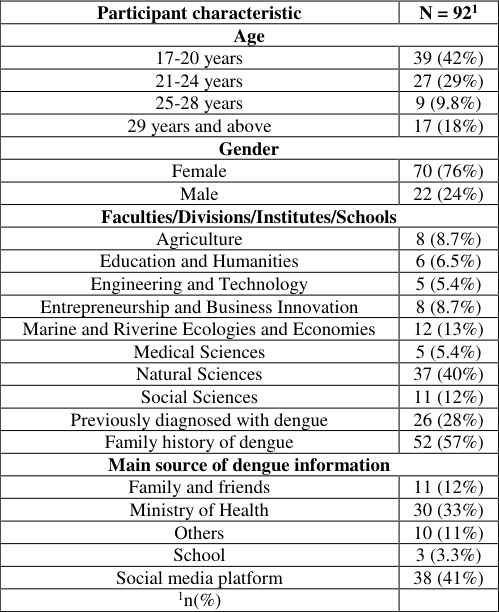 Table 1
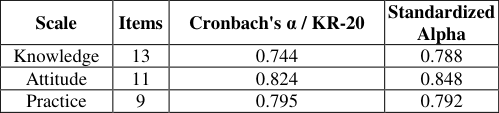 Table 2
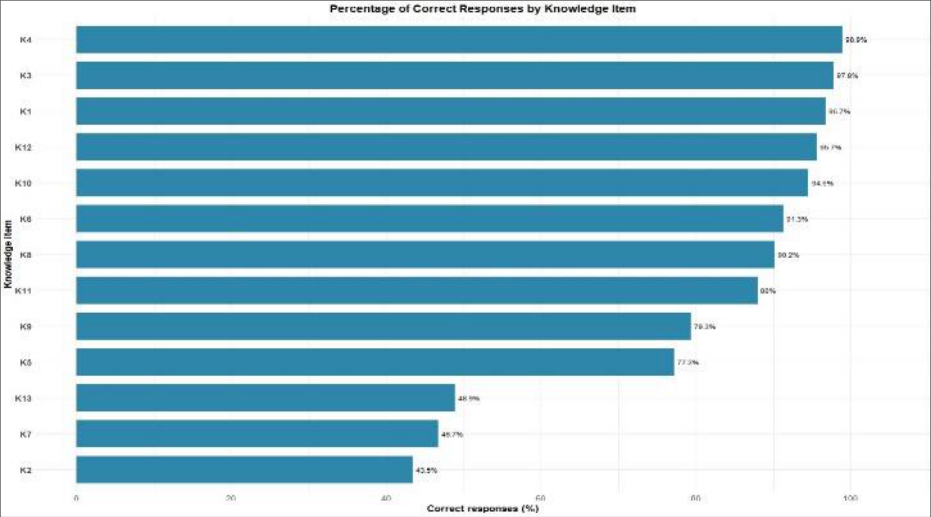 Figure 1
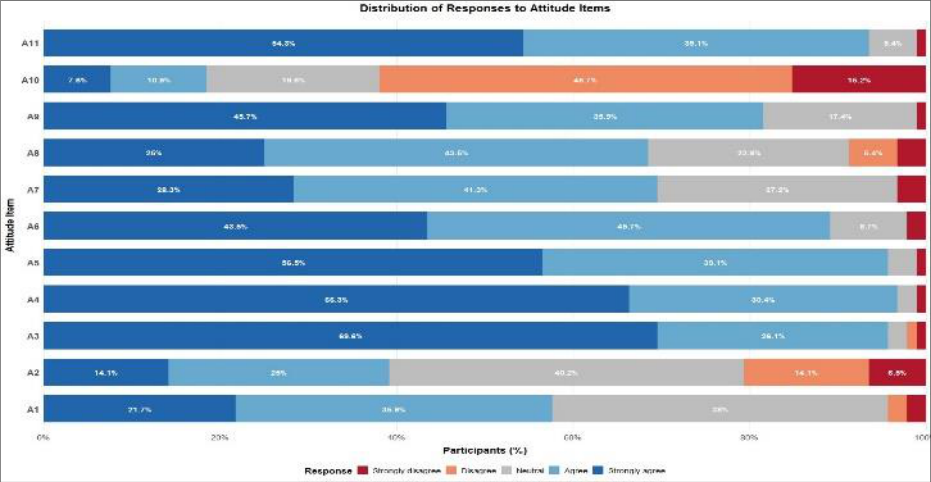 Figure 2
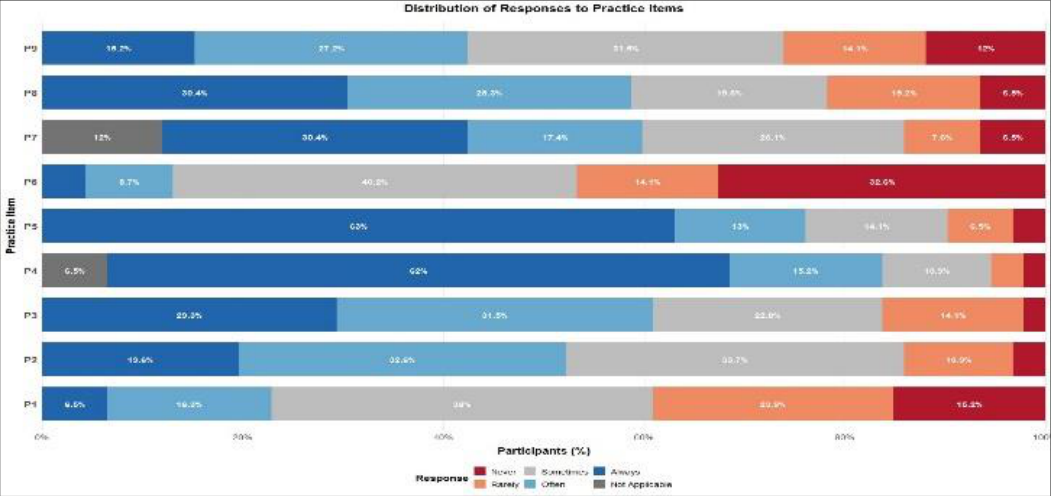 Figure 3
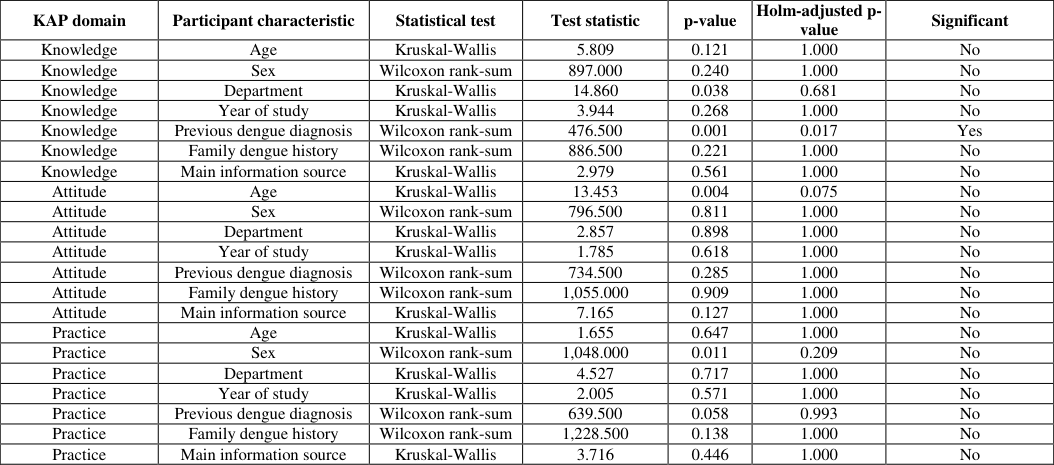 Table 3
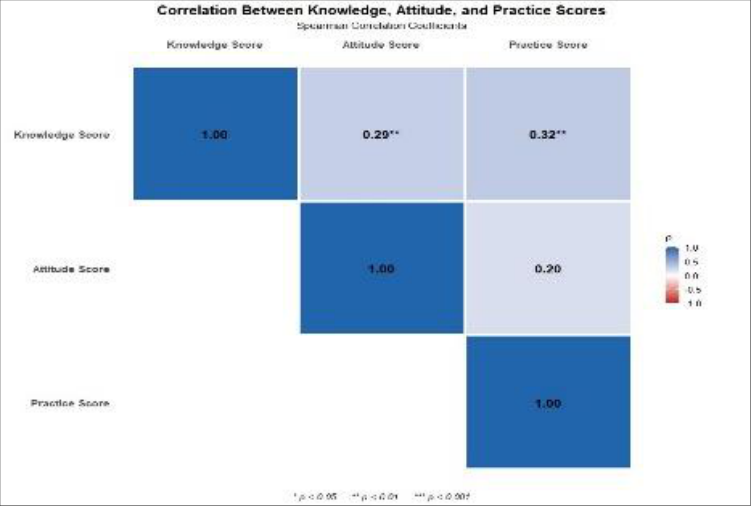 Figure 4
 Table 4
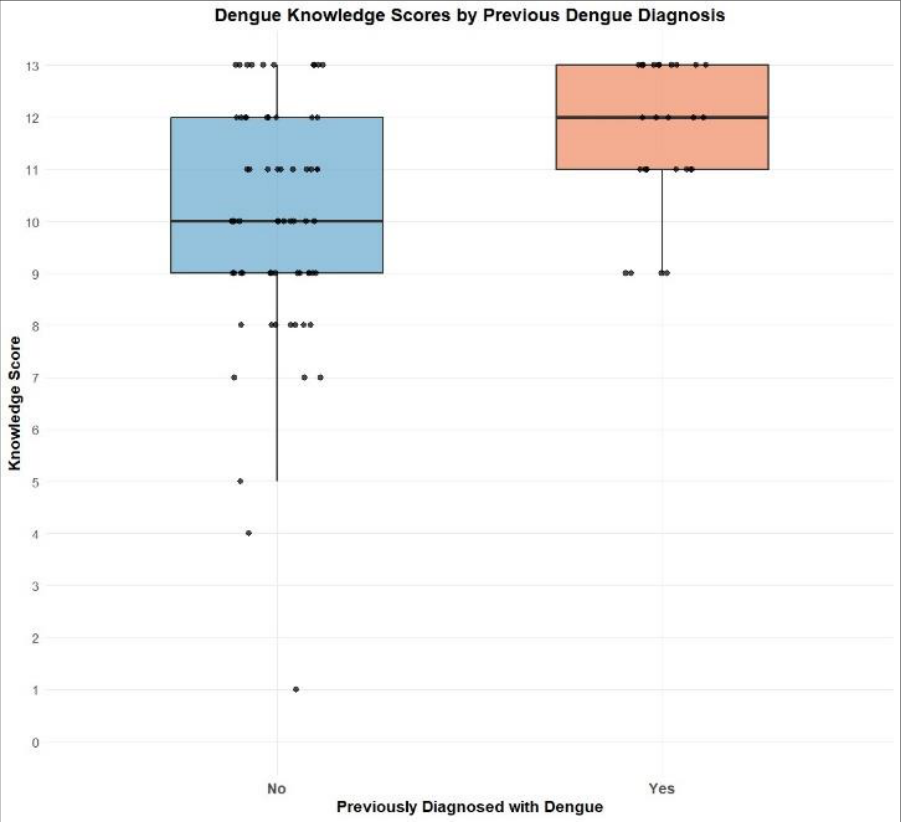 Figure 5
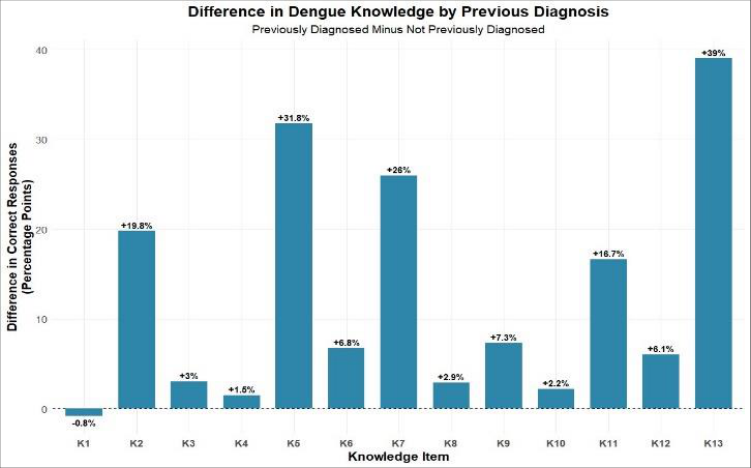 Figure 6
Introduction
Increasing mortality and morbidity associated with dengue virus infection is fast becoming an escalating global health issue [26] . Dengue fever, an acute, mosquito-borne infection caused by one of four distinct but closely related serotypes of the dengue virus, is a major public health concern in tropical and subtropical climates, providing an increasing threat to millions of people globally [4,22,26] . The increase in the number of dengue fever cases placed a significant strain on healthcare systems, especially in resource-limited areas, emphasizing the critical need for effective prevention and control measures [22] . There has been a significant increase in dengue cases in the Caribbean and the Americas [7] . In Guyana, as in many other countries, dengue fever remains a health concern. Over the last two years there was almost a fourfold rise in dengue cases [4] , further highlighting the public health challenge that dengue has posed in Guyana for several years [6] . Although favorable climatic conditions are important contributors, the magnitude of the increase suggests additional influences such as serotype shifts and gaps in public health interventions [16,31,32] . In this regard, a number of initiatives have been undertaken by the Ministry of Health in Guyana to address this public health issue. Aside from the immediate health risks, dengue fever presents significant economic and social challenges. Frequent outbreaks can overwhelm healthcare facilities, resulting in medical supply and personnel shortages, especially in low-resource areas. Given dengue's widespread impact, there is an urgent need for long-term prevention efforts and increased public education on early symptom recognition and protective measures [30] . Strengthening monitoring systems and increasing access to rapid diagnostic testing can also improve early detection and response, ultimately lowering the disease's impact on both individuals and society [11] . However, to effectively combat dengue fever, it is critical to understand how people view the disease and the precautions they take to avoid it. Previous studies suggest that there is inadequate knowledge of dengue among some socioeconomic classes and that there is a bias towards higher socioeconomic classes when preventive practices are investigated as is seen by better preventive practices against the vector in certain socioeconomic groups [26] . Itrat et al., 2008 [12] also reported that while adequate and sufficient knowledge could exist in relation to isolated aspects of dengue and the dengue virus, the overall prevalence of sufficient knowledge on dengue fever, dengue virus and preventive measures could be poor. The Knowledge, Attitudes, and Practices (KAP) approach can be used to assess awareness, beliefs, and behaviors about dengue prevention. Because students of tertiary educational institutions are an important group in society, their understanding and response to health threats can help inform broader community activities. Identifying gaps in students' knowledge and their misunderstandings about dengue might present useful information to help target awareness programs and ensure that students take effective preventive actions. Furthermore, researching and understanding their attitudes and practices can reveal if existing public health measures are effective or require improvement. By addressing these characteristics, universities and health authorities can encourage greater participation in dengue prevention initiatives, resulting in lower transmission rates on campus and outside [29] . The aim of the study is to investigate the knowledge, attitudes and practices regarding dengue fever amongst students at a tertiary institution in Guyana. The findings could help guide public health campaigns, improve education initiatives, and promote preventive practices that minimize the likelihood of dengue epidemics in campus communities and by extension, nationwide. Further, identifying misconceptions or knowledge gaps can help guide more effective education and prevention strategies.
Methodology
Methodology
Conceptual Framework
The Knowledge, Attitudes, and Practices (KAP) model was used in this study to investigate the level of knowledge, awareness and practices among university students. Being a foundational tool that is used in public health studies, the KAP model plays an important vital role by evaluating the current level of knowledge of a study population about a specific health issue [23,33] .
Delimitation and scope of the Study
The study was confined to students at the tertiary institution; therefore, the findings may not be generalizable to academic and support staff, or to other populations. The use of a selfadministered online questionnaire may have introduced selfreport and response biases. Despite these limitations, this preliminary study identified important findings that may be useful to university administrators and health professionals and provides a foundation for larger, more comprehensive studies involving a broader range of participants.
Study approach
The study population consisted of students from the various Faculties/Divisions/Institutes/Schools of the institution. The online questionnaire was distributed through administrators from each Faculties/Divisions/Institutes/Schools, who were asked to circulate the survey to their students. Students who received the questionnaire were invited to participate voluntarily by completing and submitting it online. Recruitment relied on voluntary participation following distribution of the questionnaire across the institution's Faculty/Division/Institute/School. Data collection was conducted entirely online, providing a practical and resource-efficient means of reaching students across the different Faculty/Division/Institute/School without requiring physical travel or in-person data collection.
Data Collection Instrument
The final questionnaire consisted of four sections: demographic characteristics, knowledge of dengue fever, attitudes toward dengue fever, and dengue prevention practices. Knowledge items were assessed using Yes, No, and Unsure response options. Attitude items were measured using a five-point Likert scale, ranging from Strongly Disagree to Strongly Agree, while practice items were assessed using a five-point frequency scale, ranging from Never to Always. For two practice items, a Not Applicable response option was also provided where the specified practice might not apply to the participant. Internal consistency was assessed for the respective KAP scales using appropriate reliability measures.
Data analysis
Data analysis was done using Microsoft Excel 2016 and R software. Descriptive statistics was utilized to summarize the data, such as participants' KAP scores and demographic information to reveal trends and distributions. Relationships between variables, such as the link between students' knowledge and their attitudes or practices, were also examined using correlation analysis. These statistical tools were used to identify patterns and relationships, and provide insights into the elements that could likely influence students' beliefs and behaviors about dengue illness.
Ethical Considerations
Prior to respondents participating in the study, online consents were sought and participants were provided with detailed information about the study's purpose, procedures, and their rights as participants, including the ability to withdraw from the study at any time with no consequences.
To protect the privacy of respondents, all responses were treated as anonymous, and the data collected were securely stored to ensure that personal information remained secure throughout the research process. No incentives were given to respondents and the study posed no risk to participants. A total of 92 participants from the tertiary institution were included in the study. The demographic characteristics (Table 1) indicate that the sample comprised students across different age categories, sexes, Faculties/ Divisions/ Institutes/ Schools, and prior experiences or sources of information related to dengue. Participants were predominantly between 17 and 24 years of age, accounting for 71% (n = 66) of the sample. The largest proportion was aged 17-20 years (42%; n = 39), followed by those aged 21-24 years (29%; n = 27). Participants aged 29 years and older accounted for 18% (n = 17), while those aged 25-28 years represented the smallest age group (9.8%; n = 9). Overall, the sample was concentrated among younger participants, with comparatively fewer participants in the older age groups. With respect to gender, females accounted for 76% (n = 70) of the participants, whereas males accounted for 24% (n = 22). The female-to-male ratio in the sample was therefore approximately 3.2:1, indicating that female participants constituted more than three times the number of male participants represented in the study. Participants were drawn from several Faculty/Division/Institute/School at the tertiary institution. The Natural Sciences group accounted for the largest proportion of respondents (n = 37; 40%), followed by Marine and Riverine Ecologies and Economies (n = 12; 13%) and Social Sciences (n = 11; 12%). Participants from Agriculture and Entrepreneurship and Business Innovation each accounted for 8.7% (n = 8), while Education and Humanities represented 6.5% (n = 6). Engineering and Technology and Medical Sciences each contributed 5.4% (n = 5) of the participants. The departmental distribution therefore shows that the sample included respondents from multiple academic areas, although the greatest numerical representation was from Natural Sciences. Regarding previous dengue diagnosis, 26 participants (28%) reported having been previously diagnosed with dengue, while the remaining 66 participants (72%) had not reported a previous dengue diagnosis. Thus, just over one-quarter of the respondents reported having been previously diagnosed with dengue. A family history of dengue was reported by 52 participants (57%), whereas 40 participants (43%) did not report such a family history. Therefore, a family history of dengue was reported by a slightly greater proportion of participants than those who did not report one. Notably, the proportion reporting a family history of dengue (57%) was higher than the proportion reporting a personal previous diagnosis (28%). The reported main sources of dengue information varied among participants. Social media platforms were the most frequently reported source, accounting for 38 participants (41%), followed by the Ministry of Health, reported by 30 participants (33%). Family and friends were identified by 11 participants (12%), while other sources accounted for 10 participants (11%). School was the least frequently reported main source of dengue information, with 3 participants (3.3%). Collectively, social media platforms and the Ministry of Health accounted for 68 participants (74%), indicating that these two categories represented the majority of the reported primary sources of dengue information within the sample. Note: KR-20 = Kuder-Richardson Formula 20. The Knowledge scale was assessed using KR-20 because of the dichotomous nature of the items, whereas Cronbach's α was used to assess the internal consistency of the Attitude and Practice scales. Table 2 presents the internal consistency estimates for the three KAP scales. The 13-item Knowledge scale demonstrated acceptable internal consistency (KR-20 = 0.744). The 11-item Attitude scale demonstrated good internal consistency (Cronbach's α = 0.824), while the 9item Practice scale also demonstrated acceptable internal consistency (Cronbach's α = 0.795). Collectively, these findings indicate satisfactory internal consistency across the three scales and support their use in the subsequent analyses. Participants demonstrated particularly high levels of knowledge regarding common symptoms, mosquito breeding, transmission, and preventive measures. The highest correct response rate was observed for K4, which identified high fever as a common symptom of dengue (98.9%). This was followed by K3, concerning standing water as a mosquito breeding site (97.8%); K1, concerning mosquito-borne transmission of dengue (96.7%); K12, concerning environmental cleanliness as a preventive measure (95.7%); and K10, concerning the covering of water-storage containers (94.6%). Correct response rates were also high for knowledge of the potential severity of dengue (K6; 91.3%), the use of protective clothing and mosquito repellent (K8; 90.2%), and the possibility of dengue reinfection (K11; 88.0%).
| Scale | Items | Cronbach's α / KR-20 | Standardized Alpha |
|---|---|---|---|
| Knowledge | 13 | 0.744 | 0.788 |
| Attitude | 11 | 0.824 | 0.848 |
| Practice | 9 | 0.795 | 0.792 |
Table text extracted from the original PDF; superscript letters are shown inline. The original table image is below.
View original table image
| Participant characteristic | N = 921 |
|---|---|
| Age | |
| 17-20 years | 39 (42%) |
| 21-24 years | 27 (29%) |
| 25-28 years | 9 (9.8%) |
| 29 years and above | 17 (18%) |
| Gender | |
| Female | 70 (76%) |
| Male | 22 (24%) |
| Faculties/Divisions/Institutes/Schools | |
| Agriculture | 8 (8.7%) |
| Education and Humanities | 6 (6.5%) |
| Engineering and Technology | 5 (5.4%) |
| Entrepreneurship and Business Innovation | 8 (8.7%) |
| Marine and Riverine Ecologies and Economies | 12 (13%) |
| Medical Sciences | 5 (5.4%) |
| Natural Sciences | 37 (40%) |
| Social Sciences | 11 (12%) |
| Previously diagnosed with dengue | 26 (28%) |
| Family history of dengue | 52 (57%) |
| Main source of dengue information | |
| Family and friends | 11 (12%) |
| Ministry of Health | 30 (33%) |
| Others | 10 (11%) |
| School | 3 (3.3%) |
| Social media platform | 38 (41%) |
| 1n(%) |
Table text extracted from the original PDF; superscript letters are shown inline. The original table image is below.
View original table image
Results
Comparatively lower correct response rates were observed for K9, concerning whether only dirty water can serve as a mosquito breeding site (79.3%), and K5, concerning direct person-to-person transmission through casual contact (77.2%).
The most notable knowledge gaps were observed for K2, K7, and K13, for which fewer than half of participants responded correctly. Only 43.5% correctly identified as false the statement that dengue-transmitting mosquitoes usually bite at night (K2), while 46.7% correctly recognized that there is no specific antiviral medicine that cures dengue infection (K7). Similarly, only 48.9% correctly identified as false the statement that antibiotics are used to cure dengue fever (K13). These findings suggest that although participants demonstrated strong knowledge of several aspects of dengue transmission, symptoms, and prevention, important misconceptions remained regarding mosquito biting behavior and the treatment of dengue. Figure 2 presents the distribution of responses to the 11 attitude items. Overall, participants expressed generally favorable attitudes toward dengue prevention, with responses to most items concentrated in the Agree and Strongly Agree categories. The strongest agreement was observed for the effectiveness of eliminating mosquito breeding sites (A4; 96.7%), personal responsibility for dengue prevention (A3; 95.7%), the value of investing time and effort in preventive measures (A5; 95.6%), and the importance of maintaining dengue prevention as a priority even when few cases are reported (A11; 93.4%). A large majority also expressed confidence in their ability to contribute to dengue prevention at home or in their communities (A6; 89.2%) and agreed that members of the university community should actively participate in dengue prevention (A9; 81.6%).
Although attitudes toward the importance and effectiveness of dengue prevention were generally favorable, participants expressed less certainty regarding their personal susceptibility to dengue and its relevance to university students. Only 39.1% agreed or strongly agreed that they were personally at risk of contracting dengue (A2), while 40.2% selected a neutral response. Similarly, 57.6% agreed or strongly agreed that dengue was a serious health problem for university students (A1), with 38.0% responding neutrally.
Participants also showed somewhat less commitment to direct participation in university-organized dengue activities. Approximately 69.6% agreed or strongly agreed that they were willing to participate in dengue awareness campaigns (A7), while 68.5% expressed willingness to participate in community clean-up activities organized by the university (A8). Neutral responses accounted for 27.2% and 22.8% of responses to these items, respectively.
Responses to the negatively worded item A10 were consistent with the generally favorable attitudes observed across the scale. Most participants (61.9%) disagreed or strongly disagreed with the statement that there is very little university students can do to reduce the spread of dengue, while 18.5% agreed or strongly agreed. Overall, the findings suggest strong recognition of the importance, effectiveness, and shared responsibility of dengue prevention, but comparatively less certainty regarding personal risk and the seriousness of dengue within the university student population.
Fig 3: Distribution of Responses to Dengue Prevention Practice Items
Figure 3 presents the frequency of reported dengue prevention practices across the nine practice items. Overall, the findings indicate considerable variation in the consistency with which participants engaged in different preventive behaviors. The most frequently reported practices were keeping water-storage containers properly covered (P4) and using mosquito nets or screened windows (P5), with 62.0% and 63.0% of participants, respectively, reporting that they always engaged in these practices. In addition, 60.8% reported often or always removing standing water around their residence (P3), while 58.7% reported often or always encouraging others to take measures to prevent dengue (P8).
Other personal preventive practices were less consistently reported. Although 52.2% of participants reported often or always wearing clothing that covered their arms and legs when mosquitoes were abundant (P2), only 22.8% reported often or always applying mosquito repellent when outdoors (P1). In fact, Sometimes was the most common response for mosquito repellent use (38.0%), suggesting that this preventive measure was not routinely practiced by many participants.
Participation in environmental clean-up activities (P6) was particularly limited. Only approximately 13.0% of participants reported participating often or always, whereas 32.6% reported never participating and 40.2% reported doing so only sometimes. Similarly, regular inspection of the surroundings for containers that could collect rainwater (P9) was not consistently practiced, with 42.4% reporting doing so often or always.
With respect to health-seeking behavior, 47.8% of participants reported that they often or always sought medical advice promptly when experiencing symptoms consistent with dengue (P7), while 12.0% indicated that this item was not applicable to them. Overall, the findings suggest that some household-level preventive measures, particularly covering water-storage containers and using mosquito nets or screened windows, were commonly practiced, whereas the use of mosquito repellent, participation in environmental clean-up activities, and routine inspection for potential mosquito-breeding containers were less consistently reported. Knowledge was positively and significantly correlated with both attitude (𝜌 𝑠 = 0.29, 𝑝 < .01) and practice (𝜌 𝑠 = 0.32, 𝑝 < 0.01). These findings indicate that participants with greater dengue knowledge tended to report more favorable attitudes toward dengue prevention and more frequent preventive practices. The association between knowledge and practice was the strongest of the three relationships, although its magnitude was modest.
A positive but weaker correlation was observed between attitude and practice (𝜌 𝑠 = 0.20); however, this association was not statistically significant (𝑝 > 0.05). Overall, the correlations among the KAP domains were positive but relatively modest, suggesting that greater knowledge was associated with more favorable attitudes and preventive practices, while favorable attitudes alone were not significantly associated with reported practices. Table 3 presents the associations between participant characteristics and Knowledge, Attitude, and Practice scores. After adjustment for multiple comparisons using the Holm method, previous dengue diagnosis was the only participant characteristic significantly associated with a KAP score. Knowledge scores differed significantly according to previous dengue diagnosis (unadjusted 𝑝 = 0.001; Holm-adjusted 𝑝 = 0.017).
| KAP domain | Participant characteristic | Statistical test | Test statistic | p-value | Holm-adjusted p- value | Significant |
|---|---|---|---|---|---|---|
| Knowledge | Age | Kruskal-Wallis | 5.809 | 0.121 | 1.000 | No |
| Knowledge | Sex | Wilcoxon rank-sum | 897.000 | 0.240 | 1.000 | No |
| Knowledge | Department | Kruskal-Wallis | 14.860 | 0.038 | 0.681 | No |
| Knowledge | Year of study | Kruskal-Wallis | 3.944 | 0.268 | 1.000 | No |
| Knowledge | Previous dengue diagnosis | Wilcoxon rank-sum | 476.500 | 0.001 | 0.017 | Yes |
| Knowledge | Family dengue history | Wilcoxon rank-sum | 886.500 | 0.221 | 1.000 | No |
| Knowledge | Main information source | Kruskal-Wallis | 2.979 | 0.561 | 1.000 | No |
| Attitude | Age | Kruskal-Wallis | 13.453 | 0.004 | 0.075 | No |
| Attitude | Sex | Wilcoxon rank-sum | 796.500 | 0.811 | 1.000 | No |
| Attitude | Department | Kruskal-Wallis | 2.857 | 0.898 | 1.000 | No |
| Attitude | Year of study | Kruskal-Wallis | 1.785 | 0.618 | 1.000 | No |
| Attitude | Previous dengue diagnosis | Wilcoxon rank-sum | 734.500 | 0.285 | 1.000 | No |
| Attitude | Family dengue history | Wilcoxon rank-sum | 1,055.000 | 0.909 | 1.000 | No |
| Attitude | Main information source | Kruskal-Wallis | 7.165 | 0.127 | 1.000 | No |
| Practice | Age | Kruskal-Wallis | 1.655 | 0.647 | 1.000 | No |
| Practice | Sex | Wilcoxon rank-sum | 1,048.000 | 0.011 | 0.209 | No |
| Practice | Department | Kruskal-Wallis | 4.527 | 0.717 | 1.000 | No |
| Practice | Year of study | Kruskal-Wallis | 2.005 | 0.571 | 1.000 | No |
| Practice | Previous dengue diagnosis | Wilcoxon rank-sum | 639.500 | 0.058 | 0.993 | No |
| Practice | Family dengue history | Wilcoxon rank-sum | 1,228.500 | 0.138 | 1.000 | No |
| Practice | Main information source | Kruskal-Wallis | 3.716 | 0.446 | 1.000 | No |
Table text extracted from the original PDF; superscript letters are shown inline. The original table image is below.
View original table image
Note. Kruskal-Wallis tests were used to assess differences in KAP scores across participant characteristics with more than two groups, while Wilcoxon rank-sum tests were used for characteristics with two groups. Holm-adjusted p-values account for multiple comparisons. Statistical significance was determined using the Holm-adjusted p-values. Although some associations were statistically significant at the unadjusted level, they did not remain significant following the Holm correction. Specifically, department was initially associated with Knowledge scores (𝑝 = 0.038), age with Attitude scores (𝑝 = 0.004), and sex with Practice scores (𝑝 = 0.011); however, their respective Holmadjusted p-values were 0.681, 0.075, and 0.209. No participant characteristics were significantly associated with either Attitude or Practice scores after adjustment for multiple comparisons. 4). Thus, in addition to being statistically significant, the difference in Knowledge scores between participants with and without a previous dengue diagnosis was of moderate magnitude. Figure 6 presents the percentage-point differences in correct responses to individual Knowledge items between participants with and without a previous dengue diagnosis.
Positive values indicate a higher percentage of correct responses among participants who had previously been diagnosed with dengue. With the exception of K1, correct response rates were higher among previously diagnosed participants for all Knowledge items, although the magnitude of the differences varied considerably. In contrast, relatively small differences were observed for several items on which overall knowledge was already high, including K3, K4, K8, and K10. K1 was the only item for which the previously diagnosed group had a slightly lower correct response rate, although the difference was negligible (-0.8 percentage points). Overall, the item-level pattern suggests that the higher Knowledge scores observed among participants with a previous dengue diagnosis were particularly evident for items concerning dengue treatment, transmission, mosquito biting behavior, and reinfection. However, these item-level comparisons were conducted as a descriptive follow-up to the overall Knowledge-score analysis and should not be interpreted as evidence of statistically significant differences for individual items.
Discussion
This study identified a generally favourable dengue-related knowledge and attitudinal profile among students at the tertiary institution, but also demonstrated important gaps between what students knew, how they perceived dengue, and the extent to which they reported engaging in preventive behaviours. The most important findings were the strong recognition of common dengue transmission and prevention concepts, specific misconceptions concerning Aedes mosquito biting behaviour and dengue treatment, relatively favourable attitudes toward collective prevention but weaker perceptions of personal risk, inconsistent implementation of several preventive practices, modest positive relationships between knowledge and both attitudes and practices, and the significant association between previous dengue diagnosis and knowledge. Collectively, these findings indicate that general dengue awareness among students is relatively strong, but that awareness does not consistently translate into comprehensive disease knowledge or sustained preventive action.
Dengue Knowledge and Disease-Specific Knowledge
Gaps: Participants demonstrated high levels of knowledge regarding several fundamental characteristics of dengue. Recognition of high fever as a common symptom (98.9%), standing water as a mosquito breeding habitat (97.8%), mosquito-borne transmission (96.7%), environmental cleanliness as a preventive measure (95.7%), and covering water-storage containers (94.6%) was particularly high. Knowledge was also strong regarding dengue severity, personal protective measures, and the possibility of reinfection. These findings indicate that commonly communicated dengue messages concerning transmission, symptoms, breeding sites, and environmental prevention have reached a substantial proportion of the student population. Similar patterns have been reported among university students in Bangladesh and Nepal, where general dengue awareness was relatively high despite deficiencies in more specific aspects of the disease [5,24] . However, the results also demonstrate that high general awareness should not be equated with comprehensive knowledge. Fewer than half of participants correctly answered the items concerning the biting behaviour of dengue-transmitting mosquitoes (43.5%), the absence of a specific antiviral cure (46.7%), and the use of antibiotics to cure dengue (48.9%). These were the most prominent knowledge deficiencies in the study. The low accuracy regarding mosquito biting behaviour is particularly relevant because dengue-transmitting Aedes mosquitoes are primarily associated with daytime biting; therefore, believing that dengue mosquitoes usually bite only at night may lead to an incomplete perception of exposure risk.
Similarly, misconceptions about antibiotics and specific antiviral treatment indicate gaps in understanding appropriate dengue management. Comparable deficiencies in disease-specific knowledge have been reported among university populations, despite relatively strong general awareness of dengue [10,24] . The contrast between strong knowledge of environmental prevention and weaker knowledge of mosquito behaviour and treatment is important. It suggests that students may be receiving and retaining broad public-health messages more effectively than information requiring greater diseasespecific understanding. Thus, future dengue education should not simply repeat general messages about mosquito breeding and environmental cleanliness. Instead, existing knowledge should be reinforced while greater emphasis is placed on Aedes biting behaviour, appropriate treatment, and other specific misconceptions identified by the study.
Dengue Prevention Attitudes and Perceived Personal
Risk: Attitudes toward dengue prevention were predominantly favourable. Participants strongly recognized the effectiveness of eliminating mosquito breeding sites, their personal responsibility for prevention, the value of investing time and effort in preventive measures, and the importance of maintaining dengue prevention even when few cases are reported. These responses indicate that students generally viewed dengue prevention as both an individual and collective responsibility. Comparable favourable attitudes have been reported in university-based dengue studies, although positive attitudes have not always been accompanied by equally consistent preventive behaviour [5,24] . A more important concern was the relatively weak perception of personal susceptibility. Only 39.1% of participants agreed or strongly agreed that they were personally at risk of contracting dengue, while 40.2% remained neutral. Similarly, although 57.6% considered dengue a serious health problem for university students, 38.0% were neutral. This pattern suggests that participants could recognize dengue as an important public-health problem without necessarily perceiving themselves as personally vulnerable. Such a distinction is relevant because perceived susceptibility may influence whether individuals translate general support for prevention into personal protective behaviour. The GEMKAP study similarly identified perceived risk as an important component of dengue-related KAP [8] .
A similar distinction was evident in willingness to participate in organized prevention activities. Although 69.6% expressed willingness to participate in dengue awareness campaigns and 68.5% expressed willingness to participate in university-organized clean-up activities, substantial proportions remained neutral. Thus, support for dengue prevention was stronger than definite commitment to collective participation. This distinction becomes particularly important when considered alongside the practice findings, where participation in environmental clean-up activities was among the least frequently reported behaviours.
Patterns and Gaps in Dengue Preventive Practices
The practice findings demonstrate the clearest gap between recognition of dengue prevention and reported implementation. Household-level measures were relatively common: 62.0% of participants reported always keeping water-storage containers covered, while 63.0% reported always using mosquito nets or screened windows. In addition, 60.8% reported often or always removing standing water around their residences. These behaviours correspond closely with areas in which knowledge was strongest, suggesting that familiar and relatively straightforward household measures may be more readily incorporated into routine behaviour. Other preventive behaviours were considerably less consistent. Only 22.8% reported often or always using mosquito repellent when outdoors, while "sometimes" was the most common response (38.0%). Participation in environmental clean-up activities was particularly limited: only approximately 13.0% reported participating often or always, compared with 32.6% who reported never participating and 40.2% who participated only sometimes. Routine inspection of surroundings for containers capable of collecting rainwater was also inconsistent, with only 42.4% reporting that they performed this activity often or always. These findings indicate that proactive environmental surveillance and collective prevention were less established than routine household protection.
The relatively low use of mosquito repellent is especially noteworthy because 90.2% of participants correctly recognized protective clothing and mosquito repellent as preventive measures. Thus, the difference between knowledge and reported repellent use provides a clear example of the knowledge-practice gap within this population. Similar discrepancies between knowledge or attitudes and actual preventive behaviour have been reported in dengue KAP studies, including university populations and broader reviews of dengue prevention practices [10,13] .
Importantly, the present study did not measure the reasons for inconsistent behaviour; therefore, specific barriers to repellent use or participation in clean-up activities cannot be inferred from these data. The combination of favourable attitudes and inconsistent practices is therefore one of the central findings of this study. Students largely recognized that prevention was effective and that they had a responsibility to contribute, yet some of the behaviours required for sustained vector control were not routinely undertaken. This suggests that increasing awareness alone may be insufficient and that prevention strategies need to create practical opportunities for students to convert favourable perceptions into repeated behaviour.
Relationships among Knowledge, Attitudes, and Preventive Practices
The KAP correlation analysis provides further evidence that the three domains are related but not interchangeable. Knowledge was positively associated with attitude (ρ = 0.29) and practice (ρ = 0.32), while the relationship between attitude and practice was weaker (ρ = 0.20) and not statistically significant. Thus, students with greater dengue knowledge tended to report more favourable attitudes and more preventive practices, but the relatively modest correlation coefficients indicate that knowledge did not fully account for differences in either attitudes or behaviours. The positive knowledge-practice relationship is consistent with previous research among university students. Amanah et al. (2018) [3] reported a positive relationship between dengue knowledge and preventive practices, while Hossain et al. (2026) [10] similarly found that stronger preventive practices were associated with better dengue knowledge. However, these relationships do not imply that knowledge automatically produces appropriate behaviour. The current findings demonstrate this directly: despite high knowledge of several preventive measures, repellent use, environmental inspection, and clean-up participation remained inconsistent. The weaker relationship between attitude and practice is equally important. Participants generally expressed positive attitudes toward dengue prevention, yet these attitudes were not significantly associated with reported preventive practices. This finding is consistent with the observed divergence between strong support for environmental control and comparatively low participation in clean-up activities. Previous studies have similarly reported that favourable attitudes do not necessarily result in comprehensive dengue-prevention behaviour, although the strength of the attitude-practice relationship varies between populations and study settings [10,14] .
Previous Dengue Diagnosis and Knowledge
Previous dengue diagnosis was the only participant characteristic that remained significantly associated with a KAP domain after Holm adjustment. Participants with a previous diagnosis had a higher median knowledge score than those without previous diagnosis (12, IQR = 11-13 versus 10, IQR = 9-12), with a Holm-adjusted p-value of 0.017 and a moderate effect size (r = 0.35). This indicates a meaningful difference in knowledge according to previous dengue experience within the study sample. One plausible explanation is that personal experience with dengue may expose individuals to more disease-specific information during diagnosis, medical consultation, treatment, recovery, and subsequent prevention efforts. Previous studies have similarly identified personal dengue experience as an important factor associated with denguerelated knowledge or broader KAP outcomes [2,8,25] . However, because this study was cross-sectional, the direction of the relationship cannot be established. The data cannot determine whether experiencing dengue increased knowledge or whether differences in knowledge or other characteristics were associated with subsequent diagnosis. The item-level comparison further supports the interpretation that previous dengue experience was particularly associated with disease-specific knowledge. The largest differences between previously diagnosed and nondiagnosed participants concerned antibiotic treatment (39.0 percentage points), direct person-to-person transmission (31.8 percentage points), availability of a specific antiviral cure (26.0 percentage points), mosquito biting behaviour (19.8 percentage points), and reinfection (16.7 percentage points). In contrast, differences were small for several concepts that were already well understood across the overall sample. These item-level differences were descriptive and therefore should not be interpreted as independent statistically significant item effects. The reported information sources also provide a practical basis for communication. Social media was the most frequently identified main source of dengue information (41%), followed by the Ministry of Health (33%), together accounting for 74% of reported primary information sources. This suggests that digital communication and official public-health messaging could provide complementary channels for targeted student education. Overall, the study indicates that the principal challenge is not an absence of dengue awareness but the conversion of relatively strong knowledge and favourable attitudes into consistent preventive behaviour.
Campus-based programmes could therefore combine concise diseasespecific education with practical environmental activities, student-oriented communication, and opportunities for collective participation. Such an approach would directly address the knowledge gaps and behavioural inconsistencies identified in this study while building on the generally positive attitudes already present among students. The findings should be interpreted within the limitations of the study. The sample consisted of 92 voluntarily participating students recruited through an online questionnaire and was not necessarily representative of the wider tertiary student population. The sample was also disproportionately female and had greater representation from Natural Sciences than several other academic areas. In addition, the self-reported nature of the questionnaire may introduce response bias, while the cross-sectional design prevents causal interpretation. The findings therefore should not be generalized to other tertiary institutions or the wider Guyanese population without further study. The manuscript itself identifies the study as preliminary and notes the need for broader investigations involving additional populations. Despite these limitations, this study provides useful preliminary evidence from a Guyanese tertiary-education setting. Students demonstrated strong awareness of several fundamental dengue concepts and generally favourable attitudes toward prevention, but important gaps remained in specific disease knowledge, personal risk perception, and the consistent implementation of preventive behaviours. The association between knowledge and practice further suggests that strengthening accurate dengue knowledge may contribute to improved prevention, but the modest correlations indicate that education should be complemented by practical and participatory measures. Most importantly, because previous dengue diagnosis was the only participant characteristic associated with knowledge after adjustment, preventive education should aim to ensure that accurate dengue knowledge is acquired before students' experience infection rather than through personal disease experience.
Conclusion
The results from this study may only be true for the study population and sample, given the nature of the sample and cannot be generalized to other populations belonging to different tertiary institutions or cultural backgrounds. In order to make such generalizations, more local studies will have to be conducted to fully investigate the true representation about awareness regarding dengue fever if specific and appropriate preventive actions to control the spread of dengue fever virus are to be developed. Inspite of this, these findings highlight the need for more proactive and targeted dengue education and surveillance programs at tertiary institutions in Guyana. Other countries with high incidence of dengue have successfully implemented regular vector inspections, educational outreach, and school-based awareness campaigns. Abdullah et al., 2025 [1] noted that awareness campaigns organized by health institutions could be used to help raise public awareness about dengue fever and the importance of taking preventive actions to reduce incidence of dengue infections along with promotion of early diagnosis and training of healthcare workers. Such recommendations may be useful in the case of Guyana and tertiary institutions because, with collaboration, existing programs could be expanded or strengthened. Introducing more localized and youth-focused campaigns could be useful alongside deliberate peer-led dengue education programs, campus cleanup drives, and incorporating dengue awareness into course curricula can help close the knowledge-practice gap and set the stage for university students to help as community influencers. Overall, it may be concluded that students of tertiary institutions could play an important role in public health responses to dengue because they tend to be knowledgeable and have positive attitudes towards prevention actions. Further improving knowledge and awareness of students can lead to overall better habits and attitudes, hence reducing the transmission and impact of dengue virus in Guyana.
Recommendations
Based on the results the following recommendations are made. This type of study should be extended to other local tertiary institutions. Extended studies of this nature will allow for comparison and a determination of whether certain patterns emerge. There should be collaboration among health agencies to develop youth-oriented initiatives and include dengue education in student orientation programs. Community-based information and awareness programmes and prevention programmes should be actively pursued. Engaging community members, especially children in these activities will help to reinforce their understanding of dengue prevention, promote positive health behaviors from an early age, and encourage them to serve as advocates for dengue prevention. Such initiatives can strengthen community participation, reduce mosquito breeding sites, and contribute to more sustainable dengue control efforts.
Acknowledgement
AcknowledgmentThe authors would like to thank the University of Guyana, Division of Natural Sciences, and the Institute for Marine and Riverine Ecologies and Economies, for providing this opportunity and supporting the successful completion of this research. The authors would like to express their sincerest gratitude to all who have assisted and provided valuable insights and critique throughout this research.
Figures and tables from the paper
| Previous dengue diagnosis | n | Median | IQR | Wilcoxon W | p-value | Holm-adjusted p-value | Effect size (r) | Magnitude |
|---|---|---|---|---|---|---|---|---|
| No | 66 | 10 | 9 - 12 | 476.5 | 0.001 | 0.017 | 0.35 | Moderate |
| Yes | 26 | 12 | 11 - 13 |
Table text extracted from the original PDF; superscript letters are shown inline. The original table image is below.
View original table image
References
33 in the original paper- Abdullah QY, Edrees WH, Alkhyat SH, Al-Shehari WA, Humaid AA, Al-Halani AA, et al. Epidemiology of dengue fever in Hajjah governorate, Yemen, from 2020 to 2024. Sci Rep. 2025;15(1). DOI:10.1038/s41598-025-12606-2.
- Ahmed MBM, Ahmed ABM, Alrawa S, Yeddi AA, Talha AJM, Ahmed SMM. Knowledge, attitude, and practice towards dengue fever among medical students in Sudan: a cross-sectional study. J Public Health Res. 2024;13(3):22799036241270370. DOI:10.1177/22799036241270370.
- Amanah M, Abdullah H, Ghafar NA. Knowledge, attitude and practice on dengue among university students. Int J Community Med Public Health. 2018;5(11):4720-4724. DOI:10.18203/2394-6040.ijcmph20184562.
- Baksh A, Bhagarathi LK, Pestano F, Da Silva PNB. Assessing short-term lagged effects of temperature and rainfall on dengue cases in Guyana. Int J Mosq Res. 2025;12(4):57-65. DOI:10.22271/23487941.2025.v12.i4a.854.
- Bhandari S, Rajbanshi M, Adhikari N, Aryal R, Kunwar K, Paudel R. Knowledge, attitude, and practice regarding dengue among non-health undergraduate students of Nepal. PLoS Negl Trop Dis. 2024;18(5):e0012222. DOI:10.1371/journal.pntd.0012222.
- Boston C, Kurup R. Estimated effects of climate variables on transmission of malaria, dengue and leptospirosis with Georgetown, Guyana. West Indian Med J. 2017. DOI:10.7727/wimj.2017.118.
- Douglas KO, Payne K, Sabino-Santos G, Chami P, Lorde T. The impact of climate on human dengue infections in the Caribbean. Pathogens. 2024;13:756. DOI:10.3390/pathogens13090756.
- GEMKAP Study Group. Knowledge, attitudes and practices toward dengue fever, vector control, and vaccine acceptance among the general population in countries from Latin America and Asia Pacific: a crosssectional study (GEMKAP). Vaccines (Basel). 2023;11(4):806.
- Pan American Health Organization. Guyana PAHO/WHO and the Ministry of Health collaborate to strengthen national capacities in dengue clinical management and Aedes aegypti vector control at the Charity Hospital. 2024.
- Hossain MS, et al. Knowledge, attitude, and preventive practices toward dengue: a cross-sectional study among residential university students in Dhaka. Discov Public Health. 2026;23:1486.
- Ilic I, Ilic M. Global patterns of trends in incidence and mortality of dengue, 1990-2019: an analysis based on the Global Burden of Disease Study. Medicina (Kaunas). 2024;60(3):425. DOI:10.3390/medicina60030425.
- Itrat A, Khan A, Javaid S, Kamal M, Khan H, Javed S, et al. Knowledge, awareness and practices regarding dengue fever among the adult population of dengue hit cosmopolitan. PLoS One. 2008;3(7):e2620. DOI:10.1371/journal.pone.0002620.
- Khamboonruang C, et al. Assessing the knowledge, attitudes, and practices (KAP) of dengue in Thailand: a systematic review and meta-analysis. Arch Public Health. 2025;83:22.
- Kongkaew C, et al. Knowledge, attitudes, and practices towards dengue prevention among primary school children with and without experience of previous dengue infection in southern Thailand. One Health. 2021;13:100275. DOI:10.1016/j.onehlt.2021.100275.
- Lugova H, Wallis S. Cross-sectional survey on the dengue knowledge, attitudes and preventive practices among students and staff of a public university in Malaysia. J Community Health. 2017;42:413-420.
- Messina JP, Brady OJ, Golding N, et al. The current and future global distribution and population at risk of dengue. Nat Microbiol. 2019;4(9):1508-1515. DOI:10.1038/s41564-019-0476-8.
- Nabi H, Saleh F, Hossain S, Mita M, Biswas JP, et al. Knowledge, attitude, and preventive practices toward dengue: a cross-sectional study among residential university students in Dhaka. Discov Public Health. 2026;23:159. DOI:10.1186/s12982-026-01486-0.
- Noel RK, et al. Parents' level of knowledge, attitudes, and practices and associated sociodemographic factors regarding dengue infection in children. Cureus. 2023;15(11):e49576.
- Nunnally JC, Bernstein IH. Psychometric theory. 3rd ed. New York: McGraw-Hill; 1994.
- Rahman MM, Khan SJ, Tanni KN, Roy T, Chisty MA, Islam MR, et al. Knowledge, attitude, and practices towards dengue fever among university students of Dhaka City, Bangladesh. Int J Environ Res Public Health. 2022;19(7):4023. DOI:10.3390/ijerph19074023.
- Rahman MS, Karamehic-Muratovic A, Baghbanzadeh M, Amrin M, Zafar S, Rahman NN, et al. Climate change and dengue fever knowledge, attitudes and practices in Bangladesh: a social media-based crosssectional survey. Trans R Soc Trop Med Hyg. 2020;115:85-93.
- Reece T. 5 things we now know about tropical disease dengue fever. Johnson & Johnson. 2024.
- Rosli WRW, Rahman SA, Parhar JK, Suhaimi MI. Positive impact of educational intervention on knowledge, attitude, and practice towards dengue among university students in Malaysia. J Public Health. 2019;27:461-471.
- Saha M, et al. Knowledge, attitude, and practices towards dengue fever among university students of Dhaka City, Bangladesh. Int J Environ Res Public Health. 2022;19(7):4023. DOI:10.3390/ijerph19074023.
- Silveira PC, et al. Knowledge, attitude and practice (KAP) and risk factors on dengue fever among children in Brazil, Fortaleza: a cross-sectional study. PLoS Negl Trop Dis. 2023;17(9):e0011110. DOI:10.1371/journal.pntd.0011110.
- Syed M, Saleem T, Syeda U, Habib M, Zahid R, Bashir A, et al. Knowledge, attitudes and practices regarding dengue fever among adults of high and low socioeconomic groups. J Pak Med Assoc. 2010;60(3):243-247.
- Tavakol M, Dennick R. Making sense of Cronbach's alpha. Int J Med Educ. 2011;2:53-55. DOI:10.5116/ijme.4dfb.8dfd.
- Usmani NG, Chandra P, Hassan T, Debnath SC, Munmun S, Amin B, et al. Exploring knowledge, attitudes, and practices regarding dengue fever among university students in Bangladesh: a cross-sectional study. Health Sci Rep. 2025;9(1):e71714. DOI:10.1002/hsr2.71714.
- Wang X, Li C. Knowledge, attitude, and practice of depression among university students. Brain Behav. 2024;14(9):e70030. DOI:10.1002/brb3.70030.
- Watts MJ, Kotsila P, Mortyn PG, et al. Influence of socio-economic, demographic and climate factors on the regional distribution of dengue in the United States and Mexico. Int J Health Geogr. 2020;19:44. DOI:10.1186/s12942-020-00241-1.
- World Health Organization. Dengue and severe dengue. Geneva: World Health Organization; 2024.
- World Health Organization. Dengue and severe dengue. Geneva: World Health Organization; 2025.
- Zhang Y, Zahreddine M, Abreu K, Dantas MA, Charland K, Pierce L, et al. Knowledge, attitude and practice (KAP) and risk factors on dengue fever among children in Brazil, Fortaleza: a cross-sectional study. PLoS Negl Trop Dis. 2023;17(9):e0011110. DOI:10.1371/journal.pntd.0011110.