
Research article · 2026 · Full text
International Journal of Horticulture and Food ScienceAn assessment of caffeine as a multifunctional alkaloid: Biological, medical, and environmental perspectives
Volume 8(8) · Pages 48–52 · DOI: 10.33545/26631067.2026.v8.i8a.836 ↗
Research areasCoffee research and impactsAlkaloids: synthesis and pharmacologyAllelopathy and phytotoxic interactions
Abstract
Author-writtenCaffeine has become a defining feature of modern lifestyles, Caffeine is valued for its role as the world’s most widely consumed psychoactive stimulant. Naturally present in coffee, tea, and cocoa, and synthetically incorporated into pharmaceuticals and personal care products, caffeine is a nitrogen-based alkaloid found in plant leaves and seeds. In plants, it functions as a defense mechanism, deterring herbivores and pathogens, also influencing allelopathy by suppressing competing vegetation. Remarkably, caffeine can enhance pollination, improving memory in pollinators such as bees and encouraging repeated visits to flowers. For humans, caffeine plays a dual role. It stimulates metabolic pathways like glycolysis and lipolysis, mobilizing energy reserves. Despite its classification as a potentially addictive stimulant, it is recognized by the World Health Organization on its Model List of Essential Medicines, underscoring its importance in treating conditions such as neonatal apnea. Caffeine has environmental consequences. High consumption leads to its presence in aquatic systems, where it acts as an emerging pollutant. Meanwhile, intensive sun-grown coffee farming contributes to soil degradation, biodiversity loss, and elevated carbon emissions. Large-scale deforestation for monoculture plantations further destroys habitats, threatening species essential to ecosystem balance.
Summary
Source-checkedPlain-language reading of the full paper, prepared with AI and checked against the text. Each point links to the authors' own words.
Why it matters
- Caffeine is a secondary metabolite produced by plants to serve as a natural pesticide and a defense against pathogens and herbivores. View evidence ↗
- In the food industry, caffeine is utilized as a natural additive in products like cola, tea, and chocolate. View evidence ↗
- Medically, caffeine is used as an analgesic adjuvant and a stimulant. View evidence ↗
The question
- The authors aim to review the gene sequences, enzyme structures, and metabolic pathways involved in the degradation of caffeine by fungi and bacteria. View evidence ↗
What they did
- The study is a review that summarizes existing research on the enzymatic and microbial degradation of caffeine. View evidence ↗
What they found
- Other plants also contain caffeine, including Paullinia cupana (4%), Cola acuminata (1.5%), Ilex paraguariensis (0.7%), and Theabronma cacao (0.03%). View evidence ↗
- In humans, the liver enzyme CYP1A2 metabolizes caffeine into theophylline, theobromine, and paraxanthine, with roughly 80% becoming paraxanthine via N3-demethylation. View evidence ↗
- Caffeine concentrations of 1000 ppm can significantly reduce the biomass and inhibit the radicle growth of target weeds. View evidence ↗
- Seed germination is often completely or nearly completely inhibited when treated with caffeine concentrations of 1.75% or higher. View evidence ↗
- Pseudomonas bacteria are capable of completely degrading caffeine and show high tolerance to it in wastewater treatment settings. View evidence ↗
- Caffeine exposure in fish increases metabolic rates, which leads to higher energy expenditure and reduced survival in stressful environments. View evidence ↗
- The average daily human consumption of caffeine is between 80 and 400 mg per person. View evidence ↗
What it means
- The authors conclude that bioremediation and advanced filtration methods are necessary to remove caffeine residues from the environment. View evidence ↗
- The authors state that intensive sun-grown coffee farming destroys biodiversity, increases carbon emissions, and accelerates soil degradation. View evidence ↗
Visual summary
2 visualsIllustrations explain the paper; they do not show study data.
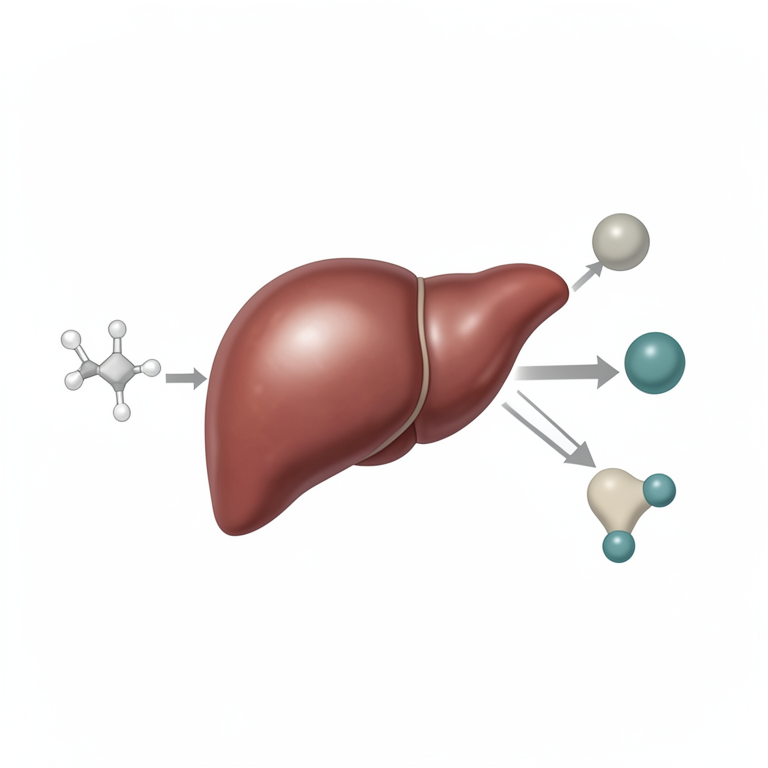
Human Caffeine Metabolism Pathway
AI-generated conceptual illustration (human liver). It explains the idea and does not show study data.
View source evidence ↗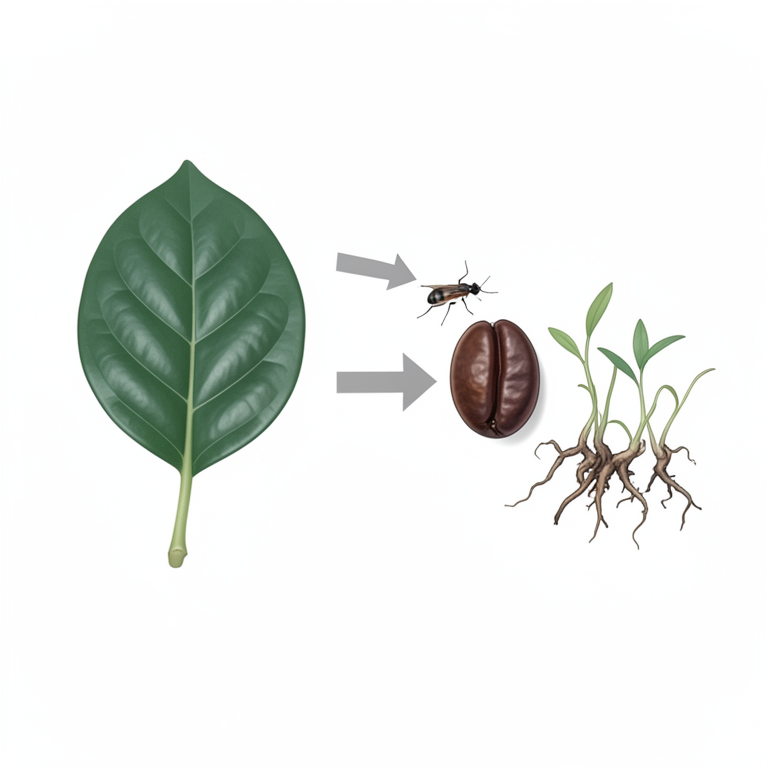
Caffeine's Ecological Role in Plants
AI-generated conceptual illustration (Coffee plant leaves and seeds). It explains the idea and does not show study data.
View source evidence ↗Figures & tables
From the original paper Table 1
Introduction
Caffeine is a plant-derived secondary metabolite (An alkaloid) functioning primarily as a natural pesticide and defense mechanism against herbivores and pathogens. Produced by plants like Coffea, it renders tissues unpalatable, while being consumed by humans as a stimulant that acts as a competitor to adenosine receptors. (Kolb et al. 2021, Santos et al. 2016) [10,11] Caffeine (1, 3, 7-trimethylxanthine) is a xanthine alkaloid that is derived from plants. It was first isolated from coffee seeds by German scientists Runge and Von Giese in 1820. Owing to its multifaceted biological effects, caffeine has been found widespread use in everyday life, as well as in the food and medical industries. (Socala et al. 2022, Tao et al. 2021) [12] . In the food industry, caffeine is used as a natural additive in various products, such as chocolate, tea, and cola. Not only does it significantly improve the taste of food but it also can alleviate fatigue and improve sustained attention.Numerous studies have shown that moderate caffeine consumption can obviously promote diuresis improve memory, increase anticancer effects (Fredholm et al. 1999, Meeusen et al. 2013) [1,2] , decrease blood pressure lower the risks of type 2 diabetes, and delay aging (Ruggiero et al. 2022) [16] . In the medical field, caffeine is primarily used as a stimulant (Sharman et al. 2016) [7] and an analgesic adjuvant (WHO 2023, Derry et al. 2012, Fison et al. 2004) [36,14,13] . Moreover, caffeine has been identified as a potential biomarker for disease detection, especially in the case of Parkinson's disease (Tej et al. 2018, Fujimaki et al. 2018) [5,15] . Apart from these applications, the cosmetics industry has also developed caffeine-based products for weight loss and beauty care. (Herman et al. 2013) [18] Caffeine can promote skin blood microcirculation, prevent fat accumulation, and provide antioxidant benefits (Bartolomen 2022, Marx et al. 2016, Cheng et al. 2016) [6, 3. 4] . However, the use of caffeine also poses severe environmental challenges. For example, the production of coffee and tea generates millions of tons of agricultural and industrial refuse annually. (Asihara et al. 2017) [19] As a result, the scientific community and the public are highly concerned about the environmental impact from caffeine and its biodegradation.
Although there have been some reports on the metabolic pathways of caffeine in microorganisms, a comprehensive summary is currently lacking. In this review, we mainly focus on the metabolic pathways of caffeine degradation in bacteria and fungi, and we summarize the structures and gene sequences of related enzymes. (Vega et al. 2021, Thathola et al. 2021) [27,28] . Caffeine was first detected in coffee and tea plants, and it has been identified in more than 100 plant species. In particular, some Camellia and Coffea species possess relatively high levels of caffeine. For example, Coffea arabica and Camellia sinensis contain 1-2% and 2-5% caffeine, respectively. Other plants, such as Theabronma cacao, Cola acuminata, Ilex paraguariensis, and Paullinia cupana, contain 0.03%, 1.5%, 0.7%, and 4% caffeine, respectively (Anaya et al. 2006, Koshishi et al. 2001) [21,20] . The daily average consumption of caffeine for humans ranges from 80 to 400 mg/person Excessive intake of caffeine can lead to various health problems, such as insomnia, anxiety osteoporosis and fetal weight loss Even low doses of caffeine can affect the quality of sleep and have harmful effects on individuals with heart disease and on pregnant women. Caffeine is also considered an addictive substance (Ngueta et al. 2020; Nihlig et al. 2010) [9, 8] , and its withdrawal can cause adverse reactions, such as headache, fatigue, apathy, and drowsiness Moreover, caffeine is recognized as an environmental pollutant and the problem of how to remove it has garnered increasing attention from the scientific community (Kim et al. 2008) [24] . Currently, traditional methods are used globally for caffeine removal, including water extraction, adsorption supercritical CO2 extraction microwave-assisted extraction ultrasoundassisted extraction, and membrane filtration. However, these methods often come with issues, e.g., high costs, toxicity, or a lack of specificity for caffeine. Instead, caffeine biodegradation provides a safe and inexpensive alternative to physical and chemical methods. It mainly consists of two methods, that is, the microbial and enzymatic methods. The microbial method is more economical and eco-friendly in treating sewage and other waste containing caffeine and is preferred due to its safety and nontoxicity.(Mazzfera et al. 1996) Transgenic methods are being explored to produce strains that can remove caffeine, but this topic is relatively sensitive, and additionally, whether it can be utilized remains to be discussed. Enzymatic degradation of caffeine is mainly used in food applications and the production of specific intermediates, such as theophylline, 7methylxanthine, and paraxanthine. Enzymatic degradation has the advantage of specifically removing methylxanthine, thus preserving the unique flavor and aroma compounds in coffee and tea, and avoiding an impact on the taste of food. However, caffeine-degrading enzymes are not stable in the environment, and their production and development costs are very high, leading to rare usage (Sugiyama 2002, Dash et al. 2008) [26,30] . Caffeine, which is also widely present in aquatic environments, has been found to possess negative impacts on aquatic organisms, including oxidative stress, lipid peroxidation, neurotoxicity, energy reserve, and metabolic disorders, and meanwhile, it causes adverse effects on their reproduction, and development, and even causes mortality in some cases. Therefore, caffeine is now considered a new type of pollutant. Although caffeine generally exhibits high removal efficiency in wastewater treatment processes, the increasing consumption of coffee and other caffeinated beverages has led to a higher input of caffeine into aquatic systems than its degradation amount.
Given the concerning levels of caffeine concentration in biotic and abiotic samples from related studies, it is important to develop suitable treatment methods and effective removal technologies to eliminate or significantly limit caffeine and its derivatives in aquatic systems. (Asano et al. 1994)Currently, Pseudomonas has been demonstrated to have good tolerance to caffeine and the ability to completely degrade caffeine in wastewater treatment. Therefore, the application of Pseudomonas for caffeine degradation in sewage treatment will significantly improve the issue of damaged ecological environments and provide a new method for sewage purification. (Loos 2009, Kolpin 2002, Kim 2020, Gluck 1988) [48,46,47] .
Key Aspects of Caffeine as a Secondary Metabolite
Caffeine is a purine alkaloid secondary metabolite that plays a crucial ecological role in plants, functioning as a defense compound against herbivores, pathogens, and competing species. It is stored mainly in young leaves and flowers, and also exhibits allelopathic effects by inhibiting the growth of neighboring plant. It acts as a natural pesticide, protecting plants from herbivore predation and inhibiting pathogens. Caffeine is a nitrogen-containing alkaloid belonging to the methylxanthine family, commonly found in leaves and seeds.(Gracia 2015) [39] . In humans, caffeine is metabolized in the liver primarily by the enzyme CYP1A2, which converts it into three major metabolites: paraxanthine, theobromine, and theophylline. Roughly 80% of this metabolism occurs through N3demethylation to form paraxanthine. Once in circulation, caffeine acts as a stimulant by binding to adenosine receptors, blocking the signal that normally promotes drowsiness and fatigue.Several factors influence the rate of caffeine metabolism, including genetics, liver enzyme activity, smoking, pregnancy, and certain medications such as oral contraceptives (AMR 2022) [38] . Chemically, caffeine (trimethylxanthine) is a purine alkaloid and functions as a secondary metabolite in plants like coffee (Coffea) and tea (Camellia sinensis). Unlike primary metabolites, which are essential for growth and survival, secondary metabolites provide ecological advantages.(ICO 2023) [37] .
Key roles of caffeine in plants
Chemical Defense: Caffeine acts as a natural insecticide and deterrent against generalist herbivores, protecting young plant tissues from damage. It is toxic to many pests and can kill snails and slugs. It inhibits the growth of bacteria and fungi, acting as a pathogen defense mechanism. Plants release caffeine into the soil (e.g., via fallen leaves) to inhibit the germination and growth of neighboring competitive plants. In some species, low doses of caffeine in nectar can improve pollinator memory, helping them return to that plant species. It can influence the behavior of insects, for example, by reducing the feeding efficiency of herbivores. Caffeine is toxic and undesirable to insects. It can block the development of mosquito larvae (Aedes aegypti), repel insects like moths and beetles, and inhibit feeding in tobacco hornworms. (Hollingsworth et al. 2002) [25] It functions by causing neurotoxic reactions and interfering with neurotransmitter release in insects. Low levels of endogenous caffeine can stimulate a plant's self-defense system. Transgenic plants expressing caffeine genes showed enhanced resistance to viruses, bacteria, and insects, likely because the plant interprets its own caffeine as a threat and activates defense-related genes, increasing production of salicylic acid. Caffeine has dual-track effects, inhibiting pathogens while also fostering the growth of beneficial microorganisms like Trichoderma fungi, which protect the plant roots, a concept known as "caffeine fostering" Allelopathy: Caffeine released from fallen leaves and fruit can inhibit the germination and growth of surrounding plants, reducing competition for resources. Caffeine, a purine alkaloid, reduces the growth of weeds, which makes it a useful component of coffee infusion residues for managing weed infestation. High concentrations (e.g., 1000 ppm) have been shown to significantly inhibit the radicle growth and reduce the biomass of target weeds. Seedlings exposed to high doses of caffeine often display stunted growth, twisted forms, and a lower biomass yield. Caffeine is actively secreted into the soil through the primary roots of coffee plants. It alters the microbial community, specifically enriching it with, "killer" fungi like Trichoderma, which help protect the plant by destroying harmful phytopathogens. reduces the size of primary roots and slows shoot growth, which decreases a plant's ability to absorb water and nutrients.
Phytotoxicity and necrosis:
Exposure can cause abnormal, twisted seedling growth and tissue necrosis (death) at high doses. High doses of caffeine significantly inhibit germination. Seeds treated with higher concentrations (such as 1.75% or higher) often show little to no germination. It is known to interfere with mitosis (cell division) and cell plate formation in rootlets, leading to abnormal, stunted, and twisted Enhancement: In small doses, caffeine in nectar can improve a pollinator's memory, encouraging repeat visits to the same plant species. While coffee grounds are popular in compost, direct application of high-caffeine mixtures can damage sensitive plants. Low concentrations of caffeine present in floral nectar have been shown to enhance pollinator memory, thereby increasing the likelihood of repeated visits to the same plant species and improving reproductive success. This adaptive mechanism benefits plants by reinforcing pollinator fidelity. However, while coffee grounds are commonly incorporated into compost where microbial activity reduces caffeine content, the direct application of high-caffeine solutions to soil or plants can be phytotoxic. Elevated caffeine levels may impair seed germination, inhibit root development, and disrupt the soil microbial community, ultimately compromising plant health (Summers 2012) [35] .
Biosynthesis in plants
Caffeine is synthesized through a four-step core pathway, primarily starting from the precursor xanthosine: or caffeine synthase). In humans, caffeine is metabolized in the liver, primarily by the enzyme CYP1A2. This process yields several "secondary" metabolic products such as Paraxanthine. It Stimulates lipolysis (fat breakdown) in cells. Another metabolic product is Theobromine. It acts as a vasodilator and diuretic. Another metabolic product is Theophylline. It Relaxes smooth muscle in the bronchi, often used to treat asthma. Caffeine is a secondary metabolite acting primarily as a natural pesticide, herbivore repellent, and allelopathic agent in plants. It protects young leaves, flowers, and seeds from pathogens and insects, while also inhibiting the growth of competing plants through soilleached inhibition of root development. (Yu et al. 2009) [34] .
Environmental impacts
Emerging contaminant: Caffeine is a human stimulant and a plant defense compound. It is increasingly recognized as an emerging contaminant in the environment. Because it is widely consumed and excreted, it often ends up in wastewater and surface waters, (Sim 2011) [51] where it can have ecological consequences. Caffeine pollution is more complex than just residues in water it spans from coffee farming practices that drive deforestation and carbon emissions to subtle but cascading effects on aquatic ecosystems and even potential risks for human drinking water. (Mazzafera 1996, Buerge et al. 2003) [29,50] Recent studies highlight bioaccumulation in food chains, (Facozio 2008) [49] synergistic toxicity with other pollutants, and the absence of regulatory standards as major emerging concerns. ( [19,45,40] . Due to high human consumption, significant amounts of caffeine enter aquatic environments through sewage, acting as a persistent pollutant. It have adverse effects on aquatic organisms, causing oxidative stress, changing metabolic activity, and impacting reproduction in fishes and bivalves. (Kuo essar 2024, Li 2020) [44,43] Caffeine synthesis genes can be upregulated in plants in response to environmental stressors such as drought or intense light. Fish exposed to caffeine show increased metabolic rates, forcing them to expend more energy, which reduces survival chances in stressful environments (Mohd W 2020) [42] .
Daphnia (water fleas) exhibit altered reproduction and mobility, which can destabilize food chains (Pierce 2016) [41] Predators consuming contaminated prey may accumulate higher caffeine levels, amplifying ecological stress. (Bioaccumulation). Further Caffeine can interact with pharmaceuticals and personal care products in water, intensifying harmful effects. No global standards exist for caffeine levels in water, leaving a blind spot in environmental and public health policy. (Hollingsworth et al. 2002s) [25] .
Conclusion
Conclusion
Figures and tables from the paper
| Features | Tea | Coffee |
|---|---|---|
| Main Accumulation | Young leaves and buds | Mature beans/seeds |
| Content (% Dry Weight) | ~2-5% | ~1-2% |
| Biosynthesis Site | Primarily in chloroplasts | Primarily in the cytoplasm |
| Pesticide Role | Repels leaf-feeding insects | Protects beans from seed-boring pests |
Table text extracted from the original PDF; superscript letters are shown inline. The original table image is below.
View original table image
References
51 in the original paper- Fredholm BB, Bättig K, Holmén J, Nehlig A, Zvartau EE. Actions of caffeine in the brain with special reference to factors that contribute to its widespread use. Pharmacological Reviews. 1999;51:83-133.
- Meeusen R, Roelands B, Spriet LL. Caffeine, exercise and the brain. Nestlé Nutrition Institute Workshop Series. 2013;76:1-12. DOI:10.1159/000350223.
- Marx B, Scuvée É, Scuvée-Moreau J, Seutin V, Jouret F. Mechanisms of caffeine-induced diuresis. Médecine Sciences. 2016;32:485-490. DOI:10.1051/medsci/20163205015.
- Cheng YC, Ding YM, Hueng DY, Chen JY, Chen YC. Caffeine suppresses the progression of human glioblastoma via cathepsin B and MAPK signaling pathway. Journal of Nutritional Biochemistry. 2016;33:63-72. DOI:10.1016/j.jnutbio.2016.03.004.
- Tej GNV C, Nayak PK. Mechanistic considerations in chemotherapeutic activity of caffeine. Biomedicine & Pharmacotherapy. 2018;105:312-319. DOI:10.1016/j.biopha.2018.05.144.
- Bartolomeu AR, Romualdo GR, Lisón CG, Besharat ZM, Corrales JAM, Chaves MAG, et al. Caffeine and chlorogenic acid combination attenuate early-stage chemically induced colon carcinogenesis in mice: involvement of oncomiR miR-21a-5p. International Journal of Molecular Sciences. 2022;23:6292. DOI:10.3390/ijms23116292.
- Sherman SM, Buckley TP, Baena E, Ryan L. Caffeine enhances memory performance in young adults during their non-optimal time of day. Frontiers in Psychology. 2016;7:1764. DOI:10.3389/fpsyg.2016.01764.
- Nehlig A. Is caffeine a cognitive enhancer? Journal of Alzheimer's Disease. 2010;20:S85-S94. DOI:10.3233/JAD-2010-091315.
- Ngueta G. Caffeine and caffeine metabolites in relation to hypertension in U.S. adults. European Journal of Clinical Nutrition. 2020;74:77-86. DOI:10.1038/s41430-019-0430-0.
- Kolb H, Martin S, Kempf K. Coffee and lower risk of type 2 diabetes: arguments for a causal relationship. Nutrients. 2021;13:1144. DOI:10.3390/nu13041144.
- Santos RMM, Lima DRA. Coffee consumption, obesity and type 2 diabetes: a mini-review. European Journal of Clinical Nutrition. 2016;55:1345-1358. DOI:10.1007/s00394-016-1206-0.
- Tao L, Zhang W, Zhang Y, Zhang M, Zhang Y, Niu X, et al. Caffeine promotes the expression of telomerase reverse transcriptase to regulate cellular senescence and aging. Food & Function. 2021;12:2914-2924. DOI:10.1039/D0FO03246H.
- Fisone G, Borgkvist A, Usiello A. Caffeine as a psychomotor stimulant: mechanism of action. Cellular and Molecular Life Sciences. 2004;61:857-872. DOI:10.1007/s00018-003-3269-3.
- Derry CJ, Derry S, Moore RA. Caffeine as an analgesic adjuvant for acute pain in adults. Cochrane Database of Systematic Reviews. 2012;3:CD009281. DOI:10.1002/14651858.CD009281.pub2.
- Fujimaki M, Saiki S, Li Y, Kaga N, Taka H, Hatano T, et al. Serum caffeine and metabolites are reliable biomarkers of early Parkinson disease. Neurology. 2018;90:e404-e411. DOI:10.1212/WNL.0000000000004888.
- Ruggiero M, Calvello R, Porro C, Messina G, Cianciulli A, Panaro MA. Neurodegenerative diseases: can caffeine be a powerful ally to weaken neuroinflammation? International Journal of Molecular Sciences. 2022;23:12958. DOI:10.3390/ijms232112958.
- Socała K, Szopa A, Serefko A, Poleszak E, Wlaź P. Neuroprotective effects of coffee bioactive compounds: a review. International Journal of Molecular Sciences. 2021;22:107. DOI:10.3390/ijms22010107.
- Herman A, Herman AP. Caffeine's mechanisms of action and its cosmetic use. Skin Pharmacology and Physiology. 2013;26:8-14. DOI:10.1159/000343174.
- Ashihara H, Mizuno K, Yokota T, Crozier A. Xanthine alkaloids: occurrence, biosynthesis, and function in plants. In: Kinghorn AD, Falk H, Gibbons S, Kobayashi J, editors. Progress in the Chemistry of Organic Natural Products. Volume 105. Cham: Springer International Publishing; 2017. p. 1-88.
- Koshiishi C, Kato A, Yama S, Crozier A, Ashihara H. A new caffeine biosynthetic pathway in tea leaves: utilisation of adenosine released from the S-adenosyl-Lmethionine cycle. FEBS Letters. 2001;499:50-54. DOI:10.1016/S0014-5793(01)02512-1.
- Anaya AL. Metabolism and ecology of purine alkaloids. Frontiers in Bioscience-Landmark. 2006;11:2354-2370. DOI:10.2741/1975.
- Epifanio J. Ecology of the cafetalero agroecosystem [PhD thesis]. Mexico City: Universidad Nacional Autonoma de Mexico; [year unknown]. p. 1820.
- Nathanson JA. Caffeine and related methylxanthines: possible naturally occurring pesticides. Science. 1984;226:184-187. DOI:10.1126/science.6207592.
- Kim YS, Sano H. Pathogen resistance of transgenic tobacco plants producing caffeine. Phytochemistry. 2008;69:882-888. DOI:10.1016/j.phytochem.2007.10.021.
- Hollingsworth RG, Armstrong JW, Campbell E. Caffeine as a repellent for slugs and snails. Nature. 2002;417:915-916. DOI:10.1038/417915a.
- Sugiyama A, Sano CM, Yazaki K, Sano H. Caffeine fostering of mycoparasitic fungi against phytopathogens. Plant Signaling & Behavior. 2016;11:e1113362. DOI:10.1080/15592324.2015.1113362.
- Vega FE, Emche S, Shao J, Simpkins A, Summers RM, Mock MB, et al. Cultivation and genome sequencing of bacteria isolated from the coffee berry borer (Hypothenemus hampei), with emphasis on the role of caffeine degradation. Frontiers in Microbiology. 2021;12:644768. DOI:10.3389/fmicb.2021.644768.
- Thathola P, Agnihotri V, Pandey A. Microbial degradation of caffeine using Himalayan psychrotolerant Pseudomonas sp. GBPI_Hb5 (MCC 3295). Current Microbiology. 2021;78:3924-3935. DOI:10.1007/s00284-021-02644-0.
- Mazzafera P, Olsson O, Sandberg G. Degradation of caffeine and related methylxanthines by Serratia marcescens isolated from soil under coffee cultivation. Microbial Ecology. 1996;31:199-207. DOI:10.1007/BF00167865.
- Dash SS, Gummadi SN. Inducible nature of the enzymes involved in catabolism of caffeine and related methylxanthines. Journal of Basic Microbiology. 2008;48:227-233. DOI:10.1002/jobm.200800004.
- Asano Y, Komeda T, Yamada H. Enzymes involved in theobromine production from caffeine by Pseudomonas putida No. 352. Bioscience, Biotechnology, and Biochemistry. 1994;58:2303-2304. DOI:10.1271/bbb.58.2303.
- Glück M, Lingens F. Heteroxanthine demethylase, a new enzyme in the degradation of caffeine by Pseudomonas putida. Applied Microbiology and Biotechnology. 1988;28:59-62.
- Dash SS, Gummadi SN. Degradation kinetics of caffeine and related methylxanthines by induced cells of Pseudomonas sp. Current Microbiology. 2007;55:5660. DOI:10.1007/s00284-006-0588-2.
- Yu CL, Louie TM, Summers R, Kale Y, Gopishetty S, Subramanian M. Two distinct pathways for metabolism of theophylline and caffeine are coexpressed in Pseudomonas putida CBB5. Journal of Bacteriology. 2009;191:4624-4632. DOI:10.1128/JB.00409-09.
- Summers RM, Louie TM, Yu CL, Gakhar L, Louie KC, Subramanian M. Novel, highly specific N-demethylases enable bacteria to live on caffeine and related purine alkaloids. Journal of Bacteriology. 2012;194:20412049. DOI:10.1128/JB.06637-11.
- World Health Organization. Model list of essential medicines [Internet]. Geneva: World Health Organization; 2023 [cited 2024 Jan 28]. Available from: https://www.who.int/groups/expertcommittee-onselection-and-use-ofessential-medicines/essentialmedicineslists
- International Coffee Organization. Coffee market report [Internet]. London: International Coffee Organization; 2023 [cited 2024 Jan 28]. Available from: https://icocoffee.org/coffee-prices-close2022-on-stablenote/
- Allied Market Research. Caffeine market research [Internet]. Portland (OR): Allied Market Research; 2022 [cited 2024 Jan 28]. Available from: https://www.alliedmarketresearch.com/caffeine-market
- Gracia-Lor E, Rousis NI, Zuccato E, Bade R, BazLomba JA, Castrignanò E, et al. Estimation of caffeine intake from analysis of caffeine metabolites in wastewater. Science of the Total Environment. 2017;609:1582-1588.
- Edwards QA, Kulikov SM, Garner-O'Neale LD. Caffeine in surface and wastewaters in Barbados, West Indies. SpringerPlus. 2015;4(1):1-12.
- Pires A, Almeida Â, Calisto V, Schneider RJ, Esteves VI, Wrona FJ, et al. Long-term exposure of polychaetes to caffeine: biochemical alterations induced in Diopatra neapolitana and Arenicola marina. Environmental Pollution. 2016;214:456-463.
- Mohd W, Wan A, Khalik M, Loh SH, Albani H, Aisyah S, et al. Caffeine residue in Terengganu River basins in Malaysia: distribution and risk assessment. Nature Environment and Pollution Technology. 2020;19(2):711-719.
- Li S, Wen J, He B, Wang J, Hu X, Liu J. Occurrence of caffeine in the freshwater environment: implications for ecopharmacovigilance. Environmental Pollution. 2020;263:114371.
- Kuo-Esser L, Chen R, Lawson K, Kuchinski K, Simmons N, Dominguez M, et al. Early-life caffeine exposure induces morphological changes and altered physiology in Caenorhabditis elegans. Biochemical and Biophysical Research Communications. 2024;690:149240.
- Vieira LR, Soares AMVM, Freitas R. Caffeine as a contaminant of concern: a review on concentrations and impacts in marine coastal systems. Chemosphere. 2022;286:131675.
- Kim MC, Nam S, Wang F, Zhu Y. Mapping scientific landscapes in UMLS research: a scientometric review. Journal of the American Medical Informatics Association. 2020;27(10):1612-1624.
- Kolpin DW, Furlong ET, Meyer MT, Thurman EM, Zaugg SD, Barber LB, et al. Pharmaceuticals, hormones, and other organic wastewater contaminants in U.S. streams, 1999-2000: a national reconnaissance. Environmental Science & Technology. 2002;36(6):1202-1211.
- Loos R, Gawlik BM, Locoro G, Rimaviciute E, Contini S, Bidoglio G. EU-wide survey of polar organic persistent pollutants in European river waters. Environmental Pollution. 2009;157(2):561-568.
- Focazio MJ, Kolpin DW, Barnes KK, Furlong ET, Meyer MT, Zaugg SD, et al. A national reconnaissance for pharmaceuticals and other organic wastewater contaminants in the United States II: untreated drinking water sources. Science of the Total Environment. 2008;402(2-3):201-216.
- Buerge IJ, Poiger T, Müller MD, Buser HR. Caffeine, an anthropogenic marker for wastewater contamination of surface waters. Environmental Science & Technology. 2003;37(4):691-700.
- Sim WJ, Lee JW, Lee ES, Shin SK, Hwang SR, Oh JE. Occurrence and distribution of pharmaceuticals in wastewater from households, livestock farms, hospitals and pharmaceutical manufacturers. Chemosphere. 2011;82(2):179-186.