
Research article · 2026 · Full text
International Journal of Geography Geology and EnvironmentPattern of alcohol consumption and associated issues among tribal communities of Gumla Block, Jharkhand
Volume 8(8) · Pages 01–11 · DOI: 10.22271/27067483.2026.v8.i8a.843 ↗
Research areasSubstance Abuse Treatment and OutcomesIndigenous Health, Education, and RightsAlcohol Consumption and Health Effects
Abstract
Author-writtenBackground: Alcohol consumption has traditionally been an integral component of the socio cultural life of tribal communities in India. However, increasing accessibility and changing socio economic conditions have transformed it into a regular practice with significant livelihood implications. Aim: The aim of the study is to understand the pattern of alcohol consumption among tribal villages in Gumla block and analyse its associated livelihood related issues. Methods: A mixed methods research design combined quantitative household surveys with qualitative phenomenological analysis. Primary data were collected from 100 tribal households across eight settlement categories representing different levels of accessibility. Descriptive statistics, comparative analysis, GIS based spatial analysis, and thematic analysis were used. Results: Alcohol consumption was higher in rural settlements than urban settlements, with highest prevalence in villages near weekly markets, local brewing points, and interior settlements. Traditional alcohol predominated in rural areas, while branded liquor was more common in the urban settlement. Accessibility, local availability, socio cultural acceptance, unemployment, and peer influence were the major determinants of alcohol consumption. Alcohol consuming households experienced greater financial stress, workday losses, household conflict, food insecurity, and lower expenditure on children's education. An emerging trend of increasing alcohol consumption and earlier initiation among adolescents and young adults was observed. Conclusion: Alcohol consumption among tribal communities is influenced by geographical accessibility and socio-cultural factors, with significant livelihood implications. Context specific interventions combining awareness, regulation of alcohol availability, and livelihood support are required to reduce alcohol related harm.
Summary
Source-checkedPlain-language reading of the full paper, prepared with AI and checked against the text. Each point links to the authors' own words.
Why it matters
- Alcohol consumption is traditionally a part of the socio-cultural life of tribal communities in India. View evidence ↗
- Changing socio-economic conditions and increased accessibility have turned alcohol use into a regular practice that impacts livelihoods. View evidence ↗
- Excessive alcohol use negatively impacts household income, labor productivity, food security, and family relationships. View evidence ↗
The question
- The study aims to understand alcohol consumption patterns in tribal villages of Gumla block and analyze associated livelihood issues. View evidence ↗
What they did
- The researchers used a mixed-methods design, combining quantitative household surveys with qualitative phenomenological analysis. View evidence ↗
- Primary data were gathered from 100 tribal households across eight different settlement categories based on accessibility. View evidence ↗
- The analysis involved descriptive statistics, comparative analysis, thematic analysis, and GIS-based spatial analysis. View evidence ↗
What they found
- Alcohol consumption was more prevalent in rural households (76%) than in urban households (60%). View evidence ↗
- The highest prevalence of alcohol consumption among rural categories was found in Near Market and Interior Villages, both at 90%. View evidence ↗
- Interior Villages had the highest average of 1.8 consumers per household, while Gumla Nagar Parishad had the lowest at 0.88. View evidence ↗
- Settlements with more than five alcohol sources within 1 km showed higher consumption, with most individuals drinking 3 to 6 days per week. View evidence ↗
- Alcohol-consuming households spent less on children's education than non-consuming households in both urban (₹2,216.67 vs ₹2,500) and rural (₹938.59 vs ₹1,069.44) areas. View evidence ↗
- Rural alcohol-consuming households lost an average of 2.52 workdays in the last 30 days, compared to 0.93 workdays for urban alcohol-consuming households. View evidence ↗
- There is an emerging trend of increased alcohol consumption and earlier initiation among adolescents and young adults. View evidence ↗
What it means
- The authors recommend a balanced approach combining cultural respect, awareness, livelihood opportunities, community involvement, and alcohol regulation. View evidence ↗
- The findings are based on 100 households in Gumla Block and should not be generalized to all tribal communities in Jharkhand. View evidence ↗
- The cross-sectional design limits the ability to make causal inferences or analyze long-term behavioral changes. View evidence ↗
Visual summary
3 visualsIllustrations explain the paper; charts are replotted from the paper's own table values.
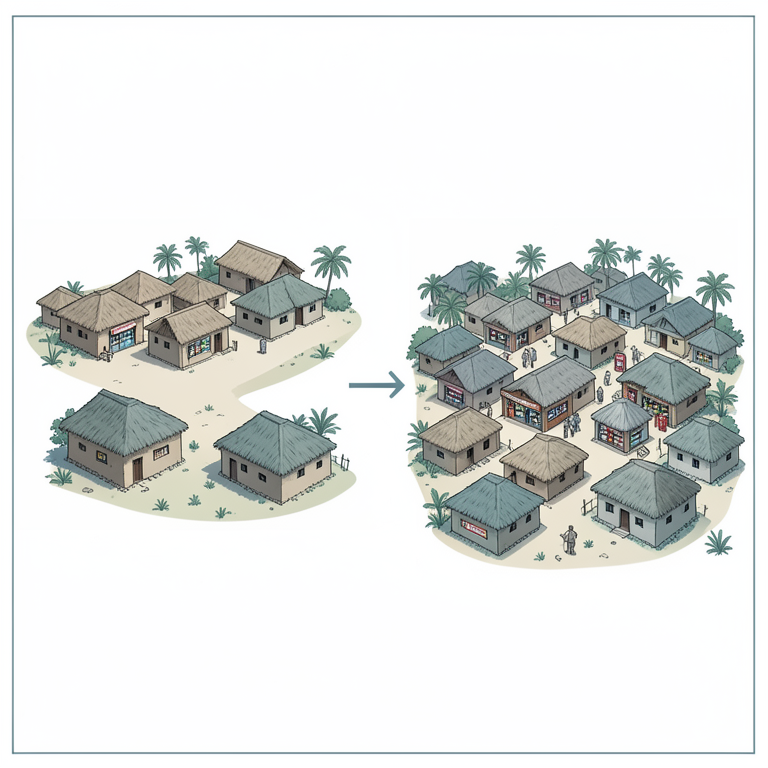
Accessibility and Consumption Frequency
AI-generated conceptual illustration (Tribal village settlements in Jharkhand, India). It explains the idea and does not show study data.
View source evidence ↗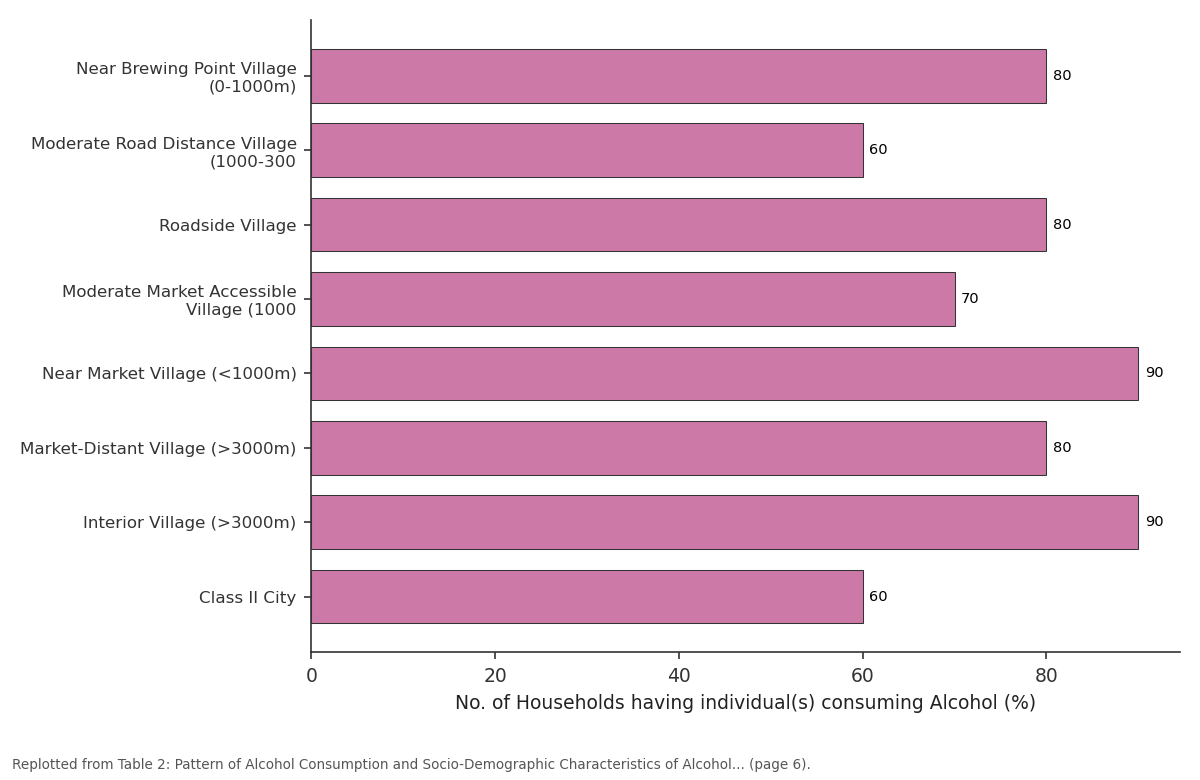
No. of Households having individual(s)...: Near Brewing Point... vs Moderate Road Distance... vs Roadside Village vs Moderate Market... vs Near Market Village...
Replotted from Table 2 (page 6) of the original paper. Every bar is the paper's own table value.
View source evidence ↗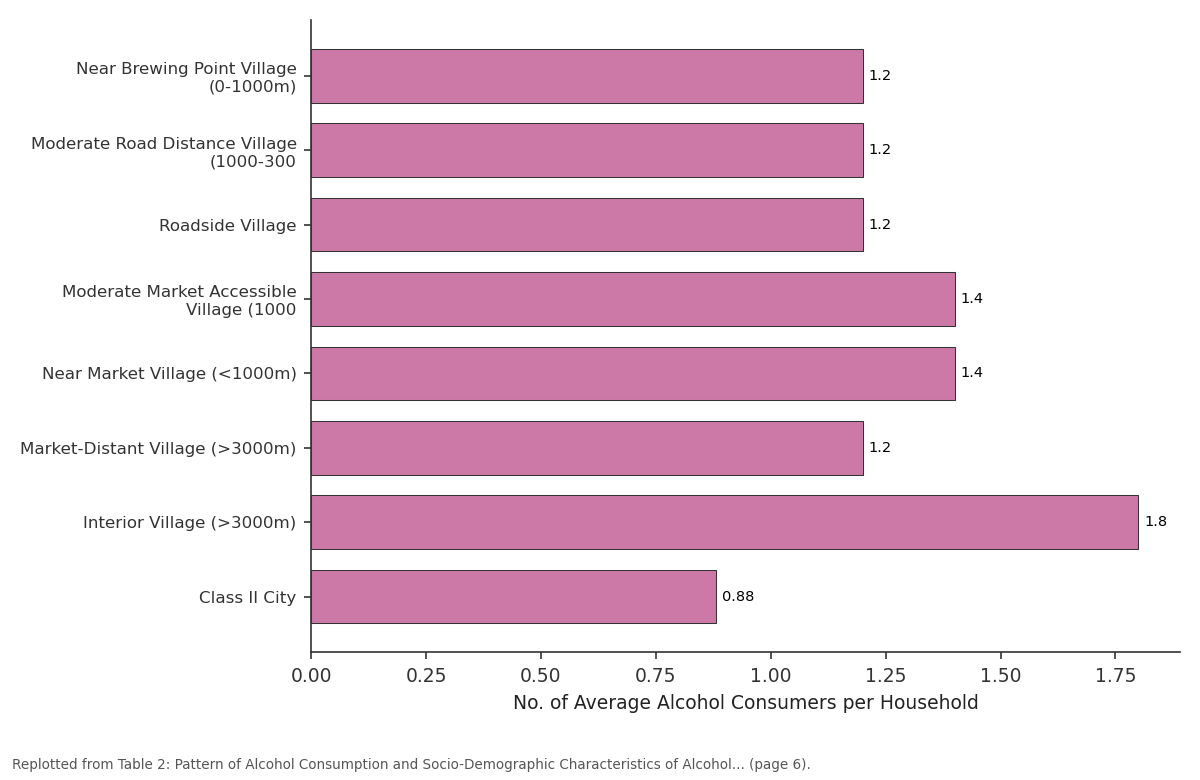
No. of Average Alcohol Consumers per...: Near Brewing Point... vs Moderate Road Distance... vs Roadside Village vs Moderate Market... vs Near Market Village...
Replotted from Table 2 (page 6) of the original paper. Every bar is the paper's own table value.
View source evidence ↗Figures & tables
From the original paper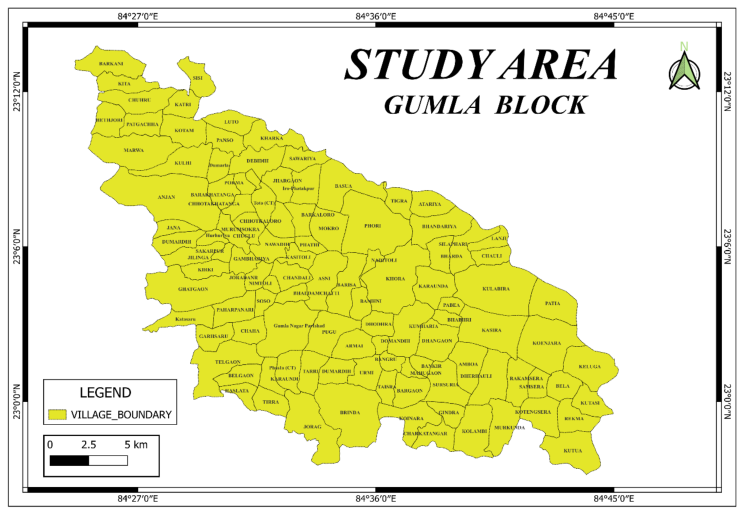 Figure 1
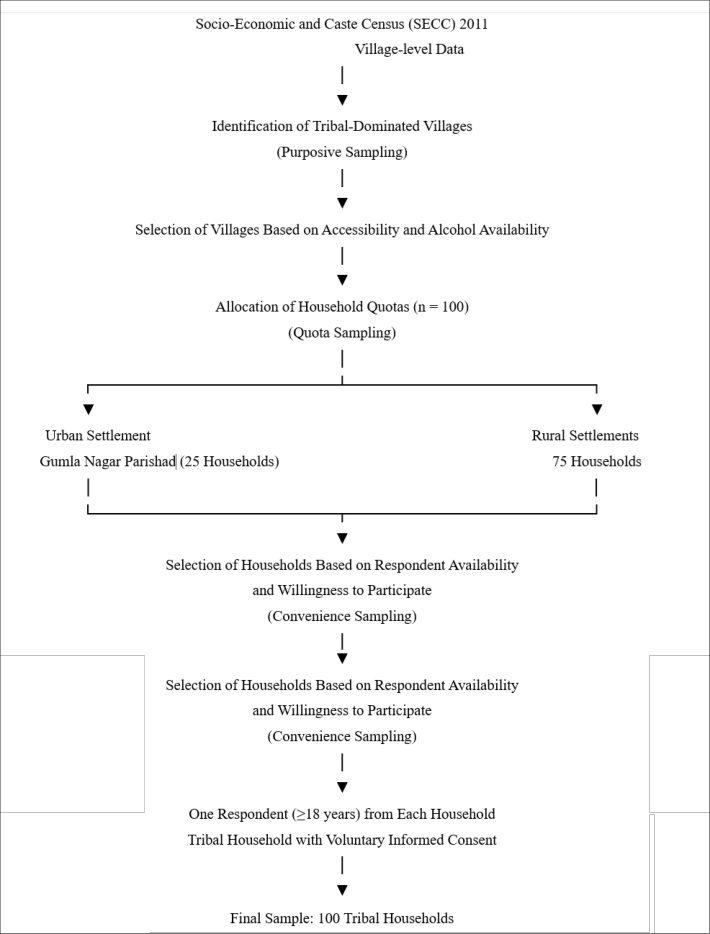 Figure 2
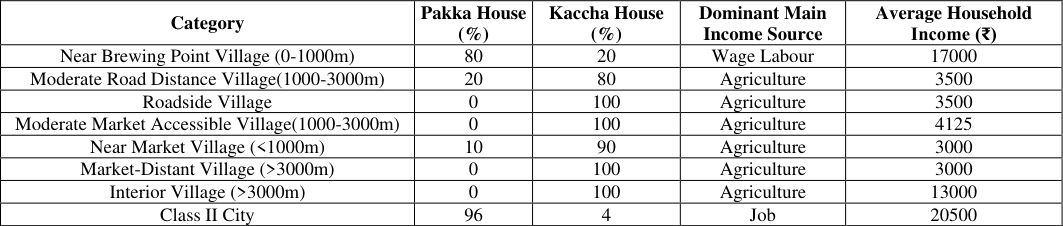 Table 1
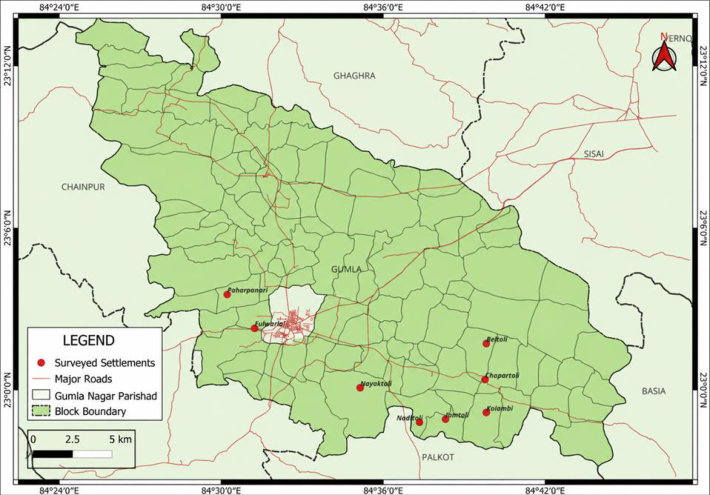 Figure 3
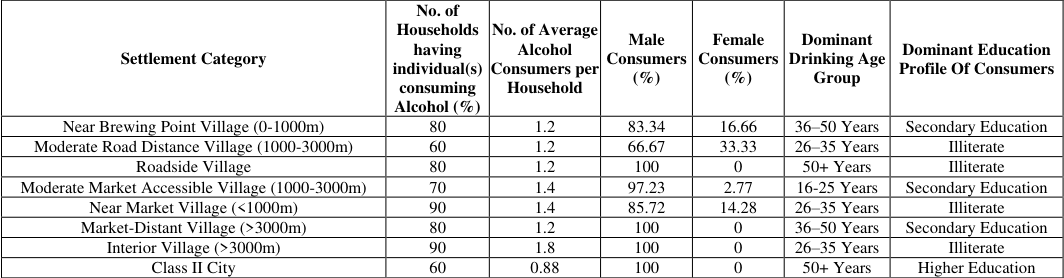 Table 2
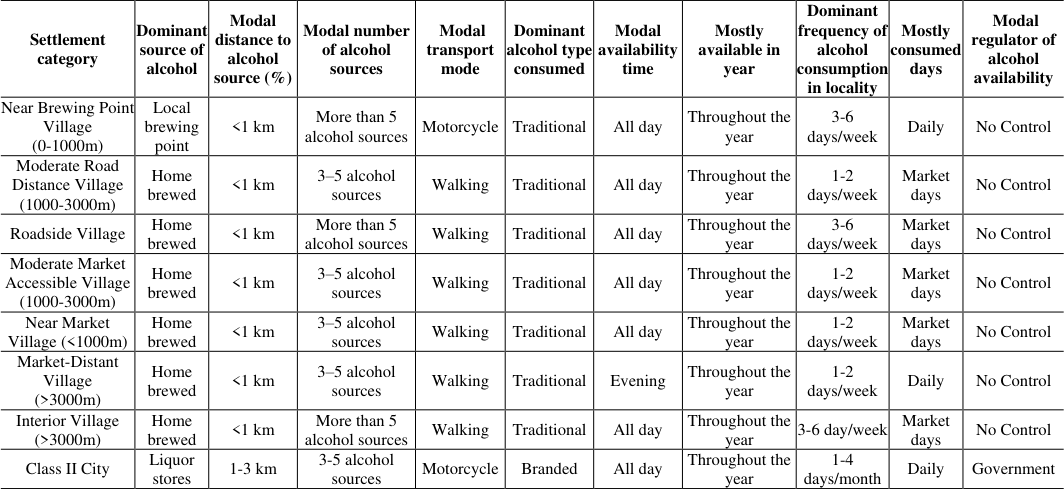 Table 3
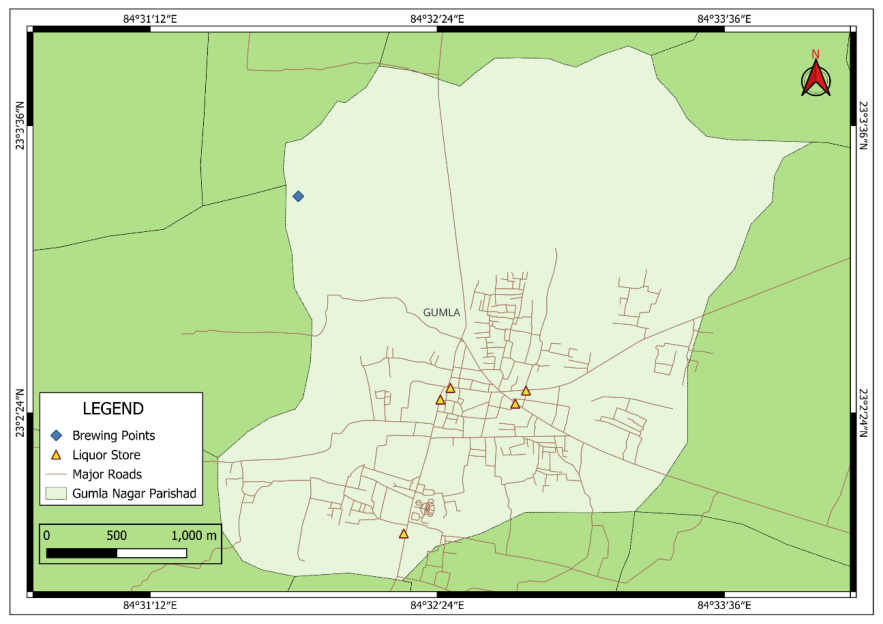 Figure 4
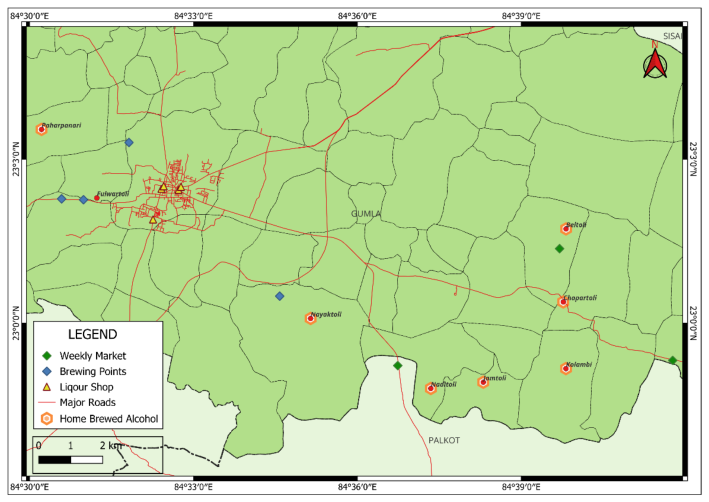 Figure 5
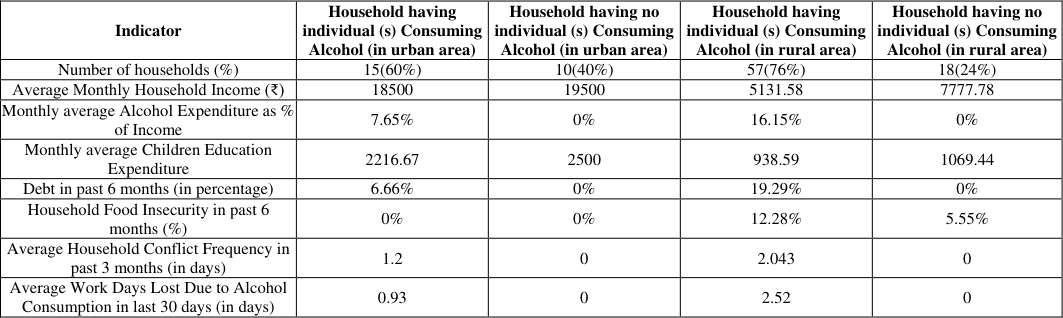 Table 4
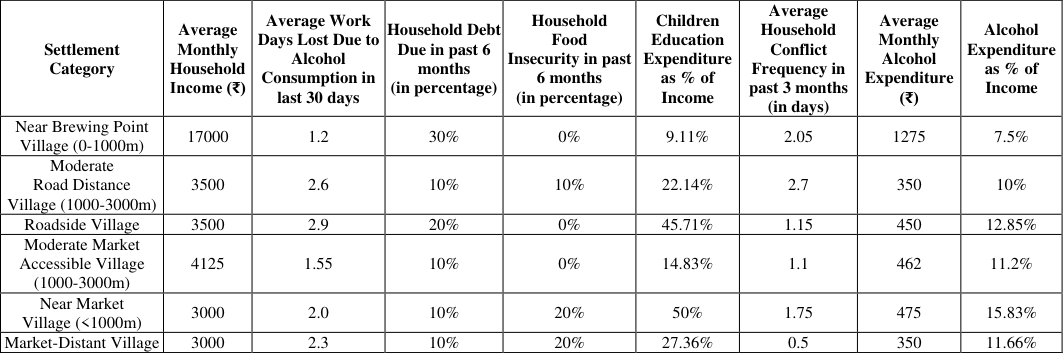 Table 5
Introduction
Alcohol consumption is recognised as one of the leading public health and socio-economic challenges worldwide. Alcohol, an ethanol containing psychoactive substance with dependence producing properties, contributes substantially to mortality, disability, noncommunicable diseases, injuries, and wider social and economic losses (WHO, 2024) [11] . Beyond its direct health consequences, excessive alcohol consumption adversely affects household income, labour productivity, educational attainment, food security, family relationships, and overall community well-being (WHO, 2024) [11] . A household is defined as "a group of persons who commonly live together and would take their meals from a common kitchen unless the exigencies of work prevented any of them from doing so" (Office of the Registrar General & Census Commissioner, India, 1991) [17] . As the basic unit of economic and social organisation, the household plays a central role in determining livelihood security, and excessive expenditure on alcohol can significantly influence household well-being. A settlement is a place where people establish permanent or semi-permanent habitation, varying in size, function, and spatial characteristics (Pacione, 2009) [19] . In the present study, settlements are categorised according to accessibility and alcohol availability to examine spatial variations in alcohol consumption and livelihood outcomes among tribal communities.
Tribal communities, commonly referred to as indigenous peoples, are culturally distinct groups with unique social, economic, linguistic, and cultural traditions and a close relationship with their natural environment. In India, these communities are constitutionally recognised as Scheduled Tribes under Article 342 of the Constitution of India (Constitution of India, 1950) [18] . Among indigenous populations, alcohol consumption has historically been embedded within cultural identity, traditional ceremonies, religious practices, and social gatherings. However, changing socio-economic conditions, market expansion, and increasing physical availability of alcohol have transformed traditional drinking practices into more frequent and hazardous patterns of consumption in many indigenous communities (Negi et al., 2026; Narasimha et al., 2024) [4,3] . In India, Scheduled Tribes exhibit relatively higher levels of alcohol consumption than many other population groups because traditional beverages such as Handia, Mahua, and other fermented drinks are widely accepted and easily available within tribal communities, while socio-economic disadvantages further increase vulnerability (Kumar & Tiwari, 2016; Ray et al., 2018) [2,5] . Previous studies have reported that excessive alcohol consumption among tribal populations contributes to financial hardship, indebtedness, domestic violence, reduced work productivity, poor health, and adverse effects on women and children's well-being (Joseph & Jethwani, 2023; Rose et al., 2021; Sadath et al., 2019).) [1,6,7] . In a qualitative study conducted in Wayanad, Kerala, Sadath et al. (2019) [7] , found that alcohol misuse among tribal men in Kerala was strongly influenced by parental practices, peer pressure, occupational conditions, cultural traditions, and the easy availability of locally brewed alcohol. Similarly, Rose et al. (2021) [6] found that villages where alcohol is readily available experience higher levels of regular alcohol consumption than settlements with relatively limited access. In geographical research, accessibility refers to the ease with which people can reach a particular location or service, influenced by factors such as distance, transport connectivity, travel time, and physical barriers (Geurs & van Wee, 2004). Accessibility influences not only the availability of alcohol but also the frequency and pattern of alcohol use, which may ultimately affect household livelihoods. Despite growing evidence on alcohol consumption among tribal populations, limited empirical research has examined how geographical accessibility influences alcohol consumption patterns and associated livelihood issues among tribal communities in eastern India, particularly in Jharkhand. Examining these spatial variations is therefore important for understanding alcohol related issues and developing context specific interventions in tribal regions. This study explores the pattern of alcohol consumption and associated livelihood issues among tribal communities of Gumla Block, with particular emphasis on the role of spatial accessibility and alcohol availability. The study has three specific objectives :(i) To identify the pattern of alcohol consumption in tribal settlement categories ;(ii) To examine how the accessibility and availability of alcohol influences consumption; .(iii)To analyse the livelihood issues associated with alcohol consumptions.
Materials and Methods
Materials and Methods
Setting
The study was conducted in Gumla Block, located in Gumla District in the south western part of Jharkhand. Gumla District lies between 22°35′ and 23°33′ North latitude and 84°40′ and 85°01′ East longitude and covers an area of 5,347.25 km². The district is bounded by Latehar and Lohardaga districts in the north, Ranchi and Khunti districts in the east, Simdega district in the south, and the state of Chhattisgarh in the west. Administratively, the district comprises one subdivision (Gumla Sadar), 12 Agriculture and allied activities constitute the principal livelihood of the population.
Research Design
The study adopted a mixed method research design, integrating quantitative and qualitative approaches to obtain a comprehensive understanding of alcohol consumption and its associated livelihood issues. The quantitative component examined patterns of alcohol consumption, accessibility, household income, expenditure, work productivity, and other socio-economic indicators, while the qualitative component explored respondent's lived experiences, perceptions, and views regarding alcohol consumption and its consequences.
Data Sources
Both primary and secondary data were utilized in the study. Primary data were collected through a structured household questionnaire administered during field surveys. The questionnaire gathered information on household socioeconomic characteristics, alcohol consumption patterns, accessibility and availability of alcohol, household expenditure, work productivity, food security, indebtedness, children's education, and other livelihood indicators. In addition, open ended questions were included to capture respondent perceptions and experiences regarding alcohol consumption. Secondary data were obtained from the Census of India (2011), the Socio Economic and Caste Census (SECC), OpenStreetMap spatial datasets, and relevant published literature.
Source: Prepared by author using primary survey.
Sampling
A total of 100 households were surveyed using a combination of purposive, quota, and convenience sampling techniques. Initially, tribal dominated villages were identified using village level data from the Socio Economic and Caste Census (Ministry of Rural Development, 2011). Villages were purposively selected from different levels of accessibility and alcohol availability. A fixed number of households were allocated to each settlement category through quota sampling, from urban area (Gumla Nagar Parishad) a total of 25 households, and rest 75 from rural areas. Within each selected settlement, households were chosen using convenience sampling based on respondent availability and willingness to participate. The sample size of 100 households was considered adequate to capture variation across the selected settlement categories within the three-month fieldwork period and available logistical and financial resources. The study included one respondent from each household, aged ≥ 18 years belonging to tribal households who voluntarily consented to participate in the survey.
Classification of Settlement Categories
To examine the influence of geographical accessibility on alcohol consumption, the selected settlements were classified into eight categories based on their proximity to roads, weekly markets, and local brewing centres. These (The urban survey comprised 25 households selected from different localities within Gumla Nagar Parishad; therefore, no single surveyed settlement point is shown on the map.)
Data Collection
The Data collection for this study was done through indepth face to face structured household interviews conducted during field visits. The participants were interviewed in their homes at the identified tribal settlements. In addition to the structured household survey, direct field observations were undertaken to document the location of liquor outlets, locally brewed alcohol points, transportation facilities, and settlement characteristics.
Data analysis
Quantitative data were entered into Microsoft Excel and analysed using descriptive statistical techniques, including percentages, means, modes, frequency distributions, ratios, and comparative analysis. Spatial analysis was performed using QGIS to prepare thematic maps illustrating the distribution of selected settlements and their accessibility characteristics. Geographic Information System (GIS) techniques facilitated the examination of spatial variations in alcohol consumption across different settlement categories. The qualitative data obtained through open ended interviews were analysed using thematic analysis.
Respondent's narratives were systematically coded to identify recurring themes related to alcohol consumption, perceived causes, financial stress, household conflicts, social acceptance, and changing drinking behaviour. Direct quotations were incorporated to enhance the credibility of the qualitative findings and to illustrate respondent's lived experiences (Creswell, 2014; Patton, 2002) 3. Results
Socio economic Characteristics of the Study Area
The socio-economic characteristics of the surveyed households varied considerably across the different settlement. In Gumla Nagar Parishad, approximately 96% of the surveyed houses were pakka, whereas most rural settlements, including Roadside, Moderate Market Accessible, Market Distant, and Interior Villages, were dominated by kaccha houses. Similarly, the Near Brewing Point Village recorded a relatively high proportion of pakka houses (80%), comparatively having better economic conditions than many other rural settlements. Agriculture constituted the principal occupation in most rural villages, while wage labour was the dominant source of income in the Near Brewing Point Village. In contrast, salaried employment was the major livelihood source in Gumla Nagar Parishad. Average monthly household income ranged from approximately ₹3,000 to ₹4,125 in several agriculturally dependent villages while in the urban settlement it was ₹20,500 (Table 1).
Pattern of Alcohol Consumption
The proportion of individuals consuming alcohol in households was higher in rural areas 76% as compared to 60% in urban households, which was 16% higher than the urban areas. Among the rural settlement categories, Near Market Villages and Interior Villages had the highest percentage of alcohol where 90% of surveyed households reported alcohol consumption. In contrast, Moderate Road Distance Villages and Gumla Nagar Parishad recorded the lowest prevalence, with 60% of households reporting alcohol consumption. Interior Villages recorded the highest average number of consumers per household 1.8, whereas Gumla Nagar Parishad had the lowest average 0.88 (Table 2).
Accessibility and Availability of Alcohol
Alcohol was easily available in the study area. In almost all the rural settlements the main source of alcohol was home brewed, while commercial liquor stores were the primary source in Gumla Nagar Parishad. In most villages, respondents reported that location of alcohol sources were within 1 kilometers of their residence with multiple alcohol sources available year round. Walking was the most common mode of transport used in rural settlements, whereas motorcycles were mainly used in the urban area and Near Brewing Point Villages to access alcohol. (Table 3). Nearly all rural settlement categories described alcohol consumption as socially accepted and no community or government regulation over alcohol availability. Government regulation was reported only in the urban settlement, where commercial liquor sales were subject to licensing and formal control.
Source: Prepared by author using primary survey.
Livelihood issues associated with household alcohol consumption
Alcohol consumption has substantial implications on the livelihood of tribal households in Gumla Block. The study found that the economic burden of alcohol varied across settlements and was influenced by household income and drinking patterns. The economic burden of alcohol was higher among rural households. Urban alcohol consuming households spent an average of 7.65% of their monthly income on alcohol, whereas rural alcohol consuming households spent 16.15%, more than twice the urban proportion. Alcohol places a much heavier financial burden on rural households, limiting the resources available for essential household needs. The impact was particularly severe among low-income rural households, where 73.68% of alcohol consuming households belonged to the income category of less than ₹5,000 per month (Table 4). 4). Family relationships were similarly affected by alcohol consumption. Alcohol consuming households in urban areas reported an average household conflict frequency of 1.2 days in past three months, while rural alcohol consuming households reported a higher average of 2.04 days. No household conflicts were reported among nonalcohol consuming households in either urban or rural areas (Table 4). Source: Prepared by author using primary survey.
Qualitative results
Qualitative results
Reason for alcohol consumption
Respondents explained that the close knit settlement pattern of tribal colonies facilitates regular social interaction among unemployed youth. With limited employment opportunities and considerable idle time, young men often gather with peers, where alcohol consumption becomes a common social activity. Consequently, unemployment, peer influence, low educational attainment, and unstructured leisure time were important factors contributing to regular alcohol consumption.
A respondent from Fulwar Toli stated: If someone is unemployed and spends all day hanging around with uneducated and unemployed friends, what else can you expect? Of course they end up drinking.
Another respondent from Gumla Nagar Parishad stated: Who knows, perhaps it's because of unemployment.
Similarly, a respondent from Beltoli said: Peer pressure, illiteracy and surrounding environment.
The employment, unemployment and edcation status reflected variably on alcohol misuse. Alcohol consumption was viewed as being influenced not only by economic hardship but also by social interactions and inadequate awareness regarding the harmful consequences of drinking.
Financial stress and livelihood insecurity
As male household members spent most of their wages on alcohol, increases financial stress within the households, and the essential needs of family members were often compromised.
One respondent from Kolambi stated:
There is no money for essential household needs, but somehow there is always money for alcohol.
Another respondent said:
He spends all his money on alcohol and leaves nothing for the household.
These narratives reflects that alcohol expenditure contributes directly to household financial insecurity and weakens livelihood sustainability.
Household conflict and burden on women and children
Alcohol use frequently resulted in family disputes, emotional stress and increased responsibilities for women. Participants described alcohol as a major source of domestic conflict that negatively affected family relationships.
Respondent from Fulwar toli stated:
Alcohol consumption often leads to arguments because we do not agree with each other's views, and these disputes sometimes turn into domestic violence.
Alcohol misuse imposed an additional burden not only on the individual drinker but also on the entire household, with women bearing a disproportionate share of the social, economic, and domestic consequences.
A Female respondent from Beltoli said: He keeps drinking all the time, while I have to take care of the farming, the children, and the entire household on my own.
Similarly, another female respondent stated: Because of his drinking habits, he does not even go to work. I am the only one earning while he just drinks alcohol.
The consequences of alcohol consumption extend well beyond the individual drinker. Women experience increased household responsibilities, while children are affected through reduced educational opportunities, emotional stress, and an unstable home environment.
A female respondent from Kolambi said: Due to alcohol consumption children's education often gets affected and family requirements are unmet. When he comes drunk, he often uses abusive language in front of the family members. This affects the mental state of the family and creates embarrassment in front of neighbours.
Increasing Alcohol Consumption and Early Initiation Among Youth
The qualitative analysis revealed an emerging trend of increasing alcohol consumption over recent years, particularly among younger individuals. early exposure to alcohol is contributing to higher consumption among adolescents and young adults, reflecting a gradual shift in drinking patterns within the tribal communities.
A respondent stated:
Alcohol consumption has increased rapidly over recent years. Nowadays, it feels as if children are born and start drinking immediately.
Similarly, another respondent said: The number of alcohol users is rising, and children below 18 years of age seem to be drinking heavily.
Alcohol use begins at progressively earlier ages, indicating a shift in the drinking age towards adolescents and young adults. This trend was associated with the widespread availability of alcohol, increasing social acceptance, and early exposure within the community.
Discussion
The study reveals that alcohol consumption is influenced by more than just socio-cultural norms it is also influenced by geographical accessibility, settlement features, and socioeconomic conditions in the household. This study looks at geographical aspects of alcohol availability and their implications on tribal households, whereas many previous studies have focused mainly on health consequences of alcohol consumption.
The findings revealed that alcohol use varies across settlement categories according to geographical accessibility. Rural settlements reported a higher frequency of alcohol consumption than the urban settlement. In the urban area, alcohol outlets were typically located 1 -3 km from respondent home, whereas in most rural settlement alcohol was easily available within short distance less than 1 km of households in all most all rural settlements. These findings support the argument that physical availability and accessibility are important determinants of drinking behaviour. The World Health Organization (2018) has emphasised that greater physical availability of alcohol is associated with increased alcohol consumption and alcohol related harm. Similarly, Sadath et al. (2019) [7] found that the widespread availability of locally brewed alcohol in tribal settlements of Wayanad contributed to frequent alcohol use and reinforced alcohol as a socially accepted cultural practice. This study extends these findings by demonstrating that accessibility differs spatially across settlement categories and that such variation influences both the frequency and pattern of alcohol consumption. Traditional alcoholic beverages such as Handia and Mahua still dominates in rural settlements, whereas branded liquor was mostly popular in Gumla Nagar Parishad. Similar observations have been reported by Kumar and Tiwari (2016), who noted that traditional alcoholic beverages continue to occupy an important place in the cultural and social life of many indigenous communities in India. However, the study shows that traditional alcohol is no longer confined to ceremonial occasions but has become part of routine household life, particularly in settlements where local brewing occurs. Alcohol consuming households experienced greater financial stress, increased household conflict, loss of productive workdays, food insecurity, and comparatively lower household well-being than non-alcohol consuming households. These findings are consistent with previous studies that have reported adverse economic and social consequences of alcohol use among tribal populations (Joseph & Jethwani, 2023; Rose et al., 2021) [1,6] . The present study advances this understanding by comparing alcohol consuming and non-alcohol consuming households across different income groups and settlement categories, illustrating the livelihood consequences of alcohol consumption are not uniform but vary according to geographical and socio-economic contexts. The qualitative findings further enrich the quantitative analysis by revealing how respondents themselves perceive the causes and consequences of alcohol consumption. Participants consistently described alcohol as being readily available and socially accepted, while low education attainment, unemployment, peer influence, and limited livelihood opportunities were identified as major drivers of regular drinking. Similar themes were identified by Sadath et al. (2019) [7] , who found that peer influence, cultural acceptance, workplace practices, and family traditions contributed to alcohol misuse among tribal men in Wayanad. Nevertheless, the present study differs in demonstrating how these social processes interact with geographical accessibility. Respondents repeatedly emphasised that the proximity of local brewing centres and markets made alcohol easily obtainable, encouraging routine consumption. Women and children emerged as the most vulnerable members of alcohol consuming households. Interview participants stated increased women responsibilities, household conflict, reduced expenditure on children's education, and emotional distress resulting from excessive alcohol consumption by male family members. These findings correspond with earlier research indicating that women and children disproportionately experience the indirect consequences of alcohol use through economic deprivation, family instability, and domestic violence (WHO, 2024; Joseph & Jethwani, 2023) [11,1] . This study reinforces these observations by documenting similar experiences among tribal households in Jharkhand while providing direct narratives from respondents that reveals the lived reality behind the quantitative indicators. An important emerging trend was identified in the study that the shift in alcohol consumption towards younger age groups. Respondents consistently stated that alcohol consumption has increased over recent years and that adolescents are being exposed to alcohol at progressively earlier ages. The qualitative narratives suggest that alcohol has become increasingly normalised within community life and children and adolescents are beginning to consume alcohol much earlier than previous generations. These perceptions correspond with the quantitative findings, which showed that young and middle-aged adults constituted the dominant drinking population in most settlement categories. Despite these contributions, several limitations should be acknowledged. The study was based on a sample of 100 households from selected settlement categories within Gumla Block. therefore, the findings should not be generalised to all tribal communities in Jharkhand. In addition, the cross sectional design captures alcohol consumption patterns at a single point in time and does not permit causal inference or analysis of long term behavioural changes. Future studies could employ larger samples, longitudinal research designs, and advanced statistical techniques to further investigate the relationships among accessibility, socioeconomic change, and alcohol consumption.
Conclusion
This study concludes that alcohol consumption remains deeply embedded in the socio cultural life of the tribal communities of Gumla Block. However, its increasing accessibility and year round availability have transformed it from a traditional practice into a significant livelihood concern. The study shows the relationship of alcohol consumption is significantly correlated with the spatial presence and ease of access to alcohol. Areas with a greater number of alcohol sources in shorten distances exhibited higher levels of alcohol consumption, with rural settlements exhibiting higher prevalence and frequency of drinking than urban areas, highlighting the important role of geographical accessibility and social acceptance in shaping drinking behaviour.
The study further demonstrates that excessive alcohol consumption extends beyond individual health and has substantial economic and social consequences for tribal households. Higher expenditure on alcohol, reduced work productivity, food insecurity, indebtedness, family conflict, and increased burdens on women and children collectively weaken household livelihood and overall wellbeing. The qualitative narratives reinforce these findings by revealing the everyday struggles experienced by affected families. The study emphasizes that addressing alcohol related issues in tribal communities requires a balanced approach that respect the cultural traditions while promoting awareness of the issue, increased opportunities for tribal citizens to earn a living, greater community involvement, and alcohol reduction/regulation. These context-specific interventions can help to make households healthier, support sustainable livelihoods and inclusive development in tribal areas of Gumla Block.
Figures and tables from the paper
References
19 in the original paper- Joseph N, Jethwani LM. Quality of life and alcohol use among Scheduled Tribes in Wayanad district of Kerala. The International Journal of Indian Psychology. 2023;11(2). doi:10.25215/1102.032.
- Kumar RK, Tiwari R. A cross-sectional study of alcohol consumption among tribal and non-tribal adults of Narayanganj Block in Mandla district of Madhya Pradesh, India. International Journal of Community Medicine and Public Health. 2016;3(4):791-795.
- Narasimha VL, Mukherjee D, Arya S, Parmar A. Alcohol use disorder research in India: an update. Indian Journal of Psychiatry. 2024;66(5):495-515.
- Negi PS, Sarkar S, Khumukcham M, Balhara YPS, Dhawan A. Prevalence, patterns, and factors associated with alcohol use among tribal populations in India: a narrative review. Industrial Psychiatry Journal. 2026. Advance online publication.
- Ray J, Som K, Paul R, Bandyopadhyay D. Prevalence of alcohol use among tribal population based on selfreported data: a hospital-based pilot study from West Bengal. Journal of the Indian Academy of Clinical Medicine. 2018;19(4):269-273.
- Rose A, Mohan VR, Vinodh A, David SM, George K, Minz S, et al. Hazardous use of alcohol among men in the tribal population of Jawadhi Hills, Tamil Nadu: nature, prevalence, and risk factors. Journal of Family Medicine and Primary Care. 2021;10(1):481-484.
- Sadath A, Jose K, Meethal ST, Mathai JK, Venugopal AP, Xavier N. Factors associated with alcohol misuse among indigenous tribal men in Wayanad: a qualitative study. Indian Journal of Psychological Medicine. 2019;42(6 Suppl):516-522.
- Sadath A, Kabir Z, Jiji KM, Ragesh G, Uthaman SP. Smoking, betel quid chewing, and alcohol use among an indigenous primitive Tribal group in the Kerala State of India: secondary analysis of a tribal household survey. Journal of Ethnicity in Substance Abuse. 2025;24(1):137-152. doi:10.1080/15332640.2023.2185721.
- War RJ, Gharat VV, Chandramouleeshwaran S, Nayak S, Nimgaonkar VL, Devi S. A three-site study of alcohol consumption among adolescents from indigenous tribes in India. Indian Journal of Psychological Medicine. 2020;42(6 Suppl):51S-56S. doi:10.1177/0253717620969737.
- World Health Organization. Global status report on alcohol and health 2018. Geneva: World Health Organization; 2018.
- World Health Organization. Global status report on alcohol and health and treatment of substance use disorders. Geneva: World Health Organization; 2024.
- Creswell JW. Research design: qualitative, quantitative, and mixed methods approaches. 4th ed. Thousand Oaks (CA): SAGE Publications; 2014.
- Patton MQ. Qualitative research and evaluation methods. 3rd ed. Thousand Oaks (CA): SAGE Publications; 2002.
- Census of India. District Census Handbook: Gumla, Part XII-A: Village and Town Directory (Series-21, Jharkhand). New Delhi: Directorate of Census Operations, Jharkhand; 2011.
- Ministry of Rural Development. Socio Economic and Caste Census (SECC) 2011: Gram Panchayat, Gumla Development Block, Jharkhand. New Delhi: Government of India; 2011.
- Registrar General & Census Commissioner, India. Functional classification of urban agglomerations/towns of India, 1991. Census of India 1991, Occasional Paper No. 3 of 1994. New Delhi: Ministry of Home Affairs, Government of India; 1994.
- Chakravorty C, Singh AK. Household structures in India. Occasional Paper No. 1. New Delhi: Office of the Registrar General & Census Commissioner, India, Ministry of Home Affairs, Government of India; 1991.
- Constitution of India. The Constitution of India. Article 342. New Delhi: Government of India; 1950.
- Pacione M. Urban geography: a global perspective. 3rd ed. London: Routledge; 2009.
Social normalisation and easy accessibility of alcohol
Traditional beverages such as Handia and Mahua were viewed as integral components of festivals, ceremonies, family gatherings, and community celebrations. They believed that the widespread availability of alcohol within villages had normalised drinking behaviour, making alcohol consumption a routine practice rather than an activity limited to festivals or cultural occasions.
A respondent from fulwar toli stated: Nowadays, you may not find water even if you go looking for it, but you will definitely find alcohol.
Another respondent from koinara said: When it's available door to door, who can resist consuming It.
Alcohol has become more accessible than essential resources in many villages. The widespread social acceptance of drinking appears to reinforce regular alcohol use and reduce community level resistance to excessive consumption.