
Research article · 2026 · Full text
International Journal of Biology SciencesMechanisms of cryoinjury and emerging cryoprotective strategies in boar spermatozoa
Volume 8(8) · Pages 12–24 · DOI: 10.33545/26649926.2026.v8.i8a.973 ↗
Research areasSperm and Testicular FunctionReproductive Biology and FertilityReproductive Physiology in Livestock
Abstract
Author-writtenThe cryopreservation of boar semen is a crucial reproductive biotechnology for the global swine industry, enabling the conservation of elite genetics and enhancing biosecurity. However, its widespread commercial application remains heavily restricted due to the consistently lower conception and farrowing rates achieved compared to fresh semen. This limitation is fundamentally driven by the unique architecture of boar spermatozoa; the plasma membrane possesses a low cholesterol-to-phospholipid ratio and is exceptionally rich in Polyunsaturated Fatty Acids (PUFAs), making it highly vulnerable to cryoinjury. During the freeze-thaw process, spermatozoa are subjected to severe physicochemical stressors, including cold shock, osmotic stress, intracellular ice crystallization, and cryoprotectant toxicity. At the molecular level, these stressors provoke an overwhelming generation of Reactive Oxygen Species (ROS), which precipitates lipid peroxidation, mitochondrial dysfunction, and DNA fragmentation. This cumulative oxidative and structural damage triggers the intrinsic mitochondrial apoptotic pathway, ultimately resulting in an irreversible loss of post-thaw viability, impaired progressive motility, and compromised fertilizing capacity. To combat these mechanisms, current mitigation strategies emphasize the rigorous optimization of freezing protocols. Key interventions include the integration of membrane stabilizers (such as cholesterol-loaded cyclodextrins and egg yolk lipoproteins), the application of bioinspired, low-toxicity cryoprotectants (e.g., carboxylated ε-poly-L-lysine), and the targeted supplementation of exogenous antioxidants (such as Methyl Gallate and Djulis extract) within the extenders. Furthermore, proactive in vivo dietary interventions, like flaxseed oil supplementation, have proven effective at enhancing inherent seminal defenses. Integrating these refined molecular strategies with modern delivery methods, such as post-cervical artificial insemination (PCAI), provides a viable pathway to maximize the reproductive performance and commercial viability of cryopreserved boar semen under field conditions.
Summary
Source-checkedPlain-language reading of the full paper, prepared with AI and checked against the text. Each point links to the authors' own words.
Why it matters
- Cryopreservation of boar semen is vital for the global swine industry because it allows for the preservation of elite genetics and improves biosecurity. View evidence ↗
- The commercial use of frozen boar semen is limited because it results in lower conception and farrowing rates than fresh semen. View evidence ↗
- Boar sperm are particularly susceptible to cryoinjury due to a plasma membrane that is rich in polyunsaturated fatty acids (PUFAs) and has a low cholesterol-to-phospholipid ratio. View evidence ↗
The question
- The goal is to understand the molecular mechanisms of cryoinjury to optimize freezing protocols and improve the field fertility of post-thaw boar semen. View evidence ↗
What they did
- Standard cryopreservation protocols for boar semen are generally based on the Beltsville method and its modifications. View evidence ↗
- Semen selected for cryopreservation must meet high quality standards, including over 80% normal morphology and 70-80% progressive motility. View evidence ↗
- Typical final concentrations for the freezing process are 1.0 × 10⁹ sperm/mL with a glycerol concentration between 2% and 3%. View evidence ↗
- To prevent ice recrystallization, straws are typically thawed in a 50 °C water bath for 12 to 20 seconds, achieving a warming rate of about 1200 °C/min. View evidence ↗
What they found
- Boar spermatozoa experience severe cold shock when cooled rapidly below 15 °C. View evidence ↗
- The cryopreservation process can reduce the levels of endogenous glutathione (GSH) in boar sperm by as much as 32%. View evidence ↗
- Feeding boars a diet supplemented with 3% flaxseed oil for 16 weeks increases the total antioxidant capacity and levels of CAT and GPx enzymes in the seminal plasma. View evidence ↗
- Adding 20 µM of Methyl Gallate (MG) to the extender reduces oxidative stress by increasing the activities of GPx, CAT, and SOD. View evidence ↗
- The use of 25 to 50 mg/mL of aqueous Djulis extract in the freezing extender significantly improves the progressive and total motility of the sperm. View evidence ↗
- Adding 0.25% carboxylated ε-poly-L-lysine (CPLL) increases the activity of SOD, GPx, and CAT, which reduces malondialdehyde (MDA) levels and the rate of apoptosis. View evidence ↗
- Compared to fresh semen, post-thaw boar semen shows a drop in motility to 30-50% (from 70-80%), a 20-40% decline in membrane integrity, and 20-30% lower farrowing rates. View evidence ↗
What it means
- The authors recommend using post-cervical artificial insemination (PCAI) with low sperm doses to maximize the effectiveness of frozen-thawed semen. View evidence ↗
- Further research is needed to discover proteomic and metabolic biomarkers of freezability, such as NT5C1B, to further optimize cryopreservation. View evidence ↗
Visual summary
2 visualsIllustrations explain the paper; they do not show study data.
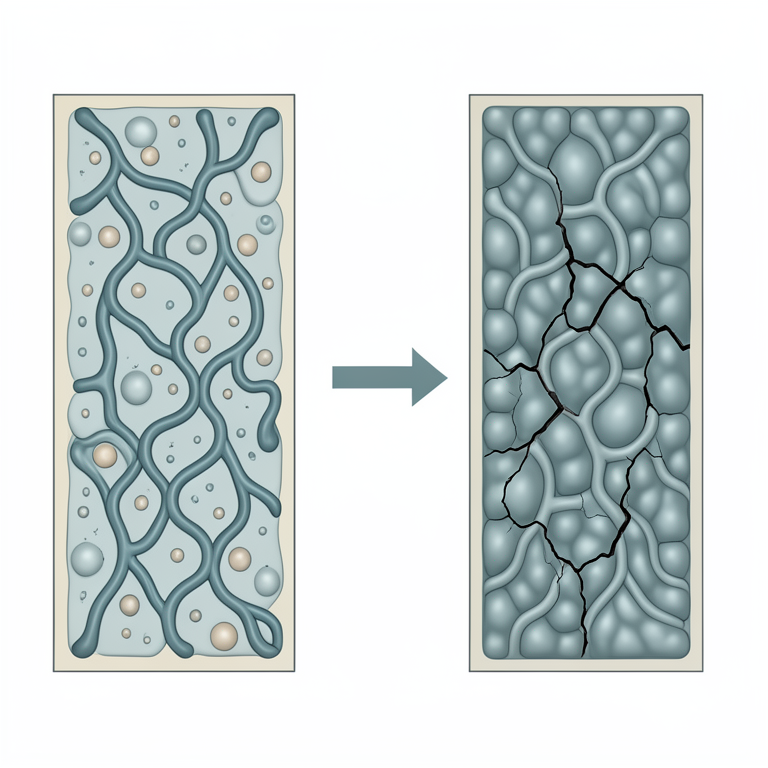
Boar Sperm Membrane Vulnerability
AI-generated conceptual illustration (boar spermatozoa plasma membrane). It explains the idea and does not show study data.
View source evidence ↗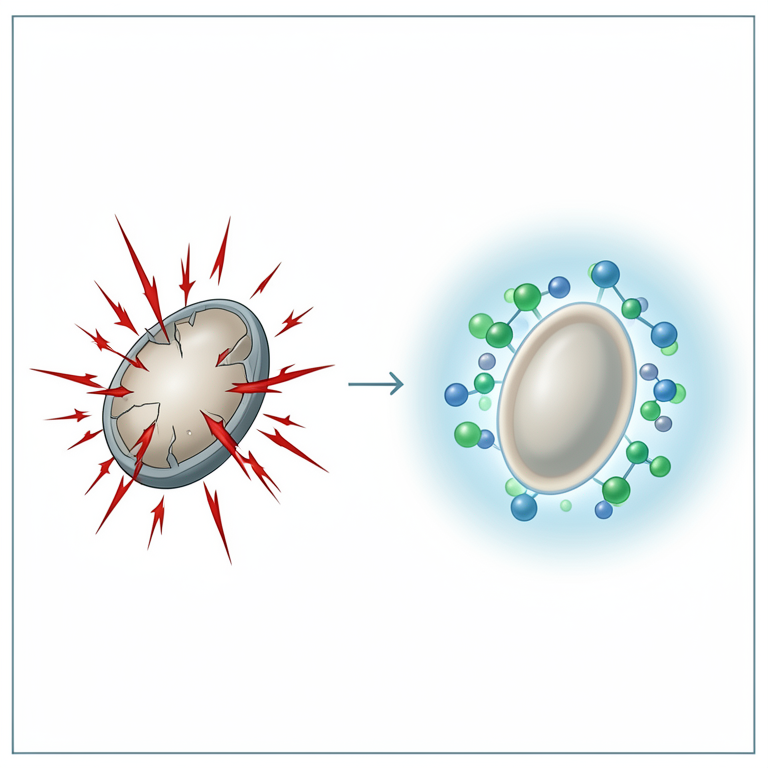
Antioxidant Defense Mechanism
AI-generated conceptual illustration (boar spermatozoa). It explains the idea and does not show study data.
View source evidence ↗Figures & tables
From the original paper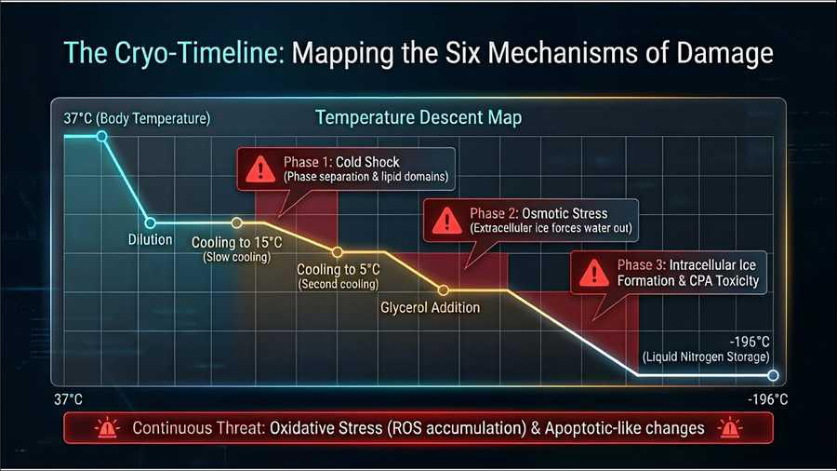 Figure 1
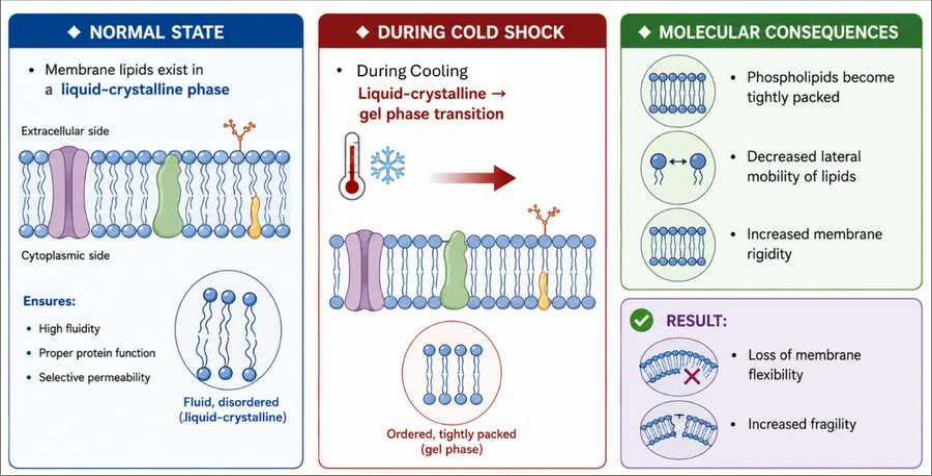 Figure 2
Introduction
The swine industry represents a crucial component of the agricultural sector, with India's pig population estimated at approximately 9.06 million as of the 2019 Livestock Census. To sustain and advance this sector, reproductive biotechnologies such as artificial insemination (AI) using cryopreserved semen are essential. Semen cryopreservation offers significant advantages, including the conservation of elite genetic resources, the facilitation of global germplasm exchange without the need for live animal transport, and the enhancement of biosecurity measures against disease transmission (Knox, 2016; Peña, 2026) [32,44] . However, despite its immense potential, the widespread commercial application of frozen-thawed boar semen remains highly restricted. This limitation is primarily due to the consistently lower conception and farrowing rates achieved with cryopreserved semen compared to fresh or liquid-stored semen (Yeste, 2016) [64] . The fundamental challenge in boar semen cryopreservation lies in the unique physiological and structural characteristics of boar spermatozoa. The plasma membrane of boar sperm is exceptionally rich in polyunsaturated fatty acids (PUFAs) and possesses a low cholesterol-tophospholipid ratio, rendering the cells highly susceptible to cold shock and peroxidative damage during the extreme temperature fluctuations of the freeze-thaw process (Peña, 2026; Yeste, 2016) [44,64] . Consequently, cryopreservation induces severe physical and chemical stresses that disrupt cellular homeostasis. At the molecular level, the primary drivers of this cryoinjury include osmotic stress, intracellular ice crystallization, and a dramatic increase in the generation of Reactive Oxygen Species (ROS). Because boar spermatozoa and their surrounding seminal plasma have a limited intrinsic antioxidant capacity, the overproduction of ROS leads to severe oxidative stress and lipid peroxidation, directly compromising the integrity of the plasma membrane (Zhang et al., 2021; Kumar et al., 2025) [66,33] . Furthermore, these physical and chemical stressors precipitate mitochondrial dysfunction which heavily impairs sperm motility and induce severe DNA fragmentation. Ultimately, the accumulation of oxidative and structural damage triggers intrinsic apoptotic pathways, drastically reducing the postthaw viability, functional competence, and overall fertilizing capacity of the spermatozoa (Zhang et al., 2021) [66] . Addressing these mechanistic gaps is critical for optimizing freezing protocols and bridging the gap between post-thaw survival and field fertility.
1) Factors affecting cryodamage in boar spermatozoa
The cryopreservation of boar semen is a complex procedure limited by the severe physical, chemical, and molecular stressors imposed upon the sperm cells during the freezethaw process. The extent of cryodamage is primarily governed by a combination of unique intrinsic cellular vulnerabilities and extrinsic procedural factors (Figure 1).
Intrinsic factors
Boar spermatozoa possess a unique cellular architecture that makes them inherently susceptible to cryoinjury compared to other mammalian species. The primary intrinsic factors include:
• Plasma membrane composition: The boar sperm plasma membrane is exceptionally rich in Polyunsaturated Fatty Acids (PUFAs) and possesses a low cholesterol-to-phospholipid ratio. While the high PUFA content is essential for maintaining optimal membrane fluidity for physiological functions, the low cholesterol level results in poor membrane stability during cooling (Zhang et al., 2024) [21] . This specific composition makes the membrane highly vulnerable to lipid phase transitions and oxidative damage (Peña, 2026) [44] . [24,34] . During rapid cooling, membrane lipids shift from a fluid, liquid-crystalline phase to a rigid, tightly packed gel phase. This transition restricts the lateral mobility of lipids, disrupts protein-lipid interactions, and ultimately leads to severe membrane rigidification, fragility, and loss of selective permeability.
• Limited antioxidant capacity: Boar spermatozoa have a low intrinsic antioxidant capacity in their cytoplasm and seminal plasma. This deficit leaves the cells highly vulnerable to Reactive Oxygen Species (ROS)mediated injuries, such as lipid peroxidation and DNA fragmentation, particularly when oxidative stress is exacerbated by the cryopreservation process (Hezavehei et al., 2018) [25] . • Individual variation (Freezability): There is a marked individual variation in cryotolerance among boars, classifying them as either "good" or "poor" freezers.
The inherent ability of sperm to survive freezing is strongly linked to the individual boar's genetics, intrinsic antioxidant status, and specific seminal plasma protein profiles (such as the presence of cryotoleranceassociated proteins like NT5C1B).
Extrinsic factors
The external conditions applied during semen processing directly dictate the severity of cellular stress. Key extrinsic factors include:
• Cooling rates and intracellular ice formation: The rate of temperature reduction is critical. If cooling is too rapid, intracellular water cannot exit the cell quickly enough, leading to supercooling and the formation of lethal intracellular ice crystals, which mechanically rupture the plasma membrane, mitochondria, and cytoplasm. • Osmotic stress: As extracellular ice forms during freezing, the concentration of solutes in the remaining unfrozen liquid rises drastically. This hyperosmotic environment forces water out of the cell, causing severe cellular dehydration and mechanical stress on the membrane. Conversely, during thawing, the melting of extracellular ice creates a hypo-osmotic environment, forcing water rapidly back into the cell, which can cause excessive swelling and membrane lysis.
• Cryoprotectant toxicity:
While permeating cryoprotectants (CPAs) like glycerol are necessary to prevent ice crystal formation and reduce osmotic damage, they can induce chemical, metabolic, and osmotic toxicity. High concentrations, improper exposure times, or incorrect temperatures during the addition or removal of CPAs can severely damage the sperm's structural integrity.
• Extender composition: The choice of freezing extenders (and the inclusion of protective additives like antioxidants, cholesterol-loaded cyclodextrins, or sugars) plays a vital role in stabilizing the membrane and buffering the cells against osmotic and oxidative shocks during the freeze-thaw cycle.
2) Cryopreservation protocol for boar semen
The cryopreservation of boar semen is a meticulously structured, multistep procedure designed to mitigate the severe physical and chemical stressors imposed on spermatozoa during the extreme temperature transitions of freezing and thawing. Because boar spermatozoa are highly susceptible to cold shock and osmotic stress due to their specific plasma membrane lipid composition, precise control over temperature reduction rates and cryoprotectant exposure is essential for maintaining post-thaw viability.
The widely adopted protocols, largely derived from the Beltsville method and subsequent modifications, consist of several critical phases (Figure 2).
• Semen collection and initial evaluation: The spermrich fraction of the ejaculate is collected using the gloved-hand method into an insulated, pre-warmed container and filtered through gauze to remove the gelatinous fraction (Gogoi et al., 2025; Kaeoket, 2008) [1, 28] . Immediately after collection, the fresh semen is evaluated for key quality parameters. Only ejaculates demonstrating high initial quality typically defined as having greater than 70-80% progressive motility, high concentration, and over 80% normal morphology are selected for the cryopreservation process (Gogoi et al., 2025; Kaeoket, 2008) [1,28] . • Primary dilution and holding: To initiate the stabilization of the sperm plasma membrane, the fresh semen is diluted, usually at a 1:1 (v/v) ratio, with a primary extender such as Beltsville Thawing Solution (BTS) or Modena (Gogoi et al., 2025; Kaeoket, 2008) [1, 28] . The extended semen is then subjected to a holding or adaptation period in an incubator at temperatures ranging from 15 °C to 24 °C for 2 to 3 hours (Khan et al., 2012) [31] . This incubation phase is critical for allowing the spermatozoa to develop resistance against subsequent cold shock.
• Centrifugation and seminal plasma removal:
Following the holding period, the diluted semen is centrifuged to concentrate the sperm cells and remove the seminal plasma and primary extender, which can be detrimental during the deep-freezing process.
Centrifugation parameters are generally optimized to maximize sperm recovery while minimizing mechanical damage, utilizing forces such as 800 × g for 10 minutes at 15-18 °C (Gogoi et al., 2025; Kaeoket, 2008) [1,28] or 2400 × g for 3 minutes at 17 °C (Wolkers & Oldenhof, 2021) [61] . The supernatant is subsequently discarded. • Two-step cooling and glycerolization: A two-step dilution protocol is conventionally employed to gradually introduce cryoprotectants and minimize osmotic shock. In the first phase, the concentrated sperm pellet is resuspended in a primary cooling extender (Fraction I), typically a lactose-egg yolk solution, to a defined concentration and then slowly cooled to 5 °C over a period of 1.5 to 2 hours (Gogoi et al., 2025; Khan et al., 2012) [1,31] . Once the suspension reaches 5 °C, a freezing extender (Fraction II) is added dropwise. This second fraction contains a permeating cryoprotectant, primarily glycerol, and often incorporates a surfactant such as Equex-STM paste (sodium dodecyl sulfate) to further stabilize the egg yolk lipid complexes and protect the sperm membrane (Gogoi et al., 2025; Wolkers & Oldenhof, 2021) [1,61] . The final target concentration in the mixture generally reaches 1.0 × 10⁹ sperm/mL, with a final glycerol concentration of 2% to 3% (Kaeoket, 2008; Wolkers & Oldenhof, 2021) [28,61] . The suspension is then allowed to equilibrate at 5 °C for 60 to 120 minutes. • Packaging and freezing: During the 5 °C equilibration phase, the extended semen is packaged into standardized containers, most commonly 0.5 mL French straws (Gogoi et al., 2025) [1] . Freezing is accomplished either through programmable controlledrate freezers or via conventional vapor freezing. For vapor freezing, the sealed straws are arranged horizontally on racks approximately 3 to 5 cm above the level of liquid nitrogen for 10 to 20 minutes (Gogoi et al., 2025; Khan et al., 2012) [1,31] . Following this exposure, the straws are plunged directly into the liquid nitrogen (-196 °C) for indefinite storage. • Thawing and post-thaw handling: The thawing process must be executed rapidly to prevent the lethal recrystallization of intracellular ice. Straws are extracted from the liquid nitrogen and immediately immersed in a circulating water bath. Optimal thawing protocols vary slightly but typically involve immersion at 50 °C for 12 to 20 seconds (Gogoi et al., 2025; Kaeoket, 2008) [1,28] or 37 °C for 30 seconds (Wolkers & Oldenhof, 2021) [61] . Immediately after thawing, the semen is expelled and diluted (e.g., at a 1:2 to 1:4 ratio) with a pre-warmed (37 °C) extender like BTS to halt cryoprotectant toxicity, restore the osmotic balance, and support post-thaw motility prior to artificial insemination or in vitro evaluation (Gogoi et al., 2025; Kaeoket, 2008) [1,28] . [18,24,59] . Boar spermatozoa are exceptionally susceptible to cold shock compared to other domestic mammalian species due to the unique lipid architecture of their plasma membrane (Medeiros et al., 2002; Peña, 2026) [39,44] . Specifically, the boar sperm membrane possesses an unusually low cholesterol-to-phospholipid ratio and a high concentration of Polyunsaturated Fatty Acids (PUFAs) (Johnson et al., 1969; Parks & Lynch, 1992) [27,42] . While this high PUFA content is necessary to maintain optimal membrane fluidity for fertilization at physiological body temperatures (37 °C), it leaves the cells highly unstable and vulnerable to structural damage during rapid cooling (Buhr et al., 1994; Awda et al., 2009) [10,4] .
• Lipid phase transitions and domain formation: The primary mechanism underlying cold shock injury is a thermodynamic phase transition within the plasma membrane (De Leeuw et al., 1990) [13] . As the temperature drops below 15 °C, the membrane lipids shift from a highly fluid, disordered "liquid-crystalline" phase to a rigid, tightly packed "gel" phase (Drobnis et al., 1993) [14] . Because the diverse lipid species within the membrane transition at different temperatures, the cooling process does not affect the membrane uniformly. Instead, this results in lateral phase separations and the formation of distinct lipid microdomains (De Leeuw et al., 1990) [13] . The creation of these heterogeneous lipid boundaries disrupts the uniform integrity of the lipid bilayer, severely decreasing the lateral mobility of lipids, increasing membrane rigidity, and creating localized weak points that lead to membrane fragmentation and increased cellular fragility (Medeiros et al., 2002) [39] . • Protein dysfunction and cellular failure: The severe rigidification of the lipid bilayer directly disrupts the critical protein-lipid interactions necessary for normal cellular function. Functional membrane proteins, including vital ion channels and metabolic enzymes, are excluded from the tightly packed gel domains, causing them to cluster, misfold, or become entirely inactivated (Vadnais & Althouse, 2011) [54] . Consequently, the structurally compromised plasma membrane loses its selective permeability (Green & Watson, 2001) [20] . This loss of barrier function leads to a massive, uncontrolled influx of extracellular ions, particularly calcium (Ca 2+ ), into the intracellular space (Bailey et al., 2003) [5] . This severe ionic imbalance, combined with the loss of intracellular solutes, places extreme stress on the mitochondria, disrupting ATP production.
In boar spermatozoa, this cascade of membrane disorganization and protein dysfunction manifests phenotypically as premature capacitation-like changes, spontaneous acrosome reactions, irreversible loss of progressive motility, and ultimately, cell death (Casas & Flores, 2013; Maxwell & Johnson, 1997; Tardif et al., 2001) [12,36,51] .
4) Intracellular ice formation and cryoprotectant dynamics
During the cryopreservation of boar semen, the rate of temperature reduction critically determines the nature of cellular injury. When spermatozoa are subjected to rapid cooling rates (e.g., dropping from -15 °C to -60 °C), intracellular water cannot exit the cell quickly enough via osmosis to maintain equilibrium with the increasingly hyperosmotic extracellular environment (Kaeoket, 2008; Mazur, 1970) [28,37] . Consequently, the trapped intracellular water becomes supercooled, remaining in a metastable liquid state well below its freezing point. This highly unstable thermodynamic state inevitably leads to sudden ice nucleation and the rapid propagation of intracellular ice crystals (Ozimic et al., 2023; Toner et al., 1990) [40,52] . The formation of these intracellular ice crystals (IIF) is highly lethal to spermatozoa. As needle-like ice crystals nucleate and grow, they extend aggressively throughout the cytoplasm and induce severe mechanical stress. This mechanical distortion physically punctures and ruptures the delicate plasma membrane, destroys mitochondrial architecture, and compromises nuclear integrity (Kaeoket, 2008; Ozimic et al., 2023) [28,40] . Because this widespread mechanical destruction instantly abolishes sperm motility, metabolic activity, and viability, IIF is considered the most lethal form of injury during cryopreservation.
To mitigate the destructive impact of IIF, the addition of permeating Cryoprotective Agents (CPAs) such as glycerol is absolutely vital. Glycerol penetrates the sperm plasma membrane and provides colligative protection by displacing intracellular water, increasing intracellular viscosity, and effectively lowering the freezing point to limit ice crystallization (Fowler & Toner, 2006 [11,40,44] . Even if spermatozoa successfully survive the cooling phase without extensive IIF, they remain highly vulnerable to structural damage during the thawing process. Small, thermodynamically unstable ice crystals formed during cooling possess a lower melting point than larger crystals. If the thawing rate is not sufficiently rapid, these small crystals melt and the resulting liquid water merges and refreezes onto adjacent larger crystals in a destructive process known as recrystallization (Rajan et al., 2016) [44] . The rapid growth of these large ice masses during warming creates massive structural distortion, squeezing the sperm into narrow channels of unfrozen fractions and causing subsequent membrane rupture (Kaeoket, 2008; Woelders, 1997) [28,60] . Therefore, preventing IIF and recrystallization requires highly optimized, tightly controlled freezing and thawing strategies. Research indicates that an optimal cooling rate of approximately 30 °C/min combined with 3% glycerol in 0.5 mL straws provides a favorable balance, allowing sufficient cell dehydration without inducing severe osmotic stress or IIF (Fiser & Fairfull, 1990; Peña, 2026) [15,44] . During thawing, applying a rapid warming rate typically achieved by immersing straws in a 50 °C water bath for 12 to 20 seconds, yielding a warming rate of approximately 1200 °C/min is absolutely critical to outpace and prevent ice recrystallization (Kaeoket, 2008; Westendorf et al., 1975) [28, 58] . Furthermore, recent advances have explored novel CPAs, such as carboxylated ε-poly-L-lysine (CPLL), which mimics antifreeze proteins by directly binding to ice and inhibiting ice crystal growth and recrystallization, thereby enhancing structural protection with notably lower toxicity than traditional glycerol (Matsumura et al., 2009; Zhu et al., 2022) [35,68] .
5) Oxidative stress in boar spermatozoa
Oxidative stress is a critical mechanism of cryoinjury that occurs when there is a severe imbalance between the generation of Reactive Oxygen Species (ROS) and the intrinsic antioxidant defense mechanisms of the sperm cell (Kaeoket, 2008; Sharafi et al., 2022) [28,48] . While physiological levels of ROS are necessary for normal sperm functions such as capacitation, hyperactivation, and the acrosome reaction, the extreme physicochemical stresses of the cryopreservation process trigger an excessive and toxic accumulation of these molecules (Awda et al., 2009; Peña, 2026) [4,44] . The primary reactive oxygen species generated during the freeze-thaw cycle include the superoxide anion (O 2 [4,40] .
• Inherent vulnerability of boar sperm: Boar spermatozoa are exceptionally susceptible to oxidative stress compared to the sperm of other mammalian species. This vulnerability is primarily dictated by the unique architecture of the boar sperm plasma membrane, which features an unusually high concentration of Polyunsaturated Fatty Acids (PUFAs) alongside a low cholesterol-to-phospholipid ratio (Peña, 2026; Singh et al., 2021) [44,50] . Furthermore, mature boar spermatozoa possess very limited volume of cytoplasm, resulting in a naturally deficient intracellular antioxidant enzyme system (such as low concentrations of superoxide dismutase, catalase, and glutathione peroxidase) (Bu et al., 2025; Kaeoket, 2008) [8,28] . This vulnerability is further exacerbated during semen processing, as the protective seminal plasma which contains the bulk of the ejaculate's antioxidant capacity is routinely diluted or completely removed via centrifugation prior to freezing (Kaeoket, 2008; Zhang et al., 2022) [28,67] [4,8] . Highly reactive hydroxyl radicals abstract hydrogen atoms from the fatty acid chains, forming lipid radicals that react with molecular oxygen to produce lipid peroxides. This autocatalytic cascade physically disrupts the uniform lipid bilayer, leading to a drastic loss of membrane fluidity, severe structural damage, and compromised selective permeability (Awda et al., 2009; Ozimic et al., 2023) [4,40] . The structural breakdown results in the uncontrolled leakage of vital intracellular ions (Ca 2+ , K + ) and enzymes, directly destroying the functional competence of the spermatozoa (Sharafi et al., 2022) [48] . Additionally, the degradation of lipid peroxides generates highly toxic and mutagenic byproducts, primarily Malondialdehyde (MDA), which further cross-links proteins and exacerbates cellular injury (Bu et al., 2025; Singh et al., 2021) [8,50] . [8,48] . This mitochondrial dysfunction leads to a severe depletion of ATP synthesis, which is the direct cause of the drastically reduced post-thaw progressive motility observed in boar sperm (Ozimic et al., 2023; Zhang et al., 2022) [40,67] . Furthermore, ROS easily penetrate the nucleus and attack the genetic material, causing oxidative DNA lesions, base modifications, and both single-and double-strand DNA breaks (Ozimic et al., 2023; Sharafi et al., 2022) [40,48] .
6) Apoptotic-like changes and functional failure
The cumulative burden of lipid peroxidation, ATP depletion, and DNA fragmentation places the cell under immense stress. This oxidative damage alters mitochondrial membrane permeability, causing the release of cytochrome c into the cytosol, which subsequently triggers the intrinsic apoptotic cascade through the activation of Caspase-9 and Caspase-3 (Bu et al., 2025; Zhang et al., 2022) [8,67] . These apoptotic-like changes ultimately manifest as an irreversible loss of post-thaw viability, severely impaired sperm-oocyte fusion capacity, and poor field fertility in artificial insemination programs (Bu et al., 2025; Peña, 2026) [8,44] . The extreme physicochemical stresses of cryopreservation, particularly excessive reactive oxygen species (ROS) generation and calcium (Ca 2+ ) imbalance, induce sublethal "apoptotic-like" changes in boar spermatozoa (Trzcińska & Bryła, 2015; Yeste, 2015) [53,63] . Unlike immediate necrotic cell death, these apoptotic-like modifications trigger a highly regulated cascade that results in severe functional impairment, characterized primarily by reduced progressive motility and failures in the acrosome reaction (Bu et al., 2025; Hai et al., 2024) [8,21] .
• The intrinsic (mitochondrial) pathway: In cryopreserved boar sperm, apoptosis is predominantly driven by the intrinsic, or mitochondrial, pathway (Suo et al., 2024; Yeste, 2015) [63] . The accumulation of ROS and resulting cellular stress critically damage the mitochondrial architecture (Bu et al., 2025; Liu et al., 2023) [8] . This mitochondrial dysfunction manifests as organelle swelling and a drastic loss of mitochondrial membrane potential (ΔΨm), which subsequently prompts the release of cytochrome c through the increasingly permeable outer mitochondrial membrane into the cytosol (Waterhouse et al., 2001) [55] . Once in the cytosol, cytochrome c binds with apoptotic protease-activating factor 1 (Apaf-1) to form a multiprotein complex known as the apoptosome (Zhang et al., 2026) [65] . The apoptosome recruits and activates pro-caspase-9 into active Caspase-9, which then triggers downstream executioner caspases, notably Caspase-3, driving the irreversible apoptotic cascade (Yeste, 2015; Zhang et al., 2022) [63,67] . • Membrane and chromatin alterations: A classic hallmark of these apoptotic-like changes is the externalization of phosphatidylserine (PS) across the sperm plasma membrane (Trzcińska & Bryła, 2015) [53] .
Driven by the inhibition of flippase and the activation of scramblase enzymes, PS flips from the inner leaflet to the outer leaflet of the lipid bilayer, an event that marks the cell for degradation and is readily detectable via Annexin V binding assays (Zhang et al., 2022) [67] .
Concurrently, the apoptotic cascade induces severe DNA instability within the sperm head, precipitating progressive chromatin decondensation and extensive DNA fragmentation (Hai et al., 2024; Zhang et al., 2026) [21,65] . • Molecular markers of apoptosis: The progression of apoptotic-like changes is tightly regulated by a shift in molecular markers and gene expression. Cryodamage stimulates pro-apoptotic damage sensors and signaling proteins, including P53 (a DNA damage sensor) and TNF-α (Zhang et al., 2026) [65] . At the mitochondrial level, the pro-apoptotic protein BAX is upregulated, forming transmembrane channels through oligomerization that actively promote the release of cytochrome c through the mitochondrial outer membrane (Blanco & Sáez, 2017; Bu et al., 2025) [7,8] . Conversely, there is a marked downregulation of protective, anti-apoptotic proteins such as BCL-2, which normally functions to maintain mitochondrial integrity and neutralize BAX to prevent cytochrome c leakage (Bu et al., 2025; Kale et al., 2017) [8,30] . The combined depletion of inherent antioxidant enzymes (such as CAT and SOD) and the upregulation of these pro-apoptotic factors ultimately tip the cellular balance toward apoptosis, destroying the spermatozoon's postthaw fertilizing potential (Bu et al., 2025; Zhang et al., 2026) [8,65] .
7) Osmotic stress in boar spermatozoa
During cryopreservation, boar spermatozoa are subjected to extreme osmotic stress, primarily driven by extracellular ice formation and the necessary addition or removal of permeating Cryoprotective Agents (CPAs) (Hammerstedt et al., 1990) [23] .
• Hyperosmotic stress and cellular dehydration (The "Solution Effect"): As the temperature drops during the freezing phase, extracellular water begins to crystallize into pure ice (Ozimic et al., 2023) [40] . This removes liquid water from the extracellular environment, drastically increasing the concentration of remaining solutes and CPAs in the unfrozen fraction (Mazur, 1970) [37] . This hyperosmotic extracellular environment forces intracellular water to exit the sperm cell rapidly via osmosis to maintain thermodynamic equilibrium (Ozimic et al., 2023) [40] . Consequently, the spermatozoa undergo severe cellular dehydration and extensive volume shrinkage (Gao & Critser, 2000) [17] . This phenomenon, often referred to as the "solution effect," causes severe mechanical stress, physical distortion of the plasma membrane, and destabilization of the lipid bilayer (Parks & Graham, 1992) [22] . • Hypo-osmotic shock and thawing injury: The osmotic challenges are further exacerbated during the thawing process. As the extracellular ice melts rapidly, the extracellular environment suddenly becomes hypoosmotic relative to the highly concentrated, CPA-loaded intracellular space of the sperm (Ozimic et al., 2023) [40] . This drastic osmotic gradient drives a rapid and massive influx of water back into the spermatozoa (Ozimic et al., 2023) [40] . The resultant cellular swelling causes the fragile plasma membrane to overstretch (Ozimic et al., 2023) [40] . Because boar spermatozoa are inherently highly sensitive to osmotic fluctuations, this excessive swelling frequently leads to membrane rupture, the leakage of essential intracellular components, and ultimately, cell lysis and death (Gilmore et al., 1996; Ozimic et al., 2023) [18,40] .
8) Cryoprotectant toxicity in boar spermatozoa
To mitigate intracellular ice formation during cryopreservation, permeating cryoprotective agents (CPAs), predominantly glycerol, are necessarily added to the freezing extender (Almlid & Johnson, 1988; Watson, 1995) [2, 56] . However, the use of CPAs introduces a fundamental paradox: while they provide essential colligative protection against freezing, they also exert severe, dose-dependent toxicity on boar spermatozoa through osmotic, chemical, and metabolic mechanisms (Buhr et al., 2001; Peña, 2026) [11, 44] .
• Osmotic toxicity and volume excursions: The addition and removal of permeating CPAs impose extreme osmotic stress on spermatozoa (Hammerstedt et al., 1990) [23] . Because CPAs penetrate the plasma membrane much slower than water, their initial introduction into the extender causes rapid cellular shrinkage due to water efflux, which is then followed by a gradual reswelling as the CPA finally enters the intracellular space (Gao & Critser, 2000) [17] . During thawing and the subsequent removal of the CPA, the reverse phenomenon occurs the extracellular environment becomes hypo-osmotic, driving a massive, rapid influx of water back into the cell (Ozimic et al., 2023) [40] . These dramatic and repeated volume excursions severely overstretch the fragile plasma membrane of the boar sperm, frequently leading to membrane rupture, cellular deformation, and cell lysis (Gao & Critser, 2000; Hammerstedt et al., 1990; Ozimic et al., 2023) [17,23,40] . • Chemical and structural cytotoxicity: Beyond osmotic shock, CPAs exhibit direct chemical cytotoxicity upon the cellular architecture. High concentrations of glycerol physically disrupt the uniform lipid bilayer structure and destabilize vital integral and peripheral membrane proteins (Buhr et al., 2001) [11] . Furthermore, toxic levels of glycerol can severely degrade the plasma membrane's surface coats, including the glycocalyx, glycoproteins, and glycolipids (Alvarenga et al., 2005) [3] . [4] . Glycerol significantly disturbs sperm metabolism and enzyme function when cells are exposed to it at physiological body temperatures (Rodriguez-Martinez & Wallgren, 2011) [46] . To bypass this metabolic toxicity, standard boar semen cryopreservation protocols strictly require the step-wise addition of glycerol only after the semen has been slowly cooled to 5 °C; however, this low temperature unfortunately also slows the membrane permeation rate of the CPA, exacerbating osmotic challenges (Rodriguez-Martinez & Wallgren, 2011) [46] .
• Mitigation strategies: Balancing CPA concentration is a critical threshold in protocol design. While concentrations of 3% to 6% glycerol generally minimize DNA damage and support viability, exceeding optimal limits drastically decreases postthaw motility and acrosome integrity due to overwhelming toxicity (Fiser & Fairfull, 1990; Peña et al., 2022) [15,44] . To mitigate cryoprotectant toxicity, recent reproductive strategies include: • Co-supplementation: Reducing the necessary glycerol concentration by combining it with non-permeating, membrane-stabilizing sugars like trehalose (Bucak et al., 2020) [9] . [3,6] . • Non-toxic polymers: Incorporating novel, bioinspired biocompatible polymers such as carboxylated -poly-Llysine (CPLL), which mimics antifreeze proteins to prevent ice crystallization with markedly lower cellular toxicity than traditional glycerol (Zhang et al., 2022) [67] .
9) Membrane stabilizers in boar sperm cryopreservation
The plasma membrane of boar spermatozoa is highly sensitive to the extreme temperature fluctuations of cryopreservation. This vulnerability stems from an unusual lipid architecture characterized by a high concentration of polyunsaturated fatty acids (PUFAs) and a remarkably low cholesterol-to-phospholipid ratio (Peña, 2026) [44] . During rapid cooling, these lipids undergo a thermodynamic phase transition from a fluid, liquid-crystalline state to a highly ordered, rigid gel phase. This transition restricts lateral lipid mobility, disrupts integral membrane proteins, and induces severe structural damage known as cold shock (Kaeoket, 2008) [28] . To counteract these lethal phase transitions and preserve cellular integrity, various membrane stabilizers are routinely incorporated into freezing extenders.
• Cholesterol and Cholesterol-Loaded Cyclodextrins (CLCs): Cholesterol is a fundamental structural component that modulates membrane fluidity, prevents rigidification at low temperatures, and maintains the selective permeability of the lipid bilayer (Zhang et al., 2026) [64] . Because boar sperm naturally possess low cholesterol and lose even more of it during epididymal transit and the cooling process, compensating for this deficit is a critical stabilization strategy. However, because cholesterol is highly hydrophobic, it cannot be simply dissolved in aqueous extenders. Instead, Cholesterol-Loaded Cyclodextrins (CLCs) are utilized as delivery vehicles. Cyclodextrins are cyclic oligosaccharides that encapsulate cholesterol and efficiently transfer it directly into the sperm plasma membrane (Kaeoket, 2008; Sharafi et al., 2022) [28,48] . Pre-treating boar spermatozoa with CLCs before freezing significantly increases their osmotic tolerance, enhances membrane resistance to cold shock, and prevents premature capacitation-like changes that frequently plague frozen-thawed sperm (Kaeoket, 2008) [28] .
• Egg yolk lipoproteins and surfactants: Egg yolk is a traditional and highly effective non-permeating membrane stabilizer. Its protective properties are primarily attributed to Low-Density Lipoproteins (LDLs) and phospholipids (such as lecithin). LDLs act as extracellular shields that transport cholesterol and fat-soluble vitamins to the cell, replacing lost membrane lipids and reducing the formation of intracellular ice crystals (Zhang et al., 2026) [64] . To maximize the stabilizing efficacy of egg yolk, surfactants such as Equex-STM paste (or Orvus Es Paste) are frequently added to the freezing medium. The active component in Equex-STM is sodium dodecyl sulfate (SDS), a watersoluble anionic detergent. SDS functions indirectly by solubilizing and dispersing the protective LDLs and lipid complexes within the egg yolk (Gogoi et al., 2025) [1] . This dispersion extracts more lipids into the aqueous phase of the extender, drastically amplifying the egg yolk's ability to coat, stabilize, and protect the sperm plasma membrane from structural cryoinjuries (Gogoi et al., 2025; Rodriguez-Martinez & Wallgren, 2011) [1,46] .
• Sugars as extracellular stabilizers: Non-permeating sugars, particularly disaccharides like trehalose, sucrose, and lactose, serve dual roles as osmotic buffers and potent membrane stabilizers (Sharafi et al., 2022) [48] . During dehydration, sugars protect the membrane through the "water replacement hypothesis." As water is drawn out of the cell, sugar molecules form hydrogen bonds with the polar head groups of the membrane phospholipids. This interaction artificially maintains the spacing between the lipid molecules in the dehydrated state, thereby depressing the phase transition temperature and preventing the membrane from entering the lethal, rigid gel phase (Sharafi et al., 2022) [48] . Trehalose, in particular, effectively increases the distance between membrane phospholipids, helping the flow of water molecules out of the cell, which prevents the nucleation of ice directly at the membrane interface and protects transmembrane ion channels from leaking (Sharafi et al., 2022) [48] . • Amino acids and specific fatty acids: Certain amino acids and dietary fatty acids also impart stabilizing effects. L-cysteine, an amino acid containing a sulfhydryl group, functions not only as an intracellular antioxidant precursor but also as an extracellular membrane stabilizer that actively inhibits premature capacitation and extends sperm survival during lowtemperature exposure (Kaeoket, 2008) [28] . Furthermore, the integration of specific polyunsaturated fatty acids, such as docosahexaenoic acid (DHA), into the sperm membrane either through extender supplementation or in vivo dietary interventions increases membrane fluidity and alters the thermodynamic properties of the lipid bilayer, granting the cell greater flexibility to withstand the mechanical stress of freezing and thawing (Kaeoket, 2008; Sharafi et al., 2022) [28,48] .
10) Types of antioxidants used in semen extenders
During the cryopreservation of semen, the imbalance between the generation of Reactive Oxygen Species (ROS) and the scavenging capacity of the spermatozoa leads to severe oxidative stress, lipid peroxidation, and cellular apoptosis (Kaeoket, 2008; Sharafi et al., 2022) [28,48] .
Because the dilution and centrifugation steps of cryopreservation often remove the protective seminal plasma, the remaining intracellular antioxidant defenses are insufficient to counteract the massive ROS generation (Hsu et al., 2025; Zhang et al., 2012) [26,69] . Consequently, supplementing semen extenders with a wide variety of exogenous antioxidants has become a primary strategy to preserve post-thaw sperm quality. These antioxidants are broadly categorized into enzymatic antioxidants, nonenzymatic vitamins, amino acids/peptides, plant-derived polyphenolic extracts, and modern nanoparticle-enhanced formulations.
Enzymatic antioxidants: Enzymatic antioxidants provide a direct defense mechanism by neutralizing specific ROS molecules before they can induce structural damage.
• Superoxide Dismutase (SOD) and Catalase (CAT):
In the cellular environment, SOD converts the highly toxic superoxide anion (O2 [69] . The combined or independent addition of SOD and CAT to the freezing extender significantly reduces post-thaw ROS accumulation, thereby preserving sperm motility, viability, and in vitro fertilizing potential (Roca et al., 2005; Zhang et al., 2012) [45,69] .
Non-enzymatic antioxidants (Vitamins)
• Vitamin E (α-tocopherol) and trolox: Vitamin E is the predominant lipid-soluble antioxidant that protects the cell membrane by breaking the covalent links formed by ROS within the polyunsaturated fatty acid (PUFA) chains, effectively halting the lipid peroxidation cascade (Sharafi et al., 2022; Zhang et al., 2012) [48,69] . Its water-soluble analogue, Trolox, is also utilized to interact with the aqueous portions of the membrane and the extracellular extender, improving post-thaw mitochondrial membrane potential and viability (Zhang et al., 2012) [69] . • Vitamin C (Ascorbic acid): As a potent water-soluble ROS scavenger, ascorbic acid neutralizes hydroxyl and superoxide radicals (Kaeoket, 2008; Sharafi et al., 2022) [28,48] . Because natural ascorbic acid is rapidly oxidized in highly oxidative environments, synthetic derivatives like ascorbic acid 2-O-α-glucoside (AA-2G) are employed due to their high resistance to thermal and oxidative degradation, offering sustained protection during freeze-thaw temperature fluctuations (Zhang et al., 2012) [69] .
Amino acids and peptides
• Glutathione (GSH): This ubiquitous tripeptide is critical for intracellular defense. Since the freeze-thaw process depletes endogenous GSH by up to 32% in boar sperm, exogenous supplementation (e.g., 1 mM to 5 mM) helps compensate for this loss, thereby maintaining motility and preventing oxidative damage (Zhang et al., 2012) [69] . • L-cysteine and L-glutamine: L-cysteine acts as an extracellular membrane stabilizer, an inhibitor of premature capacitation, and a vital intracellular precursor for glutathione biosynthesis (Kaeoket, 2008; Zhang et al., 2012) [28,69] . L-glutamine serves similar synergistic roles in improving post-thaw motility in various species (Sharafi et al., 2022) [48] .
• Ergothioneine: A low-molecular-mass thiol that acts as a regulator of iron metabolism and scavenges hydroxyl and peroxyl radicals to reduce DNA fragmentation (Sharafi et al., 2022) [48] . Plant-derived and polyphenolic extracts: Whole plant extracts and isolated polyphenols offer broad-spectrum antioxidant protection by providing a synergistic blend of secondary metabolites (phenols, flavonoids, terpenes) that are often more economically viable than synthetic alternatives (Hsu et al., 2025) [26] .
• Methyl Gallate (MG): Supplementation with 20 µM of MG, a naturally occurring polyphenolic compound, significantly alleviates oxidative stress by elevating intrinsic SOD, CAT, and GPx activities. It effectively preserves mitochondrial membrane potential (ΔΨm) and ATP content, significantly reduces malondialdehyde (MDA) levels, and inhibits the mitochondrial apoptotic pathway (Bu et al., 2025) [8] .
• Djulis (Chenopodium formosanum): Extracts derived from the unhulled seeds and stems of Djulis are rich in potent antioxidant polyphenols like rutin. Supplementing the freezing extender with 25 to 50 mg/mL of aqueous Djulis extract significantly improves total and progressive sperm motility by protecting the flagellar apparatus and energy metabolism pathways against cryoinjuries (Hsu et al., 2025) [26] .
• Rosemary (Rosmarinus officinalis): Containing active substances like rosmarinic acid and carnosic acid, exogenous rosemary extract enhances post-thaw viability, acrosome integrity, the resulting embryonic cleavage rates during in vitro fertilization (Zhang et al., 2012) [69] . • Rhodiola sacra Aqueous Extract (RSAE): This botanical extract demonstrates a strong scavenging capacity against superoxide anion radicals and limits lipid peroxidation, optimally functioning at concentrations of 4 to 8 mg/L to elevate GSH levels and post-thaw semen parameters (Zhang et al., 2012) [69] .
• Other successful botanical additives include green tea extract (epigallocatechin gallate), lemon balm, oregano extract, and curcumin, which stabilize membranes and prevent DNA oxidation (Hsu et al., 2025; Sharafi et al., 2022) [26,48] . Nanoparticle-enhanced antioxidants: Recent cryobiological strategies have integrated nanotechnology to boost antioxidant delivery and efficacy due to their high surface-area-to-volume ratios. Selenium nanoparticles (SeNPs) and cerium oxide (CeO 2 ) nanoparticles act as direct ROS scavengers in the freezing extender, effectively decreasing DNA fragmentation and lipid peroxidation while elevating the total antioxidant capacity of the post-thaw sample (Sharafi et al., 2022) [48] . Advanced extender additives and processing: Protecting sperm from oxidative stress also involves modifying the physical and biological components of the cryopreservation media:
• Carboxylated ϵ-Poly-L-Lysine (CPLL): While primarily acting as a bioinspired, low-toxicity cryoprotectant to inhibit ice crystal growth, the addition of 0.25% CPLL simultaneously boosts the post-thaw activities of CAT, GPx, and SOD. This robust defense system leads to a marked decrease in MDA levels and significantly lowers the percentage of apoptotic sperm (Zhang et al., 2022) [69] .
• Pasteurized egg yolk: The microbial safety of the extender heavily impacts the oxidative status of the sample. Utilizing pasteurized chicken egg yolk, rather than conventional raw yolk, effectively inactivates pathogenic bacteria and their metabolic toxins. This processing step significantly reduces the generation of ROS and MDA content in the thawed semen, indicating an overall reduction in oxidative cellular stress (Zhang et al., 2026; Chang et al., 2026) [64] . In vivo dietary interventions: Mitigating oxidative stress can also be achieved proactively by altering the boar's diet to enhance inherent seminal defenses prior to ejaculation. Supplementing boar diets with 3% flaxseed oil which is rich in Omega-3 (n-3) polyunsaturated fatty acids for 16 weeks elevates the baseline concentrations of vital antioxidant enzymes (GPx and CAT) and total antioxidant capacity within the seminal plasma (Singh et al., 2021) [50] . This systemic dietary intervention decreases baseline MDA levels, successfully protecting the sperm membrane from oxidative damage and significantly improving in vivo farrowing rates (Singh et al., 2021) [50] .
11) Extenders in boar semen cryopreservation
In the cryopreservation of boar semen, extenders are artificially formulated media designed to support sperm viability, buffer pH, maintain osmotic balance, and protect cells against extreme physical and chemical stresses during the freeze-thaw process (Kaeoket, 2008; Sharafi et al., 2022) [28,48] . Because boar spermatozoa are highly sensitive to cold shock and osmotic fluctuations, the composition of the extender is a critical determinant of post-thaw functional competence and field fertility. Standard cryopreservation protocols utilize a sequential combination of primary (holding) extenders and complex freezing extenders. Primary and holding extenders: Immediately following collection, the sperm-rich fraction of the ejaculate is diluted with a primary extender to provide essential nutrients and stabilize the cells before deep freezing. Beltsville Thawing Solution (BTS) and Modena are the most widely utilized short-term extenders for this initial dilution and holding phase (Gogoi et al., 2025; Kaeoket, 2008) [1,28] . These extenders supply energy (predominantly through glucose) and utilize basic buffering agents (such as sodium citrate and sodium bicarbonate) to regulate the pH of the seminal environment (Gogoi et al., 2025) [1] . For prolonged liquid storage or extended holding times, long-term extenders may be employed; these incorporate more complex biological buffers (e.g., HEPES, Tris) and endogenous antioxidants (e.g., bovine serum albumin) to further stabilize the sperm membrane prior to cooling (Kaeoket, 2008) [28] . Freezing extenders (The two-step approach): To safely transition spermatozoa to sub-zero temperatures, freezing extenders are typically added in a two-step process to gradually introduce cryoprotective agents (CPAs) and minimize osmotic shock (Wolkers & Oldenhof, 2021) [61] .
• Cooling extender (Fraction I): After the initial holding period and removal of seminal plasma via centrifugation, the sperm pellet is resuspended in a primary cooling extender. This is most commonly a Lactose-Egg Yolk (LEY) or Tris-Citric acid-Glucose (TCG) based solution (Bu et al., 2025; Khan et al., 2012) [8,31] . The egg yolk (typically 20% v/v) serves as a critical non-permeating cryoprotectant, providing Low-Density Lipoproteins (LDLs) and phospholipids that coat the sperm plasma membrane and increase its resistance to cold shock (Sharafi et al., 2022) [48] . Sugars like lactose and trehalose function as extracellular osmotic buffers, depressing the membrane's phase transition temperature and preventing lethal rigidification of the lipid bilayer (Kaeoket, 2008) [28] . • Cryoprotectant extender (Fraction II): Once the suspension is cooled to 5 °C, the second fraction is added. This fraction contains a permeating CPA, predominantly glycerol (targeting a final concentration of 2% to 3%), which displaces intracellular water and depresses the freezing point to prevent lethal intracellular ice formation (Gogoi et al., 2025; Wolkers & Oldenhof, 2021) [1,61] . Additionally, this fraction often incorporates a synthetic surfactant such as Equex-STM paste or Orvus Es Paste (sodium dodecyl sulfate). These surfactants solubilize and disperse the lipoproteins within the egg yolk, drastically amplifying their ability to protect the sperm membrane during the extreme temperature drop (Gogoi et al., 2025; Roca et al., 2005) [1,45] . A highly effective optimized combination is the BTS-LEYG system, which utilizes BTS for holding and LEYG for freezing, yielding superior post-thaw motility, live sperm counts, and acrosomal integrity (Khan et al., 2012) [31] . Advanced extender modifications: Recent advances in extender formulation aim to address cryoprotectant toxicity, biological safety, and oxidative stress. Because traditional raw egg yolk presents a biological contamination risk (e.g., Salmonella, E. coli), researchers have successfully utilized pasteurized chicken egg yolk. Pasteurization effectively inactivates microbial contaminants and their toxic metabolites without significantly compromising the protective efficacy of the LDLs, thereby reducing baseline oxidative stress in the extender (Zhang et al., 2026) [64] . Alternatively, plant-based non-permeating cryoprotectants, such as soybean lecithin, are being investigated to entirely replace animal-derived egg yolk (Sharafi et al., 2022) [48] . Furthermore, modern freezing extenders are increasingly fortified with potent exogenous antioxidants (e.g., Methyl Gallate, Vitamin E, L-cysteine) and novel, low-toxicity cryoprotectants (e.g., carboxylated $\epsilon$-poly-Llysine) to comprehensively shield the sperm from reactive oxygen species and cryo-induced apoptosis (Bu et al., 2025; Zhang et al., 2022) [8,67] . Beltsville Thawing Solution (BTS) / BTS diluent: This is a widely used primary extender. One formulation consists of 18.56 g glucose, 3 g tri-sodium citrate, 0.65 g EDTA, 0.60 g sodium hydrogen carbonate, and 0.375 g potassium chloride dissolved in 500 mL of distilled water, supplemented with 150 µg/mL gentamicin sulfate. An alternative described formulation contains 40.5 g glucose monohydrate, 6.0 g trisodium citrate dihydrate, 1.25 g sodium hydrogen carbonate, 0.75 g potassium chloride, and 1.25 g EDTA disodium salt dihydrate per liter of distilled water. It is extensively documented by authors such as Gogoi et al. (2025) [1] , Oldenhof et al. (2021) [61] , and Khan et al. (2012) [31] . Lactose Egg Yolk Glycerol (LEYG) extender: Designed with a holding fraction of 8.8% lactose solution. Freezing fraction I contains 8.8% lactose (80 mL) and egg yolk (20 mL), while freezing fraction II contains 8.8% lactose (74 mL), egg yolk (20 mL), and glycerol (6 mL). This extender was evaluated by Khan et al. (2012) [31] . Beltsville Thawing Solution Lactose Egg Yolk Glycerol (BTSLEYG): This hybrid extender utilizes a BTS holding fraction. Its freezing fraction I contains 11% lactose (80 mL) and egg yolk (20 mL), and freezing fraction II is composed of 11% lactose (74 mL), egg yolk (20 mL), and glycerol (6 mL). This formulation was evaluated by Khan et al. (2012) [31] . Kiev Egg Yolk Glycerol (KEYG): Formulated with a Kiev diluent holding fraction. Freezing fraction I mixes Kiev diluent (80 mL) with egg yolk (20 mL), and freezing fraction II combines Kiev diluent (74 mL), egg yolk (20 mL), and glycerol (6 mL). Documented by Khan et al. (2012) [31] . Beltsville Thawing Solution Egg Yolk Glycerol (BTSEYG): This medium utilizes a BTS holding fraction. Freezing fraction I contains BTS (80 mL) and egg yolk (20 mL), whereas freezing fraction II contains BTS (74 mL), egg yolk (20 mL), and glycerol (6 mL). Authored by Khan et al. (2012) [31] . Lactose-Egg Yolk (LEY) freezing extender with equex-STM: This protocol utilizes Fraction I containing 11% lactose (80 mL) and egg yolk (20 mL). The active Fraction II contains 11% lactose (72.5 mL), egg yolk (20 mL), glycerol (6 mL), and 1.5 mL of the surfactant Equex-STM. It is described by Gogoi et al. (2025) [1] and Kaeoket (2008) [28] . Glycerol-Low-Density Lipoprotein-Trehalose (GLT) base extender: Composed of 9.93% (v/v) low-density lipoprotein (LDL), 89.34% (v/v) trehalose solution (300 mM), and 0.74% Equex STM. A second formulation adds 6% glycerol to this base. Authored by Hsu et al. (2025) [26] . Tris-Citric acid-Glucose (TCG) extender: The basic formulation includes 22.4 g/L Tris, 11 g/L D-(+)-glucose, 14.8 g/L citric acid, and 35 g/L trehalose. Freezing extender I is created by adding 20% (v/v) egg yolk to TCG, while freezing extender II adds 6% (v/v) glycerol and 3% (v/v) Equex STM. Documented by Bu et al. (2025) [8] . Modena thawing solution: A resuscitation solution comprising 27.5 g/L D-(+)-glucose, 5.65 g/L Tris, 6.9 g/L sodium citrate, 2.9 g/L citric acid, 1 g/L sodium bicarbonate, 2.35 g/L EDTA, 0.6 g/L penicillin, and 1 g/L streptomycin. Evaluated by Bu et al. (2025) [8] . INRA-82 skim milk extender (equine): Comprises 25 g anhydrous glucose, 1.5 g lactose monohydrate, 1.5 g raffinose pentahydrate, 0.25 g sodium citrate dihydrate, 0.41 g potassium citrate monohydrate, and 4.76 g HEPES dissolved in 500 mL distilled water. The equine freezing extender adds 2% (v/v) egg yolk and 2.5% (v/v) glycerol. Authored by Oldenhof et al. (2021) [61] . TRIS-Egg Yolk (TEY) extenders (Bovine): The TEY-1 formulation contains 20% (v/v) egg yolk, while TEY-2 supplements this with 12.8% (v/v) glycerol to yield a final concentration of 6.4%. Authored by Oldenhof et al. (2021) [61] .
Cryopreservation basal medium and thawing solution:
The basal medium contains 1.1 g glucose, 1.48 g citric acid, 2.42 g Tris, 0.23 g EDTA, and 1 g NaHCO 3 diluted in 100 mL distilled water. Cryoprotective Solution I includes 20 mL fresh egg yolk per 100 mL of the basal medium, while Solution II mixes 20 mL egg yolk and 6 mL glycerol per 100 mL. The companion thawing solution comprises 0.6 g sodium citrate, 0.125 g NaHCO 3 , 0.125 g EDTA, and 3. [64] . Pasteurized Egg Yolk (PEY) diluent: The basal diluent contains 2.75 g glucose, 0.1 g sodium bicarbonate, 0.69 g sodium citrate, 0.235 g EDTA, and 0.565 g Tris in 100 mL distilled water. The complete medium is formed by mixing 77% (v/v) of this basal diluent with 20% (v/v) pasteurized egg yolk and 3% (v/v) glycerol. Authored by Zhang et al.
(2026) [64] . [70] . PrimxCell extender: A commercial extender utilized for semen dilution at 37 °C. Doses are varied by volume to yield 3 billion sperm in 75 mL, 2 billion in 50 mL, or 1 billion in 25 mL. Described by Singh et al. (2026) [49] .
Conclusion
The cryopreservation of boar semen is an essential biotechnology for the global swine industry, facilitating the preservation of elite genetics, efficient transport of germplasm, and stringent biosecurity. However, the inherent vulnerability of boar spermatozoa primarily dictated by a high Polyunsaturated Fatty Acid (PUFA) content and an unusually low cholesterol-to-phospholipid ratio makes them exceptionally susceptible to severe cryoinjury during temperature transitions. Throughout the freeze-thaw process, spermatozoa are subjected to extreme physicochemical stressors, including thermodynamic cold shock, intracellular ice crystallization, osmotic toxicity from cryoprotectants, and an overwhelming burst of Reactive Oxygen Species (ROS). These mechanisms cumulatively disrupt the delicate plasma membrane, dissipate mitochondrial membrane potential, cause DNA fragmentation, and trigger apoptotic-like cell death cascades. Together, these factors ultimately result in reduced post-thaw cellular viability and compromised fertilizing capacity. Post-thaw motility drops to 30-50% (from ~70-80%), membrane integrity declines by 20-40%, and field fertility shows ~20-30% lower farrowing rates than fresh semen. To mitigate these molecular and structural damages, the rigorous optimization of cryopreservation protocols is paramount. Strategic interventions have proven highly effective in preserving sperm integrity. These include the precise control of cooling and thawing rates, the utilization of advanced extenders supplemented with membranestabilizing surfactants like Equex-STM, and the introduction of bioinspired, low-toxicity cryoprotectants such as carboxylated -poly-L-lysine (CPLL). Furthermore, combating oxidative stress through the addition of potent exogenous plant-derived antioxidants (e.g., Methyl Gallate and Djulis extract) and implementing proactive in vivo dietary modifications (e.g., flaxseed oil) significantly bolster the seminal antioxidant defense system, inhibit destructive lipid peroxidation, and preserve mitochondrial function. Ultimately, bridging the gap between post-thaw sperm survival and actual field fertility requires the integration of these refined cryopreservation strategies with highly efficient artificial insemination techniques. Employing postcervical artificial insemination (PCAI) with low sperm doses offers a practical, economically viable solution to maximize the utility of frozen-thawed semen while maintaining or enhancing reproductive performance under field conditions. Continued research into the molecular mechanisms of cryotolerance, alongside the discovery of metabolic and proteomic freezability biomarkers (such as NT5C1B), will be crucial for optimizing these integrated approaches, ensuring the reliable and widespread adoption of frozen boar semen in modern swine production.
References
70 in the original paper- Gogoi AP, Sarma DK, Chakravarty H, Abedin SN, Khargharia G, Katiyar R, et al. Equex-STM pasteadded freezing medium and straw volume influence Hampshire crossbred boar semen quality following cryopreservation. Biopreserv Biobank; 2025.
- Almlid T, Johnson LA. Effects of glycerol concentration, equilibration time and temperature of glycerol addition on post-thaw viability of boar spermatozoa frozen in straws. J Anim Sci. 1988;66(11):2899-2905.
- Alvarenga MA, Papa FO, Landim-Alvarenga FC, Medeiros ASL. Amides as cryoprotectants for freezing stallion semen: A review. Anim Reprod Sci. 2005;89:105-113.
- Awda BJ, Mackenzie-Bell M, Buhr MM. Reactive oxygen species and boar sperm function. Biol Reprod. 2009;81(3):553-561. DOI:10.1095/biolreprod.109.076471.
- Bailey JL, Bilodeau JF, Cormier N. Semen cryopreservation in domestic animals: a damaging and capacitating phenomenon. J Androl. 2003;21:1-7.
- Bianchi I, Calderam K, Maschio EF, et al. Evaluation of amides and centrifugation temperature in boar semen cryopreservation. Theriogenology. 2008;69(5):632-638.
- Blanco AP, Sáez AJG. Bax, Bak and beyond - mitochondrial performance in apoptosis. FEBS J. 2017;285:416-431.
- Bu Y, Shi D, Li J, Jiang X, Chen Y, Wu Z, et al. Methyl gallate enhances post-thaw boar sperm quality by alleviating oxidative stress and preserving mitochondrial function. Antioxidants. 2025;14:1465.
- Bucak MN, Keskin N, Ili P, et al. Decreasing glycerol content by co-supplementation of trehalose and taxifolin hydrate in ram semen extender: microscopic, oxidative stress, and gene expression analyses. Cryobiology. 2020;96:19-29.
- Buhr MM, Curtis EF, Kakuda NS. Composition and behavior of head membrane lipids of fresh and cryopreserved boar sperm. Cryobiology. 1994;31:224238.
- Buhr MM, Fiser P, Bailey JL, Curtis EF. Cryopreservation in different concentrations of glycerol alters boar sperm and their membranes. J Androl. 2001;22(6):961-969.
- Casas I, Flores E. Gene banking: the freezing strategy. In: Boar reproduction. Berlin: Springer; 2013. p.551588.
- De Leeuw FE, Chen HC, Colenbrander B, Verkleij AJ. Cold-induced ultrastructural changes in bull and boar sperm plasma membranes. Cryobiology. 1990;27:171183.
- Drobnis EZ, Crowe LM, Berger T, Anchordoguy TJ, Overstreet JW, Crowe JH. Cold shock damage is due to lipid phase transition in cell membrane: a demonstration International Journal of Biology Sciences https://www.biologyjournal.net using sperm as a model. J Exp Zool. 1993;265(4):432437.
- Fiser PS, Fairfull RW. Combined effect of glycerol concentration and cooling velocity on motility and acrosomal integrity of boar spermatozoa frozen in 0.5 ml straws. Mol Reprod Dev. 1990;25(2):123-129.
- Fowler A, Toner M. Cryo-injury and biopreservation. Ann N Y Acad Sci. 2006;1066(1):119-135.
- Gao DY, Critser JK. Mechanisms of cryoinjury in living cells. ILAR J. 2000;41:187-196.
- Gilmore JA, Du J, Tao J, Peter AT, Critser JK. Osmotic properties of boar spermatozoa and their relevance to cryopreservation. J Reprod Fertil. 1996;107:87-95.
- Gogoi AP, Sarma DK, Chakravarty H, Abedin SN, Khargharia G, Katiyar R, et al. Equex-STM pasteadded freezing medium and straw volume influence Hampshire crossbred boar semen quality following cryopreservation. Biopreserv Biobank. 2025:1-6. DOI:10.1089/bio.2024.0134.
- Green CE, Watson PF. Comparison of the capacitationlike state of cooled boar spermatozoa with true capacitation. Reproduction. 2001;122:889-898.
- Hai E, Li B, Zhang J, Zhang J. Sperm freezing damage: the role of regulated cell death. Cell Death Discov. 2024;10:239.
- Hammerstedt RH, Graham JK. Cryopreservation of poultry sperm -the enigma of glycerol. Cryobiology. 1992;29:26-38.
- Hammerstedt RH, Graham JK, Nolan JP. Cryopreservation of mammalian sperm: what we ask them to survive. J Androl. 1990;11:73-88.
- Henning H, Nguyen QT, Wallner U, Waberski D. Temperature limits for storage of extended boar semen from the perspective of the sperm's energy status. Front Vet Sci. 2022;9:953021.
- Hezavehei M, Sharafi M, Kouchesfahani HM, Henkel R, Agarwal A, Esmaeili V, et al. Sperm cryopreservation: a review on current molecular cryobiology and advanced approaches. Reprod Biomed Online. 2018;37(3):327-339.
- Hsu W, Lin T, Chang S, Lin M, Huang C, Shen P, et al. Optimization of black boar sperm cryopreservation efficiency with antioxidant-rich plant extracts from Djulis (Chenopodium formosanum). Animals. 2025;15(12):1798. DOI:10.3390/ani15121798.
- Johnson LA, Gerrits RJ, Young EP. The fatty acid composition of porcine spermatozoa phospholipids. Biol Reprod. 1969;1:330-334.
- Kaeoket K. Cryopreservation of boar spermatozoa: an important role of antioxidants. In: Current frontiers in cryopreservation. 2008. p.139-164.
- Kaeoket K. Cryopreservation of boar spermatozoa: an important role of antioxidants. In: Current frontiers in cryopreservation. 2008. p.139-164.
- Kale J, Osterlund EJ, Andrews DW. BCL-2 family proteins: changing partners in the dance towards death. Cell Death Differ. 2017;25:65-80.
- Khan MH, et al. Effect of different extenders on cryopreservation of Hampshire and crossbred boar semen. Indian J Anim Sci. 2012;82(1):24-27.
- Knox RV. Artificial insemination in pigs today. Theriogenology. 2016;85(1):83-93. DOI:10.1016/j.theriogenology.2015.07.009.
- Kumar S, Biswas N, Ghosh SK, Srivastava N. Oxidative stress and its mitigation in buffalo sperm cryopreservation -mechanisms and strategies. Int J Livest Res. 2025;15(7):1-10.
- Lakhanpal D, Kumar S, Mohanty TK, Bhakat M, Chauhan A, Kumar B, et al. Emerging non-invasive imaging tools for andrological assessment in male reproduction: the role of infrared thermography and color Doppler ultrasonography. Reprod Sci. 2026:1-17.
- Matsumura K, Hyon SH. Polyampholytes as low toxic efficient cryoprotective agents with antifreeze protein properties. Biomaterials. 2009;30:4842-4849.
- Maxwell WMC, Johnson LA. Chlortetracycline analysis of boar spermatozoa after incubation, flow cytometric sorting, cooling or cryopreservation. Mol Reprod Dev. 1997;46:408-418.
- Mazur P. Cryobiology: the freezing of biological systems. Science. 1970;168:939-949.
- Mazur P, Leibo SP, Chu EH. A two-factor hypothesis of freezing injury: evidence from Chinese hamster tissue-culture cells. Exp Cell Res. 1972;71:345-355.
- Medeiros CMO, Forell F, Oliveira ATD, Rodrigues JL. Current status of sperm cryopreservation: why isn't it better? Theriogenology. 2002;57(1):327-344.
- Ozimic S, Ban-Frangez H, Stimpfel M. Sperm cryopreservation today: approaches, efficiency, and pitfalls. Curr Issues Mol Biol. 2023;45:4716-4734.
- Parks JE, Graham JK. Effects of cryopreservation procedures on sperm membranes. Theriogenology. 1992;38:209-222.
- Parks JE, Lynch DV. Lipid composition and thermotropic phase behavior of boar, bull, stallion, and rooster sperm membranes. Cryobiology. 1992;29(2):255-266.
- Peña STJ. Advancing boar sperm cryopreservation in the Philippines: essentials, expectations, and economics. Ann Trop Res. 2026;48(1):1-15. DOI:10.32945/atr4811.2026.
- Rajan R, Hayashi F, Nagashima T, Matsumura K. Toward a molecular understanding of the mechanism of cryopreservation by polyampholytes: Cell membrane interactions and hydrophobicity. Biomacromolecules. 2016;17:1882-1893.
- Roca J, Rodriguez MJ, Gil MA, Carvajal G, Garcia EM, Cuello C, et al. Survival and in vitro fertility of boar spermatozoa frozen in the presence of superoxide dismutase and/or catalase. J Androl. 2005;26(1):15-24.
- Rodriguez-Martinez H, Wallgren M. Advances in boar semen cryopreservation. Vet Med Int. 2011;2011:396181. DOI:10.4061/2011/396181.
- Sanocka D, Kurpisz M. Reactive oxygen species and sperm cells. Reprod Biol Endocrinol. 2004;2:12. DOI:10.1186/1477-7827-2-12.
- Sharafi M, Borghei-Rad SM, Hezavehei M, Shahverdi A, Benson JD. Cryopreservation of semen in domestic animals: A review of current challenges, applications, and prospective strategies. Animals. 2022;12(23):3271. DOI:10.3390/ani12233271.
- Singh M, Katiyar R, Chaudhary JK, Yadav R, Bhutia PL, Barman J, et al. Post-cervical artificial insemination with a low sperm dose in gilts and sows improved reproductive performance in subtropical climates. Sci Rep.; 2026. DOI:10.1038/s41598-026-46814-1.
- Singh M, Mollier RT, Sharma PR, Kadirvel G, Doley S, Sanjukta RK, et al. Dietary flaxseed oil improve boar semen quality, antioxidant status and in vivo fertility in humid sub-tropical region of North East India. Theriogenology. 2021;159:123-131. DOI:10.1016/j.theriogenology.2020.10.023.
- Tardif S, Dube C, Chevalier S, Bailey JL. Capacitation is associated with tyrosine phosphorylation and tyrosine kinase-like activity of pig sperm proteins. Biol Reprod. 2001;65:784-792.
- Toner M, Cravalho EG, Armant DR. Water transport and estimated transmembrane potential during freezing of mouse oocytes. J Membr Biol. 1990;115:261-272.
- Trzcińska M, Bryła M. Apoptotic-like changes of boar spermatozoa in freezing media supplemented with different antioxidants. Pol J Vet Sci. 2015;18(3):473480.
- Vadnais ML, Althouse GC. Characterization of capacitation, cryoinjury, and the role of seminal plasma in porcine sperm. Theriogenology. 2011;76:1508-1516.
- Waterhouse NJ, Goldstein JC, Von Ahsen O, Schüler M, Newmeyer DD, Green DR. Cytochrome c maintains mitochondrial transmembrane potential and ATP generation after outer mitochondrial membrane permeabilization during the apoptotic process. J Cell Biol. 2001;153:319-328.
- Watson PF. Recent developments and concepts in the cryopreservation of spermatozoa and the assessment of their post-thawing function. Reprod Fertil Dev. 1995;7(4):871-891.
- Watson PF, Plummer JM. The responses of boar sperm membranes to cold shock and cooling. In: Deep freezing of boar semen. Vol. 1. Swedish University of Agricultural Sciences; 1985. p.113-127.
- Westendorf P, Richter L, Treu H. Zur Tiefgefrierung von Ebersperma: Labor und Besamungsergebnisse mit dem Hülsenberger Pailleten Verfahren. Dtsch Tierärztl Wochenschr. 1975;82:261-267.
- White IG. Lipids and calcium uptake of sperm in relation to cold shock and preservation: a review. Reprod Fertil Dev. 1993;5:639-658.
- Woelders H. Fundamentals and recent development in cryopreservation of bull and boar semen. Vet Q. 1997;19(3):135-138.
- Wolkers WF, Oldenhof H, editors. Cryopreservation and freeze-drying protocols. Methods Mol Biol. Vol. 2180. Cham: Springer; 2021.
- Yeste M. Recent advances in boar sperm cryopreservation: state of the art and current perspectives. Reprod Domest Anim. 2015;50 Suppl 2:71-79.
- Yeste M. Sperm cryopreservation update: cryodamage, markers, and factors affecting the sperm freezability in pigs. Theriogenology. 2016;85(1):47-64. DOI:10.1016/j.theriogenology.2015.09.047.
- Zhang B, Chang F, Liu H, Li J, Gu Y, Li W, Ruan C. Effect of pasteurized chicken egg yolk diluent on the cryopreservation of boar semen. PeerJ. 2026;14. DOI:10.7717/peerj.20923.
- Zhang B, Liu H, Chang F, Sang S, Li J, Li W, et al. The impact of different equilibration methods on the cryopreservation effectiveness of boar semen. Vet Med Sci. 2026;12.
- Zhang B, Wang Y, Wu C, Qiu S, Chen X, Cai B, et al. Freeze-thawing impairs the motility, plasma membrane integrity, and mitochondrial function of boar spermatozoa through generating excessive ROS. BMC Vet Res. 2021;17(1):127. DOI:10.1186/s12917-02102804-1.
- Zhang W, Li Y, Zhu Z. Carboxylated ε-poly-L-lysine supplementation of the freezing extender improves the post-thawing boar sperm quality. Animals. 2022;12:1726.
- Zhu Z, Zhang W, Li R, Zeng W. Carboxylated ε-polyL-lysine supplementation of the freezing medium improves post-thaw boar sperm quality. Animals. 2022;12(13):1726.
- Zhang W, Yi K, Chen C, Hou X, Zhou X. Application of antioxidants and centrifugation for cryopreservation of boar spermatozoa. Anim Reprod Sci. 2012;132(34):123-128. DOI:10.1016/j.anireprosci.2012.05.009.
- Pursel VG, Johnson LA, Rampacek GB. Acrosome morphology of boar spermatozoa incubated before cold shock. J Anim Sci. 1972;34(2):278-283. DOI:10.2527/jas1972.342278x.