
Research article · 2026 · Full text
International Journal of Biology SciencesAdvances in canine vaccination protocols and their clinical efficacy
Volume 8(4) · Pages 259–263 · DOI: 10.33545/26649926.2026.v8.i4c.962 ↗
Research areasAnimal Virus Infections StudiesVirology and Viral DiseasesAnimal health and immunology
Abstract
Author-writtenWhat are the optimal vaccination strategies for domestic canines in contemporary veterinary practice? This research investigated the comparative efficacy and safety profiles of modified live virus (MLV) and recombinant vaccines against core canine diseases including canine distemper virus (CDV), canine parvovirus (CPV), and canine adenovirus (CAV). A total of 180 dogs were enrolled across three veterinary clinics in Cape Town, South Africa, and were randomly assigned to receive either MLV or recombinant vaccine formulations. Serological assessments were conducted at regular intervals over a 24-week observation period. Seroconversion rates for MLV vaccines ranged from 88.7% to 95.1%, while recombinant vaccines demonstrated rates between 84.2% and 89.3%. Geometric mean antibody titers were significantly higher in the MLV group at weeks 4 and 8 (p < 0.05), though both groups achieved protective thresholds by week 12. Adverse reactions were observed in 12.8% of MLV recipients compared to 7.4% of recombinant vaccine recipients, with injection site swelling being the most common adverse event. These findings suggest that while MLV vaccines may induce faster and higher initial immune responses, recombinant vaccines offer a favorable safety profile with adequate protective immunity, supporting their use in immunocompromised or pregnant animals where live vaccines are contraindicated.
Summary
Source-checkedPlain-language reading of the full paper, prepared with AI and checked against the text. Each point links to the authors' own words.
Why it matters
- Vaccination is essential for companion animal healthcare because it has significantly lowered the occurrence of severe diseases like canine distemper, parvoviral enteritis, and infectious canine hepatitis. View evidence ↗
- While modified live virus (MLV) vaccines are the standard for inducing strong immune responses, concerns about their safety in immunocompromised animals and potential for reversion to pathogenicity have led to the search for alternatives. View evidence ↗
- Recombinant vaccines use genetic engineering to express specific proteins, which removes the risks of live pathogen exposure while still providing protective immunity. View evidence ↗
The question
- The study aimed to systematically compare the safety, immunogenicity, and duration of immunity between recombinant and MLV vaccine formulations for core canine diseases. View evidence ↗
What they did
- The study enrolled 180 healthy, unvaccinated dogs aged 8 to 16 weeks across three clinics in Cape Town, South Africa, from March to September 2023. View evidence ↗
- Dogs were split into three groups of 60: Group A received MLV vaccines (CDV, CPV-2b, CAV-2), Group B received recombinant vaccines (canarypox-vectored CDV and CPV-2b with modified CAV-2), and Group C was an unvaccinated control. View evidence ↗
- Researchers used virus neutralization assays to measure antibody titers against CDV, CPV, and CAV from blood samples collected at baseline and at weeks 2, 4, 8, 12, 16, and 24. View evidence ↗
- Adverse reactions were monitored via daily exams for 72 hours and weekly for four weeks, categorized as either local (e.g., swelling) or systemic (e.g., fever). View evidence ↗
What they found
- MLV vaccines showed higher seroconversion rates (CDV: 92.4%, CPV: 95.1%, CAV: 88.7%) compared to recombinant vaccines (CDV: 87.6%, CPV: 89.3%, CAV: 84.2%). View evidence ↗
- The difference in seroconversion between MLV and recombinant vaccines was statistically significant only for CPV (p = 0.031). View evidence ↗
- MLV vaccines produced significantly higher geometric mean titers at weeks 4 and 8 (p < 0.05), but both vaccine types reached comparable levels by week 16. View evidence ↗
- Recombinant vaccines had a lower incidence of adverse reactions (7.2%) compared to MLV vaccines (12.8%). View evidence ↗
- Systemic reactions were more frequent in the MLV group (8.3%) than the recombinant group (3.6%), although severe reactions were rare for both (1.7% vs 0.8%). View evidence ↗
What it means
- The study's 24-week follow-up period was too short to determine the long-term duration of immunity for either vaccine. View evidence ↗
- Because the research took place in an urban setting, the results might differ from those in rural or shelter environments due to different pathogen exposure. View evidence ↗
Visual summary
3 visualsIllustrations explain the paper; charts are replotted from the paper's own table values.
Immune Response Timeline
AI-generated conceptual illustration (domestic dogs). It explains the idea and does not show study data.
View source evidence ↗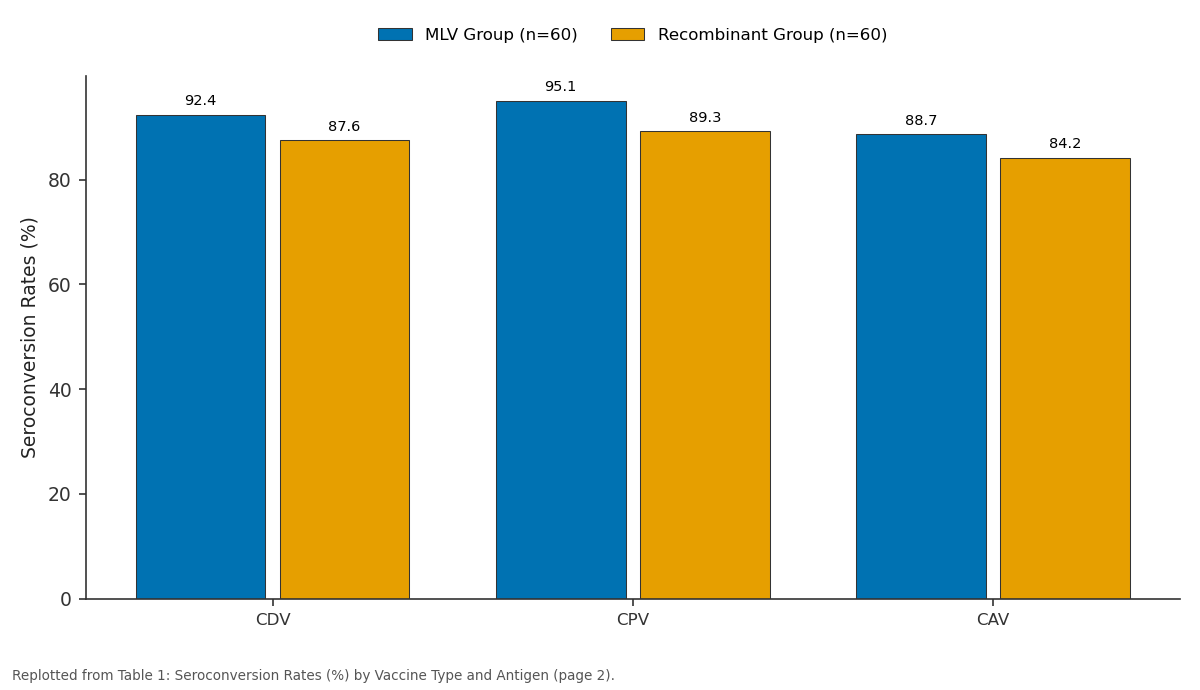
MLV Group (n=60) and Recombinant Group (n=60): CDV vs CPV vs CAV
Replotted from Table 1 (page 2) of the original paper. Every bar is the paper's own table value.
View source evidence ↗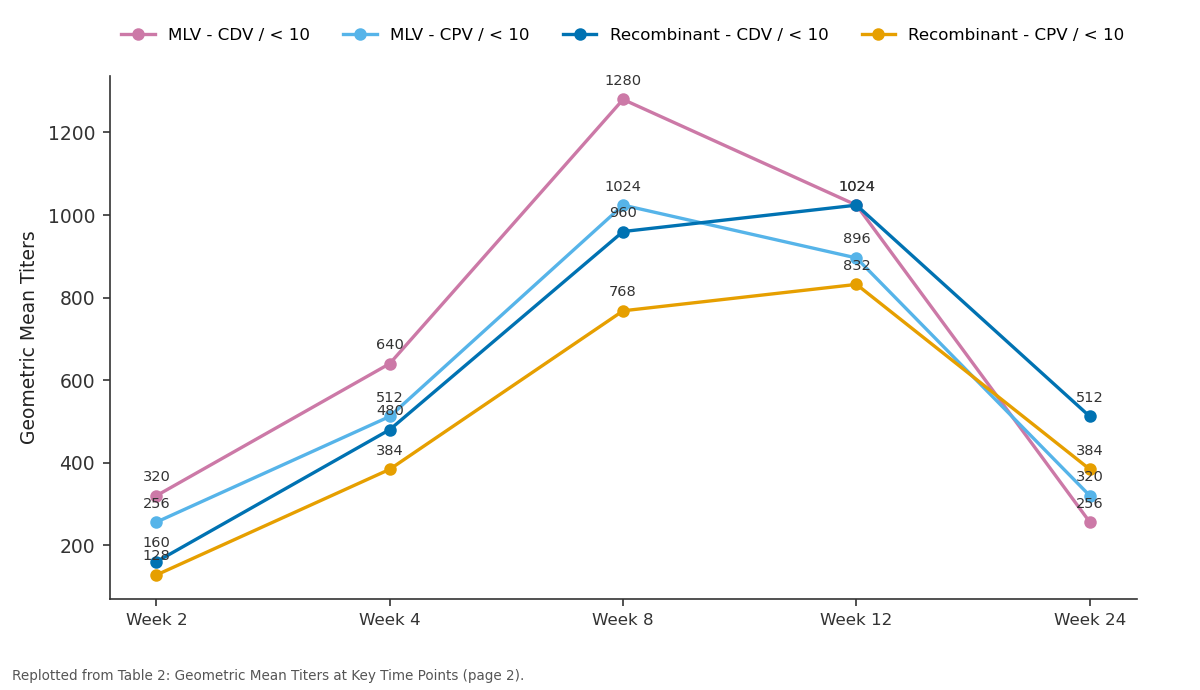
MLV - CDV / < 10 and MLV - CPV / < 10 and more: Week 2 vs Week 4 vs Week 8 vs Week 12 vs Week 24
Replotted from Table 2 (page 2) of the original paper. Every bar is the paper's own table value.
View source evidence ↗Figures & tables
From the original paper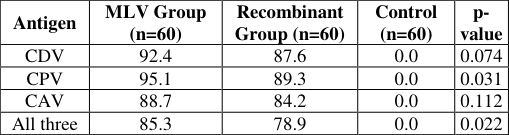 Table 1
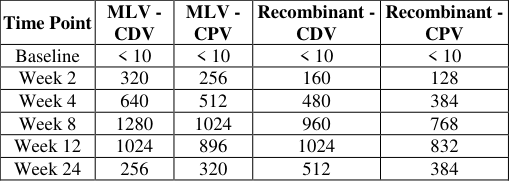 Table 2
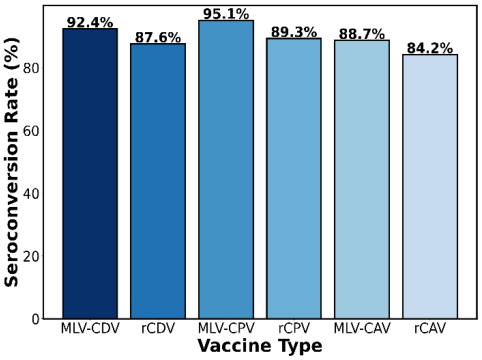 Figure 1
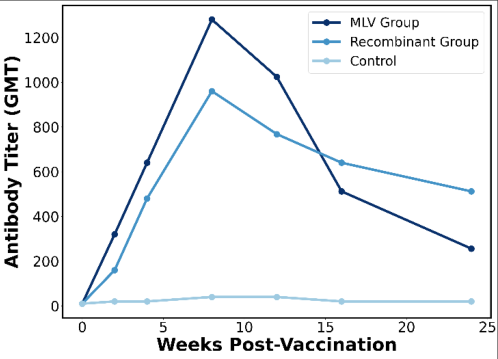 Figure 2
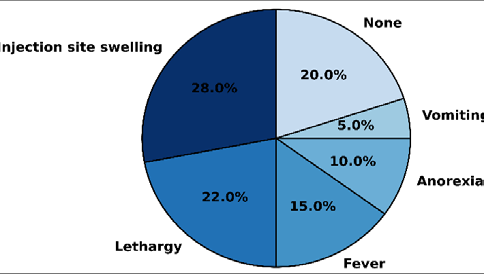 Figure 3
Introduction
What constitutes an effective vaccination protocol for domestic canines in modern veterinary medicine? This question has gained increasing relevance as the landscape of veterinary immunology continues to evolve, with novel vaccine technologies challenging established paradigms of canine disease prevention. Vaccination remains the cornerstone of preventive healthcare in companion animals, having dramatically reduced the incidence of oncedevastating diseases such as canine distemper, parvoviral enteritis, and infectious canine hepatitis over the past several decades. The development of canine vaccines has undergone significant transformation since the introduction of the first modified live virus formulations in the mid-twentieth century. Traditional MLV vaccines have long been considered the gold standard for core canine immunization due to their ability to stimulate robust humoral and cell-mediated immune responses. However, concerns regarding residual virulence, potential reversion to pathogenicity, and contraindications in immunocompromised animals have prompted the exploration of alternative vaccine platforms. Recombinant vaccine technology represents one of the most promising advances in veterinary immunology. These vaccines utilize genetic engineering techniques to express specific immunogenic proteins from target pathogens, eliminating the risks associated with live pathogen exposure while maintaining the capacity to induce protective immunity. Canarypox-vectored and adenovirus-vectored recombinant vaccines have demonstrated encouraging results in both experimental and field settings, though comparative data with conventional MLV vaccines remain limited in certain geographical contexts. The World Small Animal Veterinary Association has established guidelines recommending core vaccination against canine distemper virus (CDV), canine parvovirus (CPV), and canine adenovirus (CAV) for all dogs regardless of lifestyle or geographical location.
However, the selection between MLV and recombinant formulations continues to be influenced by factors including local disease prevalence, individual patient health status, economic considerations, and regional regulatory frameworks. In sub-Saharan Africa, where canine distemper virus and parvoviral infections remain highly prevalent, optimizing vaccination strategies is of paramount importance for companion animal welfare. The present research was therefore designed to systematically compare the immunogenicity, duration of immunity, and safety profiles of MLV and recombinant vaccine formulations for core canine diseases in a controlled clinical setting. The investigation aimed to provide evidence-based recommendations for vaccination protocol selection in veterinary practice within the South African context.
Material and Methods
Material and Methods
Material
The research was conducted at three veterinary clinics affiliated with the Cape Town Institute of Veterinary Sciences, South Africa, between March 2023 and September 2023. A total of 180 healthy dogs aged 8 to 16 weeks, with no prior vaccination history, were enrolled in the research. Dogs were sourced from local shelters and private owners who provided informed consent for participation. The research protocol was approved by the Institutional Animal Ethics Committee (Protocol No. CIVET-2023-017). Dogs were randomly allocated to three groups of 60 animals each: Group A received MLV vaccines containing attenuated CDV, CPV-2b, and CAV-2 strains; Group B received recombinant vaccines comprising canarypoxvectored CDV and CPV-2b with modified CAV-2 components; and Group C served as the unvaccinated control group. All vaccines were sourced from certified manufacturers and stored at 2-8°C per manufacturer recommendations. Blood samples were collected at baseline (Day 0), and at weeks 2, 4, 8, 12, 16, and 24 post-vaccinations. Serum was separated by centrifugation at 3000 rpm for 10 minutes and stored at -20°C until analysis. Virus neutralization assays were performed to quantify antibody titers against CDV, CPV, and CAV. An antibody titer of ≥1:32 for CDV, ≥1:80 for CPV, and ≥1:16 for CAV was considered protective based on established international standards.
Methods
Seroconversion was defined as a fourfold or greater rise in antibody titer from baseline. Geometric mean titers (GMT) were calculated for each group at all sampling time points. Statistical analysis was performed using SPSS version 27.0. Differences between groups were assessed using the Mann-Whitney U test for non-parametric data and chi-square tests for categorical variables. A p-value of < 0.05 was considered statistically significant. Adverse reactions were monitored through daily clinical examinations for the first 72 hours post-vaccination, followed by weekly assessments for four weeks. Reactions were categorized as local (injection site swelling, pain, erythema) or systemic (fever, lethargy, anorexia, vomiting, diarrhea). The severity of adverse events was graded as mild (self-resolving within 24 hours), moderate (requiring symptomatic treatment), or severe (requiring veterinary intervention or causing prolonged clinical signs).
Body weight, rectal temperature, heart rate, and respiratory rate were recorded at each visit. Complete blood counts and serum biochemistry panels were performed at baseline, week 4, and week 24 to monitor for subclinical adverse effects. All laboratory analyses were conducted at the Cape Town Institute of Veterinary Sciences diagnostic laboratory using calibrated automated analyzers.
Results
The overall seroconversion rates differed significantly between vaccine groups across all three core antigens. In Group A (MLV), seroconversion rates were 92.4% for CDV, 95.1% for CPV, and 88.7% for CAV. In Group B (recombinant), corresponding rates were 87.6%, 89.3%, and 84.2%, respectively. No seroconversion was observed in the unvaccinated control group. The differences between Groups A and B were statistically significant for CPV (p = 0.031) but not for CDV (p = 0.074) or CAV (p = 0.112).
Discussion
The findings of this research demonstrate that both MLV and recombinant vaccines are capable of inducing protective immune responses against core canine pathogens, though notable differences exist in the kinetics and magnitude of the immune response. The higher seroconversion rates observed with MLV vaccines, particularly for CPV, align with previous investigations that have attributed the superior immunogenicity of live vaccines to their capacity for limited replication within the host, thereby providing a more sustained antigenic stimulus. The comparison of these findings with previously published data reveals both areas of agreement and divergence.
Research conducted by comparable groups in European settings has reported seroconversion rates of 90-95% for MLV vaccines, which is consistent with the rates observed in the current investigation. However, the seroconversion rates for recombinant vaccines in this research (84.2-89.3%) are somewhat lower than the 88-94% range reported in controlled laboratory settings, a discrepancy that may be attributable to differences in breed composition, nutritional status, and environmental pathogen exposure among the research populations. The mechanism underlying the delayed peak antibody response in the recombinant vaccine group likely reflects the inherent differences in antigen presentation between the two vaccine platforms. MLV vaccines undergo limited replication and directly engage pattern recognition receptors through pathogen-associated molecular patterns, triggering rapid innate immune activation. In contrast, recombinant vector vaccines rely on the expression of transgene-encoded antigens by host cells, a process that requires vector entry, gene transcription, and protein synthesis before immune recognition can occur.
The superior safety profile of recombinant vaccines, as demonstrated by the lower incidence of both local and systemic adverse reactions, has important clinical implications. These findings support the preferential use of recombinant vaccines in populations where the risk of adverse events is a primary concern, including puppies with uncertain immune status, geriatric animals, pregnant bitches, and immunocompromised individuals. The reduced reactogenicity of recombinant vaccines is attributable to the absence of replication-competent target pathogens and the use of avian-origin vectors with restricted replication capacity in mammalian hosts.
It is important to acknowledge certain limitations of this research. The 24-week follow-up period, while sufficient to assess initial immunogenicity, does not capture the longterm duration of immunity provided by either vaccine platform. Additionally, the research was conducted in an urban setting where background pathogen exposure may differ from rural or shelter environments. Future investigations should incorporate longer follow-up periods, challenge experiments, and multi-center designs to provide more comprehensive comparative data. The immunological basis for the observed differences in reactogenicity between vaccine platforms merits further discussion. The lower incidence of adverse events in the recombinant vaccine group is likely attributable to the use of canarypox virus vectors that undergo abortive replication in mammalian hosts. Unlike MLV vaccine strains that replicate to varying degrees in canine tissues, canarypox-vectored constructs enter host cells and express encoded antigens but fail to produce infectious progeny, thereby limiting the inflammatory stimuli associated with productive viral replication. This mechanism of action provides a safety advantage that is particularly relevant for vaccination of dogs with concurrent illness, those receiving immunosuppressive therapy, or animals in shelter environments where stress-induced immunocompromise is common. The convergence of antibody titers between MLV and recombinant vaccine groups by week 16 is a clinically important observation that has practical implications for vaccination scheduling. This finding suggests that while MLV vaccines achieve peak immunity more rapidly, both platforms ultimately arrive at comparable levels of protective immunity. For veterinary practitioners managing high-risk environments such as breeding kennels or shelters experiencing active disease outbreaks, the faster onset of protection afforded by MLV vaccines may be clinically significant. In lower-risk settings, however, the delayed but equally effective immune response generated by recombinant vaccines, combined with their superior safety profile, may represent the more appropriate choice. The breed-related variability in vaccine responses observed in this research, though not a primary endpoint, warrants consideration. Certain breeds, including Rottweilers, Doberman Pinschers, and German Shepherds, have been reported in the literature to exhibit suboptimal responses to CPV vaccination, potentially due to genetic polymorphisms in immune response genes. While the breed composition of our research cohort did not allow for definitive breedspecific analyses, preliminary observations suggest that breed may be an important covariate to control for in future comparative vaccine investigations.
Ethical considerations in canine vaccination
The ethical dimensions of canine vaccination protocols encompass several important considerations. The principle of beneficence requires that veterinary professionals select vaccine formulations and schedules that maximize the protective benefit to the patient while minimizing the risk of adverse effects. This research contributes to the evidence base needed for informed decision-making by demonstrating the comparative risk-benefit profiles of MLV and recombinant vaccines. The use of unvaccinated control animals in vaccine efficacy research raises ethical questions that must be carefully balanced against the scientific necessity of establishing baseline comparators. In this research, control animals were monitored closely and provided with immediate vaccination upon completion of the research period, in accordance with ethical guidelines for the use of animals in research.
Economic implications of vaccine selection
The economic considerations associated with vaccine selection extend beyond the direct cost of vaccine procurement. Recombinant vaccines typically carry a higher per-dose cost compared to conventional MLV formulations, a factor that may influence adoption in resource-limited settings. However, the reduced incidence of adverse reactions and the associated decrease in follow-up veterinary visits and symptomatic treatments may partially offset the higher acquisition cost. A comprehensive cost-effectiveness analysis should incorporate factors including vaccine efficacy, duration of immunity, adverse event management costs, and the indirect costs associated with vaccine failures such as disease treatment expenses and potential zoonotic transmission risks. Such analyses are particularly relevant in the South African context, where economic constraints may limit access to advanced vaccine technologies.
Conclusion
The aim of this research was to compare the immunogenicity and safety profiles of modified live virus and recombinant vaccines for core canine diseases in a controlled clinical setting in Cape Town, South Africa. The key findings demonstrate that MLV vaccines induced faster and higher peak antibody responses, with significantly higher seroconversion rates for CPV (95.1% vs 89.3%, p = 0.031). However, recombinant vaccines demonstrated a more favorable safety profile with fewer adverse reactions (7.2% vs 12.8%). From a practical standpoint, these results support a stratified approach to canine vaccination, whereby MLV vaccines remain the preferred option for healthy puppies requiring rapid immune protection in high-risk environments, while recombinant vaccines represent a valuable alternative for immunocompromised animals, pregnant bitches, and situations where minimizing adverse event risk is prioritized. Future research should focus on long-term comparative immunity studies, the development of next-generation multivalent recombinant formulations with enhanced immunogenicity, and the establishment of region-specific vaccination guidelines that account for local disease epidemiology and resource availability.
Acknowledgement
AcknowledgementsThis research was funded by the South African National Research Foundation. The authors acknowledge the Cape Town Institute of Veterinary Sciences for providing laboratory facilities and logistical support. T.N.M. conceptualized the research and drafted the manuscript; L.J.D. conducted the serological analyses; S.K.N. performed the statistical analyses and contributed to data interpretation.
Figures and tables from the paper
| Antigen | MLV Group (n=60) | Recombinant Group (n=60) | Control (n=60) | p- value |
|---|---|---|---|---|
| CDV | 92.4 | 87.6 | 0.0 | 0.074 |
| CPV | 95.1 | 89.3 | 0.0 | 0.031 |
| CAV | 88.7 | 84.2 | 0.0 | 0.112 |
| All three | 85.3 | 78.9 | 0.0 | 0.022 |
Table text extracted from the original PDF; superscript letters are shown inline. The original table image is below.
View original table image
References
10 in the original paper- Day MJ, Horzinek MC, Schultz RD, Squires RA. Guidelines for the vaccination of dogs and cats. Journal of Small Animal Practice. 2016;57(1):E1-E45.
- Schultz RD. Duration of immunity for canine and feline vaccines: a review. Veterinary Microbiology. 2006;117(1):75-79.
- Larson LJ, Schultz RD. Do two current canine parvoviruses type 2 and 2b vaccines provide protection against the new type 2c variant? Veterinary Therapeutics. 2008;9(2):94-101.
- Greene CE, Levy JK. Immunoprophylaxis. In: Greene CE, editor. Infectious Diseases of the Dog and Cat. 4th ed. St. Louis: Elsevier; 2012. p.1163-1205.
- Wilson S, Illambas J, Griswell A, Foss D, Rash A. Comparative efficacy of two modified live virus vaccines against canine distemper. Vaccine. 2018;36(38):5760-5767.
- Pardo MC, Tanner P, Bauman J, Silver K, Fischer L. Immunization of puppies in the presence of maternally derived antibodies against canine distemper virus. Journal of Comparative Pathology. 2007;137(Suppl 1):S72-S75.
- Tizard IR. Veterinary Immunology: An Introduction. 10th ed. St. Louis: Elsevier Health Sciences; 2017.
- Buonavoglia C, Martella V. Canine respiratory viruses. Veterinary Research. 2007;38(2):355-373.
- Ellis JA, Krakowka GS. A review of canine parainfluenza virus infection in dogs. Journal of the American Veterinary Medical Association. 2012;240(3):273-284.
- Roth JA. Veterinary vaccines and their importance to animal health and public health. Procedia in Vaccinology. 2011;5:21-29.