
Research article · 2026 · Full text
International Journal of Biology SciencesIsolation, screening and characterization of ligninolytic bacteria from paper mill effluent for bioremediation applications
Volume 8(7) · Pages 253–261 · DOI: 10.33545/26649926.2026.v8.i7c.950 ↗
Research areasEnzyme-mediated dye degradationLignin and Wood ChemistryMicrobial bioremediation and biosurfactants
Abstract
Author-writtenPaper mill effluent contains high concentrations of lignin and other recalcitrant organic pollutants that pose serious environmental concerns. This study aimed to isolate, screen, and characterize indigenous ligninolytic bacteria from paper mill sludge for potential bioremediation of lignin-rich wastewater. Physicochemical analysis of effluent collected from four paper mills in Chhattisgarh, India, revealed high levels of lignin, colour, BOD, COD, TDS, phenols, sulphate, and heavy metals. Thirty-one bacterial isolates were obtained using lignin mineral salt medium, of which fifteen utilized lignin as the sole carbon source. Five efficient isolates exhibiting growth at 1% lignin concentration were selected for further investigation. Ligninolytic activity was confirmed by gallic acid oxidation and Remazol Brilliant Blue R (RBBR) decolorization assays, with Isolate 15 showing the highest dye decolorization (8.3%). During effluent treatment, Isolate 15 achieved the highest colour (55%) and lignin (48%) removal, whereas Isolate 10 and Isolate 03 exhibited maximum reductions in BOD (42%) and COD (38%), respectively. Morphological, biochemical, and VITEK® 2 Compact analyses identified the isolates as Sphingomonas paucimobilis, Acinetobacter baumannii, Bacillus cereus, and Pseudomonas aeruginosa. These indigenous ligninolytic bacteria demonstrate significant potential as eco-friendly biocatalysts for the sustainable treatment of lignin-rich paper mill wastewater.
Summary
Source-checkedPlain-language reading of the full paper, prepared with AI and checked against the text. Each point links to the authors' own words.
Why it matters
- Paper mill wastewater is highly polluted with lignin and other organic pollutants that are difficult to break down, creating significant environmental risks. View evidence ↗
- Lignin's resistance to natural degradation causes dark coloration in water, which harms aquatic life by blocking light and reducing dissolved oxygen. View evidence ↗
- Standard physical and chemical treatment methods are often expensive and inefficient at fully degrading stubborn pollutants, sometimes causing secondary pollution. View evidence ↗
The question
- The researchers aimed to find and identify native bacteria from paper mill sludge that can break down lignin to help treat wastewater. View evidence ↗
What they did
- Effluent and sludge samples were gathered from various paper mills in Chhattisgarh, India, in 2023. View evidence ↗
- Bacteria were isolated using a mineral salt medium where lignin (0.1-1.0%) served as the only available carbon source. View evidence ↗
- To test treatment efficiency, bacterial isolates were added to effluent and incubated at 35°C for 45 hours with shaking. View evidence ↗
- The VITEK® 2 Compact system was used to provide automated taxonomic identification of the selected bacterial strains. View evidence ↗
What they found
- In dye decolorization tests using RBBR, Isolate 15 was the most efficient at 8.3%, while Isolate 04 was the least efficient at 4.2%. View evidence ↗
- Isolate 15 was the most effective at reducing effluent color (55%), significantly outperforming Isolate 04 (5%). View evidence ↗
- Isolate 15 also showed the highest lignin degradation at 48%, compared to 9% for Isolate 04. View evidence ↗
- Isolate 10 achieved the highest reduction in biological oxygen demand (BOD) at 42%, while Isolate 04 had the lowest reduction at 19.9%. View evidence ↗
- Isolate 03 was the most effective at reducing chemical oxygen demand (COD) at 38%, whereas Isolate 04 reduced it by only 12%. View evidence ↗
- The identified bacteria included Sphingomonas paucimobilis (Isolates 03 and 07), Acinetobacter baumannii (Isolate 04), Bacillus cereus (Isolate 10), and Pseudomonas aeruginosa (Isolate 15). View evidence ↗
What it means
- The authors conclude that native bacteria from paper mill sludge are effective, sustainable biocatalysts for treating lignin-rich wastewater. View evidence ↗
- The authors state that future work is needed to test these bacteria in pilot-scale industrial systems and to perform detailed genomic and enzyme analyses. View evidence ↗
Visual summary
1 visualsIllustrations explain the paper; they do not show study data.
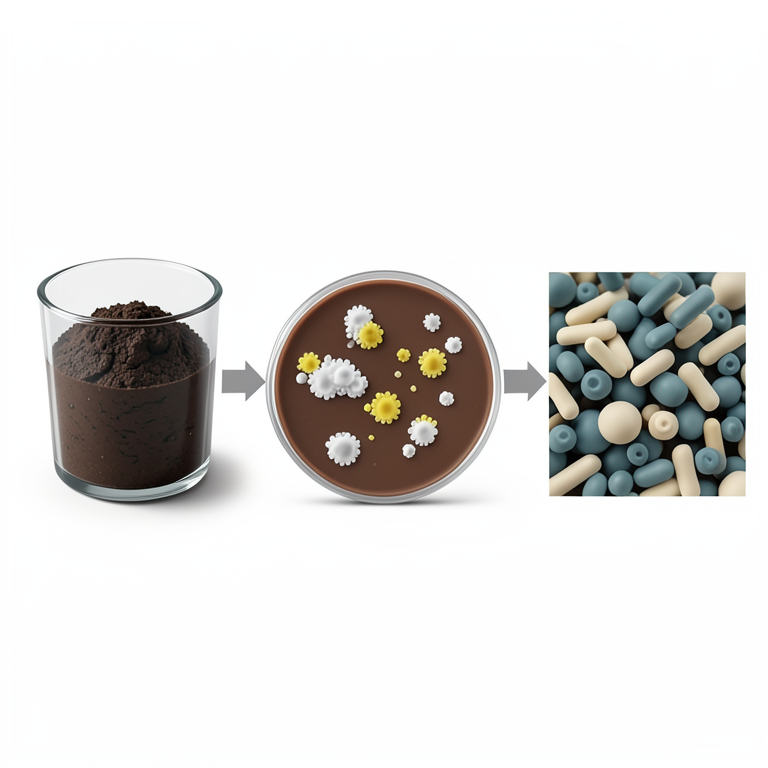
Bacterial Selection Workflow
AI-generated conceptual illustration (Ligninolytic bacteria and paper mill effluent sludge). It explains the idea and does not show study data.
View source evidence ↗Figures & tables
From the original paper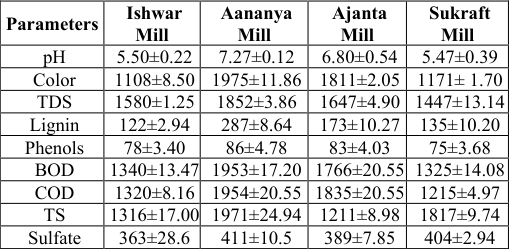 Table 1
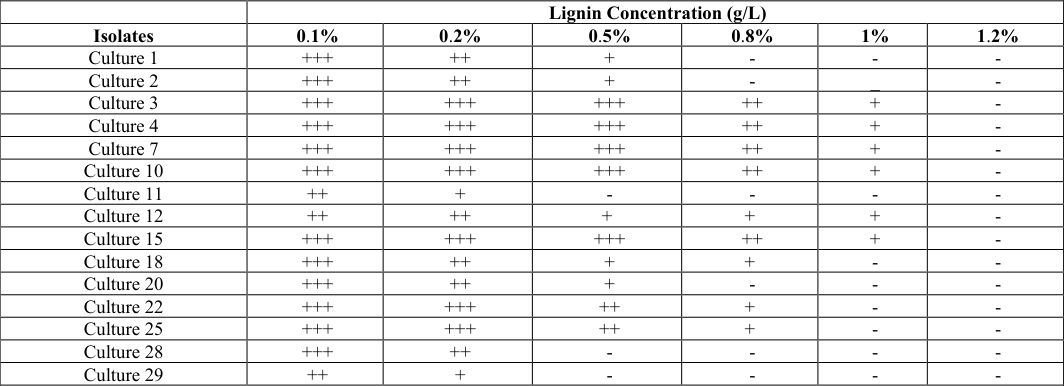 Table 2
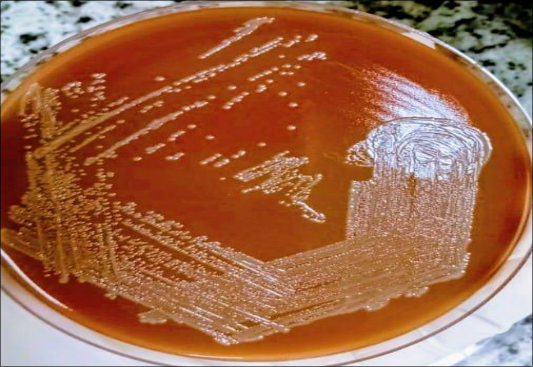 Figure 1
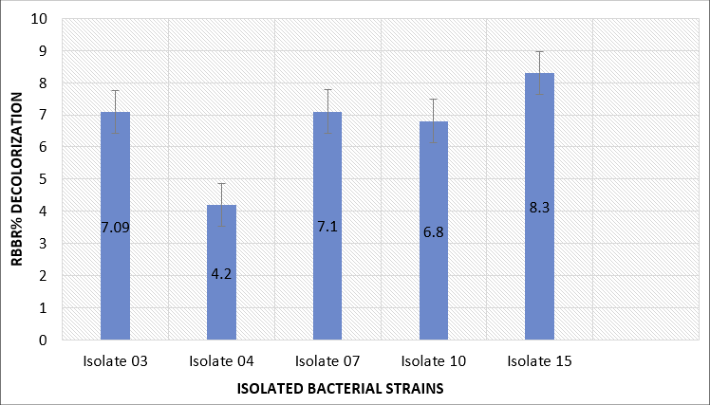 Figure 2
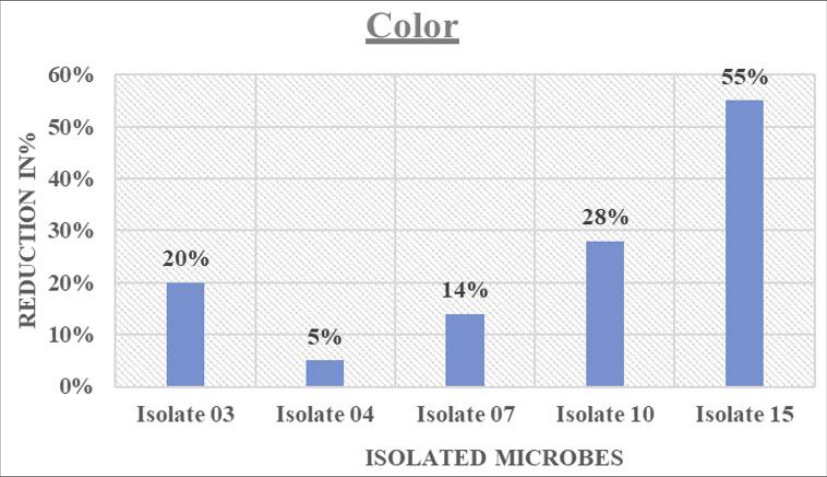 Figure 3
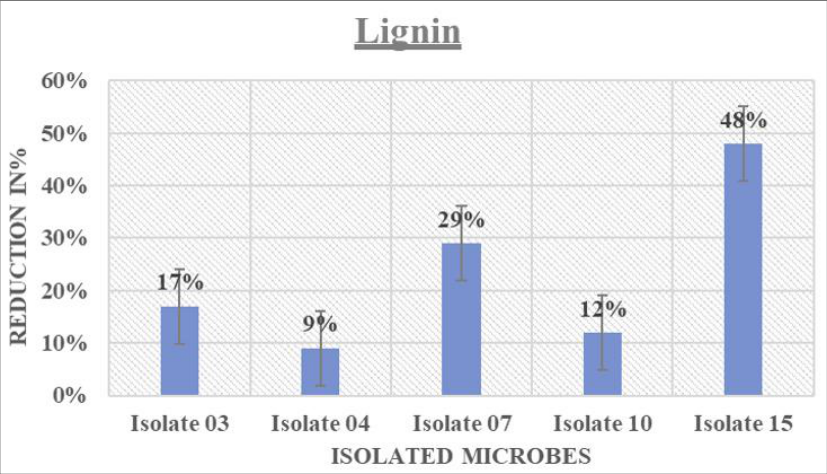 Figure 4
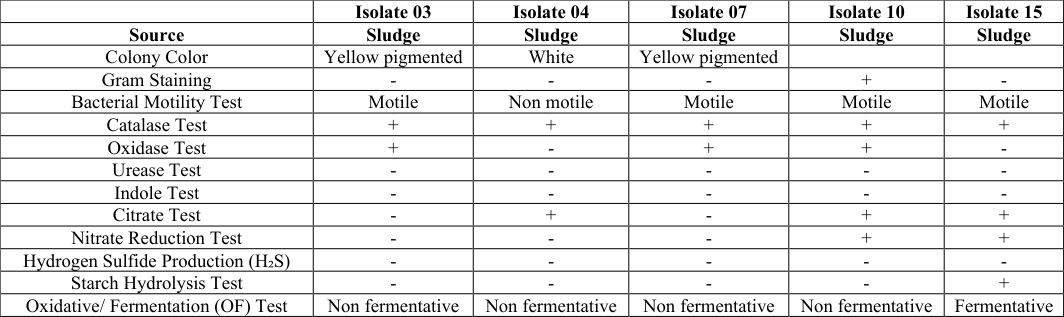 Table 3
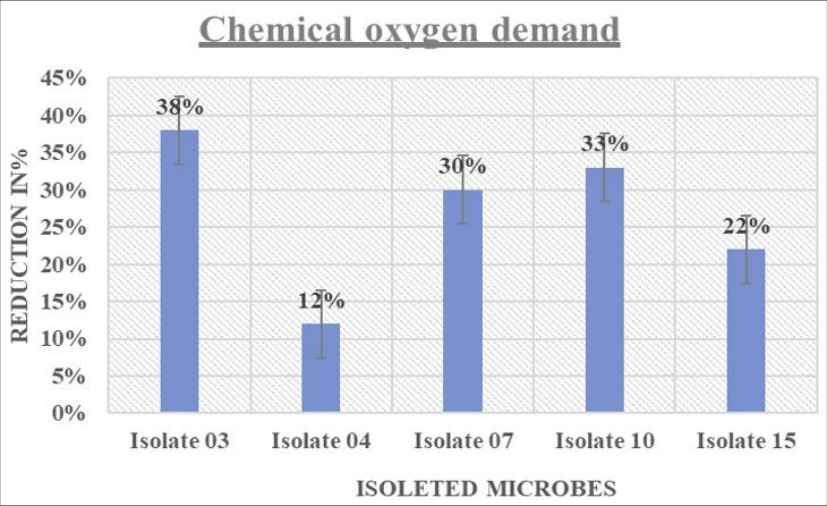 Figure 5
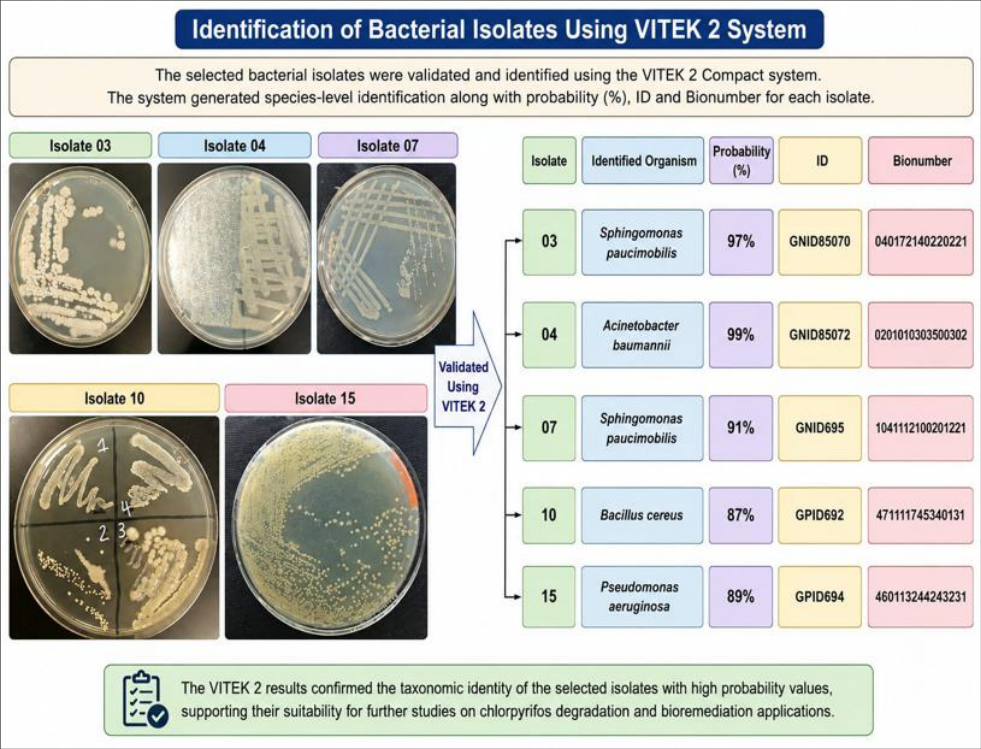 Figure 6
Introduction
The pulp and paper industry is one of the largest industrial sectors worldwide, with an estimated market value exceeding US$200 billion and a significant contribution to global economic development (Thomas J. Rainey, 2016) [23] . However, it is also recognized as one of the most resource-intensive industries, accounting for nearly 6% of global industrial xenobiotic compounds that exhibit toxic, mutagenic, and carcinogenic properties (Monika and Indu, 2010; Kartik Patel, 2021; Singh and Tripathi, 2020) [21,27] . Conventional wastewater treatment methods such as physical and chemical treatments are commonly employed to reduce pollutant loads; however, these techniques often suffer from high operational costs, incomplete degradation of recalcitrant compounds, sludge generation, and secondary pollution (Singh and Tripathi, 2020; D. V. Savant, 2006) [27,24] . Consequently, biological treatment has emerged as a sustainable and environmentally compatible alternative. Bioremediation utilizes naturally occurring microorganisms to convert hazardous pollutants into less toxic or harmless products through enzymatic degradation pathways (EPA, 2016; ThandapaniGomathi, 2020) [28] . Among biological agents, bacteria have attracted considerable attention because of their rapid growth, metabolic diversity, adaptability to harsh environmental conditions, and ability to degrade complex lignocellulosic compounds. Several bacterial species including Bacillus cereus, Serratiamarcescens, Pseudomonas syringae, Dysgonomonas sp., and Brevibacillusparabrevis have demonstrated significant potential for reducing lignin, COD, BOD, phenolic compounds, colour, and chlorinated pollutants present in paper mill effluents (Ram Chandra, 2008; Jing Duan, 2016; RajniHooda, 2018; Madan, Sachan and Singh, 2018; Ismail, 2015) [5,8,20,12] . Their biodegradation capability is primarily mediated through extracellular ligninolytic enzymes such as laccases, lignin peroxidases, and manganese peroxidases, which catalyse oxidative depolymerization of lignin into low-molecularweight compounds that can be further mineralized. Recent advances in molecular biology have substantially improved the identification and characterization of environmentally important microorganisms. Molecular techniques, particularly 16S rRNA gene sequencing, enable accurate taxonomic identification of bacterial isolates and facilitate the discovery of novel ligninolytic species with enhanced biodegradation capabilities. Integrating conventional microbiological screening with molecular characterization provides a reliable approach for selecting efficient bacterial strains suitable for industrial wastewater treatment and environmental restoration. Therefore, the isolation, screening, and molecular characterization of indigenous ligninolytic bacteria from paper mill effluent represent an important strategy for developing efficient, eco-friendly, and economically viable bioremediation technologies. Native bacterial isolates are often better adapted to the physicochemical characteristics of industrial effluents and possess superior degradation efficiency under local environmental conditions. The identification of such microorganisms may contribute significantly to sustainable wastewater management, reduction of environmental pollution, and advancement of biological treatment technologies for the pulp and paper industry.
Materials and Methods
Materials and Methods
Chemicals and Reagents
All analytical-grade chemicals and reagents used in this study were procured from Merck (India). Distilled water was used for the preparation of culture media, buffers, stock solutions, and reagents. Laboratory glassware including Petri dishes, conical flasks, culture tubes, test tubes, beakers, and micropipette tips were sterilized before use. The major laboratory equipment employed included a laminar airflow cabinet, incubator, centrifuge, autoclave, pH meter, COD digester, hot air oven, refrigerator, electronic balance, and water bath.
Sampling Site and Collection of Paper Mill Effluent
Paper mill effluent and sludge samples were collected from different paper mills located in Chhattisgarh, India, during 2023. Effluent samples were collected aseptically in sterile jerry cans, while sludge samples were collected in sterile sampling bottles. Samples were transported to the laboratory under refrigerated conditions and stored at 4°C until further analysis and bacterial isolation.
Culture Media 2.3.1 Enrichment and Isolation Medium
Lignin mineral salt medium (LMSM) was prepared using K₂HPO₄ (0.5 g/L), KH₂PO₄ (0.5 g/L), MgSO₄•7H₂O (0.5 g/L), agar (20 g/L), sludge infusion (400 mL), and distilled water (600 mL). Lignin was incorporated at concentrations ranging from 0.1-1.0% (w/v) as the sole carbon source for enrichment and selective isolation of ligninolytic bacteria.
Nutrient Agar
Nutrient agar containing beef extract (3 g/L), peptone (5 g/L), sodium chloride (5 g/L), and agar (15 g/L) was used for maintenance of bacterial isolates.
Nutrient Broth
Nutrient broth containing beef extract (3 g/L), peptone (5 g/L), and sodium chloride (5 g/L) was used for bacterial cultivation. The pH was adjusted to 7.0 before sterilization at 121°C for 15-20 min.
Physicochemical Analysis of Paper Mill Effluent
Raw paper mill effluent was characterized by determining pH, colour, lignin content, biological oxygen demand (BOD), chemical oxygen demand (COD), total solids (TS), total dissolved solids (TDS), phenol, sulphate, and heavy metal concentrations according to the analytical procedures described in the thesis.
Isolation and Screening of Ligninolytic Bacteria
Ligninolytic bacteria were isolated from sludge samples using the enrichment culture technique. Sludge samples were inoculated into lignin-amended mineral salt medium, where lignin served as the sole carbon source. Cultures were incubated at 30°C under shaking conditions (180 rpm) for seven days to selectively enrich lignin-utilizing microorganisms. Following enrichment, serial dilutions up to 10⁻⁹ were prepared, and aliquots from appropriate dilutions were spread onto lignin mineral salt medium (LMSM) plates according to the method described by Virendra Kumar (2012) [15] . All procedures were carried out aseptically in a laminar airflow cabinet. Thirty-one morphologically distinct bacterial colonies were isolated and purified by repeated streaking. The isolates were subsequently screened on LMSM containing increasing lignin concentrations (0.1-1.0%). Only isolates capable of sustained growth at higher lignin concentrations were selected for further characterization. Based on colony morphology and lignin utilization efficiency, five bacterial isolates were selected for subsequent studies.
Evaluation of Bacterial Treatment of Paper Mill Effluent
The selected ligninolytic bacterial isolates were cultivated in nutrient broth at 35°C for 24 h. Cells were harvested by centrifugation at 8000 rpm for 30 min at 4°C, washed with 50 mM sodium phosphate buffer, and inoculated into 100 mL of paper mill effluent. The inoculated effluent was incubated at 35°C for 45 h with continuous shaking at 160 rpm. Following incubation, samples were allowed to settle for two hours, and the supernatant was collected for subsequent physicochemical analyses.
Morphological and Biochemical Characterization of Bacterial Isolates
Five selected bacterial isolates were characterized using standard morphological and biochemical methods according to Barrow and Feltham (1993) [2] . The following biochemical tests were performed:
The principles, media composition, procedures, and interpretation of each test were performed as described in the original methodology.
Molecular Identification Using VITEK® 2 Compact System
The selected bacterial isolates were identified using the VITEK® 2 Compact automated microbial identification system. Pure colonies were suspended in sterile saline, and the inoculum density was adjusted to 0.5 McFarland. The standardized suspension was inoculated into identification (ID) and antimicrobial susceptibility testing (AST) cards according to the manufacturer's instructions. The inoculated cards were incubated automatically at 35.5±1°C, and biochemical reactions were monitored by the VITEK® 2 Compact system. The generated biochemical profiles were analyzed using the integrated Advanced Expert System database, providing rapid identification of bacterial isolates within 5-8 h.
Results
Results
Physicochemical Characteristics of Paper Mill Effluent
The physicochemical characteristics of paper mill effluent collected from four paper industries were analyzed prior to bacterial isolation and treatment. Considerable variation was observed among the effluent samples with respect to pH, colour, total dissolved solids (TDS), lignin, phenol, biological oxygen demand (BOD), chemical oxygen demand (COD), total solids (TS), sulphate concentration, and heavy metal content. Among the investigated industries, the effluent obtained from Aananya Paper Mill exhibited the highest pollution load, with colour (1975±11.86 Pt-Co units), lignin (287±8.64 mg L⁻¹), BOD (1953±17.20 mg L⁻¹), and COD (1954±20.55 mg L⁻¹). The acidic pH of the Ishwar and Sukraft mill effluents further indicated the need for biological treatment. Heavy metal analysis confirmed the presence of cadmium, lead, zinc, and nickel in varying concentrations. These observations demonstrated that the paper mill effluent contained a high organic and lignin load suitable for the isolation of ligninolytic microorganisms. Table 1 summarizes the physicochemical characteristics of the collected effluent samples.
| Parameters | Ishwar Mill | Aananya Mill | Ajanta Mill | Sukraft Mill |
|---|---|---|---|---|
| pH | 5.50±0.22 | 7.27±0.12 | 6.80±0.54 | 5.47±0.39 |
| Color | 1108±8.50 | 1975±11.86 | 1811±2.05 | 1171± 1.70 |
| TDS | 1580±1.25 | 1852±3.86 | 1647±4.90 | 1447±13.14 |
| Lignin | 122±2.94 | 287±8.64 | 173±10.27 | 135±10.20 |
| Phenols | 78±3.40 | 86±4.78 | 83±4.03 | 75±3.68 |
| BOD | 1340±13.47 | 1953±17.20 | 1766±20.55 | 1325±14.08 |
| COD | 1320±8.16 | 1954±20.55 | 1835±20.55 | 1215±4.97 |
| TS | 1316±17.00 | 1971±24.94 | 1211±8.98 | 1817±9.74 |
| Sulfate | 363±28.6 | 411±10.5 | 389±7.85 | 404±2.94 |
Table text extracted from the original PDF; superscript letters are shown inline. The original table image is below.
View original table image
Isolation and Screening of Ligninolytic Bacteria
Following enrichment of sludge samples in lignin mineral salt medium, 31 morphologically distinct bacterial isolates were recovered. Preliminary screening on lignin mineral salt medium supplemented with lignin as the sole carbon source revealed that only 15 isolates exhibited sustained growth. These isolates were subsequently evaluated for their ability to tolerate increasing lignin concentrations ranging from 0.1 to 1.2%. Among the screened isolates, Isolates 03, 04, 07, 10, and 15 demonstrated consistent growth up to 1% lignin, whereas the remaining isolates exhibited poor or no growth at higher lignin concentrations. Growth decreased progressively with increasing lignin concentration, indicating differential lignin tolerance among the isolates. Based on their growth characteristics and lignin utilization capacity, these five isolates were selected for further investigation. The growth response of the isolates at different lignin concentrations is presented in Table 2.
| — | Lignin Concentration (g/L) | — | — | — | — | — |
|---|---|---|---|---|---|---|
| Isolates | 0.1% | 0.2% | 0.5% | 0.8% | 1% | 1.2% |
| Culture 1 | +++ | ++ | + | - | - | - |
| Culture 2 | +++ | ++ | + | - | - | |
| Culture 3 | +++ | +++ | +++ | ++ | _ + | - |
| Culture 4 | +++ | +++ | +++ | ++ | + | - |
| Culture 7 | +++ | +++ | +++ | ++ | + | - |
| Culture 10 | +++ | +++ | +++ | ++ | + | - |
| Culture 11 | ++ | + | - | - | - | - |
| Culture 12 | ++ | ++ | + | + | + | - |
| Culture 15 | +++ | +++ | +++ | ++ | + | - |
| Culture 18 | +++ | ++ | + | + | - | - |
| Culture 20 | +++ | ++ | + | - | - | - |
| Culture 22 | +++ | +++ | ++ | + | - | - |
| Culture 25 | +++ | +++ | ++ | + | - | - |
| Culture 28 | +++ | ++ | - | - | - | - |
| Culture 29 | ++ | + | - | - | - | - |
Table text extracted from the original PDF; superscript letters are shown inline. The original table image is below.
View original table image
Confirmation of Ligninolytic Activity
The ligninolytic potential of the selected bacterial isolates was confirmed on gallic acid-amended medium. Formation of clear zones surrounding the bacterial colonies indicated extracellular degradation of lignin-derived phenolic compounds (Figure 1). 2).
Evaluation of Bacterial Treatment of Paper Mill Effluent
The five selected ligninolytic bacterial isolates were evaluated for their efficiency in reducing major pollution parameters of paper mill effluent following incubation. Among the tested isolates, Isolate 15 achieved the highest colour reduction (55%) followed by Isolate 10 (28%), Isolate 03 (20%), Isolate 07 (14%), and Isolate 04 (5%) (Figure 3). Similarly, lignin degradation was highest in Isolate 15 (48%), followed by Isolate 07 (29%), Isolate 03 (17%), Isolate 10 (12%), and Isolate 04 (9%) (Figure 4).
Reduction in biological oxygen demand (BOD) ranged from 19.9% to 42%, with Isolate 10 showing the maximum reduction (42%), followed by Isolate 15 (40%), Isolate 07 (31%), Isolate 03 (22%), and Isolate 04 (19.9%). Likewise, chemical oxygen demand (COD) reduction ranged from 12% to 38%, where Isolate 03 exhibited the highest reduction (38%), followed by Isolate 10 (33%), Isolate 07 (30%), Isolate 15 (22%), and Isolate 04 (12%) (Figure 5). Overall, all selected isolates demonstrated the ability to reduce the pollutant load of paper mill effluent, with Isolate 15 showing superior colour and lignin removal efficiency, while Isolate 10 and Isolate 03 were more effective in reducing BOD and COD, respectively.
Morphological and Biochemical Characterization of Selected Isolates
Five efficient ligninolytic bacterial isolates were subjected to morphological and biochemical characterization. The isolates exhibited distinct colony morphology, pigmentation, Gram reaction, motility, and biochemical characteristics.
Variations were observed in oxidase activity, citrate utilization, nitrate reduction, starch hydrolysis, and carbohydrate utilization, whereas all isolates were positive for catalase activity. These biochemical characteristics facilitated preliminary identification of the selected bacterial isolates. The biochemical profile of each isolate is presented in Table 3.
| — | Isolate 03 | Isolate 04 | Isolate 07 | Isolate 10 | Isolate 15 |
|---|---|---|---|---|---|
| Source | Sludge | Sludge | Sludge | Sludge | Sludge |
| Colony Color | Yellow pigmented | White | Yellow pigmented | ||
| Gram Staining | - | - | - | + | - |
| Bacterial Motility Test | Motile | Non motile | Motile | Motile | Motile |
| Catalase Test | + | + | + | + | + |
| Oxidase Test | + | - | + | + | - |
| Urease Test | - | - | - | - | - |
| Indole Test | - | - | - | - | - |
| Citrate Test | - | + | - | + | + |
| Nitrate Reduction Test | - | - | - | + | + |
| Hydrogen Sulfide Production (H₂S) | - | - | - | - | - |
| Starch Hydrolysis Test | - | - | - | - | + |
| Oxidative/ Fermentation (OF) Test | Non fermentative | Non fermentative | Non fermentative | Non fermentative | Fermentative |
Table text extracted from the original PDF; superscript letters are shown inline. The original table image is below.
View original table image
Discussion
The physicochemical analysis revealed that the collected paper mill effluents contained high concentrations of colour, lignin, BOD, COD, total dissolved solids, and heavy metals, confirming their highly polluted nature. The highest pollution load observed in the Aananya Paper Mill effluent indicates the necessity for efficient biological treatment. Similar characteristics of pulp and paper mill wastewater have been reported previously (Lindholm-Lehto et al., 2015) [19] . Isolation from paper mill sludge yielded thirty-one bacterial isolates, of which only fifteen were able to utilize lignin effectively. Further screening identified five isolates capable of growing at 1% lignin concentration, suggesting their adaptation to lignin-rich environments and their potential for lignin biodegradation. Gallic acid oxidation and RBBR decolorization assays confirmed the ligninolytic nature of the selected isolates.
The highest RBBR decolorization shown by Isolate 15 indicates greater production of ligninolytic enzymes involved in the degradation of aromatic lignin compounds, consistent with previous reports using RBBR as an indicator of ligninolytic activity. All selected isolates significantly reduced major pollutants in paper mill effluent, although their efficiencies differed. Isolate 15 exhibited maximum colour (55%) and lignin (48%) removal, whereas Isolate 10 achieved the highest BOD reduction (42%) and Isolate 03 showed maximum COD reduction (38%). These variations suggest differences in the metabolic and enzymatic capabilities of individual isolates for degrading complex organic pollutants.
Morphological and biochemical characterization demonstrated considerable diversity among the selected isolates in colony morphology, Gram reaction, motility, and biochemical properties. These characteristics facilitated preliminary identification and provided a basis for subsequent molecular characterization. Overall, the study demonstrates that indigenous ligninolytic bacteria isolated from paper mill sludge possess significant potential for the biological treatment of lignin-rich paper mill effluents in an environmentally sustainable manner.
Conclusion
This study successfully isolated and characterized indigenous ligninolytic bacteria from paper mill sludge with significant potential for the biological treatment of ligninrich industrial wastewater. Among the thirty-one bacterial isolates obtained, five demonstrated high lignin tolerance and effective ligninolytic activity, confirmed through gallic acid oxidation and RBBR dye decolorization assays. The selected isolates significantly reduced key pollution parameters, including colour, lignin, BOD, and COD, with Isolate 15 showing the highest colour (55%) and lignin (48%) removal, while Isolate 10 and Isolate 03 exhibited superior BOD (42%) and COD (38%) reduction, respectively. Morphological, biochemical, and automated VITEK® 2 Compact identification confirmed the presence of environmentally important bacterial species including Sphingomonas paucimobilis, Acinetobacter baumannii, Bacillus cereus, and Pseudomonas aeruginosa. The study highlights the adaptability and biodegradation efficiency of indigenous bacteria under lignin-rich conditions, demonstrating their suitability as environmentally friendly alternatives to conventional wastewater treatment methods. These findings provide a strong foundation for developing microbial consortia and scaling up biological treatment processes for sustainable management of pulp and paper industry effluents. Future studies should focus on optimization under pilot-scale conditions, enzyme characterization, genomic analysis, and evaluation of longterm treatment performance in industrial wastewater systems.
Figures and tables from the paper
References
30 in the original paper- Abhay Raj, Reddy MMK, Chandra R. Decolourisation and treatment of pulp and paper mill effluent by lignindegrading Bacillus sp. J Chem Technol Biotechnol. 2007;82:399-406. https://doi.org/10.1002/jctb.1683
- Barrow GI, Feltham RKA. Cowan and Steel's manual for the identification of medical bacteria. 3rd ed. Cambridge University Press; 1993. https://doi.org/10.1017/CBO9780511527104
- Blank CE, Parks RW, Hinman NW. Chitin: A potential new alternative nitrogen source for the tertiary, algalbased treatment of pulp and paper mill wastewater. J Appl Phycol. 2016;28:2753-2766. https://doi.org/10.1007/s10811-016-0808-5
- Chandra R, Raj A, Purohit HJ, Kapley A. Characterisation and optimisation of three potential aerobic bacterial strains for kraft lignin degradation from pulp paper waste. Chemosphere. 2007;67:839846. https://doi.org/10.1016/j.chemosphere.2006.10.011
- Chandra R, Raj A, Yadav S, Patel DK. Reduction of pollutants in pulp paper mill effluent treated by PCPdegrading bacterial strains. Environ Monit Assess. 2008;143:215-223. https://doi.org/10.1007/s10661-0080413-4
- Del Rio DDF, Sovacool BK, Foley AM, Griffiths S, Bazilian M, Kim J. Decarbonizing the glass industry: A critical and systematic review of developments, sociotechnical systems and policy options. Renew Sustain Energy Rev. 2022;154:111885. https://doi.org/10.1016/j.rser.2021.111885
- Del Rio DDF, Sovacool BK, Griffiths S, Bazilian M, Kim J, Foley AM, et al. Decarbonizing the pulp and paper industry: A critical and systematic review of sociotechnical developments and policy options. Renew Sustain Energy Rev. 2022;167:112706. https://doi.org/10.1016/j.rser.2022.112706
- Duan J, Liang J, Wang Y, Du W, Wang D. Kraft lignin biodegradation by Dysgonomonas sp. WJDL-Y1, a new anaerobic bacterial strain isolated from sludge of a pulp and paper mill. J Microbiol Biotechnol. 2016;26(10):1765-1773.
- Gaurav DK, Kumar V, Sharma C. Ecofriendly remediation of pulp and paper industry wastewater by electrocoagulation and its application in agriculture. Am J Plant Sci. 2018;9(12):2441-2453.
- Hooda R, Bhardwaj NK, Singh P. Screening and identification of ligninolytic bacteria for the treatment of pulp and paper mill effluent. Water Air Soil Pollut. 2015;226:305. https://doi.org/10.1007/s11270-0152535-y
- Hubbe MA, Metts JR, Hermosilla D, Blanco MA, Yerushalmi L, Haghighat F, et al. Wastewater treatment and reclamation: A review of pulp and paper industry practices and opportunities. BioResources. 2016;11(3):7953-8091.
- Ismail KH, Norli. Bioremediation and detoxification of pulp and paper mill effluent: A review. Res J Environ Toxicol. 2015;9(3):113-134.
- Kumar M, Lee PY, Fukushima T, Whang LM, Lin JG. Effect of supplementary carbon addition in the treatment of low C/N high-technology industrial wastewater by MBR. Bioresour Technol. 2012;113:148-153. https://doi.org/10.1016/j.biortech.2011.12.102
- Kumar V, Thakur IS, Shah MP. Bioremediation approaches for pulp and paper wastewater treatment: Recent advances and challenges. In: Bioremediation approaches for pulp and paper wastewater treatment. Springer; 2020:1-63. https://doi.org/10.1007/978-98115-1812-6_1
- Kumar V, Dhall P, Kumar R, Singh YP, Kumar A. Bioremediation of agro-based pulp mill effluent by microbial consortium comprising autochthonous bacteria. Sci World J. 2012;2012:127014. https://doi.org/10.1100/2012/127014
- Liang X, Xu Y, Yin L, Wang R, Li P, Wang J, et al. Sustainable utilization of pulp and paper wastewater. Water. 2023;15(23):4135. https://doi.org/10.3390/w15234135
- Lin H, Gao W, Meng F, Liao BQ, Leung KT, Zhao L, et al. Membrane bioreactors for industrial wastewater treatment: A critical review. Crit Rev Environ Sci Technol. 2012;42(7):677-740.
- Lokeshwari N, Srinikethan G, Joshi SG, Inamdar S, Srikanth B, Bashirahmed, et al. Isolation of fungi for delignification of pulp and paper mill effluent. Int J Curr Eng Technol. 2013;3(4):1258-1262.
- Lindholm-Lehto PC, Knuutinen JS, Ahkola HSJ, Herve SH. Refractory organic pollutants and toxicity in pulp and paper mill wastewaters. Environ Sci Pollut Res. 2015;22:6473-6499. https://doi.org/10.1007/s11356015-4163-x
- Madan S, Sachan P, Singh U. A review on bioremediation of pulp and paper mill effluent-An alternative to conventional remedial technologies. J Appl Nat Sci. 2018;10(1):367-374. https://doi.org/10.31018/jans.v10i1.1632
- Patel K, Patel N, Vaghmashi N, Shah K, Dugdirala SM, Dudhagara P. Trends and strategies in the effluent treatment of pulp and paper industries: A review highlighting reactor options. Curr Res Microb Sci. 2021;2:100077. https://doi.org/10.1016/j.crmicr.2021.100077
- Pokhrel D, Viraraghavan T. Treatment of pulp and paper mill wastewater-A review. Sci Total Environ. 2004;333(1-3):37-58. https://doi.org/10.1016/j.scitotenv.2004.05.017
- Rainey TJ, Covey G. Pulp and paper production from sugarcane bagasse. In: Sugarcane-based biofuels and bioproducts. Wiley; 2016. https://doi.org/10.1002/9781118719862.ch10
- Savant DV, Abdul-Rahman R, Ranade DR. Anaerobic degradation of adsorbable organic halides (AOX) from pulp and paper industry wastewater. Bioresour Technol. 2006;97(9):1052-1056. https://doi.org/10.1016/j.biortech.2004.12.013 International Journal of Biology Sciences https://www.biologyjournal.net
- Singh BK, Walker A. Microbial degradation of organophosphorus compounds. FEMS Microbiol Rev. 2006;30(3):428-471. https://doi.org/10.1111/j.15746976.2006.00018.x
- Singh R, Chandra R. Decolourisation and detoxification of rayon grade pulp paper mill effluent by mixed bacterial culture isolated from pulp paper mill effluent polluted site. Biochem Eng J. 2012;61:49-58. https://doi.org/10.1016/j.bej.2011.12.004
- Singh US, Tripathi YC. Characteristics and treatments of pulp and paper mill effluents-A review. Int J Eng Tech Res. 2020;9(3):142-151.
- Thandapani Gomathi, Saranya M, Radha E, Vijayalakshmi K, Prasad PS, Sudha PN. Bioremediation. In: A promising xenobiotics cleanup technique. Wiley; 2020. https://doi.org/10.1002/9781119143802.ch140
- Yang M, Li J, Wang S, Zhao F, Zhang C, Zhang C, et al. Status and trends of enzyme cocktails for efficient and ecological production in the pulp and paper industry. J Clean Prod. 2023;418:138196. https://doi.org/10.1016/j.jclepro.2023.138196
- Yang Y, Zhang ZW, Liu RX, Ju HY, Bian XK, Zhang WZ, et al. Research progress in bioremediation of petroleum pollution. Environ Sci Pollut Res. 2021;28:46877-46893. https://doi.org/10.1007/s11356021-15310-6