
Research article · 2026 · Full text
International Journal of Biology SciencesPiriformospora indica: A potent biofertilizer and biopesticides for plant growth promotion
Volume 8(7) · Pages 108–119 · DOI: 10.33545/26649926.2026.v8.i7b.939 ↗
Research areasPlant-Microbe Interactions and ImmunityMycorrhizal Fungi and Plant InteractionsPlant and fungal interactions
Abstract
Author-writtenThe growing global population has increased food demand and put considerable pressure on the agricultural sector to increase crop production. Unfortunately factors such as drought heavy metal contamination and biotic stress have a negative impact on agricultural productivity. Piriformospora indica is an important endophytic fungus that has been proposed as a promising solution for sustainable agriculture. Its capacity to promote plant growth, reduce various levels of stress and improve soil health is important for bio fertilizers in sustainable crop production and environmental protection. Piriformospora indica is a beneficial root-colonizing fungus from the Basidiomycota group, which has significant attention for its various roles in promoting plant growth and stress resistance in sustainable agriculture. This study examines the interactions between P. indica and host plants and emphasizes its ability to improve seed germination, promote growth and increase overall yields. P. indica contributes to the acquisition of nutrients by increasing the absorption of essential elements such as nitrogen and phosphorus, there by addressing the deficiencies of common soils. In addition,it increases resistance to biotic and abiotic stresses such as pathogens, insects, drought, salinity and extreme temperatures. In pharmaceutical plants, P. indica increases the production of secondary metabolites and thus improves their therapeutic effects. The fungus also acts as a biological control agent, which helps to further reduce the biological stress on plants. In addition, the abilityof P. indica to improve the structure of flowers, reproductive cycles and biomass production makes it a valuable assetfor increasingcrop productivity. As a bioinoculator, itisan ecologically friendly alternative to chemical fertilizers and supports sustainable agricultural practices.
Summary
Source-checkedPlain-language reading of the full paper, prepared with AI and checked against the text. Each point links to the authors' own words.
Why it matters
- Increasing global food demand puts pressure on agriculture, but productivity is hindered by biotic stress, drought, and heavy metal contamination. View evidence ↗
- Piriformospora indica, an endophytic fungus, is proposed as a sustainable solution to improve agricultural productivity. View evidence ↗
- Using P. indica as a bioinoculator provides an eco-friendly alternative to synthetic chemical fertilizers. View evidence ↗
The question
- The study aims to examine how P. indica interacts with host plants to improve seed germination, growth, and overall crop yields. View evidence ↗
What they did
- P. indica is a basidiomycota fungus of the order Sebacinales, originally isolated from Prosopis juliflora in the Thar desert of Rajasthan. View evidence ↗
- The fungus can be grown on artificial media such as potato dextrose agar (PDA) and Kafer medium without requiring a plant host. View evidence ↗
What they found
- P. indica can achieve nearly a 100% seed germination rate across various plant species. View evidence ↗
- In Bacopa monnieri, P. indica increases bacoside levels and antioxidant activity while promoting growth. View evidence ↗
- Colonization of barley roots by P. indica increases the synthesis of Indole-3-acetic acid (IAA), leading to higher lateral root formation and root hair density. View evidence ↗
- In barley plants under drought stress, P. indica inoculation significantly increases levels of sugars and proline to maintain osmotic balance. View evidence ↗
- P. indica mitigates salt stress by increasing the uptake of potassium ions (K⁺) and reducing the absorption of sodium ions (Na⁺). View evidence ↗
- In barley under cadmium stress, P. indica reduces cadmium uptake and improves growth by activating catalase and superoxide dismutase. View evidence ↗
- P. indica acts as a biocontrol agent providing resistance against root rot (Fusarium graminearum), Verticillium wilt (Verticillium dahliae), and black spot of cabbage (Alternaria brassicicola). View evidence ↗
What it means
- The authors conclude that P. indica is a superior alternative to synthetic pesticides and fertilizers for sustainable agriculture. View evidence ↗
- A limitation of P. indica is its varying colonization efficacy across species, specifically its poor colonization of legume plants. View evidence ↗
Visual summary
1 visualsIllustrations explain the paper; they do not show study data.
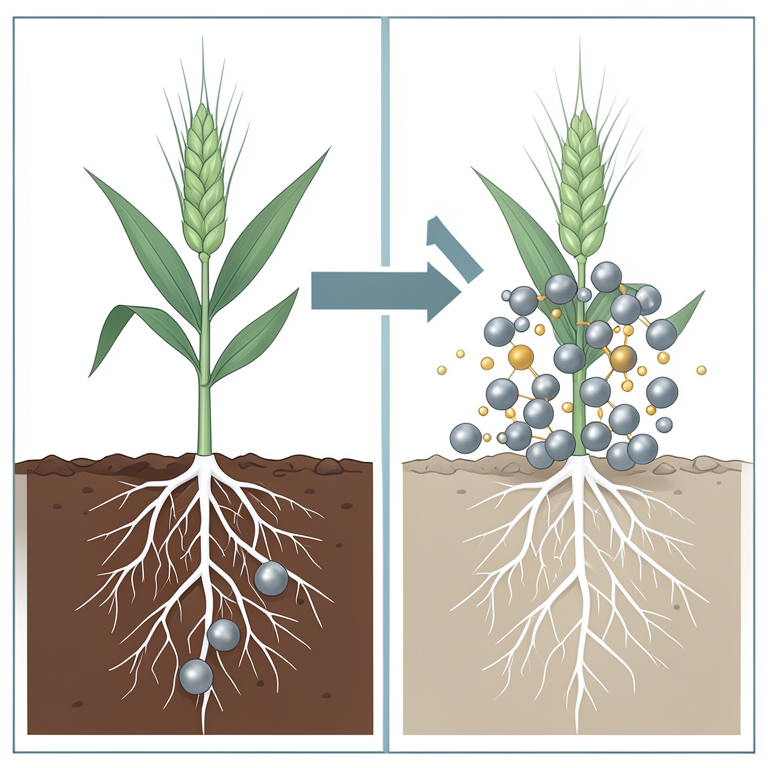
Stress Mitigation Mechanism
AI-generated conceptual illustration (Barley plant roots and Piriformospora indica fungus). It explains the idea and does not show study data.
View source evidence ↗Figures & tables
From the original paper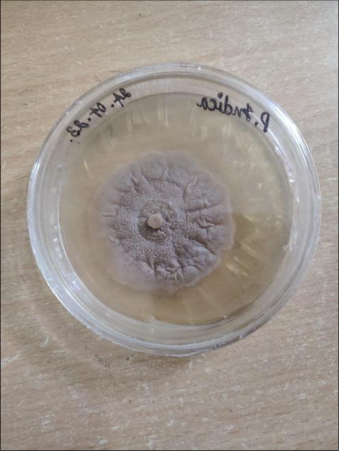 Figure 1
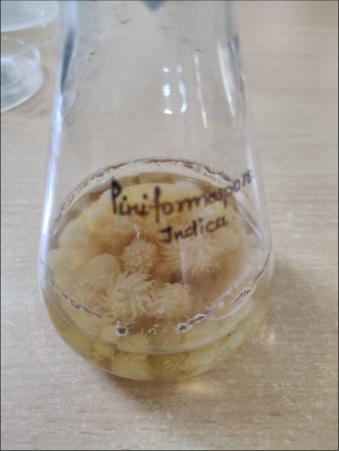 Figure 2
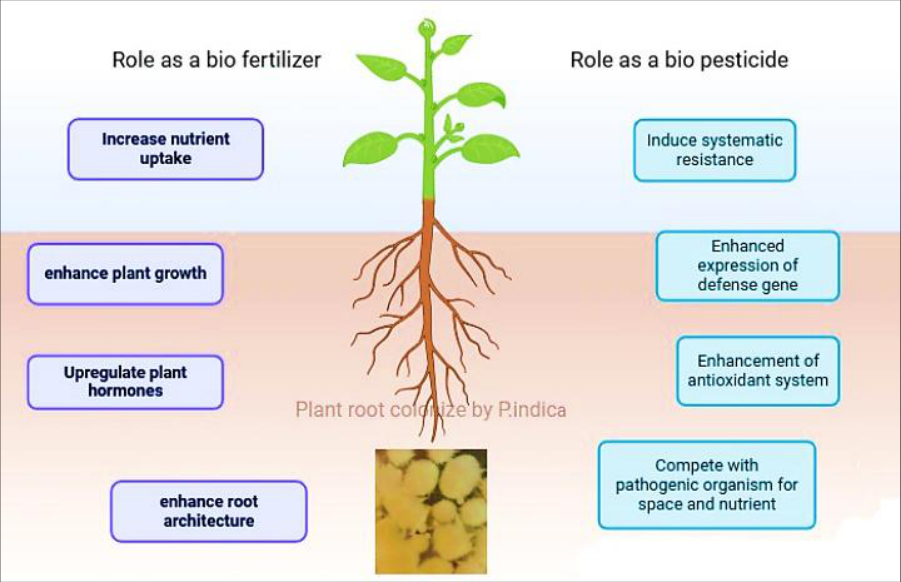 Figure 3
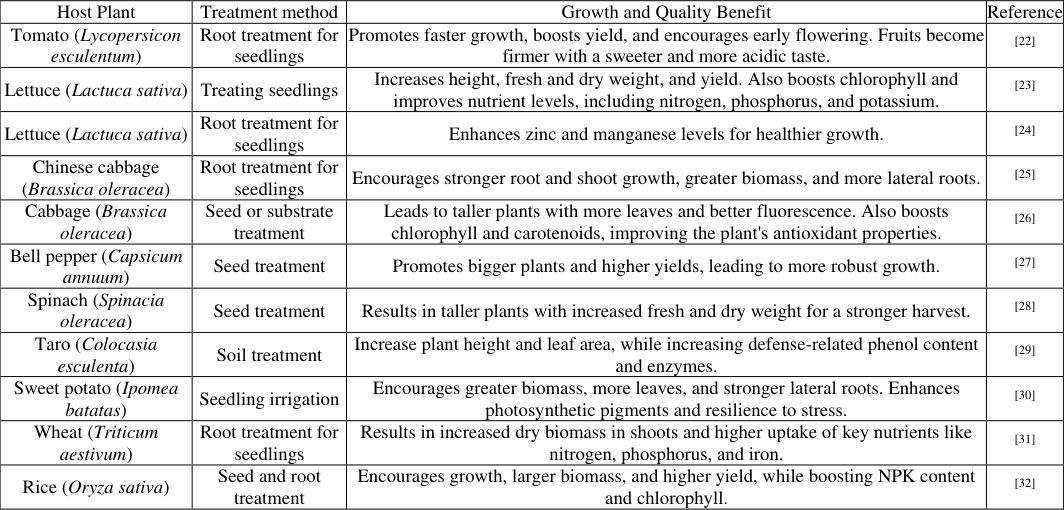 Table 1
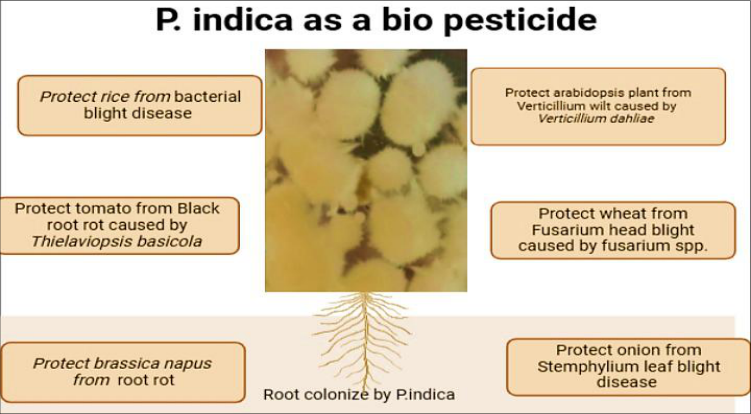 Figure 4
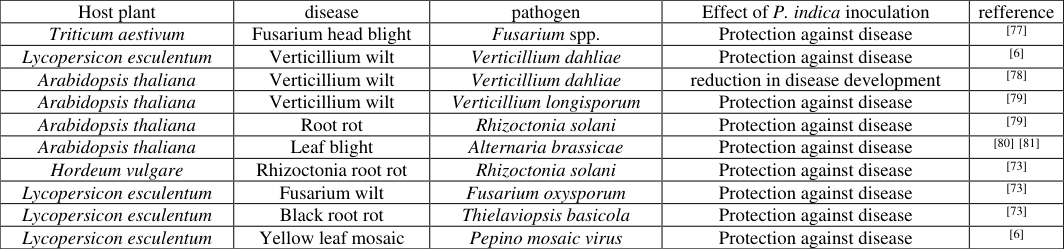 Table 2
Introduction
plants rhizosphere is reservoir of divorce group of microorganism this microorganism interact with plant in various way the interaction may be harmful in case of pathogenic microorganism and can be beneficial in case of plant growth promoting microorganism. The microorganisms which are benificial for plants are may be bacteria, fungi arbuscular mycorrhizae fungi (AMF). AMF can colonize inside root and benefit plant in various way like growth promotion to resist biotic and abiotic stress [1] . Such type of beneficial interaction found in fungi P. indica and plant. P. indica is a basidiomycota of order Sebacinales isolated from Prosopis juliflora in the desert of thar rajasthan by professor Ajit verma [2] . P. indica is known for producing pear-shaped spores called chlamydospores, which come from thinwalled, hyaline, and septate hyphae [3] . These chlamydospores play a crucial role in the survival and spread of P. indica across different environments. A distinctive feature of P. indica is its ability to be grown without plant material, on various artificial media. Piriformospora indica has been successfully grown on different types of media, such as Kafer and potato dextrose agar (PDA). Kafer medium serves as an effective substrate for the growth and maintenance of P. indica, which aids in research on its biology and agricultural applications. Likewise, PDA medium, widely used for fungal cultivation, supports the axenic growth of P. indica by supplying the essential nutrients needed for the fungus to develop its distinctive hyphal structures and chlamydospores [3] . This capability to thrive on various media is crucial for the successful propagation and study of P. indica, setting it apart from other fungi that may depend on specific plant materials for growth.
The adaptability of P. indica to grow on different artificial media like Kafer and PDA also enhances its potential as a biofertilizer and biocontrol agent, allowing it to be cultured and scaled for agricultural purposes without relying on plant hosts [4] . These characteristics is unique for p. indica because many other fungi, including arbuscular mycorrhizal fungi (AMF), which usually need a plant host for their cultivation P. indica colonize root of wide variety of plants like bryophyte pteridophytes monocot and dicot and benefit plant in various way like it promotes plant growth [5] promote root and shoot growth enhance seed size fruit quality and yield [6] . P. indica also confer stress tolerance to plant by biotic factor like pathogen insect [7] and also help plant to tolerate abiotic factor like drought salinity stress high temperature freezing and heavy metal [8]
P. indica as a biofertilizer Promote plant growth
In in vitro studies, P. indica has been found to significantly enhance seed germination and vigor across various crops, such as Solanum melongena (eggplant), Capsicum annuum (bell pepper), and Abelmoschus esculentus (okra) [9] .The fungus accelerates seed germination and boosts seedling vigor, which is crucial for developing strong plants. This effect has also been noted in other crops, including Arabidopsis thaliana [10] . and orchids. These results highlight
P. indica's potential as a growth-enhancing agent, aiding in the successful establishment of vigorous seedlings. Kumar et al. [11] report that P. indica can achieve nearly a 100% germination rate in various plant species. This is particularly important since seed germination is often the most critical stage in a plant's lifecycle, and factors affecting germination can influence overall crop yield. For instance, P. indica has been shown to enhance the germination and growth rates of Brassica oleracea (cabbage), Zea mays (maize), Tridax procumbens, Nicotiana tabacum (tobacco), and Oryza sativa (rice) [5] . These crops gain from the fungus's ability to improve seedling vigor, making them more resilient to early environmental challenges, which in turn supports better crop establishment and initial growth.
The advantages of P. indica extend beyond just the germination stage. Numerous studies indicate that this fungus increase strong vegetative growth.
The culture filtrate of Piriformospora indica promotes seed germination and plant growth In Helianthus annuus and Phaseolus vulgaris [12] . Research shows that P. indica enhances various growth parameters, including fresh and dry weight, height, leaf count, and both shoot and root development, leading to overall improved vegetative growth. Additionally, it stimulates the production of phytohormones and photosynthetic pigments [13] The fungus also boosts nutrient uptake and efficiency, resulting in better plant growth, quality, and yield. Furthermore, S. indica enhances physiological traits such as inflorescence growth, longer blooming periods, and increased flower size and quantity. It accelerates flowering and reproduction by hastening the reproductive cycle of host plants. Moreover, S. indica has been found to enhance agricultural productivity by improving flower setting, increasing chlorophyll content, and ultimately raising overall crop yield through better plant health and growth. This symbiotic relationship between the fungus and host plants provides a sustainable method for enhancing crop productivity, particularly in less-than-ideal growing conditions. The inoculation and colonization of P. indica are essential for boosting the growth and medicinal properties of various medicinal plants [14] . Research has shown its presence in plants like Coleus forskohlii, Bacopa monnieri, Stevia rebaudiana, Artemisia annua, Linum album, Trigonella foenum-graecum, Spilanthes calva, Withania somnifera, Chlorophytum borivilianum, Curcuma longa, Podophyllum peltatum, Azadirachta indica, Ocimum sanctum, and Lantana camara [7][15] The fungus has been found to enhance the production of chemical compounds and secondary metabolites in C. forskohlii [14] . In B. monnieri, P. indica promotes growth, increases bacoside levels, boosts antioxidant activity, and leads to nuclear hypertrophy [16] . Furthermore, its colonization improves the medicinal qualities of A. indica, A. elegans, and H. annuus [17] .In L. album cell cultures, P. indica enhances the production of the anticancer compound podophyllotoxin [15] while herbaceous plants like S. rebaudiana and A. annua show significant increases in leaf area and fresh biomass when grown with P. indica [18] . Field trials involving P. indica inoculation have also demonstrated positive growth responses in S. calva and W. somnifera [19] .Recent research has emphasized the advantages of in vitro co-cultivation with P. indica filtrates, which boost biomass productivity in A. annua and W. somnifera [19] . Additionally, cell suspension cultures of W. somnifera show promise for the continuous production of withaferin [19] . In summary, the symbiotic relationship with P. indica can be effectively harness. Inoculation with P. indica can significantly enhance the aboveground and total biomass of susceptible tomato variety "T07-1," while also promoting root growth in the TYLCV-resistant tomato "T07-4." Additionally, cherry tomatoes treated with P. indica have demonstrated marked improvements in fruit quality, yield, and storage longevity [2] . Brassica napus that is colonized by P. indica experiences accelerated growth and a substantial increase in both output and quality [20] . By stimulating the release of plant hormones, Piriformospora indica enhances root development. Research indicates that P. indica colonization can elevate IAA concentration and POD enzyme activity in the root system of Dimocarpus longan, which boosts the roots' nutrient absorption capabilities and supports the growth of longan cuttings [21] .
Root treatment for seedlings
Promotes faster growth, boosts yield, and encourages early flowering. Fruits become firmer with a sweeter and more acidic taste. [22] Lettuce (Lactuca sativa) Treating seedlings Increases height, fresh and dry weight, and yield. Also boosts chlorophyll and improves nutrient levels, including nitrogen, phosphorus, and potassium. [23] Lettuce (Lactuca sativa) Root treatment for seedlings Enhances zinc and manganese levels for healthier growth. [24] Chinese cabbage (Brassica oleracea) Root treatment for seedlings Encourages stronger root and shoot growth, greater biomass, and more lateral roots. [25] Cabbage (Brassica oleracea)
Seed or substrate treatment
Leads to taller plants with more leaves and better fluorescence. Also boosts chlorophyll and carotenoids, improving the plant's antioxidant properties.
Bell pepper (Capsicum annuum) Seed treatment Promotes bigger plants and higher yields, leading to more robust growth. [27] Spinach (Spinacia oleracea) Seed treatment Results in taller plants with increased fresh and dry weight for a stronger harvest. [28] Taro (Colocasia esculenta) Soil treatment Increase plant height and leaf area, while increasing defense-related phenol content and enzymes. [29] Sweet potato (Ipomea batatas) Seedling irrigation Encourages greater biomass, more leaves, and stronger lateral roots. Enhances photosynthetic pigments and resilience to stress. [30] Wheat (Triticum aestivum)
Root treatment for seedlings
Results in increased dry biomass in shoots and higher uptake of key nutrients like nitrogen, phosphorus, and iron. [31] Rice (Oryza sativa) Seed and root treatment Encourages growth, larger biomass, and higher yield, while boosting NPK content and chlorophyll.
International Journal of Biology Sciences https://www.biologyjournal.net
Rice (Oryza sativa) Seed and soil treatment
Increases dry weight, while enhancing phosphorus and potassium uptake for healthier plants. [18] [33] Barley (Hordeum vulgare) Seed treatment Boosts overall crop yield, promoting better productivity. [34] Finger millet (Eleusine coracana) Seed treatment Increases growth, pod count, seed weight, and shelling efficiency.
Green gram (Vigna radiata)
Seed treatment Leads to more nodules, larger leaves, and better yields, along with improved mineral uptake and chlorophyll content. [35] Chickpea (Cicer arietinum) Seed treatment Boosts growth and yield, and increases phosphorus uptake for healthier plants. [36] Sugarcane (Saccharum spp.) Plantlet treatment Promotes growth, greater cane height, more tillers, and increased sugar content. Also enhances iron and copper absorption. [37] Rapeseed (Brassica napus) Seedling treatment Leads to higher biomass and yield, earlier flowering, and enhanced oil content, while reducing anti-nutrient levels. [13] Turmeric (Curcuma sp.) Bud application Boosts overall productivity, making plants more robust. Increases curcumin and oil content, enhancing the plant's medicinal properties. [38] Fennel (Foeniculum vulgare) Seedling treatment Encourages plants to grow taller with greater dry weight, especially in the fruits.
Increases the essential oil content, particularly anethole. [39] Thyme (Thymus vulgaris) Shoot application Makes the plant grow taller and stronger, with improvements in both root length and biomass. Boosts the essential oil content, particularly thymol. [39] Bacopa (Bacopa monnieri)
Micro-propagated plants
Promotes healthy growth and strengthens the plant's antioxidant properties. It also increases the bacoside content, enhancing its medicinal value. [16] Aloe vera (Aloe barbadensis)
Root treatment
Leads to better overall biomass, longer shoots and roots, and more leaves. Boosts the plant's chlorophyll, gel, aloin, and phenol content, making the leaves even more beneficial.
Artemisia (Artemisia annua)
Seedling root treatment
Helps plants grow taller with more biomass and higher leaf yield. It also enhances the content of important compounds like chlorophyll, flavonoids, and artemisinin.
[41] [42] Centella asiatica (Centella asiatica) Root treatment Promotes greater shoot and root growth, making the plant healthier overall.
Increases the asiaticoside content, known for its medicinal benefits. [43] Coleus forskohlii (Coleus forskohlii) Root treatment Enhances the plant's aerial biomass and boosts flower development. It also helps with phosphorus uptake and improves chlorophyll content [14] Lantana camara (Lantana camara) Suspension culture Increases the production of valuable compounds, like triterpenoids (ursolic acid, oleanolic acid, betulinic acid), known for their medicinal properties. [44] Pine vines (Aristolochia elegans Mart.)
Substrate application
Promotes better plant height and leaf growth, resulting in greater biomass. Increases aristolochic acid levels in the leaves, which has medicinal uses. [45] Alfalfa (Medicago sativa) Seedling treatment Encourages biomass growth and increases dry weight in the shoots. It also enhances nutrient uptake and boosts antioxidant enzyme activity, improving plant health. [46] Sweet basil (Ocimum basilicum) Plant treatment Promotes better plant growth, larger leaf area, and increased yield. Increases oil content, including important compounds like geranial, neral, and estragole. [47] Gerbera (Gerbera jamesonii)
Root seedling treatment
Boosts both above and below-ground biomass, making the plant more robust.
Enhances the plant's photochemical efficiency, supporting healthier growth. [48] Anthurium sp. (Anthurium sp.) Root treatment Promotes better plant and root growth, leading to stronger plants. Increases phosphorus uptake and enhances chlorophyll content for better overall health. [49] Lolium multiflorum (Lolium multiflorum)
Seed treatment Increases plant height and improves overall biomass. Boosts chlorophyll content and helps the plant retain more water, making it more resilient. [50] Banana (Musa acuminata)
Root treatment for plantlets
Promotes better plant height and leaf growth, with larger stems. Increases the number of suckers and fingers per bunch, leading to higher yields. Enhances chlorophyll and nutrient content. [51] Passion fruit (Passiflora edulis) Soil application Helps plants grow better in the later stages and increases fruit size. Also enhances fruit quality and boosts secondary metabolites. [52] Trifolium orange (Poncirus trifoliata)
Substrate application
Encourages better plant height and leaf growth, leading to improved biomass overall. Increases nutrient content, including nitrogen, phosphorus, and magnesium. [53] Melon (Cucumis melo)
Substrate application
Leads to greater fresh and dry weight in plants, with better chlorophyll content for enhanced photosynthesis. [54] Pineapple (Ananas comosus)
Substrate inoculation in root zone
Helps plants grow taller and have more leaves. Boosts photosynthetic efficiency and improves nutrient content (N, P, K, Ca, Mg), leading to healthier, more productive plants.
Mechanism of plant growth promotion Increasing Nutrient Uptake: An Alternative to Chemical Fertilizers
Terrestrial plants need macronutrients like nitrogen, phosphorus, potassium, sulfur, magnesium, and calcium in large amounts, as well as micronutrients such as iron, manganese, copper, zinc, boron, molybdenum, chlorine, and nickel in smaller quantities for optimal growth. A lack of these vital nutrients can lead to both molecular and phenotypic abnormalities [66] .Nutrient deficiencies are prevalent in natural soils, with only a small portion of phosphorus (P) in soil and bedrock being accessible to plants [67] . Likewise, almost half of the soils used for rice farming lack sufficient zinc (Zn) [68] . Fertilization is a common approach to remedy these deficiencies, but its success is often limited by environmental conditions. For example, water-soluble zinc sulfate, a frequently used Zn fertilizer, can easily precipitate as hydroxides, carbonates, phosphates, or sulfides in the soil, leading to a low fertilizer use efficiency of just 1-5% [68] . The environmental consequences of fertilizer production and use are a major concern. The industrial manufacturing of nitrogen (N) fertilizers, for instance, accounts for 1-2% of the global fossil fuel energy output [69] . However, plants only take up about 30-50% of the nitrogen available in the soil, with the rest lost through nitrification and denitrification processes, which can result in eutrophication and other environmental issues [70] . Similarly, the extensive use of industrial P fertilizers not only depletes nonrenewable geological P resources but also contributes to the eutrophication of freshwater and coastal ecosystems ( Alewell et al., 2020). Deficiencies in key nutrients like nitrogen (N) and zinc (Zn) [71] can significantly impede plant growth and development.
Nitrogen, an essential macronutrient, is mainly absorbed by plants as nitrate or ammonium, although some species depend on nitrogen fixation through partnerships with rhizobia. Mycorrhizal fungi play a crucial role in nitrogen delivery, preferring ammonium over nitrate and using amino acids as the primary method of nitrogen transfer to host plants [72] .
Mechanism of P. indica mediated nitrogen acquisition
The contribution of Piriformospora indica to nitrogen acquisition has been emphasized in various studies. Sherameti et al. found that co-cultivating Nicotiana tabacum and Arabidopsis seedlings with P. indica boosts nitrogen transfer from agar media into the shoots [73] . This process involves the activation of NADH-dependent nitrate reductase (NR), a vital enzyme for nitrate assimilation.
While the growth promotion linked to p. indica is associated with nitrate assimilation, the exact mechanisms are still not fully understood. Besides NR activation,P. indica also stimulates the expression of genes that encode glucan-water dikinase (SEX1), an enzyme important for starch breakdown during the early growth phases of N. tabacum and Arabidopsis. These actions seem to operate independently of heterotrimeric G-proteins and involve a homeodomain transcription factor that regulates the Nia2, SEX1, and 2nitropropane dioxygenase genes. This coordinated regulation indicates a shared control mechanism for the pathways of nitrate and starch metabolism facilitated by P. indica.
P. indica improve phosphate uptake
Phosphorus (P) is an essential mineral nutrient, making up to 0.5% of the dry weight of plant cells. It is crucial for various regulatory, structural, and energy transfer processes [74] . Although phosphorus is abundant in soils, it is often not accessible to plants because it exists in poorly soluble complexes, which limits global crop production [74] . Plants take up phosphorus through two main methods: direct absorption using their transporters and indirect absorption through symbiotic relationships with organisms like mycorrhizal fungi [75] .
Mechanism of P. indica medicated phosphorus uptake
The fungus Piriformospora indica has been shown to aid in phosphorus uptake. It helps transport phosphorus to the host plant through an energy-dependent mechanism, as demonstrated in studies using radiolabeled phosphorus [76] . Additionally, P. indica produces acid phosphatases that assist in accessing insoluble and complex phosphorus reserves in the soil, thereby improving phosphorus availability for the host plant. Recent research has concentrated on mycorrhizal relationships and their significance in phosphorus acquisition [77] . High-affinity phosphate transporters have been identified and studied in various plant and fungal species, including Arabidopsis thaliana, Medicago truncatula, Lycopersicon esculentum, and Neurospora crassa [77] . However, due to the lack of stable transformation systems in arbuscular mycorrhizal (AM) fungi, comprehensive functional studies of phosphate transporters in these species are still limited [78] .
Research has pinpointed and characterized a high-affinity phosphate transporter, PiPT, in P. indica. This transporter is vital for the translocation of phosphate to the host plant (Yadav et al., 2010). Nevertheless, the exact mechanisms through which P. indica transfers phosphorus to plants are not fully understood. It is believed that two transporters are necessary: one for phosphate efflux from the host.
P. indica upregulate plant hormones that increase growth stem elongation and vigor
Piriformospora indica modulates the balance of plant hormones, which are directly involved in plant growth and development as well as stress tolerance. The level of phytohormones like auxins, cytokinins, gibberellins, and abscisic acid is regulated by P. indica for the promotion of root and shoot growth, uptake of nutrients, and strengthening of plant resilience during stress conditions. Auxin: Indole-3-acetic acid (IAA), a auxin that are essential for root elongation, cell division, and lateral root formation. [79] Demonstrated that in barley plan P. indica colonization in root promote higher level of synthesis of IAA which promote increase root hair density and lateral root formation. Similarly [80] . Found that in Arabidopsis plant P. indica colonization enhance root and shoot biomass by increasing IAA synthesis. Study show that P. indica increases polar auxin transport, which results in improved root architecture. This is especially advantageous for plants growing in nutrient-poor soils, where an extensive root system is necessary for optimal nutrient uptake [81] . Cytokinins: A essential plant hormones that essential for shoot growth, cell division, delayed leaf scescence.
In barley plant P. indica enhance cytokinins synthesis which contributes to increase shoot growth and promote prolonged chlorophyll retention and delayed senescence. [82] . Cytokinins contributes to nutrient mobilization in plant insuring proper distribution of nutrient in all part of plant which can enhance yields potential of crope plants [83] . Gibberellins: A plant hormones essential for seed germination, plant elongation, and biomass accumulation Gibberellins also increase after P. indica colonization in root which improves faster seedling emergence plant vigor and shoot elongation in Arabidopsis plant. [84] found that P. indica induce Gibberellins biosynthesis gene leading to higher synthesis of Gibberellins which promote cell division and growth in rice plant. Abscisic acid (ABA): Abscisic acid is a key hormone that produce in a plant after exposer to high temperature, drought, salinity and protect plant from such adverse condition. P. indica colonization also increase Abscisic acid biosynthesis and improve plant resistance for abiotic stress [85] .
Promote growth even in stressed condition
Abiotic stress refers to harmful environmental conditions that inhibit the growth, development, and productivity of plants. These non-living stress factor include drought, salinity, extreme temperatures, flooding, and heavy metal toxicity. Unlike biotic stresses, which are caused by pathogens or pests, abiotic stress arises from environmental factors that disrupt the plant's physiological and biochemical processes [86] . Abiotic stress poses a significant challenge in agriculture, as it restricts crop yield and quality across various ecosystems. With climate change leading to more frequent and severe extreme environmental conditions, the effects of abiotic stress on global food security are becoming more pronounced [87][88] . Approximately 90% of arable land worldwide is impacted by at least one type of abiotic stress, resulting in considerable yield losses in essential crops like rice, wheat, and maize.P. indica colonization in plant root significantly enhance plants ability to tolerate these abiotic factor [13] .
Maintain growth in Drought Stress
Drought stress is a significant abiotic factor that greatly Inhibits plant growth and agricultural productivity worldwide. It arises when there is not enough water available to satisfy a plant's requirements, often due to extended periods of low rainfall, water shortages, or changes in precipitation patterns caused by climate change [89] . The impact of drought on plants is substantial, affecting physiological processes such as water uptake, nutrient absorption, photosynthesis, and cell expansion. These disturbances can result in stunted growth, reduced yields, and, in severe cases, plant death [90] .
In recent years, efforts to alleviate drought stress have concentrated on enhancing plant resilience through biotechnological methods and the application of plant growth-promoting microorganisms (PGPMs). Piriformospora indica, a fungus associated with roots, has attracted interest for its ability to mitigate drought stress.
Research has demonstrated that it can improve drought tolerance by promoting root development, increasing water retention, and enhancing antioxidant defenses, thereby helping plants better withstand water scarcity. These beneficial microorganisms are essential in boosting plant stress tolerance, providing a sustainable approach to address drought stress in agriculture. P. indica encourages root elongation and branching, which greatly improves the plant's ability to absorb water during drought conditions. Research has shown that it produces phytohormones such as gibberellins (Gas) and indole-3acetic acid (IAA), contributing to stronger root systems and better drought resilience [56] . P. indica helps maintain osmotic balance in plants by boosting the levels of osmoprotective compounds like proline soluble sugars, and glycine betaine. These substances are crucial for maintaining cell turgor and reducing the effects of dehydration. For example, Rajput et al. [2022] noted a significant increase in proline and sugar levels in barley plants inoculated with P. indica under drought stress [57] . Drought stress can cause oxidative damage in plants, leading to the formation of reactive oxygen species (ROS). P. indica helps alleviate this oxidative damage by enhancing the activity of antioxidant enzymes such as superoxide dismutase (SOD), catalase (CAT),and peroxidase (POD). These enzymes play a vital role in reducing ROS accumulation, thereby protecting plant cellular structures [58] . Piriformospora indica plays a crucial role in influencing plant hormone signaling pathways, such as salicylic acid (SA), jasmonic acid (JA), and abscisic acid (ABA), which in turn enhances the plant's ability to respond to stress. It adjusts the SA and JA pathways to strengthen resistance against pests and pathogens, while ABA signaling is essential for improving tolerance to drought and heat. For example, P. Rindica has been found to activate genes related to SA, boosting systemic acquired resistance (SAR), and it regulates JA to help manage responses to biotic stress. At the same time, it influences ABA levels to enhance stomatal regulation and maintain osmotic balance during abiotic stress [83] .
Maintain growth in Salt stress
Salinity stress happens when plants are subjected to high levels of soluble salts, particularly sodium chloride (NaCl), in their soil or water. This condition creates osmotic stress, which restricts water absorption, and can lead to ion toxicity, especially from sodium and chloride ions. As a result, nutrient uptake is disrupted, cellular structures can be damaged, and oxidative stress increases, all of which negatively impact plant growth and productivity [59] . Additionally, salinity can hinder photosynthesis by causing stomatal closure, which further affects plant growth and yield [96] .Salinity stress poses a significant challenge to plant growth and productivity, primarily by causing osmotic imbalance, ion toxicity, and oxidative stress. The beneficial root-associated fungus Piriformospora indica (P. indica) has been shown to help mitigate the negative impacts of salinity on plants by enhancing their tolerance mechanisms.
One key way that P. indica supports salinity stress tolerance is through osmotic adjustment. In saline environments, the fungus encourages the accumulation of compatible solutes like proline, sugars, and betaine in plants. These substances help preserve cellular integrity and function by stabilizing proteins and membranes, thus alleviating the osmotic stress caused by high salinity.For example, proline serves as an osmoprotectant, aiding in the maintenance of cellular water balance during salt stress. P. indica also enhances the plant's capacity to manage ionic homeostasis in saline conditions. It boosts the uptake of potassium ions (K⁺) while reducing the absorption of harmful sodium ions (Na⁺), which lessens the adverse effects of salinity on cellular functions. Additionally, the fungus aids in sequestering sodium ions into vacuoles, thereby mitigating the toxic consequences of excessive Na⁺ accumulation in the cytoplasm [60] . This regulation of ions is crucial for maintaining proper cellular function and metabolism under salt stress. The oxidative stress induced by salinity leads to the production of reactive oxygen species (ROS), which can damage cells. P. indica boosts the plant's antioxidant defense mechanisms by increasing the activity of enzymes such as superoxide dismutase (SOD), catalase (CAT), and peroxidase (POX). These enzymes help neutralize ROS, reducing oxidative damage and assisting plants in maintaining cellular integrity under stress.P. indica also encourages root growth, which is essential for plants facing saline stress. The increased root biomass enables plants to more effectively access water and nutrients, helping to mitigate the adverse effects of limited water availability in salty conditions. This improved root structure also aids the plant in excluding excess salt from the root zone [61] . Additionally, P. indica affects plant hormone signaling pathways, especially those related to abscisic acid (ABA), which is vital for responding to drought and salinity stress. The fungus elevates ABA levels in plants, promoting stomatal closure and reducing transpiration, which conserves water and limits salt absorption [62] . P. indica also influences other stress-related hormones, such as jasmonic acid (JA) and salicylic acid (SA), to boost stress resilience.
Maintain growth in Heat stress
Heat stress occurs when plants are subjected to temperatures that surpass their ideal growth range, usually above 30-35 °C, causing physiological and biochemical disruptions. This condition negatively impacts various plant functions, such as photosynthesis, respiration, and water management, leading to oxidative damage, stunted growth, and ultimately lower crop yields. It also triggers the buildup of reactive oxygen species (ROS), which can harm cellular components like membranes, proteins, and DNA [56] . Additionally, extended exposure to high temperatures can diminish enzyme activity, disrupt metabolic and hinder germination, adversely affecting plant growth and productivity.The effects of heat stress are complex, as they not only disrupt cellular functions but also affect the regulation of plant hormones, resulting in changed growth patterns and decreased stress resilience. For example, the rise in abscisic acid (ABA) levels due to heat stress aids plants in conserving water by closing stomata, but it can also stunt growth. Furthermore, heat stress often hampers the plant's capacity to absorb and transport nutrients from the soil, intensifying the stress response. Moreover, P. indica has been found to influence gene expression related to stress responses, particularly those involved in the production of heat shock proteins (HSPs). These proteins are crucial for safeguarding cellular proteins from denaturation caused by heat stress, and their increased production has been associated with better heat stress tolerance. Research suggests that inoculating plants with P. indica can boost the expression of HSPs, thereby improving the plant's resilience to heat-induced protein damage [63] .This molecular response highlights the role of P. indica in not only alleviating the physiological impacts of heat stress but also enhancing the plant's cellular mechanisms to manage stress at the molecular level.
Maintain growth in Heavy metal toxicity
Industrialization and the growing human population have led to a significant rise in the demand for natural resources, resulting in human activities that contribute to environmental degradation and ecological imbalances. A critical example of these activities is the contamination of soil and water with heavy metals, which poses a serious threat to ecosystems, biodiversity, and human health [56] . While activities such as mining, industrial processes, and waste disposal are major sources of heavy metal contamination, natural events like volcanic eruptions and rock weathering also contribute to the introduction of these toxic metals into the environment. The contamination of agricultural soils with heavy metals has become a pressing issue due to its harmful effects on crop growth and productivity. These metals can disrupt essential plant functions, leading to stunted growth, impaired nutrient uptake, and decreased overall productivity. Additionally, the bioaccumulation of heavy metals in crops presents significant risks to human health, as these toxic substances can enter the food chain and result in various health issues, including organ damage, cancer, and neurological disorders [64] . Heavy metals such as lead (Pb), cadmium (Cd), arsenic (As), and mercury (Hg) are particularly concerning due to their persistent, bio accumulative, and toxic characteristics. Their presence in the environment has classified them as major pollutants, as they can linger in soil and water for extended periods without degrading [65] . The problem of heavy metal contamination in agricultural lands has received heightened attention in recent years, especially considering its negative impact on agro-ecosystems. Heavy metal toxicity in plants can significantly disrupt the physical, chemical, and biological processes essential for plant growth, including nutrient absorption, photosynthesis, and cellular respiration. This disruption not only hampers crop productivity but also affects the overall health of the ecosystem. Heavy metal toxicity from elements such as cadmium (Cd), lead (Pb), and arsenic (As) disrupts crop growth by causing oxidative stress, inhibiting enzymes, and creating nutrient imbalances [66] . These metals produce reactive oxygen species (ROS), which can lead to lipid peroxidation, protein denaturation, and DNA damage. Crops affected by these toxins exhibit symptoms like stunted growth, chlorosis, and necrosis, ultimately resulting in reduced yield and quality. Piriformospora indica, colonization in root plays a crucial role in alleviating heavy metal stress in crops. It enhances nutrient uptake, boosts antioxidant defenses, and promotes the production of phytochelatins and glutathione for metal chelation [3][58] For example: Barley (Hordeum vulgare) under Cadmium Stress: Inoculation with P. indica led to reduced cadmium uptake and improved plant growth by activating antioxidant enzymes such as superoxide dismutase and catalase [3] . under Zinc Toxicity in zea maize p. indica increased zinc tolerance by modulating antioxidant activity and stress-related pathways, which enhanced root and shoot biomass.Moreover, P. indica helps to lower oxidative stress, modulates stress hormones (like salicylic acid), and immobilizes metals in the rhizosphere By boosting crop resilience, P. indica offers a sustainable strategy for managing heavy metal stress and improving agricultural productivity in contaminated soils.
P. indica as biopesticides alternative of chemical pesticide
Numerous pests, parasites, and diseases cause significant biotic stress to plants. The two types of fungal parasites are biotrophic, which feed on living host cells, and necrotrophic, which destroy host cells by releasing toxins. Vascular wilts, leaf spots, and cankers are among the illnesses that these fungi can cause [67][68] . The majority of soil-borne diseases caused by nematodes, which consume plant tissues, produce nutritional deficits, stunted development, and indications of wilting [69] . Chlorosis and decreased plant growth are common symptoms of viruses, which can cause both regional and systemic harm [70] Additionally, insects and mites harm plants by feeding by laying eggs or by piercing or sucking them.Certain insects act as vectors, carrying viruses and bacteria that can cause additional harm to the plants [71] .Crop plants face threats from various attacks at every stage of their life cycle, from seedling establishment to maturation and the setting of grains or fruits. These diseases can hinder normal growth, survival, and productivity, affecting vital resources needed for a healthy and secure human existence. As a result, plant diseases frequently cause substantial decreases in crop yield. Pesticides are chemical compounds used to kill pests, such as: fungi insect bacteria viruses and nematodes.Pesticides can be classified by their origin into two main types: chemical and biological. Chemical pesticides are recognized for their rapid and effective pest control capabilities. They are made from synthetic or inorganic compounds such as sulfur, copper sulfate, lime, and ferrous sulfate. These pesticides typically have straightforward chemical structures and are highly soluble in water, which enables pests to absorb them easily. This characteristic improves their effectiveness and longevity in the environment [72] . Using beneficial microorganisms for disease control is an eco-friendly alternative that supports sustainable agricultural development. This method not only improves crop yield and quality but also decreases dependence on chemical pesticides, promoting both food safety and environmental health. [12] . Piriformospora indica is considered one of the most promising microorganisms for plant protection due to its ability to regulate various physiological and biochemical processes. This includes the synthesis of antioxidants, secondary metabolites, osmolytes, and defense-related phytohormones [34] . Research has demonstrated that its colonization can enhance plant resistance to a variety of biotic stresses, such as bacterial, viral, and fungal diseases [7] Numerous studies have highlighted its effectiveness as a biocontrol agent, providing resistance against diseases like black spot of cabbage caused by Alternaria brassicicola [83] ., Verticillium wilt caused by Verticillium dahliae [6] and root rot induced by Fusarium graminearum. [73] .These findings emphasize the important role of P. indica in alleviating biotic stresses across a diverse range of crops.
P. indica mediated biocontrol mechanism P. indica use various mechanism to protect plant from various pathogenic organism some of mechanism include
Induced systemic resistance P. indica colonization in plant root induce induced systemic resistance which develop resistance for pathogenic attack and also activate defence pathway P. indica also induce expression of signaling pathway which regulates plant immunity these signaling molecules are salicylic acid (SA), jasmonic acid (JA), and ethylene (ET) which activate defence gene know as pathogenesis-related (PR) proteins which codes for chitinases, glucanases, and peroxidases, which act as antifungal agents [74] . Shah et al., 2011 demostrated that P. indica inoculation in wheat plant induce increase activity of PR proteins and other defense-related enzymes And reduced symptoms of Fusarium wilt caused by Fusarium oxysporum. [75] .
Enhanced Expression of Defense Genes
In Rice plant infected with fusarium proliferatum P. indica colonization induce more rapid expression of pathogen related gene pR1, pR4, pR5 which suggests that p.indoca colonization accelerate defense mechanism. P. indica colonization in root also induce expression of transcription factor such as NPR1,WRKY and wRKY62, WRKY85 which are involved in regulating defense related gene and delay symptoms of f.proliferatum.infection in rice upto two weeks as compared to non-inoculated plant. [76] .
Modulation of Programmed Cell Death (PCD)
P. indica induce programmed cell death in plant for colonization. P. indica induce endoplasmic reticulum stress and triggered Caspase-Dependent Cell Death Further P. indica induce controlled form of programmed cell death in host root and prevent the uncontrolled spread of necrotrophic pathogen like fusarium spp. In Arabidopsis thaliana plant. [73] .
Enhancement of Antioxidant Systems and ROS
Regulation: P. indica inoculation in plant increase the activity of antioxidants enzyme such as superoxide dismutase (SOD), catalase (CAT), and peroxidases which neutrilize excessive reactive oxygen species generated during pathogen attack and minimize damage caused by pathogen induced oxidative stress [74] . Ros is a important signaling molecules in plant their accumulation in plant leads to cellular toxicity. P. indica helps in ROS balance and Competition for Nutrients and Space P. indica colonize in plant roots cortex and reduce the space available for pathogen colonization [18] Further P. indica enhance nutrient uptake in host plant that strengthens plant defenses and enhanced nutrient uptake make less nutrient available for pathogenic organism and inhibit ther growth. Lycopersicon esculentum Verticillium wilt Verticillium dahliae Protection against disease [6] Arabidopsis thaliana Verticillium wilt Verticillium dahliae reduction in disease development [78] Arabidopsis thaliana Verticillium wilt Verticillium longisporum Protection against disease [79] Arabidopsis thaliana Root rot Rhizoctonia solani Protection against disease [79] Arabidopsis thaliana Leaf blight Alternaria brassicae Protection against disease [80] [81] Hordeum vulgare Rhizoctonia root rot Rhizoctonia solani Protection against disease [73] Lycopersicon esculentum Fusarium wilt Fusarium oxysporum Protection against disease [73] Lycopersicon esculentum Black root rot Thielaviopsis basicola Protection against disease [73] Lycopersicon Challenges and Limitations as biofertilizer and bio pesticide Host Specificity: P. indica can colonize wide rang of plant but its colonization efficacy is vary with plant like it poorly colonize in legumes plant and these make its role as biofertizer and as a biopesticide less effective in some plants Scalability: for the application as bio fertilizer and as bio pesticides mass production of p. indica culture required. These task is full field by development of cost-effective and optimized fermentation protocols.
Competition with Other Microorganisms
In the rhizosphere other microorganism already present which can affect or compete for P. indica colonization [10]
Conclusion
As an eco-friendly alternative to chemical fertilizer and pesticides. It Enhances plant resistance against diverse biotic stresses (fungi, bacteria, viruses, nematodes).Triggers defense pathways, boosts antioxidant systems, and competes with pathogens for nutrients and space. P. indica ca be better alternative for synthetic chemical fertilizer and pesticide for sustainable agriculture research.
Figures and tables from the paper
| Host plant | disease | pathogen | Effect of P. indica inoculation | refference |
|---|---|---|---|---|
| Triticum aestivum | Fusarium head blight | Fusarium spp. | Protection against disease | [77] |
| Lycopersicon esculentum | Verticillium wilt | Verticillium dahliae | Protection against disease | [6] |
| Arabidopsis thaliana | Verticillium wilt | Verticillium dahliae | reduction in disease development | [78] |
| Arabidopsis thaliana | Verticillium wilt | Verticillium longisporum | Protection against disease | [79] |
| Arabidopsis thaliana | Root rot | Rhizoctonia solani | Protection against disease | [79] |
| Arabidopsis thaliana | Leaf blight | Alternaria brassicae | Protection against disease | [80] [81] |
| Hordeum vulgare | Rhizoctonia root rot | Rhizoctonia solani | Protection against disease | [73] |
| Lycopersicon esculentum | Fusarium wilt | Fusarium oxysporum | Protection against disease | [73] |
| Lycopersicon esculentum | Black root rot | Thielaviopsis basicola | Protection against disease | [73] |
| Lycopersicon esculentum | Yellow leaf mosaic | Pepino mosaic virus | Protection against disease | [6] |
Table text extracted from the original PDF; superscript letters are shown inline. The original table image is below.
View original table image
References
79 in the original paper- Wahab A, Muhammad M, Munir A, Abdi G, Zaman W, Ayaz A, et al. Role of arbuscular mycorrhizal fungi in regulating growth, enhancing productivity, and potentially influencing ecosystems under abiotic and biotic stresses. Plants (Basel). 2023;12(17).
- Varma A, Nigam S, Sahay S, Sahay N, Butehorn B, Franken P. Piriformospora indica, a cultivable plantgrowth-promoting root endophyte. Appl Environ Microbiol. 1999;65:2741-2744.
- Baltruschat H, Fodor J, Harrach BD, Niemczyk E, Barna B, Gullner G, et al. Salt tolerance of barley induced by the root endophyte Piriformospora indica is associated with a strong increase in antioxidants. New Phytol. 2008;180(2):501-510.
- Bayubaskara MF, Ohme-Takagi M, Chan MT. Optimal culture conditions of Piriformospora indica for volatile compound release to promote effective plant growth. Plant Biotechnol. 2023;40(1):117-121.
- Shrivastava S, Varma A. From Piriformospora indica to Rootonic: A review. African J Microbiol Res. 2014;8:2984-2992.
- Fakhro A, Andrade-Linares DR, von Bargen S, Bandte M, Büttner C, Grosch R, et al. Impact of Piriformospora indica on tomato growth and on interaction with fungal and viral pathogens. Mycorrhiza. 2010;20(3):191-200.
- Gill SS, Gill R, Trivedi DK, Anjum NA, Sharma KK, Ansari MW, et al. Piriformospora indica: Potential and significance in plant stress tolerance. Front Microbiol. 2016;7. https://www.frontiersin.org/journals/microbiology/articl es/10.3389/fmicb.2016.00332
- Jisha S, Anith KN, Sabu KK. The protective role of Piriformospora indica colonization in Centella asiatica (L.) in vitro under phosphate stress. Biocatal Agric Biotechnol. 2019;19:101088. https://www.sciencedirect.com/science/article/pii/S187 8818118302822
- Sherameti I, Shahollari B, Venus Y, Altschmied L, Varma A, Oelmüller R. The endophytic fungus Piriformospora indica stimulates the expression of nitrate reductase and the starch-degrading enzyme glucan-water dikinase in tobacco and Arabidopsis roots through a homeodomain transcription factor that binds to a conserved motif in their promoters. J Biol Chem. 2005;280(28):26241-26247. https://www.sciencedirect.com/science/article/pii/S002 1925820568166
- Kumar M, Yadav V, Kumar H, Sharma R, Singh A, Tuteja N, et al. Piriformospora indica enhances plant growth by transferring phosphate. Plant Signal Behav. 2011;6(5):723-725.
- S J, Kk S, S M. Multifunctional aspects of Piriformospora indica in plant endosymbiosis. Mycology. 2019;10(3):182-190.
- Su Z, Wang T, Shrivastava N, Chen YY, Liu X, Sun C, et al. Piriformospora indica promotes growth, seed yield and quality of Brassica napus L. Microbiol Res. 2017;199:29-39. https://www.sciencedirect.com/science/article/pii/S094 4501316307157
- Das A, Kamal S, Shakil NA, Sherameti I, Oelmüller R, Dua M, et al. The root endophyte fungus Piriformospora indica leads to early flowering, higher biomass and altered secondary metabolites of the medicinal plant Coleus forskohlii. Plant Signal Behav. 2012;7(1):103-112.
- Kumar V, Sahai V, Bisaria VS. Effect of Piriformospora indica on enhanced biosynthesis of anticancer drug podophyllotoxin in plant cell cultures of Linum album. In: Varma A, Kost G, Oelmüller R, editors. Piriformospora indica: Sebacinales and Their Biotechnological Applications. Berlin: Springer; 2013. p. 119-137. https://doi.org/10.1007/978-3-642-338021_7
- Prasad R, Kamal S, Sharma PK, Oelmüller R, Varma A. Root endophyte Piriformospora indica DSM 11827 alters plant morphology, enhances biomass and antioxidant activity of medicinal plant Bacopa monniera. J Basic Microbiol. 2013;53(12):1016-1024.
- Bagde U, Prasad R, Varma A. Mass cultivation of Piriformospora indica in New Brunswick fermenter and its formulation as biofertilizer. Asian J Microbiol Biotechnol Environ Sci. 2010;12:919-924.
- Varma A, Bakshi M, Lou B, Hartmann A, Oelmueller R. Piriformospora indica: A novel plant growthpromoting mycorrhizal fungus. Agric Res. 2012;1(2):117-131. https://doi.org/10.1007/s40003012-0019-5
- Rai M, Acharya D, Singh A, Varma A. Positive growth responses of the medicinal plants Spilanthes calva and Withania somnifera to inoculation by Piriformospora indica in a field trial. Mycorrhiza. 2001;11(3):123-128.
- Jha Y, Yadav AN. Piriformospora indica: Biodiversity, ecological significances, and biotechnological applications for agriculture and allied sectors. In: Abdel-Azeem AM, Yadav AN, Yadav N, Usmani Z, editors. Industrially Important Fungi for Sustainable Development. Vol. 1. Cham: Springer; 2021. p. 363392. https://doi.org/10.1007/978-3-030-67561-5_11
- Yin L, Qu P, Wang D, Yan S, Gong Q, Yang R, et al. The influence of Piriformospora indica colonization on the root development and growth of Cerasus humilis cuttings. Plants (Basel). 2024;13:1482.
- Wang H, Zheng J, Ren X, Yu T, Varma A, Lou B, et al. Effects of Piriformospora indica on the growth, fruit quality and interaction with Tomato yellow leaf curl virus in tomato cultivars susceptible and resistant to TYCLV. Plant Growth Regul. 2015;76(3):303-313. https://doi.org/10.1007/s10725-015-0025-2
- Ewis Abdelaziz M, Sabra M, Ali M. Colonizing Lactuca sativa L. with Rhizophagus irregularis and Piriformospora indica fungi enhances plant yield and quality in sandy soil. 2018.
- Padash A, Shahabivand S, Behtash F, Aghaee A. A practicable method for zinc enrichment in lettuce leaves by the endophyte fungus Piriformospora indica under increasing zinc supply. Sci Hortic. 2016;213:367-372. https://www.sciencedirect.com/science/article/pii/S030 4423816305532
- Sun C, Johnson JM, Cai D, Sherameti I, Oelmüller R, Lou B. Piriformospora indica confers drought tolerance in Chinese cabbage leaves by stimulating antioxidant enzymes, the expression of drought-related genes and the plastid-localized CAS protein. J Plant Physiol. 2010;167(12):1009-1017.
- Rokni N, Shams Alizadeh H, Bazgir E, Darvishnia M, Mirzaei-Najafgholi H. The tripartite consortium of Serendipita indica, Trichoderma simmonsii, and bell pepper (Capsicum annuum). Biol Control. 2021;158:104608. https://www.sciencedirect.com/science/article/pii/S104 9964421000785
- Attri M, Varma A. Comparative study of growth of Piriformospora indica by using different sources of jaggery. J Pure Appl Microbiol. 2018;12:933-942.
- Lakshmipriya P, Nath VS, Veena SS, Anith KN, Sreekumar J, Jeeva ML. Piriformospora indica, a International Journal of Biology Sciences https://www.biologyjournal.net cultivable endophyte for growth promotion and disease management in taro (Colocasia esculenta (L.)). J Root Crops. 2017;42(2):107-114. https://journal.isrc.in/index.php/jrc/article/view/425
- Li Q, Kuo YW, Lin KH, Huang W, Deng C, Yeh KW, et al. Piriformospora indica colonization increases the growth, development, and herbivory resistance of sweet potato (Ipomoea batatas L.). Plant Cell Rep. 2021;40(2):339-350.
- Baghaie AH, Aghilizefreei A. Iron enriched green manure can increase wheat Fe concentration in Pbpolluted soil in the presence of Piriformospora indica. Soil Sediment Contam. 2020;29(7):721-743. https://doi.org/10.1080/15320383.2020.1771274
- Das J, Ramesh K, Maithri U, Dieudonne M, Suresh C. Response of aerobic rice to Piriformospora indica. Indian J Exp Biol. 2014;52:237-251.
- Bakhshandeh E, Pirdashti H, Lendeh K, Gilani Z, Yaghoubi M, Crecchio C. Effects of plant growthpromoting microorganisms inoculums on mineral nutrition, growth and productivity of rice (Oryza sativa L.). J Plant Nutr. 2020;43.
- Waller F, Achatz B, Baltruschat H, Fodor J, Becker K, Fischer M, et al. The endophytic fungus Piriformospora indica reprograms barley to salt-stress tolerance, disease resistance, and higher yield. Proc Natl Acad Sci U S A. 2005;102(38):13386-13391.
- Ray JG, Valsalakumar N. Arbuscular mycorrhizal fungi and Piriformospora indica individually and in combination with Rhizobium on green gram. J Plant Nutr. 2010;33(2):285-298. https://doi.org/10.1080/01904160903435409
- Meena K, Mesapogu S, Kumar M, Yandigeri M, Singh G, Saxena A. Co-inoculation of the endophytic fungus Piriformospora indica with the phosphate-solubilising bacterium Pseudomonas striata affects population dynamics and plant growth in chickpea. Biol Fertil Soils. 2014;46:169-174.
- Gosal SK, Sharma M, Singh SS, Chhibba M, Bhatnagar K, Varma A. Biohardening with Piriformospora indica improves survival rate, growth, iron uptake and cane yield of micropropagated sugarcane. Int Sugar J. 2011;113:382-388.
- Bajaj R, Agarwal A, Rajpal K, Asthana S, Prasad R, Kharkwal A, et al. Co-cultivation of Curcuma longa with Piriformospora indica enhances the yield and active ingredients. Am J Curr Microbiol. 2014;1:1-12.
- Dolatabadi HK, Goltapeh EM, Jaimand K, Rohani N, Varma A. Effects of Piriformospora indica and Sebacina vermifera on growth and yield of essential oil in fennel (Foeniculum vulgare) under greenhouse conditions. J Basic Microbiol. 2011;51(1):33-39.
- Sharma P, Kharkwal AC, Abdin MZ, Varma A. Piriformospora indica improves micropropagation, growth and phytochemical content of Aloe vera L. plants. Symbiosis. 2014;64(1):11-23. https://doi.org/10.1007/s13199-014-0298-7
- Arora M, Saxena P, Choudhary DK, Abdin MZ, Varma A. Dual symbiosis between Piriformospora indica and Azotobacter chroococcum enhances the artemisinin content in Artemisia annua L. World J Microbiol Biotechnol. 2016;32(2):19.
- Rahman SU, Khalid M, Kayani SI, Tang K. The ameliorative effects of exogenous inoculation of Piriformospora indica on molecular, biochemical and physiological parameters of Artemisia annua L. under arsenic stress condition. Ecotoxicol Environ Saf. 2020;206:111202.
- Satheesan J, Narayanan AK, Sakunthala M. Induction of root colonization by Piriformospora indica leads to enhanced asiaticoside production in Centella asiatica. Mycorrhiza. 2012;22(3):195-202.
- Kumar P, Chaturvedi R, Sundar D, Bisaria VS. Piriformospora indica enhances the production of pentacyclic triterpenoids in Lantana camara L. suspension cultures. Plant Cell Tissue Organ Cult. 2016;125(1):23-29. https://doi.org/10.1007/s11240015-0924-y
- Bagde U, Prasad R, Varma A. Impact of culture filtrate of Piriformospora indica on biomass and biosynthesis of active ingredient aristolochic acid in Aristolochia elegans Mart. Int J Biol. 2013;6.
- Sepehri M, Khatabi B. Combination of siderophoreproducing bacteria and Piriformospora indica provides an efficient approach to improve cadmium tolerance in alfalfa. Microb Ecol. 2021;81(3):717-730.
- Keramati S, Pirdashti H, Babaeizad V, Dehestani A. Essential oil composition of sweet basil (Ocimum basilicum L.) in symbiotic relationship with Piriformospora indica and paclobutrazol application under salt stress. Acta Biol Hung. 2016;67(4):412-423.
- Chen W, Lin F, Lin KH, Chen C, Xia C, Liao Q, et al. Growth promotion and salt-tolerance improvement of Gerbera jamesonii by root colonization of Piriformospora indica. J Plant Growth Regul. 2022;41.
- Lin HF, Xiong J, Zhou HM, Chen CM, Lin FZ, Xu XM, et al. Growth promotion and disease resistance induced in Anthurium colonized by the beneficial root endophyte Piriformospora indica. BMC Plant Biol. 2019;19(1):40.
- Liu B, Liu X, Liu F, Ma H, Ma B, Zhang W, et al. Growth improvement of Lolium multiflorum Lam. induced by seed inoculation with fungus suspension of Xerocomus badius and Serendipita indica. AMB Express. 2019;9(1):145. https://doi.org/10.1186/s13568-019-0865-7
- Madaan G, Gosal SK, Gosal SS, Gill M. Effect of microbial inoculants on the growth and yield of micropropagated banana (Musa spp.) cv. Grand Naine. J Hortic Sci Biotechnol. 2013;88:643-649.
- Yan C, Rizwan HM, Liang D, Reichelt M, Mithöfer A, Scholz S, et al. The effect of the root-colonizing Piriformospora indica on passion fruit (Passiflora edulis) development: Initial defense shifts to fitness benefits and higher fruit quality. Food Chem. 2021;359:129671.
- Yang L, Zou YN, Tian ZH, Wu QS, Kuča K. Effects of beneficial endophytic fungal inoculants on plant growth and nutrient absorption of trifoliate orange seedlings. Sci Hortic. 2021;277:109815. https://www.sciencedirect.com/science/article/pii/S030 4423820306439
- Hassani D, Khalid M, Huang D, Zhang YD. Morphophysiological and molecular evidence supporting the augmentative role of Piriformospora indica in mitigation of salinity in Cucumis melo L. Acta Biochim Biophys Sin (Shanghai). 2019;51(3):301-312.
- Moreira BC, Mendes FC, Mendes IR, Paula TA, Prates Junior P, Salomão LCC, et al. The interaction between arbuscular mycorrhizal fungi and Piriformospora indica improves the growth and nutrient uptake in micropropagation-derived pineapple plantlets. Sci Hortic. 2015;197:183-192. https://www.sciencedirect.com/science/article/pii/S030 4423815301965
- Ji H, Zhang M, Huang C, Lin W, Lu Y, Wang P, et al. The impact of Piriformospora indica on plant heat and drought tolerance. Front Plant Sci. 2024;15:1479561.
- Rajput S, Sengupta P, Kohli I, Varma A, Singh PK, Joshi NC. Role of Piriformospora indica in inducing soil microbial communities and drought stress tolerance in plants. In: Singh H, Vaishnav A, editors. New and Future Developments in Microbial Biotechnology and Bioengineering. Elsevier; 2022. p. 93-110. https://www.sciencedirect.com/science/article/pii/B978 032385163300003X
- Kundu A, Mishra S, Kundu P, Jogawat A, Vadassery J. Piriformospora indica recruits host-derived putrescine for growth promotion in plants. Plant Physiol. 2022;188(4):2289-2307.
- Munns R, Tester M. Mechanisms of salinity tolerance. Annu Rev Plant Biol. 2008;59:651-681.
- Sabeem M, Abdul Aziz M, Mullath SK, Brini F, Rouached H, Masmoudi K. Enhancing growth and salinity stress tolerance of date palm using Piriformospora indica. Front Plant Sci. 2022;13:1037273.
- Zhu S, Shi F, Li H, Ding Y, Chang W, Ping Y, et al. Piriformospora indica alleviates soda saline-alkaline stress in Glycine max by modulating plant metabolism. Front Plant Sci. 2024;15:1406542.
- Xu L, Wu C, Oelmüller R, Zhang W. Role of phytohormones in Piriformospora indica-induced growth promotion and stress tolerance in plants: More questions than answers. Front Microbiol. 2018;9:1646.
- Zhu L, Scafaro AP, Vierling E, Ball MC, Posch BC, Stock F, et al. Heat tolerance of a tropical-subtropical rainforest tree species Polyscias elegans: Timedependent dynamic responses of physiological thermostability and biochemistry. New Phytol. 2024;241(2):715-731. doi:10.1111/nph.19356.
- Emurotu JE, Onianwa PC. Bioaccumulation of heavy metals in soil and selected food crops cultivated in Kogi State, North Central Nigeria. Environ Syst Res. 2017;6(1):21. doi:10.1186/s40068-017-0098-1.
- Tchounwou PB, Yedjou CG, Patlolla AK, Sutton DJ. Heavy metal toxicity and the environment. Exp Suppl. 2012;101:133-164.
- Clemens S. Toxic metal accumulation, responses to exposure and mechanisms of tolerance in plants. Biochimie. 2006;88(11):1707-1719.
- Laluk K, Mengiste T. Necrotroph attacks on plants: Wanton destruction or covert extortion? Arab Book. 2010;8:e0136.
- Sobiczewski P, Iakimova ET, Mikiciński A, Węgrzynowicz-Lesiak E, Dyki B. Necrotrophic behaviour of Erwinia amylovora in apple and tobacco leaf tissue. Plant Pathol. 2017;66(5):842-855. doi:10.1111/ppa.12631.
- Bernard GC, Egnin M, Bonsi C. The impact of plantparasitic nematodes on agriculture and methods of control. In: Shah MM, Mahamood M, editors. Nematology-Concepts, Diagnosis and Control. London: IntechOpen; 2017.
- Iqbal Z, Iqbal MS, Hashem A, Abd Allah EF, Ansari MI. Plant defense responses to biotic stress and its interplay with fluctuating dark/light conditions. Front Plant Sci. 2021;12:631810.
- Lipa J. Book review: Schumann GL, D'Arcy CJ. Essential Plant Pathology. APS Press; 2006. J Plant Prot Res. 2008;48:194-196.
- Abubakar Y, Tijjani H, Egbuna C, Adetunji CO, Kala S, Kryeziu TL, et al. Pesticides, history, and classification. In: Egbuna C, Sawicka B, editors. Natural Remedies for Pest, Disease and Weed Control. Academic Press; 2020. p. 29-42.
- Qiang X, Weiss M, Kogel KH, Schäfer P. Piriformospora indica-A mutualistic basidiomycete with an exceptionally large plant host range. Mol Plant Pathol. 2012;13(5):508-518.
- Li L, Guo N, Feng Y, Duan M, Li C. Effect of Piriformospora indica-induced systemic resistance and basal immunity against Rhizoctonia cerealis and Fusarium graminearum in wheat. Front Plant Sci. 2022;13:836940.
- Shah S, Thapa BB, Chand K, Pradhan S, Singh A, Varma A, et al. Piriformospora indica promotes the growth of the in vitro-raised Cymbidium aloifolium plantlets and their acclimatization. Plant Signal Behav. 2019;14(6):1596716.
- Hajipour A, Babaeizad V, Alavi SM. Symbiotic effect of endophytic fungus Piriformospora indica with rice (Oryza sativa) on resistance against Bakanae disease. Rice Sci. 2015;22(5):219-230.
- Rabiey M. The endophytic fungus Piriformospora indica protects wheat from Fusarium crown rot disease in simulated UK autumn conditions. Plant Pathol. 2015;64(5):1029-1040.
- Sun C, Shao Y, Vahabi K, Lu J, Bhattacharya S, Dong S, et al. The beneficial fungus Piriformospora indica protects Arabidopsis from Verticillium dahliae infection by downregulating plant defense responses. BMC Plant Biol. 2014;14:268.
- Knecht K, Seyffarth M, Desel C, Thurau T, Sherameti I, Lou B, et al. Expression of BvGLP-1 encoding a germin-like protein from sugar beet in Arabidopsis thaliana leads to resistance against phytopathogenic fungi. Mol Plant Microbe Interact. 2010;23(4):446-457.
- Sharma S, Singh VK, Kumar A, Mallubhotla S. Effect of nanoparticles on oxidative damage and antioxidant defense system in plants. In: Molecular Plant Abiotic Stress. John Wiley & Sons; 2019. p. 315-333.
- Johnson JM, Ludwig A, Furch ACU, Mithöfer A, Scholz S, Reichelt M, et al. The beneficial rootcolonizing fungus Mortierella hyalina promotes the aerial growth of Arabidopsis and activates calciumdependent responses that restrict Alternaria brassicaeinduced disease development in roots. Mol Plant Microbe Interact. 2019;32(3):351-363.