
Research article · 2026 · Full text
International Journal of Biology SciencesRNA interference (RNAi) technology for sustainable insect pest management: Recent advances, challenges, and future perspectives
Volume 8(7) · Pages 143–151 · DOI: 10.33545/26649926.2026.v8.i7b.944 ↗
Research areasInsect Resistance and GeneticsRNA Interference and Gene DeliveryInsect Pest Control Strategies
Abstract
Author-writtenThe increasing demand for sustainable agricultural production has accelerated the development of environmentally responsible pest management strategies capable of reducing dependence on conventional chemical insecticides. RNA interference (RNAi) has emerged as a promising molecular technology for next-generation insect pest control due to its high target specificity, environmentally friendly nature, and compatibility with integrated pest management (IPM) systems. RNAi-mediated pest suppression relies on the introduction of sequence-specific double-stranded RNA (dsRNA), which activates endogenous gene silencing pathways and subsequently disrupts the expression of essential genes associated with insect survival, development, reproduction, and metabolism. This review provides a comprehensive overview of recent advances in RNAi-based insect pest management, including the molecular mechanisms underlying dsRNA processing, target gene identification approaches, and emerging delivery platforms. Various dsRNA delivery strategies, such as host-induced gene silencing (HIGS), spray-induced gene silencing (SIGS), nanoparticle-assisted delivery, symbiont-mediated RNAi, and viral-based approaches, are discussed with emphasis on their advantages and limitations under field conditions. Recent progress toward commercialization demonstrates the increasing potential of RNAi-based biopesticides; however, challenges including variable RNAi efficiency among insect taxa, rapid dsRNA degradation, inefficient cellular uptake, off-target effects, resistance evolution, regulatory uncertainty, and production costs continue to restrict widespread adoption. Future advancements integrating RNAi with nanotechnology, functional genomics, artificial intelligence-driven target prediction, and IPM-based approaches may enhance the reliability, scalability, and sustainability of RNAi applications. Therefore, RNAi represents a transformative approach in modern pest management, providing opportunities for precise insect suppression while reducing ecological risks associated with conventional pesticides.
Summary
Source-checkedPlain-language reading of the full paper, prepared with AI and checked against the text. Each point links to the authors' own words.
Why it matters
- Insect pests are a major threat to global food security, contributing to an annual loss of approximately 20-30% of global crop production. View evidence ↗
- Conventional chemical insecticides have caused significant ecological damage, including the development of insecticide resistance and contamination of soil and water. View evidence ↗
- RNA interference (RNAi) is considered a sustainable alternative to chemicals because it is environmentally friendly and highly specific to target pests. View evidence ↗
The question
- The authors aim to review the current state of RNAi technology, specifically its molecular mechanisms, delivery methods, commercial progress, and the challenges hindering its adoption. View evidence ↗
What they did
- The RNAi process is initiated by introducing double-stranded RNA (dsRNA), which triggers the degradation of specific messenger RNA (mRNA) transcripts in the insect. View evidence ↗
- Inside the insect cell, the enzyme Dicer-2 cleaves the dsRNA into small interfering RNAs (siRNAs) that are roughly 21-22 nucleotides long. View evidence ↗
- The Argonaute-2 (Ago2) protein within the RNA-induced silencing complex (RISC) acts as the catalyst that cleaves the target mRNA. View evidence ↗
What they found
- Coleopteran insects, such as the western corn rootworm, show high sensitivity to RNAi, with dsRNA ingestion leading to significant mortality. View evidence ↗
- Lepidopteran pests (e.g., Spodoptera frugiperda) often respond poorly to oral RNAi due to high levels of nucleases in their gut that degrade the dsRNA. View evidence ↗
- Commercial feasibility was demonstrated using transgenic maize that expressed dsRNA targeting the DvSnf7 gene, which caused significant larval mortality in western corn rootworm. View evidence ↗
- BioClay technology improves RNAi efficiency by increasing the persistence of dsRNA on plant surfaces compared to using naked dsRNA. View evidence ↗
- Symbiont-mediated delivery was successful in the kissing bug Rhodnius prolixus, where engineered bacteria in the gut induced gene silencing. View evidence ↗
- Despite cost reductions in synthesis, large-scale production of dsRNA remains more expensive than producing conventional chemical insecticides. View evidence ↗
What it means
- The authors conclude that the future success of RNAi depends on its integration with AI, nanotechnology, functional genomics, and IPM strategies. View evidence ↗
- A major limitation of the technology is the highly variable efficiency of RNAi across different insect species. View evidence ↗
- The environmental instability of naked dsRNA, which is easily degraded by UV radiation and weather, limits its field application. View evidence ↗
Visual summary
1 visualsIllustrations explain the paper; they do not show study data.
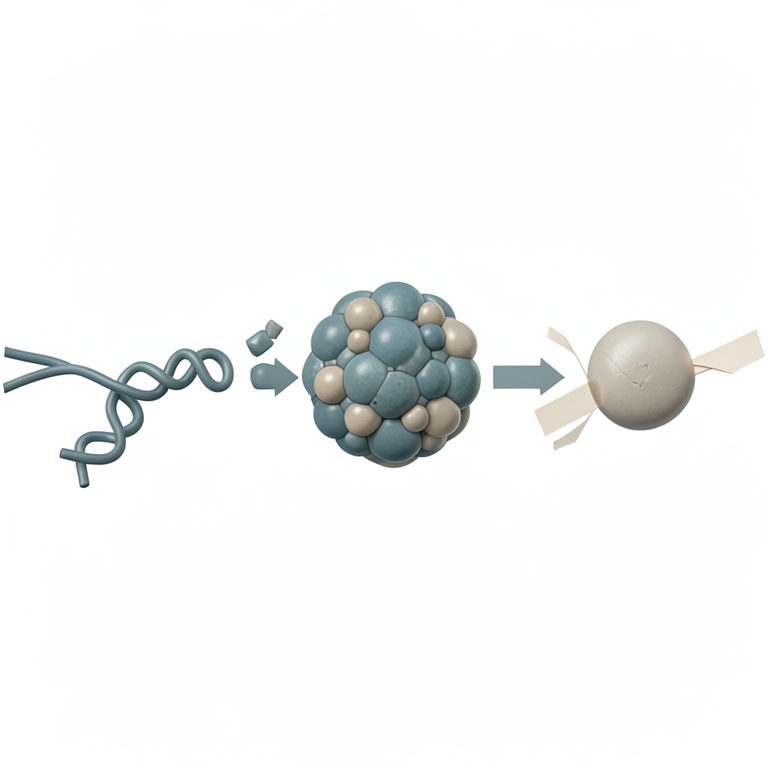
The RNAi Molecular Pathway
AI-generated conceptual illustration (insect cell and RNA molecules). It explains the idea and does not show study data.
View source evidence ↗Figures & tables
From the original paper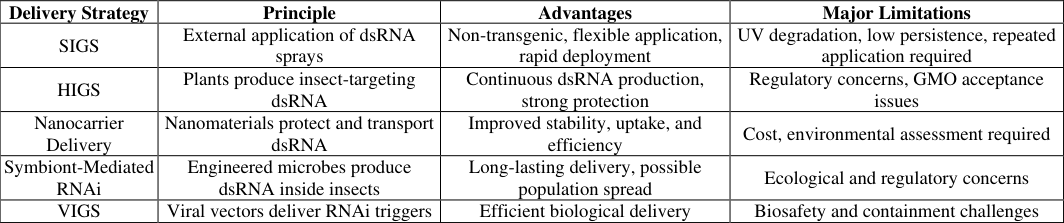 Table 1
Introduction
Insect pests remain one of the major constraints affecting global agricultural productivity and food security. Approximately 20-30% of global crop production is lost annually due to insect pests, plant diseases, and weeds, with insect-related damage accounting for a substantial proportion of these losses (Oerke, 2006; Savary et al., 2019) [22,26] . The increasing demand for food production driven by population growth and climate change has intensified the need for effective pest management strategies that maintain agricultural productivity while minimizing environmental consequences. For several decades, synthetic chemical insecticides have represented the primary approach for controlling economically important insect pests. Although these compounds have contributed significantly to agricultural intensification, their excessive and repeated application has resulted in several ecological and agronomic challenges, including insecticide resistance development, disruption of beneficial insect communities, contamination of soil and aquatic ecosystems, and potential risks to human health (Sparks and Nauen, 2015; Bass et al., 2014) [2,27] . The rapid evolution of resistance in major pest species, including Helicoverpa armigera, Plutella xylostella, Myzus persicae, and Bemisia tabaci, has reduced the effectiveness of many commercially available insecticides and highlighted the urgent requirement for alternative pest control technologies (Gould et al., 2018) [11] . The concept of sustainable pest management has therefore shifted toward highly selective approaches that target pest species while preserving beneficial organisms and ecosystem functions. Among emerging technologies, RNA interference (RNAi) has gained considerable attention as a precision-based pest management strategy due to its ability to selectively suppress specific genes through sequencedependent mechanisms (Fire et al., 1998; Huvenne and Smagghe, 2010) [8,14] . Unlike conventional insecticides that generally interfere with physiological processes across multiple organisms, RNAi technology enables speciesspecific regulation of gene expression by introducing double-stranded RNA (dsRNA) molecules complementary to target messenger RNA (mRNA) sequences. RNA interference is a naturally occurring posttranscriptional gene regulation mechanism conserved among eukaryotic organisms. In insects, externally supplied dsRNA is processed into small interfering RNAs (siRNAs), which subsequently guide the RNA-induced silencing complex (RISC) toward complementary mRNA molecules, resulting in transcript degradation and suppression of target gene expression (Hammond et al., 2001; Gordon and Waterhouse, 2007) [10,12] . When essential genes involved in development, metabolism, reproduction, immunity, or cellular regulation are targeted, RNAi can induce mortality, developmental abnormalities, reduced fertility, or increased susceptibility to environmental stresses (Katoch et al., 2013) [16] . The application of RNAi for insect pest management has progressed significantly since the first demonstration of RNA-mediated gene silencing in insects. Research has successfully applied RNAi against several agricultural pests, including coleopterans, hemipterans, dipterans, and lepidopterans (Christiaens et al., 2020) [6] . The commercial development of RNAi-based insecticides, such as dsRNA products targeting the western corn rootworm (Diabrotica virgifera virgifera), demonstrates the practical feasibility of translating laboratory discoveries into agricultural applications (Bachman et al., 2013) [1] . Despite substantial progress, RNAi-based pest management still faces significant biological and technological limitations. RNAi efficiency varies considerably among insect species due to differences in dsRNA uptake mechanisms, digestive system characteristics, nuclease activity, RNA transport pathways, and immune responses (Christiaens et al., 2020; Prentice et al., 2021) [6,25] . Particularly, many lepidopteran pests exhibit limited sensitivity to orally delivered dsRNA, restricting field-level effectiveness and requiring innovative delivery strategies (Terenius et al., 2011) [29] . Furthermore, environmental instability of naked dsRNA, potential off-target effects, resistance evolution, and regulatory challenges remain important barriers to commercialization. Recent advances in nanotechnology, molecular biology, genome editing, and bioinformatics have created new opportunities to overcome these limitations. Nanoparticlebased formulations can improve dsRNA stability and cellular uptake, while transcriptomic and genomic approaches enable identification of highly specific pest targets with reduced ecological risks (Joga et al., 2016; Nandety et al., 2024) [15,21] . Integration of RNAi with integrated pest management programs may further enhance sustainability by combining molecular precision with ecological pest suppression strategies. This review discusses the current status of RNAi technology for insect pest management, focusing on molecular mechanisms, target gene discovery, dsRNA delivery approaches, recent commercialization progress, major challenges, and future perspectives toward establishing RNAi as a sustainable component of modern agriculture.
Molecular mechanisms of RNA interference in insects
RNA interference (RNAi) is an evolutionarily conserved post-transcriptional gene regulation mechanism that plays a fundamental role in controlling gene expression, antiviral defense, and genome stability in eukaryotic organisms. Since its discovery in Caenorhabditis elegans by Fire et al. (1998) [8] , RNAi has become an important molecular tool for functional genomics and has emerged as a promising strategy for insect pest management. In insects, RNAimediated gene silencing is primarily initiated through the introduction of exogenous double-stranded RNA (dsRNA), which activates intracellular pathways leading to sequencespecific degradation of complementary messenger RNA (mRNA) transcripts (Hammond et al., 2001; Huvenne and Smagghe, 2010) [12,14] . The efficiency of RNAi-based pest control depends on multiple sequential biological events, including dsRNA uptake, intracellular processing, small interfering RNA (siRNA) generation, assembly of the RNA-induced silencing complex (RISC), target recognition, mRNA degradation, and systemic spread of the silencing signal. Understanding these molecular processes is essential for improving RNAi effectiveness and designing efficient delivery systems for agricultural applications.
Initiation of RNAi pathway and dsRNA processing
The RNAi pathway in insects is initiated when long dsRNA molecules enter insect cells through environmental exposure, feeding, injection, or plant-mediated expression systems. Once internalized, dsRNA molecules are recognized by the RNase III family enzyme Dicer-2 (Dcr-2), which cleaves them into short interfering RNAs (siRNAs) approximately 21-22 nucleotides in length (Bernstein et al., 2001; Hammond et al., 2001) [4,12] . Dicer-2 activity is facilitated by accessory proteins such as Loquacious-PD (Loqs-PD), which enhance substrate recognition and promote efficient siRNA production in insects (Förstemann et al., 2005) [9] . The generated siRNA duplexes contain a guide strand complementary to the target mRNA and a passenger strand that is subsequently degraded. The guide strand is incorporated into the RNAinduced silencing complex (RISC), where it directs sequence-specific recognition of target transcripts. The core catalytic component of RISC is the Argonaute-2 (Ago2) protein, which possesses endonuclease activity. Upon binding of siRNA-loaded RISC to complementary mRNA, Ago2 cleaves the transcript, resulting in rapid degradation and suppression of gene expression (Okamura et al., 2004) [23] . This precise sequence-based mechanism provides RNAi with its characteristic specificity, making it highly attractive for selective pest control.
Systemic RNAi and dsRNA transport mechanisms
For RNAi to function effectively as an agricultural pest management technology, dsRNA must not only trigger local gene silencing but also spread throughout insect tissues. This phenomenon, known as systemic RNAi, enables orally delivered dsRNA to generate physiological effects beyond the initial site of uptake. Systemic RNAi responses differ considerably among insect species due to variations in dsRNA uptake pathways and intracellular transport mechanisms. In some insects, specialized membrane proteins facilitate dsRNA internalization. For example, the scavenger receptormediated uptake pathway has been implicated in dsRNA absorption in several insect species, allowing extracellular dsRNA molecules to enter epithelial cells and initiate gene silencing responses (Xu and Han, 2008) [33] . In Caenorhabditis elegans, systemic RNAi depends on SID-1-mediated dsRNA transport; however, the presence and functional significance of SID-1 homologues in insects remain variable (Winston et al., 2002). Some insects possess SID-1-like proteins, whereas others rely primarily on endocytosis-based mechanisms for dsRNA uptake (Xu et al., 2013) [34] . These differences contribute significantly to the variation in RNAi sensitivity observed among insect orders. Recent studies have suggested that extracellular vesicles, particularly exosomes, may contribute to intercellular transport of RNA molecules and facilitate systemic propagation of RNAi signals (Tassetto et al., 2017) [28] . However, the molecular basis of systemic RNAi movement in insects remains incompletely understood and represents a major research priority for improving RNAi-based pest control.
Taxonomic variation in RNAi efficiency among insects
One of the major limitations affecting the practical implementation of RNAi technology is the highly variable response among insect species. RNAi efficiency is strongly influenced by evolutionary differences in dsRNA uptake, degradation, processing, and amplification mechanisms. Coleopteran insects are generally considered highly responsive to RNAi. The western corn rootworm (Diabrotica virgifera virgifera) represents one of the most successful examples, where ingestion of dsRNA targeting essential genes resulted in significant mortality and ultimately contributed to the development of commercial RNAi-based insect protection technologies (Baum et al., 2007; Bachman et al., 2013) [1,3] . In contrast, many lepidopteran pests exhibit poor RNAi responses, particularly following oral dsRNA delivery. Species such as Spodoptera frugiperda, Helicoverpa armigera, and Plutella xylostella often possess high levels of dsRNA-degrading nucleases in the gut, inefficient cellular uptake mechanisms, and limited systemic RNAi capability (Terenius et al., 2011; Christiaens et al., 2020) [6,29] . These physiological barriers reduce dsRNA stability and prevent sufficient activation of intracellular silencing pathways. Hemipteran insects, including aphids and whiteflies, generally exhibit moderate to high RNAi sensitivity. In Myzus persicae, RNAi targeting genes associated with development and reproduction has successfully reduced population growth and reproductive performance (Pitino et al., 2011) [24] . Similarly, RNAi approaches targeting essential genes in Bemisia tabaci have demonstrated potential for controlling insecticide-resistant populations (Cai et al., 2017) [5] . Therefore, understanding species-specific RNAi biology is essential for selecting suitable targets and developing effective delivery strategies tailored to different pest groups.
Target gene identification and functional validation for RNAi-based pest management
The selection of appropriate target genes represents a critical step determining the success of RNAi-based insect control strategies. Unlike conventional insecticides that generally affect broad physiological processes, RNAi relies on precise suppression of individual genes. Therefore, target genes must fulfil several criteria, including essentiality for insect survival, limited similarity with non-target organisms, efficient silencing response, and the ability to induce measurable fitness costs upon suppression. Advances in genome sequencing, transcriptomics, proteomics, and functional genomics have significantly expanded the discovery of potential RNAi targets. Highthroughput RNA sequencing (RNA-seq) and comparative genomic analyses have enabled researchers to identify genes involved in critical biological processes, including development, metabolism, reproduction, immunity, and detoxification pathways.
Essential genes as RNAi targets
Genes associated with fundamental cellular processes are among the most effective RNAi targets because their suppression often results in lethal or severe developmental consequences. Several studies have demonstrated successful RNAi-mediated disruption of genes involved in molting, hormone regulation, cytoskeletal organization, and cellular metabolism. For example, targeting the vacuolar ATPase (V-ATPase) gene, which regulates cellular proton transport and energy metabolism, has produced strong mortality responses in several insect species, including Tribolium castaneum and Diabrotica virgifera (Whyard et al., 2009) [31] . Similarly, genes encoding chitin synthase, juvenile hormone pathway enzymes, and ecdysone receptors have been investigated as promising targets because of their essential roles in insect growth and development (Katoch et al., 2013) [16] .
Targeting insect-specific genes for enhanced biosafety
A major advantage of RNAi technology is the possibility of designing highly species-specific sequences that minimize impacts on beneficial insects and other organisms. However, careful bioinformatic screening is required to identify regions of target genes that exhibit minimal sequence similarity with non-target species. Mahanta et al. (2025) [18] emphasized that future RNAibased biopesticides require systematic evaluation of target specificity through genomic databases and computational prediction tools to reduce unintended effects on pollinators, predators, and parasitoids. Genes unique to insect physiology, such as species-specific digestive enzymes, reproductive regulators, and developmental proteins, represent attractive targets because they provide greater selectivity compared with conserved housekeeping genes.
Functional validation approaches
The validation of RNAi targets requires experimental confirmation through gene knockdown studies, phenotypic analysis, and molecular characterization. [15] . High-throughput RNAi screening combined with artificial intelligence-assisted prediction models is expected to accelerate the discovery of novel pest-specific targets and improve the development of next-generation RNAi-based insecticides.
Delivery strategies for dsRNA in insect pest management
The successful application of RNA interference (RNAi) technology in agriculture depends largely on the efficient delivery of double-stranded RNA (dsRNA) molecules into target insects. Although RNAi provides exceptional sequence specificity, the practical effectiveness of this technology is strongly influenced by dsRNA stability, cellular uptake, degradation by nucleases, transport across insect tissues, and activation of the intracellular silencing machinery. Therefore, developing efficient delivery systems remains one of the most critical challenges for converting RNAi from a laboratory-based molecular tool into a commercially viable pest management technology (Christiaens et al., 2020) [6] . Several dsRNA delivery approaches have been developed, including spray-induced gene silencing (SIGS), hostinduced gene silencing (HIGS), nanoparticle-mediated delivery, symbiont-based delivery systems, and virusinduced gene silencing (VIGS). Each strategy offers unique advantages and limitations depending on pest biology, crop system, regulatory considerations, and field application requirements.
Spray-Induced Gene Silencing (SIGS)
Spray-induced gene silencing (SIGS) represents a nontransgenic approach in which externally synthesized dsRNA is directly applied onto plant surfaces through conventional spraying techniques. Following application, insect pests acquire dsRNA during feeding, resulting in sequencespecific suppression of target genes and subsequent disruption of essential biological processes (Mitter et al., 2017) [20] . [24,30] . However, the major limitation of SIGS is the poor environmental stability of naked dsRNA. Ultraviolet radiation, rainfall, temperature fluctuations, and microbial degradation can rapidly reduce dsRNA persistence on plant surfaces (Dubelman et al., 2014) [7] . Furthermore, insect digestive fluids contain abundant nucleases capable of degrading dsRNA before it reaches target cells, particularly in lepidopteran species (Christiaens et al., 2020) [6] .
To overcome these limitations, researchers are developing stabilized dsRNA formulations using protective polymers, clay-based materials, and nanocarriers to enhance persistence and biological activity under field conditions.
Host-Induced Gene Silencing (HIGS)
Host-induced gene silencing (HIGS) is a genetically engineered approach where crop plants are modified to continuously produce dsRNA molecules targeting essential genes of insect pests. During feeding, insects ingest plantderived dsRNA, which activates RNAi pathways and suppresses corresponding genes within the pest organism (Zhang et al., 2017) [35] . HIGS represents one of the most extensively studied RNAi strategies because it provides continuous dsRNA production within plant tissues, eliminating the need for repeated external applications. This approach has shown considerable success in protecting crops against important pests. One of the most notable examples is RNAi-mediated control of western corn rootworm (Diabrotica virgifera virgifera). Transgenic maize expressing dsRNA against the essential gene DvSnf7 produced significant larval mortality and demonstrated commercial feasibility of RNAi-based crop protection (Bachman et al., 2013) [1] . This technology contributed to the development of genetically engineered maize varieties expressing insect-specific dsRNA. HIGS has also been investigated against hemipteran pests such as aphids and whiteflies. Expression of dsRNA targeting genes involved in insect development, reproduction, and metabolism has reduced pest populations and impaired insect fitness (Pitino et al., 2011; Zhang et al., 2017) [24,35] . Despite its effectiveness, HIGS faces several challenges. Public acceptance of genetically modified crops, regulatory restrictions, variable dsRNA movement within plant tissues, and concerns regarding long-term ecological effects influence its adoption. Additionally, some insects exhibit limited uptake of plant-derived dsRNA, reducing the effectiveness of HIGS in certain pest groups.
Nanotechnology-based dsRNA delivery systems
Nanotechnology has emerged as a powerful approach to overcome the major limitations associated with conventional dsRNA delivery. Nanocarriers protect dsRNA from enzymatic degradation, improve cellular uptake, enhance tissue penetration, and facilitate controlled release of RNA molecules (Zhang et al., 2020) [36] .
Various [20] demonstrated that BioClay-mediated delivery significantly prolonged dsRNA persistence on plant surfaces and enhanced gene silencing efficiency compared with naked dsRNA applications. Nanocarrier systems are particularly valuable for lepidopteran pests, which frequently exhibit poor RNAi responses due to inefficient dsRNA uptake and degradation. Nanoparticle-assisted delivery has improved RNAi efficiency in species such as Spodoptera frugiperda, Helicoverpa armigera, and Plutella xylostella by increasing dsRNA protection and cellular internalization (Zhang et al., 2020) [36] . Despite their potential, nanoparticle-based RNAi systems require further evaluation regarding production cost, environmental fate, nanoparticle accumulation, and regulatory acceptance before widespread agricultural application.
Symbiont-mediated RNAi delivery
Symbiont-mediated RNAi represents an innovative biological delivery strategy where engineered microorganisms associated with insects are modified to produce dsRNA molecules. These microorganisms continuously generate RNAi triggers within the insect host, potentially providing long-term and self-sustaining gene silencing.
The approach exploits natural insect-microbe interactions, particularly gut-associated symbiotic bacteria, to overcome barriers associated with external dsRNA delivery. Engineered bacteria expressing dsRNA have demonstrated the ability to suppress essential insect genes and reduce pest fitness. A notable example was demonstrated in the kissing bug Rhodnius prolixus, where genetically engineered symbiotic bacteria producing dsRNA successfully induced gene silencing after colonization of the insect gut (Whitten et al., 2016) [32] . The study suggested that symbiont-based delivery could potentially allow horizontal transmission of RNAi signals among insect populations. Advantages of symbiont-mediated RNAi include: Continuous dsRNA production Reduced application frequency Potential population-level effects Improved delivery efficiency However, significant challenges remain, including ecological safety concerns, stability of engineered microorganisms, host specificity, and regulatory approval.
Virus-Induced Gene Silencing (VIGS)
Virus-induced gene silencing (VIGS) utilizes modified viral vectors to deliver RNA molecules capable of activating RNAi pathways. Although VIGS has been widely used in plant functional genomics, its direct application for insect pest management remains comparatively limited. In insect systems, recombinant viruses have potential advantages because they naturally infect and replicate within insect hosts, allowing efficient delivery of RNAi triggers. Baculovirus-based vectors have been explored as possible RNAi delivery platforms due to their insect specificity and ability to spread within pest populations (Kolliopoulou and Swevers, 2014) [17] . However, biosafety concerns regarding viral evolution, host range expansion, and environmental persistence have restricted practical agricultural applications. The integration of nanotechnology with molecular genetics may enable precision delivery of RNA molecules specifically to pest species while reducing impacts on beneficial organisms. Furthermore, combining RNAi delivery platforms with integrated pest management programs will provide a sustainable approach that minimizes resistance development and enhances long-term agricultural productivity.
Recent advances and commercial development of RNAi-based insect pest management
During the past two decades, RNA interference (RNAi) has progressed from a fundamental molecular biology discovery to a promising agricultural biotechnology platform. Advances in genome sequencing, transcriptomics, bioinformatics, nanotechnology, and synthetic biology have significantly improved the identification of RNAi targets, optimization of dsRNA molecules, and development of efficient delivery systems. These developments have accelerated the transition of RNAi from laboratory experiments toward practical field applications and commercialization.
The successful commercialization of RNAi-based insect control products represents a major milestone in sustainable pest management. Unlike conventional insecticides that generally target physiological pathways shared across multiple organisms, RNAi-based technologies provide sequence-specific pest suppression with improved ecological compatibility. The first commercial RNAi crop protection technology was developed against the western corn rootworm (Diabrotica virgifera virgifera), where genetically engineered maize expressing dsRNA targeting the essential gene DvSnf7 provided effective larval control (Bachman et al., 2013) [1] . The commercial success of RNAi maize demonstrated the feasibility of utilizing insect-specific gene silencing as an agricultural protection strategy. Subsequently, research efforts have expanded toward developing sprayable RNAi formulations, nanoparticle-based dsRNA products, and RNAi technologies targeting a broader range of insect pests, including hemipterans, lepidopterans, and coleopterans (Christiaens et al., 2020) [6] .
Commercial RNAi products and agricultural applications
The development of RNAi-based insecticides has primarily focused on economically important pests causing severe crop losses. One of the most successful examples is RNAi maize expressing dsRNA against the Snf7 gene of western corn rootworm. Feeding on this maize resulted in reduced larval growth, impaired development, and increased mortality (Bachman et al., 2013) [1] .
Similarly, RNAi approaches have been investigated against several major agricultural pests
Similarly, RNAi approaches have been investigated against several major agricultural pests
Helicoverpa armigera
The cotton bollworm (Helicoverpa armigera) is one of the most destructive polyphagous pests worldwide. RNAi targeting genes associated with development, digestion, and reproduction has demonstrated significant reductions in larval survival and reproductive fitness (Mao et al., 2007) [19] . However, field application remains challenging because this species exhibits variable RNAi sensitivity.
Myzus persicae
The green peach aphid (Myzus persicae) causes direct feeding damage and transmits numerous plant viruses. RNAi targeting genes involved in cuticle formation and metabolism has reduced aphid growth and reproduction, demonstrating the potential of RNAi-based aphid management (Pitino et al., 2011) [24] .
Bemisia tabaci
The whitefly (Bemisia tabaci) represents another important target due to its ability to transmit economically significant plant viruses. RNAi-mediated suppression of genes involved in development, immunity, and detoxification pathways has successfully reduced whitefly survival and reproductive performance (Cai et al., 2017) [5] . These examples demonstrate the broad applicability of RNAi technology; however, successful commercialization requires overcoming species-specific biological barriers and developing cost-effective delivery systems.
Integration of RNAi with omics technologies
The identification of effective RNAi targets has been accelerated by advances in functional genomics and multiomics approaches. Genome sequencing, transcriptomics, proteomics, and metabolomics provide comprehensive information about insect biological pathways and enable systematic identification of essential genes. RNA sequencing (RNA-seq) has become particularly valuable for discovering genes differentially expressed during insect development, pesticide exposure, or host adaptation. Combining transcriptomic data with RNAi screening allows researchers to identify genes whose suppression produces strong lethal or sublethal effects (Nandety et al., 2024) [21] . Furthermore, comparative genomics helps identify insectspecific sequences that minimize risks to beneficial organisms. This approach is critical for developing environmentally safe RNAi products because target sequences must be carefully selected to avoid unintended effects on pollinators, natural enemies, and other non-target organisms.
Artificial intelligence (AI)-based prediction models are also emerging as useful tools for RNAi development. Machine learning algorithms can analyze genomic datasets to predict optimal dsRNA sequences, improve target selection, and estimate potential off-target interactions (Mahanta et al., 2025) [18] .
Major challenges limiting RNAi-based pest management
Although RNAi offers substantial advantages over traditional pesticides, several biological, technological, economic, and regulatory challenges continue to restrict widespread adoption. Addressing these limitations is essential for achieving reliable field performance and commercial success. [13] .
Variable RNAi efficiency among insect species
Current evidence indicates that properly designed RNAi molecules generally show limited effects on non-target organisms; however, long-term ecological monitoring remains essential. Economic factors also influence adoption. Although dsRNA production costs have decreased significantly through advances in microbial and enzymatic synthesis, large-scale manufacturing remains more expensive compared with conventional chemical insecticides (Christiaens et al., 2020) [6] . Development of affordable production platforms and efficient formulation technologies will be essential for widespread farmer adoption.
Evolution of RNAi resistance
Evolution of RNAi resistance
Future perspectives and integration with sustainable pest management
The future of RNAi-based insect management will depend on multidisciplinary innovations combining molecular biology, nanotechnology, computational biology, and ecological pest management.
Advanced delivery technologies
Future research will focus on improving dsRNA delivery through: Biodegradable nanoparticles Targeted delivery systems Self-amplifying RNA platforms Improved spray formulations Controlled-release technologies These innovations will enhance field stability and enable RNAi application against currently resistant insect groups.
Integration with Integrated Pest Management (IPM)
RNAi should not be considered a replacement for all existing pest management approaches but rather as a complementary tool within integrated pest management programs. Combining RNAi with: Biological control agents Semiochemicals Resistant crop varieties Cultural practices Precision agriculture technologies can improve pest suppression while reducing resistance risks.
The combination of RNAi with digital agriculture, remote sensing, and predictive modeling may enable more precise timing and location-specific application of RNAi products.
Role of artificial intelligence and functional genomics
Future RNAi development will increasingly rely on computational approaches. AI-driven models can accelerate:
Figures and tables from the paper
References
36 in the original paper- Bachman PM, Bolognesi R, Moar WJ, Mueller GM, Paradise MP, Ramaseshadri P, et al. Characterization of the activity of MON 87411: A maize event producing dsRNA against western corn rootworm. Crop Science. 2013;53(2):727-739.
- Bass C, Denholm I, Williamson MS, Nauen R. The global status of insect resistance to neonicotinoid insecticides. Pesticide Biochemistry and Physiology. 2015;121:78-87.
- Baum JA, Bogaert T, Clinton W, Heck GR, Feldmann P, Ilagan O, et al. Control of coleopteran insect pests through RNA interference. Nature Biotechnology. 2007;25(11):1322-1326.
- Bernstein E, Caudy AA, Hammond SM, Hannon GJ. Role for a bidentate ribonuclease in the initiation step of RNA interference. Nature. 2001;409(6818):363-366.
- Cai Q, He Y, Zhou Q, Chen Y. RNA interference-based control of whitefly (Bemisia tabaci) using dsRNA targeting essential genes. Pest Management Science. 2017;73(1):208-215.
- Christiaens O, Whyard S, Vélez AM, Smagghe G. Double-stranded RNA technology to control insect pests: Current status and challenges. Frontiers in Plant Science. 2020;11:451.
- Dubelman S, Fischer J, Zapata F, Huizinga K, Jiang C, Uffman J, et al. Environmental fate of double-stranded RNA in agricultural soils. Environmental Toxicology and Chemistry. 2014;33(8):1709-1715.
- Fire A, Xu S, Montgomery MK, Kostas SA, Driver SE, Mello CC. Potent and specific genetic interference by double-stranded RNA in Caenorhabditis elegans. Nature. 1998;391(6669):806-811.
- Förstemann K, Tomari Y, Du T, Vagin VV, Denli AM, Bratu DP, et al. Normal microRNA maturation and germ-line stem cell maintenance requires Loquacious, a double-stranded RNA-binding domain protein. PLoS Biology. 2005;3(7):e236.
- Gordon KHJ, Waterhouse PM. RNAi for insect pest control: Applications and biosafety. Trends in Biotechnology. 2007;25(6):283-290.
- Gould F, Brown ZS, Kuzma J. Wicked evolution: Can we address the sociobiological dilemma of pesticide resistance? Science. 2018;360(6390):728-732.
- Hammond SM, Bernstein E, Beach D, Hannon GJ. An RNA-directed nuclease mediates post-transcriptional gene silencing in Drosophila. Nature. 2001;404(6775):293-296.
- Hanamasagar Y, Patil S, Kumar R. Advancing RNAi for sustainable insect management: Targeted solutions for eco-friendly pest control. Journal of Experimental Agriculture International. 2024;46(6):740-775.
- Huvenne H, Smagghe G. Mechanisms of dsRNA uptake in insects and potential of RNAi for pest control: A review. Journal of Insect Physiology. 2010;56(3):227-235.
- Joga MR, Zotti MJ, Smagghe G, Christiaens O. RNAi efficiency, systemic properties, and novel delivery approaches in insects: Progress and challenges. Pest Management Science. 2016;72(11):2115-2127.
- Katoch R, Sethi A, Thakur N, Murdock LL. RNAi for insect control: Current perspective and future challenges. Applied Biochemistry and Biotechnology. 2013;171(4):847-873.
- Kolliopoulou A, Swevers L. Functional genomics in insects: RNAi and viral vector approaches. Insect Biochemistry and Molecular Biology. 2014;46:1-12.
- Mahanta DK, Das P, Sharma P. RNA interference (RNAi) for insect pest management: Understanding mechanisms, strategies, challenges and future prospects. Biologia Futura. 2025;76:465-477.
- Mao YB, Cai WJ, Wang JW, Hong GJ, Tao XY, Wang LJ, et al. Silencing a cotton bollworm P450 monooxygenase gene by plant-mediated RNAi. Nature Biotechnology. 2007;25(11):1307-1313.
- Mitter N, Worrall EA, Robinson KE, Li P, Jain RG, Taochy C, et al. Clay nanosheets for topical delivery of RNA interference for plant protection. Nature Plants. 2017;3:16207.
- Nandety RS, Kapoor A, Sharma A. Functional genomics and RNA interference approaches for nextgeneration insect pest management. Frontiers in Genetics. 2024;15:1345678.
- Oerke EC. Crop losses to pests. Journal of Agricultural Science. 2006;144(1):31-43.
- Okamura K, Ishizuka A, Siomi H, Siomi MC. Distinct roles for Argonaute proteins in small RNA-directed RNA cleavage pathways. Genes & Development. 2004;18(14):1655-1666.
- Pitino M, Coleman AD, Maffei ME, Ridout CJ, Hogenhout SA. Silencing of aphid genes by dsRNA feeding reduces insect performance. PLoS ONE. 2011;6(10):e25709.
- Prentice K, Pertry I, Christiaens O, Bauters L, Bailey A, Niblett C, et al. RNA interference and insect pest control: Mechanisms influencing efficiency. Frontiers in Plant Science. 2021;12:658123.
- Savary S, Willocquet L, Pethybridge SJ, Esker P, McRoberts N, Nelson A. The global burden of pathogens and pests on major food crops. Nature Ecology & Evolution. 2019;3(3):430-439.
- Sparks TC, Nauen R. IRAC: Mode of action classification and insecticide resistance management. Pesticide Biochemistry and Physiology. 2015;121:122128.
- Tassetto M, Kunitomi M, Andino R. Circulating small interfering RNA and extracellular vesicles in RNA interference. Nature Communications. 2017;8:141.
- Terenius O, Papanicolaou A, Garbutt JS, Eleftherianos I, Huvenne H, Kanginakudru S, et al. RNA interference in Lepidoptera: An overview of successful and unsuccessful studies and implications for experimental design. Insect Molecular Biology. 2011;20(5):583-596.
- Wang X, Chen X, Zhang Z. RNA interference-mediated gene silencing in insect pest management. Journal of Economic Entomology. 2011;104(4):1238-1246.
- Whyard S, Singh AD, Wong S. Ingested doublestranded RNAs can act as species-specific insecticides. Insect Biochemistry and Molecular Biology. 2009;39(11):824-832.
- Whitten MMA, Facey PD, Del Sol R, FernándezMartínez LT, Evans MC, Mitchell JJ, et al. Symbiontmediated RNA interference in insects. Proceedings of the Royal Society B: Biological Sciences. 2016;283(1825):20160086.
- Xu J, Han Z. Cloning and characterization of SID-1like gene in insects. Insect Molecular Biology. 2008;17(6):675-681.
- Xu J, Hopkins AM, Sabin LR, Yasunaga A. dsRNA uptake and systemic RNA interference in insects. RNA Biology. 2013;10(6):899-906.
- Zhang H, Li H, Miao X. Feasibility, limitation and possible solutions of RNAi-based pest management. Insect Science. 2017;24(1):15-30.
- Zhang X, Zhang J, Zhu KY. Chitosan/dsRNA nanoparticles for efficient RNA interference in insect pests. Trends in Biotechnology. 2020;38(5):540-553.