
Research article · 2026 · Full text
International Journal of Horticulture and Food ScienceDetection, regulation and mitigation of insecticide residues in major vegetable crops: A global perspective
Volume 8(7) · Pages 111–119 · DOI: 10.33545/26631067.2026.v8.i7b.805 ↗
Research areasPesticide Residue Analysis and SafetyAgricultural safety and regulationsPesticide and Herbicide Environmental Studies
Abstract
Author-writtenThe extensive use of synthetic insecticides in vegetable agriculture is contaminating the environment and jeopardising human health, ecosystems and international trade. The study investigated pesticide residues in important vegetable families (Solanaceae, Brassicaceae, Cucurbitaceae) with an emphasis on main classes of pesticides such as neonicotinoids and organophosphates. It includes analytical advances in trace detection, such as liquid chromatography tandem mass spectrometry and green sample preparation procedures such as QuEChERS. Fractured international regulatory systems, inconsistent Maximum Residue Limits and ambitious efforts like the EU’s “Farm to Fork” policy generate considerable trade impediments. To avoid such hazards, the study investigates pre-harvest advances (precision agriculture, digital twins) and post-harvest therapies (fermentation, enhanced oxidation). Lastly, it tackles intricate health hazards, combination toxicity and ecological impact to pollinators. The integration of Explainable AI, forecasting of dissipation, and bioremediation is crucial for safe and sustainable vegetable production for global residue compliance.
Summary
Source-checkedPlain-language reading of the full paper, prepared with AI and checked against the text. Each point links to the authors' own words.
Why it matters
- The widespread use of synthetic insecticides in vegetable farming poses significant risks to human health, the environment, and global trade. View evidence ↗
- Pesticides are considered necessary in modern agriculture because global crop losses from pests, diseases, and weeds are estimated to be between 30% and 40% of potential yields. View evidence ↗
The question
- The study aims to review literature from 2001 to 2026 to discuss advancements in tools for analyzing pesticide residues and strategies for mitigating them. View evidence ↗
What they did
- The review focuses on pesticide residues in the Solanaceae, Brassicaceae, and Cucurbitaceae vegetable families, specifically examining neonicotinoids and organophosphates. View evidence ↗
- The analysis covers modern detection methods, including liquid chromatography tandem mass spectrometry and the QuEChERS sample preparation method. View evidence ↗
What they found
- Chillies are among the most heavily treated crops, receiving 13-15 pesticide applications per season with a chemical load of 5.13 kg a.i./ha. View evidence ↗
- Brinjal exhibits the highest overall chemical pressure, requiring 4.64 to 5.25 kg a.i./ha and up to 25 sprays per season. View evidence ↗
- Stricter Maximum Residue Limit (MRL) regulations impact trade, with a 10% increase in stringency linked to a 6.6% reduction in agricultural exports. View evidence ↗
- In post-harvest cleaning, tap water is more effective at removing residues (77%) compared to commercial vegetable detergents (43.7%). View evidence ↗
- Thermal processing during orange jam production can significantly reduce residues, eliminating 90% of buprofezin and 95% of imazalil through successive boiling. View evidence ↗
- Cold plasma treatment (80 kV for 120s) can degrade malathion by 53.1% and chlorpyrifos by 51.4% without compromising nutritional integrity. View evidence ↗
- Microbial fermentation is an effective mitigation strategy, as chlorpyrifos was completely eliminated after nine days of fermentation in kimchi. View evidence ↗
What it means
- The authors conclude that managing pesticide residues requires a multidisciplinary approach integrating chemistry, toxicology, regulation, and sustainable innovation. View evidence ↗
- The authors recommend that future regulations shift from assessing single compounds to cumulative risk assessments that consider combination toxicity and sensitive populations. View evidence ↗
- The use of deep learning for pesticide detection is limited by a lack of diverse environmental data, poor model transferability, and the opaque nature of the algorithms. View evidence ↗
Figures & tables
From the original paper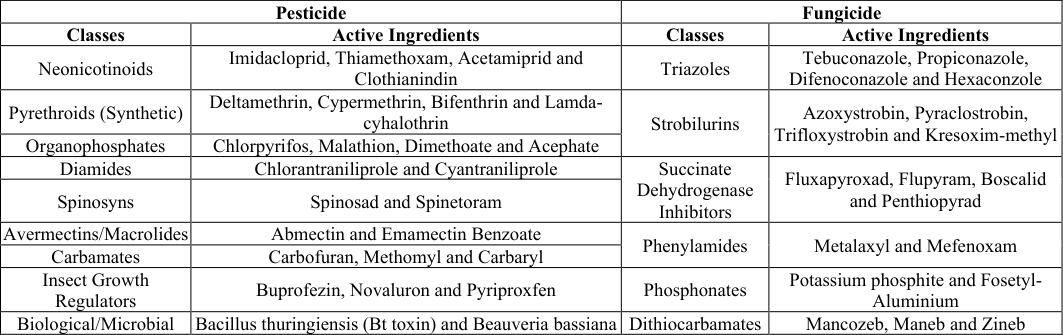 Table 1
Introduction
The consumption of a variety of vegetables gives a wide range of combinations of bioactive phytochemicals that are helpful in the prevention of chronic diseases. Evidence suggests that these functional matrices exert cardioprotective effects through many molecular mechanisms, such as anti-inflammatory pathways, blood pressure management, and beneficial adjustment of lipid profiles [1] . Horticulture is an important industry all around the world. Vegetable production is sometimes more than 1 billion metric tonnes annually with China, India and the United States being the three leading producers of agricultural products in the world [2] . Horticultural cultivation provides potential for high value products, optimizing the use of limited land and providing economic opportunities for smallholders in a diversity of rural, urban and peri-urban contexts. This type of localized agriculture contributes to economic resilience in volatile, fragile or conflict-affected countries [3] . The main crops traded internationally in agriculture are high-value commodity crops, in particular those from the Solanaceae (tomatoes and peppers), Brassicaceae (cabbage, broccoli and cauliflower) and Cucurbitaceae (cucumbers and melons) families. Intensive vegetable cropping systems are particularly susceptible to damaging complexes of arthropods, despite major gains in agronomic controls. These principal insect pests not only inflict serious mechanical damage to the vegetative and reproductive tissues but also are good carriers of deadly phytoviruses [4,5] . Biotic stresses can affect the global food supply chains. In spite of the mitigatory measures employed, models predict that annual crop losses owing to weeds, diseases and animal pests are consistently ranging between 30% and 40% of the possible yields worldwide [6] . Pesticides are used to help avoid and battle issues, and are necessary practice in modern intensive agriculture. If they are used in a strategic fashion, these synthetic compounds guarantee the survival of crops, the cosmetic quality required by customers and the economic profitability required for the agricultural industry. But strict crop protection raises major food safety issues. The inappropriate application of insecticides leads to the accumulation of xenobiotic residues in raw vegetables, establishing primary routes of food exposure linked with severe neurodevelopmental, endocrine disrupting and multi-organ toxicity [7,8] . The necessity to balance high agricultural yields with the safety of consumers has led to increased development into advanced detection, monitoring and degradation systems for pesticide residues. This study summarizes the literature from 2001 to 2026 and critically discusses the advances in residue analysis tools and novel mitigation strategies. The report provides a comprehensive account of the existing worldwide regulatory system governing pesticide residues in major vegetable crops for a variety of stakeholders including analytical chemists and regulatory policy makers.
Worldwide Pattern of Insecticides Use in Vegetable Production
Major Types of Insecticides Neonicotinoid insecticides have increasingly replaced legacy chemistries such as organochlorines, organophosphates, carbamates and pyrethroids over the last twenty-five years and are now the dominant class of insecticides used in more than 120 countries around the world [9] . Commercially, the international footprint of neonicotinoid pesticides is still huge; the global market was estimated at around USD 5.42 billion in 2021. This sector is expected to increase at a CAGR of 5.62% between 2024-2032 because to the heavy dependence on agrochemicals (Table-1), and reach an anticipated valuation of USD 8.37 billion [10] .
Trends in Crop-Specific Application
Based on empirical farm-level assessments, extreme pesticide dependence and large variability in agrochemical loading are seen for major commercial vegetable crops. For example, bitter gourd and okra (bhendi) have high application frequency. Bitter gourd has chemical loadings of 4.37 kg a.i./ha and relies on a meagre 108 g/ha of biopesticides [11,12] . Chillies are one of the most heavily treated matrices with 13-15 pesticide applications per season and a chemical loading of 5.13 kg a.i./ha. Similar high inputs are reported for cabbage and cauliflower, with loadings of 5.1 kg/ha and 4.5 kg/ha, respectively [11] . Brinjal has shown the highest overall chemical pressure throughout studies with a requirement of 4.64 to 5.25 kg a.i./ha with a maximum of 25 sprays in a season [11,12] . In contrast, the uptake of biopesticides is alarmingly low for all monitored crops, with the highest being only 1.25 kg/ha for cabbage, indicating a general preference for synthetic over biological inputs [11] .
The Transition to "Greener" Chemistries
Agriculture feeds a third of humanity, and it needs to feed growing populations with less environmental damage. Today, farmers face a triple threat: climate change, water scarcity and pesticide resistance. The green chemistry ideas that support the development of inherently safe chemical products and processes are a solid foundation for the attainment of agricultural sustainability through alternatives like biopesticides and nanotechnology [13] . The United Nations Sustainable Development Goals (SDGs) highlight global food security and carbon neutrality, which both require sustainable agricultural production paradigms. Overuse of synthetic pesticides has harmed ecosystems, compromised the quality of our food and decreased the numbers of beneficial insects. To combat these systemic issues, the Integrated Pest Management (IPM) frameworks provide environmentally friendly options such as biological control (predators, parasitoids and biopesticides), botanical pesticides (neem, pongamia and citrus oils) and genomeediting tools (CRISPR-Cas9 and RNAi) to create pest resilience. Moreover, nano-pesticides allow targeted and controlled release of active compounds. Climate-smart technologies (remote sensing, ICT and drones) provide targeted monitoring and precision farming. These advances effectively reduce the chemical dependency therefore enabling sustainable and residue free agriculture [14] .
Recent developments in monitoring and detection techniques Sample Preparation Innovations
Highly advanced analytical techniques are necessary for the accurate identification of pesticide residues at trace levels in complex vegetable matrices. In the last twenty-five years there has been a fierce search for analytical processes that are rapid, extraordinarily sensitive and environmentally friendly. Chromatographic techniques (GC, LC, HPLC, UHPLC and SFC) are successfully employed for the determination of pesticide concentrations although the sample preparation remains matrix-dependent [15] . Extraction Technologies employs a range of procedures to enhance analyte recovery. The microwave-assisted extraction (MAE) improves the heating of the solvent enabling high throughput analysis with lower solvent [16] . Accelerated solvent extraction (ASE) is carried out at high temperatures (50-200 °C) and pressures (10-15 MPa) which help to dissolve and disperse analytes and to reduce the cost of the experiment [17,18] . Solid phase technology (SPE) offers you cost effective options. SPE is frequently used in LC analysis to determine quaternary ammonium pesticide residues. The employment of mixed-mode polymeric SPE cartridges can improve the extraction of analytes [19] . The advantages are several such as convenience, cost effectiveness, simplicity, lesser use of organic solvents, potential of multiresidue analysis and compatibility with numerous detection methods. This technology allows a variety of sorbents with diverse chemical structures, so different extraction methods can absorb pesticides with different physicochemical properties [20] . The dispersive solid phase extraction (dSPE) technique requires only basic laboratory equipment, such as a centrifuge and vortex. It uses less sorbent material and sample, and provides better interaction between sorbent and extract than the standard SPE [21] . SFE provides advantages over conventional extraction procedures such as fewer use of organic solvents, improved selectivity of extract and faster processing time. The SFE is a closed system, preventing air and light access, limiting contamination and oxidation and degradation of the extracted molecules [22] . QuEChERS is a quick, inexpensive, straightforward, effective and long-term safe alternative to existing sample preparation methods for multiresidue analysis of a broad spectrum of chemicals [23] . Hollow Fiber Liquid-Phase Microextraction (HF-LPME) is an environmentally friendly sample preparation process using only few microliters of organic solvent per sample. HF-LPME delivers high enrichment and sample clean up from biological and environmental matrices [24] . The single drop microextraction (SDME) is a simple and effective method to prepare samples that can effectively extract and concentrate a range of analytes from complex sample matrices [25] . The vegetable samples were analyzed for OCPs by GC-MS using SDME [26] .
Low-Cost Screening Methods for Pesticide Residue Analysis
The application of a detection method is subject to the resources available, the existing infrastructure and the testing objectives which allows for a broad and flexible use [27, 28] . Detection methods that are cost-effective are crucial to improve pesticide residue monitoring in low-and medium-income countries. The access to high-performance equipment such as LC-MS/MS is restricted to some places because of the high costs of acquisition and maintenance, the necessity for an expert and the infrastructure requirements [29,30,31] . Recent developments in machine learning (ML) can identify small spectrum patterns, enhance qualitative and quantitative analysis and minimise the possibility of misidentification of structurally similar substances [32] . AI and ML are increasingly becoming the essential tools in all prediction fields [33] . The agrochemical industry's shift toward polar pesticides has become High-Performance Liquid Chromatography (HPLC) a need for detecting residues like glyphosate and 2,4-D. Nevertheless, GC remains the reference method for non-polar compounds [34] . GC, GC-MS and GC-MS/MS procedures are frequently the favoured ones because of their excellent separation efficiency, selectivity and the capacity of mass spectrometry to identify substances [35] . LC-MS is a common technique, due to its ability to determine numerous pesticides, their metabolites and degradation products in one run. The main disadvantage of LC-MS is the high cost of the instrument and the operational and maintenance cost [36] . LC-MS/MS has been improved to such an extent that it may be used to identify pesticide residues in complex matrices such as fruits, vegetables, grains and animal products [35] . Recently, the use of mass spectrometry in analytical methods has been advanced by high-resolution mass spectrometers (HRMS) such as Orbitrap and time-of-flight (TOF) analyser systems due to their ability to detect an infinite number of compounds in full-scan mode and provide structural information [19] . Supercritical fluid chromatography (SFC) is a technique that uses a high density compressed gas instead of most liquid mobile phases to separate complex mixtures. Carbon dioxide (CO 2 ) is the main mobile phase used in SFC due to its favourable properties such as low critical point, low toxicity and low flammability. CO 2 does not damage hardware and can be utilised with various liquid organic solvents [37] .
Sensor Technologies and Rapid Detection
Biosensors are analytical tools combining biological sensing components with physical and chemical transducers and allow quantitative or semi-quantitative studies. A biosensor comprises a receptor, transducer and biorecognition element that identifies specific target molecules in a medium [38] . Biosensors are different in physical and chemical properties, which can affect the target specifically to enable identification and signal production for analysis [39] . Transducers are important for biosensors to recognise a certain target substance. The biosensor transducer, especially for nanomaterials, directly affects target analyte detection sensitivity [38] . The accuracy, sensitivity and resilience of the system are established on real samples testing and comparison with regular laboratory techniques [40, 41] . However, laboratory techniques have limitations. For this reason, current studies have been focused on portable devices for rapid detection of pesticides in the field. The recent improvements in technology have made it possible for smartphones and wearables to feature high quality cameras and powerful image processing capabilities. It provides remote monitoring, real time analysis and quick data distribution [42] . Electrochemical biosensors are attractive for researchers due to their high sensitivity, great stability, easy to downsize, low cost and rapid detection; AChE based biosensors are particularly promising. These AChE sensors are best developed using nanomaterials [43] . Most of the quantitative studies of pesticide residues on the surfaces of fruits and vegetables by Surface-enhanced Raman Scattering (SERS) detection technology are based on the linear quantification of a single, unique peak of pesticides. However, the Raman characteristic peak of pesticide pollutants is easy to change a little during detection, which is caused by nonlinear factors such as instrument and ambient noise [39] . Although SERS has a great potential for direct detection of pesticides at low levels in liquid samples or on solid food surfaces, the application of SERS for identification of internalised pesticides in complex solid food matrices is still challenging [36] . In recent years, Raman spectroscopy along with aptamer or enzymeinhibition based tests are being used as more robust and economical methods [44,36] .
Regulatory Frameworks and Maximum Residue Limits (MRLs)
In compliance with the Codex Alimentarius, voluntary guidelines are created to ensure the safety of global trade. However, because of the fact that local eating tendencies and the strict standards of the EU are taken into consideration, national maximum residue limits (MRLs) may differ substantially from one another [45,46] . Such variations are possible because of the fact that the EU has stringent criteria. In most cases, the cumulative dangers posed by residues of many pesticides are disregarded, which leads to trade barriers and safety gaps [47] . This mismatch produces trade barriers and safety gaps. Due to the fact that EU rules are the international ceiling and poorer countries are eliminating constraints, regulatory stringency has relocated to Europe since the year 1990 [48] . For severe regimes such as the US Federal Food, Drug and Cosmetic Act (FFDCA), MRL designations should be detailed and data-driven [49] . However, low-income nations lack the administrative capacity for equal rules because pesticide registration is costly and time-consuming [50] . In cases of the legal void, illegal exports of agrochemicals are places of unmonitored risks [51] . MRLs are the maximum residue level permitted and the regulatory range yet national definitions are often contradictory with Codex standards for Good Agricultural Practice (GAP) requirements [52] . The amended Codex baselines versus the stringent EU Regulation EC 1107/2009 trigger debates on consumer protection versus non-tariff trade barriers. Compliance is costly in analytical terms for exporting countries, especially for low-income countries [50] . Importantly, the typical MRLs and ADI values are based on the toxicity of individual compounds and do not account for the potential synergistic toxicological effects of chemical combinations [47] . More refined frameworks such as the FQPA and the EU cumulative risk assessments take into account common exposure routes and safety margins [53] . Import tolerances allow domestically banned agrochemicals with reduced criteria, compromising universal consumer protection [54] .
Recent policy developments EU "Farm to Fork" Strategy
The EU's Farm to Fork and Biodiversity Strategies aim for climate neutrality by 2050, and require a 50% decrease in the use of chemical pesticides, a 20% reduction in fertilizer and a 25% conversion to organic farming by 2030. Impact studies by USDA, Wageningen University and EU-JRC predict substantial disruption to world agriculture and in particular vegetable output that relies on intense insect treatment. But disagreement persists among scientists. Strong chemical prohibitions, according to those who are opposed to them, lead to decreased agricultural yields, decreased market competitiveness and decreased food security because they do not provide sufficient financial assistance for farmers [55] . Nevertheless, the methods described in environmental evaluations are not effective enough to significantly reduce carbon emissions. Predictive models have a number of shortcomings when it comes to accurately capturing the intricate changes that take place in the market. The successful management of this transition requires a delicate balance between strict regulatory enforcement and creative mitigating strategies to ensure that the aim of ecological sustainability is attained alongside food security and the viability of agriculture.
Trade Limitations
The MRL stringency creates a trade problem between improved consumer trust and compliance cost [56] . MRL increases significantly reduce exports of some nations such as China, as empirical evidence reveals. Econometric studies have shown that a 10% increase in MRL stringency will reduce agricultural exports by 6.6%. The major cause of conflict is the restrictions on insecticides [57] . The increase in MRL solely for Chlorpyrifos will decrease the vegetable exports by 2.8%, which is further intensified by the EU Regulation 2020/1085 [58] . Diafenthiuron, pyraclostrobin, tolfenpyrad and imidacloprid were some of the residues that continued to trigger alarms on the EU's Rapid Alert System for Food and Feed (RASFF). Utilizing a Heckman selection model and find that tight parameters do not hinder the probability of initial exporting, but limit export values, eventually lowering trade profits. Regulation changes in export sectors demand complex residue-free monitoring methods to retain market access [59] .
Strategies for Mitigating Insecticide Residues Interventions Prior to Harvest
In agriculture, Digital Twins (DTs) represent a virtual farm with real-time data from sensors and UAVs, enhancing decision-making and productivity by monitoring, simulating and optimising operations [60] . Through the utilisation of high-resolution imagery and artificial intelligence analytics, UAV-based DT models improve yield stimulation and disease detection, thereby empowering farmers to make decisions based on accurate information. Rapid detection of infections, damage, crop health and stress conditions can be achieved through the utilisation of remote sensing technology [61] . Machine learning methods, including Artificial Neural Networks (ANNs), can be utilised in pest classification through recognition of images, allowing for a more selective use of pesticides and thereby reducing residue [62] . The merging of Convolutional Neural Networks (CNN) with other machine learning methods such as support vector machines (SVM) allows for a more robust forecasting system. This enables cross validation with the results of the main system (CNN) and provides additional insights, thereby enhancing the reliability of the detection system. This combination allows a complete examination of the discovered pesticides and their quantities [63] . However, its widespread acceptance in regulations is hampered by various reasons including the scarcity of data in diverse environments, poor model transferability and the "black-box" nature of deep learning [64] . Currently, the emphasis is on integrating mechanistic approaches with Explainable AI (XAI) methodologies like SHAP, LIME and Grad-CAM to build stakeholder trust and satisfy regulatory demands [60,65] .
Post-Harvest Processing Methods
Post-harvest procedures cause drastic changes in pesticide profiles through physical removal, chemical breakdown or redistribution within the matrix. The efficiency of the washing depends on the concentration of the pesticide, time of contact and mechanical friction. Notably, tap water removed chemical residues from vegetables 77% more successfully than commercial vegetable detergents (43.7%) [66, 67] . Additionally, physical processing procedures like micro-milling, polishing and peeling are the most effective ways to clean surfaces. In particular, vigorous rice milling can eliminate around 90% of pesticides associated with the rice's surface [68] . Although nutrients are lost, micro-cracks can allow systemic and hydrophilic pollutants to enter the internal pulp and necessitate washing after peeling. Drying reduces the level of volatile and water-soluble pesticides by evaporation and thermal degradation but the artificial concentration of residue due to water loss and formation of dangerous metabolites such as neurotoxic carbofuran from carbosulfan still remains a problem. Juicing filters out residues according to how soluble they are in water. Industrial clarification with gelatin (500 mg/L) improves the elimination of pyrethroids from apple juice. Oil extraction concentrates lipophilic residues in lipid matrices. Under EU Regulation 396/2005 processing factors are used to multiply MRL thresholds by a factor of 5 for fat soluble pesticides. Thermal processing such as jam preparation, blanching, boiling and frying have been proven to dramatically minimize wastes by volatilization and heat degradation. The application of successive boiling techniques resulted in a reduction of 90% for buprofezin and 95% for imazalil throughout the orange jam manufacturing process [69] . The use of yeast strains and lactic acid bacteria in microbial fermentation to effectively break down organophosphates. After nine days of fermentation in kimchi, chlorpyrifos was totally eliminated [70] . More and more complex oxidative methods are researched, such as electrolysed water, ozone therapy, ultrasonic cavitation and cold plasma. Malathion and chlorpyrifos were degraded by 53.1% and 51.4%, respectively, after cold plasma treatment at 80 kV for 120s, and the nutritional integrity was kept [71] .
Health Risk Assessment of Dietary Exposure to Trace
Heavy Metals: A non-toxic, safe diet is essential [72,73] . This is advantageous for both human health and global trade. Exposure to food chemicals from deliberate agricultural inputs, industrial wastes or environmental pollutants can cause acute toxicity and chronic diseases like cancer [74,75] . The chance of getting cancer is linked to these hazards. Systematic scientific risk evaluations by the FAO's Codex Alimentarius Commission quantify and classify contaminants. Risk characterization is the combination of information on hazards, dose-response and exposure to determine the overall risk of an adverse health consequence [76, 77] . Genotoxic carcinogens are assumed to have no threshold beyond which there is no danger and their carcinogenic risk is estimated using Cancer Slope Factors or the Margin of Exposure approach [76,78] . The IARC classification of processed beef linked high consumption to 34,000 annual colorectal cancer deaths worldwide [79] . Noncarcinogenic effects assessments assume that there are safe amounts of exposure. A risk assessment is carried out by calculating the ratios of the estimated daily intake to the limits that have been established, such as the ADI or the TDI. Ratios that are greater than one hundred percent are indicative of the possibility of harm [74,80] . The Target Hazard Quotient, THQ > 1, reveals unacceptable exposure or Hazard Index for cumulative exposures considering combined toxicological stress [81,82] .
Future Outlook and Emerging Challenges
The paradigm shift to holistic, One Health-based pesticide and biocide risk assessment is driven by emerging analytical chemistry, developing toxicology and digital developments. High resolution mass spectrometry (HRMS) and liquid chromatography-tandem mass spectrometry (LC-MS/MS) are extremely sensitive for monitoring polar compounds in food and pollinator matrices and computational QSAR models and Monte Carlo simulations provide predictive alternatives that speed the transition to animal-free toxicology in regulatory settings. However, the use of empirical evidence to regulatory systems remains an important challenge. Current techniques do not consider multi-residue contamination, low-dose exposures, combination toxicity, fungicide and insecticide mixes combined can exceed baselines for single chemicals. The standards for immunotoxicity and neurotoxicity and endocrine disruption are still not sufficient, which hinders proactive risk management. With time, overuse of pesticides causes the pests themselves to acquire resistance, which leads to the application of higher doses, resulting in the build-up of residues in the soil and food crops [83] . Collateral damage to non-target animals, including as pollinators and aquatic life, is significant. In typical broadcast applications, environmental volatilization and runoff can remove up to 90% of active pesticides [84] . Polar chemicals and metabolites are challenging for technology to detect at low concentrations in complicated matrices. According to the Public Information Bureau (2025), harmonizing national Maximum Residue Limits with international Codex Alimentarius standards makes governance more difficult [85] . Cutting-edge technologies like agro-nanotechnology and controlled release formulations are tackling these issues. Such advances allow focused and efficient uses with minimal influence on the environment. Furthermore, genetic engineering techniques such as CRISPR are being used to develop naturally pest resistant cultivars [86] . Bioremediation uses specific microorganisms to detoxify contaminants and precision agriculture instruments allow real-time monitoring of pesticide residues and resistance profiles [87] . Future systems will have to rely on Explainable AI and sentinel bioindicators, as well as harmonized validation standards combining mechanistic toxicity and dietary habit changes for sustainable food production.
Acknowledgement
Acknowledgment: I would like to thank the writers and researchers whose papers have been published and given important insights for this study and established the basis for this investigation. I thank Shri Khushal Das University for their constant assistance and infrastructure during my education.
Figures and tables from the paper
References
77 in the original paper- Papastavropoulou K, Proestos C. Vegetables as functional foods against cardiovascular diseases. In: Functional Foods and Their Implications for Health Promotion. San Diego: Academic Press; 2023. p. 3-28.
- Beed F, Taguchi M, Telemans B, Kahane R, Le Bellec F, Sourisseau JM, et al. Fruit and vegetables: Opportunities and challenges for small-scale sustainable farming. Rome: Food and Agriculture Organization and CIRAD; 2021. p. 1-120.
- Jones RAC. Global plant virus disease pandemics and epidemics caused by emerging, re-emerging and established viruses. Plants. 2021;10(2):349.
- Navas-Castillo J, Fiallo-Olivé E, Sánchez-Campos S. Emerging viral diseases transmitted by whiteflies. Annual Review of Phytopathology. 2011;49:219-248.
- Bonilla JD, Coombes A, Romney D, Winters PC. Changing the logic in agricultural extension: Evidence from a demand-driven extension programme in Kenya. Journal of Development Effectiveness. 2023;16(1):118141.
- Bjørling-Poulsen M, Andersen HR, Grandjean P. Potential developmental neurotoxicity of pesticides used in Europe. Environmental Health. 2008;7(1):50.
- Rauh VA, Margolis AE. Research Review: Environmental exposures, neurodevelopment, and child mental health -new paradigms for the study of brain and behavioral effects. Journal of Child Psychology and Psychiatry. 2016;57(3):775-793.
- Bass C, Denholm I, Williamson MS, Nauen R. The global status of insect resistance to neonicotinoid insecticides. Pesticide Biochemistry and Physiology. 2015;121:78-87.
- Global neonicotinoid pesticides market size, share and industry forecast 2024-2032. https://www.adroitmarketresearch.com/industryreports/neonicotinoid-pesticides-market
- Jasna VK, Singh P, Ummer N. Overview of pesticide use in vegetable cultivation: Ground truth. Journal of Krishi Vigyan. 2023;11(Suppl):164-170.
- Jeyanthi H, Kombairaju S. Pesticide use in vegetable crops: Frequency, intensity and determinant factors. Agricultural Economics Research Review. 2005;18(2):209-221.
- Rao U, Saul A. From the green revolution to the green chemistry revolution: In pursuit of a paradigm shift in agricultural sustainability. In: Go Green for Environmental Sustainability. 1st ed. Boca Raton: CRC Press; 2021. p. 20.
- Ullah F, Guru-Pirasanna-Pandi G, Murtaza G, Sarangi S, Gul H, Li X, et al. Evolving strategies in agroecosystem pest control: Transitioning from chemical to green management. Journal of Pest Science. 2025;98:2307-2324.
- Drabińska N, Marcinkowska MA, Wieczorek MN, Jeleń HH. Application of sorbent-based extraction techniques in food analysis. Molecules. 2023;28(24):7985.
- Kalogiouri NP, Papadakis EN, Maggalou MG, Karaoglanidis GS, Samanidou VF, MenkissogluSpiroudi U, et al. Development of a microwave-assisted extraction protocol for the simultaneous determination of mycotoxins and pesticide residues in apples by LCMS/MS. Applied Sciences. 2023;11(22):10931.
- Chiesa LM, Labella GF, Panseri S, Britti D, Galbiati F, Villa R, et al. Accelerated solvent extraction by using an 'in-line' clean-up approach for multiresidue analysis of pesticides in organic honey. Food Additives & Contaminants: Part A. 2017;34:809-818.
- Zhang AA, Sutar PP, Bian Q, Fang XM, Ni JB, Xiao HW, et al. Pesticide residue elimination for fruits and vegetables: The mechanisms, applications, and future trends of thermal and non-thermal technologies. Journal of Future Foods. 2022;2(3):223-240.
- Belmonte IS, Pizzolato TM, Gama MR. Quaternary ammonium pesticides: A review of chromatography and non-chromatography methods for determination of pesticide residues in water samples. Trends in Environmental Analytical Chemistry. 2022;35:e00171.
- Avellar Á, Prates G, Alves L, Prestes O, Adaime M, Zanella R, et al. Multiresidue and multiclass determination of current-use pesticides (Cups) in water samples by SPE and UHPLC-MS/MS. Química Nova. 2024;47:e20240051.
- Jia Q, Liao G, Chen L, Qian Y, Yan X, Qiu J, et al. Pesticide residues in animal-derived food: Current state and perspectives. Food Chemistry. 2024;438:137974.
- Mungwari CP, King'ondu CK, Sigauke P, Obadele BA. Conventional and modern techniques for bioactive compounds recovery from plants: Review. Scientific African. 2025;27:e02509.
- Wilkowska A, Biziuk M. Determination of pesticide residues in food matrices using the QuEChERS methodology. Food Chemistry. 2011;125:803-812.
- Khan WA, Arain MB, Yamini Y, Shah N, Kazi TG, Pedersen-Bjergaard S, et al. Hollow fiber-based liquid phase microextraction followed by analytical instrumental techniques for quantitative analysis of heavy metal ions and pharmaceuticals. Journal of Pharmaceutical Analysis. 2020;10:109-122.
- Rani P, Nanda BP, Narang RK, Bhatia R. Advancements in solvent microextraction: Recent developments and diverse applications in the modern era. Separation Science Plus. 2024;7:2300243.
- Wahab S, Muzammil K, Nasir N, Khan MS, Ahmad MF, Khalid M, et al. Advancement and New Trends in Analysis of Pesticide Residues in Food: A Comprehensive Review. Plants. 2022;11:1106.
- Hernández-Mesa M, Moreno-González D. Current role of mass spectrometry in the determination of pesticide residues in food. Separations. 2022;9:148.
- Sassolas A, Prieto-Simón B, Marty JL. Biosensors for pesticide detection: New trends. American Journal of Analytical Chemistry. 2012;3:210-232.
- Ciscato CHP, Bertoni Gebara A, Henrique Monteiro S. Pesticide residue monitoring of Brazilian fruit for export 2006-2007. Food Additives & Contaminants: Part B. 2009;2(2):140-145.
- Mutengwe MT, Chidamba L, Korsten L. Monitoring pesticide residues in fruits and vegetables at two of the biggest fresh produce markets in Africa. Journal of Food Protection. 2016;79(11):1938-1945.
- John PJ, Bakore N, Bhatnagar P. Assessment of organochlorine pesticide residue levels in dairy milk and buffalo milk from Jaipur city, Rajasthan, India. Environment International. 2001;26:231-236.
- Prasad SK, Kalpana D. Automation in analytical chemistry: The role of AI in chromatography. International Journal of Applied Pharmaceutics. 2024;16(3):14-21.
- Singh YR, DB Shah, Kulkarni M, Patel SR, Maheshwari DG, Shah JS, et al. Current trends in chromatographic prediction using artificial intelligence and machine learning. Analytical Methods. 2023;15(23):2785-2797.
- Brinco J, Guedes P, Gomes da Silva M, Mateus EP, Ribeiro AB. Analysis of pesticide residues in soil: A review and comparison of methodologies. Microchemical Journal. 2023;195:109465.
- Tucker S, Dumitriu GD, Teodosiu C. Pesticides identification and sustainable viticulture practices to reduce their use: An overview. Molecules. 2022;27(23):8205.
- Sindhu S, Manickavasagan A. Nondestructive testing methods for pesticide residue in food commodities: A review. Comprehensive Reviews in Food Science and Food Safety. 2023;22(2):1226-1256.
- Xie T, Huang J, Wu J, Zhang Q. Evaluation of supercritical fluid chromatography coupled to tandem mass spectrometry for the analysis of pesticide residues in grain. Journal of Separation Science. 2024;47(2):e2300623.
- Mirres ACDM, Silva BEPMDM, Tessaro L, Galvan D, Andrade JC, Aquino A, et al. Recent advances in nanomaterial-based biosensors for pesticide detection in foods. Biosensors. 2022;12(8):572.
- Xu L, Abd El-Aty AM, Eun JB, Shim JH, Zhao J, Lei X, et al. Recent advances in rapid detection techniques for pesticide residue: A review. Journal of Agricultural and Food Chemistry. 2022;70(42):13093-13117.
- Sekhwama M, Mpofu K, Sivarasu S, Mthunzi-Kufa P. Applications of microfluidics in biosensing. Discovery Applied Sciences. 2024;6(6):303.
- Tsagkaris AS, Pulkrabova J, Hajslova J. Optical screening methods for pesticide residue detection in food matrices: Advances and emerging analytical trends. Foods. 2021;10(1):88.
- Kant T, Shrivas K, Tejwani A, Tandey K, Sharma A, Gupta S, et al. Progress in the design of portable colorimetric chemical sensing devices. Nanoscale. 2023;15:19016-19038.
- Hu H, Wang B, Li Y, Wang P, Yang L. Acetylcholinesterase sensor with patterned structure for detecting organophosphorus pesticides based on titanium dioxide sol-gel carrier. Electroanalysis. 2020;32:1834-1842.
- El Alami A, Lagarde F, Tamer U, Baitoul M, Daniel P. Enhanced Raman spectroscopy coupled to chemometrics for identification and quantification of acetylcholinesterase inhibitors. Vibrational Spectroscopy. 2016;87:27-33.
- Ambrus A. International harmonization of food safety assessment of pesticide residues. Journal of Agricultural and Food Chemistry. 2016;64:21-29.
- Unnevehr LJ. Food safety as a global public good. Agricultural Economics. 2007;37:149-158.
- Hamilton D, Ambrus Á, Dieterle R, Felsot A, Harris C, Petersen B, et al. Pesticide residues in food-acute dietary exposure. Pest Management Science. 2004;60:311-339.
- Vogel D. The politics of precaution: Regulating health, safety, and environmental risks in Europe and the United States. Princeton: Princeton University Press; 2012. p. 1-320.
- Van den Berg H, Gu B, Grenier B, Kohlschmid E, AlEryani S, Bezerra HSDS, et al. Pesticide lifecycle management in agriculture and public health: Where are the gaps? Science of The Total Environment. 2020;742:140598.
- Dou L, Yanagishima K, Li X, Li P, Nakagawa M. Food safety regulation and its implication on Chinese vegetable exports. Food Policy. 2015;57:128-134.
- Weber M, Liscio MC, Bregoli D, Sospiro P. From agriculture to agroindustry: The European Union Farm to Fork policy. Economia e Politica Industriale. 2025;53(2):1-23.
- Xiong B, Beghin J. Disentangling demand-enhancing and trade-cost effects of maximum residue regulations. Economic Inquiry. 2014;52:1190-1203.
- Chen C, Yang J, Findlay C. Measuring the effect of food safety standards on China's agricultural exports. Review of World Economics. 2008;144:83-106.
- Wei G, Huang J, Yang J. The impacts of food safety standards on China's tea exports. China Economic Review. 2012;23:253-264.
- Ferro E, Otsuki T, Wilson JS. The effect of product standards on agricultural exports. Food Policy. 2015;50:68-79.
- Awais M, Wang X, Hussain S, Aziz F, Mahmood MQ. Advancing precision agriculture through digital twins and smart farming technologies: A review. AgriEngineering. 2025;7(1):137.
- Zarembo I, Kodors S, Apeinans I, Lacis G, Feldmane D, Rubauskis E, et al. Digital twin: Orchard management using Uav. In: Proceedings of the International Scientific and Practical Conference "Environment. Technology. Resources". Vol. I. Rezekne: Rezekne Academy of Technologies; 2023. p. 247-251.
- Kariyanna B, Sowjanya M. Unravelling the use of artificial intelligence in management of insect pests. Smart Agricultural Technology. 2024;8:100517.
- D JS, M S, Devi SP. Predictive analysis of pesticide residues in fruits and vegetables using convolutional neural network to enhance food safety. In: Proceedings of the 2024 1st International Conference on Sustainability and Technological Advancements in Engineering Domain (SUSTAINED). Faridabad: IEEE; 2024. p. 665-670.
- Salih A, Raisi-Estabragh Z, Galazzo IB, Radeva P, Petersen SE, Menegaz G, et al. Perspective on explainable artificial intelligence methods: SHAP and LIME. Advanced Intelligent Systems. 2025;1:2400304.
- Hooshyar D, Yang Y. Problems with SHAP and LIME in interpretable AI for education: A comparative study of post hoc explanations and neural-symbolic rule extraction. IEEE Access. 2024;12:137472-137490.
- Munir S, Azeem A, Zaman MS, Haq MZU. From field to table: Ensuring food safety by reducing pesticide residues in food. Science of The Total Environment. 2024;922:171382.
- Yang SJ, Mun S, Kim HJ, Han SJ, Kim DW, Cho BS, et al. Effectiveness of different washing strategies on pesticide residue removal: The first comparative study on leafy vegetables. Foods. 2022;11(18):2916.
- Lee H, Cho M, Park M, Kim M, Seo JA, Kim DH, et al. Effect of rice milling, washing, and cooking on reducing pesticide residues. Food Science and Biotechnology. 2024;33(4):557-567.
- Jankowska M, Łozowicka B. Comparison of the effects of water and thermal processing on pesticide removal in selected fruit and vegetables. Journal of Elementology. 2015;21(1):99-111.
- Armenova N, Tsigoriyna L, Arsov A, Petrov K, Petrova P. Microbial detoxification of residual pesticides in fermented foods: Current status and prospects. Foods. 2023;12(6):1163.
- Cong L, Huang M, Zhang J, Yan W. Effect of dielectric barrier discharge plasma on the degradation of malathion and chlorpyrifos on lettuce. Journal of the Science of Food and Agriculture. 2021;101(2):424-432.
- Tibebu A, Tamrat H, Bahiru A. Impact of food safety on global trade. Veterinary Medicine and Science. 2024;10(5):e1585.
- Yazdanfar N, Manafi L, Ebrahiminejad B, Mazaheri Y, Sadighara P, Basaran B, et al. Evaluation of sodium benzoate and potassium sorbate preservative concentrations in different sauce samples in Urmia, Iran. Journal of Food Protection. 2023;86(8):100118.
- Başaran B. An assessment of heavy metal level in infant formula on the market in Turkey and the hazard index. Journal of Food Composition and Analysis. 2022;105:104258.
- Ahmad MF, Ahmad FA, Alsayegh AA, Zeyaullah M, AlShahrani AM, Muzammil K, et al. Pesticides impacts on human health and the environment with their mechanisms of action and possible countermeasures. Heliyon. 2024;10(8):e29128.
- Scientific opinion on acrylamide in food. Parma: European Food Safety Authority. https://doi.org/10.2903/j.efsa.2015.4104
- IARC monographs evaluate consumption of red meat and processed meat. Lyon: International Agency for Research on Cancer. https://www.iarc.who.int/wpcontent/uploads/2018/07/pr240_E.pdf
- Knutsen HK, Åkesson A, Vampidis V, Bignami M, Bodin L, Degen G, et al. Update of the scientific opinion on the risks for human health related to the presence of perchlorate in food. EFSA Journal. 2025;23(3):e9393.
- Trends and Challenges in Pesticide Resistance Detection. Trends in Plant Science. 2016;21(10):834853.
- Kashyap U, Garg S, Arora P. Pesticide pollution in India: Environmental and health risks, and policy challenges. Toxicology Reports. 2024;13:101801.
- Singh A, Shraogi N, Verma R, Saji J, Kar AK, Tehlan S, et al. Challenges in current pest management practices: Navigating problems and a way forward by integrating controlled release system approach. Chemical Engineering Journal. 2024;498:154989.
- D'Amore T. New challenges in the monitoring, risk assessment, and management of pesticides and biocides in the "One Health Era". Journal of Xenobiotics. 2026;16(1):35.