
Research article · 2026 · Full text
International Journal of Horticulture and Food ScienceModern post-harvest technologies and equipment for improved quality and safety of mango fruits: A review
Volume 8(6S) · Pages 19–25 · DOI: 10.33545/26631067.2026.v8.i6sa.797 ↗
Research areasPostharvest Quality and Shelf Life ManagementAgricultural Engineering and MechanizationFood Drying and Modeling
Abstract
Author-writtenThe mango (Mangifera indica L.), along with many other fruit species, is considered one of the most commercially valuable tropical fruit plants. The reasons for such an estimation of mangoes include their high nutritional value, unique taste, and considerable economic contribution to the global fruit industry. However, being a very perishable product and highly vulnerable to the risk of mechanical damage, physiological problems, microorganisms' spoilage, and quality decline, mango requires the application of new post-harvest technologies and equipment to preserve fruit quality, guarantee food safety, prolong shelf-life, and improve efficiency in supply chains. Thus, this literature review gives an overall look at the latest post-harvest technologies and equipment that enhance quality and food safety of mangoes. They include modern harvesting equipment, washers and sanitizers, hot water treatment equipment, hydro-cooling and pre-cooling equipment, mechanical graders and sorters, waxing equipment, ripening rooms, cold storage, CA and MAP, refrigerated transport, as well as non-destructive quality evaluation instruments. In addition, some innovative post-harvest technologies, such as machine vision systems, NIR spectroscopy and hyperspectral imaging, IoT-based monitoring systems, AI technology, automation systems, edible coatings, and sustainable packaging solutions are also included in the review. From the available literature, the use of contemporary post-harvest technologies with modern machinery has been shown to greatly improve the firmness, appearance, nutrition, safety, shelf-life, and acceptability of the fruits while minimizing post-harvest losses and maximizing economic benefits. The future studies need to be directed towards developing cost-effective and energy-efficient post-harvest systems as well as innovative digital technologies for the sustainable management of post-harvest supply chains of mangoes.
Summary
Source-checkedPlain-language reading of the full paper, prepared with AI and checked against the text. Each point links to the authors' own words.
Why it matters
- Mangoes are among the most commercially valuable tropical fruits due to their economic importance, unique taste, and high nutritional value. View evidence ↗
- Mangoes are highly perishable because they are climacteric fruits, meaning they experience rapid ethylene production and respiration after they are harvested. View evidence ↗
- In many developing countries, inadequate infrastructure and handling lead to estimated post-harvest mango losses between 20% and 40%. View evidence ↗
The question
- The objective of this review is to provide a comprehensive overview of modern post-harvest equipment and technologies used to improve the safety and quality of mangoes. View evidence ↗
What they did
- The review examines a wide range of equipment, including harvesting tools, sanitizers, cooling systems, graders, ripening rooms, and specialized storage like Controlled Atmosphere (CA) and Modified Atmosphere Packaging (MAP). View evidence ↗
- The scope of the review extends to advanced digital and biological innovations, such as AI, IoT monitoring, NIR spectroscopy, and edible coatings. View evidence ↗
What they found
- Modern ripening chambers ensure better fruit quality and consumer acceptance by maintaining temperatures between 18-24°C and relative humidity between 85-95%. View evidence ↗
- The use of nano-emulsions and nano-coatings improves the fruit's barrier against moisture, oxygen, and microbes. View evidence ↗
- Modified Atmosphere Packaging (MAP) extends the shelf life of fresh mangoes by adjusting the gas composition within the packaging. View evidence ↗
- Artificial intelligence and machine learning algorithms are applied in packing houses for the automatic identification of defects and sorting of mangoes. View evidence ↗
- IoT-based sensor monitoring allows for real-time management of storage conditions within cold-chain logistics. View evidence ↗
- NIR spectroscopy uses light absorption techniques to provide a non-destructive method for evaluating mango quality. View evidence ↗
- Literature indicates that modern post-harvest machinery improves fruit firmness, nutrition, and safety while reducing losses and increasing economic gains. View evidence ↗
What it means
- The authors conclude that adopting contemporary post-harvest technologies is essential for increasing grower income, enhancing exports, and ensuring the industry's sustainable development. View evidence ↗
- The widespread adoption of these technologies is currently hindered by socio-economic, technical, and infrastructural constraints. View evidence ↗
- The authors state that future research should focus on creating environmentally friendly and energy-efficient technologies specifically for small-scale farming. View evidence ↗
Visual summary
1 visualsIllustrations explain the paper; they do not show study data.
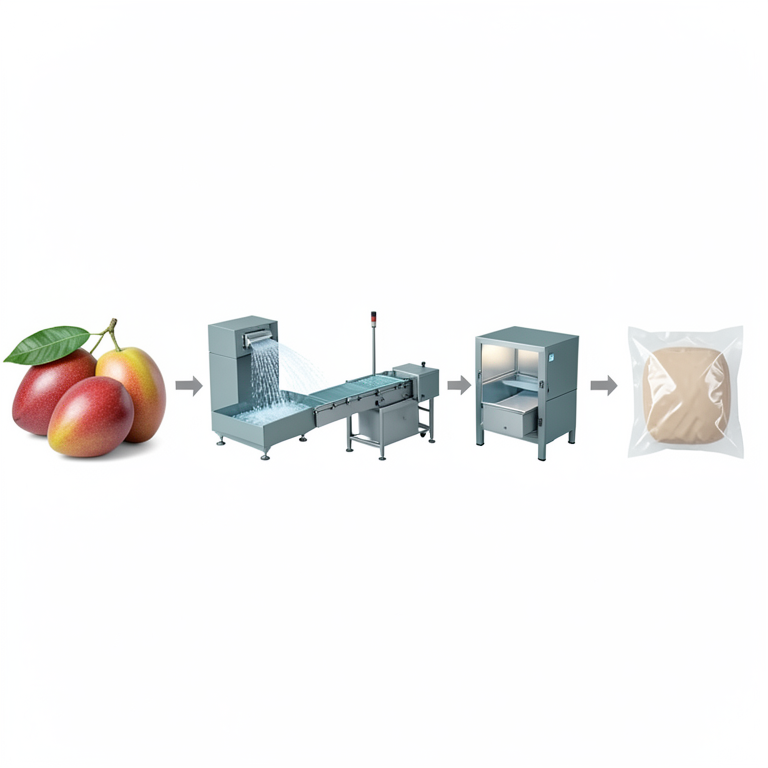
Mango Post-Harvest Technology Ecosystem
AI-generated conceptual illustration (mango fruits). It explains the idea and does not show study data.
View source evidence ↗Figures & tables
From the original paper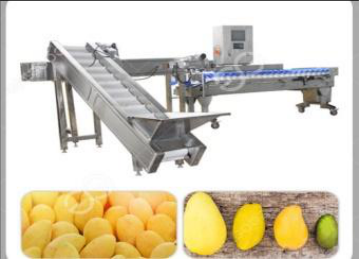 Figure 1
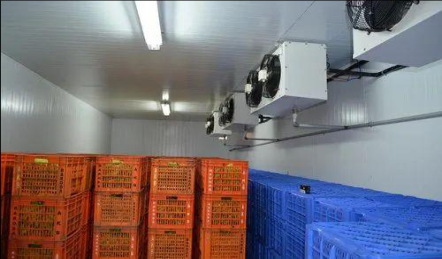 Figure 1
Introduction
Despite high production, mango fruits are highly perishable because of their climacteric nature, characterized by rapid respiration and ethylene production after harvest. These physiological changes accelerate ripening and increase susceptibility to microbial spoilage, mechanical injury, moisture loss, and physiological disorders. It is estimated that postharvest losses of mango range from 20% to 40% in many developing countries due to inadequate harvesting methods, poor handling, insufficient storage facilities, and inefficient transportation systems. Such losses reduce farmers' income, decrease market availability, and affect export competitiveness. Post-harvest technology has emerged as an essential component of the mango value chain by minimizing quantitative and qualitative losses while maintaining fruit quality and extending shelf life. Modern post-harvest technologies involve scientific harvesting techniques, careful grading and sorting, washing and sanitation, hot water treatment, fungicidal or eco-friendly treatments, edible coatings, controlled atmosphere (CA) storage, modified atmosphere packaging (MAP), cold chain management, and nondestructive quality assessment methods.
These technologies help preserve fruit firmness, color, texture, nutritional composition, and sensory attributes while reducing microbial contamination and physiological deterioration. Mango (Mangifera indica L.) is one of the major tropical and sub-tropical fruits crops worldwide, and has been referred to as the "King of Fruits" owing to its good taste, fragrance, nutritive value and economic importance. India is the largest producer of mangoes in the world and produces more than 40% of total world production. Mango production is an important livelihood of many farmers and plays a vital role in the agricultural economy of India through internal consumption, industries and exports. Some popular Indian varieties like Dashehari, Alphonso, Langra, Kesar, Banganapalli and Chausa have high fruit quality and market demand. The use of modern post-harvest equipment has greatly enhanced mango handling processes. Equipment like mechanical harvesters, graders, sorters, fruit washer, hot water treatment machine, hydro-cooler, forced-air cooling system, cold storage, controlled atmosphere storage, ripening chamber, packer and reefer have been used in commercial mango productions. This review is an attempt at thoroughly investigating the technologies and machinery used in the process of post-harvest handling of mangoes. This review focuses on new advances made in the technology used in the process of ensuring the quality of fruits, in food safety, in minimizing post-harvest losses and improving the economic value of mangoes.
The Significance of Post-Harvest Management for Mangoes
The mango (Mangifera indica L.) fruit crop is considered one of the most important crops grown throughout the world because of its rich nutrient content, consumer preference, and economic significance. But mango is a very perishable climacteric fruit crop, which exhibits a rapid rate of physiological and biochemical changes after harvesting. These changes often cause significant post-harvest losses that are associated with poor harvesting practices, mechanical damages, microbial infections, water loss, and inadequate post-harvest handling methods and storage facilities. The post-harvest losses in mango producing nations often account for up to 20% and 40% losses of this fruit crop.Post-harvest management helps to maintain fruit quality, reduce post-harvest losses, and prolong the shelf-life of mangoes. Proper harvesting at appropriate maturity level, handling, de-sapping, washing, sorting, grading, pre-cooling, and packaging are some of the critical practices that help in maintaining the physical, chemical, and sensory qualities of the fruits. Additionally, post-harvest practices can contribute directly to food safety by decreasing micro-organism contamination, reducing pesticide residues via proper handling, and maintaining international standards such as GAP, GMP, HACCP, and ISO 22000 food safety management systems. Such actions will improve consumer trust and create opportunities for domestic and international export markets. In terms of economics, effective post-harvest management will increase profitability of the farming process by reducing quantity and quality losses, improving fruit aesthetics and shelf life, as well as allowing for long-distance transportations. Postharvest management will be beneficial for value addition via manufacturing of mango pulp, juice, slices, frozen foods, jams, and other products, which means more income and job opportunities.
Moreover, sustainable post-harvest technologies can support environmental protection through energy-efficient cold storages, biodegradable packing material, renewable energy-operated equipment, and use of wastes from mango processing for bioenergy, compost, and value-added products. Such measures can help reduce food losses and improve sustainability of the mango industry. In conclusion, modern post-harvest management has become an essential part of mango production system.
Post-Harvest Losses in Mango
Mango is one of the most crucial fruits that belongs to the tropical category, but being climacteric in nature, mango is highly perishable and subject to major post-harvest losses.
The harvested fruits keep respiring and ripening very quickly, which makes them vulnerable to physical injury, dehydration, infection, and physiological disorders. The post-harvest losses in many developing nations, including India, are expected to be between 20% and 40% based on the variety of mangoes, methods of handling, storage, transportation, and market conditions. Post-harvest technology and modern equipment are essential in reducing these losses.
Causes of Qualitative Losses
Qualitative losses involve changes in the physical, nutritional, sensory and market quality of mango fruits without necessarily involving a reduction in quantity. Postharvest handling problems may cause bruising, discolouration, shriveling, poor colouring and development and hence render the fruits less attractive to consumers.
Poor storage conditions lead to an increase in respiration which results in softening and a short shelf life of the products. The nutritional quality of the fruit is also adversely affected by decreased levels of vitamin C, carotenoids, antioxidants and natural fruit flavors as the fruits ripen in storage. Diseases, physiological disorders such as chilling injuries, and contamination of fruits by improper handling procedures will affect the safety of food.
The overuse of inappropriate ripening substances such as calcium carbide may result in health hazards as well as affecting fruit quality.
Economic Impact
The post-harvest loss of mango has economic implications on farmers, traders, food processors, exporters and consumers. Reduction in marketable yields affects the income of the farmer and cost of production per unit of marketed fruits. Poor quality fruits also leads to low prices of the fruits, rejection in export markets and lack of competitiveness internationally.
Reasons for Quantitative Losses
Quantitative losses can be defined as those where the quantity or weight of mango fruits is reduced through the process of harvest, handling, storing, transporting, and marketing.
Advanced Post-Harvest Technologies
The technological innovations in post-harvest management have brought a paradigm shift in the mango sector by upgrading the quality of fruits, increasing their shelf life, minimizing post-harvest losses and maintaining the food safety. The conventional methods of post-harvest management are being increasingly substituted by the technologies that include automation, biotechnology, nanotechnology, artificial intelligence (AI), and digital monitoring system. Apart from maintaining the nutritional and sensory quality of mangoes, these technologies make the process highly efficient and cost-effective.
a. Nanotechnology: Nano technology can be used in new ways to develop methods which will help preserve and increase the safety of mango fruits. Nano-coating and nanoemulsion enhance the barrier effects from oxygen, moisture, and microbial contamination. Silver, zinc oxide, titanium dioxide, and nano-clay nanoparticles are used in packaging materials as inhibitors of bacterial and fungal growth. The sensors that measure temperature, humidity, composition of gases, and microbe activity can be also applied in nanotechnology. However, nanotechnology is still an area requiring further studies related to safety issues, regulatory approval, and environment.
b. Smart Packaging Technologies
Smart packaging is a combination of traditional packaging and sophisticated sensing and monitoring technologies. Smart packaging includes freshness indicators, temperature indicators, humidity sensors, and gas sensors which give current information on fruit quality during storage and shipping. Active packaging is designed to include oxygen absorbers, ethylene absorbers, moisture absorbers, and antimicrobial agents.
Summary
Summary
Conclusion
Mangoes are amongst the most economically valuable tropical fruits; however, their high perishability makes them prone to significant post-harvest losses through harvesting, handling, storage, transportation, and marketing processes. Such losses not only decrease the quantity of marketable fruits but also their nutritional value, sensory attributes, food safety, and commercial value. Modern post-harvest practices and equipment have been found to be an efficient tool for minimizing post-harvest losses without compromising fruit quality.In this paper, the need for implementing modern post-harvest techniques like scientific harvesting, de-sapping, washing and sanitation, pre-cooling, sorting and grading, ethylene ripening in controlled environment, modified atmosphere packaging (MAP), controlled atmosphere (CA) storage, cold chain, and refrigerated transport has been emphasized. Post-harvest practices significantly improve the physical properties, firmness, colour, flavor, nutritional content, shelf life, and consumer acceptance of fruits while decreasing microbial contamination and post-harvest diseases. Advanced postharvest technologies include edible coatings, nanotechnology, artificial intelligence (AI), machine vision, hyperspectral imaging, IoT-based monitoring, robotics, cold plasma, UV-C light treatment, ozone technology, and blockchain-based traceability. However, there are a number of impediments that hinder the adoption of these innovations, such as expensive investments, lack of cold chain facilities, inability to get new equipment, scarcity of trained manpower, lack of awareness on the part of farmers, fragmentation of lands, and inadequate financial and institutional support. These hurdles can only be overcome through joint effort on the part of governments, research institutes, extension services, industries, and farmer organizations. Investment in cost-effective post-harvest infrastructure, education of farmers, storage systems using renewable energy sources, information and communication technology, and robust certification of quality standards will help in adopting technology and improving competitive advantage. Future studies need to concentrate on making energy-efficient and environmentally-friendly innovations in post-harvest technology for small scale farming systems. More attention also needs to be paid to quality prediction using artificial intelligence, smart packaging, precision cold chains, biodegradable packaging materials, and digital traceability systems. In general, the proper utilization of contemporary post-harvest technologies and equipment would help in minimizing post-harvest losses, improving quality and safety of fruits, increasing incomes of growers, enhancing export opportunities, and ensuring sustainable development of the mango industry. Further innovations, policies, and cooperation among stakeholders will be necessary for establishing an efficient and resilient postharvest management system that will be able to cope with the upcoming challenges in the global mango industry.
Figures and tables from the paper
References
37 in the original paper- Abbasi NA, Iqbal Z, Maqbool M, Hafiz AI. Postharvest quality of Mangifera indica L. fruit as affected by chitosan coating. Pakistan Journal of Botany. 2009;41:343-357.
- Absar N, Karim MR, Amin MAL. A comparative study on the physicochemical composition of ten varieties of mango in Bangladesh at different stages of maturity. Bangladesh Journal of Agricultural Research. 1993;18:201-208.
- Akhtar S, Naz S, Sultan TM, Mahmood S, Nasir M, Ahmad A. Physicochemical attributes and heavy metal content of mangoes (Mangifera indica L.) cultivated in different regions of Pakistan. Pakistan Journal of Botany. 2010;42:2691-2702.
- Al-Haq MI, Sugiyama J. Measurement of firmness of Irwin mangoes by a non-destructive acoustic tester during cold storage. Transactions of ASAE. 2004;47:2017-2021.
- Al-Haq MI, Sugiyama J. Application of electrolyzed water in food processing. Presented at ASAE/CSAE Annual Meeting; Ottawa, Canada; 2004 Aug 1-4. ASAE Paper No. 04-6178.
- Anwar R, Malik AU. Hot water treatment affects ripening quality and storage life of mango (Mangifera indica L.). Pakistan Journal of Agriculture Science. 2007;44:304-311.
- AOAC. Official Methods of Analysis. Arlington (VA): Association of Official Analytical Chemists; 2000.
- Bender RJ, Brecht JK, Baldwin EA, Maludo TMM. Aroma volatiles of mature-green and tree-ripe 'Tommy Atkins' mangoes after controlled atmosphere versus air storage. HortScience. 2000;35:684-686.
- Butz P, Hofmann C, Tauscher B. Recent developments in noninvasive techniques for fresh fruit and vegetable internal quality analysis. Journal of Food Science. 2005;70:R131-R141.
- Campestre C, Marsilio V, Lanza B, Iezzi C, Bianchi G. Phenolic compounds and organic acids changes in black oxidized table olives. Acta Horticulturae. 2002;586:IV International Symposium on Olive Growing.
- Carrillo LA, Ramirez-Bushtamant F, Valdez-Torres JB, Rojas-Villages R, Yahia EM. Ripening and quality changes in mango fruit as affected by coating with an edible film. Journal of Food Quality. 2000;23:479-486.
- Chuadhary MT. Carotenoid pigments of different varieties of mangoes: Changes during ripening. Journal of the Science of Food and Agriculture. 2006;1:173177.
- Dissa AO, Desmorieux H, Degrave P, Bathiebo J, Koulidiati J. Impact of fruit ripeness on physicochemical properties and convective drying characteristics of Kent mango (Mangifera indica L. cv. Kent). International Journal of Food Engineering. 2011;7:Article 12.
- Doreyappy-Gowda IND, Huddar AG. Studies on ripening changes in mango (Mangifera indica L.) fruits. Journal of Food Science and Technology. 2001;38:135137.
- Farquhar GD, Von Caemmerer S, Berry JA. A biochemical model of photosynthetic CO₂ assimilation in leaves in C3 species. Planta. 1980;149:78-90.
- Hoa TT, Ducamp MN, Lebrun M, Baldwin EA. Effect of different coating treatments on the quality of mango fruit. Journal of Food Quality. 2002;25:471-486.
- Hollinger DY. Optimality and nitrogen allocation in a tree canopy. Tree Physiology. 1996;16:627-634.
- Jacobi KK, Wong LS, Giles JE. Effect of fruit maturity on quality and physiology of high humidity hot airtreated 'Kensington' mango (Mangifera indica L.). Postharvest Biology and Technology. 1995;78:22-26.
- Jha SS. Non-destructive determination of firmness and yellowness of mango during growth and storage using visual spectroscopy. Biosystems Engineering. 2006;94:397-402.
- Jha SN, Chopra S, Kingsly ARP. Determination of sweetness of intact mango using visual spectral analysis. Biosystems Engineering. 2005;91:157-161.
- Jha SN, Chopra S, Kingsly ARP. Modeling of color values for nondestructive evaluation of maturity of mango. Food Engineering. 2007;78:22-26.
- Jha SN, Narsaiah K, Sharma AD, Singh M, Bansal S, Kumar R. Quality parameters of mango and potential of non-destructive techniques for their measurement: A review. Journal of Food Science and Technology. 2010;47:1-14.
- Kays SJ. Postharvest Physiology of Perishable Plant Products. Westport (CT): AVI Publishing Co.; 1991. p. 149-316.
- Kittur FS, Saroja N, Habibunnisa, Tharanathan RN. Polysaccharide-based composite coating formulations for shelf-life extension of fresh banana and mango. European Food Research and Technology. 2001;213:306-311.
- Kumar P, Singh S. Effect of GA₃ and ethrel on ripening and quality of mango cv. Amrapali. Horticulture Journal. 1993;6:19-23.
- Lalel HJD, Singh Z, Tan SC. Maturity stage at harvest affects fruit ripening, quality and biosynthesis of aroma volatile compounds in 'Kensington Pride' mango. Journal of Horticultural Science and Biotechnology. 2003;78:225-233.
- Larmond E. Methods for Sensory Evaluation of Foods. Publication No. 1637. Ottawa: Department of Agriculture; 1987.
- Lebrun MA, Plotto K, Goodner MN, Ducamp MN, Baldwin EA. Discrimination of mango fruit maturity by volatiles using the electronic nose and gas chromatograph. Postharvest Biology and Technology. 2008;48:122-131.
- Lechaudel M, Urban L, Joas J. Chlorophyll fluorescence, a nondestructive method to assess maturity of mango fruits (cv. 'Cogshall') without growth condition bias. Journal of Agricultural and Food Chemistry. 2010;58:7532-7538.
- Lurie S. Postharvest heat treatments. Postharvest Biology and Technology. 1998;14:257-269.
- Malundo TMM, Baldwin EA, Ware GO, Shewfelt RL. Volatile composition and interaction influence flavor properties of mango (Mangifera indica L.). Proceedings of the Florida State Horticultural Society. 1996;109:264-268.
- Malundo TMM, Shewfelt RL, Ware GO, Baldwin EA. Sugars and acids influence flavor properties of mango (Mangifera indica L.). Journal of the American Society for Horticultural Science. 2001;126:115-121.
- Maqbool M, Malik A. Anti-sap chemicals reduce sap burn injury and improve fruit quality in commercial mango cultivars. International Journal of Agriculture and Biology. 2008;10:1-8.
- Martinez BE, Guevara CG, Contreras JM, Rodriguez JR, Lavi U. Preservation of mango Azucar variety (Mangifera indica L.) at different storage stages. In: Proceedings of the Fifth International Mango Symposium; Tel Aviv, Israel; 1996. 1997. p. 747-754.
- Mizrach A, Flitsanov U, Fuchs Y. An ultrasonic nondestructive method for measuring maturity of mango fruit. Transactions of ASAE. 1997;40:1107-1111.
- Mut P, Bustamante C, Martínez G, Alleva K, Sutka M, Civello M, et al. A fruit-specific plasma membrane aquaporin subtype PIP1;1 is regulated during strawberry (Fragaria × ananassa) fruit ripening. Physiologia Plantarum. 2008;132:538-551.
- Narain N, Bora PS, Narian R, Shaw PE. Mango. In: Shaw PE, Chan HT, Nagy S, editors. Tropical and Subtropical Fruits. Auburndale (FL): Agrscience Inc.; 1998. p. 1-77.