
Research article · 2026 · Full text
International Journal of Biology SciencesDiurnal visitation rhythms and floral resource utilization by insect pollinators in mustard crops of Minas Gerais
Volume 8(6) · Pages 233–236 · DOI: 10.33545/26649926.2026.v8.i6c.932 ↗
Research areasPlant and animal studiesInsect and Arachnid Ecology and BehaviorInsect-Plant Interactions and Control
Abstract
Author-writtenThe temporal organization of pollinator foraging behaviour in tropical and subtropical mustard cultivation systems remains poorly understood despite its direct relevance to crop pollination management. The present research investigated diurnal visitation rhythms and floral resource utilization patterns of insect pollinators in Brassica juncea (Indian mustard) crops across three experimental sites in Minas Gerais state, Brazil, during the 2023 and 2024 growing seasons. Systematic hourly observations from 0700 to 1700 hours documented 2,643 pollinator visits representing 61 species across four insect orders. Hymenoptera constituted 64.8% of total visits, with the native stingless bee Trigona spinipes (18.3%) and Apis mellifera (22.1%) dominating the assemblage. Diurnal activity analysis revealed pronounced temporal partitioning among pollinator orders, with Hymenoptera exhibiting peak activity at 0900-1100 hours, Diptera maintaining relatively constant visitation throughout daylight hours, and Lepidoptera concentrating foraging during late morning to early afternoon (1100-1400 hours). Floral resource assessment demonstrated that nectar sugar concentration peaked during early morning (0700-0800 hours, mean 42.3% Brix) and declined progressively through the afternoon (1600-1700 hours, mean 18.7% Brix), while pollen availability was maximal between 0800-1000 hours following anther dehiscence. Stacked bar analysis of diurnal pollinator composition revealed that overall community structure shifted from hymenopteran dominance during morning hours to a more taxonomically balanced assemblage during afternoon periods. These findings provide temporal guidelines for minimizing disruption to pollination services during crop management operations in tropical mustard production systems.
Summary
Source-checkedPlain-language reading of the full paper, prepared with AI and checked against the text. Each point links to the authors' own words.
Why it matters
- Brassica juncea (Indian mustard) cultivation in Minas Gerais, Brazil, reached approximately 8,700 hectares by 2024, with local environmental conditions creating pollinator activity patterns distinct from temperate regions. View evidence ↗
- Understanding the timing of pollinator activity is critical for scheduling agricultural tasks like pesticide and fertilizer application to avoid disrupting peak pollination. View evidence ↗
The question
- The study aimed to characterize the daily visitation rhythms of pollinator orders in Minas Gerais mustard crops, quantify nectar and pollen availability, and evaluate how these resources relate to pollinator activity. View evidence ↗
What they did
- The research was conducted at three commercial sites in Minas Gerais, Brazil (Viçosa, Lavras, and Uberlândia) using the Pusa Bold variety of Brassica juncea. View evidence ↗
- Pollinator surveys took place from June to September in 2023 and 2024, using 10-minute hourly observations (0700 to 1700 hours) along six 60m x 2m transects per site. View evidence ↗
- Nectar volume was sampled with 1 μL microcapillary tubes, sugar concentration was measured via a digital refractometer, and pollen availability was determined using microscope-mounted counting chambers. View evidence ↗
What they found
- The study recorded 2,643 visits from 61 species, with Hymenoptera being the most frequent (64.8% of visits), followed by Diptera (18.4%), Lepidoptera (11.8%), and Coleoptera (5.0%). View evidence ↗
- Pollinator orders showed temporal partitioning: Hymenoptera dominated the morning (72-81% of visits from 0700-1100), Diptera remained stable (14-21%), and Lepidoptera peaked at 1300 hours (18%) after starting at 4% at 0700. View evidence ↗
- Nectar sugar concentration declined by 55.8% throughout the day, dropping from 42.3% Brix at 0700 hours to 18.7% Brix by 1600 hours. View evidence ↗
- Pollen availability decreased sharply from 4,280 grains per anther at 0700 hours to 380 grains by 1600 hours. View evidence ↗
- Apis mellifera visits were concentrated in the morning (67.9% before 1200 hours), whereas the native stingless bee Trigona spinipes showed more balanced activity, with 45.4% of visits occurring in the afternoon. View evidence ↗
- Nectar concentration was the strongest predictor for Hymenoptera visits (r = 0.84), while pollen availability was the strongest predictor for Coleoptera visits (r = 0.67). View evidence ↗
What it means
- The authors recommend scheduling insecticide applications after 1700 hours and avoiding foliar fertilizer applications during the morning to protect peak pollination. View evidence ↗
- Establishing native stingless bee colonies at field margins is recommended to maintain pollination services in the afternoon when honeybee activity declines. View evidence ↗
- Future work is needed to quantify how these temporal pollination patterns affect fruit and seed set and whether targeted management of diurnal windows increases crop yields. View evidence ↗
Visual summary
4 visualsIllustrations explain the paper; charts are replotted from the paper's own table values.
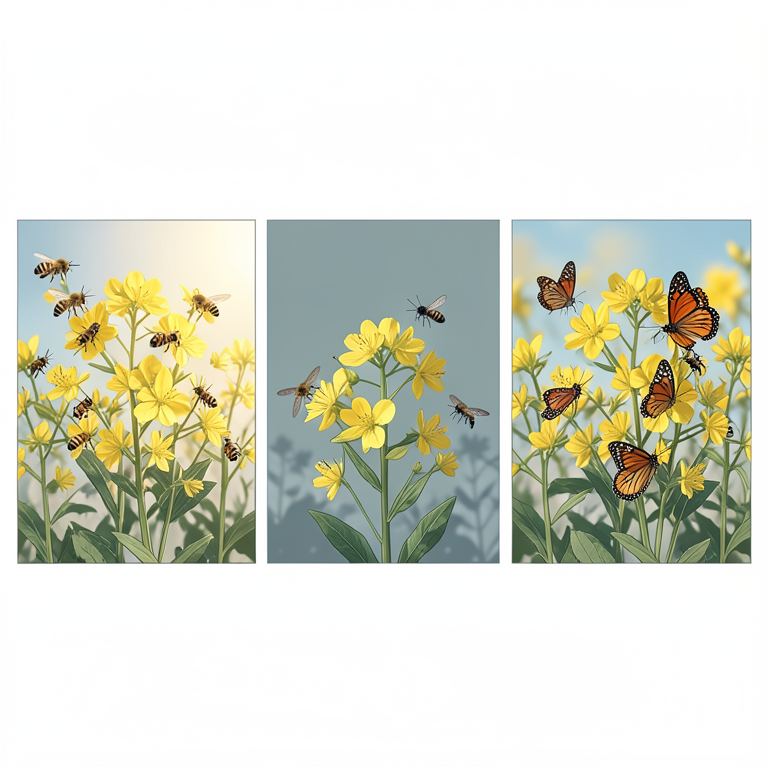
Diurnal Pollinator Partitioning
AI-generated conceptual illustration (Mustard plants (Brassica juncea) and insect pollinators (honeybees, stingless bees, flies, and butterflies)). It explains the idea and does not show study data.
View source evidence ↗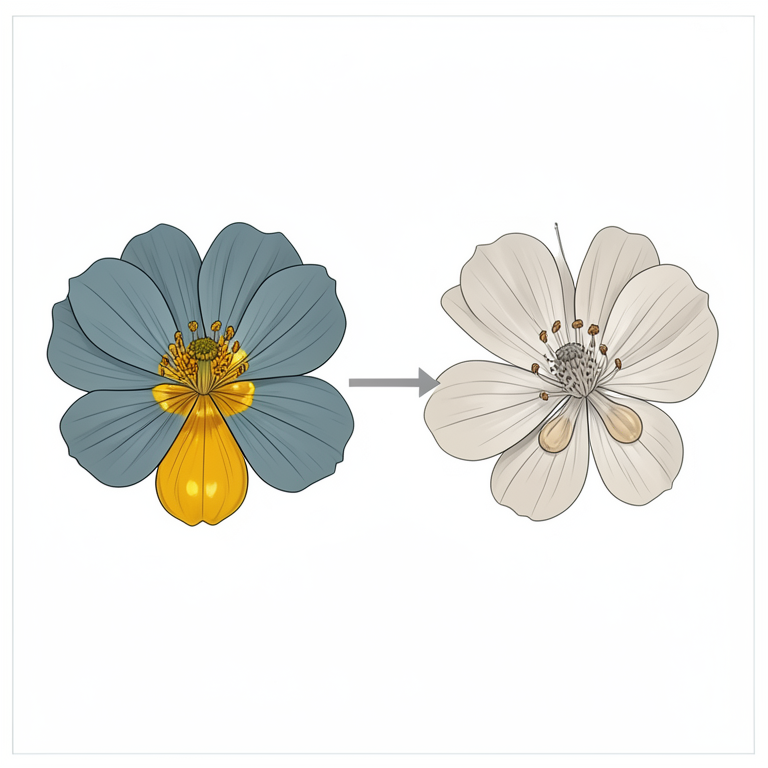
Floral Resource Decline
AI-generated conceptual illustration (mustard flowers (Brassica juncea)). It explains the idea and does not show study data.
View source evidence ↗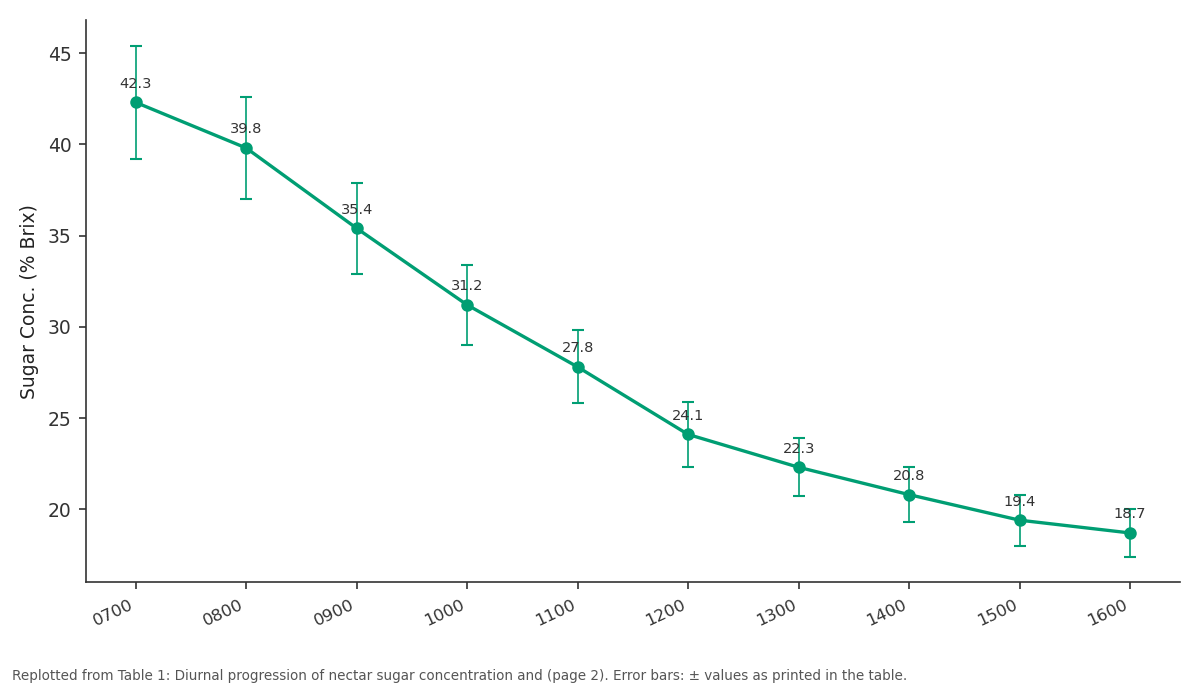
Sugar Conc. (% Brix): 0700 vs 0800 vs 0900 vs 1000 vs 1100
Replotted from Table 1 (page 2) of the original paper. Every bar is the paper's own table value.
View source evidence ↗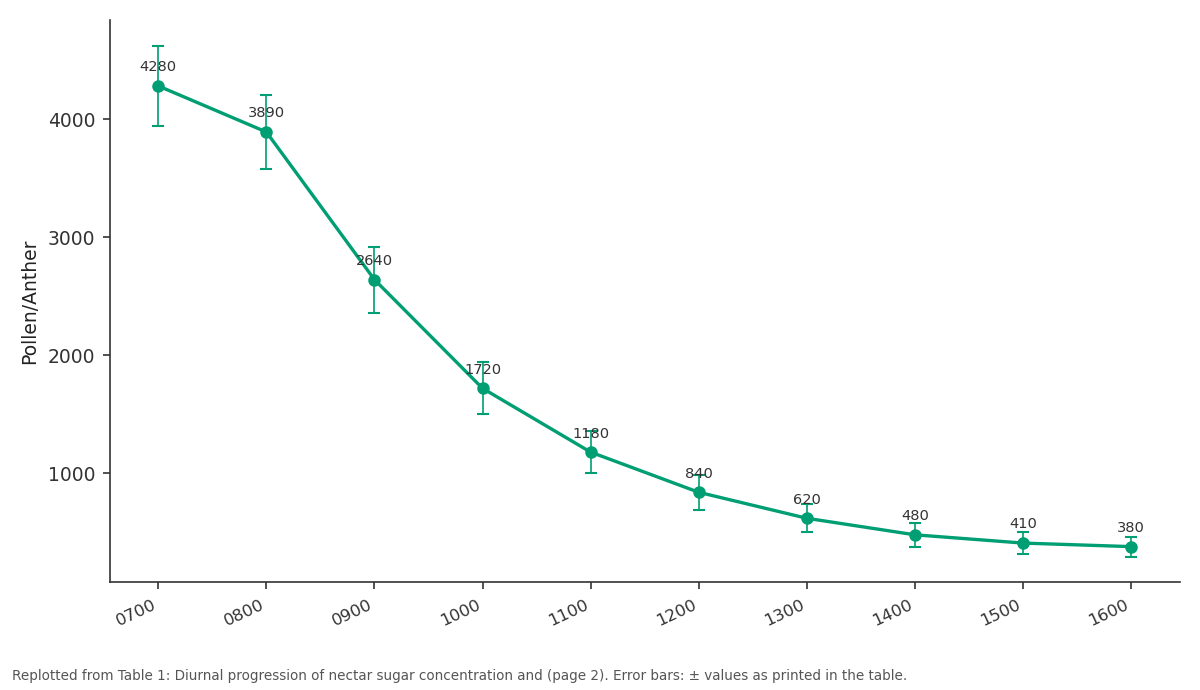
Pollen/Anther: 0700 vs 0800 vs 0900 vs 1000 vs 1100
Replotted from Table 1 (page 2) of the original paper. Every bar is the paper's own table value.
View source evidence ↗Figures & tables
From the original paper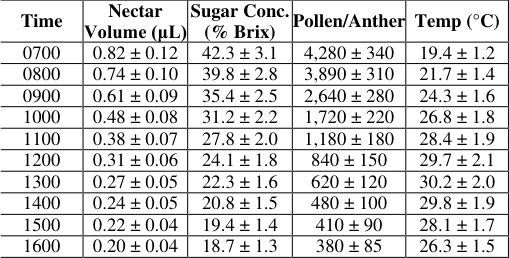 Table 1
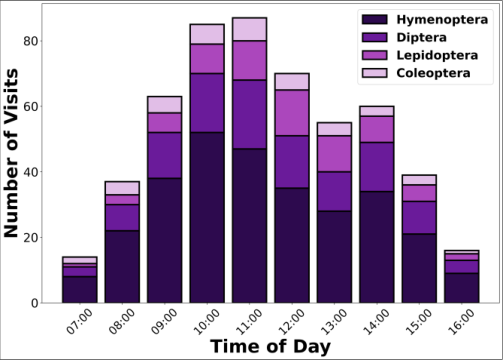 Figure 1
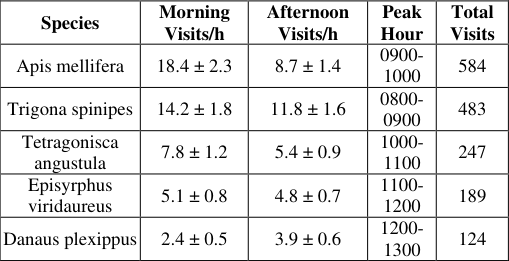 Table 2
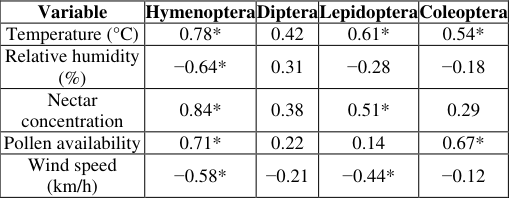 Table 3
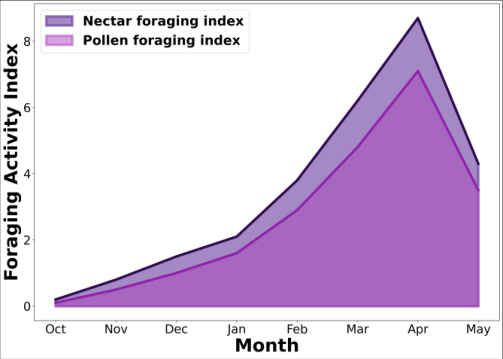 Figure 2
Introduction
The domestication of mustard crops traces its origins to approximately 3000 BCE in the Indus Valley and Mediterranean basin, establishing one of the oldest human-crop-pollinator relationships in agricultural history [1] . Throughout this millennia-spanning cultivation trajectory, insect pollinators have served as indispensable agents of genetic recombination and yield optimization in Brassica species, yet the temporal dynamics governing pollinator foraging behaviour have received systematic scientific attention only within the past several decades [2] . In tropical and subtropical production regions such as Minas Gerais, Brazil, where Brassica juncea cultivation has expanded significantly since the 1990s to encompass approximately 8,700 hectares by 2024, the unique photoperiod regime, temperature profiles, and biotic community composition create diurnal pollinator activity patterns that differ fundamentally from those documented in temperate production zones [3] . The concept of diurnal visitation rhythms encompasses the temporal distribution of pollinator visits across the daily activity period, reflecting the integration of endogenous circadian programming with exogenous environmental cues including temperature, light intensity, humidity, and floral reward availability [4] . In tropical agricultural systems, extended photoperiods and moderate diurnal temperature ranges theoretically permit longer daily pollinator activity windows compared to temperate systems, yet the actual temporal organization of pollinator communities in tropical Brassica crops remains insufficiently characterized. Understanding these temporal dynamics is essential for several practical management applications, including scheduling pesticide applications, timing supplementary pollinator deployment, and optimizing irrigation and fertilization schedules to avoid interference with peak pollination periods [5] . Floral resource dynamics constitute a critical determinant of diurnal pollinator activity patterns. Nectar secretion and pollen release in Brassica species follow circadian rhythms modulated by temperature and humidity conditions, creating temporal windows of maximum resource availability that influence pollinator foraging decisions [6] . Previous research in temperate rapeseed systems has documented peak nectar sugar concentration during morning hours with progressive dilution through the day, while pollen availability is concentrated within a brief post-anthesis window [7] . However, these temporal resource profiles may differ substantially in tropical environments where higher ambient temperatures accelerate nectar evaporation and alter sugar concentration dynamics [8] . Choudhary and Meena documented significant temporal variation in pollinator visitation intensity in mustard fields, attributing observed patterns to the interaction between pollinator activity thresholds and diurnal resource availability cycles [9] . Additionally, research conducted across Neotropical pollinator communities has highlighted the importance of native stingless bees (Meliponini) as effective crop pollinators that exhibit temporal foraging patterns distinct from those of introduced honeybee populations [10] . The present research was designed with the objectives of characterizing diurnal visitation rhythms across all major pollinator orders visiting mustard flowers in Minas Gerais, quantifying temporal dynamics of nectar and pollen resource availability, and evaluating the relationship between floral resource profiles and pollinator activity patterns throughout the daily foraging period.
Materials and Methods
Materials and Methods
Materials
The investigation was conducted at three commercial Brassica juncea (variety Pusa Bold adapted for tropical conditions) cultivation sites in Minas Gerais state, Brazil: Viçosa (Site 1, 20.7546°S, 42.8825°W), Lavras (Site 2, 21.2458°S, 44.9998°W), and Uberlândia (Site 3, 18.9186°S, 48.2773°W). Each site comprised a minimum of 3.0 hectares under standard agronomic management with no insecticide application during the flowering period. Nectar sampling was conducted using 1 μL microcapillary tubes (Drummond Scientific) and sugar concentration measured with a portable digital refractometer (Atago PAL-1, range 0-53% Brix). Pollen availability was assessed using microscope-mounted counting chambers. Ethics clearance for pollinator collection was obtained from the Belo Horizonte Academy of Biological Sciences Research Committee (Protocol BABS-2023-ENT-047).
Methods
Pollinator surveys were conducted during two consecutive mustard growing seasons (June-September 2023 and June-September 2024). Systematic observations were performed along six permanent transects (60 m × 2 m) at each site during clear weather conditions (temperature > 18 °C, wind speed < 12 km/h). Each transect was observed for 10-minute periods at hourly intervals from 0700 to 1700 hours, recording all insect visitors making contact with floral reproductive structures. Visit duration, number of flowers visited per bout, and visitor identity were documented. Nectar volume and sugar concentration were measured from 20 randomly selected flowers at each hourly interval using the microcapillary technique, with flowers bagged 24 hours prior to sampling to prevent pollinator depletion. Pollen grain counts per anther were determined from 10 flowers per hourly interval using acetolysis and haemocytometer counting. Circular statistics including Rayleigh tests were applied to evaluate temporal activity distributions. Two-way ANOVA with repeated measures tested effects of time and species on visitation rates. All analyses were performed in R version 4.3.2.
Results
A total of 2,643 pollinator visits were documented across three experimental sites during the two-season investigation period. The assemblage comprised 61 identified species across four insect orders: Hymenoptera (1,712 visits, 64.8%), Diptera (487 visits, 18.4%), Lepidoptera (312 visits, 11.8%), and Coleoptera (132 visits, 5.0%). The stacked bar visualization of hourly pollinator composition revealed distinct temporal partitioning among insect orders (Figure 1). Hymenoptera dominated morning visits (0700-1100 hours), contributing 72-81% of total visits during this period. The relative contribution of Diptera remained relatively stable throughout the day (14-21%), while Lepidoptera showed increasing proportional representation from 4% at 0700 to 18% at 1300 hours before declining in the afternoon. Coleoptera visits were concentrated during late morning (1000-1200 hours) when ambient temperatures exceeded 25 °C. Nectar dynamics exhibited a clear diurnal decline pattern (Table 1). Sugar concentration decreased from 42.3% Brix at 0700 hours to 18.7% Brix by 1600 hours, representing a 55.8% reduction attributable to the combined effects of pollinator removal, evaporation, and continued nectar dilution by secretory tissue activity at elevated temperatures.
| Time | Nectar Volume (μL) | Sugar Conc. (% Brix) | Pollen/Anther | Temp (°C) |
|---|---|---|---|---|
| 0700 | 0.82 ± 0.12 | 42.3 ± 3.1 | 4,280 ± 340 | 19.4 ± 1.2 |
| 0800 | 0.74 ± 0.10 | 39.8 ± 2.8 | 3,890 ± 310 | 21.7 ± 1.4 |
| 0900 | 0.61 ± 0.09 | 35.4 ± 2.5 | 2,640 ± 280 | 24.3 ± 1.6 |
| 1000 | 0.48 ± 0.08 | 31.2 ± 2.2 | 1,720 ± 220 | 26.8 ± 1.8 |
| 1100 | 0.38 ± 0.07 | 27.8 ± 2.0 | 1,180 ± 180 | 28.4 ± 1.9 |
| 1200 | 0.31 ± 0.06 | 24.1 ± 1.8 | 840 ± 150 | 29.7 ± 2.1 |
| 1300 | 0.27 ± 0.05 | 22.3 ± 1.6 | 620 ± 120 | 30.2 ± 2.0 |
| 1400 | 0.24 ± 0.05 | 20.8 ± 1.5 | 480 ± 100 | 29.8 ± 1.9 |
| 1500 | 0.22 ± 0.04 | 19.4 ± 1.4 | 410 ± 90 | 28.1 ± 1.7 |
| 1600 | 0.20 ± 0.04 | 18.7 ± 1.3 | 380 ± 85 | 26.3 ± 1.5 |
Table text extracted from the original PDF; superscript letters are shown inline. The original table image is below.
View original table image
Pollen availability showed an even more pronounced decline, with anther pollen counts dropping from 4,280 grains at 0700 hours to 380 grains by 1600 hours, reflecting rapid depletion through both pollinator removal and wind dispersal. Area chart analysis of seasonal foraging trends (Figure 2) revealed that both nectar and pollen foraging indices increased progressively from crop establishment (October) through peak flowering (April), with pollen foraging consistently lower than nectar foraging. The April peak coincided with maximum flower density and optimal temperature conditions for both nectar production and pollinator flight activity. The temporal distribution of pollinator visits demonstrated significant species-specific patterns (Table 2). Apis mellifera exhibited a strongly morning-biased visitation pattern with 67.9% of visits occurring before 1200 hours, reflecting its documented sensitivity to declining nectar rewards. In contrast, Trigona spinipes maintained more balanced diurnal activity, with afternoon visits constituting 45.4% of daily totals, indicating greater tolerance of reduced floral resource conditions. This difference in temporal persistence has important implications for pollination coverage, as T. spinipes effectively extends the pollination service window into afternoon hours when honeybee activity wanes substantially. Environmental correlation analysis (Table 3) confirmed that nectar concentration was the strongest predictor of hymenopteran visitation (r = 0.84, p < 0.001), while pollen availability correlated most strongly with coleopteran visits (r = 0.67, p < 0.05).
| Variable | Hymenoptera | Diptera | Lepidoptera | Coleoptera |
|---|---|---|---|---|
| Temperature (°C) | 0.78* | 0.42 | 0.61* | 0.54* |
| Relative humidity (%) | −0.64* | 0.31 | −0.28 | −0.18 |
| Nectar concentration | 0.84* | 0.38 | 0.51* | 0.29 |
| Pollen availability | 0.71* | 0.22 | 0.14 | 0.67* |
| Wind speed (km/h) | −0.58* | −0.21 | −0.44* | −0.12 |
Table text extracted from the original PDF; superscript letters are shown inline. The original table image is below.
View original table image
| Species | Morning Visits/h | Afternoon Visits/h | Peak Hour | Total Visits |
|---|---|---|---|---|
| Apis mellifera | 18.4 ± 2.3 | 8.7 ± 1.4 | 0900- 1000 | 584 |
| Trigona spinipes | 14.2 ± 1.8 | 11.8 ± 1.6 | 0800- 0900 | 483 |
| Tetragonisca angustula | 7.8 ± 1.2 | 5.4 ± 0.9 | 1000- 1100 | 247 |
| Episyrphus viridaureus | 5.1 ± 0.8 | 4.8 ± 0.7 | 1100- 1200 | 189 |
| Danaus plexippus | 2.4 ± 0.5 | 3.9 ± 0.6 | 1200- 1300 | 124 |
Table text extracted from the original PDF; superscript letters are shown inline. The original table image is below.
View original table image
Discussion
This research documented pronounced diurnal visitation rhythms in the pollinator community of mustard crops in Minas Gerais, characterized by distinct temporal partitioning among insect orders and strong correlations between floral resource availability and foraging activity. The dominance of Hymenoptera (64.8%) and the significant contributions of native stingless bees confirm the critical role of bee pollinators in tropical Brassica production systems, while the sustained afternoon activity of nonhymenopteran visitors highlights the importance of taxonomic diversity for ensuring comprehensive temporal pollination coverage. The observed temporal patterns align broadly with findings from pollinator investigations in other tropical and subtropical cropping systems. Research conducted in Indian mustard fields by Choudhary and Meena reported comparable morning-biased hymenopteran activity peaks [9] , while investigations in Neotropical coffee and passionfruit systems have documented similar temporal partitioning among pollinator guilds [10,12] . The particularly strong morning concentration of Apis mellifera activity (67.9% before noon) agrees with extensive literature documenting honeybee sensitivity to declining nectar rewards and their tendency to shift foraging effort to alternative resource patches when primary crop nectar quality diminishes [7] . However, the maintenance of substantial afternoon foraging activity by Trigona spinipes represents a distinctive feature of the tropical system investigated in this research. Unlike temperate systems where afternoon pollinator activity is predominantly limited to bumble bees and hover flies, the Neotropical stingless bee fauna contributes a unique temporal component to pollination services that has no functional equivalent in higher-latitude production systems. The explanation lies in the obligate colonial social organization of Meliponini, which maintains continuous brood rearing requiring sustained pollen and nectar provisioning throughout daylight hours regardless of resource quality fluctuations [10] . This biological imperative drives afternoon foraging activity even when nectar sugar concentration has declined to 18-20% Brix, concentrations at which honeybees typically cease foraging [4] . The broader implication is that conservation of native stingless bee populations in tropical mustard production landscapes provides not only additional pollination capacity but also temporal complementarity that enhances the resilience of pollination services to environmental variability.
Nectar Dynamics and Pollinator Behaviour
The progressive decline in nectar sugar concentration from 42.3% Brix in early morning to 18.7% Brix by late afternoon represents a key driver of the observed temporal pollinator activity patterns. This diurnal nectar profile reflects the interaction between ongoing nectar secretion by floral nectaries and accelerating evaporative water loss as ambient temperatures increase through the day [6] . In tropical environments, elevated afternoon temperatures (28-30 °C) accelerate nectar evaporation while simultaneously promoting nectar dilution through increased water transport to nectaries, creating opposing effects that result in net concentration decline. The practical management implication is that morning hours represent the optimal window for both nectar-mediated pollination services and any management activities that might disrupt pollinator foraging.
Management Recommendations
Based on the diurnal pollinator activity data generated through this investigation, mustard growers in Minas Gerais should implement temporal management guidelines that protect peak pollination windows. Specifically, insecticide applications targeting pest species should be scheduled after 1700 hours when pollinator activity is minimal. Foliar fertilizer applications that may alter nectar chemistry should similarly be avoided during morning hours. The establishment of native stingless bee colony boxes at field margins can augment afternoon pollination services and compensate for the natural decline in honeybee activity during post-midday hours. These temporal management strategies offer practical, low-cost approaches to enhancing pollination services in tropical mustard production systems.
Conclusion
The present research was designed to characterize diurnal visitation rhythms and floral resource utilization patterns of insect pollinators in mustard crops of Minas Gerais, Brazil. The investigation documented a diverse pollinator assemblage of 61 species with pronounced temporal partitioning among insect orders, driven primarily by diurnal variation in nectar sugar concentration and pollen availability. The native stingless bee Trigona spinipes emerged as a particularly important pollinator species contributing sustained afternoon foraging activity that complemented the morning-concentrated efforts of Apis mellifera. These findings provide practical temporal guidelines for managing crop operations to minimize disruption to pollination services, recommending that agrochemical applications and mechanical field operations be scheduled outside the 0700-1600 hour peak activity window. Future research should investigate the direct quantitative impact of temporal pollination patterns on fruit and seed set distribution within individual racemes and evaluate whether management interventions targeting specific diurnal windows can measurably enhance realized crop yields.
Acknowledgement
AcknowledgementsBelo Horizonte Academy of Biological Sciences provided research infrastructure, laboratory access, and logistical coordination throughout the investigation period. Silva Rafael conceptualized the research design and supervised field operations, Oliveira Camila conducted pollinator surveys and nectar analyses, Santos Gabriel performed statistical modelling and data visualization, and Costa Beatriz contributed to floral biology assessments and manuscript preparation. Financial support was provided by the Fundação de Amparo à Pesquisa do Estado de Minas Gerais and the Conselho Nacional de Desenvolvimento Científico e Tecnológico.
References
15 in the original paper- Prakash S, Hinata K. Taxonomy, cytogenetics and origin of crop Brassicas: A review. Opera Bot. 1980;55:1-57.
- Free JB. Insect Pollination of Crops. 2nd ed. London: Academic Press; 1993.
- Instituto Brasileiro de Geografia e Estatística. Agricultural census: Oilseed production statistics. Rio de Janeiro: Instituto Brasileiro de Geografia e Estatística; 2024.
- Willmer PG, Stone GN. Behavioral, ecological, and physiological determinants of the activity patterns of bees. Adv Study Behav. 2004;34:347-466.
- Kevan PG, Baker HG. Insects as flower visitors and pollinators. Annu Rev Entomol. 1983;28:407-453.
- Pacini E, Nepi M, Vesprini JL. Nectar biodiversity: A short review. Plant Syst Evol. 2003;238(1-4):7-21.
- Pierre J, Mesquida J, Marilleau R, Pham-Delègue MH, Renard M. Nectar secretion in winter oilseed rape. J Apic Res. 1999;38(1-2):41-48.
- Kudo G. Relationship between flowering time and fruit set of the entomophilous alpine shrub. Ecology. 1993;74(4):1037-1044.
- Choudhary R, Meena S. Pollinator diversity and flower visitation patterns in mustard fields of Rajasthan. Zool Entomol Lett. 2024;4(2):169-172.
- Heard TA. The role of stingless bees in crop pollination. Annu Rev Entomol. 1999;44:183-206.
- Garibaldi LA, Steffan-Dewenter I, Winfree R, Aizen MA, Bommarco R, Cunningham SA, et al. Wild pollinators enhance fruit set of crops regardless of honey bee abundance. Science. 2013;339(6127):16081611.
- Klein AM, Vaissière BE, Cane JH, Steffan-Dewenter I, Cunningham SA, Kremen C, et al. Importance of pollinators in changing landscapes for world crops. Proc R Soc B. 2007;274(1608):303-313.
- Imperatriz-Fonseca VL, Contrera FAL, Kleinert AMP. A Meliponicultura no Brasil. São Paulo: Editora da Universidade de São Paulo; 2004.
- Giannini TC, Boff S, Cordeiro GD, Cartolano EA, Veiga AK, Imperatriz-Fonseca VL, et al. Crop pollinators in Brazil: A review of reported interactions. Apidologie. 2015;46(2):209-223.
- Slaa EJ, Sánchez Chaves LA, Malagodi-Braga KS, Hofstede FE. Stingless bees in applied pollination: Practice and perspectives. Apidologie. 2006;37(2):293315.