
Research article · 2026 · Full text
International Journal of Agriculture and NutritionDowny Mildew Resistance in Cucurbits: Advances in Disease Biology, Host Resistance, Genetics, and Breeding Strategies for Sustainable Crop Improvement
Volume 8(7) · Pages 101–115 · DOI: 10.33545/26646064.2026.v8.i7b.706 ↗
Research areasPlant Pathogens and ResistancePlant Disease Resistance and GeneticsAdvances in Cucurbitaceae Research
Abstract
Author-writtenDowny mildew, caused by the obligate biotrophic oomycete Pseudoperonospora cubensis (Berk. & Curt.) Rostov, is one of the most economically important diseases affecting cultivated cucurbits worldwide. The pathogen infects nearly all major cucurbit crops, including cucumber (Cucumis sativus L.), muskmelon (Cucumis melo L.), watermelon (Citrullus lanatus), pumpkin (Cucurbita spp.), squash, bottle gourd (Lagenaria siceraria), bitter gourd (Momordica charantia), sponge gourd (Luffa cylindrica), ridge gourd (Luffa acutangula), and other cucurbitaceous vegetables. The disease has emerged as a major constraint to cucurbit production owing to the continuous evolution of virulent pathogen populations, favorable environmental conditions, and the gradual breakdown of resistance in commercial cultivars. Severe epidemics frequently result in premature defoliation, reduced photosynthetic efficiency, poor fruit quality, and yield losses ranging from 30% to complete crop failure under highly conducive conditions. Although fungicides remain an integral component of disease management, intensive chemical use has led to fungicide resistance, increased production costs, environmental contamination, and concerns regarding pesticide residues, emphasizing the need for durable host resistance. During the past two decades, substantial progress has been made in understanding the biology, epidemiology, genetics, and molecular basis of downy mildew resistance in cucurbits. Extensive germplasm screening has identified valuable resistant accessions in cucumber, muskmelon, watermelon, pumpkin, and several wild relatives. Concurrently, advances in molecular genetics have facilitated the identification of quantitative trait loci (QTLs), resistance-associated genomic regions, candidate genes, and molecular markers linked to disease resistance. High-throughput genotyping platforms, genome-wide association studies (GWAS), transcriptomics, comparative genomics, and functional genomics have significantly accelerated resistance gene discovery and marker-assisted breeding. Emerging technologies, including genomic selection, CRISPR/Cas-mediated genome editing, and pan-genomics, are expected to further enhance the development of durable resistant cultivars. This review critically summarizes recent advances in the biology of Pseudoperonospora cubensis, disease epidemiology, host-pathogen interactions, conventional and molecular breeding strategies, genetic architecture of resistance, QTL mapping, genome-wide association studies, transcriptomics, marker-assisted selection, and integrated disease management in cucurbit crops. Furthermore, current challenges and future research priorities for developing durable downy mildew resistance are discussed. The review aims to provide plant breeders, molecular geneticists, plant pathologists, and horticultural scientists with a comprehensive synthesis of recent developments and future prospects for sustainable cucurbit improvement.
Summary
Source-checkedPlain-language reading of the full paper, prepared with AI and checked against the text. Each point links to the authors' own words.
Why it matters
- Downy mildew, caused by the oomycete Pseudoperonospora cubensis, is a critical economic threat to cultivated cucurbits globally. View evidence ↗
- Heavy reliance on fungicides has created issues with chemical resistance and environmental pollution, making durable host resistance a priority. View evidence ↗
The question
- The review aims to synthesize recent progress in the biology of P. cubensis and the various breeding and genomic strategies used to develop resistant cucurbit crops. View evidence ↗
What they did
- The pathogen thrives in environments with temperatures between 15 and 25°C and relative humidity above 90%. View evidence ↗
- Under favorable conditions, the pathogen completes its sporulation process within 4 to 7 days. View evidence ↗
What they found
- Yield losses from downy mildew commonly range from 30% to 70%, though total crop failure can occur. View evidence ↗
- Resistance to downy mildew in most cucurbits is a quantitative trait governed by multiple genes with small to moderate effects, rather than a single major gene. View evidence ↗
- In cucumber, the dm4.1 locus on chromosome 4, identified from accession PI 197087, is a consistently reported region for resistance. View evidence ↗
- Genome-wide association studies (GWAS) have identified resistance-associated SNPs primarily on chromosomes 1, 4, 5, and 6. View evidence ↗
- Resistant plants show rapid upregulation of genes related to pathogen recognition, hormone signaling, and secondary metabolite biosynthesis following infection. View evidence ↗
- NBS-LRR genes have been identified within resistance-associated QTLs in cucumber as key candidates for functional validation. View evidence ↗
What it means
- The authors conclude that sustainable management requires an integrated strategy combining resistant cultivars with cultural practices, biological control, and careful fungicide use. View evidence ↗
- Future breeding should prioritize the development of high-yielding, climate-resilient cultivars with durable resistance. View evidence ↗
- The development of broadly resistant cultivars is hindered by the high genetic diversity of the pathogen, genotype-environment interactions, and a lack of validated functional resistance genes. View evidence ↗
Visual summary
1 visualsIllustrations explain the paper; they do not show study data.
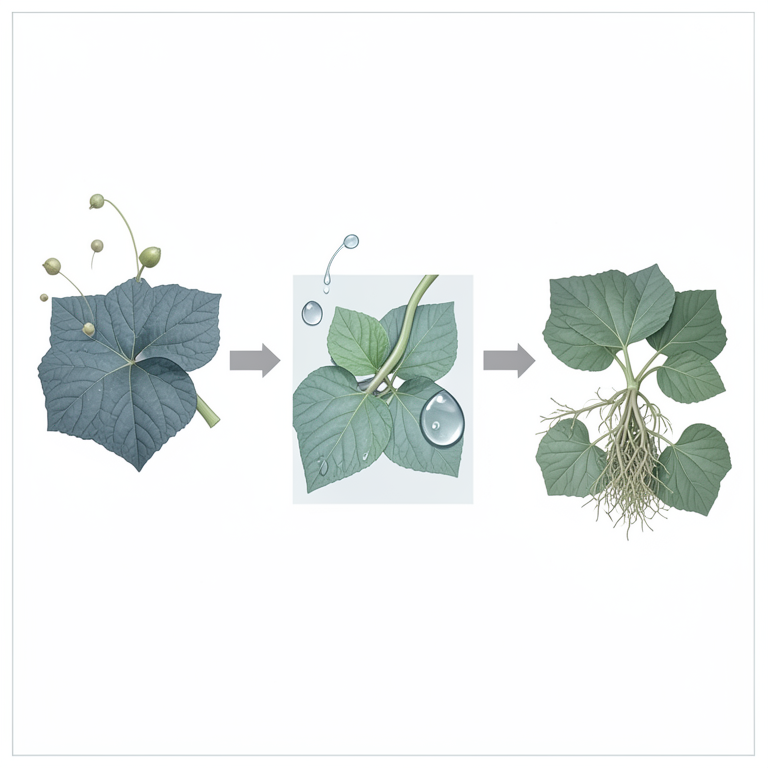
Downy Mildew Infection Cycle
AI-generated conceptual illustration (cucumber leaves and Pseudoperonospora cubensis oomycete). It explains the idea and does not show study data.
View source evidence ↗Introduction
The family Cucurbitaceae comprises more than 960 species distributed among approximately 95 genera and represents one of the most economically important families of vegetable crops cultivated throughout tropical, subtropical, and temperate regions of the world. Major cultivated cucurbits include cucumber (Cucumis sativus L.), muskmelon (Cucumis melo L.), watermelon (Citrullus lanatus), pumpkin (Cucurbita maxima, C. moschata, and C. pepo), squash, bottle gourd (Lagenaria siceraria), bitter gourd (Momordica charantia), ridge gourd (Luffa acutangula), sponge gourd (Luffa cylindrica), ash gourd (Benincasa hispida), and pointed gourd (Trichosanthes dioica). These crops play a significant role in global vegetable production by contributing to food security, nutritional diversity, and rural livelihoods. Cucurbit fruits are rich sources of vitamins, minerals, dietary fiber, antioxidants, and health-promoting phytochemicals, making them important components of balanced diets. Their relatively short crop duration, high productivity, and adaptability to diverse agro-climatic conditions have further increased their commercial importance in both developed and developing countries. Global production of cucurbits has expanded considerably over recent decades due to increasing consumer demand and improvements in cultivation practices. Asia accounts for the largest share of world cucurbit production, with China and India being the leading producers of cucumber, muskmelon, gourds, and pumpkins. However, despite advances in crop management, cucurbit productivity continues to be constrained by numerous biotic and abiotic stresses. Among the biotic constraints, downy mildew remains one of the most devastating diseases responsible for significant economic losses across all cucurbit-growing regions. Downy mildew is caused by the obligate biotrophic oomycete Pseudoperonospora cubensis (Berk. & Curt.) Rostov., which belongs to the kingdom Stramenopila, phylum Oomycota, class Oomycetes, order Peronosporales, and family Peronosporaceae. Although oomycetes resemble true fungi in their growth habit and disease symptoms, they are phylogenetically distinct and are more closely related to brown algae and diatoms. This distinction is reflected in several biological characteristics, including diploid vegetative hyphae, cellulose-rich cell walls, biflagellate zoospores, and unique mechanisms of host infection. These features also explain why many fungicides effective against true fungi exhibit limited efficacy against oomycete pathogens. Pseudoperonospora cubensis infects nearly all cultivated cucurbits, although differences in host specificity, virulence, and race composition have been reported among pathogen populations. The pathogen primarily attacks leaves, producing characteristic angular chlorotic lesions restricted by leaf veins on the upper leaf surface. Under favorable environmental conditions, grey to purplish sporulation consisting of sporangiophores and sporangia develops on the abaxial leaf surface. Progressive lesion expansion results in extensive chlorosis, necrosis, premature defoliation, and severe reductions in photosynthetic capacity. Consequently, fruit development, marketable yield, and fruit quality are adversely affected. Severe epidemics frequently cause yield reductions ranging from 30% to nearly 100%, particularly when susceptible cultivars are grown under prolonged humid conditions. The epidemiology of downy mildew is closely associated with environmental conditions. Moderate temperatures ranging between 15 and 25°C, prolonged periods of leaf wetness, high relative humidity exceeding 90%, frequent rainfall, dense crop canopies, and overhead irrigation collectively create favorable conditions for pathogen sporulation, dispersal, and infection. Because the disease is polycyclic, multiple infection cycles occur during a single growing season, leading to rapid epidemic development. Airborne dispersal of sporangia over long distances further contributes to the widespread occurrence of the disease across continents and facilitates the emergence of new epidemics. Historically, management of cucurbit downy mildew has relied heavily on fungicide applications. Systemic fungicides belonging to different chemical classes have significantly reduced disease severity when applied preventively or during the early stages of infection. However, repeated and indiscriminate fungicide use has resulted in the development of fungicide-resistant pathogen populations, thereby reducing the effectiveness of several active ingredients. In addition, chemical disease management increases production costs, raises concerns regarding environmental pollution and pesticide residues, and may adversely affect beneficial microorganisms. These limitations highlight the urgent need for alternative disease management strategies based on durable host resistance. Host plant resistance is widely regarded as the most economical, environmentally safe, and sustainable approach for managing downy mildew. Resistant cultivars not only reduce dependence on chemical fungicides but also contribute to stable crop production under disease-prone environments. Consequently, identification of resistant germplasm has become a major objective of cucurbit breeding programmes worldwide. Extensive screening of cultivated germplasm, landraces, breeding lines, and wild relatives has led to the identification of numerous resistant accessions in cucumber, muskmelon, watermelon, and pumpkin. Nevertheless, resistance in many commercial cultivars has frequently broken down due to the emergence of new physiological races and changing virulence patterns of P. cubensis, emphasizing the need for continuous exploration of novel resistance sources. Resistance to downy mildew in cucurbits is generally considered a quantitatively inherited trait governed by multiple genes, although major resistance loci have also been reported in several species. Significant advances in molecular genetics during the last two decades have greatly improved our understanding of the genetic architecture underlying disease resistance. Quantitative trait locus (QTL) mapping has identified several genomic regions associated with resistance in cucumber and muskmelon, while genomewide association studies (GWAS) have facilitated the identification of resistance-associated single nucleotide polymorphisms (SNPs) across diverse germplasm collections. These discoveries have accelerated markerassisted selection and enhanced breeding efficiency by enabling early identification of resistant genotypes. The rapid advancement of next-generation sequencing technologies has further revolutionized cucurbit research. High-quality reference genomes, whole-genome resequencing, transcriptome sequencing (RNA-seq), comparative genomics, pan-genome analysis, and functional genomics have provided unprecedented opportunities to identify candidate resistance genes and elucidate molecular mechanisms underlying host defense. Numerous studies have reported differential expression of genes involved in pathogen recognition, calcium signaling, reactive oxygen species production, mitogen-activated protein kinase (MAPK) cascades, phytohormone signaling, cell wall reinforcement, and synthesis of antimicrobial secondary metabolites during compatible and incompatible interactions with P. cubensis. Such findings provide valuable insights into the complex molecular networks regulating resistance and facilitate the development of molecular breeding strategies. Recent advances in genome editing technologies, particularly CRISPR/Cas systems, have opened new avenues for engineering disease resistance by targeted modification of susceptibility genes and resistanceassociated loci. Combined with genomic selection, highthroughput phenotyping, artificial intelligence, and machine learning, these technologies are expected to significantly accelerate the development of durable resistant cultivars capable of withstanding rapidly evolving pathogen populations. Despite remarkable progress in understanding the biology and genetics of downy mildew resistance, several challenges remain. The continuous emergence of new pathogen races, limited durability of resistance genes, genotype × environment interactions, and incomplete knowledge of resistance mechanisms continue to hinder the development of broadly resistant cultivars. Moreover, climate change is expected to alter disease epidemiology by modifying environmental conditions favorable for pathogen development, thereby increasing the frequency and severity of epidemics in many cucurbit-growing regions.
Economic Importance of Cucurbit Crops 3.1 Introduction
The family Cucurbitaceae is one of the largest and most economically important families of vegetable crops, comprising approximately 95 genera and more than 960 species, of which nearly 35 species are cultivated commercially worldwide. Members of this family are predominantly herbaceous annual vines characterized by tendrils, monoecious or dioecious flowering habits, rapid vegetative growth, and high adaptability to diverse agroclimatic conditions. Cucurbits are cultivated in tropical, subtropical, temperate, and Mediterranean regions, making them one of the most geographically widespread groups of vegetable crops. The major cultivated cucurbits include cucumber (Cucumis sativus L.), muskmelon (Cucumis melo L.), watermelon (Citrullus lanatus), pumpkin (Cucurbita maxima, C. moschata, and C. pepo), squash, bottle gourd (Lagenaria siceraria), bitter gourd (Momordica charantia), ridge gourd (Luffa acutangula), sponge gourd (Luffa cylindrica), ash gourd (Benincasa hispida), snake gourd (Trichosanthes cucumerina), ivy gourd (Coccinia grandis), pointed gourd (Trichosanthes dioica), and several other minor cucurbits. These vegetables contribute substantially to global vegetable production and play an indispensable role in human nutrition, food security, income generation, and agricultural sustainability. Unlike many cereal crops, cucurbits possess relatively short crop durations, high productivity, continuous harvesting potential, and excellent market demand throughout the year. Consequently, they represent highly profitable crops for both smallholder farmers and commercial vegetable producers.
Global Production and Distribution
Cucurbits occupy a prominent position among vegetable crops worldwide. According to the Food and Agriculture Organization (FAO), cucumbers, gherkins, melons, pumpkins, squashes, gourds, and watermelons collectively account for more than 100 million tonnes of annual vegetable production, with cultivation spread across Asia, Europe, Africa, North America, and South America. Asia contributes the largest share of global cucurbit production owing to favorable climatic conditions, extensive cultivation areas, and high domestic demand. China is the world's largest producer of cucumber, watermelon, pumpkin, and several gourds, accounting for more than half of global production. India ranks among the leading producers of cucumber, muskmelon, bottle gourd, bitter gourd, ridge gourd, sponge gourd, and pumpkins, reflecting the importance of cucurbits in Indian vegetable production systems. In addition to Asia, significant commercial production occurs in Turkey, Iran, Egypt, Spain, the United States, Mexico, Brazil, Italy, and several African countries. Increasing adoption of protected cultivation, drip irrigation, mulching, and hybrid cultivars has further expanded cucurbit production in many regions. The rapid expansion of international trade has also increased the economic significance of cucurbits. Fresh fruits, processed products, seeds, pickles, and dehydrated vegetables contribute substantially to domestic and export markets. High-value greenhouse cucumber production has become an important component of intensive horticulture in Europe, North America, and parts of Asia.
Importance in Indian Agriculture
India possesses remarkable diversity in cucurbit crops owing to its varied climatic conditions ranging from tropical coastal regions to temperate Himalayan ecosystems. Nearly all commercially important cucurbits are cultivated across different agro-climatic zones throughout the year. Cucumber occupies a prominent place among vegetable crops because of its adaptability, short crop duration, high market demand, and suitability for cultivation during both open-field and protected conditions. Bottle gourd, bitter gourd, ridge gourd, sponge gourd, pumpkin, ash gourd, and pointed gourd also constitute important vegetable crops contributing significantly to household nutrition and farm income. Small and marginal farmers particularly prefer cucurbits because: They require relatively short production cycles. Harvesting begins within 45-60 days in several species. Fruits can be harvested repeatedly over an extended period. Multiple cropping systems are possible. Market prices remain comparatively attractive during off-season production.
Consequently, cucurbit cultivation contributes significantly to improving livelihood security among resource-poor farmers. Control of the disease often requires repeated fungicide applications, increasing production costs and the risk of fungicide resistance in pathogen populations. These challenges highlight the importance of developing resistant cultivars as a sustainable management strategy.
Economic Value
Economic Value
Need for Developing Downy Mildew-Resistant Cultivars
The increasing frequency of downy mildew epidemics, emergence of new pathogen races, reduced efficacy of fungicides, and environmental concerns associated with chemical disease management have intensified efforts to develop resistant cultivars.
Breeding for host resistance offers several advantages: Environmentally safe disease management Reduced dependence on fungicides Lower production costs Improved yield stability Enhanced profitability Compatibility with integrated disease management (IDM) Suitability for organic farming.
Recent advances in genomics, molecular breeding, highthroughput phenotyping, quantitative trait locus (QTL) mapping, genome-wide association studies (GWAS), transcriptomics, and genome editing have substantially accelerated the identification and utilization of resistance genes in cucurbits. Consequently, resistance breeding has emerged as one of the highest priorities in modern cucurbit improvement programmes worldwide.
Summary
Cucurbit crops constitute one of the most economically valuable groups of vegetables because of their high nutritional value, wide adaptability, and contribution to food and nutritional security. However, their productivity is severely constrained by downy mildew, which remains a major challenge in both open-field and protected cultivation. The growing demand for sustainable agriculture, coupled with the limitations of chemical disease management, underscores the urgent need to identify, characterize, and deploy durable sources of downy mildew resistance. These efforts form the foundation for modern resistance breeding and integrated disease management strategies, which are discussed in the following sections of this review [2] . Their cell walls are primarily composed of cellulose and β-glucans rather than chitin, and the vegetative mycelium is diploid, distinguishing them from true fungi (Kamoun et al., 2015) [11] . [13] . The pathogen exhibits considerable variability in virulence, resulting in the emergence of different physiological races and pathotypes capable of overcoming host resistance.
The taxonomic classification of P. cubensis is as follows:
The taxonomic classification of P. cubensis is as follows:
Morphology of Pseudoperonospora cubensis
The pathogen develops intercellular, aseptate, coenocytic mycelium within host tissues and derives nutrients through specialized feeding structures called haustoria, which penetrate host cells without rupturing the plasma membrane (Savory et al., 2011) [16] . Haustoria are the primary interface for nutrient uptake and delivery of pathogen effectors that suppress host immune responses. Under humid conditions, sporangiophores emerge through stomata on the lower leaf surface. These are hyaline, erect, and repeatedly branched in a dichotomous pattern, with characteristic pointed terminal branchlets that bear single sporangia.
The sporangia are: Oval to ellipsoidal Hyaline to pale grey Thin-walled Easily detached and wind-dispersed Unlike many fungal spores, sporangia of P. cubensis germinate indirectly by releasing biflagellate zoospores under cool, moist conditions. These motile zoospores swim in free water, encyst near stomata, and subsequently produce germ tubes that penetrate host tissues (Cohen, 1981) [4] . This requirement for free moisture explains the close association of disease outbreaks with prolonged leaf wetness and high humidity.
Disease Symptoms
Downy mildew primarily affects leaves but may indirectly reduce fruit quality and yield by causing premature defoliation. Initial symptoms appear as small, angular, lightgreen to yellow lesions on the upper leaf surface. Because lesion expansion is restricted by leaf veins, the spots exhibit a characteristic angular appearance that distinguishes downy mildew from many other foliar diseases.
As the disease progresses: Lesions enlarge and coalesce. Chlorotic areas turn brown and necrotic. Grey to purplish sporulation develops on the lower leaf surface under humid conditions. Leaves curl, dry, and collapse prematurely. Although fruits are rarely infected directly, the reduction in healthy foliage severely affects fruit size, quality, and marketability.
Disease Cycle
The disease cycle of P. cubensis is polycyclic, allowing multiple infection cycles during a single growing season and resulting in rapid epidemic development. Primary inoculum generally originates from infected volunteer cucurbit plants, crop residues in suitable climates, wild cucurbit hosts, or long-distance dispersal of airborne sporangia. In many temperate regions, the pathogen survives poorly in the absence of living hosts and is reintroduced annually through windborne spores from warmer regions (Ojiambo et al., 2015) [10] . The disease cycle involves the following steps: 1. Production of sporangia on infected leaves under humid conditions. 2. Wind dispersal of sporangia over short and long distances. 3. Deposition of spores on susceptible host leaves. 4. Release of motile zoospores in the presence of free water. 5. Zoospore encystment near stomata and germination. 6. Penetration through stomata. 7. Intercellular colonization with haustorial formation. 8. Sporulation after 4-7 days under favorable conditions. 9. Repetition of infection cycles throughout the cropping season.
Because each infection cycle produces abundant secondary inoculum, disease incidence can increase exponentially under conducive environmental conditions.
Infection Process and Host Colonization
Infection begins when sporangia land on wet leaf surfaces. Moisture triggers zoospore release, and the zoospores swim toward stomatal openings before encysting. Germ tubes penetrate the leaf through stomata rather than directly through the cuticle.
Following penetration, the pathogen develops intercellular hyphae that spread through the mesophyll tissue while producing haustoria within host cells. Haustoria facilitate nutrient acquisition and secrete effector proteins that interfere with host defense mechanisms, including patterntriggered immunity (PTI) and effector-triggered immunity (ETI). The suppression of host immune responses allows rapid colonization of leaf tissues and extensive sporulation under favorable conditions (Kamoun et al., 2015) [11] . Long-distance aerial dispersal enables the pathogen to spread rapidly across regions and even between countries, making downy mildew a transboundary disease of cucurbits (Holmes et al., 2015) [10] .
Epidemiology
Epidemiology
Physiological Races and Pathotype Diversity
One of the major challenges in breeding for downy mildew resistance is the high genetic variability of P. cubensis. Distinct physiological races and pathotypes differing in virulence have been identified worldwide (Lebeda & Cohen, 2011) [13] . These populations continuously evolve through mutation, recombination, and selection pressure imposed by resistant cultivars and fungicide applications. The emergence of new virulent races has led to the breakdown of resistance in several commercial cucumber cultivars. Consequently, breeding programs increasingly focus on quantitative, polygenic resistance, which generally provides more durable protection than single major resistance genes.
Global Distribution and Economic Importance
Downy mildew occurs in nearly all cucurbit-growing regions, including Asia, Europe, North and South America, Africa, and Oceania. The disease is particularly severe in humid tropical and subtropical climates and during rainy seasons.
Yield losses depend on crop stage, cultivar susceptibility, and environmental conditions but commonly range from 30-70%, with complete crop failure reported under severe epidemics. Besides reducing yield, the disease increases production costs because growers often rely on frequent fungicide applications to protect susceptible cultivars (Keinath, 2015) [12] . The rapid evolution of fungicide-resistant pathogen populations further emphasizes the importance of integrating host resistance with cultural practices and fungicide stewardship as part of sustainable disease management.
Summary
Pseudoperonospora cubensis is an obligate biotrophic oomycete responsible for one of the most destructive foliar diseases of cucurbits. Its polycyclic disease cycle, efficient aerial dispersal, and dependence on cool, humid conditions enable rapid epidemic development. The pathogen's remarkable genetic variability and capacity to overcome host resistance present significant challenges to cucurbit production worldwide. A thorough understanding of its biology, infection process, and epidemiology forms the foundation for developing durable resistance and designing effective integrated disease management strategies. Combining phenotypic evaluation with molecular characterization provides a more accurate understanding of resistance mechanisms.
Sources of Resistance in
Sources of Resistance in
Future Utilization of Resistance Sources
The identified resistant germplasm provides the foundation for developing durable downy mildew-resistant cultivars. However, single resistance sources often provide incomplete protection because of pathogen diversity and environmental interactions.
Future breeding strategies should focus on: Pyramiding multiple resistance loci, Combining major and minor resistance genes, Utilizing wild germplasm, Integrating molecular markers, Genomic selection, Functional validation of candidate genes.
The integration of conventional breeding with advanced genomic approaches will accelerate the development of cucurbit cultivars possessing broad-spectrum and durable resistance against Pseudoperonospora cubensis.
Genetics and Inheritance of Downy Mildew Resistance in Cucurbits and Conventional Breeding Approaches 6.1 Genetics and Inheritance of Downy Mildew Resistance
Understanding the genetic basis of resistance is essential for the effective utilization of resistant germplasm in cucurbit improvement programmes. Resistance against Pseudoperonospora cubensis has been extensively studied in cucumber and, to a lesser extent, in muskmelon, watermelon, and other cucurbit species. Unlike resistance governed by a single major resistance gene, downy mildew resistance in most cucurbits is considered a quantitative trait controlled by multiple genes with small to moderate effects. The expression of resistance is often influenced by pathogen isolate, environmental conditions, plant developmental stage, and genetic background. Early genetic studies suggested that resistance in cucumber was controlled by one or more dominant genes; however, subsequent investigations using diverse mapping populations demonstrated that resistance is a complex quantitative trait. The variation observed among resistant and susceptible genotypes for disease severity, lesion development, sporulation, and AUDPC indicates that multiple physiological mechanisms contribute to resistance. Quantitative resistance is generally characterized by: Delayed symptom appearance Reduced lesion expansion Decreased pathogen sporulation Slower disease progression Reduced final disease severity.
Such resistance is considered more durable because it places less selection pressure on pathogen populations compared with single major resistance genes.
Genetic Architecture of Resistance in Cucumber
Cucumber (Cucumis sativus L.) has served as the primary model crop for studying downy mildew resistance. Several studies have identified multiple genomic regions associated with resistance using biparental mapping populations and molecular markers. Resistance derived from accessions such as PI 197087, PI 432860, PI 197088, and PI 605996 has been extensively investigated. These accessions show reduced disease development compared with susceptible cultivars and have been used as resistance donors. Several quantitative trait loci (QTLs) associated with resistance have been identified on different cucumber chromosomes. These QTLs generally explain a portion of phenotypic variation, indicating that resistance is controlled by multiple loci rather than a single gene. Important resistance-associated regions include: dm4.1 locus dm5.1 locus QTLs located on chromosomes 1, 4, 5, and 6
Call et al. (2012) [3] fine-mapped the dm4.1 resistance locus in cucumber and demonstrated that resistance involved multiple linked genomic regions controlling disease severity. The study highlighted the complexity of resistance inheritance and provided molecular markers useful for breeding applications.
Quantitative Resistance and Host Defence Mechanisms
Quantitative resistance against P. cubensis involves multiple defence pathways operating simultaneously. Resistant genotypes often activate early pathogen recognition mechanisms, resulting in enhanced defence responses. Important resistance mechanisms include: 1. Restriction of pathogen penetration Resistant plants may limit pathogen entry through: Stronger epidermal barriers Reduced stomatal penetration Enhanced cell wall reinforcement
Limitation of pathogen growth
Following infection, resistant genotypes restrict pathogen colonization by activating: Hypersensitive responses Reactive Oxygen Species (ROS) accumulation Programmed cell death Antimicrobial compound production
Inheritance of Resistance in Muskmelon and Other Cucurbits
Compared with cucumber, genetic information regarding downy mildew resistance in muskmelon is relatively limited. Available evidence suggests that resistance in melon is predominantly quantitative and controlled by several minor-effect loci. Studies involving resistant melon accessions have identified significant variation for: Disease severity Sporulation intensity Lesion development Resistance stability across environments
The quantitative nature of resistance makes breeding more challenging because selection based solely on phenotype can be influenced by environmental variation. Therefore, molecular markers linked with resistance loci are increasingly being used to improve selection efficiency. In watermelon and pumpkin, resistance studies are comparatively limited, but available reports indicate that resistance also involves multiple genes. Wild relatives of these crops provide valuable genetic resources for identifying novel resistance alleles.
Conventional Breeding for Downy Mildew Resistance
Conventional breeding remains the primary approach for developing resistant cucurbit cultivars. The basic strategy involves identifying resistant germplasm, transferring resistance into elite genetic backgrounds, and selecting resistant progenies through repeated screening. The major steps involved are: Early studies using RAPD, AFLP, and SSR markers identified several genomic regions associated with resistance. With the availability of the cucumber genome sequence, high-density SNP markers have enabled more precise identification of resistance loci.
Major QTLs Associated with Resistance
Several QTLs have been identified on different cucumber chromosomes.
Chromosome 4 QTLs
The chromosome 4 region is one of the most consistently reported regions associated with downy mildew resistance. The dm4.1 locus identified from resistant accession PI 197087 has been extensively studied. Call et al. (2012) [3] fine-mapped this region and identified closely linked markers useful for breeding applications. This QTL contributes to: Reduced disease severity Delayed symptom development Reduced pathogen sporulation
Chromosome 5 QTLs
Multiple studies have identified resistance-associated regions on chromosome 5. These loci contribute to partial resistance and interact with other genomic regions to enhance resistance expression.
Chromosome 6 QTLs
Several resistance-related QTLs have been reported on chromosome 6. These regions contain candidate genes involved in: Pathogen recognition, Defence signalling, Stress responses.
Molecular Markers Used in Resistance Mapping 7.4.1 SSR Markers
Simple sequence repeats (SSRs), also known as microsatellites, have been widely used in cucurbit genetic studies because of their: High polymorphism Codominant inheritance Reproducibility Easy detection SSR markers have helped identify linkage between genomic regions and downy mildew resistance traits in cucumber and melon. Examples include markers located near: dm4.1 region Chromosome 5 resistance regions Chromosome 6 resistance loci SSR-based mapping has provided useful markers for earlygeneration selection in breeding populations.
SNP Markers
Single nucleotide polymorphisms (SNPs) are now the preferred markers for high-resolution mapping due to their abundance throughout the genome. Advantages of SNP markers include: Genome-wide distribution Automation High-throughput genotyping Suitability for GWAS and genomic selection. SNP-based approaches have enabled identification of smaller-effect resistance loci that were difficult to detect using traditional markers.
QTL Mapping in Muskmelon and Other Cucurbits
Compared with cucumber, QTL studies for downy mildew resistance in melon are limited. However, available research indicates that resistance is controlled by several genomic regions. Melon resistance studies have identified loci associated with: Reduced disease severity, Delayed pathogen development, Improved defence responses.
The genetic complexity observed in melon suggests that resistance breeding will require pyramiding multiple loci rather than transferring a single resistance gene. In watermelon and pumpkin, molecular studies remain comparatively limited. However, increasing availability of genome sequences and SNP platforms is expected to accelerate resistance mapping in these crops.
Candidate Genes within Resistance QTL Regions
QTL regions often contain several genes involved in plant defence mechanisms. Candidate genes identified within resistance-associated regions include: 1. Nucleotide-binding site leucine-rich repeat (NBS-LRR) genes These genes encode immune receptors involved in pathogen recognition and activation of effector-triggered immunity.
Receptor-like kinases (RLKs)
RLKs function in pathogen perception and initiate defence signalling pathways.
Transcription factors
Genes belonging to WRKY, NAC, MYB, and bZIP families regulate defence-related gene expression.
Hormone signalling genes
Genes associated with: Salicylic acid pathway Jasmonic acid pathway Ethylene signalling Contribute to resistance responses.
Application of Molecular Markers in Breeding
The identification of resistance-linked markers has significantly improved breeding efficiency.
Marker-Assisted Selection (MAS)
MAS allows breeders to select resistant plants at early developmental stages without waiting for disease evaluation.
Advantages include: Faster breeding cycles Accurate selection Reduced environmental influence Efficient pyramiding of resistance loci For example, markers linked with dm resistance QTLs in cucumber have been successfully used for introgression of resistance into elite cultivars.
Limitations of QTL Mapping
Despite significant progress, several limitations remain: 1. Environmental effects Resistance expression varies with:
temperature, humidity, pathogen isolate.
Small-effect QTLs
Many resistance loci explain only a small proportion of phenotypic variation.
Pathogen variability
A QTL effective against one pathogen population may show reduced effectiveness against another.
Limited genomic resources
For several cucurbit crops, genome-wide marker resources remain insufficient.
Future Perspective of QTL-Based Resistance Improvement
The future of downy mildew resistance breeding will rely on integrating QTL mapping with advanced genomic technologies. Important approaches include: High-density SNP mapping Genome-wide association studies (GWAS) Transcriptome analysis Genomic prediction Functional validation of candidate genes Combining multiple resistance QTLs through markerassisted pyramiding can provide durable resistance against diverse pathogen populations.
Conclusion
QTL mapping has significantly improved understanding of the genetic basis of downy mildew resistance in cucurbits.
In cucumber, several stable resistance-associated genomic regions have been identified, particularly on chromosomes 4, 5, and 6. Molecular markers linked with these QTLs provide valuable tools for accelerating resistance breeding.
However, the quantitative nature of resistance and pathogen variability necessitate integration of QTL mapping with GWAS, transcriptomics, and genomic selection approaches to develop durable resistant cultivars. exploit historical recombination events in diverse germplasm collections to identify genomic regions associated with complex traits at much higher resolution. Combined with transcriptome analysis (RNA-seq), GWAS enables the discovery of candidate genes and molecular pathways involved in host resistance against Pseudoperonospora cubensis. In cucurbits, particularly cucumber, these approaches have facilitated the identification of numerous resistanceassociated loci, defense-related genes, and signaling pathways. Integrating GWAS with transcriptomics and functional genomics has become a powerful strategy for accelerating resistance breeding and developing durable cultivars.
Genome-Wide Association Studies (GWAS)
GWAS is a statistical approach that identifies associations between genome-wide molecular markers, primarily single nucleotide polymorphisms (SNPs), and phenotypic variation in a natural or breeding population. The method takes advantage of linkage disequilibrium (LD) between markers and causal genes.
Principle of GWAS
The basic workflow of GWAS involves: 1. Selection of a diverse panel of genotypes. 2. Accurate phenotyping under natural or artificial disease pressure. 3. Genome-wide SNP genotyping using GBS, SNP arrays, or whole-genome resequencing. 4. Analysis of population structure and kinship to minimize false-positive associations. 5. Statistical association analysis using models such as: General Linear Model (GLM) Mixed Linear Model (MLM) Farm CPU BLINK (Bayesian-information and Linkagedisequilibrium Iteratively Nested Keyway) 6. Identification of significant marker-trait associations. 7. Annotation of candidate genes within significant genomic regions.
Compared with traditional linkage mapping, GWAS provides higher mapping resolution and allows simultaneous evaluation of numerous alleles present in diverse germplasm.
GWAS Studies for Downy Mildew Resistance
Several studies have employed GWAS to identify genomic regions associated with resistance to downy mildew in cucumber. Disease phenotyping based on Percent Disease Index (PDI), Area Under Disease Progress Curve (AUDPC), lesion size, and sporulation intensity has been combined with thousands of SNP markers to identify significant marker-trait associations. Most resistance-associated SNPs are distributed across chromosomes 1, 4, 5, and 6, corroborating results obtained from biparental QTL mapping. Some genomic regions have been repeatedly detected across environments, suggesting the presence of stable resistance loci suitable for markerassisted breeding.
The use of advanced GWAS models such as BLINK and Farm CPU has improved the detection of true associations by reducing false positives caused by population structure and relatedness.
Transcriptomics and RNA Sequencing
Transcriptomics examines genome-wide gene expression changes during host-pathogen interactions. RNA sequencing (RNA-seq) has become the preferred approach for identifying genes that are differentially expressed following infection by P. cubensis. Typically, leaf samples from resistant and susceptible genotypes are collected at different time points after inoculation. Total RNA is isolated, sequenced, and mapped to the reference genome to identify differentially expressed genes (DEGs).
Transcriptome analyses have demonstrated that resistant genotypes activate defense responses more rapidly and intensely than susceptible plants. Genes involved in pathogen recognition, signal transduction, hormone signaling, oxidative burst, and secondary metabolite biosynthesis are generally upregulated in resistant plants shortly after infection.
Major Candidate Genes Associated with Resistance
Integration of GWAS, QTL mapping, and transcriptomics has identified numerous candidate genes involved in downy mildew resistance.
NBS-LRR Resistance Genes
Nucleotide-binding site leucine-rich repeat (NBS-LRR) proteins are among the most important intracellular immune receptors in plants. They recognize pathogen effectors and initiate effector-triggered immunity (ETI), leading to rapid activation of defense responses. Several NBS-LRR genes have been mapped within resistance-associated QTLs in cucumber, making them strong candidates for functional validation.
Receptor-Like Kinases (RLKs)
Receptor-like kinases (RLKs) perceive pathogen-associated molecular patterns (PAMPs) at the cell surface and activate pattern-triggered immunity (PTI). Increased expression of RLKs has been observed in resistant cucumber genotypes following P. cubensis infection, indicating their role in early pathogen recognition.
WRKY Transcription Factors
WRKY transcription factors regulate numerous defenserelated genes and hormone-mediated signaling pathways. Several WRKY genes are strongly induced in resistant plants during infection and contribute to enhanced resistance by regulating salicylic acid (SA)-dependent defense responses.
Mitogen-Activated Protein Kinases (MAPKs)
MAPK cascades transmit extracellular pathogen signals to the nucleus, resulting in activation of defense gene expression. Transcriptome studies have shown rapid induction of MAPK genes in resistant cucurbits, suggesting their involvement in signal transduction during downy mildew infection.
Glutathione S-Transferase (GST)
Glutathione S-transferases play a key role in detoxification of reactive oxygen species (ROS) generated during pathogen attack. Upregulation of GST genes enhances oxidative stress tolerance and contributes to disease resistance by maintaining cellular homeostasis. Although JA signaling is primarily associated with defense against necrotrophic pathogens, crosstalk between JA, ET, and SA pathways contributes to the regulation of immune responses during downy mildew infection.
Reactive Oxygen Species (ROS)
Rapid production of ROS following pathogen recognition acts as an early defense response, strengthening cell walls and triggering localized cell death to restrict pathogen spread.
Phenylpropanoid Pathway
Activation of the phenylpropanoid pathway leads to synthesis of lignin, flavonoids, and phenolic compounds that reinforce plant cell walls and inhibit pathogen colonization.
Integration of GWAS and Transcriptomics
Combining GWAS with transcriptome analysis provides greater confidence in identifying true resistance genes. Candidate genes that are both located within significant GWAS loci and differentially expressed following infection are considered strong targets for functional validation. This integrated strategy has enabled the identification of several promising candidate genes involved in pathogen recognition, signaling, and defense responses. Functional characterization through gene editing or transgenic approaches can confirm their roles and facilitate their deployment in breeding programs.
Future Perspectives
Future research should focus on integrating GWAS, transcriptomics, proteomics, metabolomics, and phenomics to develop a comprehensive understanding of downy mildew resistance. The decreasing cost of whole-genome sequencing and advances in machine learning for genomic prediction will further accelerate the discovery of resistance genes.
Functional validation of candidate genes using CRISPR/Cas genome editing, virus-induced gene silencing (VIGS), and transgenic approaches will enable precise manipulation of resistance pathways. Such integrative genomic strategies are expected to substantially improve the efficiency of breeding durable downy mildew-resistant cucurbit cultivars. An integrated disease management (IDM) strategy combining resistant cultivars, cultural practices, environmental monitoring, biological control, and judicious fungicide use will remain essential for sustainable disease management. Such integrated approaches not only reduce the risk of fungicide resistance but also contribute to environmentally responsible and economically viable cucurbit production. In conclusion, the integration of conventional breeding with advanced genomic and molecular approaches has fundamentally transformed the landscape of downy mildew resistance research in cucurbits. Continued collaboration among plant breeders, pathologists, molecular biologists, geneticists, and bioinformaticians will be critical for translating genomic discoveries into improved cultivars. Future breeding programs should focus on developing climate-resilient, high-yielding, and durable downy mildewresistant cultivars capable of ensuring sustainable cucurbit production under changing environmental conditions. The convergence of modern breeding technologies, functional genomics, and precision agriculture offers a promising pathway toward long-term management of downy mildew and enhanced global food and nutritional security.
Conclusions and
Conclusions and
References
17 in the original paper- Andolfo G, Ercolano MR. Plant innate immunity multicomponent model. Front Plant Sci. 2015;6:987.
- Beakes GW, Glockling SL, Sekimoto S. The evolutionary phylogeny of the oomycete "fungi." Protoplasma. 2012;249:3-19.
- Call AD, Criswell AD, Wehner TC, Klosinska U, Kozik A. Fine mapping of cucumber downy mildew resistance loci. Theor Appl Genet. 2012;124:11631171.
- Cohen Y. Downy mildew of cucurbits. In: Spencer DM, editor. The Downy Mildews. London: Academic Press; 1981. p. 341-354.
- Cohen Y, Rubin AE. Pathogen variability and resistance durability in cucurbit downy mildew. Eur J Plant Pathol. 2012;132:1-12.
- Cohen Y, Rubin AE, Galperin M. Resistance of Pseudoperonospora cubensis populations to fungicides and implications for disease management. Plant Dis. 2015;99:186-191.
- Criswell AD, Wehner TC, Holmes GJ. Screening cucumber germplasm for downy mildew resistance. HortScience. 2010;45:1034-1038.
- Fanourakis N, Simon PW. Genetic analysis of downy mildew resistance in cucumber. Euphytica. 1987;36:8996.
- Granke LL, Quesada-Ocampo LM, Hausbeck MK, Lamour KH. Advances in research on Pseudoperonospora cubensis. Mol Plant Pathol. 2012;13:806-819.
- Holmes GJ, Ojiambo PS, Hausbeck MK, QuesadaOcampo LM, Keinath AP. Cucurbit downy mildew. Plant Health Instr. 2015.
- Kamoun S, et al. The Top 10 oomycete pathogens in molecular plant pathology. Mol Plant Pathol. 2015;16:413-434.
- Keinath AP. From native plants in Central America to cultivated crops worldwide: The emergence of cucurbit downy mildew. Plant Dis. 2015;99:1130-1140.
- Lebeda A, Cohen Y. Cucurbit downy mildew (Pseudoperonospora cubensis): Biology, ecology, epidemiology, host-pathogen interaction and control. Eur J Plant Pathol. 2011;129:157-192.
- Naegele RP, Wehner TC, Quesada-Ocampo LM. Heritability and genetic analysis of cucumber downy mildew resistance. J Am Soc Hortic Sci. 2014;139:313321.
- Ojiambo PS, Holmes GJ, Quesada-Ocampo LM, Hausbeck MK. Epidemiology and population biology of cucurbit downy mildew. Annu Rev Phytopathol. 2015;53:499-519.
- Savory EA, Granke LL, Quesada-Ocampo LM, Varbanova M, Hausbeck MK, Day B. The cucurbit downy mildew pathogen Pseudoperonospora cubensis. Mol Plant Pathol. 2011;12:217-226.
- Wang Y, et al. Advances in genome-wide association studies and genomic selection in horticultural crops. Hortic Res. 2020;7:181.