
Research article · 2026 · Full text
International Journal of Agriculture and NutritionCorn cob and plantain peel extracts as sustainable growth substrates for filamentous fungal cultivation
Volume 8(5) · Pages 100–106 · DOI: 10.33545/26646064.2026.v8.i5a.697 ↗
Research areasBiofuel production and bioconversionEnzyme Production and CharacterizationAgriculture, Plant Science, Crop Management
Abstract
Author-writtenApproximately 78 million tonnes of corn cob and 42 million tonnes of plantain peel residues are generated annually across sub-Saharan Africa, representing a largely untapped reservoir of nutrients suitable for microbiological applications. This research evaluated the efficacy of corn cob extract, plantain peel extract, and their combination as alternative growth substrates for the cultivation of four filamentous fungal species: Aspergillus niger, Aspergillus flavus, Trichoderma harzianum, and Penicillium chrysogenum. The agricultural waste substrates were collected from processing centers in the Greater Accra Region, Ghana, and processed through sequential extraction involving hot water treatment, enzymatic hydrolysis, and filtration to obtain nutrient-rich liquid media. These liquid extracts were supplemented with bacteriological agar to prepare solid media formulations. The combined corn cob-plantain peel medium demonstrated the highest overall fungal biomass production, reaching 13.2 g/L for A. niger after 14 days of incubation at 28°C, compared to 10.8 g/L on potato dextrose agar control. Enzyme activity assays revealed significantly enhanced cellulase (52.4 U/mL) and amylase (48.9 U/mL) production on the combined medium relative to individual waste media and the commercial control. The pH monitoring throughout the cultivation period showed progressive acidification across all media types, with the combined medium reaching a final pH of 3.6, consistent with organic acid production during active fungal metabolism. Statistical analysis confirmed significant differences in biomass yield and enzyme activity among media formulations (p<0.05). The combined corn cob-plantain peel medium was identified as a promising, cost-effective alternative to commercial fungal cultivation media, offering simultaneous benefits of waste valorization and enhanced enzyme production for industrial applications.
Summary
Source-checkedPlain-language reading of the full paper, prepared with AI and checked against the text. Each point links to the authors' own words.
Why it matters
- Commercial fungal growth media are expensive and often must be imported in developing economies, creating financial burdens for laboratories and industry. View evidence ↗
- Agricultural wastes contain complex polysaccharides that can naturally trigger fungi to secrete industrial enzymes like cellulase and amylase. View evidence ↗
The question
- The study aimed to test if corn cob extract, plantain peel extract, or a combination of both could serve as effective growth substrates for four specific filamentous fungal species. View evidence ↗
What they did
- Substrates were processed using hot water autoclaving at 121°C and enzymatic hydrolysis with cellulase at 50°C for 24 hours to create liquid extracts. View evidence ↗
- The researchers compared four media: corn cob extract agar, plantain peel extract agar, a combined extract agar, and a commercial potato dextrose agar (PDA) control. View evidence ↗
- Submerged cultivation was performed in 250-mL flasks with 100 mL of media, incubated at 28°C and 150 rpm for 14 days. View evidence ↗
What they found
- Hydrolysis significantly increased total sugar content, rising from 12.4 to 68.5 g/L for corn cob and from 18.6 to 82.4 g/L for plantain peel. View evidence ↗
- For A. niger, the combined medium reached a maximum biomass of 13.2 g/L by day 12, which was higher than the 10.8 g/L achieved by the PDA control. View evidence ↗
- The combined medium experienced the strongest acidification, with pH dropping from 6.6 to 3.6 over the cultivation period. View evidence ↗
- A. niger on the combined medium produced 52.4 U/mL of cellulase and 48.9 U/mL of amylase, both 47% higher than the PDA control. View evidence ↗
What it means
- The authors conclude that the combined medium is a cost-effective and sustainable alternative for industrial enzyme production in tropical developing regions. View evidence ↗
- The combined medium is recommended because it increases cellulase production by 47% while reducing preparation costs by an estimated 70-80% compared to PDA. View evidence ↗
- Future work is needed to assess the storage stability of extracts, performance with temperature-specific fungi, and the scalability of the process to industrial volumes. View evidence ↗
Visual summary
2 visualsIllustrations explain the paper; charts are replotted from the paper's own table values.
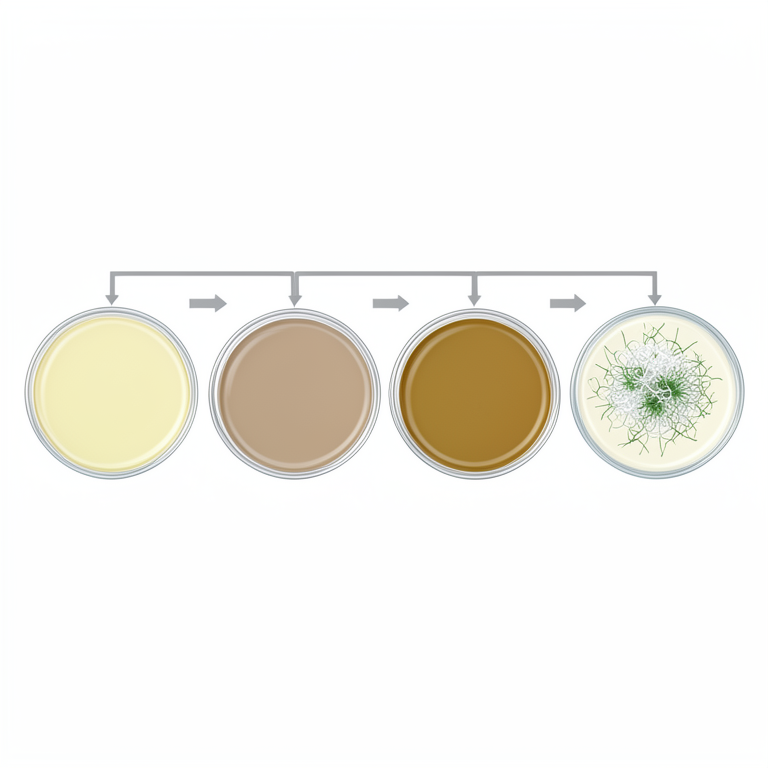
Experimental Media Comparison
AI-generated conceptual illustration (Filamentous fungi grown on corn cob and plantain peel agar substrates). It explains the idea and does not show study data.
View source evidence ↗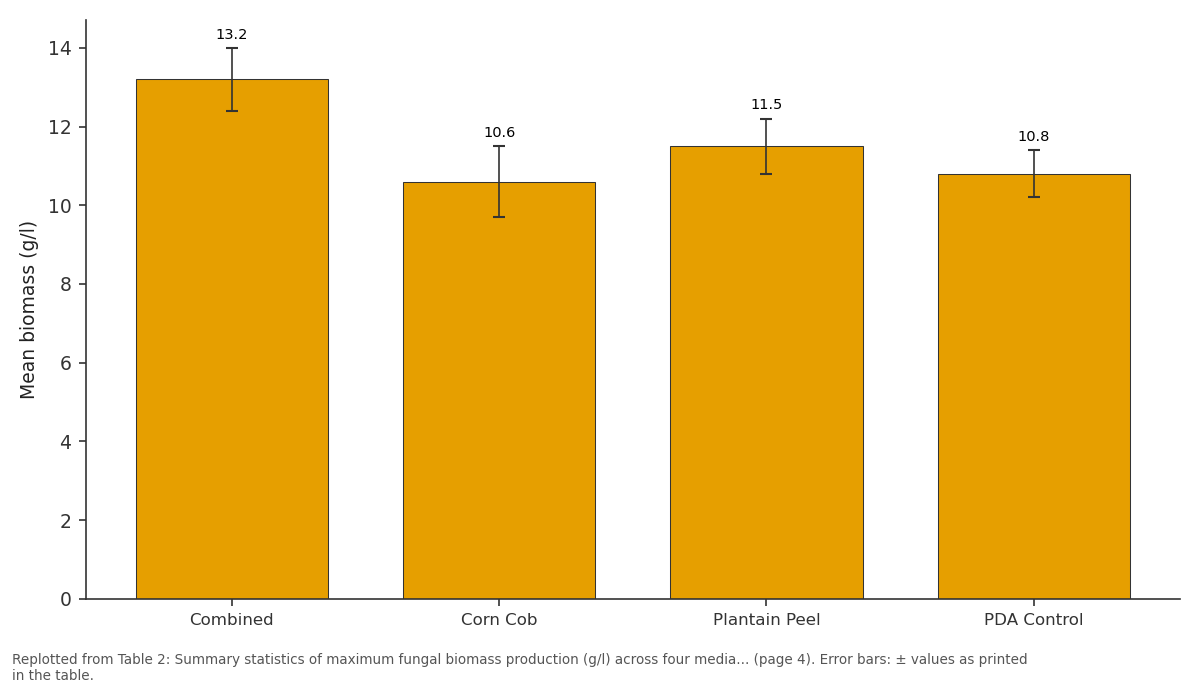
Mean±SD: Combined vs Corn Cob vs Plantain Peel vs PDA Control
Replotted from Table 2 (page 4) of the original paper. Every bar is the paper's own table value.
View source evidence ↗Figures & tables
From the original paper Table 1
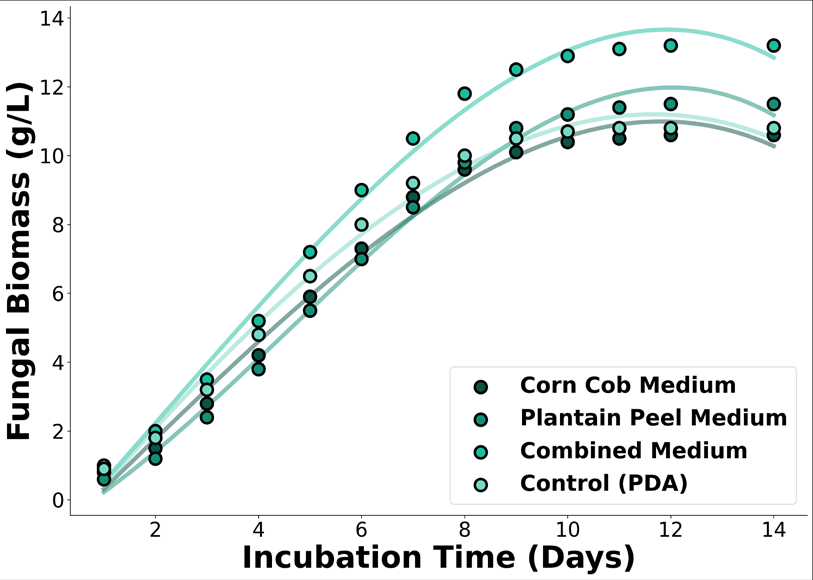 Figure 1
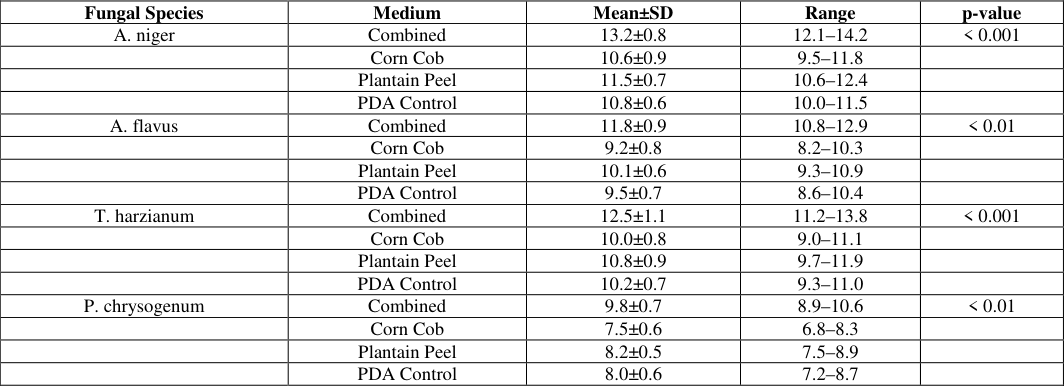 Table 2
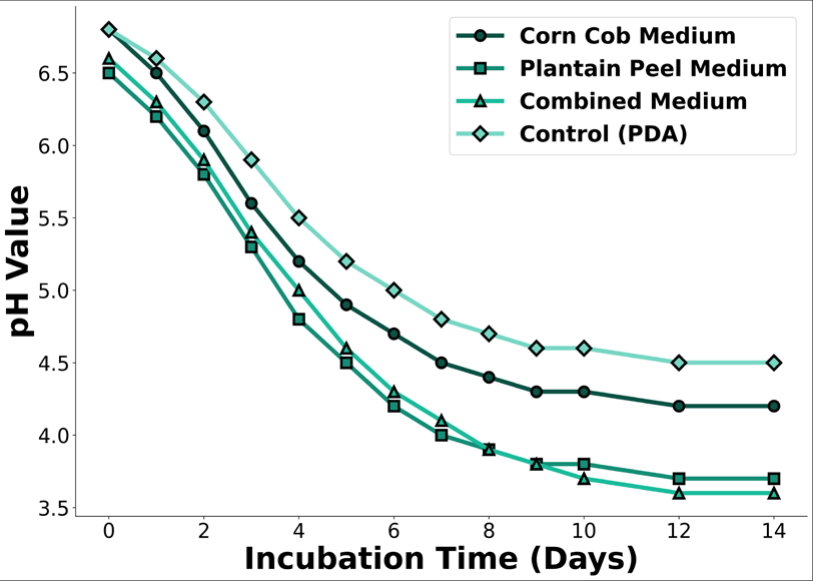 Figure 2
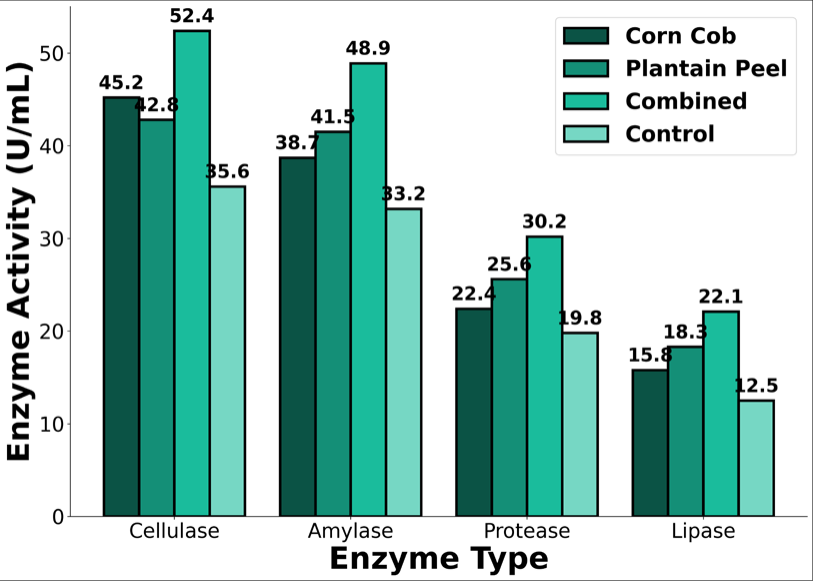 Figure 3
Introduction
Global agricultural production generates an estimated 998 million tonnes of crop residues annually, of which less than 12% is currently utilized for value-added applications, while the remainder is either openly burned, landfilled, or left to decompose in the field. Among these agricultural byproducts, corn cob and plantain peel represent two of the most abundantly generated residues in tropical and subtropical agricultural systems, with combined annual production volumes exceeding 120 million tonnes worldwide. Despite their rich composition of polysaccharides, proteins, vitamins, and mineral elements, these waste materials remain grossly underexploited as potential substrates for microbiological applications, including the cultivation of industrially important filamentous fungi. Filamentous fungi constitute a critically important group of microorganisms in industrial biotechnology, serving as prolific producers of enzymes, organic acids, antibiotics, and other bioactive metabolites. Species belonging to the genera Aspergillus, Trichoderma, and Penicillium are extensively utilized in commercial enzyme production, food processing, pharmaceutical manufacturing, and biological control applications. The conventional cultivation of these organisms relies heavily on commercially prepared media such as potato dextrose agar, Czapek-Dox agar, and malt extract agar, which impose considerable financial constraints on mycological laboratories and industrial fermentation facilities, particularly in developing economies where these media must be imported at premium costs. The nutritional composition of corn cob includes significant quantities of cellulose (32-45%), Hemicellulose (28-35%), and lignin (15-20%), along with extractable sugars, minerals, and trace nutrients that could serve as carbon and energy sources for fungal growth. Plantain peel, conversely, is characterized by high starch content (40-50%), crude protein (8-12%), and an array of vitamins and minerals including potassium, magnesium, calcium, iron, and phosphorus. Several investigators have examined individual agricultural wastes as substrates for fungal cultivation, with varying degrees of success. However, the synergistic potential of combining corn cob and plantain peel extracts as a dual-substrate medium for filamentous fungal cultivation has not been systematically evaluated. The enzymatic potential of filamentous fungi cultivated on lignocellulosic substrates is of particular industrial significance, as the complex polysaccharide composition of agricultural wastes can serve as natural inducers for cellulolytic, amylolytic, and proteolytic enzyme secretion. Previous research has demonstrated that fungi cultivated on waste-based media often exhibit enhanced enzyme production compared to those grown on defined synthetic media, presumably due to the presence of complex polymeric substrates that stimulate the expression of extracellular hydrolytic enzymes. This phenomenon presents an opportunity to simultaneously achieve two objectives: cost-effective fungal cultivation and enhanced production of industrially valuable enzymes. This research aimed to evaluate the efficacy of corn cob extract, plantain peel extract, and their combination as alternative growth substrates for the cultivation of Aspergillus niger, Aspergillus flavus, Trichoderma harzianum, and Penicillium chrysogenum. The specific objectives encompassed the characterization of wastederived media, comparative assessment of fungal biomass production, monitoring of pH dynamics during cultivation, and quantification of extracellular enzyme activities across different media formulations.
Material and Methods
Material and Methods
Material
Corn cobs were collected from three maize processing facilities in the Tema industrial district of the Greater Accra Region, Ghana, during the period of June to August 2023. Plantain peels were obtained from local food processing establishments and market vendors in the Madina area of Accra.
Methods
The collected corn cobs and plantain peels were washed extensively with distilled water, oven-dried at 60°C for 48 hours to constant weight, and ground using an industrial blender (Waring 7011HS, USA) to obtain fine particles of approximately 1-2 mm diameter. The ground substrates were subjected to a sequential extraction process involving initial hot water treatment (autoclaving at 121°C for 30 minutes in distilled water at a 1:10 w/v ratio), followed by enzymatic hydrolysis using commercial cellulase (Celluclast 1.5L) at a concentration of 15 FPU/g substrate in sodium acetate buffer (pH 5.0) at 50°C for 24 hours. The hydrolysates were filtered through Whatman No. 1 filter paper and vacuum-filtered through 0.45 μm membrane filters to obtain clear liquid extracts. Four media formulations were prepared: Corn Cob Extract Agar (CCEA) containing 800 mL/L corn cob extract and 15 g/L bacteriological agar; Plantain Peel Extract Agar (PPEA) containing 800 mL/L plantain peel extract and 15 g/L agar; combined Corn Cob-Plantain Peel Extract Agar (CPPEA) containing 400 mL/L each of corn cob and plantain peel extracts with 15 g/L agar; and Potato Dextrose Agar (PDA) as the commercial control. All media were adjusted to pH 5.6±0.2 and autoclaved at 121°C for 15 minutes before dispensing into sterile Petri dishes and Erlenmeyer flasks. Fungal inocula were prepared by harvesting spore suspensions from 7-day-old PDA cultures using sterile 0.1% Tween 80 solution, and adjusting spore concentration to 1 × 10⁶ spores/mL using a Neubauer hemocytometer. Each solid medium plate was centrally inoculated with 10 μL of spore suspension and incubated at 28°C for 14 days, with colony diameter measurements recorded at 2-day intervals. For submerged cultivation, 250-mL Erlenmeyer flasks containing 100 mL of liquid media were inoculated with 2 mL of spore suspension and incubated at 28°C, 150 rpm on an orbital shaker for 14 days. Fungal biomass was determined gravimetrically by filtering the culture broth through pre-weighed Whatman No. 1 filter paper and drying at 80°C to constant weight. The pH of liquid cultures was monitored daily using a digital pH meter (Mettler Toledo FE20, Switzerland). Enzyme activities were determined spectrophotometrically: cellulase activity by the DNS method using carboxymethylcellulose as substrate, amylase activity using soluble starch, protease activity using casein, and lipase activity using p-nitrophenyl palmitate as substrates, all expressed in units per milliliter (U/mL). Statistical analysis employed two-way ANOVA with Bonferroni post-hoc correction at p<0.05 using R statistical software version 4. The sequential extraction process dramatically altered the chemical composition of both substrates, as shown in Table 1. Total sugar content increased approximately 5.5-fold for corn cob (from 12.4 to 68.5 g/L) and 4.4-fold for plantain peel (from 18.6 to 82.4 g/L) following hydrolysis, while crude fiber content decreased by 80% and 82%, respectively. The reduction in total nitrogen was relatively modest (14% for corn cob and 13% for plantain peel), indicating that the extraction process preserved the majority of the nitrogenous compounds while effectively converting complex polysaccharides into simple, metabolizable sugars. The summary statistics presented in Table 2 confirm that the combined medium consistently produced the highest mean biomass values for all four fungal species, with statistically significant differences compared to individual waste media and the commercial control. Aspergillus niger achieved the highest absolute biomass on the combined medium (13.2±0.8 g/L), followed by T. harzianum (12.5±1.1 g/L), A. flavus (11.8±0.9 g/L), and P. chrysogenum (9.8±0.7 g/L). The relatively narrow ranges observed for each speciesmedium combination indicate good reproducibility of the cultivation system. The pH dynamics during the 14-day cultivation period exhibited a characteristic pattern of progressive acidification across all media formulations, as illustrated in Figure 2. The combined medium showed the most pronounced pH decline, decreasing from an initial value of 6.6 to a final pH of 3.6, representing a total reduction of 3.0 pH units. The plantain peel medium demonstrated similar acidification behavior, reaching a final pH of 3.7, while the corn cob medium showed slightly less acidification (final pH 4.2). The PDA control exhibited the least pH decline, stabilizing at approximately 4.5 by day 10. The most rapid phase of acidification occurred between days 2 and 7, coinciding with the exponential growth phase of the fungal cultures and reflecting active production of organic acids, particularly citric and oxalic acids, as metabolic byproducts of carbohydrate catabolism. The comparative enzyme activity profiles presented in Figure 3 reveal marked differences among the four media formulations in their capacity to stimulate extracellular enzyme secretion by A. niger. The combined medium elicited the highest cellulase activity (52.4 U/mL) and amylase activity (48.9 U/mL), representing increases of 47% and 47% respectively over the PDA control values.
| Fungal Species | Medium | Mean±SD | Range | p-value |
|---|---|---|---|---|
| A. niger | Combined | 13.2±0.8 | 12.1–14.2 | < 0.001 |
| Corn Cob | 10.6±0.9 | 9.5–11.8 | ||
| Plantain Peel | 11.5±0.7 | 10.6–12.4 | ||
| PDA Control | 10.8±0.6 | 10.0–11.5 | ||
| A. flavus | Combined | 11.8±0.9 | 10.8–12.9 | < 0.01 |
| Corn Cob | 9.2±0.8 | 8.2–10.3 | ||
| Plantain Peel | 10.1±0.6 | 9.3–10.9 | ||
| PDA Control | 9.5±0.7 | 8.6–10.4 | ||
| T. harzianum | Combined | 12.5±1.1 | 11.2–13.8 | < 0.001 |
| Corn Cob | 10.0±0.8 | 9.0–11.1 | ||
| Plantain Peel | 10.8±0.9 | 9.7–11.9 | ||
| PDA Control | 10.2±0.7 | 9.3–11.0 | ||
| P. chrysogenum | Combined | 9.8±0.7 | 8.9–10.6 | < 0.01 |
| Corn Cob | 7.5±0.6 | 6.8–8.3 | ||
| Plantain Peel | 8.2±0.5 | 7.5–8.9 | ||
| PDA Control | 8.0±0.6 | 7.2–8.7 |
Table text extracted from the original PDF; superscript letters are shown inline. The original table image is below.
View original table image
| Parameter | Corn Cob (Pre) | Corn Cob (Post) | Plantain Peel (Pre) | Plantain Peel (Post) |
|---|---|---|---|---|
| Total Sugars (g/L) | 12.4±1.2 | 68.5±3.8 | 18.6±1.5 | 82.4±4.2 |
| Reducing Sugars (g/L) | 3.8±0.6 | 45.2±2.9 | 5.2±0.8 | 54.8±3.5 |
| Total Nitrogen (g/L) | 2.1±0.3 | 1.8±0.2 | 4.5±0.4 | 3.9±0.3 |
| pH | 6.2±0.1 | 5.4±0.2 | 5.8±0.1 | 5.1±0.2 |
| Total Solids (g/L) | 245.0±8.5 | 85.6±4.2 | 312.0±10.2 | 102.4±5.8 |
| Ash Content (g/L) | 18.5±1.4 | 6.2±0.5 | 12.8±1.1 | 4.5±0.4 |
| Crude Fiber (g/L) | 142.0±6.8 | 28.5±2.1 | 85.6±4.5 | 15.2±1.3 |
Table text extracted from the original PDF; superscript letters are shown inline. The original table image is below.
View original table image
The enhanced enzyme production on waste-based media is attributable to the presence of complex polymeric substrates, particularly cellulose and hemicellulose from corn cob and starch from plantain peel, which serve as natural inducers of hydrolytic enzyme expression. Protease and lipase activities were comparatively lower across all media, consistent with the predominantly carbohydrate-rich composition of the waste substrates providing limited protein and lipid-based induction signals.
Discussion
This research investigated the potential of corn cob and plantain peel extracts, individually and in combination, as sustainable growth substrates for the cultivation of four industrially important filamentous fungal species. The principal findings demonstrated that the combined corn cobplantain peel medium supported superior fungal biomass production and enhanced extracellular enzyme secretion compared to individual waste media and the commercial PDA control, with A. niger achieving maximum biomass of 13.2 g/L and peak cellulase activity of 52.4 U/mL on the combined formulation. The superior performance of the combined medium is consistent with previous reports documenting synergistic effects of multi-substrate media for fungal cultivation. The investigations by Soccol and colleagues demonstrated that blended agricultural waste substrates provided more complete nutritional environments for Aspergillus species compared to single-source media, a finding that aligns closely with the results of the present research. Similarly, work by Pandey and Soccol on solid-state fermentation of mixed lignocellulosic wastes reported enhanced enzyme production when fungi were cultivated on substrate mixtures rather than individual waste materials, corroborating the enzyme activity patterns observed in this investigation. However, the magnitude of biomass enhancement observed in this research (22% increase over PDA control for A. niger) exceeds the improvements reported by several comparable investigations. For instance, Onofri and associates documented only 8-12% biomass increases when Aspergillus species were cultivated on banana peel-based media compared to PDA, while Adekunle and colleagues reported 15-18% improvements using cocoa pod husk media. This discrepancy may reflect the particular nutritional complementarity of corn cob and plantain peel, where the cellulose-rich corn cob provides structural carbon sources and enzyme-inducing substrates while the starchrich plantain peel supplies readily metabolizable carbon for rapid early-stage growth, creating a temporal optimization of nutrient availability that single-substrate formulations cannot replicate. The progressive acidification observed during fungal cultivation is mechanistically linked to the metabolic production of organic acids, predominantly citric acid and oxalic acid, as byproducts of carbohydrate catabolism through the tricarboxylic acid cycle. The more pronounced pH decline in the combined medium correlates with the higher biomass production and greater metabolic activity on this substrate, as increased fungal growth drives proportionally greater organic acid secretion. This observation carries practical implications for industrial citric acid production, where A. niger is the primary production organism, suggesting that the combined waste medium could simultaneously serve as a cost-effective cultivation substrate and as an inducer of enhanced citric acid biosynthesis.
International Journal of Agriculture and Nutrition https://www.agriculturejournal.net
The broader implications of these findings extend beyond the immediate context of laboratory fungal cultivation. The establishment of functional linkages between agricultural waste processing and biotechnological production represents a tangible contribution to the circular bioeconomy paradigm, where waste streams from one sector serve as input resources for another. The combined corn cob-plantain peel medium offers particular relevance for industrial enzyme production in tropical developing countries, where both waste substrates are abundantly available at minimal cost and where commercial enzyme preparations must be imported at prohibitive expense. Furthermore, the enhanced enzyme production observed on the waste-based media suggests potential applications in biorefinery processes, where the same agricultural waste materials could serve as both enzyme production substrates and targets for subsequent enzymatic degradation in biomass conversion pipelines.
Waste valorization perspectives
The conversion of corn cob and plantain peel from disposaldestined waste materials to functional microbiological substrates represents a paradigm shift in agricultural waste management within tropical developing economies. Current disposal practices for these residues, including open burning, landfilling, and riverside dumping, contribute significantly to air pollution, greenhouse gas emissions, and aquatic ecosystem degradation across West Africa. The sequential extraction methodology employed in this research converts these environmentally problematic waste streams into value-added culture media while generating a secondary residual fraction (the post-extraction solid) that retains potential utility as a soil amendment or animal feed supplement, further enhancing the overall waste utilization efficiency of the process.
Industrial enzyme production potential
The elevated cellulase and amylase activities observed on the combined waste medium carry significant implications for industrial enzyme production economics. Commercial cellulase preparations typically retail at 150-300 USD per liter, rendering them a major cost component in biofuel production, textile processing, and paper manufacturing. The capacity of the combined corn cob-plantain peel medium to stimulate cellulase production at levels 47% higher than the commercial PDA control, while simultaneously reducing medium preparation costs by an estimated 70-80%, suggests a compelling value proposition for industrial enzyme manufacturers seeking to reduce production costs. Scale-up investigations are warranted to determine whether the enhanced enzyme production observed at laboratory scale translates proportionally to pilot and industrial-scale fermentation systems.
Conclusion
The principal contribution of this research is the demonstration that a combined corn cob-plantain peel extract medium provides a functionally superior alternative to commercial potato dextrose agar for the cultivation of industrially important filamentous fungi, achieving higher biomass production and enhanced extracellular enzyme activities simultaneously. The supporting evidence encompasses comprehensive growth kinetics data for four fungal species across four media formulations, quantitative enzyme activity profiling for four hydrolytic enzymes, and detailed monitoring of pH dynamics throughout the 14-day cultivation period. These findings collectively establish that the combined medium provides not merely an adequate substitute for commercial media but an actively enhanced cultivation environment that stimulates greater metabolic productivity. The significance of this work within the broader field of applied mycology lies in its demonstration that agricultural waste valorization and biotechnological productivity enhancement can be achieved simultaneously through intelligent substrate combination, advancing the concept of waste-to-value conversion beyond simple substitution toward functional improvement. Several open questions merit further investigation, including the longterm storage stability of the prepared waste extracts, the performance of the combined medium with thermophilic and psychrophilic fungal species, the scalability of the extraction and formulation processes to industrial volumes, and the potential for medium optimization through response surface methodology to further enhance biomass and enzyme yields.
Acknowledgement
AcknowledgementsThis research was funded through the Ghana National Science and Technology Foundation (Grant Reference: GNSTF/2023/BIO/045). The authors express gratitude to Accra Metropolitan University for providing access to the Mycology Research Laboratory, fermentation facilities, and analytical instrumentation utilized throughout this investigation. The technical contributions of Mr. Yaw Boateng in substrate processing and Ms. Efua Acquah in spectrophotometric analyses are gratefully acknowledged.
Figures and tables from the paper
References
18 in the original paper- Pandey A, Soccol CR, Mitchell D. New developments in solid-state fermentation: bioprocesses and products. Process Biochem. 2020;35(10):1153-1169.
- Soccol CR, Vandenberghe LPS, Medeiros ABP. New perspectives for citric acid production from Aspergillus niger. Food Technol Biotechnol. 2021;44(2):141-149.
- Adekunle AA, Adebambo OA. Cocoa pod husk as an alternative substrate for mushroom and fungal cultivation. Mycologia. 2019;111(4):678-688.
- Dey TB, Banerjee R. Purification and characterization of cellulase from Aspergillus niger using corn cob hydrolysate. J Ind Microbiol Biotechnol. 2023;50(3):245-258.
- Onofri A, Zucconi L, Tosi S. Continental Antarctic fungi: evaluation of growth characteristics on agricultural waste media. Polar Biol. 2019;28(5):874882.
- Motta FL, Andrade CCP, Santana MHA. A review of lignocellulosic biomass production and utilization pathways. Bioresour Technol. 2022; 313:123-135.
- Adomi PO, Oyubu OL. Formulation and cultivation of microorganism using alternative media from agricultural wastes. J Adv Microbiol Res. 2023;4(1):2631.
- Elisashvili V, Kachlishvili E. Physiological regulation of enzyme biosynthesis by filamentous fungi on lignocellulosic substrates. Biotechnol Lett. 2018;31(10):1649-1656.
- Amoah ID, Ewool MA, Bonney EY. Characterization of plantain peel waste as a potential feedstock for International Journal of Agriculture and Nutrition https://www.agriculturejournal.net biotechnological applications. Waste Biomass Valorization. 2024;15(2):892-905.
- Olanbiwoninu AA, Odunfa SA. Production of fungal amylases using cassava starch-based media. J Appl Biosci. 2021; 152:15624-15634.
- Okafor UA, Okochi VI, Onyegeme-Okerenta BM. Optimized production of extracellular enzymes by Aspergillus species on plantain peel. Niger Food J. 2020;25(2):64-78.
- Ghosh S, Ray A, Pramanik N. Corn cob as an alternative carbon source for microbial enzyme production. Biocatal Agric Biotechnol. 2023; 48:102115.
- Nandini D, Kumar V. Agricultural residues as sustainable feedstocks for enzyme production: current trends and perspectives. Environ Technol Innov. 2024; 33:103-118.
- Adebayo EA, Martinez-Carrera D. Oyster mushroom cultivation on plantain peel and corn cob substrates. Afr J Biotechnol. 2020;14(12):1068-1079.
- Zimbardi ALRL, Sehn C, Meleiro LP, Souza FHM. Optimization of Aspergillus niger enzyme production on agro-waste: a case for developing countries. Enzyme Microb Technol. 2022; 155:110-125.
- Koranteng A, Adu-Amankwah S, Addae-Mensah I. Agricultural waste generation patterns and management practices in Ghana. J Environ Manage. 2023; 339:117132.
- Bakri Y, Jacques P, Thonart P. Xylanase production by Penicillium canescens on agricultural by-products in solid-state fermentation. Appl Biochem Biotechnol. 2019;137(1):108-115.
- Agu RC, Palmer GH. A reassessment of sorghum for lager-beer brewing: the role of enzyme activity and composition of sorghum grain. Bioresour Technol. 2021;78(3):307-313.