
Research article · 2026 · Full text
International Journal of Horticulture and Food ScienceSocio-economic determinants and buying behaviour of chilli farmers towards insecticides in Rajkot district
Volume 8(6S) · Pages 12–18 · DOI: 10.33545/26631067.2026.v8.i6sa.775 ↗
Research areasAgricultural Innovations and PracticesAgricultural Development and ManagementInsect Pest Control Strategies
Abstract
Author-writtenThe present study investigates the buying behaviour of chilli farmers towards insecticides in Rajkot district of Gujarat. A descriptive research design with an ex post facto approach was employed. Using a multi-stage random sampling technique, 200 chilli farmers were selected from four talukas of Rajkot district. Data were collected through structured interviews and analyzed using percentage analysis and tabular representation. The findings revealed that chilli farming in the region is male-dominated, with the majority of farmers aged between 41-50 years and possessing moderate educational levels. Most respondents were small to semi-medium landholders with medium-sized households and relied on irrigated farming, particularly drip irrigation. Chemical insecticides were overwhelmingly preferred, followed by organic and biopesticides. Insecticide purchases were made frequently weekly or monthly indicating high pest pressure. Local agro-retailers were the dominant source of purchase, with cash and credit as the most common modes of payment. Agro service centres and peer recommendations were the primary sources of information, while digital and formal extension services remained underutilized. The study highlights the urgent need for promoting Integrated Pest Management (IPM), strengthening extension services, encouraging sustainable pest control inputs, improving digital literacy, and revitalizing farmer cooperatives. These measures can collectively reduce pesticide dependency, enhance informed decision-making, and promote environmentally sustainable farming practices.
Summary
Source-checkedPlain-language reading of the full paper, prepared with AI and checked against the text. Each point links to the authors' own words.
Why it matters
- Chilli is a high-value spice crop grown extensively in India, and the use of insecticides is critical for its cultivation. View evidence ↗
- In the Rajkot district of Gujarat, a major contributor to chilli production, persistent pest infestations negatively impact both crop yield and profitability. View evidence ↗
- There is a need to assess farmer purchasing decisions due to rising concerns regarding environmental degradation, pest resistance, and the indiscriminate use of pesticides. View evidence ↗
The question
- The study aims to analyze the socio-economic profiles of chilli farmers in Rajkot and determine their buying behavior regarding insecticides. View evidence ↗
What they did
- The researchers used a multi-stage sampling method to select 200 chilli farmers from ten farmers in five villages across four randomly selected talukas in the Rajkot district. View evidence ↗
- Primary data were gathered through personal interviews conducted with the farmers in their own villages. View evidence ↗
- The study utilized percentage analysis, along with tabular and graphical representations, to describe the farmers' socio-economic characteristics and behavioral patterns. View evidence ↗
What they found
- Agricultural decision-making in the region is male-dominated, as 100% (200 out of 200) of the respondents were male. View evidence ↗
- The majority of chilli farming is managed by middle-aged individuals, with 42.5% of farmers aged between 41 and 50 years. View evidence ↗
- Semi-medium landholders (2.01-4 ha) represented the largest group of farmers at 42%. View evidence ↗
- There is a strong reliance on conventional methods, with 197 out of 200 farmers preferring chemical insecticides over other options. View evidence ↗
- High pest pressure is indicated by the purchase frequency, with 48.50% of farmers buying insecticides on a weekly basis. View evidence ↗
- Local retailers are the dominant source of purchase for 80% of farmers, suggesting that proximity and familiarity drive these decisions. View evidence ↗
- Traditional payment practices dominate, with 48% of farmers using cash only for their insecticide purchases. View evidence ↗
- Agro Service Centres are the primary source of information for 178 farmers, highlighting the central role of input dealers in decision-making. View evidence ↗
What it means
- The authors conclude that there is an urgent need for structured interventions, including IPM training, better advisory services, and digital literacy to promote sustainable farming. View evidence ↗
Visual summary
3 visualsIllustrations explain the paper; charts are replotted from the paper's own table values.
The Cycle of Insecticide Procurement
AI-generated conceptual illustration (chilli plants and a rural agricultural retail shop). It explains the idea and does not show study data.
View source evidence ↗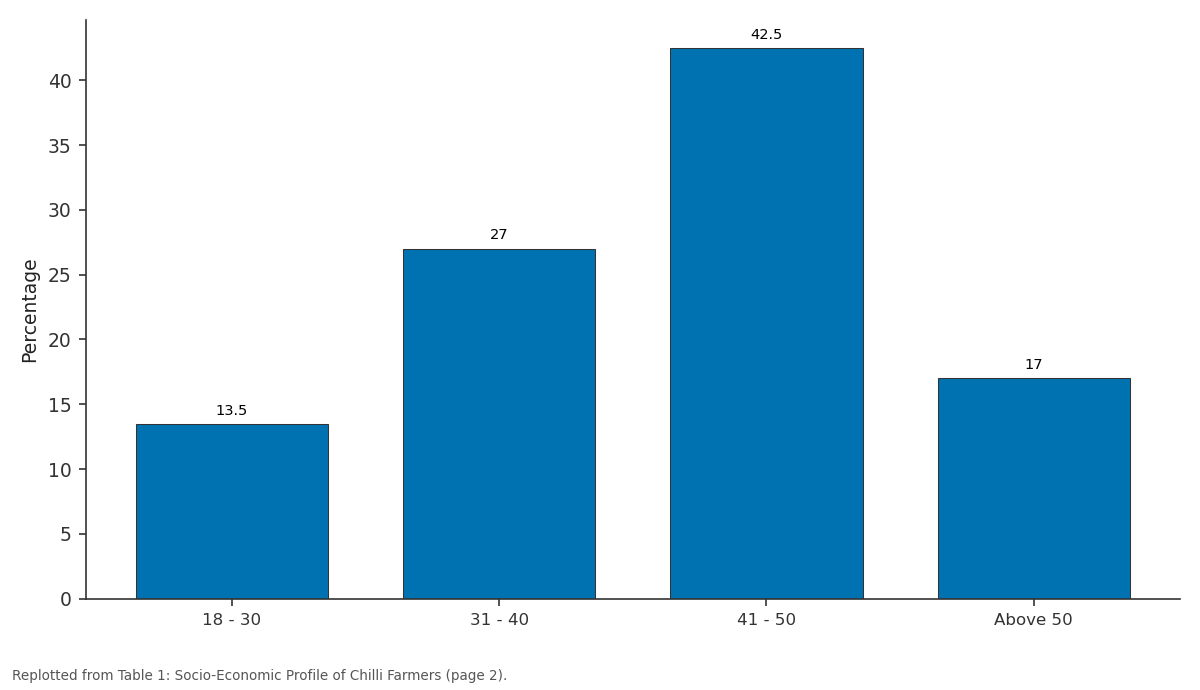
Percentage: 18 - 30 vs 31 - 40 vs 41 - 50 vs Above 50
Replotted from Table 1 (page 2) of the original paper. Every bar is the paper's own table value.
View source evidence ↗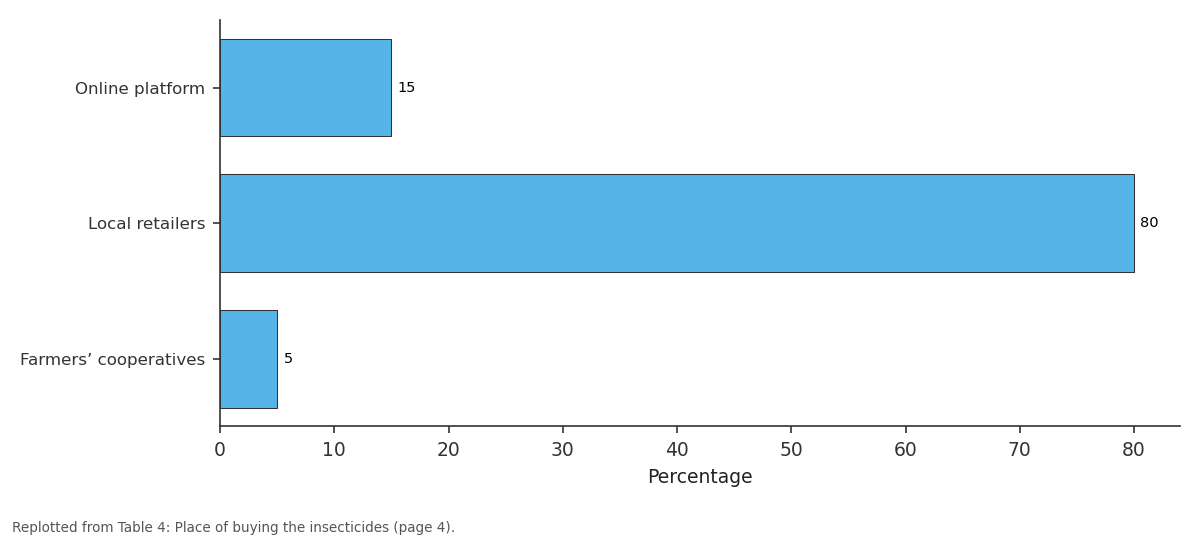
Percentage: Online platform vs Local retailers vs Farmers’ cooperatives
Replotted from Table 4 (page 4) of the original paper. Every bar is the paper's own table value.
View source evidence ↗Figures & tables
From the original paper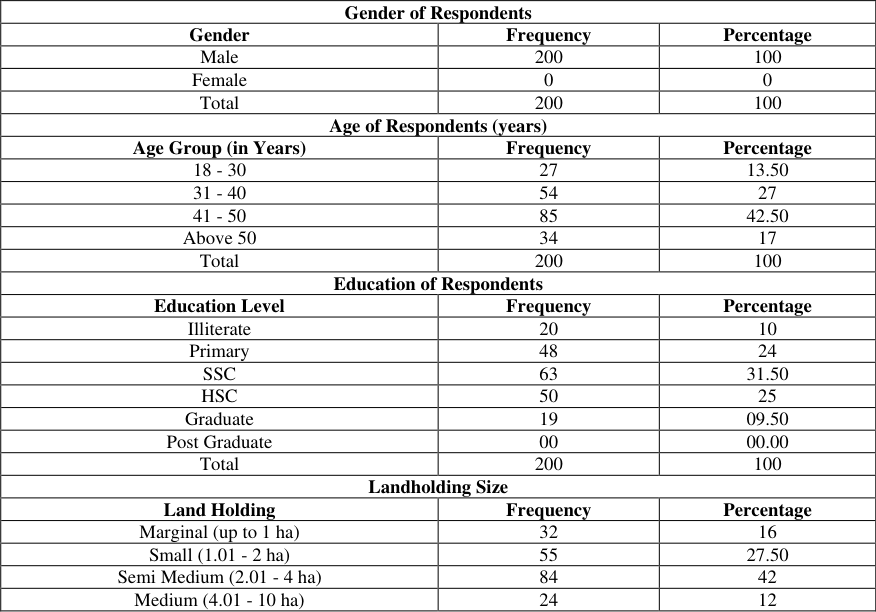 Table 1
 Table 2
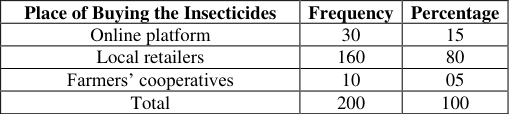 Table 4
 Table 3
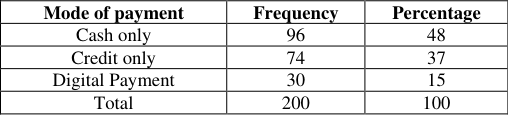 Table 5
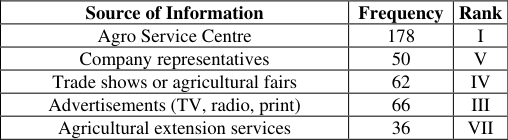 Table 6
Introduction
Insecticide usage plays a critical role in chilli cultivation, a high-value spice crop extensively grown in India. The Rajkot district of Gujarat is recognized for its substantial contribution to chilli production, where pest infestation is a persistent challenge affecting both yield and profitability (Rao, Reddy, & Prasad, 2019) [19,16] . Farmers' buying behaviour regarding insecticides significantly influences crop protection strategies, economic returns, and environmental sustainability (Kumari & Singh, 2020) [23] . Understanding how farmers in Rajkot select, purchase, and apply insecticides provides crucial insights into rural decisionmaking in agricultural input markets. These choices are shaped by diverse factors such as pest frequency, information availability, financial capacity, market access, and trust in input providers (Patel & Sharma, 2020; Meena, Singh, & Kumari, 2020) [14,12] . In regions like Rajkot where traditional practices coexist with evolving modern techniques these behaviours mirror broader socio-economic and technological transitions in agriculture (Deshmukh & Patil, 2020) [5] . Farmers obtain information from various channels such as agro service centers, advertisements, extension services, and peer recommendations. However, informal sources often dominate due to accessibility and familiarity, despite the potential for misinformation (Chatterjee & Ghosh, 2018; Ravichandran & Kannan, 2019) [1,18] . Similarly, the choice of insecticide purchase platform ranging from local retailers and cooperatives to emerging online platforms varies based on convenience, trust, and digital literacy (Choudhary, Meena, & Singh, 2019) [3] . With increasing concerns over indiscriminate pesticide usage, pest resistance, and environmental degradation, it is essential to assess how farmers make purchasing decisions. Promoting Integrated Pest Management (IPM) and sustainable alternatives requires a deeper understanding of existing behaviours (Sharma & Mehta, 2018) [22] . The present study explores the insecticide buying behaviour of chilli farmers in Rajkot, focusing on their purchase frequency, sources of information, preferred payment modes, and trusted distribution channels. This study aims to inform policymakers, agri-input firms, and extension professionals in designing locally relevant and sustainable pest management interventions. The objectives are as follows To study the socio-economic profile of chilli farmers To find out the buying behaviour of chilli farmers towards insecticides
Research Methodology Participants
The study was conducted in the Rajkot district of Gujarat, which comprises 14 talukas. Using a multi-stage sampling method, four talukas as Gondal, Jam Kandorana, Dhoraji, and Upleta were randomly selected for the study. From each of these talukas, 5 villages were chosen at random, and 10 chilli-growing farmers from each village were purposively selected, resulting in a total sample size of 200 farmers. The unit of analysis in this study was individual chilli farmers.
Measures
Data for the study were collected using a structured interview schedule specifically designed to address the research objectives. The schedule covered aspects such as the socio-economic characteristics of chilli farmers, their buying behaviour, factors influencing their purchase decisions, and the constraints they face in using insecticides. Primary data were obtained directly through personal interviews with the selected farmers, while secondary data were sourced from government reports, academic journals, research papers, articles, and relevant company websites to support and enrich the analysis.
Procedure
A descriptive research design was adopted to explore the buying behaviour of chilli farmers, utilizing an ex post facto approach in which variables were observed in their natural settings without any manipulation. This approach is wellsuited for social science research, particularly when aiming to describe current conditions and identify potential causal relationships where experimental control is not feasible. The study employed a multi-stage sampling method: in the first stage, four talukas were randomly selected from the Rajkot district; in the second stage, five villages were randomly chosen from each selected taluka; and in the third stage, ten chilli farmers were purposively selected from each village, resulting in a total sample of 200 farmers. Data were collected through personal interviews conducted with the farmers in their respective villages.
Statistical Analysis
To analyze the data and draw meaningful inferences, various statistical tools were employed. Percentage analysis was used to describe the socio-economic characteristics and behavioural patterns of chilli farmers, while tabular and graphical representations helped in organizing and presenting the data clearly. Ranking and Likert scale techniques were applied to measure the attitudes and preferences of farmers regarding insecticide usage.
Additionally, the cumulative score method was used to evaluate the relative importance of different influencing factors and constraints faced by the farmers in their buying decisions. The data in Table 1 reveals a comprehensive socioeconomic profile of chilli farmers in Rajkot district. The entire respondent pool consisted of male farmers (100%), highlighting the male dominance in agricultural decisionmaking, a trend observed in other Indian studies as well (Kumari & Singh, 2020) [23] . Age-wise, the majority (42.5%) of the farmers fell in the 41-50 years category, suggesting that chilli farming is largely managed by middle-aged individuals, who are typically more experienced and riskaware. Regarding education, most farmers had school-level education, with only 9.5% being graduates and none being postgraduates. This shows moderate literacy levels, similar to findings by Patel and Parmar (2019) [13] , where a large portion of horticulture farmers had education below HSC. In terms of landholding, semi-medium (2.01-4 ha) farmers formed the largest group (42%), followed by small and marginal farmers, which is consistent with the landholding patterns in Gujarat as reported by Singh et al. (2018) [24] . The majority of households (50%) were medium-sized (5-6 members), which is typical for rural India where joint families are still common. Income analysis revealed that 36% of farmers earn between ₹1-2 lakhs annually, and only 2% reported earnings above ₹6 lakhs, indicating that chilli farming is a low to moderate income-generating activity, aligning with Deshmukh and Wankhade's (2020) [5] findings on vegetable crop farmers. The farming experience showed that more than half (54%) had 10-15 years of farming experience, suggesting significant exposure to agricultural practices and possibly greater adoption of technology. A striking 97.5% practiced irrigated farming, and within that, 52.82% used drip irrigation, reflecting a positive shift toward efficient water use a trend supported by studies like that of Rao et al.
| Gender of Respondents | — | — |
|---|---|---|
| Gender | Frequency | Percentage |
| Male | 200 | 100 |
| Female | 0 | 0 |
| Total | 200 | 100 |
| Age of Respondents (years) | ||
| Age Group (in Years) | Frequency | Percentage |
| 18 - 30 | 27 | 13.50 |
| 31 - 40 | 54 | 27 |
| 41 - 50 | 85 | 42.50 |
| Above 50 | 34 | 17 |
| Total | 200 | 100 |
| Education of Respondents | ||
| Education Level | Frequency | Percentage |
| Illiterate | 20 | 10 |
| Primary | 48 | 24 |
| SSC | 63 | 31.50 |
| HSC | 50 | 25 |
| Graduate | 19 | 09.50 |
| Post Graduate | 00 | 00.00 |
| Total | 200 | 100 |
| Landholding Size | ||
| Land Holding | Frequency | Percentage |
| Marginal (up to 1 ha) | 32 | 16 |
| Small (1.01 - 2 ha) | 55 | 27.50 |
| Semi Medium (2.01 - 4 ha) | 84 | 42 |
| Medium (4.01 - 10 ha) | 24 | 12 |
Table text extracted from the original PDF; superscript letters are shown inline. The original table image is below.
View original table image
(2021) [15] . In terms of livelihood, 45.5% were engaged in farming and animal husbandry, highlighting the mixed livelihood strategies often necessary in agrarian communities. Regarding chilli-specific experience, 39% had been cultivating chilli for less than five years, and another 38% had 5-10 years' experience, indicating growing interest in chilli cultivation among relatively new entrants. Lastly, the majority (47.5%) cultivated chilli on less than 1 hectare, underscoring the fragmented nature of landholding even in commercial crops like chilli. The data from Table 2 reveals that the overwhelming majority of chilli farmers (197 out of 200) prefer chemical insecticides, ranking them first in usage. This indicates a strong reliance on conventional pest management methods, likely due to their immediate effectiveness and easy market availability. Organic insecticides were the second most preferred (142 farmers), suggesting that while there is growing awareness and adoption of sustainable alternatives, it remains secondary to chemical options. Biopesticides were the least preferred (19 farmers), despite their eco-friendly nature and safety profile. This pattern reflects findings from earlier studies. For example, Babar et al. reported that most Indian vegetable growers favored chemical pesticides due to their quick action and consistent results, despite the long-term environmental risks. Gogoi and Deka observed that limited technical knowledge, higher costs, and lack of availability hinder the adoption of biopesticides, even when farmers are aware of their benefits. Similarly, Patel and Meena (2020) [12] noted that although awareness of organic and biological pest control methods is gradually increasing, actual usage remains limited due to insufficient training and lack of policy support. The preference hierarchy shown in this study highlights the need for intensified farmer education and extension efforts to promote integrated pest management (IPM) practices and the use of safer alternatives, balancing productivity with sustainability. [16] found that over 70% of chilli farmers in Andhra Pradesh used insecticides at least twice a month, driven by pest outbreaks and the lack of timely advisory services. The frequent application of insecticides, as shown in these studies, aligns with the current findings, highlighting the widespread reliance on chemical pest control. However, such trends also raise concerns about the sustainability of pest management practices. Over-reliance on insecticides can lead to pest resistance, environmental degradation, and increased input costs. According to Sharma and Mehta (2018) [22] , farmers with better access to agricultural extension services showed reduced frequency of insecticide use due to improved knowledge of pest life cycles and thresholds for action. of collective input procurement mechanisms, which could otherwise offer better prices and quality assurance. These findings are consistent with those of Deshmukh and Patil (2020) [5] , who reported that over 75% of cotton farmers in Maharashtra preferred local agrodealers due to convenience and established relationships. [3] found that although awareness of online agro-input platforms was increasing, actual usage remained low among smallholder farmers due to digital illiteracy and concerns about product authenticity. The minimal use of cooperative societies echoes the observations by Sarkar and Singh (2018) [20] , who noted structural and operational challenges in many cooperatives, making them less attractive to farmers. Limited inventory, delayed supply, and bureaucratic hurdles were identified as deterrents in cooperative-based procurement systems. Table 5 presents data on the preferred mode of payment used by chilli farmers when purchasing insecticides. The majority of farmers (48%) reported using cash-only as their mode of payment. A significant portion (37%) preferred credit-only purchases, while 15% utilized digital payments. The high reliance on cash indicates that traditional payment practices still dominate agricultural input transactions, especially in rural and semi-urban regions. This may be due to limited access to digital infrastructure, low digital literacy, or a preference for physical transactions that offer immediate closure. The substantial share of credit-based purchases (37%) also highlights the economic vulnerability of many farmers who depend on short-term credit-often extended by local retailers-to meet input needs during the cropping season.
| Mode of payment | Frequency | Percentage |
|---|---|---|
| Cash only | 96 | 48 |
| Credit only | 74 | 37 |
| Digital Payment | 30 | 15 |
| Total | 200 | 100 |
Table text extracted from the original PDF; superscript letters are shown inline. The original table image is below.
View original table image
| Type of Insecticides Used | Frequency | Rank |
|---|---|---|
| Biopesticides | 19 | III |
| Organic insecticides | 142 | II |
| Chemical insecticides | 197 | I |
Table text extracted from the original PDF; superscript letters are shown inline. The original table image is below.
View original table image
The relatively low adoption of digital payment methods (15%) suggests that despite the growing penetration of financial technology in India, barriers such as poor internet connectivity, lack of awareness, or distrust in online systems persist in the agriculture sector. These trends are supported by findings from Kumar and Singh (2021) [9] , who reported that nearly half of vegetable farmers in Uttar Pradesh relied on cash transactions for input purchases, citing trust and convenience. Verma et al. (2019) [25] found that about one-third of smallholder farmers preferred credit from agro-dealers due to liquidity constraints and the flexibility it offered during the crop cycle. Meanwhile, Patel and Sharma (2020) [12] observed that digital payment adoption remained under 20% among pesticide buyers in Gujarat, primarily due to lack of training and poor mobile network coverage. The high dependence on cash and credit, with minimal digital payment usage, reflects the need for targeted financial literacy campaigns, improved rural banking infrastructure, and trust-building measures to increase digital inclusion among farming communities. 50). Online research and agricultural extension services were ranked lowest, with only 42 and 36 respondents respectively. The dominance of agro service centres as the primary information source highlights the central role that input dealers and local agro-vendors play in farmers' decisionmaking processes. These centres are often easily accessible, perceived as trustworthy, and offer product-specific guidance at the point of sale. Furthermore, the influence of peer recommendations from fellow farmers suggests the importance of social networks in shaping on-farm practices, particularly in rural settings where formal advisory systems may be weak. Interestingly, mass media advertisements and agricultural fairs also play a considerable role in disseminating product information. However, the relatively low influence of extension services and online platforms suggests a gap in formal agricultural advisory dissemination and digital literacy among chilli farmers. This underlines the need for strengthening public extension systems and promoting credible digital information platforms. These observations are in line with the study by Meena et al. (2020), who reported that agro-dealers were the most trusted source of pesticide-related information among vegetable farmers in Rajasthan. Ravichandran and Kannan (2019) [18] also found that peer learning and farmer-tofarmer interaction significantly influenced crop protection decisions in Tamil Nadu. Similarly, Chatterjee and Ghosh (2018) [2] emphasized that despite the growing availability of digital information, limited access and low trust in online sources constrained its use in rural Bengal. The poor performance of agricultural extension services mirrors earlier findings that underfunding, inadequate staffing, and lack of regular contact with farmers diminish the effectiveness of formal agricultural advisory systems.
Suggestions Adopt Integrated Pest Management (IPM):
Frequent insecticide use risks pest resistance and health hazards. Farmers should be trained in IPM, blending chemical and eco-friendly practices (Sharma & Mehta, 2018) [22] . Use Trusted Information Sources: Dependence on informal sources can lead to input misuse. Extension services and agro-service centers offer reliable, sciencebased guidance (Chatterjee & Ghosh, 2018) [2] . Utilize Digital Platforms cautiously and strategically: Digital tools can improve access to quality inputs and price transparency. Proper training will ensure safe and effective platform usage by farmers. Shift towards Sustainable Inputs: Organic insecticides and biopesticides can protect the environment and soil health. Small-scale trials or group procurement can ease the transition to greener options.
Form or Strengthen Farmer Cooperatives:
Cooperatives can boost bargaining power and reduce input costs. They also help ensure quality control and limit dependence on informal credit (Sarkar & Singh, 2018) [20] .
Conclusion
The present study provides a comprehensive understanding of the socio-economic characteristics of chilli farmers in Rajkot district and their buying behaviour toward insecticides. The analysis reveals that chilli farming is predominantly male-led and practiced mostly by middleaged farmers with moderate education levels. A majority of the farmers operate on small to semi-medium landholdings and rely heavily on irrigated farming, particularly using drip irrigation methods. Their income levels suggest that chilli cultivation remains a moderately profitable but economically constrained activity for most. With regard to insecticide use, the findings underscore a strong preference for chemical insecticides, largely driven by their immediate effectiveness and ease of access through local retailers. Despite awareness of organic alternatives and biopesticides, their adoption remains limited due to cost, availability, and lack of technical know-how. Farmers reported frequent purchases-often on a weekly or monthly basishighlighting a high dependency on chemical solutions for pest management. This purchasing pattern raises concerns about sustainability, input costs, and potential environmental risks. Local agro-dealers and service centres emerged as the most influential information sources, followed by peer recommendations. The low reliance on agricultural extension services and online platforms suggests a gap in formal advisory support and digital inclusion. Cash and credit remained the dominant payment modes, reflecting traditional financial behaviour and liquidity issues among farmers. Given these insights, the study emphasizes the urgent need for structured interventions, such as training programs on Integrated Pest Management (IPM), improved access to reliable advisory services, promotion of digital literacy, and institutional support for sustainable inputs. Strengthening farmer cooperatives and promoting responsible insecticide use can enhance both economic resilience and environmental sustainability in chilli cultivation.
Acknowledgement
India. International Journal of Agricultural Sciences. 2018;10(2):758-762. 20. Sarkar D, Singh RP. Strengthening farmer cooperatives for sustainable input access and credit linkages in India. Agricultural Economics Research Review. 2018;31(2):233-240. 21. Sharma N, Mehta R. Impact of extension services on pesticide usage among Indian farmers. Agricultural Economics Research Review. 2018;31(Special Conference Issue):79-87. 22. Sharma R, Mehta P. Effectiveness of integrated pest management practices among vegetable growers in
Figures and tables from the paper
| Place of Buying the Insecticides | Frequency | Percentage |
|---|---|---|
| Online platform | 30 | 15 |
| Local retailers | 160 | 80 |
| Farmers’ cooperatives | 10 | 05 |
| Total | 200 | 100 |
Table text extracted from the original PDF; superscript letters are shown inline. The original table image is below.
View original table image
| Frequency of Buying Insecticides | Frequency | Percentage (%) |
|---|---|---|
| 1 time per season | 00 | 00 |
| 2-3 times per season | 23 | 11.50 |
| Weekly | 97 | 48.50 |
Table text extracted from the original PDF; superscript letters are shown inline. The original table image is below.
View original table image
| Source of Information | Frequency | Rank |
|---|---|---|
| Agro Service Centre | 178 | I |
| Company representatives | 50 | V |
| Trade shows or agricultural fairs | 62 | IV |
| Advertisements (TV, radio, print) | 66 | III |
| Agricultural extension services | 36 | VII |
Table text extracted from the original PDF; superscript letters are shown inline. The original table image is below.
View original table image
References
22 in the original paper- Chatterjee A, Ghosh S. Digital divide in rural India: Barriers in accessing agricultural information. Journal of Rural and Agricultural Development. 2018;6(1):3844.
- Chatterjee S, Ghosh A. Role of information sources in pesticide usage among smallholder farmers in Eastern India. Indian Journal of Extension Education. 2018;54(4):45-52.
- Choudhary S, Meena HR, Singh A. E-commerce adoption for agricultural input marketing: An exploratory study of Indian farmers. Indian Journal of Agricultural Marketing. 2019;33(3):45-52.
- Desai D, Patel M. Socio-economic status of vegetable growers in Gujarat: A case study. Agricultural Situation in India. 2019;75(3):37-41.
- Deshmukh PR, Wankhade PP. Socio-economic status of vegetable growers in Akola district of Maharashtra. International Journal of Current Microbiology and Applied Sciences. 2020;9(1):2463-2470.
- Deshmukh R, Patil S. Agro-input buying behaviour of cotton growers in Maharashtra. Journal of Rural Marketing. 2020;9(1):32-38.
- Ghosh M, Ghosh A. Women's participation in agriculture in India: A regional analysis. Asian Journal of Agriculture and Development. 2014;11(1):77-96.
- Kumar R, Singh S. Adoption behavior of vegetable growers towards improved technologies in Haryana. Indian Journal of Extension Education. 2021;57(4):2327.
- Kumar V, Singh S. Payment behavior of vegetable growers for agri-inputs in Uttar Pradesh. Indian Journal of Agricultural Economics. 2021;76(3):375-384.
- Kumari P, Singh R. Insecticide usage pattern among vegetable growers: A case study of Bihar. Indian Journal of Extension Education. 2020;56(2):45-50.
- Kumari R, Singh P. Gender participation in agriculture: A case study from rural Bihar. Indian Journal of Extension Education. 2020;56(3):52-56.
- Meena BS, Singh KM, Kumari S. Role of agro-input dealers in disseminating information among farmers: A case from Rajasthan. Indian Journal of Extension Education. 2020;56(4):20-25.
- Patel DB, Parmar VR. Socio-economic status and constraints faced by farmers in adoption of improved vegetable cultivation practices. International Journal of Agriculture Sciences. 2019;11(15):8982-8985.
- Patel M, Sharma R. Digital transaction adoption among pesticide buyers: A study in rural Gujarat. Journal of Rural and Agricultural Finance. 2020;12(2):22-29.
- Rao GG, Reddy KS, Mishra A. Drip irrigation adoption and its impact on farm income and productivity in semi-arid regions. Agricultural Economics Research Review. 2021;34(1):78-85.
- Rao VS, Reddy AC, Prasad MS. Chemical pesticide usage in chilli cultivation: A study of farmer behavior in Andhra Pradesh. Journal of AgriBusiness and Rural Development. 2019;11(1):72-79.
- Rathod P, Nikam TR, Landge S, Hatey A. Livelihood diversification of farming households: A study from Western Maharashtra. Indian Research Journal of Extension Education. 2016;16(1):89-94.
- Ravichandran V, Kannan S. Information seeking behavior of farmers in pest and disease management. International Journal of Farm Sciences. 2019;9(2):172176.
- Sarkar D, Singh P. Farmers' participation and perception towards agricultural cooperatives in eastern Northern India. Journal of Integrated Agriculture. 2018;17(5):1123-1131.
- Singh A, Patel B, Meena MS. Education and awareness among vegetable growers in Gujarat: An analysis of knowledge gap. International Journal of Agriculture Sciences. 2020;12(9):9550-9554.
- Singh M, Patel RJ, Chauhan NM. Socio-economic profile of tribal vegetable growers in Gujarat. Gujarat Journal of Extension Education. 2018;29(2):177-179.
- Verma R, Joshi A, Gupta S. Role of agri-input dealers in providing credit and advisory services to farmers. Agricultural Economics Research Review. 2019;32(1):59-65.