
Research article · 2026 · Full text
International Journal of Biology SciencesCurrent status of Ralstonia solanacearum as a threat
Volume 8(7) · Pages 01–09 · DOI: 10.33545/26649926.2026.v8.i7a.891 ↗
Research areasPlant Pathogenic Bacteria StudiesPlant Disease Management TechniquesPlant-Microbe Interactions and Immunity
Abstract
Author-writtenRalstonia solanacearum is a highly destructive soil‑borne bacterium that causes bacterial wilt in more than 450 plant species across 54 families severely affecting solanaceous crops such as potato, tomato and eggplant. Recognized as the world’s second most damaging bacterial plant pathogen. It poses a major threat to global food security due to its rapid spread, genetic adaptability and persistence in diverse environments. The Ralstonia solanacearum species complex (RSSC) exhibits extensive genetic diversity, classified into phylotypes based on geography and survives through latent infections. Bacterial wilt is characterized by vascular browning, bacterial ooze and wilting, making it one of the most destructive plant diseases. Its management relies on a diverse set of strategies: cultural practices such as crop rotation, succeptible genotype, use of proper fertilizer and grafting; physical methods like soil solarisation, biofumigation and heat treatment, biological control using beneficial bacteria, fungi and bacteriophages. Additional approaches include organic amendments to enhance soil health, breeding resistant cultivars, innovative nanotechnology applications and targeted chemical measures. For long-term success an integrated approach that combines these methods is essential to sustainably suppress bacterial wilt and protect crop productivity.
Summary
Source-checkedPlain-language reading of the full paper, prepared with AI and checked against the text. Each point links to the authors' own words.
Why it matters
- Ralstonia solanacearum is a devastating soil-borne bacterium that causes bacterial wilt in over 450 plant species from 54 different families, particularly impacting eggplant, tomato, and potato. View evidence ↗
- It is considered the second most damaging bacterial plant pathogen globally, threatening food security because it adapts genetically and persists in various environments. View evidence ↗
- Bacterial wilt causes global yield losses between 20% and 100%, with specific reports in India showing losses of 75% to 81%. View evidence ↗
The question
- The review aims to examine the survival, race, distribution, damaging properties, and management strategies of Ralstonia solanacearum. View evidence ↗
What they did
- The Ralstonia solanacearum species complex (RSSC) is categorized into four phylotypes based on geography: Phylotype I (Asia), II (Americas), III (Africa/islands), and IV (Indonesia, Japan, Australia). View evidence ↗
- The bacterium is a motile, rod-shaped organism measuring 0.5-1.5 µm and possesses a polar flagellum. View evidence ↗
What they found
- Rotating potato crops with maize, sorghum, beans, or millet can reduce disease severity by up to 80% and double the yields. View evidence ↗
- Intercropping beans and maize in potato cultivation can lead to a 55% reduction in disease incidence. View evidence ↗
- Heating infected soil at 52 °C for three days or microwaving ginger seeds at 42 °C reduces bacterial populations by 50% to 86%. View evidence ↗
- The use of Paenibacillus polymyxa in potato soil has been shown to lower the disease by 80%. View evidence ↗
- Bacillus licheniformis reduced wilt by 67% through seed priming and soil drenching, and by 71% in artificial inoculation tests. View evidence ↗
- Treatment with the fungus Glomus versiforme reduced pathogen populations in tomato xylem and roots by 26.7%, 79.3%, and 81.7%. View evidence ↗
- A cocktail of two specific bacteriophages provided 100% protection against Moko disease. View evidence ↗
- The potato genotype CF6 is highly effective, reducing the severity of wilt by 90% to 100%. View evidence ↗
- Chemical treatments, including specific fumigants and bactericides, can reduce the field incidence of the pathogen in tobacco and tomato by up to 100%. View evidence ↗
What it means
- The authors conclude that sustainable management of bacterial wilt requires an integrated approach that combines chemical, biological, physical, cultural, and genetic strategies. View evidence ↗
- A limitation of using resistant cultivars is that resistance often correlates negatively with crop quality and yield, which can limit their acceptance by farmers. View evidence ↗
Visual summary
1 visualsIllustrations explain the paper; they do not show study data.
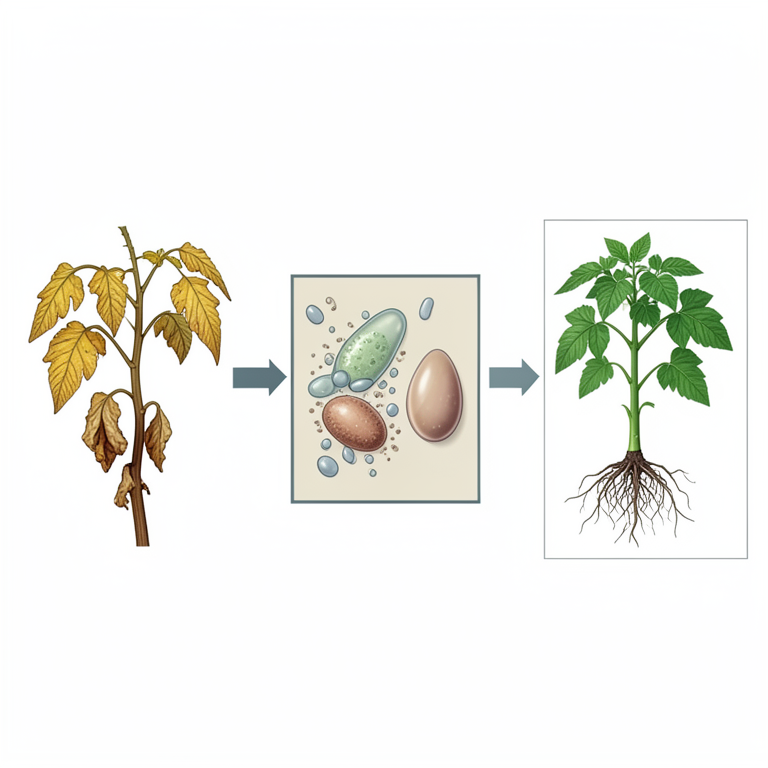
Integrated Management Framework
AI-generated conceptual illustration (Tomato plants infected with Ralstonia solanacearum). It explains the idea and does not show study data.
View source evidence ↗Figures & tables
From the original paper Table 1
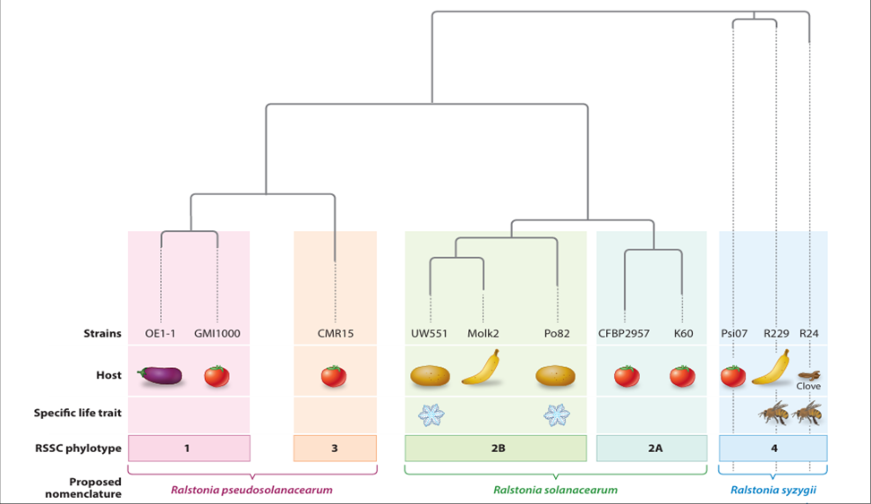 Figure 1
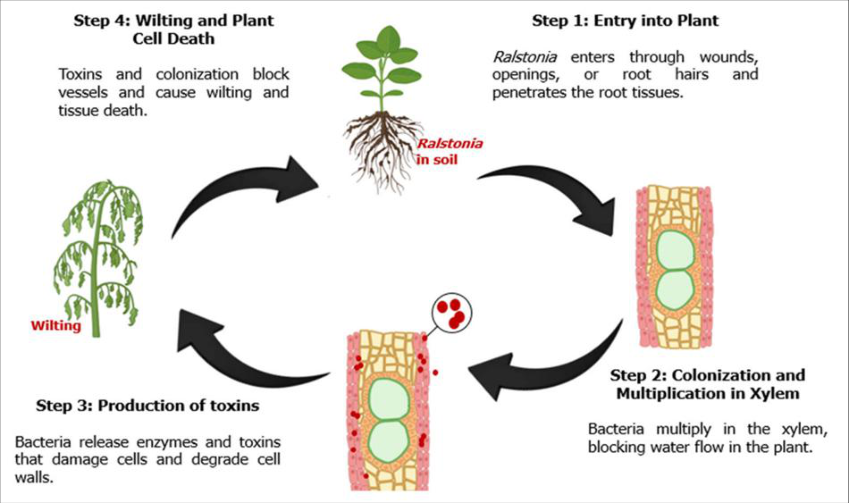 Figure 2
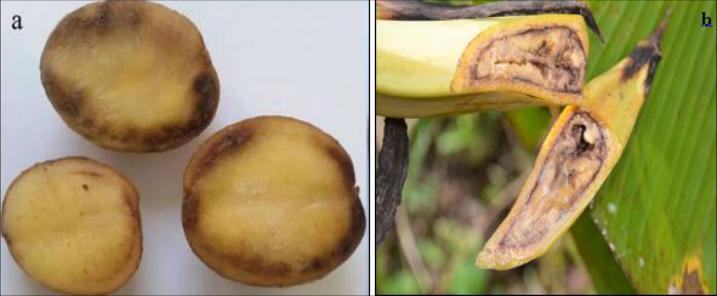 Figure 3
Introduction
Crop production is continually challenged by diverse pathogens that reduced both yield and quality. In which soil borne diseases are especially destructive due to their persistence in agricultural environments. Soil borne pathogens are a major contributor to crop losses across many economically important plants (Elphinstone et al., 2005) [21] . Among them Ralstonia solanacearum the bacterium responsible for bacterial wilt is ranked as the world's second most destructive phytopathogen (Mansfield et al., 2012) [59] . Bacterial wilt caused by R. solanacearum is the most devastating plant disease affecting more than 450 plant species across 54 botanical families with solanaceous crops being particularly highly susceptible. This pathogen exhibits considerable survival capacity in soil environments enabling persistence under diverse conditions (Paret et al., 2010) [65] . Globally, it is regarded as one of the most destructive plant pathogens severely reducing both yield and quality in crops such as eggplant, tomato, pepper, potato and ginger (Cai et al., 2021) [13] . Due to the destructive impact of bacterial wilt yield losses ranging from approximately 20 to 100 per cent have been reported worldwide. In India losses of 75 to 81 per cent have been documented varying with crop growth stage and prevailing environmental conditions (Wang et al., 2023; Bamaniya et al., 2025) [8,91] . R. solanacearum spreads through multiple pathways such as contaminated water, infected planting materials, irrigation systems and runoff and farm equipment carrying infested soil (Heikrujam et al., 2020) [34] also its behaviour varies with soil conditions and making their management complex. Modern plant disease management strategies face challenges related to climate change, pesticide resistance, residues and biodiversity loss (Senthilraja et al., 2024) [80] . Hence effective management strategies is crucial to combat this devastating disease. This review highlights how pathogen survival, its race, pathogen distribution, damaging properties and its management strategies.
The pathogen: Ralstonia solanacearum
Ralstonia solanacearum is a cosmopolitan group of phylogenetically related strains that infect a wide range of plants. This diverse set of pathogens is collectively referred to as the Ralstonia solanacearum species complex (RSSC). RSSC complex (Gillings and Fahy, 1994) [27] causing bacterial wilt is considered one of the most obliterative plant pathogenic bacteria.
It is previously known as Pseudomonas solanacearum (Yabuuchi et al., 1995) [93] which are Gram-negative, oxidase and exhibit positive reactions for both oxidase and catalase tests also it is aerobic bacilli that thrive in soil and water. This soil-borne bacterium is motile, equipped with a polar flagellum and exhibits a rod-shaped morphology measuring 0.5-1.5 µm (Hayward, 1991; Genin and Boucher, 2002) [26,33] . R. solanacearum multiply in vascular elements of plants that are responsible for wilting symptoms on the infected plants (Holt et al., 1994) [35] . It is classified within the β-proteobacteria group. The persistence of these bacteria are present in soils as well as aquatic environments (such as ponds and rivers) makes them extremely difficult to eliminate. Furthermore, international trade has accelerated their dissemination largely due to the latency period before disease symptoms become visible (Lampropoulos et al., 2021) [51] .
RSSC Phylotype diversity
RSSC complex are significant genetic and phenotypic diversity rather than a single homogeneous entity. This complex contains many strains with different traits, such as different metabolic needs, different origins, different host ranges and specific conditions for optimal infection (García et al., 2019) [25] . In that way RSSC strains are classified into four major phylotypes based on their geographical origins, viz Phylotype I (Asia), Phylotype II (the Americas), Phylotype III (Africa and the surrounding islands) and Phylotype IV (Indonesia, Japan and Australia). These phylotypes are reclassification based on genome analysis and average nucleotide identity where strains sharing at least 99 per cent similarity in their egl gene sequences are grouped (Safni et al., 2014) [72] . Later this classification system was modified by Remenant et al. (2010) [70] suggesting that RSSC is composed of three species. This was formalised using DNA-DNA hybridisation analyses leading to the classification of RSSC into R. solanacearum (Phylotype II), R. pseudosolanacearum (Phylotypes I and III) and R. syzygii (Phylotype IV and the Blood Disease Bacterium strains) (Table .1; Fig. 1). [26,87] Origin and distribution across world Ralstonia solanacearum (RSSC Phylotype II) is believed to have originated in Central and South America regions noted for its extensive genetic diversity (Fegan and Prior, 2005) [23] . The pathogen was first associated with bacterial wilt in tobacco plants in 1920 (Parseval, 1922) [66] . In India Race 1, Biovar 3 strains of R. solanacearum are widely distributed across coastal, hilly and foothill regions including Goa, Karnataka, Kerala, Maharashtra, Odisha, Jharkhand, West Bengal, the northeastern hill states, Himachal Pradesh, Jammu and Kashmir and Uttarakhand (Devi and Menon, 1980) [19] . Expanding this knowledge, Sagar and co-workers (2014) [73] reported the first occurrence of Phylotype IV, sequevar 8 (bv2T) causing potato bacterial wilt in the mid-hill regions of Meghalaya. Complementary studies by Ramesh and colleagues (2014) [68] revealed significant genetic variability in solanaceous vegetables including the identification of new sequevars and underscoring the heterogeneous nature of R. solanacearum populations in India. More recently partial sequencing of the egl gene from 27 strains collected across four districts identified six distinct sequevars I-44, I-46, I-47, I-57, I-70 and I-71 with all except I-47 being reported for the first time in India highlighting the novel genetic diversity within the pathogen population (Saini et al., 2025) [75] .
Infection cycle of R. solanacearum
The life cycle of the Ralstonia solanacearum species complex (RSSC) has two main phases. In one, the bacterium infects host plants by producing virulence factors, evading defenses and multiplying within tissues. In the other, it persists in soil or water awaiting transmission to new hosts. This alternation between plant tissues and the external environment demands distinct survival strategies (Hayward, 1991) [33] . The pathogen overwinters in diseased plants, crop residues and vegetative organs such as potato tubers, ginger rhizomes, banana suckers or seeds of crops like tomato and capsicum. It also survives in the rhizosphere of weed hosts including Solanum dulcamara, S. carolinense and S.
cinereum (Van Elsas et al., 2000) [88] . Such persistence often leads to latent infections when these hosts are further cultivated (Denny and Hayward, 2001) [17,33] . Beyond soil RSSC endures in aquatic habitats. Contaminated irrigation water, municipal wastewater and facilities processing diseased plant material have all been identified as sources of inoculum (Elphinstone et al., 1996; Janse et al., 1998) [22,37] . The pathogen usually enters plants through natural wounds, such as those formed during flower shedding or the growth of lateral roots, as well as through injuries caused by farming practices, nematodes or xylem feeding insects (Kelman and Sequeira, 1965) [44,81] . The bacteria reach these entry points using flagella-driven swimming and chemotaxis which draws them toward root exudates (Fig. 2). Unlike many plant pathogens R. solanacearum can establish a systemic infection from a single entry site leading to bacterial wilt (Denny, 2006) [18] . Once inside the xylem provides a nutrient rich continuously flowing environment that supports bacterial growth. Here, RSSC forms biofilm clusters that block water vessels causing wilting and eventually plant death (Lowe-Power, 2018) [56] . Pathogenicity is regulated by quorum sensing when bacterial density reaches about 10 9 CFU/ml signaling molecules activate the PhcA regulator and virulence genes (Mansfield et al., 2012) [59] .
Fig 2:
Life cycle of Ralstonia solanacearum species complex referred from Sabu et al.2025 [71] Plant disease symptoms Infected plants show clear symptoms such as vascular browning, bacterial ooze, drooping leaves and wilting (Buddenhagen and Kelman, 1964) [12,44] . The first visible sign is usually wilting of leaves at branch tips eventually the plant fails to recover and dies (Dey and Sen, 2023) [20] .
In bananas, moko disease causes rapid wilting in young plants, breaking of petioles at sharp angles and plant death. Older plants show inner leaf discoloration and drooping followed by outer leaves until the whole plant collapses (Sequeira and Kelman, 1965) [44,81] . During fruiting, peduncles display scars from fallen male flowers, the terminal bud blackens and fruits show stunted growth, premature ripening, splitting, internal discoloration and rot (Fig. 3 (b)). Cutting open infected pseudostems reveals yellowish brown or black vascular bundles (Buddenhagen, 1960) [11] . In ginger, bacterial wilt causes rolling, curling, yellowing and necrosis of leaves, leading to stunting, decline and plant death with rhizomes becoming rotten and discolored and vascular bundles showing browning (Trujillo, 1964) [86] . In potato, a typical sign is bacterial slime exuding from the eyes or stem-end of infected tubers, which distinguishes it from other rots; cutting the tuber reveals browning and necrosis of the vascular ring and in severe cases, yellowish disintegrated tissue and slime are squeezed out, while foliar symptoms may occur even when some tubers remain healthy (Archana et al., 2024) [5] . A common diagnostic feature across hosts is vascular browning, where cutting the stem base and placing it in clean water releases white bacterial ooze (Kumar et al., 2017) [50] (Fig. 3 (a)). Disease development is favoured by high temperatures (30-35 °C) and heavy soils with high moisture content (Mondal, 2011) [62] .
Yield losses in indian states
Ralstonia solanacearum has caused significant yield losses in India particularly in solanaceous crops such as tomato, potato and brinjal. Wang and his co-workers reported bacterial wilt leading to 20-100% yield losses worldwide, with Indian outbreaks typically ranging between 10-90% depending on crop and region. The pathogen was especially destructive in humid and subtropical zones such as Kerala, Karnataka and Northeast India, where localized epidemics in tomato and brinjal fields often exceeded 50% losses. In Sikkim, 10-90% crop damage reported in tomato and brinjal across East Sikkim villages such as Assam Linzay, Phadamchen, Sajong and Singtam (Bamaniya et al., 2025) [8] . Similarly, in Himachal Pradesh severe outbreaks in potato and tomato were reported (Sharma et al., 2025) [83] . Across Kerala, Karnataka and the northeastern states solanaceous crops and banana plantations suffered 30-70% losses. The pathogen's persistence was high in soil and water due to its wide host range and adaptability to tropical climates make it a major threat to smallholder farmers particularly in organic farming systems where chemical control is limited.
Detection mehods
Detection of R. solanacearum is critical for early management of bacterial wilt and several traditional and modern techniques are available. Classical methods include bacteriophage recognition, phospholipid fatty acid analysis, serodiagnosis, PCR, LAMP (Loop-mediated isothermal amplification) and FISH (Fluorescence in situ hybridization), which allow identification of races and biovars (Singh, 2017) [84] . Multiplex-PCR has been used to simultaneously detect R. solanacearum and Clavibacter michiganensis in potato peels (Sebastien et al., 2014) [79] . Recent advances include real-time PCR assays targeting specific genes such as egl and fliC, which provide rapid and highly sensitive detection within hours (Bhatt et al., 2024) [10] . Loop-mediated isothermal amplification (q-LAMP) has been optimized for potato tubers, enabling field-level diagnosis with minimal equipment (Zhang et al., 2026) [95] .
Immuno-based assays such as ELISA and lateral flow devices now offer portable, farmer-friendly detection with high specificity (Agarwal, 2024) [2] . Additionally, nanoparticle-based biosensors are emerging as innovative tools capable of detecting low pathogen loads directly in soil and plant tissues (Jiang et al., 2025) [40] . Together, these methods from classical microbiological assays to cutting-edge molecular and nanotechnological tools provide a comprehensive toolkit for rapid and reliable detection of Ralstonia solanacearum, enabling timely prophylactic measures to reduce yield losses.
Management practices Cultural practices
Cultural practices improve crop yield and reduce pathogen impact (Ajilogba and Babalola, 2013) [3] . Crop rotation is a cost-effective method where different crops are grown on the same land in successive seasons. Continuous cropping of hosts like tomato encourages pathogen buildup, while rotation with non-host crops reduces disease (Janvier et al., 2007) [38] . Recent studies confirm this effect for example, tobacco rotated with maize showed higher yields and reduced bacterial wilt compared to continuous potato cropping (Ma et al., 2024) [57] .
Growing susceptible tomato varieties after corn, okra, cowpea or resistant tomato delays wilt symptoms by 15-20 days and reduces disease severity by 30 to 40 per cent (Nion and Toyota, 2015) [63] . Similarly, rotating potatoes with millet, beans, sorghum or maize can double yields and cut disease severity by up to 80 per cent (Katafiire et al., 2005) [42] . Intercropping of maize and beans helps in reduction of 55% disease incidence in potato cultivation (Chadfield et al., 2022) [15] . Proper fertilizer management further reduces wilt occurrence. Calcium is especially effective higher Ca levels in tomato stems lower pathogen populations and disease severity (Nion and Toyota, 2015) [63] . Lime (CaCo3 or CaMg (CO3)2) application in bacterial wilt infected field shows a significant reduction in wilt incidence (Cao et al., 2022) [14] .
Combined N + P + K fertilizers can reduce disease by 60 per cent and improve potato yield. Organic fertilizers and rock dust also help manage wilt by improving nutrient balance (Hacisalihoglu et al., 2007) [30] . Silicon and chitosan applications strengthen plant resistance and reduce bacterial wilt frequency while silicon fertilizers enhance tomato yield and lower pathogen populations (Hartmann, 2002) [31] . Farmyard manure improves soil properties, boosting tomato growth and reducing wilt severity. Grafting is another effective technique, where a desired plant variety is joined to a disease resistant rootstock (King et al., 2008; Louws et al., 2010) [47,55] .
International Journal of Biology Sciences https://www.biologyjournal.net
Physical approaches
Physical control methods such as soil disinfection, hot water treatment and soil solarization are effective against bacterial wilt (Nion and Toyota, 2015) [63] . Thirty days of soil solarization before planting reduces pathogen inoculum, lowers disease severity and improves yield and germination (Kumar and Hayward, 2005) [33,49] . Solarization works by trapping sunlight under plastic sheets to raise soil temperature, killing pathogens, weed seeds and pests without toxic residues. In India, studies from RPCAU Bihar and CSKHP Himachal Pradesh (Arun et al., 2025) [6] found that combining solarization with farmyard manure and biocontrol agents further reduced bacterial wilt in tomato and potato fields, while also improving soil health. Heat based methods are also effective in reducing bacterial wilt. For example, microwaving ginger seeds at 42 °C or heating infected soil at 52 °C for three days lowered bacterial populations by 50 to 86 per cent. Another experiment showed that treating infected ginger seeds with hot air for 28 minutes produced healthy rhizomes without affecting plant growth. These approaches demonstrate that controlled heating can suppress pathogens and help farmers grow healthier crops (Kumar and Hayward, 2005) [33,49] . Biofumigation also called biological soil disinfection (BSD) is a newer approach. It uses gases released from decomposing plant residues to suppress soil borne pathogens. These gases include organic acids and sometimes metal ions, which inhibit the growth of harmful bacteria (Momma, 2008) [61] . Organic amendments like molasses or wheat bran also release antimicrobial compounds that kill R. solanacearum (Nion and Toyota, 2015) [63] . Studies reported by Sharma et al., 2025 [83] showed that biofumigation with Brassica residues and farmyard manure significantly reduced bacterial wilt in tomato and potato fields, while improving overall soil quality.
Biological methods
Biological control means using living organisms to fight harmful ones through interactions like mutualism, antagonism or parasitism (Sahu et al., 2017) [74] . It offers long term disease suppression, lowers the cost of nonrenewable inputs and is self-sustaining (Whipps, 2001; Wang et al., 2021) [90,92] . Because effective agents are limited, biocontrol microbes are not widely used against bacterial wilt. Still, many studies show that bacteria, fungi and bacteriophages can suppress R. solanacearum.
Bacteria
Most biocontrol agents (BCAs) are bacteria (90%), while fungi make up about 10% (Wang, 2023) [91] . Common bacterial BCAs include Pseudomonas, Bacillus, Streptomyces and Paenibacillus (Nion and Toyota, 2015) [63] . Recent studies show that Enterobacter cloacae from potato plants reduced bacterial wilt by 26.5% (Malek et al., 2023) [58] and Paenibacillus polymyxa in potato soil lowered disease by 80% (Soliman, 2020) [85] . In tomato, Pseudomonas aeruginosa and P. syringae controlled wilt through host resistance and antibiosis (Mohammed et al., 2019). Agarwal and his co-workers isolated 40 endophytic bacteria from Gnetum gnemon and found that Bacillus velezensis and Staphylococcus warneri showed strong antibiosis activity. Bacillus licheniformis was especially effective, reducing wilt by 67% with soil drenching and seed priming and achieving 71% reduction in artificial inoculation tests. Field trials also showed that combining soil solarization with B. licheniformis reduced R. pseudosolanacearum in ginger fields. This bacterium is now marketed as a biocontrol product called "Bacillich" for managing ginger bacterial wilt (Bhai et al., 2019) [9] .
Fungi
Aside from bacteria some fungi also act as biocontrol agents against Ralstonia solanacearum. In greenhouse studies, treatment with Glomus versiforme reduced pathogen populations on tomato roots and xylem by 26.7%, 79.3% and 81.7%, while also increasing soluble and cell-wall-bound phenols that strengthen plant resistance (Zhu and Yao, 2004) [96] . Another fungus, Pythium oligandrum, suppressed bacterial wilt by regulating the plant's ethylene signaling pathway (Hase et al., 2006) [32] . Other fungi such as Parmotrema tinctorum (Gomes et al., 2003) [28] , Scutellospora sp., Glomus margarita and G. mosseae have also been recognized as effective biocontrol fungi against wilt (Kim et al., 2003) [46] . Overall, inoculation with Glomus species not only reduced pathogen levels but also boosted root phenols, thereby inducing host resistance.
Bacteriophages
Bacteriophages are viruses that infect and kill bacteria and they are now being explored as effective biocontrol agents in agriculture. Ramírez et al. (2020) [69] isolated eight lytic phages tested against 65 strains of R. solanacearum; two phages provided 100% protection against Moko disease when applied as a cocktail. Wafula [89] and colleagues identified phages SN1 and WT1, which showed strong lytic activity along with high heat and acid tolerance, making them suitable under varied field conditions. In banana soils, lytic phages were also effective in reducing R. solanacearum populations. Later, Alvàrez et al. (2019) reported waterborne phages (three from the Podoviridae family) that successfully managed bacterial wilt when applied through irrigation water the first demonstration of phage use via irrigation for this pathogen.
Organic matter
Organic soil amendments play an important role in improving crop productivity. They enhance the soil's physical, chemical and biological properties which helps plants grow better (Bailey and Lazarovits, 2003) [7] . These amendments stimulate disease-fighting microbes and may contain vitamins, growth regulators or toxins that affect soil bacteria. For example, compost treatment increased enzymes like ascorbate peroxidase and glutathione reductase, which strengthened plant resistance against bacterial wilt (Youssef and Tartoura, 2013) [94] . Organic matter comes from living organisms and is divided into plant residues (about 80%), animal waste (10%) and simple organic matter (10%). Biological additions also introduce beneficial microbes into soil, which influence microbial communities depending on the type and amount added (Larkin, 2008) [52] . A new approach is using organic hydroponic systems, where rhizosphere biofilms form only on organic roots. This method has shown promise in controlling bacterial wilt (Fujiwara et al., 2012) [24] .
Breeding and genetic engineering approaches
The most efficient and eco-friendly way to manage bacterial wilt is by cultivating resistant cultivars (Nion and Toyota, 2015) [63] . Breeding programs in vegetables and field crops have produced resistant lines though success depends on genetic diversity, host-pathogen interactions and agronomic traits (Elphinstone et al., 2005) [21] . Somatic hybrids of Solanum melongena and S. aethiopicum showed resistance, while potato genotype CF6 reduced wilt severity by 90-100%. Resistant tomato plants restricted pathogen movement in xylem was preventing wilt. However, resistance often correlates negatively with yield and quality, limiting farmer acceptance. Biotechnology offers promise such as tomato lines carrying the NPR1 gene from Arabidopsis which induced systemic resistance and reduced wilt (Lin et al., 2004) [53] . Despite progress crops like ginger still lack resistant cultivars due to limited genetic variation. Mutation breeding with gamma rays has produced resistant ginger mutants, currently under field evaluation (Prasath et al., 2011) [67] . Overall, resistant cultivars remain a key strategy though future efforts must balance disease resistance with yield and consumer acceptance.
Nano technological approaches
Nanotechnology has rapidly advanced in the 21 st century and offers new solutions for detecting and controlling soil pathogens like Ralstonia solanacearum (Khan et al., 2021; Guo et al., 2022) [29,45] . Recent studies show that nanoparticles can act as biosensors and antibacterial agents. Metallic oxide nanoparticles such as ZnO, FeO and CuO have been tested against tomato bacterial wilt, with CuO NPs showing the strongest disease suppression and improving plant growth (Jiang et al., 2021) [39] . Chitosan nanoparticles (ChNPs) also proved effective, reducing disease severity in vivo and causing bacterial cell wall damage, flagella loss and lysis (Kaari et al., 2022) [41] . Additionally, AgNP-loaded ChNPs demonstrated strong antibacterial activity against R. solanacearum (Santiago et al., 2019) [76] .
Chemical approaches
Chemical approaches include the utilization of synthetic chemicals for the control of plant diseases. Over the years bacterial wilt has been managed using a variety of chemical techniques. It remains one of the most widely used strategies for managing bacterial wilt, with pesticides such as fumigants (methyl bromide, 1,3-dichloropropene, chloropicrin) and bactericides (streptomycin sulphate, triazolothiadiazine) showing strong suppression of R. solanacearum in crops like tomato and tobacco, reducing field incidence by up to 100% (Lin et al., 2010; Schreinemachers and Tipraqsa, 2012) [54,78] . Plant activators such as validamycin-A and acibenzolar-S-methyl (ASM) have been reported to induce systemic resistance, while combinations like ASM with thymol significantly decreased disease severity and improved tomato yield (Hong et al., 2011) [36] . Other compounds, including bleaching powder (Sharma and Kumar, 2000) [82] , silicon amendments (Dannon and Wydra, 2004; Wang et al., 2023) [16,91] and chitosan (Kirkegaard et al., 1996) [48] have also reduced wilt by enhancing host resistance. Innovative chemical approaches include polymer-based soil treatments that trap or coagulate pathogen cells (Kawabata et al., 2005) [43] and phosphoric acid solutions with bacteriostatic effects (Norman et al., 2006) [64] . While chemical pesticides remain effective, their environmental risks and economic costs highlight the need for careful threshold-based application in high-value crops.
Conclusion
Ralstonia solanacearum remains one of the most destructive soil borne pathogens, threatening global food security through its wide host range, genetic diversity and persistence in soil and water. Effective management requires an integrated approach combining cultural practices, physical methods, biological control, organic amendments, resistant cultivars, nanotechnology and chemical strategies. While each method offers partial suppression, their combined application ensures sustainable disease management and improved crop productivity. Continued research into pathogen diversity, detection tools and eco friendly control measures is vital to safeguard their host crops and smallholder farming systems.
Figures and tables from the paper
| Race | Host range | Distribution | Biovar | Phylotype Proposal |
|---|---|---|---|---|
| 1 | Tobacco, tomato, eggplant, groundnut, potato, pepper, ginger, olive, strawberry, geranium, eucalyptus and many weeds (Wide host range) | Asia, Australia, America | 3, 4, 1 | R. pseudosolanacearum Phylotype I, III |
| 2 | Banana and other Musa spp. | Caribbean, Brazil, Philippines Indonesia | 1 | R. solanacearum Phylotype II |
| 3 | Potato, tomato, some other Solanaceae | Worldwide | 2 | R. syzygii Phylotype IV |
| 4 | Ginger, cardamom,clove | Asia | 3, 4 | |
| 5 | Mulberry | China | 5 |
Table text extracted from the original PDF; superscript letters are shown inline. The original table image is below.
View original table image
References
70 in the original paper- Chadfield VG, Hartley SE, Redeker KR. Associational resistance through intercropping reduces yield losses to soil-borne pests and diseases. New Phytologist. 2022;235(6):2393-2405.
- Dannon EA, Wydra K. Interaction between silicon amendment, bacterial wilt development and phenotype of Ralstonia solanacearum in tomato genotypes. Physiological and Molecular Plant Pathology. 2004;64(5):233-243.
- Denny TP. Plant pathogenic Ralstonia species. In: Gnanamanickam SS, editor. Plant Associated Bacteria. Dordrecht: Springer; 2006. p. 573-644.
- Denny TP, Hayward AC. Ralstonia solanacearum. In: Schaad NW, Jones JB, Chun W, editors. Laboratory guide for identification of plant pathogenic bacteria. 3rd ed. St. Paul, MN: APS Press; 2001. p. 151.
- Devi LR, Menon MR. Seasonal incidence of bacterial wilt of tomato. Indian Journal of Microbiology. 1980;20:13-15.
- Dey P, Sen SK. A review on solanaceous plant diseases caused by Ralstonia solanacearum having serious economic impact. Plant Archives. 2023;23(2):433-448.
- Elphinstone JG, Allen C, Prior P, Hayward AC. The current bacterial wilt situation: A global overview. In: Allen C, Prior P, Hayward AC, editors. Bacterial wilt disease and the Ralstonia solanacearum species complex. St. Paul, MN: APS Press; 2005. p. 9-28.
- Elphinstone JG, Hennessy J, Wilson JK, Stead DE. Sensitivity of different methods for the detection of Ralstonia solanacearum in potato tuber extracts. EPPO Bulletin. 1996;26(3-4):663-678.
- Fegan M, Prior P. How complex is the Ralstonia solanacearum species complex. In: Allen C, Prior P, Hayward AC, editors. Bacterial wilt disease and the Ralstonia solanacearum species complex. St. Paul, MN: APS Press; 2005. p. 449-461.
- Fujiwara K, Aoyama C, Takano M, Shinohara M. Suppression of Ralstonia solanacearum bacterial wilt disease by an organic hydroponic system. Journal of General Plant Pathology. 2012;78(3):217-220.
- García RO, Kerns JP, Thiessen L. Ralstonia solanacearum species complex: a quick diagnostic guide. Plant Health Progress. 2019;20(1):7-13.
- Genin S, Boucher C. Ralstonia solanacearum: secrets of a major pathogen unveiled by analysis of its genome. Molecular Plant Pathology. 2002;3(3):111-118.
- Gillings MR, Fahy P. Genomic fingerprinting: towards a unified view of the Pseudomonas solanacearum species complex. In: Hayward AC, Hartman GL, editors. Bacterial Wilt: the disease and its causative agent, Pseudomonas solanacearum. Wallingford: CAB International; 1994. p. 95-112.
- Gomes AT, Smania Júnior A, Seidel C, Smania ED, Honda NK, Roese FM, Muzzi RM. Antibacterial activity of orsellinates. Brazilian Journal of Microbiology. 2003;34:194-196.
- Guo Y, Khan RAA, Xiong Y, Fan Z. Enhanced suppression of soil-borne phytopathogenic bacteria Ralstonia solanacearum in soil and promotion of tomato plant growth by synergetic effect of green synthesized nanoparticles and plant extract. Journal of Applied Microbiology. 2022;132(5):3694-3704.
- Hacisalihoglu G, Ji P, Longo LM, Olson S, Momol TM. Bacterial wilt induced changes in nutrient distribution and biomass and the effect of acibenzolar-S-methyl on bacterial wilt in tomato. Crop Protection. 2007;26(7):978-982.
- Hartmann S. A self-adapting genetic algorithm for project scheduling under resource constraints. Naval Research Logistics (NRL). 2002;49(5):433-448.
- Hase SA, Shimizu K, Nakaho S, Takenaka H, Takahashi H. Induction of transient ethylene and reduction in severity of tomato bacterial wilt by Pythium oligandrum. Plant Pathology. 2006;55(4):537543.
- Hayward AC. Biology and epidemiology of bacterial wilt caused by Pseudomonas solanacearum. Annual Review of Phytopathology. 1991;29(1):65-87.
- Heikrujam SC, Singh RI, Laiphrakpam PC, Laishram S. Isolation and characterization of Ralstonia solanacearum from infected tomato plants of Bishnupur district of Manipur. The Pharma Innovation Journal. 2020;9(2):138-141.
- Holt JG, Krieg NR, Sneath PHA, Staley JT, Williams ST. Bergey's Manual of Determinative Bacteriology. 9th ed. Baltimore, MD: Williams and Wilkins; 1994. p. 787.
- Hong JC, Momol MT, Ji P, Olson SM, Colee J, Jones JB. Management of bacterial wilt in tomatoes with thymol and acibenzolar-S-methyl. Crop Protection. 2011;30(10):1340-1345.
- Janse JD, Araluppan FAX, Schans J, Wenneker M, Westerhuis W. Experiences with bacterial brown rot Ralstonia solanacearum biovar 2, race 3 in the Netherlands. In: Prior P, Allen C, Elphinstone J, editors. Bacterial wilt disease: Molecular and ecological aspects. Berlin, Heidelberg: Springer Berlin Heidelberg; 1998. p. 146-152.
- Janvier C, Villeneuve F, Alabouvette C, Edel-Hermann V, Mateille T, Steinberg C. Soil health through soil disease suppression: which strategy from descriptors to indicators? Soil Biology and Biochemistry. 2007;39(1):1-23.
- Jiang H, Lv L, Ahmed T, Jin S, Shahid M, Noman M, Li B. Effect of the nanoparticle exposures on the tomato bacterial wilt disease control by modulating the rhizosphere bacterial community. International Journal of Molecular Sciences. 2021;23(1):414-428.
- Jiang X, Li Y, Chen Z, Wang H. Nanoparticle-based biosensors for rapid detection and control of Ralstonia solanacearum in tomato. Plant Pathology Journal. 2025;41(2):145-156.
- Kaari M, Joseph J, Manikkam R, Sreenivasan A, Venugopal G, Alexander B, Krishnan S. Biocontrol Streptomyces induces resistance to bacterial wilt by increasing defense-related enzyme activity in Solanum melongena L. Current Microbiology. 2022;79(5):146.
- Katafiire M, Adipala E, Lemaga B, Olanya M, ElBedewy R, Ewell P. Management of bacterial wilt of potato using one-season rotation crops in Southwestern Uganda. In: Allen C, Prior P, Hayward AC, editors. Bacterial wilt disease and the Ralstonia solanacearum species complex. St. Paul, MN: APS Press; 2005. p. 197-204.
- Bioscience, Biotechnology, and Biochemistry. 2005;69(3):537-543.
- Kelman A, Sequeira L. Root-to-root spread of Pseudomonas solanacearum. Phytopathology. 1965;55:304-309.
- Khan RAA, Tang Y, Naz I, Alam SS, Wang W, Ahmad M, Li Y. Management of Ralstonia solanacearum in tomato using ZnO nanoparticles synthesized through Matricaria chamomilla. Plant Disease. 2021;105(10):3224-3230.
- Kim SH, Olson T. N, Schaad NW, Moorman GW. Ralstonia solanacearum race 3, biovar 2, the causal agent of brown rot of potato, identified in geraniums in Pennsylvania, Delaware and Connecticut. Plant Disease. 2003;87(4):450-450.
- King SR, Davis AR, Liu W, Levi A. Grafting for disease resistance. HortScience. 2008;43(6):1673-1676.
- Kirkegaard JA, Wong PTW, Desmarchelier JM. In vitro suppression of fungal root pathogens of cereals by Brassica tissues. Plant Pathology. 1996;45(3):593-603.
- Kumar A, Hayward AC. Bacterial diseases of ginger and their control. In: Ravindran PN, Nirmal Babu K, editors. Ginger: the genus Zingiber. New York: CRC Press; 2005. p. 341-365.
- Kumar S, Nath K, Hamsaveni N, Gowda PHR, Rohini I, Rangaswamy KT, Achari R. Isolation and characterization of Ralstonia solanacearum causing bacterial wilt of solanaceae crops. International Journal of Current Microbiology and Applied Sciences. 2017;6(5):1173-1190.
- Lampropoulos P, Gkentzi D, Tzifas S, Kapnisi G, Karatza A, Kolonitsiou F, Dimitriou G. Ralstonia mannitolilytica, an unusual pathogen in the neonatal intensive care unit: a case of neonatal sepsis and literature review. Infectious Disorders -Drug Targets. 2021;21(2):168-172.
- Larkin RP. Relative effects of biological amendments and crop rotations on soil microbial communities and soil borne diseases of potato. Soil Biology and Biochemistry. 2008;40(6):1341-1351.
- Lin WC, Lu CF, Wu JW, Cheng ML, Lin YM, Yang NS, Cheng CP. Transgenic tomato plants expressing the Arabidopsis NPR1 gene display enhanced resistance to a spectrum of fungal and bacterial diseases. Transgenic Research. 2004;13(6):567-581.
- Lin Y, He Z, Rosskopf EN, Conn KL, Powell CA, Lazarovits G. A nylon membrane bag assay for determination of the effect of chemicals on soilborne plant pathogens in soil. Plant Disease. 2010;94(2):201206.
- Louws FJ, Rivard CL, Kubota C. Grafting fruiting vegetables to manage soilborne pathogens, foliar pathogens, arthropods and weeds. Scientia Horticulturae. 2010;127(2):127-146.
- Lowe-Power TM, Khokhani D, Allen C. How Ralstonia solanacearum exploits and thrives in the flowing plant xylem environment. Trends in Microbiology. 2018;26(11):929-942.
- Ma HK, Wang ZJ, Li MJ, Rao QL, Cai J, Gu XF. Deciphering the effects of crop rotation on tobacco bacterial wilt through general and specific disease suppression. European Journal of Plant Pathology. 2024;168(3):501-514.
- Malek AA, Ali NS, Kadir J, Vadamalai G, Saud HM. Enterobacter tabaci and Bacillus cereus as biocontrol agents against pathogenic Ralstonia solanacearum of eggplant. Asian Journal of Tropical Biotechnology. 2023;20(1):24-30.
- Mansfield J, Genin S, Magori S, Citovsky V, Sriariyanum M, Ronald P, Foster GD. Top 10 plant pathogenic bacteria in molecular plant pathology. Molecular Plant Pathology. 2012;13(6):614-629.
- Mohamed AA, Behiry SI, Younes HA, Ashmawy NA, Salem MZ, Márquez-Molina O, Barbabosa-Pliego A. Antibacterial activity of three essential oils and some monoterpenes against Ralstonia solanacearum phylotype II isolated from potato. Microbial Pathogenesis. 2019;135:103604.
- Momma N. Biological soil disinfestation (BSD) of soilborne pathogens and its possible mechanisms. Japan Agricultural Research Quarterly: JARQ. 2008;42(1):712.
- Mondal KK. Plant Bacteriology. Ludhiana, India: Kalyani Publishers; 2011. p. 119.
- Nion YA, Toyota K. Recent trends in control methods for bacterial wilt diseases caused by Ralstonia solanacearum. Microbes and Environments. 2015;30(1):1-11.
- Norman DJ, Chen J, Yuen JMF, Mangravita-Novo A, Byrne D, Walsh L. Control of bacterial wilt of geranium with phosphorous acid. Plant Disease. 2006;90(6):798-802.
- Paret ML, Kubota R, Jenkins DM, Alvarez AM. Survival of Ralstonia solanacearum race 4 in drainage water and soil and detection with immunodiagnostic and DNA-based assays. HortTechnology. 2010;20(3):539-548.
- Parseval V. A Disease of Tobacco and Potatoes in the Municipality of Santa Cruz. Porto Alegre: Borges de Medeiros Institute; 1922.
- Prasath D, El-Sharkawy I, Sherif S, Tiwary KS, Jayasankar S. Cloning and characterization of PR5 gene from Curcuma amada and Zingiber officinale in response to Ralstonia solanacearum infection. Plant Cell Reports. 2011;30(10):1799-1809.
- Ramesh R, Achari GA, Gaitonde S. Genetic diversity of Ralstonia solanacearum infecting solanaceous vegetables from India reveals the existence of unknown or newer sequevars of Phylotype I strains. European Journal of Plant Pathology. 2014;140(3):543-562.
- Ramírez M, Neuman BW, Ramírez C. A. Bacteriophages as promising agents for the biological control of Moko disease (Ralstonia solanacearum) of banana. Biological Control. 2020;149:104238.
- Remenant B, Coupat-Goutaland B, Guidot A, Cellier G, Wicker E, Allen C, Prior P. Genomes of three tomato pathogens within the Ralstonia solanacearum species complex reveal significant evolutionary divergence. BMC Genomics. 2010;11(1):379-389.
- Sabu L, Kurian PS, Sajeesh PK, Bhavana AS, Heyram SP. Dynamics of Ralstonia solanacearum Species Complex as Influenced by Soil Ecology. International Journal of Plant & Soil Science. 2025;37(11):512-524.
- Safni I, Cleenwerck I, De Vos P, Fegan M, Sly L, Kappler U. Polyphasic taxonomic revision of the Ralstonia solanacearum species complex: proposal to emend the descriptions of Ralstonia solanacearum and 84. Singh D. Bacterial wilt of solanaceous crops: Diagnosis, diversity and management. Indian Phytopathology. 2017;70(2):151-163.
- Soliman MA. Paenibacillus polymyxa and Bacillus aryabhattai as biocontrol agents against Ralstonia solanacearum in vitro and in planta. Journal of Plant Protection and Pathology. 2020;11(3):197-203.
- Trujillo EE. Diseases of ginger (Zingiber officinale) in Hawaii. Circular (Hawaii Agricultural Experiment Station). 1964;62:5-14.
- Vailleau F, Genin S. Ralstonia solanacearum: an arsenal of virulence strategies and prospects for resistance. Annual Review of Phytopathology. 2023;61(1):25-47.
- van Elsas JD, Kastelein P, van Bekkum P, van der Wolf JM, de Vries PM, van Overbeek LS. Survival of Ralstonia solanacearum biovar 2, the causative agent of potato brown rot, in field and microcosm soils in temperate climates. Phytopathology. 2000;90(12):13581366.
- Wafula P, Amata R, Akhwale J. Evaluation of bacteriophages for the biocontrol of tomato wilt disease caused by Ralstonia solanacearum. Advances in Molecular Imaging. 2025;14(1):1-26.
- Wang R, Chen D, Khan RAA, Cui J, Hou J, Liu T. A novel Trichoderma asperellum strain DQ-1 promotes tomato growth and induces resistance to gray mold caused by Botrytis cinerea. FEMS Microbiology Letters. 2021;368(20):1-10.
- Wang Z, Luo W, Cheng S, Zhang H, Zong J, Zhang Z. Ralstonia solanacearum a soil borne hidden enemy of plants: research development in management strategies, their action mechanism and challenges. Frontiers in Plant Science. 2023;14:1141902.
- Whipps JM. Microbial interactions and biocontrol in the rhizosphere. Journal of Experimental Botany. 2001;52(1):487-511.
- Yabuuchi E, Kosako Y, Yano I, Hotta H, Nishiuchi Y. Transfer of two Burkholderia and an Alcaligenes species to Ralstonia gen. nov.: proposal of Ralstonia pickettii (Ralston, Palleroni and Doudoroff 1973) comb. nov., Ralstonia solanacearum (Smith 1896) comb. nov. and Ralstonia eutropha (Davis 1969) comb. nov. Microbiology and Immunology. 1995;39(11):897-904.
- Youssef SA, Tartoura KA. Compost enhances plant resistance against the bacterial wilt pathogen Ralstonia solanacearum via up-regulation of ascorbateglutathione redox cycle. European Journal of Plant Pathology. 2013;137(4):821-834.
- Zhang F, Zhou J, Hu Z, Liu W, Yang Q, Li Z, Tang W. Optimization and application of LAMP-based methods for the detection of Ralstonia solanacearum in potato tubers. Tropical Plant Pathology. 2026;51(1):6-19.
- Zhu HH, Yao Q. Localized and systemic increase of phenols in tomato roots induced by Glomus versiforme inhibits Ralstonia solanacearum. Journal of Phytopathology. 2004;152(10):537-542.