
Research article · 2026 · Full text
International Journal of Agriculture and NutritionSeasonal effects on amino acid profile and their physiological implications for semen quality traits in Iraqi Awassi rams
Volume 8(6) · Pages 124–134 · DOI: 10.33545/26646064.2026.v8.i6b.661 ↗
Research areasSperm and Testicular FunctionReproductive Physiology in LivestockEffects of Environmental Stressors on Livestock
Abstract
Author-writtenSeasonal climatic changes in Iraq affected the physiological characteristics and several vital indicators of seminal fluid in Awassi rams (n = 10) during the autumn and spring seasons. Semen samples were collected over a period of nine weeks; in each season, samples were examined weekly, in addition to the quantification of selected amino acids. In the spring season, the results showed a statistically significant in sperm concentration and motility (mass and individual), as well as an increase in total antioxidant capacity, fertility percentage, and the concentrations of several amino acids, including threonine, isoleucine, leucine, aspartic acid, proline, cysteine, and total essential amino acids (1.79 ± 0.16, 3.43 ± 0.83, 82.00 ± 1.83, 25.36 ± 2.58, 90.00 ± 0.01, 84.6 ± 0.12, 11.12 ± 2.01, 26.99 ± 1.11, 20.30 ± 2.02, 7.90 ± 2.00, 2.92 ± 1.99, 207.32 ± 1.13), respectively. Conversely, in the autumn season, a statistically significant was observed in the percentages of dead sperm, total sperm abnormalities, plasma and acrosomal membrane abnormalities, total malondialdehyde concentration, and the concentrations of glutamine and glycine (16.33 ± 1.42, 13.00 ± 1.02, 11.60 ± 1.03, 16.22 ± 1.65, 29.55 ± 1.19, 130.20 ± 1.20, 13.90 ± 1.44), respectively. Overall, the amino acid composition of seminal plasma may play a significant role in improving fertility and semen quality during the spring season due to its antioxidant properties. In contrast, seasonal climatic variations may alter seminal components associated with sperm physiology, which are directly or indirectly linked to heat stress and its impact on ram fertility. Ultimately, ram fertility may be predicted by the amino acid profile of seminal plasma, which may serve as a biomarker of climatic influence, semen quality, Awassi ram fertility, and nutritional status.
Summary
Source-checkedPlain-language reading of the full paper, prepared with AI and checked against the text. Each point links to the authors' own words.
Why it matters
- Rams are economically vital for global livestock production, and their fertility is heavily influenced by a combination of nutrition, age, and environmental conditions. View evidence ↗
- Climatic variations are known to affect seminal plasma composition and key reproductive traits, including sperm motility and morphology. View evidence ↗
- Amino acids are essential for protecting sperm cells from oxidative damage and can improve sperm concentration and overall gamete quality. View evidence ↗
The question
- The study aimed to determine how seasonal variations between autumn and spring affect the amino acid concentrations in seminal plasma, sperm physiology, and fertility of Iraqi Awassi rams. View evidence ↗
What they did
- The experiment involved ten healthy Awassi rams (2.5–3.5 years old) and ten healthy Awassi ewes (3–4 years old) for insemination. View evidence ↗
- Semen was collected using an artificial vagina, with a total of 90 ejaculates gathered per season (averaging 9 per ram). View evidence ↗
- Data were analyzed using a completely randomized design with one-way ANOVA and Duncan's multiple range test to identify significant differences between seasons. View evidence ↗
What they found
- Sperm quality was superior in spring, with significantly lower percentages of dead sperm (12.66 ± 2.03% vs 16.33 ± 1.44%), morphological abnormalities (6.00 ± 0.02% vs 13.00 ± 1.02%), acrosomal damage (4.66 ± 0.01% vs 11.60 ± 1.03%), and plasma membrane damage (10.10 ± 1.45% vs 16.22 ± 1.66%) compared to autumn. View evidence ↗
- Conception rates were significantly higher for ewes inseminated in the spring (90.00 ± 0.01%) compared to those inseminated in the autumn (75.00 ± 0.02%). View evidence ↗
- Several amino acids were significantly more concentrated in spring seminal plasma, including threonine, leucine, isoleucine, aspartic acid, serine, proline, and cysteine. View evidence ↗
- Conversely, concentrations of glutamine (130.20 ± 1.20 vs 89.30 ± 0.99) and glycine (13.90 ± 1.44 vs 7.53 ± 0.80) were significantly higher in autumn than in spring. View evidence ↗
- Total non-essential amino acid (NEAA) concentrations were significantly higher in spring (207.32 ± 1.13 vs 177.38 ± 1.14), while total essential amino acid (EAA) levels showed no significant seasonal difference. View evidence ↗
What it means
- The authors conclude that temperature is a primary limiting factor for the reproductive efficiency of sheep in hot climates. View evidence ↗
- The amino acid profile of seminal plasma may serve as a biomarker to predict ram fertility, nutritional status, and the influence of climate on semen quality. View evidence ↗
- The authors recommend further research into other climatic factors like photoperiod and environmental conditions outside the breeding season. View evidence ↗
Visual summary
3 visualsIllustrations explain the paper; charts are replotted from the paper's own table values.
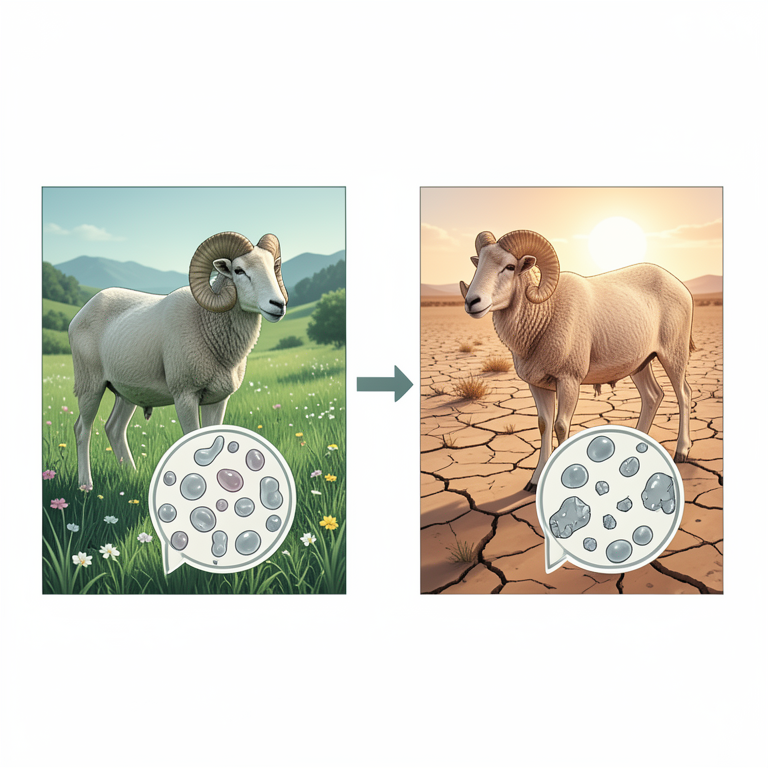
Seasonal Comparison of Ram Semen Quality
AI-generated conceptual illustration (Iraqi Awassi rams). It explains the idea and does not show study data.
View source evidence ↗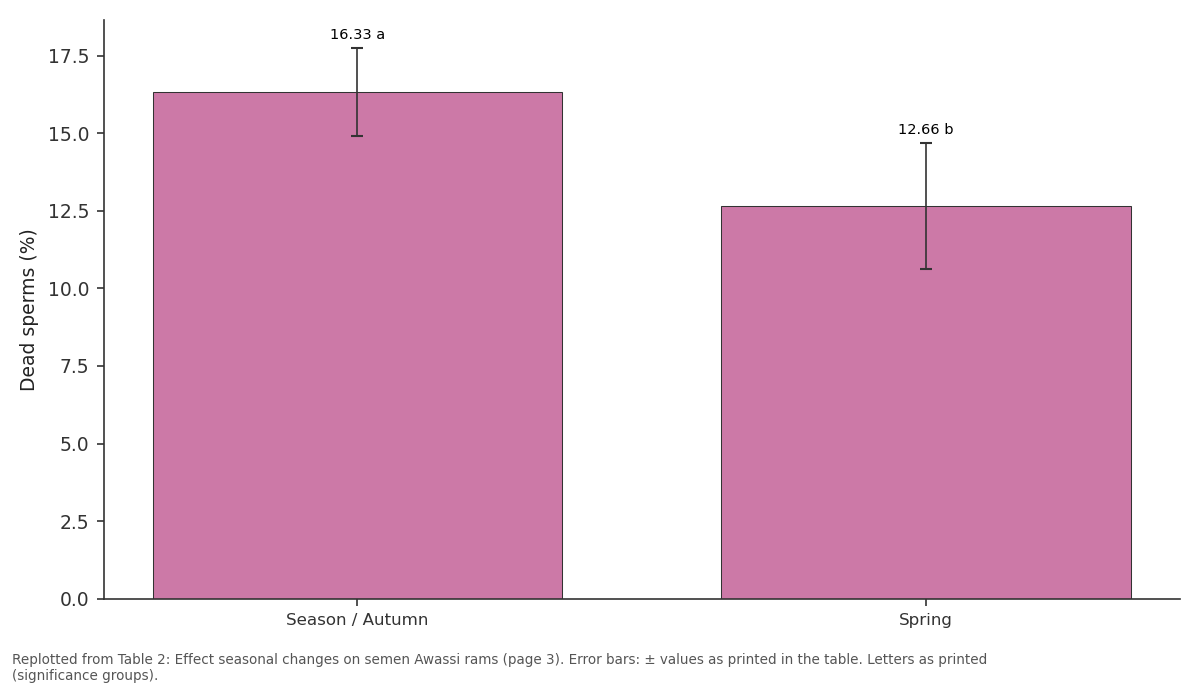
Dead sperms (%): Season / Autumn vs Spring
Replotted from Table 2 (page 3) of the original paper. Every bar is the paper's own table value.
View source evidence ↗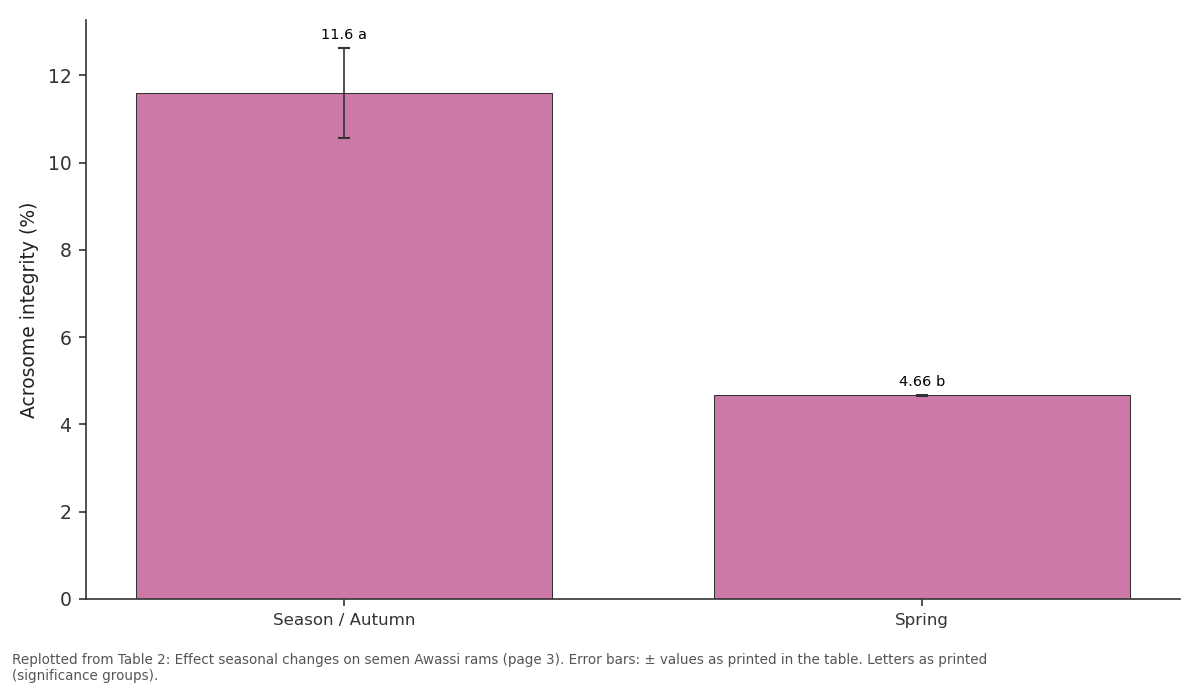
Acrosome integrity (%): Season / Autumn vs Spring
Replotted from Table 2 (page 3) of the original paper. Every bar is the paper's own table value.
View source evidence ↗Figures & tables
From the original paper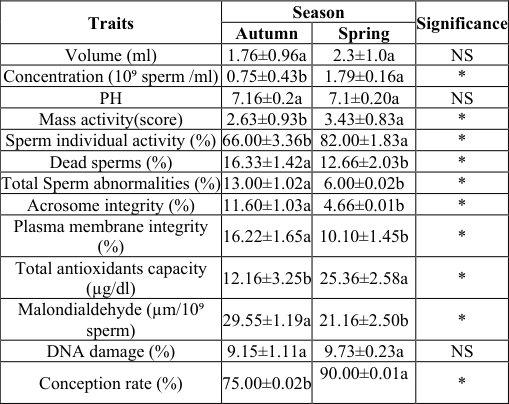 Table 2
 Table 1
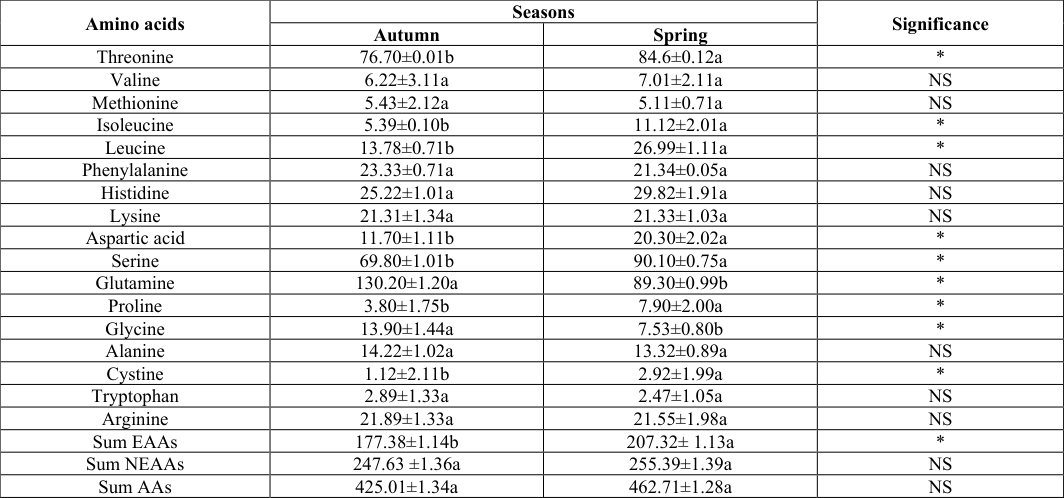 Table 3
Introduction
Rams play a vital economic role in global livestock production across all agricultural countries (Macias-1). Ram fertility is a crucial factor in sheep flocks and is influenced by environmental conditions, male age, nutrition, and their combined effects on animal physiology and sexual behavior. These factors ultimately affect the successful insemination of ewes. High ram fertility positively impacts overall flock productivity by increasing birth rates and improving genetic quality [2][3][4][5][6][7][8] . Sheep are widely raised in many parts of the world, including Iraq and several Arab countries, mainly under grazing systems with little or no concentrated feed supplementation [9, 10] . Rams are characterized by an improvement of up to 75% in reproductive performance during the breeding season [1] . Seasonality plays a vital role in determining economic profitability in sheep farms located in hot regions, although the reproductive performance of rams is often less evident than that of ewes [11] . Several factors contribute to ram semen quality, including breed [3] , photoperiod [12] , nutrition [13] , humidity [14] , and heat stress [15] . In addition, geographical location affects the development of accessory reproductive glands and sperm production in rams (16). Numerous studies have reported significant climatic variations affecting seminal plasma composition and sperm parameters, as seasonal changes influence reproductive traits such as sperm motility, morphology, libido, mating ability, and scrotal circumference [14,[17][18][19] . Photoperiod is considered a key environmental regulator of ram reproductive activity [20,21] . The length of daylight regulates reproductive hormones such as LH, FSH, testosterone, and prolactin. A decrease in photoperiod enhances the secretion of LH and FSH from the pituitary gland, which stimulates testicular activity and increases testosterone production [22] . Seminal fluid components, including proteins, lipids, sugars, vitamins, enzymes, and other bioactive molecules, regulate the metabolic and physiological processes of sperm cells, including motility, acrosomal function, and fertilization capacity [23,24] . Amino acids (AAs) are essential building blocks for protein synthesis in sheep and goats [25] . From a nutritional perspective, amino acids are classified as essential and non-essential based on nitrogen balance and growth requirements [26] . Amino acids play important roles in reducing oxidative stress and protecting sperm cells from damage [27] . Certain amino acids, such as tryptophan, leucine, and methionine, contribute to increasing sperm concentration and improving male gamete quality in rams and goats [8,28,29] . In addition, arginine, serine, alanine, glycine, and proline enhance sperm quality by improving motility, viability, membrane integrity, and DNA stability [30][31][32] . Valine, leucine, and isoleucine are also involved in regulating endocrine functions (hypothalamus-pituitary-adrenal axis) and reducing stressrelated effects on fertility [33] . It has been demonstrated that supplementation with amino acids in semen extenders or animal diets helps protect sperm against oxidative stress, maintain sperm viability and fertility, and improve embryonic developmental potential in ruminants [34,35] . The proper balance of metabolic modifiers, including amino acids, may enhance sperm efficiency and vitality by acting as potent antioxidants that reduce oxidative and thermal stress, thereby improving fertility. Therefore, the present study aimed to evaluate the effect of seasonal variation (autumn and spring) on amino acid concentrations in seminal plasma, sperm physiological characteristics, and fertility in Iraqi Awassi rams.
Materials and Methods
Laboratory work was conducted during autumn 2024 and spring 2025 at the Khairat Al-Ittihad private station, located in the northern part of Babylon Governorate, as well as in laboratories affiliated with the Iraqi Ministry of Science and Technology.
Measurement of climatic conditions
Maximum and minimum ambient temperatures were recorded using a mercury thermometer throughout the breeding seasons. Relative humidity was measured in the morning and evening during the semen collection periods in both autumn and spring. The arithmetic mean of temperature and relative humidity was calculated for each period, and the data were subsequently subjected to statistical analysis (Table 1).
| Season | Temperature | — | Relative Humidity |
|---|---|---|---|
| Maximum | Minimum | ||
| Autumn | 33.17±0.73 | 19.33±2.22 | 35.67±3.72 |
| Spring | 29.17±1.01 | 16.67±0.12 | 41.33±2.50 |
Table text extracted from the original PDF; superscript letters are shown inline. The original table image is below.
View original table image
Experimental animals
Ten healthy Awassi rams aged 2.5-3.5 years were used in this study. The animals were allowed to graze for 6-8 hours daily on natural grasses and herbs and were supplemented with 200 g of concentrated feed per ram per day during the breeding season. Potable water, routine management, and veterinary care were provided throughout the experimental period.
In addition, ten healthy Awassi ewes aged 3-4 years were inseminated by each ram during each breeding season. The ewes were clinically healthy, free from reproductive and physical disorders, and had a history of normal parturition.
Semen collection
Semen samples were collected during the two mating seasons using an artificial vagina fitted with a conical glass collection tube. The temperature of the artificial vagina at the time of collection was maintained between 41 and 42 °C. Collection was carried out at 7:00 a.m., prior to grazing, with one ejaculation obtained from each ram per week. The collection site and timing were kept constant throughout the experiment. A total of 90 ejaculates were collected per season, with an average of 9 ejaculates per ram per season.
Semen analysis Immediate examinations
The volume of each ejaculate was measured immediately after collection using graduated glass tubes attached to the collection device, and values were recorded to the nearest 0.1 cm³. Sperm concentration in fresh semen was estimated using a Densimeter (Model 591B), and expressed as the number of sperm per milliliter.
Microscopic examinations
Mass motility was assessed immediately after sample collection by placing a small aliquot of semen on a prewarmed glass slide (37 °C) and examining it under a light microscope at 40× magnification. Sperm motility intensity was evaluated using a subjective scale ranging from 0 to 5 [36] . Individual sperm motility was assessed by placing a small drop of semen on a slide and examining it under a microscope using a 400× objective lens [37] . Eosin-nigrosine staining was used to determine the percentage of live (unstained) and dead (pink-stained) spermatozoa. The same staining technique was also used to evaluate abnormal sperm morphology (%) according to Hancock's method [38] , Using the same prepared slides, acrosomal integrity was assessed with Fast Green staining, where the acrosome appears light green and the sperm head red [39] . Plasma membrane integrity (%) was evaluated according to the hypo-osmotic swelling test described by Jeyendran et al. [40] . Lipid peroxidation in seminal plasma was estimated by measuring malondialdehyde (MDA) levels using the thiobarbituric acid (TBA) and trichloroacetic acid (TCA) method described by Kumaresan et al. [41] , but total antioxidant capacity in seminal plasma was assessed using a commercial assay kit based on 1,1-diphenyl-2picrylhydrazyl (DPPH) (Sigma-Aldrich Co., St. Louis, USA), which reflects the activity of antioxidant components such as vitamins C and E, beta-carotene, glutathione peroxidase (GPX), superoxide dismutase (SOD), catalase (CAT), and glutathione reductase. Sperm chromatin structure assay (SCSA) was performed using fluorescence microscopy (BEL Photonics, 40×, Italy) to evaluate sperm DNA integrity and quantify the extent of genetic material damage.
Measurement of amino acid concentration
High-performance liquid chromatography (HPLC) was used to determine the concentrations of amino acids (threonine, valine, methionine, isoleucine, leucine, phenylalanine, histidine, lysine, aspartic acid, serine, glutamic acid, proline, glycine, alanine, cystine, tyrosine, and arginine) in cryopreserved seminal plasma, according to the method described by Abadi et al. [42] .
Statistical analysis
To evaluate the effect of season on seminal fluid characteristics and the concentrations of essential and nonessential amino acids in ram seminal plasma, statistical analysis was performed using the Statistical Analysis System (43) under a completely randomized design (CRD).
One-way analysis of variance (ANOVA) was applied using the following mathematical model:
Where: Yij=observed value of the jth replicate in the ith group μ = overall mean of the trait Fi = effect of season (autumn and spring) eij = random error, assumed to be normally distributed with a mean of zero and variance σ² Duncan's multiple range test [44] was used to determine significant differences between means at the appropriate probability levels. Least significant difference comparisons were also applied where necessary.
Results and Discussion
Temperature and relative humidity Maximum and minimum temperatures recorded during the autumn season were higher than those in spring (33.17 ± 0.73 °C and 29.17 ± 1.01 °C, compared with 19.33 ± 2.22 °C and 16.67 ± 0.12 °C, respectively). In contrast, relative humidity was higher in spring (41.33 ± 2.50%) than in autumn (35.67 ± 3.72%) (Table 1).
According to the Iraqi Meteorological Organization, Iraq experienced extremely high temperatures exceeding 40-50 °C during the summers of 2024 and 2025. These elevated temperatures extended into the autumn season, frequently exceeding 30 °C. Such climatic conditions may negatively affect ram semen quality through heat stress, in addition to the reduced availability of green pasture and forage resources [45] . In recent years, Iraqi sheep have been exposed to harsh subtropical climatic conditions characterized by high temperatures, low rainfall, and reduced water availability in the Tigris and Euphrates River systems. These environmental constraints have adversely affected grazing systems and animal nutrition, in addition to increasing heat stress across Iraq, particularly in central and southern regions.
Seasonal variation therefore exerts a direct influence on animals through changes in temperature, humidity, rainfall, and photoperiod, while also indirectly affecting plant growth and the overall soil-plant-animal interaction system. These effects vary depending on breed type, geographical location, climatic conditions, nutritional management, and availability of energy-rich feeds required to sustain metabolic processes and provide essential metabolites for physiological functions [46,47] .
Semen characteristics
Semen samples collected during the spring season showed a significant increase in sperm concentration ( The improvement observed during spring may be attributed to the increased availability of natural and cultivated forage resources, including wheat, barley, clover, and seasonal grasses that become abundant after winter. These feed resources enhance the nutritional status of sheep and provide more favorable grazing conditions. This was further supported by moderate temperature and humidity conditions during winter and spring. These favorable environmental and nutritional conditions positively influenced male spermatogenesis, a process that requires approximately 50 days for complete sperm formation in rams prior to ejaculation [48] . In addition, the availability of post-harvest cereal residues, particularly after the fourth month, further enhanced feed availability compared with other seasons. As a result, the enhanced nutritional environment likely supported metabolic processes and increased the availability of biologically important compounds in both blood and seminal plasma, which was reflected in better semen characteristics and improved reproductive performance, particularly through improved sperm motility.
In contrast, Exposure to elevated environmental temperatures can adversely affect the process of sperm production, and recovery of normal reproductive function may require several weeks following the cessation of thermal stress, due to its impact on all stages of sperm development [49] . Furthermore, heat stress contributes to reduced reproductive performance and economic losses by impairing semen quality and prolonging the period required to restore optimal semen characteristics suitable for fertilization and cryopreservation after exposure to thermal stress [45,50] .
Our study is consistent with Al-Obaidi et al. [51] , who reported higher sperm concentration during the spring season. Similarly, Malejane et al. [14] observed that the highest sperm concentration occurs in spring, when environmental temperatures are optimal for spermatogenesis. Male reproductive function is strongly influenced by testosterone, which regulates sperm production and supports the secretory activity of testicular tissues. Therefore, the significant increase in sperm concentration observed in spring in the present study may be attributed to elevated testosterone levels in rams during this season. Testosterone enhances sperm production within the seminiferous tubules and stimulates testicular function, resulting in increased sperm concentration and ejaculate volume [52] . Alternatively, this improvement may also be associated with higher concentrations of essential amino acids in seminal plasma during spring (Table 2). Mass motility also increased significantly in spring, which is in agreement with the findings of Al-Bity et al. [53] , who reported similar results under comparable climatic conditions. Individual sperm motility increased during the spring season, which is consistent with the findings of Al-Obaidi et al. [51] , but contrasts with the results reported by Moghaddam et al. [54] in a crossbred population of Awassi sheep in Iran. These discrepancies may be attributed to genetic variation and differences in geographical location between studies. In this context, Benmoula et al. [19] and Cardenas-Gallegos et al. [15] reported no clear seasonal relationship between semen volume and both mass and individual sperm motility across different ram breeds. In contrast, Juma and Al-Kassab [55] observed a pronounced seasonal effect on semen volume, color, and both mass and individual motility in Hamdani rams. Similarly, Malejane et al. [14] reported significant seasonal variation in semen volume and sperm motility in Dorper rams, while notable differences in these traits were also observed in Naeemi and Najdi rams [56] . Furthermore, some studies have indicated that seasonal variation affects only semen volume, while mass and individual motility remain unaffected [57,58] . Ali and Tou [59] reported a decrease in sperm concentration accompanied by an increase in ejaculate volume, which was associated with negative and positive correlations, respectively, with testosterone levels. In contrast, Chella et al. [60] reported seasonal differences in both mass and individual sperm motility, whereas climatic variation did not significantly affect semen volume.
| Traits | Season | — | Significance |
|---|---|---|---|
| Autumn | Spring | ||
| Volume (ml) | 1.76±0.96a | 2.3±1.0a | NS |
| Concentration (10⁹ sperm /ml) | 0.75±0.43b | 1.79±0.16a | * |
| PH | 7.16±0.2a | 7.1±0.20a | NS |
| Mass activity(score) | 2.63±0.93b | 3.43±0.83a | * |
| Sperm individual activity (%) | 66.00±3.36b | 82.00±1.83a | * |
| Dead sperms (%) | 16.33±1.42a | 12.66±2.03b | * |
| Total Sperm abnormalities (%) | 13.00±1.02a | 6.00±0.02b | * |
| Acrosome integrity (%) | 11.60±1.03a | 4.66±0.01b | * |
| Plasma membrane integrity (%) | 16.22±1.65a | 10.10±1.45b | * |
| Total antioxidants capacity (µg/dl) | 12.16±3.25b | 25.36±2.58a | * |
| Malondialdehyde (µm/10⁹ sperm) | 29.55±1.19a | 21.16±2.50b | * |
| DNA damage (%) | 9.15±1.11a | 9.73±0.23a | NS |
| Conception rate (%) | 75.00±0.02b | 90.00±0.01a | * |
Table text extracted from the original PDF; superscript letters are shown inline. The original table image is below.
View original table image
In the present study, marked seasonal differences were observed in sperm density, mass and individual motility, and pH, with improved spring temperatures contributing to enhanced semen quality, particularly sperm concentration. This improvement may be linked to increased utilization of available nutrients for energy production required for spermatogenesis. No significant differences in semen pH were observed between the two seasons, possibly because pH is relatively stable and less influenced by environmental temperature or geographical variation [61] . Overall, discrepancies among previous studies may be explained by differences in breed, seasonal conditions, animal age, semen collection methods, collection intervals, and geographical location [3,14,[62][63][64][65] . In the present study, the percentage of dead sperm was consistent with the findings of Al-Obaidi et al. [51] , but differed from those reported by Hassani et al. [66] , who observed that winter recorded both the highest and lowest percentages of dead sperm. This discrepancy may be attributed to differences in environmental temperatures during the months preceding semen collection, as well as variations in the concentration of male sex hormones during spermatogenesis [67] . The variation in acrosomal abnormalities may be related to the decline in peak ambient temperatures and the overall improvement in semen quality during the spring season. The increased percentage of sperm plasma membrane damage observed in autumn may be associated with elevated levels of free radicals in seminal plasma during this season. These reactive oxygen species can induce lipid peroxidation of sperm membranes, leading to increased production of malondialdehyde (MDA) as a final product of oxidative stress [68][69][70][71] . The present findings further confirm higher MDA levels in the seminal plasma of Awassi rams during autumn compared with spring (Table 2), supporting the role of oxidative stress in seasonal variations in semen quality. Total antioxidant concentrations in seminal plasma increased significantly during the spring season compared with autumn, whereas malondialdehyde (MDA) levels were significantly higher in autumn than in spring. However, no significant seasonal differences were observed in sperm DNA damage in Awassi rams (Table 2). A significant negative correlation has been reported between seminal antioxidant capacity and the percentage of dead spermatozoa [72] . Antioxidants play a crucial role in protecting sperm cells and enhancing mitochondrial function, thereby improving overall sperm quality [73] . They also improve sperm motility and plasma membrane integrity while inhibiting lipid peroxidation processes [74] . In addition, antioxidants prevent oxidative damage to spermatozoa, thereby prolonging motility duration [75] , and contribute to improved seminal plasma quality compared with control group [76] . These beneficial effects may be explained by their protective role in supporting epididymal function, sperm maturation, and cytoplasmic droplet removal, ultimately leading to higher sperm viability and a reduced percentage of abnormal spermatozoa. Casagrande et al. [77] also reported that antioxidants reduce sperm morphological abnormalities. The elevated MDA concentration observed in autumn semen samples may be attributed to exposure to high ambient temperatures during the preceding summer, when temperatures exceeded 50 °C. Spermatogenesis occurs over this period and is completed in autumn; therefore, heat stress during summer may adversely affect sperm development. High environmental temperatures, particularly in central and southern Iraq, can induce oxidative stress by increasing reactive oxygen species (ROS) production, disrupting mitochondrial function, increasing membrane fluidity, and causing structural damage to sperm membranes [78] . Sperm membranes are rich in phospholipids and polyunsaturated fatty acids, making them highly susceptible to oxidative attack. Consequently, excessive oxidative stress impairs spermatogenesis, damages sperm membranes, and reduces plasma membrane integrity. This was confirmed in the present study, where the percentage of intact sperm membranes was significantly lower in autumn compared with spring (Table 2). Alternatively, elevated MDA levels during autumn may also be associated with nutritional deficiencies and limited management practices due to environmental constraints, including water scarcity and reduced rainfall, which impose physiological stress on Awassi rams. Moreover, heat stress is known to increase cortisol secretion, which negatively affects reproductive hormone release, including GnRH, FSH, and LH. A marked reduction in these hormones, as well as in steroid hormone levels, has been reported under heat stress conditions, leading to impaired semen quality [79] . GnRH regulates FSH and LH secretion, which in turn control Sertoli and Leydig cell activity, both essential for normal spermatogenesis [80][81][82] . Elevated MDA levels in seminal plasma are strongly associated with reduced sperm motility and viability [83] . This relationship was also observed in the present study, where both mass and individual sperm motility in autumn samples were below optimal levels. MDA is a final product of lipid peroxidation occurring in sperm membranes and seminal plasma, leading to loss of membrane integrity and selective permeability [84] . Regarding amino acids, seminal plasma concentrations of threonine, leucine, and isoleucine were significantly higher in spring than in autumn (84.60 ± 0.12 vs. 76.70 ± 1.01; 11.12 ± 2.01 vs. 5.39 ± 0.10, respectively). In contrast, valine, histidine, methionine, phenylalanine, and lysine showed no significant seasonal variation (Table 3). No significant seasonal differences were observed in alanine, tyrosine, or arginine levels. Consistent with this pattern, total NEAA concentrations in seminal plasma were higher in spring than in autumn (207.32 ± 1.13 vs. 177. 38 ± 1.14). In contrast, essential amino acid (EAA) levels showed a non-significant increase in spring compared with autumn. No significant seasonal differences were observed in total amino acid concentrations in seminal plasma (Table 3).
| Amino acids | Seasons | — | Significance |
|---|---|---|---|
| Autumn | Spring | ||
| Threonine | 76.70±0.01b | 84.6±0.12a | * |
| Valine | 6.22±3.11a | 7.01±2.11a | NS |
| Methionine | 5.43±2.12a | 5.11±0.71a | NS |
| Isoleucine | 5.39±0.10b | 11.12±2.01a | * |
| Leucine | 13.78±0.71b | 26.99±1.11a | * |
| Phenylalanine | 23.33±0.71a | 21.34±0.05a | NS |
| Histidine | 25.22±1.01a | 29.82±1.91a | NS |
| Lysine | 21.31±1.34a | 21.33±1.03a | NS |
| Aspartic acid | 11.70±1.11b | 20.30±2.02a | * |
| Serine | 69.80±1.01b | 90.10±0.75a | * |
| Glutamine | 130.20±1.20a | 89.30±0.99b | * |
| Proline | 3.80±1.75b | 7.90±2.00a | * |
| Glycine | 13.90±1.44a | 7.53±0.80b | * |
| Alanine | 14.22±1.02a | 13.32±0.89a | NS |
| Cystine | 1.12±2.11b | 2.92±1.99a | * |
| Tryptophan | 2.89±1.33a | 2.47±1.05a | NS |
| Arginine | 21.89±1.33a | 21.55±1.98a | NS |
| Sum EAAs | 177.38±1.14b | 207.32± 1.13a | * |
| Sum NEAAs | 247.63 ±1.36a | 255.39±1.39a | NS |
| Sum AAs | 425.01±1.34a | 462.71±1.28a | NS |
Table text extracted from the original PDF; superscript letters are shown inline. The original table image is below.
View original table image
The higher EAA concentrations observed in spring may be related to improved nutritional status and metabolic activity during this season. Amino acids are fundamental units of protein metabolism and serve as energy substrates in ruminants, participating in numerous biological processes, including thermoregulation, gametogenesis, and embryonic development [85] . Essential amino acids such as tryptophan and leucine play important roles in stimulating protein synthesis, whereas leucine also inhibits protein degradation and contributes to neurological and immune functions through serotonin and melatonin pathways [86] . Branched-chain amino acids (BCAAs), including valine, leucine, and isoleucine, have been reported to improve fertility by modulating the neuroendocrine stress axis [87] . These amino acids also enhance sperm survival and reproductive performance in rams and bucks [8] . Non-essential amino acids such as glycine, serine, and proline play critical roles in improving sperm quality by enhancing motility, plasma membrane integrity, DNA stability, mitochondrial efficiency, and antioxidant capacity, thereby contributing to improved fertility and reproductive performance [30][31][32] . Amino acids contribute to improving sperm function (88, 89) and to the epididymal and seminal morphological characteristics in Awassi rams [90] . They act synergistically to neutralize reactive oxygen species or to protect the sperm plasma membrane from oxidative damage. In addition, they contribute to increasing sperm concentration [28,29] . Cysteine and glutathione play an important role in activating mitochondrial function and providing continuous protection to sperm membranes [91] . Lysine has been reported to enhance sperm motility, while histidine improves seminal plasma characteristics [29,92,93] . Fertility rates in the present study were higher in spring compared with autumn (Table 2). Seminal plasma serves as an essential medium supplying energy and bioactive compounds required for sperm function, including motility, fertilization capacity, acrosome reaction, and subsequent embryonic development [94,95] . Amino acids also reduce free radical activity and protect cells from oxidative degeneration [27] . Glutamine contributes to glutathione synthesis, acting as a strong antioxidant against reactive oxygen species [96] . Arginine enhances sperm motility by stimulating mitochondrial activity and reducing structural deterioration of sperm cells [97][98][99][100] . It also regulates superoxide (O₂⁻) and hydrogen peroxide levels, thereby protecting sperm integrity [101] . Furthermore, arginine serves as a precursor for nitric oxide (NO), which helps maintain sperm motility and function within the female reproductive tract by scavenging reactive oxygen species and protecting the sperm plasma membrane [102] . Aspartate provides protection against oxidative stressinduced damage by reducing lipid peroxidation and DNA damage, thereby maintaining sperm viability [34,35] . It is also involved in the acrosome reaction and fertilization processes [103-105] . Alanine contributes to protecting sperm from oxidative stress in rams [106] , improves individual motility and live sperm percentage, reduces abnormal sperm forms, and enhances plasma membrane integrity [107][108][109][110][111] . In recent decades, the Earth, including Iraq, has experienced significant climatic changes, most notably global warming [112] . These changes negatively affect blood biochemical parameters and increase oxidative stress at the cellular level, ultimately contributing to male infertility [113,114] . Consequently, considerable attention has been directed toward the role of antioxidants in regulating physiological functions, either through dietary supplementation or endogenous synthesis in animals exposed to harsh environmental conditions [115,53] . Iraqi sheep have been exposed to multiple environmental and socioeconomic stressors that negatively affect sperm production. These include economic instability and increased feed prices due to shortages, high ambient temperatures that directly and indirectly affect both animals and plants, and reduced water availability resulting from limited rainfall and dam construction on the Tigris and Euphrates rivers, in addition to regional water resource challenges. These combined factors, along with the extreme climatic conditions of subtropical regions such as Iraq, particularly during summer, have led to heat stress that adversely affects the fertility of Awassi rams. The impact of these conditions often persists into mid and late autumn, resulting in reduced feed intake. During the hot summer months, temperatures exceed the optimal threshold for spermatogenesis (approximately 24.4 °C), and their effects may extend into autumn. Such environmental stressors negatively influence semen quality and fertilization efficiency [116] . Reduced feed intake, whether due to heat stress or feed scarcity, leads to decreased calcium levels in blood and seminal plasma, which in turn impairs sperm motility [117,118] . Calcium and bicarbonate ions stimulate adenylate cyclase activity upon entering sperm cells, leading to increased cyclic adenosine monophosphate (cAMP) production. cAMP serves as an essential intracellular energy mediator involved in protein phosphorylation pathways that enhance sperm motility, mass activity, and fertilization capacity.
Conclusion
It is evident from the present study that temperature and relative humidity are key environmental factors influencing the reproductive performance of Awassi rams, particularly under the tropical and subtropical climatic conditions prevailing in Iraq. The evaluated semen characteristics, including sperm concentration, individual and mass motility, sperm morphological abnormalities, plasma and acrosomal membrane integrity, essential and non-essential amino acids, malondialdehyde levels, total antioxidant capacity, and fertilization rate, were all affected by seasonal variations between spring and autumn. These effects are likely attributed to climatic conditions in the preceding spermatogenic period, during which sperm formation occurs, as well as indirectly to seasonal changes in forage availability driven by rainfall in winter and drought in summer. Accordingly, it can be concluded that temperature is a major limiting factor affecting the reproductive efficiency of sheep in hot climates. Furthermore, this study recommends further research on the influence of additional climatic factors, such as photoperiod, as well as the effects of environmental conditions outside the breeding season on reproductive performance. Such investigations, together with advances in assisted reproductive technologies (ART), may contribute to improving both natural and artificial breeding programs in Awassi rams.
Acknowledgement
AcknowledgmentsWe would like to thank GAMA tec for assisting us in carrying out laboratory work.
References
118 in the original paper- Macías-Cruz U, Gastélum MA, Avendaño-Reyes L, Correa-Calderón A, Mellado M, Chay-Canul A, et al. Variaciones en las respuestas termorreguladoras de ovejas de pelo durante los meses de verano en un clima desértico. Revista Mexicana de Ciencias Pecuarias. 2018;9(4):739-753. https://doi.org/10.22319/rmcp.v9i4.4527
- Zamiri MJ, Khodaei HR. Seasonal thyroidal activity and reproductive characteristics of Iranian fat-tailed rams. Animal Reproduction Science. 2005;88:245-255. https://doi.org/10.1016/j.anireprosci.2004.12.003
- Zamiri MJ, Khalili B, Jafaroghli M, Farshad A. Seasonal variation in seminal parameters, testicular size, and plasma testosterone concentration in Iranian Moghani rams. Small Ruminant Research. 2010;94:132-136. https://doi.org/10.1016/j.smallrumres.2010.07.008
- Pool KR, Rickard JP, Pini T, de Graaf SP. Exogenous melatonin advances the ram breeding season and increases testicular function. Scientific Reports. 2020;10:9711. https://doi.org/10.1038/s41598-02066511-3
- Hodge MJ, de las Heras-Saldana S, Rindfleish SJ, Stephen CP, Pant SD. Characterization of breed specific differences in spermatozoal transcriptomes of sheep in Australia. Genes. 2021;12:203. https://doi.org/10.3390/genes12020203
- Zhu M, Zhang H, Yang H, Zhao Z, Blair HT, Zhai M, et al. Polymorphisms and association of GRM1, GNAQ and HCRTR1 genes with seasonal reproduction and litter size in three sheep breeds. Reproduction in Domestic Animals. 2022;57:532-540. https://doi.org/10.1111/rda.14109
- Barragan AL, Avendano-Reyes L, Mellado-Bosque M, Meza Herrera CA, Vicente-Perez R, Castaneda VJ, et al. Seasonal heat stress compromises testicular thermoregulation and semen quality of Dorper rams raised in a desert climate. Journal of Thermal Biology. 2023;118:103737. https://doi.org/10.1016/j.jtherbio.2023.103737
- Pascal C, Nechifor I, Florea MA, Pânzaru C, Simeanu D, Mierliță D. Diet influence on sperm quality, fertility, and reproductive behavior in Karakul of Botoșani rams. Agriculture. 2023;13:2168. https://doi.org/10.3390/agriculture13112168
- Sánchez-Davila F, Bernal-Barragan H, Vazquez-Armijo JF, López-Villalobos N, Ledezma-Torres RA, Grizelj J, et al. Annual variation in reproductive parameters and sexual behaviour of Saint Croix rams in a semi-desert region in Mexico. Journal of Applied Animal Research. 2020;48(1):499-506. https://doi.org/10.1080/09712119.2020.1830778
- Sánchez-Davila F, Hernandez-Melo VA, LedezmaTorres RA, Bernal-Barragan H, Luna-Palomera C, Ungerfeld R. Cloprostenol enhances sexual behaviour and semen quality in growing lambs more effectively than Dinoprost. Reproduction in Domestic Animals. 2022;57:611-615. https://doi.org/10.1111/rda.14117
- Kridli RT, Abdullah AY, Obeidat BS, Qudsieh RI, Titi HH, Awawdeh MS. Seasonal variation in sexual performance of Awassi rams. Animal Reproduction. 2018;4:38-41.
- Delgadillo JA, Gelez H, Ungerfeld R, Hawken PAR, Martin GB. The 'male effect' in sheep and goatsrevisiting the dogmas. Behavioural Brain Research. 2009;200:304-314. https://doi.org/10.1016/j.bbr.2009.01.002
- Kafi M, Safdarian M, Hashemi M. Seasonal variation in semen characteristics, scrotal circumference and libido of Persian Karakul rams. Small Ruminant Research. 2004;53:133-139. https://doi.org/10.1016/j.smallrumres.2003.08.007
- Malejane CM, Greyling JPC, Raito MB. Seasonal variation in semen quality of Dorper rams using different collection techniques. South African Journal of Animal Science. 2014;44:26-35. https://doi.org/10.4314/sajas.v44i1.4
- Marinho GTB, Pandorfi H, Silva MV, Silva WA, Desenzi R, Batista AM, et al. Natural and artificial abiotic factors: impacts on the seminal quality of Dorper rams in a semiarid region. International Journal of Biometeorology. 2026;70:70. https://doi.org/10.1007/s00484-026-03138-z
- Blache D, Zhang S, Martin GB. Dynamic and integrative aspects of the regulation of reproduction by metabolic status in male sheep. Reproduction Nutrition Development. 2006;46:379-390. https://doi.org/10.1051/rnd:2006014
- Santos SGCG, Saraiva EP, Pimenta Filho EC, Santos LFD, Fonsêca VFC, Veríssimo TN, et al. Seasonal and circadian variation of the sexual behavior of Morada Nova rams in tropical environment. Revista Brasileira de Zootecnia. 2015;44:8-14. https://doi.org/10.1590/S1806-92902015000100002
- Belkadi S, Safsaf B, Heleili N, Tlidjane M, Belkacem L, Oucheriah Y. Seasonal influence on sperm parameters, scrotal measurements, and serum testosterone in Ouled Djellal breed rams in Algeria. Veterinary World. 2017;10:1486-1492. https://doi.org/10.14202/vetworld.2017.1486-1492
- Benmoula A, Badi A, El Fadili M, Khalil KE, Allai L, El Hilali A, et al. Effect of season on scrotal circumference, semen characteristics, seminal plasma composition and spermatozoa motility during liquid storage in INRA180 rams. Animal Reproduction Science. 2017;180:17-22. https://doi.org/10.1016/j.anireprosci.2017.03.007
- Gündoğan M, Baki D, Yeni D. Reproductive seasonality in sheep. Acta Agriculturae Scandinavica, Section A -Animal Science. 2003;53(4):175-179. https://doi.org/10.1080/09064700310004144
- Rosa HJD, Bryant MJ. Seasonality of reproduction in sheep. Small Ruminant Research. 2003;48:155-171. https://doi.org/10.1016/S0921-4488(03)00038-5
- Cruz-Espinoza F, Gallegos-Sánchez J, Mendieta-Galán TA, Márquez-Hernández CI, Salazar-Ortiz J. Reproductive management of the ram (Ovis orientalis aries). Agro Productividad. 2021;14(8):1-8. https://doi.org/10.32854/agrop.v14i8.1982 International Journal of Agriculture and Nutrition https://www.agriculturejournal.net
- Juyena NS, Stelletta C. Seminal plasma: an essential attribute to spermatozoa. Journal of Andrology. 2012;33:536-551. https://doi.org/10.2164/jandrol.110.012583
- Rodriguez-Martinez H, Martinez EA, Calvete JJ, Peña Vega FJ, Roca J. Seminal plasma: relevant for fertility? International Journal of Molecular Sciences. 2021;22(9):4368. https://doi.org/10.3390/ijms22094368
- Khalid MZ, Ahmad S, Ngegba PM, Zhong G. Role of endocrine system in the regulation of female insect reproduction. Biology. 2021;10:614. https://doi.org/10.3390/biology10070614
- Al Ahmad MZ, Chatagnon G, Amirat-Briand L, Moussa M, Tainturier D, Anton M, et al. Use of glutamine and low density lipoproteins isolated from egg yolk to improve buck semen freezing. Reproduction in Domestic Animals. 2008;43(4):429436. https://doi.org/10.1111/j.1439-0531.2007.00930.x
- Mann T, Lutwak-Mann C. Biochemistry of seminal plasma and male accessory fluids: application to andrological problems. In: Male Reproductive Function and Semen. London: Springer; 1981. p. 269-336.
- Abbasi IHR, Abbasi F, Wang L, El Hack MEA, Swelum AA, Hao R, et al. Folate promotes S-adenosyl methionine reactions and the methylation cycle and boosts ruminants production and reproduction. AMB Express. 2018;8:65. https://doi.org/10.1186/s13568-018-0591-8
- Ayyat MS, Al-Sagheer A, Noreldin AE, El-Hack MEA, Khafaga AF, Abdel-Latif MA, et al. Beneficial effects of rumen-protected methionine on nitrogen-use efficiency, histological parameters, productivity and reproductive performance of ruminants. Animal Biotechnology. 2021;32:51-66. https://doi.org/10.1080/10495398.2019.1649376
- Smith A, Johnson B, Wilson C. Effects of a plant extract on reproductive hormones and sperm quality in boars. Journal of Animal Science. 2018;42:201-209.
- Shakouri N, Soleimanzadeh A, Rakhshanpour A, Bucak MN. Antioxidant effects of supplementation of 3,4dihydroxyphenyl glycol on sperm parameters and oxidative markers following cryopreservation in canine semen. Reproduction in Domestic Animals. 2021;56:1004-1014. https://doi.org/10.1111/rda.13958.
- Oladejo EO, Gruhot TR, Park S, Ishak GM, Mote BE, Liao SF, et al. Dietary arginine supplementation modulates the proteome of boar seminal plasma. Animals. 2025;15:555. https://doi.org/10.3390/ani15040555.
- Kujoana TC, Mabelebele M, Sebola NA. Role of dietary fats in reproductive, health, and nutritional benefits in farm animals: A review. Open Agriculture. 2024;9:20220244. https://doi.org/10.1515/opag-20220244.
- El-Desoky AM, Shewita RS, El-Katcha MI, AbdelMonem RM, El-Naggar K, Elmaghraby MA, et al. Reproductive performance of Barki rams fed on different omega-6: omega-3 ratios. Journal of Advanced Veterinary Research. 2023;13(5):707-713.
- Barbato V, Talevi R, Braun S, Merolla A, Sudhakaran S, Longobardi S, et al. Supplementation of sperm media with zinc, D-aspartate and co-enzyme Q10 protects bull sperm against exogenous oxidative stress and improves their ability to support embryo development. Zygote. 2017;25(2):168-175. https://doi.org/10.1017/S0967199416000510.
- Avdi M, Leboeuf B, Terqui M. Advanced breeding and buck effect in indigenous Greek goats. Livestock Production Science. 2004;87:251-257. https://doi.org/10.1016/j.livprodsci.2003.09.008.
- Soltanpour F, Moghaddam G. Effect of diluents on storage of ram semen. Journal of Agriculture and Food Applied Sciences. 2014;2(6):179-183.
- Hancock JL. A staining technique for the study of temperature-shock in semen. Nature. 1951;167(4255):323-324. https://doi.org/10.1038/167323b0.
- Salamon S, Maxwell WM. Frozen storage of ram semen: causes of low fertility after cervical insemination and methods of improvement. Animal Reproduction Science. 1995;38:1-36. https://doi.org/10.1016/0378-4320(94)01328-J.
- Jeyendran RS, Vander Ven HH, Perez-Pelaez M, Crabo BG, Zaneveld LJD. Development of an assay to assess the functional integrity of the human sperm membrane and its relationship to other semen characteristics. Journal of Reproduction and Fertility. 1984;70(1):219228. https://doi.org/10.1530/jrf.0.0700219.
- Kumaresan A, Ansari MR, Garg A. Modulation of postthaw sperm functions with oviductal proteins in buffaloes. Animal Reproduction Science. 2006;90(12):73-84. https://doi.org/10.1016/j.anireprosci.2005.01.010.
- Abadi FM, Mirfazeli A, Zaeri H, Nejabat M, Taherizadeh M, Ariaie M, et al. Analysis of plasma amino acids using RP-HPLC and pre-column derivatization with OPA/3-MPA. Medical Laboratory Journal. 2016;10:52-57.
- SAS Institute Inc. Statistical Analysis System User's Guide. Version 9.1. Cary, NC, USA: SAS Institute Inc.; 2012.
- Duncan DB. Multiple range and multiple F test. Biometrics. 1955;11(1):1-42. https://doi.org/10.2307/3001478.
- Al-Dulaimi MT. Relationship of genetic diversity of the heat shock gene to seasonal changes in sexual behavior and semen characteristics in bulls. M.Sc. Thesis. College of Agriculture, University of Diyala; 2018.
- Al-Gebouri FG, Eidan SM. Metabolites and semen characteristics in different bulls fertility. Iraqi Journal of Agricultural Sciences. 2024;55(Special Issue):206216.
- Riekeberg E, Powers R. New frontiers in metabolomics: from measurement to insight. F1000Research. 2017;6:1148. https://doi.org/10.12688/f1000research.11408.1.
- Ridler AL, Smith SL, West DM. Ram and buck management. Animal Reproduction Science. 2012;130(3-4):180-183. https://doi.org/10.1016/j.anireprosci.2012.01.012.
- Myerhoeffer DC, Wettemann RP, Coleman SW, Wells ME. Reproductive criteria of beef bulls during and after exposure to increased ambient temperature. Journal of Animal Science. 1985;60:352-357. https://doi.org/10.2527/jas1985.602352x.
- Al-Kanaan A, König S, Brügemann K. Effects of heat stress on semen characteristics of Holstein bulls estimated on a continuous phenotypic and genetic scale. International Journal of Agriculture and Nutrition https://www.agriculturejournal.net Livestock Science. 2015;177:15-24. https://doi.org/10.1016/j.livsci.2015.04.006.
- Al-Obaedi HJ, Albiaty NMH, Kareem AF, Jassim JM, Al-Hakim AM, Al-Naeb AY. Study the effect of temperature variation on some semen characteristics of Awassi rams in Iraq. Iraqi Agricultural Research Journal. 2017;22(4)(Special Issue).
- Kaya A, Birler S, Ekwall H, Memili E. Determination of sperm morphology. In: Animal Andrology: Theories and Applications. CAB International; 2014. p. 34-47.
- Al-Bity NM, Al-Obaedi HJ, Kareem AF, Al-Hakim AM, Al-Naeb AY, Al-Khazraji AAH. Effect of extenders and preservation periods on some semen characteristics of Awassi rams. World Journal of Pharmaceutical Research. 2016;5(2):234-243.
- Moghaddam GH, Pourseif MM, Rafat SA. Seasonal variation in semen quantity and quality traits of Iranian crossbred rams. Slovak Journal of Animal Science. 2012;45(3):67-75.
- Juma FT, Al-Kassab AH. Effect of seasonal variation on physical and biochemical properties of local Hamdani rams semen in Erbil region. Mesopotamia Journal of Agriculture. 2009;37.
- Al-Anazi Y, Al-Mutary MG, Al-Ghadi M, Alfuraiji MM, Al-Himaidi AR, Ammari A. Seasonal variations in scrotal circumference and semen characteristics of Naimi and Najdi rams in Saudi Arabia. South African Journal of Animal Science. 2017;47:454-459. https://doi.org/10.4314/sajas.v47i4.1.
- Milczewski V, Chahad-Ehlers S, Spercoski KM, Morais RN, Thomaz-Soccol V. Quantifying the effect of seasonality on testicular function of Suffolk ram in lower latitude. Small Ruminant Research. 2015;124:6875. https://doi.org/10.1016/j.smallrumres.2014.12.019.
- Hameed N, Zubair M, Ahmad N, Durrani AZ. Influence of temperature-humidity index and seasonal variations on semen quality, scrotal circumference, and hormones in Kail rams raised under subtropical climate. Animal Production Science. 2025;65(13). https://doi.org/10.1071/AN25096.
- Ali SH, Tou MB. Effect of breeding season and semen collection on the concentration of some reproductive hormones in Awassi rams. Iraqi Journal of Veterinary Sciences. 2012;26(Suppl. 30).
- Chella L, Kunene N, Lehloenya K. A comparative study on the quality of semen from Zulu rams at various ages and during different seasons in KwaZulu-Natal, South Africa. Small Ruminant Research. 2017;151:104-109. https://doi.org/10.1016/j.smallrumres.2017.04.002.
- Olá J, Kusza S, Harangi S, Posta J, Kovács A, Pécsi A, et al. Seasonal changes in scrotal circumference, the quantity and quality of ram semen in Hungary. Archiv Tierzucht. 2013;56(10):102-103.
- Gündoğan M. Seasonal variation in serum testosterone, T3 and andrological parameters of two Turkish sheep breeds. Small Ruminant Research. 2007;67:312-316. https://doi.org/10.1016/j.smallrumres.2005.10.008.
- Hamidi A, Mamoei M, Mirzadeh K, Tabatabaei S, Roshanfekr H. Seasonal variations in semen characteristics in Arabic rams. Pakistan Veterinary Journal. 2012;32:41-44.
- Al-Asadi FA, Kassim WY, Habib HN. Influence of seasonal variation on scrotal circumference, semen quality, and reproductive hormones in rams under subtropical conditions. Open Veterinary Journal. 2025;15(10):5259-5265. https://doi.org/10.5455/OVJ.2025.v15.i10.16.
- Salhab SA, Zarkawi M, Wardeh MF, Al-Masri MR, Kassem R. Characterization and evaluation of semen in growing Awassi ram lambs. Tropical Animal Health and Production. 2003;35:455-463. https://doi.org/10.1023/A:1025822623684.
- Hassani SH, Hussein AF, Khattab YA, Abdalla MA. Reproductive performance of rams under arid conditions. Life Science Journal. 2013;10(4).
- Coulter GH. Bovine spermatozoa in vitro: a review of storage, fertility estimation and manipulation. Australian Veterinary Journal. 1992;69:197-207.
- Eidan SM, Abdulkareem TA, Sultan OA. Influence of adding manganese to Tris extender on some postcryopreservation semen attributes of Holstein bulls. International Journal of Applied Agricultural Sciences. 2015;1(2):26-30. https://doi.org/10.11648/j.ijaas.20150102.13.
- Eidan SM, Al-Nuaimi AJ, Ibrahim FF, Abdulkareem TA. Effect of adding α-lipoic acid on some postcryopreserved semen characteristics of Holstein bulls. Plant Archives. 2020;20(2):11-16.
- Van Tran L, Malla BA, Kumar S, Tyagi AK. Polyunsaturated fatty acids in male ruminant reproduction: a review. Asian-Australasian Journal of Animal Sciences. 2017;30(5):622-637. https://doi.org/10.5713/ajas.16.0206.
- Yangngam Y, Chapanya S, Vongpralub T, Boonkum W, Chankitisakul V. Effect of semen extender supplementation with sericin on post-thaw dairy bull sperm quality and lipid peroxidation. Czech Journal of Animal Science. 2021;66:13-20. https://doi.org/10.17221/99/2020-CJAS.
- Barkat L, Bouasla I, Abdennour C, Boulakoud MS, Feki AE. Ameliorating effects of curcumin and vitamin E on diazinon-induced oxidative damage in rat liver and erythrocytes. Toxicology and Industrial Health. 2013;29(1):77-88. https://doi.org/10.1177/0748233711425076.
- Tvrda E, Lukáč N, Jambor T, Lukáčová J, Massányi P. Curcumin in male fertility: effects on spermatozoa vitality and oxidative balance. Journal of Microbiology, Biotechnology and Food Sciences. 2015;4(2):120-124. https://doi.org/10.15414/jmbfs.2015.4.2.120-124.
- Yousefian I, Mahdi ZS, Zhandi M. The effect of coenzyme Q10 and α-tocopherol in skim milk-based extender for preservation of Caspian stallion semen. Journal of Equine Veterinary Science. 2014;34:949954. https://doi.org/10.1016/j.jevs.2014.03.006.
- Al-Daraji HJ. Effect of vitamin E on semen quality and fertilizing ability of roosters. Dirasat Agricultural Sciences. 2000;27(3):360-365.
- Ibrahim SM, Aziz DHM, Alkhashab ATH. The effect of some antioxidants on the physical and biochemical characteristics of semen in Awassi rams. Euphrates Journal of Agricultural Sciences. 2022;14(1):106-117.
- Casagrande D, Waib PH, Júnior AAJ. Mechanisms of action and effects of the administration of coenzyme Q10 on metabolic syndrome. Journal of Nutritional Intermediary Metabolism. 2018;13:26-32. https://doi.org/10.1016/j.jnim.2018.08.002. International Journal of Agriculture and Nutrition https://www.agriculturejournal.net
- Houston BJ, Nixon B, Martin JH, De Iuliis GN, Trigg NA, Bromfield EG, et al. Heat exposure induces oxidative stress and DNA damage in the male germ line. Biology of Reproduction. 2018;98:593-606. https://doi.org/10.1093/biolre/ioy009.
- Khodaei-Motlagh M, Zare A, Moradi SBM, Deldar H, Zhandi M, Ansari Z. Effect of heat stress on reproductive performance. Proceedings of the First National Conference on Environmental Stresses in Agricultural Sciences. 2010;275.
- Blecha F, Boyles SL, Riley JG. Shipping suppresses lymphocyte blastogenic responses in Angus and Brahman × Angus feeder calves. Journal of Animal Science. 1984;59:576-583. https://doi.org/10.2527/jas1984.593576x.
- Ishizaki H, Kariya Y. Road transportation stress promptly increases bovine peripheral blood absolute NK cell count and cortisol level. Journal of Veterinary Medical Science. 2010;72:747-753. https://doi.org/10.1292/jvms.09-0383.
- Kolli V, Upadhyay RC, Singh D. Peripheral blood leukocytes transcriptomic signature highlights the altered metabolic pathways by heat stress in zebu cattle. Research in Veterinary Science. 2014;96(1):102-110. https://doi.org/10.1016/j.rvsc.2013.11.014.
- Muzafer AB, Rao MM, Sanjay A, Pandey AK, Verma Sultana M. Effect of antioxidant supplementation on post-thaw sperm characteristics, membrane integrity, migration capability and lipid peroxidation in bull semen. Indian Journal of Animal Sciences. 2012;82(5):457-460.
- Türkdoğan MK, Şekeroğlu R, Hekim H, Avci E. Lipid peroxidation and upper gastrointestinal cancers. Eastern Journal of Medicine. 1998;3(2):39-42.
- Agarwal A, Sekhon LH. The role of antioxidant therapy in the treatment of male infertility. Human Fertility. 2010;13:217-225. https://doi.org/10.3109/14647273.2010.532279.
- Wu G. Functional amino acids in growth, reproduction, and health. Advances in Nutrition. 2010;1:31-37. https://doi.org/10.3945/an.110.1008.
- Al-Sharawy MA, Abdel-Aziz AM, Hassan MS, ElSayed NA, Mahmoud HA, Ibrahim SM. Effect of dietary omega-6 to omega-3 fatty acid ratios on reproductive performance and semen quality of Barki rams. Journal of Animal Reproduction and Biotechnology. 2024;15(2):115-123. https://doi.org/10.12750/JARB.39.2.115.
- Santana PDBP, Silva TVG, Costa NN, Silva BBB, Carter TF, Cordeiro MDS, et al. Supplementation of bovine embryo culture medium with L-arginine improves embryo quality via nitric oxide production. Molecular Reproduction and Development. 2014;81:918-927. https://doi.org/10.1002/mrd.22371.
- Gai Z, Hu S, He Y, Yan S, Wang R, Gong G, Zhao J. L-arginine alleviates heat stress-induced mammary gland injury through modulating the CASTOR1mTORC1 axis-mediated mitochondrial homeostasis. Science of the Total Environment. 2024;926:172017. https://doi.org/10.1016/j.scitotenv.2024.172017.
- Mahmood BE, Naoman UT. A comparative study of numerous antioxidant supplementation on several characteristics for cooled storage of Awassi rams epididymal sperms. Egyptian Journal of Veterinary Sciences. 2023;54(5):797-804. https://doi.org/10.21608/EJVS.2023.195516.1453.
- Jousan FD, Garcia-Bojalil CM, Satter LD. Lysine supplementation of corn-based diets enhances reproductive performance in dairy cows and heifers. Journal of Dairy Science. 1992;75:1871-1878.
- Santos JEP, Thatcher WW, Chebel RC, Cerri RLA, Galvão KN. The effect of embryonic death rates in cattle on the efficacy of estrus synchronization programs. Animal Reproduction Science. 2004;8283:513-535. https://doi.org/10.1016/j.anireprosci.2004.04.015.
- Ferguson JD, Galligan DT, Thomsen N. Nutritional strategies to improve fertility in dairy cows. Animal Reproduction Science. 2006;96:265-276. https://doi.org/10.1016/j.anireprosci.2006.08.004.
- Deepinder F, Chowdary HT, Agarwal A. Role of metabolomic analysis of biomarkers in the management of male infertility. Expert Review of Molecular Diagnostics. 2007;7:351-358. https://doi.org/10.1586/14737159.7.3.351.
- Moura AA, Memili E, Portela AMR, Viana AG, Velho ALC, Bezerra MJB, et al. Seminal plasma proteins and metabolites: effects on sperm function and potential as fertility markers. Animal Reproduction. 2018;15:691702. https://doi.org/10.21451/1984-3143-AR20180042.
- Zhu Z, Fan X, Lv Y, Lin Y, Wu D, Zeng W. Glutamine protects rabbit spermatozoa against oxidative stress via glutathione synthesis during cryopreservation. Reproduction, Fertility and Development. 2017;29:2183-2194. https://doi.org/10.1071/RD16342.
- Öztürk C, Güngör Ş, Ataman MB, Bucak MN, Başpınar N, Ili P, et al. Effects of arginine and trehalose on postthawed bovine sperm quality. Acta Veterinaria Hungarica. 2017;65:429-439. https://doi.org/10.1556/004.2017.041.
- Li Y, Chen J, Li Z, Li C. Mitochondrial OXPHOS is involved in the protective effects of L-arginine against heat-induced low sperm motility of boar. Journal of Thermal Biology. 2019;84:236-244. https://doi.org/10.1016/j.jtherbio.2019.07.015.
- Hegazy MM, Sakr AEM, Abd El-Aziz AH, Swelum AA. Effect of adding different concentrations of Larginine to Tris-yolk extender on the quality of subfertile ejaculates in buffalo. Tropical Animal Health and Production. 2021;53:103. https://doi.org/10.1007/s11250-020-02538-9.
- Shahat AM, Thundathil JC, Kastelic JP. Melatonin or L-arginine in semen extender mitigate reductions in quality of frozen-thawed sperm from heat-stressed rams. Animal Reproduction Science. 2022;238:106934. https://doi.org/10.1016/j.anireprosci.2022.106934.
- Al-Mutary MG. Use of antioxidants to augment semen efficiency during liquid storage. Journal of King Saud University - Science. 2021;33:101226. https://doi.org/10.1016/j.jksus.2020.101226.
- Scott GS, Bolton C. L-arginine modifies free radical production and the development of experimental allergic encephalomyelitis. Inflammation Research. 2000;49:720-726. https://doi.org/10.1007/s000110050645.
- Raspa M, Mahabir E, Paoletti R, Protti M, Mercolini L, Schiller P, et al. Effects of oral D-aspartate on sperm International Journal of Agriculture and Nutrition https://www.agriculturejournal.net quality in B6N mice. Theriogenology. 2018;121:53-61. https://doi.org/10.1016/j.theriogenology.2018.08.006.
- Raspa M, Paoletti R, Mahabir E, Scavizzi F. Daspartate treatment in vitro improves mouse sperm fertility in young B6N mice. Theriogenology. 2020;148:60-67. https://doi.org/10.1016/j.theriogenology.2020.02.020.
- Raspa M, Paoletti R, Peltier M, Majjouti M, Protti M, Mercolini L, et al. Oral D-aspartate treatment improves sperm fertility in both young and adult B6N mice. Animals. 2022;12(11):1350. https://doi.org/10.3390/ani12111350.
- El-Shahat K, Taysser M, Badr M, Zaki K. Effect of Larginine treatment on motility, hyperactivity, and acrosome reaction of ejaculated ram spermatozoa. Animal Reproduction. 2016;13(2):75-80. https://doi.org/10.21451/1984-3143-AR873.
- Uysal O, Bucak MN. Effects of oxidized glutathione, bovine serum albumin, cysteine, and lycopene on the quality of frozen-thawed ram semen. Acta Veterinaria Brno. 2007;76:383-390. https://doi.org/10.2754/avb200776030383.
- Bucak MN, Baspinar N, Tuncer PB, Coyan K, Sariozkan S, Akalin PP, et al. Effects of curcumin and dithioerythritol on frozen-thawed bovine semen. Andrologia. 2012;44:102-109. https://doi.org/10.1111/j.1439-0272.2010.01117.x.
- MA, Rawash ZM, Abd El-Rahman GH, Assi MM, Hasan HM. Effect of amino acids on ram freezability, biochemical ultrastructure changes and fertilizing potential. Assiut Veterinary Medical Journal. 2015;61(146):139-146. https://doi.org/10.21608/avmj.2015.170226
- Sangeeta S, Arangasamy A, Kulkari S, Selvaraju S. Role of amino acids as additives on sperm motility, plasma membrane integrity and lipid peroxidation levels at pre-freeze and post-thawed ram semen. Animal Reproduction Science. 2015;161:80-82. https://doi.org/10.1016/j.anireprosci.2015.08.010.
- Kamal N, Ansari M, Rakha B, Akhter S, Qadeer S, Akhter A. Effect of alanine on post-thaw quality of Sahiwal bull spermatozoa. Pakistan Journal of Zoology. 2022:1-4. https://doi.org/10.17582/journal.pjz/20210708090747.
- Mazzullo G, Rificali GC, Lombardo SF, Agricola S, Rizzo M, Piccione G. Seasonal variations of some blood parameters in cows. Large Animal Review. 2014;20:81-84.
- Al-Allaf LI, Al-Ashoo HA. The effect of Co-Q10 on the testicular histological changes in rats induced by imatinib. Iraqi Journal of Veterinary Sciences. 2021;35(1):189-196. https://doi.org/10.33899/ijvs.2020.126790.1383.
- El-Sayed AI, Ahmed-Farid O, Radwan AA, Halawa EH, Elokil AA. The capability of coenzyme Q10 to enhance heat tolerance in male rabbits: evidence from improved semen quality factor, testicular oxidative defense, and expression of testicular melatonin receptor MT1. Domestic Animal Endocrinology. 2021;74:106403. https://doi.org/10.1016/j.domaniend.2020.106403.
- Akram M, Munir N, Daniyal M, Egbuna C, Găman MA, Onyekere PF, et al. Vitamins and minerals: types, sources and their functions. In: Egbuna C, Dable-Tupas G, editors. Functional Foods and Nutraceuticals. Cham: Springer; 2020. p. 149-172. https://doi.org/10.1007/978-3-030-42319-3_7.
- Vigolo V, Giaretta E, Da Dalt L, Damiani J, Gabai G, Bertuzzo F, et al. Relationships between biomarkers of oxidative stress in seminal plasma and sperm motility in bulls before and after cryopreservation. Animals. 2022;12:2534. https://doi.org/10.3390/ani12192534.
- Harrison TD, Chaney EM, Brandt KJ, Ault-Seay TB, Schneider LG, Strickland LG, et al. The effects of different nutritional levels and body condition score on scrotal circumference, motility, and morphology of bovine sperm. Translational Animal Science. 2022;6:txac103. https://doi.org/10.1093/tas/txac103.
- Vicente-Carrillo A, Álvarez-Rodríguez M, RodriguezMartinez H. The cation/calcium channel of sperm (CatSper): a common role played despite inter-species variation. International Journal of Molecular Sciences. 2023;24(18):13750. https://doi.org/10.3390/ijms241813750.