
Research article · 2026 · Full text
International Journal of Horticulture and Food ScienceEffect of plant growth-promoting components on sucker production in cardamom (Elettaria cardamom Maton)
Volume 8(6) · Pages 97–103 · DOI: 10.33545/26631067.2026.v8.i6b.766 ↗
Research areasPlant Growth Enhancement TechniquesFlowering Plant Growth and CultivationPlant Physiology and Cultivation Studies
Abstract
Author-writtenIn cardamom propagation by vegetative means through suckers is considered to be the most preferred method. An attempt was made to increase sucker’s production by spraying growth promoting substances at two months interval for a period of 60 days. The results of present investigation indicated that cardamom clumps treated with Gibberellic acid @ 250 ppm resulted in better performance with respect to pseudostem height, leaf characters and leaf area index, fresh and dry weight of the shoot, length of longest primary root, total dry matter production, dickson quality index, sturdiness quotient and volume index. While, the clumps applied with Humic acid @ 0.5% resulted in maximum number of new suckers emerged, total number of new suckers emerged, number of suckers per clump, number of primary roots, number of secondary roots, root volume, fresh and dry weight of roots and suckering percentage. Whereas, pseudostem girth and root thickness were recorded maximum in the clumps treated with Benzyl adenine @ 250 ppm. These findings indicate that the targeted use or possible combination of these growth regulators can be an effective strategy to produce a higher number of quality suckers and potentially shorten the nursery period, thereby improving the efficiency of vegetative propagation in cardamom.
Summary
Source-checkedPlain-language reading of the full paper, prepared with AI and checked against the text. Each point links to the authors' own words.
Why it matters
- Cardamom is a highly valued spice in the international market, primarily cultivated for its dried capsules. View evidence ↗
- Vegetative propagation using suckers is the preferred method for cardamom because seed propagation can lead to progeny variation and delayed flowering. View evidence ↗
- Cardamom is susceptible to nutrient stress because it is a shallow-rooted plant with roots typically confined to the top 15-20 cm of soil. View evidence ↗
The question
- The study aimed to investigate how different plant growth regulators (PGRs) and biostimulants affect the growth and production of secondary suckers in cardamom. View evidence ↗
What they did
- The research was conducted at the Zonal Agricultural and Horticultural Research Station in Mudigere from August 2024 to March 2025. View evidence ↗
- Growth substances were applied as foliar sprays three times at bimonthly intervals, with each clump receiving half a liter of solution. View evidence ↗
What they found
- Benzyl adenine at 250 ppm (T4/T5) produced the highest pseudostem girth, reaching 7.33 cm, 8.16 cm, and 8.86 cm at 60, 120, and 180 DAS. View evidence ↗
- Humic acid at 0.5% (T1/T2) led to the maximum production of new suckers, with a total of 22.35 new suckers emerged. View evidence ↗
- Gibberellic acid at 250 ppm (T5/T6) significantly improved leaf parameters, achieving the highest leaf area index of 4.92 and leaf area per plant of 16.46 m² by 180 DAS. View evidence ↗
- The highest shoot biomass was recorded with Gibberellic acid at 250 ppm, with a fresh weight of 337.50 g and a dry weight of 127.68 g. View evidence ↗
- Humic acid at 0.5% (T1/T2) significantly increased root production, specifically resulting in 63.91 secondary roots. View evidence ↗
- The maximum root thickness of 0.70 mm was achieved using Benzyl adenine at 250 ppm (T4/T5). View evidence ↗
- Gibberellic acid at 250 ppm (T5/T6) produced the longest primary root (23.38 cm) and the highest total dry matter production (158.50 g). View evidence ↗
- The highest suckering percentage of 46.06% was recorded in plants treated with Humic acid at 0.5% (T1). View evidence ↗
- Gibberellic acid at 250 ppm (T5) resulted in the best sucker quality, with a Dickson quality index of 7.87 and a sturdiness quotient of 42.76. View evidence ↗
What it means
- The authors conclude that using biostimulants in cardamom nursery management is highly beneficial for producing vigorous, uniform suckers and shortening the nursery period. View evidence ↗
Visual summary
2 visualsIllustrations explain the paper; charts are replotted from the paper's own table values.
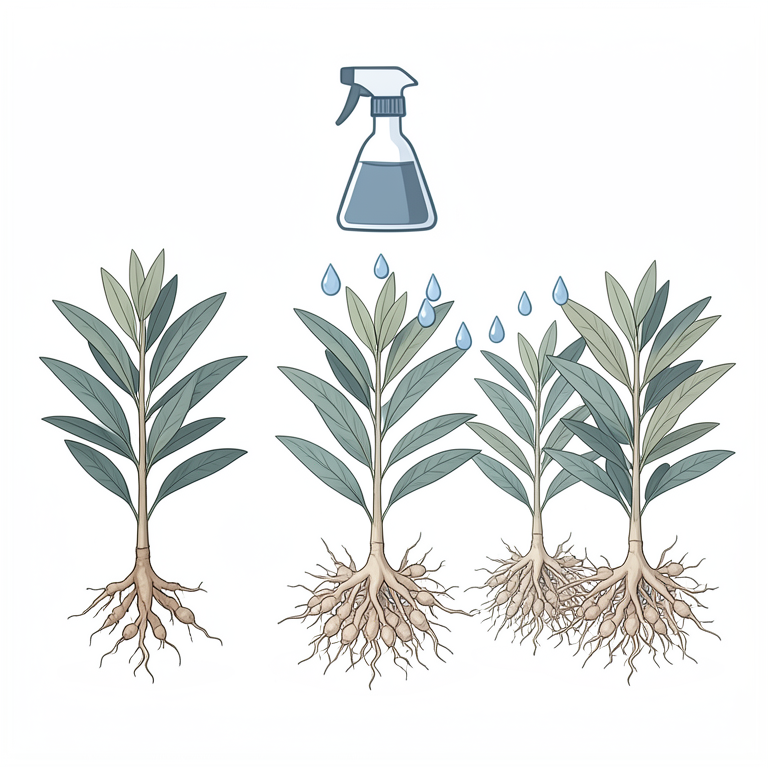
Experimental Treatment Layout
AI-generated conceptual illustration (Cardamom plants (Elettaria cardamomum)). It explains the idea and does not show study data.
View source evidence ↗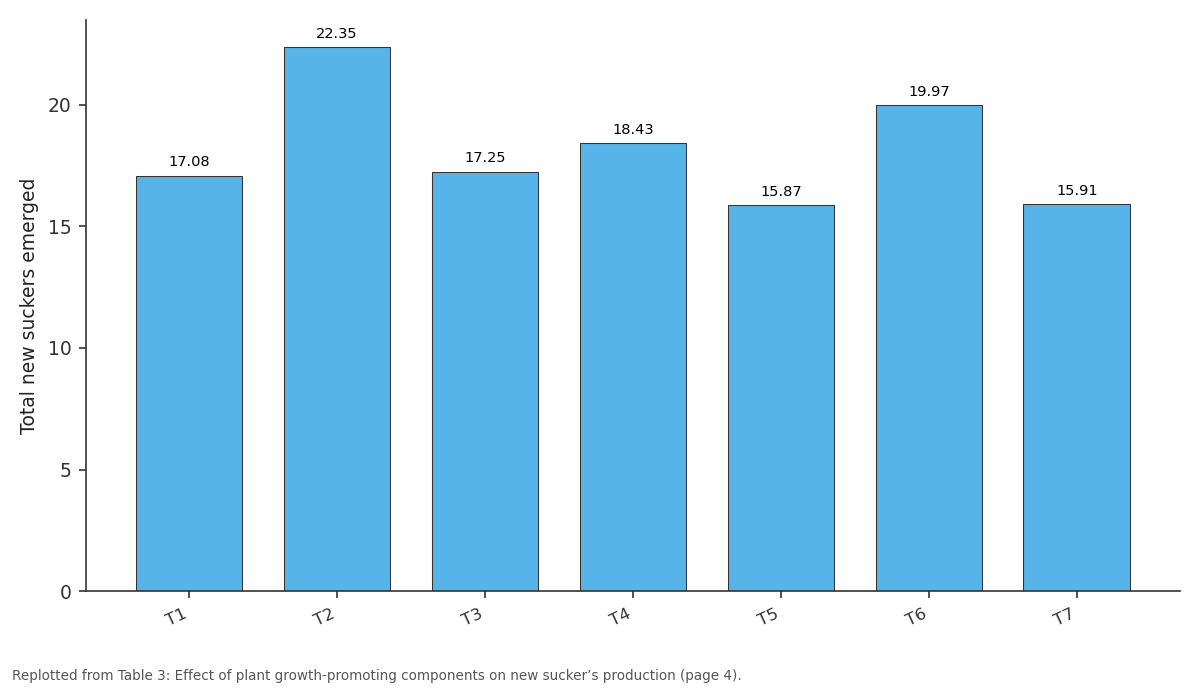
Total: T1 vs T2 vs T3 vs T4 vs T5
Replotted from Table 3 (page 4) of the original paper. Every bar is the paper's own table value.
View source evidence ↗Figures & tables
From the original paper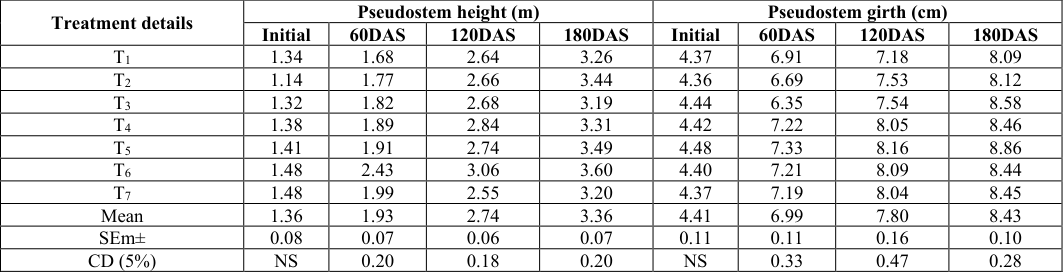 Table 1
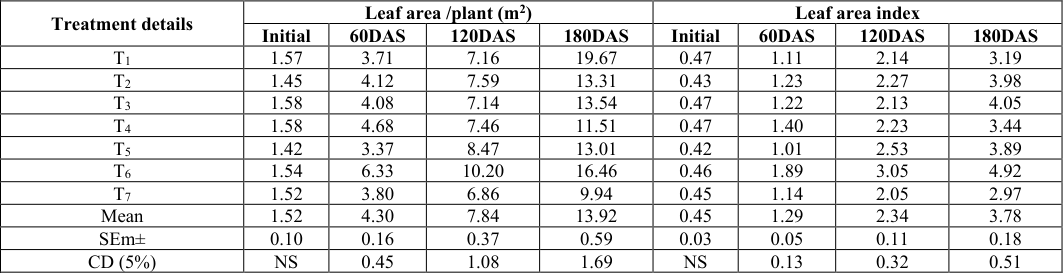 Table 2
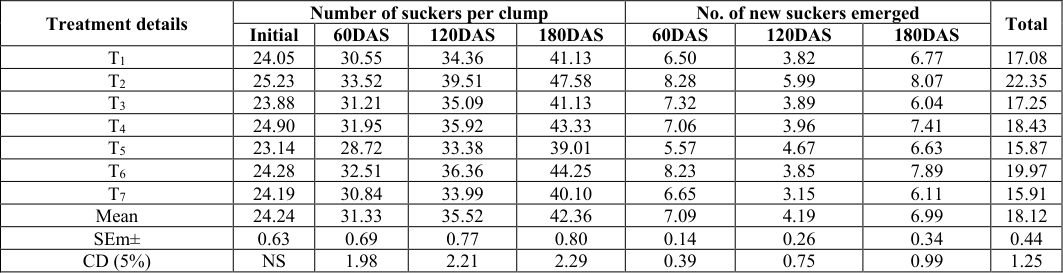 Table 3
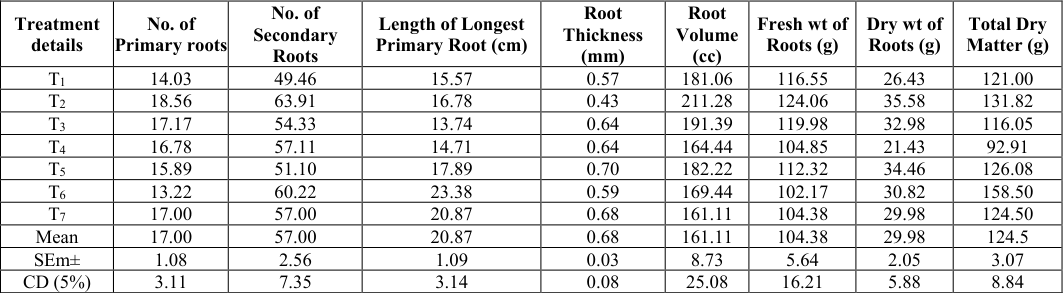 Table 4
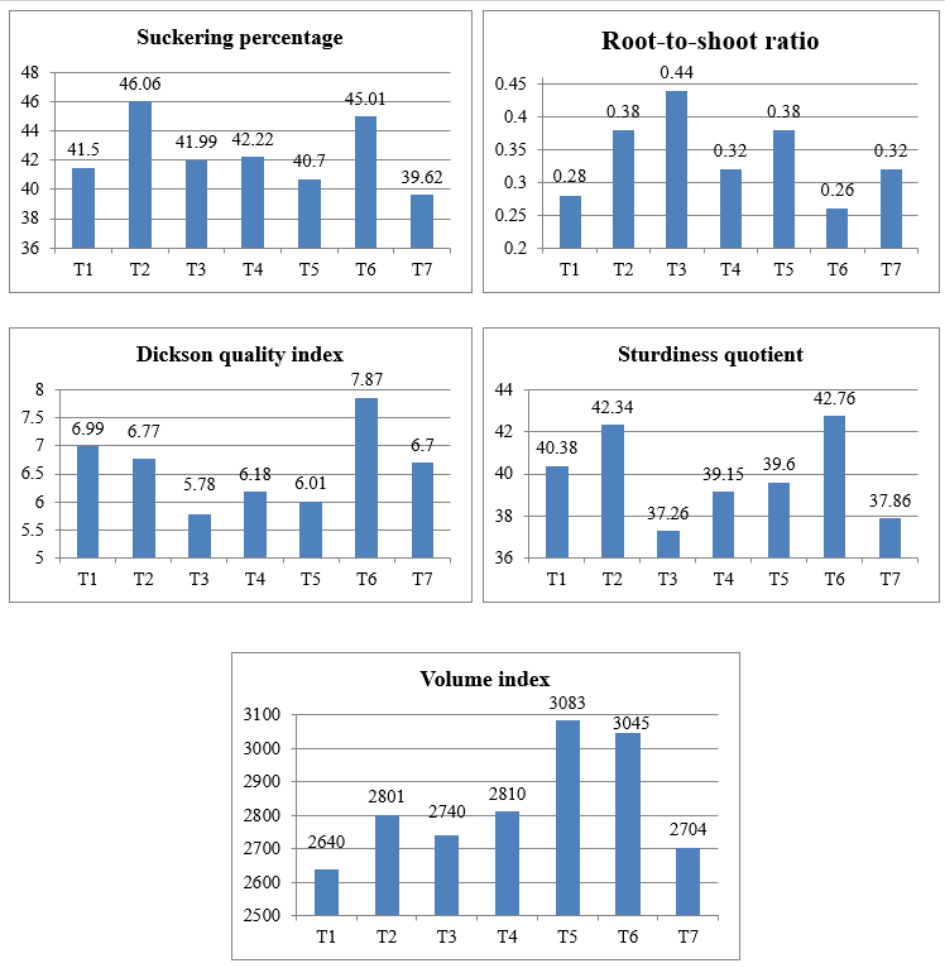 Figure 1
Introduction
Cardamom is one of the oldest known spices in the world. Evergreen forests of Western Ghats of South India are considered as the center of origin as well as natural habitat of cardamom. Cardamom is commercially cultivated for its dried fruits (capsules), which is also referred as cardamom of commerce and enjoys a unique position in the international spices market. The cardamom of commerce is the dried capsules of cardamom plant. This is often referred as the 'Queen of Spices' because of its very pleasant aroma and taste, and is highly valued from ancient times. Cardamom is grown extensively in the hilly regions of South India at elevations of 800-1300 MSL as an under crop in forest lands. Till early 1970s, India was the main producer and exporter of this commodity. Now Guatemala has emerged as world's largest producer (more than 55 per cent of the total global production) offering stiff competition to Indian cardamom in the international market. In India, cardamom is cultivated in the southern states of Kerala, Karnataka and Tamil Nadu. Kerala accounts for 70 per cent of the cultivation followed by Karnataka (20 per cent) and Tamil Nadu (10 per cent). As per the advance estimate of the Spices Board, the total area under cardamom in India is around 69,190 hectares with production of 22,520 MT (2020-21). As this crop thrives well in evergreen tropical forests at an altitude of 600 m to 1500 m above MSL as well as grow well even in overhead shade areas where the annual rainfall ranges from 150-400 cm with a temperature range of 10 O to 35 O C. Valleys and gentle slopes facing North or North-Eastern direction protected from strong wind form an ideal situation for cardamom plantation. Due to ever increasing demand for the capsules, farmers of Karnataka are expanding the cardamom growing area in non-traditional regions also. Therefore, more emphasis must be given to produce cardamom seedlings to meet their demand. The crop is propagated through seeds, suckers and tissue culture.
In seed propagation, although seeds are easy to obtain and sow, this method often results in variations among progenies due to natural cross-pollination. Besides, seedling progenies showing variations in population and delayed flowering is also observed. Whereas, tissue culture can yield large quantities of disease free and uniform planting material, but the cost is often prohibitive for small and marginal farmers. However, in cardamom propagation by vegetative means through suckers is considered to be the most preferred method. As seedling propagated plants may not be true to its parent and takes one year more for initiation of flowering. The non-uniform germination and the slow growth rate of cardamom in the nursery lead to wide variations in flowering, fruit set and harvest. However, small cardamom requires a consistent supply of nutrients throughout its growing period and being a shallow rooted plant, as its roots are confined to the top 15-20 cm of soil, making it susceptible to nutrient stress (Spices Board). In addition to essential nutrients, the application of growthpromoting substances and bio-stimulants are being studied for their ability to enhance plant vigor, sucker production and root development. Biostimulants are materials, other than fertilizers, that promote plant growth when applied in low quantities (Kunicki et al., 2010) [15] . They reduce the need for fertilizers and increase plant growth, resistance to water and abiotic stresses. In small concentrations, these substances are efficient, favoring the good performance of the plant's vital processes, and allowing high yields and good quality products. These are the extracts obtained from organic raw materials containing bioactive compounds. It also increases root and shoot growth, water uptake and reduces the transplantation shock and helps in soil protection and improves soil health by fostering the development of beneficial soil microorganisms. Seaweed extracts are nutrient supplements, biostimulants or biofertilizers which act as an alternative to chemical fertilizers in agriculture and horticulture to increase plant growth and yield. Seaweed extracts also contain number of phytohormones including auxins, cytokinins, gibberellins, abscissic acid and brassinosteroids. It is cost effective and maintains eco-friendly environment for sustainable agriculture (Noda et al., 1990) [20] . Extracts of brown seaweeds are widely used in horticulture crops for their plant growth-promoting effects and for their ameliorating effect on crop tolerance to abiotic stresses such as salinity, extreme temperatures, nutrient deficiency and drought (Battacharyya et al., 2015) [6] . Humic substances are natural constituents of the soil organic matter, resulting from the decomposition of plant, animal and microbial residues. Humic acid may stimulate plant growth by improving nutrient uptake by exerting hormonelike effects as auxins (Baldotto et al., 2010) [4] . Humic acid stimulate shoot elongation and increase leaf nutrient accumulation and chlorophyll biosynthesis (Baldotto and Baldotto, 2013) [5] . Plant growth regulators are the chemical substances which modify the growth and development of the plant by promoting or inhibiting the growth at very low concentration. The plant growth regulators are known to enhance the source-sink relationship and stimulate the translocation of photo-assimilates thereby helping better fruit set in many crops. Among the PGRs, auxins and gibberellic acid are considered vital for improving plant growth and productivity and therefore, could be a useful alternative to increase crop production. The biostimulants and PGRs have been reported to increase the growth and dry matter production in crop plants. However, their influence in cardamom is not known. Therefore, the present study was taken up to investigate the effect of various biostimulants and PGR's on the growth and secondary suckers' production in cardamom.
Materials and Methods
The present investigation was carried out at Zonal Agricultural and Horticultural Research Station (ZAHRS), Mudigere, during August, 2024 to March, 2025. The area receives a total annual rainfall of 2709 mm, mainly distributed six to eight months from April to October with the peak period of rainfall from June to August. The average annual minimum temperature is 19.41 0 C and maximum temperature is 27.62 0 C. The average annual minimum relative humidity is 75.96 per cent and maximum relative humidity is 79.09 per cent. The soil of the study area is of lateritic sandy loam in origin with acidic nature having red to reddish brown in colour with good drainage system. Soil is having lesser amount of organic matter, nitrogen, phosphorous, potassium, calcium, magnesium and sulphur content in it. The soil has medium EC and organic carbon content in it. The cardamom suckers of cv. Njallani Green Gold were planted under Glyricidia during November-2023 at a spacing of 6 feet X 6 feet was selected to impose the treatments viz., T 0 -Control (RDF-48:48:96 g NPK per plant), T 1 -RDF + Humic acid-0.5%, T 2 -RDF + Sea weed extract-0.5%, T 3 -RDF +Triacontanol-0.5%, T 4 -RDF + Benzyl adenine-250 ppm, T 5 -RDF + Gibberellic acid-250 ppm, T 6 -RDF + Cycocel-1000 ppm. The growth substances solution was sprayed thrice at bimonthly interval as per the treatments at the rate of half litre per clump. The plant protection measures and other operations were carried out as per the recommended package of practice. Trashing was also done periodically by removing old and dried shoots and leaves of the clumps during the period of experimentation.
Observations Recorded
Five clumps were selected randomly and tagged in each treatment from all the three replications to record the observations on various growth and root parameters. The mean value of the data recorded was taken to represent a particular treatment with respect to a character.
Plant Growth Parameters
The observation on growth parameters were recorded at bimonthly interval i. e. 60, 120 and 180 DAS (Days after spraying). Whereas, the fresh weight, dry weight of shoot and root characters were recorded at 180 DAS. Pseudostem height (m) was measured from base of the pseudostem to the tip of the longest leaf of the sucker from all the tagged plants. Pseudostem girth (cm) was measured at basal portion of the shoot by using vernier callipers. The number of new suckers emerged in each tagged plant were counted and total number of new suckers emerged was calculated by adding number of new suckers emerged at 60, 120 and 180 DAS. The total number of suckers present initially in each tagged plant before and after the imposition of treatments was counted. The total numbers of leaves produced in each tagged tiller and clump were counted. The length of the leaf was measured from the base of the leaf lamina to the tip of the fully opened third leaf from the top. The breadth of the leaf was measured at the widest lamina of a fully opened third leaf from the top. Then leaf area per clump (m 2 ) was calculated by taking maximum leaf length (cm), leaf breadth (cm) and number of leaves per clump and multiplied with constant factor as given by Lila et al. (1996) [18] . The leaf area index at different interval was calculated by using formula as suggested by Sestak et al. (1971).
Fresh weight of the shoots (g) from randomly selected clumps in each treatment was recorded using electronic balance, then the shoots of each treatment were dried in hot air oven at 60°C till they attain constant weight and mean dry weight of shoot was computed. The dry weight of the leaves, pseudostem, rhizomes and roots of randomly selected clumps were combined to record the total dry matter production.
Root Parameters
The suckers were uprooted carefully from the field at 180 DAS. The root parameters such as number of primary roots, number of secondary roots, length of the longest primary root, root thickness, root volume, fresh and dry weight of roots were recorded. Then number of primary and secondary roots produced in the tagged suckers of each treatment was counted. The root length (cm) was measured from the collar region to the tip of the longest primary root from the tagged sucker of each treatment and root thickness (mm) was measured using vernier calipers. Then the root volume was recorded by using the Archimedes principle (Burdette, 1979) [7] . A specific measuring cylinder was used to measure the displaced water volume. The separated root samples were immersed in a known volume of water in order to measure the displaced water volume from each treatment and average was computed. Root volume (cc) = Final water volume in a graduated cylinder -Initial water volume (cc)
Sucker quality parameters
To know the suckering percentage, new suckers arising from the basal portion of clumps and total number of suckers were counted and their mean values were computed as below Root to shoot ration was worked out on the dry weight basis by dividing the weight of dried roots by the weight of dry shoot in each treatment and mean ratio was computed.
Dickson Quality Index (DQI) of sucker was calculated empirically by adopting the formula derived by Ritchie et al. (1984) [26] as follows Sturdiness quotient was measured for suckers in each treatment by averaging the measurement of all the suckers under each treatment (Roller, 1997) [27] .
Volume index was computed by considering pseudostem height of the suckers and pseudostem girth with the formula as given below Volume index = Pseudostem height (cm) × Pseudostem girth (cm) Statistical analysis: The data on various growth and root parameters were recorded during the period of investigation was tabulated and subjected to statistical analysis using Randomized Complete Block Design as per Gomez et al. (1984) [12] .
Results and Discussion
Biostimulants and plant growth regulator (PGR) treatments in agricultural and horticultural crops have considerable potential to enhance plant resilience against environmental stresses. To maximize their effectiveness, it is essential to optimize application rates, identify crop-specific responses and refine application techniques. Greater emphasis should be placed on understanding the underlying physiological and biochemical mechanisms of biostimulants, especially considering the wide range of raw materials involved, including humic substances, seaweed extracts, plant hormones, and plant growth-promoting Rhizobacteria. Vegetative propagation in cardamom through suckers ensures genetic uniformity and facilitates early crop establishment. Therefore, improving sucker production is crucial to meet increasing demand and support the expansion of cultivation. Conventional soil application of nutrients often results in lower use efficiency, whereas foliar application of bioactive growth substances can enhance nutrient uptake, leading to improved root and shoot development and, consequently, better sucker growth. In this context, the present study was undertaken to evaluate the effect of foliar application of growth substances on the production of quality suckers in cardamom, and the results obtained are presented and discussed herein.
Growth parameters
The influence of growth substances on pseudostem height and girth was found to be significant (Table 1). Among the treatments, T 5 (RDF + Gibberellic acid @ 250 ppm) recorded greater pseudostem height (2.43, 3.06 and 3.60 m), while T 4 (RDF + Benzyl adenine @ 250 ppm) showed higher girth (7.33, 8.16 and 8.86 cm) at 60, 120 and 180 DAS, respectively. The increase in pseudostem height may be attributed to the role of GA₃ in promoting cell elongation in stems and internodes. Similar findings were reported by Pariari et al. (2018) [21] in ginger, Venugopal and Pariari (2019) [30] , and Gawande et al. (2020) [11] in turmeric. The significant increase in pseudostem girth could be due to the cytokinin-like activity of benzyl adenine, which enhances cell division. Comparable results were observed by Ahmed et al. (2022) [2] in fennel and Abdel-Hamid (2020) [1] in sweet basil. Humic acid acts as a biostimulant by stimulating auxin and cytokinin synthesis, thereby enhancing plant vigour, root development, and nutrient and water uptake. In the present study, T 1 (Humic acid @ 0.5%) recorded the highest number of new suckers emerged, number of suckers per clump, and total number of new suckers (22.35) (Table 2). This may be due to the presence of gibberellin-like substances in humic acid, which promote plant growth by increasing the number of primary branches and side shoots. Similar observations were reported by Parikh et al. (2023) [22] in turmeric.
| Treatment details | Leaf area /plant (m2) | — | — | — | Leaf area index | — | — | — |
|---|---|---|---|---|---|---|---|---|
| Initial | 60DAS | 120DAS | 180DAS | Initial | 60DAS | 120DAS | 180DAS | |
| T1 | 1.57 | 3.71 | 7.16 | 19.67 | 0.47 | 1.11 | 2.14 | 3.19 |
| T2 | 1.45 | 4.12 | 7.59 | 13.31 | 0.43 | 1.23 | 2.27 | 3.98 |
| T3 | 1.58 | 4.08 | 7.14 | 13.54 | 0.47 | 1.22 | 2.13 | 4.05 |
| T4 | 1.58 | 4.68 | 7.46 | 11.51 | 0.47 | 1.40 | 2.23 | 3.44 |
| T5 | 1.42 | 3.37 | 8.47 | 13.01 | 0.42 | 1.01 | 2.53 | 3.89 |
| T6 | 1.54 | 6.33 | 10.20 | 16.46 | 0.46 | 1.89 | 3.05 | 4.92 |
| T7 | 1.52 | 3.80 | 6.86 | 9.94 | 0.45 | 1.14 | 2.05 | 2.97 |
| Mean | 1.52 | 4.30 | 7.84 | 13.92 | 0.45 | 1.29 | 2.34 | 3.78 |
| SEm± | 0.10 | 0.16 | 0.37 | 0.59 | 0.03 | 0.05 | 0.11 | 0.18 |
| CD (5%) | NS | 0.45 | 1.08 | 1.69 | NS | 0.13 | 0.32 | 0.51 |
Table text extracted from the original PDF; superscript letters are shown inline. The original table image is below.
View original table image
| Treatment details | Pseudostem height (m) | — | — | — | Pseudostem girth (cm) | — | — | — |
|---|---|---|---|---|---|---|---|---|
| Initial | 60DAS | 120DAS | 180DAS | Initial | 60DAS | 120DAS | 180DAS | |
| T1 | 1.34 | 1.68 | 2.64 | 3.26 | 4.37 | 6.91 | 7.18 | 8.09 |
| T2 | 1.14 | 1.77 | 2.66 | 3.44 | 4.36 | 6.69 | 7.53 | 8.12 |
| T3 | 1.32 | 1.82 | 2.68 | 3.19 | 4.44 | 6.35 | 7.54 | 8.58 |
| T4 | 1.38 | 1.89 | 2.84 | 3.31 | 4.42 | 7.22 | 8.05 | 8.46 |
| T5 | 1.41 | 1.91 | 2.74 | 3.49 | 4.48 | 7.33 | 8.16 | 8.86 |
| T6 | 1.48 | 2.43 | 3.06 | 3.60 | 4.40 | 7.21 | 8.09 | 8.44 |
| T7 | 1.48 | 1.99 | 2.55 | 3.20 | 4.37 | 7.19 | 8.04 | 8.45 |
| Mean | 1.36 | 1.93 | 2.74 | 3.36 | 4.41 | 6.99 | 7.80 | 8.43 |
| SEm± | 0.08 | 0.07 | 0.06 | 0.07 | 0.11 | 0.11 | 0.16 | 0.10 |
| CD (5%) | NS | 0.20 | 0.18 | 0.20 | NS | 0.33 | 0.47 | 0.28 |
Table text extracted from the original PDF; superscript letters are shown inline. The original table image is below.
View original table image
Leaf quality parameters varied significantly among treatments (Table 3). However, T 5 (Gibberellic acid @ 250 ppm) recorded the highest number of leaves per tiller (12.44, 15.98 and4.92) at 60, 120 and 180 DAS, respectively. The increase in leaves per tiller may be due to the hormonal effect of gibberellic acid in promoting cell division and enhancing xylem and phloem development. These results are in agreement with Surve et al. (2023) [29] , Kharat et al. (2025) [14] and Das et al. (2018) [8] in coriander. The increased number of leaves per clump, as well as leaf length and breadth, may be attributed to the stimulatory effect of GA₃ on physiological processes, leading to faster leaf initiation, enhanced linear growth, and improved translocation of assimilates, thereby promoting the development of new leaf primordia. Similar findings were reported by Datta et al. (2009) [9] in sweet flag. The increase in leaf area and. Leaf area index may be due to the action of GA₃ at the apical meristem, resulting in increased synthesis of nucleoproteins and expansion of leaf tissues. These findings are in line with Reddy et al. (2020) [25] in ajwain and Gawande et al. (2020) [11] in turmeric. Maximum shoot fresh weight (337.50 g) and shoot dry weight (127.68 g) were also recorded in T 5 (Gibberellic acid @ 250 ppm) at 60, 120 and 180 DAS, respectively. This may be attributed to the positive role of gibberellins in enhancing metabolic activity and biomass accumulation in plant tissues. The increase in shoot dry weight could be a direct consequence of higher fresh weight. Similar results were reported by Namdeo et al. (2016) [19] in ajwain, Raidas et al. (2019) [24] in kalmegh, Deshmukh et al. (2023) [10] in kokum and Kurmi et al. (2019) [16] and Pranay et al. (2019) [23] in coriander.
| Treatment details | Number of suckers per clump | — | — | — | No. of new suckers emerged | — | — | Total |
|---|---|---|---|---|---|---|---|---|
| Initial | 60DAS | 120DAS | 180DAS | 60DAS | 120DAS | 180DAS | ||
| T1 | 24.05 | 30.55 | 34.36 | 41.13 | 6.50 | 3.82 | 6.77 | 17.08 |
| T2 | 25.23 | 33.52 | 39.51 | 47.58 | 8.28 | 5.99 | 8.07 | 22.35 |
| T3 | 23.88 | 31.21 | 35.09 | 41.13 | 7.32 | 3.89 | 6.04 | 17.25 |
| T4 | 24.90 | 31.95 | 35.92 | 43.33 | 7.06 | 3.96 | 7.41 | 18.43 |
| T5 | 23.14 | 28.72 | 33.38 | 39.01 | 5.57 | 4.67 | 6.63 | 15.87 |
| T6 | 24.28 | 32.51 | 36.36 | 44.25 | 8.23 | 3.85 | 7.89 | 19.97 |
| T7 | 24.19 | 30.84 | 33.99 | 40.10 | 6.65 | 3.15 | 6.11 | 15.91 |
| Mean | 24.24 | 31.33 | 35.52 | 42.36 | 7.09 | 4.19 | 6.99 | 18.12 |
| SEm± | 0.63 | 0.69 | 0.77 | 0.80 | 0.14 | 0.26 | 0.34 | 0.44 |
| CD (5%) | NS | 1.98 | 2.21 | 2.29 | 0.39 | 0.75 | 0.99 | 1.25 |
Table text extracted from the original PDF; superscript letters are shown inline. The original table image is below.
View original table image
Root Parameters
Growth substances significantly influenced the production of primary (63.91) and secondary roots (63.91) in T 1 (Humic acid @ 0.5%) (Table 4). This may be attributed to the strong root-inducing capacity of humic acid, which enhances root system development through stimulation of H⁺-ATPase activity. The increased enzymatic activity activates the proton pump, leading to acidification of the apoplast, improved cell wall plasticity, and enhanced cell elongation, ultimately promoting root growth. In contrast, maximum root thickness (0.70 mm) was recorded in T 4 (Benzyl adenine @ 250 ppm), which may be due to the exogenous application of BA enhancing root development by stimulating lateral root elongation, as well as root cell elongation and differentiation. These findings are in agreement with Arisandy et al. (2024) [3] in oil palm.
Growth substances also had a significant effect on root volume (211.28 cc), as well as fresh (124.06 g) and dry weight (35.58 g) of roots, with the highest values observed in T 1 (Humic acid @ 0.5%). This may be due to the presence of auxin-like substances in humic acid, which promote cell elongation, improve nutrient uptake, and ultimately increase root biomass (Jalgaonkar et al., 2022) [13] . Similar results were reported by Salim et al. (2021) [28] in loquat. However, the maximum length of the longest primary root (23.38 cm) and total dry matter production (158.50 g) were recorded in T 5 (Gibberellic acid @ 250 ppm). This could be attributed to the role of gibberellins in enhancing vegetative growth, thereby increasing overall biomass accumulation. Comparable findings were reported by Kusuma et al. (2019) [17] in fennel.
Quality parameters
Effect of growth substances on suckering percentage was found to be significant, with the maximum value (46.06%) recorded in T 1 (Humic acid @ 0.5%) (Fig 1). This may be attributed to the role of humic acid in enhancing the synthesis of plant growth-promoting hormones, particularly cytokinins, which stimulate cell division and shoot proliferation. Additionally, humic acid improves nutrient and water uptake by enhancing soil structure and promoting beneficial microbial activity. It also activates plant enzymes, thereby improving cellular functions, photosynthesis, and overall plant vigour, which collectively support the formation of more suckers from the plant base. Similar findings were reported by Parikh et al. (2023) [22] in turmeric. The influence of growth substances on root-toshoot ratio was also significant, with the highest value (0.44) recorded in T 2 (Seaweed extract @ 0.5%). This may be due to the presence of amino acids that regulate gene expression, enhance photosynthesis, and promote the accumulation of photosynthates in both shoots and roots.
The effect of growth substances on Dickson quality index and sturdiness quotient was found to be significant. The highest Dickson quality index (7.87) and sturdiness quotient (42.76) were recorded in T 5 (Gibberellic acid @ 250 ppm).
This may be attributed to the positive effect of GA₃ on pseudostem height, collar girth, shoot and root dry weight, and total dry matter production, primarily through enhanced stem elongation and vegetative growth. Furthermore, the influence of growth substances on volume index was significant, with the highest value (3083.44) recorded in G4 (Benzyl adenine @ 250 ppm). This could be due to the cytokinin activity of benzyl adenine, which promotes cell division and overall plant growth.
Conclusion
The application of appropriate biostimulants and plant growth regulators (PGRs) can significantly enhance root and shoot vigour; however, careful selection is essential, as their effects may vary across species. These substances can reduce dependence on chemical fertilizers while promoting plant growth and improving tolerance to water deficit and other abiotic stresses. Even at low concentrations, biostimulants are effective in enhancing vital physiological processes, resulting in higher yields and improved quality produce. In cardamom, the use of biostimulants in nursery management can be highly beneficial. It not only shortens the nursery period but also promotes the production of more vigorous and uniform suckers, ensuring better establishment
Acknowledgement
AcknowledgementThe author is highly grateful to Keladi Shivappa Nayaka University of Agricultural and Horticultural Sciences, Shivamogga, for providing the necessary facilities to carry out this research work at the Zonal Agricultural and Horticultural Research Station, Mudigere. Fig 1: Effect of plant growth-promoting components on sucker quality parameters
References
29 in the original paper- Abdel-Hamid AN. Effect of benzyl adenine, indole acetic acid and gibberellic acid on vegetative growth, chemical constituents and volatile oil attributes of sweet basil plants. Egypt J Hort. 2020;47(1):41-56.
- Ahmed AF, Elhafez ZAA, Shehata AM. A comparative study of the response of fennel (Foeniculum vulgare Mill) plants from Egypt and China to spraying with benzyladenine (BA). European J Med Plants. 2022;33(11):1-12.
- Arisandy P, Aziz MA, Wahyuni S, Fadila H, Siregar VMR, Priyono, et al. Effect of humic acid on oil palm seed germination. IOP Conf Series: Earth and Environmental Science. 2024;1308:012046. doi:10.1088/1755-1315/1308/1/012046.
- Baldotto LEB, Baldotto MA, Canellas LP, BressanSmith R, Olivares FL. Growth promotion of pineapple 'Vitória' by humic acids and Burkholderia spp. during acclimatization. Revista Brasileira de Ciência do Solo. 2010;34(5):1593-1600.
- Baldotto MA, Baldotto LEB. Gladiolus development in response to bulb treatment with different concentrations of humic acids. Revista Ceres. 2013;60(1):138-142.
- Battacharyya D, Babgohari MZ, Rathor P, Prithiviraj B. Seaweed extracts as biostimulants in horticulture. Scientia Horticulturae. 2015;196:39-48.
- Burdette AM. A non-destructive method for measuring the volume of intact plant parts. Canadian J Forest Res. 1979;9(4):120-122.
- Das D, Bhadra AK, Moniruzzaman M. Foliar spray of gibberellic acid influences morphological attributes and foliage yield of coriander (Coriandrum sativum L.). Res Agric Livest Fish. 2018;5(1):01-09.
- Datta S, Dey AN, Maitra S. Effect of FYM and GA3 on growth and yield of sweet flag (Acorus calamus L.) under Terai zone of West Bengal. J Hortl Sci. 2009;4(1):59-62.
- Deshmukh PV, Gawankar MS, Khandekar RG, Dhopavkar RV, Haldankar PM, Malshe KV. Effect of plant growth regulators and nutrients on seedling growth of kokum (Garcinia indica Choisy). Pharma Innov J. 2023;12(11):2238-2241.
- Gawande S, Nagre PK, Nikam C. Effect of planting material and plant growth regulators on growth of turmeric. Int J Chem Stud. 2020;8(6):198-201.
- Gomez KA, Gomez AA. Statistical procedures for agricultural research. Laguna, Philippines: John Wiley & Sons; 1984.
- Jalgaonkar MR, Malshe KV, Khandekar RG, Dhopavkar RV, Thorat SB. Response of black pepper cuttings to drenching with vermiwash, humic acid and cattle urine in relation to root growth. Pharma Innov. 2022;11(12):5358-5360.
- Kharat AS, Gawankar MS, Gajbhiye RC, Dalvi NV, Sanas MP. Effect of different pre-soaking seed treatments on germination and growth of kokum (Garcinia indica Choisy). Int J Agric Food Sci. 2025;7(7):450-456.
- Kunicki E, Grabowska A, Sekara A, Wojciechowska R. The effect of cultivar type, time of cultivation and biostimulant treatment on the yield of spinach (Spinacia oleracea L.). Folia Hortic. 2010;22:9-13.
- Kusuma MV, Venkatesha J, Ganghadarappa PM, Hiremath JS, Mastiholi AB, Manjunatha G. Effect of growth regulators at different stages on growth and yield of fennel (Foeniculum vulgare Mill.). Int J Curr Res. 2019;11(01):392-397.
- Lila M, Sarah TG, Krishnan S. Estimation of leaf area in Garcinia cambogia through linear measurements. J Tropical Agri. 1996;34:61-62.
- Namdeo M, Sharma R, Bahadure DM. Influence of gibberellic acid (GA3) on growth, physiological and yield parameters in ajwain (Trachyspermum ammi L.). Int J Glob Sci Res. 2016;3(5):421-429.
- Noda H, Amano H, Arashima K, Nisizawa K. Antitumor activity of marine algae. Hydrobiologia. 1990;205:577-584.
- Pariari A, Karthik CS, Das S. Studies on the influence of different plant growth regulators on growth, yield and quality of ginger (Zingiber officinale Rosc.) variety Nadia in Gangetic Alluvial Plains of West Bengal. Int J Chem Stud. 2018;6(1):1640-1643.
- Parikh RP, Bhalerao PP, Patil SJ. Effect of foliar application of organic liquids on yield and quality of turmeric (Curcuma longa). Curr Hort. 2023;11(1):3032.
- Pranay A, Bara BM, Rai PK, Girase IP. Effect of fungicides and plant growth regulators on seed quality parameters of coriander (Coriandrum sativum L.) seeds. Int J Curr Microbiol App Sci. 2019;8(9):1213-1219.
- Raidas DK, Upadhayaya SD, Sharma A, Choudhary AK. Impact of plant growth hormones on growth, physiology and alkaloid content of Kalmegh (Andrographis peniculata Burn F. Ex). J Pharmacogn Phytochem. 2019;SP2:715-718.
- Reddy YR, Ramanandam G, Subbaramamma P, Dorajeerao AVD. Effect of foliar application of growth regulators on vegetative and physiological growth parameters in ajowan (Trachyspermum ammi L. Sprague). Curr J Appl Sci Technol. 2020;39(29):100109.
- Ritchie GA, Duryea ML, Landis JD. Assessing seedling quality. In: Forestry nursery manual: production of bare root seedlings. Martinus Nijhoff/Junk Publishers; 1984. p. 234-259.
- Roller KJ. Suggested minimum standards for containerized seedlings in Nova Scotia. Canadian Forestry Service, Dept of the Environment Info Rep. 1997;69.
- Salim NS, Saleh YM, Abid NA. The effect of potassium fertilizer and humic acid on the vegetative growth of seedlings of loquat Eriopotrya japonica Lindl. Biochem Cell Arch. 2022;22(1):3035-3038.
- Surve SS, Gawankar MS, Khandekar RG, Mahadik SG, Kelaskar VJ. Influence of plant growth regulators on growth of kokum seedlings. Pharma Innov J. 2023;12(1):1621-1624.
- Venugopal S, Pariari A. Effect of growth regulators on growth and yield of turmeric (Curcuma longa L.) varieties in Gangetic alluvial plains of West Bengal. II International Conference on Recent Advances in Agricultural, Environmental & Applied Sciences for Global Development; 2019. p. 261.