
Research article · 2026 · Full text
International Journal of Horticulture and Food ScienceDevelopment and physicochemical evaluation of a sugar-free polyherbal immunity booster powder
Volume 8(6) · Pages 104–115 · DOI: 10.33545/26631067.2026.v8.i6b.769 ↗
Research areasFood Science and Nutritional StudiesMedicinal Plant ResearchFood and Agricultural Sciences
Abstract
Author-writtenMicrogreens are emerging as nutrient-dense functional foods that offer health benefits beyond basic nutrition. This review addresses the growing demand for sustainable and health-promoting dietary options by examining the nutritional potential, cultivation practices, and functional applications of microgreens. A comprehensive analysis of existing literature was conducted to evaluate their composition, including vitamins, minerals, and bioactive compounds such as polyphenols and carotenoids. The findings indicate that microgreens possess significantly higher nutrient concentrations than mature plants and exhibit antioxidant, anti-inflammatory, cardioprotective, and anti-diabetic properties. The study also highlights the influence of growing media on yield and quality, as well as the successful incorporation of microgreens into value-added functional food products. In conclusion, microgreens represent a promising component of modern diets and sustainable food systems, with considerable potential to enhance nutritional security and human health.
Summary
Source-checkedPlain-language reading of the full paper, prepared with AI and checked against the text. Each point links to the authors' own words.
Why it matters
- The immune system is essential for protecting the human body from infections, diseases, and cancer. View evidence ↗
- Plant-based ingredients are considered beneficial for health because they typically have lower toxicity and fewer side effects than synthetic drugs. View evidence ↗
- Traditional herbal supplements often use sugar or honey, which can be problematic for people with diabetes or metabolic disorders. View evidence ↗
The question
- The study aimed to create a pleasant, sugar-free polyherbal immunity booster and evaluate its basic physicochemical properties. View evidence ↗
What they did
- The formulation utilized a combination of Amla, Tulsi, Ginger, Turmeric, Cinnamon, Stevia, and Flax seed. View evidence ↗
- Ingredients were mechanically ground and passed through a 60-mesh sieve to ensure a uniform particle size. View evidence ↗
- The powder was evaluated using physicochemical tests including bulk density, tapped density, moisture content, and angle of repose. View evidence ↗
What they found
- The powder exhibited good flow properties, with a measured angle of repose of 28.8°. View evidence ↗
- A Hausner's Ratio of 1.13 further confirmed that the powder formulation has good flow properties. View evidence ↗
- The total ash content of the formulation was found to be 9.47%. View evidence ↗
- Batch 1 showed strong antioxidant activity with an IC50 value of 3.62 μg/ml, which is nearly identical to the ascorbic acid standard (3.60 μg/ml). View evidence ↗
- FTIR analysis of Trial 1 (with mannitol) identified peaks at ~3428, ~2938, and ~1100 cm⁻¹, indicating polyphenols, aliphatic compounds, and carbohydrates. View evidence ↗
- FTIR analysis of Trial 2 (with flaxseed) showed peaks at ~3397, ~2900, and ~1742 cm⁻¹, confirming phenolic compounds and lipid/ester components. View evidence ↗
What it means
- The authors concluded that the developed polyherbal powder has acceptable quality, stability, and therapeutic potential. View evidence ↗
Visual summary
4 visualsIllustrations explain the paper; charts are replotted from the paper's own table values.
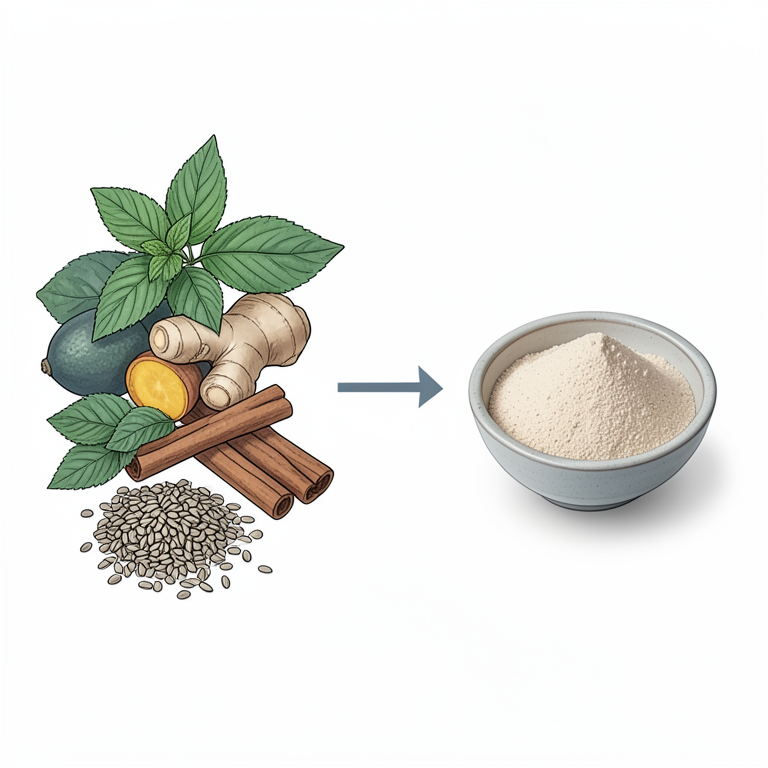
Polyherbal Ingredients
AI-generated conceptual illustration (Indian gooseberry, holy basil leaves, ginger root, turmeric root, cinnamon bark, stevia leaves, and flax seeds). It explains the idea and does not show study data.
View source evidence ↗
Antioxidant Comparison
AI-generated conceptual illustration (polyherbal powder and ascorbic acid crystals). It explains the idea and does not show study data.
View source evidence ↗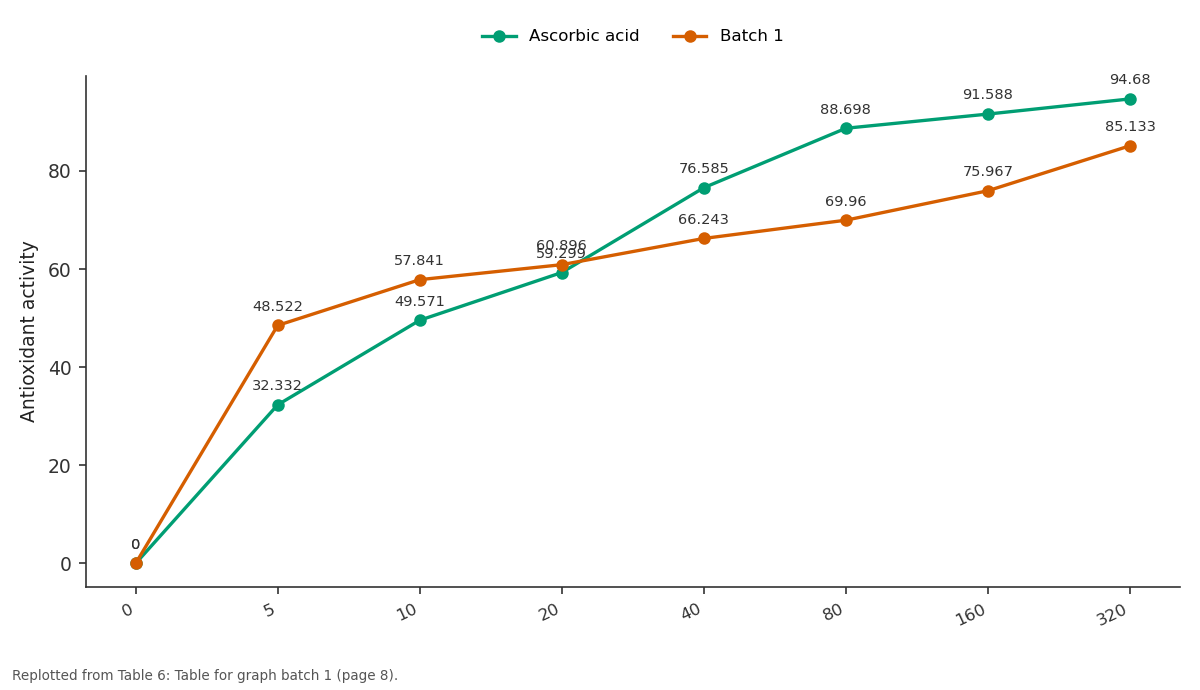
Ascorbic acid and Batch 1: 0 vs 5 vs 10 vs 20 vs 40
Replotted from Table 6 (page 8) of the original paper. Every bar is the paper's own table value.
View source evidence ↗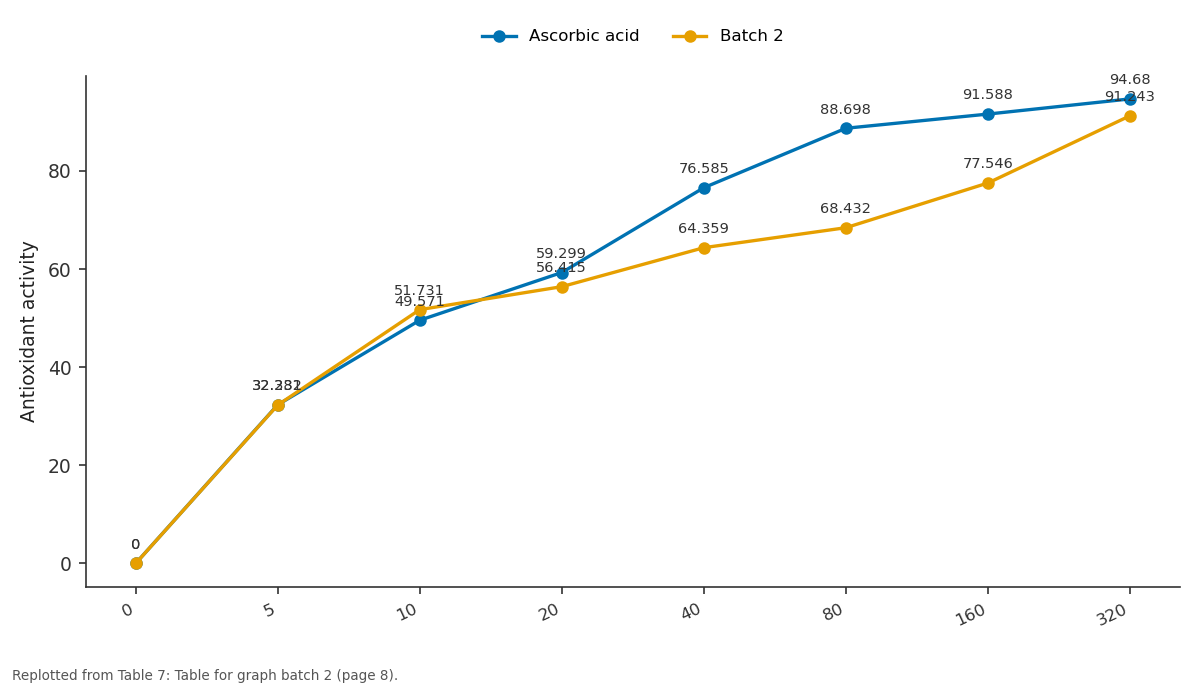
Ascorbic acid and Batch 2: 0 vs 5 vs 10 vs 20 vs 40
Replotted from Table 7 (page 8) of the original paper. Every bar is the paper's own table value.
View source evidence ↗Figures & tables
From the original paper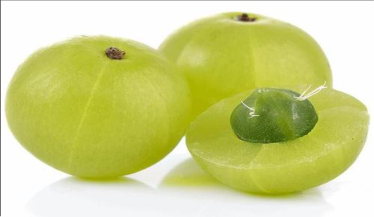 Figure 1
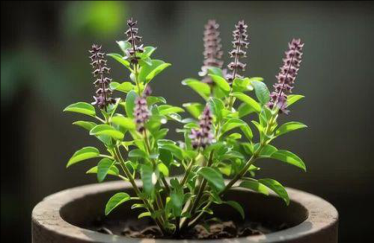 Figure 2
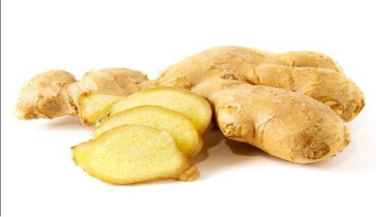 Figure 3
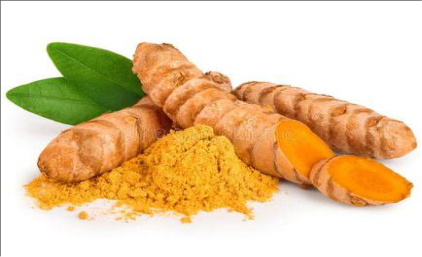 Figure 4
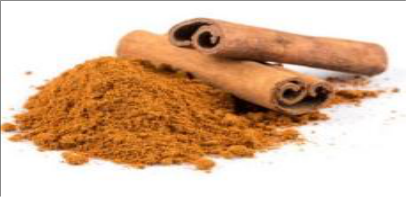 Figure 5
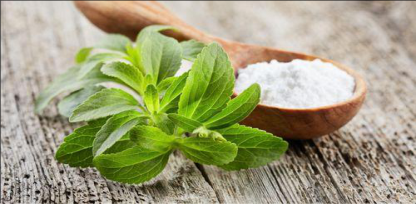 Figure 6
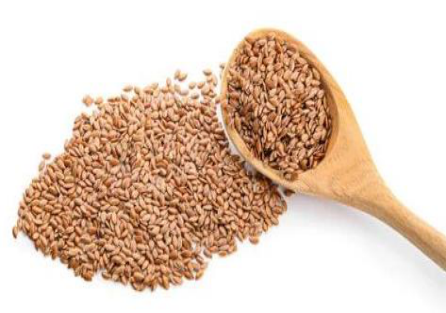 Figure 7
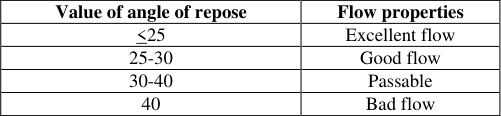 Table 1
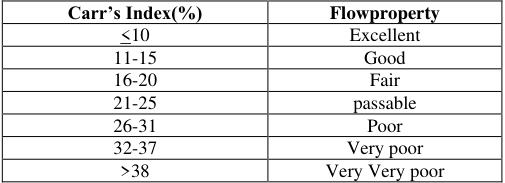 Table 2
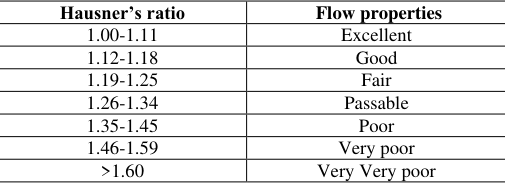 Table 3
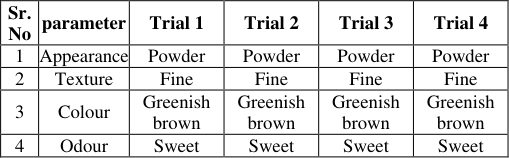 Table 4
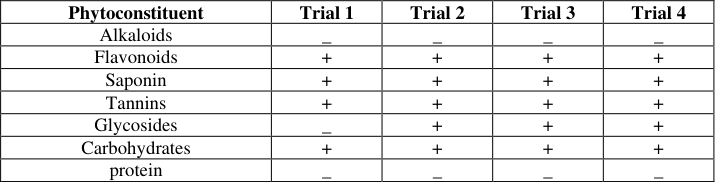 Table 5
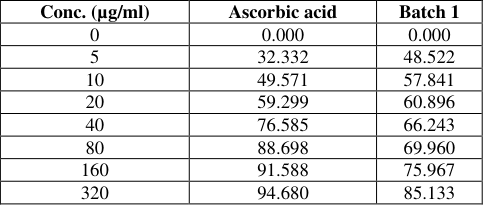 Table 6
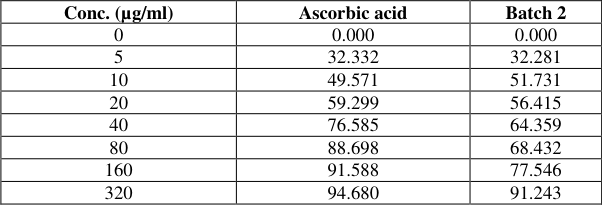 Table 7
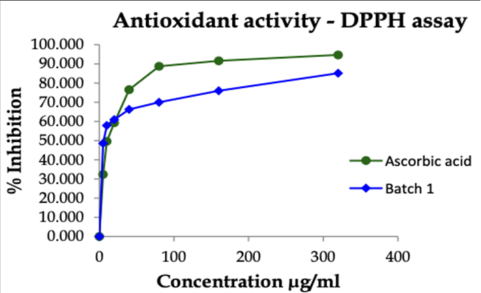 Figure 9
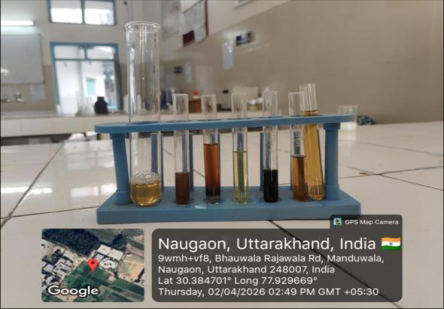 Figure 8
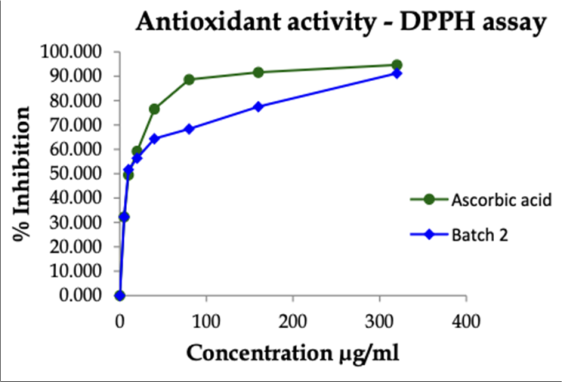 Figure 10
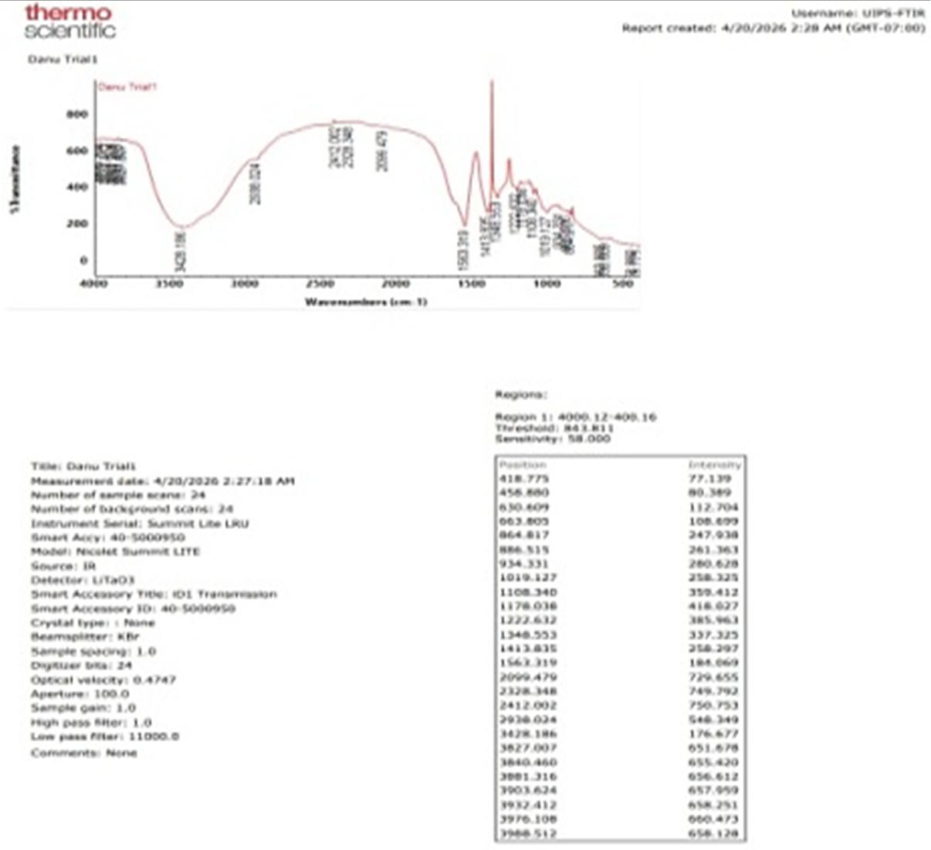 Figure 11
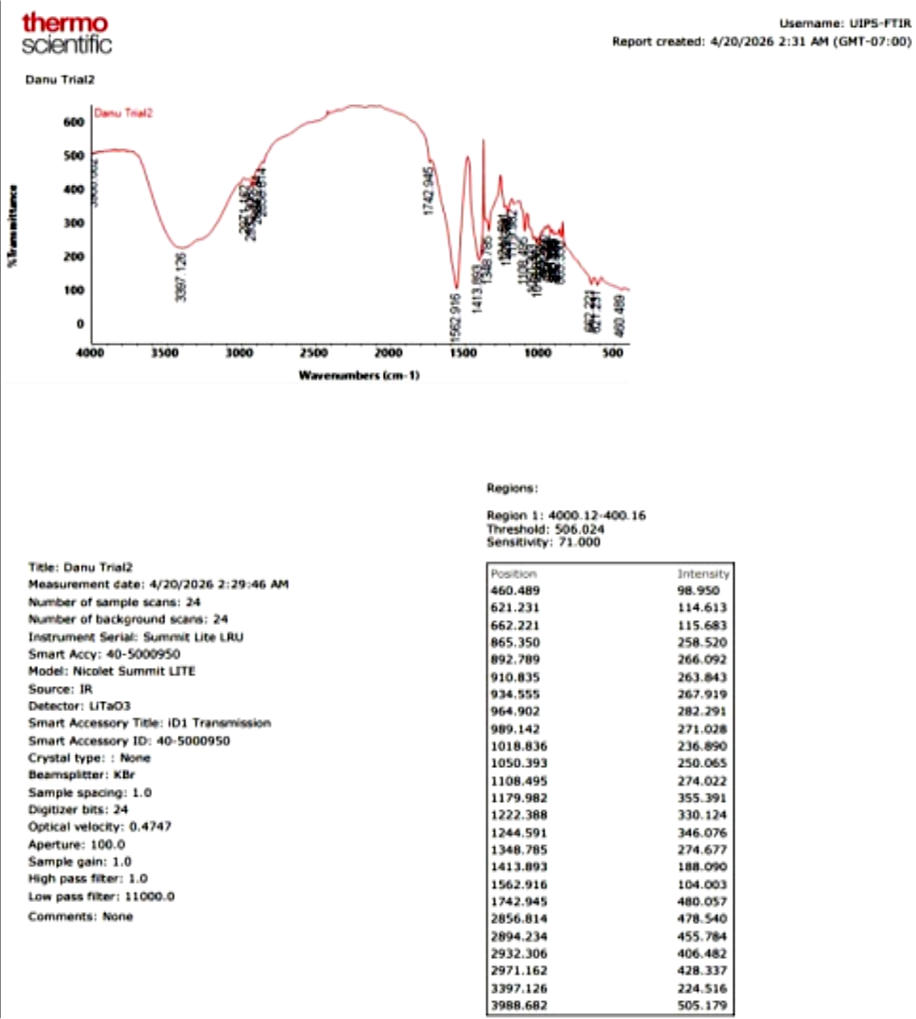 Figure 12
Introduction
Our immune system defends our body against harmful microbes, diseases, infections, and cancer. To protect the body from foreign substances, the immune system creates an immune response to fight against foreign substances or harmful bacteria and disease. Major immune system components are macrophages and lymphocytes (B cells and T cells) which are responsible for protecting the body against infections [1] . Immune system is of two types, Innate and adaptive immunity, which provides different functions, while innate immunity provides a rapid, non-specific defence mechanism, adaptive immunity uses memory cell to provide long term, antigen-specific protection [2] . Boosting immunity is crucial for our health since the COVID-19 pandemic has brought difficulty for the entire world. The primary objectives of COVID-19 were elderly and young people with weakened immune systems. Our immune system contains various of useful bacteria in our body that protect our body from several diseases. When the immune system gets weakened, it causes infections like corona virus and diseases such as diabetes, heart disease, or blood cancer [3] . The most important way for improving the immune system is to adopt a healthy lifestyle which includes consuming nutritious food, getting enough rest. and regular physical workout. Further, research have shown that taking supplements containing specific vitamins, minerals, herbs, and other substances boost immunity and prevent disease [4] . Human beings have suffered severely in recent decades because of the rapid increase in the frequency of various infectious, inflammatory diseases, allergies, cancer, and autoimmune disorders. Immunity should be balance which is crucial for maintaining human health there are numerous benefits of using natural herbs with immune modulating properties to prevent or enhance the immune system. Plant based natural ingredients have fewer side effects and lower toxicity in the body compared to synthetic (organic) drugs, which makes them beneficial for human health, they have numerous of benefits, one of which is enhancing the immune system of the body. By boosting host immunity, plant based natural ingredients support health and help in the fight against illnesses the Phytoconstituents present in the plants-based ingredients responsible for various therapeutic benefits in body [11] .
A polyherbal formulation is a preparation that combines two or more herbs. Polyherbalism is the idea of synergism, which balance the combined therapeutic effect of each herb which is greater than the sum of individual effects. In Ayurveda, polyherbal solutions are frequently used to boost immune system and maintain energy balance. The immune system can be significantly strengthened and risk of disease by combining herbs with anti-inflammatory, antioxidant, adaptogenic and immune stimulatory qualities. Traditional herbal formulations often use sugar or honey as base ingredients to enhance flavour and preserve the composition; however, individuals' obesity, diabetes or metabolic disorders have significant difficulties as a result. Sugar intake can worsen pre-existing metabolic disorders in certain individuals, leading to insulin resistance and hypercalcemia. Due to increased awareness of dietary restrictions and lifestyles disorders, there is an increasing need for sugar-free alternatives that are both pleasant and medicinal. Safe, low-calorie sweeteners like stevia and mannitol which are suitable for all the individuals [51] . The best way to cope with health problems and the best substitute of energy drink is herbal immunity boosters. The name of selected plants for study: Amla (Phyllanthus emblica): family is Phyllanthaceae, Amla is a great source of vitamin C, which improves immunity, speedup metabolism and guards against bacterial and viral infections like cold and cough [25] . Tulsi (Ocimum sanctum): family is Liliaceae, Tulsi is commonly used to treat illness, such as the common cold, irritation, intestinal illness, cardiovascular disease, digestive issues and more [24] . Ginger (Zingiber officinale): family is Zingiberaceae, Ginger has a strong anti-bacterial and anti-inflammatory properties, which help to boost the immunity [39] . Turmeric (Curcuma longa): family is Zingiberaceae Turmeric is a well-known for its ability to boost immunity, its main constituent, curcumin has strong antioxidant and anti-inflammatory properties which enhances immune cell activity, reduces inflammation strengthen the body's defence against infections [39] . Cinnamon (Cinnamomum verum): family is Lauraceae, Cinnamon is used to increase the immunity because of its bioactive ingredients including cinnamaldehyde, cinnamic acid and cinnamyl alcohol. These ingredients, support the body's immune system response because of their antibacterial, anti-inflammatory properties [39] . Stevia (Stevia rebaudiana): family is Asteraceae Stevia leaf extract contain different bioactive ingredient like flavonoids, steviol glycosides, diterpenoids which gives S. rebaudiana its sweetness, its bioactive metabolites provide a variety of medicinal benefits including as immunomodulatory, antiinflammatory, antibiotic and neuro protective properties [52] . Flax Seeds (Linum usitatissimum): family is Linaceae flax seed is very rich in omega-3 fatty acids, fiber, protein, and antioxidants.
Plant Profile
Plant Profile
Family: Euphorbiaceae
Geographical source: It is most found in countries in like India, Pakistan, Uzbekistan, Sri Lanka, Southeast Asia, China and Malaysia.
Chemical Constituents: One of the Pants that has been studied the Most is amla. It may contain phenols, alkaloids, and tannins, according to several studies.28% of the tannins found across the whole plant have been discovered in fruits.it generally consist of carbohydrates, amino acids, and other substances. its fruit juice has the greatest vitamin C concentration (478.56mg/100mL). There is more vitamin C than oranges, tangerines, and lemons. The edible fruit tissue has much greater of most minerals and amino acids and is multiple times richer in proteins and 160 times more ascorbic acid than apple.
Uses: Amla, often known as Indian gooseberry, is a nutritious fruit with numerous health benefits. By boosting the body's immune system with its antibacterial properties and by creating more white blood cells, which help with detoxification, it improves immunity. Amla is also beneficial for hair care because of its high iron and antioxidant content. Geographical Source: Ocuimum sanctum is found in Latin America, the southern hemisphere, and tropical and subtropical parts of Asia. Chemical Constituents: Several phenolic substances (antioxidants), including cirsilineol, cirimaritin, isothymusin, apigenin, rosameric acid, and eugenol, were extracted from fresh leaves and stem of Ocimum sanctum. 0.7% of the volatile oil found in Ocimum sanctum leaves is made up of roughly 71% eugenol and 20% methyl eugenol. Additionally, the oil contains the sesquiterpine hydrocarbon caryophyllene and carvacrol. Two flavonoids, orientin and vicenin, have been identified from Ocimum sanctum's aqueous leaf extract. Ginger also includes raw fibres, lipids, organic acids, and polysaccharides; roughly 50-70% of its composition is madeup of carbohydrates Which shows antioxidant, anti-inflammatory, antimicrobial, and anticancer properties. Larger-scale cultivation takes place in Pakistan, Malaysia, China, India, and the East Indies. Chemical constituents: Curcuma longa is the main constituent of turmeric, which contain different chemical constituents that contribute toits culinary and medicinal properties. Curcumin (around3-6%) make up curcuminoids, the main colouring compound. The essential oils include around 3-Zingiberene (25%), αphellandrene, sabinene, turmerone, and arturmerone are found in 7% of Turmeric. Cineole and borneol other substances found intuermeric include phenylpropene, diterpenes, sterols and alkaloid. These chemical constituents contain antioxidants, anti-inflammatory properties in it [14] . The active ingredient in the molecule is the volatile oil, 14-16% of the 90% alcohol-soluble extraction is produced by bark. 60-70% of cinnamonaldehyde,5-10% eugenol, benzaldehyde, cumin aldehyde are found in Cinnamon oil. These ingredients show carminative, stomachic, and mild astringent properties [24] . unistatissimum, is becoming increasingly well-liked because of its high α-linolenicacid, lignans, Fiber and Omega 3 fatty acids which act as a antioxidant.
Tulsi (Ocimum sanctum)
Tulsi (Ocimum sanctum)
Ginger (Zingiber officinale)
Ginger (Zingiber officinale)
Turmeric (Curcuma longa)
Turmeric (Curcuma longa)
Cinnamon (Cinnamomum zeylanicum)
Cinnamon (Cinnamomum zeylanicum)
Stevia (Stevia rebaudian)
Stevia (Stevia rebaudian)
Mannitol
Mannitol commonly known as D-mannitol, is a polyol or low-calorie sugar alcohol. it has a similar chemical structure to mannose and is an isomer of the medicinal excipient sorbitol. It is either a white, odourless, crystalline powder or free-flowing granules. It is similar to glucose and tastes half as sweet as sucrose. It functions as a tonicity agent, tablet, capsule diluent, chewable tablet excipient, sweetener. Five popular herbs-Amla, Tulsi, Ginger, Turmeric, Cinnamon, Stevia and Flax seed were employed in this study to make and evaluate a sugar free polyherbal mixture. These plants are well-known for their immunomodulatory, adaptogenic, and antioxidant properties. The main objective was to formulate a pleasant, sugar free supplement and assess its basic physiochemical characteristics.
Clinical investigation in selected herbs
In the present study, a selection of medicinal plants is clinically investigated in animal's models to assess their immunomodulatory, antioxidant, and health promoting properties. Many of them utilize herbs including Phyllanthus emblica, Ocimum sanctum, Zingiber officinale, Curcuma longa, and Stevia rebaudiana, Linum usitatissimum used to determine the activity on animals. Toll-like receptor (TLR2, TLR4, and TLR7) gene expression was assessed in this study after amla fruit powder added to the diets of broiler chicks. The study showed that while TLR4 expression reduced in all treatment groups. Based on these studies, amla may strengthen broiler hens' immunity and serve as a natural antibiotic substitute. The analgesic and anti-inflammatory properties of Ocimum sanctum leaves were assessed in this study.
Using the hot-plate method in mice and carageenaninduced paw edema in rats, the leaves' ethanol extract was tested for its analgesic and anti-inflammatory effects. The analgesic effect was proven by a significant, dose dependent increase in reaction time at doses of 250-500mg/kg. By reducing paw edema (43.33% inhibition at 500 mg/kg), the extract showed its anti-inflammatory. The Findings verify the traditional use of Ocimum sanctum refer to its potential as source of herbal medicine [54] . The continued use of antibiotics in poultry production is no longer desirable because of the negative effects on animal and human health. Lengthened. In this study the production of poultry has led to the discovery and testing of numerous organic products. As well as turmeric. Curcumin, the active ingredient in turmeric, has demonstrated broad-spectrum antibacterial properties in this study it can also boost the chicken's immunity. These are also anti-inflammatory qualities to turmeric. That's studies have shown that turmeric can enhance gut health, boost feed intake, and hasten chicken growth, making it a very excellent organic product that can readily take the place of antibiotics in chicken production. The current study claims that an aqueous extract from stevia leaves may lower blood sugar level, glycosylated haemoglobin (HbA1c), and fasting blood sugar haemoglobin, but the diabetic rats' levels of insulin and liver glycogen considerably rose in comparison with the control rats with and without diabetes after eight weeks' time for study. The aqueous extract of stevia was found to have a concentration of 500ppm/kg body weight in rats. Demonstrated the best outcomes of every parameter examined. It is clear from the findings that stevia extracts anti-diabetic effects in albino rats, so it could be used as a naturally occurring antidiabetic medication of diabetes and the problems it causes. In this study they evaluated the effects of giving broiler chickens different amounts of ginger (Zinger officinale). A total of 1500 chicks were divided into five groups with varying amounts of ginger. The results showed that supplementing with ginger improved gut morphology (longer and wider villi), reduced the total bacterial count, and increased feed intake. Additionally, by increasing HDL and lowering LDL triglycerides, and cholesterol, it enhanced serum biochemistry. A0.6% ginger inclusion produced the best outcomes. 1. Hot air oven (for loss on drying) 2. Muffle furnace (for total ash and acid-insoluble ash determination)
3. Electronic weighing balance 4. Standard sieves.
Method of preparation 5.1 Cleaning and Drying
All herbs (Amla, Tulsi, Ginger, Turmeric, Flax seed, Stevia) were cleaned thoroughly removed dust and impurities. The material was shade-dried at room temperature.
Grinding
Each dried material was coarsely powdered using a mechanical grinder and passed through a 60 no of sieve to obtain uniform particle size. The powders were stored separately in airtight containers.
Mixing and Blending
All powdered herbal ingredients were accurately weighed according to the formula and mixed thoroughly in a clean, dry mortar and pestle to ensure uniformity.
Sieving and packaging
The final blend was passed again through a 60 no sieve to achieve a fine, homogenous powder. The polyherbal powder was then packed in airtight container.
Evaluation procedure 6.1 Organoleptic evaluation:
The product was evaluated based on its colour, taste, odour, appearance.
Physiochemical evaluation:
Numerous of physiochemical test was performed such as angle of repose, bulk density, tapped density, moisture content, etc.
Angle of repose:
To evaluate angle of repose a funnel is used and placed in such away so that the powder can flow easily after that a grid of paper was placed in a flat surface the before pouring the powder block the tip of funnel then pour the powder through the funnel on the paper then mark was made on the paper along the circumference of the pile. The radius(r) of the pile and the height(h) was measured. The angle of repose was measured by using:
Where, θ=angle of repose h= height of pile, r = radius of pile
Bulk density
To measure bulk density a 100ml measuring cylinder was used and the fine powder was poured into a clean and dry measuring cylinder ensuring the powder does not compact or tapped then note the reading volume occupied by the powder. Formula for calculating bulk density is as follows: 3. Tapped density: after measuring bulk density, the measuring cylinder containing powder was tapped using glass rod. The powder was tapped 100-200 times after tapping the volume was recorded to the closet graduated unit. To calculate the tapped density, we use the formula:
Where, ρ(tap)= tapped density, M=weight of sample, Vf = volume of sample.
Carr's Index (The Compressibility Index):
The tendency of a powder formulation is measured by an index. To be compressed, which is determined using the bulk and densities were tapped. It is better to have less compatibilities' a property of flow it measures the interparticulate interaction of the material, The disparity between bulk and tapped densities are far more significant. The formula used for calculation of Carr's Index is,
Where, ρ(b)= Bulk density, ρ(tap)= Tapped density.
Where, ρ(tap)=Tapped density, ρ (b) = Bulk density Very Very poor 6. Moisture Content: since the moisture content is high, which encourage the hydrolytic process that results in the development of microorganisms. As a result, herbal powder contains more moisture content compared to its peers, which is why it is important to know the moisture content, to select proper packaging for the product. The hot air oven was used to measure the moisture content by placing the measured amount of powder was placed in preheated porcelain dish and weigh the dish (W1) along with the powder and then the porcelain dish was placed in hot air oven for 60 C for 2 hours. After that porcelain dish was removed from the oven and weight again (W2). Then the moisture content was calculated:
Where, W =powder' weight(gm),W1 =weight of dish before drying(gm),W2 =weight of dish after drying(gm).
Ash Content:
It symbolizes the inorganic residue, including silicate, carbonate, and phosphate in herbal drugs.
It is significant because it demonstrates the quality as well as purity of herbal medicines. Total ash content -To a weighed crucible (W1) predetermined dry sample is added. The crucible is weighed again with the sample (W2). The crucible is then placed in a furnace until it burned off. Then again weight the crucible along with the residue (W3).
Total Ash(%) = [(W3-W1)/(W2-W1)]*100
Phytochemical Evaluation:
Phytochemical test was done using standard qualitative methods to detect the presence of phytoconstituents such as alkaloids, flavonoids, saponins, tannins, glycosides, and steroid/terpenoids.
Preparations of Extract
Weigh 1-2 gm of the sample powder. 10ml of distilled water or ethanol is used depending on solubility. The powder is mixed with distilled water, shake well and filtered. The filtrate was used for testing.
Test for Alkaloids (Mayer's Test)
Take 1-2 ml of the extract. Add 1ml of Mayer's reagent. Creamy coloured precipitate was observed.
Test for Tannins (Ferric chloride Test)
Take 1-2 ml of the extract. Add few drops ferric chloride solution. Black colour was observed.
Test for Glycosides (Keller-Killiani test)
Take2 ml of the extract Add few drops of glacial acetic acid, one drop of ferric chloride and sulphuric acid carefully down the side.
Reddish brown layer at the interface and bluish-green layer below was Observed.
Test for Saponin (Foam Test)
Take 2 ml of the extract. Shake 2ml of extract vigorously with 5ml distilled water in a test tube. Allow to stand for few minutes. Foam formation was observed.
Test for protein (Millon's Test)
Take 3 ml of the extract. Add 5ml of Millon's reagent. Heat the solution in a water bath. White precipitate turns red on heating was observed
Test for Carbohydrates (Molisch Test)
Take 3ml of extract and add few drops of alcoholic alpha naphthalol Shake well and add 2ml of conc. Sulphuric acid from the side wall of the test tube. Purple colour was observed.
Results
Results
Organoleptic Evaluation Results
Organoleptic Evaluation Results
Physiochemical Evaluation Results
The result of the physiochemical evaluation is as follows: Thus, the Bulk density of powder was observed to be 0.465gm/ml. The Tapped density of powder is found to be 0.50 gm/ml. Thus, the flow property of powder is good. Therefore, the total ash value was found to be14%. The result showed that among the two batches, sample Batch 1 has a strong antioxidant activity with an IC₅₀value (3.62 μg/ml) nearly equal to ascorbic acid (3.60μg/ml), where as sample batch2 showed slightly lower activity (IC₅₀= 4.02 μg/ml). Overall, Batch1demonstrated stronger free radical scavenging potential compared to batch 2.
3.Tapped Density
3.Tapped Density
Carr's Index
Carr's Index
Hausner's Ratio
Hausner's Ratio
Phytochemical Evaluation Results
Phytochemical Evaluation Results
Discussion
The present study was carried out to evaluate the organoleptic, physicochemical, phytochemical, and antioxidant properties of the developed polyherbal powder formulation. The findings obtained from the evaluation confirmed the acceptable quality, stability, and therapeutic potential of the formulation. Organoleptic evaluation showed that all the trial formulations possessed a uniform powder appearance with fine texture, greenish-brown colour, and sweet odour. These characteristics indicate good blending of herbal ingredients and acceptable sensory properties, which are important for patient acceptability and product quality. The physicochemical parameters demonstrated satisfactory flow and handling properties of the powder formulation. The angle of repose value of 28.8° indicated good flowability of the powder blend. Similarly, Carr's index (11.6%) and Hausner's ratio (1.13) also confirmed excellent compressibility and flow characteristics, suggesting that the formulation can be easily processed during manufacturing. The bulk density and tapped density values indicated proper packing ability of the powder particles. Moisture content was found to be 6.9%, which is within acceptable limits and suggests lower chances of microbial growth and better stability during storage. The ash value reflected the presence of inorganic and mineral constituents in the formulation. Phytochemical screening revealed the presence of important secondary metabolites such as flavonoids, saponins, tannins, glycosides, and carbohydrates. These phytoconstituents are well known for their medicinal properties including antioxidant, antimicrobial, anti-inflammatory, and therapeutic activities. The absence of alkaloids and proteins in most formulations may be attributed to the nature of selected herbal ingredients and extraction methods used. The antioxidant activity assessed by DPPH radical scavenging assay showed promising results. Batch 1 exhibited stronger antioxidant activity with an IC₅₀ value of 3.62 μg/ml, which was almost comparable to the standard antioxidant ascorbic acid (3.60 μg/ml). Batch 2 also showed significant antioxidant activity but comparatively lower than Batch 1. The strong antioxidant potential may be due to the presence of flavonoids and phenolic compounds in the formulation, which are capable of scavenging free radicals and reducing oxidative stress. FTIR analysis further confirmed the presence of various functional groups such as hydroxyl, carbonyl, ether, and aliphatic compounds in the formulations. Trial 1 showed characteristic peaks corresponding to polyphenols and carbohydrate-related compounds, whereas Trial 2 exhibited an additional carbonyl peak indicating the presence of lipidrich constituents due to flaxseed incorporation. These findings support the phytochemical screening results and indicate the presence of bioactive compounds responsible for antioxidant activity.
Figures and tables from the paper
| Value of angle of repose | Flow properties |
|---|---|
| <25 | Excellent flow |
| 25-30 | Good flow |
| 30-40 | Passable |
| 40 | Bad flow |
Table text extracted from the original PDF; superscript letters are shown inline. The original table image is below.
View original table image
| Carr’s Index(%) | Flowproperty |
|---|---|
| <10 | Excellent |
| 11-15 | Good |
| 16-20 | Fair |
| 21-25 | passable |
| 26-31 | Poor |
| 32-37 | Very poor |
| >38 | Very Very poor |
Table text extracted from the original PDF; superscript letters are shown inline. The original table image is below.
View original table image
| Hausner’s ratio | Flow properties |
|---|---|
| 1.00-1.11 | Excellent |
| 1.12-1.18 | Good |
| 1.19-1.25 | Fair |
| 1.26-1.34 | Passable |
| 1.35-1.45 | Poor |
| 1.46-1.59 | Very poor |
| >1.60 | Very Very poor |
Table text extracted from the original PDF; superscript letters are shown inline. The original table image is below.
View original table image
| Sr. No | parameter | Trial 1 | Trial 2 | Trial 3 | Trial 4 |
|---|---|---|---|---|---|
| 1 | Appearance | Powder | Powder | Powder | Powder |
| 2 | Texture | Fine | Fine | Fine | Fine |
| 3 | Colour | Greenish brown | Greenish brown | Greenish brown | Greenish brown |
| 4 | Odour | Sweet | Sweet | Sweet | Sweet |
Table text extracted from the original PDF; superscript letters are shown inline. The original table image is below.
View original table image
| Phytoconstituent | Trial 1 | Trial 2 | Trial 3 | Trial 4 |
|---|---|---|---|---|
| Alkaloids | ||||
| Flavonoids | _ + | _ + | _ + | _ + |
| Saponin | + | + | + | + |
| Tannins | + | + | + | + |
| Glycosides | + | + | + | |
| Carbohydrates | _ + | + | + | + |
| protein |
Table text extracted from the original PDF; superscript letters are shown inline. The original table image is below.
View original table image
| Conc. (µg/ml) | Ascorbic acid | Batch 1 |
|---|---|---|
| 0 | 0.000 | 0.000 |
| 5 | 32.332 | 48.522 |
| 10 | 49.571 | 57.841 |
| 20 | 59.299 | 60.896 |
| 40 | 76.585 | 66.243 |
| 80 | 88.698 | 69.960 |
| 160 | 91.588 | 75.967 |
| 320 | 94.680 | 85.133 |
Table text extracted from the original PDF; superscript letters are shown inline. The original table image is below.
View original table image
| Conc. (µg/ml) | Ascorbic acid | Batch 2 |
|---|---|---|
| 0 | 0.000 | 0.000 |
| 5 | 32.332 | 32.281 |
| 10 | 49.571 | 51.731 |
| 20 | 59.299 | 56.415 |
| 40 | 76.585 | 64.359 |
| 80 | 88.698 | 68.432 |
| 160 | 91.588 | 77.546 |
| 320 | 94.680 | 91.243 |
Table text extracted from the original PDF; superscript letters are shown inline. The original table image is below.
View original table image
References
54 in the original paper- Jayakumari S, Vijayalakshmi A, Velraj M, Shyamsundar D, Sharmila E, Sakthipriya R, Suriyaprakash K, Musharaf SS. Formulation and evaluation of polyherbal cookies for immunity booster. Annals of Phytomedicine. 2024;13(1):1252-1258.
- Kumari R, Venaik A, Hasibuzzaman MA, Azure SA, Ojha RP, Sahi AK. Repurposing of the herbals as immune-boosters in the prevention and management of COVID-19: A review. Journal of Pure and Applied Microbiology. 2021;15(1):1-19.
- Gadge SA, Pingale RA, Nimse KS, Jadhav SN. Design of polyherbal powder drink formulation as an immunity booster. Journal of Chemical Health Risks. 2024;14(5):212-224.
- Godge GR, Bhor KJ, Dalvi SB, et al. Research on preparation and evaluation of polyherbal chocolate. International Journal of Pharmaceutical Research and Applications. 2023;8(4):883-893.
- Gawade M, Adlinge A, Lipabe V. Formulation and evaluation of polyherbal antidiabetic powder. Clinical Interventions and Clinical Trials. 2023;1(1):1-7.
- Sonawane P, Rasikal M, Kandale J, Bhujbal S. Effect of polyherbal formulation for immunomodulation in immunosuppressed mice. International Journal of Pharmacognosy and Life Science. 2022;3(1):19-23.
- Patankar SB, Gore A, Joshi K, et al. Efficacy and safety of polyherbal formulation as an add-on to standard-ofcare in mild-to-moderate COVID-19: A randomized, double-blind, placebo-controlled trial. Journal of Ayurveda and Integrative Medicine. 2022;13(4):100653.
- Chandra K, Das AK, Banday S, et al. Efficacy of polyherbal formulations for prevention of COVID-19 infection in high-risk subjects: A randomized openlabel controlled clinical trial. Phytotherapy Research. 2022;36(9):3632-3643.
- Arun A, Subramanian S, Kambhoj D. Efficacy of polyherbal formulation along with standard care of treatment in early recovery of COVID-19 patients: A randomized placebo-controlled trial. Beni-Suef University Journal of Basic and Applied Sciences. 2023;12:103.
- Rani S, Sharma U, Deshmukh MP, et al. Immunomodulatory and antioxidant potential of polyherbal Dhatryadi Rasayana in the form of churna and granules. ACS Omega. 2024;9(13):14781-14790.
- Gasmi A, Shanaida M, Oleshchuk O, Semenova Y, Mujawdiya PK, Ivankiv Y, Pokryshko O, Noor S, Piscopo S, Adamiv S, Bjørklund G. Natural ingredients to improve immunity. Pharmaceuticals. 2023;16(4):528.
- Meera S, Gupta SS, Kumar NS. Immunomodulatory and antioxidant activity of a polyherbal formulation. International Journal of Pharmacology. 2008;4(4):287291. 13. Kumar NM, Murugan SK, Bethapudi B, Mundkinajeddu D. Evaluation of immunomodulatory activity of a polyherbal formulation (Phytocee™) using ex vivo and in vitro models. Pharmacognosy Magazine. 2025;21(1):67-73.
- Kumar R, Bharti G, Kumar A, Prakash G. Formulation and evaluation of herbal immunity booster tablets. Journal of Biomedical and Pharmaceutical Research. 2025;14(5):21-46.
- Srivastava SP, et al. Herbal immunomodulators: A powerful preventive weapon for COVID-19. Letters in Applied NanoBioScience. 2023;12(4):134-143.
- Paul S, Tamey T, Koirala P, Bhattacharya S, Das R. Formulation and evaluation of polyherbal tablet by using neem, tulsi, turmeric and ginger extract. Journal of Drug Delivery and Therapeutics. 2023;13(7):46-51.
- Chalk A, Kunde V. Formulation and evaluation of herbal immunity booster tablets. International Journal of Research Publication and Reviews. 2022;3(4):59835988.
- Khedekar SL, Biyani KR. Herbal immunomodulators: Formulation and evaluation of a tablet containing Indian herbs. International Journal of Pharmaceutical Sciences and Research. 2025;16(6):1651-1655.
- Veer M, Patil M, Shewale M, Nikam R. Formulation and evaluation of dispersible polyherbal immunity booster green tea tablets. International Journal of Biology, Pharmacy and Allied Sciences. 2025;14(1):1826.
- Rathor D, Prakash O, Nainwal P. Standardization of inhouse prepared an immunobooster polyherbal formulation. Ayushdhara. 2018;5(1):1521-1524.
- Khade S, Gupte P, Mourya A, et al. Immunomodulatory effect of a proprietary polyherbal formulation on healthy participants: A single-blind, randomized, placebo-controlled, exploratory clinical study. Perspectives in Clinical Research. 2023;14(3):130-138.
- Gawali VB, Bhalsing M, Dalvi NB, Tarksband YS. Development and evaluation of polyherbal powder formulation as energy booster. Journal of Pharmacognosy and Phytochemistry. 2018;7(3):15761580.
- Raut S, Waghchaure A, et al. Formulation and evaluation of herbal immunity booster tablet using Tinospora cordifolia satva. Research Journal of Science and Technology. 2025;17(1):66-72.
- Mirza P, Rajendrin K. Formulation and development of polyherbal tea formulation intended for immunity boosting for the treatment of COVID-19. International Journal of Pharmacy and Pharmaceutical Research. 2022;23(2):1-8.
- Patil CD, Bhandare MB, Bedis SP. Formulation and evaluation of polyherbal energy drink. International Journal of Trend in Scientific Research and Development. 2022;6(4):719-722.
- Umesh A, Kumudhavalli MV, Kumar M, Venkateswarlu BS. Formulation and evaluation of polyherbal formulation containing indigenous medicinal plants. European Chemical Bulletin. 2023;12(4):3719-3726.
- Aziz N, Wal A, Wal P, Saxena Pal R. Preparation and evaluation of the polyherbal powder: The nature's pharmacy for the treatment of diabetes mellitus and its complications. Pharmacophore. 2019;10(1):60-70.
- Shinde SS, Nimbalkar AV, Bundela KP. Formulation and evaluation of immune booster powder. International Journal of Advanced Research in Innovative Engineering. 2024;10(3):202-209.
- Maurya H, Kumar T. Formulation, standardization, and evaluation of polyherbal dispersible tablet. International Journal of Applied Pharmaceutics. 2019;11(1):158-167.
- Garg NK, Katara A, Mathur M. Formulation development, quality evaluation and in vitro antioxidant activity of a polyherboceutical composition. International Journal of Pharmaceutical Sciences and Drug Research. 2021;13(2):190-196.
- Patel JK, Patel D, Patel R, Akbari JA, et al. Development and evaluation of poly herbal powder formulation as an energy booster. International Journal of AYUSH. 2023;12(2):19-32.
- Modak AW, Kale V, Hake K, et al. Formulation and evaluation of herbal immunity booster Powder. International Journal of Scientific Development and Research. 2024;9:890-905.
- Kumaran R, Sudha S, Athira A, et al. Formulation and evaluation of instant polyherbal tea powder: A nutraceutical solution for modern lifestyles. International Journal of Pharmacy and Industrial Research. 2025;15(1):87-100.
- Gwade M, Adlinge A, Lipane V, et al. Formulation and evaluation of polyherbal antidiabetic powder. Open Access Journal of Disease and Global Health. 2023;1(1):1-6.
- Chandra K, Das AK, Banday S, et al. Efficacy of polyherbal formulations for prevention of COVID-19 infection in high-risk subjects: A randomized openlabel controlled clinical trial. Phytotherapy Research. 2022;36:3632-3643.
- Kumar A, Khan MS, Haque ZU, et al. Immunomodulatory effect of Unani polyherbal formulation (Tiryaq Wabai) in mild to moderate COVID-19 patients: A randomized placebo-controlled clinical trial. Journal of Ayurveda and Integrative Medicine. 2024;15:100903.
- Sushmitha K, Sirini S, Tejaswini CH, et al. Formulation and evaluation of polyherbal medicated jelly. Indian Journal of Novel Drug Delivery. 2025;17(2):84-93.
- Godge GR, Jhor KJ, Dalvi SB, et al. Research on preparation and evaluation of polyherbal chocolate. International Journal of Pharmaceutical Research and Applications. 2023;8(4):883-893.
- Pal A, Martolia J. Formulation and evaluation of immunity boosting poly-herbal drink. International Journal of Creative Research Thoughts. 2024;12(6):788-801.
- Pathak KS, Jain S, Waghmode DM, et al. The formulation, development, and evaluation of an immunity booster aimed at boosting immunity during cancer therapy. International Journal of Pharmaceutical Sciences. 2024;2(7):1570-1580.
- Mishra S, Raj R, Raj V, et al. Formulation and characterization of sugar-free polyherbal immunity boosting granules. YMER. 2025;24(6):528-542.
- Chalakanti S, Reddy AD, Begum SA, et al. Development and evaluation of polyherbal powder formulation as immunity power booster. EPRA International Journal of Research and Development. 2021;6(1):95-101.
- Alanazi HA, Elsabili AM, Alanzi MK, Elazab EF. Medicinal herbs: Promising immunomodulators for the treatment of infectious diseases. Molecules. 2023;28:8045.
- Geetha V. Natural preservation development in the pharmaceutical industry. International Journal for Multidisciplinary Research. 2025;7(1):1-9.
- Bag BB, Panigrahi C, Gupta S, Mishra HN. Efficacy of plant-based natural preservatives in extending shelf life of sugarcane juice: Formulation optimization by MOGA and correlation study by principal component analysis. Applied Food Research. 2022;2:100164.
- Aguiar G, Campolina MG, Cardoso A, Caetano SR, Nelson DL, Ramos EM. Essential oil and plant extracts as preservatives and natural antioxidants applied to meat and meat products: A review. Food Technology and Biotechnology. 2023;61(2):212-225.
- Chakraborty S, Shalini. Immunomodulatory herbs of Ayurveda and COVID-19: A review article. Journal of Ayurveda and Integrated Medical Sciences. 2020;5(2):203-210.
- Mazzio E, Barnes A, Badisa R, Councell CFA, Soliman KFA. Plants against cancer: The immune-boosting herbal microbiome: Not of the plant, but in the plant. Basic concepts, introduction, and future resource for vaccine adjuvant discovery. Frontiers in Oncology. 2023;13:1180084.
- Kadiyska T, Tourtourikov I, Dabchev K, et al. Herbs and plants in immunomodulation (Review). International Journal of Functional Nutrition. 2023;4(1).
- Ibtessam IA, Mohamed BA, Habib EM. Optimization of natural food preservatives extraction from spices and herbs. Food Technology Research Journal. 2023;1(Special Issue 1):1-8.
- Mishra S, Raj R, Raj V, Martolia J. Formulation and characterization of sugar-free polyherbal immunity boosting granules. YMER. 2025;24(6):528-542.
- Wang L, Chang T, Zhu T, et al. Stevia rebaudiana Bertoni as a sweet herbal medicine: Traditional uses, potential applications, and future development. Frontiers in Pharmacology. 2025;16:1638147.
- Mishra N, Singh R, Sirohi R, et al. Effect of a polyherbal immunomodulator on the immunogenicity of booster dose of FMD and FMD-HS-BQ vaccines in dairy cattle. Indian Journal of Animal Sciences. 2025;95(2):103-106.
- Hannan JMA, Das BK, Uddin A, et al. Analgesic and anti-inflammatory effects of Ocimum sanctum. International Journal of Pharmaceutical Sciences and Research. 2011;2(8):2121-2125.
- Mueed A, Shibli S, Korma SA, Madjirebaye P, Esatbeyoglu T, Deng Z. Flaxseed bioactive compounds: Chemical composition, functional properties, food applications and health benefits-related gut microbes. Foods. 2022;11(20):3307.