
Research article · 2026 · Full text
International Journal of Advanced Chemistry ResearchAssessment of aliphatic amino acid levels and their correlation with glutathione peroxidase and catalase activities in diabetic patients with kidney damage
Volume 8(6) · Pages 49–54 · DOI: 10.33545/26646781.2026.v8.i6a.687 ↗
Research areasChronic Kidney Disease and DiabetesAntioxidant Activity and Oxidative StressAmino Acid Enzymes and Metabolism
Abstract
Author-writtenDiabetes can cause serious damage to health through its ability to produce nephron failure, resulting in analgesic use and/or other complications. In addition to hypertension and atherosclerosis, hypertension is often associated with metabolic disturbances and increased oxidative stress (e.g., due to increased free radicals) in the kidney. Amino acids, particularly aliphatic amino acids, have a role in the metabolic pathways associated with both kidney and liver health. However, the role(s) that each of the aliphatic amino acid(s) plays in relationship to any antioxidant defence mechanism(s) (i.e., GMd, pGx, etc.) affecting individuals with kidney diseases has not been previous fully established. The goal of this project was to quantify the concentration of aliphatic amino acids in the plasma of an individual(s) with diabetic nephropathy and/or kidney disease and to investigate if there is an association between the concentration of and mechanisms involving antioxidant defence enzymes (primarily GPx and CAT) among diabetics with nephropathy. A total of 60 persons with nephropathy and 40 matched individuals without nephropathy were included in this observational study. Liquid chromatography - mass spectrometry (LC-MS) was used to measure plasma concentrations of five aliphatic amino acids (glycine, alanine, leucine, isoleucine and proline). Statistically significant tests were conducted comparing GPx / CAT biochemicals (i.e., WBC, lipid levels [i.e., TG levels] and platelet counts) from all test subjects, to further evaluate whether any differences exist between the two groups of diabetic nephropathy patients vs healthy adult controls ($p<0.05$). All patients with diabetic nephropathy had statistically significant differences in their biochemical/metabolic tests compared to healthy controls. Statistically significant lower concentrations in the plasma of all five aliphatic amino acids (i.e., glycine, alanine, leucine, isoleucine and proline) were present for diabetic nephropathy patients compared to healthy adult controls ($p<0.05$). Furthermore, GPx catalytic activity was significantly lower ($p<0.001$) in the plasma of diabetic nephropathy patients as compared to healthy adult controls and the CAT activity of diabetic nephropathy patients was variable, exhibiting compensatory effects. In contrast, diabetic nephropathy patients have substantially higher values for FBS, triglycerides, WBC, and platelets than do healthy adults, suggesting that there are profound metabolic and inflammatory disturbances in diabetic nephropathy. Strong positive associations between decreased amounts of aliphatic amino acids (especially glycine, leucine, and valine) as well as the GPx antioxidant enzyme ($r\geq 0.05$) indicate that patients with metabolic dysregulation (i.e., depleted aliphatic amino acid) and oxidative stress have compromised kidney health due to the pathophysiology of diabetic kidney injury; however, the relationship between the CAT enzyme and the amounts of aliphatic amino acid is inconclusive. These findings support the physiological evidence of the concurrent role that metabolic and oxidative pathways contribute to diabetic complications and provide sound biochemical rationale to pursue a metabolic treatment strategy for diabetes, as well as developing tailored therapeutic techniques designed to enhance diabetes management and potentially reduce diabetic nephropathy.
Summary
Source-checkedPlain-language reading of the full paper, prepared with AI and checked against the text. Each point links to the authors' own words.
Why it matters
- Diabetes can lead to severe health issues, including nephron failure and other associated complications. View evidence ↗
- Kidney damage in diabetic patients is often linked to metabolic disturbances and increased oxidative stress caused by free radicals. View evidence ↗
- Aliphatic amino acids, such as alanine, glycine, leucine, proline, and valine, are critical for energy production, nitrogen balance, and cell signaling. View evidence ↗
The question
- The study aimed to measure plasma concentrations of aliphatic amino acids in patients with diabetic nephropathy and determine if these levels correlate with the activity of antioxidant enzymes GPx and CAT. View evidence ↗
What they did
- The study included 100 participants: 60 with Type 2 Diabetes Mellitus and diabetic nephropathy, and 40 healthy, matched controls. View evidence ↗
- Plasma concentrations of five aliphatic amino acids were quantified using Liquid Chromatography-Mass Spectrometry (LC-MS). View evidence ↗
What they found
- Glutathione peroxidase (GPx) activity was significantly reduced in patients with diabetic nephropathy compared to normal individuals (p<0.001). View evidence ↗
- Catalase (CAT) activity in diabetic nephropathy patients was variable and appeared to adjust as a compensatory response to oxidative stress. View evidence ↗
- A significant negative correlation (p<0.05) was found between the levels of glycine, leucine, and valine and GPx activity, linking amino acid depletion to impaired antioxidant defense. View evidence ↗
- No significant correlation was observed between the levels of aliphatic amino acids and catalase (CAT) activity. View evidence ↗
What it means
- The findings suggest that metabolic treatment strategies and tailored therapies could be developed to improve diabetes management and reduce the risk of nephropathy. View evidence ↗
- The study's external validity may be limited because participants were recruited from only one clinical site, potentially ignoring ethnic variations in metabolic changes. View evidence ↗
- The analysis measured static plasma concentrations rather than dynamic intracellular fluxes or renal clearance rates of the amino acids. View evidence ↗
Visual summary
1 visualsIllustrations explain the paper; they do not show study data.
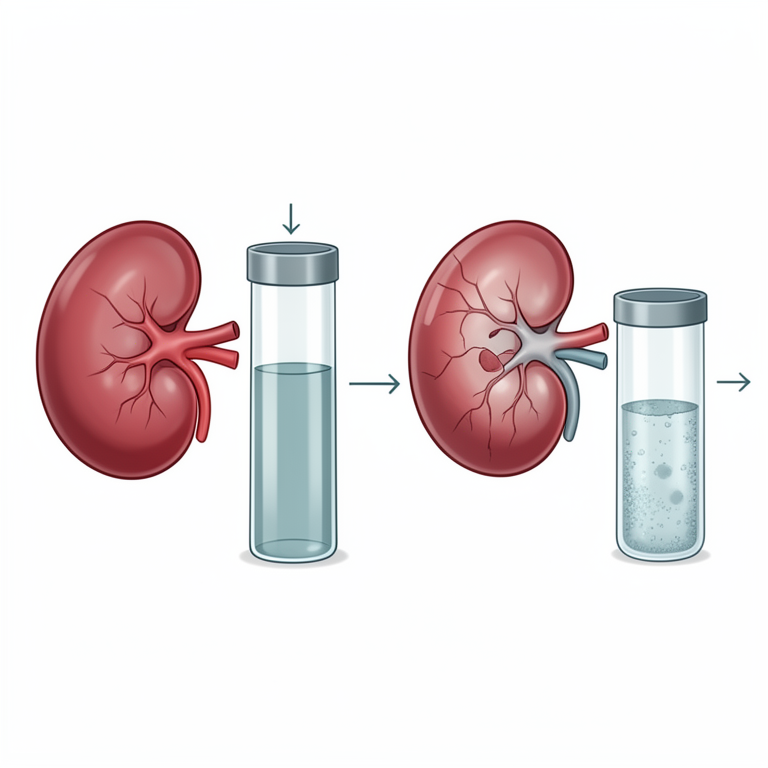
Study overview
AI-generated conceptual illustration (human kidneys and blood plasma). It explains the idea and does not show study data.
View source evidence ↗Introduction
"Diabetes mellitus (DM) continues to be a leading global public health problem of the 21st century, resulting in severe micro-and macrovascular complications [1] . One of these complications, diabetic nephropathy (DN), clinically referred to as diabetic kidney disease, is the most significant cause of end-stage renal disease (ESRD) globally [2] .
The clinical progression of DN is complex and includes persistent albuminuria, labile glomerular filtration rate (GFR), and structural changes to the renal parenchyma [3] . Existing clinical biomarkers do not adequately capture early molecular changes that occur as chronic hyperglycaemia progresses into substantial renal architecture deterioration. Therefore, a more detailed understanding of underlying metabolic and biochemical changes is required [4,5] ." The relationship of accelerated oxidative stress and metabolic reprogramming to diabetic renal injury at a molecular level cause a change in the pathophysiology of insulin-dependent diabetes mellitus [6] . Specifically, persistent elevated blood glucose levels lead to excessive production of ROS through multiple mechanisms, such as through AGE formation, through the polyol pathway and through dysfunction of the mitochondrial electron transport chain [7] . In normal physiology, GPx and CAT serve as adequate scavenging enzymes for ROS thus allowing normal cellular redox equilibrium to exist [8] . However, in the diabetic microenvironment, these scavenging enzymes are often diminished, resulting in oxidative insult to the lipid membrane, cellular protein and DNA of the kidney, thereby hastening the apoptosis of podocytes and tubulointerstitial fibrosis [9,10] . Simultaneously, systemic and intrarenal metabolic disturbances related primarily to amino acid metabolism function as key mediators of the development of diabetic complications [11] . Aliphatic amino acids (alanine, glycine, leucine, proline, and valine) function not only as structural components of proteins but also as essential intermediates for the generation of energy, maintenance of nitrogen balance, and regulation of cell signaling channels [12,13] . Changes in circulating levels of aliphatic amino acids have been reported as early metabolic indicators of insulin resistance and mitochondrial dysfunction [14] . Because the kidneys are key organs that provide filtration, reabsorption, and de novo synthesis for many amino acids, any abnormalities in systemic regulation of amino acids will affect renal energy metabolism and the susceptibility of renal tissues to oxidative injury [15,16] . Many past studies looked only at oxidative stress markers or at the overall metabolite profile in the diabetic population. However, there are very few data sets available on how specific aliphatic amino acids play a direct role in the regulation of key antioxidant systems and mechanisms that produce oxidative damage in the context of diabetic renal injury. The purpose of this study was, therefore, to bridge this gap in the literature. By using ultra-sensitive Liquid Chromatography-Mass Spectrometry (LC-MS), we sought to provide for NMDA the plasma concentrations of five aliphatic amino acids (alanine, glycine, leucine, proline, and valine) in subjects with diabetic nephropathy. We also determined whether there were any correlations between metabolic profiles and the functional activities of GPx and CAT, both of which are considered major indicators of diabetic renal injury and provide novel biochemical insights into the links that exist between metabolic and oxidative dysregulation that result in diabetic renal complications.
Materials and Methods
Materials and Methods
Study Design and Participant Recruitment
Before beginning the case-control study, the researchers received approval from both the Institutional Review Board and the Research Ethics Committee of Islamic Azad University -Science and Research Branch (Approval No: 54786/ ب ), as well as obtaining written consent from subjects.
There were 100 total participants in this study, including 60 with clinically defined Type 2 Diabetes Mellitus and clear clinical evidence of renal damage (diabetic nephropathy) and 40 healthy aged-and sex-matched control participants who experienced no indication of metabolic, renal, or chronic inflammatory illness (healthy control). Diabetic Nephropathy was clinically defined by the American Diabetes Association (ADA) Methodology as an albumin to creatinine ratio (ACR) > 30 mg/g based on the amount of albumin in urine collected in the morning. Strict criteria excluded individuals from the metabolic baseline variables and any other variables that could confound metabolic research, such as patients with liver disease, active cancer, heart problems and systemic infection. Alcohol/tobacco users were also excluded from the study, as well pregnant females and individuals who were taking any vitamins/antioxidants in the 6 weeks before the sample collection date.
Sample Collection and Processing
Subjects fasted from 12 to 14 hours before having peripheral venous blood samples collected in compliance with a systematic standard of care protocol while being monitored electronically. The blood samples were collected in tubes containing Ethylenediaminetetraacetic acid (EDTA) for both hematological analysis and separation of plasma, gel barrier test tubes for the purpose separating serum, and plain tubes (no additives) to obtain serum. Serum was obtained by allowing the clotted serum samples to sit for 30 minutes at room temperature to permit clot retraction and then the serum was separated from the blood by centrifuging the serum at 2500 g at 4 degrees Celsius for 20 minutes. The separated plasma and serum fractions were then aliquoted into sterile microtubes and frozen immediately to maintain biochemical stability until they were subsequently analyzed.
Baseline Biochemical and Hematological Assays
The measurement of the concentration of fasting blood glucose (FBS) using the glucose oxidase method was done using a completely automated laboratory clinical biochemistry analyser and the concentration of the FBS was measured using automated enzymatic colourimetric assays to measure other metabolic parameters (triglycerides, cholesterol, high-density lipoprotein (HDL), low-density lipoprotein (LDL), alanine aminotransferase (ALT), and alkaline phosphatase (ALP)). At the same time, a complete blood count (CBC) was performed using automated haematological analysers, which provided measurements for peripheral white blood cell counts (WBCs), red blood cell profiles, haemoglobin (Hb), haematocrit (Hct), platelets, and red blood cell indices (mean cell volume (MCV) volume) (hemoglobin concentration (MCH) concentration/MCHC) (mean cell volume associated with weight of body) and (RDW-CV)).
Absolute Quantification of Aliphatic Amino Acids by LC-MS:
Aliphatic amino acids (glycine, leucine, proline, valine, and alanine) circulating in the body can be found using a combination of high-performance liquid chromatography and mass spectrometry. The plasma samples were thawed using ice before performing the analysis, and we added an internal standard (isotope-labeled) during this step to account for the effects of the matrix and analytical variability on the concentration of our compounds. Mixed (1:1 v/v) ice-cold methanol/acetonitrile was subsequently added to form protein precipitates through vortex agitation for 2 minutes. The samples were then centrifuged at 12,000g for 15 minutes at 4 °C, and the resulting clear supernatant (free from protein) was transferred to a sample vial so that all five aliphatic (nonaromatic) amino acids could be quantified. We describe the use of a high-performance C18 reversedphase analytical column for chromatographic separation at a controlled temperature. A binary gradient system comprising water and 75% acetonitrile was employed as the mobile phase. Formic acid at both components of the mobile phase was used as an additive to promote ionization when used for detection utilizing an electrospray ionization (ESI) mass spectrometry (MS) source in positive mode with multiple reaction monitoring (MRM). An MRM mode characterized the mass spectrometer by providing superior selectivity and accurate quantification of compounds. The preparation of quantitative data and creation of linear calibration curves were generated utilizing the Sciex AB multiQuant Quantitative Software by correlating the mass with its mass/charge ($m/z$) from the quantitative standards utilized in the analyses.
Antioxidant Enzyme Activity Assays
Activity of Glutathione Peroxidase (GPx): Plasma GPx catalytic capacity has been evaluated using a commercial diagnostic kit (KiaZist-Iran). In accordance with the classical use of the enzyme system developed by Paglia and Valentine, the substrate for GPx, reduced glutathione (GSH), is oxidized to oxidized glutathione (GSSG) and then subsequently reduced back to GSH by the enzyme glutathione reductase with NADPH being used as a cofactor to facilitate the recycling process. The rate of the kinetic reaction is measured spectrophotometrically based on a decrease in absorbance at 340 nm every minute for 5 minutes at 37°C. The data obtained provide a linear rate of the consumptive use of NADPH as a substrate during the GPx catalyzed reaction of GSH. The GPx activity is expressed as nmol/min/mL. Catalase (CAT) Activity: The activity of plasma CAT was determined by using the specific diagnostic kit (KiaZist from Iran) and according to the Aebi method (UV spectrophotometric) for measuring the rate of reaction of catalase to hydrogen peroxide ($H_2O_2$) from reaction time of catalase with an amount of hydrogen peroxide. The method continuously monitored the biochemical reaction by recording the quantity and the time of how much ultraviolet (UV) light was absorbed over time at a wavelength of 240 nm. The CAT enzyme activity is reported in units per mL ($U/mL$).
Statistical Analysis
All data from each of the addressed experiments or clinical trials was pooled together and statistically evaluated using GraphPad Prism software version 8.0, as well as formatted in Microsoft Excel. Each piece of data was ultimately assessed for normality using a shapiro-wilk test before determining whether there were differences between Diabetic nephropathy patients and the healthy control group using independent samples t-test to express the mean (sd) for each continuous clinical variable. The relationship strength and direction between individual levels of aliphatic amino acids relative to the antioxidants GPx & CAT were assessed with either Pearson or Spearman correlation coefficients based upon whether the data were normally distributed. Statistical significance was identified as p<0.05.
Results
Results
Baseline Clinical and Hematological Characteristics
According to Table 1, the diabetic nephropathy (DN) cohort (n=60) and the healthy control cohort (n=40) show differences in both demographic and clinical characteristics that suggest different pathophysiologic processes. The two cohorts were not significantly different from each other with regard to either age or sex. However, there were significant differences in the metabolic disorders of the two cohorts, including FBS (fasting blood glucose) levels, which were significantly higher in DN patients than in healthy controls ($p<0.001$). Similarly, TG (serum triglycerides) levels were significantly greater in the DN patients compared to those of the healthy cohort, as measured by the lipid profile analysis. ($p<0.01$). The complete blood count (CBC) is an appropriate test for evaluating hematological parameters such as the complete blood count (CBC), which has shown alterations to existing vascular and systemic inflammatory processes associated with diabetes. The average peripheral leukocyte (WBC) counts were significantly elevated in the diabetic nephropathy group when compared to controls ($p<0.05$). In addition, the peripheral platelet counts were also significantly higher in the diabetic group with renal impairment ($p<0.05$) than those in the control group, which may indicate a greater mobilization of bone marrow stem cells in response to a greater thromboinflammatory signal within the microenvironment of the diabetes.
Plasma Aliphatic Amino Acid Profiles via LC-MS
We analyzed blood samples from people suffering from diabetic kidney disease (DKD) and healthy control subjects for metabolite measurements using high-performance liquid chromatography/mass spectrometry (HP LC/MS). We found significant differences between DKD and control subjects in the amino acid profile of whole blood; all 5 of the aliphatic amino acids investigated (i.e. alanine, glycine, leucine, proline and valine) sampled from plasma from DKD patients were significantly altered when compared to control subjects. Specifically, compared to the healthy control individuals, patients with diabetic kidney damage exhibited a substantial decrease in the circulating concentrations of:
This general depletion of circulating aliphatic amino acids suggests an accelerated utilization, impaired renal reabsorption, or systemic metabolic reprogramming associated with advanced chronic hyperglycemia and progressive renal complications Plasma Aliphatic Amino Acid Profiles via LC-MS Absolute quantification of circulating metabolites using highperformance LC-MS revealed profound disruptions in the metabolic finger-print of amino acids. The plasma levels of all five investigated aliphatic amino acids alanine, glycine, leucine, proline, and valine were significantly altered in the diabetic nephropathy cohort. Specifically, compared to the healthy control individuals, patients with diabetic kidney damage exhibited a substantial decrease in the circulating concentrations of:
This general depletion of circulating aliphatic amino acids suggests an accelerated utilization, impaired renal reabsorption, or systemic metabolic reprogramming associated with advanced chronic hyperglycemia and progressive renal complications
Antioxidant Enzyme Activities (GPx and CAT)
Analyses performed to assess the activity levels of the endogenous antioxidant enzyme defence system showed that patients identified as having high levels of oxidative stress had impaired functioning of their plasma glutathione peroxidase (GPx), indicating that they had significant reductions in their ability to detoxify reactive oxygen species (ROS) and lipid peroxides via normal enzymatic pathways (p<0.001) compared to normal subjects. At the same time, plasma catalase function adjusted to the oxidative stress exerted on the group by statistical modification from the rest of the participants within this patient cohort. With the exception of the measure of total plasma catalytic action versus the systemic indicators of oxidative stress all the participants in their study developed an adjustment to their plasma catalytic activity due to the presence of systemic oxidative stresses on them...
Correlation Analysis Between Amino Acids and Antioxidant Markers
To determine whether the different metabolic and oxidative pathways are harmonised, correlation coefficients (Pearson/Spearman correlations) were calculated. The analysis indicates a significant, statistically significant negative correlation between the levels of plasma aliphatic amino acids (specifically, glycine, leucine and valine) and GPx activity (p<0.05). However, no significant correlation was observed between the changed amino acid levels and the change in catalase (CAT) activity. The results indicate that patients with diabetic kidney disease have dysregulation of amino acids that are mathematically associated with the extent of injury to the GPx-mediated antioxidant system.
Discussion
The findings of the research confirm that individuals with diabetes-related renal problems have their complete metabolic signature disrupted and compromised their body's endogenous antioxidant protection system. We have shown that the development and progression of diabetic kidney disease (DKD) occur through a large amount of multi-layer reprogramming of metabolism using high-resolution liquid chromatography-mass spectrometry (LC-MS) profile of amino acids, combined with kinetic enzyme assays...
Dysregulation of Aliphatic Amino Acid Profiles
The plasma levels of all five aliphatic amino acids (alanine, glycine, leucine, proline and valine) were analyzed using absolute quantification methods, and all five were significantly lower in diabetes nephropathy patients compared to normal, healthy individuals ($p<0.05$). The overall decrease in plasma concentration of the amino acids may reflect a number of biomechanical events which have been linked to hyperglycemia and insulin resistance. First of all, branched chain amino acids such as leucine and valine are among the most important regulators of protein synthesis, mitochondrial biogenesis, and glucose metabolism [28] . When insulin resistance and metabolic impairment are present, mitochondrial branched chain amino acid aminotransferase (BCAT) and branched chain alpha-keto acid dehydrogenase (BCKDH) will increase in amount and activity. This will promote the breakdown of branched chain amino acids to provide carbon skeletons for the TCA cycle through gluconeogenesis and/or ketogenesis in both muscle and liver [29] . As a result, certain peripheral pools of circulating aliphatic amino acids may become depleted. Plasma glycine and proline levels were markedly reduced in this study, which relates to structural and redox homeostasis. Glycine is a fundamental rate-limiting precursor for de novo synthesis of GSH, the main endogenous antioxidant tripeptide [30] . The glycine depletion seen in the patients studied corresponds to increased cellular demand/ utilization of amino acid substrates to restore intracellular GSH pools due to chronic oxidative stress. Proline metabolism also has a close association to collagen synthesis and myofibroblast differentiation. The decreased circulating proline levels may reflect increased uptake or sequestering of proline by renal tissue undergoing tubulointerstitial fibrosis and thickening of the glomerular basement membrane as part of progressive DN architectural remodeling. [31] .
Impairment of the Antioxidant Machinery and Redox Homeostasis
Diabetic nephropathy patients had significantly lower GPx activity compared to controls. Diabetic nephropathy patients have reduced GPx activity levels (p<0.001; n = 112) than normal individuals. GPx is required for the detoxification of hydrogen peroxide and lipid peroxides into water and alcoholic products with glutathione, and as GPx activity has been reduced, this has resulted in a significant reduction in antioxidant protection against oxidative stress due to the net production of reactive oxygen species (ROS). This total lack of GPx will reflect the loss of an enzyme barrier created by GPx's catalysis that will prevent excessive production of ROS in the body. The inhibition of this enzyme occurs as a result of elevated amounts of superoxide free radicals produced from chronic hyperglycemia via the mitochondrial ETC which will also lead to the inactivation of the GPx active selenium sites [32] . In addition, downstream depletion of source amino acids (such as glycine) will further limit the amount of GSH and reduce GPx activity through substrate limitation for this enzyme. A marginal discrepancy was noted between the level of variability of uncertainty of CAT vs. the level of uncertainty of GPx. The data indicate that GPx (which is the primary high-affinity enzyme which removes low concentrations of peroxide) was working at an optimal level whereas catalase (which is a plentiful high-capacity enzyme) was needed to be recruited due to high levels of $H_2O_2$. CAT and GPx activity in opposite directions implies that there has been considerable disruption to the normal coordination between the various pathways of antioxidant defense resulting in the loss of the main pathway for high-affinity antioxidants, creating a dramatically increased susceptibility to renal oxidative injury, podocyte cell death, and compromise of the filtering barrier...
Metabolic-Oxidative Interplay and Clinical Correlates
This study established a very solid, statistically significant positive relationship between the low plasma levels of the aliphatic amino acids, particularly glycine, leucine and valine and the decreased activity of GPx ($p<0.05$). This mathematical relationship presents a very strong biochemical link between the metabolic-oxidative axis associated with the pathogenesis of kidney injury in diabetes. The low levels of circulating aliphatic intermediates are a direct result of mitochondrial dysfunction and the inability to provide the appropriate substrate availability which subsequently results in a decrease in the biosynthetic and catalytic efficiency of the antioxidant GPx enzyme system. In addition to the total number of WBCs and platelets elevated levels of FBS, TG and peripheral WBCs in diabetic individuals ($p<0.05$) further support the above molecular findings. Elevated levels of TG and hyperglycemia cause lipotoxicity and glucotoxicity which, together with elevated peripheral WBC and platelet counts, increase ROS production by mitochondria resulting from the activation of low-grade systemic thromboinflammatory processes that accelerate endothelium impairment and microvascular complications of the renal glomerulus. [34] .
Conclusion
The current clinical biochemistry research demonstrates significant, coordinated alterations of circulating metabolite patterns and endogenous redox state homeostasis in subjects with diabetic nephropathy (DN). A high-resolution, kineticbased analytical technique such as Liquid Chromatography-Mass Spectrometry (LC/MS or LC-MS) was used to identify and quantitate a major depletion of five specific aliphatic plasma amino acids: alanine; glycine; leucine; proline; and valine. The results also demonstrate an associated decrease of functional GPx (glutathione peroxidase) activity indicating that these metabolic dysregulations have impaired the overall GPx/antioxidant system. In addition, there were significant elevations of fasted blood sugar (FBS) and triglycerides (TG) found in each individual as part of their baseline biochemical profiles, indicating the combined effects of glucotoxicity and lipotoxicity as the main causes of microvascular renal injury. Also, the increase in WBC counts and platelets indicates that there is a chronic low-grade systemic thromboinflammatory process present, which likely contributes to endothelial dysfunction within the glomerular filtration barrier. Overall, these mathematical and biochemical relationships create a specific "metabolic-oxidative-inflammatory axis" that may contribute to the pathogenesis of progressive diabetic kidney injury.
Study Limitations
To ensure complete academic transparency and alignment with Scopus reporting standards, several limitations of the current study must be acknowledged: Sample Size and Center Level Nature: There are two limitations of this study; 1) While the cohort ($n=100$) is well-defined and perfectly matched, the small sample size and only recruiting from one clinical site could affect the external validity (i.e., metabolic changes across ethnicities). The experimental design of this case-control study has enabled us to assess only a specific time frame (time) of the disease progression; therefore, we cannot definitively identify the relationship of the aliphatic amino acids being depleted and the rate of progression of the renal architecture remodeling. The LC-MS analysis used in this study is focused on determining the static plasma concentration of the aliphatic amino acids, rather than looking at the dynamic intracellular fluxes of these amino acids or renal clearance rates.
Future Perspectives and Recommendations
Based on the novel insights generated by this research, the following pathways are highly recommended for future clinical and molecular explorations: Broad-ranging, multiregional long-term studies need to be done examining if changes in the level of circulating non-aromatic amino acids could be useful markers for the potential development of microalbuminuria. Clinical trials should also look into the effectiveness of personalized dietary intervention programs or amino acid replacement therapy (especially glycine and branched-chain amino acids) to restore GSH storage in the cells and treat oxidative stress in the kidney. To better understand how amino acids can affect different biological processes when there are long-term elevated blood glucose, molecular analysis on cultured podocytes and renal tubular epithelial cells will be required for this purpose as well as study of signalling pathways through mirroring known pathways for abrogation after exposure.
References
34 in the original paper- International Diabetes Federation. IDF Diabetes Atlas. 10th ed. Brussels (Belgium): International Diabetes Federation; 2021.
- American Diabetes Association. Standards of Care in Diabetes 2024. Diabetes Care. 2024;47(Suppl 1):S1S321.
- Tuttle KR, et al. Diabetic kidney disease: A report from an ADA Consensus Conference. Diabetes Care. 2014;37(10):2864-2883.
- Alicic RZ, Rooney MT, Tuttle KR. Diabetic kidney disease: Challenges, progress, and possibilities. Clin J Am Soc Nephrol. 2017;12(12):2032-2045.
- Persson F, Rossing P. Diagnosis of diabetic kidney disease: State of the art and future perspective. Kidney Int Suppl. 2018;8(1):2-7.
- Brownlee M. The pathobiology of diabetic complications: A unifying mechanism. Diabetes. 2005;54(6):1615-1625.
- Jha JC, et al. Mechanisms of oxidative stress in diabetic nephropathy. Antioxid Redox Signal. 2016;25(11):657684.
- Sies H. Oxidative stress: A concept in redox biology and medicine. Redox Biol. 2015;4:180-183.
- Forbes JM, Coughlan MT. Oxidative stress, mitochondrial dysfunction, and advanced glycation in diabetic kidney disease. J Am Soc Nephrol. 2008;19(5):841-847.
- Miranda-Díaz AG, et al. Role of oxidative stress in diabetic nephropathy with a focus on its biomarkers. J Diabetes Res. 2016;2016:1-14.
- Eid S, et al. New insights into the mechanisms of diabetic complications: Role of lipids and amino acids. Diabetologia. 2019;62(10):1839-1849.
- Brosnan JT, Brosnan ME. Branched-chain amino acids: Enzyme and substrate regulation. J Nutr. 2006;136(1):207S-211S.
- Wu G. Amino acids: Metabolism, functions, and nutrition. Amino Acids. 2009;37(1):1-17.
- Wang TJ, et al. Metabolite profiles and the risk of developing diabetes. Nat Med. 2011;17(4):448-453.
- Verrey F, et al. Kidney amino acid transport. Pflugers Arch. 2009;458(1):53-60.
- Garibotto G, et al. Peripheral and renal amino acid metabolism in diabetes mellitus. Diabetes Metab Res Rev. 2002;18(4):273-281.
- Kashihara N, et al. Oxidative stress in diabetic nephropathy. Curr Med Chem. 2010;17(34):4256-4269.
- Giesbertz P, et al. Plasma amino acid profiles in patients with type 2 diabetes and advanced nephropathy. Amino Acids. 2017;49(1):125-135.
- Academic Ethical Committee. Academic Ethical Committee Guidelines. Science and Research Branch, Islamic Azad University; 2023.
- Stevens PE, Levin A. Evaluation and management of chronic kidney disease: Synopsis of the KDIGO 2012 clinical practice guideline. Ann Intern Med. 2013;158(11):825-830.
- Burtis CA, Ashwood ER, Bruns DE. Tietz Textbook of Clinical Chemistry and Molecular Diagnostics. 5th ed. St. Louis (MO): Elsevier Health Sciences; 2012.
- Briggs C, et al. International Council for Standardization in Haematology (ICSH) guidelines for the evaluation of automated hematology analyzers. Int J Lab Hematol. 2014;36(2):180-192.
- Every H, et al. Quantification of amino acids in human plasma by liquid chromatography-mass spectrometry. J Chromatogr B. 2019;1124:150-158.
- Minkler PE, et al. Quantification of amino acid profiles in metabolic disorders using LC-MS/MS. Mol Genet Metab. 2015;116(3):142-150.
- Paglia DE, Valentine WN. Studies on the quantitative and qualitative characterization of erythrocyte glutathione peroxidase. J Lab Clin Med. 1967;70(1):158169.
- Aebi H. Catalase in vitro. Methods Enzymol. 1984;105:121-126.
- Motulsky HJ. Intuitive Biostatistics: A Nonmathematical Guide to Statistical Thinking. 4th ed. New York: Oxford University Press; 2018.
- Lynch CJ, Adams SH. Branched-chain amino acids in metabolic signalling and insulin resistance. Nat Rev Endocrinol. 2014;10(12):723-736.
- White PJ, et al. The BCAA catabolite α-ketoisocaproate promotes mitochondrial dysfunction and insulin resistance. Nat Med. 2016;22(4):421-429.
- McCarty MF, O'Keefe JH, DiNicolantonio JJ. Dietary glycine: A rate-limiting substrate for glutathione synthesis with broad-spectrum health benefits. Ochsner J. 2023;23(1):34-45.
- Karnup S, et al. Proline metabolism and its link to collagen deposition in chronic kidney disease. Am J Nephrol. 2021;52(4):289-301.
- Maritim AC, Sanders RA, Watkins JB. Diabetes, oxidative stress, and antioxidants: A review. J Biochem Mol Toxicol. 2003;17(1):24-38.
- Kirkman HN, Gaetani GF. Catalase: A tetrameric enzyme with four tightly bound molecules of NADPH. Proc Natl Acad Sci U S A. 1984;81(14):4343-4347.
- Tang SCW, Yiu WH. Innate immunity in diabetic kidney disease. Nat Rev Nephrol. 2020;16(4):206-222. DOI:10.1038/s41581-019-0234-4.