
Research article · 2026 · Full text
International Journal of Agriculture and NutritionChrononutrition and Supplement Timing in Metabolic Health and Healthy Aging: A Review
Volume 8(6) · Pages 48–56 · DOI: 10.33545/26646064.2026.v8.i6a.653 ↗
Research areasDietary Effects on HealthCircadian rhythm and melatoninNutrition, Genetics, and Disease
Abstract
Author-writtenChrononutrition is an emerging discipline that investigates how a person's nutritional intake, when and how often, affects a person's circadian rhythm and how this affects metabolism, cardiometabolic health, and healthy aging. There is current evidence that both the type of food we eat and the time we eat it may influence glucose regulation, lipid metabolism, hormone balance, energy expenditure and body weight, all independent of calorie intake. Obesity, insulin resistance, type 2 diabetes, cardiovascular disease, and accelerated metabolic aging are all risks when eating times are out of sync with the circadian clock, due to late-night eating, irregular meal timing or shift work or disturbed sleep. Circadian eating patterns, such as eating one's breakfast, earlier meal timing, early time-restricted feeding, and decreased intake of late-night foods, on the other hand, have been correlated with better glycemic control, healthier lipid profiles, better blood pressure control, and better energy balance. The time of macronutrient consumption also matters, as earlier-in-the-day carbohydrate and total energy intake resulted in more positive metabolic outcomes. Moreover, the timing of nutrient supplementation can affect their absorption and bioavailability, especially for fat-soluble vitamins, minerals and antioxidants. From a broader perspective, chrononutrition could play a role in maintaining good health and longevity by promoting better sleep, muscle health, metabolic adaptability, and overall physiological resilience. But further, longer term clinical trials are required to make clear, evidence-based recommendations for various populations.
Summary
Source-checkedPlain-language reading of the full paper, prepared with AI and checked against the text. Each point links to the authors' own words.
Why it matters
- Chrononutrition is a new field of study that examines how the timing and frequency of food intake interact with the body's circadian rhythms to influence metabolic and cardiometabolic health. View evidence ↗
- Eating patterns that are misaligned with the circadian clock, such as irregular timing, shift work, or late-night eating, increase the risk of obesity, type 2 diabetes, and cardiovascular disease. View evidence ↗
- For older adults, aligning nutrition with biological clocks may improve cognitive ability, immune function, and overall metabolic regulation. View evidence ↗
The question
- The review aims to clarify how food timing and circadian biology interact to affect metabolic health and healthy aging, and to explore chrononutrition strategies for therapy and disease prevention. View evidence ↗
What they did
- The authors conducted a narrative review of literature published between 2015 and 2026, searching databases including PubMed, Scopus, Web of Science, and Google Scholar. View evidence ↗
- The review included English-language peer-reviewed original research, clinical trials, randomized controlled trials, systematic reviews, and meta-analyses. View evidence ↗
What they found
- Skipping breakfast or eating it late is associated with an increased risk of hypertension, cardiovascular disease, obesity, and type 2 diabetes mellitus. View evidence ↗
- Late-night eating or late dinners are linked to impaired glucose tolerance, metabolic syndrome, dyslipidemia, and increased visceral adiposity. View evidence ↗
- Early time-restricted eating (TRE) is associated with improvements in body weight, blood pressure, lipid profiles, and glucose control. View evidence ↗
- Consuming a higher proportion of carbohydrates earlier in the day is linked to improved glycemic control and glucose tolerance. View evidence ↗
- Reducing fat intake during the late evening or night may reduce the risk of obesity and dyslipidemia. View evidence ↗
- Taking fat-soluble vitamins (A, D, E, and K) with dietary fat enhances their intestinal absorption. View evidence ↗
- Taking antioxidant vitamins C and E before high-fat meals may reduce inflammatory and oxidative stress. View evidence ↗
- Strategic protein timing, including distribution across meals, intake around exercise, and consumption before sleep, may positively impact muscle strength, mass, and protein synthesis. View evidence ↗
What it means
- The authors conclude that chrononutrition is a useful and viable strategy for promoting healthy aging and enhancing metabolic health. View evidence ↗
- The authors note that most current research is short-term or observational, limiting the ability to draw strong conclusions about long-term impacts on healthy aging and metabolic health. View evidence ↗
Visual summary
1 visualsIllustrations explain the paper; they do not show study data.
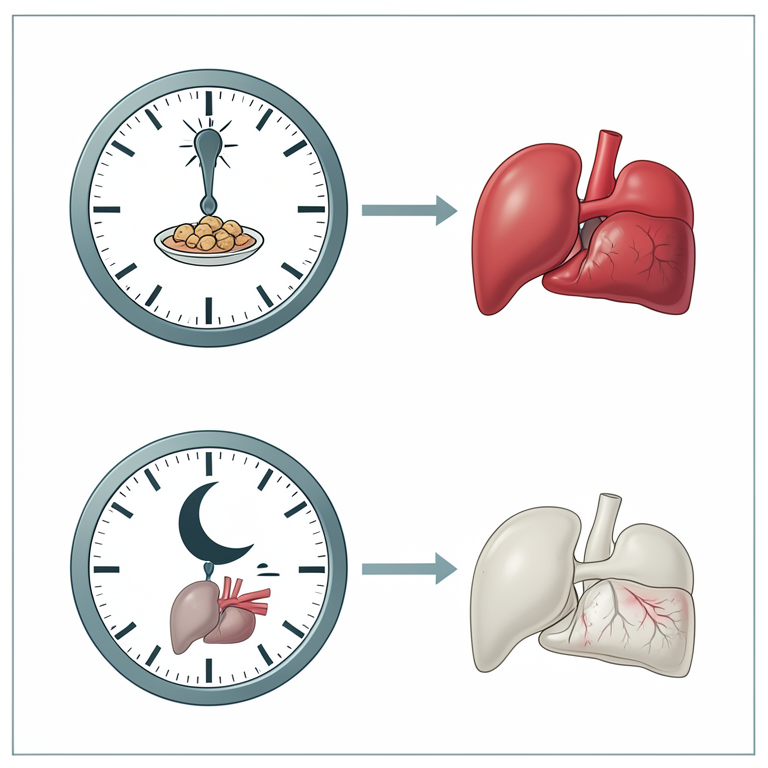
Circadian Alignment vs. Misalignment
AI-generated conceptual illustration (Human metabolic organs (liver, pancreas, and heart) and a stylized 24-hour clock face). It explains the idea and does not show study data.
View source evidence ↗Figures & tables
From the original paper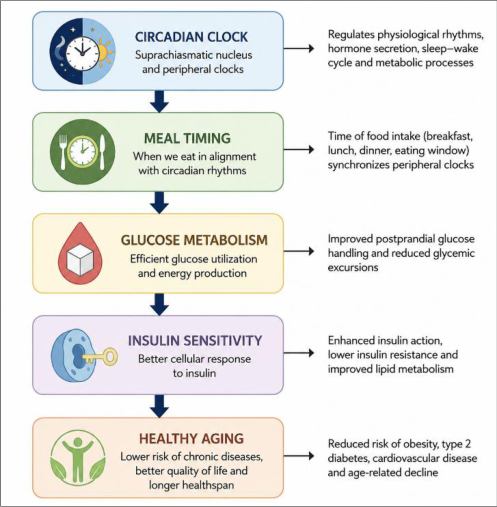 Figure 1
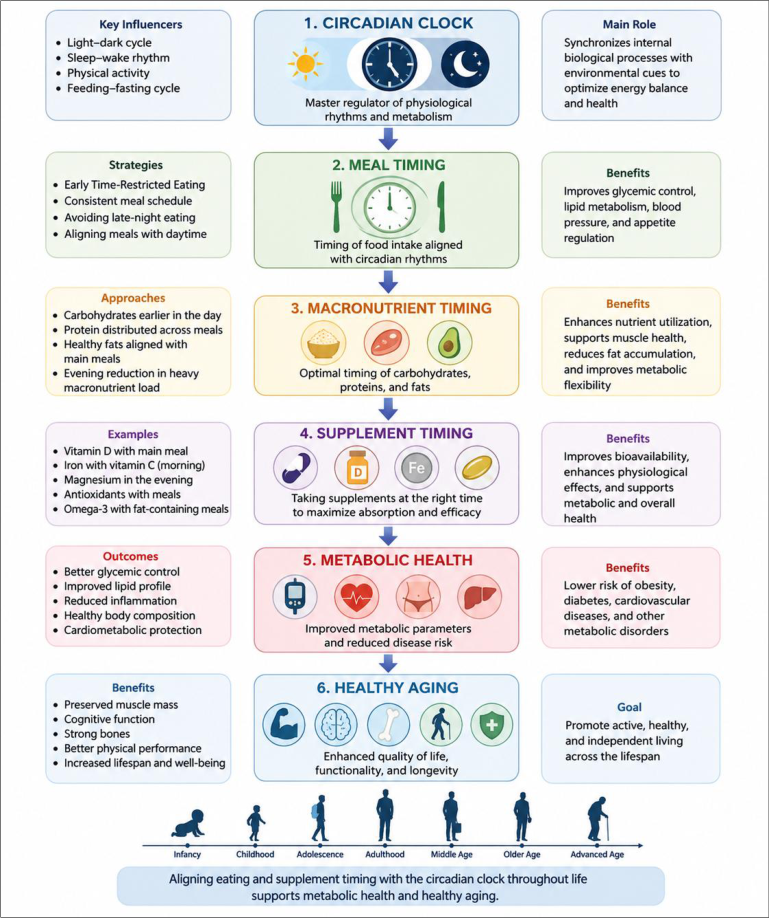 Figure 2
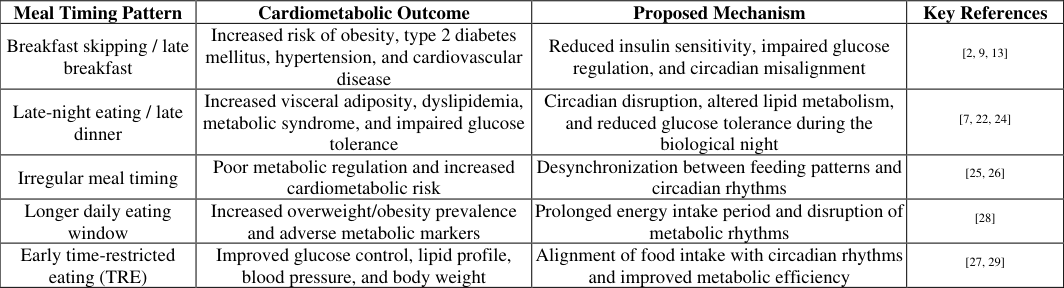 Table 1
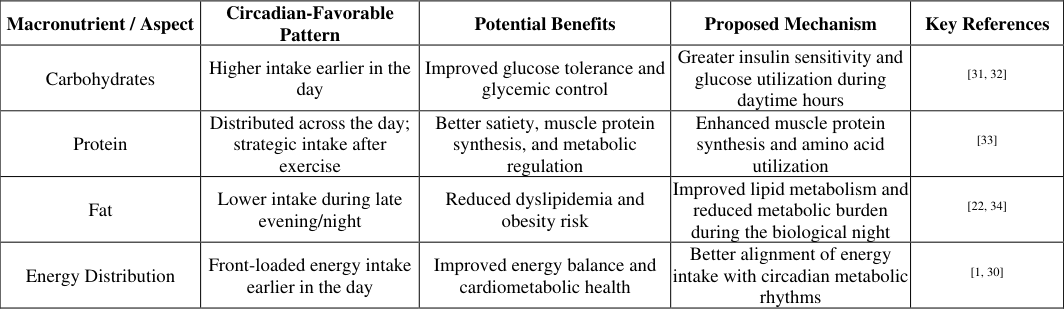 Table 2
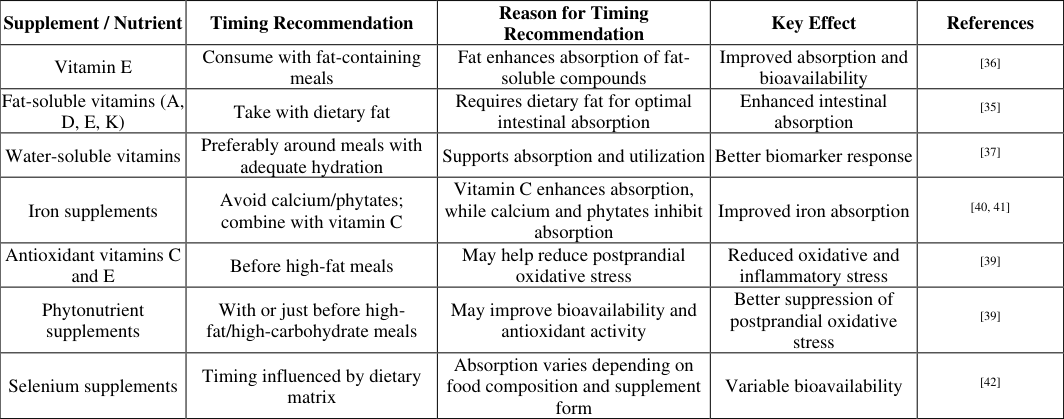 Table 3
Introduction
Chrononutrition is a relatively new approach that seeks to understand how dietary intake and the circadian rhythms interact over time to influence metabolism and overall health [1,2,3] . Chrononutrition adopts a novel strategy that hinges on the timing of food consumption, mirroring the principles of chronobiology, which holds that timing of exposure to stimuli is critical in determining outcomes, and suggests that "when" of eating (in addition to what and how) may be a key factor in metabolic function and disease risk [4] . Circadian rhythms are regulators of physiological functioning, including glucose metabolism, lipid metabolism, hormone secretion, expenditure of energy, and sleep-wake cycles, and are approximately 24hour (daily) cycles of these processes [5,6] . Various tissues such as brain, liver, pancreas, adipose tissue, and skeletal muscle contain a central and peripheral biological clock both of which govern these rhythms. Coordinating the timing of meals with biological cycles is important for metabolic homeostasis. Abnormal eating habits, late meals and shift-work or irregular eating schedules negatively impact insulin sensitivity, glucose tolerance, and lipid metabolism, which leads to higher odds of obesity, type 2 diabetes, and cardiovascular disease [2,4,7,8] . By contrast, improved body weight regulation, glycemic control, lipid profiles, blood pressure, and gut microbiota function has been observed in early daytime eating and time-restricted eating without major calorie restriction [9,10,11] . Further, nutrients and supplements that have chronobiotic and antioxidant effects, including melatonin, can be used to further align the body's internal clock and metabolic health [12] . In elderly individuals, optimizing nutritional intake with internal biological clocks can enhance metabolic regulation, immune system function, cognitive ability, and overall health and wellbeing [1,13] .
Hence, the objective of this review is to elucidate the current evidence regarding the interactions between food timing and circadian biology and its effects on metabolic health, emphasize its relevance when studying healthy aging, and speculate about the scope of chrononutrition-based strategies for disease prevention and nutrition therapy [7,8] .
Materials and Methods
A narrative review of the literature on chrononutrition, meal timing, dietary supplement timing, metabolic health, and healthy aging was conducted. Relevant articles published between 2015 and 2026 were identified through searches of PubMed, Scopus, Web of Science, and Google Scholar using keywords such as "chrononutrition," "circadian rhythm," "meal timing," "time-restricted eating," "dietary supplement timing," "metabolic health," and "healthy aging." Peer-reviewed original research articles, randomized controlled trials, clinical trials, systematic reviews, and meta-analyses published in English were included. Additional relevant studies were identified through reference screening. The collected evidence was critically reviewed and synthesized to summarize current knowledge and identify research gaps in the field.
Circadian Biology and Metabolism: Core Concepts and Hormonal Links Circadian Rhythms and Biological Clocks
Circadian biology is the term used for the internal circadian (~24 hour) timing system that anticipates the cyclical daynight cycle, and regulates metabolism, hormone secretion, sleep-wake cycles, feeding behavior, and energy balance [14] . Almost all cells contain core clock genes that control transcription-translation feedback loops that create the circadian rhythms and which are synchronized, mainly, by light exposure and feeding schedule [15] . The circadian system also includes a central clock in the suprachiasmatic nucleus (SCN) of the hypothalamus as well as tissuespecific clocks in various organs and tissues, such as the liver, pancreas, adipose tissue, skeletal muscle and gut that control tissue-specific metabolic processes [16,17,18] . The SCN synchronizes peripheral clocks via neural, hormonal and behavioral pathways to maintain metabolic homeostasis and to maximize the physiological functions in accordance with biological time [19] .
Circadian Control of Glucose, Lipid, and Energy Metabolism
Circadian rhythms have a strong impact on glucose metabolism, lipid metabolism and energy expenditure. Insulin secretion, insulin sensitivity, glucose tolerance, and hepatic glucose production all vary on a daily basis, and are most efficient during the biological morning [15] . In metabolic tissues, circadian clocks regulate lipid digestion, absorption, biosynthesis, oxidation, and storage [18] . Additionally, circadian rhythms regulate feeding and fasting cycles, energy expenditure and appetite regulation, which are linked to body weight regulation and energy balance [20] .
Hormonal Regulation and Metabolic Health
There are hormones which are related to the circadian rhythms and have an important function in metabolic regulation, including insulin, cortisol, leptin, ghrelin and melatonin [20] . Cortisol is also very circadian in nature and under the control of the suprachiasmatic nucleus (SCN) and has an impact on glucose production and energy metabolism [19] . Leptin and ghrelin have roles in the control of appetite and feeding behavior, and are strongly associated with the feeding-sleep-wake cycle, insulin sensitivity, and lipid metabolism. A hormone that helps cue darkness, melatonin also plays a role in glucose homeostasis and in the synchronization of the circadian rhythms. Shift work, sleep deprivation, late night eating, and exposure to artificial light, may result in metabolic dysfunction, obesity and insulin resistance, type 2 diabetes, and cardiovascular disease [14,16] . Thus, alignment of the behavioral rhythms with internal circadian rhythms is essential to metabolic health and disease prevention. The figure 1 shows the connection between the circadian clock, meal timing, metabolically related processes and health outcomes.
Source: Author's illustration based on references cited in this review. The first meal of the day (FoM) seems to play a pivotal role in chrononutrition studies relating to metabolic health. It has been observed that skipping breakfast and eating breakfast late are associated with increased risk of obesity, type 2 diabetes mellitus, hypertension, coronary heart disease and poor cardiometabolic profile [2,9,11,13,21] . Randomized controlled trials have, however, produced inconsistent findings on the direct link of breakfast timing with body weight and metabolic outcomes, which may be due to variations in diet quality and lifestyle habits [9,21] . These inconsistencies could be explained by variability in length of the study, study demographics, food content of breakfast, lifestyle behaviors and definitions of breakfast intake between studies. Therefore, further well-designed long-term intervention studies are needed to establish causal relationships. However, regular day time eating is generally believed to be good for circadian rhythm and metabolic regulation.
Late-Night Eating and Meal Timing Patterns
Late-night eating has been consistently linked to negative metabolic consequences. The intake of carbohydrates later in the day, specifically in the last 2 hours of the day prior to sleep, has been linked with overweight/obesity, cardiovascular disease, dyslipidemia, visceral adiposity, metabolic syndrome and impaired glucose tolerance regardless of the overall calorie content of the diet [2,7,22,23,24] . Other factors that have been associated with irregular patterns of meal timing are poor cardiometabolic profiles and increased evening energy intake [9,24,25,26] . The results highlight the relevance of feeding schedules that are consistent with circadian rhythms.
Time-Restricted Eating and Cardiometabolic Benefits
Time-restricted eating (TRE), defined as limiting food intake to a 6-10-h eating window, has gained considerable popularity in recent years. Studies have shown that overweight or obese individuals can lose weight, lose fat mass and improve blood pressure, fasting glucose and triglyceride levels after TRE [7,27] . Some metabolic benefits may occur independently of weight loss, perhaps related to better synchronization of circadian rhythms and improved metabolic efficiency [22,28] . Eating earlier in the day (i.e., early time-restricted eating) seems to be particularly beneficial for glycemic control and lipid metabolism. Current evidence supports the promise of chrononutrition for weight loss, diabetes and cardiovascular risk reduction, but additional long-term, large-scale studies are needed to establish precise cardiometabolic outcomes and optimal meal-timing strategies. Despite these promising results, evidence for time-restricted eating is inconsistent between studies. Results may be affected by differences in the length of the eating window, intervention duration, characteristics of the study population, and degree of adherence. These methodological differences do not allow the comparison of studies and the elaboration of universal recommendations.
Long-term randomized controlled trials are required to establish the best time-restricted eating protocols for various populations. Major meal timing patterns and their association with cardiometabolic health are summarized in Table 1.
Chronotype and Meal Timing
Chronotype (preference for timing of sleep and activity) can be characterized as morning (early chronotype), intermediate, or evening (late chronotype). Emerging evidence suggests that chronotype affects eating behavior, meal timing, and metabolic health outcomes. Evening chronotype individuals are more likely to have a higher proportion of their daily energy intake later in the day, skip breakfast and have irregular eating patterns than morning chronotypes [25,54] .
Studies indicate that evening chronotypes may be at higher risk for obesity, insulin resistance and cardiometabolic disorders because of the mismatch between biological rhythms and social schedules [47,54] . In contrast, morning chronotypes tend to be associated with more regular meal patterns and more favorable metabolic profiles. These results suggest that personalized chrononutrition approaches with chronotype may improve the efficacy of dietary interventions and increase the long-term adherence.
However, more research is needed to develop evidencebased recommendations for meal timing interventions based on chronotype [47,56] .
Chrononutrition and Nutrient Metabolism: Timing, Macronutrients, and Meal Composition Circadian Timing and Macronutrient Metabolism
In addition to calorie intake, chrononutrition research suggests that both meal timing and nutrient composition play important roles in the regulation of glucose metabolism, lipid metabolism, energy expenditure, and obesity risk [2,7,22] . Insulin sensitivity, glucose tolerance, lipid metabolism, and postprandial responses are influenced by circadian rhythms and tend to function more efficiently earlier in the day [30] . Therefore, the distribution of carbohydrates, proteins, and fats throughout the day may either support or disrupt metabolic homeostasis [31,32] . Aligning nutrient intake with the circadian clock may improve metabolic health and reduce cardiometabolic risk.
Carbohydrate, Protein, and Fat Timing
Circadian rhythms have significant effects on carbohydrate metabolism, as insulin secretion and insulin sensitivity are generally higher in the morning than in the evening [2,31,32] . This suggests that a greater proportion of carbohydrate intake earlier in the day is associated with better glycemic regulation and a lower risk of obesity, whereas higher carbohydrate intake during the evening is linked to impaired glucose tolerance, particularly in individuals with prediabetes or metabolic dysfunction [30] . Protein's metabolic effects are also time dependent. Protein intake promotes satiety, thermogenesis, muscle protein synthesis, and mitochondrial function, especially when combined with physical activity and appropriate meal timing [33] . However, some observational studies have found greater protein intake later in the day to be associated with higher body mass index (BMI). Circadian rhythms also affect fat metabolism and there is a decrease in fat oxidation at night. This can result in dyslipidemia, weight gain, and circadian disruption due to the intake of high-fat meals in the evening [22,34] . Circadian impacts on macronutrient metabolism have been reported widely, but much of the evidence comes from short-term studies or controlled experimental conditions. Additional long-term studies are needed to determine whether these findings can be reliably translated to realworld dietary practice.
Meal Composition and Metabolic Health
Both meal composition and meal timing are important in metabolic health. What you eat, and when you eat, can have a profound effect on how your metabolism is regulated. Circadian-aligned dietary patterns (e.g., higher energy and carbohydrate intake earlier in the day, and more evenly distributed protein intake across the day) may support glucose metabolism, lipid metabolism, body weight regulation, and muscle health [1,2,32,33] . Along with nutrient composition, meal timing is a critical component of chrononutrition and can contribute to improved metabolic control and decreased risk of obesity, diabetes, and other cardiometabolic diseases. Table 2 shows the circadianfavorable patterns of macronutrient timing and potential metabolic benefits.
Dietary Supplement Timing and Metabolism Importance of Supplement Timing
The timing of dietary supplement intake may influence nutrient absorption, bioavailability and metabolic effects. Effects of food matrix, fasting or fed status, food composition and interactions with co-ingested nutrients may influence supplement efficacy [35,36,37] . Many supplements achieve maximum plasma concentrations (Tmax) within a few hours after ingestion, and therefore, the timing of supplements in relation to meals or metabolic states could alter the physiological effects [38,39] . Chrononutrition studies suggest that the administration of supplements in line with circadian and metabolic rhythms can enhance their efficacy and therapeutic results.
Fat-Soluble, Water-Soluble Vitamins, and Mineral Absorption
Vitamins A, D, E and K are fat soluble and need dietary fat for optimal absorption. Fasting conditions can drastically decrease the bioavailability of these vitamins [35,36] . But the diet's fat content and type can affect how well vitamins D and E are absorbed. Unlike this, the majority of watersoluble vitamins do not depend on dietary fat for absorption, although some B-vitamins may have variable levels in circulation within hours of food intake [37] . In addition to vitamins, absorption of minerals is greatly affected by the composition and timing of meals. For example, ascorbic acid can increase iron absorption while calcium, phytates and polyphenols decrease iron absorption [40,41] . Selenium bioavailability is also dependent on the food composition and matrix [42] .
Antioxidants, Phytonutrients, and Metabolic Support
The effects of antioxidant and phytonutrient supplements may vary depending on the timing of consumption. Premeal supplementation with antioxidant vitamins C and E has been shown to improve inflammatory and oxidative stress markers following a high-fat evening meal, compared with supplementation at other times, particularly in individuals with type 2 diabetes mellitus. Similarly, polyphenol-and carotenoid-rich phytochemical supplements may be most effective in reducing postprandial oxidative stress when consumed alongside meals high in fat or carbohydrates [39] . However, current evidence regarding supplement timing remains limited, and many studies have focused on acute metabolic responses rather than long-term clinical outcomes. Consequently, definitive recommendations for nutrient-specific timing cannot yet be established. Key timing considerations for dietary supplements and nutrients are summarized in Table 3.
Chrononutrition and Healthy Aging: Circadian Changes, Metabolism, and Muscle Health
Most of these age-related changes contribute to a higher incidence of obesity, insulin resistance, sarcopenia, frailty, and chronic diseases such as diabetes and cancer [12,43,44] . These physiological changes-including phase advances and reduced amplitude of circadian rhythms, fragmented sleep patterns, decreased melatonin production, altered cortisol rhythms, and changes in feeding behavior-are commonly observed in older adults and collectively impair metabolic flexibility and metabolic resilience [7,45,46] . Chrononutrition has emerged as a novel approach to support healthy aging by aligning the timing of food intake and nutrient consumption with circadian biology, thereby promoting metabolic homeostasis [47] .
Muscle Health, Frailty, and Healthspan
Chrononutrition might be an important strategy to combat sarcopenia and frailty, which are major drivers of disability and loss of independence in older adults [43,49] . Circadian disruption and poor sleep have been linked to muscle loss and reduced physical performance in several studies [43] . Optimized nutrition timing strategies, such as adequate protein distribution across meals, strategic protein intake around exercise, and protein consumption before sleep, could positively influence muscle protein synthesis, muscle mass and strength [50] . Longer eating windows, earlier first meals and appropriately timed last meals are some of the chrononutrition behaviors associated with improved muscle health outcomes in older adults [51] . Collectively, current evidence suggests that dietary intake in accordance with circadian rhythms may improve metabolic, physical, sleep, and healthspan-related outcomes. Longer-term human studies are needed to determine the optimal timing of nutrient intake for healthy aging [7,47,52] . However, the evidence is still limited by small sample sizes, differences in dietary assessment methods, and heterogeneity of participant age and health status. Longitudinal studies are required to clarify the long-term effects of chrononutrition on healthy aging.
Cognitive Health and Neurodegeneration
There is emerging evidence that circadian rhythms play an important role in cognitive function, memory consolidation and brain health. Circadian disruption has been associated with impaired cognitive performance and risk for neurodegenerative disorders including Alzheimer's disease and related dementias [46,47,52] , and has been associated with irregular sleep-wake cycles, shift work, or irregular meal timing.
Chrononutrition may influence cognitive health by affecting metabolic regulation, inflammation, oxidative stress and sleep quality. Eating at regular times, in accordance with circadian rhythms, may promote brain function by maintaining glucose homeostasis and minimizing metabolic disruptions associated with cognitive decline. Additionally, dietary components that have antioxidant and antiinflammatory properties may confer additional neuroprotective benefits when incorporated into a balanced dietary pattern [34,46] . Although existing evidence points to a link between circadian alignment, meal timing, and cognitive health, more longitudinal and interventional research is needed to determine whether chrononutrition-based approaches can effectively prevent or delay age-related cognitive decline and neurodegenerative diseases [47,52] . Figure 2 illustrates the interplay between circadian rhythms, meal timing, nutrient timing, metabolic health, and healthy aging.
Key Research Gaps in Chrononutrition and Supplement
Timing for Healthy Strong correlations between meal timing and metabolic health have been found from the perspective of contemporary chrononutrition research; however, there is still little data about the timing of dietary supplements and healthy aging. The majority of research has been on obesity, diabetes, and more general cardiometabolic risk factors; however, outcomes associated with aging, including frailty, sarcopenia, brain health, and general healthspan, remain largely unexplored [13,27] . Furthermore, a lot of current research is limited by small sample sizes, brief follow-up times, and inconsistent eating-window methods, which makes it difficult to determine causality or draw clear clinical conclusions [7,9,10,53] . Despite their potential to greatly alter responses to time-based nutritional interventions, important modifying factors such as sleep duration, chronotype, sex, cultural influences, physical activity, and overall diet quality have also not been consistently taken into consideration [5,54,55] . There is still a dearth of studies on the timing of dietary supplements, especially those containing antioxidants, omega-3 fatty acids, and other nutrients that enhance metabolism in older adult populations [9] . When combined, these gaps show that in order to better understand the long-term effects of timerestricted eating and supplementation strategies across a variety of aging populations, standardized chrononutrition terminology, well-designed long-term human studies, and real-world implementation trials are required [5,7,13] .
Limitations of the Review
Selection bias may be introduced because this evaluation is narrative in nature and does not adhere to a systematic review technique. Furthermore, there is a great deal of heterogeneity in study designs, participant characteristics, and intervention protocols in the information that is currently available on chrononutrition and the timing of dietary supplements. The majority of current research is either observational or short-term, which restricts the quality of inferences that can be made on long-term impacts on metabolic health and healthy aging. Thus, extensive, longterm clinical research is still clearly needed to create solid, evidence-based recommendations in this field. Irregular meal timing Poor metabolic regulation and increased cardiometabolic risk Desynchronization between feeding patterns and circadian rhythms [25, 26] Longer daily eating window Increased overweight/obesity prevalence and adverse metabolic markers Prolonged energy intake period and disruption of metabolic rhythms [28] Early time-restricted eating (TRE)
Improved glucose control, lipid profile, blood pressure, and body weight Alignment of food intake with circadian rhythms and improved metabolic efficiency [27, 29] Greater insulin sensitivity and glucose utilization during daytime hours [31, 32] Protein Distributed across the day; strategic intake after exercise
Better satiety, muscle protein synthesis, and metabolic regulation Enhanced muscle protein synthesis and amino acid utilization [33] Fat Lower intake during late evening/night Reduced dyslipidemia and obesity risk Improved lipid metabolism and reduced metabolic burden during the biological night [22, 34] Energy Distribution Front-loaded energy intake earlier in the day
Improved energy balance and cardiometabolic health
Better alignment of energy intake with circadian metabolic rhythms [1, 30] Improved absorption and bioavailability [36] Fat-soluble vitamins (A, D, E, K) Take with dietary fat Requires dietary fat for optimal intestinal absorption Enhanced intestinal absorption [35] Water-soluble vitamins Preferably around meals with adequate hydration Supports absorption and utilization Better biomarker response [37] Iron supplements Avoid calcium/phytates; combine with vitamin C Vitamin C enhances absorption, while calcium and phytates inhibit absorption Improved iron absorption [40, 41] Antioxidant vitamins C and E Before high-fat meals May help reduce postprandial oxidative stress Reduced oxidative and inflammatory stress [39] Phytonutrient supplements
With or just before highfat/high-carbohydrate meals
May improve bioavailability and antioxidant activity
Better suppression of postprandial oxidative stress [39] Selenium supplements Timing influenced by dietary matrix
Absorption varies depending on food composition and supplement form
Variable bioavailability [42]
Discussion
The results of this review are in line with other research that highlights the significance of coordinating food consumption with circadian cycles in order to maximize metabolic health. Because chrononutrition affects glucose control, lipid metabolism, energy balance, and cardiovascular health, there is growing evidence that it may be a modifiable lifestyle factor with potential implications in the prevention and management of chronic diseases [3,9,13] . Additionally, by adding data on dietary supplement timing and healthy aging-two topics that are still largely unexplored-this review expands on what is already known. Clinically speaking, chrononutrition provides a number of useful applications for managing and preventing metabolic diseases. Improvements in glycemic control, insulin sensitivity, and postprandial glucose responses have been linked to earlier meal timing and time-restricted eating, especially in people with or at risk of type 2 diabetes mellitus [7,27,31] . However, significant differences in eatingwindow designs, participant profiles, adherence levels, and intervention duration lead to heterogeneity between research, which restricts the creation of general clinical recommendations. By increasing appetite control, energy expenditure, and overall metabolic efficiency, cutting back on late-night eating and moving energy intake to earlier times of the day may also help prevent obesity [7,22,30] . For groups like shift workers and older persons who are susceptible to circadian disturbance, chrononutrition may be particularly important. Increased risks of obesity, insulin resistance, type 2 diabetes, and cardiovascular disease have been associated with irregular sleep-wake cycles and irregular meal timing [14,20] . Frailty, sarcopenia, and metabolic dysfunction in older adults may also be exacerbated by age-related changes in circadian rhythms, sleep quality, hormone regulation, and food behavior [45,46] . Thus, it may be possible to promote muscle health, metabolic flexibility, and healthy aging by coordinating meal timing, protein distribution, and specific nutrient supplementation with endogenous biological cycles [43,47,50] . Variability in trial populations, intervention methods, outcome measures, and follow-up duration continues to complicate data synthesis and restrict the development of uniform clinical guidelines, despite the fact that the overall evidence supports the potential advantages of chrononutrition. Direct comparisons are also challenging because many research use different meal-timing methodologies and are generally short-term. Large-scale, long-term randomized controlled trials are therefore obviously needed to bolster the body of knowledge and aid in the creation of standardized chrononutrition recommendations. Lastly, the review's conclusions have significant ramifications for public health. The quality and quantity of nutrients are the main focus of current dietary guidelines, with meal timing receiving very little consideration. Consistent meal patterns, less late-night eating, increased energy intake during the day, and circadian alignment may all be supported by incorporating chrononutrition principles into dietary recommendations [5,13,47] . However, before such suggestions can be broadly used across a variety of demographics and healthcare settings, strong long-term clinical evidence is still needed [5,7,53] .
Conclusion
Conclusion
Acknowledgement
AcknowledgementThe authors acknowledge the support provided by the Department of Food Technology, M. S. Ramaiah University of Applied Sciences, Bengaluru, during the preparation of this manuscript. No external funding was received for this study. The authors declare no conflict of interest.
References
59 in the original paper- Flanagan A, Bechtold D, Pot G, Johnston J. Chrononutrition: From molecular and neuronal mechanisms to human epidemiology and timed feeding patterns. J Neurochem. 2020;157:53-72. doi:10.1111/jnc.15246.
- Verde L, Di Lorenzo T, Savastano S, Colao A, Barrea L, Muscogiuri G. Chrononutrition in type 2 diabetes mellitus and obesity: A narrative review. Diabetes Metab Res Rev. 2024;40:e3778. doi:10.1002/dmrr.3778.
- Pot G. Chrono-nutrition-an emerging, modifiable risk factor for chronic disease? Nutr Bull. 2021;46(2):114119. doi:10.1111/nbu.12498.
- Lekhwani S, Vaswani N. The impact of chrononutrition on metabolic health: Aligning eating patterns with circadian rhythms. IP J Nutr Metab Health Sci. 2024;7(2):84-89. doi:10.18231/j.ijnmhs.2024.019.
- Dashti HS, Jansen EC, Zuraikat FM, Dixit S, Brown MK, Laposky AD, et al. Advancing chrononutrition for cardiometabolic health: A 2023 National Heart, Lung, and Blood Institute workshop report. J Am Heart Assoc. 2025;14:e039373. doi:10.1161/JAHA.124.039373.
- Grosjean E, Simonneaux V, Challet E. Reciprocal interactions between circadian clocks, food intake, and energy metabolism. Biology (Basel). 2023;12(4):539. doi:10.3390/biology12040539.
- Reytor-González C, Simancas-Racines D, RománGaleano N, Annunziata G, Galasso M, ZambranoVillacres R, et al. Chrononutrition and energy balance: How meal timing and circadian rhythms shape weight regulation and metabolic health. Nutrients. 2025;17(13):2135. doi:10.3390/nu17132135.
- Fuad S, Ginting R, Lee M. Chrononutrition: Potential, challenges, and application in managing obesity. Int J Mol Sci. 2025;26(11):5116. doi:10.3390/ijms26115116.
- Katsi V, Papakonstantinou I, Soulaidopoulos S, Katsiki N, Tsioufis K. Chrononutrition in cardiometabolic health. J Clin Med. 2022;11(2):296. doi:10.3390/jcm11020296.
- Petridi F, Geurts JM, Nyakayiru J, Schaafsma A, Schaafsma D, Meex RCR, et al. Effects of early and late time-restricted feeding on parameters of metabolic health: An explorative literature assessment. Nutrients. 2024;16(11):1721. doi:10.3390/nu16111721.
- Fatima G. The role of chrononutrition in global wellness. Chronobiol Med. 2025. doi:10.33069/cim.2025.0016.
- De Alvarenga Furtado L, Júnior S, De Sousa N, Bittencourt C, Braga M, Ribeiro A, et al. Chrononutrition in the quality of life of older adults: The impact of circadian rhythm and eating patterns on health. Rev Contemp. 2025.
- Raji O, Kyeremah E, Sears DD, St-Onge MP, Makarem N. Chrononutrition and cardiometabolic health: An overview of epidemiological evidence and key future research directions. Nutrients. 2024;16(14):2332. doi:10.3390/nu16142332.
- Guan D, Lazar MA. Interconnections between circadian clocks and metabolism. Clin Invest. 2021;131(15):e148278. doi:10.1172/JCI148278.
- Speksnijder E, Bisschop PH, Siegelaar SE, Stenvers DJ, Kalsbeek A. Circadian desynchrony and glucose metabolism. J Pineal Res. 2024;76:e12956. doi:10.1111/jpi.12956.
- Fatima N, Rana S. Metabolic implications of circadian disruption. Pflugers Arch. 2020;472(4):513-526. doi:10.1007/s00424-020-02381-6.
- Sato T, Sato S. Circadian regulation of metabolism: Commitment to health and diseases. Endocrinology. 2023;164(8):bqad086. doi:10.1210/endocr/bqad086.
- Petrenko V, Sinturel F, Riezman H, Dibner C. Lipid metabolism around the body clocks. Prog Lipid Res. 2023;92:101235. doi:10.1016/j.plipres.2023.101235.
- Begemann K, Rawashdeh O, Olejniczak I, Pilorz V, De Assis LV, Osorio-Mendoza J, et al. Endocrine regulation of circadian rhythms. NPJ Biol Timing Sleep. 2025;2:24. doi:10.1038/s44323-025-00024-6.
- Zeman M, Korf H, Méndez O, Liu J, Nelson RJ. Circadian rhythms disrupted by light at night and mistimed food intake alter hormonal rhythms and metabolism. Int J Mol Sci. 2023;24(4):3392. doi:10.3390/ijms24043392.
- Svendsen M, Forslund H. Meal patterns, including intermittent fasting: A scoping review for Nordic Nutrition Recommendations 2023. Food Nutr Res. 2024;68. doi:10.29219/fnr.v68.10505.
- Alum E. Circadian nutrition and obesity: Timing as a nutritional strategy. J Health Popul Nutr. 2025;44. doi:10.1186/s41043-025-01102-y.
- Ribas-Latre A, Fernández-Veledo S, Vendrell J. Timerestricted eating, the clock ticking behind the scenes. Front Pharmacol. 2024;15:1428601. doi:10.3389/fphar.2024.1428601.
- Saidi O, Rochette E, Dambel L, St-Onge MP, Duché P. Chrono-nutrition and sleep: Lessons from the temporal feature of eating patterns in human studies-a systematic scoping review. Sleep Med Rev. 2024;76:101953. doi:10.1016/j.smrv.2024.101953.
- Teixeira GP, Guimarães KSL, Soares A, Marqueze EC, Moreno CRC, Mota MC, et al. Role of chronotype in dietary intake, meal timing, and obesity: A systematic review. Nutr Rev. 2022. doi:10.1093/nutrit/nuac044.
- Ilkay H. Evening chronotype, irregular circadian eating patterns, and eating-related behaviors may be associated with increased obesity risk among Turkish university students: A large-scale cross-sectional study. Nutr Res. 2025;144:74-87. doi:10.1016/j.nutres.2025.11.002.
- Mentzelou M, Papadopoulou SK, Psara E, Voulgaridou G, Pavlidou E, Androutsos O, et al. Chrononutrition in the prevention and management of metabolic disorders: A literature review. Nutrients. 2024;16(5):722. doi:10.3390/nu16050722.
- Queiroz JN, Macedo RCO, Tinsley GM, ReischakOliveira A. Time-restricted eating and circadian rhythms: The biological clock is ticking. Crit Rev Food Sci Nutr. 2021;61(17):2863-2875. doi:10.1080/10408398.2020.1789550.
- Charlot A, Hutt F, Sabatier E, Zoll J. Beneficial effects of early time-restricted feeding on metabolic diseases: Importance of aligning food habits with the circadian clock. Nutrients. 2021;13(5):1405. doi:10.3390/nu13051405.
- Basolo A, Genzano B, Piaggi P, Krakoff J, Santini F. Energy balance and control of body weight: Possible effects of meal timing and circadian rhythm dysregulation. Nutrients. 2021;13(9):3276. doi:10.3390/nu13093276.
- Henry CJ, Kaur B, Quek R. Chrononutrition in the management of diabetes. Nutr Diabetes. 2020;10:6. doi:10.1038/s41387-020-0109-6.
- Zhao L, Hutchison AT, Heilbronn LK. Carbohydrate intake and circadian synchronicity in the regulation of glucose homeostasis. Curr Opin Clin Nutr Metab Care. 2021;24(4):342-348. doi:10.1097/MCO.0000000000000756.
- Negri M, Pivonello C, Amatrudo F, Cimmino F, Trinchese G, Vetrani C, et al. Effects of chronoexercise and chrono-nutrition on muscle health: Understanding the molecular mechanisms activated by timed exercise and consumption of proteins and carbohydrates. Nutr Rev. 2025;83(8):1571-1593. doi:10.1093/nutrit/nuaf007.
- Sato T, Sassone-Corsi P. Nutrition, metabolism, and epigenetics: Pathways of circadian reprogramming. EMBO Rep. 2022;23:e52412. doi:10.15252/embr.202152412.
- Ofoedu CE, Iwouno JO, Ofoedu EO, Ogueke CC, Igwe VS, Agunwah IM, et al. Revisiting food-sourced vitamins for consumer diet and health needs: A perspective review, from vitamin classification, International Journal of Agriculture and Nutrition https://www.agriculturejournal.net metabolic functions, absorption, utilization, to balancing nutritional requirements. PeerJ. 2021;9:e11940. doi:10.7717/peerj.11940.
- Ebenuwa I, Violet P, Tu H, Levine M. Effect of fat and fasting on post-prandial relative bioavailability of vitamin E. Curr Dev Nutr. 2020;4(Suppl 2):nzaa067_024. doi:10.1093/cdn/nzaa067_024.
- Anfinsen Å, Rosendahl-Riise H, Nygård O, Tell GS, Ueland PM, Ulvik A, et al. Exploratory analyses on the effect of time since last meal on concentrations of amino acids, lipids, one-carbon metabolites, and vitamins in the Hordaland Health Study. Eur J Nutr. 2023;62(7):3079-3095. doi:10.1007/s00394-023-03211y.
- Bender Strassmann S, Golz C. Oral bioavailability and metabolism of hydroxytyrosol from food supplements. Nutrients. 2022;15(2):325. doi:10.3390/nu15020325.
- Murray M, Selby-Pham S, Colton B, Bennett LE, Williamson G, Dordevic AL. Does timing of phytonutrient intake influence the suppression of postprandial oxidative stress? A systematic literature review. Redox Biol. 2021;46:102123. doi:10.1016/j.redox.2021.102123.
- Piskin E, Cianciosi D, Gulec S, Tomas M, Çapanoğlu E. Iron absorption: Factors, limitations, and improvement methods. ACS Omega. 2022;7(24):20441-20456. doi:10.1021/acsomega.2c01833.
- Pastore P, Roverso M, Tedesco E, Micheletto M, Mantovan E, Zanella M, et al. Comparative evaluation of intestinal absorption and functional value of iron dietary supplements and drug with different delivery systems. Molecules. 2020;25(24):5989. doi:10.3390/molecules25245989.
- Bawiec P, Sawicki J, Łasińska-Pracuta P, Czop M, Sowa I, Iłowiecka K, et al. In vitro evaluation of bioavailability of from food rations and dietary supplements. Nutrients. 2023;15(6):1511. doi:10.3390/nu15061511.
- Aoyama S, Nakahata Y, Shinohara K. Chrono-nutrition has potential in preventing age-related muscle loss and dysfunction. Front Neurosci. 2021;15:659883. doi:10.3389/fnins.2021.659883.
- Cannataro R, Carbone L, Petro JL, Cione E, Vargas S, Angulo H, et al. Sarcopenia: Etiology, nutritional approaches, and miRNAs. Int J Mol Sci. 2021;22(18):9724. doi:10.3390/ijms22189724.
- Akpınar Ş, Tek NA. Age-related changes in circadian rhythm and association with nutrition. Curr Nutr Rep. 2023;12(3):376-382. doi:10.1007/s13668-023-00474-z.
- Drăgoi C, Dumitrescu I, Nicolae A. Rhythms of life: Melatonin, nutrition, sleep, and antioxidant strategies for healthy aging. Front Neurosci. 2026;20:1736978. doi:10.3389/fnins.2026.1736978.
- Franzago M, Alessandrelli E, Notarangelo S, Stuppia L, Vitacolonna E. Chrono-nutrition: Circadian rhythm and personalized nutrition. Int J Mol Sci. 2023;24(3):2571. doi:10.3390/ijms24032571.
- Calvani R, Picca A, Coelho-Júnior HJ, Tosato M, Marzetti E, Landi F. Diet for the prevention and management of sarcopenia. Metabolism. 2023;145:155637. doi:10.1016/j.metabol.2023.155637.
- Robinson SM, Granic A, Cruz-Jentoft AJ, Sayer AA. The role of nutrition in the prevention of sarcopenia. Am J Clin Nutr. 2023;118(4):852-864. doi:10.1016/j.ajcnut.2023.08.015.
- Yoshida S, Shiraishi R, Nakayama Y, Taira Y. Can nutrition contribute to a reduction in sarcopenia, frailty, and comorbidities in a super-aged society? Nutrients. 2023;15(13):2991. doi:10.3390/nu15132991.
- Mao Z, Cawthon PM, Kritchevsky SB, Toledo FGS, Esser KA, Erickson ML, et al. The association between chrononutrition behaviors and muscle health among older adults: The study of muscle, mobility and aging. Aging Cell. 2024;23:e14059. doi:10.1111/acel.14059.
- Galimberti D, Mazzola G. Chronobiology and chrononutrition: Relevance for aging. In: Nutrition and Functional Foods for Healthy Aging. Cambridge (MA): Academic Press; 2021. p. 219-254. doi:10.1016/B9780-12-822569-1.00006-8.
- Roy K, KN H. Chrononutrition: How meal timing impacts metabolism and disease risk. Int J For Multidiscip Res. 2025;7(3). doi:10.36948/ijfmr.2025.v07i03.49315.
- Van der Merwe C, Münch M, Kruger R. Chronotype differences in body composition, dietary intake and eating behavior outcomes: A scoping systematic review. Adv Nutr. 2022;13(6):2357-2405. doi:10.1093/advances/nmac093.
- Peters BS, Vahlhaus J, Pivovarova-Ramich O. Meal timing and its role in obesity and associated diseases. Front Endocrinol (Lausanne). 2024;15:1359772. doi:10.3389/fendo.2024.1359772.
- Chen P, Wang Y, Yuan M, Li X, Li Z, Li C, et al. Chrono-nutrition in precision nutrition: Integrating chronotype into personalized dietary interventions. J Adv Res. 2026. Epub ahead of print. doi:10.1016/j.jare.2026.03.006.
- Bailey RL, Stover PJ. Precision nutrition: The hype is exceeding the science and evidentiary standards needed to inform public health recommendations for prevention of chronic disease. Annu Rev Nutr. 2023;43:385-407. doi:10.1146/annurev-nutr-061021-025153.
- Demay MB, Pittas AG, Bikle DD, Diab DL, Kiely M, Lazaretti-Castro M, et al. Vitamin D for the prevention of disease: An Endocrine Society clinical practice guideline. J Clin Endocrinol Metab. 2024. doi:10.1210/clinem/dgae290.
- Friedrich M, Sadowska J. A review of current Polish recommendations on dietary supplementation as a preventive strategy against nutritional deficiencies across the lifespan of healthy individuals. Acta Sci Pol Technol Aliment. 2025. doi:10.17306/j.afs.2.1265.