
Research article · 2026 · Full text
International Journal of Biology SciencesExploration of biofertilizer efficacy on tomato yield in garden and Rhizospheric soils in Raipur, Chhattisgarh
Volume 8(6) · Pages 105–111 · DOI: 10.33545/26649926.2026.v8.i6b.866 ↗
Research areasAgricultural Science and FertilizationAgriculture, Plant Science, Crop ManagementPlant-Microbe Interactions and Immunity
Abstract
Author-writtenThe present study was undertaken to evaluate the effect of different biofertilizer combinations on the growth and yield of tomato (Solanum lycopersicum L) under two contrasting soil conditions—garden soil and rhizospheric soil of Raipur, Chhattisgarh. The collected soil samples were studied for physio-chemical properties, and pot culture experiments were conducted using the culture of Azospirillum brasilense, Bacillus megaterium, and B. circulans, individually and in combinations, along with Phosphate-Solubilizing Bacteria (PSB), Vesicular-Arbuscular Mycorrhiza (VAM), and NPK fertilizers and mentioned as T1-T12. Seeds were treated with combinations of biofertilizers including nitrogen-fixing bacteria (Azotobacter, Azospirillum, Rhizobium), Phosphate-Solubilizing Bacteria (PSB), Vesicular-Arbuscular Mycorrhiza (VAM), and Potassium-Solubilizing Bacteria (KSB), before transplantation into the pots. Growth parameters such as plant height, primary and secondary branches, and yield traits including fruit length, fruit width, number of fruits per plant, and total fruit yield were recorded. Results indicated significant variation among treatments, with T5 combination of (PSB +VAM + NPK) demonstrating the highest fruit yield (89.13 g/plant), while T12 combination of (PSB +VAM + NPK + Azospiril lumbrasilense (B1) + Bacillus megaterium (B2) + B. circulans) recorded the maximum number of fruits per plant (89.95). Rhizospheric soil generally supported higher productivity compared to garden soil, highlighting the importance of soil microbial diversity in crop performance. This study reflects the combinations of biofertilizer, especially integrating PSB and VAM, enhancing nutrient availability and contributing to sustainable agriculture, signifying an eco-friendly alternative to chemical fertilizers, improving growth and yield of tomato cultivation in Garden and Rhizospheric Soils of Raipur, Chhattisgarh.
Summary
Source-checkedPlain-language reading of the full paper, prepared with AI and checked against the text. Each point links to the authors' own words.
Why it matters
- Tomato is a globally significant vegetable and one of India's most important crops for nutrition and the economy. View evidence ↗
- Tomato production is often limited by challenges such as nutrient depletion, poor soil fertility, disease, and pests. View evidence ↗
- Biofertilizers, consisting of living microorganisms like nitrogen-fixing and phosphate-solubilizing bacteria, serve as sustainable alternatives to synthetic fertilizers by improving soil health and nutrient availability. View evidence ↗
The question
- The study aimed to evaluate how different biofertilizer combinations affect the growth and yield of tomatoes in garden soil versus rhizospheric soil in Raipur, Chhattisgarh. View evidence ↗
What they did
- Two soil types were used: garden soil (S1) from a managed area and rhizospheric soil (S2) from the root zone of active plants, both sampled from the top 0–15 cm layer. View evidence ↗
- Tomato seeds were treated with various combinations of nitrogen-fixing bacteria, phosphate-solubilizing bacteria (PSB), and vesicular-arbuscular mycorrhiza (VAM) for pot culture experiments. View evidence ↗
- The experiment used a Completely Randomized Design (CRD) with multiple replications under controlled conditions. View evidence ↗
- The researchers measured growth parameters (height and branching) and yield parameters (fruit length, width, number of fruits, and total yield). View evidence ↗
What they found
- Rhizospheric soil was more acidic (pH 5.8 vs 6.2) and had higher organic carbon (4.2% vs 3.5%) than garden soil. View evidence ↗
- In garden soil, treatment T12 produced the tallest plants (69.6 cm ± 0.9), while T4 produced the shortest (41.0 cm ± 2.7). View evidence ↗
- For garden soil, T1 resulted in the highest fruit yield (533.0 g ± 0.8), whereas T5 resulted in the lowest (229.8 g ± 3.0). View evidence ↗
- In rhizospheric soil, T12 produced the most fruits per plant (89.95 ± 1.32), while T4 produced the fewest (53.3 ± 1.09). View evidence ↗
- In rhizospheric soil, T5 achieved the highest fruit yield (89.13 ± 1.04), while T12 had the lowest (50.97 ± 0.92). View evidence ↗
- Rhizospheric soil generally led to higher productivity than garden soil, suggesting that native microbial diversity enhances crop performance. View evidence ↗
What it means
- The authors conclude that biofertilizer combinations, particularly those integrating PSB and VAM, are eco-friendly alternatives to chemical fertilizers that enhance nutrient availability. View evidence ↗
- The authors noted that a high number of fruits (as seen in T12) does not always maximize total yield, as fruit size and quality are also critical factors. View evidence ↗
Visual summary
3 visualsIllustrations explain the paper; charts are replotted from the paper's own table values.
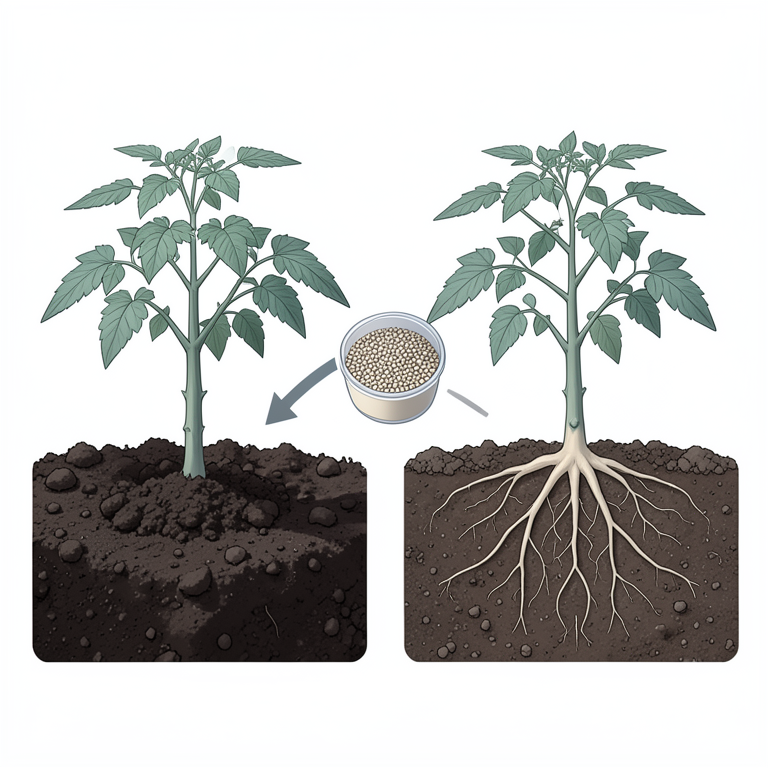
Experimental Setup Comparison
AI-generated conceptual illustration (tomato plants in garden soil and rhizospheric soil). It explains the idea and does not show study data.
View source evidence ↗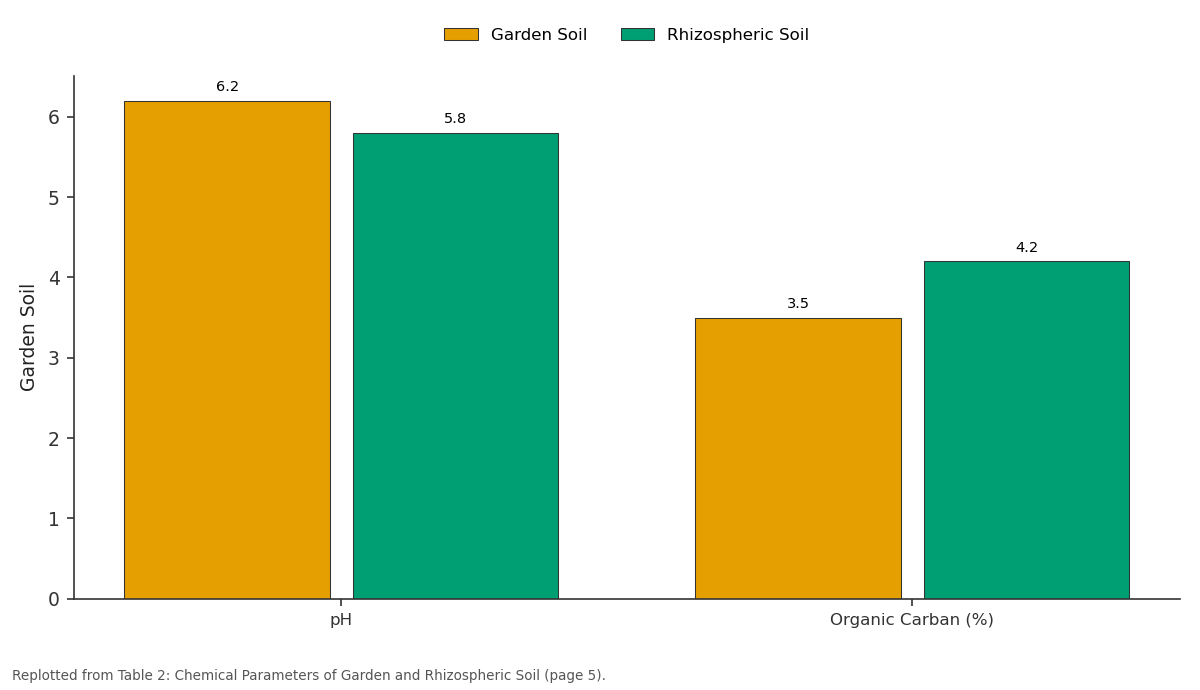
Garden Soil and Rhizospheric Soil: pH vs Organic Carban (%)
Replotted from Table 2 (page 5) of the original paper. Every bar is the paper's own table value.
View source evidence ↗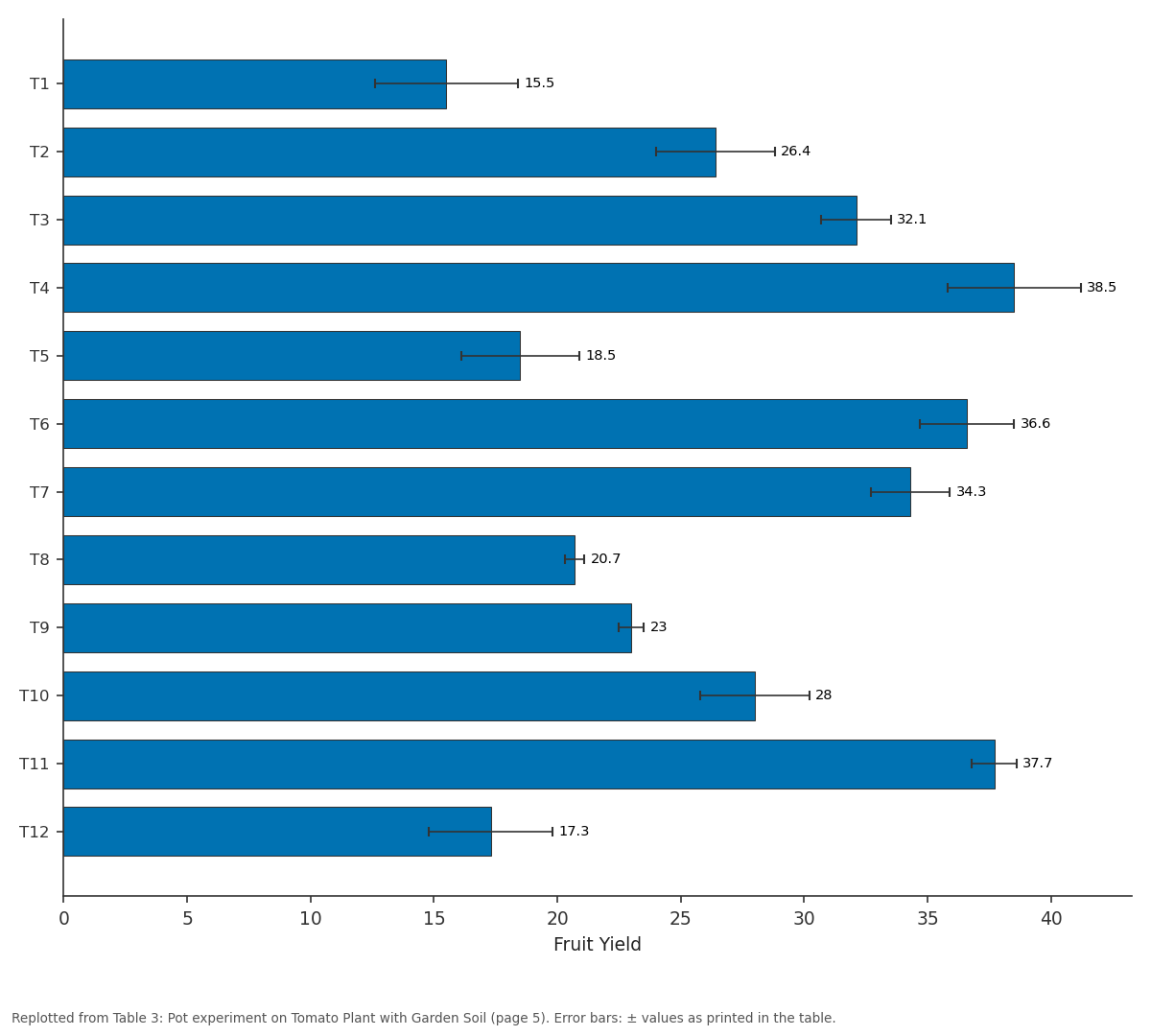
No. of Fruit per Plant: T1 vs T2 vs T3 vs T4 vs T5
Replotted from Table 3 (page 5) of the original paper. Every bar is the paper's own table value.
View source evidence ↗Figures & tables
From the original paper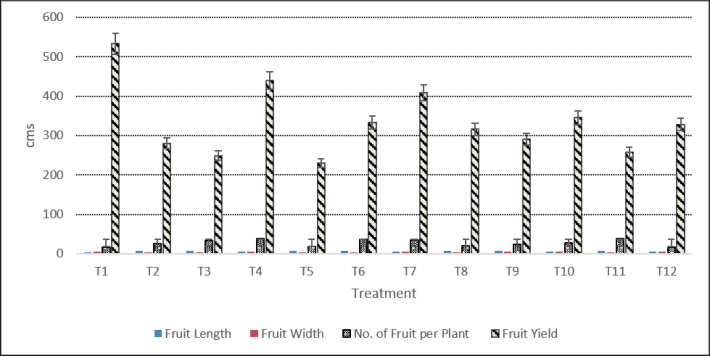 Figure 1
 Table 1
 Table 2
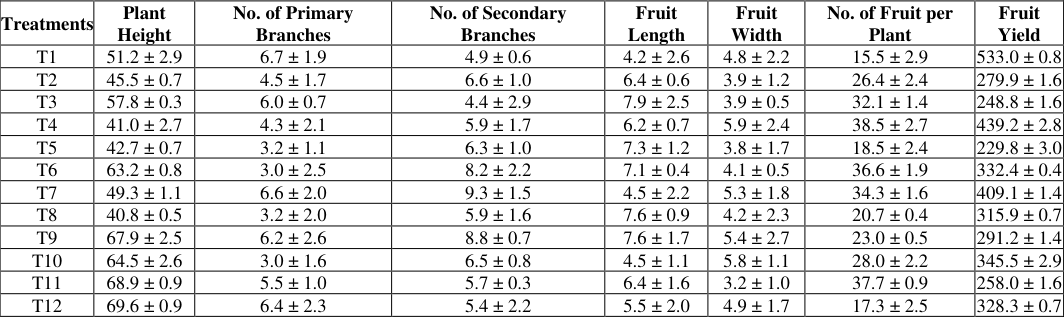 Table 3
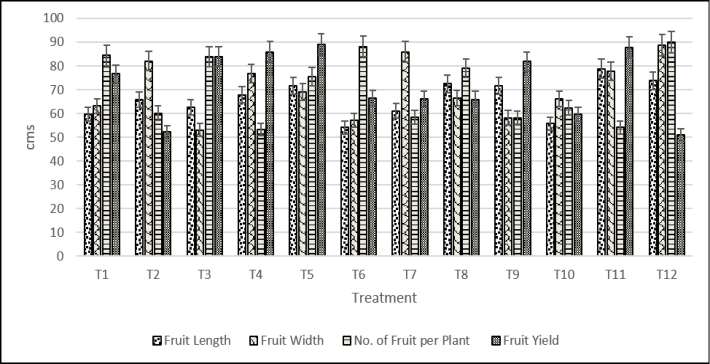 Figure 2
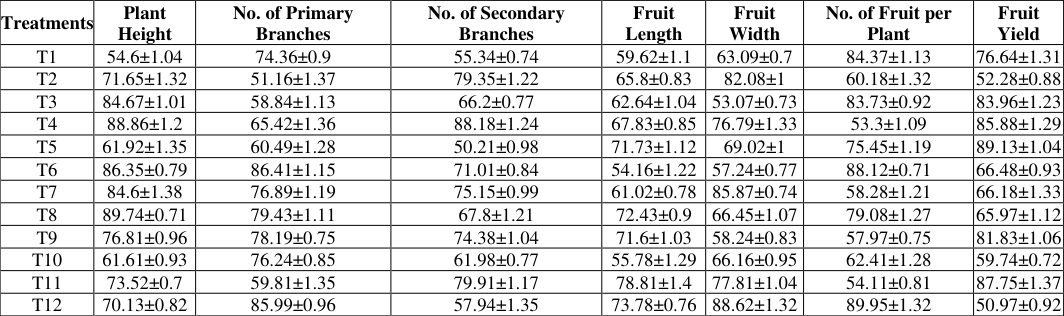 Table 4
Introduction
Tomato (Solanum lycopersicum L.) is a widely consumed significant vegetable across the globe (Włodarczyk et al, 2022) [22] . It is one of the most important vegetable crops in India, contributing substantially to both the economy and human nutrition. It plays a crucial role in regions like Chhattisgarh due to its favorable climatic and soil conditions. Nevertheless, despite its significance, tomato production faces several challenges, including pest infestations, poor soil fertility, nutrient depletion, and disease susceptibility (Choudhary et al, 2019) [4] . These factors often lead to suboptimal growth and reduced yields, limiting the potential for increased production. Biofertilizers have become a competitive substitute for synthetic fertilizers in response to these issues. Living microorganisms, including phosphate-solubilizing, nitrogen-fixing bacteria, and mycorrhizal fungi, comprise biofertilizers that increase nutrient availability in the soil, enhance plant development, and support soil health. The use of biofertilizers is considered an eco-friendly and sustainable farming practice that can mitigate the adverse effects of chemical fertilizers on the environment (Srivastava et al, 2021) [21] . Recent research has highlighted the significant potential of biofertilizers in promoting plant growth, improving crop yields, and enhancing soil fertility (Aloo, et al, 2022) [1] . Furthermore, biofertilizers offer a promising solution to address the growing concern over the environmental and economic impacts of chemical fertilizer use (Kushwaha et al, 2018) [14] . The rhizosphere, which is the narrow zone of soil surrounding plant roots, is a dynamic and biologically active area. It is home to a diverse community of microorganisms that play a vital role in nutrient cycling and plant growth. Rhizospheric soils are particularly important when applying biofertilizers, as the proximity of these microorganisms to the plant roots facilitates more efficient nutrient uptake and growth stimulation (Khan et al, 2021) [10] . In comparison to garden soils, rhizospheric soils tend to have higher microbial activity and diversity, which can lead to more successful outcomes when biofertilizers are applied (Fasusi et al, 2021) [7] . Despite growing evidence of biofertilizer efficacy across various crops, there is limited understanding of their comparative effects across different soil types, particularly in tomato cultivation. While some studies have explored the impact of biofertilizers in general agricultural settings, there is a need for more focused research on how biofertilizer combinations affect tomato growth and yield in specific soil environments, such as garden soil and rhizospheric soil (Kumar & Sharma, 2020) [12] . This knowledge gap is particularly evident in regions like Raipur, Chhattisgarh, where local soil conditions, climate, and farming practices may influence the effectiveness of biofertilizer treatments. It has been previously reported that soil quality and type play a significant role in the success of biofertilizer applications (Rathnathilaka et al, 2023) [17] . Rhizosphere soil, being nutrient-rich and microbially diverse, offers a unique environment that may enhance the beneficial effects of biofertilizers. However, garden soil, which may not exhibit the same microbial richness, presents an interesting opportunity for investigating whether biofertilizer combinations can still achieve positive results in improving tomato growth and yield. Understanding the effectiveness of biofertilizers in both types of soil is crucial for the development of tailored, sustainable agricultural practices that can maximize tomato productivity in different environmental conditions. This study aims to evaluate the effects of various biofertilizer combinations on the growth and yield of tomatoes grown in two distinct types of soil: garden soil and rhizospheric soil in Raipur, Chhattisgarh. By comparing the impact of biofertilizers on key growth parameters such as plant height, number of branches, fruit length, fruit width, and fruit yield, this research will contribute to the growing body of knowledge on biofertilizer applications in tomato cultivation. Moreover, this study will provide valuable insights into the potential of biofertilizers as a sustainable alternative to chemical fertilizers in local farming practices, offering practical recommendations for farmers in the region.
Materials & methods
• Collection of Soil Samples: Soil samples were collected from two distinct sites in Raipur district, Chhattisgarh, representing contrasting soil conditions to evaluate the effect of biofertilizer combinations on the growth and yield of Solanum lycopersicum L. The first soil type, referred to as Garden Soil (S1), was obtained from a managed garden area, while the other, Rhizospheric Soil (S2), was collected from the root zone of actively growing plants. Sampling was carried out from the topsoil layer (0-15 cm), which is recognized as the most dynamic horizon for nutrient cycling and root activity to ensure uniformity, the collected samples were air-dried, homogenized, and passed through a 2 mm sieve. Precautions were taken during collection, storage, and handling to prevent contamination (Chhetri et al, 2025) [5] . • Soil Characterization: Prior to transplanting, both soil types were analyzed for their physical and chemical properties using standard laboratory procedures. Garden soil was sandy loam, reddish brown, with moderate porosity and bulk density of 1.4 g/cm³, whereas rhizospheric soil was loamy, dark brown, with high porosity and bulk density of 1.2 g/cm³. Chemical analysis included pH, electrical conductivity (EC), organic carbon, total nitrogen, total and available phosphorus, calcium carbonate, and ionic composition (HCO₃⁻, Cl⁻, SO₄²⁻, Ca²⁺, Mg²⁺, Na⁺, and K⁺). Such soil characterization confirmed a clear understanding of baseline fertility and nutrient availability (Lal, 2020; Singh et al., 2015) [19] . • Planting Material and Treatments: The seeds were inoculated with different combinations of biofertilizers, Phosphate-Solubilizing Bacteria (PSB), Nitrogen-fixing bacteria, and Vesicular-Arbuscular Mycorrhiza (VAM), and subsequently utilized in pot culture experiments conducted under both garden soil and rhizospheric soil conditions (Prakash., 2024) [16] . • Bacterial Inoculum Preparation: Azospirillum brasilense (B1), Bacillus megaterium (B2), and Bacillus circulans (B3) inoculum were prepared individually and in mixtures. 1g of soil from the root portion was appropriately cleaned out and added to 9 mL of sterile physiological saline Himedia (pH 7.2), vortexed for 10 minutes, and left to rest for 20 minutes.
A 100 μL aliquot of each successively diluted soil suspension was then distributed onto the surface of nutrient agar plates and cultured for 2 to 3 days at 30 ± 2°C. To obtain pure colonies, distinct colonies were chosen, subculture on a nutrient agar plate, Himedia, and then preserved in 20% glycerol solutions at -20°C (da Silva Oliveira et al, 2025) [6] . • Seed Treatment: Healthy and uniform seeds were selected for surface sterilization followed by biofertilizer inoculation to ensure effective microbial colonization. and surface sterilized using 0.1% mercuric chloride or 0.05% sodium hypochlorite solution for 1-2 minutes to eliminate surface contaminants and were thoroughly washed 3-4 times with sterile distilled water to remove excess of sterilizing agents. For biofertilizer treatment, freshly prepared broth cultures of Phosphate-Solubilizing Bacteria (PSB), Nitrogen-fixing bacteria (Azotobacter chroococcum and Azospirillum brasilense), and Vesicular-Arbuscular Mycorrhiza (VAM) were used. The bacterial cultures were adjusted to a population density of approximately 10 9 CFU/mL (Sarkar et al, 2025) [18] . A sticker solution was prepared using 40% gum Arabic to facilitate proper adhesion of inoculum to the seed surface. The seeds were coated by mixing them with the respective microbial cultures along with sterile carrier material (such as peat or lignite) and the sticker solution to ensure uniform coating. For combination treatments, equal proportions of each microbial culture were mixed before application. The coated seeds were air-dried under shade for 1-2 hours to allow proper adherence of inoculants. In the case of VAM, since it is not applied as a liquid culture, inoculum containing spores, infected root fragments, and hyphal biomass was applied directly to the soil near the root zone at the time of sowing. Additionally, for soaking treatment, seeds were immersed in diluted culture supernatants (1:2 dilution) for approximately 4-6 hours before sowing. After treatment, seeds were immediately sown in pots under aseptic conditions to avoid contamination (Klarod et al.,2021) [11] .
• Pot Experiment: The pot experiment was conducted under controlled conditions to evaluate the effect of different biofertilizer combinations on the growth and yield of Solanum lycopersicum with a Completely Randomized Design (CRD) with appropriate replications for each treatment. Uniform earthen or plastic pots of approximately 25-30 cm diameter were selected, thoroughly cleaned, and disinfected before use to avoid contamination. Each pot was filled with 5-7 kg of pre-processed soil, consisting of either garden soil (S1) or rhizospheric soil (S2), which had been air-dried, homogenized, and sieved through a 2 mm mesh. Adequate drainage was ensured in all pots to prevent waterlogging. Healthy tomato seeds were surface sterilized using 0.1% mercuric chloride solution followed by repeated washing with sterile distilled water and were then inoculated with different biofertilizer treatments, including individual and combined applications of B1, B2, B3, Phosphate-Solubilizing Bacteria (PSB), nitrogen-fixing bacteria, and Vesicular-Arbuscular Mycorrhiza (VAM). For inoculation, a slurry of biofertilizer culture was prepared using a suitable adhesive such as jaggery solution, and the seeds were uniformly coated and shade-dried before sowing. Seeds were first raised in nursery trays, and healthy, uniform seedlings (20-25 days old) were transplanted into the pots, maintaining one plant per pot. In the case of VAM, the inoculum was applied directly to the root zone at the time of transplantation to facilitate effective colonization. To maintain ideal soil moisture at field capacity, the pots were kept in a natural setting with frequent irrigation while avoiding overwatering and nutrient leaching.
Standard agronomic practices such as weeding and plant protection, were carried out uniformly across all treatments. The pots were arranged randomly and repositioned periodically to minimize positional effects and environmental bias. Growth parameters included plant height, number of primary and secondary branches, and other vegetative attributes, while yield parameters included fruit length, fruit width, number of fruits per plant, average fruit weight, and total fruit yield per plant were recorded at appropriate stages of crop development. At maturity, plants were harvested and final observations were recorded (Jethmal et al, 2026) [8] . • Data Collection: Growth and yield attributes were recorded at appropriate crop stages. Growth parameters included plant height (cm) and number of primary and secondary branches, while yield parameters included fruit length (cm), fruit width (cm), number of fruits per plant, and fruit yield per plant (g). Measurements were taken from randomly selected plants within each treatment (Arain et al., 2022) [2] .
Results and discussion
Results and discussion
Physio-Chemical Analysis of Collected Soil Sample
Garden soil is characterized by a sandy loam texture, which allows for good drainage but moderate moisture retention, making it suitable for plants that do not require high moisture levels. It has a reddish-brown color, indicating moderate iron content and organic material, with a medium porosity that allows for moderate water movement and air circulation. The bulk density of garden soil is 1.4 g/cm³, suggesting moderate compaction, which may slightly restrict root penetration. On the other hand, rhizospheric soil has a loamy texture, offering a balanced mix of sand, silt, and clay that enhances both water retention and drainage, ideal for supporting microbial activity and biofertilizers. The dark brown color of rhizospheric soil indicates higher organic content, contributing to better fertility and moisture retention. Its high porosity improves aeration and water infiltration, while the 1.2 g/cm³ bulk density allows for easier root growth and more efficient nutrient uptake. These properties make rhizospheric soil particularly beneficial for plant growth and the effectiveness of biofertilizers (Table 1).
| Parameters | Garden Soil | Soil |
|---|---|---|
| Texture | Sandy Loam | Loamy |
| Color | Reddish Brown | Dark Brown |
| Moisture Content | Moderate | High |
| Bulk Density | 1.4g/c.m3 | 1.2g/c.m3 |
| Porosity | Medium | High |
Table text extracted from the original PDF; superscript letters are shown inline. The original table image is below.
View original table image
Garden soil has a pH of 6.2, making it slightly acidic, while rhizospheric soil is slightly more acidic with a pH of 5.8. The electrical conductivity (EC) of garden soil is 0.45 ds/m, indicating moderate salinity, while rhizospheric soil has a higher EC of 0.60 ds/m, suggesting a slightly higher salinity.
In terms of organic carbon, rhizospheric soil contains 4.2%, which is higher than the 3.5% in garden soil, indicating better organic matter and microbial activity in the rhizosphere. The total nitrogen content in garden soil is 0.14%, whereas rhizospheric soil has a slightly higher nitrogen content at 0.18%, which is beneficial for plant growth. For phosphorus, garden soil contains 0.08% total phosphorus, while rhizospheric soil has 0.10%. Available phosphorus is also higher in rhizospheric soil (25 mg/kg) compared to garden soil (20 mg/kg), indicating better phosphorus availability in the rhizosphere. Finally, garden soil contains 12% calcium carbonate, while rhizospheric soil has a slightly lower amount at 10%, which may influence the alkalinity and nutrient availability in both soils (Table 2). The chemical composition of garden soil and rhizospheric soil reveals differences in their ion concentrations, which influence soil fertility and nutrient availability. Both soils contain only traces of carbonates (CO₃²⁻), indicating minimal presence of alkaline compounds. However, rhizospheric soil shows a slightly higher bicarbonate (HCO₃⁻) content (4.2 mEq/L) compared to garden soil (3.5 mEq/L), suggesting a marginally higher buffering capacity against pH fluctuations. The chloride (Cl⁻) content is higher in rhizospheric soil (20 mg/kg) than in garden soil (15 mg/kg), which could affect plant water uptake and salt tolerance. Similarly, rhizospheric soil contains more sulfate (SO₄²⁻) at 8.5 mEq/L compared to 7.0 mEq/L in garden soil, which may contribute to better nutrient availability for plants, particularly for sulfur-dependent processes. Rhizospheric soil (22 mEq/L) contain Calcium (Ca²⁺) in higher concentrations compared to garden soil (18 mEq/L). This higher calcium content in rhizospheric soil may support stronger cell wall structure and improve soil aggregation, promoting better root growth. Magnesium (Mg²⁺) levels are also slightly higher in rhizospheric soil (5.0 mEq/L) than in garden soil (4.5 mEq/L), which can positively affect enzyme activities and chlorophyll formation in plants. The sodium (Na⁺) concentration is moderately higher in rhizospheric soil (1.5 mEq/L) compared to garden soil (1.2 mEq/L), but both levels are relatively low, suggesting that salinity is not a major concern. Lastly, the potassium (K⁺) content is higher in rhizospheric soil (1.0 mEq/L) compared to garden soil (0.8 mEq/L), which may improve overall plant health, particularly in terms of water regulation, photosynthesis, and stress tolerance (Marenga et al, 2025) [15] . The data presented in the table outlines the effects of various treatments on key growth and yield parameters of the tomato plants, including plant height, number of primary and secondary branches, fruit length, fruit width, number of fruits per plant, and fruit yield. Among the treatments, T12 recorded the highest plant height (69.6 cm ± 0.9), followed closely by T9 (67.9 cm ± 2.5), indicating that these treatments may have favored greater vertical growth. On the other hand, T4showed the lowest plant height at 41.0 cm ± 2.7, suggesting that this treatment was less effective for promoting overall plant growth. In terms of branching, T7exhibited the highest number of primary branches (6.6 ± 2.0) and secondary branches (9.3 ± 1.5), which suggests a strong vegetative growth response to the applied treatment. Conversely, T5 had the lowest number of primary branches (3.2 ± 1.1), which indicates that the treatment may not have been conducive to branching development. Notably, T6 demonstrated a high number of secondary branches (8.2 ± 2.2), though the number of primary branches remained relatively low (3.0 ± 2.5). Regarding fruit development, T3 exhibited the longest fruit length (7.9 cm ± 2.5), while T5 had the shortest fruit length (7.3 cm ± 1.2), suggesting that T3 may have been more effective in producing larger fruits. T9 recorded the largest fruit width (5.4 cm ± 2.7), highlighting the potential of this treatment to promote broader fruit growth. Meanwhile, T2 showed the lowest fruit width (3.9 cm ± 1.2). The number of fruits per plant varied considerably across treatments. T6 recorded the highest number of fruits per plant (36.6 ± 1.9), followed by T7 (34.3 ± 1.6), indicating these treatments were highly effective in increasing fruit production. In contrast, T12 had the lowest number of fruits per plant (17.3 ± 2.5), suggesting that the treatment may not have been as effective in fruit setting. In terms of fruit yield, T1 achieved the highest yield at 533.0 g ± 0.8, making it the most productive treatment among the tested conditions. T4 also showed a relatively high yield (439.2 g ± 2.8), which indicates that the treatment could lead to a substantial increase in the harvestable product (Fig 1). Conversely, T5 has the lowest fruit yield (229.8 g ± 3.0), suggesting that this treatment may have been less favorable for overall plant performance (Table 3). The increased growth in plant height and branching observed in treatments such as T4, T6, and T12 can be attributed to the ability of biofertilizers such as Azotobacter and Azospirillum to fix atmospheric nitrogen, improve root development, and enhance nutrient uptake which has previously been reported about improved vegetative growth in tomato due to biofertilizer actinomycetes (Chaurasiya et al, 2023) [3] . The data presented in the table showcases the impact of various treatments on the growth and yield of the tomato plants, with parameters including plant height, number of primary and secondary branches, fruit length, fruit width, number of fruits per plant, and fruit yield. T12 exhibited the highest number of primary branches (85.99 ± 0.96), indicating a robust branching response, followed closely by T6 (86.41 ± 1.15). In contrast, T3 displayed the lowest number of primary branches (58.84 ± 1.13). Similarly, T4 showed the highest number of secondary branches (88.18 ± 1.24), highlighting its efficacy in promoting strong vegetative growth, while T5 had the lowest number of secondary branches (50.21 ± 0.98). In terms of plant height, T4 recorded the tallest plants (88.86 ± 1.2), followed by T6 (86.35 ± 0.79). The shortest plants were observed in T5 (61.92 ± 1.35) and T10 (61.61 ± 0.93). This suggests that treatments T4 and T6 promoted superior vertical growth compared to others. For fruit length, T5 produced the longest fruits (71.73 ± 1.12), followed by T12 (73.78 ± 0.76), indicating these treatments were effective in enhancing fruit size. On the other hand, T6 recorded the shortest fruit length (54. 16 ± 1.22). Similarly, T12 also showed the highest fruit width (88.62 ± 1.32), followed by T4 (76.79 ± 1.33), pointing to their potential in yielding larger fruits. T3 and T6 had relatively smaller fruit widths, 53.07 ± 0.73 and 57.24 ± 0.77, respectively. The number of fruits per plant varied, with T12 having the highest number of fruits per plant (89.95 ± 1.32), closely followed by T6 (88.12 ± 0.71) and T1 (84.37 ± 1.13). In contrast, T4 had the lowest number of fruits per plant (53.3 ± 1.09), indicating that the treatment did not promote fruit setting as effectively. Regarding fruit yield, T5 produced the highest yield (89.13 ± 1.04), followed by T4 (85.88 ± 1.29), which implies that these treatments contributed significantly to fruit production to the combined action of nitrogen-fixing and phosphorus-solubilizing microbes that ensure balanced nutrient supply throughout the crop cycle (Table 4). Earlier, it has been reported only in the integrated use of PSB significantly improved fruit yield in solanaceous crops (Haile et al, 2023). The lowest yield was observed in T12 (50.97 ± 0.92), suggesting that while T12 increased the number of fruits per plant, the yield was still relatively low, possibly due to smaller fruit sizes or other factors affecting overall fruit development (Fig 2 ). Effect of different combinations of biofertilizers and chemical fertilizer against Solanum lycopersicum L with rhizospheric soil.
| Treatments | Plant Height | No. of Primary Branches | No. of Secondary Branches | Fruit Length | Fruit Width | No. of Fruit per Plant | Fruit Yield |
|---|---|---|---|---|---|---|---|
| T1 | 54.6±1.04 | 74.36±0.9 | 55.34±0.74 | 59.62±1.1 | 63.09±0.7 | 84.37±1.13 | 76.64±1.31 |
| T2 | 71.65±1.32 | 51.16±1.37 | 79.35±1.22 | 65.8±0.83 | 82.08±1 | 60.18±1.32 | 52.28±0.88 |
| T3 | 84.67±1.01 | 58.84±1.13 | 66.2±0.77 | 62.64±1.04 | 53.07±0.73 | 83.73±0.92 | 83.96±1.23 |
| T4 | 88.86±1.2 | 65.42±1.36 | 88.18±1.24 | 67.83±0.85 | 76.79±1.33 | 53.3±1.09 | 85.88±1.29 |
| T5 | 61.92±1.35 | 60.49±1.28 | 50.21±0.98 | 71.73±1.12 | 69.02±1 | 75.45±1.19 | 89.13±1.04 |
| T6 | 86.35±0.79 | 86.41±1.15 | 71.01±0.84 | 54.16±1.22 | 57.24±0.77 | 88.12±0.71 | 66.48±0.93 |
| T7 | 84.6±1.38 | 76.89±1.19 | 75.15±0.99 | 61.02±0.78 | 85.87±0.74 | 58.28±1.21 | 66.18±1.33 |
| T8 | 89.74±0.71 | 79.43±1.11 | 67.8±1.21 | 72.43±0.9 | 66.45±1.07 | 79.08±1.27 | 65.97±1.12 |
| T9 | 76.81±0.96 | 78.19±0.75 | 74.38±1.04 | 71.6±1.03 | 58.24±0.83 | 57.97±0.75 | 81.83±1.06 |
| T10 | 61.61±0.93 | 76.24±0.85 | 61.98±0.77 | 55.78±1.29 | 66.16±0.95 | 62.41±1.28 | 59.74±0.72 |
| T11 | 73.52±0.7 | 59.81±1.35 | 79.91±1.17 | 78.81±1.4 | 77.81±1.04 | 54.11±0.81 | 87.75±1.37 |
| T12 | 70.13±0.82 | 85.99±0.96 | 57.94±1.35 | 73.78±0.76 | 88.62±1.32 | 89.95±1.32 | 50.97±0.92 |
Table text extracted from the original PDF; superscript letters are shown inline. The original table image is below.
View original table image
| Treatments | Plant Height | No. of Primary Branches | No. of Secondary Branches | Fruit Length | Fruit Width | No. of Fruit per Plant | Fruit Yield |
|---|---|---|---|---|---|---|---|
| T1 | 51.2 ± 2.9 | 6.7 ± 1.9 | 4.9 ± 0.6 | 4.2 ± 2.6 | 4.8 ± 2.2 | 15.5 ± 2.9 | 533.0 ± 0.8 |
| T2 | 45.5 ± 0.7 | 4.5 ± 1.7 | 6.6 ± 1.0 | 6.4 ± 0.6 | 3.9 ± 1.2 | 26.4 ± 2.4 | 279.9 ± 1.6 |
| T3 | 57.8 ± 0.3 | 6.0 ± 0.7 | 4.4 ± 2.9 | 7.9 ± 2.5 | 3.9 ± 0.5 | 32.1 ± 1.4 | 248.8 ± 1.6 |
| T4 | 41.0 ± 2.7 | 4.3 ± 2.1 | 5.9 ± 1.7 | 6.2 ± 0.7 | 5.9 ± 2.4 | 38.5 ± 2.7 | 439.2 ± 2.8 |
| T5 | 42.7 ± 0.7 | 3.2 ± 1.1 | 6.3 ± 1.0 | 7.3 ± 1.2 | 3.8 ± 1.7 | 18.5 ± 2.4 | 229.8 ± 3.0 |
| T6 | 63.2 ± 0.8 | 3.0 ± 2.5 | 8.2 ± 2.2 | 7.1 ± 0.4 | 4.1 ± 0.5 | 36.6 ± 1.9 | 332.4 ± 0.4 |
| T7 | 49.3 ± 1.1 | 6.6 ± 2.0 | 9.3 ± 1.5 | 4.5 ± 2.2 | 5.3 ± 1.8 | 34.3 ± 1.6 | 409.1 ± 1.4 |
| T8 | 40.8 ± 0.5 | 3.2 ± 2.0 | 5.9 ± 1.6 | 7.6 ± 0.9 | 4.2 ± 2.3 | 20.7 ± 0.4 | 315.9 ± 0.7 |
| T9 | 67.9 ± 2.5 | 6.2 ± 2.6 | 8.8 ± 0.7 | 7.6 ± 1.7 | 5.4 ± 2.7 | 23.0 ± 0.5 | 291.2 ± 1.4 |
| T10 | 64.5 ± 2.6 | 3.0 ± 1.6 | 6.5 ± 0.8 | 4.5 ± 1.1 | 5.8 ± 1.1 | 28.0 ± 2.2 | 345.5 ± 2.9 |
| T11 | 68.9 ± 0.9 | 5.5 ± 1.0 | 5.7 ± 0.3 | 6.4 ± 1.6 | 3.2 ± 1.0 | 37.7 ± 0.9 | 258.0 ± 1.6 |
| T12 | 69.6 ± 0.9 | 6.4 ± 2.3 | 5.4 ± 2.2 | 5.5 ± 2.0 | 4.9 ± 1.7 | 17.3 ± 2.5 | 328.3 ± 0.7 |
Table text extracted from the original PDF; superscript letters are shown inline. The original table image is below.
View original table image
| Parameters | Garden Soil | Rhizospheric Soil |
|---|---|---|
| pH | 6.2 | 5.8 |
| EC (ds/m) | 0.45 | 0.60 |
| Organic Carban (%) | 3.5 | 4.2 |
| Total Nitrogen | 0.14 | 0.18 |
| Total Phosphorus (%) | 0.08 | 0.10 |
| Available Phosphorus (mg/kg) | 20 | 25 |
| Calcium Carbonate (CaCO3) (%) | 12 | 10 |
Table text extracted from the original PDF; superscript letters are shown inline. The original table image is below.
View original table image
Conclusion
It is shown in through this study, rhizospheric soil supported better yield performance compared to garden soil, likely due to its higher organic matter content, porosity, and microbial activity reflects that native rhizospheric microflora synergizes with applied biofertilizers to create a favorable nutrient environment as previously reported in different bacterial cultures by (Jethmal et al. 2026) [8] . Some treatments (e.g., T12) recorded higher numbers of fruits per plant, the overall fruit yield was not maximized, indicating that fruit size and quality also play crucial roles in determining total productivity.
Acknowledgement
AcknowledgementWe thank to Swami Shri Swaroop Anand Saraswati Mahavidyalaya, Bhilai and MATS University, Raipur for providing valuable information and the central instrument facilities for the research work.
References
21 in the original paper- Aloo BN, Tripathi V, Makumba BA, Mbega ER. Plant growth-promoting rhizobacterial biofertilizers for crop production: the past, present, and future. Front Plant Sci. 2022;13:1002448.
- Arain SM, Sial MA. Association analysis of fruit yield and other related attributes in four chilli (Capsicum annuum L.) genotypes grown in Sindh Province, Pakistan. Pak J Bot. 2022;54(3):817-822.
- Chaurasiya PC, Kumar S. Effect of integrated nutrients management on growth, yield and quality of tomato (Solanum lycopersicum L.) under Chhattisgarh plains. Pharma Innov J. 2023;12:857-860.
- Choudhary DK, Varma A, Tuteja N, editors. Plantmicrobe interaction: an approach to sustainable agriculture. Singapore: Springer; 2020.
- Chhetri S, Sherpa MT, Sharma L. Characterization of plant growth promoting bacteria isolated from rhizosphere of tomato cultivated in Sikkim Himalaya and their potential use as biofertilizer. Sci Rep. 2025;15(1):15558.
- da Silva Oliveira CE, Fernandes GC, Jalal A, Sant'Ana GR, Aguilar JV, de Camargos LS, et al. Inoculation and concentration of Bacillus subtilis and Azospirillum brasilense to nitrogen metabolism, leaf gas exchange and plant growth in hydroponic lettuce. Int J Veg Sci. 2025;31(5):669-692.
- Fasusi OA, Cruz C, Babalola OO. Agricultural sustainability: microbial biofertilizers in rhizosphere management. Agriculture. 2021;11(2):163.
- Jethmal NK, Sarkar S. Assessing the synergistic effect of biofertilizers and phosphate-solubilising bacteria on brinjal (Solanum melongena L.) in Chhattisgarh's garden and rhizospheric soil. Curr Agric Res. 2026;14(1).
- Haile D, Tesfaye B, Assefa F. Tomato production under synergistic application of phosphate solubilizing bacteria and phosphate amendments. Adv Agric. 2023;2023:4717693.
- Khan N, Ali S, Shahid MA, Mustafa A, Sayyed RZ, Curá JA. Insights into the interactions among roots, rhizosphere, and rhizobacteria for improving plant growth and tolerance to abiotic stresses: a review. Cells. 2021;10(6):1551.
- Klarod K, Dongsansuk A, Piepho HP, Siri B. Seed coating with plant nutrients enhances germination and seedling growth, and promotes total dehydrogenase activity during seed germination in tomato (Lycopersicon esculentum). Seed Sci Technol. 2021;49(2):107-124.
- Kumar A, Sharma P. Effect of biofertilizers on soil fertility and crop productivity in tomato. Agric Res J. 2020;41(1):67-72.
- Kumar A, Singh R, Pandey KD. Effect of biofertilizers on growth, yield and quality of tomato (Solanum lycopersicum L.). Int J Curr Microbiol Appl Sci. 2018;7(5):1494-1502.
- Kushwaha R, Yadav P. Comparative effectiveness of biofertilizer combinations in enhancing tomato yield in garden and rhizospheric soil. Agric Sci. 2018;10(5):1059-1067.
- Marenga W, et al. Short-term impacts of wildfire on vegetation recovery, soil chemical properties and community-level physiological profiling in a savanna ecosystem of Botswana. Front For Glob Change. 2025;8:1605456.
- Prakash MWH. Effect of Azotobacter and arbuscular mycorrhiza on the growth and yield of brinjal [dissertation]. Rahuri (India): Mahatma Phule Krishi Vidyapeeth; 2024.
- Rathnathilaka T, Premarathna M, Madawala S, Pathirana A, Karunaratne K, Seneviratne G. Biofilm biofertilizer application rapidly increases soil quality and grain yield in large-scale conventional rice cultivation: a case study. J Plant Nutr. 2023;46(7):12201230.
- Singh B, Pathak R. Biofertilizers in enhancing plant growth and yield: a review. J Environ Sci Pollut Res. 2015;22(6):3876-3884.
- Singh JS, Pandey VC, Singh DP. Efficient soil microorganisms: a new dimension for sustainable agriculture and environmental development. Agric Ecosyst Environ. 2014;140(3-4):339-353.
- Srivastava RK. Biofertilizers application in agriculture: a viable option to chemical fertilizers. In: Biofertilizers: Study and Impact. 2021. p. 393-411.
- Włodarczyk K, Smolińska B, Majak I. Tomato allergy: the characterization of the selected allergens and antioxidants of tomato (Solanum lycopersicum)-a review. Antioxidants. 2022;11(4):644.