
Research article · 2026 · Full text
International Journal of Agriculture and NutritionDetermination of production and quality of maize using double-pass-dryer
Volume 8(6) · Pages 18–27 · DOI: 10.33545/26646064.2026.v8.i6a.649 ↗
Research areasAgricultural Engineering and MechanizationFood Drying and ModelingCrop Yield and Soil Fertility
Abstract
Author-writtenThe maize seed processing industry is rapidly evolving due to technological advancements and changing agricultural practices aimed at improving seed quality and processing efficiency. This study was conducted at Ganga Kaveri Seeds Pvt. Ltd. (GKPL), a leading Indian seed processing company providing end-to-end turnkey solutions for global seed companies for more than three decades. The study focused on the major unit operations involved in maize seed processing and the impact of mechanization on processing efficiency. The maize seed processing system includes cleaning, sorting, drying, shelling, processing, and packaging operations, which are carried out systematically to ensure high-quality seeds with improved germination and storage life. Among these operations, drying, processing, and packaging were identified as the most critical stages influencing seed quality. Modern mechanized processing methods were observed to reduce processing time, labor requirements, and post-harvest losses while improving operational efficiency and profitability compared to traditional methods. The study concludes that mechanization and advanced processing technologies play a vital role in enhancing the performance of the maize seed processing industry. However, further research is required to optimize energy consumption, maintain seed viability, and improve overall processing sustainability.
Summary
Source-checkedPlain-language reading of the full paper, prepared with AI and checked against the text. Each point links to the authors' own words.
Why it matters
- Maize is the third most significant cereal crop in India, cultivated across diverse environments from semi-arid to humid regions. View evidence ↗
- Beyond human food and animal feed, maize is a critical raw material for numerous industrial sectors, including pharmaceuticals, textiles, and cosmetics. View evidence ↗
- In the maize seed processing chain, drying, processing, and packaging are the most vital stages for determining final seed quality. View evidence ↗
The question
- The study aimed to evaluate the effectiveness of a double-circulation (double-pass) dryer in improving the maize drying process. View evidence ↗
What they did
- The research was carried out at Ganga Kaveri Seeds Pvt. Ltd. (GKPL), an Indian seed processing firm. View evidence ↗
- The analysis focused on three specific maize varieties: GK-1082, GK-1078, and GK-1045. View evidence ↗
- The double-pass dryer utilizes two successive chambers, where material undergoes initial dehumidification in the first and further drying in the second. View evidence ↗
- Quality assessment during sorting involved collecting three random 10kg samples per load. View evidence ↗
What they found
- The second batch achieved a cut-off moisture of 9.5% with a total drying time of 120.5 hours. View evidence ↗
- The third batch reached a cut-off moisture of 10.2% in 119 total drying hours. View evidence ↗
- Processed intake quantities varied by hybrid, with GK-1078 having the highest intake at 18,572 kg. View evidence ↗
- Packaging recovery rates ranged from 82.76% to 89.9% across the three analyzed batches. View evidence ↗
- Mechanized processing was found to be more efficient than traditional methods, reducing labor, time, and post-harvest losses. View evidence ↗
What it means
- The authors recommend maintaining maize moisture between 9–11% using specific air temperatures (up-air 36–38 °C, down-air 39–41 °C) to ensure quality. View evidence ↗
- The study concludes that double-pass mechanical dryers are more reliable and efficient than traditional sun-drying. View evidence ↗
- The authors state that more research is needed to improve processing sustainability, seed viability, and energy optimization. View evidence ↗
Visual summary
3 visualsIllustrations explain the paper; charts are replotted from the paper's own table values.
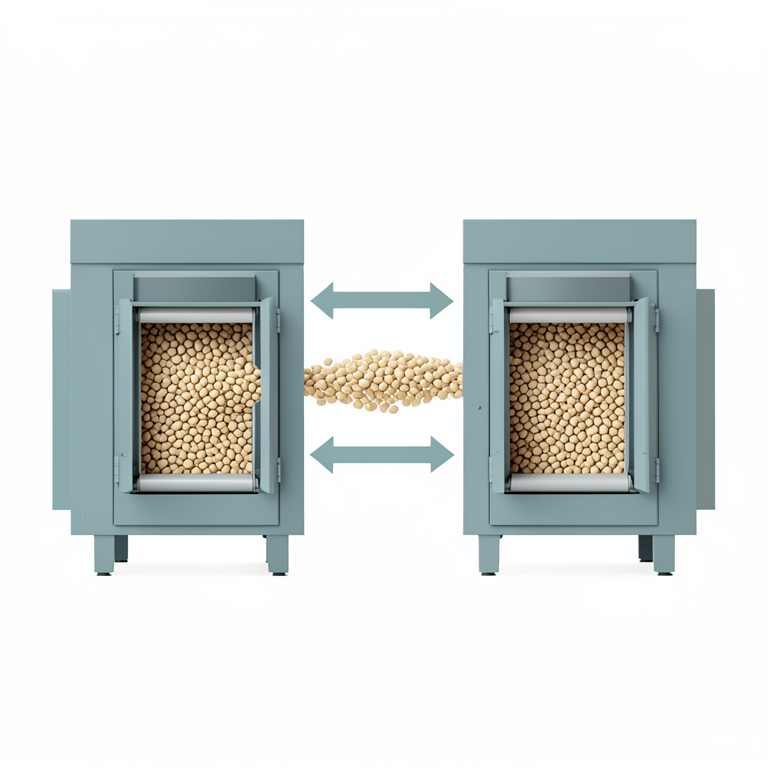
Double-Pass Drying Workflow
AI-generated conceptual illustration (maize kernels in a double-pass dryer). It explains the idea and does not show study data.
View source evidence ↗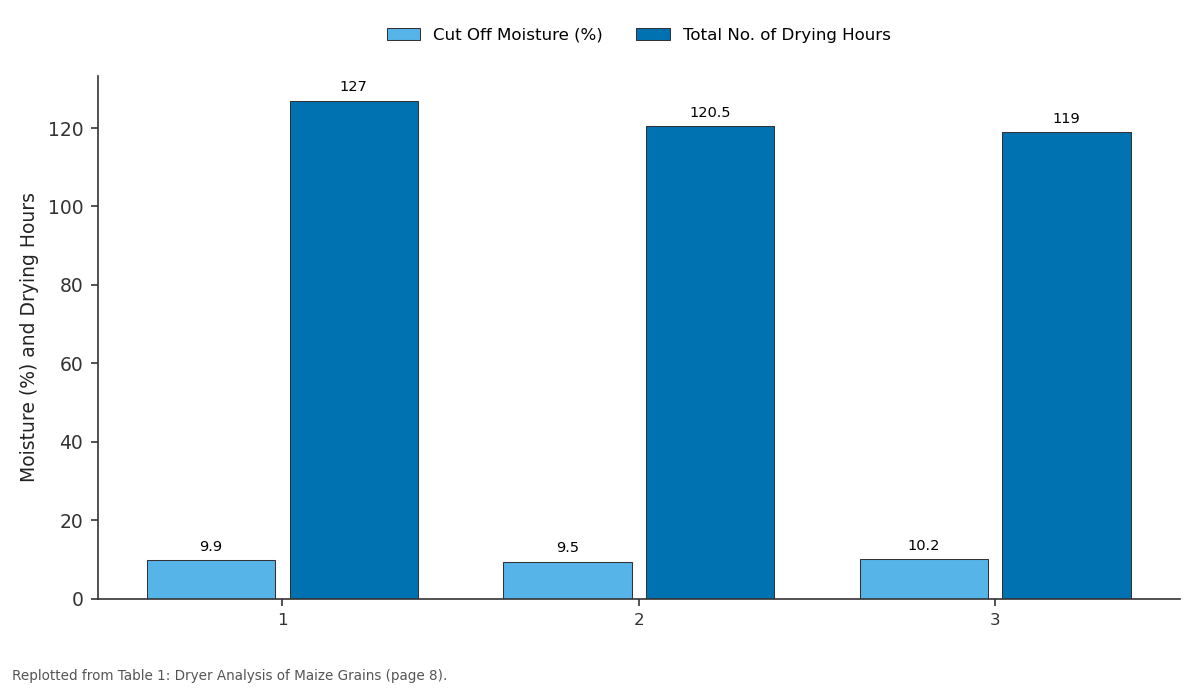
Cut Off Moisture (%) and Total No. of Drying Hours: 1 vs 2 vs 3
Replotted from Table 1 (page 8) of the original paper. Every bar is the paper's own table value.
View source evidence ↗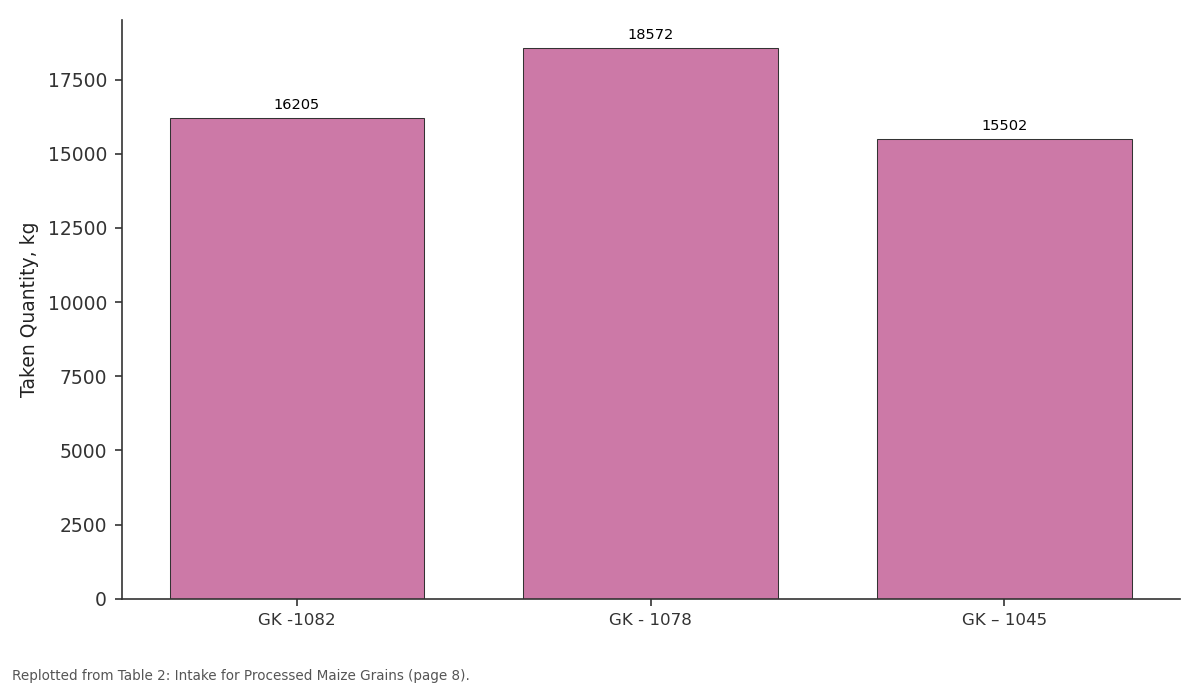
Taken Quantity, kg: GK -1082 vs GK - 1078 vs GK – 1045
Replotted from Table 2 (page 8) of the original paper. Every bar is the paper's own table value.
View source evidence ↗Figures & tables
From the original paper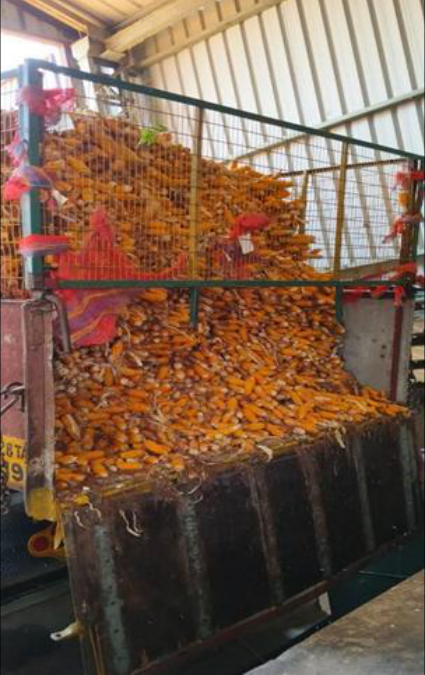 Figure 1
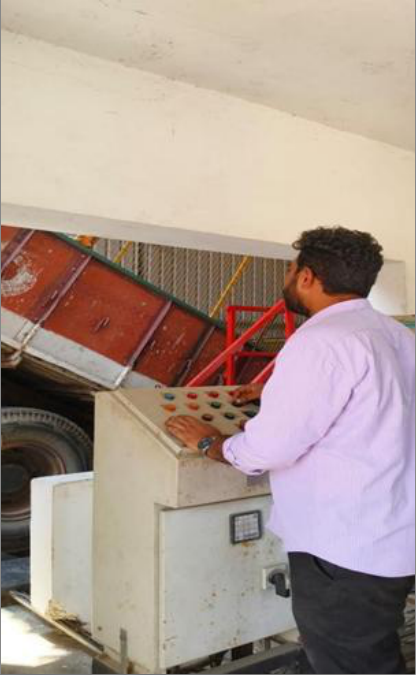 Figure 1
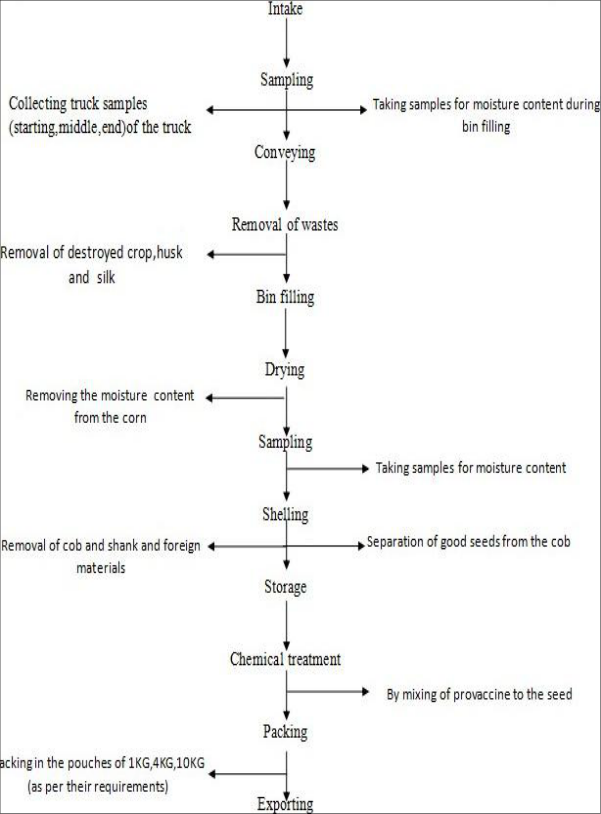 Figure 2
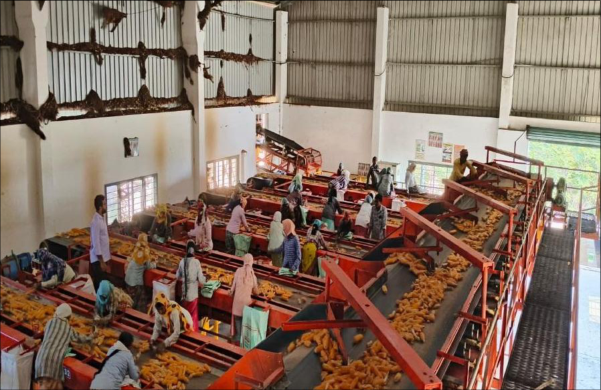 Figure 3
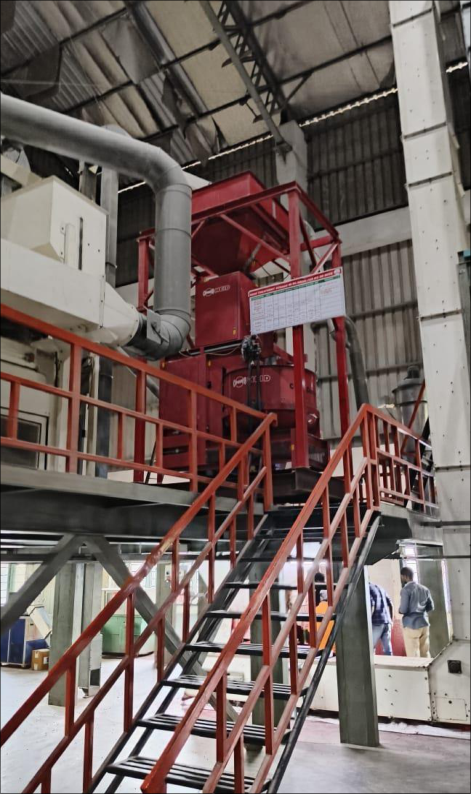 Figure 4
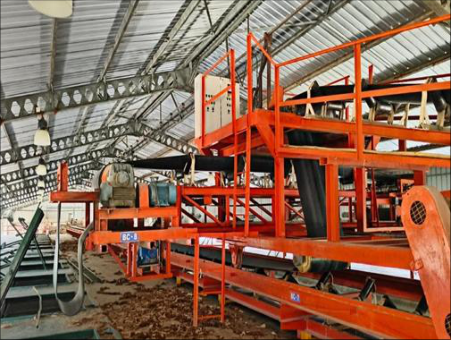 Figure 5
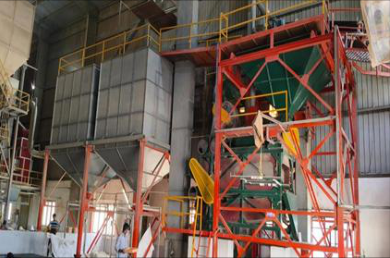 Figure 6
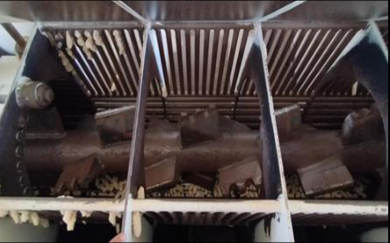 Figure 7
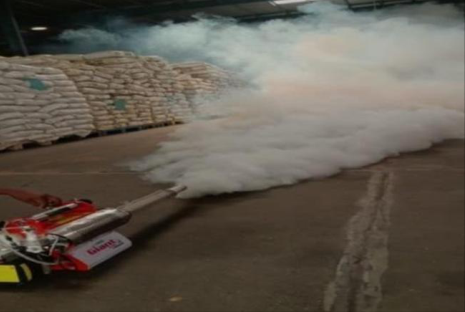 Figure 8
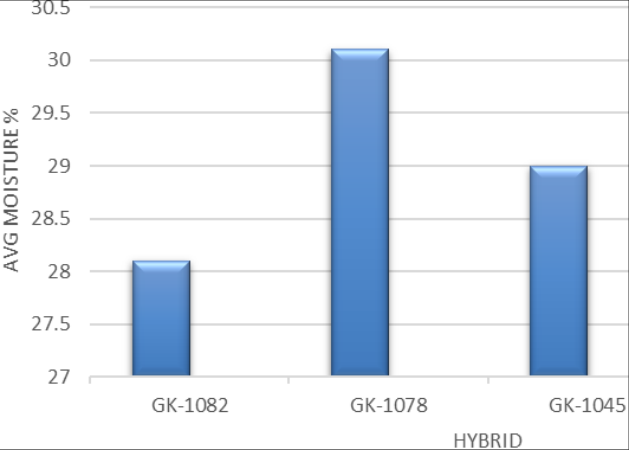 Figure 8
 Table 1
 Table 2
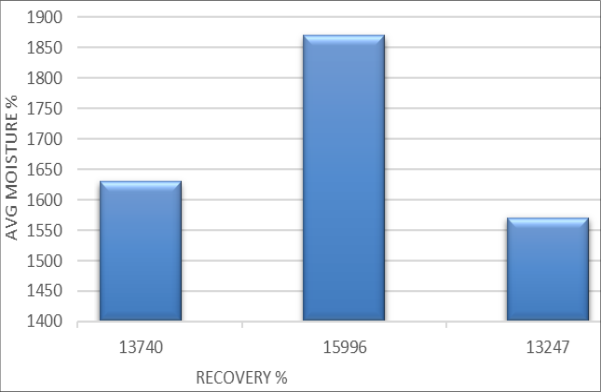 Figure 9
 Table 3
Introduction
Maize is the third most important cereal crop in India after rice and wheat and is grown in a wide range of environments, extending from extreme semi-arid to sub-humid and humid regions (which predominantly occupies 82 per cent of the area under cultivation in the kharif season). It accounts for around 10 per cent of total food grain production in the country. In addition to staple food for human being and quality feed for animals, maize serves as a basic raw material to thousands of industrial products that includes starch, oil, protein, alcoholic beverages, food sweeteners, pharmaceutical, cosmetic, film, textile, gum, package, paper industries etc. To sum up, the Indian maize sector has several opportunities in all its subsectors like seed, non-seed inputs, farm mechanization, processed foods, industrial products, market-related infrastructure, storage, processing etc. It has also enormous potential to provide food security, feed security, nutritional security and enhanced income to maize growers. Maize qualifies as potential crop for doubling farmer's income. Maize is less water demanding and gives higher yield per hectare. By growing maize farmers save 90 per cent of water, 70 per cent of power compared to paddy farming. Argentina and Brazil have emerged as major exporting nations of maize in 2019. India has exported 370 thousand tonnes of maize having the worth of Rs. 1,019.29 crores/ 142.76 USD Millions in 2019-20. The major export destinations of Indian maize (2019-20) are Nepal, Bangladesh, Myanmar, Pakistan and Bhutan. India was a net importer of maize till late 1980s, as production growth in the country was not enough to meet the growing demand from poultry and other sectors. In 2019-20, 458.51 thousand tonnes worth of Rs 843 crores of maize was imported by India in which 41 per cent of maize is imported from Myanmar followed by Ukraine (34 %) and Singapore (9 %). Indian maize has become non-competitive in the international market due to relatively weak international prices. India has witnessed a jump in maize exports from 2007 and found comparative advantage till 2014. The global prices had come down in 2014-15 which led to fall in subsequent external demand having pushed local prices to lower than MSP, while in 2015-16 the shortage in domestic production pushed prices above international markets, thus making maize exports non-viable in 2015 and 2016 and again the export started increasing and reached 0.92million tonnes in 2020-21. As per some private sources, the data given is compiled. The year 2020-21 started with an opening stock of 14.26 million tonnes and total availability goes up to 38.79 million tonnes. The total annual demand including exports of 23.44 million tonnes. The ending stocks are expected to be 15.35 million tonnes in 2020-21. Maize consumption in India can broadly be divided into three categories f. feed, food and Industrial non-food products (mainly starch). The most important use and demand driver of maize is poultry and cattle feed which accounts 63 per cent of total maize consumption and nearly 8 per cent of maize for human consumption. The major consumption states in India are Karnataka, Andhra Pradesh, Punjab, Gujarat, Haryana, Telangana, Tamil Nadu, Bihar, and West Bengal. There are many drivers of maize demand in India, the most important being (1) growing demand from poultry sector, consuming more than half of the domestic production; (2) growing urbanization, leading to increased demand for processed foods like corn flakes, bakery products, etc., (3) growing organized dairy sector, requiring more of fine cereals or maize-based concentrates; and (4) rising international price due to diversion of maize grain towards biofuel production. In the country, more than threefourths of the maize is grown in Madhya Pradesh, Karnataka, Maharashtra, Rajasthan, Bihar, Uttar Pradesh, and Andhra Pradesh. Maize production contributes 78.61% with respect to coarse cereals production in Andhra Pradesh. Maize cultivation is done in two production environments namely traditional maize growing areas (Bihar, Madhya Pradesh, Rajasthan, and Uttar Pradesh) and non-traditional maize areas, (Karnataka and Andhra Pradesh). In traditional areas, the crop is primarily grown as a subsistence crop to meet food needs. In contrast, maize in the non-traditional areas is grown for commercial purposes i.e., mainly to meet the feed requirements of the booming poultry sector. Since 1990s, a regional shift in maize production has taken place in India in big way, as southern states emerged as the largest maize-producing states, while maize area started decreasing in the traditional major maize-growing states. It is clear that, the highest maize yield was observed in Guntur district in 2019-20. In terms of maize production, the major districts were Guntur (5.03 lakh tonnes), West Godavari (4.40 lakh tonnes), Srikakulam (2.61 lakh tonnes), Vizianagaram (2.45 lakh tonnes) and Kurnool (2.37 lakh tonnes). The two-stage drying process in double pass dryers provides flexibility to adjust drying conditions based on the specific requirements of the maize being processed. This can be advantageous when dealing with maize kernels with varying moisture levels or quality. By allowing for more precise control over drying conditions, double pass dryers may yield maize with higher quality attributes such as uniform moisture content, improved color, and enhanced nutritional integrity. Double pass dryers tend to be more complex in design and operation compared to single pass dryers. The double pass drying process requires additional equipment and control systems, which can increase capital and operational costs. Several studies investigate ways to reduce energy consumption in double pass dryers. This includes optimizing airflow distribution, heat recovery systems, and incorporating renewable energy sources such as solar or biomass to reduce reliance on fossil fuels. Maintaining product quality is crucial in maize processing. Research examines the impact of drying parameters on product attributes such as moisture content, color, nutritional quality, and shelf life. The goal is to achieve optimal drying while preserving the desired characteristics of the maize. Mathematical modeling and simulation play a significant role in understanding the drying process and optimizing dryer performance. Research may involve developing computational models to simulate heat and mass transfer phenomena within the dryer and validate these models with experimental data. Thereafter, it is very important to make sure that we measure the correct number of seeds into the packet. Then the sealed tightly package keeps the seed fresh and prevents any water penetration. It is necessary therefore to mention such essential details like types of seed, how it should be planted as well as its expiry date on each parcel just as a quick identification. As we go through this process, these seeds undergo quality assessment so that they can conform to set standards. Lastly, these seed packets are stored properly.
Methodology
Ganga Kaveri Seeds Pvt. Ltd. (GKPL) is India's largest outsourced partner in the Seed Processing domain, delivering end-to-end turnkey solutions to global Seed companies. For more than 30 years, GKPL has been providing state-of-theart Seed Processing infrastructure facilities meeting the customer's quality standards while maintaining economies of scale. GKPL's core business expertise includes customized production, processing, packaging, storing, and distribution. The ultimate in drying technology, the Double-Pass Dryer provides a sophisticated way to effectively remove moisture from a wide range of materials. The two successive drying chambers in this inventive system are each thoughtfully crafted to maximize the drying process. The material moves through the first chamber's initial dehumidification before moving on to the second chamber for further drying. With accurate temperature and airflow parameter control, the counter-current airflow system provides optimal heat transfer efficiency. This meticulous control lowers energy usage while also improving drying performance. Furthermore, the double pass arrangement guarantees consistent moisture content in the material, leading to better product quality and extended shelf life.
Experimental procedure
It is a starting procedure in the maize processing as mentioned in Fig. 2. The crop is collected from the farmers after harvesting from the field through transportation by goods carriers. And we will note down that information in the records. It consists of, Conventional Truck Tilter is a material unloading device used in various projects for Unloading of different Bulk Material. This is normally used in case of below Ground Level Hoppers. The Platform is Suitable for 6/8/10/12/14 Wheeled Trucks. Available in 30-80 T Capacity as shown in Fig 1.
Sorting
After completion of tripling the feed will be conveyed into the distributing conveyor. Fig. 3 shows the sorting operation in the industry. In that, there will be more than 3 sorting conveyors, based on the Feed quantity and Labor we will control the sorting conveyors to which the feed will be conveyed. In this sorting area, they will remove the silk, husk, fungus cobs, off-type cobs, milky cobs, male cobs, etc. Here will collect the samples from the sorting conveyors randomly 10kgs three times for a load. From the sampling, we will remove the good cobs and analyze the weight of the off type, fungus, and male cobs for calculation of the quality of seeds. The target of the sorting accuracy is about 99% or more. If the sorting accuracy is less than 99% then it leads to reduce the quality of seeds. After the completion of the sorting of one Hybrid, there will be a changeover in the entire intake area. A distribution conveyor fills the pre cells above the huskers, from where the ear corn is conveyed to the husking process using a shaker feeder and a belt conveyor. Side-by-side husking rolls remove husk and silk from the ear corn. The waste products are collected and conveyed to a dump area, alternatively for chopping. Loose kernels can either be collected by a loose kernel belt conveyor or re-covered, or they can be discharged by the waste conveyor.
Seed Treatment
Seed treatment is not only for protection; it's also about optimization of germination rates and good seed quality; seed treatment helps ensure that every seed has the best chance of reaching its full potential of germination. In this process, seeds are pre-soaked in water or a nutrient solution to initiate the germination process before they're planted, especially in challenging soil conditions. Seed treatment can also involve inoculating seeds with beneficial microorganisms, such as rhizobia bacteria for legume crops. Different companies choose different chemicals to treat the seeds and different purposes can lead to mixing different chemicals as shown in Fig. 4.
Bin filling
Before bin filling we will check whether the entire bin is clean or not, if not the labor will clean the bin to reduce the risk of admixture of Hybrids. Maize grains were fed into the dryer bin continuously at a predetermined rate using a conveyor belt system and there are two types of bins available, they are small and big bins, the small bin capacity is 30/40 tons and the big bin capacity is 60/80 tons according to plant requirement and this process was done by using belt conveyors after sorting as shown in Fig. 5. (Seed does not get ruptured or damaged). The shanks (empty cob) are thrown/pushed out by the force exerted by end plates through the specially designed flapper outlet. The Shelled Seeds are collected at the bottom for further process of cleaning and grading by using sieves. If the maize cobs have more moisture content than the required level for shelling then it leads to reduced efficiency of shelling. The machine capacity depends upon the consistency in the operations, the product type, and the cob moisture content and feed rate (i.e. more feed rate less capacity, and low quality). Therefore, the user only is the best judge to decide and can correlate the capacity to the amount of specific product being fed to the machine. It is necessary to do the changeover after the completion of the shelling of one Hybrid variety
Fogging
The method of fogging is recommended mainly to ensure uniform application of the disinfectant to all surfaces in the area. For narrow streets, workers use handheld devices to fog in which Tata fin, a pesticide, is mixed with diesel at ratio of 1:19. Fogging is adopted only when flies were heavy. For 1 litre of diesel 10ml of "Tata fin" is added, rated power is 1800 watts, and spraying volume is 80-180 ml/min as shown in Fig. 8. Types of flies are Army worms, ball worms, Aphids, cut worms etc.
Precautions
Stay out of the area for the time indicated in the product label and specified by the application device. Open windows and doors after use, if possible, to air out the space. Remove chemical residue, which can pose health risks, before others enter the room. Clothing should not be exposed to the insecticides used in a fogger. If your clothes are contaminated, the chemicals can be transferred to your skin and make you ill. Safe use of these products requires that everyone, including pets, leave the treated space and close the doors after foggers have been released. Stay out until the time indicated on the label has passed, usually two to four hours. Prematurely entering the treated premises may lead to illness. Foggers can cause illness in people and pets. Breathing fog can result in nose and throat irritation, difficulty breathing, coughing, headaches, dizziness, vomiting, diarrhoea, or allergic symptoms. Contact with skin and eyes can also cause irritation. Afterward, clean every surface of your home with soapy water. Do not focus on exposed compartments, even if your cabinets were closed, you need to clean it to make sure no residue has accumulated inside it. Do not wipe the surfaces only once. If you can do it twice or thrice, do so to enhance protection. There is, however, some known adverse reactions include itching, burning, prickling sensations on skin, headaches, convulsions, tremors, facial flushing and swelling, asthma, sneezing, nasal congestion, and nausea. Safe use of these products requires that everyone, including pets, leave the treated space and close the doors after foggers have been released. Stay out until the time indicated on the label has passed, usually two to four hours. Prematurely entering the treated premises may lead to illness. After completion of the shelling process, the shelled grains will be conveyed to the bin using a belt conveyor and bucket elevator. We will dispatch the maize into the jumbo bags from that bin which has a capacity of 2.5 tons. And we note the Flag, Moisture content, Lot number, Hybrid, and capacity on that jumbo bag. Industries need to put safety first in order to safeguard employees and uphold the integrity of their business. Together, these safety precautions create a complete plan for reducing hazards and preventing accidents. It is critical to supply personal protective equipment (PPE) to shield workers from potential hazards. In-depth threat assessments pinpoint possible dangers, and comprehensive training guarantees that staff members are equipped to adhere to security protocols and handle crises with competence. Regular equipment maintenance and inspections lower the likelihood of malfunctions and problems. Plans for emergency preparedness enable you to react swiftly to unforeseen circumstances. Work locations are kept neat and orderly through meticulous cleaning practices, which lowers the chance of trips and falls. By putting these precautions in place, businesses foster a safety culture that puts employee welfare first and upholds effective, long-term.
Results and discussion
Maize processing has yielded significant advancements, driving improvements in efficiency, quality, and sustainability across the industry. Precision farming techniques, such as the use of GPS-guided machinery and data analytics, have enabled farmers to optimize planting density, irrigation, and fertilizer application, resulting in higher yields and reduced resource inputs. Advanced harvesting machinery, equipped with state-of-the-art sensors and automated systems, has streamlined the harvesting process, minimized losses and ensured maximum crop utilization. The hydraulic performance, yield response, water use efficiency, fertilizer use efficiency, vegetative growth characteristics and economics of drip system with different fertigation equipment are mainly discussed. Here, we had a look around Seeds' (Ganga Kaveri Seeds Private Limited) maize drying and processing facilities. We examine our survey results about the use of double pass dryers in maize processing in detail in the Results and Discussion Section. Using a combination of computer modeling, theoretical analysis, we assessed how well a double-circulation dryer would work to improve maize drying. We investigate a range of subjects, such as comparative analyses of optimizations, drying efficiency, and the effects of corn quality. We also discuss possible directions for future study as well as the practical effects of incorporating a double pass dryer into corn processing operations. An extensive summary of the revolutionary potential of double pass drying technology in maize processing is given in this section, along with suggestions for enhancing.
Processing of maize seed varieties.
The intake analysis for maize, involving three varieties: GK-1082, GK-1078, and GK-1045, requires careful scrutiny of various parameters. These include the date of intake, truck number, hybrid type, bin number, quantity in kilograms, start and end times of intake, any flagged issues or anomalies, and the average moisture percentage. By systematically recording and analyzing these data points, we can effectively manage the intake process for each maize variety. Understanding the unique characteristics of each hybrid is crucial for optimizing intake procedures and ensuring quality standards are met. This comprehensive analysis facilitates informed decision-making and continuous improvement in maize intake practices across different varieties, ultimately contributing to the overall efficiency and quality of the intake process as illustrated in Fig. 8.
Dryer analysis
The dryer analysis for maize encompasses three distinct varieties: GK-1082, GK-1078, and GK-1045 as listed in Table 1. Each variety undergoes experimentation with varying burner on time, blower on time, down air time, down air moisture, cut-off date, cut-off moisture, and total drying hours. By systematically altering these parameters, we aim to optimize drying conditions tailored to the unique characteristics of each maize variety. Through rigorous data collection and analysis, we seek to identify the most efficient combination of parameters to achieve optimal moisture removal while preserving the quality and integrity of the maize. This multifaceted analysis ultimately aims to enhance drying efficiency and ensure the production of high-quality maize across all three varieties.
Sheller analysis
The shelling analysis for maize, encompassing the varieties GK-1082, GK-1078, and GK-1045, is a comprehensive evaluation involving several key parameters as shown in Fig. 9. These parameters include the shelling date, lot number, initial moisture percentage, start and end times of shelling, quantity in kilograms, and the resulting recovery percentage. Through meticulous recording and analysis of these variables, we aim to optimize the shelling process for each maize variety. Moisture content plays a critical role in determining shelling efficiency, as it affects the ease of kernel separation and overall recovery rates. By understanding the moisture levels and their impact on shelling outcomes, we can implement strategies to achieve higher recovery percentages while maintaining product quality. This thorough analysis facilitates informed decision-making and continuous improvement in shelling practices across different maize varieties, ultimately enhancing efficiency and ensuring consistent, high-quality outcomes in the shelling process.
Packaging Intake
The intake for processing analysis for maize, focusing on three maize varieties GK-1082, GK-1078, and GK-1045, involves the examination of essential parameters to ensure efficient processing as listed in Table 2. These parameters include the date of intake, seed hybrid, lot number, and the quantity received in both bags (60kg) and kilograms. By meticulously recording and analysing these data points, we can optimize the intake process for each maize variety.
| S. No | Date | Seed | Hybrid | Lot No. | Taken Quantity (Bags - 60kg) | Taken Quantity, kg |
|---|---|---|---|---|---|---|
| 1 | 01/3/24 | Maize | GK -1082 | PNG114068 | 255 | 16,205 |
| 2 | 04/4/24 | Maize | GK - 1078 | PNF054117 | 299 | 18,572 |
| 3 | 26/4/24 | Maize | GK – 1045 | ENG044055 | 250 | 15,502 |
Table text extracted from the original PDF; superscript letters are shown inline. The original table image is below.
View original table image
Understanding the specific characteristics of each hybrid is crucial for managing intake effectively and ensuring that the processing facility receives the appropriate quantity of maize for further processing. This comprehensive analysis enables informed decision-making, allowing for adjustments to be made based on variations in intake quantities and ensuring the smooth operation of the processing facility. Ultimately, by optimizing intake procedures across different maize varieties, we can enhance efficiency and maintain consistent processing standards.
Packaging analysis
The packaging analysis for maize, encompassing the varieties varieties GK-1082, GK-1078, and GK-1045, involves crucial parameters to ensure effective packaging and minimal loss during storage and transportation as mentioned in Table 3. These parameters include the number of primary packets (3kg), the number of secondary bags (40kg), the total package quantity in kilograms, the remnant quantity left after packaging, packet loss in kilograms, and the resulting recovery percentage. By meticulously recording and analyzing these data points, we aim to optimize the packaging process for each maize variety. Efficient packaging is essential for preserving the quality and quantity of maize during storage and transportation.
Understanding the packaging requirements and potential losses allows us to implement strategies to minimize wastage and improve overall recovery rates. This comprehensive analysis enables informed decision-making, facilitating adjustments in packaging procedures to ensure consistency and efficiency across different maize varieties. Ultimately, by optimizing packaging practices, we can enhance product quality, reduce losses, and maximize the utilization of resources throughout the packaging process.
Conclusion
In conclusion, drying is a critical operation in maize processing as it reduces the moisture content of maize kernels, prevents spoilage and microbial growth, and improves storage life and product quality. Modern doublepass mechanical dryers have proven to be more efficient and reliable than traditional sun-drying methods, which are often slow and weather dependent. These dryers use advanced temperature and airflow control systems to ensure uniform and consistent drying conditions. Maintaining the maize moisture content between 9-11%, with up-air temperatures of 36-38 °C and down-air temperatures of 39-41 °C, helps preserve seed quality and meet market standards. Furthermore, modern dryers enhance productivity, reduce processing time, and improve overall product quality while incorporating energy-efficient technologies that lower operational costs and environmental impact.
Figures and tables from the paper
References
50 in the original paper- Abdoli B, Zare D, Jafari A, Chen G. Evaluation of airborne ultrasound on fluidized bed drying of shelled corn. Dry Technol. 2018;36(14):1749-1766.
- Akhtaruzzaman M, Biswas MHT, Sheikh AM, Khatun AA, Sarker MSH. Evaluation of drying performance, energy consumption, and quality of two-stage dried maize grain. J Biosyst Eng. 2021.
- Alagusundaram K, Jayas DS, White NDG, Muir WE. Safe storage moisture content of grains. Agric Rev. 1990;11(1):1-14.
- ASAE. Moisture measurement-unground grain and seeds. St. Joseph (MI): American Society of Agricultural Engineers; 2001.
- Bakker-Arkema FW. Grain drying systems. In: Cereal Grain Quality. New York: Springer; 1994.
- Bala BK. Drying and storage of cereal grains. New Delhi: Oxford and IBH Publishing; 1997.
- Bala BK, Woods JL. Simulation of the deep bed drying of paddy. J Agric Eng Res. 1994;57(4):259-267.
- Barrozo MAS, Mujumdar AS, Freire JT. Air-drying of seeds. Dry Technol. 2014;32(10):1127-1141.
- Brooker DB, Bakker-Arkema FW, Hall CW. Drying and storage of grains and oilseeds. New York: Springer; 1992.
- Cârlescu PM, Băetu MM, Roșca R, Țenu I. Studies on the physical changes in corn seeds during hybrid drying (convection and microwave). Agriculture. 2023;13(3):519.
- Chakraverty A. Post-harvest technology of cereals, pulses and oilseeds. New Delhi: Oxford and IBH Publishing; 1988.
- Chattah H, Ibupoto A, Laghari M, Jamali L, Baraich A. Effect of different packing materials and storage conditions on the quality of wheat grain. Pak J Agric Agric Eng Vet Sci. 2014;30(2):195-204.
- Davydova S, Mikhail C. Technical equipment of corn breeding and seed production. Agric Mach Technol. 2020;14(3):66-74.
- Doymaz I. Convective air-drying characteristics of thin layer carrots. J Food Eng. 2004;61(3):359-364.
- Ergun A, Ceylan I, Acar B, Erkaymaz H. Energyexergy-ANN analyses of solar-assisted fluidized bed dryer. Dry Technol. 2017;35(14):1711-1720.
- Gunasekaran S, Paulsen MR. Breakage resistance of corn as affected by drying rates. Trans ASAE. 1985;28(6):2071-2076.
- Hall CW. Drying and storage of agricultural crops. Westport (CT): AVI Publishing Company; 1980.
- Jain D, Pathare PB. Study the drying kinetics of open sun drying of fish. J Food Eng. 2007;78(4):1315-1319.
- Sujatha G, Kanth BK, Sinha J, Kalyani MS, Lakshmi TV, Srinu M. Comparative study of the impact of saline water irrigation on tomato yield, quality and growth in Andhra Pradesh, India. Int J Plant Soil Sci. 2023;35(20):1076-1085.
- Radha TK, Ganeshamurthy AN. Feasibility of substituting cocopeat with rice husk and saw dust compost as a nursery medium for growing vegetable seedlings. J Life Sci. 2018;13(2):659-663.
- Krishna VS, Jain SK, Panwar NL, Wadhawan N. Emergence of IoT in the field of food and agricultural sector. J Food Process Eng. 2024;47(8):e14698.
- Krishna VS, Jain SK, Panwar NL, Sree R. An overview on phase change material incorporated in convective solar dryers. J Energy Storage. 2025;131.
- Kingsly ARP, Singh DB. Drying kinetics of pomegranate arils. J Food Eng. 2007;79(2):741-744.
- Kumar D, Kalita P. Reducing postharvest losses during storage of grain crops to strengthen food security in developing countries. Foods. 2017;6(1):8.
- Manonmani V, Subithra S, Ambika S. Standardization of cob drying technology for maintaining vigour potential of maize seeds. Seed Res. 2026;48(2):126131.
- Martinez-Feria RA, Licht MA, Ordóñez RA, Hatfield JL, Coulter JA, Archontoulis SV. Evaluating maize and International Journal of Agriculture and Nutrition https://www.agriculturejournal.net soybean grain dry-down in the field with predictive algorithms and genotype-by-environment analysis. Sci Rep. 2019;9:7167.
- Maskan M. Drying, shrinkage and rehydration characteristics of kiwifruits during hot air and microwave drying. J Food Eng. 2001;48(2):177-182.
- Midilli A, Kucuk H, Yapar Z. A new model for single layer drying. Dry Technol. 2002;20(7):1503-1513.
- Mohsenin NN. Physical properties of plant and animal materials. New York: Gordon and Breach Science Publishers; 1986.
- Mondal MHT, Hossain MA, Sheikh MAM, Akhtaruzzaman M, Sarker MSH. Energetic and exergetic investigation of a mixed flow dryer: a case study of maize grain drying. Dry Technol. 2021;39(4):466-480.
- Mujumdar AS. Handbook of industrial drying. 4th ed. Boca Raton (FL): CRC Press; 2014.
- Oni TA, Akintunde MA, Olabanji OM, Aduewa TO, Olusunle SO. Development of maize dehusking and shelling machine with a blowing unit. In: Proceedings of the Federal University of Technology Conference; 2018 Jul 17-19; Akure, Nigeria.
- Onwude DI, Hashim N, Janius R, Nawi NM, Abdan K. Modeling the thin-layer drying of fruits and vegetables: a review. Compr Rev Food Sci Food Saf. 2016;15(3):599-618.
- Pabis S, Jayas DS, Cenkowski S. Grain drying: theory and practice. New York: Wiley-Interscience; 1998.
- Raghavan VGS, Sosle V. Grain drying. In: Mujumdar AS, editor. Handbook of industrial drying. 3rd ed. Boca Raton (FL): CRC Press; 2007. Chapter 23.
- Roberts JS, Kidd DR, Padilla-Zakour O. Drying kinetics of grape seeds. J Food Eng. 2008;89(4):460465.
- Thompson SA, Schwab CV, Ross IJ. Calibration of a model for packing whole grains. Trans ASAE. 1991;34(4):450-456.
- Sacilik K, Keskin R, Elicin AK. Mathematical modelling of solar tunnel drying of thin layer organic tomato. J Food Eng. 2006;73(3):231-238.
- Sharma A, Chen CR, Vu LAN N. Solar-energy drying systems: a review. Renew Sustain Energy Rev. 2009;13(6-7):1185-1210.
- Sharma GP, Verma RC, Pathare PB. Thin layer infrared radiation drying of onion slices. J Food Eng. 2005;67(3):361-366.
- Sheng H, Fan X, Sun L, Shen Y. Research on classification method of maize seed defect based on machine vision. J Sens. 2019:1-9.
- Simal S, Femenia A, Garau MC, Rossello C. Use of exponential, Page's and diffusional models to simulate drying kinetics of kiwi fruit. J Food Eng. 2005;66(3):323-328.
- Sokhansanj S, Jayas DS. Drying of foodstuffs. In: Mujumdar AS, editor. Handbook of industrial drying. Boca Raton (FL): CRC Press; 2006.
- Srivastava AK, Goering CE, Rohrbach RP, Buckmaster DR. Engineering principles of agricultural machines. St. Joseph (MI): ASABE Publications; 2006.
- Togrul IT, Pehlivan D. Modelling of thin layer drying kinetics of some fruits. J Food Eng. 2004;65(3):413425.
- Vitazek I, Veres P. Drying rate of grain maize. Acta Technol Agric. 2013;16(2):29-32.
- White GM, Ross IJ, Ponelert R. Fully exposed drying of popcorn. Trans ASAE. 1981;24(2):466-468.
- Xie Y. Research on grains packaging design and consumer preferences. Adv Comput Sci Res. 2017;75.
- Yu P, Zhu W, Shen C, Qiao Y, Zhang W, Gong J, Cai J. Current status of grain drying technology and equipment development: a review. Foods. 2025;14(14):2426.
- Zogzas NP, Maroulis ZB, Marinos-Kouris D. Moisture diffusivity data compilation in foodstuffs. Dry Technol. 1996;14(10):2225-2253.