
Research article · 2026 · Full text
International Journal of Agriculture and NutritionDetermination of drying performance of Maize in a single-pass dryer
Volume 8(6) · Pages 28–36 · DOI: 10.33545/26646064.2026.v8.i6a.650 ↗
Research areasFood Drying and ModelingAgricultural Engineering and MechanizationGranular flow and fluidized beds
Abstract
Author-writtenThe purpose of this study is to better understand how agricultural processing facilities might incorporate single-pass dryers (SPDs) to improve the drying, processing, and packing of maize. Given the significance of maize in world agriculture, processing them optimally can boost productivity and cut waste. With the SPD system, drying can be done effectively in just one cycle thanks to its streamlined methodology. The advantages of incorporating an SPD system into current agricultural processing workflows are assessed by our research, which focuses on drying effectiveness, product quality, and operational expenses. The study also looks at how to best handle and package seeds to maximize productivity and preserve quality along the supply chain. This study intends to increase productivity and sustainability in the agricultural industry by offering insights into improving maize processing.
Summary
Source-checkedPlain-language reading of the full paper, prepared with AI and checked against the text. Each point links to the authors' own words.
Why it matters
- Maize is a globally significant crop essential for economic stability and food security. View evidence ↗
- Conventional maize drying methods often suffer from long processing times and a decrease in product quality. View evidence ↗
- Single-pass dryers (SPDs) offer a streamlined approach that allows drying to be completed in a single cycle. View evidence ↗
The question
- The research aims to design and optimize a single-pass dryer for maize using a combination of theoretical analysis and experimental testing. View evidence ↗
What they did
- The drying process used a two-stage temperature approach: 38°C with upward airflow for the first 48 hours, followed by 40°C with downward airflow until the target moisture was reached. View evidence ↗
- Physical properties of the maize grains were measured at a moisture content range of 10-14% (wet basis). View evidence ↗
- The study evaluated four different varieties of maize to determine their physical and engineering properties. View evidence ↗
What they found
- The SPD successfully reduced maize moisture from an initial range of 19.8% to 20.6% down to a final level between 10.3% and 10.5%. View evidence ↗
- Total drying time ranged from 114.35 to 131 hours, with duration depending on the initial moisture levels. View evidence ↗
- The final moisture content of shelled seeds was 10.58%, meeting the safety requirement of being below 11.5% for storage. View evidence ↗
- The operation achieved 100% bin utilization and 76% dryer utilization, the latter slightly exceeding the 75% target. View evidence ↗
- Among the varieties, Ku-89 had the longest undehusked cobs (182.2 mm) and S-605 the shortest (175.05 mm), with a mean of 179.28 mm. View evidence ↗
- Variety S-60 was found to be the densest, with a bulk density of 0.78 g/cm³ and a true density of 1.11 g/cm³. View evidence ↗
What it means
- The authors conclude that using a single-pass dryer improves processing efficiency and reduces drying time while preserving product quality. View evidence ↗
- The authors suggest that future research should focus on automation systems and more advanced drying and seed handling technologies. View evidence ↗
Visual summary
3 visualsIllustrations explain the paper; charts are replotted from the paper's own table values.
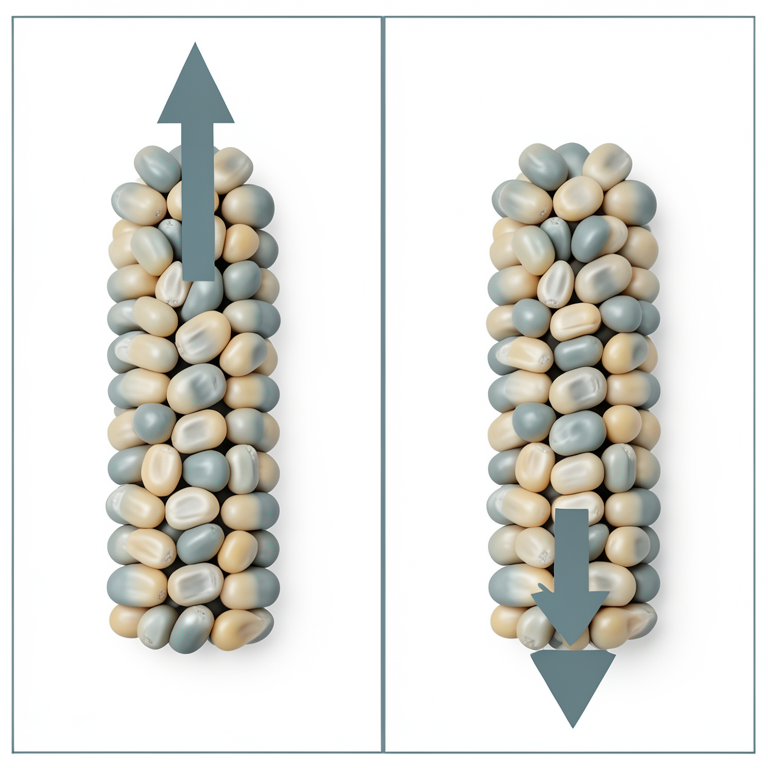
Two-Stage Drying Process
AI-generated conceptual illustration (maize kernels in a mechanical dryer). It explains the idea and does not show study data.
View source evidence ↗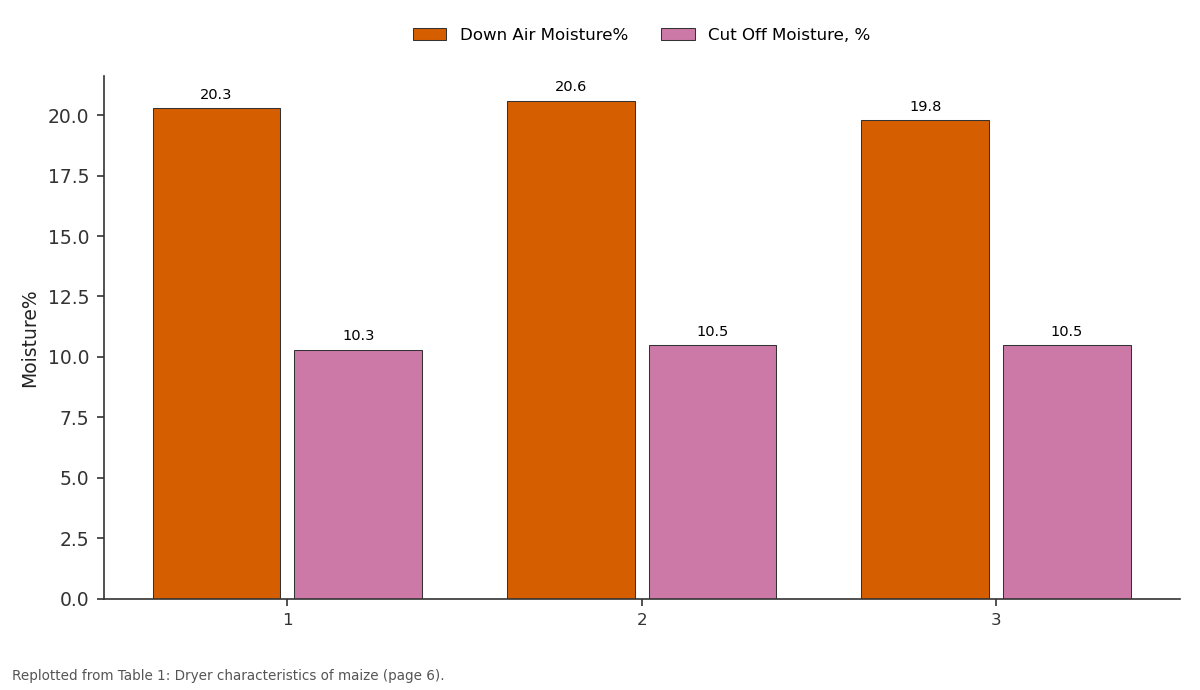
Down Air Moisture% and Cut Off Moisture, %: 1 vs 2 vs 3
Replotted from Table 1 (page 6) of the original paper. Every bar is the paper's own table value.
View source evidence ↗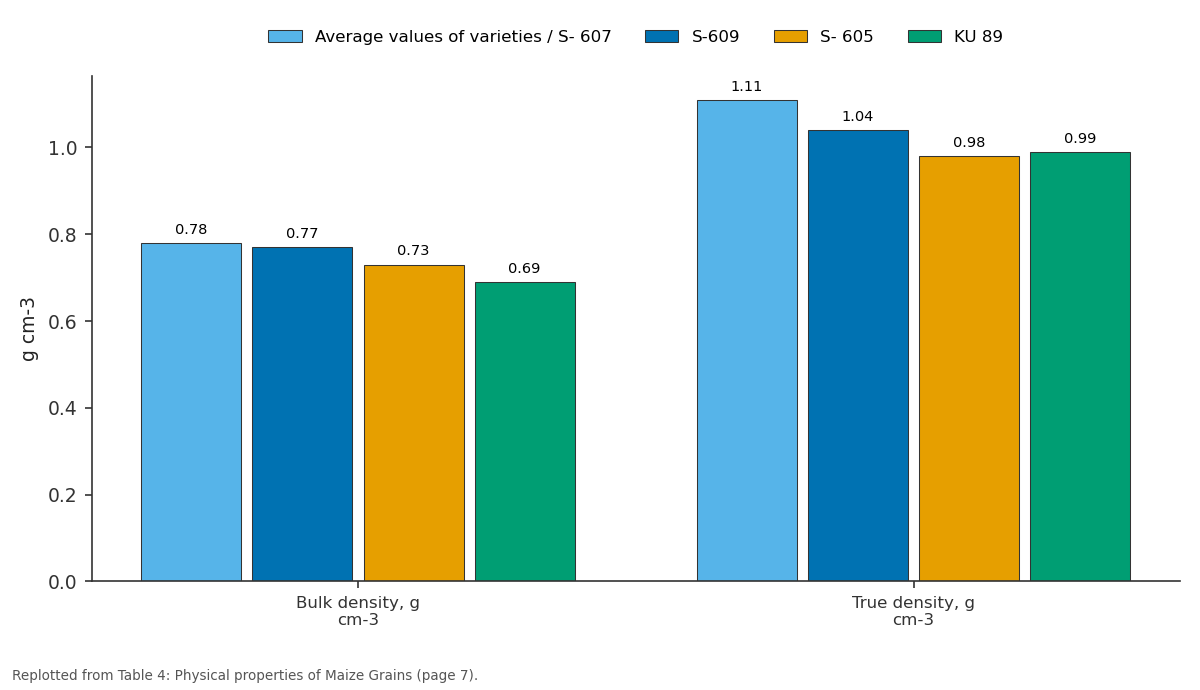
Average values of varieties / S- 607 and S-609 and more: Bulk density, g cm-3 vs True density, g cm-3
Replotted from Table 4 (page 7) of the original paper. Every bar is the paper's own table value.
View source evidence ↗Figures & tables
From the original paper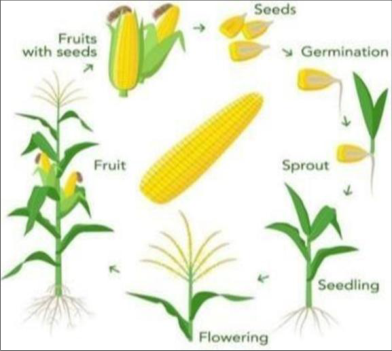 Figure 1
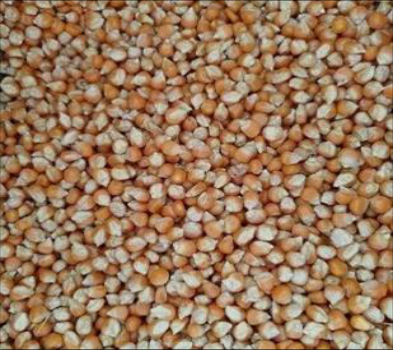 Figure 1
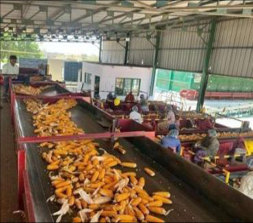 Figure 2
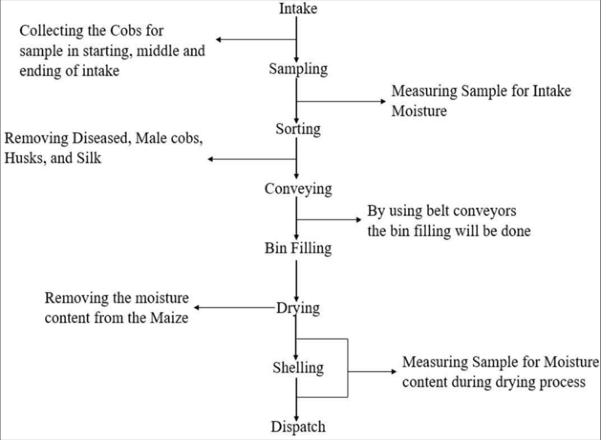 Figure 3
 Table 1
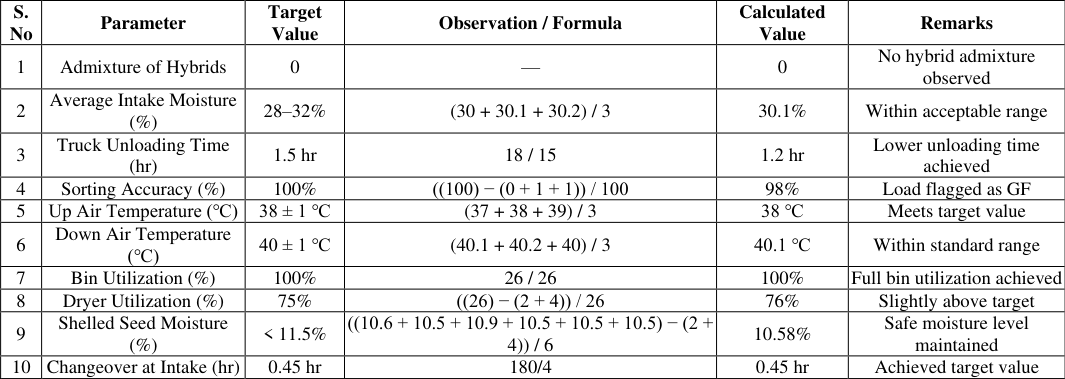 Table 2
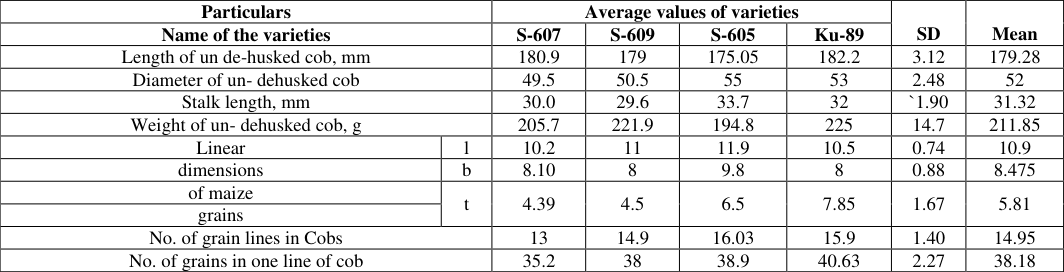 Table 3
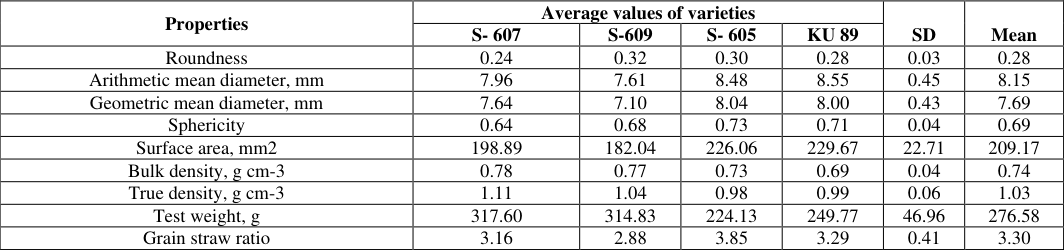 Table 4
Introduction
Maize is an important crop for food security and economic stability around the world. Its flexibility makes it a staple diet for billions, but getting it from fields to tables requires extensive processing, with drying being critical. Traditional drying processes frequently confront issues such as extended drying times and quality degradation, necessitating novel solutions. This thesis investigates the use of a single-pass dryer (SPD) to improve maize drying efficiency. The study's goal is to design and optimize an SPD specifically for maize processing using theoretical analysis, and experimental validation. By addressing these goals, the thesis hopes to promote maize processing technology, provide long-term solutions to improve efficiency, reduce post-harvest losses, and help global food security efforts. Maize, also called corn, is a type of grain that grows on tall grass-like plants. The seeds of maize are what we eat. They come in different colors like yellow and white. People eat it as a vegetable, or they grind it into flour to make bread, tortillas, and other foods. Animals like cows and chickens also eat maize. Besides food, maize is used to make things like biofuels, starch, and even some kinds of plastic. Maize is grown in many countries because it can grow in different kinds of weather and soil. It's an important crop because it provides food for people and animals, as well as materials for many different. From Fig. 1, Maize seeds, also known as corn seeds, are the reproductive units of the maize plant. They are the small, oval-shaped structures found within the kernels of the maize ear. The scientific name of maize is Zea mays. It belongs to the Poaceae family, commonly known as the grass family. Maize seeds are vital for the propagation of the maize plant and play a crucial role in agriculture. Maize seeds contain all the genetic material necessary to grow into a new maize plant. When planted in soil under suitable conditions, maize seeds germinate and develop into maize plants. These plants produce ears of maize, each containing numerous kernels, which in turn house the seeds for the next generation. Maize seeds are also a valuable food source for humans and animals. They can be ground into flour to make various food products such as bread, tortillas, and porridge. Single-pass dehuller, often referred to as a dryer, plays a critical role in maize processing by removing the outer layers of maize kernels in one efficient operation. These layers typically include the bran (pericarp), germ, and the tip cap, which are not required in International Journal of Agriculture and Nutrition https://www.agriculturejournal.net many end-products like maize meal, flour, or grits. The primary function of the dryer is to streamline the dehulling process, reducing the need for multiple machines or repeated handling, which can be both time-consuming and costly. Maize processing plays a vital role in food security, economic development, and industrial production across many regions, particularly in Africa, Asia, and Latin America. The quality of processed maize products such as flour, meal, and grits depends heavily on the preliminary cleaning and dehulling stages. Traditional methods of dehulling maize often involve multiple passes and laborintensive procedures, which can result in significant grain loss and inconsistent product quality. In response to these challenges, the single-pass dehuller, or dryer, has emerged as a highly effective solution. This machine simplifies the dehulling process by removing the bran, germ, and tip cap from maize kernels in one continuous operation. By streamlining this step, single-pass dryers not only save time and labor but also improve the overall efficiency of maize milling. Their use contributes to better end-product consistency, longer shelf life, and higher milling yields, making them essential in both small-and large-scale maize processing industries. Moreover, with a growing emphasis on food safety, sustainability, and costeffective production, single-pass dehullers have become indispensable tools in modern grain processing systems. Single-pass dryers are particularly beneficial in regions where maize is a dietary staple and milling operations must meet both high volume and quality standards. These machines are designed to handle varying kernel sizes and moisture levels, ensuring uniform dehulling regardless of the condition of the raw maize. Their adaptability makes them suitable for diverse settings. The drying process was conducted at a specific temperature with a specific airflow rate. Initially, the temperature of the first 2 days (48 hours) is 38℃ in this duration the air will flow upwards and then next 2 days or up to get the desired moisture level the temperature will be maintained at 40℃, here the air will flow downwards. Whenever the desired moisture level occurs then the drying process will be stopped and it will allow further post-processing like shelling, seed treatment and packaging, etc. And first two days of the drying process would be done by up air direction later uniform distribution of air to remove moisture content uniformly from the grains.
If the moisture content of the seeds is less than 15% then it will be considered as trim. AFurthermore, the efficiency of single-pass dehullers supports value addition across the maize value chain. By producing cleaner, more refined kernels in a single operation, these machines enhance the quality of maize products for both domestic consumption and export markets. In DOIng so, they contribute to increased profitability for processors, improved nutrition for consumers, and more sustainable use of agricultural resources.
Drying characteristics of maize cob
Barrozo et al., (2014) [3] showed that the moisture content had reached 13.62%, which resulted inreduced vigor because of increased respiration from the storage temperature. ANOVA and regression analysis, along with Tukey tests, were used to identify significant differences. Results show that maintaining seed viability and vigor requires appropriate storage conditions, which may have an impact on agricultural productivity. Chattah et al., (2014) [5] studied the effect of packing materials during ten months of storage, the study looked at the effects of various packing materials (metal bins, earthen bins, plastic bags, cloth bags, and gunny bags) and grain moisture levels (10% and 16%) on the quality of wheat grain. Quality parameters were tracked, such as the presence of insect pests, the weight of 1000 grains, the amount of protein, and the amount of starch. Regardless of the initial moisture content, the usage of gunny, fabric, and plastic bags resulted in decreased grain weight, protein, and starch contents, as well as increased insect-pest infestation over time. On the other hand, wheat grain kept in metal and clay bins, especially when it was 10% damp, showed superior quality through storage, suggesting that a lower initial moisture content led to a slower rate of quality degradation. Manje et al., (2017) With an emphasis on genetic quality concerns, this technical handbook explores quality assurance and quality control (QA/QC) procedures in maize breeding and seed manufacturing. High-quality seed should not be mixed with impure seed; QC finds and fixes production-chain faults. It highlights the benefits of combining morphology-based testing with molecular marker-based analysis, which allows for trait-specific analysis, parent-offspring testing, and genetic purity and identity assessment. The handbook also describes how to evaluate nutritional features based on the kernel, such as provitamin A and QPM, which improve the overall quality of seed in maize breeding and seed production operations. Monir et al., (2016) evaluated packaging using morphoanatomical features to evaluate the purity of maize hybrid seed in Uganda. In 13 areas, 120 samples of four common hybrids were gathered. At NaCRRI, Namulonge, evaluation was conducted utilizing an alpha lattice design. Within hybrids as well as between seed sources, significant differences (P < 0.05) were discovered. Other than that, Longe 9H did not differ much from the others. A principal component analysis showed that hybrids had a variety of traits. The different levels of contamination show that more quality control is required to increase farmer production. Neerja et al., (2019) examined about grain quality of rice, the quality of rice grains affects milling, appearance, cooking, and nutrition and is therefore critical to market value and consumer approval. Breeding methods require an understanding of the genetic foundation of quality attributes. This chapter examines the progress made in enhancing grain quality characteristics and combining them with high yields in the face of resource scarcity.
Methodology
The Materials required for the Maize drying process to dry the seeds to get the desired moisture content & materials required for processing and packing are discussed below. the results pertaining to engineering properties of maize, design and development of different components of maize dehusker cum sheller, testing and evaluation of maize dehusker cum sheller were presented and analysed. The economics of maize dehusker cum sheller were also presented in this chapter. The results are presented under the following headings.
Engineering properties of maize
The various engineering properties of maize were determined using the standard procedures as explained in section 3.2 of chapter 3. The physical properties of maize grains were evaluated at a moisture content of 10-14% (w. b.). The dimensions and other related parameters for all the selected four maize varieties are given in Table 4.3. The measured mean length of dehusked cob was minimum (175.05 mm) in case of S-605 variety and maximum (182.2 mm) in case of KU-89 variety. The measured mean length from all the varieties of maize was found to be 179.28 mm with deviation of 3.12 mm. The diameter of un-dehusked maize cob was maximum (55 mm) in case of S-605 variety followed by KU-89 (53 mm), S-609 variety (50.5 mm) while it was minimum in S607 variety (49.5 mm). The mean value found to be 52.0 mm with 2.4 8 mm deviation. Among all the four varieties, the maximum stalk length was observed in S-605 (33.7 mm) and a minimum of 29.6 mm was observed in S-609 variety whereas mean value was found to be 31.32 mm with deviation of 1.90 mm. The mean linear dimensions involved length, breadth and thickness of maize grains. The maximum ear length of 11.9 mm was obtained in S-605 variety while it was minimum (10.2 mm) in S-607 The maximum value was found in S-605 (9.8 mm) and minimum (8 mm) in KU-89 variety. The measured mean thickness was found to be 5.81 mm with deviation of 1.67 The number of grain lines in cob ranged from 13 to 16.03 for all the four varieties of maize with a calculated mean of 14.95. Among the four varieties, the number of grains in one line of cob was maximum in KU-89 (40.63) while it was minimum (35.2) in S-607 and the measured mean value was calculated to be 38.18 with deviation of 2.27. The measured maximum diameter of cob without grains was noted in (24.11 mm) KU-89 variety and it was found minimum (20.5 mm) in S-607 variety. The maximum diameter of cob without grains was found to be varied from 25.09 to 29.37 mm for all the four varieties of the maize. The maximum diameter (29.37 mm) of the cob was found for KU-89 variety and a minimum diameter (25.09 mm) was found in S-607. The calculated maximum length of the shelled maize cob of 160.9 mm was noticed in case of KU-89 and minimum length of 140.68 mm for S-609 variety.
| Properties | Average values of varieties | — | — | — | SD | Mean |
|---|---|---|---|---|---|---|
| S- 607 | S-609 | S- 605 | KU 89 | |||
| Roundness | 0.24 | 0.32 | 0.30 | 0.28 | 0.03 | 0.28 |
| Arithmetic mean diameter, mm | 7.96 | 7.61 | 8.48 | 8.55 | 0.45 | 8.15 |
| Geometric mean diameter, mm | 7.64 | 7.10 | 8.04 | 8.00 | 0.43 | 7.69 |
| Sphericity | 0.64 | 0.68 | 0.73 | 0.71 | 0.04 | 0.69 |
| Surface area, mm2 | 198.89 | 182.04 | 226.06 | 229.67 | 22.71 | 209.17 |
| Bulk density, g cm-3 | 0.78 | 0.77 | 0.73 | 0.69 | 0.04 | 0.74 |
| True density, g cm-3 | 1.11 | 1.04 | 0.98 | 0.99 | 0.06 | 1.03 |
| Test weight, g | 317.60 | 314.83 | 224.13 | 249.77 | 46.96 | 276.58 |
| Grain straw ratio | 3.16 | 2.88 | 3.85 | 3.29 | 0.41 | 3.30 |
Table text extracted from the original PDF; superscript letters are shown inline. The original table image is below.
View original table image
The mean value was noticed to be 149.52
Physical Properties
The roundness of maize grain varied from 0.24 to 0.32 for all the four varieties of the maize. The maximum roundness of the maize grain was found for S-609 variety (0.32) and the minimum (0.24) for S-607. The Arithmetic mean diameter of the maize grains was found to be in the range of 7.61 to8.55 mm with a mean value of 8.15 mm. The maximum arithmetic mean diameter was recorded in KU-89 variety while it was minimum (7.61 mm) in S-609 variety.
The measured geometric mean diameter of all the varieties of maize grains was found in the range of 7.1 to 8.05 mm with calculated mean value of 7.68 mm. The sphericity of maize grain was found maximum (0.73) in case of S-605 variety followed by KU-89 (0.72), S-609 variety (0.69) while it was found minimum (0.65) in S-607 variety.
The maximum surface area of 229.67 mm 2 was observed in CP 818 variety while it was noticed minimum (181.04 mm 2 ) in S-609 variety. The mean bulk density of all the maize varieties was found to be 0.74 g cm -3 . The maximum (0.78 g cm -3 ) bulk density was found in S-607 and the minimum bulk density (0.69 g cm -3 ) was recorded in S-605 of 0.98 to1.11 g cm -3 and with mean value of 1.03 g cm -3 . The maximum tested weight of the maize grain was found in the case of S-607 (317.60 g) and observed minimum of 224.13 g for S-605 variety. The measured mean value of the four varieties was noticed to be 276.58g with deviation of 46.96g. The machine capacity depends upon the consistency in the operations, the product type, and the cob moisture content and feed rate (i.e. more feed rate less capacity, and low quality). Therefore, the user only is the best judge to decide and can correlate the capacity to the amount of specific product being fed to the machine. It is necessary to do the changeover after the completion of the shelling of one Hybrid variety.
Shelling
Shelling
Dryer key performance indicators (KPI)
A corn processing plant typically uses several key performance indicators (KPI) to measure the effectiveness, efficiency, and overall effectiveness of various processes and operations. Here are some key performance indicators that are often used in corn processing plants. Fig. 3 shows the complete procedure of processing of maize.
Admixture of Hybrids
The target value of the admixture of Hybrid is 0.
The target value of Average intake moisture is 28 -32%. If the moisture is greater than 32% then the Load has more milky cobs. The milky cobs have a lower germination rate.
Truck unloading time (in hr)
The target value of truck unloading time is 0.3 hours. The truck unloading time will vary when the load comes with bags.
The target value of sorting accuracy is 100%. The sorting accuracy lies between 98 -99% then the flag of the load is GF.
Up Air Temperature
The target value of up air temperature is 38℃ ± 1.
Down Air Temperature
The target value of up air temperature is 40℃ ± 1.
Bin utilization
The target value of bin utilization is 100%
Dryer utilization
The target value of bin utilization is 100%
The target value of shelled seed moisture is <11.5%
Change over at intake (hr)
The target value of shelled seed moiture is <11.5%
After completion of the shelling process, the shelled grains will be conveyed to the bin by using a belt conveyor and bucket elevator. We will dispatch the maize into the jumbo bags from that bin which has a capacity of 2.5 tons. And we note the Flag, Moisture content, Lot number, Hybrid, and capacity on that jumbo bag. This jumbo bag will be transported to storage in a warehouse for further processing.
Results and Discussion
The results and discussion section presents a comprehensive evaluation of the use of a Single-Pass Dryer (SPD) in maize processing at Prasad Seeds Private Limited. The study investigates the operational performance and drying efficiency of the SPD system through theoretical analysis and practical experimentation. Key aspects examined include drying kinetics, moisture reduction efficiency, energy utilization, and the influence of the drying process on maize quality parameters. Furthermore, optimization strategies for improving dryer performance and processing efficiency were analysed. The findings demonstrate the potential of SPD technology to enhance maize drying operations, improve post-harvest handling practices, and contribute to sustainable agricultural production and global food security initiatives.
Drying characteristics of maize cob
The operational evaluation of the Single-Pass Dryer (SPD) used for maize drying at Prasad Seeds Private Limited demonstrated significant effectiveness in reducing grain moisture content to safe storage levels. The study revealed that the initial down-air moisture content of maize ranged from 19.8% to 20.6%, which was successfully reduced to a final cut-off moisture level of 10.3%-10.5%. This indicates that the SPD system maintained consistent drying performance across different batches. The total drying duration varied between 114.35 and 131 hours depending on the initial moisture content and operational conditions. Batch 2 required the highest drying time (131 h) due to comparatively higher initial moisture content (20.6%), whereas Batch 3 exhibited the shortest drying duration (114.35 h) with an initial moisture content of 19.8%. These findings suggest a direct relationship between initial grain moisture and total drying time. From Table 1, the results further indicate that continuous blower and burner operation ensured uniform airflow and heat distribution within the dryer, contributing to efficient moisture removal and minimization of grain quality deterioration. The SPD system effectively achieved the recommended safe moisture range for maize seed storage while maintaining operational stability. Overall, the study confirms that the Single-Pass Dryer is a reliable and efficient technology for maize drying operations, offering improved drying efficiency, reduced post-harvest losses, and enhanced seed quality management in commercial seed processing industries.
Dryer Key Performance Indicators (KPI)
The operational assessment of the maize drying and processing system at Prasad Seeds Private Limited demonstrated that the processing parameters were maintained within the prescribed operational standards, indicating efficient dryer performance and effective process management as mentioned in Table 2. The study showed that the average intake moisture content of maize cobs was 30.1%, which falls within the recommended range of 28-32%. This indicates that the raw material received for drying was suitable for processing and free from excessive immature or milky cobs, which are generally associated with poor germination performance. Furthermore, the admixture of hybrids was recorded as zero, confirming high genetic purity and proper segregation during handling and intake operations. Truck unloading operations were completed within 1.2 hours, which is lower than the target unloading time of 1.5 hours. This reflects efficient material handling and reduced waiting time during intake operations. Similarly, the changeover time at intake was maintained at 0.45 hours, meeting the prescribed target and indicating effective operational coordination. The sorting process achieved an accuracy of 98%, which is close to the ideal target of 100%. The minor reduction in sorting accuracy was attributed to the presence of small quantities of off-type, male, and fungus-affected cobs. However, the achieved value still indicates a highly efficient sorting system capable of maintaining seed quality standards. Temperature management within the dryer was found to be highly stable. The average up-air temperature was maintained at 38 ℃, while the down-air temperature averaged 40.1 ℃, both within the recommended operating limits. Proper temperature regulation contributed to efficient moisture removal without causing thermal damage to the seeds. The bin utilization efficiency was recorded at 100%, indicating optimum use of available storage and drying capacity. Dryer utilization was observed to be 76%, slightly exceeding the target value of 75%, which reflects effective operational planning and improved equipment productivity. The final shelled seed moisture content was reduced to 10.58%, which is below the maximum permissible limit of 11.5% for safe storage. This confirms that the drying system effectively reduced moisture to levels suitable for maintaining seed viability, minimizing fungal growth, and reducing post-harvest losses. Overall, the findings demonstrate that the drying and processing operations were conducted efficiently, with most parameters meeting or exceeding the target values. The results confirm the suitability of the Single-Pass Dryer system for commercial maize seed processing, ensuring improved drying efficiency, seed quality preservation, and enhanced post-harvest management practices. The linear dimensions of maize grains-length, width, and thickness-show that S-605 grains are the largest, with a length of 11.9 mm, a width of 9.8 mm, and a thickness of 6.5 mm, while Ku-89 grains are the thickest at 7.85 mm. The number of grain lines ranges from 13 (S-607) to 16.03 (S-605), with S-605 having the most, which could lead to a higher overall grain yield. Additionally, the number of grains per line is highest in Ku-89 (40.63 grains), indicating its potential for greater grain production compared to the other varieties. The diameter of the cob without grains shows that Ku-89 has the largest maximum diameter (29.37 mm), while S-607 has the smallest. Finally, the average length of the shelled cob is longest in Ku-89 (160.9 mm), suggesting that after dehusking, it maintains a larger cob size compared to the others. Overall, Ku-89 stands out for its large cob size and high number of grains per line, while S-605 offers the largest grains and the highest number of grain lines, making both varieties potentially more productive depending on the specific needs for grain size or yield.
| S. No | Parameter | Target Value | Observation / Formula | Calculated Value | Remarks |
|---|---|---|---|---|---|
| 1 | Admixture of Hybrids | 0 | — | 0 | No hybrid admixture observed |
| 2 | Average Intake Moisture (%) | 28–32% | (30 + 30.1 + 30.2) / 3 | 30.1% | Within acceptable range |
| 3 | Truck Unloading Time (hr) | 1.5 hr | 18 / 15 | 1.2 hr | Lower unloading time achieved |
| 4 | Sorting Accuracy (%) | 100% | ((100) − (0 + 1 + 1)) / 100 | 98% | Load flagged as GF |
| 5 | Up Air Temperature (℃) | 38 ± 1 ℃ | (37 + 38 + 39) / 3 | 38 ℃ | Meets target value |
| 6 | Down Air Temperature (℃) | 40 ± 1 ℃ | (40.1 + 40.2 + 40) / 3 | 40.1 ℃ | Within standard range |
| 7 | Bin Utilization (%) | 100% | 26 / 26 | 100% | Full bin utilization achieved |
| 8 | Dryer Utilization (%) | 75% | ((26) − (2 + 4)) / 26 | 76% | Slightly above target |
| 9 | Shelled Seed Moisture (%) | < 11.5% | ((10.6 + 10.5 + 10.9 + 10.5 + 10.5 + 10.5) − (2 + 4)) / 6 | 10.58% | Safe moisture level maintained |
| 10 | Changeover at Intake (hr) | 0.45 hr | 180/4 | 0.45 hr | Achieved target value |
Table text extracted from the original PDF; superscript letters are shown inline. The original table image is below.
View original table image
In conclusion, the comparison of these four Maizes varieties-S-607, S-609, S-605, and Ku-89-reveals distinct strengths in different areas. Ku-89 stands out for its larger cobs, both in length and diameter, and its high grain yield potential, as it has the largest number of grains per line and the heaviest undehusked cob. This variety is likely to perform well when larger cobs and higher overall productivity are desired. S-605, on the other hand, excels in grain size, with the largest grains and the most grain lines, making it a strong candidate for higher grain yield in terms of grain number and size. Although it has the lightest cob, the size of its individual grains and the number of lines suggest good productivity. S-607 has smaller cobs and grains compared to the other varieties, but its compact size could still make it suitable for specific environments or markets that require smaller grains. S-609 falls in between, with moderate cob size and grain number, offering a balanced option but lacking the standout features of the other varieties in terms of size and yield.
Overall, the choice of variety depends on the specific goals of the maize production-whether prioritizing larger cobs (Ku-89), higher grain size (S-605), or a balance between the two (S-609, S-607). Each variety has its unique advantages, making them suitable for different agricultural needs and growing conditions. Overall, S-60 stands out for its higher density and test weight, while K excels in grain yield efficiency. These properties can guide decisions about which grain variety to choose based on desired characteristics such as size, shape, quality, and yield.
Conclusion
In conclusion, the present study highlighted the significant differences among the four maize varieties-S-607, S-609, S-605, and Ku-89-with respect to their physical characteristics, cob dimensions, grain properties, and yield potential. Among all the varieties, Ku-89 exhibited superior performance due to its larger undehusked cob length and diameter, higher number of grains per line, heavier cob weight, and longer shelled cob length. These characteristics indicate its strong potential for higher productivity and better overall yield. S-605, although having lighter cobs, demonstrated desirable grain-related properties such as larger grain size and a higher number of grain lines, making it suitable for improved grain production. S-609 showed balanced and moderate characteristics in most parameters, suggesting its adaptability and stable performance, whereas S-607 recorded comparatively smaller cobs and fewer grains per line, indicating lower productivity among the tested varieties.
The study also focused on evaluating the drying characteristics of maize cobs using a single-pass dryer (SPD) under different drying temperatures. The experiments revealed that drying temperature significantly influences the drying rate, moisture removal efficiency, and total drying time. Higher drying temperatures resulted in faster moisture reduction and shorter drying periods; however, excessive temperatures may lead to quality deterioration, emphasizing the need for proper temperature optimization during drying operations. Various mathematical drying models were applied to study the drying behavior and identify suitable conditions for efficient drying performance. In addition, important physical properties such as moisture content, bulk density, porosity, cob size, and grain characteristics were analyzed to better understand their effect on drying efficiency and handling properties. These parameters were found to play a vital role in the design, operation, and optimization of drying systems.
Figures and tables from the paper
| Particulars | — | Average values of varieties | — | — | — | SD | Mean |
|---|---|---|---|---|---|---|---|
| Name of the varieties | S-607 | S-609 | S-605 | Ku-89 | |||
| Length of un de-husked cob, mm | 180.9 | 179 | 175.05 | 182.2 | 3.12 | 179.28 | |
| Diameter of un- dehusked cob | 49.5 | 50.5 | 55 | 53 | 2.48 | 52 | |
| Stalk length, mm | 30.0 | 29.6 | 33.7 | 32 | `1.90 | 31.32 | |
| Weight of un- dehusked cob, g | 205.7 | 221.9 | 194.8 | 225 | 14.7 | 211.85 | |
| Linear | l | 10.2 | 11 | 11.9 | 10.5 | 0.74 | 10.9 |
| dimensions | b | 8.10 | 8 | 9.8 | 8 | 0.88 | 8.475 |
| of maize | t | 4.39 | 4.5 | 6.5 | 7.85 | 1.67 | 5.81 |
| grains | |||||||
| No. of grain lines in Cobs | 13 | 14.9 | 16.03 | 15.9 | 1.40 | 14.95 | |
| No. of grains in one line of cob | 35.2 | 38 | 38.9 | 40.63 | 2.27 | 38.18 |
Table text extracted from the original PDF; superscript letters are shown inline. The original table image is below.
View original table image
References
22 in the original paper- Osodo B, Nyaanga D. Investigating the effect of selected parameters on moisture removal rate of an experimental forced convection solar grain dryer. International Journal of Energy Engineering. 2018;8(1):12-18.
- Osodo B, Nyaanga D, Muguthu J. Selection and verification of a drying model for maize (Zea mays L.) in forced convection solar grain dryer. American Journal of Food Science and Technology. 2017;5(3):93-100. DOI:10.12691/ajfst-5-3-4.
- Barrozo MAS, Mujumdar A, Freire JT. Air-drying of seeds: a review. Drying Technology. 2014;32(10):1127-1141.
- Bola FA, Bukola AF, Olanrewaju IS, Adisa SB. Design parameters for a small-scale batch in-bin maize dryer. Agricultural Sciences. 2013;4(5):90-95.
- Chattah SH, Ibupoto KA, Leghari MH, Jamali LA, Baraich AAK. Effect of different packing materials and storage conditions on the quality of wheat grain. Pakistan Journal of Agriculture, Agricultural Engineering and Veterinary Sciences. 2014;30(2):195204.
- Wang S, Zhang S, Fan H, Zhang M, Hu N, Yang H. Modeling and experimental study on drying characteristics of corn particles with hot air in downward moving bed. Fluids. 2023;8(2):63. DOI:10.3390/fluids8020063.
- Jimoh KA, Hashim N, Shamsudin R, Man HC, Jahari M, Onwude DI. Recent advances in the drying process of grains. Food Engineering Reviews. 2023;15(3):548576.
- Sujatha G, Kanth BK, Sinha J, Kalyani MS, Lakshmi TV, Srinu M. Comparative study of the impact of saline water irrigation on tomato yield, quality and growth in Andhra Pradesh, India. International Journal of Plant & Soil Science. 2023;35(20):1076-1085.
- Radha TK, Ganeshamurthy AN. Feasibility of substituting cocopeat with rice husk and saw dust compost as a nursery medium for growing vegetable seedlings. Journal of Life Sciences. 2018;13(2):659663.
- Krishna VS, Jain SK, Panwar NL, Wadhawan N. Emergence of IoT in the field of food and agricultural sector. Journal of Food Process Engineering. 2024;47(8).
- Krishna VS, Jain SK, Panwar NL, Sree R. An overview on phase change material incorporated in convective solar dryers. Journal of Energy Storage. 2025;131.
- Agbossou K, Napo K, Chakraverty S. Mathematical modelling and solar tunnel drying characteristics of yellow maize. American Journal of Food Science and Technology. 2016;4(4):115-124. DOI:10.12691/ajfst-44-5.
- Mattison LM, Suess TN, Twedt MP, Gent SP. Comparison of theoretical and experimental corn drying profiles within a cross-flow column dryer. In: Proceedings of the ASME 2013 International Mechanical Engineering Congress and Exposition; 2013 Nov. DOI:10.1115/IMECE2013-64557.
- Monir IYA, Sserumaga JP, Ayesiga SB, Katuromunda S, Asea G. Application of morpho-anatomical traits of maize plant to quality control and quality assurance in maize seed system. African Crop Science Journal. 2016;24(4):361-375.
- Mujumdar AS. Handbook of industrial drying. Boca Raton: CRC Press; 2006.
- Adjei PD, Akowuah JO, Obeng-Akrofi G, Awafo EA. Techno-economic analysis of a biomass-powered inclined bed dryer for maize drying. International Journal of Agricultural Research, Innovation and Technology. 2023;13(1):15-24. DOI:10.3329/ijarit.v13i1.67951.
- Adjei PD, Akowuah JO, Obeng-Akrofi G, Awafo EA. Thin-layer mathematical modelling of maize in a biomass-powered inclined bed dryer. Journal of the Ghana Institution of Engineering. 2023;23(4):48-54. DOI:10.56049/jghie.v23i4.104.
- Sharma N, Khanna R. Rice grain quality: current developments and future prospects. Recent Advances in Grain Crops Research. 2019.
- Thompson SA, Schwab CV, Ross IJ. Calibration of a model for packing whole grains. Applied Engineering in Agriculture. 1991;7(4):450-456.
- Vitazek I, Veres P. Drying rate of grain maize. Acta Technologica Agriculturae. 2013;16(2):31.
- Xie Y. Research on grains packaging design and consumer preferences. In: Proceedings of the 2017 7th International Conference on Mechatronics, Computer and Education Informationization (MCEI 2017). Paris: Atlantis Press; 2017. p. 335-339.
- Sahari Y, et al. Drying performance of mobile dryer and physical quality assessment of dried shelled corn. Journal of Advances in Agricultural Technologies. 2021;8(1):7-12. DOI:10.18178/joaat.8.1.7-12.