
Research article · 2026 · Full text
International Journal of Agriculture and NutritionMicrobial mediation of nutrient cycling: Nitrogen, phosphorus, and micronutrients
Volume 8(6) · Pages 01–11 · DOI: 10.33545/26646064.2026.v8.i6a.647 ↗
Research areasSoil Carbon and Nitrogen DynamicsAgricultural Science and FertilizationPlant-Microbe Interactions and Immunity
Abstract
Author-writtenMicrobial mediation is an essential part of the nutrient cycling in the soil and water ecosystem, and it has a direct effect on the soil fertility, plant productivity, and sustainability of ecosystems. The bacteria, fungi, actinomycetes, and archaea are important in the transformation and mobilization of essential nutrients such as nitrogen, phosphorus, and micronutrients (e.g., iron, zinc, and manganese) to be absorbed by plants. Nitrogen fixation, nitrification, and denitrification are among the processes involved in the nitrogen cycle, and they are regulated by specialized microbial communities that maintain the balance of different forms of nitrogen. On the same note, phosphate-solubilizing microorganisms (PSMs) increase phosphorus availability by releasing organic acids and enzymes through which organic acids solubilize insoluble phosphates. In addition, microbes play a role in the release of micronutrients by siderophore release, redox reaction, and chelation processes, and enhance the nutrition and health of plants and soil. Such microbial processes not only maintain a nutrient turnover, but also reduce losses of nutrients and environmental pollution. Knowledge of microbial-based nutrient changes can give prospects to come up with biofertilizers and sustainable nutrient management strategies that can lessen reliance on chemical fertilizers. The paper identifies the process, ecological roles, and uses of microbial mediation in the cycling of nitrogen, phosphorus, and the micronutrients, with a focus on their role in sustainable agriculture and protection of the environment.
Summary
Source-checkedPlain-language reading of the full paper, prepared with AI and checked against the text. Each point links to the authors' own words.
Why it matters
- Microbial mediation is critical for nutrient cycling in soil and water, directly influencing ecosystem sustainability, plant productivity, and soil fertility. View evidence ↗
- Understanding how microbes change nutrients allows for the development of sustainable management strategies and biofertilizers, reducing the need for chemical fertilizers. View evidence ↗
The question
- The paper aims to identify the processes, ecological roles, and applications of microbial mediation in cycling nitrogen, phosphorus, and micronutrients to support environmental protection and sustainable agriculture. View evidence ↗
What they did
- The review examines the roles of bacteria, fungi, actinomycetes, and archaea in mobilizing and transforming nitrogen, phosphorus, and micronutrients like manganese, zinc, and iron. View evidence ↗
What they found
- Nitrification is a two-step aerobic process where ammonia-oxidizing bacteria (AOB) and nitrite-oxidizing bacteria (NOB) convert NH4+ to nitrite (NO2⁻) and then to nitrate (NO3⁻). View evidence ↗
- Facultative anaerobic bacteria perform denitrification under low-oxygen conditions, reducing nitrate to dinitrogen gas (N₂). View evidence ↗
- Phosphate-solubilizing bacteria increase phosphorus availability by releasing oxalic, citric, and gluconic acids, which lower pH and dissolve mineral phosphates into orthophosphate. View evidence ↗
- Phosphate-solubilizing microorganisms (PSMs) use phytases and acid/alkaline phosphatases to break down organic phosphorus compounds into inorganic phosphate. View evidence ↗
- Siderophore-producing fungi and bacteria are essential for iron uptake in plants and microbes because they bind Fe (III) with high affinity. View evidence ↗
- Bacillus species can improve plant sulfur nutrition by releasing dimethyl disulfide, a volatile organic compound that is more easily absorbed by plants than inorganic sulfate. View evidence ↗
- In aquatic and engineered systems, bacteria and microalgae consortia remove nutrients synergistically: microalgae provide oxygen for bacterial nitrification, while bacteria provide inorganic carbon for algal growth. View evidence ↗
- Environmental antibiotics can disrupt nitrogen cycling pathways, typically resulting in increased N2O emissions and reduced nitrogen loss. View evidence ↗
- Heavy metals threaten soil productivity and stability by harming microbial-mediated nitrogen transformations. View evidence ↗
What it means
- The authors conclude that incorporating beneficial microbes into nutrient management can significantly reduce environmental pollution, nutrient loss, and the use of chemical fertilizers. View evidence ↗
Visual summary
2 visualsIllustrations explain the paper; they do not show study data.
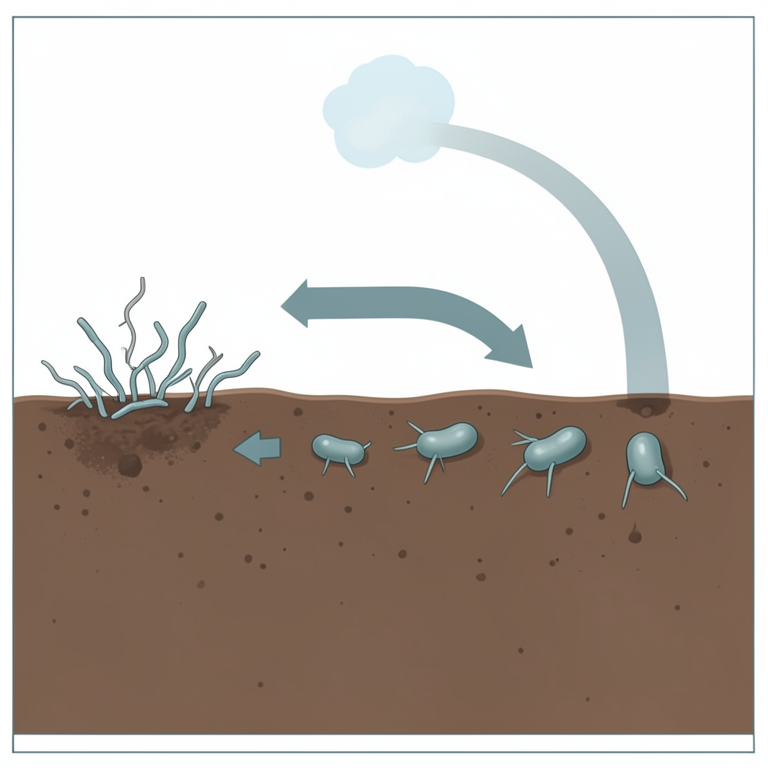
The Nitrogen Cycle Loop
AI-generated conceptual illustration (Soil bacteria in a subterranean soil profile). It explains the idea and does not show study data.
View source evidence ↗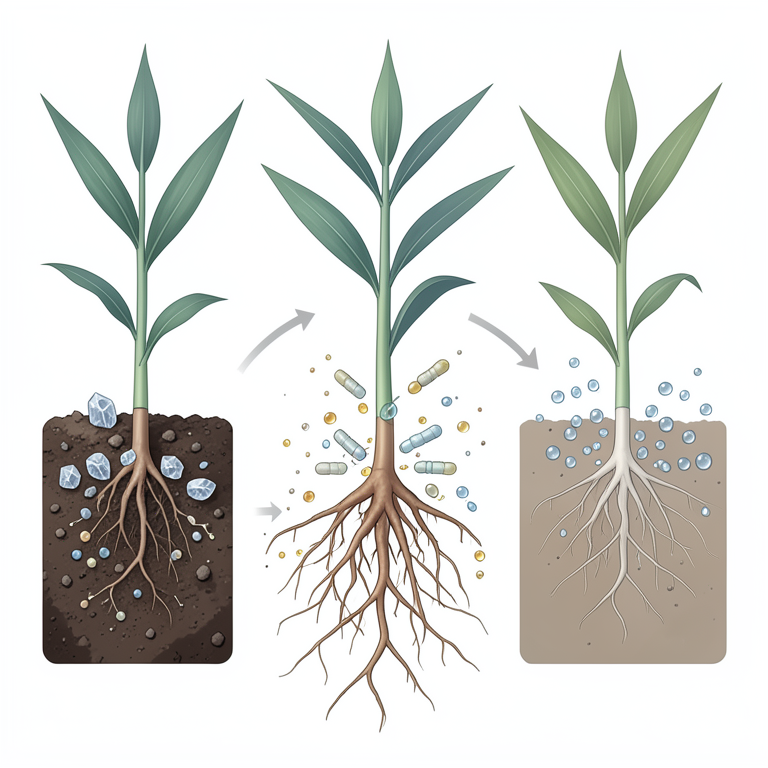
Phosphorus Mobilization
AI-generated conceptual illustration (maize plant roots in soil with phosphate-solubilizing bacteria). It explains the idea and does not show study data.
View source evidence ↗Figures & tables
From the original paper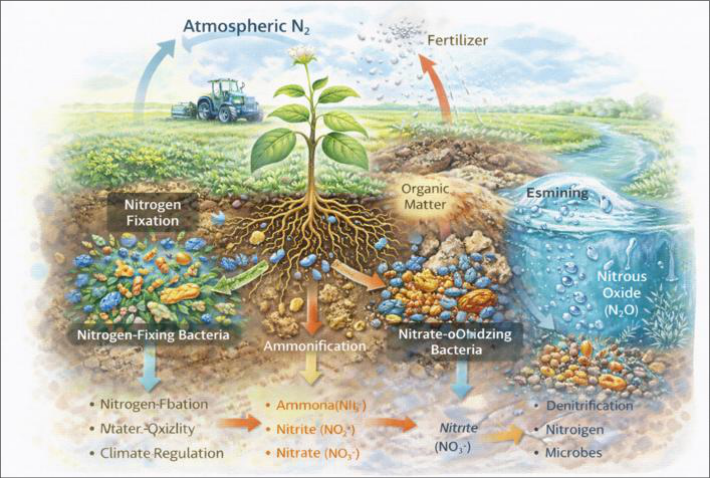 Figure 1
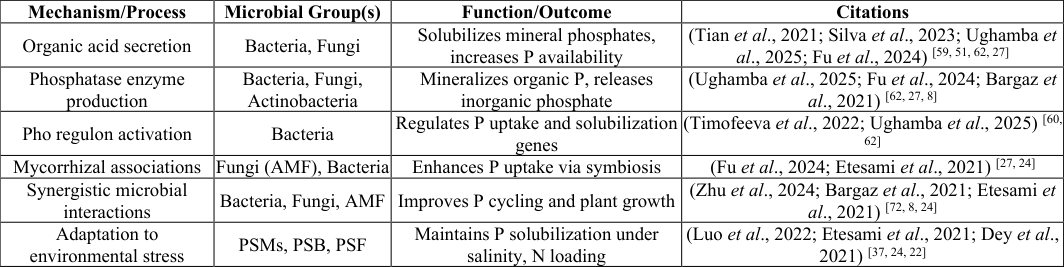 Table 1
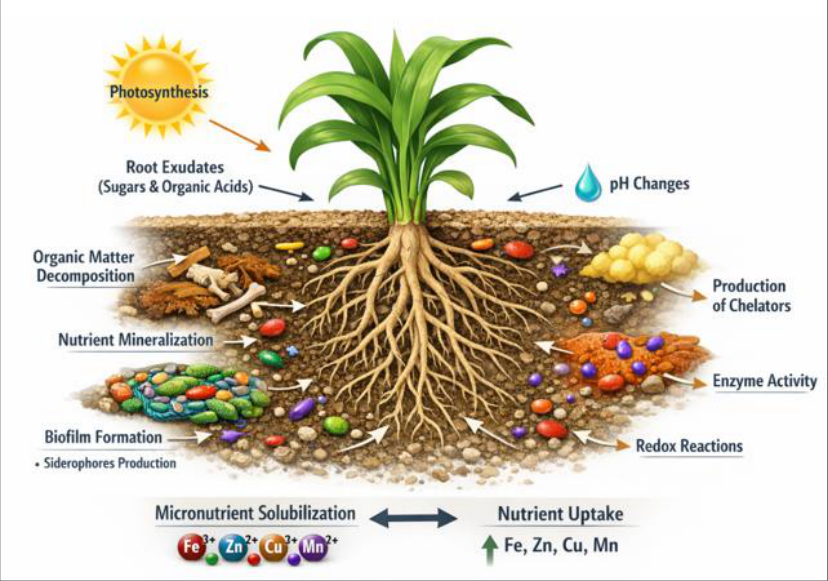 Figure 2
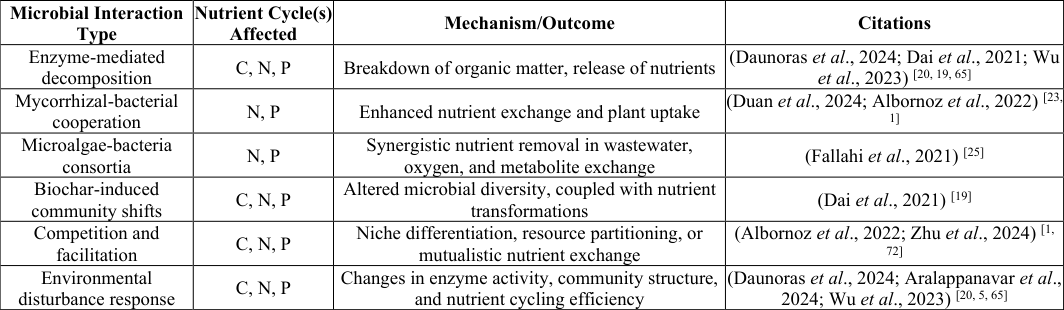 Table 2
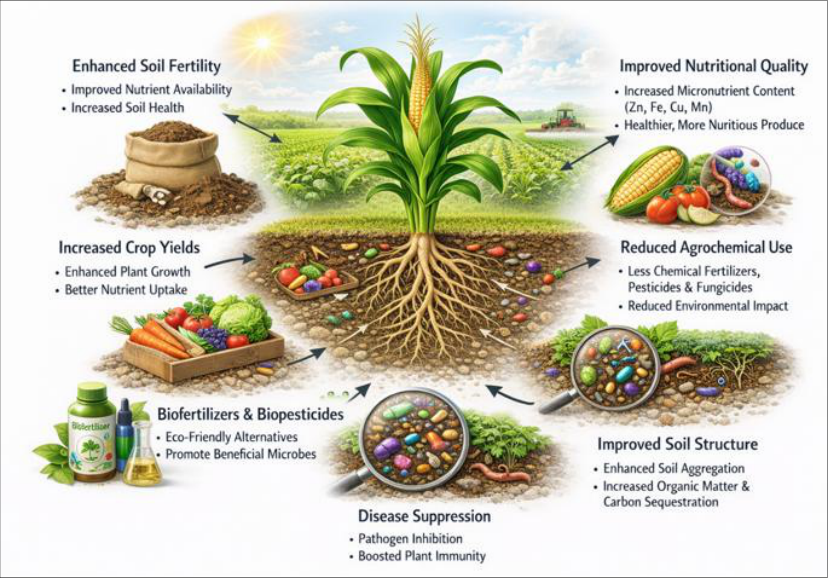 Figure 3
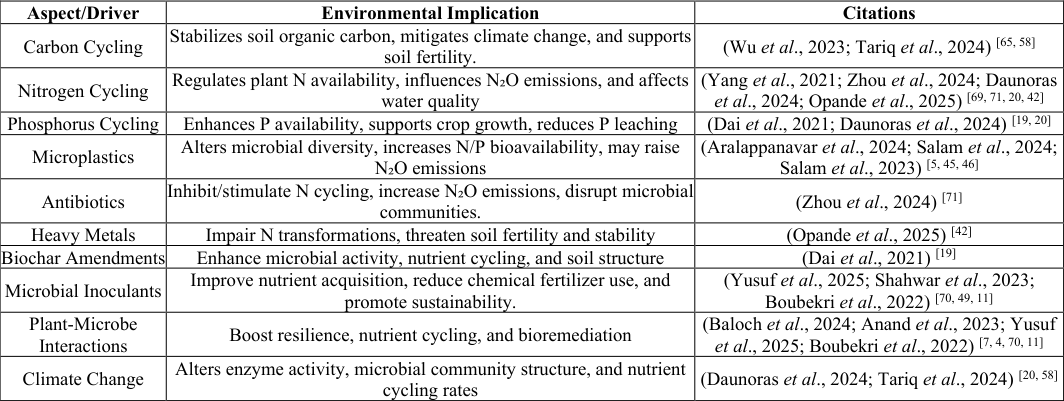 Table 3
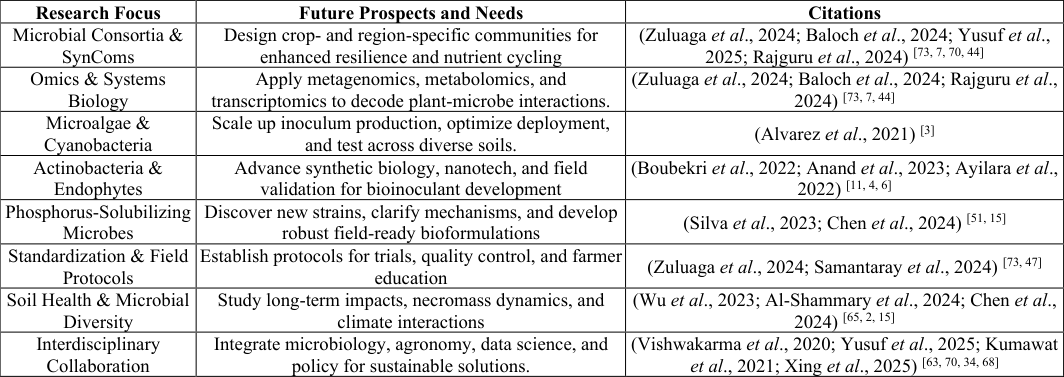 Table 4
Introduction
Microorganisms are the invisible engineers of nutrient cycling, and they coordinate the transformation and mobilization of vital elements like nitrogen, phosphorus, and even micronutrients in the earth and water systems. Their metabolic processes are fundamental to soil fertility, plant productivity, and ecosystem resilience and can therefore not be ignored by the natural and managed environment. Nitrogen fixation, nitrification, and denitrification processes catalyzed by the soil microbiota constitute the components of the nitrogen cycle, which transforms atmospheric nitrogen into bioavailable forms and regulates the flux of nitrogenous compounds, which is of significant importance to plant growth and the determination of greenhouse gases and water quality. These changes are mediated by a set of microbial enzymes, including nitrate reductases, ureases, the activities of which are sensitive to environmental conditions, such as temperature, moisture, pH, and substrate availability, which, in turn, can be further controlled by man-made activities and climate change (Daunoras et al., 2024; Deb et al., 2024) [20,21] . The other important macronutrient, phosphorus, is usually found in soils, yet not easily available to plants due to the form in which it appears. In this case, phosphate-solubilising microorganisms (PSMs) take a central stage by releasing organic acids and phosphatases, mobilising inorganic phosphorus and organic phosphorus, and improving their bioavailability and eliminating the requirement of chemical fertilisers (Tian et al., 2021; Silva et al., 2023; Timofeeva et al., 2022) [59,51,60] . Stoichiometric ratios of carbon, nitrogen, and phosphorus in the biomass of microbes also regulate the transformation and availability of phosphorus, and the C: N:P ratios of soil and the microbial biomass affect the efficiency of transformations and their availability (Chen et al., 2023) [13] . In addition to nitrogen and phosphorus, the microbes are also part of the micronutrient cycling of iron, zinc, and manganese, the solubility of which and uptake are directly influenced by microbes through the production of siderophores and redox conversion, directly affecting the well-being and productivity of plants (Timofeeva et al., 2023) [61] . The cycling of these nutrients is closely linked, and the microbial communities respond dynamically to changes in nutrient inputs, land management, and environmental conditions. The nutrient imbalance and the decline of soil fertility and environmental degradation can be caused by disruption of microbial-mediated nutrient cycling, which can occur due to the excessive usage of fertilisers, pollution, or climate change (Daunoras et al., 2024; Luo et al., 2022) [20,37] . The harnessing and understanding of microbial processes is therefore the focus of sustainable agriculture, the aftermath of environmental effects, and food security. The more it is revealed about what microbial communities are, and how they operate, the more apparent it is that microbes are the invisible engineers of nutrient cycling, and moderate the availability and transformation of essential elements and the productivity and sustainability of ecosystems ( [20,59,51,61,13,60,21] .
Microbial Mediation in the Nitrogen Cycle
Nitrogen cycle Microbial mediation plays a key role in the nitrogen cycle, and it coordinates the conversion of nitrogen via a multifaceted network of biochemical pathways that can maintain ecosystem productivity and environmental health. The nitrogen cycle includes a number of the most important microbially mediated processes: nitrogen fixation, ammonification, nitrification, denitrification, anammox anaerobic ammonium oxidation, and dissimilatory nitrate reduction to ammonium (DNRA). Diazotrophic bacteria and archaea fix nitrogen from the atmosphere in the form of dinitrogen (N 2 ) of the atmosphere to ammonia (NH 3 ) and make it available to other living organisms and plants (Figure 1). This is catalyzed by the enzyme nitrogenase, which is available in multiple isoforms with the canonical molybdenum-dependent form, and alternative forms based on vanadium or iron, thus adapting to the different conditions of the environment (Bellenger et al., 2020) [10] .
After it has been fixed, plant and animal residues contain organic nitrogen that is mineralized by heterotrophic microbes under ammonification to release ammonium (NH 4 + ) into the soil. Ammonia-oxidizing bacteria (AOB) and nitrite-oxidizing bacteria (NOB) are specialized groups of microorganisms that mediate the two-step aerobic process of nitrification, in which NH 4 + is first reduced to nitrite (NO 2 ⁻) and then further oxidized to nitrate (NO 3 ⁻) (Hayatsu et al., 2021; Ni et al., 2023; Mai et al., 2021) [30,40,38] . The nitrification activity of two organisms, which has been the prevailing perspective on the process of nitrification, has been called into question by the recent identification of complete ammonia-oxidizing (comammox) bacteria, including some Nitrospira species, which can execute the entire process of converting ammonia to nitrate by themselves (Hayatsu et al., 2021; Ni et al., 2023) [30,40] . Nitrification is the process that is extremely sensitive to the environmental factors of pH, oxygen, and substrate concentration and is a key process in agricultural soils that helps to affect the nitrogen loss, pollution of groundwater, and the formation of greenhouse gases, in particular, nitrous oxide (N [30,40,9] . The process of denitrification, which involves the reduction of nitrate to dinitrogen gas (N₂) in stages, is carried out under the conditions of low oxygen by the facultative anaerobic bacteria, when nitrate serves as the electron acceptor and intermediates are produced; nitrite, nitric oxide (NO), and N₂O (Mai et al., 2021; Klimasmith and Kent, 2022) [38,32] . This is essential to seal the nitrogen cycle and reduce the buildup of reactive nitrogen in the environment, although the partial process of denitrification results in a substantial flow of N 2 O, a powerful greenhouse gas (Ni et al., 2023; Beeckman et al., 2023; Klimasmith and Kent, 2022) [40,9,32] . The oxidation of ammonium under conditions of anaerobic conditions is catalyzed by anammox bacteria, which were found in both natural and artificial environments, converting ammonium to N 2 in the presence of nitrite in the environment (this form of oxidation is commonly called the anaerobic oxidation of ammonium), and is among the primary mechanisms of nitrogen loss in the aquatic environment and some terrestrial ecosystems (Mai et al., 2021; Harb et al., 2021) [38,29] . Another anaerobic process is DNRA, which changes nitrate to ammonium and keeps nitrogen in the ecosystem, causing a change in the balance between the loss and retention of nitrogen (Klimasmith and Kent, 2022) [32] . These microbial communities are diverse and active and depend on soil characteristics, plant-microbe interactions, and fertilization regimes, and are further changed by the presence of plant root exudates and allelopathic compounds, which determine the populations and activities of ammonia oxidizers (Chinthalapudi et al., 2025) [16] . In agrocosm, the balance in the microbial processes is broken by excessive nitrogen fertilization, which tends to increase nitrification and denitrification rates and results in high levels of nitrate leaching and emissions of N 2 O (Beeckman et al., 2023; Chinthalapudi et al., 2025) [9,16] . [9,32,16] . In addition, the recent discoveries of specific innovations like heterotrophic nitrification-aerobic denitrification (HNAD), Fe (III)-mediated anaerobic ammonium oxidation (Feammox), and denitrifying anaerobic methane oxidation (DAMO) have contributed to expanding the knowledge of nitrogen conversion and provide new opportunities to treat wastewater and reduce nitrogen levels in the environment. Microbial community structure, abundance of functional genes, and environmental parameters interactivity make it clear that nitrogen cycling is a complex process, and merging metagenomics, isotopic tracing, and process-based modeling are necessary to provide answers to the mechanistic basis of microbial nitrogen transformations (Deb et al., 2024; Chinthalapudi et al., 2025) [21,16] .
Microbial Role in the Phosphorus Cycle
Microorganisms have a central role in the phosphorus (P) cycle and are important agents in converting soil P, which exists in unavailable forms, into bioavailable nutrients that are necessary in plant growth and ecosystem production.
Although soils may have a lot of total P, a majority of it is present in unavailable insoluble mineral and organic complexes that cannot be directly utilized by plants. This limitation is overcome by employing several techniques of biochemical mobilization and mineralization of P by phosphate-solubilizing microorganisms (PSMs) such as bacteria, fungi, and actinobacteria (Table 1), which include a range of biochemical mechanisms to address this limitation. These bacteria release organic acids (gluconic, citric, and oxalic acids) that bind cations to phosphate, reducing the pH, and dissolving mineral phosphates to plant-available orthophosphate. Besides, PSMs generate phosphatase enzymes (e.g., alkaline and acid phosphatases, phytases), breaking down organic P compounds to inorganic phosphate (Ughamba et al., 2025; Fu et al., 2024) [62,27] . In many bacteria, expression of the genes of phosphate uptake and solubilization is regulated by the Pho regulatory system, which enables microbes to respond to changing P availability (Timofeeva et [27,24] . The functioning and the abundance of PSMs depend on the characteristics of soil, the exudates of plant roots, the methods of fertilization, and stress factors of the environment (salinity or nitrogen loading) that can alter the composition of the microbial community and the abundance of functional genes ( [37,13,24,22] . The use of PSMs as biofertilizers in agricultural systems is becoming an established sustainable option to chemical P fertilizer, as it has been noticed to positively affect soil fertility, environmental impact, and crop yields ( [59,51,62,36,8,12] . Nevertheless, applying laboratory successes to the field is still difficult because of the fluctuating soil conditions, interference with native microorganisms, and uneven recapitulation in different environmental conditions (Ughamba et al., 2025) [62] . [72,8,24] . It is also important to understand the stoichiometrical relationships between carbon, nitrogen, and phosphorus in the soil and in the microbial biomass since those ratios control the activity of microbial enzymes and the effectiveness of P transformation processes (Chen et al., 2023) [13] . Finally, to ensure sustainable agriculture, environmental conservation, and food security in the world, it is necessary to utilize the full capabilities of microbial mediation in the phosphorus cycle. [62,27,8] Pho regulon activation Bacteria Regulates P uptake and solubilization genes (Timofeeva et al., 2022; Ughamba et al., 2025) [60,62] Mycorrhizal associations Fungi (AMF), Bacteria Enhances P uptake via symbiosis (Fu et [37,24,22]
Microbial Mediation of Micronutrients
The microorganisms play a crucial role in the cycling and bioavailability of micronutrients, including iron (Fe), zinc (Zn), manganese (Mn), copper (Cu), and sulfur (S), which are necessary in the growth of plants, the crop yield, and human food (Figure 2). These micronutrients in soils are often not readily accessible to plants and therefore become prone to deficiencies, which affect agricultural productivity and health issues globally, especially about hidden hunger attributed to a nutrient-poor diet (Singh and Prasanna, 2020) [52] . A complex of biochemical mechanisms is used by microbial communities, bacteria, actinobacteria, and fungi to mobilize, solubilize, and transport micronutrients in the rhizosphere. To illustrate, the interstitial microorganisms release organic acid and phenolic acids that acidify the rhizosphere, chelate metal ions, and thus enhance the plant availability of Fe and Zn (Singh and Prasanna, 2020) [52] .
Especially important are siderophore-producing bacteria and fungi that bind Fe (III) with high affinity and are crucial in the uptake of Fe (III) by the microbes and plants (Timofeeva et al., 2023) [61] . Moreover, some microbes may decrease the amount of phytic acids in grains, which otherwise complex micronutrients and restrict their bioavailability in human diets, thereby improving the nutritional value of food crops (Singh and Prasanna, 2020) [52] . Plant root interactions with microbes may also cause morphological alterations, including enhanced root surface area and architecture, which also enhances micronutrient uptake (Singh & Prasanna, 2020) [52] . It has also been shown that plant Zn and Fe transporter genes are upregulated upon colonization by microbes, which directly affects plant nutrient acquisition pathways (Singh and Prasanna, 2020) [52] . In addition to Fe and Zn, other micronutrients are also subjected to cycling by the microbes: an example of this is Bacillus species that can increase the nutritional status of plants in the form of sulfur by releasing volatile organic compounds such as dimethyl disulfide, which plants can better absorb than inorganic sulfate (Singh et al., 2022) [53] . The interaction of plant roots, soil microbiota, and environmental conditions defines plant rhizosphere microbiome composition and functionality, and nutrient-dependent signaling and competitiveness can determine the success and performance of particular microbial taxa in mediating micronutrient cycling (Singh et al., 2022) [53] . In the field of sustainable agriculture, the use of microbial inoculants, including seed priming by useful bacteria or fungi, has potential as a biofortification strategy to enhance the quantity of micronutrients in food grains without depending on the use of chemical fertilizers (Singh and Prasanna, 2020) [52] . Significant microbial genes and proteins that mediate micronutrient translocation are being determined and engineered using modern tools such as transcriptomics and metaproteomics, and will be used to streamline plantmicrobe interactions to increase nutrient uptake (Singh & Prasanna, 2020) [52] . The success of microbial biofortification strategies, however, may be different by soil type, crop species, and environmental conditions, and integrated and site-specific strategies are required. Finally, micronutrient mediation by microbes forms a basis of soil fertility, plant nutrition, and human health, and its application in agricultural systems is the key to curbing micronutrient deficiencies and achieving sustainable food systems (Singh and Prasanna, 2020; Singh et al., 2022; Timofeeva et al., 2023) [52,53,61] .
Interactions between Microbial Communities and Nutrient Cycles
The microbial communities are the primary architects of the nutrient cycle; they promote the transformation, mobilization, and stabilization of essential components, including carbon (C), nitrogen (N), and phosphorus (P), in a variety of ecosystems. These are communities of bacteria, fungi, archaea, and protists that interact through complex networks, enhancing the soils, plant performance, and ecosystem stability (Daunoras et [20,19,23,65,1] . The organic matter is broken down and the nutrients transformed into bioavailable forms by the action of microbial enzymes, such as glucosidases, phosphatases, and ureases, which directly affect the rate of C, N, and P cycling (Daunoras et al., 2024; Dai et al., 2021) [20,19] . The environment (i.e., temperature, moisture, pH), land management processes, as well as biotic interactions (i.e., competition, cooperation, syntrophy) determine the structure and functioning of microbial communities (Daunoras et [20,19,1] (Table 2). As an illustration, in the plant-soil system, arbuscular mycorrhizal fungi (AMF) and their accompanying bacteria create a continuum enabling the transfer of carbon by plants in exchange for soil mineral nutrients, where AMF-bacteria interactions increase the cycling of N and P (Duan et al., 2024) [23] . Consortia of bacteria and microalgae can synergistically eliminate wastewater nutrients in aquatic systems and engineered systems, with the microalgae supplying oxygen to bacteria in the nitrification of wastewater and the bacteria supplying inorganic carbon to the growth of the microalgae (Fallahi et al., 2021) [25] . New amendments, including biochar, can also help to regulate microbial community structure and nutrient cycling mechanisms by changing the properties of the soil and offering new ecological habitats (Dai et al., 2021) [19] . C, N, P interactions appear to be particularly pronounced in the microbial biomass stoichiometry, where the nutrients become available to cause compensatory alteration in microbial metabolism and community structure, impacting the nutrient cycling of other nutrients (Dai et al., 2021; Luo et al., 2022) [19,37] . The interactions among the communities of microbes and nutrient cycles are therefore fundamental to predicting the changes of the ecosystems in response to global changes, to enhanced sustainable agriculture, and to environmental impacts. [23,1] Microalgae-bacteria consortia N, P Synergistic nutrient removal in wastewater, oxygen, and metabolite exchange (Fallahi et al., 2021) [25] Biochar-induced community shifts C, N, P Altered microbial diversity, coupled with nutrient transformations (Dai et al., 2021) [19] Competition [20,5,65] Applications in Sustainable Agriculture Sustainable agriculture is a wide term to describe a wide range of practices and technologies aimed at satisfying the present needs in food production without compromising the resources and the environmental well-being of future generations. [41,39,28] . Urban and peri-urban agriculture, enabled by technological advances, is a solution to food security and environmental issues in metropolitan regions as it makes the most of space, recycles, and minimizes food miles (Fei et al., 2025) [26] .
Climate-independent hydroponics and other soilless systems conserve water and land and are highly productive (Rajendran et al., 2024) [43] . Nevertheless, these developments have challenges, including knowledge gaps, insufficient access to finance, land tenure insecurity, and the need to support with supportive policies and education (Wanglin et al., 2024; Siebrecht, 2020; Kuyah et al., 2021; Sithole and Olorunfemi, 2024). These barriers can only be overcome through international cooperation, capacity building, and incorporation of the social, economic, and environmental aspects in the policy frameworks. The bottom line is that the multi-faceted use of sustainable agricultural practices that combine both the conventional and the technological innovation is critical to the provision of food security, environmental conservation, and rural livelihoods in a dynamic world.
Environmental Implications of Microbial Nutrient Cycling
The cycling of nutrients by microbes is a primary process in the work of the ecosystem, which supports the fertility of the soil, the growth of plants, and the balance of greenhouse gases. The microorganisms mediate the conversion and mobility of essential nutrients, including carbon (C) nitrogen (N) and phosphorus (P), by means of a complex of metabolic pathways and ecological reactions, which have a direct effect on the soil health, water quality, and the atmosphere (Wu et al., 2023; Daunoras et al., 2024) [65,20] (Table 3). Carbon cycling is caused by the degradation of organic matter by microbes in soil and makes the organic carbon stable, influencing the soil carbon storage, which is essential in mitigating climate change (Wu et al., 2023; Tariq et al., 2024) [65,58] . Nitrogen cycling, organized by various microbial guilds, refers to nitrogen fixation, [69,71,20,42] . Similarly, due to its solubility by microbes and its mineralization, phosphorus cycling increases plant-available P and allows crop growth (Dai et al., 2021; Daunoras et al., 2024) [19,20] . Nevertheless, the introduction of microplastics, antibiotics, heavy metals, and other anthropogenic influences can alter microbial communities and enzymatic functions, disrupting nutrient cycling, causing soil to lose its fertility, and posing a risk to the environment, e.g., eutrophication and greenhouse gas emissions ( [5,71,46,42] . As an example, microplastics and the related contaminants can alter microbial diversities, enhance microbial diversity that degrades plastics and recycles nutrients, and enhance N 2 O bioavailability, yet they can also increase N [5,45,46] . Environmental antibiotics may suppress or enhance important nitrogen cycling pathways, usually leading to reduced nitrogen loss and increased N 2 O emission (Zhou et al., 2024) [71] . The heavy metals are harmful to the microbial-mediated N transformations and pose a threat to soil stability and productivity (Opande et al., 2025) [42] . On the other hand, useful interventions include biochar additions, microbial inoculants, and utilization of plant-microbe relationships, which can increase the cycling of nutrients, improve soil structure, and attain sustainable agriculture ( [19,70,49,11] . Biochar, e.g., alters the pH of soil and supplies nutrients that are labile, thus triggering microbial activity and nutrient cycling, yet the effects are dependent on biochar type and environmental conditions (Dai et al., 2021) [19] . Rhizobacteria and endophytes that promote plant growth are eco-friendly substitutes for chemical fertilizers, promoting nutrient uptake, stress resistance, and bioremediation (Baloch et [7,4,70,49,11] . The multifunctionality and resilience of microbial communities are therefore key to the restoration of ecosystems, climate control, and sustainable food production (Albornoz et [1,17,70,11] . However, interactions between microbes and their environments and emerging contaminants and climate change suggest that interdisciplinary research is both necessary and beneficial to protect and maximize microbial nutrient cycling to ensure environmental sustainability (Albornoz et [1,17,20,58] . [5,45,46] Antibiotics Inhibit/stimulate N cycling, increase N₂O emissions, disrupt microbial communities.
(Zhou et al., 2024) [71] Heavy Metals Impair N transformations, threaten soil fertility and stability (Opande et al., 2025) [42] Biochar Amendments Enhance microbial activity, nutrient cycling, and soil structure (Dai et al., 2021) [19] Microbial Inoculants Improve nutrient acquisition, reduce chemical fertilizer use, and promote sustainability.
( [7,4,70,11] Climate Change Alters enzyme activity, microbial community structure, and nutrient cycling rates (Daunoras et al., 2024; Tariq et al., 2024) [20,58] Future [3,11,4,34,49,15] (Table 4). [73,7,70,44] . There is an increasing interest in the working of microalgae and cyanobacteria as renewable biofertilizers and biostimulants, and future research is required to maximize the production of inoculum, its application techniques, and performance in various soils and agroecological regions (Alvarez et al., 2021) [3] . In the same manner, the multifunctional applications in nutrient mobilization, biocontrol, and phytoremediation by actinobacteria and endophytes are under development, and synthetic biology and nanotechnology are likely to enhance the industrial production of bioinoculants ( [11,4,6] . Phosphorussolubilizing microorganisms and microbial metabolites have potential opportunities to decrease the use of chemical fertilizers and increase the efficiency of nutrient use, although more research is needed to identify new strains, understand the solubilization process, and create strong bioformulations to work in the field (Silva et al., 2023; Chen et al., 2024) [51,15] . Regardless of these developments, there is still a challenge in the translation of laboratory achievements into the field-scale application, as there are differences in the soil types, climate, and management methods of crops. Trials of biofertilizer, quality control, and education of farmers must be standardized so that the performance is uniform and acceptable to many farmers (Zuluaga et [65,2,15] . Measuring the contribution of microbes to carbon sequestration of soils and nutrient turnover and plant health will also require the use of advanced molecular techniques and imaging (Wu et al., 2023; Rajguru et al., 2024) [65,44] . Also, multidisciplinary cooperation among microbiologists, agronomists, data scientists, and policymakers will play a crucial role in establishing integrated and region-specific approaches that will be ecologically sound and can underpin the global food security ( [63,70,34,68] . Overall, strategic utilization of microbial resources, introduction of precision microbiome control, and further development of biotechnological instruments are the way to the future of sustainable agriculture to develop resilient, productive, and environmentally friendly agroecological systems. [73,7,70,44] Omics & Systems Biology Apply metagenomics, metabolomics, and transcriptomics to decode plant-microbe interactions. (Zuluaga et al., 2024; Baloch et al., 2024; Rajguru et al., 2024) [73,7,44] Microalgae & Cyanobacteria Scale up inoculum production, optimize deployment, and test across diverse soils. (Alvarez et al., 2021) [3] Actinobacteria & Endophytes Advance synthetic biology, nanotech, and field validation for bioinoculant development (Boubekri et [51,15] Standardization & Field Protocols Establish protocols for trials, quality control, and farmer education (Zuluaga et al., 2024; Samantaray et al., 2024) [73,47] Soil [63,70,34,68]
Conclusion
Nutrient cycling by means of microbes is an important part of sustaining the soil, ecosystem stability, and agricultural productivity. Microorganisms are natural bio-transformers, and they use their biochemical mechanisms to convert the unavailable forms of key nutrients like nitrogen, phosphorus, and micronutrients to form plant-available forms (through biochemical processes, nitrogen fixation, nitrification, denitrification, phosphate solubilization, and siderophore production). These processes not only increase the availability of nutrients but also increase the soil structure, the microbial diversity, and the health of the soil. By adopting nutrient management practices that incorporate positive microbes, one can achieve a significant role in limiting the use of chemical fertilizers, limiting loss of nutrients, and excessive pollution of the environment. Additionally, application of microbial inoculants and biofertilizers is associated with sustainable production of crops because it increases the efficiency of nutrient use and is also eco-friendly. Nevertheless, the cycling of microbial nutrients depends on the environmental conditions, the type of soil, and the management practices, which must be optimized carefully. The future agricultural systems have to be concerned with exploiting microbial potential by using sophisticated biotechnological methods, including, but not limited to, metagenomics, microbial engineering, and the development of multi-functional microbial consortia. Research, policy reinforcement, and awareness of farmers are to be strengthened to implement microbial innovations on the field level. Altogether, microbial mediation is one of the key aspects of sustainable nutrient cycling that guarantees the long-term soil productivity, environmental safety, and food security on the planet.
Figures and tables from the paper
References
71 in the original paper- Albornoz F, Prober S, Ryan M, Standish R. Ecological interactions among microbial functional guilds in the plant-soil system and implications for ecosystem function. Plant and Soil. 2022;476(1-2):301-313. https://doi.org/10.1007/s11104-022-05479-1
- Al-Shammary A, Al-Shihmani L, Fernández-Gálvez J, Caballero-Calvo A. Optimizing sustainable agriculture: A comprehensive review of agronomic practices and their impacts on soil attributes. Journal of Environmental Management. 2024;364:121487. https://doi.org/10.1016/j.jenvman.2024.121487
- Alvarez A, Weyers S, Goemann H, Peyton B, Gardner R. Microalgae, soil, and plants: A critical review of microalgae as renewable resources for agriculture. Algal Research. 2021;54:102200. https://doi.org/10.1016/j.algal.2021.102200
- Anand U, Pal T, Yadav N, Singh V, Tripathi V, Choudhary K, et al. Current Scenario and Future Prospects of Endophytic Microbes: Promising Candidates for Abiotic and Biotic Stress Management for Agricultural and Environmental Sustainability. Microbial Ecology. 2023;86(3):1455-1486. https://doi.org/10.1007/s00248-023-02190-1
- Aralappanavar V, Mukhopadhyay R, Yu Y, Liu J, Bhatnagar A, Praveena S, et al. Effects of microplastics on soil microorganisms and microbial functions in nutrients and carbon cycling -A review. The Science of the Total Environment. 2024;921:171435. https://doi.org/10.1016/j.scitotenv.2024.171435
- Ayilara M, Adeleke B, Babalola O. Bioprospecting and Challenges of Plant Microbiome Research for Sustainable Agriculture: A Review on Soybean Endophytic Bacteria. Microbial Ecology. 2022;85(4):1113-1135. https://doi.org/10.1007/s00248022-02136-z
- Baloch F, Zeng N, Gong H, Zhang Z, Zhang N, Baloch S, et al. Rhizobacterial volatile organic compounds: Implications for agricultural ecosystems' nutrient cycling and soil health. Heliyon. 2024;10(23):e40522. https://doi.org/10.1016/j.heliyon.2024.e40522
- Bargaz A, Elhaissoufi W, Khourchi S, Benmrid B, Borden K, Rchiad Z. Benefits of phosphate-solubilizing bacteria on belowground crop performance for improved crop acquisition of phosphorus. Microbiological Research. 2021;252:126842. https://doi.org/10.1016/j.micres.2021.126842
- Beeckman F, Annetta L, Corrochano-Monsalve M, Beeckman T, Motte H. Enhancing agroecosystem nitrogen management: microbial insights for improved nitrification inhibition. Trends in Microbiology. 2023;31(12):1234-1246. https://doi.org/10.1016/j.tim.2023.10.009
- Bellenger J, Darnajoux R, Zhang X, Kraepiel A. Biological nitrogen fixation by alternative nitrogenases in terrestrial ecosystems: a review. Biogeochemistry. 2020;149(1):53-73. https://doi.org/10.1007/s10533020-00666-7 International Journal of Agriculture and Nutrition https://www.agriculturejournal.net
- Boubekri K, Soumare A, Mardad I, Lyamlouli K, Ouhdouch Y, Hafidi M, et al. Multifunctional role of Actinobacteria in agricultural production sustainability: A review. Microbiological Research. 2022;261:127059. https://doi.org/10.1016/j.micres.2022.127059
- Castagno L, Sannazzaro A, Gonzalez M, Pieckenstain F, Estrella M. Phosphobacteria as key actors to overcome phosphorus deficiency in plants. Annals of Applied Biology. 2021;178(2):256-267. https://doi.org/10.1111/aab.12673
- Chen G, Yuan J, Wang S, Liang Y, Wang D, Zhu Y, et al. Soil and microbial C:N:P stoichiometry play a vital role in regulating P transformation in agricultural ecosystems. Pedosphere. 2023;33(6):892-904. https://doi.org/10.1016/j.pedsph.2023.06.002
- Chen Q, Song Y, An Y, Lu Y, Zhong G. Mechanisms and Impact of Rhizosphere Microbial Metabolites on Crop Health, Traits, Functional Components: A Comprehensive Review. Molecules. 2024;29(24):5922. https://doi.org/10.3390/molecules29245922
- Chen Q, Song Y, An Y, Lu Y, Zhong G. Soil Microorganisms: Their Role in Enhancing Crop Nutrition and Health. Diversity. 2024;16(12):734. https://doi.org/10.3390/d16120734
- Chinthalapudi D, Kingery W, Shanmugam S. A Review of Plant-Mediated and Fertilization-Induced Shifts in Ammonia Oxidizers: Implications for Nitrogen Cycling in Agroecosystems. Land. 2025;14(6):182. https://doi.org/10.3390/land14061182
- Coban O, De Deyn G, Van Der Ploeg M. Soil microbiota as game-changers in the restoration of degraded lands. Science. 2022;375(6584):abe0725. https://doi.org/10.1126/science.abe0725
- Coulibaly T, Du J, Diakité D. Sustainable agricultural practices adoption. Agriculture (Pol'nohospodárstvo). 2021;67(4):166-176. https://doi.org/10.2478/agri-20210015
- Dai Z, Xiong X, Zhu H, Xu H, Leng P, Li J, et al. Association of biochar properties with changes in soil bacterial, fungal, and fauna communities and nutrient cycling processes. Biochar. 2021;3(2):239-254. https://doi.org/10.1007/s42773-021-00099-x
- Daunoras J, Kačergius A, Gudiukaitė R. Role of Soil Microbiota Enzymes in Soil Health and Activity Changes Depending on Climate Change and the Type of Soil Ecosystem. Biology. 2024;13(2):85. https://doi.org/10.3390/biology13020085
- Deb S, Lewicka-Szczebak D, Rohe L. Microbial nitrogen transformations tracked by natural abundance isotope studies and microbiological methods: A review. The Science of the Total Environment. 2024;927:172073. https://doi.org/10.1016/j.scitotenv.2024.172073
- Dey G, Banerjee P, Sharma R, Maity J, Etesami H, Shaw A, et al. Management of Phosphorus in SalinityStressed Agriculture for Sustainable Crop Production by Salt-Tolerant Phosphate-Solubilizing Bacteria-A Review. Agronomy. 2021;11(8):1552. https://doi.org/10.3390/agronomy11081552
- Duan S, Feng G, Limpens E, Bonfante P, Xie X, Zhang L. Cross-kingdom nutrient exchange in the plantarbuscular mycorrhizal fungus-bacterium continuum. Nature Reviews Microbiology. 2024;22(8):483-496. https://doi.org/10.1038/s41579-024-01073-7
- Etesami H, Jeong B, Glick B. Contribution of Arbuscular Mycorrhizal Fungi, Phosphate-Solubilizing Bacteria, and Silicon to P Uptake by Plant. Frontiers in Plant Science. 2021;12:699618. https://doi.org/10.3389/fpls.2021.699618
- Fallahi A, Rezvani F, Asgharnejad H, Nazloo E, Hajinajaf N, Higgins B. Interactions of microalgaebacteria consortia for nutrient removal from wastewater: A review. Chemosphere. 2021;272:129878. https://doi.org/10.1016/j.chemosphere.2021.129878
- Fei S, Wu R, Liu H, Yang F, Wang N. Technological Innovations in Urban and Peri-Urban Agriculture: Pathways to Sustainable Food Systems in Metropolises. Horticulturae. 2025;11(2):212. https://doi.org/10.3390/horticulturae11020212
- Fu S, Balasubramanian V, Chen C, Tran T, Muthuramalingam J, Chou J. The phosphatesolubilising fungi in sustainable agriculture: unleashing the potential of fungal biofertilisers for plant growth. Folia Microbiologica. 2024;69(4):511-528. https://doi.org/10.1007/s12223-024-01181-0
- Garrett R, Ryschawy J, Bell L, Cortner O, Ferreira J, Garik A, et al. Drivers of decoupling and recoupling of crop and livestock systems at farm and territorial scales. Ecology and Society. 2020;25(1):24. https://doi.org/10.5751/es-11412-250124
- Harb R, Laçin D, Subaşi I, Erguder T. Denitrifying anaerobic methane oxidation (DAMO) cultures: Factors affecting their enrichment, performance, and integration with anammox bacteria. Journal of Environmental Management. 2021;295:113070. https://doi.org/10.1016/j.jenvman.2021.113070
- Hayatsu M, Katsuyama C, Tago K. Overview of recent research on nitrifying microorganisms in soil. Soil Science and Plant Nutrition. 2021;67(6):619-632. https://doi.org/10.1080/00380768.2021.1981119
- Khan N, Ray R, Sargani G, Ihtisham M, Khayyam M, Ismail S. Current Progress and Future Prospects of Agriculture Technology: Gateway to Sustainable Agriculture. Sustainability. 2021;13(9):4883. https://doi.org/10.3390/su13094883
- Klimasmith I, Kent A. Micromanaging the nitrogen cycle in agroecosystems. Trends in Microbiology. 2022;30(10):988-998. https://doi.org/10.1016/j.tim.2022.04.006
- Kumar V, Sharma K, Kedam N, Patel A, Kate T, Rathnayake U. A Comprehensive Review on Smart and Sustainable Agriculture Using IoT Technologies. Smart Agricultural Technology. 2024;7:100487. https://doi.org/10.1016/j.atech.2024.100487
- Kumawat K, Razdan N, Saharan K. Rhizospheric microbiome: Bio-based emerging strategies for sustainable agriculture development and future perspectives. Microbiological Research. 2021;254:126901. https://doi.org/10.1016/j.micres.2021.126901
- Kuyah S, Sileshi G, Nkurunziza L, Chirinda N, Ndayisaba P, Dimobe K, et al. Innovative agronomic practices for sustainable intensification in sub-Saharan Africa. A review. Agronomy for Sustainable Development. 2021;41(2):16. https://doi.org/10.1007/s13593-021-00673-4
- Luo M, Moorhead D, Ochoa-Hueso R, Mueller C, Ying S, Chen J. Nitrogen loading enhances phosphorus limitation in terrestrial ecosystems with implications for soil carbon cycling. Functional Ecology. 2022;36(9):2294-2306. https://doi.org/10.1111/13652435.14178
- Mai W, Chen J, Liu H, Liang J, Tang J, Wei Y. Advances in Studies on Microbiota Involved in Nitrogen Removal Processes and Their Applications in Wastewater Treatment. Frontiers in Microbiology. 2021;12:746293. https://doi.org/10.3389/fmicb.2021.746293
- Moreira S, Hoogenboom G, Nunes M, Martin-Ryals A, Sánchez P. Circular agriculture increases food production and can reduce N fertilizer use on commercial farms for tropical environments. The Science of the Total Environment. 2023;881:163031. https://doi.org/10.1016/j.scitotenv.2023.163031
- Ni G, Leung P, Daebeler A, Guo J, Hu S, Cook P, et al. Nitrification in acidic and alkaline environments. Essays in Biochemistry. 2023;67(4):753-768. https://doi.org/10.1042/ebc20220194
- Oliveira D, Santos R, Chizzotti F, Bretas I, Franco A, Lima R, et al. Crop, livestock, and forestry integration to reconcile soil health, food production, and climate change mitigation in the Brazilian Cerrado: A review. Geoderma Regional. 2024;37:e00796. https://doi.org/10.1016/j.geodrs.2024.e00796
- Opande T, Kong M, Feng D, Wen Y, Okoth N, Yatoo A, et al. Edaphic factors mediate the response of nitrogen cycling and related enzymatic activities and functional genes to heavy metals: A review. Ecotoxicology and Environmental Safety. 2025;290:117766. https://doi.org/10.1016/j.ecoenv.2025.117766
- Rajendran S, Domalachenpa T, Arora H, Li P, Sharma A, Rajauria G. Hydroponics: Exploring innovative sustainable technologies and applications across crop production, with Emphasis on potato mini-tuber cultivation. Heliyon. 2024;10(5):e26823. https://doi.org/10.1016/j.heliyon.2024.e26823
- Rajguru B, Shri M, Bhatt V. Exploring microbial diversity in the rhizosphere: a comprehensive review of metagenomic approaches and their applications. 3 Biotech. 2024;14(10):224. https://doi.org/10.1007/s13205-024-04065-9
- Salam M, Li H, Wang F, Zaib A, Yang W, Li Q. The impacts of microplastics and biofilms mediated interactions on sedimentary nitrogen cycling: A comprehensive review. Process Safety and Environmental Protection. 2024;184:412-426. https://doi.org/10.1016/j.psep.2024.02.007
- Salam M, Zheng H, Liu Y, Zaib A, Rehman S, Riaz N, et al. Effects of micro(nano)plastics on soil nutrient cycling: State of the knowledge. Journal of Environmental Management. 2023;344:118437. https://doi.org/10.1016/j.jenvman.2023.118437
- Samantaray A, Chattaraj S, Mitra D, Ganguly A, Kumar R, Gaur A, et al. Advances in microbial-based bio-inoculum for the amelioration of soil health and sustainable crop production. Current Research in Microbial Sciences. 2024;7:100251. https://doi.org/10.1016/j.crmicr.2024.100251
- Shahab H, Iqbal M, Sohaib A, Khan F, Waqas M. IoTbased agriculture management techniques for sustainable farming: A comprehensive review. Computers and Electronics in Agriculture. 2024;220:108851. https://doi.org/10.1016/j.compag.2024.108851
- Shahwar D, Mushtaq Z, Mushtaq H, Alqarawi A, Park Y, Alshahrani T, et al. Role of microbial inoculants as biofertilizers for improving crop productivity: A review. Heliyon. 2023;9(6):e16134. https://doi.org/10.1016/j.heliyon.2023.e16134
- Siebrecht N. Sustainable Agriculture and Its Implementation Gap-Overcoming Obstacles to Implementation. Sustainability. 2020;12(9):3853. https://doi.org/10.3390/su12093853
- Silva L, Pereira M, Carvalho A, Buttrós V, Pasqual M, Dória J. Phosphorus-Solubilizing Microorganisms: A Key to Sustainable Agriculture. Agriculture. 2023;13(2):404. https://doi.org/10.3390/agriculture13020462
- Singh D, Prasanna R. Potential of microbes in the biofortification of Zn and Fe in dietary food grains. A review. Agronomy for Sustainable Development. 2020;40(2):15-35. https://doi.org/10.1007/s13593-02000619-2
- Singh S, Wu X, Shao C, Zhang H. Microbial enhancement of plant nutrient acquisition. Stress Biology. 2022;2(1):10-22. https://doi.org/10.1007/s44154-021-00027-w
- Singh V, Ormeci B, Mishra S, Hussain A. Simultaneous Partial Nitrification, Anammox and Denitrification (SNAD) -A review of critical operating parameters and reactor configurations. Chemical Engineering Journal. 2021;431:133677. https://doi.org/10.1016/j.cej.2021.133677
- Sithole A, Olorunfemi O. Sustainable Agricultural Practices in Sub-Saharan Africa: A Review of Adoption Trends, Impacts, and Challenges Among Smallholder Farmers. Sustainability. 2024;16(22):9766. https://doi.org/10.3390/su16229766
- Song T, Zhang X, Li J, Wu X, Feng H, Dong W. A review of research progress of heterotrophic nitrification and aerobic denitrification microorganisms (HNADMs). The Science of the Total Environment. 2021;801:149319. https://doi.org/10.1016/j.scitotenv.2021.149319
- Tan X, Xie G, Nie W, Xing D, Liu B, Ding J, et al. Fe(III)-mediated anaerobic ammonium oxidation: A novel microbial nitrogen cycle pathway and potential applications. Critical Reviews in Environmental Science and Technology. 2022;52(17):2962-2994. https://doi.org/10.1080/10643389.2021.1903788
- Tariq M, Liu Y, Rizwan A, Shoukat A, Aftab Q, Lu J, et al. Impact of elevated CO2 on soil microbiota: A meta-analytical review of carbon and nitrogen metabolism. The Science of the Total Environment. 2024;938:175354. https://doi.org/10.1016/j.scitotenv.2024.175354
- Timofeeva A, Galyamova M, Sedykh S. Prospects for Using Phosphate-Solubilizing Microorganisms as Natural Fertilizers in Agriculture. Plants. 2022;11(16):2119. https://doi.org/10.3390/plants11162119
- Timofeeva A, Galyamova M, Sedykh S. Plant GrowthPromoting Soil Bacteria: Nitrogen Fixation, Phosphate Solubilization, Siderophore Production, and Other Biological Activities. Plants. 2023;12(24):4074. https://doi.org/10.3390/plants12244074
- Ughamba K, Ndukwe J, Lidbury I, Nnaji N, Eze C, Aduba C, et al. Trends in the Application of PhosphateSolubilizing Microbes as Biofertilizers: Implications for Soil Improvement. Soil Systems. 2025;9(1):6. https://doi.org/10.3390/soilsystems9010006
- Vishwakarma K, Kumar N, Shandilya C, Mohapatra S, Bhayana S, et al. Revisiting Plant-Microbe Interactions and Microbial Consortia Application for Enhancing Sustainable Agriculture: A Review. Frontiers in Microbiology. 2020;11:560405. https://doi.org/10.3389/fmicb.2020.560405
- Wu H, Cui H, Fu C, Li R, Qi F, Liu Z, et al. Unveiling the crucial role of soil microorganisms in carbon cycling: A review. The Science of the Total Environment. 2023;905:168627. https://doi.org/10.1016/j.scitotenv.2023.168627
- Wu H, Wan S, Ruan C, Wan W, Han M, Chen G, et al. Soil microbial necromass: The state-of-the-art, knowledge gaps, and future perspectives. European Journal of Soil Biology. 2023;115:103472. https://doi.org/10.1016/j.ejsobi.2023.103472
- Xing Y, Wang X. Precise application of water and fertilizer to crops: challenges and opportunities. Frontiers in Plant Science. 2024;15:1444560. https://doi.org/10.3389/fpls.2024.1444560
- Xing Y, Wang X. Precision Agriculture and Water Conservation Strategies for Sustainable Crop Production in Arid Regions. Plants. 2024;13(22):3184. https://doi.org/10.3390/plants13223184
- Xing Y, Xie Y, Wang X. Enhancing soil health through balanced fertilization: a pathway to sustainable agriculture and food security. Frontiers in Microbiology. 2025;16:1536524. https://doi.org/10.3389/fmicb.2025.1536524
- Yang N, Zhang C, Wang L, Li Y, Zhang W, Niu L, et al. Nitrogen cycling processes and the role of multitrophic microbiota in dam-induced river-reservoir systems. Water Research. 2021;206:117730. https://doi.org/10.1016/j.watres.2021.117730
- Yusuf A, Li M, Zhang S, Odedishemi-Ajibade F, Luo R, Wu Y, et al. Harnessing plant-microbe interactions: strategies for enhancing resilience and nutrient acquisition for sustainable agriculture. Frontiers in Plant Science. 2025;16:1503730. https://doi.org/10.3389/fpls.2025.1503730
- Zhou Z, Huang F, Chen L, Liu F, Wang B, Tang J. Effects of Antibiotics on Microbial Nitrogen Cycling and N2O Emissions: A Review. Chemosphere. 2024;248:142034. https://doi.org/10.1016/j.chemosphere.2024.142034
- Zhu Y, Xing Y, Li Y, Jia J, Ying Y, Shi W. The Role of Phosphate-Solubilizing Microbial Interactions in Phosphorus Activation and Utilization in Plant-Soil Systems: A Review. Plants. 2024;13(19):2686. https://doi.org/10.3390/plants13192686
- Zuluaga M, Fattorini R, Cesco S, Pii Y. Plant-microbe interactions in the rhizosphere for smarter and more sustainable crop fertilization: the case of PGPR-based biofertilizers. Frontiers in Microbiology. 2024;15:1440978. https://doi.org/10.3389/fmicb.2024.1440978