
Research article · 2026 · Full text
International Journal of Agriculture and NutritionAwareness, prevalence, and risk factor analysis of lifestyle diseases: A clinical study of patients at Dr. Hedgewar Rugnalaya
Volume 8(6) · Pages 12–17 · DOI: 10.33545/26646064.2026.v8.i6a.648 ↗
Research areasHealth and Lifestyle StudiesCardiovascular Health and Risk FactorsPublic Health and Nutrition
Abstract
Author-writtenThis study assesses the awareness, prevalence, and risk factors of lifestyle diseases among 50 participants at Dr. Hedgewar Rugnalaya, Chhatrapati Sambhajinagar, highlighting a critical gap between health knowledge and practical implementation. Utilizing a cross-sectional descriptive-analytical design, the research identified that while 95% of individuals believe lifestyle modifications can prevent non-communicable diseases (NCDs), significant barriers such as lack of motivation (29%), stress (24%), and time constraints (20%) hinder behavioral change. Anthropometric data revealed that over half the sample falls outside the normal health range, with 37.5% categorized as overweight and 12.5% as obese, while physiological risk factors were further compounded by inadequate sleep in 42% of participants and moderate to high stress levels in 77% of the cohort. Ultimately, the analysis demonstrates a strong correlation between urbanized living patterns characterized by sedentary behavior and processed diets and increased susceptibility to NCDs, suggesting that a shift from curative to preventive healthcare through structured community wellness programs and early lifestyle intervention is essential to mitigate the rising global health burden.
Summary
Source-checkedPlain-language reading of the full paper, prepared with AI and checked against the text. Each point links to the authors' own words.
Why it matters
- Non-communicable diseases (NCDs) are a major global health burden, accounting for more than 74% of deaths worldwide. View evidence ↗
- NCDs typically develop through gradual physiological deterioration caused by modifiable behaviors like poor diet, inactivity, and chronic stress. View evidence ↗
- In India, the adoption of westernized diets and sedentary lifestyles has accelerated the onset of metabolic disorders across various age groups. View evidence ↗
The question
- The study aimed to map the relationship between daily lifestyle choices, health awareness, and disease vulnerability indicators among patients at Dr. Hedgewar Rugnalaya. View evidence ↗
What they did
- The researchers used a cross-sectional, descriptive-analytical design to simultaneously measure health awareness, physiological indices, and behavioral risks. View evidence ↗
- The study recruited a final sample of 55 adult patients using a purposive, convenience-based sampling method. View evidence ↗
- Data was collected using a validated structured survey and anthropometric measurements, including height and weight. View evidence ↗
- Body Mass Index (BMI) was calculated and categorized based on World Health Organization (WHO) reference ranges. View evidence ↗
What they found
- The largest group of participants (44.6%) had a healthy or normal BMI between 18.5 and 24.9. View evidence ↗
- A significant portion of the sample was at risk for metabolic issues, with 37.5% categorized as overweight and 12.5% as Obese Class I. View evidence ↗
- Sleep quality varied, with 42% of participants reporting chronic sleep deficits averaging 5-6 hours per night, compared to 47% who slept 7-8 hours. View evidence ↗
- Psychological stress was prevalent, with 64% of the cohort reporting moderate chronic stress and 13% reporting high stress. View evidence ↗
- Regarding physical activity, 62% of respondents exercised 5 to 7 days a week, while 36% had occasional or lower engagement. View evidence ↗
- There is very high awareness of prevention, as 95% of participants believe that behavioral changes can prevent chronic lifestyle diseases. View evidence ↗
- Despite high awareness, behavioral change is hindered by lack of motivation (29%), occupational workload/stress (24%), and time scarcity (20%). View evidence ↗
What it means
- The authors conclude that education alone is insufficient; interventions must include systemic support and workplace stress management to bridge the gap between knowledge and action. View evidence ↗
- The authors recommend institutional health policies and tax incentives on high-sugar and processed foods to discourage unhealthy eating. View evidence ↗
- The authors note the limitations of their single-center exploratory research and suggest that future studies use multi-centric, stratified cluster sampling. View evidence ↗
- The authors state that expanding the sample size to 1,500 or more participants is necessary to effectively isolate structural determinants using regression models. View evidence ↗
Figures & tables
From the original paper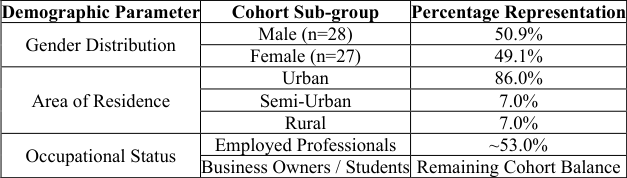 Table 1
 Table 2
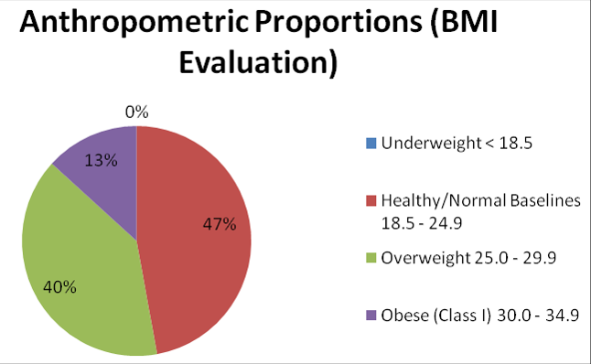 Figure 1
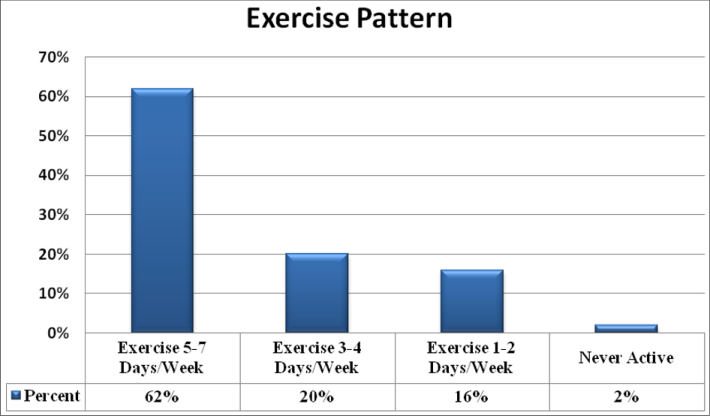 Figure 2
 Table 3
Introduction
The 21st century has been defined by rapid, compressed urbanization, deep technological dependence, and fast-paced socio-economic adaptations. While these structural societal updates have maximized infrastructural accessibility, increased convenience, and extended overall life expectancy, they have simultaneously catalyzed a profound epidemiological transition. Across the globe, traditional infectious vectors and microbiological agents have been largely replaced by chronic, non-communicable lifestyle conditions (NCDs) as the dominant contributors to the worldwide medical burden. According to global indices compiled by the World Health Organization (WHO), NCDs systematically generate over 74% of international mortality rates. Alarmingly, the majority of these cases are classified as premature and modifiable, highlighting a stark gap between modern medical capability and daily living practices.
Clinical Profiles and Pathogenesis
The major clinical profiles driving this modern health crisis include Type 2 diabetes, essential hypertension, severe atherogenic cardiovascular diseases (CVDs), stroke, metabolic obesity, and distinct localized malignancies. Unlike historical health threats, these pathogenetic conditions do not arise from immediate, external exposure to bacteria or viruses. Instead, they manifest via gradual, multi-stage physiological deterioration stemming from sustained behavioral misalignments. The human body is progressively compromised by long-term exposure to modifiable risk factors, most notably nutrient-deficient, hyper-caloric diets, localized physical inactivity, substance abuse, severe disruptions to the circadian rhythm, and unmitigated psychological stress. Over time, these factors culminate in metabolic syndrome, fundamentally altering human biochemistry and leading to chronic organ damage.
India's Unique Dual Health Burden
India currently finds itself at a critical crossroads, facing a complex dual disease burden. The healthcare system must simultaneously manage persistent, traditional infectious outbreaks while combating an exponential surge in metabolic and lifestyle anomalies. This crisis is no longer confined to older generations; it is increasingly prevalent among adolescents and young adults. The rapid adoption of westernized dietary models heavily characterized by processed fats, ultra-refined carbohydrates, and high caloric density combined with highly sedentary occupational structures and automated daily routines, has drastically accelerated the onset of metabolic disorders across diverse generational segments in the country.
Policy Alignment and Localized Research
To systematically manage these widespread risks, national strategies must bridge the gap between large-scale policy and individual action. As outlined in the National Programme for Prevention and Control of Non-Communicable Diseases (NP-NCD) operational guidelines by the Ministry of Health & Family Welfare, effective mitigation requires combining robust epidemiological surveillance with systemic capacity building. Evaluating health awareness levels and identifying specific risk behaviors within targeted populations is an essential foundational step toward better health planning. The clinical study evaluating 50 participants at Dr. Hedgewar Rugnalaya in Chhatrapati Sambhajinagar serves as a direct, real-world application of this framework mapping the intricate relationship between daily lifestyle choices, health awareness, and baseline indicators of disease vulnerability to build effective, data-driven preventive practices.
Methodology 2.1 Study Design and Population Setting
This research utilized a cross-sectional, descriptiveanalytical design to measure behavioral risk variables, physiological indices, and health awareness metrics simultaneously. The clinical setting was centered at Dr. Hedgewar Rugnalaya, located in Chhatrapati
Sambhajinagar. The target cohort comprised adult patients within an age distribution spanning 18 to 85 years.
Sample Metrics and Selection Protocols
A purposive, convenience-based sampling framework was used to recruit a final sample size (n = 55).
• Inclusion Criteria: Consenting adult patients (≥ 18 years of age) who demonstrated clear comprehension of the linguistic options (English/regional language) used in the instrumentation process. • Exclusion Criteria: Individuals presenting with acute, unstable health emergencies during the evaluation window, individuals who declined to provide written informed consent and pregnant patients due to altered gustatory biometric baselines. Recorded using standard portable stadiometers and calibrated digital electronic scales.
Data Collection
Body Mass Index (BMI): Computed using the standard formula: BMI=Weight (kg)/ Height (m) 2 Values were classified according to established World Health Organization reference ranges.
Data Analysis Models
The collected data was organized in Microsoft Excel and analyzed using descriptive and inferential statistical methods. Continuous variables are expressed as mean values accompanied by standard deviations (Mean ± SD), while categorical attributes are reported as absolute frequencies and percentages. Due to the small sample size (n = 55), inferential comparisons relied primarily on non-parametric tests to assess associations between lifestyle choices and metabolic indicators.
Results and Discussion
Results and Discussion
Demographic Disaggregation
The final analytical sample (n = 55) showed a highly balanced gender distribution, comprising 28 male participants and 27 female participants. 1 outlines the profile of a study cohort (N = 55) with a highly balanced gender distribution of 50.9% males (n = 28) and 49.1% females (n = 27). Geographically, there is an overwhelming skew toward developed environments, with 86.0% of the participants residing in urban areas, compared to just 7.0% each in semi-urban and rural regions. Furthermore, the occupational status reveals that approximately 53.0% are employed professionals, with the remaining balance consisting of business owners and students. Collectively, this data highlights a population heavily dominated by urban-dwelling working professionals and students, a demographic segment characteristically bound to sedentary routines and high-stress schedules that elevate their vulnerability to lifestyle diseases.
Anthropometric Proportions (BMI Evaluation)
Categorization of the cohort's Body Mass Index scores based on standard WHO thresholds revealed significant shifts toward metabolic risk categories: When aggregated, a striking 53% of the total population carries excess body mass, directly validating the study's earlier assertions regarding the impact of sedentary urban occupations and hyper-caloric diets. This high prevalence of elevated BMI within the cohort highlights a critical public health concern, as more than half of the monitored individuals are currently exposed to a major, modifiable risk factor that heavily predisposes them to chronic non-communicable conditions like Type 2 diabetes, essential hypertension, and cardiovascular diseases.
Dietary Trends and Nutritional Alignment
The distribution of dietary habits within the cohort shows distinct nutritional preferences:
• Vegetarian Preference: 54% (n = 30) follow a strictly plant-based vegetarian diet.
• Mixed Omnivorous Preference (Veg + Non-Veg):
34% (n = 19) consume both plant and animal-derived proteins.
• Eggetarian Model: 12% (n = 7) exclude red meat and poultry but include eggs.
Dietary choices serve as a primary modifiable risk factor for chronic diseases. While vegetarian models often provide protective cardiovascular benefits due to higher fiber content, they can result in micronutrient deficiencies (such as Vitamin B12 and iron) if poorly balanced. Conversely, modern processed foods, rich in trans fats, refined sugars, and sodium, are closely linked to high blood pressure and lipid imbalances.
Sleep and Stress Variables
The study evaluated sleep hygiene and self-reported psychological stress, which are critical but frequently overlooked behavioral drivers of NCD pathology:
• Sleep Insufficiency: While 47% of participants reported adequate sleep duration (7-8 hours per night), a notable 42% recorded chronic sleep deficits, averaging only 5-6 hours. Insufficient sleep can trigger neuroendocrine changes, including elevated cortisol levels and disruptions to hunger-regulating hormones like ghrelin and leptin, which promote weight gain. • Psychological Stress: Moderate chronic stress was reported by 64% of the cohort, while 13% experienced high stress levels. Chronic stress stimulates the sympathetic nervous system, contributing over time to insulin resistance, systemic inflammation, and essential hypertension.
Exercise Pattern of the Respondents
Physical activity levels among participants showed clear tracking variations:
Substance Avoidance and Mental Well-being
The sample group demonstrated high compliance regarding substance avoidance:
• Alcohol Abstinence: 82% of participants reported completely abstaining from alcohol use. • Tobacco Abstinence: 98% of the surveyed group reported being non-smokers.
This lower prevalence of substance use helps isolate dietary patterns, stress levels, and sleep quality as the primary behavioral risk factors driving metabolic imbalances within this specific study group. Additionally, 80% of participants reported consistent, healthy social interactions, which can serve as a protective asset for psychological resilience and mental well-being.
Compliance Challenges and the Intention-Behavior Gap
A significant finding is the pronounced gap between abstract health awareness and daily behavioral choice:
• Belief in Lifestyle Intervention: 95% of participants understand and believe that proactive behavioral changes can effectively prevent chronic lifestyle conditions. • Primary Behavioral Obstacles: Despite this high awareness, participants cited key structural barriers that disrupt regular healthy practices: 1. Lack of intrinsic motivation and consistency: 29% 2. Occupational workload and systemic stress: 24% 3. Acute time scarcity: 20% This misalignment demonstrates that educational outreach alone is rarely sufficient to change behavior. Interventions must also focus on systemic support, building healthy routines, and managing workplace stress to bridge the gap between knowledge and practice.
Conclusion and Recommendations
• High Awareness vs. Low Practice: Although many people have basic awareness of diabetes and hypertension, few understand the long-term cardiovascular risks in detail. This knowledge gap, combined with behavioral barriers, results in low rates of practical preventative actions.
• High Prevalence of Metabolic Risk Factors: Exactly half of the evaluated cohort falls within the overweight or obese BMI classifications, driven by high rates of sedentary behavior, chronic stress, and disrupted sleep cycles. • The Role of Structural Barriers: Behavioral choices are significantly constrained by occupational workload, acute time scarcity, and lack of consistent motivation. These factors cause people to rely on processed, hyperpalatable convenience foods rather than balanced nutrition.
Preventative Strategy Matrix
To address the rising burden of lifestyle diseases, healthcare systems should shift from a purely reactive, curative framework toward a proactive, preventative paradigm: For instance, if an individual shows signs of high occupational stress and poor sleep, the platform can pivot from high-intensity exercise suggestions to guided mindfulness or circadian alignment protocols. Incorporating gamified rewards, tracking consistency streaks, and building social accountability networks within these apps can help transform healthy habits from high-effort daily choices into sustainable long-term routines.
Figures and tables from the paper
| Demographic Parameter | Cohort Sub-group | Percentage Representation |
|---|---|---|
| Gender Distribution | Male (n=28) | 50.9% |
| Female (n=27) | 49.1% | |
| Area of Residence | Urban | 86.0% |
| Semi-Urban | 7.0% | |
| Rural | 7.0% | |
| Occupational Status | Employed Professionals | ~53.0% |
| Business Owners / Students | Remaining Cohort Balance |
Table text extracted from the original PDF; superscript letters are shown inline. The original table image is below.
View original table image
| Clinical Classification | Target BMI Spectrum | Percentage of Cohort Sample |
|---|---|---|
| Underweight | <18.5 | ~5.4% |
| Healthy/Normal Baselines | 18.5-24.9 | 44.6% |
| Overweight | 25.0-29.9 | 37.5% |
| Obese (Class I) | 30.0-34.9 | 12.5% |
Table text extracted from the original PDF; superscript letters are shown inline. The original table image is below.
View original table image
| SYSTEMIC ACTION PLAN FOR PREVENTION | — |
|---|---|
| PRIMORDIAL TIER | Implement institutional health guidelines and tax incentives on high-sugar, highly processed foods. |
| PRIMARY CARE TIER | Deploy digital monitoring tools, such as wearable trackers and tailored lifestyle counseling apps. |
| SECONDARY TIER | Establish community screening camps for regular blood pressure and metabolic biomarker tracking. |
| BEHAVIORAL INTERV. | Introduce workplace wellness programs focusing on mindfulness, stress management, and sleep hygiene. |
Table text extracted from the original PDF; superscript letters are shown inline. The original table image is below.
View original table image
References
11 in the original paper- Budreviciute A, Damiati S, Douglas JS, Damiati LA. Management and prevention strategies for noncommunicable diseases: A review. Frontiers in Public Health. 2020;8:574111. https://doi.org/10.3389/fpubh.2020.574111
- Darukaradhya TB. Behavior change, the missing link in noncommunicable disease prevention. International Journal of NCDs. 2025;10(1):45-52. https://doi.org/10.4103/jncd.jncd_17_25
- Government of India, Ministry of Health & Family Welfare. NP-NCD operational guidelines. New Delhi: Directorate General of Health Services; 2024.
- Hategeka C, Mwesigwa B, Shoveller J. Implementation research on priority NCD prevention and control interventions in low-and middle-income countries: A systematic review. PLOS Medicine. 2022;19(3):e1004055. https://doi.org/10.1371/journal.pmed.1004055
- Hirashiki A, Shimizu A, Nomoto K, Kokubo M, Suzuki n, Arai H. Systematic Review of the Effectiveness of Community Intervention and Health Promotion Programs for the Prevention of Non-Communicable Diseases in Japan and Other East and Southeast Asian Countries. Circulation Reports. 2022;4(4):149-157. https://doi.org/10.1253/circrep.CR-21-0165
- Rajashekhar M. Community-based health promotion interventions to reduce NCDs: A systematic review. Public Health Journal. 2025;41(3):202-215. https://doi.org/10.1016/j.puhe.2025.03.026
- Sahu S, et al. The burden of lifestyle diseases and their impact on health. Journal of Family Medicine and Primary Care. 2024;18(4):310-324. https://doi.org/10.4103/jfmpc.jfmpc_693_23
- Shafique S, et al. Effective community-based interventions to prevent and control NCDs: A systematic review. Systematic Reviews. 2024;13(1):88.
- World Health Organization. Noncommunicable diseases: Risk factors and data. Geneva: World Health Organization; 2023.
- World Health Organization. Noncommunicable diseases fact sheet. Geneva: World Health Organization; 2025. https://www.who.int/newsroom/fact-sheets/detail/noncommunicable-diseases
- Vos T, et al. Global burden of 369 diseases and injuries in 204 countries and territories, 1990-2019: A systematic analysis for the Global Burden of Disease Study 2019. The Lancet. 2020;396(10258):1204-1222. https://doi.org/10.1016/S0140-6736(20)30925-9