
Research article · 2026 · Full text
International Journal of Biology SciencesClinical management of drug-resistant tuberculosis: A comprehensive review
Volume 8(6) · Pages 12–22 · DOI: 10.33545/26649926.2026.v8.i6a.855 ↗
Research areasTuberculosis Research and EpidemiologyInfectious Diseases and TuberculosisDiagnosis and treatment of tuberculosis
Abstract
Author-writtenDrug-resistant tuberculosis (DR-TB) continues to pose a serious challenge to global health. Forms such as multidrug-resistant TB (MDR-TB) and extensively drug-resistant TB (XDR-TB) are much harder to treat, often requiring longer therapy with lower success rates compared to standard TB. This review outlines the clinical management of DR-TB, covering its spread, classification, underlying mechanisms, and treatment approaches. Resistance in Mycobacterium tuberculosis mainly develops due to natural genetic changes, which are worsened by improper treatment practices like incomplete therapy and poor adherence. These conditions allow resistant bacteria to survive and spread. Although there has been a slight global decline in MDR-TB cases, the burden remains high, especially in certain countries. Recent advancements, including newer drugs like bedaquiline and delamanid, have improved treatment outcomes and made shorter, all-oral regimens possible. Effective management requires careful drug selection, patient monitoring, and strong adherence support. Following WHO and national guidelines is essential to improve success rates. Managing DR-TB requires early detection, proper treatment strategies, and patient-focused care. Continued research and better access to newer therapies will be key in controlling this disease.
Summary
Source-checkedPlain-language reading of the full paper, prepared with AI and checked against the text. Each point links to the authors' own words.
Why it matters
- Tuberculosis (TB), caused by Mycobacterium tuberculosis, remains one of the world's leading infectious killers despite modern medical advancements. View evidence ↗
- The global impact of TB is significant, with approximately 10.6 million infections and 1.6 million deaths occurring annually. View evidence ↗
- Drug-resistant forms of TB, specifically MDR-TB and XDR-TB, present a greater challenge because they require longer treatment and have lower success rates than standard TB. View evidence ↗
The question
- The objective of this review is to detail the clinical management of drug-resistant tuberculosis (DR-TB), including its classification, mechanisms of resistance, spread, and treatment. View evidence ↗
What they did
- The authors conducted a comprehensive review of existing literature to synthesize information on the management of DR-TB. View evidence ↗
What they found
- The success rate for treating drug-resistant TB is significantly lower (50-60%) compared to drug-sensitive cases (85%). View evidence ↗
- Spontaneous resistance frequencies vary by drug: ethambutol and pyrazinamide are most common (1 in 10⁵ divisions), followed by isoniazid and streptomycin (1 in 10⁶), and rifampicin is the least frequent (1 in 10⁹). View evidence ↗
- MDR-TB is defined as tuberculosis where the bacteria are resistant to at least both isoniazid and rifampicin, the two most powerful first-line drugs. View evidence ↗
- XDR-TB is the most severe form of resistance, consisting of MDR-TB that additionally resists fluoroquinolones and at least one second-line injectable drug. View evidence ↗
- Globally, nearly 9% of MDR-TB cases progress to XDR-TB, though in India, this prevalence is lower, ranging between 3% and 4%. View evidence ↗
- The 6-month BPaLM regimen, combining bedaquiline, pretomanid, linezolid, and moxifloxacin, is now a preferred treatment for many MDR/RR-TB patients. View evidence ↗
- Molecular diagnostics like GeneXpert (CBNAAT) have improved early detection by identifying M. tuberculosis and rifampicin resistance within hours. View evidence ↗
What it means
- The authors conclude that successful DR-TB management requires a patient-centered approach combining early diagnosis, correct drug selection, monitoring, and adherence support. View evidence ↗
- The authors recommend that future research focus on creating safer, shorter treatment regimens, advancing vaccines, and implementing personalized medicine. View evidence ↗
- A major challenge in managing DR-TB is the gap in diagnostics, where limited access to tools and poor infrastructure lead to underdiagnosis. View evidence ↗
Visual summary
1 visualsIllustrations explain the paper; they do not show study data.
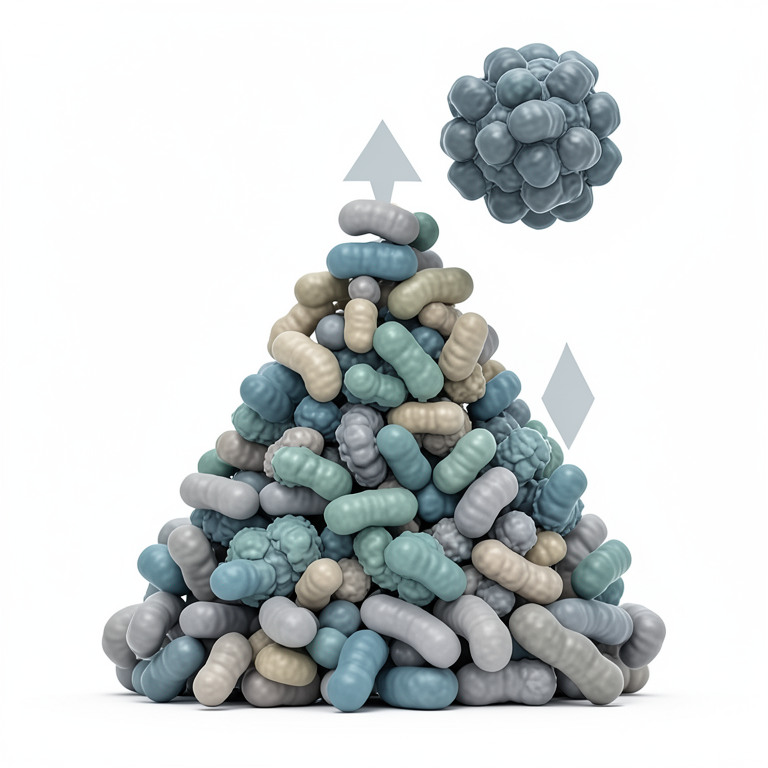
Hierarchy of TB Drug Resistance
AI-generated conceptual illustration (Mycobacterium tuberculosis bacteria). It explains the idea and does not show study data.
View source evidence ↗Figures & tables
From the original paper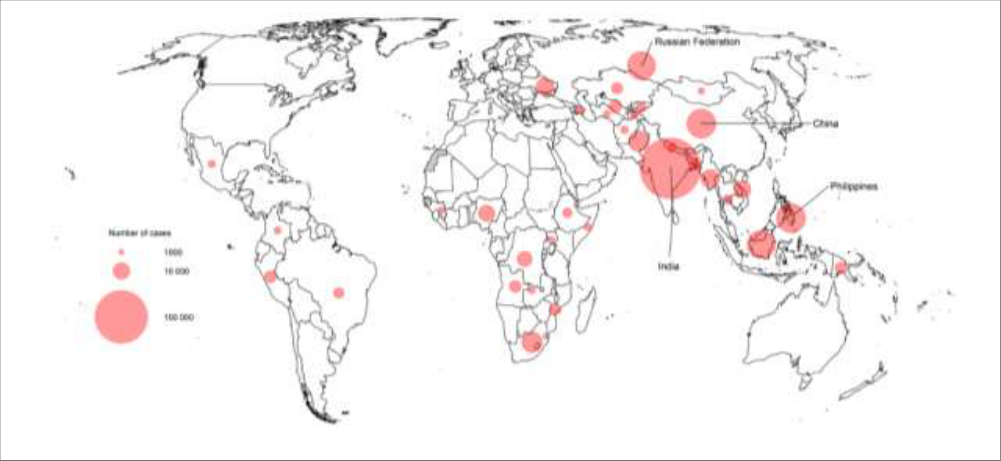 Figure 1
 Table 1
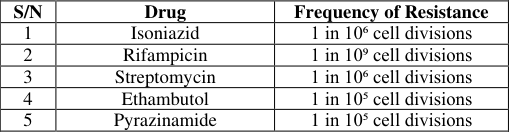 Table 2
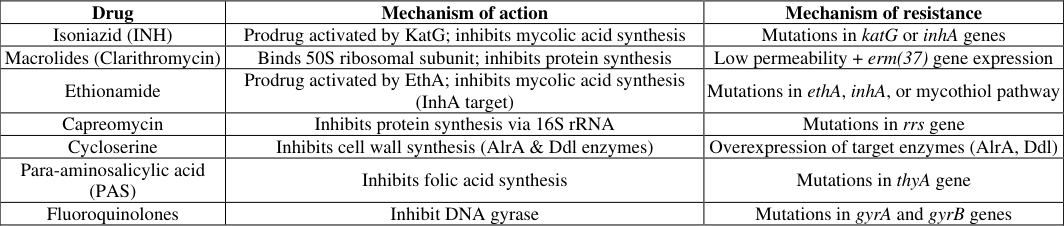 Table 3
 Table 4
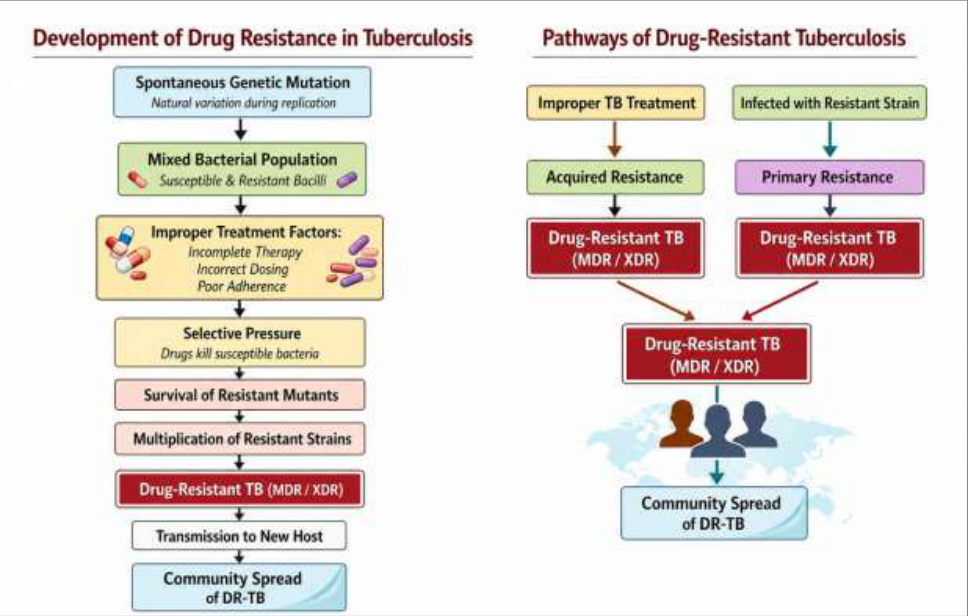 Figure 2
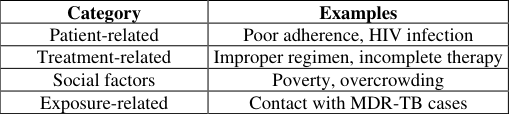 Table 5
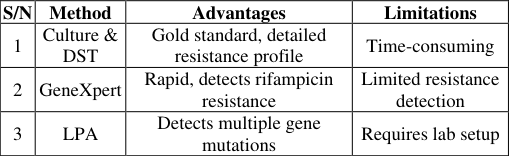 Table 6
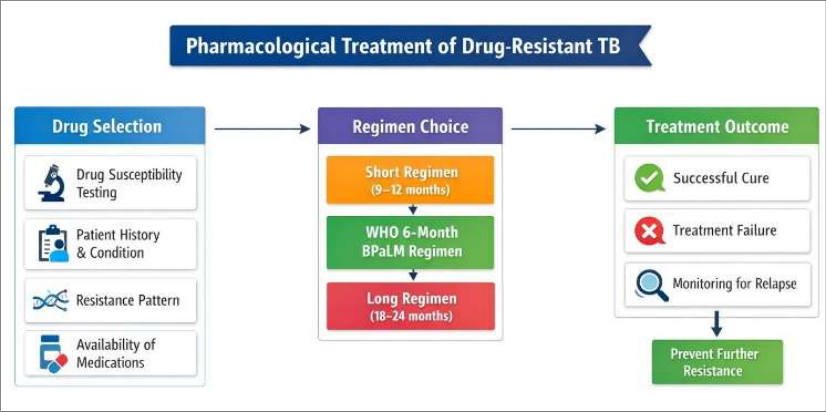 Figure 3
 Table 7
 Table 8
Introduction
Tuberculosis, or TB, is a massive global health problem that just won't go away. It is caused by a persistent bacterium called Mycobacterium tuberculosis. Even with our modern medicine, it remains one of the top infectious killers on the planet. Every year, roughly 10.6 million people get sick with TB, and about 1.6 million lose their lives to it. While the number of cases is slowly dropping, the progress is frustratingly sluggish, proving that our current control strategies still have major holes.
The rise of Drug Resistance
One of the biggest hurdles today is the spread of drug-resistant tuberculosis (DR-TB). This has turned a difficult situation into a genuine global crisis. We usually categorize these resistant strains into two main types:
Multidrug-Resistant TB (MDR-TB)
This is when the bacteria can survive isoniazid and rifampicin. These are our two strongest first-line weapons. There are about 450,000 new cases of MDR-TB every single year.
for people who have been treated for TB in the past, that number jumps to over 20%. So, how does this happen? Usually, it starts with a genetic mutation in the bacteria. This becomes a problem when patients don't finish their full course of medicine or when the drugs provided are lowquality or incorrect. Once a resistant strain develops, it can spread from person to person just like regular TB. This turns a personal medical failure into a community-wide epidemic.
The Struggle of Treatment
Treating drug-resistant TB is a marathon, not a sprint. While "regular" TB can often be cured in six months, DR-TB treatment can drag on for 9 to 24 months. The drugs used are often: Less effective than standard treatments. More toxic, leading to severe side effects. Extremely expensive, putting a massive strain on healthcare budgets.
Because the treatment is so long and painful, many patients find it hard to stick with it. This is why the success rate for DR-TB is only about 50-60%, which is a far cry from the 85% success rate we see with drug-sensitive cases.
Reasons for Hope
It's not all bad news, though. We've seen some incredible breakthroughs recently. New rapid molecular tests can now identify resistant strains in hours instead of weeks. We also have new drugs like bedaquiline, delamanid, and pretomanid. These are game-changers because they allow for shorter, all-oral treatment plans. No more painful daily injections for two years.
Because TB is constantly evolving, we have to stay ahead of it. Understanding how to manage these resistant cases is vital for doctors and public health officials. This review takes a deep dive into how we diagnose the disease today, the best ways to treat it, and the hurdles we still need to clear to finally get TB under control.
The global landscape of drug-resistant TB
According to the latest 2025 Global Tuberculosis Report from the World Health Organization (WHO), we have been tracking drug resistance trends since 1994. The primary focus of this surveillance is on MDR/RR-TB. This category combines two types of resistance: Rifampicin-resistant TB (RR-TB) and Multidrug-resistant TB (MDR-TB), which is specifically resistant to both rifampicin and isoniazid. These two medications are the heavy hitters of first-line TB treatment, so when they fail, the challenge grows significantly. Fortunately, our ability to estimate and track these cases has improved. The data shows a hopeful trend: the global burden of MDR/RR-TB has been slowly but steadily dropping since 2015. By 2024, estimates suggest that roughly 390,000 people developed these resistant forms of the disease (Tan et al., 2025; Ye et al., 2025) [16,23] . While this progress is encouraging, there is still a major blind spot, many countries lack the advanced surveillance systems needed to track resistance to other types of anti-TB drugs.
Where is the burden highest?
The distribution of drug-resistant TB is not uniform across the globe. In fact, in 2024, more than half of all MDR/RR-TB cases were found in just four countries (Figure-01): India: Carries the heaviest burden by far, accounting for roughly 32% of all global cases. China: Represents about 7.1% of the total. The Philippines: Also accounts for approximately 7.1%. Russian Federation: Contributes about 6.7%.
Because such a massive portion of the crisis is concentrated in these specific regions, global health efforts must prioritize supporting these healthcare systems to turn the tide against the epidemic (Prasad et al., 2017; Tan et al., 2025; Vedi et al., 2025) [11,16,21] . -a) [12] .
How we classify drug resistance
The different levels of resistance are like a ladder, getting more dangerous as we move up: Mono-resistant TB: The bacteria are resistant to just one of the first-line drugs (like isoniazid or rifampicin), but the others still work perfectly. Poly-resistant TB: The bacteria can resist two or more first-line drugs, but crucially, not both isoniazid and rifampicin at the same time. Multidrug-resistant TB (MDR-TB): This is a major turning point. The bacteria resist at least both isoniazid and rifampicin. Since these are our "heavy hitters," the disease becomes much harder to treat. Pre-extensively drug-resistant TB (Pre-XDR TB):
This is MDR-TB plus resistance to one more specific groupeither fluoroquinolones or second-line injectables, but not both. Extensively drug-resistant TB (XDR-TB): This is the most dangerous level. It is MDR-TB that also resists both fluoroquinolones and at least one second-line injectable drug. Options for treatment are very limited here.
Rationale for the development of drug-resistant tuberculosis
Drug resistance in tuberculosis primarily develops due to the natural ability of Mycobacterium tuberculosis to undergo spontaneous genetic mutations. These mutations occur slowly but continuously during bacterial replication. As a result, a small proportion of the bacterial population may become resistant even before exposure to anti-tubercular drugs ( [2,16] . This is a natural biological phenomenon and differs for each drug. There are three main factors leading to amplification of resistance as shown in table-01. [2,8,11] . Problems begin when treatment is not followed properly. This can happen if the patient stops medicine early, takes the wrong dose, or misses doses. In such cases, the normal bacteria are killed, but the resistant ones survive. These resistant bacteria then grow and become dominant. Over time, this leads to drug-resistant TB. These resistant bacteria can also spread from one person to another. This makes the disease harder to control (Murudkar et al., 2015) [8] . So, both natural mutations and improper treatment contribute to the development and spread of drug resistance -a) [6,16] .
In addition, the use of poor-quality drugs or irregular drug supply can further reduce treatment effectiveness. Over time, this selective pressure leads to the emergence of multidrug-resistant and extensively drug-resistant TB.
Moreover, these resistant strains can spread from one person to another, making improper treatment not only an individual problem but also a public health concern. To further clarify the biological basis of resistance development, Table 04: Spontaneous Mutation Rates and Development of Drug Resistance in Tuberculosis presents key aspects related to mutation and the emergence of resistant bacterial populations. [1,7,12] .
Management strategies for MDR/XDR-TB
The management of multidrug-resistant tuberculosis (MDR-TB) and extensively drug-resistant tuberculosis (XDR-TB) is much more challenging than treating drug-susceptible TB. In these cases, the most effective first-line drugs, such as isoniazid and rifampicin, no longer work. Because of this, treatment depends on second-line drugs. These drugs are usually less powerful and often have more side effects. As a result, patients need longer treatment courses, and multiple drugs must be used together to achieve successful outcomes.
A key principle in managing MDR/XDR-TB is to use any first-line drug that still remains effective against the organism. Even partial susceptibility can be useful when designing a treatment regimen. This helps in strengthening the overall effectiveness of therapy.
During the intensive phase of treatment, an injectable agent is commonly included. This drug is continued for a minimum of six months after culture conversion, which means after the patient's sputum tests become negative for the bacteria. Injectable drugs play an important role in reducing bacterial load during the early phase of treatment.
Fluoroquinolones are considered one of the most important components of MDR/XDR-TB treatment. Whenever possible, they should be included in the regimen because of their strong activity against Mycobacterium tuberculosis. Their use significantly improves treatment outcomes.
In addition to these, other second-line drugs are added to the regimen. The goal is to ensure that at least four to five drugs in the combination are effective against the bacteria. Using multiple active drugs reduces the chances of further resistance developing and increases the likelihood of treatment success.
In patients with severe disease, such as those with extensive lung damage or advanced stages of infection, treatment becomes even more demanding. Similarly, cases with highlevel drug resistance require stronger and more carefully designed regimens. In such situations, additional drugs with proven antimycobacterial activity may be included. These added agents help in strengthening the treatment plan and improving the chances of recovery. Most national programs follow standardized treatment regimens. These are designed based on common resistance patterns and are easier to implement on a large scale. In some cases, individualized regimens may be required. This is especially true for patients with known resistance profiles or those who have received prior treatment. Treatment for MDR-TB is long and demanding. It usually includes an intensive phase of at least six months, which may be extended if needed. This is followed by a continuation phase that can last 18 months or even longer (Umashankar, 2019) [20] . [6,13,15] .
Guidelines for the management of MDR-TB
Maintaining proper records is equally important. Documentation helps track patient progress, monitor side effects, and evaluate final outcomes. It also supports better decision-making during the course of treatment.
The management of extensively drug-resistant TB (XDR-TB) follows similar principles but is more challenging. Treatment options are limited, so regimens need to be more individualized and often more aggressive. In selected patients, surgical intervention may be considered. Management of co-existing conditions, such as HIV infection, is also essential for better outcomes. -c) [16] .
Risk factors for drug-resistant tuberculosis
The development of drug-resistant tuberculosis (DR-TB), particularly multidrug-resistant (MDR-TB) and extensively drug-resistant TB (XDR-TB), is influenced by a combination of clinical, microbiological, and socioenvironmental factors. Identifying these risk factors is essential for early detection, prevention, and effective management of the disease.
Previous tuberculosis treatment
A history of prior anti-tuberculosis therapy is one of the most significant risk factors for DR-TB. Inadequate or incomplete treatment, improper drug regimens, and treatment default can lead to the survival of resistant bacilli. Re-treatment cases, especially those with repeated treatment failure, have a higher likelihood of developing MDR-TB.
Poor treatment adherence
Non-adherence to prescribed treatment regimens plays a major role in the emergence of drug resistance. Irregular drug intake, early discontinuation of therapy, and lack of proper supervision allow partially resistant bacteria to survive and multiply, eventually leading to resistant strains.
HIV co-infection
HIV infection significantly increases the risk of developing drug-resistant TB. Immunocompromised individuals are more susceptible to infection and re-infection with resistant strains. In addition, drug interactions between antiretroviral therapy and anti-TB drugs may complicate treatment and contribute to resistance.
Contact with drug-resistant TB Cases
Close contact with individuals infected with MDR-TB or XDR-TB increases the risk of acquiring resistant strains directly. This highlights the importance of infection control measures, especially in household and healthcare settings.
Geographic and migration factors
People living in or migrating from regions with a high prevalence of MDR-TB are at increased risk. Cross-border transmission and population movement contribute to the global spread of resistant TB.
Socioeconomic factors
Poverty, overcrowding, malnutrition, and limited access to healthcare services significantly contribute to the burden of DR-TB. These conditions not only increase transmission but also affect treatment adherence and outcomes.
Institutional exposure
Settings such as prisons, shelters, and hospitals with poor infection control practices facilitate the rapid spread of drugresistant TB. Overcrowding and delayed diagnosis further increase the risk.
Programmatic and treatment errors
Errors in TB management, such as improper prescription of drugs, use of inadequate regimens, poor-quality medicines, and lack of proper monitoring, are major contributors to resistance. Weak healthcare systems and poor implementation of TB control programs further worsen the situation.
Other factors promoting resistance development
Certain biological and treatment-related factors can enhance the development of resistance, including: Malabsorption of drugs, leading to suboptimal drug levels Drug intolerance, resulting in interrupted or incomplete therapy Drug interactions, reducing the effectiveness of anti-TB medications
XDR-TB
Extensively drug-resistant tuberculosis (XDR-TB) represents one of the most serious and difficult-to-treat forms of drug-resistant TB. It is defined as multidrugresistant TB (MDR-TB) that shows additional resistance to fluoroquinolones and at least one second-line injectable drug. This combination of resistance significantly limits treatment options and makes disease management more complicated. At the global level, it is estimated that nearly 9% of MDR-TB cases eventually progress to XDR-TB. In India, various studies have reported a slightly lower prevalence, generally ranging between 3% and 4% among MDR-TB patients. Although the percentage may appear small, the clinical impact is substantial due to limited therapeutic choices and poorer treatment outcomes. The development of XDR-TB is not due to a single factor. Instead, it results from a combination of patient-related, treatment-related, social, and exposure-related factors that together contribute to the emergence and spread of highly resistant strains. To better understand these contributing factors, Table 05: Factors Associated with the Development of XDR-TB presents a categorized overview:
Molecular diagnostics (GeneXpert and Line Probe
Assay -LPA) Molecular techniques have revolutionized the diagnosis of DR-TB by providing rapid and accurate results. The GeneXpert (CBNAAT) test can detect M. tuberculosis and rifampicin resistance within a few hours, making it highly useful for early diagnosis. Line Probe Assays (LPA) identify genetic mutations associated with resistance to isoniazid, rifampicin, and some second-line drugs. These methods are faster than culture-based techniques and are increasingly used in high-burden settings.
Challenges in diagnosis
Despite advancements, several challenges remain in diagnosing DR-TB. Limited access to advanced diagnostic tools in resource-poor settings leads to underdiagnosis and delayed treatment. Conventional methods are slow, while molecular tests may not detect all resistance patterns. In addition, laboratory infrastructure, trained personnel, and cost constraints can affect the widespread implementation of these diagnostic techniques. To provide a clear comparison of these diagnostic approaches, Table 06: Common Diagnostic Methods for Drug-Resistant Tuberculosis summarizes their advantages and limitations (Prasad et al., 2017) [11] . The pharmacological management of drug-resistant tuberculosis (DR-TB) is complex and requires the use of multiple drugs over a prolonged period. Treatment is guided by drug susceptibility patterns, patient history, and disease severity (Figure -03). The goal is to achieve cure while preventing further resistance.
First-line drugs (Brief Overview)
First-line anti-tuberculosis drugs include isoniazid, rifampicin, pyrazinamide, and ethambutol. These drugs are highly effective in drug-susceptible TB; however, in DR-TB, especially MDR-TB and XDR-TB, resistance to isoniazid and rifampicin limits their use. Some first-line drugs like pyrazinamide and ethambutol may still be included if susceptibility is confirmed.
Second-line drugs
Second-line drugs are the backbone of DR-TB treatment. These drugs are less potent, more toxic, and more expensive than first-line agents. They include: Fluoroquinolones (e.g., levofloxacin, moxifloxacin)key components of most regimens Injectable agents (e.g., amikacin, kanamycin, capreomycin) -used mainly in intensive phase Oral second-line drugs (e.g., ethionamide, cycloserine, para-aminosalicylic acid)
Treatment regimens usually include at least 4-5 effective drugs to ensure adequate bacterial killing and prevent resistance amplification.
New and repurposed drugs
Recent advancements have introduced newer drugs that have significantly improved DR-TB treatment outcomes: Bedaquiline -inhibits ATP synthase, essential for bacterial energy production Delamanid -inhibits mycolic acid synthesis in the bacterial cell wall Pretomanid -active against both replicating and dormant bacilli
These drugs are now widely used in all-oral regimens and have reduced the need for injectable drugs.
Short vs Long treatment regimens
Short Regimen (9-12 months): Used in selected patients with limited resistance. It is more convenient and improves adherence. Long Regimen (18-24 months or more): Required for patients with extensive resistance or complicated disease. It involves prolonged use of multiple secondline drugs.
WHO-Recommended Regimens
The World Health Organization (WHO) recommends alloral regimens as the preferred approach for DR-TB management: 6-month BPaLM regimen (Bedaquiline + Pretomanid + Linezolid + Moxifloxacin) → Preferred for many MDR/RR-TB patients 9-month standardized regimen → Includes bedaquiline, fluoroquinolones, and companion drugs Long individualized regimen (≥18 months) → Used in XDR-TB or complex resistance patterns
Treatment selection depends on drug resistance profile, prior treatment history, and patient condition. To better understand the different drug groups used in therapy, Table 07: Drug Categories in DR-TB Treatment outlines key categories, their examples, and their roles in current treatment regimens.
Treatment adherence and patient support
Successful management of drug-resistant tuberculosis (DR-TB) depends not only on effective drug regimens but also on strong treatment adherence and comprehensive patient support. Given the long duration, high pill burden, and potential adverse effects of therapy, ensuring adherence is essential to achieve cure and prevent further drug resistance.
DOTS strategy (Directly Observed Treatment, Short-Course)
The DOTS strategy is a key component of TB control programs and aims to ensure that patients take their medications correctly under supervision. In DR-TB management, modified forms of DOT are used, where healthcare providers or trained supporters observe drug intake. This approach helps reduce treatment default, improves adherence, and enhances treatment success rates.
Nutritional support
Malnutrition is common among TB patients and can weaken immunity and delay recovery. Adequate nutritional support is important to improve treatment response and overall health. Patients should receive a balanced diet rich in proteins, vitamins, and minerals. In many programs, nutritional supplementation is provided to support recovery and enhance treatment adherence.
Surgical management of drug-resistant tuberculosis
Although pharmacological therapy remains the cornerstone of treatment, surgical intervention can play an important adjunctive role in selected patients with drug-resistant tuberculosis (DR-TB), particularly when medical therapy alone is insufficient.
Indications
Surgical management is considered in carefully selected cases, including: Localized disease that is confined to a specific lung segment or lobe Persistent sputum positivity despite adequate and prolonged chemotherapy Extensive drug resistance (e.g., XDR-TB) with limited effective drug options Complications such as massive hemoptysis, destroyed lung, or bronchiectasis Failure of medical treatment or relapse after therapy Procedures commonly include lobectomy, segmentectomy, or pneumonectomy, depending on the extent of disease.\
Outcomes
When performed in appropriate patients and combined with effective anti-TB therapy, surgical intervention can improve treatment outcomes. It helps reduce bacterial load, improves chances of culture conversion, and decreases the risk of relapse. Studies have shown higher treatment success rates in selected patients undergoing surgery compared to medical therapy alone. However, surgery carries risks such as postoperative complications, respiratory impairment, and the need for specialized surgical expertise. Therefore, careful patient selection, preoperative assessment, and postoperative care are essential for achieving favourable outcomes.
Challenges in clinical management of drug-resistant tuberculosis
The clinical management of drug-resistant tuberculosis (DR-TB) remains highly challenging despite recent advances in diagnostics and treatment. Multiple factors affect treatment success and contribute to ongoing transmission.
Drug toxicity
Second-line and newer anti-tubercular drugs are often associated with significant adverse effects. These include hepatotoxicity, neurotoxicity, ototoxicity, and cardiotoxicity. Such toxicities can lead to dose modification, treatment interruption, or discontinuation, ultimately affecting treatment outcomes.
Long duration of treatment
Treatment of DR-TB typically requires prolonged therapy, ranging from 9 months to over 18-24 months. The long duration increases the risk of poor adherence, treatment fatigue, and loss to follow-up, which may result in treatment failure or relapse.
Cost burden
The management of DR-TB is expensive due to the high cost of second-line drugs, diagnostic tests, and long-term monitoring. This financial burden can be particularly challenging in low-and middle-income countries, where access to healthcare resources is limited.
Diagnostic gaps
Early and accurate diagnosis of DR-TB remains a major challenge. Limited access to advanced diagnostic tools, delays in detecting resistance, and inadequate laboratory infrastructure contribute to underdiagnosis and inappropriate treatment. These gaps allow continued transmission of resistant strains in the community (Ormerod, 2005 [16] .
18 Recent advances and future directions in drugresistant tuberculosis Significant progress has been made in recent years in the management of drug-resistant tuberculosis (DR-TB). Advances in drug development, treatment strategies, and research approaches are improving outcomes and offering new hope for better disease control.
New drug regimens (BPaL and All-Oral Regimens)
The introduction of newer drugs has led to the development of effective all-oral treatment regimens, reducing the need for injectable agents. The BPaL regimen (bedaquiline, pretomanid, and linezolid) has shown promising results, especially in MDR-TB and XDR-TB patients. Modified regimens such as BPaLM (with moxifloxacin) further enhance treatment effectiveness and reduce toxicity.
Shorter treatment regimens
Efforts are ongoing to shorten the duration of DR-TB treatment. New regimens lasting 6 to 9 months have been introduced, compared to traditional treatments lasting 18-24 months. Shorter regimens improve patient adherence, reduce side effects, and lower treatment costs.
Vaccine research
Vaccine development remains a key area of research in TB control. While the BCG vaccine provides limited protection, several new vaccine candidates are currently under clinical trials. These aim to improve protection against pulmonary TB and prevent progression from latent to active disease.
Conclusion
Drug-resistant tuberculosis remains a major global health challenge, significantly complicating the control and management of TB. The emergence of multidrug-resistant and extensively drug-resistant forms has reduced the effectiveness of standard treatment and increased the burden on healthcare systems. The development of resistance is closely linked to spontaneous genetic mutations, which are further amplified by improper treatment practices, poor adherence, and gaps in healthcare delivery. Although significant progress has been made in recent years, including the introduction of rapid diagnostic tools and newer drugs such as bedaquiline, delamanid, and pretomanid, several challenges still persist. Long treatment duration, drug toxicity, high costs, and limited access to diagnostic and treatment facilities continue to affect patient outcomes. Effective management of drug-resistant TB requires a comprehensive and patient-centred approach. Early diagnosis, appropriate drug selection, adherence support, and regular monitoring are essential components of successful treatment. In addition, strengthening public health systems, improving access to care, and ensuring rational use of anti-tubercular drugs are critical to prevent further emergence of resistance. Future efforts should focus on the development of shorter and safer treatment regimens, advancement in vaccine research, and the implementation of personalized treatment strategies. A coordinated global effort is necessary to reduce the burden of drug-resistant tuberculosis and move towards the goal of TB elimination.
Figures and tables from the paper
| S/N | Factor | Effect |
|---|---|---|
| 1 | Incomplete treatment | Allows survival of resistant bacteria |
| 2 | Incorrect dosing | Reduces drug effectiveness |
| 3 | Poor adherence | Promotes selection of resistant strains |
Table text extracted from the original PDF; superscript letters are shown inline. The original table image is below.
View original table image
| S/N | Drug | Frequency of Resistance |
|---|---|---|
| 1 | Isoniazid | 1 in 10⁶ cell divisions |
| 2 | Rifampicin | 1 in 10⁹ cell divisions |
| 3 | Streptomycin | 1 in 10⁶ cell divisions |
| 4 | Ethambutol | 1 in 10⁵ cell divisions |
| 5 | Pyrazinamide | 1 in 10⁵ cell divisions |
Table text extracted from the original PDF; superscript letters are shown inline. The original table image is below.
View original table image
| Drug | Mechanism of action | Mechanism of resistance |
|---|---|---|
| Isoniazid (INH) | Prodrug activated by KatG; inhibits mycolic acid synthesis | Mutations in katG or inhA genes |
| Macrolides (Clarithromycin) | Binds 50S ribosomal subunit; inhibits protein synthesis | Low permeability + erm(37) gene expression |
| Ethionamide | Prodrug activated by EthA; inhibits mycolic acid synthesis (InhA target) | Mutations in ethA, inhA, or mycothiol pathway |
| Capreomycin | Inhibits protein synthesis via 16S rRNA | Mutations in rrs gene |
| Cycloserine | Inhibits cell wall synthesis (AlrA & Ddl enzymes) | Overexpression of target enzymes (AlrA, Ddl) |
| Para-aminosalicylic acid (PAS) | Inhibits folic acid synthesis | Mutations in thyA gene |
| Fluoroquinolones | Inhibit DNA gyrase | Mutations in gyrA and gyrB genes |
Table text extracted from the original PDF; superscript letters are shown inline. The original table image is below.
View original table image
| S/N | Aspect | Description |
|---|---|---|
| 1 | Basis of Resistance | Spontaneous genetic mutations in Mycobacterium tuberculosis during replication |
| 2 | Nature of Mutation | Occurs naturally, slowly, and continuously without drug exposure |
| 3 | Initial Population | Small proportion of bacteria may already be resistant before treatment |
Table text extracted from the original PDF; superscript letters are shown inline. The original table image is below.
View original table image
| Category | Examples |
|---|---|
| Patient-related | Poor adherence, HIV infection |
| Treatment-related | Improper regimen, incomplete therapy |
| Social factors | Poverty, overcrowding |
| Exposure-related | Contact with MDR-TB cases |
Table text extracted from the original PDF; superscript letters are shown inline. The original table image is below.
View original table image
| S/N | Category | Examples | Role |
|---|---|---|---|
| 1 | First-line drugs | Isoniazid, Rifampicin | Limited use in DR-TB |
| 2 | Fluoroquinolones | Levofloxacin, Moxifloxacin | Core drugs |
| 3 | Injectables | Amikacin, Kanamycin | Intensive phase (less used now) |
| 4 | Oral second-line | Ethionamide, Cycloserine, PAS | Supportive drugs |
| 5 | New drugs | Bedaquiline, Delamanid, Pretomanid | Key role in modern regimens |
Table text extracted from the original PDF; superscript letters are shown inline. The original table image is below.
View original table image
| S/N | Toxicity | Common Drugs | Management |
|---|---|---|---|
| 1 | Hepatotoxicity | Pyrazinamide, Ethionamide | Monitor LFT, stop/reduce drug |
| 2 | Neurotoxicity | Linezolid, Cycloserine | Vitamin B6, dose adjustment |
| 3 | Ototoxicity | Amikacin, Kanamycin | Audiometry, discontinue drug |
| 4 | Nephrotoxicity | Aminoglycosides | Monitor renal function |
| 5 | Cardiotoxicity | Bedaquiline, Delamanid | ECG monitoring |
| 6 | GI disturbances | Multiple drugs | Symptomatic treatment |
Table text extracted from the original PDF; superscript letters are shown inline. The original table image is below.
View original table image
References
16 in the original paper- Dookie N, Ngema SL, Perumal R, Naicker N, Padayatchi N, Naidoo K. The Changing Paradigm of Drug-Resistant Tuberculosis Treatment: Successes, Pitfalls, and Future Perspectives. Clinical Microbiology Reviews. 2022;35(4):e00180-19. https://DOI.org/10.1128/cmr.00180-19
- Guenaoui K, Harir N, Ouardi A, Zeggai S, Sellam F, Bekri F, et al. Use of GeneXpert Mycobacterium tuberculosis/rifampicin for rapid detection of rifampicin resistant Mycobacterium tuberculosis strains of clinically suspected multi-drug resistance tuberculosis cases. Annals of Translational Medicine. 2016;4(9):168. https://DOI.org/10.21037/atm.2016.05.09
- Husain AA, Kupz A, Kashyap RS. Controlling the drug-resistant tuberculosis epidemic in India: Challenges and implications. Epidemiology and Health. 2021;43:e2021022. https://DOI.org/10.4178/EPIH.E2021022
- Jain L, Malik M, Kaur K, Dogra S, Purohit A, Sachdeva M, Chaudhry M, Pradhan P, Mathew JL. Systematic review of efficacy and safety of shorter regimens for drug-resistant tuberculosis (DR-TB) in children. Clinical Epidemiology and Global Health. 2024;27:101604. https://DOI.org/10.1016/j.cegh.2024.101604
- Kumari N, Sharma I, Kumar D, Goel K, Singh V, Katoch S. Comprehensive review of osteoarticular tuberculosis: from epidemiology to emerging therapies. International Journal of Basic & Clinical Pharmacology. 2025;14(5):892-900. https://DOI.org/10.18203/2319-2003.ijbcp20252594
- Murudkar SN, Wagh RY, Wagh RY. Assessment of Clinical Profile of Multi Drug Resistant Tuberculosis Patients: An Institutional Based Study. International Journal of Medical Research Professionals. 2015;1(2):160-164.
- Ormerod LP. Multidrug-resistant tuberculosis (MDRTB): Epidemiology, prevention and treatment. British Medical Bulletin. 2005;73-74(1):17-24. https://DOI.org/10.1093/bmb/ldh047
- Prasad R, Singh A, Balasubramanian V, Gupta N. Extensively drug-resistant tuberculosis in India: Current evidence on diagnosis & management. Indian Journal of Medical Research. 2017;145(3):271-293. https://DOI.org/10.4103/ijmr.IJMR_177_16
- Rajput A, Mandlik S, Pokharkar V. Nanocarrier-Based Approaches for the Efficient Delivery of AntiTubercular Drugs and Vaccines for Management of Tuberculosis. Frontiers in Pharmacology. 2021;12:749945. https://DOI.org/10.3389/fphar.2021.749945
- Seung KJ, Keshavjee S, Rich ML. Multidrug-resistant tuberculosis and extensively drug-resistant tuberculosis. Cold Spring Harbor Perspectives in Medicine. 2015;5(9):a017863. https://DOI.org/10.1101/cshperspect.a017863
- Sue Chie L, Subramaniam A, Shanmugavelu S, Velmurugan C, Kumarasamy Raja D, Thomas S, et al. Response Of New Terpene Derivative And Cymbopogon citratus Leaves Extract Against Periodontitis Causing Pathogens. Journal of Pharmaceutical Negative Results. 2022;13(S07):534541. https://DOI.org/10.47750/pnr.2022.13.S07.534
- Tan EL, Qin Y, Yang J, Li XJ, Liu TQ, et al. Global burden of MDR-TB and XDR-TB: trends, inequities, and future implications for public health planning. BMC Infectious Diseases. 2025;25(1):115. https://DOI.org/10.1186/s12879-025-11566-2
- Umashankar M. A Review on Clinical Pharmacist Care Services on Prevention and Management of Tuberculosis associated Burden in Health Care Practice. Madridge Journal of Internal and Emergency Medicine. 2019;4(1):152-157. https://DOI.org/10.18689/mjiem1000134
- Vedi K, Nallasamy V, Palanivel D, Nagendrans S. Emerging Therapeutic Approaches to Drug-Resistant Tuberculosis: Compressive Review. Current Respiratory Medicine Reviews. 2025;21(5):470-484. https://DOI.org/10.2174/011573398x409282250823051 901
- Vishwakarma D, Gaidhane A, Sahu S, Rathod AS. Multi-Drug Resistance Tuberculosis (MDR-TB) Challenges in India: A Review. Cureus. 2023;15(11):e50222. https://DOI.org/10.7759/cureus.50222
- Ye F, Zhang D, Paz C, Longo E, Tyler-Mills S, Ong C, et al. Measure Criteria for the Agency for Healthcare Research and Quality's National Healthcare Quality and Disparities Report. Rockville (MD): Agency for Healthcare Research and Quality (US); 2025. Report No.: AHRQEPCTB51. https://DOI.org/10.23970/AHRQEPCTB51
Social factors
such as poverty and overcrowding play a major role in both disease transmission and treatment challenges. Limited access to healthcare and poor living conditions can increase the risk of infection and hinder proper treatment.