
Research article · 2026 · Full text
International Journal of Advanced Chemistry ResearchComparative analysis of activated banana peel variants for biosorption of copper and lead from aqueous solutions
Volume 8(5) · Pages 41–55 · DOI: 10.33545/26646781.2026.v8.i5a.674 ↗
Research areasAdsorption and biosorption for pollutant removalHeavy Metal Pollution RemediationEnvironmental remediation with nanomaterials
Abstract
Author-writtenThis study investigates the use of banana peel (BP), an abundant agricultural waste, as a low-cost and sustainable biosorbent for the removal of heavy metal ions of Cu (II) and Pb (II) from industrial effluents. A comparative analysis was conducted on various activated banana peel (BP) sorbents including acid-activated, alkali-activated, thermally activated, and chemically-thermally activated forms to evaluate and enhance their adsorption performance for copper (Cu²⁺) and lead (Pb²⁺) ions. The banana peel sorbents were characterized using Fourier Transform Infrared Spectroscopy (FT-IR) to identify surface functional groups, X-ray Diffraction (XRD) for structural analysis, while Scanning Electron Microscopy (SEM) and Energy Dispersive X-ray Spectroscopy (EDS) analyses were employed to examine its morphology and elemental composition. The research evaluates how these activation techniques influence the physicochemical properties and sorptive capacity of the material. The effects of individual parameters such as temperature, contact time, acid/alkali concentration, and pH were thoroughly investigated to determine the optimal conditions and the most effective form of activated banana peel for the efficient removal of toxic metal ions. Optimal conditions were observed around 40-50% concentration, 40-50°C, and pH 4-6, confirming banana peel as a promising low-cost biosorbent for heavy metal removal. Amongst all treatments, chemico-thermally activated banana peel exhibited the best adsorption performance, removing up to 88-89% of Pb(II) and 74% of Cu(II) under optimized conditions. Acid and alkali activation improved removal to 70-72% for Pb (II) and 54-84% for Cu (II), compared to only 20-27% for untreated peel. The studies are supported by kinetic and isotherm models. The adsorption of Cu(II) and Pb(II) ions onto chemico-thermally treated activated banana peel was best described by the Freundlich isotherm model (R² = 0.9848 for Cu(II) and 0.9326 for Pb(II)), indicating multilayer adsorption on a heterogeneous surface. The kinetic analysis revealed that the process predominantly follows a pseudo-second-order model, suggesting chemisorption as the rate-controlling mechanism. The findings provide valuable insights into optimizing BP for practical applications in industrial wastewater treatment, reinforcing its potential as an eco-friendly and effective alternative to conventional adsorbents. Moreover, the comparative analysis enables the identification of the most suitable activation method for achieving optimal adsorption performance.
Summary
Source-checkedPlain-language reading of the full paper, prepared with AI and checked against the text. Each point links to the authors' own words.
Why it matters
- Industrial wastewater containing toxic heavy metals is often discharged untreated, causing ecological damage and human health risks. View evidence ↗
- Traditional methods for removing hazardous compounds from water are often expensive, chemical-intensive, and can produce toxic by-products. View evidence ↗
- Banana peel is a sustainable, low-cost, and readily available material that can act as a biosorbent for various contaminants. View evidence ↗
The question
- The study aims to compare different activation methods for banana peel to determine which best enhances the removal of copper and lead ions from water. View evidence ↗
What they did
- The researchers created four activated banana peel variants: alkali-modified (using 0.1M NaOH), acid-modified (using 0.1M HCl), thermally modified (carbonized at 450°C), and chemico-thermally modified (H3PO4 treatment followed by heat). View evidence ↗
- Adsorption tests used 2g of biosorbent in 5 ppm solutions of copper or lead, with an initial incubation of 30 minutes under agitation. View evidence ↗
- The materials were characterized using XRD for structure, FTIR for functional groups, and SEM-EDX for morphology and elemental composition. View evidence ↗
What they found
- Chemico-thermally treated banana peel was the most effective at pH 4, removing 88.02% of copper and 88% of lead. View evidence ↗
- Untreated banana peel performed poorly compared to activated versions, with maximum removal rates around 27% for both metals. View evidence ↗
- For copper, chemico-thermally treated peel reached 92.22% removal at 120 minutes, while for lead, untreated peel peaked at 88.28% at 90 minutes. View evidence ↗
- High-temperature activation at 450°C for the chemico-thermally treated peel resulted in maximum removals of 89.52% for lead and 87.50% for copper. View evidence ↗
- At a 50% activation concentration, the chemico-thermally treated peel achieved the highest removal rates of 88.97% for lead and 74.21% for copper. View evidence ↗
- The adsorption process follows pseudo-second-order kinetics, which suggests that chemisorption is the rate-controlling mechanism. View evidence ↗
- The Freundlich isotherm model best describes the adsorption, indicating that the metals bind in multiple layers on a heterogeneous surface. View evidence ↗
What it means
- The authors conclude that chemico-thermal activation is the most effective method for maximizing the removal of copper and lead ions. View evidence ↗
Visual summary
3 visualsIllustrations explain the paper; charts are replotted from the paper's own table values.
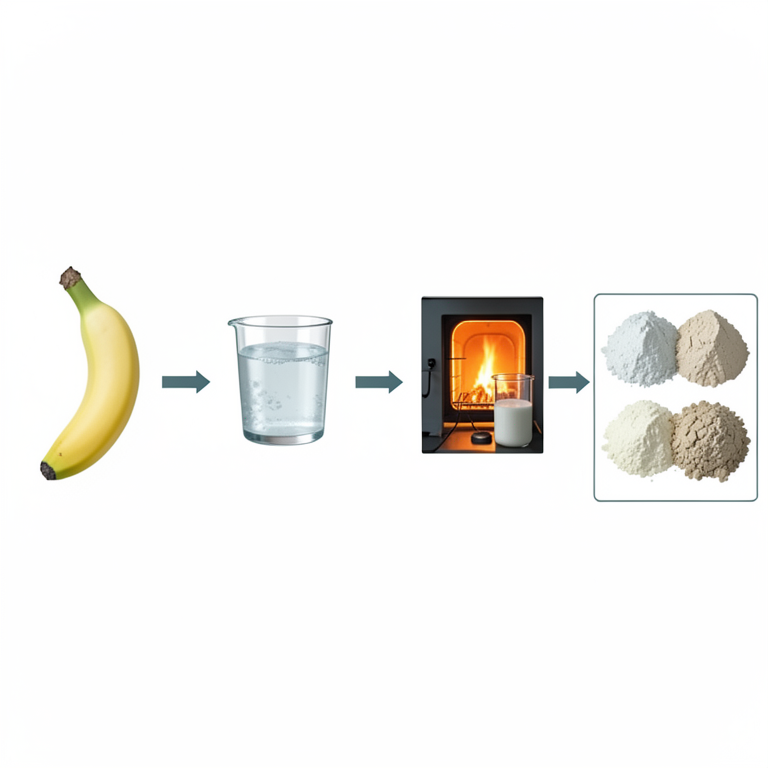
Banana Peel Activation Pathways
AI-generated conceptual illustration (banana peels). It explains the idea and does not show study data.
View source evidence ↗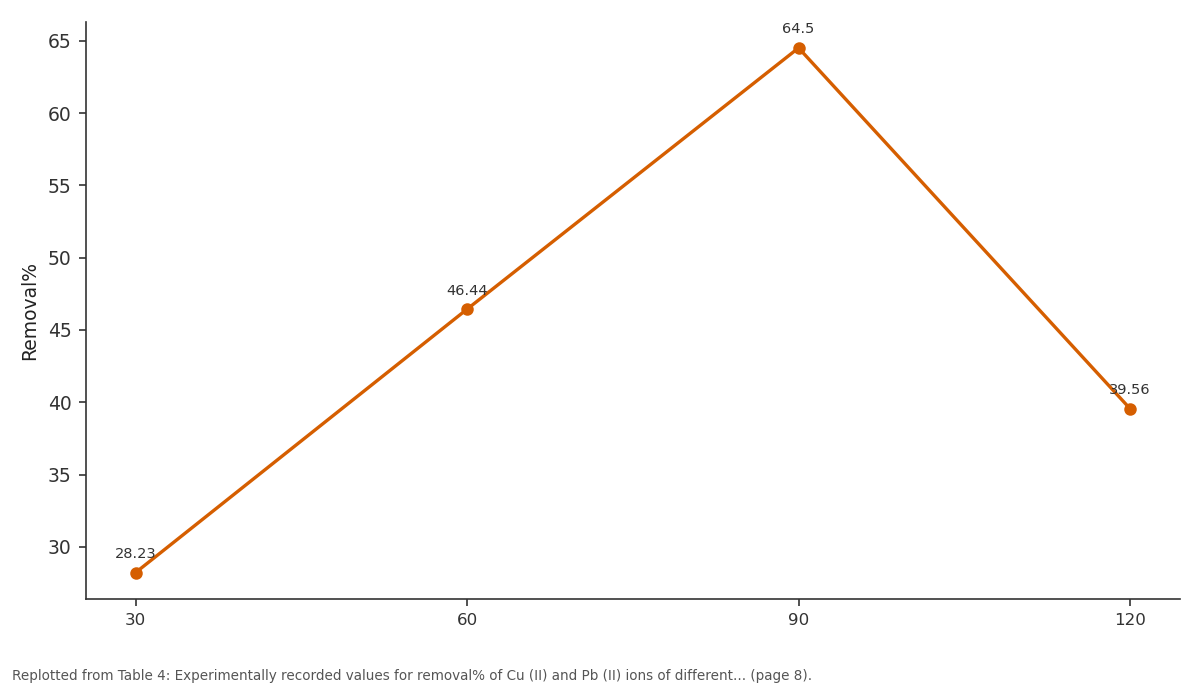
Removal%: 30 vs 60 vs 90 vs 120
Replotted from Table 4 (page 8) of the original paper. Every bar is the paper's own table value.
View source evidence ↗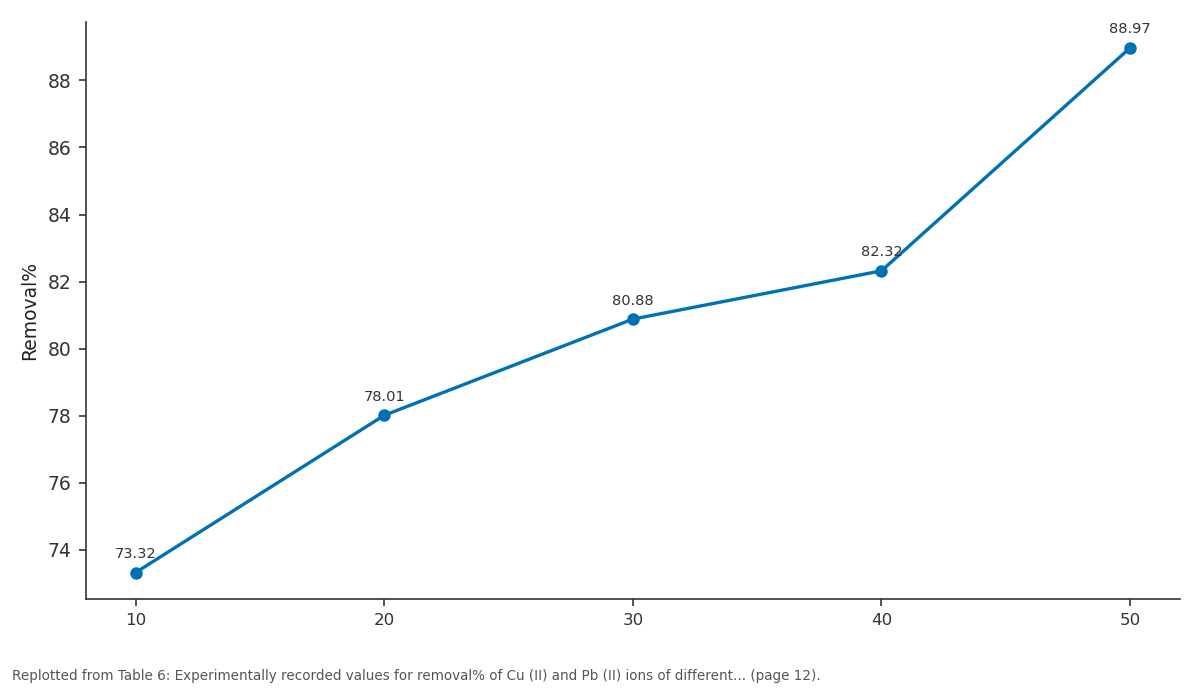
Removal%: 10 vs 20 vs 30 vs 40 vs 50
Replotted from Table 6 (page 12) of the original paper. Every bar is the paper's own table value.
View source evidence ↗Figures & tables
From the original paper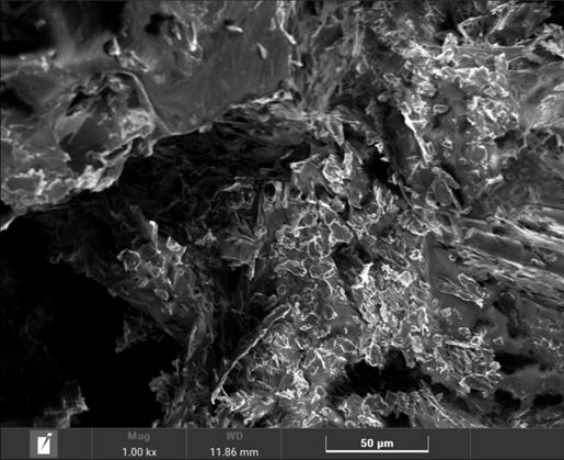 Figure 1
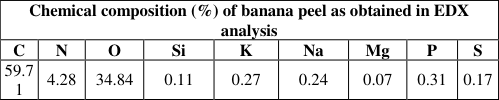 Table 1
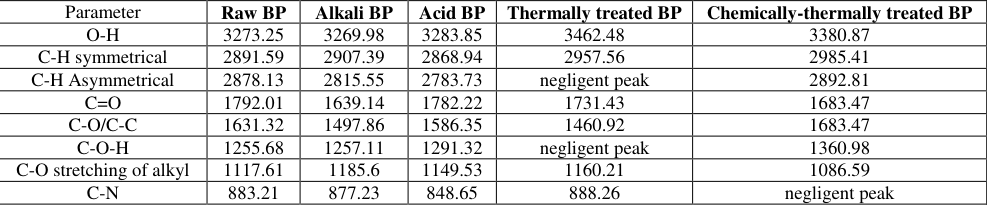 Table 2
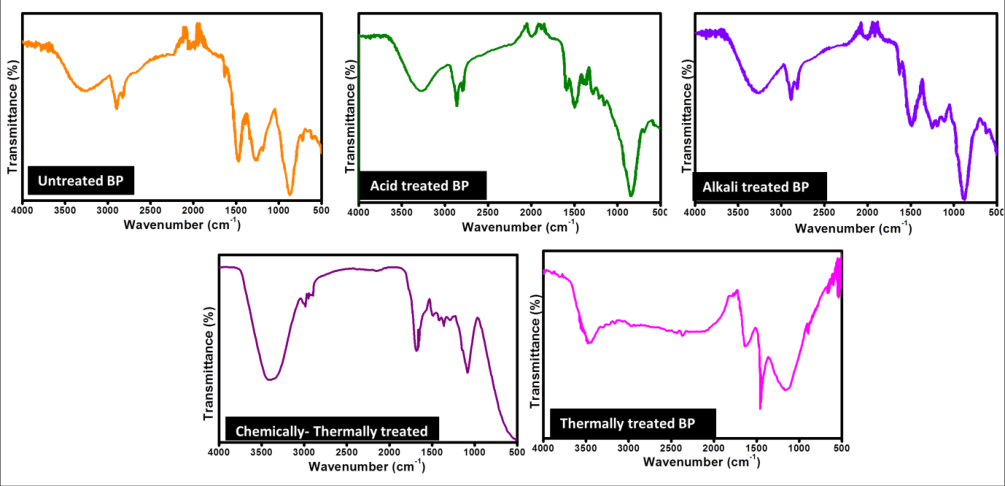 Figure 2
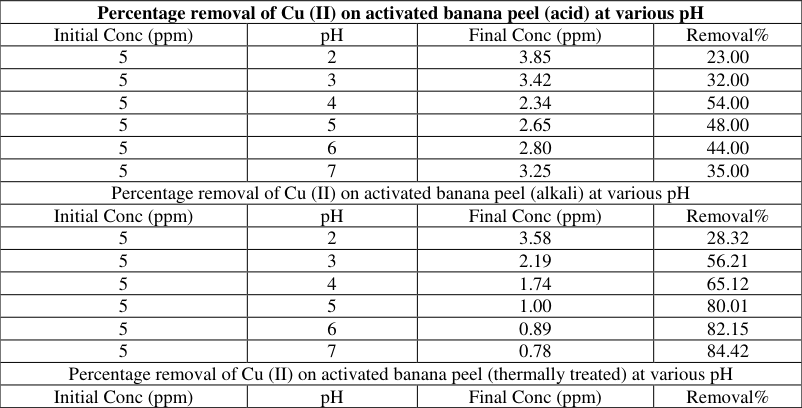 Table 3
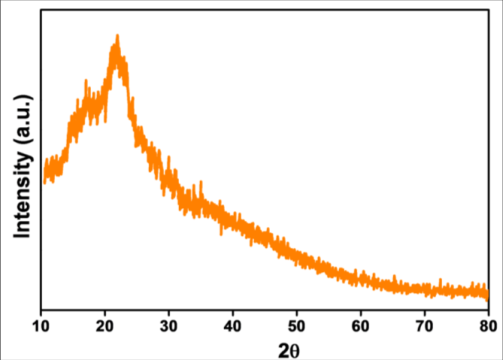 Figure 3
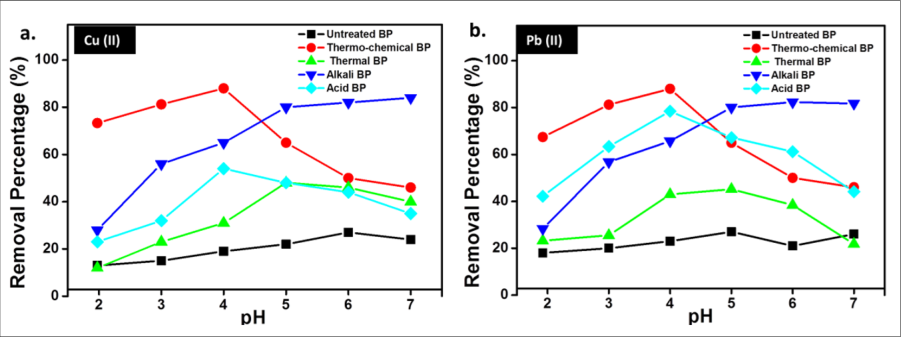 Figure 4
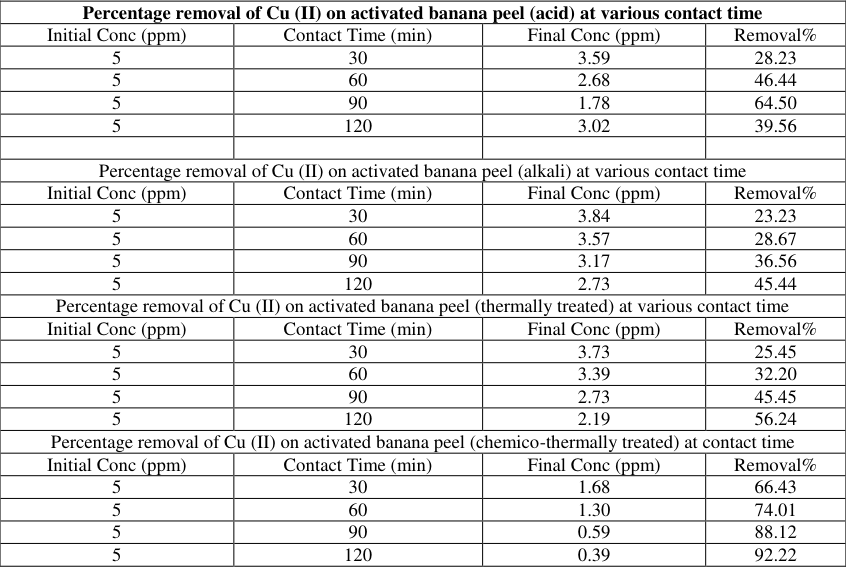 Table 4
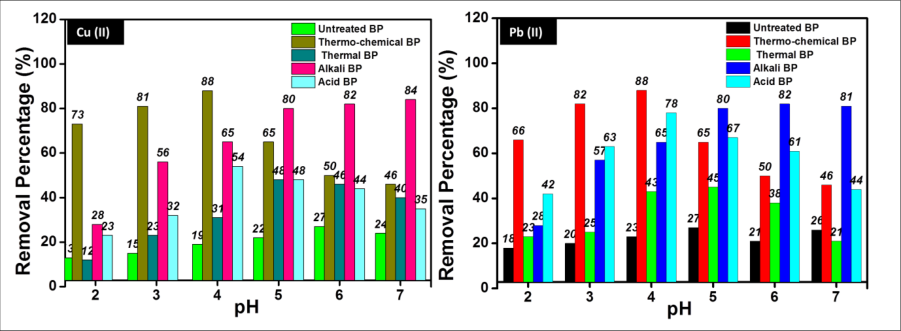 Figure 5
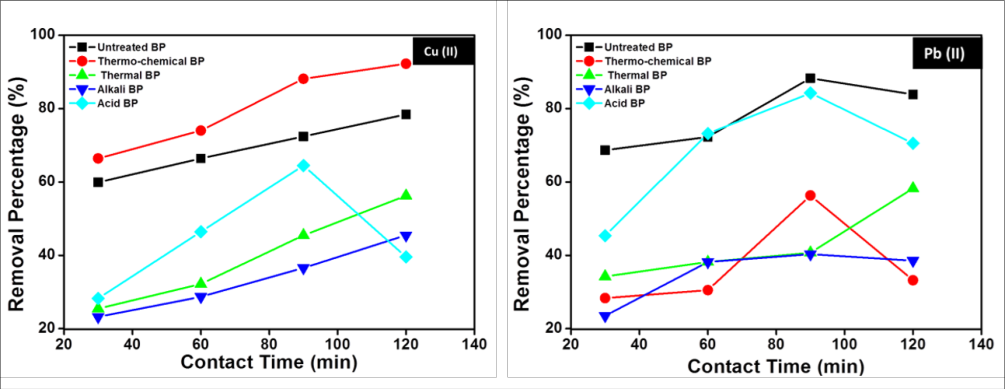 Figure 6
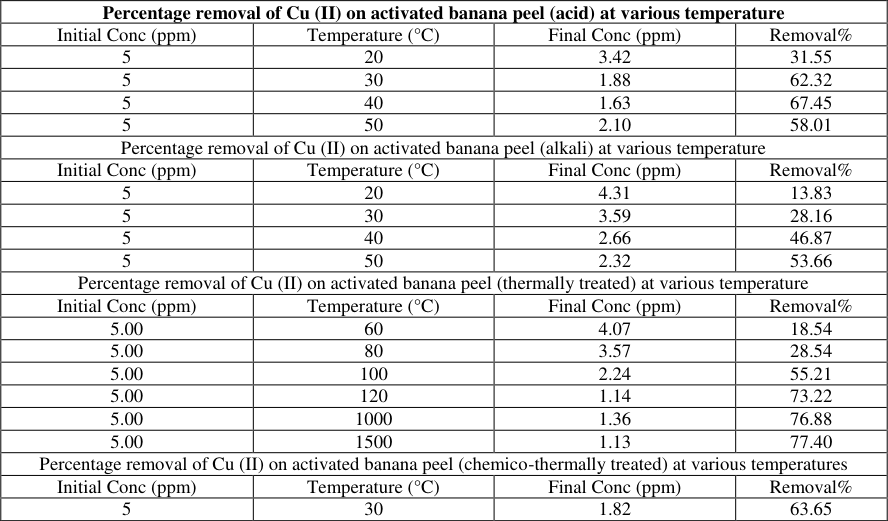 Table 5
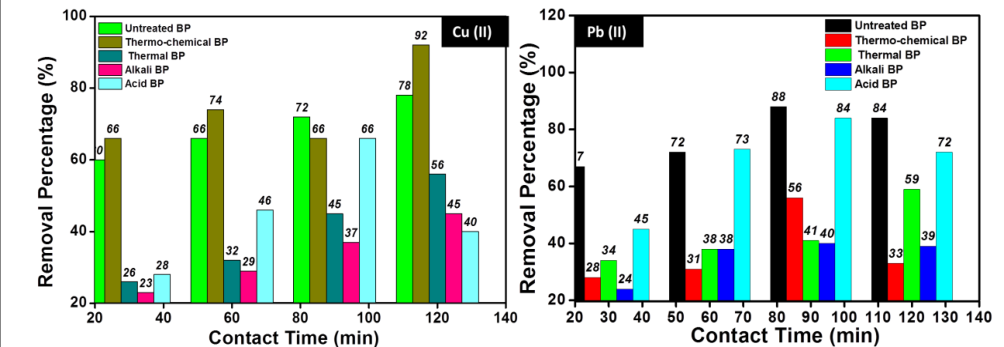 Figure 7
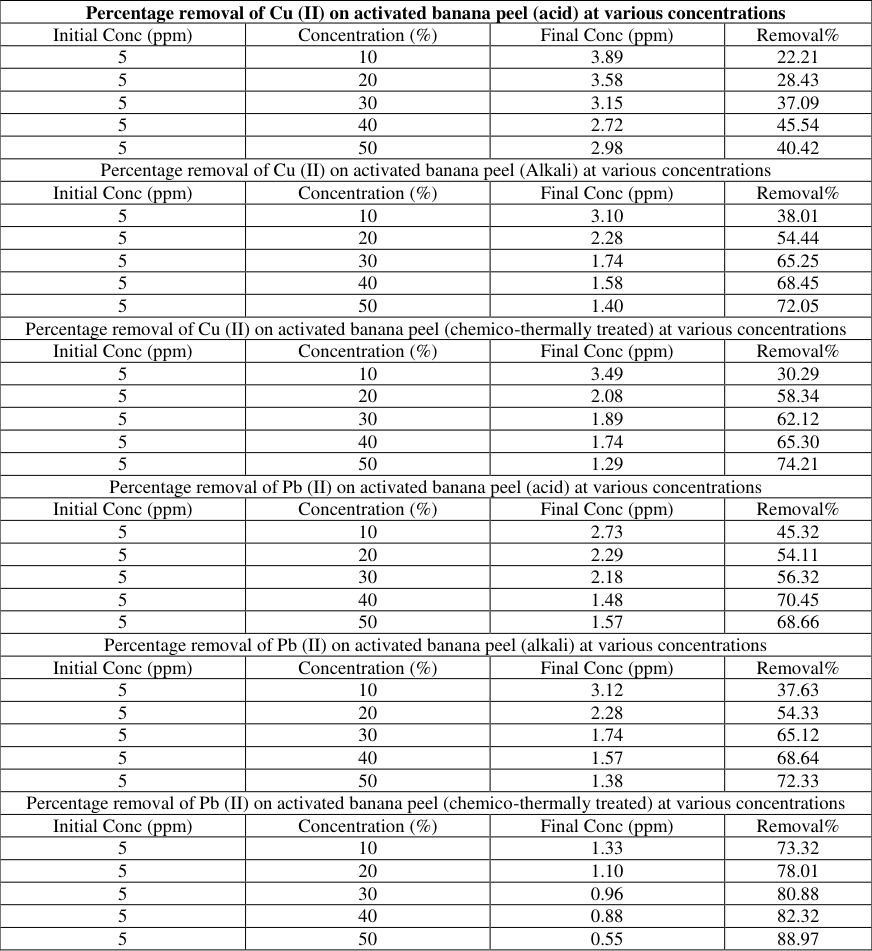 Table 6
 Table 7
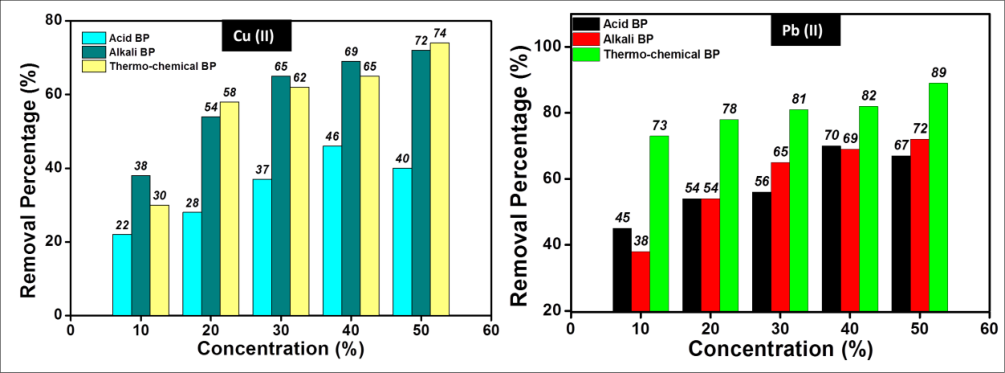 Figure 8
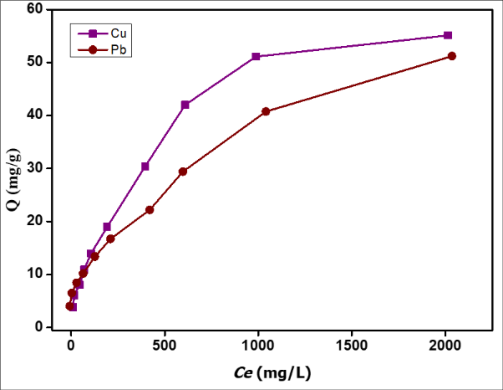 Figure 9
 Table 8
Introduction
In today's world the global Industrial Revolution ions has resulted in arbitrary discharge of industrial wastewater containing heavy toxic metal ions at an unprecedented rate. The discharge of untreated effluents from industries like leather tanning, electronics, pesticides, paint, thermal power plant, pharmaceuticals, textiles, metal plating and galvanizing, has triggered various health hazards and disturbed ecological equilibrium [1][2][3] . Some heavy metals that pose major risks due to their toxicity are lead (Pb), chromium (Cr), zinc (Zn), copper (Cu), cadmium (Cd), arsenic (As), nickel (Ni), and mercury (Hg) [4][5][6][7] . Although trace levels of heavy metals such as copper and zinc are vital for physiological functions, but their accumulation at high levels can be life threatening. These metals above the threshold limit become carcinogenic and also lead to hyperkeratosis, skin lesions, kidney, stomach, liver and brain problems [8][9][10] .
International Journal of Advanced Che mis try Research 2026; 8(5): 41-55
A range of methodologies has been employed to remove hazardous compounds from aqueous environment. Some of these experimental techniques include chemical precipitation [11] , membrane separation [12] , reverse osmosis [13] , ion-exchange [14] , coagulation-flocculation [15] , electrodeposition [16] etc. However, conventional techniques often suffer from drawbacks, like massive consumption of chemicals, high-costs, incomplete removal of trace-level heavy metals and generation of toxic by-products that require further treatment [17][18] . As a consequence, researchers are more focused of identifying sustainable methods like bio-sorption where a biological material is used as an adsorbent. The mechanism involves interactions between the solid sorbent and the liquid sorbate, and due to high affinity, the sorbent captures unwanted metal species present in the solution [19] . Bio-sorption is often a promising sustainable biosorbent owing to its low cost, operational simplicity, biodegradability, and eco-friendly nature [20][21] . A wide variety of natural waste biomass materials such as rice husk, tea and coffee residues, sawdust, orange peels, dried leaves, coconut husk, peanut shells, and tree bark have been reported to possess adsorption capabilities [22][23][24] . Banana peel (BP) is a low, environmentally friendly and readily available adsorbent for remediation of a broad spectrum of contaminants. BP's surface is equipped with multiple functional groups, facilitating the sorption of different cationic and anionic species [25] . Despite significant research on the use of banana peel (BP) for the removal of toxic metals, its full potential remains underutilized, as most research has focused on raw BP rather than its more effective activated forms. Activation of BP is anticipated to enhance the biosorption capacity by increasing the surface area or binding sites of the biosorbent. Studies reveal that pretreatment of BP with nitric acid (HNO3) resulted in higher Zn biosorption capacity (~2.75 mg/g) [26] . 26 This study focuses on the utilization of activated banana peel (BP) for toxic metal ion remediation from industrial wastewater. It presents a comparative analysis of various activation methods applied to BP and their effects on its adsorption potential. By evaluating different activation techniques such as chemical, thermal, or combined treatments; this research aims to identify the most reliable method for augmenting the sorptive capacity of BP toward heavy metal ions. Unlike prior studies that typically focus on a single modification route, this work aims to identify the most effective and reliable method for significantly enhancing BP's capacity to remove heavy metal ions. To the extent of our knowledge, no prior studies have fully explored the influence of different activation approaches on the metal ion removal efficiency of BP. This work, therefore, contributes novel insights into optimizing BP as a low-cost, sustainable, and effective biosorbent for industrial wastewater treatment.
Materials and Methods
Materials: Banana peels were procured from the local market. The banana was form Mussa paradisiaca L. family as classified according to color index [27] . Other chemicals like hydrochloric acid (HCl), sodium hydroxide (NaOH), and phosphoric acid (H₃PO₄) used were of analytical grade (AR), purchase from E-Merck. Double distilled water is used in all experiments.
Methods
Methods
Synthesis of banana peel biosorbent (BP)
The banana peel was washed thoroughly to clean it from all dirt and impurities. It was then air-dried to remove the retained moisture content. After few days, the peel was further heated in an oven to remove the remaining moisture at 80ᵒC. The dried peels were pulverized into finer particles using a motor pestle and then washed again. It was then further dried at 50ᵒC for 24 in an oven, after which the peels were grinded using a blender. The fine powder of BP peel was sieved through the mechanical shaker. This is the raw sample of the BP sorbent. Stock solutions for both copper and lead are prepared at a 100 ppm (parts per million) of concentration. These stock solutions serve as the primary source for the preparation of more dilute standard solutions. From the 100 ppm stock solutions, standard solutions with a concentration of 5 ppm are prepared. This dilution is achieved by taking 50 mL of the stock solution and diluting it to a final volume of 1000 mL using deionised water. It is important to ensure thorough mixing to achieve a uniform concentration throughout the solution. The accuracy of these dilutions is critical, as the standard solutions will be used for calibration and analysis.
Synthesis of alkali modified BP biosorbent (aBP)
50 g of prepared BP was taken in conical flasks containing 0.1M NaOH solution. The flask was sealed using aluminium foil to protect it from contamination and left for 2 h. Then the sample was oven-dried at 80ᵒC for 24 h. Finally, the NaOH modified banana peel samples were retrieved after grinding it into powder and sieved from 200 μm sieve sizes.
Synthesis of thermally modified BP biosorbent (tBP)
The thermally modified BP was produced by carbonizing the raw BP at 450ᵒC for one hour. This condition was selected after testing different temperatures (300, 350, 400, 450, and 500°C) and carbonization durations (30, 60, and 90 minutes). The process was performed in a porcelain crucible using an electric muffle furnace, and the sample was cooled to room temperature afterward to stabilize its properties for the next step.
Synthesis of acid modified BP biosorbent (acBP)
The as-prepared BP powder (50g) was taken in conical flasks containing 0.1 M HCl solution and mixed thoroughly with the help of glass rod. The slurries were subsequently left undisturbed for 2 h to facilitate the activation process. Later, the slurry was washed repeatedly with double distilled DI water to remove any excess acid. The washed samples were left to dry at 80ᵒC for 24 h to acquire the final acid modified BP.
Synthesis of chemically-thermally modified BP biosorbent (ctBP)
This novel BP sorbent was synthesized by treating the BP powder first with H3PO4 acid and then after thermally treated at extremely high temperatures. The acid percentage was varied for 10-50% and the temperatures conditions were altered from 300-500ᵒC with the aim to identity the best optimised and suitable parameters for adsorption of both metal ions. The BP after treated with acid and temperature, it was left for further 2 h covered with aluminium foil. Following the treatment, the samples were thoroughly washed with DI water and dried in crucibles at 100ᵒC for 24 h in air oven and stored in desiccators to avoid any contamination or moisture retention. The optimal characterization parameters in terms of charcoal yield, fixed carbon, ash content, porosity, and moisture content for acid-activated BP, alkali-activated BP, thermally activated BP, chemically thermally activated BP and inactivated raw BP are given in the Table 1.
| Chemical composition (%) of banana peel as obtained in EDX analysis | — | — | — | — | — | — | — | — |
|---|---|---|---|---|---|---|---|---|
| C | N | O | Si | K | Na | Mg | P | S |
| 59.7 1 | 4.28 | 34.84 | 0.11 | 0.27 | 0.24 | 0.07 | 0.31 | 0.17 |
Table text extracted from the original PDF; superscript letters are shown inline. The original table image is below.
View original table image
Characterization techniques
X-ray diffraction (XRD) measurements were performed at room temperature via Rigaku SmartLab diffractometer featured with Cu Kα radiation (λ = 1.542 nm), over a 2θ range of 10° to 80°. For the analysis, the samples were manually ground into fine powder with a mortar and pestle. Fourier-transform infrared (FTIR) spectroscopy was used to obtain the spectra using a PerkinElmer 3725 spectrometer in the range of 400 to 4000 cm⁻¹. The samples were prepared as KBr pellets by thoroughly mixing a small amount of sample (0.1% w/w relative to KBr) with potassium bromide, grinding the mixture, and pressing it into 7-mm pellets using a die assembly and a manual hydraulic press. The morphology of the samples was examined via LEO 435-VF scanning electron microscope (SEM) equipped with energydispersive X-ray spectroscopy (EDX) for elemental analysis.
Adsorption Experiments
The adsorption behavior experiments were conducted using a batch methodology. In each trial, of the heavy metal solution was accurately dispensed into a Erlenmeyer flask; the metals Cu (II) and Pb (II) were tested individually to isolate their adsorption characteristics. A constant biosorbent dosage of 2g was introduced into each flask. Specifically, samples of each of the five prepared biosorbents-the inactivated (raw) BP, acid-activated BP, alkali-activated BP, thermally activated BP, and chemicallythermally treated BP-were tested separately against the metal solutions. The resulting mixtures were then incubated, under agitation, for a fixed contact time of 30 mins at room temperature. This controlled incubation period allowed for the sorbent materials to interact with and uptake the metal ions from the solution, enabling the subsequent measurement of their distinct adsorption efficiencies. All adsorption experiments were conducted in batch, and the average results are reported. The metal ion removal efficiency or the adsorption%, is determined from equation (1) below [28,29] Removal%=(C_i-C_f)/C_f ×100 Where, Ci and Cf are the initial and final concentrations of respective metal ions.
The BP sorbents were studied over a varying pH of 2-7, to expound the influence of pH on adsorption capacity of BPs. For pH adjustments each time sodium hydroxide (0.1 M) and hydrochloric acid (0.1 M) solutions were used. The effectiveness of contact time on the adsorption potential of BPs to remove toxic metals was also studied, and contact duration of 30, 60, 90, and 120 min was used. The effect of temperature was also explored and for acid inactivated (BP), activated banana, alkali activated BP temperature span of 20-50ᵒC was used. Whereas, for thermally treated a temperature span of 40-150ᵒC and for chemically-thermally treated BP temperature span of 300-500ᵒC was used. The percentage of acid and alkali was also varied between 10-50% to evaluate the impact of acid/alkali concentration of adsorption ability.
Results
Results
SEM analysis
The structural analysis reveals an irregular and porous surface which is highly desirable for efficient adsorption process. The surface porosity of the biosorbent is necessary for particle diffusion to take place and efficient entrapment of the pollutant in its pores. Similar rough and porous morphology of banana peel sorbent has been observed in literature [30][31] . EDX was also performed to understand the elemental composition of the banana peel as it provides a qualitative and semi-quantitative information about the elemental composition of the sample. The elements present in natural banana peel are as stated in Table 2 below. The high content of carbon and oxygen in banana peels points to their potential as efficient adsorbents. The significant presence of carbon and oxygen suggest a lignocellulosic structure, which is typical of plant-based biomass. The carbon-rich structure provides a large number of active sites and functional groups (such as hydroxyl, carboxyl, and carbonyl), which are crucial for the adsorption of heavy metals, dyes, and other pollutants. Additionally, the presence of mineral elements like K, Ca, and Mg may contribute to ion-exchange mechanisms during adsorption processes.
| Parameter | Raw BP | Alkali BP | Acid BP | Thermally treated BP | Chemically-thermally treated BP |
|---|---|---|---|---|---|
| O-H | 3273.25 | 3269.98 | 3283.85 | 3462.48 | 3380.87 |
| C-H symmetrical | 2891.59 | 2907.39 | 2868.94 | 2957.56 | 2985.41 |
| C-H Asymmetrical | 2878.13 | 2815.55 | 2783.73 | negligent peak | 2892.81 |
| C=O | 1792.01 | 1639.14 | 1782.22 | 1731.43 | 1683.47 |
| C-O/C-C | 1631.32 | 1497.86 | 1586.35 | 1460.92 | 1683.47 |
| C-O-H | 1255.68 | 1257.11 | 1291.32 | negligent peak | 1360.98 |
| C-O stretching of alkyl | 1117.61 | 1185.6 | 1149.53 | 1160.21 | 1086.59 |
| C-N | 883.21 | 877.23 | 848.65 | 888.26 | negligent peak |
Table text extracted from the original PDF; superscript letters are shown inline. The original table image is below.
View original table image
FT-IR Studies
FT-IR was used to analyse the functional groups when raw banana is subjected to activation by different modes. These functional groups offer insights on the porous structure of banana peel and helps in predicting the adsorption properties of the adsorbent. By analyzing the characteristic absorption frequencies associated with these functional groups, FT-IR provides insights into the molecular structure and chemical environment of the sorbent. Each functional group corresponds to a unique vibrational frequency, which is directly related to the fundamental modes of vibration such as stretching, bending, or twisting of chemical bonds. These vibrational patterns serve as molecular fingerprints, allowing researchers to identify the types of chemical bonds present and any changes they undergo during interactions with impurities. 2) which are according to the FT-IR studies reported in literature for banana peels [31][32][33] . As revealed in the structural analysis the banana peel contains a variety of functional groups, including alcohols/phenols, carboxyl, amide, alkane, aromatic, and amine groups. It is widely recognized that in the biomass the hydroxyl, carboxyl groups significantly contribute in the process of adsorption. [34][35] . Carboxylic groups typically exhibit pKa values in the range of 3.8 to 4.8. This means that at pH levels above 4, these groups become deprotonated, acquiring a negative charge that facilitates the electrostatic attraction and binding of metal ions with positive charge, thereby enhancing the adsorption capacity of the banana peel. Conversely, at pH values below 3, the carboxylic groups remain protonated and neutral, which reduces their ability to bind metal ions due to the lack of electrostatic attraction. This pH-dependent behavior aligns with the experimental observations in this study, where a noticeable increase in adsorption efficiency was recorded at pH levels above 4. The results reinforce the hypothesis that deprotonated carboxyl groups play a crucial role in the metal-binding mechanism, contributing significantly to the overall adsorptive performance of banana peel as a low-cost biosorbent.
XRD analysis
XRD pattern of inactivated raw banana peel sorbent reveals diffraction peaks at 2θ values of approximately 26° and 46° as seen in Fig 3 . These peaks correspond to the (002) and (100) planes of carbon-based materials, respectively and indicate the existence of graphite crystallites within the BP [36] . The diffraction patterns of the activated BPs are not shown here as they presented analogous diffraction peaks with no significant differences in peak positions. The only noticeable variation was in the sharpness and intensity of the peaks, indicating minor differences in crystallinity among the samples. The tBP ssorbent shows maximum adsorption at 5 pH after which it decreases. The tcBP sorbent exhibits a similar adsorption behavior characterized by maximum adsorption efficiency at 5 pH. As the pH increases beyond this optimal acidic range, the adsorption efficiency of all adsorbents gradually declines. This trend suggests that the adsorption mechanism of BP sorbents is highly sensitive to pH changes, likely due to alterations in the surface charge of the sorbent or the ionization state of the target analytes under varying pH conditions. The results are consistent with the studies reported in literature [37,38] . The untreated banana peel exhibited the lowest performance, with a maximum removal of only 27.50% at pH 6, highlighting the limited adsorption potential in its raw form. Acid-activated banana peel showed moderate improvement, with the highest Cu(II) removal of 54% at pH 4, indicating that acid treatment can increase active surface sites but still has limited capacity compared to more advanced treatments. In contrast, alkaliactivated banana peel demonstrated a significant increase in removal efficiency, particularly from pH 4 to 7, with the highest removal (84.42%) observed at pH 7. Thermally treated banana peel showed only modest performance, with the highest removal (48.12%) occurring at pH 5. While thermal treatment may alter surface structure and porosity, it appears insufficient alone for optimal Cu(II) adsorption. On the other hand, chemico-thermally treated banana peel demonstrated outstanding adsorption capacity, achieving a maximum removal of 88.02% at pH 4. ion adsorption at pH 5, beyond which the adsorption efficiency begins to decline. For the aBP sorbent, peak adsorption is observed at pH 5, after which the removal efficiency remains relatively stable. On contary, the acBP sorbent achieves its highest adsorption efficiency at pH 4, followed by a significant drop in performance at higher pH levels. The tBP sorbent also demonstrates an optimal adsorption capacity at pH 4, beyond which a sudden decline is observed. Similarly, the tcBP sorbent displays its highest adsorption efficiency at pH 4. As the pH increases beyond these optimal values for each sorbent, a general trend of decreasing adsorption capacity is evident. This decline can be attributed to the reduced availability of protons competing for adsorption sites and the possible precipitation of Pb (II) as metal hydroxides at higher pH levels. The results corroborate earlier research reported in the literature [39, 40] . The untreated banana peel (acid condition) exhibited relatively low removal efficiency, with a maximum of 27% at pH 5, indicating limited adsorption capacity. Acid-activated banana peel showed significantly improved performance, reaching a maximum Pb(II) removal of 78.45% at pH 4, suggesting that acid treatment enhances the availability of active binding sites. Similarly, alkaliactivated banana peel displayed a consistent increase in removal efficiency with increasing pH, achieving the highest removal (82.33%) at pH 6, likely due to increased surface negative charge enhancing metal ion binding. Thermally treated banana peel showed moderate performance with peak removal around 45.21% at pH 5, indicating that heat treatment alone is less effective. In contrast, chemico-thermally treated banana peel exhibited the highest Pb(II) adsorption efficiency across all samples, with a remarkable maximum of 88% at pH 4.
. Effect of pH on removal of Pb (II) ions
At low pH levels, only minimal adsorption occurs due to the high concentration and mobility of hydrogen ions (H⁺), which compete with toxic metal ions for the available adsorption sites [41] . In these acidic conditions, H⁺ ions are preferentially adsorbed onto the sorbent surface, thereby hindering the binding of metal cations. As the pH increases, the concentration of H⁺ ions decreases, reducing this competition and allowing more negatively charged ligands on the sorbent surface to become available for binding with metal ions. This results in enhanced adsorption efficiency at moderately higher pH levels. However, under strongly basic conditions (very high pH), metal cations may react with hydroxide ions (OH⁻) in the solution, leading to the formation of insoluble metal hydroxides that precipitate out of solution. This precipitation reduces the availability of free metal ions for adsorption, thereby decreasing the overall adsorption capacity. Therefore all sorbents show maximum adsorption at around 4-5 pH levels.
The comparison is more clearly illustrated in Fig 5 . Among all the tested sorbents untreated BP, alkali-treated BP (aBP), acid-treated BP (acBP), and thermally treated BP (tBP) the chemically and thermally treated BP (tcBP) exhibits the highest efficiency in the removal of Cu(II) and Pb(II) ions. This enhanced performance can be attributed to the synergistic effects of chemical and thermal modification, which significantly improve the sorbent's surface characteristics. Chemical treatment likely introduces functional groups such as carboxyl, hydroxyl, and carbonyl onto the biomass surface, increasing its affinity for metal ions. Meanwhile, thermal treatment can enhance porosity and surface area by removing volatile organic compounds and exposing more active sites. Together, these modifications optimize the structural and chemical properties of tcBP, facilitating greater interaction with and binding of metal cations through mechanisms such as ion exchange, complexation, and electrostatic attraction. As a result, tcBP offers a more effective and efficient platform for the adsorption of heavy metals compared to the other treatments.
Effect of contact time on removal of Cu (II) ions
The effect of contact time on the bivalent copper adsorption process on the surface of the untreated BP sorbent and activated BP sorbents at various times in the range of 30-120 min at 30 min intervals was studied, keeping the other parameters fixed (pH 4-5, temperature 40ᵒC) and the data is tabulated in Table 4.
| Percentage removal of Cu (II) on activated banana peel (acid) at various contact time | — | — | — |
|---|---|---|---|
| Initial Conc (ppm) | Contact Time (min) | Final Conc (ppm) | Removal% |
| 5 | 30 | 3.59 | 28.23 |
| 5 | 60 | 2.68 | 46.44 |
| 5 | 90 | 1.78 | 64.50 |
| 5 | 120 | 3.02 | 39.56 |
| Percentage removal of Cu (II) on activated banana peel (alkali) at various contact time | |||
| Initial Conc (ppm) | Contact Time (min) | Final Conc (ppm) | Removal% |
| 5 | 30 | 3.84 | 23.23 |
| 5 | 60 | 3.57 | 28.67 |
| 5 | 90 | 3.17 | 36.56 |
| 5 | 120 | 2.73 | 45.44 |
| Percentage removal of Cu (II) on activated banana peel (thermally treated) at various contact time | |||
| Initial Conc (ppm) | Contact Time (min) | Final Conc (ppm) | Removal% |
| 5 | 30 | 3.73 | 25.45 |
| 5 | 60 | 3.39 | 32.20 |
| 5 | 90 | 2.73 | 45.45 |
| 5 | 120 | 2.19 | 56.24 |
| Percentage removal of Cu (II) on activated banana peel (chemico-thermally treated) at contact time | |||
| Initial Conc (ppm) | Contact Time (min) | Final Conc (ppm) | Removal% |
| 5 | 30 | 1.68 | 66.43 |
| 5 | 60 | 1.30 | 74.01 |
| 5 | 90 | 0.59 | 88.12 |
| 5 | 120 | 0.39 | 92.22 |
Table text extracted from the original PDF; superscript letters are shown inline. The original table image is below.
View original table image
It is seen in Fig 6a that the removal efficiency of copper ions increased with longer contact time for untreated BP, tBP, acBP and ctBP. The observations are in agreement with existing literature [42,43] . The chemico-thermally treated peel showed the highest performance, reaching 92.22% removal at 120 minutes, indicating strong adsorption capacity. Untreated banana peel also performed well, with 78.44% removal at 120 minutes, suggesting the natural material has effective binding sites. Thermally treated peel showed a steady increase in efficiency, reaching 56.24% at 120 minutes. Acid-treated peel peaked at 64.50% at 90 minutes but dropped afterward, possibly due to desorption. Alkali-treated peel showed the lowest performance, with only 45.44% removal at 120 minutes. Overall, most samples showed improved removal over time, with 120 minutes being optimal for maximum Cu(II) uptake. These findings are attributed to the extended duration allowing more interaction between Cu²⁺ ions and the active sites on the adsorbent surface. Initially, copper adsorption occurs rapidly due to the abundance of easily accessible binding sites. As these sites become occupied, the rate of adsorption slows, and Cu²⁺ ions require more time to diffuse into the inner pores of the adsorbent to locate and bind with the remaining active sites. This time-dependent behavior reflects a typical adsorption process involving both surface interaction and intraparticle diffusion.
Effect of contact time on removal of Pb (II) ions
It is observed that the removal efficiency of lead (Pb²⁺) ions increases with longer contact time for the untreated BP, ctBP, acBP, and tBP, the maxima being ta 90 mins. This trend suggests that extended contact time facilitates greater interaction between Pb²⁺ ions and the available active sites on the adsorbent surfaces. However, in the case of acidmodified BP, the maximum removal efficiency is achieved at 120 mins, after which a decline in performance is observed, as clearly illustrated in Fig 6b . This reduction may be due to desorption effects, site saturation, or structural changes in the adsorbent over prolonged exposure, which can reduce its binding capacity for lead ions. Untreated banana peel showed the highest removal (88.28%) at 90 minutes, followed by acid-treated peel, which peaked at 84.22% at the same time. Thermally treated peel showed gradual improvement, reaching 58.25% at 120 minutes. In contrast, alkali-treated and chemico-thermally treated peels showed relatively low and inconsistent removal, with maximums of only 40.33% and 56.30% respectively. Most adsorbents reached peak performance around 90 minutes, suggesting it as the optimal contact time for Pb(II) adsorption. The adsorption effectiveness of copper (Cu²⁺) and lead (Pb²⁺) ions is significantly influenced by the contact time between the adsorbent and the metal ion solution.
Experimental results indicate that thermally and chemically activated banana peel demonstrates superior adsorptive properties for copper ions compared to other activation methods as seen in Fig 7 . This enhanced performance is likely due to the increased surface area and the improved availability of functional groups created during thermal and chemical treatment. On the other hand, acid-modified banana peel demonstrates a higher affinity for lead ions, suggesting that acid treatment introduces or enhances specific functional groups that favor the binding of lead over copper. These findings highlight the importance of the type of chemical or physical modification applied to banana peel in tailoring its adsorption properties for specific heavy metal ions. Initial removal of copper and lead ions occurs rapidly upon contact with the adsorbent, as readily available active sites facilitate immediate adsorption. However, as time progresses, and more adsorption sites become active, the metal ions begin to migrate and bind to the most energetically favorable locations. Once the adsorption process reaches equilibrium where all accessible highaffinity sites are occupied the overall rate of adsorption plateaus. At this stage, no significant additional uptake occurs, and a slight decline in adsorption capacity may be observed, likely due to the cessation of further adsorption activity [44,45] . The observed reduction in removal efficiency after 90 minutes of contact time is likely attributed to desorptiona process where previously adsorbed metal ions detach from the adsorbent surface. This is presumed to result from the saturation of available functional groups on the banana peel powder, reducing its capacity to retain metal ions [46] .
Effect of temperature on removal of Cu (II) ions
The influence of temperature on the removal of Cu (II) was studied at various temperatures ranging from 30-50ᵒC. The experimental data is recorded in Table 5, and the data reveals that an improvement in the removal efficiency was recorded with the rise of temperature for acBP, aBP and inactivated BP. Acid-activated banana peel showed the highest removal at 40°C (67.45%), indicating enhanced adsorption with moderate heating. Alkali-treated peel also improved with temperature, reaching 53.66% at 50°C, though still less effective overall. Thermally treated peel showed a strong temperature-dependent trend, improving from 18.54% at 60°C to 77.40% at 150°C, highlighting the benefit of higher thermal activation. Chemico-thermally treated banana peel achieved maximum removal of 87.50% at 450°C, confirming this as the most effective treatment under high-temperature conditions. In contrast, untreated peel performed poorly across all temperatures, with a maximum of only 23.98% at 50°C. Overall, temperature positively influenced Cu(II) removal, especially for thermally and chemically modified peels, likely due to enhanced diffusion and activation of adsorption sites. Effect of temperature on removal of Pb(II) ions Among all treatments, acid-activated banana peel showed the highest removal efficiency, reaching up to 84.23% at 40°C, indicating strong enhancement of adsorption sites through acid activation. Chemico-thermally treated banana peel also exhibited high performance, with maximum removal of 89.52% at 450°C, suggesting a synergistic effect of chemical and thermal activation. Thermally treated samples alone showed increasing removal with temperature, peaking at 82.66% at 120°C, before a slight decline. In contrast, alkali-activated and untreated banana peel demonstrated comparatively low adsorption capacities, with maximum removals of 23.44% and 21.50%, respectively. Overall, acid and chemico-thermal activation proved most effective in enhancing the Pb(II) adsorption potential of banana peel, primarily due to improved surface characteristics and availability of active binding sites. Elevated temperatures may provide heavy metal ions with sufficient kinetic energy to interact more effectively with the surface-bound functional groups of banana peel powder, thereby enhancing the process of adsorption [47] . It is also inferred that higher temperature change the interaction area for the metal ions by expanding the surface area of the adsorbents [48] .
| Percentage removal of Cu (II) on activated banana peel (acid) at various temperature | — | — | — |
|---|---|---|---|
| Initial Conc (ppm) | Temperature (°C) | Final Conc (ppm) | Removal% |
| 5 | 20 | 3.42 | 31.55 |
| 5 | 30 | 1.88 | 62.32 |
| 5 | 40 | 1.63 | 67.45 |
| 5 | 50 | 2.10 | 58.01 |
| Percentage removal of Cu (II) on activated banana peel (alkali) at various temperature | |||
| Initial Conc (ppm) | Temperature (°C) | Final Conc (ppm) | Removal% |
| 5 | 20 | 4.31 | 13.83 |
| 5 | 30 | 3.59 | 28.16 |
| 5 | 40 | 2.66 | 46.87 |
| 5 | 50 | 2.32 | 53.66 |
| Percentage removal of Cu (II) on activated banana peel (thermally treated) at various temperature | |||
| Initial Conc (ppm) | Temperature (°C) | Final Conc (ppm) | Removal% |
| 5.00 | 60 | 4.07 | 18.54 |
| 5.00 | 80 | 3.57 | 28.54 |
| 5.00 | 100 | 2.24 | 55.21 |
| 5.00 | 120 | 1.14 | 73.22 |
| 5.00 | 1000 | 1.36 | 76.88 |
| 5.00 | 1500 | 1.13 | 77.40 |
| Percentage removal of Cu (II) on activated banana peel (chemico-thermally treated) at various temperatures | |||
| Initial Conc (ppm) | Temperature (°C) | Final Conc (ppm) | Removal% |
| 5 | 30 | 1.82 | 63.65 |
Table text extracted from the original PDF; superscript letters are shown inline. The original table image is below.
View original table image
Effect of concentration of acid/alkali on removal of Cu (II) and Pb (II) ions
Variation in the concentration of acid and alkali in activation plays a vital role as observed from the data recorded in Table 6. The removal efficiency of Cu(II) ions by banana peel increased with higher adsorbent concentrations for all activation methods. Among the different treatments, chemico-thermally activated banana peel showed the highest performance, achieving a maximum of 74.21% removal at 50% concentration, followed closely by alkali-activated banana peel, which reached 72.05% under the same conditions. In comparison, acid-activated banana peel exhibited lower adsorption efficiency, with a peak removal of 45.54% at 40% concentration, indicating limited improvement in surface reactivity. The overall increase in removal percentage with concentration suggests that more active adsorption sites became available as the adsorbent dose increased. Thus, the chemico-thermal activation process significantly enhanced the Cu(II) adsorption capacity of banana peel due to improved porosity and surface functionality. Among the treatments, chemico-thermally activated banana peel exhibited the highest adsorption efficiency for Pb(II), achieving up to 88.97% removal at 50% concentration, indicating the combined activation greatly enhanced the surface activity and number of binding sites. Acid-activated banana peel showed moderate performance, with a maximum removal of 70.45% at 40% concentration, while alkali-activated banana peel performed slightly better, reaching 72.33% removal at 50% concentration. The consistent rise in removal efficiency with increasing adsorbent concentration suggests more available active sites for Pb(II) binding, leading to higher metal uptake until saturation is approached. Overall, chemico-thermal activation proved to be the most effective modification technique for maximizing lead ion removal. A comparative analysis of all parameters with relevant literature has been provided in the Supplementary Tables S1 and S2 The comparative enhancements in metal removal efficiency are more prominently observed in the graphs plotted in Fig 8 . Variations in chemical concentration directly influence the surface chemistry of the adsorbent, particularly the availability and nature of functional groups that contribute for binding metal ions. This improvement while increasing the acid concentration can be attributed to the acid's ability to modify the surface structure, possibly by introducing or exposing more functional groups such as carboxyl and hydroxyl groups that facilitate metal ion binding. Alkaline treatment likely enhances the porosity and increases the number of negatively charged sites, improving the electrostatic attraction between the adsorbent and metal cations.
| Percentage removal of Cu (II) on activated banana peel (acid) at various concentrations | — | — | — |
|---|---|---|---|
| Initial Conc (ppm) | Concentration (%) | Final Conc (ppm) | Removal% |
| 5 | 10 | 3.89 | 22.21 |
| 5 | 20 | 3.58 | 28.43 |
| 5 | 30 | 3.15 | 37.09 |
| 5 | 40 | 2.72 | 45.54 |
| 5 | 50 | 2.98 | 40.42 |
| Percentage removal of Cu (II) on activated banana peel (Alkali) at various concentrations | |||
| Initial Conc (ppm) | Concentration (%) | Final Conc (ppm) | Removal% |
| 5 | 10 | 3.10 | 38.01 |
| 5 | 20 | 2.28 | 54.44 |
| 5 | 30 | 1.74 | 65.25 |
| 5 | 40 | 1.58 | 68.45 |
| 5 | 50 | 1.40 | 72.05 |
| Percentage removal of Cu (II) on activated banana peel (chemico-thermally treated) at various concentrations | |||
| Initial Conc (ppm) | Concentration (%) | Final Conc (ppm) | Removal% |
| 5 | 10 | 3.49 | 30.29 |
| 5 | 20 | 2.08 | 58.34 |
| 5 | 30 | 1.89 | 62.12 |
| 5 | 40 | 1.74 | 65.30 |
| 5 | 50 | 1.29 | 74.21 |
| Percentage removal of Pb (II) on activated banana peel (acid) at various concentrations | |||
| Initial Conc (ppm) | Concentration (%) | Final Conc (ppm) | Removal% |
| 5 | 10 | 2.73 | 45.32 |
| 5 | 20 | 2.29 | 54.11 |
| 5 | 30 | 2.18 | 56.32 |
| 5 | 40 | 1.48 | 70.45 |
| 5 | 50 | 1.57 | 68.66 |
| Percentage removal of Pb (II) on activated banana peel (alkali) at various concentrations | |||
| Initial Conc (ppm) | Concentration (%) | Final Conc (ppm) | Removal% |
| 5 | 10 | 3.12 | 37.63 |
| 5 | 20 | 2.28 | 54.33 |
| 5 | 30 | 1.74 | 65.12 |
| 5 | 40 | 1.57 | 68.64 |
| 5 | 50 | 1.38 | 72.33 |
| Percentage removal of Pb (II) on activated banana peel (chemico-thermally treated) at various concentrations | |||
| Initial Conc (ppm) | Concentration (%) | Final Conc (ppm) | Removal% |
| 5 | 10 | 1.33 | 73.32 |
| 5 | 20 | 1.10 | 78.01 |
| 5 | 30 | 0.96 | 80.88 |
| 5 | 40 | 0.88 | 82.32 |
| 5 | 50 | 0.55 | 88.97 |
Table text extracted from the original PDF; superscript letters are shown inline. The original table image is below.
View original table image
Kinetic and Isotherm Models
Quantitative kinetic analysis provides valuable insights into the adsorption rate, controlling steps, and overall mechanism of the process. To evaluate the adsorption kinetics, the pseudo-first-order and pseudo-second-order models were applied, and the corresponding parameters are summarized in Table 7. The comparison of correlation coefficients (R²) reveals that the pseudo-second-order model (R² = 0.9898 for Cu(II) and 0.904 for Pb(II)) provides a better fit to the experimental data than the pseudo-first-order model (R² = 0.9665 and 0.8115, respectively). This indicates that adsorption of metal ions onto chemicothermally treated activated banana peel follows predominantly pseudo-second-order kinetics. The pseudofirst-order model assumes that the adsorption rate is mainly controlled by the diffusion of adsorbate molecules through the boundary layer. In contrast, the pseudo-second-order model suggests that the rate-limiting step involves chemisorption, characterized by electron sharing or exchange between adsorbent and adsorbate [49] .
| Kinetic parameters of chemico-thermally treated activated banana peel | — | — | — | — | — | — |
|---|---|---|---|---|---|---|
| Metal ions, | Pseudo-first-order | Pseudo-second-order | ||||
| k1 (min-1) | Qe, cal (mg/g) | R2 | k2 (min-1) | Qe, cal (mg/g) | R2 | |
| Cu (II) | 0.0172 | 1.2522 | 0.9665 | 1.2835 | 0.0379 | 0.9898 |
| Pb (II) | 0.0396 | 2.2451 | 0.8115 | 0.0195 | 2.6345 | 0.904 |
Table text extracted from the original PDF; superscript letters are shown inline. The original table image is below.
View original table image
Acknowledgement
AcknowledgmentsThe authors are thankful to Bundelkhand University, Jhansi and CSIR-National Physical Laboratory, New Delhi for providing infrastructural support for the completion of this study. Funding: None.
Figures and tables from the paper
| Percentage removal of Cu (II) on activated banana peel (acid) at various pH | — | — | — |
|---|---|---|---|
| Initial Conc (ppm) | pH | Final Conc (ppm) | Removal% |
| 5 | 2 | 3.85 | 23.00 |
| 5 | 3 | 3.42 | 32.00 |
| 5 | 4 | 2.34 | 54.00 |
| 5 | 5 | 2.65 | 48.00 |
| 5 | 6 | 2.80 | 44.00 |
| 5 | 7 | 3.25 | 35.00 |
| Percentage removal of Cu (II) on activated banana peel (alkali) at various pH | |||
| Initial Conc (ppm) | pH | Final Conc (ppm) | Removal% |
| 5 | 2 | 3.58 | 28.32 |
| 5 | 3 | 2.19 | 56.21 |
| 5 | 4 | 1.74 | 65.12 |
| 5 | 5 | 1.00 | 80.01 |
| 5 | 6 | 0.89 | 82.15 |
| 5 | 7 | 0.78 | 84.42 |
| Percentage removal of Cu (II) on activated banana peel (thermally treated) at various pH | |||
| Initial Conc (ppm) | pH | Final Conc (ppm) | Removal% |
Table text extracted from the original PDF; superscript letters are shown inline. The original table image is below.
View original table image
| Isotherm parameters of chemico-thermally treated activated banana peel | — | — | — | — | — | — |
|---|---|---|---|---|---|---|
| Metal ions, | Langmuir | Freundlich | ||||
| Qm (mg/g) | KL (L/mg) | R2 | Kf | n | R2 | |
| Cu (II) | -193.4164 | -0.0185 | 0.6044 | 0.7477 | 0.5352 | 0.9848 |
| Pb (II) | -67.7479 | -0.0255 | 0.2399 | 0.0979 | 0.3853 | 0.9326 |
Table text extracted from the original PDF; superscript letters are shown inline. The original table image is below.
View original table image
References
49 in the original paper- Industrial waste processing based on two-stage data envelopment analysis with undesirable inputs. Journal of Cleaner Production. 2020;242:118279.
- Koka EG, Masao CA, Limbu SM, Kilawe CJ, Norbert J, Pauline NM, et al. A systematic review on distribution, sources and impacts of heavy metals in mangrove ecosystems. Marine Pollution Bulletin. 2025;213:117666.
- Bradl HB. Sources and origins of heavy metals. In: Interface Science and Technology. Amsterdam: Elsevier; 2005. p. 1-27.
- Rehman K, Fatima F, Waheed I, Akash MSH. Prevalence of exposure of heavy metals and their impact on health consequences. Journal of Cellular Biochemistry. 2018;119:157-184.
- Lawal KK, Ekeleme IK, Onuigbo CM, Ikpeazu VO, Obiekezie SO. A review on the public health implications of heavy metals. World Journal of Advanced Research and Reviews. 2021;10:255-265.
- Gu S, Kang X, Wang L, Lichtfouse E, Wang C. Clay mineral adsorbents for heavy metal removal from wastewater: a review. Environmental Chemistry Letters. 2019;17:629-654.
- Jomova K, Alomar SY, Nepovimova E, Kuca K, Valko M. Heavy metals: toxicity and human health effects. Archives of Toxicology. 2025;99:153-209.
- Budi HS, Catalan Opulencia MJ, Afra A, Abdelbasset WK, Abdullaev D, Majdi A, et al. Source, toxicity and carcinogenic health risk assessment of heavy metals. Reviews on Environmental Health. 2024;39:77-90.
- Mahurpawar M. Effects of heavy metals on human health. International Journal of Research Granthaalayah. 2015;5:1-7.
- Järup L. Hazards of heavy metal contamination. British Medical Bulletin. 2003;68:167-182.
- Benalia MC, Youcef L, Bouaziz MG, Achour S, Menasra H. Removal of heavy metals from industrial wastewater by chemical precipitation: mechanisms and sludge characterization. Arabian Journal for Science and Engineering. 2022;47:5587-5599.
- Huang YC, Koseoglu SS. Separation of heavy metals from industrial waste streams by membrane separation technology. Waste Management. 1993;13:481-501.
- Bakalár T, Búgel M, Gajdošová L. Heavy metal removal using reverse osmosis. Acta Montanistica Slovaca. 2009;14:250-253.
- Hubicki Z, Kołodyńska D. Selective removal of heavy metal ions from waters and wastewaters using ion exchange methods. In: Ion Exchange Technologies. Rijeka: IntechOpen; 2009. p. 193-240.
- Zazouli MA, Yousefi Z. Removal of heavy metals from solid wastes leachates by coagulation-flocculation process. Journal of Applied Sciences. 2008;8:21422147.
- Wu C, Gao J, Liu Y, Jiao W, Su G, Zheng R, et al. High-gravity intensified electrodeposition for efficient removal of Cd²⁺ from heavy metal wastewater. Separation and Purification Technology. 2022;289:120809.
- Zhu Y, Fan W, Zhou T, Li X. Removal of chelated heavy metals from aqueous solution: a review of current methods and mechanisms. Science of the Total Environment. 2019;678:253-266.
- Qasem NA, Mohammed RH, Lawal DU. Removal of heavy metal ions from wastewater: a comprehensive and critical review. npj Clean Water. 2021;4:1-15.
- Kejriwal R, Mandke M, Ingle P. Bio-sorption of heavy metals: a review. International Journal of Advanced Research in Chemical Science. 2018;5:32-42.
- Sharma S, Bhattacharya A. Drinking water contamination and treatment techniques. Applied Water Science. 2017;7:1043-1067.
- Bayuo J, Rwiza MJ, Oyelude EO, Mtei KM, Choi JW. Green adsorbent from maize biomass for mercury capture: insights from sorption modeling and thermodynamic analysis. Applied Water Science. 2025;15:185.
- Khunt H, Dholakiya H, Valand S. A review on utilization of agriculture waste for wastewater treatment. Iconic Research and Engineering Journals. 2019;2:23-31.
- Bayuo J, Rwiza MJ, Mtei KM, Choi JW. Adsorptive removal of heavy metals from wastewater using lowcost adsorbents derived from agro-based materials. In: Heavy Metal Remediation: Sustainable Nexus Approach. Cham: Springer; 2024. p. 237-271.
- Bayuo J, Rwiza MJ, Mtei KM. Applicability of bioadsorbents synthesized from maize residues for heavy metals removal: a review. European Journal of Environmental Quality. 2023;56:15-35.
- Annadurai G, Juang RS, Lee DJ. Adsorption of heavy metals from water using banana and orange peels. Water Science and Technology. 2003;47:185-190.
- Han R, Wang Y, Zhao X, Wang Y, Xie F, Cheng J, et al. Adsorption of methylene blue by phoenix tree leaf powder in a fixed-bed column. Desalination. 2009;245:284-297.
- Saifullah, Ramli SR, Alkarkhi AF, Yeoh SY, Azhar ME. Utilization of banana peel as a functional ingredient in yellow noodle. 2009:231-239.
- Khan NA, Ibrahim S, Subramaniam P. Elimination of heavy metals from wastewater using agricultural wastes as adsorbents. Malaysian Journal of Science. 2004;23:43-51.
- Ameha B, Nadew TT, Tedla TS, Getye B, Mengie DA, Ayalneh S. Banana peel as low-cost adsorbent for Cr(VI) removal. RSC Advances. 2024;14:3675-3690.
- Afolabi FO, Musonge P, Bakare BF. Lead (II) removal using banana peels. Polish Journal of Environmental Studies. 2021;30:1487-1496.
- Mondal NK. Banana peel as adsorbent for fluoride removal. Water Conservation Science and Engineering. 2017;1:223-232.
- Stavrinou A, Aggelopoulos CA, Tsakiroglou CD. Journal of Environmental Chemical Engineering. 2018;6:6958-6970.
- Leandro-Silva E, Pipi ARF, Magdalena AG, PiacentiSilva M. Application of Langmuir and Freundlich models in banana peel adsorption of Cu(II). 2020.
- Farias KC, Guimarães RC, Oliveira KR, Nazário CE, Ferencz JA, Wender H. Banana peel biosorbent for organic pollutant removal. Toxics. 2023;11:664.
- Memon JR, Memon SQ, Bhanger MI, Memon GZ, ElTurki A, Allen GC. Characterization of banana peel for cadmium removal. Colloids and Surfaces B: Biointerfaces. 2008;66:260-265.
- Deshmukh PD, Khadse GK, Shinde VM, Labhasetwar P. Cadmium removal using banana peels. Journal of Bioremediation and Biodegradation. 2017;8:395.
- Xie Z, Guan W, Ji F, Song Z, Zhao Y. Activated carbon from orange peel for wastewater treatment. Journal of Chemistry. 2014;2014:491912.
- Castro RS, Caetano L, Ferreira G, Padilha PM, Saeki MJ, Zara LF, et al. Banana peel for extraction of copper and lead. Industrial and Engineering Chemistry Research. 2011;50:3446-3451.
- Thirumavalavan M, Lai YL, Lee JF. FTIR analysis of fruit peels after metal adsorption. Journal of Chemical and Engineering Data. 2011;56:2249-2255.
- Akpomie KG, Conradie J. Banana peel as biosorbent: a review. Environmental Chemistry Letters. 2020;18:1085-1112.
- Gomaa AM. Banana and watermelon peel as biosorbents of iron. Zagazig Journal of Agricultural Research. 2017;44:239-246.
- Sedrah ZT, Alshamary EI. Use of banana peel powder for heavy metal removal. IOP Conference Series: Earth and Environmental Science. 2023;1252:012162.
- Salim RM, Chowdhury AJK, Rayathulhan R, Yunus K, Sarkar MZI. Biosorption of Pb and Cu using banana peel. Desalination and Water Treatment. 2016;57:303314.
- Pérez-Marín AB, Zapata VM, Ortuño JF, Aguilar M, Sáez J, Lloréns M. Cadmium removal using orange waste. Journal of Hazardous Materials. 2007;139:122131.
- Seng LK. Adsorption of heavy metals using banana peels. Eurasia Proceedings of Science, Technology, Engineering and Mathematics. 2018:312-317.
- Arifiyana D, Devianti VA. Optimization of banana peel adsorption of Co(II) and Ni(II). AIP Conference Proceedings. 2021;2330.
- Abdelhafez AA, Li J. Pb(II) removal using biochar from bagasse and orange peel. Journal of the Taiwan Institute of Chemical Engineers. 2016;61:367-375.
- Liu C, Ngo HH, Guo W, Tung KL. Preparation of banana peel adsorbents for copper removal. Bioresource Technology. 2012;119:349-354.
- He J, Lu Y, Luo G. Chitosan microspheres for heavy metal removal. Chemical Engineering Journal. 2014;244:202-208.