
Research article · 2026 · Full text
International Journal of Biology SciencesAlcoholic drinks: A millennia-old tradition that hides many pitfalls: A focus on ethanol and acetaldehyde induced cancer
Volume 8(5) · Pages 170–180 · DOI: 10.33545/26649926.2026.v8.i5c.845 ↗
Research areasAlcohol Consumption and Health EffectsCarcinogens and Genotoxicity AssessmentFermentation and Sensory Analysis
Abstract
Author-writtenAlcoholic beverages, containing more or less high levels of ethanol, have been produced and consumed by human populations for millennia. In addition to ethanol, all naturally contain acetaldehyde at varying but substantial levels. Acetaldehyde is also the primary oxidative metabolite of ethanol, consequently increasing its levels in many human organs, especially the liver, that is most involved in ethanol metabolism. Excessive alcohol consumption causes numerous severe diseases to many organs, including liver and colon. After extensive scientific studies, International Agency for Research on Cancer (IARC) in 1988 and in 2009 respectively included ethanol and acetaldehyde in the list of certain human carcinogens, affecting numerous tissues even with fatal outcome. Since alcoholic beverages contain carcinogenic substances, there are no safe levels of their consumption. Despite this, alcoholic drinking has not undergone substantial reductions in the global population.
Summary
Source-checkedPlain-language reading of the full paper, prepared with AI and checked against the text. Each point links to the authors' own words.
Why it matters
- Excessive alcohol consumption is linked to severe diseases affecting multiple organs, specifically the liver and colon. View evidence ↗
- The International Agency for Research on Cancer (IARC) classified both ethanol and acetaldehyde as certain human carcinogens in 1988 and 2009, respectively. View evidence ↗
- Because alcoholic beverages contain carcinogenic substances, the author states there are no safe levels of consumption. View evidence ↗
What they did
- The review analyzes the biochemical pathways of alcohol metabolism, focusing on alcohol dehydrogenase (ADH) and aldehyde dehydrogenase (ALDH) enzymes. View evidence ↗
- The analysis includes the microsomal ethanol-oxidizing system (MEOS), which utilizes CYP2E1, CYP1A2, and CYP3A4. View evidence ↗
- The paper synthesizes data on the dose-response relationship between daily alcohol consumption in grams and the relative risk of various cancers. View evidence ↗
What they found
- In 2020, approximately 741,300 cancer cases globally were attributed to alcohol consumption. View evidence ↗
- In 2021, liver cancer was the leading cause of alcohol-attributable cancer deaths at 27% (343,370 deaths), followed by esophageal (24%) and colorectal (16%) cancers. View evidence ↗
- The carcinogenic and genotoxic effects of ethanol are primarily attributed to its intermediary metabolite, acetaldehyde. View evidence ↗
- Acetaldehyde content varies by beverage, with vodka (0-50 µM) and gin (21 µM) being the lowest, and grape (9,444-15,851 µM) being among the highest. View evidence ↗
- Drinking vodka, which contains no acetaldehyde, results in a salivary acetaldehyde concentration of 100 µM after 30 seconds due solely to ethanol metabolism. View evidence ↗
- In vitro, the bacterial genus Neisseria is over 100 times more capable of producing acetaldehyde from ethanol than any other studied genera. View evidence ↗
- Certain strains of Candida can produce mutagenic levels of acetaldehyde (186-252 µM) when incubated with ethanol. View evidence ↗
What it means
- The author concludes, aligning with the WHO, that there is no safe level of alcohol consumption due to the inability to identify a safe dose-response threshold for chemical carcinogens. View evidence ↗
Visual summary
2 visualsIllustrations explain the paper; charts are replotted from the paper's own table values.
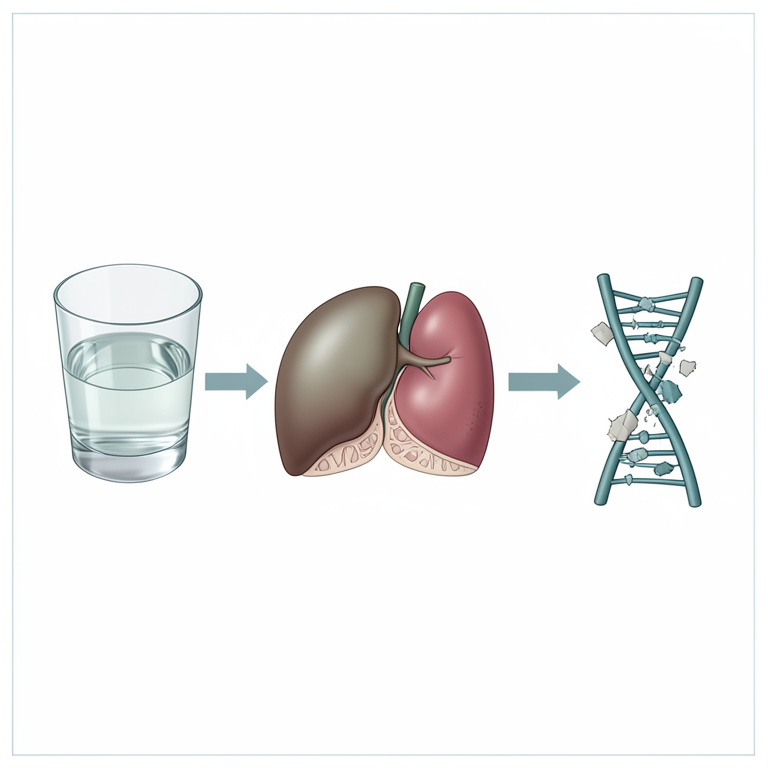
Ethanol to Acetaldehyde Pathway
AI-generated conceptual illustration (Human liver cells and oral mucosa cells). It explains the idea and does not show study data.
View source evidence ↗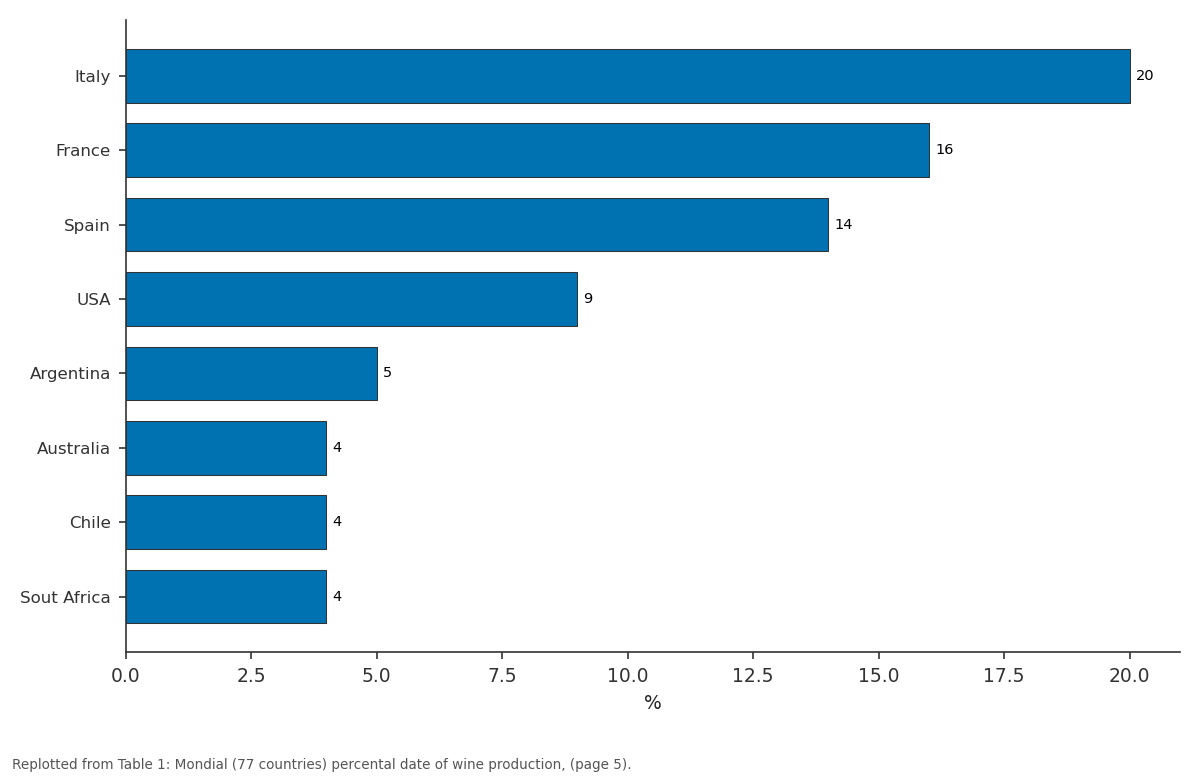
%: Italy vs France vs Spain vs USA vs Argentina
Replotted from Table 1 (page 5) of the original paper. Every bar is the paper's own table value.
View source evidence ↗Figures & tables
From the original paper Figure 1
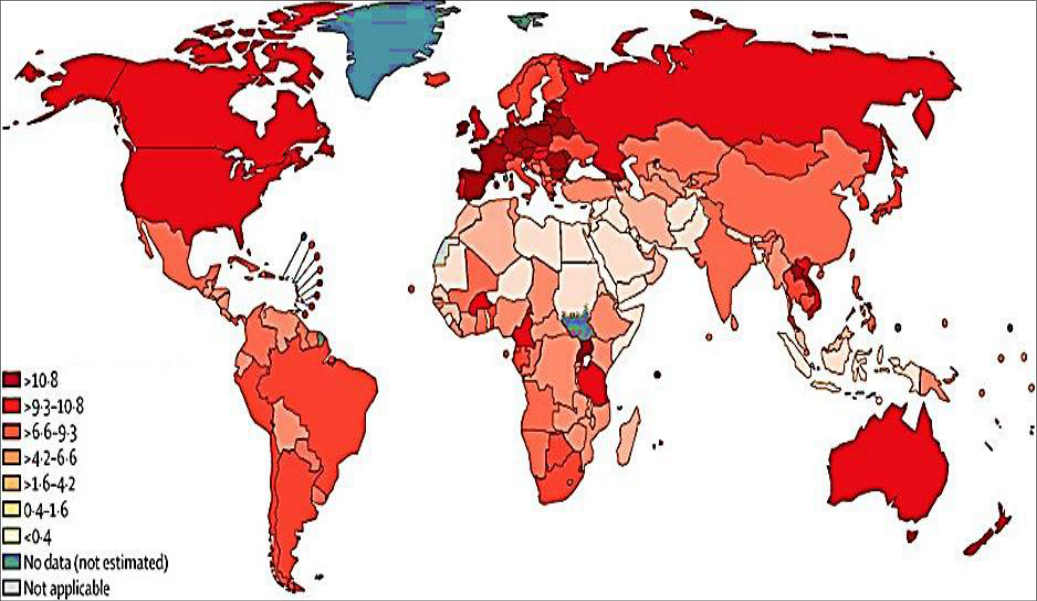 Figure 2
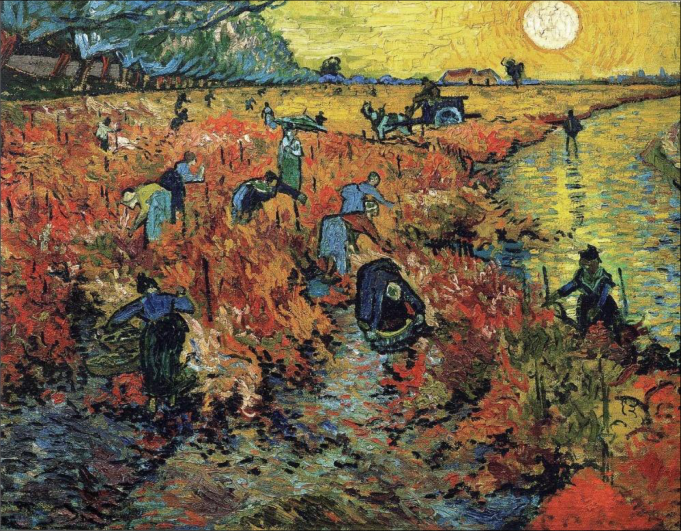 Figure 3
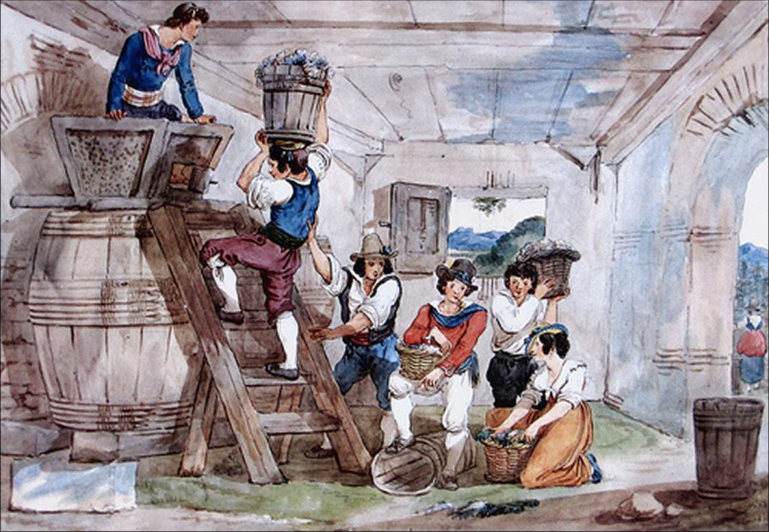 Figure 4
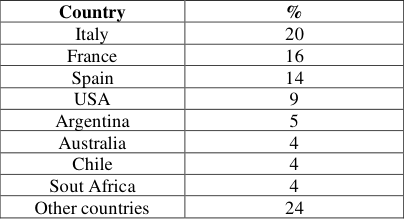 Table 1
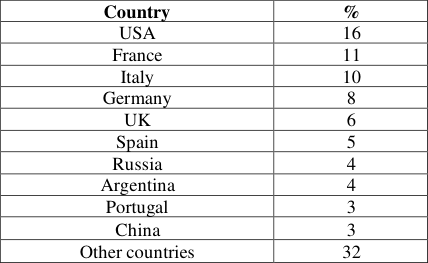 Table 2
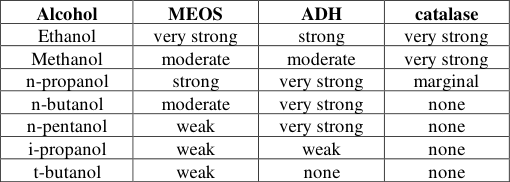 Table 3
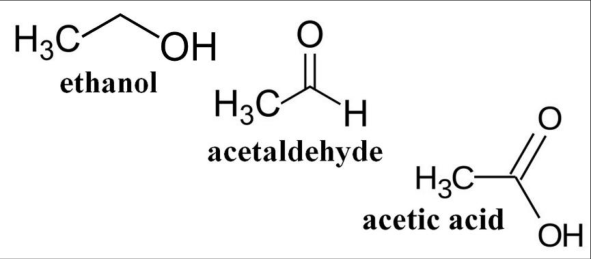 Figure 5
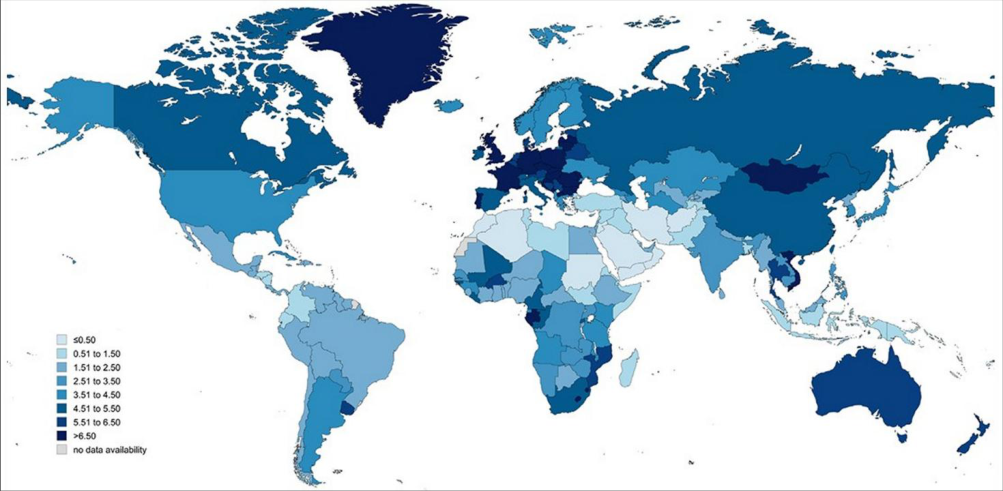 Figure 6
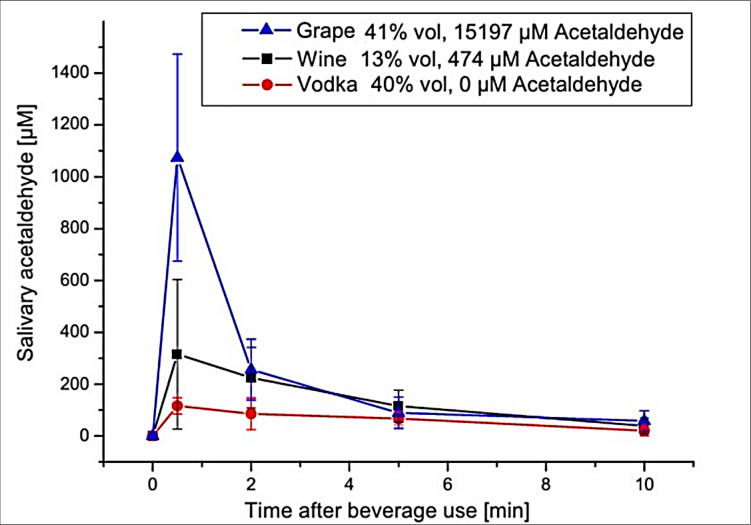 Figure 7
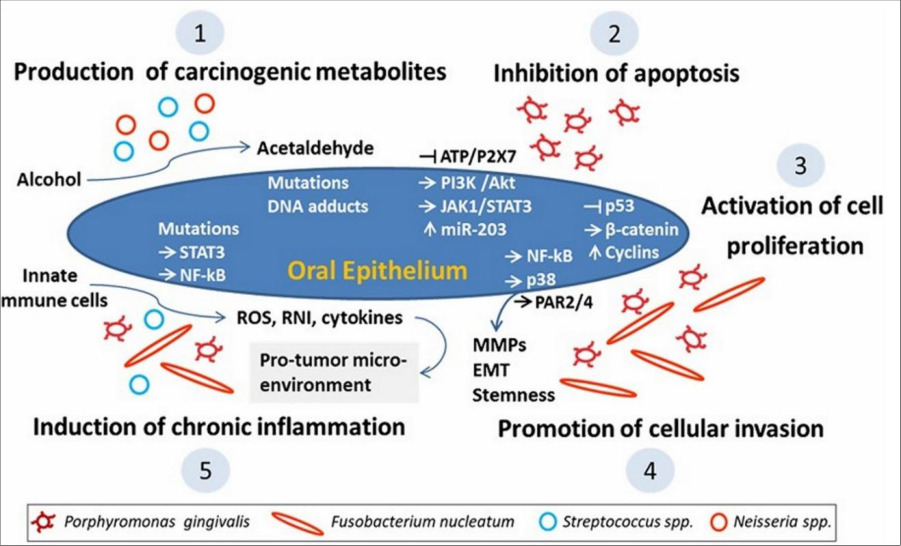 Figure 8
Introduction
The history of alcoholic beverages 1.1. Ancient era According to Greek mythology (between IX and VI centuries B.C.), Dionysos, son of Zeus and the mortal Semele, is the god of wine and drunkenness, and thus also of sensuality and unbridled vitality, as manifested in the orgiastic rites in his honor [1] . According to the same mythology, Dionysos was the first to introduce wine to humans. Accompanied by nymphs and satyrs, Dionysos traveled across the East to Greece, bringing the gift of wine to mankind. Nevertheless, due to the intoxicating effects of the new good beverage and the unbridled nature of the rites celebrating the god, his cult met with strong resistance by some. For this reason, Dionysos harshly punished his opponents with real forms of revenge. For example, the Thracian king Lycurgus, getting very drunk on wine, ended up killing his wife and son believing he was pruning vine shoots, or the king of Thebes Pentheus killed his mother Agave by cutting off her head having mistaken her for a ferocious lion, always in a context of strong drunkenness. From the Renaissance period, Dionysos has been frequently depicted in Western art, particularly with an ambiguous charm, often as a nude and well-fed child, immoderately drinking wine. This is the case of small size late painting of Guido Reni (1575-1642) titled "Dionysos Drinking" (Figure 1), in which he greedily drinks red wine from a glass flask resting on a small barrel. A stream of wine flows from the barrel, reminiscent of the stream of urine that the god himself casually expels. Dionysos has the classic crown of vine leaves and grapes encircling his head and a vacant expression, focused solely on the wine. Some studies link the conception of this painting to the Roman noble collections of the XVII century. The child presents on the right arm a hemangioma, that is the most common vascular tumors of infancy, developed during pregnancy but independent of the mother's alcohol use. On the contrary, two paintings by Caravaggio (1571-1610) portray Dionysos as young man with a possible medical condition concerning alcohol abuse: that of about 1593, where the subject has evidently the jaundice (the paleness of the face and the bluish color of the lips, due to liver injury likely induced by alcohol abuse), and that of about 1596, where many signs of chronic alcohol intake are clearly displayed (facial erythroses, swollen eyelids and red hands) [2] . From the same period, humanity truly discovered in every part of the world how to make fermented (alcoholic) beverages from sugar sources available from local products of the earth. Fermented beverages thus have played key roles in the development of human culture, above all by means of the advances of agriculture techniques. Among all levels of society, they have marked major life events, as well as military victories, religious celebrations, various auspicious events, as well as relaxation. The ancient China, one of the primal clusters of human civilization, corresponded into this model of fermented beverage production, conspicuous consumption, and ritual activities that are so well documented archaeologically. Based on oracle inscriptions from the late Shang Dynasty (between XII and X century b.C.), three fermented beverages were offered in the contest of sacrificial feast to royal ancestors in various forms of preciously decorated bronze vessels: i) an herbal wine called chang, ii) a sweet and low-alcoholic rice or millet beverage called li, and iii) a fermented and filtered rice or millet wine (with an alcoholic content of 10-15% vol) called jiu. Subsequent documents from Zhou Dynasty (between X and II century b.C.), describe two other fermented beverages: one likely made from a fruit called luo, and the other made of unfiltered, fermented rice or millet beverage or the not fully fermented wort, called lao.
The analyses of a liquid sample (dated between 1,250-1,000 b.C) from tightly lidded bronze vessel, traceable to the Shang/Zhou Dynasties, reveal the enhancement in fermented beverage production took by means of a new polysaccharides fermentation system (amylolysis) primarily through the action of amylase enzyme [3] .
Middle and Modern era
Over the centuries, consumption of alcohol has vastly increased. In the XVI century average alcohol consumption reached 100 liters per person annually in some European country. For example, the English population consumed on average over 8 liters of beer weekly, in contrast to an average of 1,5 liters today [4] . With this increasing consumption of alcohol, more doctors started to observe its adverse effects on human health, but it was only until the late XVIII century that alcohol dependency and abuse were acknowledged as physical and mental health conditions, today well identified and studied [5] . Arriving in the most modern age, wine is traditionally produced from the fermentation of Vitis vinifera grapes, cultivated in the Middle East by at least 4,000 years. Egyptian records dating from 2,500 years refer to the use of grapes for wine making, and numerous biblical references to wine indicate the early origin and significance of this manufacturing in the Middle East. The Greeks carried on an active wine trade and planted Vitis vinifera in their colonies from the Black Sea to Spain. The ancient Romans carried vine growing into the valleys of several European countries, from France to Hungary. Dutch colonizers took this plant to South Africa in the middle XVII century, while the British ones planted vine in Australia and New Zealand in the early XIX century [6] .
In the early XXI century, alcohol use among young people began to decline in many western countries, especially among adolescents and young persons. These declines have continued steadily over the past two decades, against the scenario of much smaller declines among the general adult population [7] . Despite this element, alcoholic beverages are still a well-accepted recreational drug. In fact, they are globally the most widely used psychoactive substance, and their use has notable in the general population, with varying trends in different parts of the world. Today, over 44% of the global population (15 years age or older) consumed alcohol in previous years. The prevalence of alcohol consumption varies considerably according to geographic region, ranging from 4% in the Eastern Mediterranean Region to at least 60% in the European, American, and Western Pacific Regions. Furthermore, it is more common among men than women. Consumption of alcoholic beverage in convivial situations or in solitude, the latter unfortunately also in a context of dependency known as alcoholism. The development of this disorder can be due to heredity, cultural, or economic issues, and it is a confirmed contributing factor to many alcohol-related organic or nonorganic disorders, including antisocial behavior and psychiatric depression [8] . This phenomenon has been known over the centuries, and it occurs frequently even today. Although a significant decrease in its drinking was observed from 1980 to 2012.
Alcohol content of different beverages and their worldwide consumption
The [9] . In the wine contest, worldwide there are more than 1,300 vine varieties (both white and black) and various techniques are used to process vine grapes, pressed and left to ferment by yeast (mainly Saccharomyces cerevisiae or Saccharomyces bayanus) resulting in different types of wine: white, red, rosé, dry, sweet, semi-sweet, still and sparkling. In the World, the peculiar consumption of alcohol beverages is very widespread and is strongly linked to local tradition. Among all, European Union remains the region of highest alcohol consumption in the world, followed by North America and Russian Federation (Figure 2) [10] . In European Union, the average annual consumption is more than twice the global average for individuals aged 15 years (average [11] .
Fig 2:
range of worldwide annually estimated consumption of ethanol (in liters) per adults in 2019, by country [10] .
Vine cultivation and Wine production Viticulture
Viticulture and wine production, in many Europeans countries and not only, is a sector that combines traditions and innovations, making even the grape harvest almost a traditional celebration full of joy (Figure 3). Global wine production in 2026 from the 2025 harvest is estimated at 232 million hl. As in recent years, climatic variability remained the dominant factor shaping global wine production. In the Northern Hemisphere, producers faced contrasting weather patterns, from prolonged drought and heat limiting yields in parts of southwestern Europe to excess rainfall, storms, and disease elsewhere, resulting in highly uneven outcomes across regions. Only a few areas experienced more balanced conditions, where regular rainfall and moderate temperatures supported above-average harvests. In the Southern Hemisphere, weather patterns were likewise mixed: heatwaves, drought, and irregular rainfall reduced yields in parts of Chile and kept Australia below average yields despite a modest recovery, while some regions benefited from a mild and predominantly dry season. Originally and up until the XIX century, the pressing of grapes was done with the feet (in few blows the bunch is bare, and the broken grains fall by themselves into the vat) and only in the early XX century has been by the manual treading of grapes with appropriate tools, that are still traditionally used in some wine-bearing regions, but generally are now completely supplanted by modern pressing with automatic tools (Figure 4). The data accumulated by the International Organization of Vine and Wine (OIV) are very helpful. For specifically worldwide wine production data and wine consumption data, see Table 1 and Table 2 respectively.
| Country | % |
|---|---|
| USA | 16 |
| France | 11 |
| Italy | 10 |
| Germany | 8 |
| UK | 6 |
| Spain | 5 |
| Russia | 4 |
| Argentina | 4 |
| Portugal | 3 |
| China | 3 |
| Other countries | 32 |
Table text extracted from the original PDF; superscript letters are shown inline. The original table image is below.
View original table image
| Country | % |
|---|---|
| Italy | 20 |
| France | 16 |
| Spain | 14 |
| USA | 9 |
| Argentina | 5 |
| Australia | 4 |
| Chile | 4 |
| Sout Africa | 4 |
| Other countries | 24 |
Table text extracted from the original PDF; superscript letters are shown inline. The original table image is below.
View original table image
Table 1: Mondial (77 countries) percental date of wine production, excluding musts and juices, collected by the International Organization of Vine and Wine (OIV), data of 2023 (the data shows a 3-year delay because they require 3 years to be considered as consolidated) [12] Country
Alcohol metabolism
Ethanol oxidation stars in the mouth, although the liver remains the main organ responsible for its metabolism, and the remainder part can be processed by cells of other tissues. Considering that ethanol is distributed uniformly to the whole aqueous phase of the human body, it is metabolized continuously to acetaldehyde as long as it remains in the blood and saliva, inducing the accumulation of acetaldehyde in the mouth, then transferred to pharynx, esophagus, stomach and intestine through swallowing. In addition to the liver, other tissues such as kidney, stomach and intestine oxidize ethanol to a small extent, but under normal circumstances only a low concentration of acetaldehyde is found outside the liver. In fact, acetaldehyde accumulates in hepatocytes, where its high reactivity enables covalent binding to proteins, lipids and DNA. ADH is a class of Zndependent dimeric, enzyme, present in several tissues such as gastrointestinal mucosa, kidney, lung and brain but poorly expressed in skeletal muscle. ADH uses NAD + as a cofactor in its biochemical pathway, therefore its rate of elimination correlates with the rate of NADH oxidation, that is a major rate-limiting step in the ADH pathway. It is categorized as four main classes of isoenzymes encoded by specific genes, based on their structural and kinetic feature: I, II, III, and IV. Furthermore, class I is composed of several isoenzymes classified into ADH1A, ADH1B, and ADH1C. They consist respectively of α, β, or γ subunits encoded by specific genes. Also, the subunit β and ϒ contains genetic polymorphisms: three for the β subunit (β1, β2, and β3) and two for the γ subunit (γ1 and γ2). Compared to other classes, the isoenzymes of class I have the lower Km values for ethanol (Km is in the range of 0,05-40 mM for class I, 30 mM for class II, >1,000 mM for class III, and 30-580 mM for class IV) and it plays a significative role in its metabolism [13] . Similarly, there are other variants of ADH (ADH4, ADH5, ADH6 and ADH7) and alleles that have not been fully studied [14] .
In the contest of non-ADH pathway, microsomal ethanoloxidizing system (MEOS) involves several macromolecules with ethanol oxidizing ability, NADPH cytochrome P450 reductase, and phospholipids called: CYP2E1, CYP1A2 and CYP3A4. Despite all three showing a lower catalytic efficacy than ADH in the oxidation of ethanol to acetaldehyde (Km essentially in the range of mM). However, CYP2E1 shows an acceptable role in the oxidative catabolism of ethanol, accounting for 10% ethanol oxidation. Furthermore, a certain amount of harmful reactive oxygen species is produced during this process, when NADH is re-oxidized to NAD + in the mitochondria [15] . Mainly present in the peroxisome of the liver cells, but ubiquitously expressed in almost every tissue, catalase is a tetrameric heme-containing enzyme and having other biological roles in the context of defense against oxidative stress. It oxidizes ethanol to acetaldehyde by its peroxidase activity in a hydrogen peroxide generating system. The reaction is thus limited by the rate of hydrogen peroxide generation rather than by the amount of catalase itself. Catalase does not impact the rate of in vivo alcohol metabolism showing a lower catalytic efficacy (Km in the range of mM), accordingly it is not a key pathway for ethanol elimination than ADH, which remains the main biochemical way for its metabolism [15] . In all three metabolic pathways upper described, ethanol has been associated with the dangerous production of free radicals. The ethanol metabolism continues in the mitochondria and provides the oxidation of the toxic acetaldehyde to the harmless metabolic component acetic acid or its ionized form acetate (Figure 5), finally convoluted in the Krebs cycle, by the three member of the superfamily of human aldehyde dehydrogenases (ALDH) consists of 19 isoenzymes which are critical for several physiological and biosynthetic processes and play a major role in the organism's detoxification by oxidation of numerous endogenous and exogenous aldehyde substrates to their corresponding carboxylic acids [16] . At low concentrations of acetaldehyde (<50 μM), its oxidation is predominantly a mitochondrial process. In the metabolism of ethanol, three isoenzymes of ALDH genes are involved, named ALDH1 and ALDH3 (both cytosolic) and ALDH2 (mitochondria), using NAD + as a cofactor. ALDH2 plays the central role in human acetaldehyde metabolism because of its lower value of Km than the other two isoenzymes (3 µM for ALDH2, versus 30 µM for ALDH1 and 50 µM for ALDH3) [17] . In addition to ethanol, other alcohols are the good substrate for ADH enzymes and microsomal system, and minimally for catalase (Table 3). Furthermore, hepatic microsomal system CYP2E1 substrate includes several molecules equipped by determined functional groups, including aldehydes, ketones, aromatic compounds, fatty acids, alkanes, alkenes, nitrosamines [18] .
| Alcohol | MEOS | ADH | catalase |
|---|---|---|---|
| Ethanol | very strong | strong | very strong |
| Methanol | moderate | moderate | very strong |
| n-propanol | strong | very strong | marginal |
| n-butanol | moderate | very strong | none |
| n-pentanol | weak | very strong | none |
| i-propanol | weak | weak | none |
| t-butanol | weak | none | none |
Table text extracted from the original PDF; superscript letters are shown inline. The original table image is below.
View original table image
Table 3:
The biological effect of different alcohols as substrates in human ethanol oxidizing systems [18] .
Alcohol and cancer
Alcohol is a source of dietary energy providing 7 kcal per gram, but it damages nearly every organ in the human body.
In fact, more than 60 different non-communicable diseases have been causally linked to alcohol consumption and human whole body is affected by its strong use, including liver, brain, gut, pancreas, lungs, cardiovascular and immune systems [19] . Fetal exposure to alcohol strongly increases the risk of birth defects, including cardiovascular, renal, musculoskeletal, ocular, auditory, craniofacial and central nervous system [20] . Also, the onset of various types of cancer is promoted by alcohol (Figure 6). In 2020, 741,300 cancer cases worldwide were attributable to alcohol consumption, essentially not entirely proportional to ethanol dose per day. In detail: 209,800 (28,3%) for 31-60 g daily, 192,900 (26,0%) for >90 g daily, 185,100 (25,0%) for 0,1-30 g daily, 153,400 cases (20,7%) for 61-90 g daily [21] . Already in 1980, an article published by Preventive Medicine highlighted the possible role of alcoholic beverages in the onset of human cancer: "Existing evidences leaves little from for doubt that alcoholic beverages are carcinogenic. Alcohol is a risk factor for cancer of the oral cavity, larynx, esophagus, and possibly the liver" [22] .
Fig 6:
Worldwide age-standardized death rates per 100,000 population of alcohol-attributable cancer in 2021, stratified by country/territory [23] .
Although the author raised doubts as to whether these effects were exclusively attributable to ethanol or in part to other components of the drink. In that period several studies supported this hypothesis, but tobacco smoking represented a strong confounding element, being itself considered a hypothetical human carcinogen by many studies (it contain a complex mixture of over 9,500 chemical compounds, 97 of which are most recently classified as carcinogens) and it declared certain carcinogen for humans (Group 1) only in 1986 by the International Agency for Research on Cancer (IARC). In 1988, ethanol (and thus ethanol-containing beverages) was declared certain carcinogen for humans (Group 1) by the IARC [24] , and the same agency also declared in 2009 that acetaldehyde (present in the beverage itself or obtained by in vivo ethanol metabolism) is a certain carcinogen for humans (Group 1), [25] after being classified as a possible carcinogen for humans in 1987 (Group 2B) by IARC [26] but then incredibly classified as safe by FAO/WHO Expert Committee on Food Additives (JECFA) in 1998 [27] . Ethanol itself has not been proven to be genotoxic, mutagenic, or carcinogenic. So, the carcinogenic effects of ethanol are assigned to its intermediary metabolite acetaldehyde: "the Committee concluded that acetaldehyde remains the metabolite of most concern with respect to the genotoxic effects of alcohol", "The Committee [...] notes that the weight of evidence for the in vitro mutagenicity of acetaldehyde has been further strengthened, particularly with regard to generation of specific DNA adducts [...] in mammalian cells at concentrations of acetaldehyde realistically achievable from alcoholic beverage consumption", "the Committee noted that a number of studies have implicated the formation of acetaldehydespecific DNA adducts and interstrand DNA crosslinks as upstream events in the genotoxicity of alcohol. However, the poor reliability of data available from studies on the genotoxicity of ethanol and alcoholic beverages (the latter being subject to a few potentially confounding factors) in humans prevent the Committee from drawing any clear conclusions on the genotoxicity of alcohol per se" [28] . An increasing amount of evidence implicates acetaldehyde as a major underlying factor for the carcinogenicity of alcoholic beverages and especially for esophageal and oral cancer. Acetaldehyde can promote cancer development through multiple mechanisms, including interference with DNA replication, DNA adduct, DNA damage, and binding to it. Also, the reactive oxygen species formed in ethanol oxidation may be implicated in this process.
Acetaldehyde is also naturally formed in high or small quantities during the alcoholic fermentation by yeast metabolism, through decarboxylation of pyruvate, the product of last step of glycolysis. Observations of DNA damage due to acetaldehyde exposure suggest that DNA breaks are responsible for structural genomic alterations, and these may contribute to the carcinogenic effect of acetaldehyde [29] . Acetaldehyde may already be present in the alcoholic beverage before cellular metabolism and its concentration in alcoholic beverages varies widely quite proportionally, but not always, to the ethanol content. While a carcinogenic substance maintains its dangerousness at any concentration, 60 µM is the level estimated as potentially mutagenic for acetaldehyde [30] . Between the alcoholic beverages with the lowest average acetaldehyde content there are vodka (0 to 50 µM), gin (21 µM), beer (120-233 µM) and wine (275-2,793 µM). While among those with higher content are cherry (8,522 µM) and grape (9,444-15,851 µM) [31,32] . The natural human salivary acetaldehyde level is assumed to be 1 μM or less. Salivary residues of acetaldehyde content profiles at various times after drinking three beverages with different acetaldehyde contents (grape: 15,197 µM, wine: 474 µM, vodka: 0 µM) are shown in Figure 7 [31] . With grappa and wine, which already naturally contain acetaldehyde, the contribution of ethanol metabolism is added to the proper content of the beverage, making it impossible to separate the impact of the two sources. In all three samples, the peak of salivary acetaldehyde was found at 30 seconds: for wine was 300 µM and for grape was 1,050 µM. For vodka, which does not contain acetaldehyde, its salivary content after drinking is instead unequivocally only due to the oxidative metabolism of ethanol: 100 µM in the example after 30 seconds. In the first 5 minutes after alcoholic beverage drinking, acetaldehyde is metabolized by ALDH enzymes until its salivary concentration is cancelled since everything is transformed into acetate. Both processes are mediated by the bacteria of oral microbiota present in the saliva. Salivary acetaldehyde concentration (analyzed by gas chromatographic) after certain periods of time after drinking (from 0 to 10 minutes) of wine, grape or vodka [31] .
Generally, the risk of cancer increases in a dose-dependent manner and with the increase of the amount of alcoholic beverage consumed. Despite that, most of the studies (but not all) that investigated the categories of alcoholic beverage showed no substantial difference in risk, among the different types of them, in function of ethanol content. This probably derives from the fact that the most consumed beverage on a population scale (i.e. beer and wine) is typically low in acetaldehyde content [33] . Nonetheless, a recent study showed that long term high beer and liquor (respectively at low and high alcohol content) but not wine (with have an alcohol dosage between the first two) consumption is significantly associated with increased colon-rectum cancer risk [34] . It is known that 3.6% of all cancers are attributable to alcohol drinking. Furthermore, the association between alcohol consumption and the risk of cancer death follows a J-shaped pattern, where heavy drinkers exhibit a higher cancer mortality rate than moderate drinkers. Different studies offer nonmatching results in terms of the risk of developing cancer due to alcohol consumption, influenced by some factors such as subjective vulnerability, genetic makeup, gender (in fact, alcohol alters hormone levels, e.g. estrogen, which can play a role in the development of breast cancer [35] ), and environmental conditions, including confounder elements such as tobacco smoke. A recent study revealed for many types of cancers (esophageal, stomach, liver, pancreatic, colorectal, laryngeal, lung, thyroid, prostate and breast) and both sexes a dose-response relationship between daily alcohol consumption (g/day) and relative risk (RR): light (0.01-12.4 g/day) 1,02 RR; light to moderate (12.5-24.9 g/day): 1,08 RR; moderate to heavy (25.0-49.9 g/day): 1,19 RR; and heavy (≥50.0): 1,39 RR [36] . According to the same article, the distinct organs values or RR for males (M) and females (F) are the follows:
• Also another recent study underlines the cancer sites impacted by alcohol; males data: lip and oral cavity (25,9%), pharynx (25,3%), esophagus (39,2%), colon (13,0%), rectum (13,0%), liver (22,7%), larynx (16,6%); females data: lip and oral cavity (7,3%), pharynx (7,4%), esophagus (14,3%), colon (2,7%), rectum (2,7%), liver (5,0%), larynx (4,7%), breast (4,4%) (Data of increased risk to 2020, in brackets) [37] . Data from [37] show that the risk appears to be higher for men than women, but those presented by [36] show an inversion for liver cancer (light and light to moderate alcohol consumption), pancreatic cancer (light to moderate and heavy alcohol consumption), and lung cancer (light, light to moderate and moderate to heavy alcohol consumption). Alcohol induced cancer, as well as tumors induced in other ways, having a high latency period often takes 15-30 years or more to manifest itself, which is why diagnoses are common in peoples between 50-60 years old. In 2021, liver cancer accounted for 27% of the total global alcoholattributable cancer deaths (343,370 or 3,5% of all causes of cancer) followed by cancer to esophagus (24%), colorectum (16%), lip and oral cavity (12%), pharynx (7%), breast (5%), nasopharynx (5%) and larynx (4%) [23] .
The role of oral microbiome in the cancer onset
The complex ecosystem constituted by oral and enteric microbiome (composed of more than 700 bacteria genera everyone, including Streptococcus, Rothia, Prevotella, Actinomyces, Veillonella, Granulicatella, Leptotrichia, Lautropia, Gemella, Haemophilus, Porphyromonas, Fusobacterium and Neisseria (for mouth) [38] , and Akkermansia, Alistipes, Bacteroides, Clostridium, Collinsella, Faecalibacterium, Parabacteroides, Paraprevotella, Prevotella, Ruminococcus (for gut) [39] , without forgetting the presence of fungal, yeasts (including several species of the genera Candida) and other microorganisms, that play an instrumental part in the oxidation of alcohol to acetaldehyde, contributing to the formation of a critical level of this molecule from the mouth to the gastrointestinal tract. On the other hand, prolonged and excessive ethanol consumption can significantly alter the composition and diversity of the microbiome. These changes can impair physiological function of microbiome, potentially leading to systemic diseases to many tissues, because bacterial production of acetaldehyde, particularly in mouth and colon, also contributes to elevate acetaldehyde levels after alcohol consumption and further exacerbates its detrimental effects. In addition to the deleterious metabolism of ethanol introduced through alcoholic beverages, the microbiome present in the human oral cavity is therefore another important factor that contributes to the accumulation of acetaldehyde metabolized from ingested alcohol and moreover to the onset of aerodigestive tract cancer (predominantly squamous cell carcinoma): both the upper digestive tract (tongue and upper gingiva) and the upper respiratory tract (oropharynx, hypopharynx and larynx). The tumors can also spread in other locations including noise, sinuses and salivary glands. In 2018, aerodigestive tract cancers were globally estimated to 254,864 new diagnosis and 177,384 death (mortality rate of about 50%) in the same year, also thanks to the fact that human oral microbiome is truly able of locally metabolizing ethanol to form acetaldehyde [40] . The hypothetical mechanism of oral cavity cancer onset provides multiple steps (Figure 8), as well as for the ethanol-related carcinogenesis of every tissue of the body: 1) production of carcinogenic/mutagenic acetaldehyde from ethanol into epithelial cells, 2) inhibition of apoptosis 3) activation of cell proliferation, 4) promotion of cellular invasion, 5) induction of chronic inflammation of tissue [41] . Particularly in the mouth and related tissues carcinogenesis, the commensal oral microbial community (especially Porphyromonas gingivalis, Fusobacterium nucleatum, and varies species of Streptococcus and Neisseria, among more than 700 potential candidates) is adherent to mucosa and is related to its malignant transformation during all these phases. Firstly, the microbiome passes across the newly formed tumor, enriching a subset of microbes that can adapt to the tumor microenvironment. After, the expression of pro-inflammatory microbial factors starts and induces intratumor microbiome to enhance progression of oral cancer [42] .
Fig 8:
The possible mechanism by which oral microbiome contributes to ethanol-related carcinogenesis in the mouth and related tissues [42] .
Among all, the bacteria of genera Neisseria and Streptococcus, and the yeast of genera Candida exhibited high ADH activity and are a local source of significative levels of acetaldehyde. Among the bacterial species normally present in the oral cavity, Neisseria is more 100fold able in the in vitro acetaldehyde production in presence of ethanol than any other genera studied [42] , and some strains of Candida can produce in vitro mutagenic levels of acetaldehyde (186-252 µM) during incubation with ethanol [43] . Furthermore, ethanol ingestion affects the mouth microbiome and alters its microenvironment, resulting in increased level of these and other genera of microorganisms in the oral microflora, playing an important role in the alcohol-related aerodigestive tract carcinogenesis in humans. Another possible risk factor is the frequent use of alcohol-containing mouthwash but, on the contrary, the salivary acetaldehyde level after drinking is significantly reduced during use of an alcohol-free mouthwash, antiseptic-containing chewing gum/tablets, demonstrating the importance of the microbiome in the production of acetaldehyde from ethanol. As proof of this, a significative part of heavy drinkers displayed the consistent presence of these microorganisms in the oral cavity [44] . The connection between microbes and cancer is influenced by several factors, including the vulnerability and genetic character of the host, and the environmental conditions, such as the dietary regime, oral hygiene and tobacco/alcohol consumption. In fact, changes in the microbiome composition can modify the microenvironment of the oral cavity, resulting in inflammation, an essential factor in carcinogenesis. Some ADH and ALDH genes are linked to the onset and the growth of the upper digestive tract tumor, acting as a fundamental protagonist in their pathogenesis. Peak of salivary acetaldehyde concentration after alcohol consumption may differ significantly from subject to subject and the differences are due to interindividual diversity in the microbiome composition, that occurs primarily at the types of strains present. Subjects who carry ADH alleles that encode ADH enzymes with high activity, or ALDH alleles that encode ALDH enzymes with particularly low activity, show an increased risk of developing alcohol-related cancer not only in upper digestive tract [40] . In the mouth, acetaldehyde can be therefore produced through several mechanisms: 1) acetaldehyde generated by breakdown of ingested alcohol by mucosa ADH, 2) acetaldehyde generated by breakdown of ingested alcohol by microbiome ADH, 3) acetaldehyde ingested from the alcoholic beverage itself. In case of dysbiosis, acetaldehyde can be generated from ordinary foods that do not contain directly ethanol by endogenous fermentation in the oral cavity via selected yeast or bacteria (including Neisseria, Streptococcus and Candida). This latter phenomenon is called "auto-brewery" and is an uncommon condition that can affect both adult and children. If not recognized promptly, this condition increases the incidence of upper digestive tract cancer in those who have not effetely any risk factors, prolonging the time for diagnosis and increasing the hazard of rendering the therapy ineffective [40] .
Conclusion
Risk factors of all types of alcohol-associated cancer include a plethora of features, including old age, geographical location, family history, nutritional deficiencies, infectious agents (mainly papillomavirus), tobacco consumption (when the effect of smoking is added, the risk increases almost tenfold) and, naturally, alcohol drinking even in small quantities. The biological processes that come into play with carcinogenicity include protective mechanisms at the molecular and cellular level that prevent low level exposures from causing long-term consequences. In conclusion, alcoholic beverages contain variable amounts of ethanol (a certain human carcinogen, according to the 1988 IARC statement) as well as variable amounts of acetaldehyde (a certain human carcinogen, according to the 2009 IARC statement). Furthermore, metabolism in practically all human cells involves the transformation of ethanol into acetaldehyde, and the bacteria belonging to the oral and intestinal microbiome are also capable of converting ethanol into acetaldehyde. Human cells possess enzymes capable of detoxifying acetaldehyde, but they do not prevent their accumulation in tissues. Therefore, it is evident that alcoholic beverages, in addition to being able to cause numerous systemic diseases if consumed over a long period of time (e.g., liver diseases), even if consumed in low doses is a real risk factor for the onset of cancer in various organs, and in this case, there is no safe amount for their use, because it is not possible to identify the dose-response for anyone chemical carcinogens. In fact, evidence does not indicate the existence of a real threshold at which the carcinogenic effects of ethanol/acetaldehyde start to manifest in the human body. World Health Organization concluded that there is no safe level of alcohol consumption associated with cancer risk [45] .
References
41 in the original paper- Kluger N, Vabres P. Infantile haemangioma in a 17thcentury painting. J Eur Acad Dermatol Venereol. 2023;37(4):655-656. doi:10.1111/jdv.18833
- McGovern PE, Zhang J, Tang J, Zhang Z, Hall GR, Moreau RA, et al. Fermented beverages of pre-and proto-historic China. Proc Natl Acad Sci U S A. 2004;101(51):17593-17598. doi:10.1073/pnas.0407921102
- Shield KD, Parry C, Rehm J. Chronic diseases and conditions related to alcohol use. Alcohol Res. 2014;35(2):155-171. doi:10.35946/arcr.v35.2.06
- Caluzzi G, Livingston M, Holmes J, MacLean S, Lubman D, Dietze P, et al. Declining drinking among adolescents: are we seeing a denormalisation of drinking and a normalisation of non-drinking? Addiction. 2021;117(5):1204-1212. doi:10.1111/add.15611
- Lyon: International Agency for Research on Cancer; 1988. Available from: https://www.ncbi.nlm.nih.gov/books/NBK531660/
- Shield K, Manthey J, Rylett M, Probst C, Wettlaufer A, Parry CDH, Rehm J. National, regional, and global burdens of disease from 2000 to 2016 attributable to alcohol use: a comparative risk assessment study. Lancet Public Health. 2020;5(1):e51-e61. doi:10.1016/S2468-2667(19)30231-2
- Scoccianti C, Cecchini M, Anderson AS, Berrino F, Boutron-Ruault MC, Espina C, et al. European Code against Cancer 4th Edition: alcohol drinking and cancer. Cancer Epidemiol. 2016;45:181-188. doi:10.1016/j.canep.2016.09.011
- International Organisation of Vine and Wine. OIV state of the world vine and wine sector in 2024. Paris: International Organisation of Vine and Wine; 2025.
- Haseba T. Enzymatic control of alcohol metabolism in the body: the roles of class I, II, III, and IV alcohol dehydrogenases/NADH reoxidation system, microsomal ethanol oxidizing system, catalase/H2O2 system, and aldehyde dehydrogenase 2. Int J Mol Sci. 2025;26(19):9479. doi:10.3390/ijms26199479
- Edenberg HJ. The genetics of alcohol metabolism: role of alcohol dehydrogenase and aldehyde dehydrogenase variants. Alcohol Res Health. 2007;30(1):5-13.
- Wilson DF, Matschinsky FM. Ethanol metabolism: the good, the bad, and the ugly. Med Hypotheses. 2020;140:109638. doi:10.1016/j.mehy.2020.109638
- Xanthis V, Mantso T, Dimtsi A, Pappa A, Fadouloglou VE. Human aldehyde dehydrogenases: a superfamily of similar yet different proteins highly related to cancer. Cancers (Basel). 2023;15(17):4419. doi:10.3390/cancers15174419
- Yin SJ, Wang SL, Liao CS, Jörnvall H. Human highKm aldehyde dehydrogenase (ALDH3): molecular, kinetic and structural features. Adv Exp Med Biol. 1993;328:87-98. doi:10.1007/978-1-4615-2904-0_11
- Teschke R. Microsomal ethanol-oxidizing system: success over 50 years and an encouraging future. Alcohol Clin Exp Res. 2019;43(3):386-400. doi:10.1111/acer.13961
- Parry CD, Patra J, Rehm J. Alcohol consumption and non-communicable diseases: epidemiology and policy implications. Addiction. 2011;106(10):1718-1724. doi:10.1111/j.1360-0443.2011.03605.x
- Vorgias D, Bynum FD, Bernstein B. Fetal alcohol syndrome. In: StatPearls. Treasure Island: StatPearls Publishing; 2026.
- Alcohol and cancer risk. Washington, DC: U.S. Department of Health and Human Services; 2025. Available from: https://www.hhs.gov/sites/default/files/oash-alcoholcancer-risk.pdf
- Rothman KJ. The proportion of cancer attributable to alcohol consumption. Prev Med. 1980;9(2):174-179. doi:10.1016/0091-7435(80)90072-9
- Danpanichkul P, Pang Y, Díaz LA, White TM, Sirimangklanurak S, Auttapracha T, et al. Alcoholattributable cancer: update from the Global Burden of Disease 2021 Study. Aliment Pharmacol Ther. 2025;62(1):33-47. doi:10.1111/apt.70163
- Risks to Humans. Vol. 44. Lyon: International Agency for Research on Cancer; 1988.
- International Agency for Research on Cancer. IARC monographs: acetaldehyde associated with alcoholic beverages classified as carcinogenic to humans. Lyon: International Agency for Research on Cancer; 2009. Available from: https://www.iarc.who.int/wpcontent/uploads/2018/07/pr196_E.pdf
- International Agency for Research on Cancer. Overall evaluations of carcinogenicity: an updating of IARC monographs volumes 1 to 42. IARC Monographs Supplement 7. Lyon: International Agency for Research on Cancer; 1987. p. 77-78.
- FAO/WHO Expert Committee on Food Additives. Evaluation of certain food additives and contaminants. Geneva: World Health Organization; 1998. Available from: https://iris.who.int/server/api/core/bitstreams/17dbd08f55c7-4978-a974-5565113d9eee/content
- Committee on Mutagenicity of Chemicals in Food, Consumer Products and the Environment. Statement on the mutagenicity of alcohol (ethanol) and its metabolite acetaldehyde: update on information published between 2000-2014. London: Committee on Mutagenicity of Chemicals in Food, Consumer Products and the Environment; 2015. Available from: https://assets.publishing.service.gov.uk/media/5a758d4f ed915d6faf2b3dee/COM_2015_S2_Alcohol_and_Muta genicity_Statement.pdf
- Lózsa R, Szikriszt B, Németh E, Szeltner Z, Martinek R, Póti Á, et al. Long-term exposure to the ethanolderived metabolite acetaldehyde elevates structural genomic alterations but not base substitutions. Commun Biol. 2026;9(1):243. doi:10.1038/s42003-026-09521-1
- Seitz HK, Stickel F. Acetaldehyde as an underestimated risk factor for cancer development: role of genetics in ethanol metabolism. Genes Nutr. 2010;5(2):121-128. doi:10.1007/s12263-009-0154-1
- Lachenmeier DW, Monakhova YB. Short-term salivary acetaldehyde increase due to direct exposure to alcoholic beverages as an additional cancer risk factor beyond ethanol metabolism. J Exp Clin Cancer Res. 2011;30(1):3. doi:10.1186/1756-9966-30-3
- Stornetta A, Guidolin V, Balbo S. Alcohol-derived acetaldehyde exposure in the oral cavity. Cancers (Basel). 2018;10(1):20. doi:10.3390/cancers10010020
- IARC Working Group on the Evaluation of Carcinogenic Risks to Humans. Alcohol consumption and ethyl carbamate. IARC Monographs on the Evaluation of Carcinogenic Risks to Humans. Vol. 96. Lyon: International Agency for Research on Cancer; 2010.
- Chen X, Li H, Guo F, Hoffmeister M, Brenner H. Alcohol consumption, polygenic risk score, and earlyand late-onset colorectal cancer risk. EClinicalMedicine. 2022;49:101460. doi:10.1016/j.eclinm.2022.101460
- McDonald JA, Goyal A, Terry MB. Alcohol intake and breast cancer risk: weighing the overall evidence. Curr Breast Cancer Rep. 2013;5(3):208-221. doi:10.1007/s12609-013-0114-z
- Jun S, Park H, Kim UJ, Choi EJ, Lee HA, Park B, et al. Cancer risk based on alcohol consumption levels: a comprehensive systematic review and meta-analysis. Epidemiol Health. 2023;45:e2023092. doi:10.4178/epih.e2023092
- Rumgay H, Shield K, Charvat H, Ferrari P, Sornpaisarn B, Obot I, et al. Global burden of cancer in 2020 attributable to alcohol consumption: a population-based study. Lancet Oncol. 2021;22(8):1071-1080. doi:10.1016/S1470-2045(21)00279-5
- Yokoyama S, Takeuchi K, Shibata Y, Kageyama S, Matsumi R, Takeshita T, Yamashita Y. Characterization of oral microbiota and acetaldehyde production. J Oral Microbiol. 2018;10(1):1492316. doi:10.1080/20002297.2018.1492316
- Sosnowski K, Przybyłkowski A. Ethanol-induced changes to the gut microbiome compromise the intestinal homeostasis: a review. Gut Microbes. 2024;16(1):2393272. doi:10.1080/19490976.2024.2393272
- Smędra A, Berent J. The influence of the oral microbiome on oral cancer: a literature review and a new approach. Biomolecules. 2023;13(5):815. doi:10.3390/biom13050815
- Perera M, Al-Hebshi NN, Speicher DJ, Perera I, Johnson NW. Emerging role of bacteria in oral carcinogenesis: a review with special reference to periopathogenic bacteria. J Oral Microbiol. 2016;8:32762. doi:10.3402/jom.v8.32762
- Al-Hebshi NN, Borgnakke WS, Johnson NW. The microbiome of oral squamous cell carcinomas: a functional perspective. Current Oral Health Reports. 2019;6:145-160. doi:10.1007/s40496-019-0215-5
- Nieminen MT, Uittamo J, Salaspuro M, Rautemaa R. Acetaldehyde production from ethanol and glucose by non-Candida albicans yeasts in vitro. Oral Oncol. 2009;45(12):e245-e248. doi:10.1016/j.oraloncology.2009.08.002
- Fiore M, Minni A, Cavalcanti L, Raponi G, Puggioni G, Mattia A, et al. The impact of alcohol consumption and oral microbiota on upper aerodigestive tract carcinomas: a pilot study. Antioxidants (Basel). 2023;12(6):1233. doi:10.3390/antiox12061233
- World Health Organization. No level of alcohol consumption is safe for our health. Copenhagen: WHO Regional Office for Europe; 2023. Available from: https://www.who.int/europe/news/item/04-01-2023-nolevel-of-alcohol-consumption-is-safe-for-our-health