
Research article · 2021 · Full text
International Journal of Geography Geology and EnvironmentThe effects of oil drilling and land extraction for gas and water on soil, plants, soil contamination, and oil-water mixture
Volume 3(1) · Pages 57–66 · DOI: 10.22271/27067483.2021.v3.i1a.756 ↗
Research areasOil, Gas, and Environmental IssuesGeology and Environmental Impact StudiesEnvironmental and Biological Research in Conflict Zones
Abstract
Author-writtenOil drilling and land extraction for gas and water have significant environmental impacts, particularly on soil quality, plant health, and soil contamination. These activities disrupt the natural balance of ecosystems by altering soil composition, depleting essential nutrients, and increasing the risk of pollution. The intrusion of oil into groundwater and surface water systems further exacerbates environmental concerns, leading to oil-water mixtures that contaminate water sources and reduce soil fertility. The presence of hydrocarbons and heavy metals from oil drilling negatively affects plant growth and microbial activity, ultimately threatening biodiversity. Additionally, soil compaction and subsidence caused by excessive extraction contribute to land degradation and erosion.This study employs a qualitative approach, analyzing existing research, case studies, and environmental reports to assess the impact of oil drilling and land extraction. By examining patterns, descriptions, and expert insights, this research provides an in-depth understanding of the environmental consequences and explores potential mitigation strategies. The findings emphasize the need for sustainable practices to minimize long-term ecological damage and ensure the responsible management of natural resources.
Summary
Source-checkedPlain-language reading of the full paper, prepared with AI and checked against the text. Each point links to the authors' own words.
Why it matters
- Oil drilling and the extraction of gas and water significantly impact the environment, specifically affecting soil quality, plant health, and contamination levels. View evidence ↗
- When oil enters surface and groundwater systems, it creates oil-water mixtures that degrade water sources and lower the fertility of the soil. View evidence ↗
- Excessive resource extraction leads to physical land degradation, including soil erosion, subsidence, and compaction. View evidence ↗
The question
- The study aims to evaluate the ecological effects of oil drilling and land extraction by analyzing previous research, environmental reports, and case studies. View evidence ↗
- The research also seeks to identify mitigation strategies that can balance the need for resource extraction with environmental protection. View evidence ↗
What they did
- The study uses a qualitative approach to examine the effects of extraction activities on soil quality, plant health, and contamination, with a focus on oil-water mixtures. View evidence ↗
- Data for the study was collected using a combination of field observations and interviews. View evidence ↗
- The researchers conducted semi-structured interviews with energy sector professionals, geologists, environmental scientists, and local leaders. View evidence ↗
- The data gathered from interviews and field observations were analyzed using thematic analysis to identify recurring patterns and solutions. View evidence ↗
What they found
- Hydrocarbons and heavy metals alter soil composition, which increases toxicity and reduces the soil's fertility. View evidence ↗
- Specific hydrocarbons, such as toluene and benzene, inhibit plant growth by reducing available nutrients and increasing toxicity. View evidence ↗
- Mercury and lead are heavy metals that accumulate in the soil and are subsequently absorbed by plants. View evidence ↗
- Drilling causes soil compaction that reduces porosity, limiting air and water flow, which results in poor root growth and lower plant resistance. View evidence ↗
- Effluents and drilling fluids with high salt concentrations cause soil salinization, making it difficult for plants to absorb nutrients and water. View evidence ↗
- Oil chemicals and hydrocarbons can form a surface coating on water bodies, reducing oxygen levels and endangering aquatic life. View evidence ↗
- The study found that existing remediation and waste disposal practices are insufficient for addressing the long-term environmental impacts of oil drilling. View evidence ↗
What it means
- The authors conclude that the negative effects of extraction can be reduced through a combination of advanced technology, community engagement, and a transition to renewable energy. View evidence ↗
- The authors recommend that governments implement stricter pollution controls and require environmental impact assessments (EIAs) before operations begin. View evidence ↗
Visual summary
2 visualsIllustrations explain the paper; they do not show study data.
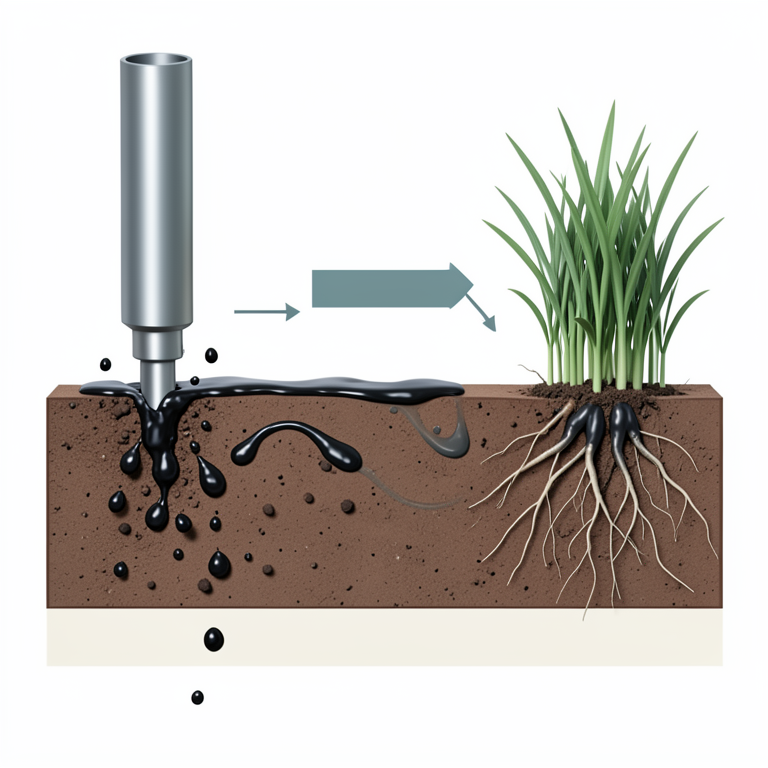
Soil Contamination Pathway
AI-generated conceptual illustration (Oil drilling site with soil and grass plants). It explains the idea and does not show study data.
View source evidence ↗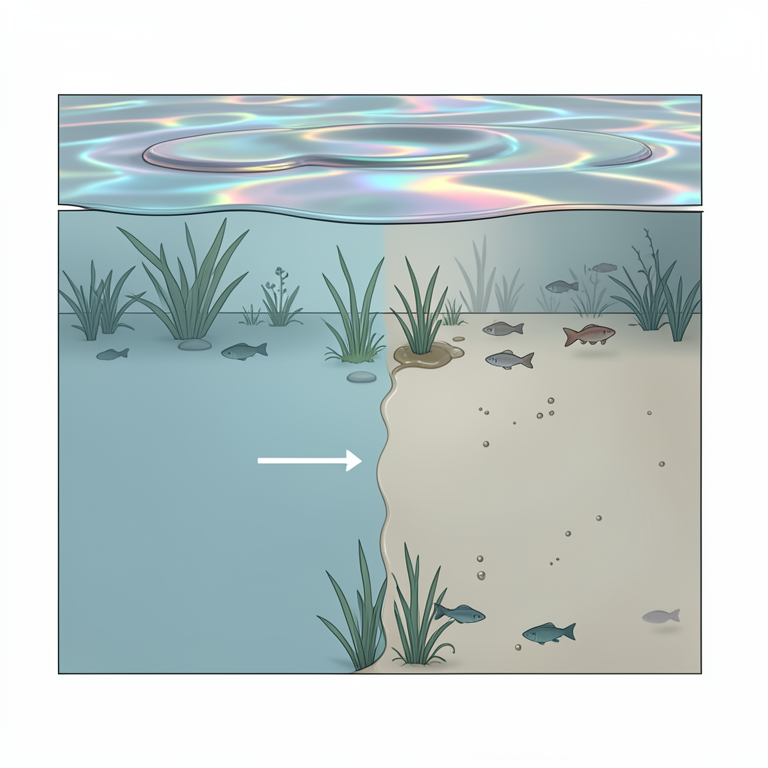
Water Surface Contamination
AI-generated conceptual illustration (a freshwater pond with aquatic plants and fish). It explains the idea and does not show study data.
View source evidence ↗Figures & tables
From the original paper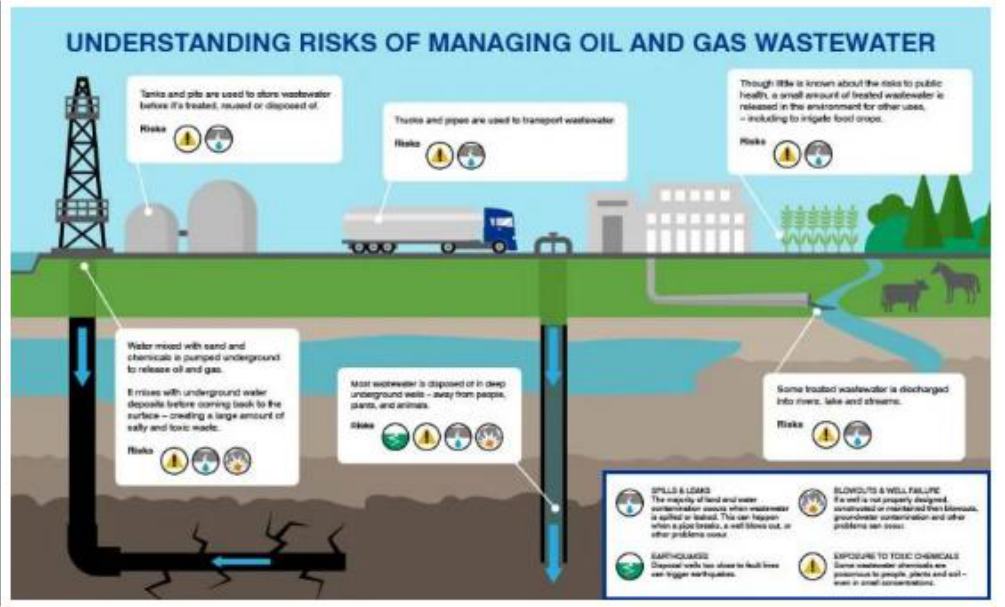 Figure 1
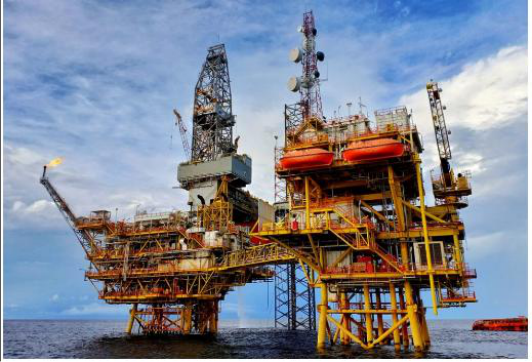 Figure 2
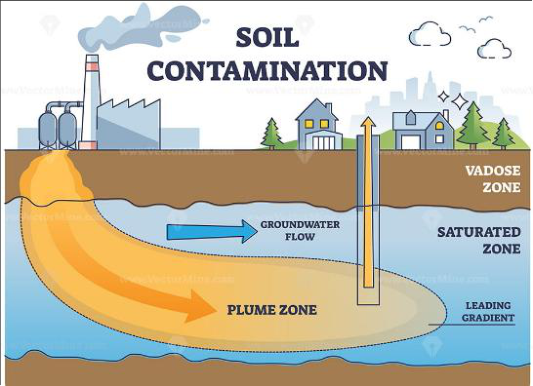 Figure 3
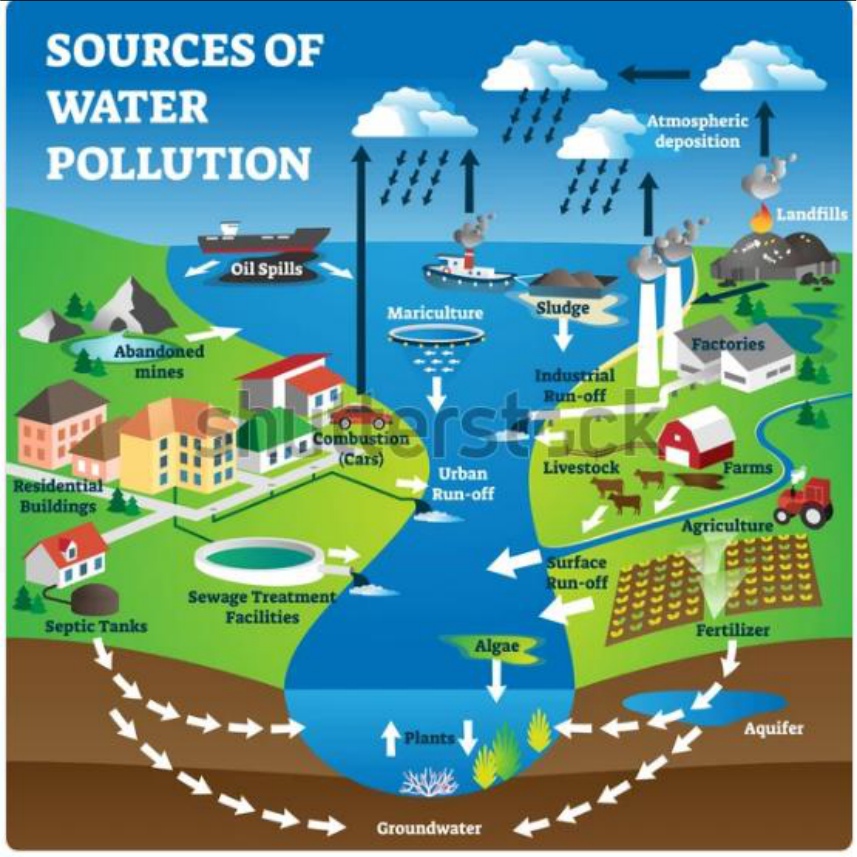 Figure 4
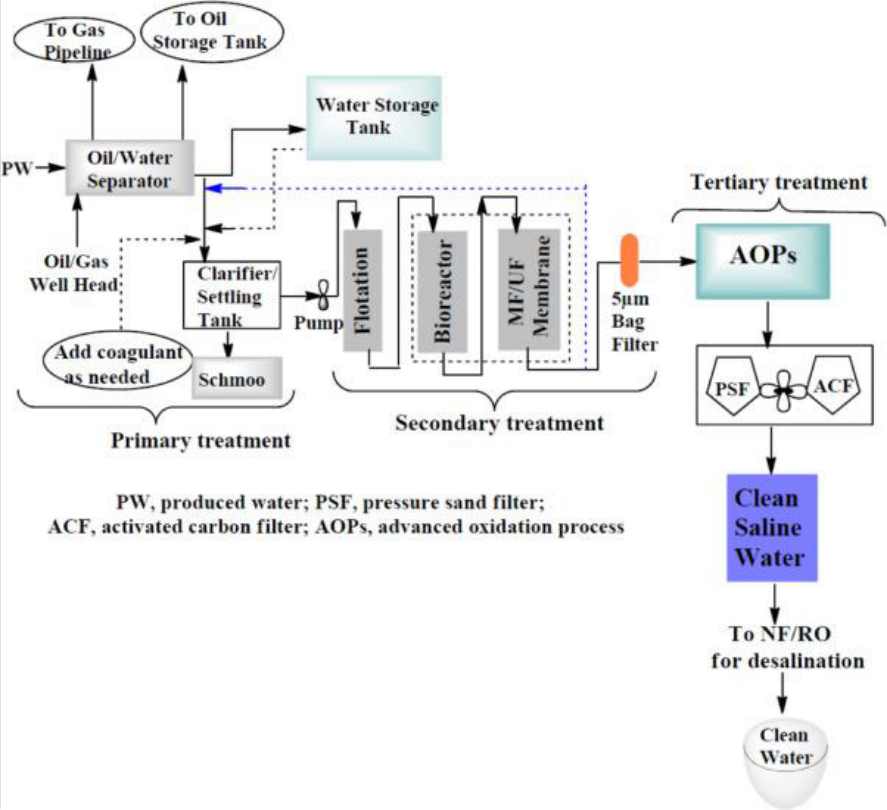 Figure 5
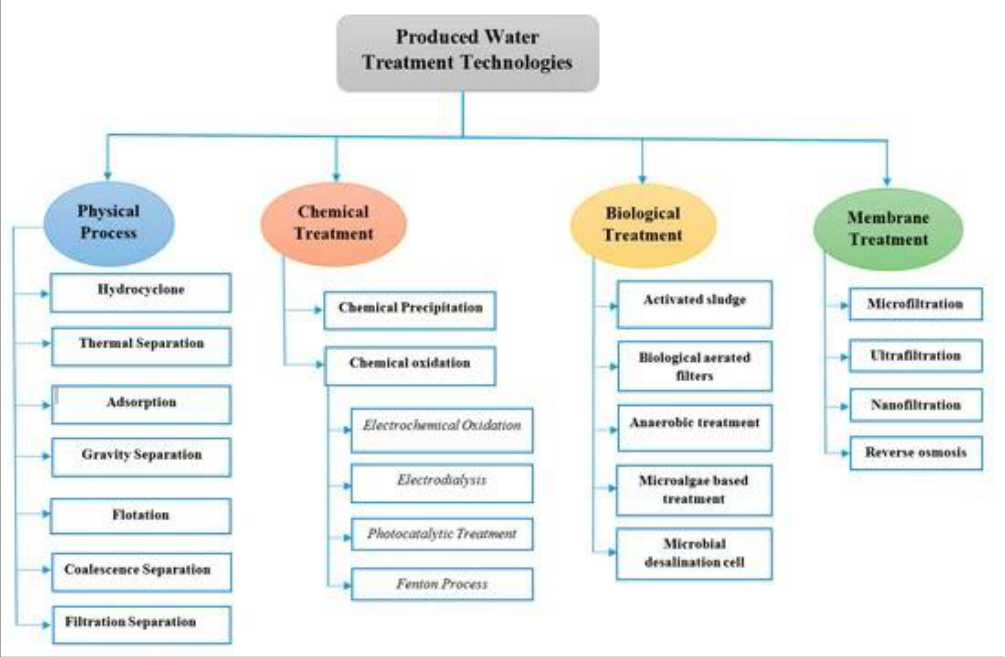 Figure 6
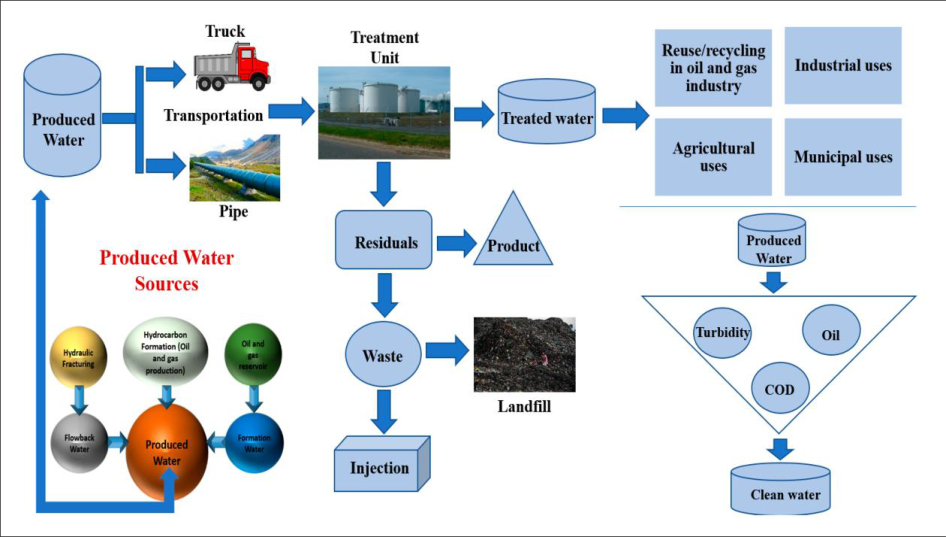 Figure 7
Introduction
Drilling for oil and extracting land for gas and water have long been essential to economic and industrial progress. These initiatives provide essential resources that sustain energy production, international transportation, and other industries. Nonetheless, the environmental impact of these extraction techniques is a major worry for researchers, policymakers, and environmentalists. The ecological balance is upset when natural resources are depleted on a large scale, which leads to soil erosion, water contamination, and biodiversity loss. The increasing global demand for oil and gas has made these environmental problems much more serious, thus it is imperative to assess their full extent and look into sustainable alternatives [1] . One of the most significant consequences of oil drilling and land exploitation is soil contamination. Heavy metals and hydrocarbons alter the soil's composition, deplete it of essential minerals, and reduce its fertility. Another way that this contamination affects plant health is by interfering with microbial activity, which is necessary to maintain soil quality and support plants. Ecosystems struggle to recover naturally due to long-term degradation caused by the accumulation of pollutants in the soil. Contaminated soil can lead to lower crop yields and poor food safety in agricultural areas, which worsens socioeconomic issues for those in the area who depend on farming [2] . Oil spills and leaks during extraction processes also contribute pollutants into surface water and ground water systems. This leads to oil-water mixtures that degrade water quality and threaten aquatic and terrestrial life. Contaminated water sources affect human populations that rely on them for drinking, irrigation, and daily activities in addition to local ecosystems. Water bodies contain toxic substances that can bioaccumulation in aquatic organisms, disrupting food chains and threatening biodiversity on multiple levels. Oil pollutants can travel over rivers and oceans, therefore water contamination can also affect ecosystems far from the original extraction locations [3] . The physical repercussions of extraction activities, such as soil compaction and ground subsidence, exacerbate environmental degradation in addition to chemical contamination.
Excessive resource exploitation weakens soil structure, increasing soil erosion and disaster vulnerability. The slow settling or sudden lowering of the soil caused by the removal of subsurface resources can result in land subsidence, which can lead to increased flood risks, the loss of arable land, and damage to infrastructure. These physical disturbances show how closely related extraction's environmental repercussions are and how crucial it is to employ more responsible extraction techniques [4] . Environmental degradation caused by oil drilling and land extraction also has major socioeconomic repercussions. Due to the loss of agriculturally usable land, health problems from exposure to pollution, and unstable economies brought on by the depletion of natural resources, local communities routinely bear the brunt of these effects. Particularly vulnerable are indigenous people and rural communities that depend on the land for their livelihoods, as environmental degradation directly threatens their way of life. Problems with resource allocation and environmental justice that have emerged in many areas where extraction businesses operate make striking a balance between economic development and environmental protection even more difficult [5] . This study aims to assess how oil drilling and land extraction affect the ecosystem by looking at case studies, environmental reports, and earlier research. Using a qualitative approach, this study will examine patterns, expert opinions, and recorded data to provide a comprehensive understanding of the consequences of these activities. Furthermore, potential mitigating strategies will be examined to promote sustainable practices that balance resource exploitation and environmental protection. This study intends to contribute to the ongoing discussion on sustainable environmental practices and responsible natural resource management by addressing these problems. The research's conclusions will be extremely valuable to policymakers, industry participants, and environmentalists since they will provide the foundation for innovative solutions and regulatory frameworks that lessen the negative effects of resource extraction while preserving long-term ecological and economic stability.
Literature Review 2.1. Oil Drilling Theory
Crude oil is extracted from underground sources through oil drilling, a crucial phase in the energy extraction process. Ongoing oil production damages the ecosystem and depletes resources, according to the resource depletion theory. The peak oil hypothesis states that oil production likewise follows a bell-shaped curve, with excessive drilling increasing environmental risks such as habitat loss, air pollution, and oil spills while simultaneously accelerating rates of depletion [6] . The environmental Kuznets curve (EKC) hypothesis also suggests that, despite the fact that economic development initially increases pollution levels, more developed economies eventually implement regulations that reduce environmental effect. However, oil drilling remains a significant contributor to long-term ecological degradation in many developing places due to technology limitations and insufficient regulatory frameworks. Oil drilling's environmental implications are further illuminated by the externality theory, which highlights the expenses incurred by ecosystems and communities that are not factored into market prices. Increased carbon emissions, habitat destruction, and irreversible land degradation result from this [7] .
Land Extraction and Environmental Impact
When land is taken for resources like water and gas, ecosystems are severely altered, which affects biodiversity and landscape stability. As to the ecological modernization hypothesis, industrial development ought to incorporate environmentally friendly innovations to mitigate degradation [8] . But in practice, deforestation, habitat fragmentation, and soil degradation are often the outcomes of land exploitation. The dependency theory argues that resource-rich developing nations often suffer from environmental degradation as a result of their economic reliance on extractive industries, with international corporations making money at the expense of local ecosystems. Ecological imperialism also explains how rich nations harm the environment over time by taking use of natural resources in less developed regions. According to the paradigm of planetary boundaries, land extraction contributes to the breaching of significant ecological limits, which results in diminished biodiversity and unstable climate patterns. The sustainable development idea argues that resource extraction should be constrained responsibly through laws that balance economic demands with environmental preservation in order to mitigate the detrimental impacts of excessive land exploitation [9] .
Soil Contamination and Pollution Theory
The soil becomes contaminated when harmful substances like hydrocarbons and heavy metals enter into it. Businesses relocate to areas with laxer environmental regulations, according to the pollution haven hypothesis, which exacerbates soil contamination in already vulnerable areas. The idea of soil degradation explains how contamination disrupts microbial balance and reduces soil production, underscoring the importance of remediation strategies. As per the bioavailability theory, the detrimental substances present in contaminated soil interact with microorganisms and plants to lower soil fertility and agricultural outcomes. Highly damaged soils have a reduced ability to heal naturally, according to the ecological resilience theory, which makes intervention methods like phytoremediation and bioremediation necessary. Furthermore, the law of minimum states that soil fertility is limited by the scarcest essential nutrient; hence, contamination further reduces the supply of vital components required for plant growth, ultimately affecting agricultural output and food security [10] . water quality, leading to ecological harm over time and bioaccumulation in aquatic species. Current studies show that oil contamination persists in aquatic environments, seriously harming marine life. This contradicts the dilution paradigm, which was believed that contaminants in water bodies would naturally disperse with little impact [11] .
Fig 4: Water Pollution of Source
As to the cumulative impact theory, water quality deteriorates over time due to industrial waste disposal and frequent oil spills, affecting oceanic systems globally as well as regional ecosystems. The bio-accumulation theory also shows how contaminants from contaminated water sources accumulate in marine life's tissues, endangering the health of species that consume contaminated seafood as well as human populations. To avoid industrial operations from contaminating water in the long term, more laws and preventative measures must be implemented, according to the precautionary principle [12] .
Biodiversity Loss and Ecosystem Theory
The loss of biodiversity is one of resource exploitation's most detrimental effects. The island biogeography theory explains the decline in species populations and genetic diversity brought on by habitat fragmentation and degradation. Furthermore, the cascade effect theory states that ecological relationships are disrupted by biodiversity loss, leading to imbalances in food chains and ecosystem services [13] . According to the trophic cascade theory, an entire ecosystem may experience unexpected consequences if key species, such as apex predators, disappear. The habitat destruction hypothesis states that when land is taken for extraction activities, endemic species endure a reduction in their native habitats, increasing the likelihood that these species would go extinct. Furthermore, although certain species can partially compensate for lost biodiversity, ecosystems eventually lose their ability to function efficiently, according to the ecological redundancy principle. The sixth mass extinction hypothesis states that industrial operations such as land extraction and oil drilling are systematically reducing biodiversity, hence posing a long-term threat to human life and terrestrial ecosystems. According to the principle of conservation biology, swift action through habitat preservation, replanting, and sustainable resource management is necessary to prevent further species decline [14] .
Methodology
Using a qualitative approach, this study will examine how oil drilling and land extraction for gas and water affect soil contamination, plant health, and soil quality, especially in relation to oil-water mixes. To provide a comprehensive understanding of the impacts these activities have on the ecosystem, data will be gathered through both field observations and interviews [15] . Semi-structured interviews will be conducted with key stakeholders, including geologists, environmental scientists, local leaders, and professionals in the energy sector, during the first phase. Through these interviews, the challenges of oil drilling and land extraction will be examined, along with the effectiveness of current cleanup and mitigation strategies and the broader socio-economic and environmental impacts. Participants will be able to respond to open-ended questions with thorough responses, sharing their expertise, opinions, and experiences about soil contamination and its effects [16] . We will conduct interviews and field observations in areas that have been significantly affected by oil drilling and land extraction. These observations will demonstrate the ways in which these industrial activities cause pollution, degradation, and soil erosion. Special attention will be paid to hydrocarbon leaks, oil spills, and the connection between soil composition and oil-water mixtures. The objective is to examine the impact of oil and gas production on soil texture changes, plant health deterioration, and nutrient depletion. Furthermore, the study will examine the ways in which pollutants affect surface and groundwater bodies via moving through soil and water systems [17] . Thematic analysis will be employed to examine the data collected from field observations and interviews. This analytical approach will help identify recurring patterns, challenges, and workable solutions related to land extraction, oil drilling, and soil contamination. The findings will highlight the urgent need for sustainable ways to reduce long-term ecological impact and shed significant light on the effectiveness of current environmental management techniques. The results of this study could inform better land-use regulations, remediation techniques, and community-based initiatives aimed at mitigating the adverse effects of oil and gas extraction on soil and water systems.
Result and Discussion
Result and Discussion
Result
According to the study's findings, the ecology is severely harmed by oil drilling and land exploitation for gas and water. These activities have a deleterious impact on microbial populations, plant growth, and the overall health of the ecosystem, according to a qualitative analysis of case studies, research papers, and expert opinions. The soil's composition is altered by heavy metals and hydrocarbons, which lower fertility and increase toxicity levels. These changes have an impact on plant life and agricultural productivity. Further deteriorating water quality and decreasing its suitability for drinking and agriculture is the result of oil leaking into surface and groundwater bodies, which exacerbates contamination [18] . According to field data, the area around oil drilling sites has greater levels of soil compaction and subsidence, which decreases soil permeability and increases erosion rates. These changes interfere with the natural flow and retention of water, reducing agricultural productivity and degrading plants. Additionally, biodiversity loss is a big concern because many plant and animal species that rely on these eco-systems are in danger because to habitat deterioration and soil contamination. The study also demonstrates that current waste disposal and remediation practices are ineffective and fall short in addressing the long-term effects of oil drilling, necessitating the development of new sustainable and effective management strategies [19] . The responses from environmental scientists, business experts, and local community leaders highlight the urgent need for regulatory frameworks that facilitate responsible resource extraction and remediation operations. It is generally acknowledged that the implementation of land rehabilitation programs, stricter enforcement of pollution control regulations, and the use of better soil treatment techniques can mitigate the adverse consequences of oil and gas extraction. Resource sustainability and long-term environmental preservation can also be supported by integrating community-based initiatives to monitor and address soil and water contamination. In summary, the study highlights the significance of adopting more environmentally friendly practices to minimize ecological damage and ensure sustainable land and water resource management [20] .
Discussion
Discussion
The Impact of Oil Drilling and the Extraction of Gas and Water on Soil Quality and Plant Growth
Oil drilling, gas extraction, and water extraction have a significant impact on soil quality and plant development, which reduces agricultural productivity and damages the ecosystem. These methods alter the physical, chemical, and biological properties of the soil, decreasing its fertility and suitability for plant development. One major consequence is soil contamination. Leaks and spills of oil release hydrocarbons, heavy metals, and other dangerous substances into the soil, disrupting nutrient cycles and microbial activity. Benzene and toluene are examples of hydrocarbons that hinder plant growth by increasing soil toxicity and reducing the availability of essential nutrients. Two heavy metals that accumulate in the soil and are absorbed by plants are lead and mercury. This can lead to stunted development, lower agricultural output, and potential health risks for both people and animals that consume these plants [21] .
Fig 5: Treatment Processes Of Oilfield Produced Water Based On The Previous Study
There are also negative effects on the soil's structure and composition. Compaction brought on by drilling reduces soil porosity, which limits the passage of air and water through the soil. This leads to poor root growth and decreased plant resistance. Eventually, compacted soil increases surface runoff and erosion, which further reduces soil fertility. Moreover, excessive water extraction may cause the water table to fall, drying up the soil and making it more difficult for plants to obtain the moisture they require [22] . Excessive salt concentrations in drilling fluids and effluent can also cause soil salinization. As a result of these substances upsetting the chemical balance of the soil, plants have a harder time absorbing water and nutrients. The plant wilts, becomes discolored, and in severe cases, dies as a result. Oil drilling also has an effect on soil microbiology, which is crucial for maintaining soil health. The soil becomes less suitable for plant life when pollutants diminish the variety and activity of microbiological life. Regularly dying off or moving beneficial bacteria and fungi that aid in plant growth and nutrient cycling further degrades soil quality [23] . The effects of oil drilling and gas and water extraction on plant growth include soil contamination, compaction, erosion, salinization, and microbial imbalance. Without proper mitigation efforts, these issues could eventually damage agricultural productivity and ecosystems. Stronger environmental regulations, bioremediation, and soil rehabilitation are all essential sustainable methods to mitigate the adverse effects of these industrial operations.
The Process of Soil Contamination from Chemicals in Oil Drilling and Gas and Water Extraction, and Its Impact on the Ecosystem
Soil pollution from oil drilling, gas extraction, and water extraction originates from a number of major mechanisms, including chemical spills, waste penetration, oil leaks, and the migration of hazardous compounds through surface runoff and groundwater. Since drilling fluids contain a number of hazardous materials, including hydrocarbons, heavy metals, and chemical additives used during the extraction process, they are a significant source of pollution. They often leak into the environment as a result of poor disposal or borehole leaks. The release of toxic gases and volatile materials during extraction procedures also alters the soil's chemical composition, making it more acidic or alkaline and ultimately disrupting the natural equilibrium [24] . The impacts of these activities on soil contamination are extensive and harmful to the environment in several ways. First, polluted soil loses fertility as a result of dangerous substances upsetting the nutrient balance required for plant growth. Hydrocarbons like benzene and toluene may hinder the absorption of nitrogen and phosphorus, which are critical for plant growth. As a result, plants experience stunted growth, fading foliage, and ultimately, death. Second, soil pollution negatively affects the microorganisms that maintain soil fertility and ecosystem stability. The disruption of the bacteria and fungi that are in charge of organic decomposition and nitrogen fixation hinders the normal process of soil regeneration. Additionally, this soil contamination affects water systems in addition to land through surface runoff and penetration. Rainwater can introduce harmful substances from contaminated soil into lakes, rivers, and groundwater supplies, resulting in water contamination that poses a serious threat to aquatic life. When hydrocarbon and oil chemicals build a surface coating that reduces the oxygen level of water bodies, it endangers fish and other aquatic life. Furthermore, because heavy metals like lead and mercury bioaccumulation in the food chain, both humans and animals who consume contaminated food or water may experience major health problems [25] . In addition, the ecological damage caused by soil pollution from oil drilling and gas and water extraction contributes to biodiversity loss. Many plant species cannot survive in chemically contaminated soil, which upsets the eco-system's balance and causes a loss in natural vegetation. Additionally affected are animals that rely on these plants for food and shelter, which may suffer from habitat loss or poisoning from eating polluted vegetation. This imbalance could eventually disrupt the food chain and result in a decline in wildlife populations in affected areas [26] . Overall, soil pollution from chemicals used in oil drilling, gas and water extraction, and other activities poses a severe danger to terrestrial and aquatic ecosystems. Therefore, it is imperative to implement effective prevention and mitigation strategies, such as more environmentally friendly drilling methods, stricter waste management protocols, and regulatory frameworks that ensure the oil and gas industries are held accountable for their environmental impacts.
Strategies to Mitigate the Negative Environmental Impact of Oil Drilling and Gas and Water Extraction, Particularly on Soil Contamination and Oil-Water Mixtures
The negative environmental effects of oil drilling, gas extraction, and water extraction can be mitigated in a number of ways, particularly with relation to soil contamination and oil-water combinations. These approaches must focus on prevention, remediation, and sustainable management techniques to ensure that extraction operations do not cause long-term ecological impact [27] . One of the most effective mitigating strategies is to use ecologically friendly drilling technologies. By using sophisticated drilling techniques, including as directional drilling and enhanced oil recovery (EOR) procedures, businesses can reduce the risk of spills and limit land perturbation. Making the switch from oil-based drilling fluids to water-based or biodegradable ones can also significantly reduce contamination of land and water. It is necessary to adequately seal and cement wells to prevent leaks that could re-release hazardous chemicals into the land and groundwater. Putting strict waste management and spill prevention measures into place is another essential tactic. Oil drilling operations must handle and dispose of hazardous waste such as drilling mud, produced water, and oil residues in accordance with strict regulations. Additional containment systems can be built around drilling sites to prevent accidental spills from entering the environment. To prevent pollution from spreading, enterprises can also invest in spill detection and response systems, such real-time monitoring sensors, to detect spills early and limit damage [28] . It is also necessary to employ re-mediation techniques to restore contaminated soil and water sources. Utilizing microorganisms to break down toxic hydrocarbons in the soil, bioremediation is one of the most cost-effective and environmentally friendly techniques. By using specific plant species to absorb and neutralize contaminants, phytoremediation is another method that can help restore contaminated soil. In more extreme cases, chemical treatments and soil washing can remove heavy metals and hydrocarbons; however, these methods need to be carefully managed to avoid further environmental harm [29] . Furthermore, minimizing the adverse consequences of oil drilling and extraction processes requires legal frameworks and environmental restrictions. Governments should impose stricter pollution control regulations, requiring companies to do environmental impact assessments (EIAs) before beginning operations. Regular monitoring and inspections should be conducted to ensure compliance with environmental regulations, and companies that violate the law should face consequences. Incentives are also available to businesses that use sustainable practices, encouraging more responsible resource extraction [30] . Public awareness and community involvement are equally vital in reducing the negative impacts of oil drilling. By informing the local population about the risks of contaminated soil and water and involving them in monitoring programs, transparency and accountability can be enhanced. Collaboration between scientific researchers, environmental organizations, and corporate partners can also lead to creative ways to reduce pollution and improve land restoration projects [31] . , [32] . Lastly, the environmental risks associated with gas and oil extraction can be significantly reduced by switching to renewable energy sources. In addition to protecting ecosystems from contaminants, investing in more environmentally friendly alternatives like wind, solar, and geothermal energy will assist to guarantee long-term sustainability and climate resilience. Effective waste management, remediation efforts, regulatory enforcement, community engagement, advanced technology, and the shift to renewable energy sources can all be used to successfully lessen the negative environmental effects of oil drilling, gas extraction, and water extraction. This comprehensive approach ensures that natural resources are used responsibly while minimizing harm to water supplies, soil quality, and biodiversity overall [33] .
Conclusion
The study's findings highlight the detrimental effects that oil drilling, gas extraction, and water extraction have on the environment, particularly the damage done to soil quality, water supplies, and ecosystem health in general. Hydrocarbons, heavy metals, and other dangerous substances are released into the soil as a result of these operations, altering its composition, lowering its fertility, and preventing plant growth. Pollutants that leak into surface and groundwater bodies and create persistent oilwater mixtures that reduce water quality and limit its usage for agriculture and human use exacerbate environmental degradation. Compaction of the soil, erosion, and salinization all contribute to the loss of biodiversity and habitat, further decreasing agricultural output and disturbing natural vegetation. Because existing trash disposal and repair procedures are still insufficient to address long-term environmental damage, the report also emphasizes the urgent need for sustainable soil and water management practices. Experts and the community agree that stricter legislation, advanced drilling methods, and improved remediation programs are necessary to reduce the negative impacts of resource extraction activities. Bioremediation, phytoremediation, and improved waste management systems are examples of sustainable methods that can significantly contribute in the restoration of contaminated soil and prevent further ecological harm. A long-term solution to guarantee resource sustainability, support ecological balance, and reduce reliance on environmentally harmful extraction methods is to transition to renewable energy sources. Enhancing regulatory frameworks to hold industries accountable for their environmental impact is necessary, even as increasing public awareness and community involvement would encourage collective efforts to preserve natural eco-systems. To ensure the sustainable management of natural resources for future generations, addressing the environmental impacts of water, gas, and oil extraction ultimately necessitates a comprehensive and multidimensional approach that combines community engagement, policy enforcement, and scientific innovation.
Acknowledgement
I want to express my sincere gratitude to my advisor for all of their help and assistance during this research. I also want to express my gratitude to the instructors and volunteers who made this study possible by sharing their knowledge and time. Finally, I want to express my sincere gratitude to my family and friends for their constant support and inspiration.
Disclosure
Only those who requested disclosure may access this area. Should they agree to sell disclosure to you, the names of the experts who evaluated your work will be listed here. Each reviewer is free to set their own fee because it is a public endorsement of your findings and can be utilized for a variety of reasons.
Figures and tables from the paper
References
32 in the original paper- Pichtel J. Oil and gas production wastewater: soil contamination and pollution prevention. Applied and Environmental Soil Science. 2016;2016(1):2707989.
- Cachot J, Godoy AO, Naile J, Van Der Merwe R, Cordes EE, Witte U, et al. Environmental impacts of the deep-water oil and gas industry: a review to guide management strategies. Frontiers in Environmental Science. 2016 Sep 16.
- Lamma O, Abubaker M, Lamma S. Impact of reverse osmosis on purification of water. Journal of Pharmaceutical Biology. 2015;5(2):108-112.
- Hussen AMEA, Retnaningdyah C, Hakim L, Soemarno S. The variations of physical and chemical water quality in Coban Rondo waterfall, Malang Indonesia. AIP Conference Proceedings. 2018;2019(1):050011.
- Dmitrieva D, Romasheva N. Sustainable development of oil and gas potential of the Arctic and its shelf zone: the role of innovations. Journal of Marine Science and Engineering. 2020;8(12):1003.
- Lamma OA, Swamy AVVS. Assessment of ground water quality at selected industrial areas of Guntur, AP, India. International Journal of Pure and Applied Bioscience. 2018;6(1):452-460.
- Yu EPY, Luu BV, Chen CH. Greenwashing in environmental, social and governance disclosures. Research in International Business and Finance. 2020;52:101192.
- Lamma OA, Alhadad AA, Lamma SA. Applications of microbial fuel cell on sewage treatment by using electrogens. Journal of Marine Sciences and Environmental Technologies. 2015;1(2)-E9.
- Loreau M, Naeem S, Inchausti P, Bengtsson J, Grime JP, Hector A, et al. Biodiversity and ecosystem functioning: current knowledge and future challenges. Science. 2001;294(5543):804-808.
- Essien OE, John IA. Impact of crude-oil spillage pollution and chemical remediation on agricultural soil properties and crop growth. Journal of Applied Sciences and Environmental Management. 2010;14(4):147.
- Dumitran C, Onutu I. Environmental risk analysis for crude oil soil pollution. Carpathian Journal of Earth and Environmental Sciences. 2020;5(1):83-92.
- Mohammad MJ, Krishna PV, Lamma OA, Khan S. Analysis of water quality using limnological studies of Wyra reservoir, Khammam district, Telangana, India. International Journal of Current Microbiology and Applied Sciences. 2015;4(2):880-895.
- Lamma OA, Swamy AVVS, Subhashini V. Ground water quality in the vicinity of industrial locations in Guntur, AP, India. International Journal of Engineering Science Invention. 2018;7(1):72-80.
- Pichtel J. Oil and gas production wastewater: soil contamination and pollution prevention. Applied and Environmental Soil Science. 2020;16(8):1-24.
- Alhadad A. Effects of pesticides on human health. 2018.
- Arthur J. Mitigating the environmental effects of oil and gas exploitation: issues of compliance, cost of production, and community awareness. Journal of Power and Energy Engineering. 2020;8:51-64.
- Lamma OA, Swamy AVVS. E-waste and its future challenges in India. International Journal of Multidisciplinary Advanced Research Trends. 2015;2(1):12-24.
- Gbadebo A, Taiwo A, Eghele U. Environmental impacts of drilling mud and cutting wastes from the Igbokoda onshore oil wells, Southwestern Nigeria. Indian Journal of Science and Technology. 2010;3(5):504-510.
- Lamma OA, Sallam RMA. Analysis of water quality of Lingala Munner Krishna district, AP, India. Journal of Advanced Studies in Agricultural, Biological and Environmental Sciences. 2018;5(3):22-27.
- Bauder TA, Barbarick KA, Shanahan JF, Ayers PD, Chapman PL. Drilling fluid effects on crop growth and iron and zinc availability. Journal of Environmental Quality. 1999;28(3):744-749.
- Lamma SA. Effects of environmental change on wildlife health. International Journal for Research in Applied Sciences and Biotechnology. 2020;7:50-55.
- Johnston JE, Lim E, Roh H. Impact of upstream oil extraction and environmental public health: a review of the evidence. Science of the Total Environment. 2019;657:187-199.
- Ossai IC, Ahmed A, Hassan A, Hamid FS. Remediation of soil and water contaminated with petroleum hydrocarbon: a review. Environmental Technology & Innovation. 2020;17:100526.
- Lamma OA, Moftah MA. Effect of vermicompost on antioxidant levels in Andrographis paniculata. International Journal of Applied and Pure Science and Agriculture. 2016;2(3):1-6.
- Pichtel J. Oil and gas production wastewater: soil contamination and pollution prevention. Applied and Environmental Soil Science. 2016;2016:2707989.
- Outhman AM. Impact of use sewage sludge in agriculture on physical properties of soil. IOSR Journal of Environmental Science, Toxicology and Food Technology. 2016;10:8-86.
- Esterhuyse S, Avenant M, Watson M, Redelinghuys N, Kijko A, Glazewski J, et al. Development of an interactive vulnerability map and monitoring framework to assess the potential environmental impact of unconventional oil and gas extraction by means of hydraulic fracturing. Water Research Commission. 2014.
- Kuzhaeva A, Berlinskii I. Effects of oil pollution on the environment. International Multidisciplinary Scientific GeoConference SGEM. 2018;18(5.1):313-319.
- Dumitran C, Onutu I. Environmental risk analysis for crude oil soil pollution. Carpathian Journal of Earth and Environmental Sciences. 2010;5(1):83-92.
- Lamma OA, Swamy AVVS. Surface, ground water and soil pollution in the industrial estates of Guntur city of Andhra Pradesh, India. 2019.
- Rana S. Facts and data on environmental risks: oil and gas drilling operations. SPE Asia Pacific Oil and Gas Conference and Exhibition. 2008;SPE-114993.
- Nwinee SA. Sustainable treatment of oil contaminated waste: oil-based mud drill cuttings and soil [dissertation]. Aberdeen: Robert Gordon University; 2018.