
Research article · 2026 · Full text
International Journal of Biology SciencesUses of L. minor and C. demersum for phytoremediation treatment of domestic wastewater
Volume 8(5) · Pages 104–114 · DOI: 10.33545/26649926.2026.v8.i5b.836 ↗
Research areasConstructed Wetlands for Wastewater TreatmentHeavy Metal Pollution RemediationEnvironmental and Analytical Chemistry Studies
Abstract
Author-writtenThe current study indicate that the ability of some aquatic plants, such as Lemna minor, Ceratophyllum demersum, to reduce some pollutants from the final sedimentation basins of the domestic wastewater treatment plant in Al-Muthanna. The experiment included growing aquatic plants in plastic containers with a capacity of 20 liters of water. Physical and chemical parameters of domestic wastewater with heavy metal and physiological concentrations of plants were measured by taking water samples every 5 days for 25 days. The results showed that all plants raised their pH value to the basic side. On the other hand, the current laboratories were not effective in reducing the values of total dissolved and suspended solids, electrical conductivity, total alkaline salinity, copper, and total hardness in water. All laboratories demonstrated the ability to reduce domestic wastewater contaminants, which include biological requirements for oxygen, ammonia, nitrite, nitrate, phosphate, zinc, magnesium, and calcium in domestic wastewater. The results showed the role of the plants under study in reducing zinc after water treatment. While copper concentrations increased in both plants. As for iron, the plants did not show any efficiency in reducing it throughout the treatment period. The physiological state of aquatic plants was affected by bioremediation. The chlorophyll content decreased in C. melanogaster while it increased in Lemna minor after treatment. The activity of the SOD enzyme decreased in all plants after water treatment, and the activity of the catalase enzyme increased in both plants after treatment. The study also showed an increase in malondialdehyde (MDA) enzyme in all plants after treatment.
Summary
Source-checkedPlain-language reading of the full paper, prepared with AI and checked against the text. Each point links to the authors' own words.
Why it matters
- Wastewater containing heavy metals, microorganisms, and organic/inorganic impurities poses significant risks to human health and the environment. View evidence ↗
- Standard wastewater treatment methods often fail to remove all pollutants, leaving residual contaminants in the water. View evidence ↗
The question
- The study aimed to investigate whether specific aquatic plants could be used to treat domestic wastewater. View evidence ↗
- The research also sought to measure the physiological response of the plants via chlorophyll, MDA, CAT, and SOD levels. View evidence ↗
What they did
- The experiment used 20-liter plastic containers with aquatic plants added at a concentration of 10 g per liter of domestic wastewater. View evidence ↗
- Water samples were collected every 5 days over a 25-day period to measure physical, chemical, and heavy metal parameters, as well as plant physiology. View evidence ↗
- Data analysis was conducted using SPSS V.12 and the Least Significant Difference (LSD) method, with significance set at p ≤ 0.05. View evidence ↗
What they found
- Both plants increased the pH of the water toward the alkaline side, with L. minor reaching a high of 8.5 on day 20. View evidence ↗
- Both C. demersum and L. minor reduced Biological Oxygen Demand (BOD5) by 29.008%. View evidence ↗
- L. minor showed high efficiency in removing nitrite (76.291%), significantly outperforming C. demersum (28.079%) and the control (47.630%). View evidence ↗
- Phosphorus removal was effective for both plants, with C. demersum at 49.144% and L. minor at 48.114%. View evidence ↗
- Both aquatic plants demonstrated high efficiency in reducing zinc concentrations in the wastewater. View evidence ↗
- The plants were ineffective at reducing total dissolved solids, suspended solids, electrical conductivity, salinity, copper, and total hardness. View evidence ↗
- Treatment led to a slight increase in chlorophyll for L. minor, but a decrease in chlorophyll and growth for C. demersum. View evidence ↗
- Malondialdehyde (MDA) levels increased in all plants during treatment, indicating oxidative stress caused by heavy metals. View evidence ↗
What it means
- The authors note that while zinc reduction was high, copper reduction was slight, and iron reduction was not significant. View evidence ↗
Visual summary
2 visualsIllustrations explain the paper; they do not show study data.
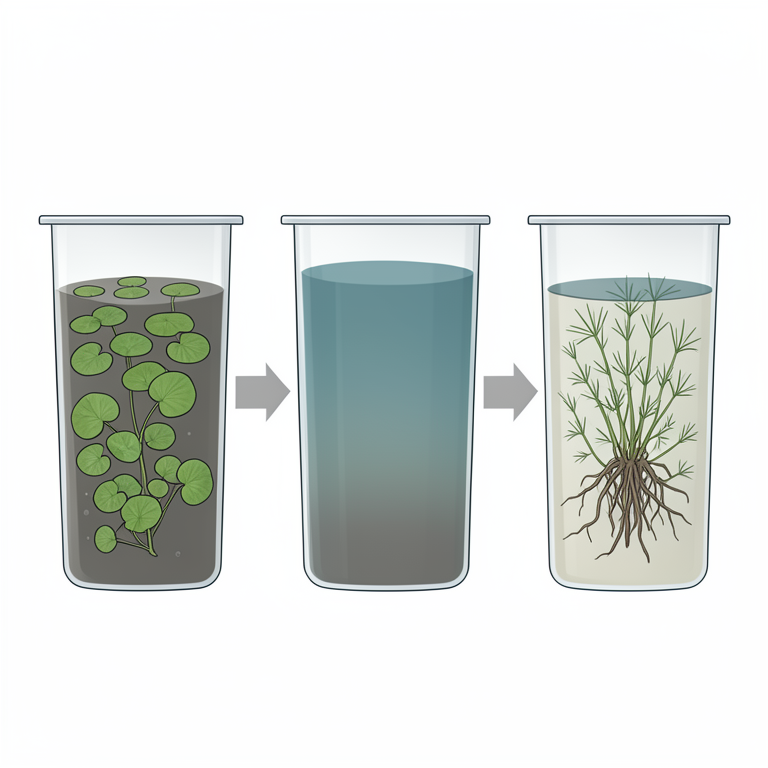
Experimental Setup
AI-generated conceptual illustration (Lemna minor and Ceratophyllum demersum in plastic containers with domestic wastewater). It explains the idea and does not show study data.
View source evidence ↗
Pollutant Removal Comparison
AI-generated conceptual illustration (Lemna minor and Ceratophyllum demersum aquatic plants in wastewater). It explains the idea and does not show study data.
View source evidence ↗Figures & tables
From the original paper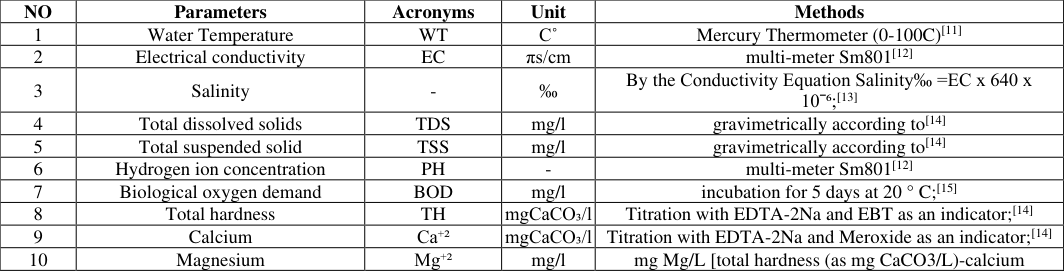 Table 2
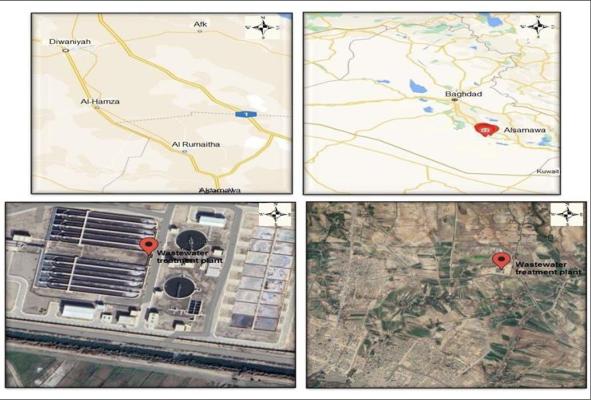 Figure 2
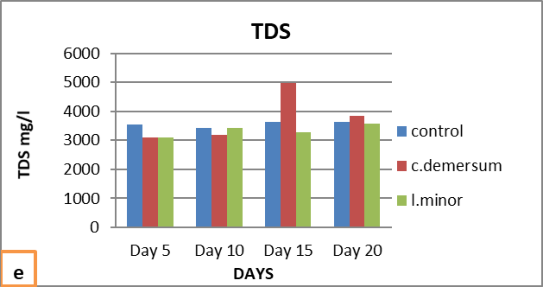 Figure 3
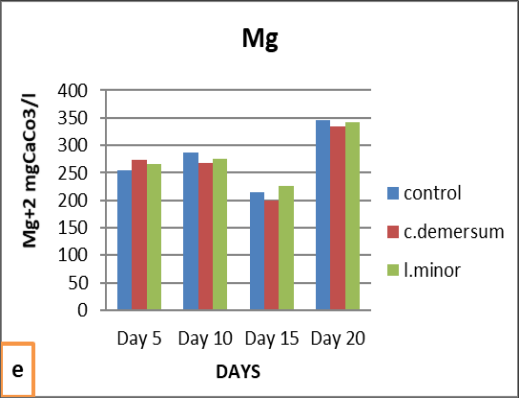 Figure 3
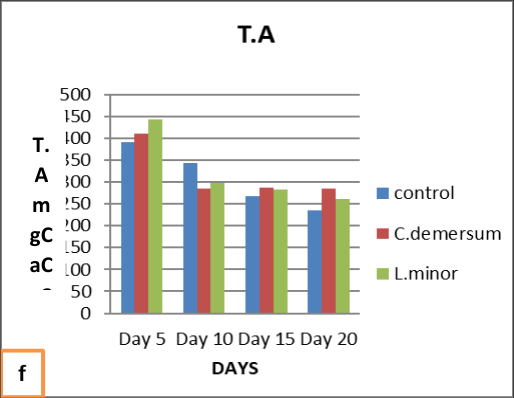 Figure 3
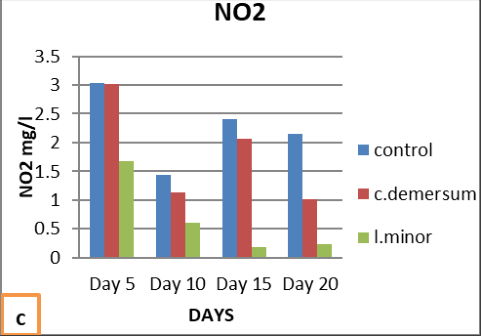 Figure 3
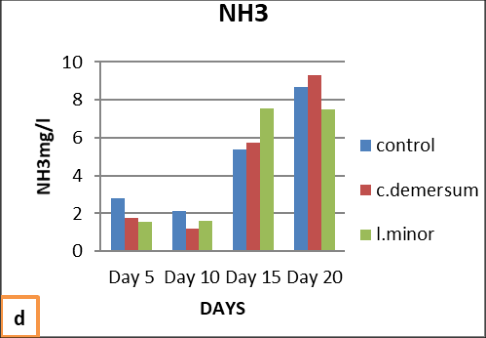 Figure 3
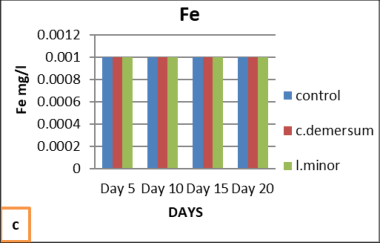 Figure 3
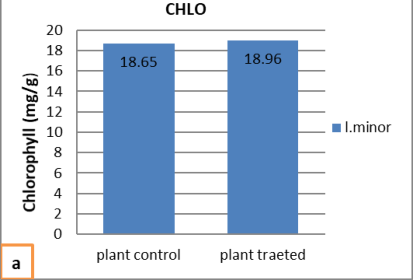 Figure 3
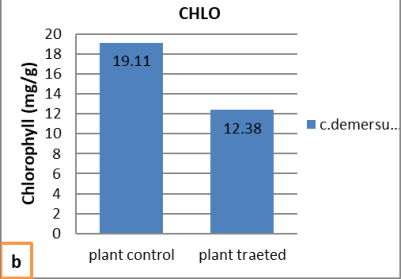 Figure 3
Introduction
Water is an essential resource on our world, supporting human survival and the overall health and prosperity of all living things [1] . Water pollution has become an issue for humanity as a result of rapid population growth and technological improvement. Furthermore, failure to perform sufficient wastewater treatment before discharge into water bodies is frequent in developing nations such as India, Kenya, Nigeria, and Ethiopia [2] . The presence of different contaminants in wastewater, including microorganisms, organic and inorganic impurities, and heavy metals, can be exceedingly damaging to the environment and human health. [3] . The disposal of waste products and residuals into natural water pools can have disastrous repercussions for aquatic ecosystems, posing serious hazards to natural habitats and human health [4] . As a result, wastewater should be properly cleaned and refined before discharge into the environment. Currently, standard wastewater treatment procedures are not always effective at eliminating water pollutants. As a result, minor levels of contaminants may remain in the treated water [5] . Because of the poisonous nature of the contaminants, they may harm the ecosystem and disrupt various cellular functions in plants. [6] . Given the harmful effects of pollutants on human health and aquatic habitats, other wastewater treatment technologies are required [7,8] . Natural treatment systems are one of the most effective treatment technologies for a variety of wastewaters, and they have received a lot of attention in recent years. One of the natural therapy techniques that have been considered in various nations during the last few decades, The wastewater treatment system with the help of plants (phytoremediation) or wetland systems is popular in industrialized countries. Phytoremediation is a novel technology for removing or recovering excess nutrients from polluted settings. The use of aquatic plants in wastewater phytoremediation is particularly efficient since they can ingest and degrade contaminants (e.g. phosphates, nitrates, metal International Journal of Biology Sciences https://www.biologyjournal.net ions, etc.). from polluted water. Therefore, they improve the wastewater quality before discharging it into the natural environment. Phytoremediation methods can also be used to recover nutrients such as phosphates and nitrates from wastewater, which can be applied to produce chemical fertilizers and food additives for livestock [9] .
The Aim of The Study 1. study the possibility of using some aquatic plants in the treatment of domestic water. 2. 2-Study response of some aquatic plants by measuring chlorophyll, Malonyldehyde (MDA), catalase (CAT) and Superoxide dismutase(SOD).
Materials and Methods
Materials and Methods
Description of the Wastewater Treatment plant
The The water then enters the aeration ponds, where the primary treatment is carried out by aerobic bacteria to remove phosphorus, nitrogen and nitrates. In the second part of the aeration ponds, the water is treated by aerobic bacteria that analyze heavy water, and then to the sedimentation ponds to rid the water of suspended matter. Then to the chlorination ponds and finally to the final station that pumps the treated water to the drain (information from the station management).
Field sampling and Analytical Method
Wastewater samples were collected from sedimentation ponds by polyethylene containers of 20 liters.Aquatic plants were collected and washed well with tap water several times then with warm water to remove suspended materials and placed in plastic basins with dimensions of (70 x 30 x 35), and left Plants with tap water for a period of two weeks for the purpose of acclimatization and discarding the contaminants attached to them from their original origin, after that, the plants were placed at a rate of 10 g / liter [10] , with the addition of 20 liters of domestic wastewater, with leaving Basin that contain only untreated wastewater which represented the control. An amount of water was withdrawn every 5 days until the 25th day for the purpose of conducting some physical and chemical tests.
Water temperature(WT), Biological oxygen demand(BOD), total dissolved solids (TDS), total suspended solid (TSS), electrical conductivity (EC), salinity, hydrogen ion concentration (pH), total hardness (TH), Calcium(Ca⁺²), Magnesium (Mg⁺²), alkalinity(T.K), phosphates (PO4⁻), nitrates (NO3⁻), Nitrite(NO2⁻)and heavy metals(Cu, Zn, Fe).
Were measured according to the methods shown in the table below: Water Temperature WT C˚ Mercury Thermometer (0-100C) [11] 2 Electrical conductivity EC πs/cm multi-meter Sm801 [12] 3 Salinity -‰ By the Conductivity Equation Salinity‰ =EC x 640 x 10ˉ⁶; [13]
4
Total dissolved solids TDS mg/l gravimetrically according to [14] 5
Total suspended solid TSS mg/l gravimetrically according to [14] 6
Hydrogen ion concentration PH -multi-meter Sm801 [12] 7 Biological oxygen demand BOD mg/l incubation for 5 days at 20 ° C; [15]
8
Total hardness TH mgCaCO₃/l Titration with EDTA-2Na and EBT as an indicator; [14] 9 Calcium Ca⁺² mgCaCO₃/l Titration with EDTA-2Na and Meroxide as an indicator; [14] 10 Magnesium Mg⁺² mg/l mg Mg/L [total hardness (as mg CaCO3/L)-calcium hardness(as mg CaCO₃/L)]*0.243; [14] 11
Total Alkalinity TA mg/l As CaCO3 by titration method [14] 12 Phosphates PO4 μl /g Molybdate ascorbic acid method; [16] 13 Nitrates NO3 μl/g Cadmium reduction method; [17] 14 Nitrite NO2 μl/g Colorimetric methods; [17] 15 Ammonia NH4 μl /g Handbook of common methods in Limnology, [18] 16
Copper Cu μl /g by flame atomic absorption spectrophotometer; [14] 17 Iron Fe μl /g by flame atomic absorption spectrophotometer; [14] 18 Zinc Zn μl /g by flame atomic absorption spectrophotometer; [14]
Physiological and biochemical indicators 2.3.1 Total chlorophyll
The acetone extraction method was followed as proven by [19] . To estimate the chlorophyll pigment in the plant by crushing 0.5 g of fresh leaves with 80% of acetone, filtering the extract, then completing its volume to 10 ml, and taking its absorbance by spectrophotometer at the two wavelengths of 645 and 663 nm, according to the concentration in terms of mg / g of soft tissue according to the following equation:
Total chlorophyll (mg / gm) = (A.663)*(0.00802)+(A.645)*(0.0202) as A means the amount of absorbance at the wavelength fixed with it.
Superoxide Dismutase Activity (SOD)
According to [20] , reaction mix is consisting of 50 μl crude enzyme (was prepared by grinded 1gm of plant sample over ice with the addition of 0.3 gm of PVP and 10 ml of PBS and then centrifuged on 10000 rpm for 15 minutes at 4⁰C. Supernatant was taken as crude enzyme extract while residue was neglected), extract with 2 ml of tris buffer and 0.5 ml of pyragallol, absorption of samples was taken at 420 nm. Control solution contains Distilled water with addition the same materials. As a blank, Distilled water was used.
SOD activity was calculated using the following equation :
Catalase activity (CAT)
CAT activity was measured according to the method described by [21] . The reaction included 50 μl crude enzyme (Prepared in the same manner as reported in SOD activity determination) with adding 2ml of (60 mM H2O2) to 1ml of (50 mM Phosphate Buffer Solution (PBS) pH 7.0), the absorbance was measured during 3 min at 240 nm.
Malondialdehyde (MDA) content determination
The method was adopted by [22] in estimating the content of Malondialdehyde. The plant extract (was prepared by crushing 0.25 gm of plant samples with 5 ml of Trichloroacetic acid (TCA) for the purpose of precipitation of proteins. Then a centrifugation process was carried out at 1000 rpm for 15 minutes. Then 3 mL of filtrate was taken and a similar volume of Thiobar butric acide (TBA) was added. It was placed in a boiling water bath for 30 minutes and then the absorbance was read at a wavelength of 532 nm, the Blank solution consists of 3ml of TCA solution and 3ml of TBA solution. The amount of MDA was calculated from the following Ber-Lambert formula, as shown below:
Statistical Analysis
Data were analyzed using SPSS.V.12. Statistical analysis was performed using sequential factorial experiments using Least Significant difference (LSD) that was calculated manually. p value ≤ 0.05 was considered Statistically significant.
Results and Discussion
The results of the study showed differences in water temperature during the experimental period. This is due to the different times for collecting samples and conducting different experiments, as well as temperature, which are important factors that affect the physical, chemical and biological properties of water through their direct impact on vital processes in aquatic organisms, such as metabolism. and growth, as well as its effect on gas concentration. [23] .Figure (3-1)(a). Statistical results indicated that there were no significant differences (P≤0.05) in the temperatures of water treated by plants. The Electrical conductivity and salinity values did not decrease throughout the treatment period. The removal percentage of EC was ) 32.937% ( for C. demersum and (34.180%)for L. minor, while salinity removal percentage was (32.921%) for C. demersum and (34.158%)for L. minor. This may be due to the presence of high concentrations of Ca +2 and Mg +2 [24] . Since the plants were not able to reduce their concentrations during the treatment period. In addition to adding some chemicals to the water, such as alum, nora, and sulfates, and chlorides, which increase ions in water [25] . This has been proven in previous studies, such as the study of [26] , which showed that the electrical conductivity of the treated water in the station increased to exceed the actual values at time zero. Figure(3-1)(b&c)). The results of the statistical analysis indicated that there is no significant difference (p≤0.05) in the electrical conductivity and salinity values of the water treated by plants. The results show higher total suspended solids values after treatment. The removal percentage of TSS was (36.380%) for C. demersum and (38.037%) for L. minor. This may be due to evaporation processes and a decrease in the water level in the ponds. High TSS can negatively affect water quality. High Concentrations of suspended solids can results in lower water purity, which in turn reduces the amount of sunlight. This ultimately leads to a reduction in dissolved oxygen [28] , which leads to the death of the plants and their sedimentation at the bottom of the tank. Figure (3-1)(d).The results of statistical analysis indicated that there was no significant difference (p≤0.05) in the values of total suspended solids in the water treated by plants. The plants did not show efficiency in reducing the values of total dissolved solids, with the exception of the C. demersum plant, which recorded higher than the control treatment on days (15 and 20) of the experiment, removal percentage of C. demersum was(35.326%), for L. minor was (31.369%). This means that the decomposition processes were so high that the plants were not able to reduce them, especially since the current results It indicates that the plants under study were weak in reducing dissolved solids or that some ions did not have a distinct role in the plant metabolism [27] , indicating that the plants were weak in reducing the values of magnesium and calcium, which are the basic components of dissolved solids. Figure (3-1)(e). The results of the statistical analysis indicated that there was no significant difference (p≤0.05) in the values of total dissolved solids in the water treated by plants. . This was consistent with many previous studies that show the increase in pH values as carbon dioxide is consumed by aquatic plants in the photosynthesis process. [29] . The pH values increased when treated with L. minor, which indicates that it has desirable effects because it contributes to reducing the toxicity of some heavy metals and reduces their readiness in that water [30] , [31] . Figure (3-2) (a). The statistical data confirmed that there was a significant difference (p≤0.05) in the values of water treated by plants. Aquatic plants were effective in reducing BOD5 values. With The removal percentage of BOD5 (29.008%)for both C. demersum and L. minor. The superiority of L. minor in reducing BOD5 was consistent with the study of [32] . The addition of duckweed improved the breakdown of organic matter by providing extra oxygen and surface area for bacterial growth [33] . Therefore, Lemna sp is known to be more efficient in reducing organic load because it provides additional surface area for bacterial growth and provides additional oxygen [32] . Figure (3-1)(b).Statistical data confirmed that there were no significant differences (p≤0.05) in BOD5 values in water treated by plants. Figure (3-2) (c), the inefficiency of plants in reducing total hardness values is due to the fact that the water is loaded with organic materials in high concentrations, as well as converting large amounts of calcium into dissolved bicarbonate, which leads to an increase in total hardness, [34] .This was consistent with the study of [35] , which showed that the hardness increased after the use of reed plants to treat polluted water in some sites, and this was attributed to the presence of multivalent metal ions [36] . Also, some aquatic plants, such as C. demersum, are less efficient in reducing hardness causes represented by calcium and magnesium compared to root plants such as reeds and sedges [37] . The percentage of removal was (32.689%) for C. demersum, L. minor (32.037%).The results of statistical analysis indicated that there was no significant difference (p≤0.05) in the values of total hardness in the water treated by plants. ) and for the control (32.524%), while the percentage of magnesium removal was (32.724%)for C. demersum, L. minor (33.780%) and for the control (33.497%). The reduction may be because some ions present in the water, such as calcium and magnesium ions [38] , may exit the plant body because the plant does not need them or needs them in small quantities [39] . The magnesium contained in chlorophyll molecules can be replaced by ions of heavy elements such as copper, cadmium, lead, and nickel, leading to its excretion into the external environment [40] . Results The results of the statistical analysis indicated that there was no significant difference (p≤0.05) in the percentage of calcium and magnesium in the water treated by plants. The plants under study did not record any efficiency in reducing total alkalinity values throughout the treatment period. Total alkalinity is affected by various factors such as carbon dioxide concentration, photosynthesis, and respiration. This was similar to a study conducted by [41] which showed that the concentration of total alkalinity increases in the last days of treatment with plants. This may be due to the formation of acidic compounds resulting from the decomposition of organic materials, such as carbonic acid, which converts calcium carbonate into calcium bicarbonate. The weakness of L. minor plants in primary reduction was also reported by [42] who showed that their reduction rates were weak at day 6 and disappeared as the treatment time progressed. Figure (3-2)(f). Statistical data confirmed that there are no significant differences (P≤0.05) in the values of total alkalinity in water treated by plants. Aquatic plants have shown a distinct role in reducing phosphorus in domestic water. The percentage of removal was(49.144%) for C. demersum, L. minor (48.114%)and for control(42.742%).This high reduction efficiency has been reported in many studies, such as one [32] that showed that lower phosphorus values are due to its uptake by plants or by microbes, and possibly due to its sequestration in sediments [43] . Figure ). The efficiency of floating and submerged plants is due to several reasons. As for L. minor, it is one of the plants known to absorb nitrogen through its fronds and roots, and this appears to be the basic mechanism for fixing nitrogen in it. Nitrogen is fixed as a protein in duckweed biomass [44] . [45] indicated that the nitrate removal rate reached 41% when using the C. demersum plant in wastewater treatment, which had the best removal rates. After the sixth day, however, the removal efficiency decreased after the eighteenth day of treatment. Poor treatment of nitrate in the last days of processing may be due to the presence of high concentrations of ammonia and nitrite, or inhibition of the nitrification process, which includes the biological oxidation of ammonia to nitrate by two types of autotrophic bacteria. These bacteria are, in fact, very sensitive to pH values, temperature, and compounds. Chemicals in wastewater [46] . The removal of nitrogen by the plant depends on the growth rate and the nitrogen content in the tissues, which varies and depends on several factors such as the type of plant, the age of the plant, and the vegetative part in which the nitrogen is stored [45] . The results of the statistical analysis indicated that there was no significant difference (p≤0.05) in nitrate reduction of water treated by plants.
T. H m g/l
Aquatic plants showed efficiency in reducing nitrite concentrations throughout the treatment period, with a clear superiority for L. minor. The percentage of removal was (28.079%) for C. demersum, L. minor (76.291%)and for the control (%47.630). This high efficiency may be due to the removal of nutrients such as nitrogen due to their consumption by new developing tissues and not by increased nutrient content in old tissues [47] .the removal of nitrogen forms by plants depends on the growth rate and nitrogen content in the tissue [48] , [45] . As for the efficiency of C. demersum in reducing nitrite compared to the control, this may be because submerged aquatic vascular plants are known to absorb nutrients such as nitrogen far exceeding their normal metabolic requirements [49] .Figure(3-3)(c).Statistical data confirmed the presence of significant differences (p≤0.05) for nitrite values in water treated by plants.
The results showed an efficiency of the plants in reducing ammonia values, but the removal efficiency decreased in the last days of the experiment. The percentage of removal was (32.596%) for C. demersum, L. minor (32.995%)and for the control (34.409%) Plants prefer ammonia first and then nitrate as a nutrient source, while nitrite is an intermediate state [32] . Floating plants have the ability to remove nitrogen from wastewater through denitrification processes and subsequently incorporate it into their biomass [50] . As for C. demersum, most of the structures of these plants are located under water, and their photosynthetic tissues are completely immersed in water, so the turbidity of the wastewater must be low, because high turbidity prevents the transmission of light to the plants [51] . Plants deplete dissolved organic carbon in water and increase dissolved oxygen, resulting in increased pH value, ammonia volatilization and chemical precipitation, and high oxygen concentration creates favorable conditions for mineralization [52] . Figure (3-3)(d). The statistical results showed that there was no significant difference (p≤0.05) in the ammonia values in water treated by plants. Plants did not show efficiency in reducing copper concentrations. But the values increased to exceed the values in control. Weak reduction rates may be due to increased plant density, and this will increase competition. It leads to the death and decomposition of weak plants, which in turn releases existing elements, including copper, into the medium. Or the plant has consumed a large amount of the element for a previous period and then has the ability to excrete it into the external environment [10] . It was also found that the long duration of contact between the plant and heavy metals reflects the effect on the absorption process by the plant [53] . Figure (3-3)(a).The statistical results showed that there was no significant difference (p≤0.05) in copper values in water treated with plants. The plants showed high efficiency in reducing zinc throughout the treatment period for both plants.. The ability of L. minor to purify water contaminated with zinc has been proven, and the removal rate was 83% [54] , [55] . Another study was also conducted [56] the results obtained in this study indicate the efficiency of Ceratophyllum in absorbing and accumulating zinc from water contaminated with metals. Figure (3-3) (b). The results of statistical analysis indicated that there was no significant difference (P<0.05) in the zinc values of water treated with plants. The plants under study did not show any efficiency in reducing iron values throughout the experiment period. According to [57] , the value of iron was >0.35 compared to the results of the study, which amounted to >0.001, which explains the low or non-existence of iron concentrations and the fact that plants do not benefit from it. (3-3)(c). Statistical results indicated a significant difference (p≤0.05) in iron concentrations in water treated with plants. The current study showed that the values of total chlorophyll and its values in L. minor increased very slightly after completing treatment. Due to the stimulation of chlorophyll synthesis in the plant after the treatment. The effect of inorganic compounds on chlorophyll content is due to Nitrogen is a component of the chlorophyll molecule and is considered the main component of all amino acids in proteins that are important components of chloroplasts [58] . It was observed that C. demersum showed a decrease in growth and chlorophyll content and thus in the rate of photosynthesis. In addition, [59] reported that accumulation of heavy metals in various plant tissues resulted in decreased biomass and chlorophyll content in leaves/stems these metals are known to have toxic effects on plant growth, but their toxicity levels are variable. Figure 34) (a&b). The results of the statistical analysis indicated that there was a significant difference (p≤0.05) in the values of total chlorophyll for the plants representing the control and the plants used in the treatment. The results of the study showed an increase in the effectiveness of the catalase enzyme during the treatment period with domestic wastewater. The increase was found to be higher in the L. minor plant due to its high ability to remove natural, household and other pollutants or the presence of some heavy metals that affect the activity of this enzyme [60] . While the C. demersum plant recorded a clear decrease in the activity of the catalase enzyme, this may be a result of oxidative effects such as salinity, drought, and heavy metals [61] that reduce the activity of this enzyme, and this decrease in enzyme activity will reduce the plant's efficiency in withstanding environmental conditions [62] . Figure 345) (a&b). The results of the statistical analysis indicated that there was a significant difference (p≤0.05) in the catalase enzyme values for the plants representing the control and the plants used in the treatment.
The results of our study showed lower values after treatment. This could be due to the fact that in cases of high ROS levels in vivo, ROS may outcompete SOD activities and this would likely lead to ROS damage to the enzyme molecules either directly by oxidative damage or through Inhibition of SOD-induced gene expression by ROS, leading to decreased SOD activity/concentration. When oxidative stress persists or becomes strong/exaggerated, SOD becomes exhausted and leads to decreased SOD activity. when the production of oxidants overwhelms the activity of an antioxidant enzyme, its activity in vivo if all things are equal tends to decrease. Discrepancies in result could be due to other factors such as antioxidant enzymes etc [63] . Figure 3456) (a&b). The results of the statistical analysis indicated that there was a significant difference (p≤0.05) in the SOD enzyme values for the plants representing the control and the plants used in the treatment. The current study showed an increase in MDA values during the domestic water treatment period. High MDA values in C. demersum plants have been shown in other studies such as [64] after exposure to different concentrations of chromium. The increase in MDA levels indicates that heavy metals present in wastewater cause oxidative stress in plants. The amount of MDA increased in leaves of plants exposed to water stress, which is also consistent with our findings [65] . The variation of MDA in plants placed in wastewater and those grown in natural water [66] . Chemicals can increase MDA levels by increasing the formation of free radicals or by reducing the defense ability against cellular peroxide reactions [67] . Also, the MDA enzyme in C. demersum is higher under Eutrophication conditions [68] . Figure 34567)(a &b). The results of the statistical analysis indicated that there was a significant difference (p≤0.05) in the MDA values for the plants representing the control and the plants used in the treatment.
Figures and tables from the paper
| NO | Parameters | Acronyms | Unit | Methods |
|---|---|---|---|---|
| 1 | Water Temperature | WT | C˚ | Mercury Thermometer (0-100C)[11] |
| 2 | Electrical conductivity | EC | πs/cm | multi-meter Sm801[12] |
| 3 | Salinity | - | ‰ | By the Conductivity Equation Salinity‰ =EC x 640 x 10ˉ⁶;[13] |
| 4 | Total dissolved solids | TDS | mg/l | gravimetrically according to[14] |
| 5 | Total suspended solid | TSS | mg/l | gravimetrically according to[14] |
| 6 | Hydrogen ion concentration | PH | - | multi-meter Sm801[12] |
| 7 | Biological oxygen demand | BOD | mg/l | incubation for 5 days at 20 ° C;[15] |
| 8 | Total hardness | TH | mgCaCO₃/l | Titration with EDTA-2Na and EBT as an indicator;[14] |
| 9 | Calcium | Ca⁺² | mgCaCO₃/l | Titration with EDTA-2Na and Meroxide as an indicator;[14] |
| 10 | Magnesium | Mg⁺² | mg/l | mg Mg/L [total hardness (as mg CaCO3/L)-calcium |
Table text extracted from the original PDF; superscript letters are shown inline. The original table image is below.
View original table image
References
62 in the original paper- Kumar N, Bauddh K, Kumar S, Dwivedi N, Singh DP, Barman SC. Extractability and phytotoxicity of heavy metals present in petrochemical industry sludge. Clean Technologies and Environmental Policy. 2013;15:10331039.
- Anand S, Bharti S, Dwivedi N, Barman SKN. Macrophytes for the reclamation of degraded waterbodies with potential for bioenergy production. Singapore: Springer; 2017. p. 333-351.
- Keddy PA. Wetland ecology: Principles and conservation. 2nd ed. Cambridge: Cambridge University Press; 2010.
- Taha NT, Ahmed HAR, Qasim TI. Testing the efficiency of the water lentil plant Lemna spp. in reducing the concentration of zinc and iron from wastewater when increasing the biomass. Baghdad Journal of Science. 2011;8(1):471-477.
- Fresenius W, Quentin KE. Water analysis: A practical guide to physico-chemical, chemical, and microbiological water examination and quality assurance. Schneider W, editor. Berlin: SpringerVerlag; 1988.
- Estefan G, Sommer R, Ryan J. Methods of soil, plant, and water analysis. A manual for the West Asia and North Africa region. 2013;3:65-119.
- Mackereth JH, Heron J, Talliny JF. Water analysis: Some revised methods for limnologists. England: Scientific Publication Freshwater Biological Association; 1978. p. 1-120.
- APHA. Standard methods for the examination of water and wastewater. 23rd ed. Washington DC, USA: American Public Health Association; 2017.
- Al-Fanharawi AA, Rabee AM, Al-Mamoori AM. Multi-biomarker responses after exposure to organophosphates chlorpyrifos in the freshwater mussels Unio tigridis and snails Viviparous benglensis. Human and Ecological Risk Assessment. 2019;25(5):1137-1156.
- APHA. Standard methods for the examination of water and wastewater. 20th ed. Washington DC, USA: American Public Health Association; 2003.
- Parson TR, Maite Y, Laui CM. A manual of chemical and biological methods for sea water analysis. Oxford: Pergamon Press; 1984.
- Lind GT. Handbook of common methods in limnology. 2nd ed. London; 1979.
- Jaleel ACMA. Exogenous calcium alters pigment composition, γ-glutamyl kinase and proline oxidase activities in salt-stressed Withania somnifera. 2009.
- Marklund S, Marklund G. Involvement of the superoxide anion radical in the autoxidation of pyrogallol and a convenient assay for superoxide dismutase. European Journal of Biochemistry. 1974;47:469-474.
- Mishra S, Srivastava S, Tripathi RD, Kumar R, Seth CS, Gupta DK. Lead detoxification by coontail (Ceratophyllum demersum L.) involves induction of phytochelatins and antioxidant system in response to its accumulation. Chemosphere. 2006;65:1027-1039.
- Zacheo G, Cappello MS, Gallo A, Santino A, Cappello AR. Changes associated with post-harvested ageing in almond seeds. Lebensmittel-Wissenschaft undTechnologie. 2000;33:415-423.
- Durmishi BH, Imaili M, Shabani A, Jusufi S, Fejzuli X, Kostovska M, et al. The physical, physico-chemical and chemical parameters determination of river water Shkumbini (Pena). Balwois-Ohrid, Republic of Macedonia. 2008;27:1-31.
- Ruttner F. Fundamentals of limnology. 3rd ed. Toronto: University of Toronto Press; 1973.
- Al-Salman IM, Abu Bakr OM. A preliminary study to evaluate the environmental role of the biological filter for the treated water reuse station in the city of Sebha, southern Libya. Zarqa Journal of Studies and Research. 2003;6(1).
- Abouel-kheir W, Ismail G, Abou el-nour F, Tawfik T, Hammad D. Assessment of the efficiency of duckweed (Lemna gibba) in wastewater treatment. International Journal of Agriculture and Biology. 2007;9(5):681-687.
- Patel DK, Kanungo VK. Ecological efficiency of Ceratophyllum demersum L. in phytoremediation of nutrients from domestic wastewater. Ecoscan -An International Quarterly Journal of Environmental Science. 2010;4(4):257-262.
- Branigan J. Development of a field test for total suspended solids analysis. 2013.
- Wendeou SPH, Aina MP, Crapper M, Adjovi E, Mama D. Influence of salinity on duckweed growth and duckweed based wastewater treatment system. Journal of Water Resource and Protection. 2013;5:993-999.
- Al-Asadi RK. The use of some types of algae and aquatic plants in the biological treatment of water from treatment plants in the city of Diwaniyah, Iraq [doctoral thesis]. Diwaniyah: University of Diwaniyah; 2014.
- Shelef O, Gross A, Rachmilevitch S. Role of plants in constructed wetlands: Current and new perspectives. Water Journal. 2013;5:405-419.
- Selvarani AJ, Padmavathy P, Srinivasan A, Jawahar P. Performance of duckweed (Lemna minor) on different types of wastewater treatment. International Journal of Fisheries and Aquatic Studies. 2015;2(4):208-212.
- Ahmadi AW, Dursun S. Assessing the efficiency and role of duckweed (Lemna minor) in the removal of pollutants from wastewater treatment plant secondary clarifier tanks: A comprehensive review. Central Asian Journal of Water Research. 2024;10(1):115-125.
- Salman JM. Environmental study of potential pollution in the Euphrates River between the Hindiyah Dam and the Kufa region, Iraq [doctoral thesis]. Babylon: University of Babylon; 2006.
- Al-Sanjari MNF. Testing the efficiency of reed plants in the primary treatment of polluted water. Tikrit Journal of Pure Sciences. 2011;16(2):123-127.
- Mustafa MH. Tigris River grey water, sources, impact and suggested water treatment plans. In: 1st Scientific and Environmental Conference; 2009 Mar 30-31; College of Environmental Science and Technology, University of Mosul, Iraq. 2009.
- Kopittke PM, Menzies NM. Effects of Cu toxicity on growth of cowpea (Vigna unguiculata). 2006.
- Patel DK, Kanungo VK. Ecological efficiency of Ceratophyllum demersum L. in phytoremediation of nutrients from domestic wastewater. International Quarterly Journal of Environmental Science. 2010;4:257-262.
- Argo B. Understanding pH management and plant nutrition part 2: Water quality. Journal of the International Phalaenopsis Alliance. 2003;13(1):1-15.
- Kupper H, Kupper F, Spiller M. In situ detection of heavy metals substituted chlorophylls in water plants. Photosynthesis Research. 1998;58(2):123-133.
- Trimborn S. Inorganic carbon acquisition of marine phytoplankton with emphasis on selected diatom species [PhD dissertation]. Bremen: University of Bremen; 2008. 150 p.
- Al-Safawi AAYT, Al-Barwari SRA, Khadr NK. Study of the natural, chemical and biological characteristics of Wadi Dohuk water. Tikrit Journal of Pure Sciences. 2009;14(2):54-60.
- Mohan J, Pandey A, Singh V. Application of aquatic plant Ceratophyllum demersum (L.) in phytoremediation of wastewater. 2023.
- Cedergreen N, Madsen TV. Nitrogen uptake by the floating macrophyte Lemna minor. New Phytologist. 2002;155(2):285-292.
- Foroughi M, Najafi P, Toghiani A, Honarjoo N. Nitrogen removals by Ceratophyllum demersum from wastewater. Journal of Residuals Science and Technology. 2013;10(2):63-68.
- Hockenbury MR, Grady CL. Inhibition of nitrificationeffects of selected organic compounds. Journal Water Pollution Control Federation. 1977;49:768-777.
- Korner S, Vermaat JE. The relative importance of Lemna gibba, bacteria and algae for the nitrogen and phosphorus removal in duckweed-covered domestic wastewater. Water Research. 1998;32:3651-3661.
- Landolt E, Lueoend A, Kandeler R. Biosystematic investigations in the family of duckweeds (Lemnaceae). Zurich: ETH Zurich; 1987.
- Wilson DO. Phosphate nutrition of the aquatic angiosperm Myriophyllum exalbescens Fern. Limnology and Oceanography. 1972;17:612-616.
- Suhad AA, Almuktar AN, Abed SN, Scholz M. Wetlands for wastewater treatment and subsequent recycling of treated effluent: review. Environmental Science and Pollution Research. 2018;25:23595-23623.
- USEPA. Constructed wetlands treatment of municipal wastewaters. Cincinnati, Ohio: USEPA; 1999. Report No.: EPA/625/R/99/010.
- Bekele M. Phytoremediation of tannery wastewater using horizontal subsurface flow constructed wetland [MSc thesis]. Addis Ababa: Addis Ababa Science and Technology University; 2018.
- Chojnacka K, et al. Bioavailability of heavy metals from polluted soils to plants. Science of the Total Environment. 2005;337:175-182.
- Jafari N, Akhavan M. Effect of pH and heavy metal concentration on phytoaccumulation of zinc by three duckweed species. American-Eurasian Journal of Agricultural and Environmental Science. 2011;10(1):34-41.
- Lahive E, O'Halloran J, Jansen MAK. Differential sensitivity of four Lemnaceae species to zinc sulphate. 2011.
- Ghobrial MG. Treatment of cadmium, copper, zinc and iron in wastewater by the hornwort Ceratophyllum demersum. 2000.
- Shabeeb B. Adopting the water quality index to assess the validity of groundwater in Al-Zubair city southern Iraq for drinking and human consumption. Ecology Environment and Conservation. 2021;27(1):73-79.
- Zengin FK, Munzuroglu O. Effects of some heavy metals on content of chlorophyll, proline and some antioxidant chemicals in bean (Phaseolus vulgaris L.) seedlings. Acta Biologica Cracoviensia Series Botanica. 2005;47(2):157-164.
- Mahmoud KMA, Mahmoud HA, Sayed SSM. Role of Ceratophyllum demersum in bioaccumulation and tolerance of some heavy metals. 2018.
- Varga M, Horvatić J, Čelić A. Short term exposure of Lemna minor and Lemna gibba to mercury, cadmium and chromium. 2013.
- Karuppanapandian T, Manoharan K. Uptake and translocation of tri-and hexa-valent chromium and their effects on black gram (Vigna mungo L. Hepper cv. Co4) roots. Journal of Plant Biology. 2008;51:192-201.
- Karuppanapandian T, Moon J, Kim C, Manoharan K, Kim W. Reactive oxygen species in plants: Their generation, signal transduction, and scavenging mechanisms. Australian Journal of Crop Science. 2011;5(6):709-725.
- Akhigbe R, Ajayi A. Testicular toxicity following chronic codeine administration is via oxidative DNA damage and up-regulation of NO/TNF-α and caspase 3 activities. 2020.
- Duman F, Koca FD. Single and combined effects of exposure concentration and duration on biological responses of Ceratophyllum demersum L. exposed to Cr species. 2014.
- Zhao Z, Cai Y, Fu M, Bai Z. Response of the soils of different land use types to drought: Eco-physiological characteristics of plants grown on the soils by pot experiment. Ecological Engineering. 2008;34:215-222.
- Karatas F, Öbek Kamıslı EF. Antioxidant capacity of Lemna gibba L. exposed to wastewater treatment. Ecological Engineering. 2009;35:1225-1230.
- Lackner R. Oxidative stress in fish by environmental pollutants. Fish Ecotoxicology. 1998;86:203-224.
- Xiong H, Tan Q, Hu C. Structural and metabolic responses of Ceratophyllum demersum to eutrophic conditions. 2010.