
Research article · 2026 · Full text
International Journal of Agriculture and NutritionA Comprehensive Review on Mushroom Cultivation, Nutritional Value, and Industrial Applications
Volume 8(5) · Pages 53–63 · DOI: 10.33545/26646064.2026.v8.i5a.641 ↗
Research areasFungal Biology and ApplicationsMycorrhizal Fungi and Plant InteractionsFood and Agricultural Sciences
Abstract
Author-writtenMushrooms are recognized as sustainable and nutrient-rich food source with significant agricultural and industrial importance. This review highlights main aspects of mushroom cultivation, including growth conditions, production techniques, and oyster and milky mushrooms which are commonly cultivated species. It also summarizes their nutritional value and medicinal properties, along with their applications in food, pharmaceuticals, and waste management. The review also examines the nutritional composition of mushrooms, highlighting their rich content of proteins, dietary fiber, vitamins, minerals, and bioactive compounds that contribute to human health. In addition, their medicinal properties, including antioxidant, antimicrobial, immunomodulatory, and anticancer activities, are discussed with reference to recent scientific findings. The industrial applications of mushrooms in food processing, pharmaceuticals, bioconversion, and agricultural waste management are also explored. Furthermore, the study emphasizes the role of mushroom cultivation in sustainable agriculture through efficient recycling of agro-industrial residues, environmental conservation, and low-input farming systems. Mushroom farming is presented as a viable strategy for income generation, rural entrepreneurship, employment opportunities, food security, and sustainable development. Overall, this review highlights the growing importance of mushrooms as multifunctional resources with significant potential for future agricultural and industrial advancements.
Summary
Source-checkedPlain-language reading of the full paper, prepared with AI and checked against the text. Each point links to the authors' own words.
Why it matters
- Mushroom cultivation is globally significant because it converts low-value agricultural waste into high-value food products. View evidence ↗
- Mushroom farming is a viable development tool for rural areas in developing countries due to its low requirements for land, capital, and technology. View evidence ↗
- Increasing consumer awareness regarding organic foods and healthy eating is driving a steady rise in the demand for mushrooms. View evidence ↗
The question
- The review aims to provide a comprehensive overview of mushroom varieties, cultivation methods, nutritional value, and their economic and industrial importance. View evidence ↗
What they did
- The authors reviewed growth conditions and production techniques, focusing specifically on commonly cultivated species like oyster and milky mushrooms. View evidence ↗
- The review synthesizes information on the nutritional and medicinal properties of mushrooms and their applications in pharmaceuticals, food, and waste management. View evidence ↗
What they found
- Oyster mushrooms (Pleurotus ostreatus) require temperatures between 20–30°C, high humidity, and adequate ventilation for optimal growth. View evidence ↗
- Milky mushrooms (Calocybe indica) are suited for tropical and subtropical regions as they grow optimally at temperatures between 25–35°C. View evidence ↗
- Compared to other types, oyster mushrooms have the fastest growth time and easiest cultivation difficulty, while button mushrooms have the highest market demand but are the most difficult to grow. View evidence ↗
- To maintain freshness and slow down respiration and spoilage, mushrooms should be stored at temperatures between 2 and 4 degrees Celsius. View evidence ↗
- Cultivation chambers generally maintain relative humidity between 70% and 90% to prevent substrate drying and support the development of fruiting bodies. View evidence ↗
- Mushrooms are identified as an excellent source of vegetarian protein. View evidence ↗
- Mushrooms provide health benefits including the ability to lower cholesterol levels and improve cardiovascular health. View evidence ↗
What it means
- The authors conclude that mushroom cultivation is a key component of sustainable agriculture because of its combined nutritional, economic, and environmental advantages. View evidence ↗
- The authors recommend increasing research, the dissemination of technology, and farmer awareness to fully realize the industry's potential. View evidence ↗
- The authors note that the cost of implementing controlled environment systems for temperature and humidity can be a barrier for small-scale farmers. View evidence ↗
- A stated challenge is the lack of adequate cold storage facilities in rural areas, which leads to spoilage and reduced market value. View evidence ↗
Visual summary
1 visualsIllustrations explain the paper; they do not show study data.
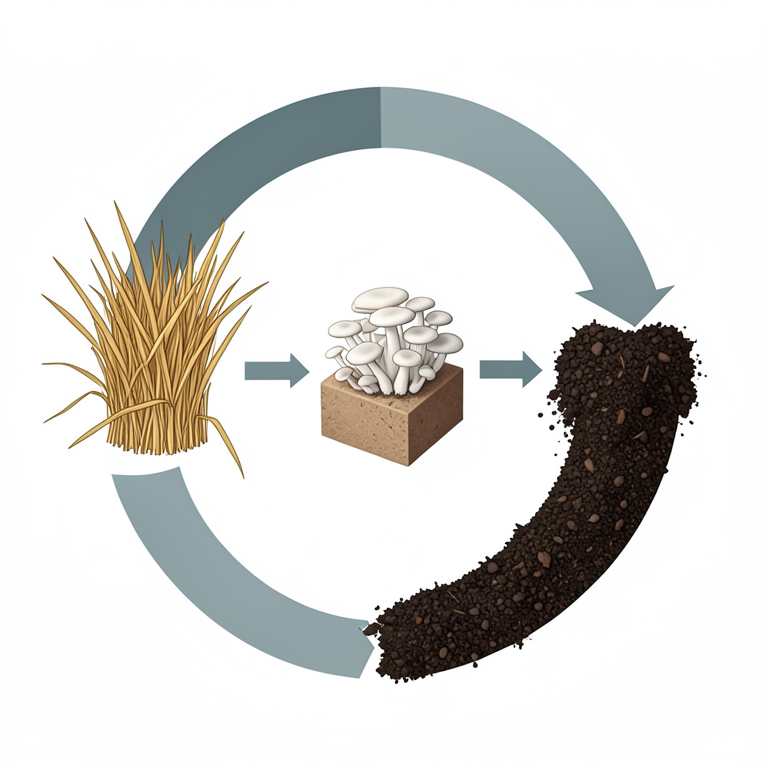
Circular Economy of Mushroom Cultivation
AI-generated conceptual illustration (Oyster mushrooms and agricultural straw). It explains the idea and does not show study data.
View source evidence ↗Figures & tables
From the original paper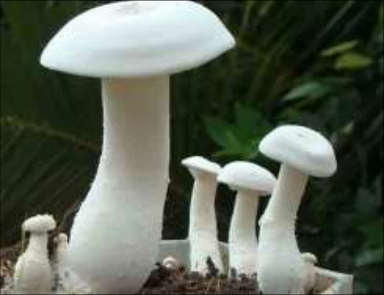 Figure 1
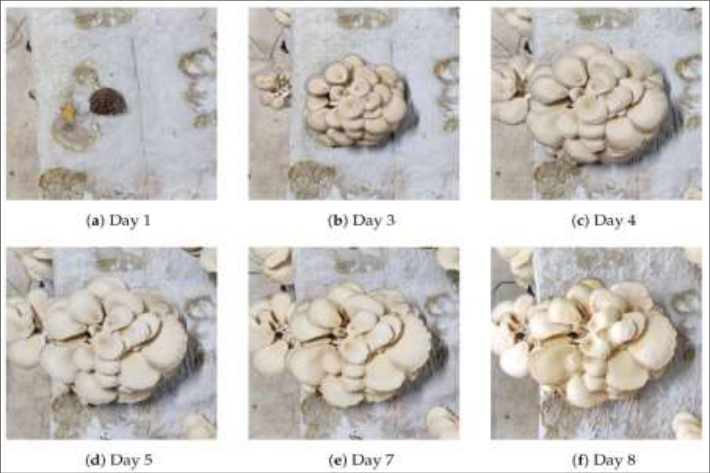 Figure 2
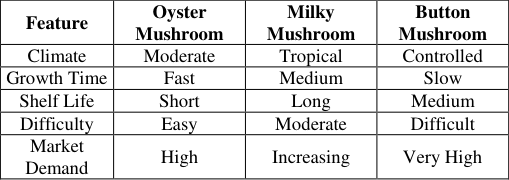 Table 1
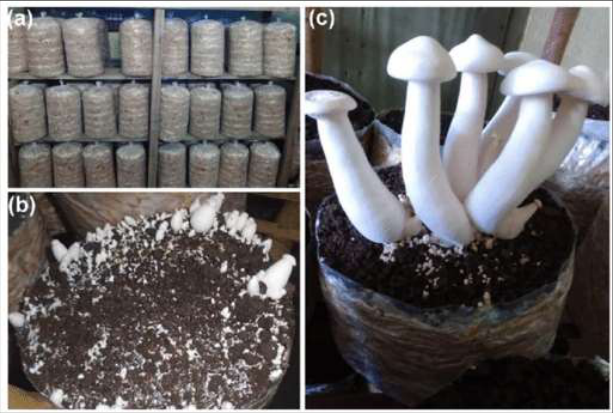 Figure 3
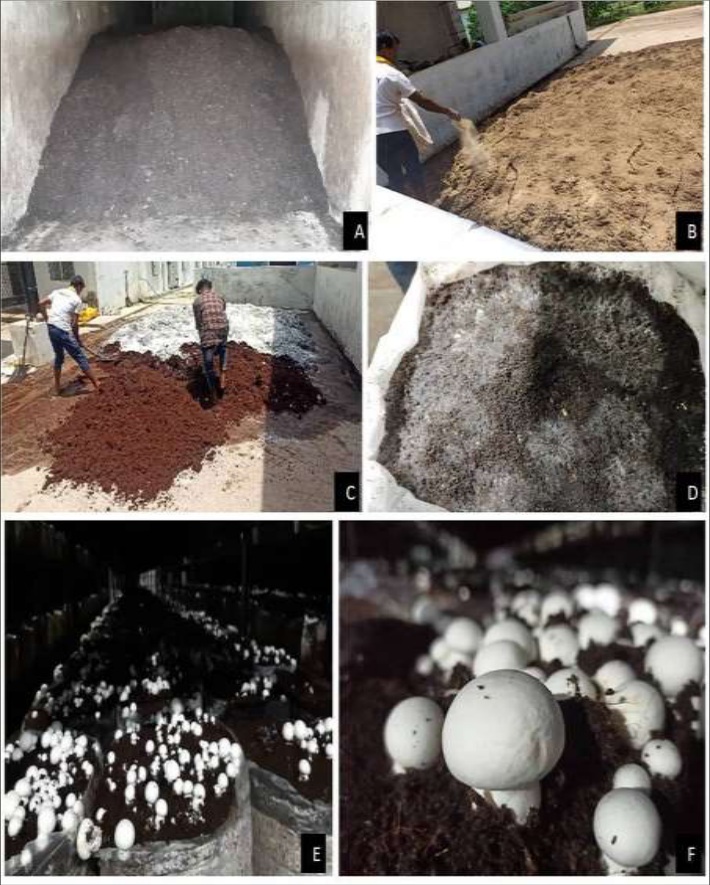 Figure 4
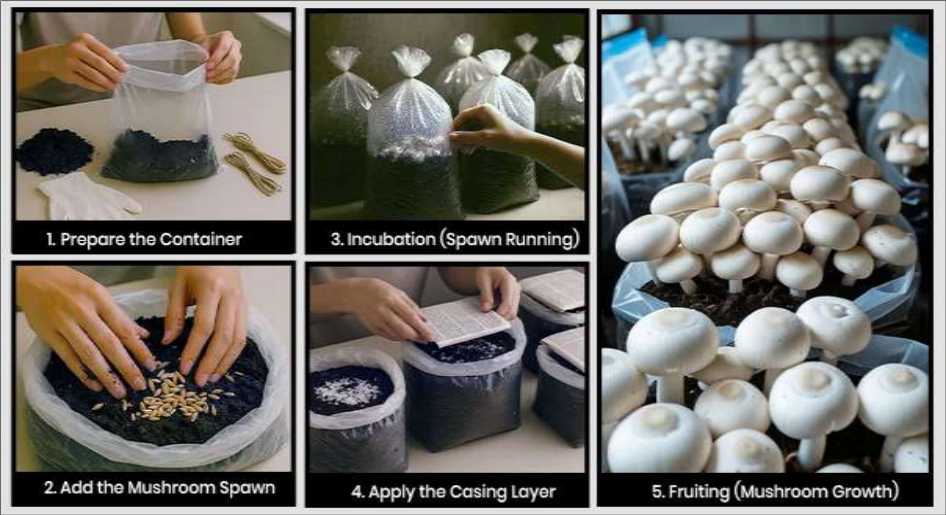 Figure 6
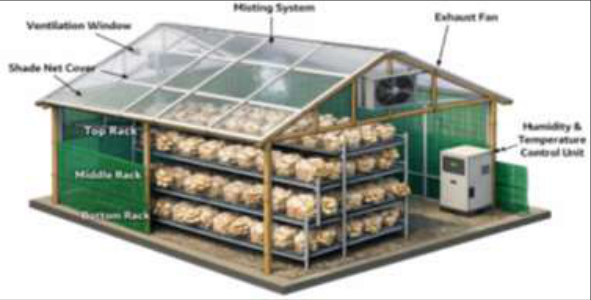 Figure 7
 Figure 8
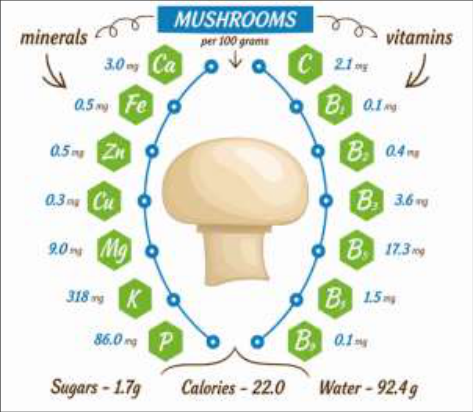 Figure 9
Introduction
People eat mushrooms a lot because they are macro fungi that are good for you and have health benefits. Growing mushrooms has become a profitable and long-lasting way to farm in recent years. Mushrooms can be grown on agricultural waste materials like paddy straw, sawdust, and sugarcane residues, which is not the case with regular crops. Mushroom farming has become important around the world because it can turn low-value agricultural waste into high-value food products. It helps the environment by recycling organic waste and cutting down on pollution. Mushroom farming is seen as a great way to help rural areas grow in developing countries because it doesn't need much land, money, or technology. You can also do it inside, which makes it good for cities. As more people learn about healthy eating and eating organic foods, the demand for mushrooms is steadily rising as more people learn about healthy eating and eating organic foods. This review gives a full picture of different types of mushrooms, how to grow them, their nutritional value, and how important they are to the economy and industry. The network visualization diagram illustrates the interrelationship between mushroom cultivation and its associated research domains, highlighting the multidimensional importance of mushrooms in agriculture, nutrition, medicine, industry, and environmental sustainability. In the diagram, "Mushroom" is positioned as the central node, representing the core subject that connects several thematic clusters. Each cluster is linked through interconnected nodes, demonstrating the strong relationships among various aspects of mushroom production and utilization. The cultivation and production cluster emphasizes important factors required for successful mushroom farming, including spawn preparation, substrate selection, mycelial growth, fruiting conditions, climate control, biological efficiency, and crop management practices. These factors collectively influence yield and productivity in mushroom cultivation systems. The nutritional value and health benefits cluster highlights mushrooms as functional foods rich in proteins, vitamins, minerals, dietary fiber, antioxidants, and immunity-boosting compounds that contribute to human health and nutrition. The medicinal and therapeutic properties cluster demonstrates the presence of bioactive compounds such as polysaccharides and β-glucans that are associated with antioxidant, antimicrobial, immunomodulatory, and anticancer activities. Another important cluster focuses on post-harvest management and processing, which includes harvesting, cleaning, grading, drying, packaging, storage, and value addition processes that improve shelf life and marketability of mushrooms. The economics and industry cluster represents the commercial significance of mushroom cultivation through employment generation, entrepreneurship development, export potential, production economics, and increasing market demand. In addition, the challenges and sustainability cluster highlights environmental benefits, waste recycling, sustainable cultivation practices, climate-related issues, contamination risks, and disease management in mushroom farming systems. Overall, the network visualization demonstrates that mushroom cultivation is an interdisciplinary field interconnected with food security, human health, environmental sustainability, and rural economic development. The diagram also indicates that cultivation practices and nutritional benefits are among the most influential and interconnected themes within mushroom research and industry.
Variety of Mushrooms
Oyster mushrooms are part of the genus Pleurotus and are grown a lot because they grow quickly and can grow in many different places. They can grow on a lot of different kinds of agricultural waste, like straw from rice, straw from wheat, and sawdust. They are high in protein and are often used in cooking. Oyster mushrooms can also break down pollutants in the environment, which makes them useful for managing the environment. Milky mushroom (Calocybe indica) is very good for tropical climates. It has a thick, white fruiting body and lasts longer than other things. People want this kind of mushroom a lot because it looks good and feels firm. It is less likely to get contaminated and can be grown using fairly simple methods. The button mushroom (Agaricus bisporus) is the most popular type of mushroom eaten around the world. They need specific environmental conditions to grow. They are grown commercially using advanced methods because there is a lot of demand for them. They are often used in soups, salads, and processed foods.
Oyster Mushroom Cultivation
Pleurotus ostreatus is one of the most widely cultivated edible mushrooms due to its rapid growth, high biological efficiency, adaptability to various agro-industrial wastes, and low production cost. It can be cultivated on lignocellulosic substrates such as paddy straw, wheat straw, sugarcane bagasse, and sawdust, which makes it highly suitable for sustainable agriculture and waste recycling (Sánchez, 2010) [24] . Oyster mushrooms grow well under temperatures ranging from 20-30°C with high humidity and adequate ventilation. The cultivation process generally involves substrate preparation, pasteurization, spawning, incubation, and fruiting body development (Royse, Baars, & Tan, 2014) [21] . Nutritionally, oyster mushrooms are considered valuable functional foods because they contain high-quality proteins, essential amino acids, dietary fiber, vitamins, and minerals while remaining low in fat content (Kalač, 2013) [13] . In addition, oyster mushrooms possess several bioactive compounds such as β-glucans, polysaccharides, and phenolic compounds that exhibit antioxidant, antimicrobial, immunomodulatory, and anticancer properties (Patel & Goyal, 2012) [17] . Studies have also reported their role in cholesterol reduction and immune system enhancement (Valverde, Hernández-Pérez, & Paredes-López, 2015) [28] . The first step in growing is preparing the substrate with paddy straw or wheat straw. The straw is cut up and soaked in water for a few hours. Then, hot water is used to pasteurise it to get rid of any germs. After getting ready, spawning is done by putting layers of substrate and spawn in polythene bags one after the other. They put these bags in a dark room to incubate. The mycelium spreads through the substrate in 10 to 15 days during incubation. Once the bags are completely colonised, they are put in the light and fresh air to start fruiting. If the humidity and air flow are right, small mushroom buds will grow into full mushrooms. When the caps are fully grown, it's time to harvest. Furthermore, oyster mushrooms contribute significantly to environmental sustainability by converting agricultural residues into nutrient-rich biomass and reducing environmental pollution caused by agro-waste accumulation (Singh et al., 2021). Their ability to degrade lignocellulosic materials has also increased interest in their application in bioremediation and waste management systems (Sánchez, 2010) [24] . After the milky mushrooms have completely taken over the substrate, we add a layer of soil and sand on top. This layer helps to keep the mushrooms moist and supports their growth. It does not take long for the mushrooms to start coming out. Long as the environment is just right, we can see them growing within a few days. The milky mushrooms are picked when they are firm and have grown to their size.
One good thing about mushrooms is that they stay fresh for a longer time, which makes them great, for selling.
Methodology: Mushroom Farming Steps
Mushroom cultivation is a process that has various unit operations that has to be followed without any deviation for maximizing the yield. The process is almost same for all varieties of mushrooms.
Substrate Preparation
The thing you do when you want to grow mushrooms is get the substrate ready. The substrate is like dirt for the mushrooms. You can use straw from rice or wheat or sawdust or old food that farmers do not need anymore. You cut the substrate into pieces and put them in water. This makes the substrate wet. Then you make it hot with water or steam to kill the tiny living things. You must get the substrate ready just right, so the mushrooms have a place to grow and get the food they need. Mushroom cultivation is, about giving the mushrooms what they need to grow, and it starts with the substrate.
Spawning
When we want to grow mushrooms, we need to do something called spawning. This is when we put mushroom seeds into the material that the mushrooms will grow in. The seeds have something called mycelium in them. This is what makes the mushrooms grow. We put the material and the seeds, in layers. We mix them together and put them in bags or special containers. If we spread the seeds around properly the mushrooms will grow evenly. We will get a better crop of mushrooms.
Incubation
The mushroom incubation stage is when the substrate with the mushroom material is kept in a room with the right temperature and humidity. The mushroom mycelium spreads through the substrate and forms a thick web. This incubation stage of the mushroom usually takes around ten to twenty days. It depends on what kind of mushroom it is. We need to check on the mushroom to make sure it does not get contaminated and that it grows healthy.
Casing (Optional)
Some kinds of mushrooms like the button mushroom and the milky mushroom need a layer, on top after the substrate is fully covered with the mycelium. This special casing layer is usually made from a mix of soil and sand. It helps to keep the moisture in and supports the growth of the mushroom fruiting bodies. The casing layer also helps the air to get in and provides an environment for the mushroom to grow.
Fruiting
The Fruiting stage is when the mushrooms start to come out from the mycelium. For this to happen the environment needs to be just right with humidity, fresh air and some light depending on the type of mushrooms. At first, you see pinheads and then they grow into full mushrooms. You have to keep the conditions during the Fruiting stage, or you will not get good mushrooms.
Harvesting
You pick the mushrooms when they are the size and mature. This is usually done hand by twisting or cutting them carefully, so you do not hurt them. If you pick the mushrooms at the time they will taste, better be nicer to eat and you can sell them for more money. If you wait long the mushrooms will be too old and not as good.
Hygiene and Maintenance
You must keep everything clean when you are growing mushrooms. They might get sick. You need to clean the equipment make sure there is good air and check the environment all the time. If you do things properly you will get a lot of mushrooms. They will be good quality. The Fruiting stage and the way you take care of the mushrooms are very important, for a harvest of mushrooms.
Post-Harvest Management and Storage
Mushrooms are very fragile. They need to be handled with care after they are picked. This is because mushrooms are highly perishable, so we must take care of them right after we harvest them. When we first pick mushrooms, we must handle them, so we do not bruise them or hurt them in any way. We usually clean harvested mushrooms with a soft cloth or a soft brush to remove dirt and other things that might be, on them. We do not wash mushrooms because much water can make them go bad faster. We put mushrooms in bags or boxes that have holes in them so air can get in. This helps keep mushrooms fresh for a time. Sometimes we use a way of packaging that helps keep the air around the mushrooms just right and this can make them stay fresh even longer. To keep mushrooms fresh, we must store them in a place, around 2 to 4 degrees Celsius. This helps slow down the way mushrooms breathe and how fast bad things can grow on them. If we store mushrooms properly, they can stay fresh for days. When we need to move mushrooms to a place, we must use a special vehicle that can keep them cold. This helps make sure that mushrooms stay good while they are being transported.
Design and Structural Requirements of a Mushroom Cultivation Unit
The design and structural configuration of a mushroom cultivation unit are critical for achieving optimum mushroom growth, high biological efficiency, and consistent production. Mushrooms are highly sensitive to environmental conditions; therefore, the cultivation structure must be designed to maintain controlled temperature, humidity, ventilation, and light conditions throughout the production cycle (Chang & Miles, 2004; ICAR, 2011) [6] .
Proper structural planning also helps in reducing contamination, improving crop management efficiency, and enhancing productivity in both small-scale and commercial mushroom farming systems (Royse, 2014; Sharma, 2020) [21] .
Fig 7:
Structure of mushroom cultivation unit with rack system
Indoor Cultivation Room Design
For small-scale and semi-commercial mushroom production, cultivation is generally carried out in enclosed indoor rooms adapted to maintain hygienic and stable environmental conditions. The walls floors of the cultivation room should be constructed using smooth and washable materials to facilitate regular cleaning and disinfection practices, thereby minimizing contamination from competing microorganisms (Kumar, 2014; ICAR, 2011). The room should be protected from direct sunlight because excessive heat and light negatively affect mycelial colonization and fruit body development (Sánchez, 2010) [24] . Adequate ventilation is essential to ensure continuous fresh air exchange and prevent excessive accumulation of carbon dioxide generated during mushroom growth (Reddy, 2020). Ventilation openings should preferably be covered with fine mesh screens to restrict the entry of insects and pests. Inside the cultivation room, racks or shelving systems are installed in multiple tiers to maximize vertical space utilization and increase production capacity per unit area (Smith, 2019). These racks facilitate systematic arrangement of substrate bags while allowing easy access for watering, monitoring, and harvesting operations. Humidity maintenance systems such as mist sprayers, foggers, or humidifiers are commonly installed to maintain suitable moisture conditions required for fruiting body development (FAO, 2020; Stamets, 2000).
Outdoor and Commercial Mushroom Growing Structures
Large-scale commercial mushroom production requires specially designed cultivation houses capable of maintaining controlled environmental conditions throughout the cropping cycle. These structures are often constructed using locally available materials such as bamboo, wood, galvanized iron, or steel frames depending on economic feasibility and durability requirements (Singh, 2017) [25] . The structures are generally covered with polythene sheets, UV-stabilized films, or shade nets to protect the crop from direct sunlight, rainfall, and sudden environmental fluctuations (Khan, 2016). The structural design must ensure proper insulation and maintenance of high relative humidity inside the growing chamber to support healthy mushroom development (Reddy, 2020). Efficient ventilation systems are incorporated to maintain adequate air circulation and remove excess carbon dioxide, which can adversely affect fruit body formation and mushroom quality (Sánchez, 2010) [24] . Ventilation may be achieved naturally through strategically placed openings or mechanically through exhaust fans and forced-air systems in advanced commercial units (Smith, 2019). The overall layout of the structure should also support efficient workflow, sanitation management, substrate handling, and harvesting activities to improve operational efficiency and reduce contamination risks (ICAR, 2011).
Environmental Control within the Cultivation Structure
Environmental management within the cultivation structure is one of the most important factors influencing mushroom growth and yield performance. Different mushroom species require specific environmental conditions during spawn running and fruiting stages; therefore, precise regulation of temperature and humidity is essential (Chang & Miles, 2004) [6] . Temperature must be maintained within the optimum range suitable for the cultivated species because fluctuations can negatively affect mycelial growth, pinhead initiation, and yield quality (Reddy, 2020). Relative humidity inside the cultivation chamber is generally maintained between 70 and 90 percent to prevent drying of the substrate and developing fruiting bodies (FAO, 2020). Most cultivated mushrooms require low-intensity or diffused light during fruiting, while excessive light exposure can increase internal temperature and reduce moisture levels (Stamets, 2000). Continuous fresh air exchange is necessary to maintain oxygen availability and regulate carbon dioxide concentration within the growing environment (Sánchez, 2010) [24] . To achieve stable humidity conditions, water spraying systems, foggers, or automated humidification systems are widely used in mushroom cultivation units (ICAR, 2011). Advanced commercial farms often utilize automated environmental control systems integrated with sensors to regulate temperature, humidity, and ventilation more efficiently (Reddy, 2020).
Arrangement and Placement of Mushroom Bags
Proper arrangement of mushroom substrate bags inside the cultivation unit is essential for maximizing space utilization, maintaining adequate air circulation, and minimizing contamination risks. Mushroom bags are generally arranged systematically on racks in horizontal and vertical rows to optimize production capacity while ensuring uniform environmental exposure to all substrate units (Royse, 2014) [21] . Adequate spacing between bags must be maintained to facilitate proper airflow and reduce excessive moisture accumulation that may encourage contamination and disease development (Kumar, 2014). The arrangement should also allow easy access for crop monitoring, watering, harvesting, and removal of contaminated substrate bags. Proper spacing and systematic organization contribute to uniform mushroom growth and improved yield distribution throughout the cultivation area (Das & Mukherjee, 2007). In commercial systems, standardized rack dimensions and organized placement methods are commonly adopted to improve labor efficiency and simplify crop management practices (Smith, 2019).
Diseases and Pest Management
Mushroom cultivation is sensitive to diseases and pests. These diseases and pests can really hurt the yield and quality of the mushrooms. So, it is necessary to do things the way to prevent losses from diseases and pests in mushroom cultivation. Some common diseases that affect mushroom cultivation include mold and dry bubble disease. Green mold competes with the mushroom mycelium in mushroom cultivation. Dry bubble disease causes the mushrooms to become deformed. Then there is blotch, which is also a common issue in mushroom cultivation. It causes brown spots to appear on the mushrooms. Mushroom cultivation can also be affected by pests like flies and mites and nematodes. These pests can infest the mushroom beds in mushroom cultivation and damage the crops. This does not reduce the yield of mushroom cultivation but also hurts the quality of the mushrooms.
To prevent all these problems in mushroom cultivation it is essential to maintain hygiene and properly sterilize the substrates used in mushroom cultivation. Temperature and humidity levels should also be controlled in mushroom cultivation. Regular monitoring of the area where mushroom cultivation is taking place is necessary to detect signs of infection in mushroom cultivation. Using pest management techniques is a good way to ensure safe and sustainable production of mushrooms, in mushroom cultivation. This includes using biological control methods and minimizing the use of chemicals in mushroom cultivation.
Nutritional and Medicinal Values
The nutritional value of mushrooms plays a vital role in promoting a healthy lifestyle. Mushrooms are notably high in protein, making them an excellent source of vegetarian protein (Chang & Miles, 2004) [6] . They contain a variety of essential vitamins, including B vitamins and vitamin D, both of which are crucial for numerous bodily functions (FAO, 2020). Moreover, mushrooms serve as an excellent source of minerals, such as potassium and phosphorus, which are critical for maintaining fluid balance and bone health (Kalač, 2013) [13] .
Fig 8: Integrated Pest Management in Edible Mushroom Cultivation
In addition to these nutrients, mushrooms contain substances that offer health benefits, such as vitamin C, which is known for its role in combating oxidative stress and free radical damage (Valverde, Hernández-Pérez, & Paredes-López, 2015) [28] . Mushrooms are also rich in dietary fiber, which provides significant digestive health benefits by promoting gut motility and supporting a healthy microbiome (Pathmashini et al., 2008). Additionally, mushrooms are a low-calorie and low-fat food, making them ideal for people aiming to lose weight or maintain a healthy diet (Singh, 2017) [25] . Overall, mushrooms offer a rich array of nutrients that help sustain overall health, providing essential vitamins, minerals, and antioxidants that support bodily functions (Das & Mukherjee, 2007; FAO, 2019). The medicinal qualities of mushrooms can be attributed to the presence of certain bioactive components within them, including polysaccharides and beta-glucans, as well as the antioxidant properties of many of these same compounds. Together, these components confer multiple beneficial health effects on humans. Consuming mushrooms regularly can help boost the immune response of the body and to improve its resistance to infections. In addition, there are many different varieties of mushrooms that exhibit both anti-inflammatory and anti-cancer effects. In addition to their immune-boosting properties, mushrooms can help lower cholesterol levels and improve cardiovascular (heart) health. They have been shown to help manage blood sugar levels and, therefore, can be very helpful for persons with diabetes.
Economic Importance
Mushroom cultivation has emerged as a significant incomegenerating enterprise, particularly for small and marginal farmers, due to its low initial investment, short production cycle, and high economic returns (Gupta, 2016). Unlike conventional farming systems, mushroom production does not require extensive agricultural land and can be carried out in simple structures such as sheds, unused rooms, or specially designed growing chambers, making it suitable for landless farmers and urban entrepreneurs (Smith, 2019). scalability of mushroom farming allows producers to begin on a small scale and gradually expand production according to market demand. Mushroom cultivation also contributes substantially to rural development and employment generation. It creates livelihood opportunities for local communities, especially women and self-help groups, because it can be managed as a home-based enterprise. This promotes financial independence and socio-economic empowerment among rural households (Gupta, 2016). In addition, the availability of training and skill development programs has encouraged many individuals to adopt mushroom cultivation as an alternative occupation (Kumar, 2023). One of the major advantages of mushroom farming is its efficient utilization of resources. Mushrooms can be cultivated indoors on racks or shelves, thereby maximizing vertical space and avoiding competition with conventional crops for agricultural land (Smith, 2019). They possess high biological efficiency, enabling rapid conversion of agricultural waste materials and lignocellulosic substrates into edible biomass, which results in high productivity and profitability (Chandra, 2018). Furthermore, mushroom cultivation requires considerably less water compared to traditional crop production systems, making it a sustainable option in regions with limited water availability (Singh, 2021). It is also environmentally beneficial because it supports waste recycling and integrated farming systems.
Agricultural residues such as straw, sawdust, and other organic wastes can be utilized as substrates for mushroom production. After harvesting, the spent mushroom substrate can be reused as organic compost, soil conditioner, or animal feed, thereby improving resource-use efficiency and reducing environmental waste (Singh, 2021; Meena, 2017). The increasing consumer preference for organic, nutritious, and chemical-free foods has expanded the market demand for mushrooms worldwide (Verma, 2022). Mushrooms are widely valued for their nutritional and medicinal properties, including their high protein content, vitamins, minerals, antioxidants, and bioactive compounds (Thomas, 2019). Consequently, demand from hotels, restaurants, supermarkets, and food processing industries has increased significantly. Value-added products such as dried mushrooms, mushroom powder, pickles, soups, and readyto-cook mushroom products further enhance profitability and market opportunities (Patel, 2015). In addition to domestic demand, mushrooms have strong export potential because of their growing popularity in international cuisines and health-conscious markets. The expansion of mushroom exports contributes positively to national income and foreign exchange earnings (Joseph, 2021). With advancements in cultivation technologies, climate-controlled production systems, and biotechnology applications, the mushroom industry is expected to experience continued growth in the future (Reddy, 2020; Kumar, 2023). Therefore, mushroom cultivation represents a sustainable and profitable agricultural enterprise with substantial economic, environmental, and social benefits.
Future Scope
The future of growing mushrooms looks very bright because more and more people are learning about healthy eating and farming that doesn't harm the environment. The demand for mushrooms is likely to rise a lot in the next few years as more people choose healthy, low-calorie diets. New technologies in farming, like climate-controlled farming, automation, and better ways to prepare the substrate, are expected to boost productivity and lower risks. These new ideas will make it easier and more efficient for farmers to grow mushrooms. People are also becoming more interested in using mushrooms in biotechnology and medicine. Researchers are looking into mushrooms to see if they can be used to make medicines for several diseases, such as cancer and immune system disorders. Mushroom cultivation needs careful monitoring and management. Even small changes in the environment can impact growth and yield. Keeping the right temperature and humidity levels can be tough without the right equipment. Setting up controlled environment systems, like regulating temperature and humidity, can add extra costs for small-scale farmers. Mushrooms are very fragile and can get damaged easily during handling, packaging, and transportation. This increases the chance of post-harvest losses. Another challenge is the lack of proper storage facilities in many rural areas. This can lead to spoilage and lower market value. Cold storage is necessary, but it isn't always available. Market dependency is also a worry. Mushroom prices can vary based on supply and demand. Farmers might struggle to sell their produce at decent prices during times of oversupply. Limited knowledge and awareness among farmers can result in poor cultivation practices and low productivity. Regular training and support are needed to tackle this issue. Moreover, getting quality spawn and dependable inputs can be hard sometimes, which impacts the overall success of cultivation. Mushroom farming can also help the environment in a big way. It helps recycle farm waste and cut down on pollution. leftover mushroom substrate can be used as organic fertiliser, which is good for the environment.
Conclusion
Mushroom cultivation has emerged as an important component of sustainable agriculture due to its environmental, economic, and nutritional benefits. The practice efficiently utilizes agricultural wastes by converting them into valuable and nutritious food products, thereby promoting resource recycling and environmental sustainability. Different mushroom species, such as oyster, milky, and button mushrooms, can be cultivated under varying climatic conditions and resource availability, making mushroom farming adaptable to diverse agricultural systems. Mushrooms are recognized for their high nutritional value and medicinal properties, providing essential proteins, vitamins, minerals, antioxidants, and bioactive compounds that contribute to human health. In addition, the increasing consumer demand for healthy and organic food products has strengthened the domestic and international market potential for mushrooms and mushroom-based value-added products. Although mushroom cultivation faces challenges such as contamination risks, the requirement for controlled environmental conditions, and market fluctuations, these constraints can be effectively managed through proper training, improved infrastructure, scientific cultivation practices, and technological advancements. Support from government programs, research institutions, and extension services can further enhance the adoption and success of mushroom farming. Future prospects for mushroom cultivation are highly promising, particularly in the areas of food processing, pharmaceuticals, biotechnology, and sustainable farming systems. With continued innovation and increasing market demand, mushroom cultivation has the potential to contribute significantly to food security, rural employment generation, income enhancement, and sustainable agricultural development. Therefore, greater emphasis on research, technology dissemination, and farmer awareness is essential to fully realize the potential of the mushroom industry
Figures and tables from the paper
| Feature | Oyster Mushroom | Milky Mushroom | Button Mushroom |
|---|---|---|---|
| Climate | Moderate | Tropical | Controlled |
| Growth Time | Fast | Medium | Slow |
| Shelf Life | Short | Long | Medium |
| Difficulty | Easy | Moderate | Difficult |
| Market Demand | High | Increasing | Very High |
Table text extracted from the original PDF; superscript letters are shown inline. The original table image is below.
View original table image
References
23 in the original paper- Author(s) A. Comprehensive review on mushroom production and applications. SSRN. 2023. Available from: https://papers.ssrn.com/sol3/papers.cfm?abstract_id=45 88146
- Author(s) A. Cultivation of milky mushroom (Calocybe indica). Int J Curr Sci. 2023. Available from: https://rjpn.org/ijcspub/viewpaperforall.php?paper=IJC SP23B1338
- Author(s) A. Cultivation of oyster mushroom: Techniques and practices. ResearchGate. 2024. Available from: https://www.researchgate.net/publication/382267996_C ultivation_of_Oyster_MUSHROOM
- Author(s) A. Recent advances in mushroom cultivation and growth performance. Springer. 2024. Available from: https://link.springer.com/article/10.1007/s44187024-00147-y
- Author(s) A. Utilization of agricultural waste through mushroom cultivation. Sci Direct. 2020. Available from: https://www.sciencedirect.com/science/article/abs/pii/S 0304389420311456
- Chang R, Miles P. Mushrooms: Cultivation, nutritional value, medicinal effect. Boca Raton: CRC Press; 2004.
- Das S, Mukherjee M. Biological efficiency of oyster mushroom. Mycology Journal. 2007.
- Food and Agriculture Organization. Edible mushrooms: cultivation and health benefits. Rome: FAO; 2020.
- Food and Agriculture Organization. Mushroom production and marketing. Rome: FAO; 2019.
- Indian Council of Agricultural Research. Handbook of mushroom cultivation. New Delhi: ICAR; 2011.
- Kalač P. A review of chemical composition and nutritional value of wild-growing and cultivated mushrooms. J Sci Food Agric. 2013;93(2):209-218. doi:10.1002/jsfa.5960
- Khan MA. Mushroom cultivation techniques. Agricultural Engineering. 2016.
- Stamets P. Growing gourmet and medicinal mushrooms. Berkeley: Ten Speed Press; 2000.
- Pandey A. Post-harvest management of mushrooms. Food Processing Journal. 2015.
- Patel S, Goyal A. Recent developments in mushrooms as anticancer therapeutics: A review. 3 Biotech. 2012;2(1):1-15. doi:10.1007/s13205-011-0036-2
- Pathmashini A, et al. Evaluation of different substrates for oyster mushroom. Journal of Agriculture. 2008.
- Ragunathan S. Nutritional status of edible mushrooms. Food Chem. 2003.
- Rai R. Advances in mushroom production. Indian J Agric. 2005.
- Royse D. Specialty mushrooms and their cultivation. J Agric Sci. 2014.
- Author(s) S. A review on study of growth and cultivation of oyster mushroom. ResearchGate. 2021. Available from: https://www.researchgate.net/publication/349238624_A _REVIEW_ON_STUDY_OF_GROWTH_AND_CUL TIVATION_OF_OYSTER_MUSHROOM
- Vedantam SK, Sagili JL, Dikkala PK, Sridhar K. Functional, thermal, pasting, and rheological properties of gluten-free maize composite flour: Effect of moth bean flour and hydrocolloid addition. J Food Process Preserv. 2021;45:e16104.
- Sánchez C. Cultivation of Pleurotus ostreatus and other edible mushrooms. Appl Microbiol Biotechnol. 2010;85(5):1321-1337. doi:10.1007/s00253-009-2343-7
- Singh V. Mushroom cultivation in India: Current scenario. Agricultural Reviews. 2017.