
Research article · 2026 · Full text
International Journal of Geography Geology and EnvironmentImpact of MGNREGA on socio-economic status of women in Rural Haryana: Block level analysis of Charkhi Dadri district
Volume 8(5) · Pages 49–59 · DOI: 10.22271/27067483.2026.v8.i5a.755 ↗
Research areasSocial and Economic Development in IndiaGender, Labor, and Family DynamicsMicrofinance and Financial Inclusion
Abstract
Author-writtenThe key indicators of inclusive growth are the socio-economic and infrastructural development, particularly in the rural areas where disparities are still high. This study will look at the socio-economic empowerment of women in the Charkhi Dadri district of Haryana and how this has been achieved, particularly with the help of Mahatma Gandhi National Rural Employment Guarantee Act (MGNREGA). The study examines the involvement of women in employment, income earning and decision making based on primary data collected on 200 households in four blocks. The result shows that MGNREGA has increased financial inclusion and livelihood security but still there is inequality because of the socio-cultural limitation and unequal implementation across blocks.
Summary
Source-checkedPlain-language reading of the full paper, prepared with AI and checked against the text. Each point links to the authors' own words.
Why it matters
- Inclusive growth depends on socio-economic and infrastructural development, which is particularly critical in rural areas where high disparities persist. View evidence ↗
- Global gender equality remains a long-term challenge, with the 2023 Global Gender Gap Report indicating that less than 68.4% of the gap has been closed. View evidence ↗
- MGNREGA is a key policy initiative designed to promote gender equality by providing 100 days of wage employment to rural households. View evidence ↗
The question
- The study aims to investigate the socio-economic position of women in the Charkhi Dadri district and specifically how MGNREGA has contributed to their empowerment. View evidence ↗
What they did
- The researchers collected primary data by surveying 200 households across 20 villages in four development blocks. View evidence ↗
- The study used a multi-stage sampling approach, employing systematic random sampling to select five villages per block and stratified random sampling to select households. View evidence ↗
- Secondary data on women's participation and employment levels were sourced from official MGNREGA reports. View evidence ↗
What they found
- Registered women workers varied by block, with the highest number in Charkhi Dadri (7,834) and the lowest in Baund (5,184). View evidence ↗
- There is a severe gender disparity in skilled labor, with only 3 skilled female workers compared to 178 skilled male workers across the blocks. View evidence ↗
- Employment duration varied among respondents: 58 women worked 1-30 days, 69 worked 31-60 days, and over 70 worked 61-100 days. View evidence ↗
- Wage timeliness is inconsistent, with 72 women reporting occasional delays and 63 reporting that wages are rarely paid on time. View evidence ↗
- While 71 women receive wages directly, a significant number either have their husbands receive the payment (65) or share it with them (62). View evidence ↗
- Economic autonomy is limited, as 80 women reported having no control over their income, while 60 had partial and 60 had full control. View evidence ↗
- Participation in MGNREGA generally improved livelihoods, with 123 women reporting an increase in income and 77 reporting no change. View evidence ↗
- Household decision-making power is split, with 106 women involved in decisions and 94 not involved. View evidence ↗
- Confidence levels increased for most, with 75 women reporting improvement and 70 reporting marginal improvement, though 55 saw no change. View evidence ↗
What it means
- The authors conclude that MGNREGA has significantly contributed to women's employment and improved their overall socio-economic position. View evidence ↗
- The authors recommend implementing training programs to increase women's participation in skilled and semi-skilled occupations. View evidence ↗
- The program's benefits are undermined by a large gap between enrollment and active participation, inconsistent employment days, and wage payment delays. View evidence ↗
Figures & tables
From the original paper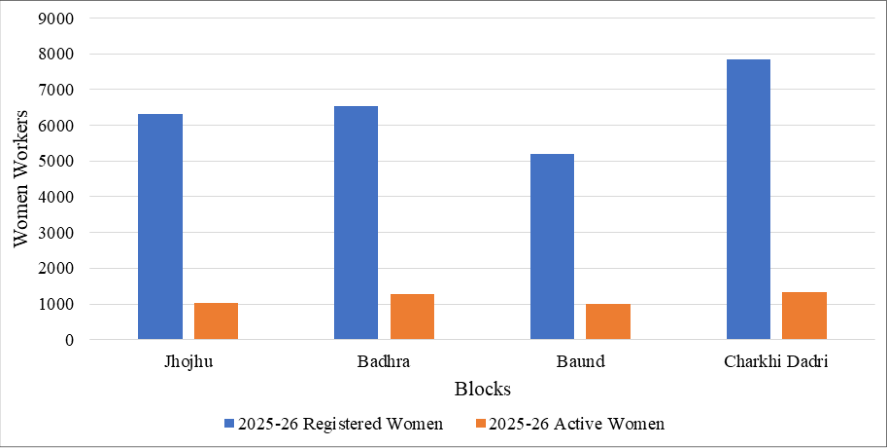 Figure 1
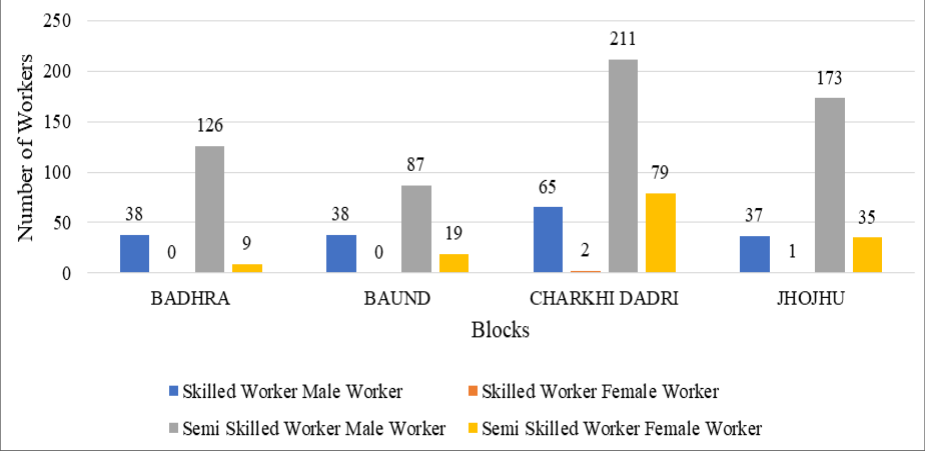 Figure 2
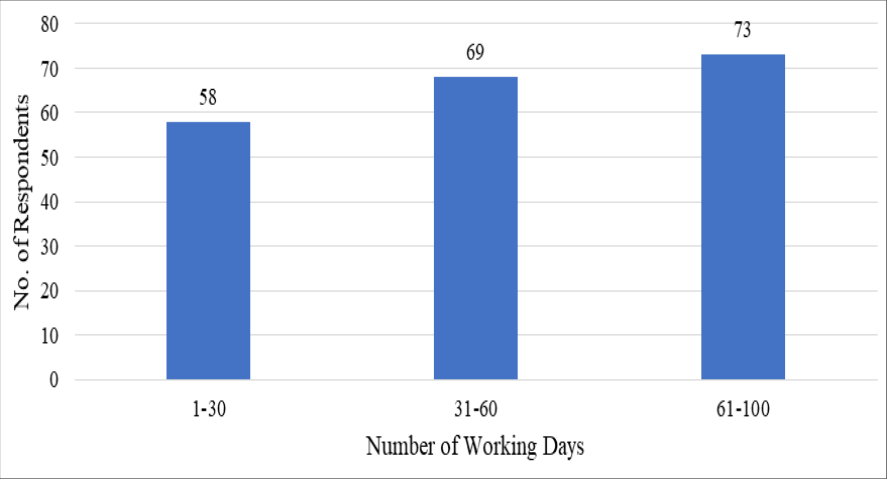 Figure 4
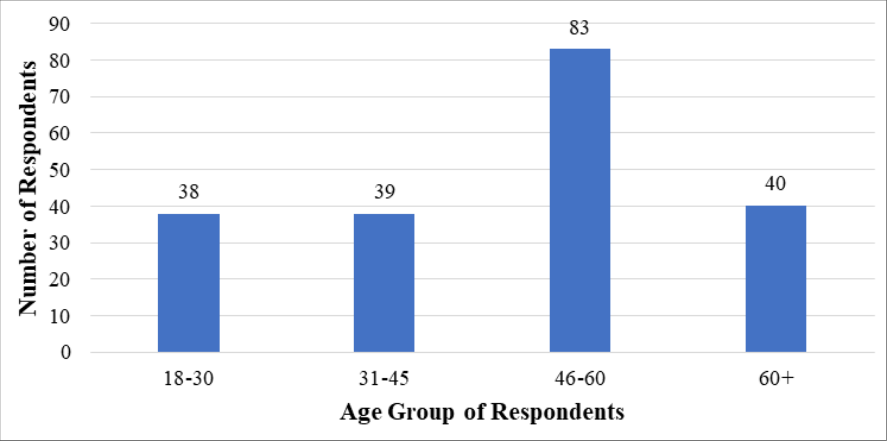 Figure 3
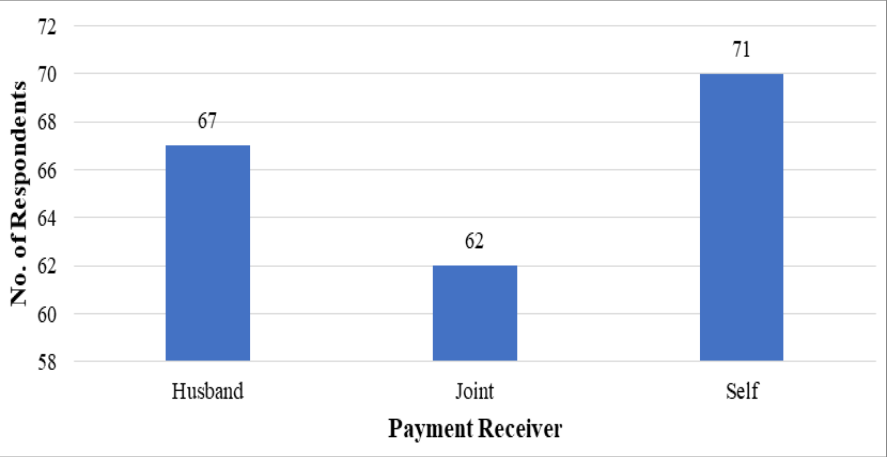 Figure 6
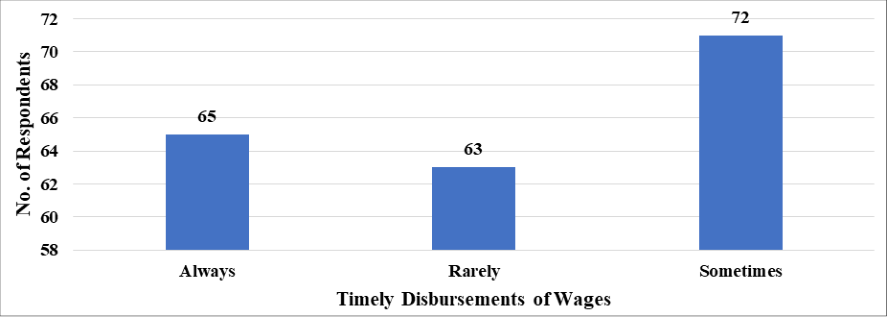 Figure 5
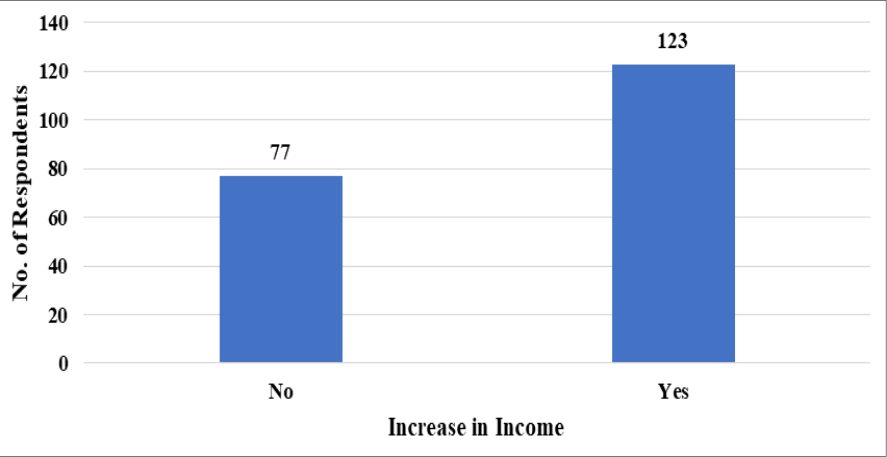 Figure 8
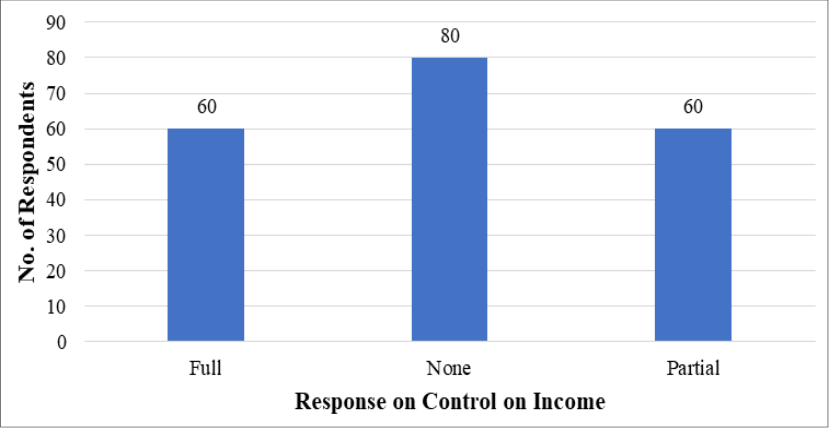 Figure 7
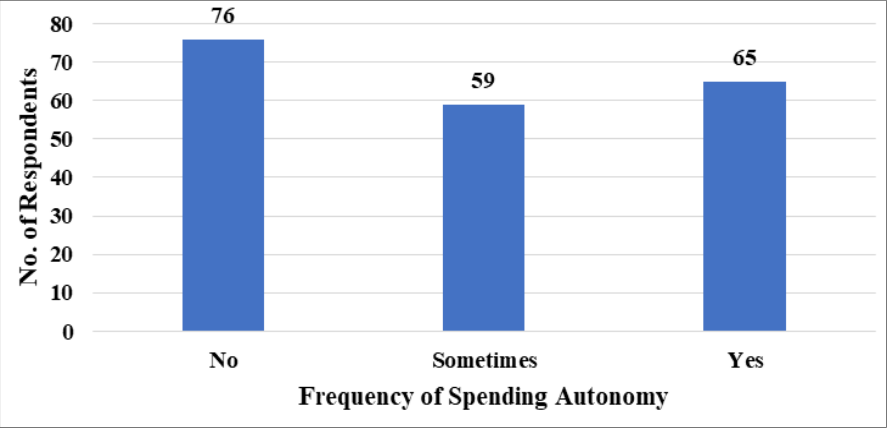 Figure 10
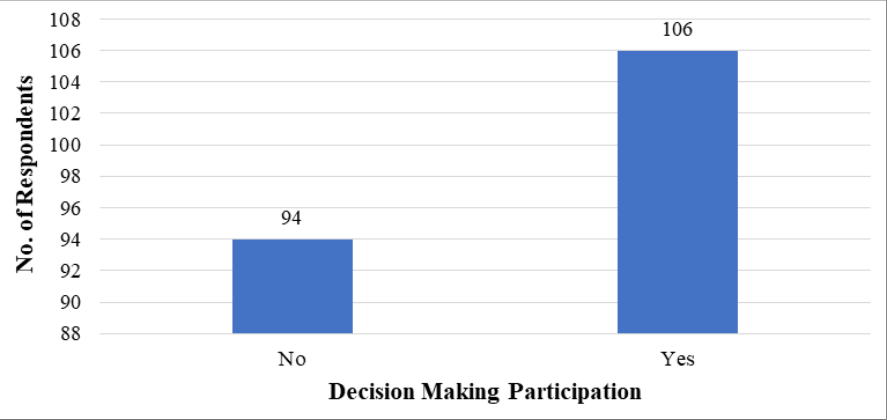 Figure 9
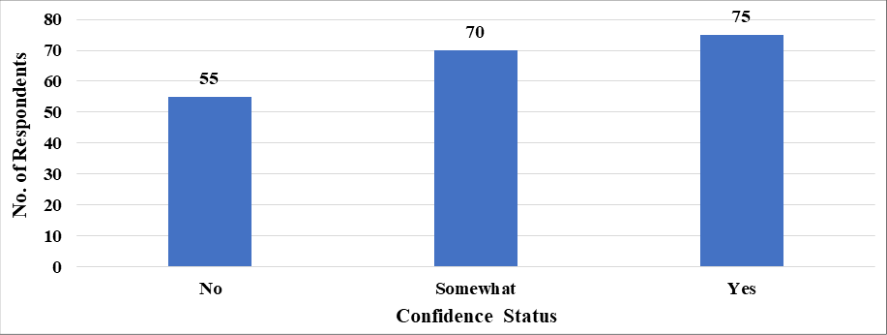 Figure 11
Introduction
Women empowerment and the minimization of gender differences have become some of the main pillars in sustainable development globally. The United Nations Sustainable Development Goals (SDGs) in particularly Goal 5, focus on attaining gender equality and empowering all women and girls as a precondition to inclusive and equitable development.
Although the world has achieved success in empowering women by giving they access to education, health services and job opportunities but gender disparities still persist in many aspects. The Global Gender Gap Report (2023) [42] reveals that less than 68.4% of the world gender gap has been bridged, and with the current rate of progress, it might take more than a century to attain complete equality. Women are still structurally disadvantaged in the economic arena, political representation and leadership globally. The gender gap in economic participation is one of the chronic international problems. The participation of women in the labour force is still considerably less than that of men, and particularly in the developing and agrarian economies, when the traditional gender roles are predominant. Women are often restricted by social norms to stay at home without any paid labour, which does not allow them to get paid jobs and achieve financial self-sufficiency. In addition, discrimination against women in terms of wages, occupational segregation and access to productive resources are further limiting factors to their social-economic development. These issues underscore the need to focus on policy interventions that can not only improve the access of women to work and education, but also help deal with deeply rooted socio-cultural constraints that limit their empowerment. Gender inequality is a critical issue of development in the Indian context even though there are significant economic growth and policy measures. India is relatively low on gender indices worldwide and the differences are seen in education, employment, health and political representation. The participation of female labour force in India is also one of the lowest in the world which shows systemic limitations like inequality in wages, absence of appropriate jobs and responsibilities that women have to carry out without pay. Although there has been positive progress on female literacy and political representation in local governance, there are still huge gaps, especially in the rural setting where women are still restricted by socio-cultural norms on their mobility and opportunities.
At the state level, Haryana is a paradoxical state of the socio-economic situation in India. On the one hand, it is among the economically developed states with high agricultural output and a fast pace of the industrial progress; on the other hand, it can be characterized by strong gender inequalities. The state has a history of the lowest sex ratio in the nation, as well as low female labour force participation and deep-rooted patriarchal values. Such gender inequalities are especially evident in the rural regions where the social structure and cultural practices limit access of women to education, healthcare and economic opportunities. In this larger state scenario, Charkhi Dadri district can be taken as a significant micro-level region to analyze the socio-economic conditions of women and the processes of empowerment. Charkhi Dadri is largely a rural district, created in 2016 when the area was split off Bhiwani. The district is indicative of most of the structural issues prevalent in the state of Haryana such as gender disparities in literacy, employment and access to health services. Women in the district are quite active in farm and household work, but their efforts are not considered serious and their work is not appreciated and overvalued economically. The interaction between socio-economic systems and sociocultural norms has a profound effect on the socio-economic position of women in Charkhi Dadri. The employment of women in the labour market is mostly in the informal and poorly paying industries, such as agricultural labour and household work. Women have little ownership of land and other productive resources even though they contribute a lot to the household and agricultural economy and this limits their ability to make their own decisions and influence their economic independence. Moreover, social institutions like early marriage, gender discrimination, and mobility limits remain in control of the lives of women and perpetuate inequality processes. In that regard, government policies to encourage women to work in rural areas and gender equality are very important to change the socio-economic status of women. The Mahatma Gandhi National Rural Employment Guarantee Act (MGNREGA) that provides 100 days of wage employment to rural households is one of the most important policy initiatives in this respect. The programme especially benefits women, since it states that men and women should get equal wages and it promotes women to work in the rural areas. MGNREGA can increase the economic freedom of women and their bargaining power within households and contribute to their involvement in the decisions at the community level because it offers them a stable income source. In rural areas such as Charkhi Dadri, MGNREGA is not only a means of earning a living, but also a means of social change. This programme has seen women go beyond their usual domestic roles and is now able to participate in paid employment, hence becoming more visible in the public arena. MGNREGA participation has also led to financial inclusion as it has made women open bank accounts and participate in formal financial systems. In addition, the group work within the programme helped in social interaction and solidarity among women, which promote rising awareness and empowerment. But not every woman is equally empowered by MGNREGA and socio-cultural conditions in the area tend to mediate these effects. Although the programme has enhanced access to income and employment opportunities by women, issues like late payment of wages, inadequate provision of work opportunities and unawareness about their entitlements have remained issues that have influenced the performance of the programme. Also, higher earnings cannot always be converted into more decision-making power because in many cases, women have fewer opportunities to control their finances due to the patriarchal norms. Hence the critical question of the degree to which MGNREGA can lead to substantive empowerment, rather than just economic participation is crucial. The current study aims at investigating the position of women in Charkhi Dadri district with a specific emphasis on how MGNREGA has helped to enhance empowerment. Through micro-level approach, the study seeks to reveal the finer aspects of the lives of women, which is usually lost in macro-level analysis. It combines socio-economic measures like education, employment, health and decision-making to give a holistic picture of the status of women in the district.
Study Area
Charkhi Dadri district is a rural and mostly agricultural area in the south of Haryana, characterized by unique socioeconomic and gender dynamics. It was cut out of the district of Bhiwani and formally declared the 22nd district of the state on 1 December 2016. The district is geographically located between 28 26N to 2859N and 7528E to 7618E with an area of approximately 1,431 sq. km (Map 01). It shares its borders with Jhajjar district in the north and east, Mahendergarh district in the south and Bhiwani in the west. It is administratively divided into two tehsils, Charkhi Dadri and Badhra, and a sub-tehsil, Baund Kalan, and three development blocks: Dadri, Badhra and Baund Kalan. The area is physiographically flat and gently rolling, which is typical of the Indo-Gangetic plains, semi-arid and with some extensions of the Aravalli hill chain in the south. Climate is severe and there are hot summers (above 45 o C), cold winters (below 5 o C) and average rainfall is 400-450 mm. The soils are mainly alluvial with agriculture being the staple of the local economy. Rabi season has major crops as wheat, mustard and gram, and Kharif season, bajra, cotton and guar with dairy farming as supplement. The population of the district is approximately 5 lakh (Census 2011) [4] with almost 89 percent of the population in rural locations. The literacy rate (67.04) is lower than the states average and sex ratio (881 females per 1000 males) is an indicator of gender disparities. The social and economic statuses of women in Charkhi Dadri are influenced by patriarchal values, low involvement in the labour market, and lack of access to resources, particularly in rural regions. The Mahatma Gandhi National Rural Employment Guarantee Act (MGNREGA) in this scenario is very relevant in improving the socio-economic status of women. It offers wage labour, fosters financial inclusion and motivates women to engage in decision-making processes at the household and community levels. Despite the persistent challenges of irregularity in the availability of work and social constraints, MGNREGA has helped to enhance income security, mobility, and empowerment of rural women in the district. To examine block wise pattern of women workers under MGNREGA in Charkhi Dadri District. 2. To examine differences in women access to jobs, income and decision-making opportunities by various blocks of Charkhi Dadri district.
Data Sources and Research Methodology
The current study is based on both primary and secondary data sources in order to have a comprehensive view of socio-economic empowerment of women in Charkhi Dadri district. Secondary data relating to various indicators such as women's participation, registered and active workers and gender-wise skilled and semi-skilled employment has been collected from various MGNREGA Reports. The collected data were systematically analysed using appropriate statistical and graphical techniques, including bar diagrams and comparative figures, to interpret trends and discuss the results effectively. Structured questionnaire and interview schedule have been used to collect primary data by conducting the interview with the respondent women in the four development blocks namely Badhra, Baund Kalan and Charkhi Dadri and Jhojhu in the selected villages. Total 200 households surveyed in 20 villages from all four blocks. The questions on employment under Mahatma Gandhi National Rural Employment Guarantee Act (MGNREGA), income levels, involvement in making household decisions, access to healthcare and education and awareness of government schemes were included in the questionnaire. Multi-stage sampling method has been utilized in collecting primary data. Previously, the district comprised three blocks, however, with the recent inclusion of Jhojhu block, the total number of blocks has increased to four blocks. Accordingly, the present study has been conducted across all four blocks of the district. Four blocks were firstly chosen namely Badhra, Baund Kalan and Charkhi Dadri and Jhojhu. A systematic/random sampling technique was used to select five villages per block, making the total 20 villages. In these villages, stratified random sampling was done to select households to provide a representation of various socio-economic groups. About 10 respondents from each of the chosen villages were selected to be surveyed, resulting in the overall sample size of 200 respondents. The analytical framework entails descriptive and spatial analysis. The degree of participation of women in MGNREGA, level of income and decision-making are analysed with descriptive statistics (percentages, averages and comparative tables). Block-wise comparisons have been conducted to study intra-district inequalities. Qualitative observations based on fieldwork and informal interactions with the respondents are also included in the study and contribute to a better comprehension of socio-cultural constraints and ground realities. Across blocks, the number of skilled male workers (178) is significantly higher than that of skilled female workers (just 3). Similarly, in the semi-skilled category, while the number of female workers (142) is relatively higher compared to skilled category, it is still much lower than male semiskilled workers (597).
Source: MGNREGA Reports on Charkhi Dadri, Haryana, 2025-26 In terms of blocks, Charkhi Dadri has the highest number of workers in both categories: 65 skilled male workers and only 2 skilled female workers, and 211 semi-skilled male workers and 79 semi-skilled female workers (Figure 02). There are no female skilled workers in Badhra and Baund blocks, implying the total exclusion of women from skilled labour in these regions. Jhojhu block has a very small number of female workers in skilled labour (only 1 worker), but a relatively larger number of semi-skilled female workers with a gender disparity with males. This trend is clearly a signal that the female participation in skilled and semi-skilled work is very low in all the blocks of Charkhi Dadri district, as shown in the figure 02. Very few women are engaged in skilled work, which is a sign of the structural constraints, including lack of training, gender division of labour and socio-cultural constraints. Even in semi-skilled labour, where female participation is relatively high, there is still male dominance. In summary, the data shows that although the MGNREGA scheme offers employment opportunities, it has so far failed to address issues of equal participation of women in higher-skilled labour, thereby restricting their economic empowerment and social mobility.
Impact of MGNREGA on Socio-Economic Status of Women
Assessing the effects of the Mahatma Gandhi National Rural Employment Guarantee Act (MGNREGA) on rural women's socio-economic status forms an important aspect in the study of rural development and women's empowerment. This section of the paper explores the impact of women's participation in MGNREGA on their labour force participation, wages and household power relations.
The study examines various indicators including employment opportunities, wage payment mechanisms, income control, financial inclusion and autonomy and mobility using primary data collected from all four blocks of Charkhi Dadri district. Examining these factors is crucial because simply engaging in wage employment does not necessarily lead to empowerment; rather, it is important to understand whether participation in wage employment makes a significant impact on the economic autonomy, social status and power of women. This study therefore offers a holistic approach to assess the impact of MGNREGA in improving the overall socio-economic status of rural women.
Age Composition of Respondents
The age distribution of the study's sample shows a wide representation of women from different age groups, from young women (18-30 years) to the elderly (60+ years). The middle-aged groups (31-45 and 46-60 years) are well represented in the sample, suggesting that women involved in economic activities and household management are the main work force under MGNREGA (Figure 03). Involvement of young women indicates the scheme's significance for early employment opportunities and financial exposure, while the participation of older women, especially over 60 years, suggests the scheme's role in providing livelihood opportunities in the absence of other sources of income. This age distribution is crucial for analysing differential work, income and empowerment outcomes as age is a factor affecting physical stamina, authority and control over economic resources in households.
Days Worked by Women under MGNREGA
The distribution of days worked by women under the MGNREGA in various blocks of Charkhi Dadri district reveals a moderate, yet varied, share of employment opportunities. Figure 04 reveals that approximately 58 women agreed that they are working between 1 to 30 days, 69 women reported working in the range of 31-60 days and more than 70 women reported working between 61-100 days which suggests that the scheme is successfully offering continuous employment to a significant number of women, especially in blocks such as Badhra and Baund Kalan where higher levels of engagement are more apparent.
Source: Fieldwork in study area, 2026. Source: Fieldwork in study area, 2026
MGNREGA Wage Timeliness in Charkhi Dadri
The study of wage timeliness in all blocks of Charkhi Dadri district shows a combination of timely and delayed disbursements of MGNREGA wages. Out of the total respondents, 65 participants reported they always get their wages on time, 72 reported the wages are sometimes delayed and 63 reported the wages are rarely paid on time (Figure 05).
Source: Fieldwork in study area, 2026 This breakdown reveals that while there is a significant proportion of women that receive timely payment of wages, the greater percentage experience inconsistencies and delays. These variations are seen in blocks such as Badhra, Baund Kalan, Dadri and Jhojhu, indicating that this is not a localised problem but more widespread. The more frequent "sometimes" and "rarely" responses indicate procedural and administrative issues in wage payments, which can have implications on the livelihoods of women and the effectiveness of MGNREGA as a source of employment.
MGNREGA Payment Receiver in Charkhi Dadri
MGNREGA Payment Receiver in Charkhi Dadri
District
The wage receipt practices of women workers in all the blocks of Charkhi Dadri district show different levels of financial inclusion and control over income. Among the total sample, 71 women reported receiving of wages in their own hands, suggesting a fairly commendable inclusion of women in the direct receipt of wages under MGNREGA. But 65 women reported that their husbands receive the payments and 62 women reported that they share wage payment with their husbands, suggesting the dominance of family structures in managing women's earnings (Figure 06).
Source: Fieldwork in study area, 2026 This reflects that while a slightly greater share of women has direct control over their payments, many still rely on male family members or joint receipt for their wages. The existence of joint and husband-dominated payment patterns in blocks such as Badhra, Baund Kalan, Dadri and Jhojhu suggests that socio-cultural practices still play a role in controlling finances, thereby constraining the potential for economic empowerment, despite women's participation in the scheme.
Women's Control over Income under MGNREGA
The study of income control among women in all blocks of Charkhi Dadri district reveals considerable differences in women's economic power, despite their engagement with MGNREGA. Out of the total respondents, 80 women reported no control, 60 indicated partial control and 60 women reported full control over their income (Figure 07).
Source: Fieldwork in study area, 2026 This pattern reveals that most women continue to lack direct control over their income, which is an indication of the persistence of patriarchal practices in many households. While a significant number of women reports having partial or full control, which reflects a shift towards financial empowerment, the fact that a majority report having "no control" suggests that a large number of women are still unable to achieve economic independence.
Increase in Income after Participation in MGNREGA
The evaluation of the change in income following participation in the MGNREGA works of all the blocks in the Charkhi Dadri district suggests that, overall, it has improved women's livelihoods. Out of the total sampled women respondents, 123 women reported a rise in income, with 77 saying that there was no change (Figure 08). This implies that the majority of women have experienced a positive impact on their income from their participation in the programme, which offers an additional and more stable source of wage employment opportunities in rural areas.
Source: Fieldwork in study area, 2026 However, the boost in income seems to be more of a marginal nature as a considerable number of women do not report any increase. This block-wise difference is due to variations in the number of days worked, regularity of wage payment and work opportunities. In conclusion, although MGNREGA has improved women's income situation, it has been variable and affected by local socio-economic and administrative factors.
Women's Role in Household Decision-Making
The study on women's participation in household decisionmaking across all the blocks of Charkhi Dadri district shows a relatively equal but also unequal empowerment structure. A total of 106 women expressed that they are involved in decision-making, while 94 women said they are not (Figure: This indicates that while a marginal majority of women participate in household decision-making, a large percentage of women are still not involved in decision-making. The results show that engagement with MGNREGA has helped to improve the social awareness of women to some extent, but it has not led to equal decision-making power for all women. The presence of a significant number of nonparticipating women shows the continued prevalence of traditional gender roles and power relations in blocks such as Badhra, Baund Kalan, Dadri and Jhojhu, which tend to restrict the empowerment outcomes that have resulted from their economic activities.
Women's Spending Autonomy on MGNREGA
An examination of the spending autonomy of women from all the blocks of Charkhi Dadri district shows a diverse picture of their capacity to exercise control over the expenditure of their income. Among the total number of respondents, 76 women reported no autonomy in spending, 59 reported they have "sometimes" and 65 reported they have "full" spending autonomy (Figure 10).
Source: Fieldwork in study area, 2026 This breakdown reveals a proportion of women who have achieved some degree of autonomy in financial matters, but the majority still do not have the autonomy to independently control spending. The notable "sometimes" category also suggests conditional autonomy, in which women's spending choices might still be constrained by family members. This phenomenon, evident in blocks like Badhra, Baund Kalan, Dadri and Jhojhu, suggests that while women have earned livelihoods through MGNREGA, they still face sociocultural barriers to full economic empowerment. This breakdown demonstrates that most women have reported some improvement in confidence levels following their participation in MGNREGA, indicating the impact of the programme on enhancing their exposure to the workplace, social interactions and financial decisionmaking. But the substantial number of women who report no improvement indicates that empowerment effects are not universal and may depend on factors like household dynamics, control of income, and social norms. In summary, though MGNREGA has enhanced the confidence of women, this effect is not uniform across all women and blocks.
Conclusion and Suggestions
It is evident from the study that the MGNREGA programme has contributed immensely to the employment of women and improvement in their socioeconomic position. Findings of the study show the increased involvement of women in the labour force participation, increased supplementary earnings and improved confidence. At the same time, the study has revealed some limitations of the program. First, there is a big difference between the number of women enrolled in the project and those actively engaged in activities. Also, the inconsistency in terms of days of employment and the delay in payment of wages have undermined the benefits of the program. Although women are earning wages, they do not have full autonomy and control over their finances and are not part of decisionmaking within their families.
The effective implementation of MGNREGA as an instrument to promote women's empowerment needs the development of proper mechanisms for implementation at the grass root level. Providing 100 days of guaranteed employment, timely payment of wages and making them aware of their rights can play a key role in enhancing their participation and making them economically secure. In addition to this, developing capacities among institutions, removing any delays on the part of the bureaucratic structure and increasing transparency regarding the wage disbursement system can prove instrumental in ensuring success. Efforts can also be made to promote their participation in skilled and semi-skilled occupations by conducting training programs for them. In order to further ensure their effective empowerment through MGNREGA, some additional measures may be taken. These include addressing socio-cultural barriers to promote greater income control and decision-making capacity among women. Their empowerment in the realm of finance can be achieved by encouraging financial inclusion, having separate bank accounts for women, directly paying the wages to them and promoting awareness about financial rights. In addition to this, awareness campaigns and gender sensitization measures can help in changing existing cultural norms.
Figures and tables from the paper
References
42 in the original paper- Agarwal B. A field of one's own: Gender and land rights in South Asia. Cambridge: Cambridge University Press; 1994.
- Basu AM. Culture, the status of women, and demographic behaviour: Illustrated with the case of India. Oxford: Oxford University Press; 1992.
- Bhatia R, Poonia M. Gender inequality in rural Haryana: A socio-economic analysis. International Journal of Social Sciences. 2018;7(3):45-52.
- Census of India. Primary census abstract data tables. New Delhi: Office of the Registrar General & Census Commissioner, India; 2011.
- Chant S, Sweetman C. Fixing women or fixing the world? 'Smart economics', efficiency approaches, and gender equality in development. Gender and Development. 2012;20(3):517-529.
- Chauhan CPS. Education and development in India: Critical issues in public policy and development. Indian Journal of Social Development. 2008;8(2):237-250.
- Das S, Sharma R. Regional disparities in women's healthcare access in India. Journal of Rural Health Studies. 2024;12(1):67-82.
- Desai N, Banerji M. Negotiated identities: Male migration and left-behind women in India. Journal of Population Studies. 2008;32(2):123-140.
- Desai V, Thakkar U. Women in Indian society. New Delhi: National Book Trust; 2001.
- Esteve-Volart B. Gender discrimination and growth: Theory and evidence from India. London School of Economics Working Paper. 2004.
- Gelfand MJ, et al. The cultural tightness-looseness continuum and gender inequality. Nature Human Behaviour. 2023;7:1-10.
- Ghalawat S. Financial decision-making among women in Haryana. Indian Journal of Gender Studies. 2023;30(2):210-225.
- Ghosh J. Women's work and economic development in India. Economic and Political Weekly. 2007;42(17):1505-1512.
- Gonzales C, Jain-Chandra S, Kochhar K, Newiak M. Fair play: More equal laws boost female labor force participation. Washington DC: International Monetary Fund; 2015.
- International Labour Organization. India employment trends report. 2022.
- Inter-Parliamentary Union. Women in national parliaments. 2023.
- Jeffery P, Jeffery R. Don't marry me to a plowman!: Women's everyday lives in rural North India. Boulder: Westview Press; 1994.
- Kabeer N. Resources, agency, achievements: Reflections on the measurement of women's empowerment. Development and Change. 1999;30(3):435-464.
- Klasen S, Lamanna F. The impact of gender inequality in education and employment on economic growth. Feminist Economics. 2009;15(3):91-132.
- Kumar A, Singh R. Gender disparity in Haryana: Issues and challenges. Journal of Rural Development. 2016;35(4):589-602.
- Kumar S, Gupta P. Education and women empowerment in rural India. International Journal of Educational Development. 2023;89:102-115.
- Malhotra A, Schuler SR, Boender C. Measuring women's empowerment as a variable in international development. World Bank Working Paper. 2002.
- Malhotra A, Pande R, Grown C. Impact of investments in female education on gender equality. Washington DC: World Bank; 2003.
- Malik P, Yadav S. Gender disparities in education in Haryana: A district-level analysis. Asian Journal of Education Studies. 2024;9(1):34-49.
- Mehra R. Women, empowerment, and economic development. Annals of the American Academy of Political and Social Science. 1997;554:136-149.
- OECD. Policies for improving the impacts of FDI on gender equality. Paris: OECD Publishing; 2023.
- Patel R, Singh N. Female labour force participation in India: Trends and determinants. Economic Affairs. 2023;68(2):345-360.
- Rai SM. Gender and political economy of development. Cambridge: Polity Press; 2019.
- Rapp K, Volpe V, Hale T, Quartararo D. Gender inequality and healthcare access. Social Science and Medicine. 2021;285:114-125.
- Rao V, Kaur J. Women employment trends in Haryana. Indian Journal of Labour Economics. 2023;66(1):55-72.
- Sample Registration System. Maternal mortality in India 2018-20. New Delhi: Registrar General of India; 2020.
- Sen A. More than 100 million women are missing. New York Review of Books. 1990;37(20):61-66.
- Shang B. Gender equality policies and long-term impacts. World Development Review. 2022;45(3):7895.
- Sharma P. Rural-urban disparities in Haryana: A spatial analysis. Geographical Review of India. 2017;79(2):123-135.
- Sharma R, Mehta S. Healthcare accessibility among women in Haryana. Journal of Public Health Research. 2025;14(1):22-38.
- Siddiqi MN, Shafiq M. Cultural values and gender equality. International Journal of Sociology. 2017;47(4):263-278.
- Singh R, Hooda N. Socio-cultural barriers to women empowerment in Haryana. Journal of Gender Studies. 2024;33(2):145-160.
- Sundaram K, Bhushan S. Women in agriculture in India: Trends and issues. Agricultural Economics Research Review. 2020;33(1):1-12.
- Tesha J, Fabian A, Mkuwa S. Gender norms and health access in India. BMC Public Health. 2023;23(1):456.
- UNESCO. Gender equality in cultural life. Paris: UNESCO Publishing; 2021.
- World Economic Forum. Global Gender Gap Report 2023.
- World Health Organization. Gender and health. Geneva: WHO Press; 2021.