
Research article · 2026 · Full text
International Journal of Biology SciencesPray for prey? Agonistic responses of free-ranging dogs and cats to urban wildlife in and around Kolkata, India
Volume 8(5) · Pages 88–91 · DOI: 10.33545/26649926.2026.v8.i5b.832 ↗
Research areasWildlife Ecology and ConservationAnimal Ecology and Behavior StudiesHuman-Animal Interaction Studies
Abstract
Author-writtenThe introduction and promotion of free-ranging as well as domestic pets is a significant way in which humans have impacted native animal populations. Domestic and feral dogs (Canis familiaris) and cats (Felis catus) can cause considerable harm to native and urban wildlife, either directly through predation or indirectly via disease transmission and fear-induced behavioural or demographic changes. We have collected data from incidents observed during our daily commute, including cases of wildlife being killed by dogs and cats in various parts of Kolkata. Many wild animals associated with urban cities are being found, attacked, and killed by these animals. According to our study, 74.2% of wildlife were killed by domestic or stray cats, and 25.8% by domestic or stray dogs. Among them, 54.8% are mammals, 19.4% are birds, 9.7% are insects, 9.7% are reptiles, 3.2% are fish, and 3.4% are amphibians. Of these victims, many are in threatened list of protection under the IUCN as well as India’s Wildlife (Protection) Act, 1972. Our study shows that unorganised control of the population of dogs and cats significantly affects the human-associated wildlife and the native ecosystem as well.
Summary
Source-checkedPlain-language reading of the full paper, prepared with AI and checked against the text. Each point links to the authors' own words.
Why it matters
- Free-ranging dogs and cats can negatively impact native wildlife through direct predation, disease transmission, and fear-induced changes in behavior or population. View evidence ↗
- The human-led introduction and promotion of free-ranging pets is a primary driver of impact on native animal populations globally. View evidence ↗
- Feral dog populations pose severe threats to wildlife not only in urban settings but also in forested areas, particularly reserve forests near human settlements. View evidence ↗
The question
- The study aimed to document and analyze incidents of urban wildlife being attacked and killed by free-ranging dogs and cats in Kolkata, India. View evidence ↗
What they did
- Data was collected from various locations across Kolkata between March 2025 and July 2025. View evidence ↗
- The researchers gathered data based on incidents observed during their daily commutes. View evidence ↗
- The study used a Canon PowerShot SX430 IS camera for documentation and referenced the IUCN website for species status and population trends. View evidence ↗
What they found
- Cats were responsible for the majority of wildlife deaths (74.2%), while dogs were responsible for 25.8%. View evidence ↗
- The victims were primarily mammals (54.8%), followed by birds (19.4%), insects (9.7%), reptiles (9.7%), amphibians (3.4%), and fish (3.2%). View evidence ↗
- The majority of the wildlife victims (87.1%) were classified as 'Least Concern' by the IUCN, with 3.2% listed as 'Data Deficient'. View evidence ↗
- Regarding global population trends, 54.8% of the victim species were stable, 19.4% were decreasing, 3.2% were increasing, and 22.6% were unknown. View evidence ↗
What it means
- The authors conclude that the lack of organized population control for dogs and cats significantly harms native ecosystems and wildlife associated with human areas. View evidence ↗
- The authors recommend promoting responsible cat ownership and restricting free-ranging behavior, particularly at night, to mitigate impacts on wildlife. View evidence ↗
- The authors state that future research is needed to provide overall prey population estimates, better insights into cat predatory behavior, and more objective data interpretation. View evidence ↗
Visual summary
1 visualsIllustrations explain the paper; they do not show study data.
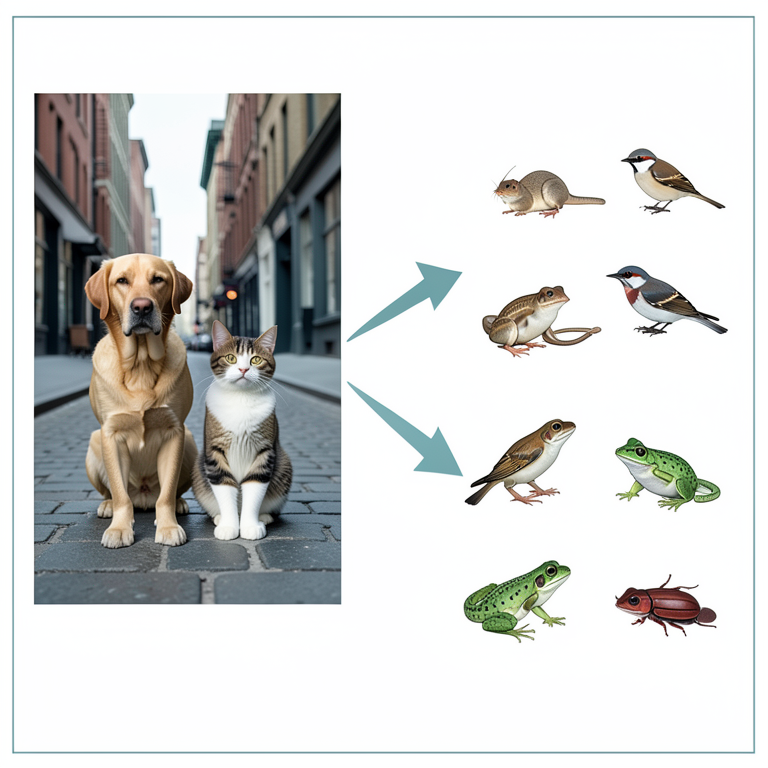
Urban Predation Distribution
AI-generated conceptual illustration (free-ranging domestic dogs, domestic cats, and urban wildlife (small mammals, birds, reptiles, amphibians, fish, and昆虫)). It explains the idea and does not show study data.
View source evidence ↗Figures & tables
From the original paper Figure 1
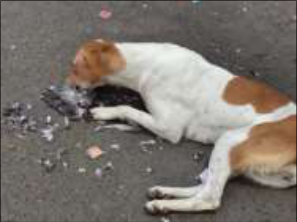 Figure 2
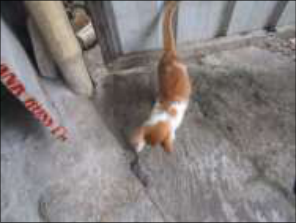 Figure 2
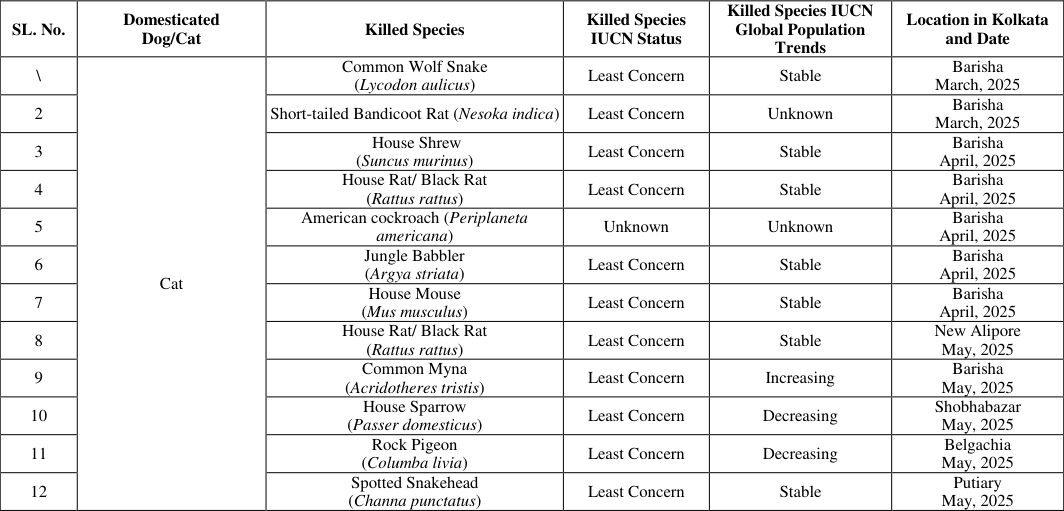 Table 1
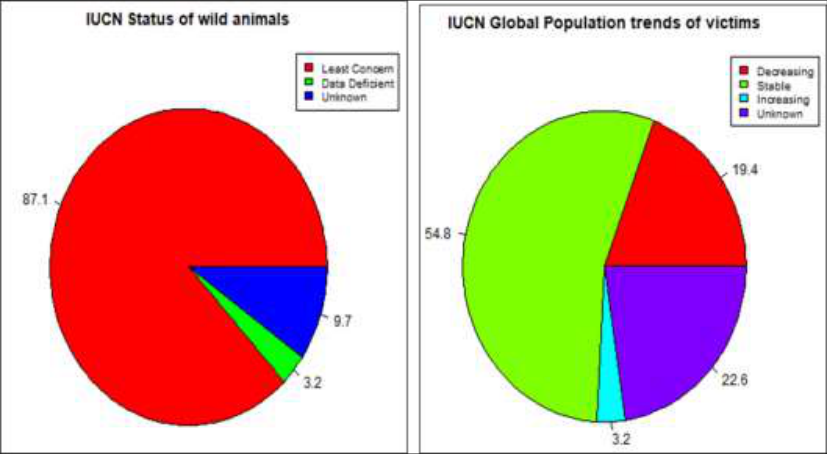 Figure 3
Introduction
In the Upper Palaeolithic era (35,000 BP), dog domestication most likely started much earlier than that of any other animal or plant. This early, probably unconscious process is called proto-domestication to distinguish it from the actual domestication process, which has been dated to approximately 14,000 BC (Galibert et al., 2011) [2] . Cats are among the first domesticated animals in history, having been domesticated around 11,000 years ago during the Neolithic period. The ancestors of cats migrated from Africa to Europe and Asia some 11,000 years ago. In Egypt, cats have been domesticated since approximately 4,000 BC. The Egyptians of the time liked to keep cats to control mice and other pests. Over time, cats progressively transformed into pets and companions for people. In Europe and Asia, cats were also widely used to control mice and other pests (Xuan, 2023) [14] . Significant human impacts during the current Anthropocene period have led to global environmental degradation, defaunation, and loss of biodiversity. The introduction and promotion of free-ranging domestic pets worldwide is a major way humans affect native animal populations. Domestic dogs (Canis familiaris) and cats (Felis catus) can cause considerable harm to native wildlife, either directly through predation or indirectly via disease transmission and fear-induced behavioural or demographic changes. Nearly every human community has domestic dog and cat populations, and as the human population expands in size and spreads geographically, so too do these domestic animals, making the threat increasingly concerning (Morin et al., 2018) [8] . One of the domestic animals that is thought to be the biggest threat to wildlife preservation is the feral cat, Felis catus. This is particularly true for island ecosystems, as there is a lack of data for mainland countries (Mori et al., 2019) [7] . In the United States, cats kill between 6.9 and 20.7 billion mammals and between 1.4 and 3.7 billion birds annually, according to a comprehensive review of the literature conducted to quantify the mortality caused by cats (Turner, 2022) [13] . According to Loss et al. (2013) [4] , domestic cats that roam freely kill between 6.3 and 22.3 billion animals and 1.3 to 4.0 billion birds annually (Loss et al., 2013) International Journal of Biology Sciences 2026; 8(5): 88 -91 [5] . Free-ranging domestic cats Felis catus, from domesticated pets to wild cats, affect biodiversity through competition, disease, fear effects, predation, and hybridization (Trouwborst et al., 2020) [12] , Domestic dogs are increasingly recognized as a threat to the conservation of native species. Their impacts are frequently on par with those of other invasive predators, such as cats and rats. Home et al. (2018) [3] carried out the first sub-continent scale study of the effects of dogs on native species in India using reports from national print media and an online key informant survey. Dogs reportedly attacked 80 species, including 31 vulnerable species listed on the IUCN Red List and four Critically Endangered species (Home et al., 2018) [3] . Public health and conservation are seriously threatened by the large number of uncontrolled, free-ranging dogs (Canis familiaris Linnaeus, 1758) in India's cities and rural areas (Pal, 2001). The Indian stray dog, also called the domestic dog (Canis lupus familiaris), makes up a percentage of the country's free-roaming dog population and affects public health, urban ecological processes, and social dynamics (Paul et al., 2014, Saha, 2025) [10,11] . Now-a-days free ranging dogs become feral in both in urban and rural areas. Not only in the cities, but this feral population of dogs create severe threats to the wild animals in the forested areas, especially in the reserve forests where human habitation exists. Preferentially, the dogs attack mega carnivores while capturing prey, thus impacting the forest ecosystem.
Methodology
Data collection from various areas of Kolkata (Figure 1) for this study took place from March 2025 to July 2025. We used a Canon PowerShot SX430 IS camera for photography. We gathered data on IUCN status and IUCN global population trends from the IUCN website. We have gathered data from incidents encountered during our daily commute, including cases of wildlife being killed by stray dogs (Canis lupus familiaris) and cats (Felis catus) in various parts of Kolkata (Figure 2). Many wild animals associated with the city are being found, attacked, and killed by the free-ranging dogs and cats (Figure 2), according to preliminary data collected over the last three to four months from different locations in Kolkata. Some of these species are unknown, but most are of least concern based on the global IUCN Red List status (Table 1). According to our study, 74.2% of wildlife were killed by domestic or stray cats, and 25.8% by domestic or stray dogs. In our overall data, 54.8% are mammals, 19.4% are birds, 9.7% are insects, 9.7% are reptiles, 3.2% are fish, and 3.4% are amphibians. Of these victims, 87.1% are classified as least concern, and 3.2% as data deficient, according to IUCN status. The IUCN global population trends of victims are 54.8% stable, 19.4% decreasing, 3.2% increasing, and 22.6% unknown (Figure 3).
Acknowledgement
AcknowledgementThe authors thank the Officer-in-Charge of Bird Section of Zoological Survey of India, Kolkata, for his support, encouragement and help in manuscript writing. The authors also thank the Director of the Zoological Survey of India, Kolkata, for her encouragement and support. The authors would also like to express their gratitude to the Principal and the Head of the Department of Zoology, Bidhannagar College, Kolkata, for providing encouragement and support. First author wishes to express heartfelt appreciation to his mother, Mrs. Shyamali Das, for their support and encouragement.
References
13 in the original paper- Galibert F, Quignon P, Hitte C, André C. Toward understanding dog evolutionary and domestication history. In: Comptes Rendus -Biologies. 2011; 334(3): 190-196. https://doi.org/10.1016/j.crvi.2010.12.011
- Home C, Bhatnagar YV, Vanak AT. Canine Conundrum: domestic dogs as an invasive species and their impacts on wildlife in India. Anim Conserv. 2018; 21(4), 275-282. https://doi.org/10.1111/acv.12389
- IUCN. The IUCN Red List of Threatened Species. Version 2025-1. ISSN 2307-8235. https://www.iucnredlist.org
- Loss SR, Will T, Marra PP. The impact of free-ranging domestic cats on wildlife of the United States. Nat Commun. 2013; 4(1), 1396. https://doi.org/10.1038/ncomms2380
- Menon V. Indian Mammals, A Field Guide. Hachette India Local; 2014.
- Mori E, Menchetti M, Camporesi A, Cavigioli L, Tabarelli de Fatis K, Girardello M. License to Kill? Domestic Cats Affect a Wide Range of Native Fauna in a Highly Biodiverse Mediterranean Country. Front Ecol Evol. 2019; 7: 477. https://doi.org/10.3389/fevo.2019.00477
- Morin DJ, Lesmeister DB, Nielsen CK, Schauber EM. The truth about cats and dogs: Landscape composition and human occupation mediate the distribution and potential impact of non-native carnivores. Glob Ecol Conserv. 2018; 15: e00413. https://doi.org/10.1016/j.gecco.2018.e00413
- Pal SK. Population ecology of free-ranging urban dogs in West Bengal, India. Acta Theriol. 2001; 46(1): 6978. https://doi.org/10.1007/BF03192418
- Paul M, Sen Majumder S, Bhadra A. Grandmotherly care: A case study in Indian free-ranging dogs. J Ethol. 2014; 32(2): 75-82. https://doi.org/10.1007/s10164014-0396-2
- Saha R. A Comprehensive Review of Indian Stray Dogs. Int J Sci Res Eng Manag. 2025; 09(06): 1-9. https://doi.org/10.55041/IJSREM50782
- Trouwborst A, McCormack PC, Martínez Camacho E. Domestic cats and their impacts on biodiversity: A blind spot in the application of nature conservation law. People Nat. 2020; 2(1): 235-250. https://doi.org/10.1002/pan3.10073
- Turner DC. Outdoor domestic cats and wildlife: How to overrate and misinterpret field data. Front Vet Sci. 2022; 9:1087907. https://doi.org/10.3389/fvets.2022.1087907
- Xuan J. The Origin and Evolution of Cats. Anim Mol Breed. 2023; 13(2):1-6. https://doi.org/10.5376/amb.2023.13.0002.