
Research article · 2026 · Full text
International Journal of Agriculture and NutritionThe use of resistance to insects in plants, mechanisms of resistance, morphological resistance and approaches in insect pest management
Volume 8(5) · Pages 18–29 · DOI: 10.33545/26646064.2026.v8.i5a.636 ↗
Research areasInsect-Plant Interactions and ControlInsect Pest Control StrategiesInsect Resistance and Genetics
Abstract
Author-writtenThere has been a renewed interest in the study and use of resistance as a component in modern pest management strategies due to plants having evolved numerous strategies to resist insect attack and reduce the risk of damage. Insect pest damage can result in a loss of over 15% of annual crops. Conventional pesticides management of pests is harmful to human health, the environment and phyto-sanitation. As a result, researchers are looking for lines with durable sources of resistance. In terms of pest management, polyculture, resistance and tolerance, which includes physical defensive traits, secondary metabolites are highly beneficial. Here, through suitable examples, we review the current understanding of the different types of herbivore resistance, expression in host plants and the underlying levels of resistance. Evaluation of plant resistance to insects under varying conditions using different screening techniques is one of the prerequisites for breeding. Conventional and new methods of breeding for insect resistance and the inheritance of R-genes have been discussed. We focus on recent knowledge on plant defensive traits and on how to facilitate their use to make the host-plant resistance a sustainable component of future crop protection. Plants are a source of food and primary producers for heterotrophic phytophagous organisms. They are affected by various types of environmental stresses. Biological factors, such as pests (insects, fungus, bacteria, viruses and nematodes), reduce crop production. Plants have evolved to have physical, structural, and chemical defence strategies against pest invasions. However, much remains unknown about these protective mechanisms. This research will look at the issue of plant resistance to pests such as weeds, insects and pathogens in order to better understand how plants defend themselves against pests. Plants' resilience is one of several morphological factors that contribute to their ability to defend themselves against insects. Trichomes, surface waxes on plant tissues, increased tissue hardness, thickened cell walls and cuticles, fast-growing tissues, structural changes in organs, changes in colour and shape are all examples of these. The plant's chemical diversity determines the response of the herbivore and the host plant. These types of chemicals can be physiological toxins or nutritional antagonists. All they do is reduce the palatability of the plant tissues that have secondary metabolites; their presence does not affect the plant's growth and development. Allelochemicals are a form of structure-and-biochemical resistance (host resistance) plants use to reduce infections. Therefore, plants have evolved different resistance mechanisms against pests. These resistance mechanisms can be a valuable mechanism for pest control by decreasing the amount of pesticides needed, with less exposure to toxic chemicals, and fewer detrimental effects on the environment. This resistance mechanism can be used in conjunction with other pest control measures as part of integrated pest management programs to reduce pest damage.
Summary
Source-checkedPlain-language reading of the full paper, prepared with AI and checked against the text. Each point links to the authors' own words.
Why it matters
- Insect pests cause significant agricultural losses, potentially reducing annual crop yields by more than 15%. View evidence ↗
- Traditional pesticide use is problematic because it harms human health, the environment, and plant sanitation. View evidence ↗
- Host-plant resistance (HPR) offers a cost-effective and environmentally safe alternative that complements other integrated pest management strategies. View evidence ↗
The question
- The review aims to examine the processes and essential mechanisms by which plants resist insects and diseases. View evidence ↗
What they did
- The authors conducted a review of current knowledge on herbivore resistance types and their expression in host plants using various examples. View evidence ↗
- The analysis includes a discussion of both traditional and modern breeding methods for insect resistance and the inheritance of resistance (R) genes. View evidence ↗
What they found
- Non-preference resistance occurs when plant characteristics discourage insects from using the plant for feeding, shelter, or egg-laying. View evidence ↗
- In rice, the absence of the amino acid asparagine is associated with resistance to the brown planthopper. View evidence ↗
- Tolerance is the genetic ability of a plant to withstand or recover from pest damage even when pest populations are high. View evidence ↗
- Surface waxes, which can repel insects, typically make up 1% to 5% of a plant's dry weight. View evidence ↗
- The Vip3A protein acts as a toxin against the sugarcane stem borer, achieving a 100% kill rate in sugarcane. View evidence ↗
- Transgenic rice expressing the snowdrop lectin (GNA) via particle bombardment showed high resistance to sap-sucking pests. View evidence ↗
- Bacillus thuringiensis (Bt) toxins are widely used, appearing in up to 90% of microbiological insect control treatments. View evidence ↗
- CRISPR/Cas9 and TALENs are the primary tools used for genome editing to create insect-resistant plants. View evidence ↗
What it means
- The authors conclude that host-plant resistance is a vital, environmentally friendly component of integrated pest management. View evidence ↗
- The authors state that the environmental impact on non-target organisms must be studied before transgenic insect-resistant crops are commercialized. View evidence ↗
Visual summary
1 visualsIllustrations explain the paper; they do not show study data.
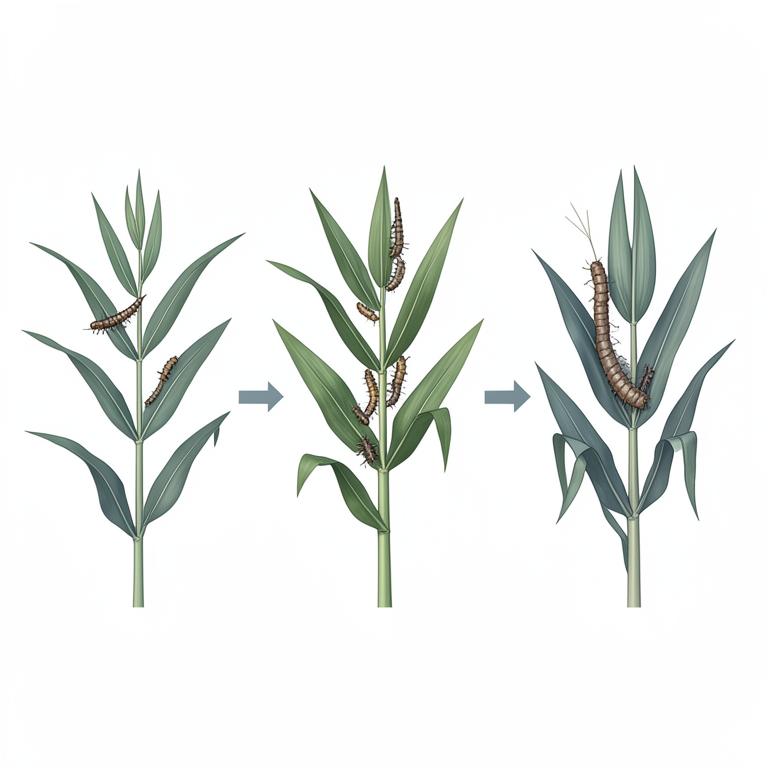
Plant Resistance Modalities
AI-generated conceptual illustration (maize plants and fall armyworm larvae). It explains the idea and does not show study data.
View source evidence ↗Figures & tables
From the original paper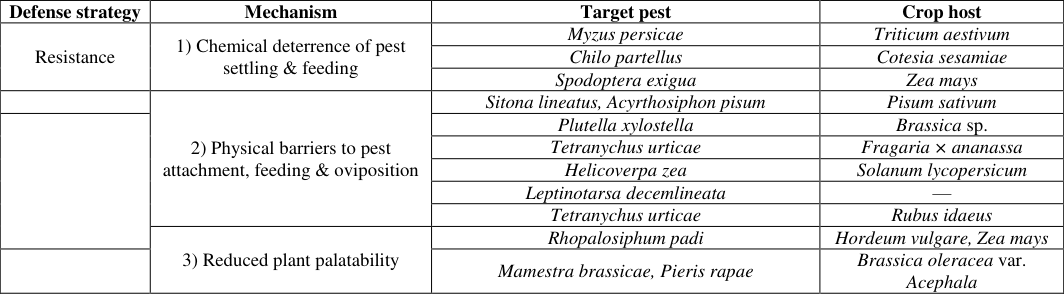 Table 1
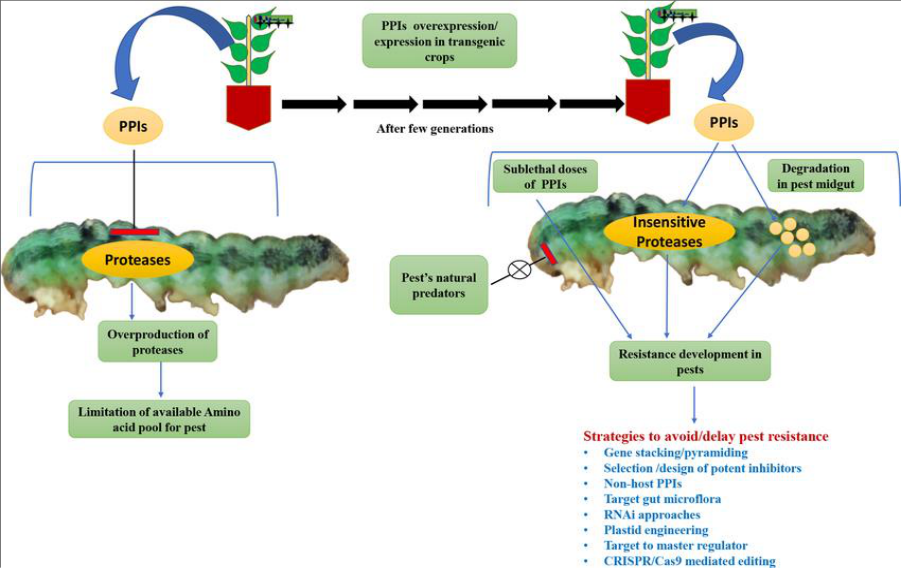 Figure 2
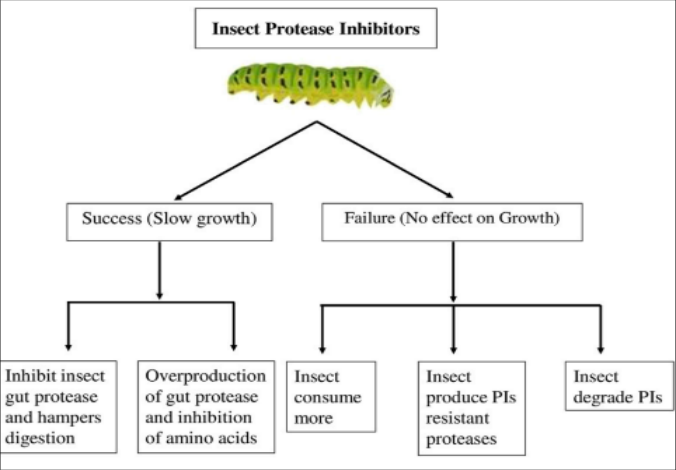 Figure 1
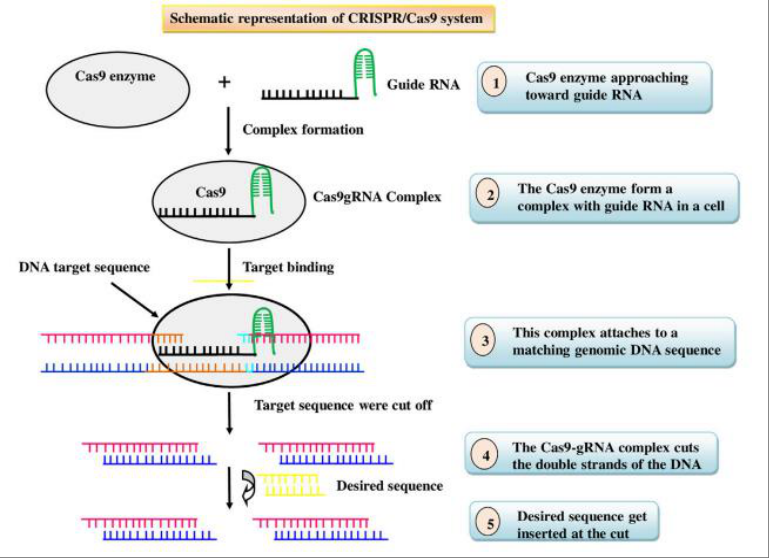 Figure 3
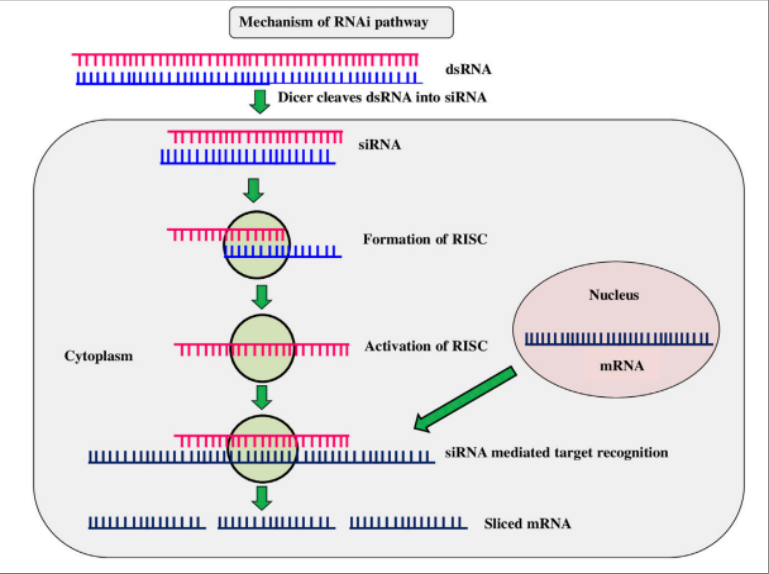 Figure 4
Introduction
Insects may harm various parts of plants, such as roots, stems, barks, shoots, leaves, buds, flowers and fruits. All crops are subject to significant damage by arthropods, either directly or indirectly impacting human food security; indeed, some crops lose more than 15% annually. Over time, plants have evolved a variety of defence strategies to cope with insect attacks and recover from the damage. But, the introduction of synthetic pesticides in the mid-20th century was the primary method of insect pest control because they were highly effective. But several major problems, including pest resurgence and secondary pest outbreaks, adverse impacts on human and beneficial animals and plants, high cost of operation, pesticide-resistant and environmental pollution, arose from the over application of pesticides. There was a need to develop safe, economical and environmentally sound pest control methods for arthropods to get the greatest agricultural yield [1][2][3] . Insect host-plant resistance (HPR) is one way of pest control; it's cost-effective and environmentally safe; it integrates well with other control measures (chemical, cultural and biological) to minimise pest damage. "Host-plant resistance" is the term used to describe the combination of characteristics that plants carry in their genes that make them more resistant than other, more susceptible varieties. The yield of cotton is affected by whiteflies more in hairy-leaf than smooth-leaf (glabrous) cotton varieties [4,5] . The biggest advantage of HPR is that farmers don't have to make an investment or have special knowledge of application methods. Insect resistance also brings increasing benefits over time. The success of grape phylloxera is one example of effective HPR. Almost 100 years ago, the US supplied France with phylloxera-resistant seedlings to help them combat this pest. By 1960, HPR research began to receive more attention, mainly from cotton pests. The cotton boll weevil is resistant to chlorinated hydrocarbons and as such has caused a huge rise in the cost of control. But since then, HPR has advanced significantly in the control of cotton pests by providing us with the Bt-transgenic cotton that were enhanced with Bt gene in the 1990s. Several bollworms and budworms were resistant to the Bt gene. As a result, much effort has been made to identify and develop different cultivars of crops that are resistant to various pests in agriculture and horticulture [6, 7] . It can be argued that insect-resistance genes are one of the most precious resources that can be used for breeding resistant cultivars to reduce crop losses. The introduction of insect resistance genes into adaptive cultivars from productive agro-ecosystems has opened a whole new front for the breeding of host plants resistant to insects. This strategy can harness the natural defence system of the plant species to another, or by regulating the plant's native defence proteins. In this regard, genomes of crops have been modified to confer pest and disease resistance by introducing genes encoding toxic proteins. Many of these plants are now awaiting commercialisation or in the fieldtrial process. Plants are an important food source for a wide range of animals, protists, fungi and insects [8] . While lacking an immune system, they have developed a range of structural, chemical and protein-based defence mechanisms to recognise and prevent attack by invasive species. Plants are used as our primary food source, as well as providing many other textiles, dyes, medicines, cosmetics, soap, rubber, plastics, inks and chemicals. Understanding how plants defend themselves against viruses and herbivores is important to protect our food supply and develop new plant species that are particularly resistant to disease (Freeman and Beattie, 2008). Plants are primary producers that serve as a source of food for many heterotrophic phytophagous organisms. They view plants as needing to have effective defensive strategies against herbivores and damaging insects, molluscs, vertebrates [9][10][11] . The ability of a crop to tolerate, delay or even recover from pest damage is referred to as "plant resistance". The capacity of one plant species to survive or recover from insect attacks, despite the fact that other plants of the same species would be killed by such attacks, is referred to as host plant resistance. The effect the insect has on the plant is determined by its genetic background. It refers to a variety's ability to produce a greater yield (in terms of quality) than standard varieties when the same number of insects are present in the field for commercial agriculture. Plants have a waxy cuticle that protects them from phytopathogens, and also prevents water loss from plants [12,13] . Furthermore, many species have trichomes (epidermal hairs) on their leaf surface. In some cases, these trichomes have a gland at their tip, and their supposed functions are extremely varied. For example, they not only channel light to the leaf surface for optimal photosynthesis, but also form a physical barrier that is difficult for small arthropods to cross. Other than containing glues and poisons that, when broken, stick and poison arthropods that live on plant surfaces, glandular hairs also release protective substances that prevent the germination of fungal spores (Shepherd et al., 2005). Plants can directly defend themselves against herbivorous insects through resistance factors [14] , which are plant characteristics that adversely affect the insect's choice (such as host plant, oviposition and feeding site selection) or performance (such as growth, development and reproduction) and allow plants to survive in a hostile environment. Plants' defence mechanism can be affected by several factors. These can include the surface texture and composition, anatomical structures (spines, resin ducts, etc) of the plant, the presence of nutrients required by the pest, hormone-like substances which affect insect growth, a shift in pH or osmotic pressure, accumulation of secondary products, and so on. This review aims to understand the process of plant resistance to insects and diseases so that we may know about the essential processes of plant resistance to pests.
Mechanisms of resistance
The relationships between plants and their arthropod herbivores are ever-changing in time and space. And the defensive phenotype of the host plant is modified by herbivory. With the above knowledge of the complex plantpest interactions, we can now specify the resistance as "the relative number of heritable qualities possessed by the insect" in relation to several crop plants available. It is important to note that the phenomena of resistance were divided into three "mechanisms" or "bases" that are frequently used by researchers working on plant resistance. Originally, the artist depicted preference and non-preference as resistance mechanisms but later changed it to nonpreference only. This results in a less favourable herbivore behaviour in plant colonisation. When insects refuse to feed and/or oviposit on or cause damage to a plant or part of a plant because they don't prefer it as a food, shelter and/or oviposition site or a combination of these, it's due to nonpreference plant characteristics or behaviours. Two kinds of non-preference were later proposed: absolute and relative, based on two different behaviours of insect choices among cultivars [15,16] . In relative non-preference (growing multiple cultivars), the first option is to oviposit; in absolute nonpreference (growing just one cultivar), the second option is to oviposit and feed. The term "non-preference" was proposed by Painter to replace antixenosis. We recommend that researchers working on plant resistance should continue to use non-preference as it more accurately reflects pest behaviour. The European corn borer, a foliar feeding pest species of maize (Ostrinia nubilalis (Hübner)], makes maize resistant since a compound called 2, 4-dihydroxy-7methoxy-1, 4-benzoxazin-3-one (DIMBOA) has strong antixenotic and antibacterial properties. DIMBOA and 6methoxybenzoxalinone (MBOA) were found to restrict growth of the young larvae when extracted from resistant maize plant leaves. A lack of preference can be caused by morphological and biochemical characteristics of plants. Plant morphological and structural characters, such as colour, light transmission, pubescence and leaf inclination, make the insects show morphological non-preference. For instance, cotton plants with hairy stems and leaves are not preferred by jassids, and cotton plants with smooth leaves, open canopy, a red plant body, okra leaves, a long pedicel, frego bract, nectarilessness, and thick and hard boll rind are not preferred by bollworms. The corn ear worm and autumn armyworm prefer to oviposit on pubescent surfaces. Resistant maize lines have fewer trichomes and delay the time of pubescence by inhibiting feeding and oviposition, resulting in a reduction in their population. Resistant maize lines contained fewer larvae because of their tightly-husked ears, which protected them from invasion. Pea aphids prefer blue-green peas to yellow-green peas because of genetic variations. Pigeonpeas and V. vaxillata pods have trichomes, making them uninhabitable for sucking bugs. Tomatoes have glandular type VI trichomes that contain a "natural insecticide" (2 tridecanone) to protect against whiteflies. Tomatoes (both cultivated and wild) are known to have many glandular trichomes on stems and leaves (Solanum habrochaites). Diapausing female pink bollworms (Pectinophora gossypiella) have been known to oviposition on vegetative parts during early cotton season and this is affected by the density of trichomes. The clumping of trichomes helps in sticking to the egg mass, and during oviposition the trichomes also help the female moth maintain stability. Herbivore resistance in plants is due to biochemical components that adversely affect herbivores in two ways: first, by reducing the nutritional value of the plant as a food source; and second, through poisoning or deterrent effects. The amino acid asparagine in rice has an impact on the attraction of brown planthopper (BPH). No asparagine was found in BPH resistant rice varieties. Pea aphids are resistant in pea cultivars containing lower amino acid and higher sugar content. The European maize borer does not like high silica concentration in plants. Plants also have evolved resistance to herbivores by producing a variety of secondary metabolites such as cyanogenic glucosides, glucosinolates, terpenoids, alkaloids and phenolics. Knowledge of these traits could be very useful for initial screening of genotypes from diverse genetic backgrounds, and plants with many of the physical and biochemical traits could be used as donors in breeding for resistance to insects.
Since different insects have different tastes, it is important to have information on the feeding habits of important pests. This is because some traits that repulse some pests may be attractive to others. For instance, while jassids are attracted to the hairiness of cotton leaves, some bollworms do not like it. Plants' tolerance is defined as the plant's inherent genetic capacity to withstand herbivore damage from the abundance of insect pests equal to, or higher than, what would be inflicted on a susceptible plant that does not have resistance traits [18] . Tolerance, in contrast to antibiosis and nonpreference, which are based on the insect pest's response to use of the resistant plant for sustenance, oviposition, and shelter, is a result of the plant's response to insect damage. This is the main difference between the three mechanisms of resistance. Tolerance is very valuable in HPR for these reasons. Resistant cultivars are stable because the pest population doesn't evolve to become more virulent, and because of their higher economic threshold, they can be used to reduce insect biotypes. Many maize genotypes are resistant to the western maize borer (Diabrotira sp.), which is a root feeder. This will allow the plants to have enough water, nutrients, and anchorage despite being fed. For instance, wheat types that are tolerant can't tolerate the Russian wheat aphid (Diuraphis noxia), a virulent insect that has evolved the antixenosis/antibiosis component of resistance. Insects can feed on a tolerant plant without suffering any biological or behavioural effects.
Types of plant resistance
In an attempt to further divide resistance into constitutive/inducible and direct/indirect defence, a new dichotomous resistance/tolerance model was proposed to Painter's trichotomous model. These include the density of trichomes, lignification and silica deposition on cell wall, cuticle structure, thorns, hairs and other defence mechanisms. Constitutive and inducible defence are both involved in the chemical defence mechanism; the first is pre-formed and the latter is induced by insect attack. Plants show constitutive resistance, especially in response to insect damage, even without an external stimulator. Secondary metabolites' roles in restricting the range of hosts that insects will land on, enter and develop on are as toxins, deterrents, antinutrients, components of physical defence, and volatiles in indirect defence. Moreover, plant secondary metabolites may play a dual function in regulating insect populations, by attracting monophagous insects and repelling polyphagous insects. Plants contain nearly half a million secondary metabolites that play a role in constitutive defence such as phenolics, glucosinolates, alkaloids and proteinase inhibitors (PIs) [19] . The constitutive defence is often not enough to effectively prevent herbivore attacks. Therefore, plants have developed inducible defence mechanisms, which are switched off until the plant detects an attack by an insect, and then the plant can conserve energy by not maintaining the defensive trait. Inducible herbivore defence mechanisms can be further divided into direct and indirect. If a plant possesses a trait that increases its resistance to attack from herbivorous insects, either by affecting the insects' preferences (its choice of host plant, oviposition, feeding) or performance (its growth, development, reproduction, survival), then the plant will be able to tolerate this type of biotic stress and survive. The physical traits (morphological characteristics) and the biochemical traits (chemical constituents) that are used as physical and chemical defence, respectively, include (as noted above) antinutritive enzymes and secondary metabolites. For instance, damage by insects in tomato and potato plants leads to the accumulation of inhibitors of trypsin and chymotrypsin-like serine proteinases in aboveground parts [20,21] . Intensity of resistance the interaction between the host plant and insect can be "weak" or "strong". The compatibility between these interactions in terms of allowing the development and growth of insect's ranges from incompatibility (immune) to high compatibility (very vulnerable). In terms of the expression of resistance and variations in the field, the relative term "intensity of resistance" should be considered relative to a susceptible strain of the same species. As a result, there are a number of ways to express the intensity of resistance: Immunity: an insect-resistant cultivar is one that can withstand any kind of attack. Since these insects only attack other varieties of the same species, there aren't many cultivars that are resistant to these insects. High resistance: insects can only inflict a low level of damage on a cultivar with high resistance under certain conditions due to its specialisation. Moderate resistance is a mix of plants, having different levels of resistance due to their phenotype. Plants that have a gene that results in a moderate level of damage in a particular environment are homozygous. An individual clone that is highly resistant due to incomplete dominance. Cultivars with low levels of resistance to insects have lower incidence of damage and infestation than the average for the crop. If the targeted insect species causes average or more damage, we say that the variety is sensitive. Very vulnerable: If the target insect species causes much greater than average damage, it means that the variety is very vulnerable.
How Plants Resist Insects
Insect-resistant plants are produced when concepts of the interaction between insects and plants are applied to controlling pests. Resistance refers to the relative proportion of genetic traits a plant has and is a factor that influences the amount of damage an insect can do. There are many advantages to using plant resistance to control pests. As a natural control, insect-resistant crop types are generally compatible with other pest control methods, they are not more expensive and they are non-polluting. Where the value of the crop is low, such as in developing countries, and where there is little technical knowledge on how to apply, and apply wisely, expensive pesticides, insect-resistant types are preferred. Increasingly, insect-resistant types of crops are widely preferred for pest control. The level of resistance determines its use as a main or surrogate method of pest control. Besides protecting existing varieties, it avoids the introduction of new susceptible varieties. Plants have evolved some strategies to defend themselves against pests. You can find physical or chemical defence, avoidance and tolerance. These can be both dynamically and constitutively expressed. Further, the defence has been divided into three categories: constitutive defence, induced defence and crosstalk in signalling pathways of plant defence. The latter can involve nutrient removal, lignifications, regulated and uncontrolled chemical synthesis and others. Constitutive defence can result in deterrence, repellence, poisons or other effects on herbivore growth and reproduction. The surface of the plant, presence of anatomical structures and presence of allelochemicals are some of the possible reasons for this resistance. Plants can tie up the nitrogen so it is unavailable to herbivores. In response to insect, disease or other herbivore attack, the body of the plant can produce chemicals, anatomical structures, or can take away nutrients that are essential for survival [22] . In response to an attack, the plant develops a thicker cell wall or less edible food or it produces chemicals. Plants can also sometimes help the natural enemies of the pests by providing them with shelter, alternative food or signals that help them locate the pests. Plants' relationships with certain organisms play an important role in insect defence. Some Acacias are protected from insects by ants. Plants can decrease insect herbivory by synthesising and releasing intricate blends of volatile chemicals. A small number of these are used as host location cues by the predators and parasites of herbivore insects. The active physiological processes of signal release and production by plants are triggered by chemical elicitors or other chemicals in the saliva of attacking herbivores. Herbivores (grazing insects) trigger the synthesis and release of plant volatiles -via chemicals in their saliva [23] .
The attraction of predators is triggered by the combination of some of the plant volatiles with the highly sensitive receptors of the predators.
Morphological Resistance
The physical characteristics of plants are many and are responsible for resistance to insects. These include the firmness of the plant tissues, trichomes, waxes, thickened cell walls and cuticles, rapid tissue growth, modified anatomical structure of plant organs, colour and shape of plant organs and tissues. Furthermore, allomones in certain morphological traits can affect herbivorous insects' behaviour and physiology. All herbivorous insects must come into contact with the plant's surface to be successful on a host plant. So, resistance depends largely on the surface chemistry and physics. In the ongoing battle with the herbivore, every part of the plant plays a role. They vary from simple glandular trichomes and spines to very stiff tissues. From the most visually obvious plant appendages to the microscopic modifications in the thickness of cell walls as a result of lignification and suberisation, structural defences include a broad range of morphological and anatomical characters that give plants a competitive advantage in avoiding being eaten by insects. The most common structural traits that plants use to defend against insect pests include glandular trichomes, stiffened leaves, divaricated branches (stems that are wiry and formed at broad axillary angles), spines, thorns, and the inclusion of gritty minerals in plant tissues. Plants are able to stave off herbivores by producing sclerophyll or stiffened leaves. This is used to minimise herbivore damage by making plant tissues unpalatable and more digestible. Spinescence includes many different plant structures such as prickles, thorns and spines. It has been believed to be an insect repellent. "Pubescence" is the word used for the external covering of hairs (trichomes) developed on the surface of plants, including stems, leaves and even fruit. The hairs may be straight, spirally twisted, stellate, hooked and glandular.
The resistant to the sorghum shoot fly, Atherigona soccata, was due to the shiny leaves, plumule and the colour of the leaf sheath.
Surface waxes
Wax is a generic term for any waxy product derived from plants. Wax, as a chemical, is a high molecular weight ester of an aliphatic alcohol and a long-chain fatty acid. Wax could account for 1-5% of a plant's dry weight. Cuticles of most vascular plants are coated with a thin film of mostly hydrophobic compounds. Although their primary function is to control water loss, plant waxes also contain chemicals that repel insects. Waxy layer of the epicuticle; protects against drying, feeding and disease. Epicuticular waxes may stimulate the phagosomes or repel insect pests from feeding. The plant's ability to resist insect infestation is because the waxy surface of the plant gives the insect tarsi and mouth parts negative chemical and tactile stimuli.
Toughness of the leaf and root.
Hard leaves prevent easier access by piercing-sucking insects to plant tissues and aggravate the ability of herbivores to munch plant tissues with their beaks. During feeding, a range of macromolecules, including lignin, suberin and callose as well as minute organic molecules, such as phenolics, and even particles of inorganic silica, interact to reinforce the cell walls of the leaves. Renewed growth and development is evident in roots that have been fed on by herbivorous insects. Moreover, the problem of herbivory was also not significant with long, fine roots genotypes compared to short, thick roots genotypes.
Color and shape
Plant shape and colour affect phytophagous insects' host selection. Resistance is associated with shape and colour because it affects plant host selection behaviour of phytophagous insects. Although plants are not naturally repellent to insects due to their colour, genetic engineering can change the colour of plants, thereby modifying some of their fundamental physiological processes. One mechanism used by Rhagoletis flies to discriminate between hosts and non-hosts is through tree shape and size, and leaf colour. The pea aphid Acyrthosiphon pisum preferred a yellowishgreen-coloured plant to a green plant. Brevicoryne brassicae was able to distinguish between host and non-host cabbage leaves. Red-leaved cabbages were less damaged by Pieris brassicae.
Deposition of lignin and cellulose causes cell walls to thicken:
Cell walls thicken due to deposition of lignin and cellulose. Tissues become more rigid or difficult to penetrate with insect proboscis or ovipositor or to pull apart with mandibles. Thickened rice hypodermal layers were considered to be a resistance factor against the stripe stem borer. The sorghum shoot fly, Atherigona soccata, cannot infest sorghum because the central whorl of young leaves has cells with distal lignifications and thickened cell walls surrounding the vascular bundle sheaths. Medicago species with high lignified pod-walls showed a low seed damage from lucerne seed chalcid Bruchophagus raddi [24] .
Biochemical Resistance
The chemical make-up of plants is one of the contributing factors to insect resistance, and can be quantitative or qualitative. Some parts of the plant or stages of the plant's life cycle are responsible for the synthesis of the compounds. The feeding behaviour and adaptation of the herbivore is influenced by the chemical composition of the host plant. These can be nutritional deficiencies or toxins. Most organic compounds produced by plants are not considered to have any obvious role in the processes of photosynthesis, respiration, nutrient uptake, translocation, differentiation, or growth and development. Aside from their important direct defence role, these chemicals and compounds reduce herbivore performance in one of two ways: either they decrease the nutritional value of the plant as a food source or they're toxic or unpalatable to ingestion. Secondary metabolites (the chemicals that make the plant tissues less appealing) do not interfere with the normal development and growth of plants. The defensive (secondary) metabolites can be produced or stored constitutively in an inactive form in response to insect or microbe attack. The plant-insect interaction is very complex, and depends on several factors like plant characteristics and biological characteristics of pest insects. Essential oils derived from the outer portion of the plant are always in the atmosphere around the plant. Many allelochemicals retarde growth in insects. Allelochemicals can be considered as chemical and ecological requirements of plants because they restrict the insects to their host plants and protect plants against other insects, diseases and herbivores that are not able to cope with the plant's chemical defences. The majority of insect-plant interactions involve an allelochemical [25] . The allelochemicals are mostly shared between two interspecifically active substances, allomones and kairomones. Plants produce allelochemicals in several different ways to protect themselves against predators.
Induced Resistance
The induced response of plants is an important part of managing insect pests in agriculture, and has been used to regulate insect herbivore populations. It involves a nonheritable form of resistance that delays the pests' invasion by turning on the resistance of host plants. This is made possible through the use of biofertilizers, organic amendments and judicious fertiliser use. These changes also result in altered biochemicals of the host plants. High concentrations of potassium can reduce insect damage by imparting pest resistance. Induced defences can be either direct or indirect. One type of direct defence is the induction of chemicals that reduce the herbivores' ability to grow or survive, known as antifeedants. Such defences can be toxins and digestive enzymes. It's also possible to induce phloem defences. For instance, when rice is fed upon by the brown plant hopper (Nilaparvata lugens), the plants' sieve plates produce callose, which blocks the flow of sap through the phloem tissues. Plants can also use indirect defences, by showing traits that attract or repel the predators and parasitoids of herbivores. Phenotypically plastic plants with induced defences are less susceptible to herbivory. The environment for insect herbivores is uncertain as plant defences against insects may change after attack. This may influence the insects' behaviour and fitness. An earlyinduced response is very beneficial because it increases the well-being of the plant and lowers future herbivore and pathogen attack, apart from enhancing the plant's health. The phenomenon of "induced resistance" refers to a temporary resistance increase in plants in response to environmental or physiological changes. The physiologies of the plants can be altered to make them uninhabitable for insects due to environmental factors and pathogens [26] . The growth of aphids was reduced by treatment of the host plant with growth regulators. Growth regulators can have an indirect or direct impact on insects by modifying the physiology or biochemistry of the host plant. The growth regulators can also help shift the plant's development schedule so that pests can't attack when susceptible plant tissues are available. Other than being applied at the correct times and in the right amounts, fertilisers and water can be used to encourage resistance.
Techniques in Biotechnology to control insects
The word biotechnology means as follows: a process of designing or altering a product, enhancing plants or animals, or designing microorganisms to service a purpose by means of using biological systems. It can be described as the manipulation of the biological processes in a controlled and deliberate manner to attain effective control of insect pests. Biotechnological applications in insect pest control have been immense including insect resistance breeding among others, all aimed at safeguarding crop production. Some examples include genome editing, marker-assisted selection, gene transformation, embryo culture, somaclonal variants, and yet another category of biotechnological approaches.
Changes in Gene Expression
Plant scientists have adopted gene transformation to develop crops with greater insect resistance. This involves introducing a particular DNA fragment or gene into the plant. The inserted DNA segment mostly codes for insecticidal protein. Plants expressing an insecticidal protein (coded for by the inserted DNA fragment) become resistant to certain insects. This technology has been tested against many pest insects belonging to Diptera, Coleoptera and Lepidoptera. Genetically modified crops that express insecticidal proteins from the soil bacterium Bacillus thuringiensis have been widely grown throughout the world. The process of gene transformation is the introduction of a particular DNA sequence or gene into crop plants by particle bombardment or Agrobacterium-mediated transformation. Alternative ways of preventing pest damage to plants have also been explored. Many plants have lectins that interfere with the digestive system of phytophagous insects by binding to carbohydrates in their midgut. In order to inhibit digestion in insects, researchers have genetically engineered plants to release protease inhibitors. Similarly, resistance to Coleopters insects has been attained in transgenic plants by expressing alpha-amylase inhibitors. Chitinase and its related proteins play an important role in the digestion of chitin in the cuticle and the gut of insects. These have been used as a pesticide following cloning into plants.
Genes Encoding Plant-Based Insecticides
The natural insecticidal (entomo-pesticidal) properties of the Bacillus thuringiensis (Bt) bacteria, which are found in a variety of environmental niches, are attributable to the secretion of different proteins by the bacteria at different points in their life cycle, which defend crops against important pests. One of the most famous families of Bt proteins is Vip, which is produced by the plants during their vegetative phase of growth. It is well recognised as a potential harmful protein, as per its sequence similarity and differences in the binding sites of cry proteins. There are three subfamilies of Vip proteins. The most well-known Vip toxins, Vip3 toxins, poison Lepidopterans, and Vip1 and Vip2 heterodimer toxins are effective against Hemiptera and Coleoptera pests. They can either be used alone or in combination with cry proteins. Like the cry proteins, these Vip3 proteins can be toxic to susceptible insects. These pests are claimed to be resistant to toxins of cry proteins. They reduce the population of the insect pest by causing swelling and rupturing of the midgut epithelial cells leading to osmotic lysis. The Vip3 proteins have been used in combination with cry proteins (pyramiding) in transgenic cotton and maize to counter resistant pests and prevent evolution. The transgenic cotton that only expressed Vip3A as well as another multitoxin line that expressed Vip3A and cry1Ab (VipCot) were more resistant to both H. zea and H. virescens. The enhanced resistance in the transgenic cotton lines that expressed Vip3AcAaa protein was a potent insect control agent. Cowpea lines expressing the Vip3Ba1 protein were more resistant to pod borer and had a greater impact on larval growth. Vip3A is a sugarcane stem borer (Chilo infuscatellus) toxin, which has a 100% kill rate in sugarcane. These proteins are highly toxic to a broad range of pests, particularly lepidopterans, and so are intriguing candidates for the development of future pest-resistant plants. There is also current research on how to use these proteins to generate resistance to insect pests.
Lectins
Lactoglobulin-like carbohydrate-binding proteins called lectins are found in most plant species and possess entomotoxic and insecticidal properties. They have poisonous impacts on numerous plant-eating insects and animals, which help to scare away predators. The most frequent hosts of lectins are the Solanaceae, Fabaceae and Poaceae families; the lectin content of some leguminous seeds is very high. Plant-feeding insects have developed defence mechanisms which incorporate lectins, storage proteins. Evidence exists that some plant lectins are poisonous to insects of importance in the orders Lepidoptera, Coleoptera, and Homoptera. The lectin that was first discovered and sold was concanavalin A, which is now the most studied lectin as a pest insect control agent. Lectins adversely impact various insect biological parameters, including feeding inhibition, reduced larval weight, extended overall developmental stage, and higher first-and second-generation mortality and reduced fecundity. The past few years have witnessed the emergence of insect resistant plants, thus opening up pest control strategies that can leverage plant lectins. Lectins have been found to have a very promising future in transgenic plants, particularly the Bacillus thuringiensis (Bt) Cry toxin crops, which have been shown to be insect-resistant to sap-sucking insects. Moreover, studies have shown that lectins in genetically modified plants and artificial diets adversely affect the performance of insects of other orders, including Hemiptera, Coleoptera, and Lepidoptera. Those who did the research discovered that transgenic rice containing lectins, GNA and ASAL, have the potential to prevent the attacks of brown planthoppers, and green leafhoppers among other sap-sucking pests (Bharathi et al., 2011). Great rates of sapsucking pests resistance were recorded in transgenic plants of rice (Oryza sativa L.) that expressed an insecticidal protein, the snowdrop lectin, GNA, produced through particle bombardment. The expression of Galanthus nivalis lectin (GNA) gene has shown aphid resistance in potatoes. Transgenic Arabidopsis expressing a recombinant fusion protein (Hv1a/GNA) was found to be resistant to peach potato and grain aphid. The production of a fusion protein of GNAneuropetide and allatostatin was demonstrated to inhibit eating and growth of tomato moth (L. oleracea). Hybrids such as GNAlepidopteran-specific toxin (ButalT) of Mesobuthus tamulus, a red scorpion of South India, were found to be more toxic to tomato moth larvae. At T1 generation, insect gut binding lectin-containing transgenic cotton lines exhibited a great resistance to chewing and sucking insects. The cross-bred lines of Brassica juncea with the genes of the lentil lectin (LL) and chickpea protease inhibitor (CPPI) could resist the invasion of aphids and other pests that subsist off the plant sap. Agrobacterium expression of transgenic mannose-binding lectin led to BE104 resistance to wheat aphid. A bioassay study revealed that transgenic wheat plants that express the gene encoding the snowdrop lectin had reduced fecundity of grain aphids Sitobion avenae. The particle bombardment method was used to produce these plants. The transgenic B. juncea T1 and T2 generations were also found to be more resistant to mustard aphid (Lipaphis erysimi) when it expressed a GNA and a new lectin gene, Colocasia esculenta tuber agglutinin (CEA). Transgenic cowpeas that expressed the Phaseolus vulgaris L. arcelin 1 gene were more conveniently controlled by bruchid insects like Callosobruchus maculatus and Zabrotes subfasciatus. Transgenic cowpeas were also much easier to control against both bruchid insects. Along with coleopteran insects, insects of the Lepidoptera and Hemiptera orders were also shown to be especially sensitive to arcelin. The effects of lectin molecule binding to glycosylated proteins in the midgut of larvae (which leads to a decrease in average survival rate and a decrease in total larval mass) are effects on the efficiency of nutrient intake and diet utilisation. The ability of the common beans to resist bruchids, which is one of the worst insect pests, is attributed to erythroagglutinin, and an unknown seed storage protein.
Fusion Proteins
Bt pesticides are highly popular as up to 90 percent of microbiological insect control treatments contain Bt toxins.
As a result, there is a feasible threat of insects developing resistance to Bt poisons. Bt proteins have been found to develop resistance in some populations of the diamondback moth (Plutella xylostella) in open fields by repeated exposure to foliar sprays. Two recent strategies to address potential restrictions of conventional transgenic insect pest control include hybrid poisons and stacking or pyramiding of many transgenes in a transgenic plant. Thus, a large number of insecticidal proteins are combined to form fusion proteins. These proteins are afterward assembled into a singular polypeptide in the host plant system after transcription and translation, and are more effective against insects that feed on plants. Dow Agro Sciences augmented resistance to insects S. litura and O. nubilalis in transgenic cotton lines, which harbored a hybrid fusion protein known as cry1Be+cry1Fa. It was believed that lepidopteran insect resistance was present in transgenic rice that had the cry2AX1 gene, an offshoot of cry2Aa and cry2Ac. The shoot borer failed to infect the artificial sugarcane which harbored the cry1Ab+cry1Ac fusion protein. Through the transformation using Agrobacterium, transgenic B. juncea was obtained with phytophagous aphid resistance through an expression of a fusion protein consisting of lectin and protease inhibitor. The transgenic maize has imparted higher mortality to the lepidopteran pest S. exigua and to the coleopteran pest Harmonia axyridis, which is expressed by a cry1Ab/cry2Aj fusion protein in the kernel. The cry1Ac+ASAL expressed in rice cultivar was found to offer long and better protection against major pests such as brown plant hoppers, leaf folders, and yellow stem borers. The transgenic plant was very severe on H. armigera and S. litura and was prepared by inserting a triple gene construct into an elite cotton variety (Narasimha), which has cry2Ab+cry1F+cry1Ac genes. A sustainable and lasting solution to managing pest lepidopteran, coleopteran and hemipteran insects is to pyramid two or more genes either together [27] . Another possible advantage of these enhancements that might result in developing insectresistant crops is the delaying of the phenomenon of resistance development in insects.
Protease Inhibitors
The activities of these enzymes are prevented by plantproduced protease inhibitors (PIs) that prevent insect pests to digest their meal. Due to PI inhibition of insect digestive proteases, proteolysis is inhibited, causing a reduction in fecundity, increased mortality, and an extended developmental stage due to amino acid deficiency. Serpins and cystatins have been widely investigated as prospective plant PI in pest control. Serpins are the irreversible and drastic inhibitors of serine proteases, and they weigh approximately 39-43 kDa. Serine proteases have been reported in a wide range of insect taxa, such as the orders Diptera, Lepidoptera, Orthoptera, Coleoptera, and Hymenoptera. Cystatins is a PIS protein with a molecular weight of 12-16 kDa and its primary role is to block the activities of cysteine proteases. Coleopterans and Hemipterans mostly have these proteases involved in digestion. Methyl jasmonate, one of the key regulators of defensive response of plants against insect herbivores, has been shown to down-regulate gut protease when damaged, in various studies. The legume trypsin inhibitors kill several key insects and block a wide spectrum of proteases. Proteins have been incorporated to help protect wheat against foliage-feeding and storage pests, and rice against stem borers, by including protease inhibitor genes. When protease inhibitors were incorporated into insect pests via artificial food or transgenic plants, increased insect mortality and adverse impacts on the development and growth of insect larvae of different orders were evident. Protease inhibitors may open a new line of approach in the treatment of insect pests. However, it has recently gone spectacularly wrong due to the lack of understanding of the biology and physiology of insects by people. The pests are of huge adaptive ability, which combined with the long coevolutionary history between the host plants and the insect pests made PIs useless. Provided that these issues can be solved, then perhaps further research can commence.
Inhibitors of α-Amylase
Insects possess a digestive enzyme called α-amylase that helps in breaking down of carbs. An alpha-amylase inhibitor affects the digestion of insects by interfering with the work of the alpha-amylase enzyme. The α-amylase inhibitors that are widespread in plant seeds and vegetative organs were able to control a variety of phytophagous insects. The seeds of transgenic peas and azuki beans, which expressed the alpha-amylase inhibitor aAI-1, were found to be resistant to bruchids, such as the (Bruchus pisorum), (Bruchus callosobruchus), and the (Bruchus chinensis). The seeds, however, adversely affected the growth and development of the cowpea and azuki bean weevils, respectively. The increased activity of α-amylase inhibitors may be the cause of the induction in maize genotypes. The Rhyzoperthadominica is a major pest of stored wheat grains that can be inhibited by using wheat α-amylase inhibitors to avoid the growth and destruction of the insects. Phaseolus coccineus provided aAI-Pc1 gene that has an α-amylase inhibitor, which was inserted into coffee plants to render them resistant to Hypothenemus hampei, the coffee berry borer. The impact of a new alpha-amylase inhibitor of papaya seeds (Carica papaya) on the longevity of the adult cowpea weevil (Callosobruchus maculates), fecundity, and mortality of the larvae was noted. Therefore, these studies indicate that α-amylase inhibitors can be used to manage insect pests.
Insect Chitinase
Insect chitinases are hydrolytic enzymes that can inhibit or degrade chitin. Insects are mainly made up of chitin in their exoskeleton and peritrophic membrane. It also protects the user against threats like bad weather, mechanical distractions by external forces, and natural enemies. The periodic shedding of the old cuticle (ecdysis) is impossible without hydrolysis of chitin. Chitinases are secreted by a variety of other organisms, such as plants, to identify and degrade the chitin present in insects, and even in animals that lack chitin. A strategy of crop defense by transgenic expression. The chitinase enzyme of several insects such as silkworms has been examined to be used in the control of pests. B. mori, N. lugens, P. solenensis, rice striped stem borer and cotton mealybug are some of the pests that attack rice crops. S. suppressalis. The maize pest, Sesamia cretica, was more effectively managed in transgenic plants which expressed the chitinase gene. Due to their inhibitory properties on the growth and development of insects, insect chitinases have been used as transgenes to protect crops as well as biopesticide. The search towards insect chitinase agrochemicals has been hampered by structural ignorance on some insect chitinases, and a general dearth of research on the enzyme. When we have a better understanding of their biology and structure, they will be more applicable in the biotechnology processes.
Editing Genomes
As insect pest management becomes a challenge because insects have become resistant to Bt traits, researchers are seeking alternative, more sustainable ways to manage insect pests. Gene editing is a more modern and innovative method of insect pest management. Gene editing, also called genome editing, is the technique of editing the genetic code of a cell to alter its function by inserting. This enables researchers to edit the genetic sequence of a living being, and is one of the most widely adopted scientific tools. Its increasing promise and possibilities to make plants more resistant to insect pests is making it a popular technique for insect pest control. They use nucleases for cleaving target sequences in the genome. CRISPR/Cas9 and transcriptional activator-like effector nucleases (TALENs) are two commonly used and accessible genome editing methods. The CRISPR/Cas9 technique makes use of the easily designed Cas9 protein and single-guide RNAs (sgRNAs), unlike TALEN, which has to be re-designed to target different sequences. Genome editing with Cas9 involves DNA cleavage and repair. Moreover, CRISPR-Cas9 technology can now be used to make specific heritable changes to a broad variety of organisms by adding, removing, replacing or regulating genes. One of the most important practical applications of CRISPR-Cas9 technology is multiplexing, where double-stranded breaks (DSBs) are introduced at many genomic sites to make simultaneous changes in many genes [27] . Therefore, CRISPR/Cas9 has recently become a technologically simple, new and effective approach for generating resistance to insect pests. It has been successfully used to prevent accumulation of a particular gene product in various crops through gene deletion or missense mutation induction. Polyphagous insects generally detect their host plants via olfactory, gustatory, visual and plant-volatiles interactions. In a 2004 experiment, Larsson et al. manipulating the volatile mix by genome editing is a new way to control pests. However, caution should be taken to ensure that it doesn't affect the beneficial insect community. In one study, herbivores Spodoptera litura and Helicoverpa armigera were deterred by the reddish brown-leaved tobacco plants, which were caused by over-production of the anthocyanin pigment. In another study, researchers used CRISPR/Cas9 to edit six sites in order to boost tomato yield and productivity in wild tomato S. pimpinellifolium. Though this wild tomato produces low yields and is resistant to some arthropods (spider mites), it is worth planting for its size. Scientists are using CRISPR/Cas9 genome editing to study the mechanism of action of the receptor of the SfABCC2 gene, which confers resistance to S. frugiperda. Rice plants made resistant to insect damage by mutation of a gene that converts tryptamine to serotonin, the cytochrome P450 gene CYP71A, accumulated excessive levels of salicylic acid, but no serotonin. Gene editing may be preferred to transgene stacking when it comes to developing second-generation insect-resistant crops. However, CRISPR/Cas9 is only beginning to be used commercially to control insect pests. It has been drastically modified for use in model organisms and could be modified for use in insects.
Marker-Assisted Selection
In marker-assisted selection (MAS), molecular markers are used to aid phenotypic selections for crop development. Selection is based on markers (genotype) instead of physical traits (phenotype). Validated and potential molecular markers, such as single nucleotide polymorphism (SNP), can be used to enhance plant breeding approaches. Molecular marker techniques have been adopted as the preferred method to insert specific genes into specific crop plants in the correct proportions. These molecular techniques are the most popular, and there's a new chance to increase agricultural output by using them. A study of molecular marker-assisted selection (MAS) showed that Minghui 63 and its hybrids were resistant to BPH after introgressing Bph14 and Bph15. We were able to make F1 hybrids and Yuehui9113 resistant to bacterial blight (BB) and (BPH) by pyramiding one BB resistance gene (Xa21) and two BPH resistance genes (Bph14 and Bph15) into Yuehui9113, using a marker-assisted backcrossing (MABC). The ASD7 rice line, which carries the BPH resistance gene bph2, showed a significant increase in resistance to brown plant hopper Nilaparvata lugens when tested via marker-assisted selection (MAS), which is a major pest of rice. We found increased resistance to brown planthopper (BPH) and a decrease in yield loss from BPH when marker-assisted pyramiding was used to introduce the brown planthopper resistance genes Bph3 and Bph27 (t) into elite rice varieties. Developed rice varieties with resistance to brown planthopper (BPH) biotypes 2 and 3 using markerassisted selection (MAS). By using marker-assisted pyramiding, Bph1 and Bph2 resistance genes were successfully combined on rice chromosome 12, and the plants were resistant to rice BPH. Therefore, MAS would be an excellent strategy to combat pests. Using MAS to increase the likelihood of selecting insect-resistant plants has a number of advantages, including that it can be applied to seedlings. Is less dependent on the environment [28,29] .
MAS may be faster and less expensive than other more traditional tests. The same DNA can be used to test multiple markers, etc. A potential issue with MAS is that incorrect results could be obtained if the marker and gene of interest recombinate. If the effects and locations of QTLs are overestimated, the improvement may not be as great as expected. MAS markers may not be effective from one population to another. Unfortunately, even though crops are being treated with the latest technology to combat many insect pests, there are still pests that develop resistance to the pesticides and this causes loss of yield in crops. Research teams must address issues of plant-insect interactions. By modulating or silencing pest sensitive or negative regulatory alleles of plant immunity genes, emerging technologies like RNAi and CRISPR can be used to develop insect-resistant plants. New technologies can be used to improve and supplement the durability of plant-resistant elements and offer more feasible solutions to manage new pests. The potential environmental impacts of non-target organisms must be studied before commercialising insect-resistant varieties of transgenic crops. Also, prior to the development of such programs, the benefits and drawbacks of insect-resistant crops should be considered, particularly in relation to developing nations and impoverished farmers. While biotechnology has certainly brought about a host of new pest control methods, it may be that specific products or areas may not have the regulatory infrastructure in place to support their use. They will also require the support of the producers and consumers, which requires open discussions on issues such as how new technologies might change the world. To sum up, biotechnology provides new scientific uses that can be used for the betterment of society by developing improved crops in terms of nutritional quality, pest and disease resistance, and cost of production. So biotechnology is a field of research which, when practised safely and responsibly, could yield vast benefits.
Figures and tables from the paper
| Defense strategy | Mechanism | Target pest | Crop host |
|---|---|---|---|
| Resistance | 1) Chemical deterrence of pest settling & feeding | Myzus persicae | Triticum aestivum |
| Chilo partellus | Cotesia sesamiae | ||
| Spodoptera exigua | Zea mays | ||
| 2) Physical barriers to pest attachment, feeding & oviposition | Sitona lineatus, Acyrthosiphon pisum | Pisum sativum | |
| Plutella xylostella | Brassica sp. | ||
| Tetranychus urticae | Fragaria × ananassa | ||
| Helicoverpa zea | Solanum lycopersicum | ||
| Leptinotarsa decemlineata | — | ||
| Tetranychus urticae | Rubus idaeus | ||
| 3) Reduced plant palatability | Rhopalosiphum padi | Hordeum vulgare, Zea mays | |
| Mamestra brassicae, Pieris rapae | Brassica oleracea var. Acephala |
Table text extracted from the original PDF; superscript letters are shown inline. The original table image is below.
View original table image
References
30 in the original paper- Kogan M, Ortman EE. Antixenosis-a new term proposed to define Painter's "non-preference" modality of resistance. Bull Entomol Soc Am. 1978;24:175-176.
- Robinson JF, Klun JA, Guthrie WD, Brindley TA. European corn borer leaf feeding resistance. A simplified technique for determining relative differences in concentrations of 6methoxybenzoxazolinone (Lepidoptera: Pyralidae). J Kans Entomol Soc. 1982;55:297-301.
- Wiseman BR, Widstrom NW, McMillian WW. Potential of resistant corn to reduce corn earworm production. Fla Entomol. 1978;61:92-96.
- Klun JA, Brindley TA. Role of 6methoxybenzoxazolinone in inbred resistance of host plant (maize) to first-brood larvae of European corn borer. J Econ Entomol. 1966;59:711-718.
- Chatzigeorgiou AC, Papadopoulos NT, ProphetouAthanasiadou DA. Effect of cotton cultivars on the oviposition preference of pink bollworm (Lepidoptera: Gelechiidae). J Pest Sci. 2010;83(3):289-296.
- Wiseman BR, Widstrom NW. Insect resistance in maize. In: Mihm JA, editor. Insect resistant maize. Mexico: International Maize and Wheat Improvement Center; 1992.
- Din ZM, Malik TA, Azhar FM, Ashraf M. Natural resistance against insect pests in cotton. J Anim Plant Sci. 2016;25(5):1346-1353.
- Tyagi S, Keval R. Physicochemical traits of pigeonpea genotypes and resistance to pod fly Melanagromyza obtusa (Malloch). Indian J Entomol. 2020;83(1):3-4.
- Chiang HS, Singh SR. Pod hairs as a factor in Vigna vexillata resistance to the pod-sucking bug, Clavigralla tomentosicollis. Entomol Exp Appl. 1988;47(2):195199.
- Williams WG, Kennedy GG, Yamamoto RT, Thacker JD, Bordner J. 2-tridecanone: a naturally occurring insecticide from the wild tomato Lycopersicon hirsutum f. glabratum. Science. 1980;207:888-889.
- Naranjo SE, Ellsworth PC, Frisvold GB. Economic value of biological control in integrated pest management of managed plant systems. Annu Rev Entomol. 2015;60:621-645.
- Peris D, Ollerton J, Sauquet H, Hidalgo O, Peñalver E, Magrach A, et al. Evolutionary implications of a deeptime perspective on insect pollination. Biol Rev. 2025.
- Potts SG, Biesmeijer JC, Kremen C, Neumann P, Schweiger O, Kunin WE. Global pollinator declines: trends, impacts and drivers. Trends Ecol Evol. 2010;25:345-353.
- Dicks LV, Breeze TD, Ngo HT, Senapathi D, An J, Aizen MA, et al. A global-scale expert assessment of drivers and risks associated with pollinator decline. Nat Ecol Evol. 2021;5:1453-1461.
- Rollin O, Benelli G, Benvenuti S, Decourtye A, Wratten SD, Canale A, et al. Weed-insect pollinator networks as bio-indicators of ecological sustainability in agriculture: a review. Agron Sustain Dev. 2016;36:122.
- Benvenuti S. Wildflower strips in the agroecosystem for pollinator biodiversity restoration: which plant species are capable of self-seeding? Ecol Eng. 2025;212:107486.
- Badenes-Pérez FR, Johnson MT. Ecology and impact of Allorhogas sp. (Hymenoptera: Braconidae) and Apion sp. (Coleoptera: Curculionoidea) on fruits of Miconia calvescens DC (Melastomataceae) in Brazil. Biol Control. 2007;43:317-322.
- Jansen-González S, de Padua Teixeira S, Kjellberg F, Pereira RAS. Same but different: larval development and gall-inducing process of a non-pollinating fig wasp compared to that of pollinating fig-wasps. Acta Oecol. 2014;57:44-50.
- Channarayappa SG, Muniyappa V, Frist RH. Resistance of Lycopersicon species to Bemisia tabaci, a tomato leaf curl virus vector. Can J Bot. 1992;70:2184-2192.
- Klein AM, Vaissière BE, Cane JH, Steffan-Dewenter I, Cunningham SA, Kremen C, et al. Importance of pollinators in changing landscapes for world crops. Proc R Soc B Biol Sci. 2007;274:303-313.
- Zalucki MP, Shabbir A, Silva R, Adamson D, ShuSheng L, Furlong MJ. Estimating the economic cost of one of the world's major insect pests, Plutella xylostella (Lepidoptera: Plutellidae): just how long is a piece of string? J Econ Entomol. 2012;105:1115-1129.
- Badenes-Pérez FR. Benefits of insect pollination in Brassicaceae: a meta-analysis of self-compatible and self-incompatible crop species. Agriculture. 2022;12:446.
- Stout MJ, Bernaola L, Acevedo F. Recent history and future trends in host-plant resistance. Ann Entomol Soc Am. 2024;117:139-149.
- de Brito Machado D, Ramos YJ, de Queiroz GA, Defaveri ACA, Gobatto AA, de Lima Moreira D. Study of volatile chemical constituents and insect-plant interaction in Piper mollicomum Kunth (Piperaceae) from Tijuca Forest, Rio de Janeiro-RJ, Brazil. Rev Virtual Quim. 2021;13:1216-1225.
- Roddee J, Kobori Y, Hanboonsong Y. Characteristics of sugarcane white leaf phytoplasma transmission by the leafhopper Matsumuratettix hiroglyphicus. Entomol Exp Appl. 2019;167:108-117.
- Heck M. Insect transmission of plant pathogens: a systems biology perspective. mSystems. 2018;3:e00168-17.
- Bellotti AC, Arias B. Host plant resistance to whiteflies with emphasis on cassava as a case study. Crop Prot. 2001;20:813-823.
- Waqas MS, Shi Z, Yi TC, Xiao R, Shoaib AA, Elabasy AS, et al. Biology, ecology, and management of cotton mealybug Phenacoccus solenopsis Tinsley (Hemiptera: Pseudococcidae). Pest Manag Sci. 2021;77:5321-5333.
- Downes S, Kriticos D, Parry H, Paull C, Schellhorn N, Zalucki MP. A perspective on management of Helicoverpa armigera: transgenic Bt cotton, IPM, and landscapes. Pest Manag Sci. 2017;73:485-492.
- George J, Glover JP, Gore J, Crow WD, Reddy GVP. Biology, ecology, and pest management of the tarnished plant bug, Lygus lineolaris (Palisot de Beauvois) in southern row crops. Insects. 2021;12:807.