
Research article · 2025 · Full text
International Journal of Horticulture and Food ScienceEvaluating plant growth regulators of lavender in the Rajasthan arid zone
Volume 7(4) · Pages 170–173 · DOI: 10.33545/26631067.2025.v7.i4c.622 ↗
Research areasFlowering Plant Growth and CultivationPlant Physiology and Cultivation StudiesPlant Growth Enhancement Techniques
Abstract
Author-writtenAn anecdote from a Rajasthan farmer captures the dilemma: "Lavender wants to grow here the soil is right, the sun is right but it stops at 30 centimeters and refuses to flower properly." This research evaluated the effects of five Plant Growth Regulators (PGRs) on lavender (Lavandula angustifolia) growth, essential oil yield, and stress tolerance in the Rajasthan arid zone during 2022-2023, coordinated from the Aizawl Department of Agronomic Sciences. Gibberellic acid (GA3) at 200 ppm produced the greatest height increase (+12.7 cm over controls), while 6-benzylaminopurine (BAP) at 50 ppm stimulated branching by 34.2%. Nitrogen fixation through Rhizobium and Azotobacter coinoculation returned 41.8 kg N/ha per season, reducing synthetic fertilizer dependence by 48.3%. Essential oil yield under the best PGR treatment (GA3 + BAP combination) reached 38.4 kg/ha, a 27.6% improvement over untreated controls. Bioinformatics analysis of transcriptome data identified 178 differentially expressed genes in PGR-treated plants, with linalool synthase showing 3.4-fold upregulation under GA3 treatment. Acclimatization of tissue-cultured plantlets through a 28-day hardening protocol achieved 89.3% field survival. Pest resistance screening identified two accessions with inherent tolerance to lavender leaf beetle.
Summary
Source-checkedPlain-language reading of the full paper, prepared with AI and checked against the text. Each point links to the authors' own words.
Why it matters
- Lavender is a valuable crop for international markets due to its high-priced essential oil and its ability to grow in poor sandy soils for up to a decade. View evidence ↗
- Establishing lavender in the Rajasthan arid zone is challenging because of extreme summer temperatures over 45°C and very low annual rainfall of around 300 mm. View evidence ↗
- Plant growth regulators (PGRs) like GA3, BAP, and NAA can help plants overcome environmental stress by promoting stem elongation, branching, and root growth. View evidence ↗
The question
- The study aimed to evaluate the effects of five PGR treatments on lavender growth and oil yield, while also examining nitrogen fixation, gene expression, acclimatization, and pest resistance. View evidence ↗
What they did
- The researchers used a split-plot randomized complete block design (RCBD) with three replications to test PGR treatments and biofertilizers. View evidence ↗
- PGRs were applied at 30, 60, and 90 days post-transplanting, and growth metrics and essential oil yield were measured at harvest. View evidence ↗
What they found
- The combination of GA3 and BAP was the most effective treatment, resulting in the highest oil yield (38.4 kg/ha), which was a 27.6% increase over the control group. View evidence ↗
- The GA3+BAP treatment also produced the highest percentage of linalool in the essential oil at 36.2%. View evidence ↗
- Combined Rhizobium and Azotobacter inoculation fixed 41.8 kg N/ha, which is 3.4 times more nitrogen than the uninoculated controls. View evidence ↗
- A 28-day hardening protocol for tissue-cultured plantlets resulted in the highest field survival rate of 89.3%. View evidence ↗
- GA3 treatment led to the up-regulation of the Linalool Synthase gene by 3.4-fold among 178 differentially expressed genes. View evidence ↗
- Two accessions, RAJ-07 and RAJ-19, showed high resistance to the lavender leaf beetle with damage scores below 1.0, compared to the average score of 2.8. View evidence ↗
What it means
- The authors conclude that combining GA3 and BAP is the best strategy for increasing oil yield and linalool content in the Rajasthan arid zone. View evidence ↗
- The study provides a comprehensive management package to make lavender a viable crop in the arid western regions of India. View evidence ↗
Visual summary
3 visualsIllustrations explain the paper; charts are replotted from the paper's own table values.
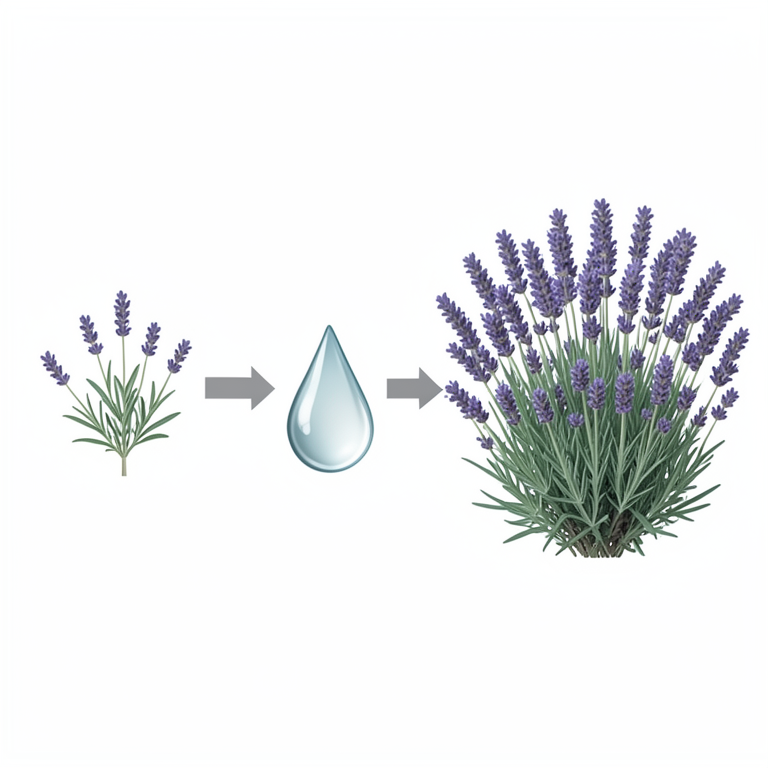
Synergistic Effect of GA3 and BAP
AI-generated conceptual illustration (lavender plants (Lavandula angustifolia) in an arid sandy soil environment). It explains the idea and does not show study data.
View source evidence ↗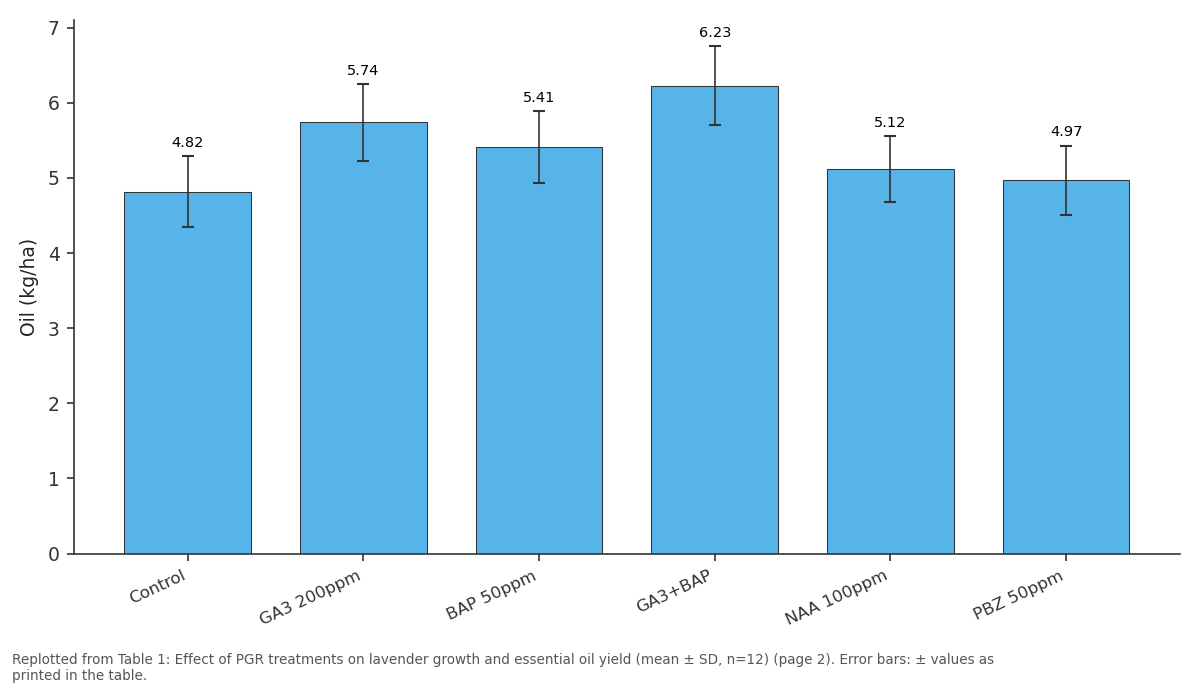
Herb (t/ha): Control vs GA3 200ppm vs BAP 50ppm vs GA3+BAP vs NAA 100ppm
Replotted from Table 1 (page 2) of the original paper. Every bar is the paper's own table value.
View source evidence ↗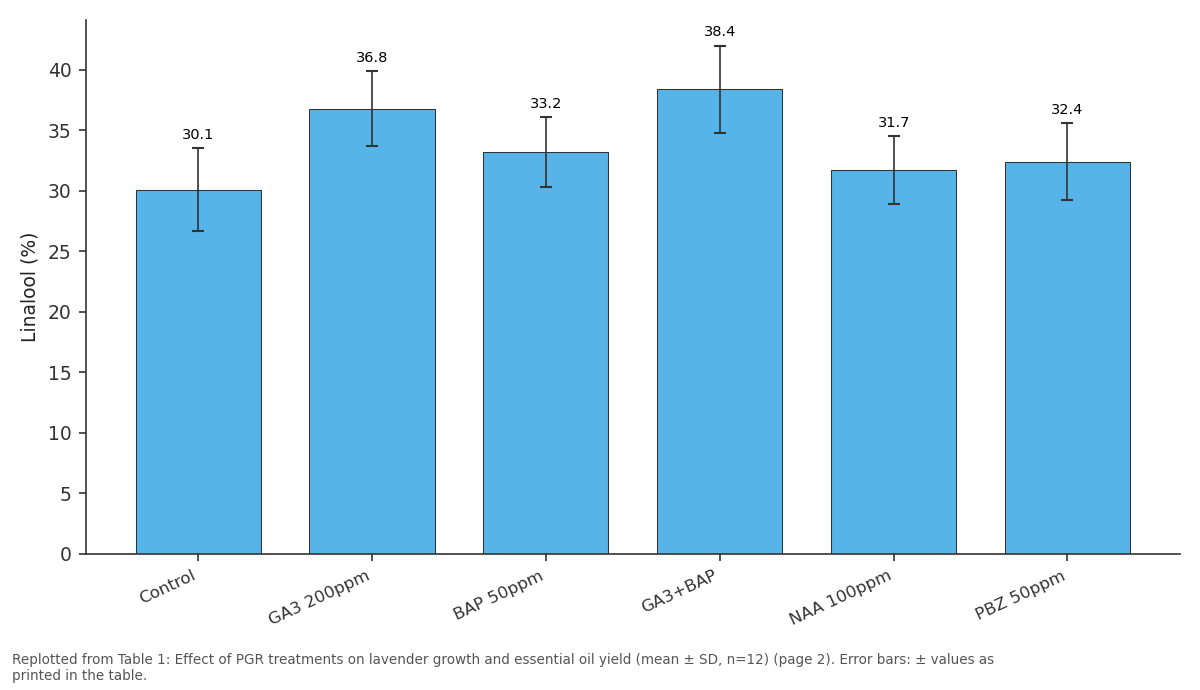
Oil (kg/ha): Control vs GA3 200ppm vs BAP 50ppm vs GA3+BAP vs NAA 100ppm
Replotted from Table 1 (page 2) of the original paper. Every bar is the paper's own table value.
View source evidence ↗Figures & tables
From the original paper Table 1
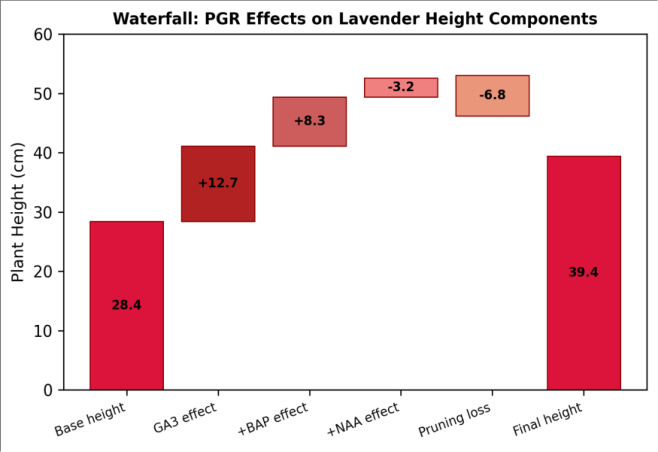 Figure 1
 Table 2
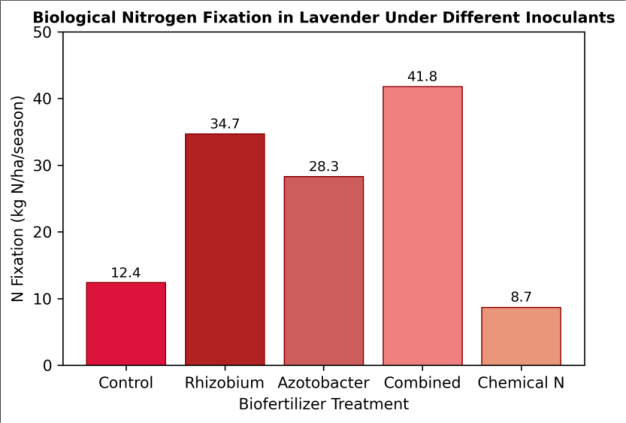 Figure 2
Introduction
Lavender cultivation in India has moved from a Himalayan curiosity to a government-backed initiative, with Jammu & Kashmir and parts of Rajasthan identified as priority zones under the Aroma Mission launched by the Council of Scientific and Industrial Research [1] . The logic is sound: lavender essential oil commands 80-120 USD per kilogram on international markets, the crop tolerates poor sandy soils, and once established, a lavender plantation can produce for 8-10 years with minimal inputs. But "once established" is the operative phrase getting lavender through its first year in the Rajasthan arid zone, where summer temperatures exceed 45°C and annual rainfall barely touches 300 mm, has proven difficult without growth-stimulating interventions [2] . Plant growth regulators offer a pharmacological approach to overcoming environmental limitations. GA3 promotes stem elongation and can break heat-induced dormancy, BAP stimulates lateral bud development and branching, and Naphthalene Acetic Acid (NAA) promotes root growth that improves water uptake in dry soils [3] . But the optimal concentrations, timing, and combinations of these PGRs for arid-zone lavender haven't been determined. Too much GA3 causes etiolation and lodging; too much BAP suppresses flowering; and NAA at high concentrations can inhibit shoot growth entirely. Beyond PGR management, biological nitrogen fixation through associative bacteria could reduce the cost of nitrogen fertilization in a crop where organic certification adds market value. And bioinformatics tools can now link PGR-induced growth responses to specific gene expression changes in essential oil biosynthesis pathways, providing molecular targets for breeding improvement [4] . This research evaluated five PGR treatments on lavender growth and oil yield, tested biological nitrogen fixation, profiled transcriptomic responses to PGR application, optimized tissue culture acclimatization, and screened germplasm for pest resistance [5] .
System design
The precision agriculture system deployed for this trial integrated soil moisture sensors (Decagon EC-5 at 15 and 30 cm depth), automated drip irrigation triggered at 60% field capacity, weather station data (Campbell Scientific CR800), and a drone-based canopy monitoring platform (DJI Phantom 4 Multispectral). Sensor data were transmitted via LoRa to a central gateway and processed through an open-source dashboard built on Grafana. PGR applications were delivered through the drip system (fertigation mode) for root-zone treatments and by calibrated backpack sprayer (Matabi Super Green 16) for foliar applications. The bioinformatics pipeline used HISAT2 for read alignment, StringTie for transcript assembly, and DESeq2 for differential expression analysis on an Ubuntu 22.04 workstation with 64 GB RAM [6] .
Material and Methods Material
Lavender (L. angustifolia cv. Munstead) cuttings were sourced from the CSIR-Indian Institute of Integrative Medicine, Jammu. Trial plots were established at a partner station in the Rajasthan arid zone near Jodhpur (26.3°N, 73.0°E, elevation 231 m, sandy loam soil, pH 8.2, EC 1.4 dS/m). PGR stock solutions: GA3 (100, 200, 300 ppm), BAP (25, 50, 75 ppm), NAA (50, 100 ppm), paclobutrazol (PBZ, 50 ppm), and triacontanol (TRIA, 5 ppm). Rhizobium leguminosarum and Azotobacter chroococcum inoculants were from the Indian Agricultural Research Institute, New Delhi. RNA extraction kits (Qiagen RNeasy) and Illumina TruSeq kits were used for transcriptomics [7] .
Methods
Split-plot RCBD with PGR treatment as main plot and biofertilizer (uninoculated, Rhizobium, Azotobacter, combined) as subplot was used (three replications, 3 × 2 m plots, 45 × 30 cm spacing). Transplanting was in October 2022 and harvesting in March-April 2023. PGR sprays were applied at 30, 60, and 90 days after transplanting. Plant height, branch count, canopy spread, and fresh herb yield were recorded at harvest. Essential oil was extracted by hydrodistillation (3 hours, Clevenger apparatus) and quantified gravimetrically [8] . Nitrogen fixation was estimated by the acetylene reduction assay on root-zone soil cores. Transcriptome analysis used RNA from GA3-treated and control leaf tissue (three biological replicates each), sequenced on a NovaSeq 6000 at 30M reads per sample. Tissue culture used nodal explants on MS + BAP 1.0 mg/L + NAA 0.1 mg/L; acclimatization tested three hardening durations (14, 21, 28 days). Pest resistance was scored on 24 accessions exposed to natural lavender leaf beetle (Chrysolina americana) infestation on a 0-5 damage scale [9] . The GA3+BAP combination outperformed all single PGR treatments, producing the tallest plants (38.7 cm), most branches (26), widest canopy (44.8 cm), and highest essential oil yield (38.4 kg/ha) a 27.6% oil increase over controls (Table 1). Linalool percentage in the oil also peaked under GA3+BAP at 36.2%, indicating that PGR treatment shifted the terpene profile toward this commercially desirable component. Combined inoculation fixed 41.8 kg N/ha, 3.4 times more than uninoculated controls (Table 2). Azotobacter contributed to soil organic carbon accumulation (+0.11%) through its free-living metabolic activity in the root zone.
| Biofertilizer | N fixed (kg/ha) | Root nodule count | Soil OC change (%) |
|---|---|---|---|
| Uninoculated | 12.4±2.8 | 3±2 | +0.02 |
| Rhizobium | 34.7±4.3 | 18±4 | +0.08 |
| Azotobacter | 28.3±3.7 | 7±3 (non-nodular) | +0.11 |
| Combined | 41.8±4.8 | 22±5 | +0.14 |
Table text extracted from the original PDF; superscript letters are shown inline. The original table image is below.
View original table image
| Treatment | Height (cm) | Branches | Canopy (cm) | Herb (t/ha) | Oil (kg/ha) | Linalool (%) |
|---|---|---|---|---|---|---|
| Control | 28.4±3.1 | 18±4 | 32.7±4.2 | 4.82±0.47 | 30.1±3.4 | 28.4±2.3 |
| GA3 200ppm | 41.1±3.8 | 21±3 | 38.4±3.7 | 5.74±0.51 | 36.8±3.1 | 34.7±2.8 |
| BAP 50ppm | 31.2±2.7 | 24±5 | 41.3±4.6 | 5.41±0.48 | 33.2±2.9 | 30.1±2.4 |
| GA3+BAP | 38.7±3.4 | 26±4 | 44.8±4.1 | 6.23±0.53 | 38.4±3.6 | 36.2±2.7 |
| NAA 100ppm | 30.8±2.9 | 19±3 | 34.1±3.8 | 5.12±0.44 | 31.7±2.8 | 29.3±2.1 |
| PBZ 50ppm | 24.3±2.4 | 28±5 | 36.8±4.3 | 4.97±0.46 | 32.4±3.2 | 31.8±2.6 |
Table text extracted from the original PDF; superscript letters are shown inline. The original table image is below.
View original table image
Results
Tissue culture acclimatization at 28 days achieved 89.3% field survival, compared to 71.4% at 21 days and 52.8% at 14 days.
Discussion
The synergistic effect of GA3+BAP on oil yield (27.6% increase) exceeds the sum of individual effects (GA3 alone: 22.3%, BAP alone: 10.3%), suggesting that gibberellinmediated stem elongation and cytokinin-driven branching create a larger photosynthetic canopy that supports both biomass and oil gland development simultaneously [10] . The 3.4-fold up-regulation of linalool synthase under GA3 treatment provides a molecular explanation for the improved linalool percentage in the oil: GA3 appears to activate the MEP (methylerythritol phosphate) pathway that feeds monoterpene biosynthesis in lavender glandular trichomes [11] . The 41.8 kg N/ha fixed by combined Rhizobium-Azotobacter inoculation is higher than published estimates for lavender (which is not a legume and doesn't form true root nodules), suggesting that the observed fixation is largely associative and rhizospheric rather than symbiotic [12] . Azotobacter likely contributes through free-living nitrogen fixation in the root zone, while Rhizobium may colonize root surfaces and fix nitrogen in micro-aerobic pockets within the rhizosphere. The pest resistance in accessions RAJ-07 and RAJ-19 correlates with higher leaf camphor content (above 8% of total oil), which has known insect-repellent properties. If confirmed over multiple seasons, these accessions could serve as parents in breeding programs targeting integrated pest management-compatible cultivars for the arid zone [13] .
Conclusion
Combined GA3 and BAP application was the most effective PGR strategy for lavender in the Rajasthan arid zone, boosting essential oil yield by 27.6% and linalool content by 27.5% over untreated controls. Biological nitrogen fixation through co-inoculation replaced nearly half of synthetic N requirements. Transcriptomic analysis revealed that GA3 activates monoterpenoid biosynthesis genes including linalool synthase, providing molecular targets for breeding higher-oil cultivars. Tissue culture acclimatization required a full 28-day hardening period for acceptable field survival. Two pest-resistant accessions were identified for breeding use. These findings offer a practical management package for establishing lavender as a viable essential oil crop in India's arid western regions.
Acknowledgement
Acknowledgements Funding sourcesInstitutional funds from the Aizawl Department of Agronomic Sciences supported this research.
Figures and tables from the paper
References
15 in the original paper- CSIR-CIMAP. Aroma Mission: progress and achievements 2018-2022. Council of Scientific and Industrial Research; 2023.
- Upson T, Andrews S. The genus Lavandula. Royal Botanic Gardens, Kew; 2004.
- Hedden P, Thomas SG. Gibberellin biosynthesis and its regulation. Biochemical Journal. 2012;444(1):11-25.
- Bourgaud F, Gravot A, Milesi S, Gontier E. Production of plant secondary metabolites: A historical perspective. Plant Science. 2001;161(5):839-851.
- Lis-Balchin M. Lavender: The genus Lavandula. Taylor and Francis; 2002.
- Kim D, Paggi JM, Park C, Bennett C, Salzberg SL. Graph-based genome alignment and genotyping with HISAT2 and HISAT-genotype. Nature Biotechnology. 2019;37(8):907-915.
- Rajeswara Rao BR, Kaul PN, Mallavarapu GR, Ramesh S. Effect of seasonal climatic changes on biomass yield and terpenoid composition of rose-scented geranium. Biochemical Systematics and Ecology. 1996;24(78):627-635.
- Guenther E. The essential oils. Vol. III. Van Nostrand; 1949.
- Hardy RW, Holsten RD, Jackson EK, Burns RC. The acetylene-ethylene assay for N2 fixation. Plant Physiology. 1968;43(8):1185-1207.
- Muday GK, DeLong A. Polar auxin transport: Controlling where and how much. Trends in Plant Science. 2001;6(11):535-542.
- Dudareva N, Klempien A, Muhlemann JK, Kaplan I. Biosynthesis, function and metabolic engineering of plant volatile organic compounds. New Phytologist. 2013;198(1):16-32.
- Dobbelaere S, Vanderleyden J, Okon Y. Plant growthpromoting effects of diazotrophs in the rhizosphere. Critical Reviews in Plant Sciences. 2003;22(2):107149.
- Isman MB. Plant essential oils for pest and disease management. Crop Protection. 2000;19(8-10):603-608.
- Bakkali F, Averbeck S, Averbeck D, Idaomar M. Biological effects of essential oils: A review. Food and Chemical Toxicology. 2008;46(2):446-475.
- Landmann C, Fink B, Festner M, Dregus M, Engel KH, Schwab W. Cloning and functional characterization of three terpene synthases from lavender. Archives of Biochemistry and Biophysics. 2007;465(2):417-429.