
Research article · 2026 · Full text
International Journal of Biology SciencesAssessment of anti-diabetic molecular docking studies of two foraging fruit berries Morinda citrifolia L. and Morinda tinctoria Roxb. (Rubiaceae)
Volume 8(5) · Pages 15–22 · DOI: 10.33545/26649926.2026.v8.i5a.821 ↗
Research areasMorinda citrifolia extract usesNatural Antidiabetic Agents StudiesComputational Drug Discovery Methods
Abstract
Author-writtenPlants have served as companions to humanity for millennia, not just as a source of sustenance but also as healers. Rubiaceae members Morinda citrifolia and Morinda tinctoria fruits were selected for the study. Methanolic extract of both the fruits were prepared and it was screened for phytochemicals using standard procedures. The fruit extract with maximum phyto-constituents was subjected to GC-MS analysis to identify the bioactive compounds. The pharmacological activity of these GCMS compounds were examined using PASSonline and it was further docked against Maltase glucoamylase, a diabetic protein target. The present study reveals that M. tinctoria contained higher levels of flavonoids, phenols, tannins and saponins compared to M. citrifolia. The GC-MS analysis of M. tinctoria fruit extract yielded 30 active components along with the retention duration, area percentage, molecular formula and molecular weight. Myristic acid glycidyl ester; 9- Octadecenoic acid (Z)-,2,3-dihydroxypropyl ester; 9- Octadecenoic acid (Z)-, oxiranylmethyl ester; Cyclopropaneoctanoic acid, 2-[[2-[(2-Ethylcyclopropyl) Methyl] Cyclopropyl] Methyl]-, Methyl Ester and 7-Hydroxy-3-methoxy-2-p-methoxyphenyl-4H-chromen-4-one are the molecules with anti-diabetic activity. The Myristic acid glycidyl ester exhibits the highest docking score of -262.47 with a confidence score of 0.9046, alongside a single hydrogen bond interaction (TRP-406). These scores suggest a strong and confident binding affinity towards the target, making it a promising compound. These findings highlight M. tinctoria as a promising source of natural anti-diabetic compounds, with Myristic acid glycidyl ester warranting further investigation for its potential therapeutic application.
Summary
Source-checkedPlain-language reading of the full paper, prepared with AI and checked against the text. Each point links to the authors' own words.
Why it matters
- Diabetes is a global health crisis, ranking among the top ten causes of disability and death worldwide with a prevalence of 6.1%. View evidence ↗
- There is a global trend toward using herbal medications as alternatives to modern drugs to avoid toxicity and adverse side effects. View evidence ↗
- Morinda tinctoria is recognized for its therapeutic value and is used in traditional medical systems such as Ayurveda, Siddha, and Unani. View evidence ↗
The question
- The study aims to investigate the phytochemicals and pharmacological activity of Morinda fruit varieties to identify the best option for consumption by people with diabetes. View evidence ↗
What they did
- Matured fruits of Morinda citrifolia L. and Morinda tinctoria Roxb. were collected from the Nirmala College Campus in Coimbatore. View evidence ↗
- Ethanolic extracts were prepared by mixing 10 g of fruit powder with 100 ml of ethanol and shaking for 72 hours. View evidence ↗
- Gas Chromatography-Mass Spectroscopy (GC-MS) using a QP2010 SE Single Quadrupole was used to analyze the ethanolic extract of M. tinctoria. View evidence ↗
- Molecular docking was performed against the protein target maltase glucoamylase, with its 3D structure sourced from the Protein Databank. View evidence ↗
What they found
- Phytochemical screening showed that M. tinctoria has higher levels of saponins, tannins, phenols, and flavonoids than M. citrifolia. View evidence ↗
- GC-MS analysis identified 30 active components within the fruit extract of M. tinctoria. View evidence ↗
- Oleic acid, trimethylsilylester was the most abundant compound found in M. tinctoria, with an area of 20.86% and a retention time of 39.72. View evidence ↗
- Myristic acid glycidyl ester showed the strongest binding affinity to the target protein, with a docking score of -262.47 and a confidence score of 0.9046. View evidence ↗
- The second most effective compound was 9-Octadecenoic acid (Z)-, 2,3-dihydroxypropyl ester, which had a docking score of -198.19 and a confidence score of 0.7239. View evidence ↗
- 7-Hydroxy-3-methoxy-2-p-methoxyphenyl-4H-chromen-4-one had a mid-range docking score of -176.15 but formed the highest number of hydrogen bonds (four). View evidence ↗
What it means
- The authors conclude that M. tinctoria is a significant source for developing new natural anti-diabetic therapies due to its bioactive phytochemical profile. View evidence ↗
- The authors state that further biochemical and pharmacological studies are needed to validate therapeutic efficacy and determine the exact mechanisms of action. View evidence ↗
Visual summary
1 visualsIllustrations explain the paper; they do not show study data.
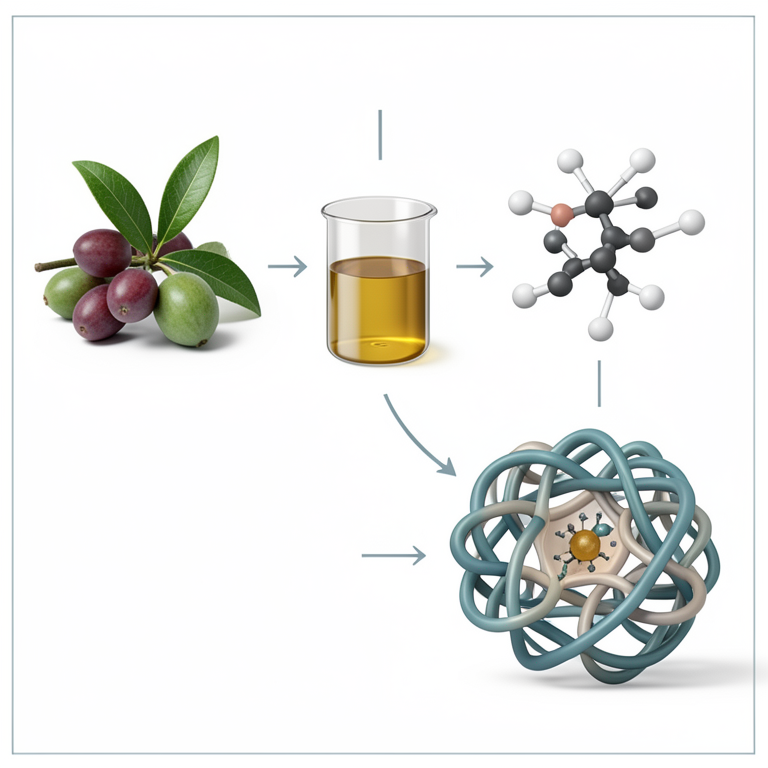
Computational Drug Discovery Workflow
AI-generated conceptual illustration (Morinda citrifolia and Morinda tinctoria fruits, ethanolic extract, and the maltase-glucoamylase protein). It explains the idea and does not show study data.
View source evidence ↗Figures & tables
From the original paper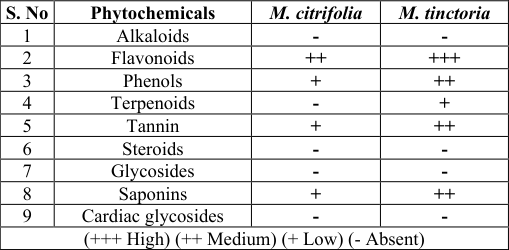 Table 1
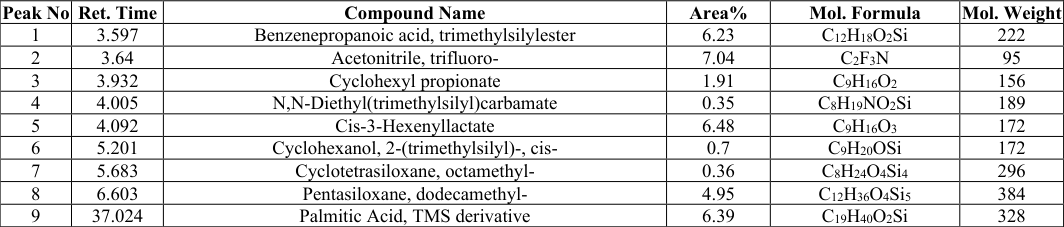 Table 2
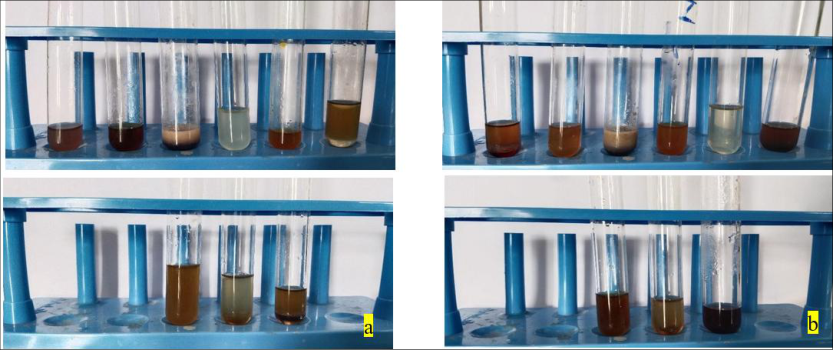 Plate 1
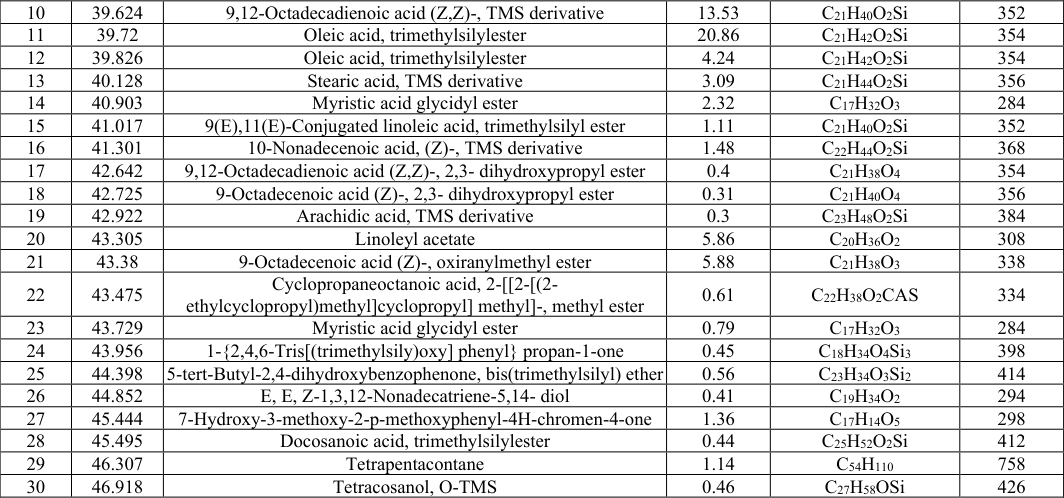 Table 3
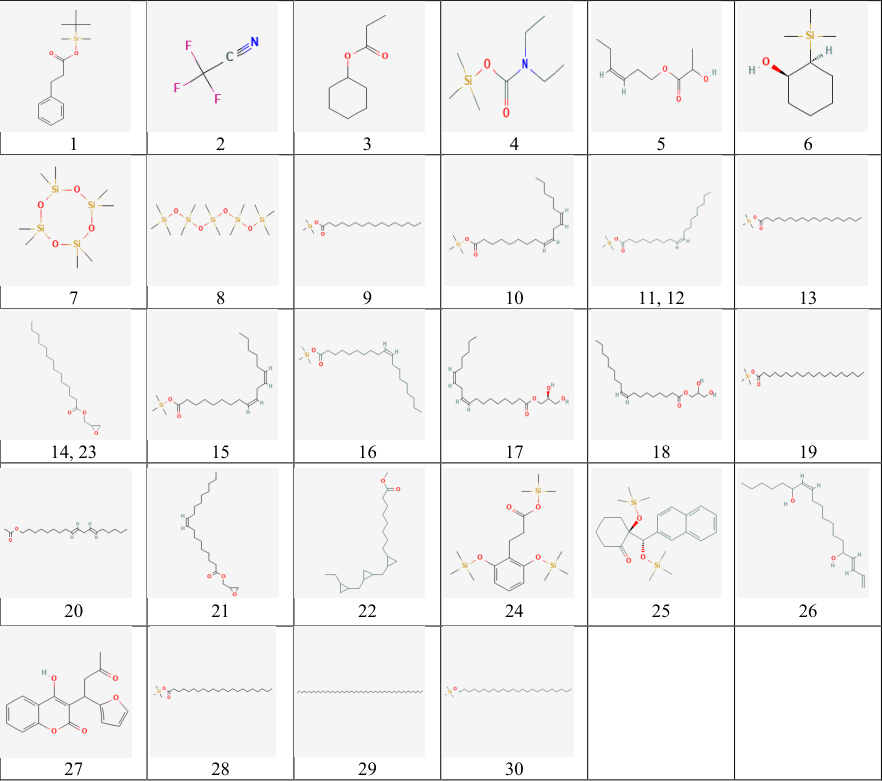 Table 3
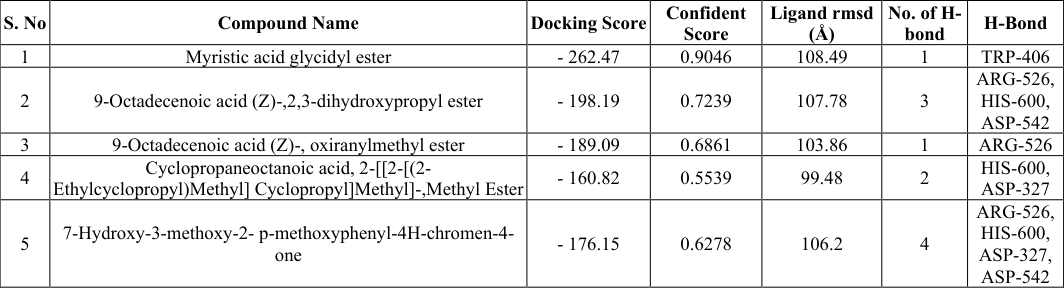 Table 4
Introduction
Herbal medications are chosen and used as an alternative to modern drugs in therapies all over the world due to concerns about the toxicity, side effects and adverse reactions of modern drugs. Plants are an excellent source of drugs and a storehouse for numerous active chemicals (Ranvir et al., 2017) [1] . According to the most recent and thorough estimates, diabetes is currently among the top 10 major causes of mortality and disability worldwide, with a prevalence rate of 6.1% (Ong et al., 2023) [2] . Diabetes affects more than half a billion people globally, impacting men, women and children of all ages and the number is expected to more than double to 1.3 billion people in the next 30 years, with a rise in every country. An estimated 77 million Indians over the age of 18 have type 2 diabetes and another 25 million are prediabetics, meaning they have a higher chance of getting the disease in the near future (Anjana et al., 2023) [3] . Phytochemicals, plant-derived compounds, have gained popularity for their diverse applications. Finding novel sources of compounds with therapeutic and industrial significance, such as alkaloids, flavonoids, phenolic compounds, saponins, steroids, tannins, terpenoids, etc., is largely dependent on phytochemical screening (Akhtar and Mirza, 2018) [4] . Gas Chromatography Mass Spectroscopy is the most popular method for identification and quantification, which produces a hyphenated system that is highly compatible. It is possible to identify the unknown organic chemicals in a complicated combination by interpreting the data and comparing the spectra to those of reference samples (Rautela et 2018) [5] . Molecular docking studies provide an opening into the molecular interactions between two or more molecules, making them a cornerstone in computational biology and drug development (Basu et al., 2020) [6] . This advanced computational method predicts the proper binding orientation and affinity of the drug molecule to its target by simulating the interaction between a tiny molecule, frequently a prospective medicine and a target protein or nucleic acid (Ahmed et al., 2018) [7] . Two varieties of Morinda species were selected for the present study to determine its active chemical constituent and anti-diabetic activity. Among the ethnic plants of tropical nations, the genus Morinda has long been utilized in traditional medicine. It has been discovered that a large number of these species are rich in secondary metabolites with potential medicinal uses. Morinda citrifolia L (Rubiaceae), also known by the common name "Noni," is an evergreen tree or shrub that grows to a height of 3 to 6 meters. Leaves are oval, bright green and deeply veined, measuring 10 to 30 cm. The flowers are tubular and white.
The fruit has a bumpy surface covered in portions that are polygonal in shape and it can develop to a maximum size of 12 cm or more (Fidrianny et al., 2018) [8] . The young fruit is vivid green in colour and firm. The fruits turn translucent yellow or white and get extremely soft as they ripen. The ripe fruit tastes like soap and has an unpleasant butyric and cheesy smell. An air sac linked to one end of the seeds makes them buoyant (Vuanghao and Laghari, 2017) [9] .
Morinda tinctoria (Roxb.), often known as Nunaa, is grown in many places of Southeast Asia, particularly in agricultural and undeveloped areas. The plant of significant therapeutic value that is employed in several traditional medical systems, including Unani, Siddha and Ayurveda (Rex et al., 2018). It is merely a small tree or evergreen shrub that reaches a height of 5 to 10 meters. The leaves are lanceolate to oblong and 15-25 cm long. The flowers are about 2 cm long, white, fragrant, and tubular. The fruit is a 2-2.5 cmdiameter green syncarp. Its leaves, stems and fruits are used to treat a variety of conditions including fever, inflammation, gout, dyspepsia, diarrhoea and stomach ulcers (Chandra and Meel, 2020) [11] . The present study, investigates the presence and pharmacological activity of phyto-constituents present in the fruits. Thereby to suggest the best varieties of the fruit for diabetic people for consumption in order to improve their quality of life.
Materials and Methods Plant Collection
Matured fruits of Morinda citrifolia L. and Morinda tinctoria Roxb. were collected from the Nirmala College Campus, Coimbatore. The collected fruits were washed, cleaned from dirt and it was allowed to ripe. Then, the ripen fruits were cut into small pieces and shade dried for 2 weeks. The dried pieces were powdered and stored in an airtight container.
M. citrifolia fruit M. tinctoria fruit Extraction 10 g of fruit powders were mixed with 100 ml of ethanol.
The solution was kept in the shaker for 72 hours. Then it was strained and the extract was collected and stored.
Preliminary Phytochemical Screening:
The ethanolic extracts of the two Morinda species was screened for different phytoconstituents using standard procedures (Harbone, 1998).
Test for Tannins (Ferric Chloride Test):
To the extract 1ml of 5% ferric chloride solution was added, formation of bluish black or greenish black precipitate indicates the presence of tannins.
Test for Steroids (Libermann Test): 2 ml of chloroform and conc. H 2 SO 4 were added with the 5 ml aqueous plant crude extract. In the lower chloroform layer red colour appeared that indicated the presence of steroids.
Test for Glycosides (Keller-Kiliani Test): 2 ml of glacial acetic acid, few drops of 5% ferric chloride and Conc. H 2 SO 4 were added to the extract. Reddish brown colour at the junction of two liquid layers and upper layer appears bluish green indicates the presence of glycosides.
Test for Saponins (Foam Test): A small amount of extract was taken in a test tube with little quantity of water and shake it vigorously for at least one a minute. Appearance of foam persisting for 10 minutes indicates the presence of saponins.
Cardiac glycosides (Keller-Kiliani Test):
A solution of glacial acetic acid (4.0 ml) with 1 drop of 2.0% FeCl 3 mixture was mixed with the 10 ml aqueous plant extract and 1 ml H 2 SO 4 concentrated. A brown ring formed between the layers which showed the entity of cardiac steroidal glycosides.
Gas Chromatography -Mass Spectroscopy (GC-MS):
The GC-MS analysis of ethanolic fruit extract of M. tinctoria was performed using GCMS QP2010 SE Single Quadrupole (Ukwubile et al., 2019). The QP-2010 Ultra quadrupole mass spectrometer and the GC-2010 Plus gas chromatograph with dual inlet differential vacuum system (179L/sec + 185L/sec for He) are included in this package. Important characteristics include a mass range of 1.5-1090, a maximum scan speed of 20,000 μ/sec (achieved with proprietary technology), and a recently invented "Ecology mode" that drastically lowers power and carrier gas consumption. In scan mode, this device can detect 1 pg of OFN (octafluoronaphthalene) at more than 500/1 RMS. All Shimadzu GCMS Systems come with front ion source access and are designed to be easily maintained. One Split / Splitless injection port with AFC is included with this GC. The septum purge flow and split ratio are just two of the injection port parameters that can be controlled by the AFC (Advanced Flow Control). The oven can be programmed in 20 temperature increments and cools down quickly-it takes only 2.7 minutes to go from 350°C to 50°C. The identification of components was based on Willey and NIST libraries as well as comparison of their retention indices. Willey and NIST libraries were used for component identification, and their retention indices were compared.
The components of the GC-MS instrument were identified by comparison with those found in the computer library (Willey and NIST), and the outcomes were tabulated.
Molecular Docking Study Preparation of Receptor
The chosen targeting protein for diabetes activity is maltase glucoamylase. The target protein's 3D structure was extracted from the Protein Databank in.pdb format file.
Preparation of Ligand
The 3D structure of ligand was retrieved from Pubchem in.sdf format. This.sdf format was converted into.pdb format using Openbabel software (http://openbabel.org.).
Molecular Docking
The Docking analysis was performed using Hdock software which is a freely accessible online computational tool (Sampangi-Ramaiah et al., 2020). This performs molecular docking between the ligand and the targeted protein. This shows the Docking score, Confident score, Ligand rmsdo, and 3D image of the ligand-protein interaction. PyMOL 2.5.7 was used to visualize the 3D structure of the proteaseligand interaction, whereas Biovia Discovery Studio 21.1.0.20298 was used to display the 2D structure of the molecular interaction. The data tabulated are docking score, confident score, number of Hydrogen bonds and H-bond to which the ligand is attached.
Results and Discussion
Qualitative Phytochemical Analysis: Preliminary phytochemical screening of ethanolic extracts of Morinda citrifolia and Morinda tinctoria fruits revealed interesting differences. M. tinctoria contained higher levels of flavonoids, phenols, tannins and saponins compared to M. citrifolia. Conversely, both extracts lacked alkaloids, steroids, glycosides and cardiac glycosides (Table 1 & Plate I). The present result helps to know the pharmaceutical significance and role of possible medicinal values of these plants. Generally, these phytoconstituents are responsible for the all-biological activity. Flavonoids, for instance are a well-studied group with antioxidant and anti-inflammatory properties, potentially contributing to M. tinctoria bioactivity. Similarly, the presence of phenols and tannins suggests potential antioxidant and astringent properties. Likewise, saponins, found in higher quantities in M. tinctoria, might contribute anti-inflammatory and cholesterol-lowering effects. A phytochemical study by Sajani and Maya, 2020 explored the phytoconstituents present in aqueous extract of M. citrifolia. Large amount of steroids, cardiac glycosides, tannins, terpenoids, carbohydrates, flavonoids and proteins were present and resins, anthraquinones and phyloabtannins were absent. Phytochemical profiling of seven Morinda sps was done by Singh et al., 2022 [16] . The total amounts of iridoids, flavonoids, triterpenoids, anthraquinone glycosides, lignans and coumarins were found to vary depending on the methanol extract obtained from the leaves of M. umbellata, M. jasminoides, M. parvifolia and M. persicaefolia. Leaves, bark and roots of M. lucida contains steroids, alkaloids, terpenoids, tannins, saponins, flavonoids, phenols and glycosides (Adeleye et al., 2018) [17] . From this studies M. tinctoria has greater phytochemical values than M. citrifolia. Therfore M. tinctoria was selected for the further studies. 2 and Graph 1. The structures of the bioactive molecules were extracted from Pubchem source are given in Table 3. The most abundant compound recorded was Oleic acid, trimethylsilylester with retention time 39.72 and area 20.86% followed by 9,12-Octadecadienoic acid (Z,Z)-, TMS derivative with retention time 39.624 and area 13.53%, Acetonitrile, trifluoro-with retention time 3.640 and area 7.04%, Cis-3-Hexenyllactate with retention time 4.092 and area 6.48%, Palmitic Acid, TMS derivative with retention time 37.024 and area 6.39% and Benzenepropanoic acid, trimethylsilylester with retention time 3.597 and area 6.23%. The remaining compounds are less than 5% area. Oleic acid and its derivatives are known for their beneficial effects on health, including anti-inflammatory and cholesterol-lowering properties (Nair et al., 2018) [18] . 9,12-Octadecadienoic acid (Linoleic acid) is an essential fatty acid important for various bodily functions (Adekunle et al., 2023) [19] . Palmitic Acid is a common saturated fatty acid found in plants and animals (Adewole et al., 2021) [20] . Acetonitrile, trifluoro-, and Benzenepropanoic acid, trimethylsilylester might have specific industrial or pharmaceutical applications, depending on their structure and reactivity (Casuga et al., 2016) [21] . Cis-3-Hexenyllactate is likely involved in the plant's fragrance or flavour profile, given its structure related to esters found in fragrances and flavours (Olivia et al., 2021) [22] .
| 1 | 2 | 3 | 4 | 5 | 6 |
|---|---|---|---|---|---|
| 7 | 8 | 9 | 10 | 11, 12 | 13 |
| 14, 23 | 15 | 16 | 17 | 18 | 19 |
| 20 | 21 | 22 | 24 | 25 | 26 |
| 27 | 28 | 29 | 30 |
Table text extracted from the original PDF; superscript letters are shown inline. The original table image is below.
View original table image
| 10 | 39.624 | 9,12-Octadecadienoic acid (Z,Z)-, TMS derivative | 13.53 | C21H40O2Si | 352 |
|---|---|---|---|---|---|
| 11 | 39.72 | Oleic acid, trimethylsilylester | 20.86 | C21H42O2Si | 354 |
| 12 | 39.826 | Oleic acid, trimethylsilylester | 4.24 | C21H42O2Si | 354 |
| 13 | 40.128 | Stearic acid, TMS derivative | 3.09 | C21H44O2Si | 356 |
| 14 | 40.903 | Myristic acid glycidyl ester | 2.32 | C17H32O3 | 284 |
| 15 | 41.017 | 9(E),11(E)-Conjugated linoleic acid, trimethylsilyl ester | 1.11 | C21H40O2Si | 352 |
| 16 | 41.301 | 10-Nonadecenoic acid, (Z)-, TMS derivative | 1.48 | C22H44O2Si | 368 |
| 17 | 42.642 | 9,12-Octadecadienoic acid (Z,Z)-, 2,3- dihydroxypropyl ester | 0.4 | C21H38O4 | 354 |
| 18 | 42.725 | 9-Octadecenoic acid (Z)-, 2,3- dihydroxypropyl ester | 0.31 | C21H40O4 | 356 |
| 19 | 42.922 | Arachidic acid, TMS derivative | 0.3 | C23H48O2Si | 384 |
| 20 | 43.305 | Linoleyl acetate | 5.86 | C20H36O2 | 308 |
| 21 | 43.38 | 9-Octadecenoic acid (Z)-, oxiranylmethyl ester | 5.88 | C21H38O3 | 338 |
| 22 | 43.475 | Cyclopropaneoctanoic acid, 2-[[2-[(2- ethylcyclopropyl)methyl]cyclopropyl] methyl]-, methyl ester | 0.61 | C22H38O2CAS | 334 |
| 23 | 43.729 | Myristic acid glycidyl ester | 0.79 | C17H32O3 | 284 |
| 24 | 43.956 | 1-{2,4,6-Tris[(trimethylsily)oxy] phenyl} propan-1-one | 0.45 | C18H34O4Si3 | 398 |
| 25 | 44.398 | 5-tert-Butyl-2,4-dihydroxybenzophenone, bis(trimethylsilyl) ether | 0.56 | C23H34O3Si2 | 414 |
| 26 | 44.852 | E, E, Z-1,3,12-Nonadecatriene-5,14- diol | 0.41 | C19H34O2 | 294 |
| 27 | 45.444 | 7-Hydroxy-3-methoxy-2-p-methoxyphenyl-4H-chromen-4-one | 1.36 | C17H14O5 | 298 |
| 28 | 45.495 | Docosanoic acid, trimethylsilylester | 0.44 | C25H52O2Si | 412 |
| 29 | 46.307 | Tetrapentacontane | 1.14 | C54H110 | 758 |
| 30 | 46.918 | Tetracosanol, O-TMS | 0.46 | C27H58OSi | 426 |
Table text extracted from the original PDF; superscript letters are shown inline. The original table image is below.
View original table image
| S. No | Phytochemicals | M. citrifolia | M. tinctoria |
|---|---|---|---|
| 1 | Alkaloids | - | - |
| 2 | Flavonoids | ++ | +++ |
| 3 | Phenols | + | ++ |
| 4 | Terpenoids | - | + |
| 5 | Tannin | + | ++ |
| 6 | Steroids | - | - |
| 7 | Glycosides | - | - |
| 8 | Saponins | + | ++ |
| 9 | Cardiac glycosides | - | - |
| (+++ High) (++ Medium) (+ Low) (- Absent) |
Table text extracted from the original PDF; superscript letters are shown inline. The original table image is below.
View original table image
Graph 1: GC-MS Analysis of Ethanolic extract of M. tinctoria
Graph 1: GC-MS Analysis of Ethanolic extract of M. tinctoria
Docking Studies on Antidiabetic Molecular Target:
The inhibitors α-amylase and α-glucosidase slow down the breakdown of carbohydrates, reduce postprandial hyperglycemia and treat prediabetes and T2DM (Berraquero-García et al., 2023). Maltase glucoamylase was selected as the drug target and the structure was obtained from PDB using PDB Id 2QLY. Using the Marvin feature in the PASSonline software, the pharmacological activity of these thirty compounds from GC-MS analysis was studied.
The compounds possessing anti-diabetic activity were consequently selected for docking experiments. Myristic acid glycidyl ester (RT -40.903, Area% -2.32); 9-Octadecenoic acid (Z)-,2,3-dihydroxypropyl ester (RT -42.725, Area% -0.31); 9-Octadecenoic acid (Z)-, oxiranylmethyl ester (RT -43. Qais and Ahmad, 2022 examined the anti-quorum sensing and biofilm inhibitory impact of several medicinal plants against gram-negative bacterial pathogens using in vitro and in silico experiments. Pyrogallol demonstrated a robust binding affinity in lasI, lasR, RhlR, and CviR, exhibiting binding affinities of 7.6, 6.9, 6.7 and 7.8 kcal mol^1 in each case. Dehydroabietic acid had a strong binding affinity with LasI possessing all hydrophobic residue interactions, just like pyrogallol did. The surrounding amino acids that were supported by hydrophobic interactions were Thr145, Val148, Phe105, Trp33, Val143, Thr144, Phe27, Arg30 and Val26. The iDPPIV-SCM is a sequence-based predictor that can be used to discover and analyze inhibitory peptides of dipeptidyl peptidase IV (DPP-IV) using a scoring card technique was examined by Charoenkwan et al., 2020 [24] . The entire set of 230 discovered DPPIV inhibitory sequences was subjected to an In-silico analysis. For the 40 DPP-IV peptides chosen in accordance with the criterion (i.e., IC 50 up to 20 times greater than the reference value for the tripeptide IPI). The iDPPIV-SCM program uses a score value to represent its prediction; values more than 294 suggest potential DPP-IV inhibitory peptides.
Conclusion
M. tinctoria, with its richer phytochemical profile, underwent further scrutiny through GC-MS and In silico docking studies, uncovering a complex chemical composition that includes 30 active ingredients. Notably, oleic acid, trimethylsilylester emerged as the most abundant compound, suggesting a potential role in modulating lipid metabolism, a crucial aspect in managing diabetes. The GC-MS analysis illustrated the diverse functional capabilities of these compounds, hinting at their synergistic potential in combating diabetic conditions. The In silico docking studies, highlighting myristic acid glycidyl ester for its significant binding affinity, suggest a promising avenue for the development of anti-diabetic agents. These findings not only emphasize the potential of M. tinctoria as a source of novel anti-diabetic compounds but also underscore the importance of further biochemical and pharmacological studies to elucidate the exact mechanisms of action and to validate the therapeutic efficacy of these bioactive compounds in diabetes management. Therefore, M. tinctoria stands out as a significant plant for the development of new, natural anti-diabetic therapies, leveraging its complex and bioactive phytochemical profile.
Figures and tables from the paper
| Peak No | Ret. Time | Compound Name | Area% | Mol. Formula | Mol. Weight |
|---|---|---|---|---|---|
| 1 | 3.597 | Benzenepropanoic acid, trimethylsilylester | 6.23 | C12H18O2Si | 222 |
| 2 | 3.64 | Acetonitrile, trifluoro- | 7.04 | C2F3N | 95 |
| 3 | 3.932 | Cyclohexyl propionate | 1.91 | C9H16O2 | 156 |
| 4 | 4.005 | N,N-Diethyl(trimethylsilyl)carbamate | 0.35 | C8H19NO2Si | 189 |
| 5 | 4.092 | Cis-3-Hexenyllactate | 6.48 | C9H16O3 | 172 |
| 6 | 5.201 | Cyclohexanol, 2-(trimethylsilyl)-, cis- | 0.7 | C9H20OSi | 172 |
| 7 | 5.683 | Cyclotetrasiloxane, octamethyl- | 0.36 | C8H24O4Si4 | 296 |
| 8 | 6.603 | Pentasiloxane, dodecamethyl- | 4.95 | C12H36O4Si5 | 384 |
| 9 | 37.024 | Palmitic Acid, TMS derivative | 6.39 | C19H40O2Si | 328 |
Table text extracted from the original PDF; superscript letters are shown inline. The original table image is below.
View original table image
References
24 in the original paper- Ranvir GD, Rajurkar SR, Ballurkar BV, Gangane GR. Physicochemical and phytochemical evaluations on noni (Morinda citrifolia Linn.) fruit powder and extracts. Adv Anim Vet Sci. 2017;5(4):160-166.
- Ong KL, Stafford LK, McLaughlin SA, Boyko EJ, Vollset SE, Smith AE, et al. Global, regional, and national burden of diabetes from 1990 to 2021, with projections of prevalence to 2050: a systematic analysis for the Global Burden of Disease Study 2021. Lancet. 2023;402(10397):203-234.
- Anjana RM, Unnikrishnan R, Deepa M, Pradeepa R, Tandon N, Das AK, et al. Metabolic noncommunicable disease health report of India: the ICMR-INDIAB national cross-sectional study (ICMRINDIAB-17). Lancet Diabetes Endocrinol. 2023;11(7):474-489.
- Akhtar N, Mirza B. Phytochemical analysis and comprehensive evaluation of antimicrobial and antioxidant properties of 61 medicinal plant species. Arab J Chem. 2018;11(8):1223-1235.
- Rautela I, Sharma MD, Sharma N, Kishor K, Singh K, Sharma N. Comparative GC-MS analysis of leaf and root extract of medicinal plant Withania somnifera. World J Pharm Res. 2018;7(9):956-972.
- Basu A, Sarkar A, Maulik U. Molecular docking study of potential phytochemicals and their effects on the complex of SARS-CoV-2 spike protein and human ACE2. Sci Rep. 2020;10(1):17699.
- Ahmed B, Ali Ashfaq U, Usman Mirza M. Medicinal plant phytochemicals and their inhibitory activities against pancreatic lipase: molecular docking combined with molecular dynamics simulation approach. Nat Prod Res. 2018;32(10):1123-1129.
- Fidrianny I, Octaviani GD, Kusmardiyani S. Study of antioxidant profile and phytochemical content of different organs extracts of Morinda citrifolia L. J Pharm Sci Res. 2018;10(8):2102-2105.
- Vuonghao L, Laghari MH. Morinda citrifolia (noni): a comprehensive review on its industrial uses, pharmacological activities, and clinical trials. Arab J Chem. 2017;10:691-707.
- Rex Jeya Rajkumar S, Gnanavel G, Muthukumar Nadar MSA, Sankaranarayanan R. Wound healing activity of Morinda tinctoria Roxb aqueous leaf extract. 3 Biotech. 2018;8:1-9.
- Chandra S, Meel RK. Pharmacognostic, phytochemical and pharmacological assessment of Morinda tinctoria as anti-ulcerogenic potential. Pharmacophore. 2020;11(6):1-12.
- Harborne AJ. Phytochemical methods: a guide to modern techniques of plant analysis. New York: Springer Science & Business Media; 1998.
- Ukwubile CA, Ahmed A, Katsayal UA, Ya'u J, Mejida S. GC-MS analysis of bioactive compounds from Melastomastrum capitatum (Vahl) Fern. leaf methanol extract: an anticancer plant. Sci Afr. 2019;3:e00059.
- Sampangi-Ramaiah MH, Vishwakarma R, Shaanker RU. Molecular docking analysis of selected natural products from plants for inhibition of SARS-CoV-2 main protease. Curr Sci. 2020;118(7):1087-1092.
- Jose S, Maya P. Phytochemical and antioxidant study of Morinda citrifolia. Int J Adv Res Biol Sci. 2020;7(4):156-160.
- Singh B, Sahu P, Sharma R. Phytochemical profiling, anti-inflammatory, antioxidant and antimicrobial effects of seven Indian Morinda species. Curr Bioact Compd. 2022;18(2):26-38.
- Adeleye OO, Ayeni OJ, Ajamu MA. Traditional and medicinal uses of Morinda lucida. J Med Plants Stud. 2018;6(2):249-254.
- Nair CJ, Ahamad S, Khan W, Anjum V, Mathur R. Gas chromatography mass spectrometric determination of components of leaves of Aegle marmelos and Psidium guajava and seeds of Nigella sativa and correlation with in vitro antioxidant activity. Pharmacogn Res. 2018;10(2):217-222.
- Adekunle D, Faboro E, Lajide L. Identification and quantification of bioactive compounds in different extracts of Morinda lucida Benth (Rubiaceae) root International Journal of Biology Sciences https://www.biologyjournal.net using GC-MS analysis. J Niger Soc Phys Sci. 2023;5(1):1534.
- Adewole KE, Attah AF, Adebayo JO. Morinda lucida Benth (Rubiaceae): a review of its ethnomedicine, phytochemistry and pharmacology. J Ethnopharmacol. 2021;276:114055.
- Casuga FP, Castillo AL, Corpuz MJAT. GC-MS analysis of bioactive compounds present in different extracts of an endemic plant Broussonetia luzonica (Blanco) (Moraceae) leaves. Asian Pac J Trop Biomed. 2016;6(11):957-961.
- Olivia NU, Goodness UC, Obinna OM. Phytochemical profiling and GC-MS analysis of aqueous methanol fraction of Hibiscus asper leaves. Future J Pharm Sci. 2021;7:1-5.
- Qais FA, Ahmad I. Anti-quorum sensing and biofilm inhibitory effect of some medicinal plants against gramnegative bacterial pathogens: in vitro and in silico investigations. Heliyon. 2022;8(10):e11113.
- Charoenkwan P, Kanthawong S, Nantasenamat C, Hasan MM, Shoombuatong W. iDPPIV-SCM: a sequence-based predictor for identifying and analyzing dipeptidyl peptidase IV (DPP-IV) inhibitory peptides using a scoring card method. J Proteome Res. 2020;19(10):4125-4136.