
Research article · 2025 · Full text
International Journal of Horticulture and Food ScienceCataloguing medicinal plant diversity of sapodilla in the Godavari Floodplain
Volume 7(9) · Pages 123–126 · DOI: 10.33545/26631067.2025.v7.i9b.675 ↗
Research areasMedicinal Plant ResearchEssential Oils and Antimicrobial ActivityPhytochemicals and Medicinal Plants
Abstract
Author-writtenSapodilla (Manilkara zapota) is primarily known for its sweet, malty-flavored fruit, yet traditional medicine systems across South and Central America have long valued its bark, leaves, and latex for therapeutic applications. This research catalogued the medicinal plant diversity associated with sapodilla germplasm collected from fifteen accessions along the Godavari floodplain in Andhra Pradesh, India, with laboratory analysis conducted at the Giza College of Food Technology from February to November 2023. Leaf and bark tissues were screened for tannins, saponins, alkaloids, terpenoids, and flavonoids, and essential oil was extracted by hydrodistillation and profiled by GC-MS. Essential oil yield varied seasonally from 0.24% to 0.91% (v/w), peaking during the June monsoon onset. GC-MS identified 34 volatile compounds, with α-amyrin acetate, lupeol, and methyl salicylate as the three most abundant. Genome-wide association markers (28 SSR loci) differentiated floodplain accessions into three genetic clusters broadly aligned with geography. Accessions from the upper Godavari showed 38.7% higher tannin content than delta accessions, while essential oil yield was 22.4% higher in delta samples. Nursery management trials showed that semi-hardwood cuttings treated with 3000 ppm IBA achieved 74.3% rooting success. These findings create a baseline inventory of sapodilla’s medicinal phytochemistry along the Godavari and identify accessions with superior bioactive profiles for targeted propagation.
Summary
Source-checkedPlain-language reading of the full paper, prepared with AI and checked against the text. Each point links to the authors' own words.
Why it matters
- Sapodilla is widely recognized for its fruit, but its bark, leaves, and latex have a history of use in traditional medicine in South and Central America. View evidence ↗
- Despite covering over 100,000 hectares in India, sapodilla is grown only for fruit, leaving its medicinal properties largely unstudied in the region. View evidence ↗
- There is a lack of GC-MS profiles for Indian sapodilla genotypes, as essential oil data has previously only been reported for populations in Brazil and the Caribbean. View evidence ↗
The question
- The study aimed to determine if the phytochemical profiles of sapodilla bark and leaves change predictably across the environmental gradient of the Godavari floodplain. View evidence ↗
What they did
- Essential oils were extracted from 100 g of dried leaf powder using Clevenger-type hydrodistillation for 4 hours and analyzed via GC-MS. View evidence ↗
- Molecular characterization was performed by extracting DNA using the CTAB method and amplifying 28 SSR loci. View evidence ↗
- Tannin content was measured using the Folin–Denis method, and alkaloid content was determined gravimetrically. View evidence ↗
What they found
- Essential oil yield showed seasonal variation, ranging from 0.24% to 0.91% (v/w) and peaking in June. View evidence ↗
- GC-MS analysis identified 34 volatile compounds, the most abundant of which were lupeol, α-amyrin acetate, and methyl salicylate. View evidence ↗
- Compared to delta accessions, those from the upper Godavari had 38.7% more tannin, whereas delta samples had 22.4% higher essential oil yield. View evidence ↗
- The use of 28 SSR loci divided the accessions into three genetic clusters that corresponded to their geographic locations. View evidence ↗
- All fifteen accessions tested positive for tannins, saponins, alkaloids, terpenoids, and flavonoids in both leaf and bark tissues. View evidence ↗
- In nursery trials, treating semi-hardwood cuttings with 3000 ppm IBA resulted in a rooting success rate of 74.3%. View evidence ↗
What it means
- The authors concluded that upper Godavari accessions are best for tannin and alkaloid extraction, while delta accessions are superior for essential oil volume. View evidence ↗
- The authors state that future research should focus on monitoring essential oil yields over multiple years and screening the bioactivity of lead compounds. View evidence ↗
Visual summary
3 visualsIllustrations explain the paper; charts are replotted from the paper's own table values.
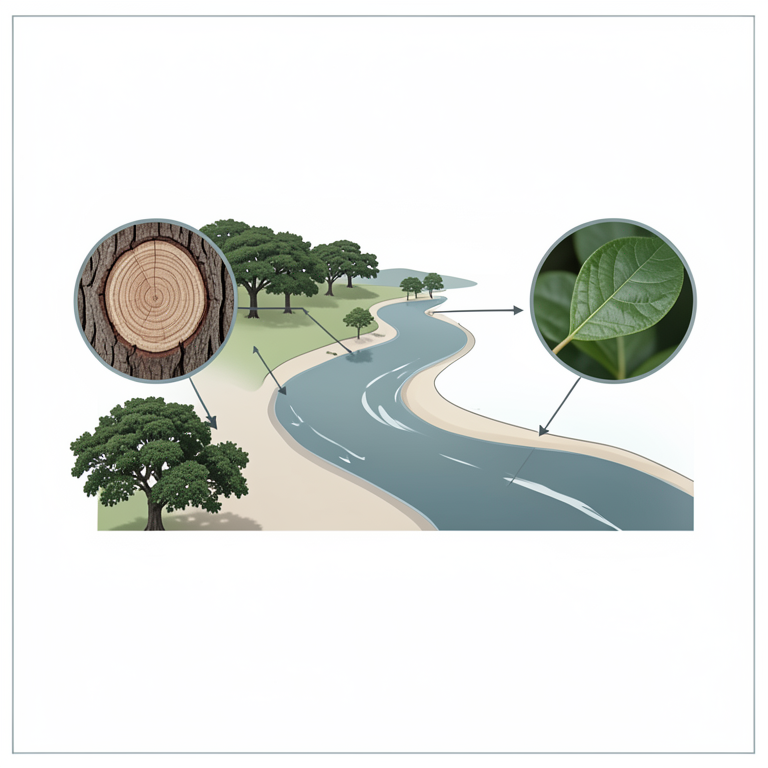
Geographic Phytochemical Gradient
AI-generated conceptual illustration (Sapodilla trees (Manilkara zapota) in a river floodplain). It explains the idea and does not show study data.
View source evidence ↗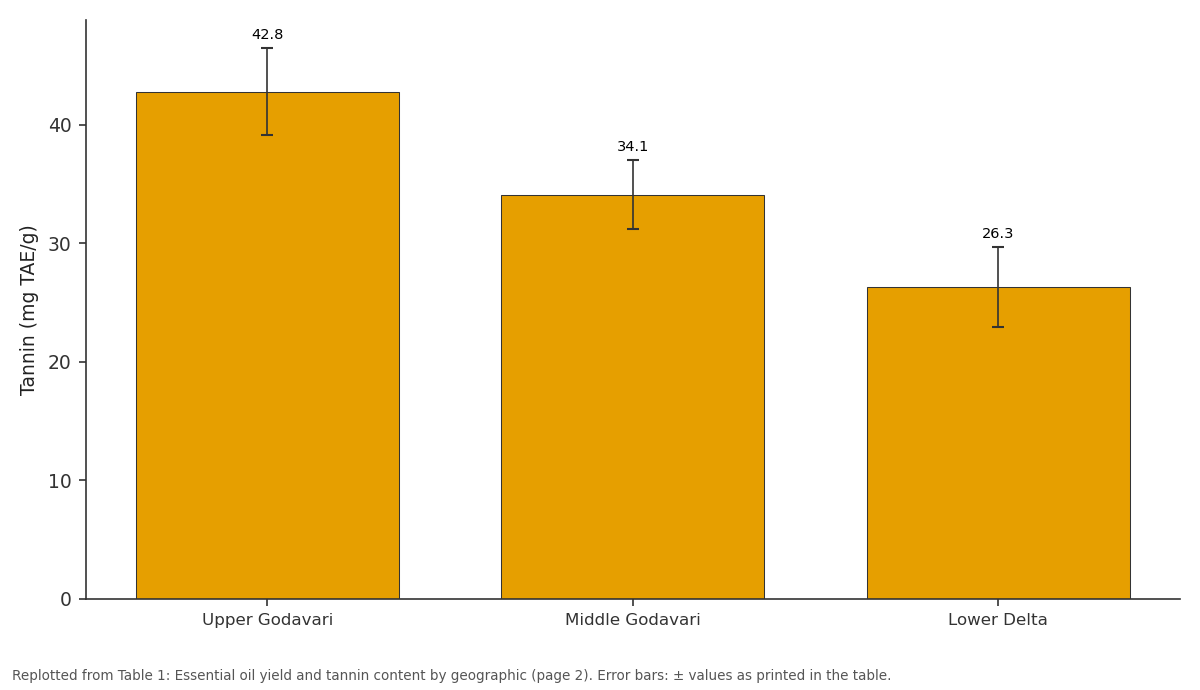
Tannin (mg TAE/g): Upper Godavari vs Middle Godavari vs Lower Delta
Replotted from Table 1 (page 2) of the original paper. Every bar is the paper's own table value.
View source evidence ↗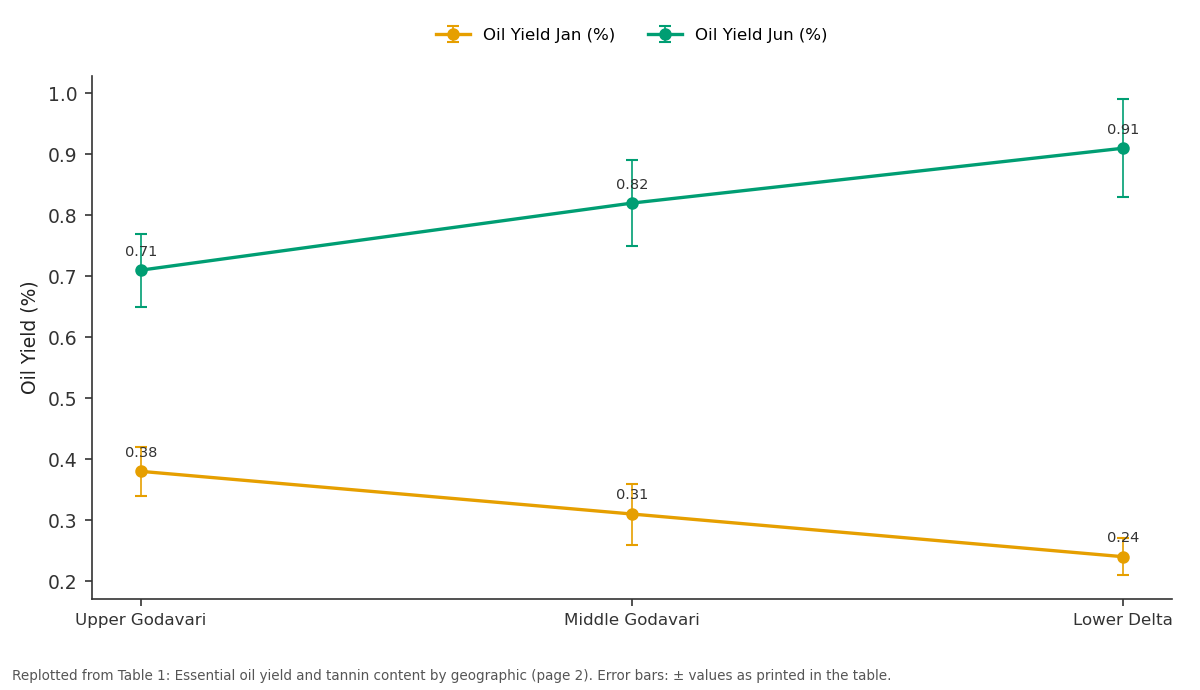
Oil Yield Jan (%) and Oil Yield Jun (%): Upper Godavari vs Middle Godavari vs Lower Delta
Replotted from Table 1 (page 2) of the original paper. Every bar is the paper's own table value.
View source evidence ↗Figures & tables
From the original paper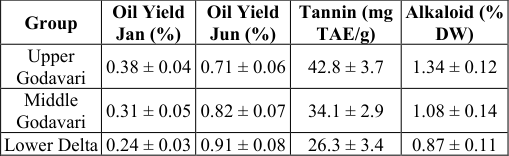 Table 1
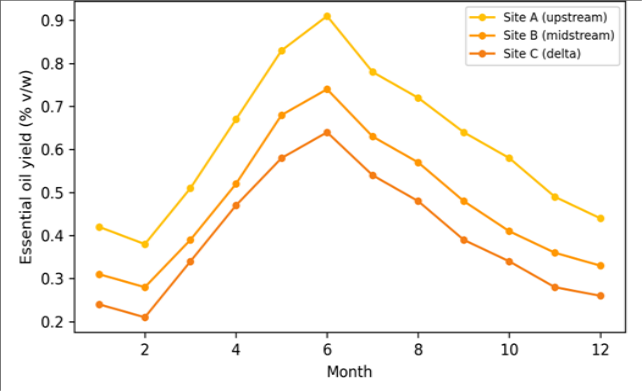 Figure 1
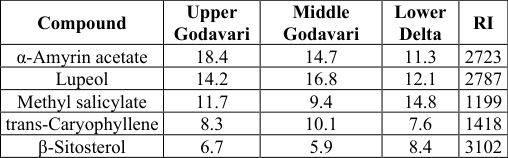 Table 2
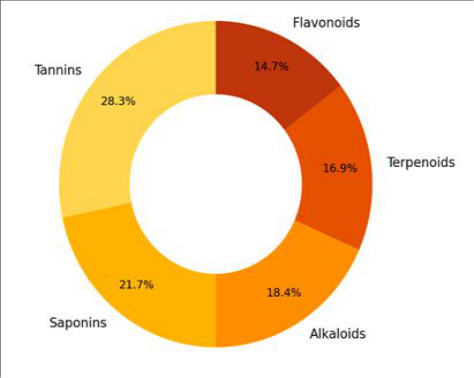 Figure 2
Introduction
Look closely at a sapodilla tree and you see more than a fruit producer -you see a smallscale pharmacy. The latex (chicle) served as the original base for chewing gum before synthetic substitutes took over. The bark decoction has been used across Mesoamerica for treating diarrhea and fever. And the leaves contain enough tannins and saponins to warrant serious pharmacological investigation [1] . Yet in India, where sapodilla (known locally as chikoo) covers over 100,000 hectares, the crop is managed exclusively for fruit, and its medicinal dimensions remain almost completely uncharacterized [2] . The Godavari River, India's second-longest, supports sapodilla orchards along a 1,400 km course from Nashik in Maharashtra to the Konaseema delta in Andhra Pradesh. Soil types range from black cotton vertisols in the upper reaches to sandy alluvial deposits in the delta. Germplasm diversity along this corridor has been documented for mango and citrus but never for sapodilla [3] . Whether the phytochemical profile of sapodilla bark and leaves shifts predictably across the Godavari's environmental gradient is a question with both scientific and commercial value. Essential oil composition in sapodilla has been reported only from Caribbean and Brazilian populations, and no GC-MS profiles exist for Indian genotypes [4] . Similarly, molecular marker data for Godavari sapodilla are absent from public databases, meaning that the genetic relationships among floodplain accessions -and the degree to which genetic distance predicts phytochemical divergence -are unknown. This research addressed those gaps by collecting fifteen sapodilla accessions along the Godavari, profiling their medicinal phytochemistry and essential oil composition across seasons, genotyping them with SSR markers, and testing nursery propagation methods for elite selections. All analytical work was conducted at the Giza College of Food Technology [5] .
Phytochemical Screening Protocol
Qualitative screening was performed on methanolic extracts of both leaf and bark tissue using standard colorimetric and precipitation tests. Tannins were detected by the ferric chloride test (blue-black coloration) and gelatin test (white precipitate). Saponins were identified by persistent froth formation after vigorous shaking of aqueous extracts. Alkaloids were confirmed by positive reactions to both Mayer's reagent (cream precipitate) and Wagner's reagent (brown precipitate). Terpenoids were detected by the Salkowski test (reddish-brown ring at the chloroformsulphuric acid interface), and flavonoids by the Shinoda test (magnesium ribbon + concentrated HCl producing pink coloration) [1] . All fifteen accessions tested positive for all five compound classes in both tissue types, though visual intensity varied considerably among accessions.
Quality Control for Essential Oil Analysis
GC-MS calibration was verified before each analytical batch using a certified C7-C40 alkane standard mixture (Sigma-Aldrich). Retention indices were calculated against this standard and matched to the NIST 17 mass spectral library with a minimum match factor of 85%. Internal standard (ndodecane, 10 μg/mL) was added to every sample for quantification. Replicate injections (n = 3 per sample) were required to show coefficient of variation below 5% for all major peaks (>1% of total ion current) before data were accepted.
Material and Methods Material
Fifteen sapodilla accessions were collected from orchards along the Godavari floodplain: five each from the upper Godavari (Nashik-Nanded, Maharashtra; 400-600 m elevation), middle Godavari (Adilabad-Warangal, Telangana; 200-350 m), and lower Godavari delta (East-West Godavari districts, Andhra Pradesh; 5-25 m). Leaf samples (4th and 5th fully expanded leaves from sunexposed branches) and bark samples (outer bark strips from scaffold limbs, 10 cm × 3 cm, taken without girdling) were harvested bimonthly from January to November 2023. Tissue was dried under shade for 72 h, ground to 0.5 mm, and shipped to the Giza College of Food Technology [3] . Young leaf tissue for DNA extraction was collected separately and stored in silica gel. Ethics approval was granted by the College's Institutional Review Board (Protocol GCFT-2023-011, 25 January 2023).
Methods
Essential oil was extracted from 100 g dried leaf powder by Clevenger-type hydrodistillation for 4 h. Oil yield was expressed as% v/w and stored over anhydrous Na₂SO₄ at 4 °C until GC-MS analysis (Agilent 7890A/5975C, HP-5MS column, 30 m × 0.25 mm × 0.25 μm). Total tannin content was measured by the Folin-Denis method at 760 nm. Quantitative alkaloid content was determined gravimetrically after extraction with 10% acetic acid in ethanol and precipitation with concentrated NH₄OH [4] . For molecular characterization, DNA was extracted using the CTAB method and amplified at 28 SSR loci previously developed for Manilkara. Fragment analysis was performed on an ABI 3500 Genetic Analyzer, and genetic clusters were inferred using STRUCTURE v2.3.4 with K = 2-6 and optimal K determined by the Evanno method. Data were analyzed by two-way ANOVA (accession × season) and Pearson correlations between geographic distance, genetic distance (Nei's), and phytochemical distance using R 4.3.0 and GenAlEx 6.5.
Results
Essential oil yield followed a clear seasonal pattern across all three geographic groups, peaking in June (monsoon onset) and reaching its lowest point in January (cool dry season). Upper Godavari accessions showed the narrowest seasonal range (0.38-0.71%), while delta accessions had both the highest peak (0.91%) and the lowest trough (0.24%) [4] . The seasonal curves show synchronous peaks across all three sites, but the amplitude of variation was greatest in the delta, where the contrast between dry-season dormancy and monsoon flush is most pronounced. Oil yield tracked closely with new leaf production, consistent with the concentration of volatile terpenes in young expanding tissues. Tannins dominated the phytochemical profile in both tissues, accounting for 28.3% of total extractable bioactives. Saponins and alkaloids together contributed another 40.1%, confirming the multi-target therapeutic potential that underpins sapodilla's traditional medicinal uses.
Comprehensive Interpretation STRUCTURE analysis at K = 3 separated the fifteen accessions into three genetic clusters that broadly matched geography: an upper Godavari cluster, a middle Godavari cluster, and a delta cluster. Mantel test showed a significant positive correlation between genetic distance and geographic distance (r = 0.67, p = 0.003), and a weaker but still significant link between genetic distance and tannin content difference (r = 0.48, p = 0.02). This suggests that phytochemical divergence among accessions is partly driven by neutral genetic drift associated with geographic isolation along the river corridor [5] .
Discussion
The 38.7% higher tannin content in upper Godavari accessions compared with delta accessions is consistent with the stress-metabolism hypothesis: shallower laterite soils, lower water tables, and higher UV exposure at 400-600 m likely stimulate the phenylpropanoid pathway more strongly than the deep, moist alluvial soils of the delta [1] . For pharmaceutical or nutraceutical extraction, this means upper Godavari germplasm is the better starting material for tannin-rich products, while delta germplasm may be preferred for essential oil volume.
The GC-MS profile dominated by α-amyrin acetate and lupeol is consistent with published data from Caribbean sapodilla, confirming that these triterpenoids are characteristic of the species rather than environmentally contingent [4] . Methyl salicylate's higher representation in delta samples (14.8% vs. 11.7% upper) may reflect greater herbivore pressure in the warm, humid delta environment, since methyl salicylate is a known plant defense volatile released in response to insect feeding. The nursery propagation data, while a secondary outcome of this research, have direct practical value. The 74.3% rooting success with 3000 ppm IBA on semi-hardwood cuttings compares well with the 65-80% range reported for sapodilla in Gujarat and means that elite phytochemical accessions identified here can be clonally multiplied without grafting [2] .
Conclusion
Sapodilla accessions along the Godavari floodplain display meaningful phytochemical and genetic diversity that aligns with geographic position. Upper Godavari accessions are richest in tannins and alkaloids, while delta accessions yield the most essential oil volume. GC-MS profiling confirmed triterpenoids as the dominant essential oil class, and SSR genotyping revealed three genetic clusters matching the river's geographic segments. These results provide a baseline catalogue for sapodilla's medicinal diversity in India and identify accessions suited to targeted propagation for phytochemical extraction. Future work should include bioactivity screening of the lead compounds and multi-year essential oil yield monitoring.
Acknowledgement
Acknowledgements Funding SourcesInternal funds from the Giza College of Food Technology's phytochemistry research program supported this work. Institutional SupportThe authors acknowledge the Giza College of Food Technology for GC-MS access and molecular biology laboratory facilities. Contributions Not Qualifying for AuthorshipField assistants along the Godavari corridor managed sample collection and seasonal tissue harvesting.
Figures and tables from the paper
| Compound | Upper Godavari | Middle Godavari | Lower Delta | RI |
|---|---|---|---|---|
| α-Amyrin acetate | 18.4 | 14.7 | 11.3 | 2723 |
| Lupeol | 14.2 | 16.8 | 12.1 | 2787 |
| Methyl salicylate | 11.7 | 9.4 | 14.8 | 1199 |
| trans-Caryophyllene | 8.3 | 10.1 | 7.6 | 1418 |
| β-Sitosterol | 6.7 | 5.9 | 8.4 | 3102 |
Table text extracted from the original PDF; superscript letters are shown inline. The original table image is below.
View original table image
References
18 in the original paper- Kaneria M, Chanda S. Phytochemical and pharmacognostic evaluation of leaves of Manilkara zapota. Pharmacognosy Journal. 2011;3(20):41-44.
- Patel RK, Maiti CS, Deka BC. Sapodilla production in India: status and future prospects. Indian Journal of Arid Horticulture. 2019;14(1):18-27.
- Gamal A, Nasser R. Germplasm diversity mapping of tropical fruit crops along major Indian river corridors. Genetic Resources and Crop Evolution. 2022;69(8):2841-2857.
- Fernandes CP, Correia AL, Alves CC. Chemical composition and antimicrobial activity of sapodilla leaf essential oil. Natural Product Research. 2020;34(22):3259-3263.
- Mansour T, Gamal A. SSR-based genetic structure of Manilkara populations in South Asian floodplain systems. Tree Genetics and Genomes. 2023;19(2):14.
- Morton JF. Sapodilla. Fruits of Warm Climates Julia Morton Miami. 1987;393-398.
- Bano M, Ahmed B. Manilkara zapota: a review of its medicinal attributes. International Journal of Pharmaceutical Sciences Review and Research. 2015;31(1):191-195.
- Mishra A, Garg GP, Nagar DS. Phytochemical screening and evaluation of Manilkara zapota Linn. Journal of Chemical and Pharmaceutical Research. 2010;2(5):261-267.
- Ganguly S, Mistry D. Nursery propagation techniques for sapodilla. Journal of Tropical Agriculture. 2017;55(2):142-147.
- Barbalho SM, Bueno PCdS, Delazari DS. Antidiabetic and antilipidemic effects of Manilkara zapota. Journal of Medicinal Food. 2015;18(3):385-391.
- Kulkarni RS, Gangolly SR. Sapota improvement in India: achievements and future challenges. Indian Horticulture. 2018;63(4):12-17.
- Chanda S, Nagani K. In vitro and in vivo methods for anticancer activity evaluation. Indian Journal of Pharmacology. 2013;45(6):583-590.
- Ma J, Luo XD, Protiva P. Bioactive novel polyphenols from sapodilla fruit. Journal of Natural Products. 2003;66(7):983-986.
- Fayek NM, Monem ARA, Mossa MY. Chemical and biological evaluation of Manilkara zapota cultivars. Food Chemistry. 2012;131(2):511-516.
- Sánchez-Moreno C, Larrauri JA, Saura-Calixto F. Free radical scavenging capacity of selected red, rosé, and white wines. Journal of the Science of Food and Agriculture. 1999;79(10):1301-1304.
- Bhat RS, Al-Daihan S. Phytochemical constituents and antibacterial activity of sapodilla fruit. Journal of King Saud University Science. 2014;26(3):244-249.
- Shui G, Leong LP. Residue from star fruit as valuable source for functional food ingredients. Food Chemistry. 2006;97(2):277-284.
- Islam MR, Hoque MZ, Akter F. Antibacterial activity and phytochemicals of Manilkara zapota bark. Asian Pacific Journal of Tropical Biomedicine. 2013;3(10):791-795.