
Research article · 2026 · Full text
International Journal of Agriculture and NutritionSoil aggregation and structural stability in arid Iraqi landscapes: Mechanisms, indicators, and management implications: Subject review
Volume 8(4) · Pages 121–135 · DOI: 10.33545/26646064.2026.v8.i4b.630 ↗
Research areasSoil Management and Crop YieldSoil erosion and sediment transportSoil and Unsaturated Flow
Abstract
Author-writtenSoil salinization is a very serious problem for agriculture and for maintaining the quality of the land in arid and semi-arid parts of the world, such as Iraq. Our research focuses on the relationships between salinity, aridity, and the structural integrity of soil. Specifically, we looked at various indicators that gauge the stability of aggregates including the Mean Weight Average Diameter (MWD) and the Geometric Mean Diameter (GMD) of soil aggregates. Dispersion of soil aggregates due to saline soil, along with climatic impacts like high rates of evaporation and low rates of precipitation, has reduced the stability of soil aggregates, which in turn has adversely affected the rate of infiltration of water into soils and the growth of roots in the soil. Applying organic matter to soils using manure and legumes increases the formation of aggregates and creates biological binding agents that increase the cohesion of soil. Conversely, using only chemical fertilizers on soils generally leads to decreased aggregate stability because they lead to increased dispersion of clay particles and decreased proliferation of microbial activity in the soil. The influence of soil texture on these situations is evident: clayey soils generally have a much greater innate strength of bonding than sandy soils, but clayey soils require a constant supply of organic matter to maintain their strength of bonding. Overall, the use of saline irrigation water and lack of sufficient drainage cause continued accumulation of salt in the soil, which continues to deteriorate the structural integrity of the soil. Using remote sensing technologies and methods alongside field data provides useful tools for assessing salinity and structural variations on land. The Iraqi agricultural system should use organic amendments and encourage the use of conservation tillage techniques and the reestablishing of vegetation as methods to lessen the impact of salinity while maintaining soil aggregate stability, which will foster productive use over time within the severe environmental conditions typical to the region.
Summary
Source-checkedPlain-language reading of the full paper, prepared with AI and checked against the text. Each point links to the authors' own words.
Why it matters
- Soil salinization is a critical issue for agricultural productivity and land quality in arid and semi-arid regions, including Iraq. View evidence ↗
- In Iraq, salinization is driven by a combination of climatic factors, such as high evaporation and low precipitation, and human factors, including poor drainage and the use of saline irrigation water. View evidence ↗
The question
- The review aims to examine the relationships between soil salinity, aridity, and the structural integrity of the soil. View evidence ↗
What they did
- The review evaluates aggregate stability using indicators such as Mean Weight Average Diameter (MWD) and Geometric Mean Diameter (GMD). View evidence ↗
- The analysis considers the integration of remote sensing technologies with field data to assess salinity and structural variations. View evidence ↗
What they found
- Saline soils and arid climatic conditions reduce aggregate stability, which negatively impacts water infiltration and root growth. View evidence ↗
- The application of organic matter via legumes and manure promotes aggregate formation and increases soil cohesion through biological binding agents. View evidence ↗
- Using chemical fertilizers exclusively tends to decrease aggregate stability by increasing clay particle dispersion and reducing microbial activity. View evidence ↗
- Clayey soils possess stronger innate bonding than sandy soils, though they require continuous organic matter to maintain this strength. View evidence ↗
- In some acidic semi-arid soils, biochar has increased the MWD and GMD of soil aggregates by up to 36.3% and 28.3%, respectively. View evidence ↗
- Irrigation with treated wastewater can lead to a 50% reduction in hydraulic conductivity in clay soils due to increased sodium levels. View evidence ↗
What it means
- To mitigate salinity and maintain aggregate stability, the Iraqi agricultural system should adopt organic amendments, conservation tillage, and vegetation re-establishment. View evidence ↗
Visual summary
1 visualsIllustrations explain the paper; they do not show study data.
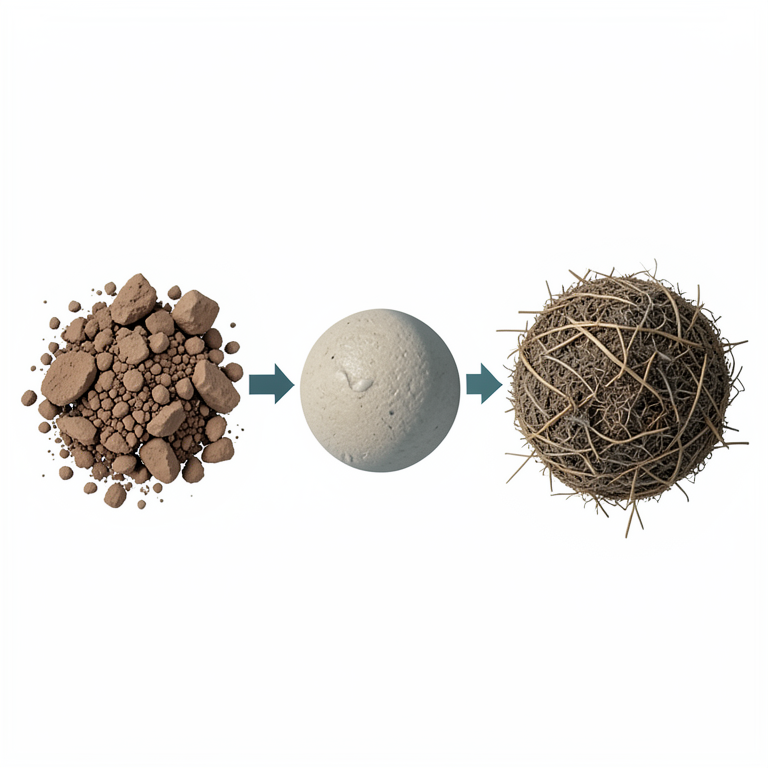
Drivers of Soil Aggregate Stability
AI-generated conceptual illustration (Arid Iraqi soil aggregates). It explains the idea and does not show study data.
View source evidence ↗Introduction
It is generally accepted that soil salinity is a major cause of land degradation worldwide and a contributor to both agricultural failure, ecological unsustainability and the unsustainable nature of land use systems (Shi et al., 2023) [42] . Soil salinity is a global phenomenon with reports of occurrence from more than 100 countries; coastal areas, river basins and irrigated agricultural land areas and with varying climatic regions. The history of salinization reflects a connection to the fall of ancient civilizations such as Mesopotamia, illustrating how soil salinity can degrade the quality of soils and disrupt agricultural systems over an extended period (Shahid, Zaman & Heng, 2018) [46] . Within the arid regions of Iraq, climate-related factors (high evaporation rates, low precipitation) and human-induced factors (irrigation using saline water, poor drainage infrastructure) may have exacerbated the salinization process. The salt accumulation in the root zone of crops created by these situations restricts the absorption of nutrients and eventually reduces production (Golabkesh et al. 2021) [17] . All areas with comparable landscape characteristics of flat terrain, high salinity of parent material, and substantial evaporation like those present in Xinjiang, China are likely to create secondary salinization problems resulting from long-term use of irrigation pools raising groundwater levels (Shi et al. 2023) [42] . The similarities between the regions indicate that Iraqi soils in the irrigated regions are subject to similar processes of degradation.
Worldwide average data shows that the total amount of saltaffected soils globally is approximately 424 million hectares of arable land to a depth of 0 -30 centimeters and approximately 833 million hectares of sub-soil areas (30 -100 centimeters), which amounts to almost 1 billion hectares globally experiencing salinity stress. Salinity affects more than 20 percent of all irrigated arable land (Dalila et al. 2024) [13] ; however, in many arid countries, this figure exceeds 30 percent (Golabkesh et al. 2021) [17] . The statistics imply that Iraqi agricultural land (especially the agricultural land within irrigation districts) is experiencing an increasing trend of problems due to poor management, which is causing an increased exposure to natural saline conditions due to mismanagement. Traditional methods of directly measuring salinity levels require sampling and laboratory analysis of soil and are time consuming and there are significant limitations in assessing important long-term spatial dynamics of soil salinity on a large landscape using traditional methods (Shi et al. 2023) [42] . Therefore, new technologies, such as remote sensing have proven to be valuable tools for mapping soil salinity on a large landscape and accurately predicting salinity patterns quickly (Gorji et al. 2019) [18] , costeffectively providing both qualitative and quantitative data (Golabkesh et al. 2021) [17] . The increase of spectral reflectance with increasing salinity is generally not evident under vegetation covered locations due to the interaction of the canopy; however, there are potential methodologies available that utilize both vegetation indices and hyperspectral data to predict root-zone salinity levels found beneath agriculture crops (Shi et al. 2023) [42] . Dynamic spectral characteristics of salinity soils varies according to spatial differences, seasonal variability, and anthropogenic activities (Golabkesh et al. 2021) [17] . The monitoring of salinity; specificity of the Normalized Difference Salinity Index involves more reflectance than those of other terrestrial uses, and that spectral indices specifically designating salinity as an indicator will be referred to of via a Standard index and use in establishing workflows for monitoring salinity (Oñate-Valdivieso et al. 2024) [37] . A Regression analysis of electrical conductivity and satellite derived vegetation for evaluating the vegetation with the most credible correlation to electrical conductivity within green spaces subject to salt are calculated using mechanical regression models and can improve predictive performance, especially when compared to band limited indexed methods. Conditions related to salinity also create significant sustainability issues associated with the integrity of soil structure. The stability of soil aggregates represents deterioration and recovery indicators to assess degradation and recovery conditions resulting in climate stress or management actions (Mamedov et al. 2017) [31] . The aggregation stability of soils can be expressed in quantitative measurements, specifically using the Mean Weight Diameter (MWD) or the Geometric Mean Diameter (GMD) values as indicators of how soils resist degradation due to disruptive forces (e.g., water or wind). The aggregate size does play a role in the overall stability of soils, and the stability component of soils will also impact how water percolates through, is stored in, is aerated, and influences the growth of plant roots. The relationship between organic carbon content and aggregate stability (MWD and GMD) has been demonstrated in a study of Chinese fir plantations, indicating that the presence of organic matter within the soil is a major contributing factor to the overall stability of soils (He et al., 2023) [22] . Lastly, techniques used in vegetation restoration projects aimed at restoring degraded lands, such as intercropping systems that utilize legumes (e.g. alfalfa), will contribute positively to increasing the proportion of macro-aggregates within those soils through root morphology alterations and the addition of organic matter to the soil to bind individual particles together (Kan et al., 2023) [24] . Other methods of enhancing soil structure using non-toxic anionic polyacrylamide amendments have been shown to increase composite structure index (CSI) values among semi-arid soils, with different soil textural components, through enhancing the bond strength between particles (Mamedov et al., 2017) [31] . Illustrated throughout are several ways biological (plant roots) and chemical (binding agents) can enhance aggregate stability. For Iraqi soils experiencing ambient pressure from salinity and structural collapse in arid regions, there is potential for improving productivity with aggregate preservation through interventions utilizing mechanisms of aggregation. Current literature demonstrates that aggregate preservation requires both ongoing monitoring accurate to the measurement of aggregates, using advanced remote sensing regression technology and established management practices at the farm level, such as amending soil with organic matter or undertaking a vegetative restoration program to stabilize aggregates. Aggregate metrics such as MWD/GMD measured under different crops (Kan et al. 2023; He and others 2023; Mamedov et al. 2017) [24,31] , indicate that experiments evaluating projected locals should validate the specific weather patterns of the environments being tested.
Soil Structure Concept and Aggregate Stability Definition and Importance of Soil Structure
Soil structure is defined as the arrangement of soil particles into aggregates, which are created by many different binding forces and, therefore, affect pore continuity and nutrient supply (Qiang et al. 2024) [39] . Soil aggregates are critical to the soil matrix, providing both mechanical stability and functional connections between the different pore types. Therefore, aggregate stability represents an important measurement or indicator of soil quality since it will determine how well a soil can withstand being broken down due to forces that disrupt its structure, such as water flow or wind (Kan et al. 2023) [24] . To quantify aggregate stability, many researchers have used indices such as mean weight diameter (MWD) and geometric mean diameter (GMD), which are used to directly measure either size or distribution of stable aggregates within a given soil (He et al. 2023) [22] . Larger MWD and GMD values indicate higher levels of resilience against structural degradation. This resilience is necessary to provide the necessary conditions for proper aeration, infiltration, and water holding capacity, which will also positively affect optimal root development (Kan et al. 2023) [24] . In afforested systems with Chinese fir plantings, a correlation has been shown between organic carbon content and aggregate stability indices (MWD/GMD) (He et al. 2023), indicating the importance of organic matter in maintaining structural integrity. Soil aggregation occurs through abiotically and biotically mediated processes, with clay minerals providing physical bonding through electrostatic forces at positively charged micropores, and organic matter acting as a cementing agent through its decomposition products and microorganisms associated with organic matter (Mamedov et al. 2017) [31] .
Microorganisms establish a bond with soil particles using mycelial entanglement and/or polysaccharide secretion, thus facilitating the binding of small particles into macroaggregates. Management practices that change the type of vegetation or level of organic amendment input are likely to influence these biologically mediated pathways. For example, intercropped legumes (e.g., alfalfa) have been found to increase the macroaggregate proportion because of increased root penetration and nutrient deposition (Kan et al. 2023) [24] . Arid and semi-arid soils, like those of Iraq, have difficulty maintaining high aggregate stability due to climatic extremes which lead to rapidly breaking down aggregates. Because of high evaporation rates, little precipitation, and frequent salinity exposure, the bonding agents in aggregates lose their integrity (Gorji et al. 2019) [18] . The continual use of inorganic fertilizers only without any organic inputs creates a dispersion of clay particles and reduces microbial biomass and aggregate index values such as mean weight diameter (MWD) and geometric mean diameter (GMD) (Tuo et al. 2017; Tuo et al. 2017) [44] . This correlation of organic matter input with aggregate stability can be demonstrated by previously published mathematical computations. Simply put; if you take the average weight of all the aggregates by measuring each aggregate's individual weight in grams and dividing that total aggregate weight by the number of aggregates you will arrive at MWD:
Where Xi is the mean diameter of aggregate size class i, and wi is the weight fraction of total sample in that class. GMD is given by:
These formulas provide quantitative measures closely linked to physical properties resulting from management interventions. In the dry continental climate of an agricultural environment where saline soils are prevalent, the accumulation of salts at the roots of plants disrupts aggregation, primarily due to both ionic stress and osmotic effects. As a result, the growth rate of plants and the amount of canopy cover are reduced, resulting in less microbial activity assisting to form aggregates. This degradation appears to be especially prominent in regions of maize production that are irrigated with river waters containing high mineral levels (Laiskhanov et al. 2022) [28] . In alkaline saline soils, field studies have shown that organic amendments (e.g., farmyard manure) decrease the bulk density of soil while increasing the hydraulic conductivity (increased organic matter content) of the soil; however, organic amendments such as sewage sludge tend to increase the sodicity-related dispersion of soils due to the higher sodium adsorptions ratios present. As a result of these changes in soil physical structure, macro-aggregate proportions and macro-aggregate stability in fields that have been subjected to irrigation practices that are designed to provide either full or limited amounts of irrigation water will be affected (Ding et al. 2020) [15] .
Aggregate Formation
Mechanisms: Aggregate Formation Mechanisms: The formation of aggregates in soils results from a variety of factors including interactions between inorganic mineral fractions, organic matter, and the activities of living organisms leading to the development of soil structure stability under applied physical loads; these factors are dependent upon the scales of bond formation (microaggregates, macroaggregates) and may be affected by climate, type of vegetation, and Type of Management 2023). Soil aggregation is known to be an inherently complex phenomenon affected by the addition of vegetative matter, fertilization practices, and other management practices that disrupt the relative quantities of binding agents and dispersive forces. At the level of minerals, clay minerals are a primary binding agent with fine particles due to electrostatic forces (attraction) and flocculation (joining) with other fine particles. Clay minerals also affect microbial activity indirectly by the adsorption of extracellular enzymes, thus affecting the decomposition of organic material and the production of microbial metabolites used in aggregate formation. The different amounts of clay contained in a soil can result in soil that responds differently to the stabilization of aggregate, so it is possible that the stabilization produced may be a function of the texture of the soil as opposed to the process of soil formation itself. The results of experiments comparing sandy soils with low clay content (less than 15% clay) to clay soils with high clay content (greater than 35% clay) have shown that the increase in microbial biomass associated with the sandy soils gives a greater potential for stability gains than clay soils (Olagoke et al 2022) [36] . Organic matter acts as a cementing material through polysaccharides, humic substances, root exudates, cell debris, and hyphae (Gumus and Seker, 2015; Olagoke et al, 2022) [20] . These compounds assist in the providing of physical enmeshment and biochemically bonding of soil particles together. The presence of refractive humic materials from natural sources and from synthetic conditioning agents such as polyacrylamides provides additional enhancement to aggregate resilience against the effects of wetting and drying cycles (Gumus and Seker, 2015) [20] . The root material of plants provides binding agents that start the aggregation process via mechanical contact and facilitate the stability of aggregate via decomposition products. According to research, the establishment of legumes such as alfalfa can facilitate the increase in macroaggregate size, mostly due to their ability to penetrate deep soils and to supply nutrients to sub-soil layers through their root systems (Kan el al. 2023) [24] . Microbial interactions also play an important role as well.
Aggregate Stability
Aggregate stability indicates how effectively soil can hold together (i.e., resist breaking apart) when disturbed by outside forces (e.g., the force of water, wind, or mechanical) (Kan et al., 2023) [24] . Aggregate stability is an important component for evaluating soil quality and functional resilience, particularly in areas that face high degradation pressures. Aggregate stability is commonly quantified through two indices, the mean weight diameter (MWD) and the geometric mean diameter (GMD); both indices measure the distribution and size of water-stable aggregates (WSA) in soil (Tuo et al., 2017; Tuo et al., 2017) [44] . High values of these two indices reflect strong cohesion and resistance to erosion and/or dispersion of soil aggregates. Sensitivity to management practices has been demonstrated repeatedly by measuring MWD and GMD. Long-term studies of loessial soils revealed that the application of chemical fertilizers (N, P, NP) led to reduced MWD compared to non-fertilized controls, providing evidence for the negative effects of chemical fertilizers on aggregate stability (Tuo et al., 2017) [44] . The use of liming practices, particularly when applied in the context of mixed materials containing both Ca (OH)2 and CaCO3, has exhibited potential for improving soil aggregate stability in clay-textured soils, thereby potentially reducing phosphorus losses from agricultural systems (Jens et al 2018) [23] . The benefits of improved aggregate stability can occur in conjunction with unintended changes to the size distribution of soil aggregate particles and/or changes to the availability of soil micronutrients; such changes can lead to variable crop yields under different moisture environments (Jens et al 2018) [23] .
Indicators for Measuring Soil Structure Mean Weight Diameter (MWD)
Mean Weight Diameter (MWD) is an index based on the average size of aggregates in soil samples (as measured by weight) that is typically seen as reflecting aggregate stability in relation to environmental stressors or management practice impacts. To calculate MWD, you must sum (product of the mean diameter in each class and the fraction by mass for each class), as in equation 1 from section 2.2. MWD will provide information about how soil structure is affected by physical disturbance (rainfall, wetting/drying cycles) and/or by changes in organic matter. MWD has larger values for samples that contain a greater number of coarse aggregates, which are more resistant to dispersion, than will MWD for samples that contain more fine aggregates, which are more vulnerable to erosion or breakdown (Tuo et al. 2017) [44] . Long-term research trials that were conducted on loessial soils show that MWD is very sensitive to the type of fertilization used. The application of solely chemical fertilizers (N, P or NP) has demonstrated the ability of these inputs to adversely affect structural resilience, as indicated by MWD on untreated plots which produced generally lower MWDs than those subjected to chemical fertilizers only (Tuo et al. 2017). On the other hand, applying manure as a treatment individually or in conjunction with either N and/or P consistently showed higher MWDs than those obtained through chemical application alone. These findings can be attributed to organic inputs providing WSAs that increase fungal hyphae and promote microbial biomass, which can serve as biological binders. Additionally, manure serves as an extra carbon source to enhance the formation of macro-aggregates and decrease the fractal dimension of aggregates, thus providing improved overall cohesion (Tuo et al. 2017). The relationship of MWD with other indices such as GMD is essential to understand the complete picture of soil stability. Both MWD and PWD metrics show similar sensitivity to management change but differ on size scale where MWD emphasizes larger aggregate size classifications by weight. Therefore, MWD should be an ideal tool for assessing erosion resistance. Under arid/semi-arid conditions like those present in Iraq (high evaporation rate and salinity stress), aggregates are highly susceptible to accelerated degradation due to the degradation of the binding agents (humic materials and polysaccharides) that hold the entire aggregate together (Gumus and Seker 2015) [20] . Climate extremes and use of saline irrigations in these climates can lead to clay particle dispersal, causing a decrease in the proportion of macroaggregates present in the field (compared to microaggregates) and a reduction in MWD values of affected fields (Hailu and Mehari 2021) [21] . Therefore, the above stresses should demonstrate an ongoing need for maintaining or increasing MWD as a focus area for sustainable soil management for success of Iraqi agriculture. It is also important to note that microbial populations are key to determining MWD results. Microorganisms contribute to this process through the mycelial entanglement of soil to form a bracket; through their production of extracellular polysaccharides, which act as gluing agents; and by decomposing organic matter into binding agent types (Lan et al. 2022) [29] . The degree to which a given plant species interacts with microbes has a direct impact on the presence of large soil aggregates, e.g., deep-rooted legumes such as alfalfa enhance the ability of microbial populations to create stable soil aggregates in deeper soil layers. This type of intervention may provide an effective means of addressing the problem of reduced mean weight diameter (MWD) resulting from saline conditions by increasing the input of new organic matter into deeper soil layers under typical Iraqi conditions, where root zone salinity is prevalent because of irrigated agriculture. When measuring MWD of soils, common methods involve taking a sample, performing a wet sieving technique to separate into specific size classes, and then weighing each size class. This method measures water stability for aggregates by creating conditions where they are immersed in water, creating conditions under which poured aggregates develop. The degree of aggregation, or how easily aggregates are formed, and the amount of stability displayed with the addition of organic matter, are affected by soil texture and generally speaking, sandy soils have lower clay content compared to clay soils, and as a result, exhibit increased aggregation as well as faster rates of increased stability from the addition of organic material (Gumus & Seker, 2015) [20] . Thus, when assessing MWD data in relation to the variety of agricultural zones in Iraq, from silty riverine soils to sandy basin edges, it is critical that the data be placed into a local context of texture profiles as well as any climate related stresses. From the instance of monitoring, the amalgamation of traditional site measurements such as MWD and spatial datasets from remote sensing allows for the potential to scale stability assessments of salinity-affected landscapes across large regions (Arastou Zarei, Hasanlou, and Mahdianpari 2021) [45] . The relationship between field collected EC and spectral indices through regression models may provide predictive maps of areas with potential for declining aggregate stability. This will be particularly useful as significant irrigation projects have created different structural metrics, across the landscape, based on inconsistent water quality and the effectiveness of drainage (Gorji et al. 2019, p13) [18] . Currently available scientific evidence indicates a substantial volume of data pointing towards an improving stabilization effect of repetitive biogenic input, yet balancing natural and synthetic nutrient types for specific local soils and saline levels represents an area needing further investigation due to differences in the effects of these types of inputs on the mean weight diameter Gumus and Seker, 2015) [20] .
Geometric Mean Diameter (GMD)
The Geometric Mean Diameter (GMD) represents the central tendency of the aggregate size distribution of a soil sample and estimates which aggregate size class is most prevalent on a geometric scale. The computed value is derived from the particle diameter (the diameter of the flexible roll) of each aggregate size class using wet-sieving procedures and can be measured in terms of the proportion of the "weight of particles" in the given sample and the average size of particles (Equation 2 in Section 2.2). The total of all particles in any size class is determined by taking the weighted average based on the natural logarithm of the average particle diameter of the size class. In addition to being sensitive to agricultural management practices, both MWD and GMD are used to evaluate aggregate stability; however, GMD is generally preferred over MWD because it gives more emphasis to identifying the aggregate size classes that are the most abundant in any soil sample instead of assigning more weight to larger aggregate size classes (i.e., Gentsch et al., 2024) [47] . Long-term studies conducted in loess soils, which examined the effect of fertilizing to increase soil productivity using various organic methods, have found increased GMD (greatest mean diameter) when applying manure and nitrogen (N) and phosphorus (P) as either stand-alone or combination treatments compared to unfertilized or chemically fertilized (CF) soil. This pattern appears to support the idea that organic materials increase the number of stable macro-aggregates in soil by providing a substrate for fungi to produce hyphae to bind soil aggregates together and for microbes to produce metabolic by-products that also increase macro-aggregate binding.
Conversely, the lower GMDs of CF-treated soil appear to relate to clay dispersion and a decrease in the biomass of soil microorganisms, which cannot chemically bind soil together through their biomass without enough organic carbon being present in the soil. Organic materials have the added benefit of supplying additional soil carbon and hence creating the conditions necessary for an increase in the size and number of, as well as the activity of, the soil microbial communities needed to bind soil particles together into larger and more stable macro-aggregates (Tuo et al. 2017; Tuo et al. 2017) [44] . According to Tuo et al. (2017), fractal dimensions were correlated with increasing GMD in manured soils, resulting in a coarse and stable structure of aggregates through biological activity. Investigating the GMD is useful for measuring and displaying the effects of soil aggregates and for indicating improvement in their structure through biological processes. The GMD of soils is also influenced by climate factors.
The ways that rainfall and the demand for water to evaporate affect aggregate formation could be influenced by the way they affect water in the soil as well as the level of salt in the soil. In semi-arid countries experiencing soil salinity expansion, the damage to vegetation cover appears to coincide with a reduction in biological activity due to evaporation increasing more than rainfall has fallen (Adeeb and Al-Timimi 2021) [1] . Furthermore, environmental pressures that act concurrently with management practices such as the loss of organic matter from beneath plants because of salinity degrading vegetation can reduce the inputs of organic matter from roots and surface residues to the soils, indirectly causing GMD to be lower even though there may be sufficient nutrients in the soil.
Aggregate Stability Indices
Aggregate stability indices measure how resilient soil aggregates are too disruptive forces like water soaking, mechanical blows from implements and wind erosion, thus giving researchers an understanding of the structural resilience of soils under different ecomanagement climates (Kan et al. 2023) [24] . SI (Composite Structure Index), Mean Weight Diameter (MWD) and Geometric Mean Diameter (GMD) are examples of structural stability indices used for soil evaluation in both research and applied monitoring. SI uses multiple structural characteristics obtained from the high-energy moisture characteristic curve to determine soil strength and aggregate cohesion across various textures and management practices. SI and soil texture is especially important in semi-arid regions. Research has shown that increasing clay gives soils a higher SI, indicating that soils with a predominance of finer mineral fractions have stronger structural bonds and thus are more stable. The SI value tends to increase as the size of the aggregate increases. This suggests that larger aggregates play a larger role than smaller aggregates in providing stability. PAM (polyacrylamide) has been used to enhance SI values in many different soil textures by providing additional bonding between the soil particles, however, these results are not consistent among all soils (Mamedov et al., 2017) [31] . Additionally, the same authors caution that the α, n, and Sindex variables, which are used to describe moisture retention models, are not as definitive as measures of aggregate stability when compared to SI values because of the inconsistent response to PAM application and varying soil textures. MWD and GMD values continue to be key indicators of water-stable aggregates under laboratory and field conditions. The MWD is calculated using equation 1 in Section 2.2 by weighting the aggregate size with mass, thus favoring larger-sized aggregates which resist erosion (Tuo et al., 2017) [44] . As expressed in equation number 2, GMD provides geometric mean classification based on the most common size class (in a logarithmic scale). Tuo et al., (2017) found that in long-term fertilization trials on loessial soils from the Chinese Loess Plateau, MWD and GMD were both significantly greater with manures than without when comparing chemical-only fertilized plots. Organic matter aided in forming aggregate structure by acting as a biological binding agent that increased the growth of fungal hyphae and microbial metabolites and the amount of carbon substrates available for creating macros aggregate structures. The chemical-only treatments (nitrogenphosphorus) would reduce both indices due to decreased microbial biomass and a greater dispersion of clay particles (Tuo et al. 2017) [44] . Microbial dynamics play an important role in developing these indices. There is evidence of certain genera of bacteria that have a direct correlation with changes in aggregate stability based on differences in nutrient sources and/or amendments (Olagoke et al. 2022) [36] . For example, the addition of manure resulted in the alteration of certain taxa whose functions are known to promote the production of polysaccharides or create mechanisms by which their mycelia become entangled in aggregates. New research has shown that different types of amendments do have the potential to affect aggregate formation in soils, including the addition of biochar as an amendment to soil. Biochar has been found to alter soil structure due to changes in pore space, bulk density, and overall aeration dynamics. Changes to soil structure will likely have an impact on both MWD (mean weight diameter) and GMD (geometric mean diameter) because of a shift in distribution of stable macro-aggregates and increased efficiency of particulate binding under varying moisture conditions (Pandian et al. 2024) [38] . The influence of biochar is particularly evident in degraded soils, while under these soils, physical limitations dictate the level of aggregation, indicating the potential for synergistic relationships between biochar and other types of stabilizing agents such as polyacrylamide (PAM) for soils of similar texture.
Research into rhizospheric soils has demonstrated that there are significant variations in measured stability indices due to organic matter quality and specific biotic interactions when compared to their non-rhizospheric equivalents; even though there may be similarities in particle-size distribution between each type of substrate, these factors have a much more pronounced impact on stability than one would expect based on particlesize alone. The increased resistance of aggregates located near roots can generally be attributed to elevated levels of humic substances at the early stages of decomposition combined with high amounts of glomalin, which act together to create cohesive forces between aggregate particles (Kobierski et al., 2018) [26] . Therefore, this combination of factors may contribute to the maintenance of high MWD or GMD within some soils that possess unfavorable mineral ratios or reduced inorganic bonding agents; therefore, they serve to remind us that biochemical contributions can be as significant as, or even greater than, the physical mechanisms that govern aggregate stability.
Factors Affecting Soil Structure Organic Matter
The organic matter is a vital component of the processes involved in soil aggregate formation, stabilization, and longterm soil aggregate maintenance, as it helps with both the physical and biochemical processes establishing the structural integrity of the aggregate under different types of environments. Agricultural organic matter is derived from plant residues, composts, manures, and biochar materials, and acts as biological agents of adhesion, which are capable of housing mineral aggregates in macro-aggregates (Qiang et al. 2024) [39] . The source of this activity is the provision of cement-like materials, including polysaccharides, humic substances, cell detritus, and fungal hyphae, which cause micro-aggregations to bind together to form larger, more stable macro-aggregates (Gumus and Seker 2015) [20] . They also improve connectivity between the pores in soil aggregates and enhance the numbers and physical characteristics of zones of protection against erosive forces, such as water or air. Long-term research conducted on loess soils has demonstrated that applying manure either alone or in conjunction with mineral fertilizers has resulted in significantly higher Mean Weight Diameter (MWD) and Geometric Mean Diameter (GMD) values than results observed from solely applying chemical fertilizers (Tuo et al., 2017; Tuo et al., 2017) [44] . The amount of soil organic carbon (SOC) present in soils where manure was applied is greater than those soils treated with only chemical fertilizers and was positively correlated with MWD measurements (Tuo and others, 2017) [44] . Organic matter provides additional carbon sources in the soil to enhance microbial activity and stimulate the production of microbial byproducts (such as extracellular polysaccharides), which help to create stable aggregates by strengthening particle-toparticle bonds. In contrast, the excessive use of inorganic fertilizers without supplementary organic components can exacerbate the dispersion of clay particles and decrease the presence of microbial biomass, thereby contributing to lower stability indices for soil aggregates (Tuo et al., 2017) [44] . The effects of the use of organic amendments on soil structure include more than just the availability of carbon; however, they are also linked to the positive feedback that occur between microbes, organic matter accumulation, and water availability. The addition of biochar has increased aggregation in semi-arid soils by increasing the mean weight diameter (MWD) and geometric mean diameter (GMD) of soil aggregates by up to 36.3% and 28.3%, respectively, in some acidic soils. Biochar's liming effect has the potential to improve soil aggregation through an improved flocculation of soil particles and increased cation exchange capacity because of altering soil acidity, which can help neutralize acidity.
Soil Texture
The texture of soil is an important factor in how aggregates form and remain stable in different conditions; this is because texture controls how much biotic (living) and abiotic (non-living) binding forces exist among soil particles to help maintain aggregate stability. In addition to providing a basis for physical contact between soil particles, the proportion of particles in a soil (sand, silt, clay), affects the ability of soil to retain organic matter and sustain microbial activity which both play a role in the cohesion of soil aggregates. The use of high energy moist characteristic (HEMC) methodology has shown that soils rich in fine particles (clay) generally have higher composite structure index (SI) numbers than soils containing mostly coarse particles indicating they exhibit stronger bonding structures (Mamedov et al. 2017) [31] . This improved bonding structure is thought to be due to the larger total surface area of the fine mineral fractions providing increased opportunities for electrostatic attraction and chemical interaction with organic adhesive compounds. Textures that contain significant amounts of fine soil particles typically provide aggregates with greater resistance to disruption from wetting-drying cycles or from mechanical forces. Overall, there's evidence showing that aggregate stability responses can vary based on both intrinsic properties and management approaches. According to De Gryze et al., this may mean that aggregate stabilization may be more influenced by texture than aggregate formation itself (i.e., both have the same surface area, however, only sandy soils with 15% clay or less show a greater increase in stability due to increases in microbial biomass than do soils with 35% clay or more). Thus, clay has a greater potential for providing a physical binding agent; but microbial bonding agents, like EPSs, may play a larger role (relative to sand and aggregate stability) in the stability of aggregates composed of coarse textured materials. Secondly, fine-textured soils typically rely on maintaining existing microstructural linkages by providing adequate organic inputs to sustain high values of MWD and GMD. Lastly, because of microbial contact and their reaction to mineral surfaces, microbial contact and reaction can also help regulate the potential outcomes of aggregate stability based upon the types of textures previously discussed. The adsorption of extracellular enzymatic molecules to clay leads to reduced organic matter decomposition rates and affects soil availability of labile carbon sources necessary for microbial EPS production (Olagoke et al., 2022) [36] . In clay rich soil, this could result in delayed, yet prolonged aggregation due to the extended presence of an organic material binding agent. In sandy soils, minimal adsorption of organic materials will necessitate an increased rate of turnover for organic sources, thus requiring continued input of organic materials to maintain stable macro-aggregates. Additionally, there are notable differences in the stability metrics (MWD, GMD) when comparing the interaction of texture and fertilization practices. For example, in long-term experiments conducted on loessial soils comparing plots fertilized solely with manure to those fertilized chemically (using commercial products) across texture class resulted in plots fertilized with manure producing consistently greater MWD and GMD than chemically fertilized plots (Tuo et al., 2017; Tuo et al., 2017) [44] . Additionally, inorganic fertilization has been linked to an increase in SOC levels which has been shown to have a positive relationship with MWD values in all texture classes (Tuo et al., 2017) [44] . Clay-rich soils may keep carbon input better because there is less leaching and slower biological oxidation, thus maintaining aggregate stability for much longer than coarse textured soils. In comparison, the sandy coarse-textured soils will generally need higher rates and/or more frequent applications of organic amendments to balance rapid organic matter loss from those soils and to compensate for the weak natural bonding; whereas in contrast, coarse textured soils tend to require larger than average amounts of organic materials applied to them over time. The use of a soil stabilizing agent called polyacrylamide (PAM) is another example of a material whose effectiveness depends upon the soil's texture. PAM increased soil's SI values for semi-arid soil textures by strengthening particle bonds; however, there was variation among the different soil textures regarding the degree of response; larger aggregates experienced an increasing α value regardless of textural condition but there was less consistency among the performance of n and Sindexes (Mamedov et al. 2017) [31] . This inconsistency indicates that although PAM can physically enhance aggregation in every textural class of soil, the effects of PAM on those indices related to moisture retention may not be as predictable due to the variation in pore size distribution between the soils of different textures. It has been found that sandy-loam soil under semi-arid conditions respond differently to the combination of fertilizer types and rates of return of residues according to their cropping rotation system: the inclusion of legumes, for example mung bean, in wheat rotation, appeared to improve SOC levels mainly due to the increase in the rate of decomposition of residues and the effect of root exudates on the turnover of carbon, even though they have a relatively low content of clay (Gorooei et al. 2023) [19] . Therefore, even coarse-textured systems can show significant improvements in the metrics of stability when biological inputs are continuously applied through cropping sequences focused on the quality of residual material produced and the efficiency of nutrient cycling (Gorooei et al. 2023) [19] .
Land Use and Management
Soil structural characteristics are affected by both land use and land management practices in measurable ways and are particularly influenced by climatic stressors and anthropogenic pressures on aggregation processes in arid and semi-arid ecosystems. In dryland regions with limited vegetative cover and under rainfed conditions, compaction of soils resulting from the impact of rain can lead to the creation of surface crusts, thus restricting water infiltration, encouraging runoff, and increasing potential soil erosion. When crop evapotranspiration exceed precipitation on these lands, salt accumulates at or near the land's surface without sufficient leaching and contributes to build-up of salinity levels on the soil surface throughout the year. The relationship between land and water covers and hydrological imbalance is particularly relevant to soils of Iraq, as these soils are subjected to like climatic forces and increased development pressures associated to irrigated agricultural practices. Globally, approximately one-third of the saltaffected cultivated area is located on irrigated land (Hailu and Mehari 2021) [21] . Poorly designed irrigation systems that use low quality irrigation water have repeatedly been implicated in contributing to the accumulation of salts in root zones of crops because of insufficient drainage. Inadequate management affects, among other things, how well crops grow by breaking up the soil where the clay is (clay dispersion) and breaking down the aggregates (soil aggregation). In many flat areas where there is not much natural drainage, the problems identified above could be more severe and found in many agricultural regions within Iraq. These studies all demonstrate that timely diagnosis of degradation is needed to support sustainable hydroagricultural management using tools that can map the spatial variability in landscape (Dalila et al., 2024) [13] . Due to the visible characteristics of the soil surface or plants indicating salinity through remote sensing (decreasing reflectance), remote sensing is increasingly used to complete this task. However, issues with canopy interference will present challenges in analyzing vegetated fields; as a result, researchers recommend developing a hybrid model that integrates hyperspectral canopy data with plant biological parameters to provide better estimates of root-zone salinity beneath vegetation. Implementing this type of hybrid model across Iraqi landscape management protocols could reduce the amount of information lost through disabling vegetated areas with 50% or more vegetation cover. Variable selection methods, such as CARS and GA, help to clarify hyperspectral data by reducing noise and redundancy, thus increasing the robustness of salt-monitoring models under vegetation cover (Shi et al. 2023) [42] . The choice of crop rotation system will influence the structure of soil, due to changes in the input and management of organic matter. Evidence of improved soil physical characteristics from conservation agriculture (no tillage and residue retention) under soybean-wheat systems in semi-arid regions indicates the positive impact of these practices on aggregate stability, porosity and infiltration (Meena et al. 2023; Meena et al. 2023) [32] . Residue mulch reduces soil erosion risk and serves as energy substrate for microbes, increasing aggregate bonding through biotic processes. However, longterm conventional tillage physically degrades soils through loss of organic carbon and reduction of microbial activity, all of which are factors that reduce MWD and GMD. These results suggest that one of the methods of managing Iraqi soils that have been subject to heavy and inconsistent agricultural use should be to limit the amount of mechanical disturbance caused. There are connections between nutrient management and tillage impacts on aggregate stability. Reliance on inorganic fertilizer applications without using organic amendments could permanently damage the physical structure of the soil because of clay dispersion and reduced biological binding materials (Meena et al. 2023) [32] . Organic residues, including wood chips and compost, have been used to improve properties of soil, but the extent of aggregate stability is influenced by multiple factors such as the composition, decomposition rate, timing of application, and existing soil and climate conditions. Thus, any use of organic residues in Iraq's soil systems needs to be carefully matched with local environmental limitations to prevent the development of stagnant carbon pools and achieve meaningful increases in structural integrity. The relation between canopy effects on soil physical quality may also provide some similarities to how to manage Iraqi farmland where vegetation structure changed because of both method of cultivation and irrigation system. These examples support the premise that conservation of structural integrity must take into consideration both the aggregate size distribution and organic carbon bonding capacity when designing proposed reparative interventions for degraded agricultural lands. The connection between organic matter supply sources and structure preservation in the soil seems very relevant to soils in Iraq as the transitions from rotating pastures to continuous cropping could affect longterm sustainability outcomes measured in decades, not years.
Climate and Environmental Conditions
Soil structural development and aggregate stability are greatly impacted by climate impacts and environmental considerations, particularly in the semi-arid areas that encompass the majority of Iraq's agricultural land. These areas receive little annual precipitation and have somewhat sporadic rainfall; typically result in dew's being the larger proportion of rainfall than water from rainfall due to drought conditions, which create a very low average number of precipitation events each year; as such, continuing to realize less than 40% of potential evapotranspiration results in a continual moisture deficit. In addition, the lack of adequate vegetation results in many areas of the soil being left unprotected by vegetation and therefore subject to the forces of nature (i.e., rain compacts to form soil crust). As rainwater falls, it tends to run off these compacted surfaces rather than being absorbed into the soil causing both erosion and flash flooding; while at the same time, the inability of precipitation to equal or be greater than evapotranspiration results in increasing amounts of salt being present in surface horizons of the soil creating soil salinity, an environmental factor closely related to the climatic regime. Soil in dry and semi-dry areas is prone to an increase in salt content because of both the combination of high rates of evaporation with low capacity for leaching, as reported by Gorji and colleagues (2019) [18] , and the fact that approximately 19% of the earth's irrigated land has salt levels that exceed maximum salinity levels allowed on a cumulative basis (Hailu and Mehari, 2021) [21] . In all regions of the earth, an estimated 38% of irrigated soils are salinized, but the greatest concentration of irrigated soils that are salinized are found in dry and semi-dry regions (Hailu and Mehari, 2021). At one extreme, the natural process of primary salinization occurs when groundwater contains dissolved salts, or the parent material is salt-rich. At the other extreme, secondary salinization is most oftentimes as a result human management practices including inadequate irrigation and/or drainage (Hailu and Mehari, 2021). In Iraq's irrigated agricultural areas, irrigation on flat land that has high salinity levels in its parent materials and very high rates of evaporation cause the water table to rise, therefore causing salts to accumulate in the root zones of plants (Shi and colleagues, 2023) [42] . Temperature extremes typical of desert climates will also affect the environment. Deserts are known for their extreme temperatures. Summer days can be as hot as 40 degrees Celsius to 50 degrees Celsius, sometimes reaching temperatures close to 0 degrees Celsius at night. Due to high levels of solar radiation (many places receive as much as 840 GJ km2 year-1), and little cloud cover, thermal stress on soil and vegetation is enhanced. These thermal stresses affect microbial populations, which are involved in the formation of aggregates; the Biologically Soil Crust (BSC) community, through the combined action of cyanobacteria, lichen, mosses, and fungi build aggregate structure through the stabilization of desert soils. In addition to the loss of the rich surface topsoil, wind erosion also creates climatic degradation and may further decrease the stability of aggregates. Wind erosion removes the upper layers of the soil that are high in organic matter and fine minerals that are required for aggregation. The result is less cohesion between particles, and with the increases in wind speed there is less structural support for the macro aggregate structures that were created by organic binding agents or humic materials and by extracellular polysaccharides (Alsharif et al., 2020; Qiang et al., 2024) [4,39] . The loss of dust diminishes the nutrient source held in aggregate grains; however, when deposited on BSCs, nutrientdense dust can promote the formation of biological soil crusts where climatic conditions enable retention of dust, thus enhancing aggregate stability through increased nutrient availability. Water scarcity is another environmental driver of biological presences. Deserts are ecosystems that are controlled by water, and to survive, organisms must balance the loss of water with the availability of water obtained through precipitation, surface drainage, groundwater recharge, humidity from the atmosphere, or water collected as fog (Alsharif, Saad, and Hirt 2020) [4] . Due to the limited amount of precipitation in the desert, the limited amount of available surface drainage, and the limited amount of available groundwater recharge, there will be insufficient plant growth to contribute organic matter to soil for creating macro-aggregates sustainably without the contribution of carbon substrates from vegetation. In Iraq's irrigated cropping systems, there is low drainage capacity; therefore, moisture is retained at very shallow depths and high levels of salinity are created due to upward migration of salts as moisture evaporates, which negatively affects the stability of macro-aggregates by dispersing clay particles. The interaction of climate-induced salinity and the degradation of soil structure shows that there is a considerable vulnerability to the creation of biological soil crusts. In saline environments, the biodiversity of plants and biomass is greatly diminished. Reduced densities of roots create limitations in the mechanical binding that aggregates contribute to while decreasing microbial activities through osmotic stress (Golabkesh et al. 2021) [17] . Globally, saltaffected areas are expanding due to both water mismanagement and due to wind-driven spread into previously unaffected areas as evaporation rates increase due to climate change in arid regions including Iraq (Dalila et al. 2024) [13] . In addition, climate variation will also impact the temporal dynamics of aggregate stability variables such as MWD and GMD. Under fluctuating conditions of wetting and drying that are common in semiarid environments, bonding agents in aggregates may weaken during long dry periods but may become stronger for short periods of time following precipitation if there is sufficient organic material present. Additionally, climate related hydrological stress will interact with the potential positive impacts of vegetation cover restoration through ameliorating effects; however, this success will likely remain limited due to extreme heat combined with low rainfall in many places without the use of water through managed irrigation. It has also been suggested by researchers recently that nondestructive/internal (using imaging technologies) methods can be used to monitor how pore connectivity is altered by climatic forces at the microto meso-scale over time and to relate these changes to episodic climatic stresses (such as wind erosion or salinity) and their corresponding impact on three-dimensional pore structure (Rabot et al., 2018) [40] . This type of relationship may assist in refining estimates of the resilience threshold of agricultural soils in Iraq under continued atmospheric warming as projected for other arid regions of the world. Iraq's agricultural sector is affected by both negative and positive factors that influence agricultural productivity and promote erosion because of climate. The problems of water rationing, temperature extremes, and increased salinization have made it difficult to rehabilitate land using organic inputs or by providing vegetative cover. There needs to be a better method of monitoring to assess the status of the rehabilitation process based on climate conditions. Traditional methods of monitoring soil quality and salinity that are currently available are not adequate for giving reliable information about how climate variables affect soil quality; therefore, through combining remote sensing technology with various forms of soil erosion measurement, it is possible to obtain the necessary data for determining how to respond to the changing climatic conditions that are associated with the agricultural production of Iraq.
Soil Structure in Iraqi Soils Characteristics of Iraqi Soils
Iraq is located within predominantly arid and semi-arid climates, which play a dominant role in determining the soil formation, structure, and the way they will degrade over time. The arid and semi-arid climates are characterized by low amounts of precipitation, but those rainfalls are highly variable, usually occurring in just a few intense storm events. In dry conditions, the total amount of rainfall in a year may be only 40% of the amount of water that evaporates from the atmosphere, creating a severe moisture deficit on the land's surface. Furthermore, due to high evaporation rates and a limited amount of vegetation, much of the soil on the surface of the ground will be subjected to raindrop impact directly. When this happens, crust will start to form at the surface of the soil; the weight of raindrops will compress the upper horizons of the soil, thereby making them less permeable to water, causing water runoff, and creating a large amount of soil loss due to erosion. Also, the hydrologic imbalances created when there is a deficit of precipitation (where evaporation exceeds precipitation) causes the accumulation of salts in the upper parts of the profiles of soil. In irrigated fields, a large portion of the agricultural land in Iraq, salt accumulation is a serious problem. Around a third of the world's irrigated land is salinized, of which regions affected by dryness have an even higher percentage (greater than 30% in some studies). These trends can be observed in Iraq's irrigation systems where irrigation systems are in flat land similar to Xinjiang's Manas River Basin, the continued application of irrigation water without proper drainage has resulted in increasing groundwater levels which allows for the upward movement of salts into the root zone leading to secondary salinization. In these areas the high salinity of the parent material and the high demand for evaporation exacerbates this process as well. Salt accumulation can limit nutrient availability to plants and diminish yields, while at the same time providing dispersive forces that will reduce the stability of soil aggregates through their influence on the dispersion of clay due to the nature of soil texture. Texture influences both the retention of organic matter and the vulnerability to degradation. Clayrich soils typically have more significant inherent bonding between particles due to their increased electrostatic force. At the same time, these soils are much more dependent on the amount of organic carbon added through agronomic practices to provide them with long-term stability (as explained by Mamedov and others, 2017) [31] . As land use patterns combined with climate-stressful events contribute to further degradation of structural integrity, intensive forms of agricultural cultivation contribute to the degradation of structural integrity when compared with other forms of agricultural practices. Long-term conventional tillage practices tend to result in disrupting existing aggregates, reducing soil organic carbon concentration, and reducing the microbial biomass associated with the formation and persistence of stable macro-aggregates (Meena et al, 2023) [32] . In contrast, conservation tillage practices combined with the retention of crop residues appear to result in maintaining aggregate stability, especially in semi-arid environments, such as the crop rotations utilized for soybean/wheat production or other agricultural crop rotations that occur in Iraq (Meena et al, 2023; Meena et al, 2023) [32] . In addition to providing substrate sources for microbial activity that ultimately provide particle cohesion, mulch materials used as residue cover for soils are effective at reducing the risk of erosion. Additionally, salinity-related impacts extend beyond the physical distribution of soil particles, but can negatively affect crop biodiversity, and crop biomass production (Golabkesh and others. According to 2021 data, lower root density has a negative effect on two processes that are important for soil structure: (1) [17] mechanical binding of plant roots into the soil matrix and (2) the delivery of organic material that is needed to aggregate with soil particles by microorganisms. In addition, wind can erode soil during times of drought, which can further complicate soil structure.
Effects of Salinity and Aridity
The relationship between salinity and aridity has a compounding effect on the mechanical properties of Iraqi soils that can weaken their aggregate stability and structural integrity through known processes seen in similar areas experiencing low and erratic rainfall, along with high rates of evaporation (i.e., semi-arid and arid) (Hailu & Mehari, 2021) [21] . The climatic normal for semi-arid and arid climes is a long-term moisture deficit resulting from infrequent and insufficient amounts of precipitation or rainfall, in addition to relatively rapid evaporation, leading to salts accumulating at or near the surface of the soil due to insufficient leaching using irrigation (Shi et al., 2023) [42] . Without adequate vegetation, a large amount of land is exposed to raindrop impact and resulting capping, which hinders drainage (i.e., infiltration), leads to increases in surface run-off, and contributes to increased soil erosion, forming a hydrologic imbalance. In addition, the hydrologic imbalance creates conditions for salinization since evaporation exceeds precipitation, and with continual irrigation, the groundwater also rises transporting salts into the root zone (Shi et al, 2023) [42] . Plant uptake of water is inhibited by the presence of dissolved salts, causing osmotic stress. The result here is that both root biomass production and root density will decrease resulting in less mechanical binding from roots, and less organic residue input necessary for fungal-and bacteria-mediated aggregation (Golabkesh et al., 2021) [17] .
On the other hand, if high sodium is present in cell wall materials, then osmotic stress will stress out; if there is high sodium chloride, then the biochemical pathways required for growth will also have been disrupted (Hailu and Mehari 2021, Pg 15) [21] . These physiological effects will have an adverse feedback effect on the soil structure because there are fewer biotic activities within the soil; therefore, there will be no locations; hence, there is no fungal hyphae or polysaccharide exudates which could bind particles together to form macro aggregates. Soils containing high levels of salt will have their physical characteristics change as the salt adds to other factors affecting physical structure. The electrical conductivity of saltrich soils will increase and ultimately weaken the ability of clay particles to adequately hold together at the points where they touch and consequently break apart during flocculation. Research shows that salinity can be combined with other factors like poor soil drainage to produce an increased amount of dispersion, which can often result when brackish water through irrigation systems is used to irrigate the soil (Golabkesh et al. 2021) [17] . The values for these indices are lower in saline soils compared to non-saline soils because of the presence of small, easily dispersed particles that are very common, whereas there are fewer large, stable aggregative particles. The management practices used play an important role in the climate-salinity interaction. In semi-arid environments, tillage has been shown to degrade soil structure due to decreased levels of organic carbon and microbial biomass associated with water-stable aggregates (WSA) (Meena et al. 2023) [32] . If saline conditions are present while irrigating, these effects are amplified because mechanical disturbance, in combination with salt-induced dispersion will accelerate the failure of soil's structure. However, utilizing conservation tillage in conjunction with crop residue retention will help to lessen some negative effects: mulch from crop residue presents the microbes with energy sources from which they can produce extracellular binding compounds that will help to offset dispersive effects of saline solutions (Meena et al. 2023; Meena et al. 2023).
It is clear from past research that root morphology has an impact on microbial populations and aggregate stability because they provide carbon to soil in a manner that supports these two biological processes. The existing body of knowledge indicates that fibrous rooting systems provide a greater potential for creating strong macro-aggregate structures compared to taproot systems that are subjected to the same abiotic stress (Merino-Martín et al. 2021) [33] . In addition, pot studies have demonstrated that cover crops with greater RLD and RDW contribute to improved macroaggregation of soil by protecting soil OC and increasing infiltration rate due to the provision of carbon by the roots. These benefits are especially beneficial when salinity poses a threat to structural integrity in arid areas (Capri et al.
2023) [11] . Moreover, measurements from the field show that compared to the irrigation of freshwater plots, treated wastewater irrigation creates greater amounts of sodiumexchangeable sodium-adsorption ratio (SAR) and sodium on sites irrigated with treated wastewater. This reduces hydraulic conductivity in clay soils (50 percent reduction in hydraulic conductivity). This results in greater amounts of both runoff generation and aggregate slaking susceptibility that can occur during intense rainfalls (Schacht and Marschner, 2015) [41] . The combined effects of sodi cal dispersion due to sodium on site and reduced infiltration indicate that the type of irrigation water selected will likely have a significant impact upon the structural resilience of the soils in Iraq due to pressure from salinity and aridity. In addition, recent mapping studies utilizing digital data have shown that the amount of MWD exhibits a very close relationship to several environmental factors, such as: elevation, clay content, slope gradients, geological type, and organic matter levels. Therefore, the application of such geospatial modeling techniques can be a useful tool to help identify areas most susceptible to aggregate breakdown when subjected to high levels of salinity through irrigation (Bouslihim et al., 2021) [10] .
Irrigation and Degradation Challenges
The degradation of soil structure and aggregate stability in arid and semi-arid regions like Iraq is critically linked to irrigation methods. Salinity frequently develops because of anthropogenic methods, such as irrigation with poor, saltyquality water and poor drainage systems (Dalila et al., 2024) [13] . An estimated third of all irrigated land worldwide is salinized (Hailu and Mehari, 2021; Abdelelah and Wheib, 2025; Naser and Wheib, 2022; Dawod and Jasim, 2023) [2,14,21,34] , which often exceeds 30% in arid regions (Golabkesh et al., 2021) [17] . Salt mobilization occurs when irrigation elevates groundwater tables, carrying salts towards the root zone, more frequently noted for flat terrain and high evaporative requirements for plants (Shi et al., 2023) [42] . Accumulating soluble salts, primarily sodium, calcium, magnesium, chloride and sulphate salts, adversely impact plant development through osmotic and ionic stress, decreasing biomass and root density. Physiological effects cause soils to lose their structural integrity as mechanical binding from roots diminishes and available organic residues needed to support microbial processes are limited. High sodium levels negatively affect clay-rich soils by causing high levels of dispersion in the clay texture component. Sodium (Na+) does this in part through interference with flocculation processes leading to the dispersion of colloidal clays resulting in reduced soil permeability (air flow, and water flow) (Hailu & Mehari, 2021) [21] . Both metrics suffer from irrigation-induced dispersion where drainage deficits permit salts to remain within the upper layers of soil. The effects of irrigation management and climate stress on degrading soils may be magnified when both occur together. In these arid environments, sparse vegetation has rendered soils vulnerable to raindrops, crusts, runoff, and erosion. In the absence of protective residues, evaporation-induced salt accumulation is promoted and increases degradation of bonding materials such as humic substances or polysaccharide materials derived from plant decomposition (Qiang et al. 2024) [39] . When traditional tillage practices and continued tillage practices are used together, the impact of irrigation-induced dispersion is multiplied through the physical disruption of aggregates due to mechanical means of disturbance which leads to a reduction in soil organic carbon, reduction in the activity of microorganisms that produce stable macroaggregate structures (Meena et al. 2023; Meena et al. 2023) [32] . Salinity acts to further magnify the effect of tillage-induced physical disruption of residual structural bonds due to the weakening of the aggregative forces that develop in residual structural bonds in soils. The texture of a given field (>20% clay) can also influence its susceptibility to degradation (irrigationinduced); hence, environmental controls are not only present in a given field but are also transported beyond a given field's borders through aeolian transport of salts. Wind erosion during dry periods removes the nutrient-rich surface fines that are essential for forming aggregates and also moves saline materials into fields that didn't have salt. These activities cause increased spatial impacts of irrigation-related degraded lands to extend beyond just irrigated lands. Innovative tools that are available to help identify the causes of irrigation-induced salinity-related structural declining can provide opportunities to help reduce degradation associated with irrigated agriculture. One tool that can provide rapid evaluations over large areas using mapping methods based on indicators such as electrical conductivity of saturated paste extracts (ECe) and saturated hydraulic conductivities (HCs) when used in conjunction with ordinary kriging interpolation (Dalila et al. 2024) [13] , has demonstrated substantial potential. Remote sensing has been successfully used to measurement 'saltiness' by measuring how much salt is present in bare soil based on reflectance differences with respect to the visual-near infrared bands of light; the greater the reflectance in the visible-near infrared bands of light the more 'salinity' present. New approaches to remote sensing salinity of vegetated landscapes must modify traditional approaches; improved predictability of root-zone salinity can be achieved by integrating canopy hyperspectral imagery with plant growth parameters than by masking-out high vegetation areas all together.
Mathematical Modelling of Soil Structure Indices Mean Weight Diameter Equation
The computation of Mean Weight Diameter (MWD) provides a quantitative assessment of aggregate size distribution within a soil sample, directly reflecting the stability of the structure under disruptive forces such as water immersion or mechanical stress (Tuo et al. 2017) [44] . The aggregate distributions are weighted by the amount of aggregate size present in each of the size classes with more weight being assigned to the coarsest fractions that are the most stable to disaggregation due to breaking apart; therefore, providing MWD with high sensitivity to any management practices or environmental stressors affecting the prevalence of the macro-aggregates (Tuo et al., 2017) [44] . MWD is physically determined by sequential wetsieving procedures under controlled laboratory conditions (i.e., by following standardized disaggregation tests) (e.g., Le Bisson Nais (Crouzet etal. 2019) [12] )) to separate aggregates into defined size classes using specific diameter mesh (e.g., 2000µm, 1000µm, 500µm, etc.) after drying and weighing the aggregates and calculating the aggregate mass for each of the size classes. The mean diameters used in Equation 7 as calculated represent the geometric mean of the mesh sizes used in developing the normal mesh size so that consistency exists between the two sizes. The precision of the mean diameters used to calculate the MWD of soils is essential to quantify small shifts in the soil size distribution that may result from saline-induced dispersion of soils or because of the addition of organic matter. Evidence has been provided from long-term fertilization studies on loessial soils that show changes in the type of material added to soils can drastically change the mean maize of soils. For instance, when manure has been continuously applied, whether applied alone or in combination with mineral N and P, the MWD of these soils has increased relative to soils not receiving fertilizer or to soils receiving only chemical fertilizers (Tuo et al., 2017; Tuo et al., 2017) [44] . The reason why the soil receives the larger MWD when manure is applied, or in combination with chemical fertilizers, is that it increases the availability of organic matter that supports the development of fungal hyphae, the secretion of microbial metabolites, and the availability of carbon substrates that allow for the development of macro-aggregates. On the contrary, soils that receive N and P only had less MWD than soils that received manure because the application of N and P caused the clay particles to disperse and caused the microbial biomass levels to decrease (Tuo et al., 2017) [44] . The relationship between soil texture and its influence on MWD is also significant. Clay-rich soils have greater inherent structural cohesiveness due to their increased capacity for electrostatic bonds, but the relationship between texture and MWD will also be affected by the various management practices applied. In addition, salinity will have a substantial influence on MWD readings.
Geometric Mean Diameter Equation
The GMD (geometric mean diameter) is a structural metric that quantifies the average size of aggregates in a soil sample according to their geometric properties and relationship to the whole sample. GMD is obtained through sequential wet sieving performed by the user under controlled conditions. Aggregate samples are then tested for their disaggregation potential using standardized disaggregation procedures such as those established by Le Bisson Nais (Crouzet et al. 2019) [12] . The mesh sizes used are typically from 2000 µm through to 50 µm. After wet sieving and before determination of GMD, each aggregate fraction must be obtained through the drying process of appropriate weighing in order to determine wi (the weight of one aggregate) for each aggregate fraction. This allows for the assessment of very minor shifts in the distribution of the aggregate sizes, owing to environmental stresses imposed by factors such as salt-induced dispersion of clays and/or management activities such as the addition of organic matter [e.g. through long-term fertilization of loess soils in the Chinese Loess Plateau and/or through the addition of organic matter]. Long-term studies on the effects of fertilization on loess soils on the Chinese Loess Plateau have illustrated that GMD is responsive to the addition of organic and/ or mineral N and P (Tuo et al. The increase in GMD was attributed to biological binding agents (manure derived organic carbon), fungi hyphae production, synthesizing metabolic products by microorganisms and the availability of carbon substrates; these processes are the primary components for macro-aggregate formation (Tuo et al. 2017) [44] . On the other hand, analyses of the fractal dimension revealed that manure increased the GMD while decreasing the fractal dimension which suggested that manure treatment resulted in a transition to greater stability in aggregate distributions, which is consistent with more coarse particle size distribution (Tuo et al. 2017) [44] . Structural degradation observed in salt affected soils occurs through dispersed clay colloids and reduced infiltration rates, which disrupt the aggregation process (Kimera et al 2024) [25] ; this is seen frequently in sodic or saline sodic soil profiles that are high in exchangeable sodium, resulting in decreased GMD over time and increased separation between bonding of particles. Exterior research on remote-sensingbased salinity mapping has demonstrated the potential of using satellite-based environmental indices (derived from multi-spectral imagery) for spatially locating areas of high sodium concentration or salt crust formation and corresponding degradation patterns, both spatially and temporally, based upon physical measurements of electrical conductivity of the surface (Alamdar, Ghazban, and Zarei 2023; Ati et al., 2025e; Wahaib et al., 2025) [3,5,43] . Linking observed aggregate-size metric changes (e.g., GMD) to landscape-scale salinity gradients through these methods may provide an opportunity to develop predictive modelling frameworks combining ground-based structural assessment with satellitederived salinity indicators. Research has applied Landsat 8 OLI satellite imagery to farms located in Turkmenistan through the use of different vegetation spectral indices combined with salinity levels. These studies have produced regression models capable of explaining over 50% of the spatial variability in soil electrical conductivity on heterogeneous landscapes; resulting models also provide indirect insight into the risk of aggregate breakdown due to saline conditions (Kumar, Rao, and Singh 2017) [27] . This integration illustrates the potential of integrating high resolution remote sensing data with physical soil properties such as GMD, to increase both monitoring reliability and interpretation of long-term structural change.
Comparative Analysis of Global and Iraqi Soil Studies Global Perspectives on Aggregate Stability
Research from numerous studies using long-term fertilizer on loessial soils demonstrates that the inclusion of organic amendments has a strong influence on stability measures such as Mean Weight Diameter (MWD) and Geometric Mean Diameter (GMD). The application of manure in isolation or in combination with mineral nitrogen (N) and phosphorus (P) consistently produces greater values for MWD and GMD than those produced with no fertilizer and with chemical fertilizers (Tuo el al. 2017; Ati et al., 2025c,d) [5,44] . The increase in stability is due to the accumulation of soil organic carbon (SOC), which is an important factor in stimulating microbial activity that leads to the production of fungal hyphae and the production of extracellular polysaccharides, both of which act as biological binders. Consequently, the application of continuous N and P without organic amendments will generally produce lower MWD and GMD because of the dispersion of clay particles and a reduction in microbial biomass (Tuo et al. 2017) [44] . Studies have shown that macro-aggregate formation from organic amendments is consistent across different soil types. Moreover, it should be emphasized that where salinity has an influence on soils, high levels of exchangeable sodium can contribute to aggregate dispersion which limits how well water can move into the soil and may cause lower structural stability. This is especially true of soils that have moderate inherent levels of stability (Gnkv, MzkW, and Fmo U 5355) [16] and suggests that, in some instances, improvements in soil resilience gained through the application of organic amendments could be negated by sodic impacts on physical soil structure in landscapes that have a continuous accumulation of sodium caused by salinity and where there is limited pore continuity. Furthermore, poorly managed high-salinity areas that have poor inherent structural development (the majority of which are located throughout central and southern Iraq) and high electrical conductivity will experience increased levels of aggregate breakdown (in terms of MWD) and reduced percentages of water-stable aggregates; even soils that possess a fine texture may not necessarily produce improved stability as a result of the complexities inherent in the interactions of salinity and improper agricultural management practices (Nedawi 2022; Ati et al., 2025a,b) [5,35] . Consequently, while many fine-textured soils are anticipated to support structures more readily than coarsetextured soils under optimal conditions, the combined effects of salinity and improper agricultural management practices can lead to poorer outcomes in relation to structural integrity.
Research Gaps in Iraqi Soil Science
Manure applications, as part of long-term controlled experiments done on loessial soils throughout the world, have been shown to provide increases in Mean Weight Diameter (MWD) and Geometric Mean Diameter (GMD), when compared to either unfertilized control plots or plots treated with solely chemical fertilizers (Tuo et al., 2017; Tuo et al., 2017) [44] . These results indicate that organic matter functions as a biological glue, primarily due to the proliferation of fungal hyphae, microbial metabolites, and carbon substrates, to form aggregates. According to scientific literature, exchangeable Na+ causes clay particle dispersion and diminishes flocculation and macro-aggregate formation, which results in a decrease of structural indices (Hailu and Mehari, 2021) [21] . Additional field-scale studies in other regions indicate how differences in tillage systems can affect both aggregate stability measures (e.g. MWD and GMD) and hydrologic measures (e.g. infiltration rate or hydraulic conductivity). Findings provide insight into how soil erosion, salinization and aridity can impact soil erosion rates in Iraq. They also suggest that management interventions may produce different outcomes depending upon how management practices change to reflect the unique relationships created by these three factors.
Discussion
Discussion
Synthesis of Factors Influencing Soil Structure
According to evidence reviewed in previous sections, soil structural stability and aggregation result from a complex combination of mineral matter, organic matter inputs, and climate, as well as the effects of both management interventions and microbiological activity. Consistently during each analysis, organic matter has been stated as a major factor in the resilience of soil structure through the accumulation of biochemical binding agents (i.e., polysaccharides and humic materials) and fungal hyphae that create larger and more stable microaggregates (Gumus and Seker, 2015) [20] . Evidence supports the theory that when long-term field trials with loessial soils are studied, manure contributed to increased MWD and GMD when either used alone or in combination with mineral N and P as compared to controls that utilized neither or only manures (Tuo et al. 2017) [44] . Furthermore, current increases in SOC correspond to increased microbial biomass, with microbial by-products contributing to the formation of more stable aggregates through better inter-particle bindings. Rather, depending solely upon chemical fertilizers without adding organic matter causes clay particle separation and inhibits microbial activity which leads to lower mean weight diameter (MWD) and geometric mean diameter (GMD) values (Tuo et al. 2017) [44] . Additionally, soil texture has an equivalent yet differing effect on aggregated formation/aggregation mode and resulting stability. For example, clay soils tend to have higher composite structure index (SI) values when compared to sandy soil since the total surface area of their very fine fractions (VFF) allows for electrostatic type binding of all other soil particulates is much more efficient than a sandy soil would have. (Mamedov et al. 2017) [31] .
Implications for Sustainable Soil Management
As previously discussed, sustainable management of soil in the arid and semi-arid regions of Iraq must be done regarding the two integral challenges to soil quality within these regions: dispersion due to salinity and structural degradation arising from inappropriate land use and irrigation practices. Using sustainable management of soil should therefore, 1) Include adding organic materials and nutrients to sustain/increase aggregate stability through biological binding, and 2) Require decreased mechanical disturbance to allow for the integration of locally occurring soil textures into any local sou structure's adaptation to the associated climatic pressures. The use of organic matter will serve as the primary component of sustainable management strategies for soil because they serve a biological binding agent (i.e., they bind aggregates of soil particles together into macro-aggregates). Through the implementation of long-term studies using applications of animal manure either alone or in combination with nitrogen (N) and phosphorus (P), many researchers have concluded that applying manure results in increased MWD and GMD, reflecting the increase in macro-aggregate formation (Tuo et al., 2017) [44] . Microbial biomass that feeds on larger amounts of carbon from soils creates polysaccharides or organic polymers that help create channels for fungi to form stable connections between individual soil particles (Gumus and Seker, 2015) [20] . The interaction between these processes results in the formation of stable aggregates. Fungal hyphae form networks of fungal tissue that bind soil particles into stable aggregates, which prevents the erosion of soils due to salinity stress in the Iraqi environment (Hailu and Mehari 2021) [21] . As such, it is crucial to maintain biotic agents in the environment to prevent physical destabilization of the soil. Research conducted in erosional terrain has indicated that the stability of an aggregate is not entirely determined by the amount of SOC present, but also the way it is spatially distributed according to terrain characteristics. In Iraq's case, microtopography influences the manner in which saline ground water behaves; therefore, if management strategies that increase soil quality through soil-biochemistry are being considered, it might be of value to include the differences in the physical characteristics of the land (e.g., slope, drainage, etc.) as part of the management options. Based on this information, it is reasonable to suspect that the processes that lead to increased soil quality through the application of organic matter could also be affected by the way organic materials are redistributed throughout the separate saline terrains in Iraq. Furthermore, research on reclaimed soils that contain various levels of electrolytes has also revealed that microscale forces acting upon particles can have significant effects on the stability of aggregates well beyond the available supply of organic matter. Organicinorganic conditioner treatments not only decreased the net repulsive forces between particles, but also increased the attractive forces between particles, resulting in considerable increases in mean-weighted diameter values, and indicating a much stronger macro-aggregate formation even under ionicregime type salinities (Liu et al. 2023) [30] . This points to potential value for conditioners that can change the physical characteristics of particle surfaces in Iraq, where sodiumbased dispersive forces continue to cause problems despite the addition of organic material. These findings emphasize the importance of using appropriate selection strategies for the natural components of soils that will be impacted both by biochemical binding forces and by the ionic effects associated with the presence of sodium in these soils; given that most of the areas experiencing dispersion due to sodium in Iraq also have high rates of salinity.
Conclusion
A variety of factors influence the physical makeup of soils in arid and semi-arid (regions such as Iraq), specifically their soil structure and their aggregate stability. These include: (1) mineral composition of the soil; (2) the amount of organic matter in the soil; (3) microbial activities; (4) climatic conditions; and (5) practices related to land use. Organic materials are the most important part of the soil system and help to hold everything together because they provide (biochemical) binders that link small aggregates to form larger aggregates or groups of aggregates. In addition, long-term (multiple years) field experiments demonstrate that when manure is added to soils (alone or with mineral additions), aggregate stability or aggregation increases (as measured by mean weight diameter (MWD) and geometric mean diameter (GMD)), indicating enhanced aggregate development or formation. This development of aggregates corresponds positively with the increase of organic carbon levels in soils due to the microbial population within soil systems that create the polysaccharides and hyphae (fungal networks) needed to stabilize aggregates.
The use of inorganic fertilizers without skipping organic amendments leads to the dispersion of clay particles and the reduction of microbial biomass, as shown by decreases in aggregate stability metrics associated with the use of only inorganic fertilizers. The texture of the soil also influences how well clay soils maintain aggregate stability. The electrostatic attraction between particles helps hold them together, but the stability of the bonds depends on the continuing addition of organic materials to the clay soil. Coarse-textured soils will need more frequent organic additions than will clay soils because they have less capacity to bind particles together naturally. Salinity and aridity are environmental pressures that also adversely affect the ability of plants to grow, become biomass dense and support ecosystems by breaking down and decreasing the amounts of organic carbon available through microbial processes that support aggregation. Higher amounts of sodium in saline soils cause clays to disperse which decreases the soils ability to allow water to pass through it and decreases the strength of the soils structural integrity. This can be measured by the decreased MWD and GMD found in the soil. Irrigation practices that increase the height of groundwater tables and add salts to the root zone will exacerbate the issues being experienced by soil microorganisms. Additionally, conventional tillage practices cause immediate damage to soil structures by breaking down aggregates and reducing the amount of organic carbon associated with the soils. Management strategies that integrate organic material, reduce the amount of mechanical disturbance, and understand the characteristics of local soils and climatic conditions provide a better opportunity to develop strategies for mitigating degradation. The establishment of vegetation to restore the landscape can assist in producing greater amounts of macro-aggregates (through both root morphology and organic inputs) when using deep-rooted legumes. Chemical conditioners (i.e., polyacrylamides) may enhance the bond between the soil particles; however, their effectiveness will depend on the texture of the soil in question. Management strategies that consider the terrain attributes and spatial heterogeneity of the landscape may increase the distribution and longevity of organic matter in the landscape, which will help improve the structural resilience of these saline-prone landscapes. Recent advances in remote sensing and spatial modeling are emerging technologies that can enable monitoring of salinity and aggregate stability over large geographical areas, resulting in targeted intervention and improved management. For example, the use of spectral indices collected using remote sensing techniques combined with field measurements (e.g., electrical conductivity and aggregate metrics) provide better accuracy in prediction of salinity and aggregate stability than either method used alone, providing additional support for adaptive management of salinity and aggregate stability across different agricultural systems in Iraq. Continued research will be necessary to optimize the use of different combinations of amendments to address both biochemical and ionic factors that affect the structural integrity of agricultural soils in Iraq. In general, maintaining soil structure in these extreme environments will require an integrated approach incorporating sufficient organic matter inputs, nutrient management, and land use practices to mitigate the combined negative effects of salinity, arid conditions, and human-induced stresses.
References
46 in the original paper- Adeeb HQ, Al-Timimi YK. Change on detection of vegetation cover and soil salinity using GIS technique in Diyala Governorate, Iraq. Sci Rev Eng Environ Sci. 2021;30(1):148-158.
- Abdelelah LA, Wheib KA. Using uav's imagery vegetation indices combination in delineation of soil map units. Iraqi J Agric Sci. 2025;56(Special):132-147.
- Alamdar S, Ghazban F, Zarei A. Efficiency of machine learning algorithms in soil salinity detection using landsat -8 oli imagery. Isprs ann. 2023.
- Alsharif W, Saad MM, Hirt H. Desert Microbes for Boosting Sustainable Agriculture in Extreme Environments. Front Microbiol. 2020;1166.
- Ati AS, Akol AM, Hamed MS. Water productivity from the main outfall drain and wheat yield under irrigation scheduling and leaching requirements in the Northern Sector, Abu Ghraib area. Pak J Agric Res. 2025;38(3):75-83.
- Ati AS, Majeed SS, Abd WM. role of management partial furrow irrigation, organic and bio fertilizers on water consumptive use of zea mays l. under water scarcity. mesopot j agric. 2025;53(3).
- Ati AS, Majeed SS, Smucker AJ, Aoda MI. Cultivation sandy soils using subsurface water retention technology (swrt) under droughts and water scarcity in iraq. mesopot j agric. 2025;53(3).
- Ati AS, Raja AM, Ali MJ, Alalwany AA, Ali A. The quality and health of the Al-Tash region soils within anbar governorate-Iraq. Iop conf ser earth environ sci. 2025;1549(1):012019.
- Ati AS, Wahaib HA, Saleh HS, Majeed SS. Sustainability the Water Productivity and Quality of Potato as Effect of Saline Water Irrigation and Mineral Fertilization under Surface Drip System. IOP Conf Ser Earth Environ Sci. 2025;1487(1):012034.
- Bouslihim Y, et al. Soil Aggregate Stability Mapping Using Remote Sensing and GIS-Based Machine Learning Technique. Front Earth Sci. 2021;948859.
- Capri C, et al. A comparative study of fifteen cover crop species for orchard soil management: water uptake, root density traits and soil aggregate stability. Sci Rep. 2023;1321.
- Crouzet O, et al. Soil Photosynthetic Microbial Communities Mediate Aggregate Stability: Influence of Cropping Systems and Herbicide Use in an Agricultural Soil. Front Microbiol. 2019;10:1319.
- Dalila F, et al. Diagnosis of Soil Salinity in the LowChellif Plain, North-West Algeria, by Joint Measurements of Electrical and Hydraulic Conductivities. Contemp Agric. 2024;73(1-2):95-103.
- Dawod SS, Jasim AA. Performance evaluation of a locally developed combined agricultural implement for multiple field operations. Diyala J Agric Sci. 2023;15(1):93-103.
- Ding Z, et al. The integrated effect of salinity, organic amendments, phosphorus fertilizers, and deficit irrigation on soil properties, phosphorus fractionation and wheat productivity. Sci Rep. 2020;10736.
- Golabkesh F, et al. Monitoring Soil Salinity Changes, Comparison of Different Maps and Indices Extracted from Landsat Satellite Images (Case Study: Atabieh, Khuzestan). Pol J Environ Stud. 2021;30(2):1139-1154.
- Gorji T, et al. Remote sensing approaches and mapping methods for monitoring soil salinity under different climate regimes. Int J Environ Geoinf. 2019.
- Gorooei A, et al. Cropping systems and agricultural management strategies affect soil organic carbon dynamics in semi-arid regions. Front Sustain Food Syst. 2023;6:1016000.
- Gumus I, Seker C. Influence of humic acid applications on modulus of rupture, aggregate stability, electrical conductivity, carbon and nitrogen content of a crusting problem soil. Solid Earth. 2015;6:1231-1236.
- Hailu B, Mehari H. Impacts of Soil Salinity/Sodicity on Soil-Water Relations and Plant Growth in Dry Land Areas: A Review. J Nat Sci Res. 2021;12(3):1.
- He Y, et al. Mixed planting improves soil aggregate stability and aggregate-associated C-N-P accumulation in subtropical China. Front Forests Glob Change. 2023;641953.
- Jens B, et al. Structure liming enhances aggregate stability and gives varying crop responses on clayey soils. Acta Agric Scand B Soil Plant Sci. 2018;68(4):311-322.
- Kan H, et al. Stoichiometric characteristics drive the soil aggregate stability after 5 years of vegetation restoration in China. Front Ecol Evol. 2023;1180303.
- Kimera F, et al. Maximization of brackish water productivity for the sustainable production of striped catfish (Pangasianodon hypophthalmus) and grain sorghum (Sorghum bicolor (L.) Moench) cultivated under an integrated aquaculture-agriculture system. Environ Sci Pollut Res. 2024;31:31878-31895.
- Kobierski M, et al. Humic substances and aggregate stability in rhizospheric and non-rhizospheric soil. J Soils Sediments. 2018;18(7):2777-2789.
- Kumar A, Rao P, Singh M. Potential of Landsat 8 OLI for mapping and monitoring land cover changes in a tropical region. PLOS ONE. 2017;12(4).
- Laiskhanov SU, et al. A Study of the Effects of Soil Salinity on the Growth and Development of Maize (Zea Mays L.) by using Sentinel-2 Imagery. OnLine J Biol Sci. 2022.
- Lan J, et al. The Shift of Soil Bacterial Community After Afforestation Influence Soil Organic Carbon and Aggregate Stability in Karst Region. Front Microbiol. 2022;1301126.
- Liu Z, et al. Interaction force mechanism for the improvement of reclaimed soil aggregate stability in abandoned homestead by different organicinorganic soil conditioners. Front Environ Sci. 2023;1107887.
- Mamedov AI, et al. Aggregate Stability and Water Retention near Saturation Characteristics as Affected by Soil Texture, Aggregate Size and Polyacrylamide Application. 2017.
- Meena SN, et al. Tillage-based nutrient management practices for sustaining productivity and soil health in the soybean-wheat cropping system in Vertisols of the Indian semiarid tropics. Front Sustain Food Syst. 2023;734344.
- Merino-Martín L, et al. Interacting effects of land use type, soil microbes and plant traits on aggregate stability. Soil Biol Biochem. 2021;1548072.
- Naser RS, Wheib KA. Effect of Salt Composition on Spectral Reflectance and Salinity Indices of Soil. Indian J Ecol. 2022;49(Special Issue 20):75-82.
- Nedawi DR. Effect of Soil Management and Its Texture on Aggregate Stability Parameters and Wetting Rate. Iraqi J Desert Stud. 2022;12(1):79-89.
- Olagoke FK, et al. Importance of substrate quality and clay content on microbial extracellular polymeric substances production and aggregate stability in soils. Biol Fertil Soils. 2022;58(3):435-457.
- Oñate-Valdivieso F, Oñate-Paladines A, Díaz R. Soil degradation in andean watersheds: a case study using remote sensing. Front Earth Sci. 2024;12:1325189.
- Pandian K, et al. Biochar -a sustainable soil conditioner for improving soilhealth, crop production and environment under changing climate: a review. Front Soil Sci. 2024;4:1376159.
- Qiang M, et al. Effect of Organic Amendment and Mineral Fertilizer on Soil Aggregate Stability and Maize Yield on the Loess Plateau of China. Pol J Environ Stud. 2024;33(3):2255-2265.
- Rabot E, et al. Soil structure as an indicator of soil functions: A review. Geoderma. 2018;314:122-137.
- Schacht K, Marschner B. Treated wastewater irrigation effects on soil hydraulic conductivity and aggregate stability of loamy soils in Israel. J Hydrol Hydromech. 2015;63(1):47-54.
- Shi X, et al. Improving the monitoring of root zone soil salinity under vegetation cover conditions by combining canopy spectral information and crop growth parameters. Front Plant Sci. 2023;1471594.
- Wahaib HA, Ati AS, Majeed SS. The Effect of Saline Water Irrigation and Mineral Fertilization in Moisture, Salt and Thermal Distribution in The Soil. Nat Eng Sci. 2025;10(2):1-11.
- Tuo D, et al. Soil Aggregate Stability and Associated Structure Affected by LongTerm Fertilization for a Loessial Soil on the Loess Plateau of China. Pol J Environ Stud. 2017;26(2):827-835.
- Zarei A, Hasanlou M, Mahdianpari M. A Comparison of Machine Learning Models for Soil Salinity Estimation Using Multi-Spectral Earth Observation Data. ISPRS Ann Photogramm Remote Sens Spat Inf Sci. 2021;V-3-202157.
- Shahid SA, Zaman M, Heng L. Soil salinity: historical perspectives and a world overview of the problem. In: Zaman M, Shahid SA, Heng L, editors. Guideline for salinity assessment, mitigation and adaptation using nuclear and related techniques. Cham: Springer; 2018. p. 43-53.
- Gentsch N, Riechers FL, Boy J, Schweneker D, Feuerstein U, Heuermann D, et al. Cover crops improve soil structure and change organic carbon distribution in macroaggregate fractions. SOIL. 2024;10(1):139-150.