
Research article · 2026 · Full text
International Journal of Geography Geology and EnvironmentQuality of life and socio-economic challenges of female-headed households in Ghatal sub-division, Paschim Medinipur, West Bengal, India
Volume 8(4) · Pages 07–15 · DOI: 10.22271/27067483.2026.v8.i4a.501 ↗
Research areasGender, Labor, and Family DynamicsIncome, Poverty, and InequalitySocial and Economic Development in India
Abstract
Author-writtenFemale-headed households (FHHs) have become an increasingly significant social phenomenon in many developing countries, including India, due to economic, demographic, and social transformations such as migration, divorce, widowhood, and separation. These households frequently deal with a variety of issues pertaining to decision-making authority, social standing, resource accessibility, and income security. Research shows that women in charge of households often face economic vulnerability as well as restricted access to resources, opportunities for education, and work, all of which have a direct impact on their general quality of life. The quality of life in homes headed by women in the Ghatal Sub-division of the Paschim Medinipur district of West Bengal is the subject of this study. The primary goals are to analyze the socioeconomic circumstances of female household heads and evaluate many aspects of their quality of life, such as health, education, housing, sources of income, access to necessities, and autonomy in making decisions. Living conditions, asset ownership, access to water, sanitation, and power, as well as involvement in household decision-making, are examples of indicators of quality of life, which is thought to be a multifaceted notion that represents well-being. The primary data used in the study was gathered from certain villages and urban areas within the Ghatal Sub-division using structured questionnaires and household surveys. The living conditions and socioeconomic standing of households headed by women are assessed using a combination of qualitative evaluation and descriptive data. The results show that while some women have more freedom and responsibility as the heads of their households, many others struggle financially, have few job options, and have poor access to institutional and social support networks. The study comes to the conclusion that certain policy measures, such as increased access to education, livelihood possibilities, social security programs, and gender-sensitive development initiatives, are necessary to improve the quality of life of families headed by women. Enhancing women's economic independence and social empowerment can greatly raise their standard of living and support the region's sustainable rural development.
Summary
Source-checkedPlain-language reading of the full paper, prepared with AI and checked against the text. Each point links to the authors' own words.
Why it matters
- Female-headed households (FHHs) are an increasing social phenomenon in developing nations like India, driven by factors such as migration, widowhood, and divorce. View evidence ↗
- Women leading households often experience economic vulnerability and limited access to education and employment, which negatively affects their overall quality of life. View evidence ↗
The question
- The study aims to analyze the socioeconomic conditions and quality of life for female household heads, focusing on health, education, housing, income, and decision-making autonomy. View evidence ↗
What they did
- The researchers collected data from 125 samples (20-30 per village) using questionnaire surveys between November 2025 and January 2026. View evidence ↗
- The survey was conducted in five specific villages: Ramjibanpur, Srinagar, Basulia, Dirghagram, and Mansukha. View evidence ↗
- The study used an explorative approach, combining quantitative and qualitative methods to investigate the socio-psychological status of female household heads. View evidence ↗
What they found
- The majority of respondents belonged to the General community (57.89%), followed by Schedule Caste (23.68%), OBC (13.16%), and Schedule Tribe (5.26%). View evidence ↗
- Educational attainment was generally low, with 53.93% having only primary education and 37.08% reaching upper-primary level, while only 1.12% reached post-graduation. View evidence ↗
- Economic stability was poor, with 32.08% of respondents earning less than 5,000 rupees per month and only 10% earning more than 20,000 rupees per month. View evidence ↗
- Healthcare access is precarious, with 41.67% using government health centers and 40% relying on unauthorized quack doctors. View evidence ↗
- A positive finding was that women acting as heads of households enjoy decision-making power, contrasting with traditional patriarchal systems. View evidence ↗
What it means
- The authors conclude that the overall quality of life for female-headed households is very poor, with basic amenities not being met. View evidence ↗
- The authors recommend implementing self-employment training programs in areas such as cottage industry and animal husbandry to improve income profiles. View evidence ↗
- The authors note that the small sample size and specific social-cultural environment make it difficult to generalize the results. View evidence ↗
Visual summary
3 visualsIllustrations explain the paper; charts are replotted from the paper's own table values.
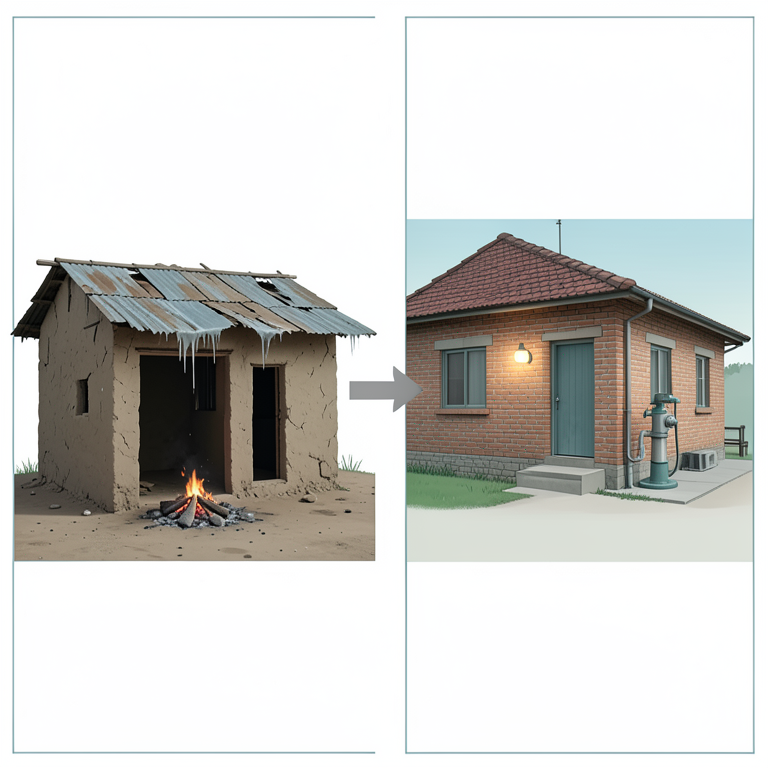
Multidimensional Quality of Life Framework
AI-generated conceptual illustration (Rural female-headed households in West Bengal, India). It explains the idea and does not show study data.
View source evidence ↗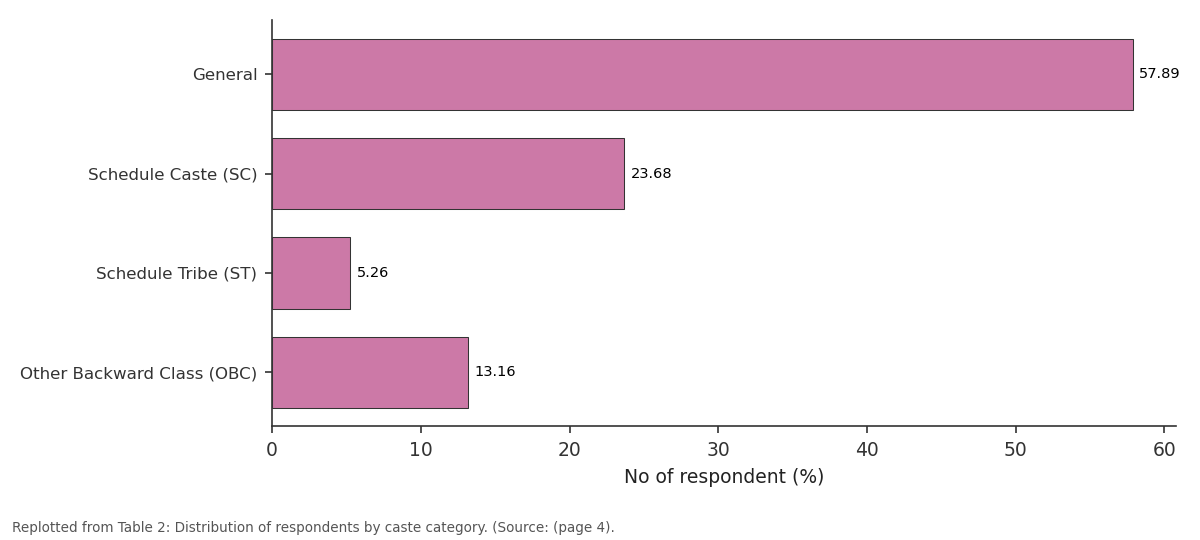
No of respondent (%): General vs Schedule Caste (SC) vs Schedule Tribe (ST) vs Other Backward Class...
Replotted from Table 2 (page 4) of the original paper. Every bar is the paper's own table value.
View source evidence ↗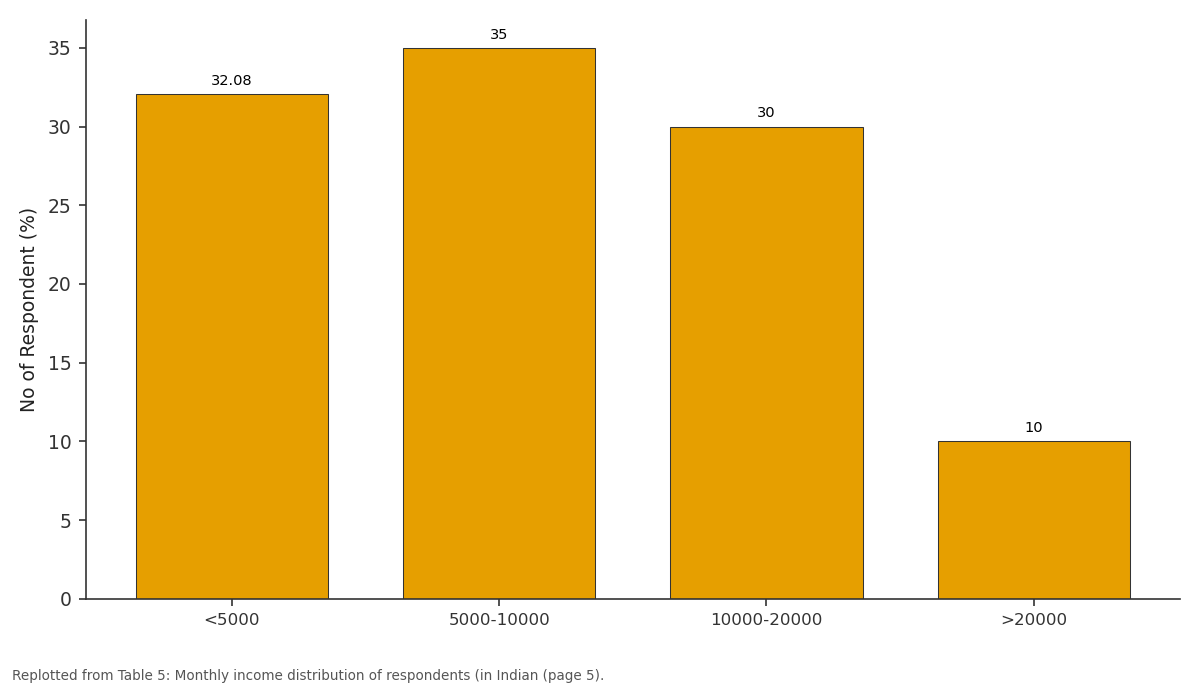
No of Respondent (%): <5000 vs 5000-10000 vs 10000-20000 vs >20000
Replotted from Table 5 (page 5) of the original paper. Every bar is the paper's own table value.
View source evidence ↗Figures & tables
From the original paper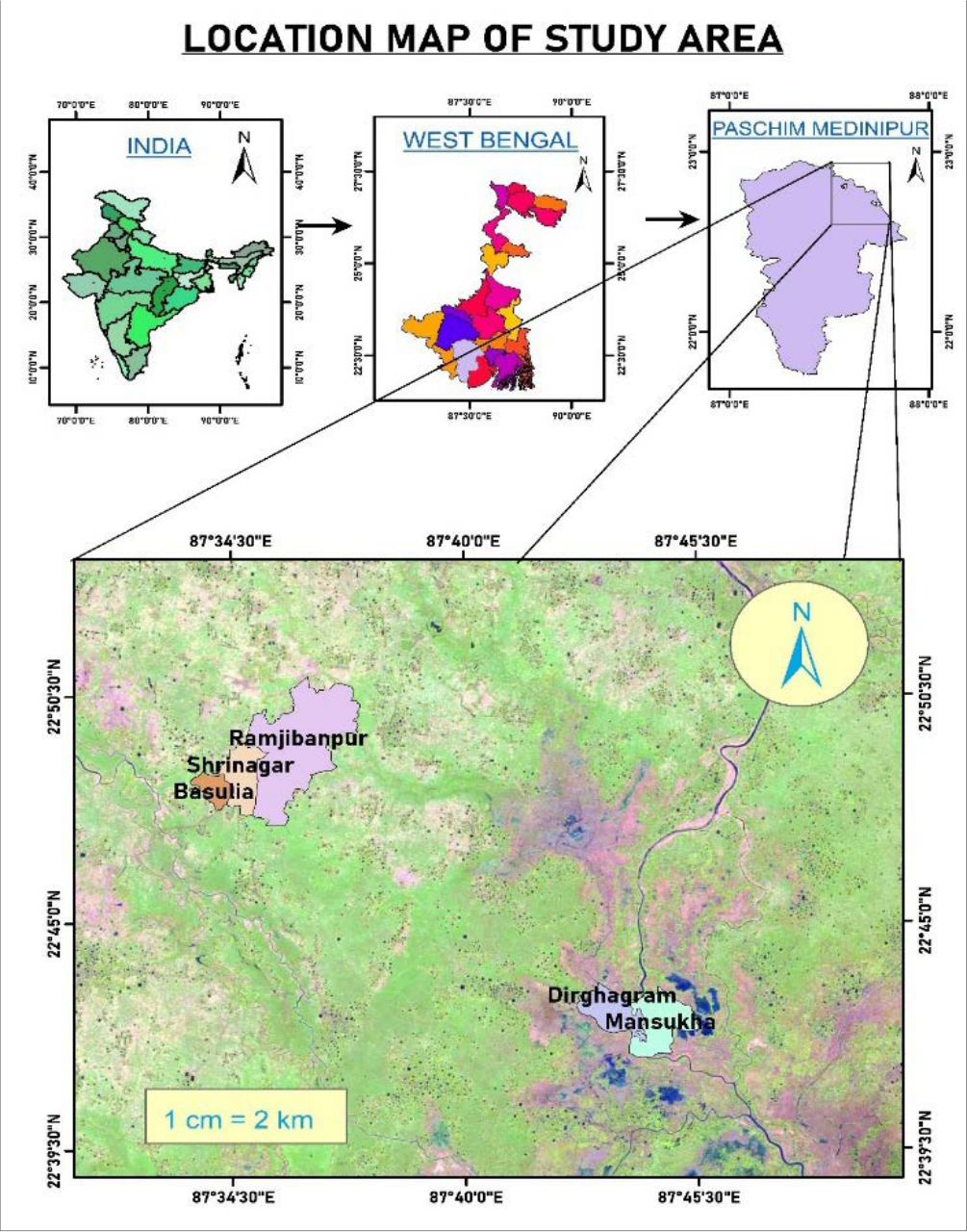 Figure 1
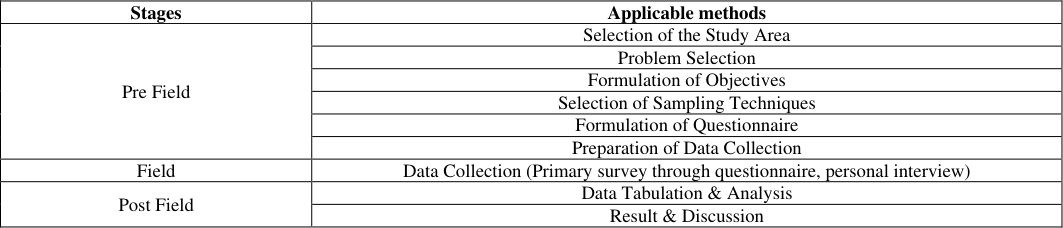 Table 1
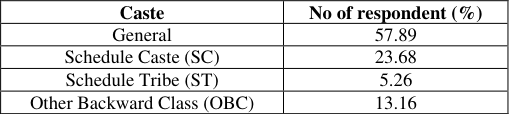 Table 2
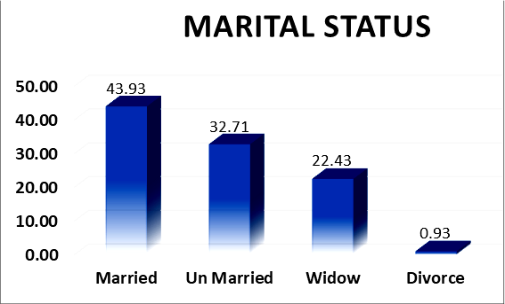 Figure 2
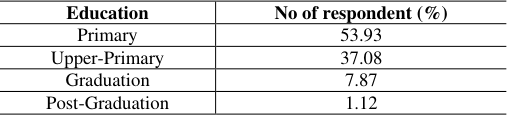 Table 3
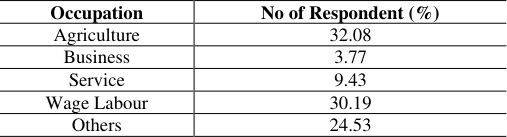 Table 4
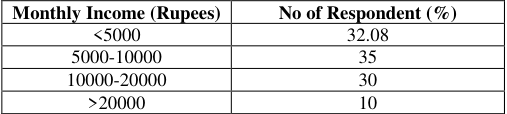 Table 5
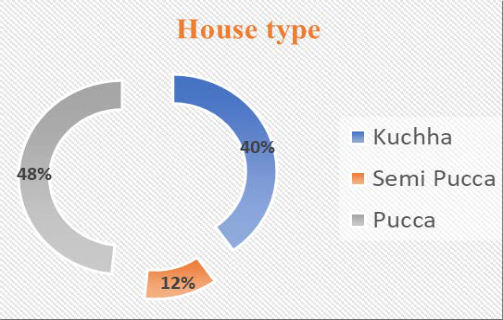 Figure 3
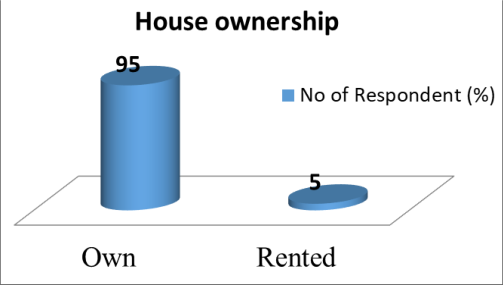 Figure 4
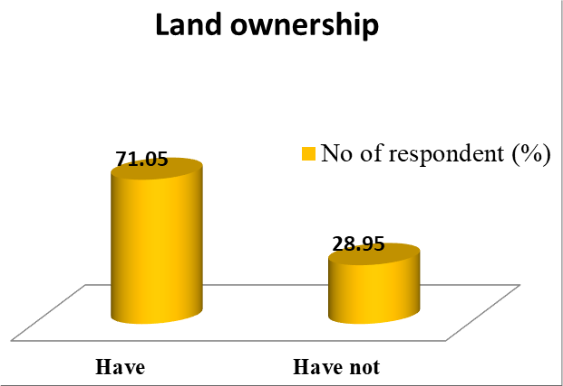 Figure 5
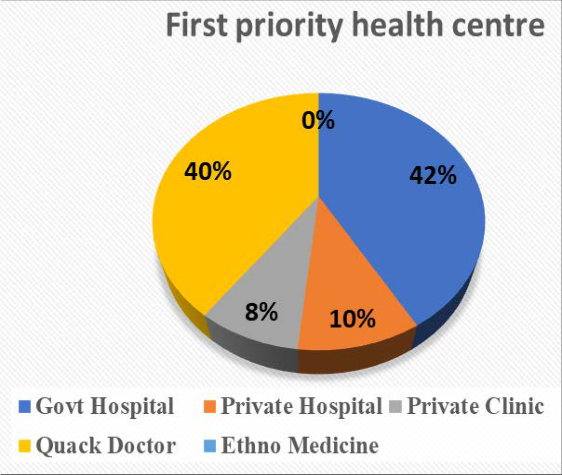 Figure 6
 Table 6
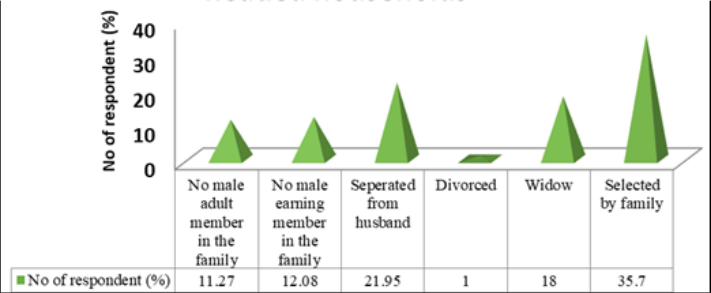 Figure 7
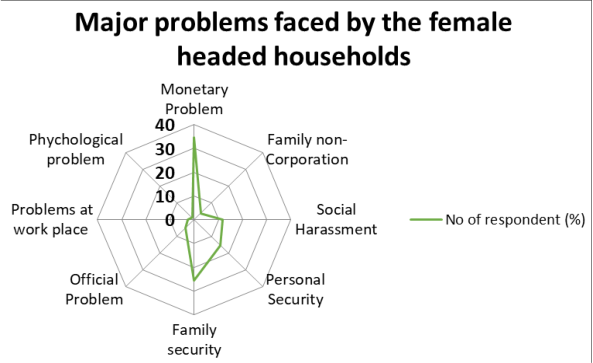 Figure 8
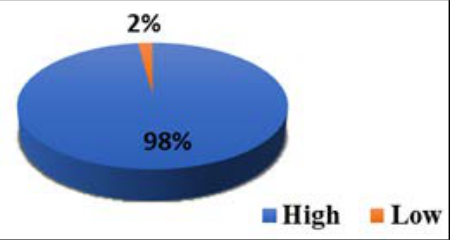 Figure 9
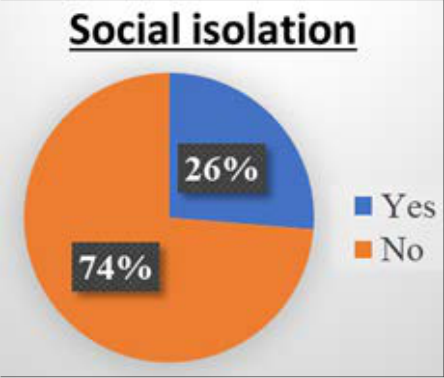 Figure 10
Introduction
A standard level of material, social, and physical well-being is defined by the objective, multifaceted concept of socioeconomic status. The various facets of a personal existence can be measured by an individual or by a society. It encompasses not only building materials and income but also educational attainment, financial stability, and subjective social class and status judgments (Gaur, 2013) [4] . Due to its consequences for gender dynamics, family structures, and social well-being, the topic of female-headed households has drawn a lot of interest from academics, politicians, and social researchers (Jifrudi et al., 2025) [6] . A unique and changing feature of contemporary society, female-headed homes (FHHs) reflect changes in family structures, gender roles, and socioeconomic dynamics. FHHs include households in which women are the main caregivers, earners, and decision-makers. Numerous situations, such as widowhood, divorce, separation, or personal preference, may cause this. These houses are common all across the world, though their frequency varies depending on the geography and cultural setting. They are essential in changing the conversation around gender equality, family, and the economy (Saad et al., 2022) [10] .
The phenomena of FHHs have complex ramifications for economic systems, societal standards, and personal welfare. According to Ekaputri et al. (2025) [3] , it touches on topics such as gender role redefinition, economic fragility, and social empowerment. When examining the dynamics of power, agency, and resilience in the context of modern families, FHHs provide a distinctive lens. The repercussions for people, families, and society at large make studying FHHs extremely important. Firstly, households headed by women frequently question gender norms and give women the confidence to assume leadership positions in their families. Examining these households provides insight into how women are claiming their autonomy and how gender norms are changing. Second, researching female-headed families advances knowledge of changing family dynamics, which has consequences for relationships, societal norms, and community cohesiveness as family arrangements diversify. Thirdly, more equal social development might result from policies that consider the needs and circumstances of households headed by women. Fourthly, study results can direct the creation of policies to guarantee that these households receive sufficient assistance. Lastly, examining homes led by women adds to the body of scholarly literature. The majority of research on households headed by women has been quantitative and empirical, concentrating on their financial issues (Chakrabarti, 2021; Lakshmy, 2023) [1,7] . However, qualitative research that examines every facet of FHHs' lives and depicts their living conditions from the viewpoint of their own experiences and opinions is necessary to have a deeper understanding of their difficulties and issues. Quality of life is a multifaceted concept that includes social, cultural, and environmental facets of human existence in addition to economic well-being. Education, health, housing, income security, access to basic utilities, and involvement in decision-making are some of the factors that are included (Haq and Zia, 2013) [5] . These factors are especially important for FHHs because women frequently deal with structural difficulties determined by gender norms, few job prospects, and limited access to institutional support (Posel et al., 2023) [9] . FHHs in rural and semi-urban India constitute a unique and frequently marginalized group whose living circumstances call for careful examination. With its varied socioeconomic landscape, West Bengal offers a significant context for this kind of research. With its mix of semi-urban and rural economies, the Ghatal Sub-division of Paschim Medinipur district offers a suitable case study to examine how female household heads maintain their well-being and manage their livelihoods in the face of various challenges. There are still gaps in knowledge about the real living conditions and quality of life of female-headed households at the micro level, notwithstanding governmental programs targeted at women's empowerment and rural development (Mwankusye et al., 2025) [8] . Therefore, this study aims to investigate the socioeconomic circumstances of female household heads and evaluate their quality of life from several angles. The study attempts to give a thorough insight of their lived experiences and the difficulties they encounter by concentrating on elements including education, health, housing, income, and access to basic amenities. In the Ghatal Subdivision area, female-headed households have become more prevalent recently. Because these homes are typically underprivileged in society, this study focuses on the difficulties they encounter and the causes of the rise of FHHs. Thus, the goal of this study was to investigate women lived experiences in households headed by women.
Study area
Ghatal subdivision is an administrative sub-division of Paschim Medinipur district in the state of West Bengal, India. Area of the Ghatal sub-division is 953.09 sq.km. Total population is 1047679. Rural population share is 87.94 percent (Census of India, 2011) [2] . Five villages namely Ramjibanpur, Srinagar, Basulia, Dirghagram and Mansukha has been selected as the survey villages. Among these, Ramjibanpur, Srinagar and Basulia are located in Chandrakona I block and Dirghagram and Mansukha are located in Ghatal block (Figure 1).
Methodology
Table 1: Stages of the study and corresponding methods adopted for data collection and analysis.
| Stages | Applicable methods |
|---|---|
| Pre Field | Selection of the Study Area |
| Problem Selection | |
| Formulation of Objectives | |
| Selection of Sampling Techniques | |
| Formulation of Questionnaire | |
| Preparation of Data Collection | |
| Field | Data Collection (Primary survey through questionnaire, personal interview) |
| Post Field | Data Tabulation & Analysis |
| Result & Discussion |
Table text extracted from the original PDF; superscript letters are shown inline. The original table image is below.
View original table image
Stages Applicable methods
Stages Applicable methods
Pre
Pre
b. Data Collection
The study is explorative in nature where both quantitative and qualitative aspects of sociopsychological status of female heads of households were investigated. In so doing, the sequential mixed methods and techniques were applied to collect data on the sociopsychological status of the female headed households. A structured interview schedule was used to collect systematic information about the socio-demographic status, material and social-psychological resources available to the female headed households.
c. Data Analysis
Tabulated data has been analysed by suitable cartographic and statistical techniques. The studies were expressed as Mean ± SEM (standard error of mean). Some key software like MS Excel, MS Word, OriginPro 8.5 (Origin Lab, Northampton, USA) and Arc GIS 10.7 are used for the preparation of final report and All Statistical significance was considered at *p<0.05.
Results and Discussion
Results and Discussion
Socio-economic profile i) Caste structure
It is important to know the caste structure of the society. It has been recorded that more than half of the female headed households belongs to the General community. 23.68 percent families belong to Schedule caste. 5.26 percent Schedule tribe families are also headed by the women members (Table 2). Thus, it could be interpreted that separation between the husband-and-wife trends to be more in general group. ii) Marital status Marriage is the key issues in female headed households.
| Caste | No of respondent (%) |
|---|---|
| General | 57.89 |
| Schedule Caste (SC) | 23.68 |
| Schedule Tribe (ST) | 5.26 |
| Other Backward Class (OBC) | 13.16 |
Table text extracted from the original PDF; superscript letters are shown inline. The original table image is below.
View original table image
As earlier discussed, that female headed households emerges by the separation from the husband. It could be legal separation or separation by choice or by death of the husband. In this regard 22.43 percent women are widow. Though 43.93 percent women are married but they are separated from husband either mutually or husband works out side of their native place (Figure 2). Less than one percent women are divorced. Basically, ratio of divorce is lower in Ghatal subdivision mainly because of the social barrier. Divorced women in a rural background treated critically in the society. iii) Educational status Education is the pillar of a society. Attaining more education always helps to build someone fit in every harsh condition. Unfortunately, educational status is very much low among the members of female headed household in the study area. Almost 54 percent people have only primary education. 37.08 percent limits them in upper primary level. Here is the most significant threat to them as they are restricted themselves from greater opportunities. Low level of education deprived them to know about their rights or issues of togetherness and impact of family break down as well.
Very few of them are engaged in higher education. Only 7.87 percent are in graduation level while only 1.12 percent has reached at post-graduation level (Table 3). iv) Occupational structure Occupational structure is important as it defines income structure of the family. It has been recorded that 32.08 percent people are engaged in agricultural activities and 30.19 percent are working as wage labourer. Thus, more than 60 percent people are engaged in primary economic activities with low-income profile which make them more vulnerable in any uncertainty. Only 9.43 percent are service holder who has economic security (Table 4). Therefore, women headed households are critically vulnerable as most of them belongs to lower occupational structure. Lower income group suffers a lot at any stage of the daily life. Unfortunately, 32.08 percent people belong to lower income group who earns less than 5000 rupees per month. 35 percent earns between 5000 to 10000 rupees per month. This is not a good economic profile of the family. Low income is the most important factor behind the all odds faced by the female headed households. Only 10 percent earns more than 20000 rupees per month but it is not sufficient to survive in such a high inflated market (Table 5). Thus, it could be interpreted that economic stability is very poor of the female headed households. vi) House type Shelter is the basic need of the people that need to be fullfilled at any cost. But nature of the house also reflects the status of the well being of the family. It is good to see that almost half of the female headed households (48 percent) lived in pucca houses. On other hand, a well propotionate (40 percent) households lived in kuccha houses too. They are particularly who worked as the wage labourer or farmers with small or no land holdings (Figure 3). Therefore, house condition for female headed households need to improvise as early as possible.
| Monthly Income (Rupees) | No of Respondent (%) |
|---|---|
| <5000 | 32.08 |
| 5000-10000 | 35 |
| 10000-20000 | 30 |
| >20000 | 10 |
Table text extracted from the original PDF; superscript letters are shown inline. The original table image is below.
View original table image
| Occupation | No of Respondent (%) |
|---|---|
| Agriculture | 32.08 |
| Business | 3.77 |
| Service | 9.43 |
| Wage Labour | 30.19 |
| Others | 24.53 |
Table text extracted from the original PDF; superscript letters are shown inline. The original table image is below.
View original table image
| Education | No of respondent (%) |
|---|---|
| Primary | 53.93 |
| Upper-Primary | 37.08 |
| Graduation | 7.87 |
| Post-Graduation | 1.12 |
Table text extracted from the original PDF; superscript letters are shown inline. The original table image is below.
View original table image
vii) House ownership
Ownership of house claims well being of the family. In Ghatal subdivision, 95 percent female headed households holds the self ownership. This is quite satisfactory. Only 5 percent have to live in rented house. They are more vulnerable as their shelter is not permanent in nature. More likely they also have to bear extra economic pressure as well (Figure 4).
viii) Land ownership
Ownership of land is the real asset in life. If someone has a piece of land then that asset could be utilised in many perspectives. It could be helpful to sustaining life. On other hand in case of any uncertainty that asset could be save them for unwanted threats. In this regard, 71.05 percent women headed household are in safe situation as they have a minimum amount of land ownership. On other hand, a 28.95 percent household does not have any land ownership. These households are really vulnerable in any harsh condition (Figure 5). They have to depend on daily works or others land for agricultural practices. As they provide medical services at minimum cost so that marginal people have to go to them. In some cases, some dangers arrived. Many have to suffer by wrong treatment. But due to lack of money, they are not heading for the better facilities. On other hand only 10 percent women headed household access the private hospitals as they have better economic stability and enjoying a better standard of living (Figure 6). x) Factors behind the emergence of female headed households Before discussing anyone's condition it is important to know the background of the target group. In this regard, this study investigates the background of the female headed households to know the prominent factors which are responsible for the emergence of female headed household. Therefore, it has been observed that 35.7 percent family choose the oldest women member as the head of the family. Second significant reason is the separation from husband followed by being widow (Figure 7). This is the force situation where women have to lead the family in absence of their male counterpart.
Challanges i) Major problems faced by the female headed households
In patriarchal society, it is very hard for a woman to cope single handedly with all odds. It has been belived that male members are like the umbrella on the head. Thus, a family without this umbrella somehow trated like open access to all in the society. Such orthodoxy and narrow mindset of the society forced female headed households to face some challanges which is very hard to digest. In the opinion of the female headed households they has to face monetary problem most significantly as they doesn't have multiple options of earnings. Secondly, without a male family member they are very much obssed with the family security and personal security as well. Being seperated from husband some psychological issues that they faced is very hard to digest (Figure 8). Overall, female headed households faced so many challanges in the society on daily basis. ii) Workload at home In the absence of husband or father or any other adult male family member tremendous workload has been imposed upon female earning member of the family. They have to involve both in earnings, household activities and child rearing practices. More than 90 percent women opined that they are getting supprased by exessive workload in the family which leads them to mental agonomy. For 9.17 percent women situtaion remain same (Table 6). iii) Mental pressure Women who are the head of the family feels tremendous mental pressure for sustaining family responsibilities. 98 percent women shared their opinion in the favour of high mental pressure. Pressure for earnings, household activities and child bearing practices put them in heavy mental pressure (Figure 9). No relatives or neighbours talk to them frequently. On other hand, 74 percent women have opined that no such issues that they faced (Figure 10). It is good to know that social perspective of the study area is no more ruthless in such issues.
| Work load at home | No of respondent (%) |
|---|---|
| Normal | 9.17 |
| Overload | 90.83 |
| No load | 0 |
Table text extracted from the original PDF; superscript letters are shown inline. The original table image is below.
View original table image
Limitation of the study
This paper is one of the few studies that have been done qualitatively on the problems of women heads of households. This research may reveal many unknown aspects for researchers and social actors. This article had an experience of working with support centres for femaleheaded households. It was beneficial in advancing research and gaining the trust of participants. One of the most critical limitations of this study was women's reluctance to participate in the study, which was addressed by explaining the aims and the necessity of the research and the commitment not to disclose personal information. Since this research was conducted in an environment with different social and cultural structures with a small number of participants, it may not be easy to generalize the results. However, this problem is almost related to the philosophy of qualitative research and cannot be considered a significant weakness. Note, however, that the researchers attempted to address this deficiency to an acceptable level by adhering to the basic principles of qualitative research and how to report it.
Major findings
• Socio-economic background of the women headed household in the study area is very poor. • Economic burden and minimum income opportunity makes them vulnerable in harsh condition. • Those who lived in pucca houses is either ancestors' property or benefited by Indira Gandhi Awas Yojana or Pradhan Mantri Awas Yojana Scheme. • Financial security of the women headed family is very much uncertain which leads them in extreme struggle. • Education is not in satisfactory level among the members of the female headed households due to earning desires only rather being educated. • Health facilities are also very poor. Most of them largely depend on primary health centre and quack doctor only. • Condition is very much severe for the women who have been left by the husband or divorced. Too much mental agony that they have to face on daily basis. • For family sustenance they have to manage heavy workload. Thus, there is no scope for recreation and leisure to them. • One positive vibe in the female headed household is that women as a head of the family truly enjoy decision making power which is opposite from traditional patriarchal system. • Overall, quality of life of the female headed household is very poor. Basic amenities are also not fulfilled to a required level.
Recommendations
• Women headed households are silently suppressed in the society. Thus, they need an immediate attention either from the government or any NGOs for the improvement of their quality of life. • Some financial package should be declared from the government for the families who do not have any adult male member in the family. • Educational status is very much low among the members of female headed households. This results low-income profile of the family. Therefore, some training programmes for self-employment is strongly recommended. For example, animal husbandry, cottage industry, food processing industry etc. • Economically marginal women headed families forced to drop their children from the school and send them in earnings as child labour. More importance needs to give to restrict the school drop outs. • Most importantly mental issues are very challenging over here. Thus, Self Help Group, ICDS or other community groups need to be more active in the study area to provide mental strength and way of earnings as well.
• Above all, mentality of the society needs to change as soon as possible. With a low educational background, village areas are so conservative that they repeatedly show narrow mindset to such issues. We have to bid adieu such orthodoxy. For this, different social programmes and campaigns should be organised on regular interval. This will help to build social bonding among the whole people in the study area.
Conclusion
The results of the study showed that households led by women face numerous societal, intra-family, and personal obstacles that frequently gravely jeopardize their health and interfere with their personal and social lives. However, taking up the role of head of the home is not always linked to bad effects; in certain instances, it can also result in beneficial outcomes including social maturity and a positive self-concept. Therefore, multifaceted initiatives that address every facet of FHHs' health are required to advance their empowerment and well-being. Therefore, by learning the necessary skills, women can be ready to adjust to new, complex, and perhaps contradictory positions. In order to break the cycle of poverty and disability in their families, they also need greater financial assistance. In order to avoid social issues like the stigma of being neglected and social exclusion, it is also possible to raise the social status of female-headed households by offering suitable education and assisting in the transformation of gender stereotypes so that their role as head and manager of a family can be readily accepted in society.
References
10 in the original paper- Chakrabarti A. Status of women: a comparative study of female and male household heads in India. China Population and Development Studies. 2021;4(4):405438.
- Census of India. Provisional population totals, paper 2. New Delhi: Government of India; 2011.
- Ekaputri RA, Sukiyono K, Yefriza Y, Febriani RE, Nopiah R. Gendered dimensions of poverty in Indonesia: a study of financial inclusion and the influence of female-headed households. Economies. 2025;13(8):240.
- Gaur KL. Socio-economic status measurement scale: thrust area with changing concept for socio-economic status. International Journal of Innovative Research and Development. 2013;2(9):139-145.
- Haq R, Zia U. Multidimensional wellbeing: an index of quality of life in a developing economy. Social Indicators Research. 2013;114(3):997-1012.
- Jifrudi AF, Mirzaei K, Fatehi HR. A sociological analysis of the effect of social capacity-building on the social participation of female heads of household in activities related to the country's economic development: a grounded theory approach. Management Strategies and Engineering Sciences. 2025;1-10.
- Lakshmy P. From struggles to strengths: an inquiry into the lives of female headed households through narratives. 2023.
- Mwankusye IC, Marijani IG, Mwankusye MR. The role of women employments on reduction of poverty among female headed household in Tanzania. International Journal of Multidisciplinary Research and Analysis. 2025;8.
- Posel D, Hall K, Goagoses L. Going beyond femaleheaded households: household composition and gender differences in poverty. Development Southern Africa. 2023;40(5):1117-1134.
- Saad GE, Ghattas H, Wendt A, Hellwig F, DeJong J, Boerma T, et al. Paving the way to understanding female-headed households: variation in household composition across 103 low-and middle-income countries. Journal of Global Health. 2022;12:04038.