
Research article · 2026 · Full text
International Journal of Horticulture and Food ScienceNanotechnology applications in floriculture and ornamental horticulture: A review
Volume 8(4) · Pages 19–31 · DOI: 10.33545/26631067.2026.v8.i4a.506 ↗
Research areasPolymer-Based Agricultural EnhancementsNanoparticles: synthesis and applicationsPlant Growth and Agriculture Techniques
Abstract
Author-writtenNanotechnology has emerged as a transformative discipline with wide-ranging implications for modern agriculture, particularly in the specialized domain of floriculture and ornamental horticulture. Ornamental plants including cut flowers, potted flowering plants, foliage plants, and landscape plants represent a multi-billion-dollar global industry that faces mounting challenges related to vase life extension, disease management, stress tolerance, and sustainability. Nanoparticles (NPs) of diverse chemical compositions, including silver (AgNPs), zinc oxide (ZnO NPs), titanium dioxide (TiO2 NPs), silicon dioxide (SiO2 NPs), carbon nanotubes (CNTs), iron oxide (Fe3O4 NPs), chitosan NPs, and gold NPs, have been extensively investigated for their capacity to modulate plant growth, enhance post-harvest longevity, improve stress resilience, and combat phytopathogens in ornamental crops. This review comprehensively synthesizes the current state of knowledge regarding nano-based interventions in floriculture, examining mechanisms of nanoparticle uptake and translocation in ornamental species, their dose-dependent effects on germination, vegetative growth, flowering, and post-harvest quality. Special emphasis is placed on the role of nano-fertilizers and nano-pesticides, the application of nanoparticles for vase life extension in cut flowers such as roses (Rosa spp.), carnations (Dianthus caryophyllus), chrysanthemums (Chrysanthemum morifolium), and gerbera (Gerbera jamesonii), and the integration of nano-delivery systems for controlled release of plant growth regulators. The review also addresses phytotoxicological concerns, regulatory frameworks, and future research directions necessary for the safe and effective commercialization of nano-horticultural technologies.
Summary
Source-checkedPlain-language reading of the full paper, prepared with AI and checked against the text. Each point links to the authors' own words.
Why it matters
- The ornamental plant industry is a multi-billion-dollar global sector that struggles with issues like sustainability, disease management, stress tolerance, and extending the vase life of flowers. View evidence ↗
- Post-harvest losses in cut flowers are significant, reaching 20-40%, driven by factors such as water stress, physical damage, stem-blocking microbes, and ethylene-induced aging. View evidence ↗
- Nanoparticles can influence plant biological processes at a molecular level, including hormone regulation and enzyme activity, in ways that conventional chemicals cannot. View evidence ↗
The question
- The review aims to evaluate the benefits and pitfalls of using nanotechnology in ornamental crops, focusing on nano-pesticides, nano-fertilizers, post-harvest applications, and phytotoxicity. View evidence ↗
What they did
- The review examines nanoparticle uptake, noting that particles smaller than 20 nm can enter the symplast via cell wall pores (3-8 nm), while larger particles move apoplastically. View evidence ↗
What they found
- In roses (Rosa hybrida), using silver nanoparticles (AgNPs) in vase solutions at 30-60 mg L⁻¹ increased vase life by 28-35% by inhibiting ethylene and reducing bacteria. View evidence ↗
- A foliar spray of 20 mg L⁻¹ AgNPs increased the vase life of Gladiolus grandiflorus by 34% while maintaining chlorophyll and anthocyanin integrity. View evidence ↗
- Carbon nanotubes (CNTs) at concentrations of 10-40 µg/mL significantly improved seedling biomass and germination rates in ornamental tomatoes by enhancing water absorption. View evidence ↗
- Zinc oxide nanoparticles (ZnO NPs) show a dose-dependent effect on ornamental grasses: concentrations below 50 mg/L boost root length and germination, while doses above 200 mg/L are inhibitory. View evidence ↗
- Nano chitosan-NPK fertilizers applied as a 2 g L⁻¹ soil drench resulted in superior growth for ornamental wheat in sandy soil compared to conventional NPK fertilizers. View evidence ↗
- Silicon dioxide (SiO2) nanoparticles at 1 mM increased drought tolerance in hawthorn seedlings, resulting in higher leaf water content and lower proline accumulation. View evidence ↗
- Chitosan nanoparticles at 0.1% (w/v) are more effective at inhibiting the germination of the pathogen Botrytis cinerea than standard chitosan powder. View evidence ↗
- Phytotoxicity is observed at high doses; for example, silver nanoparticles (AgNPs) cause DNA damage and inhibit root elongation in Arabidopsis thaliana at concentrations above 100 mg L⁻¹. View evidence ↗
What it means
- The authors conclude that nanotechnology represents a revolutionary shift for the industry, providing efficient solutions for production and post-harvest care to improve economic viability. View evidence ↗
- The authors note that unresolved issues remain regarding regulatory coordination, the standardization of dosages for different species, and the long-term environmental persistence of nanoparticles. View evidence ↗
Visual summary
1 visualsIllustrations explain the paper; they do not show study data.
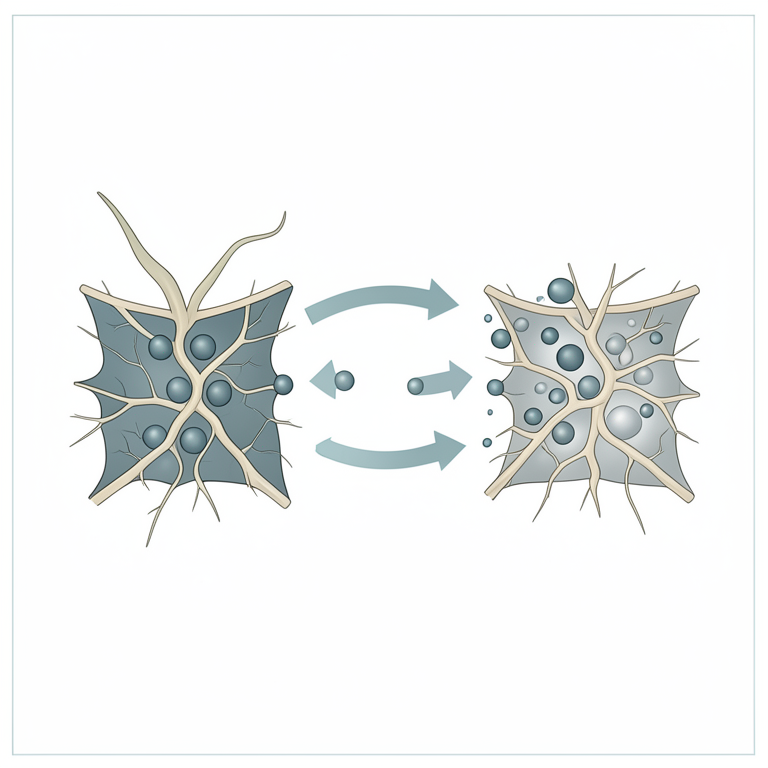
Nanoparticle Entry Pathways
AI-generated conceptual illustration (ornamental plant root tissue). It explains the idea and does not show study data.
View source evidence ↗Figures & tables
From the original paper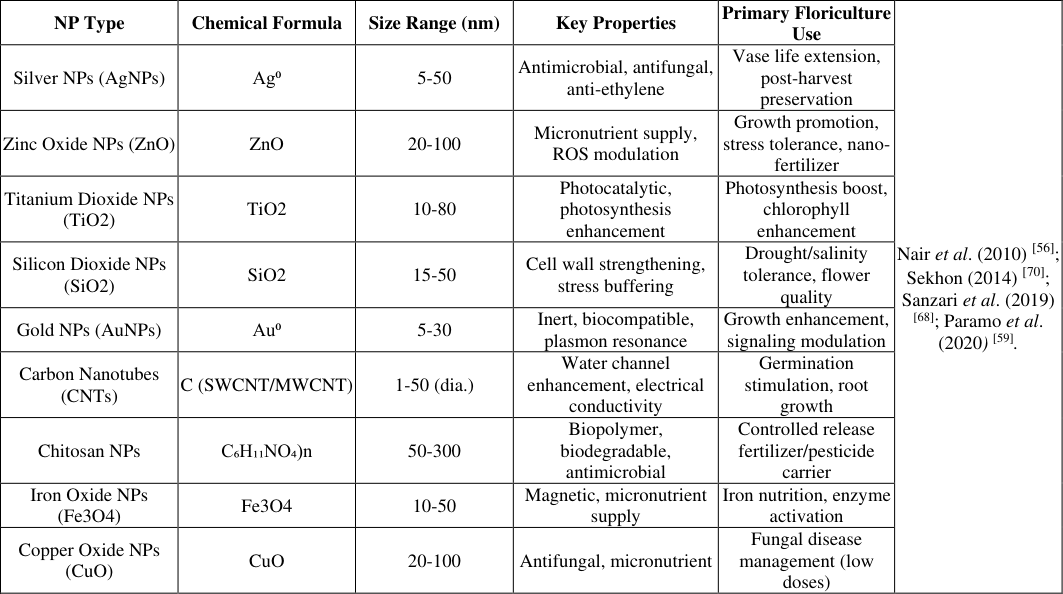 Table 1
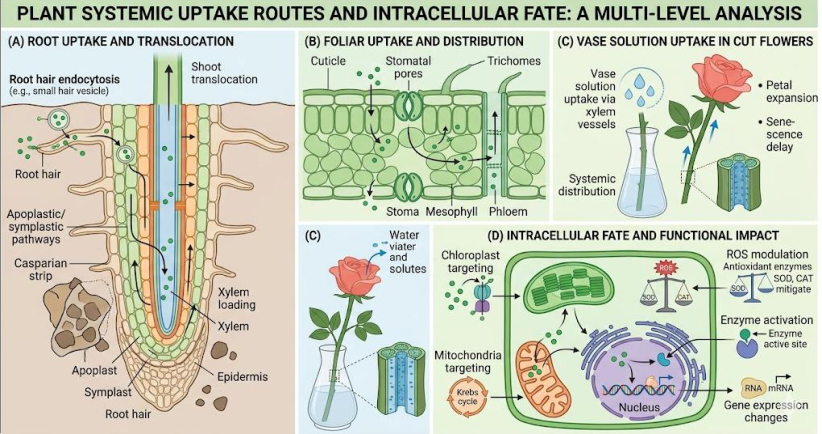 Figure 1
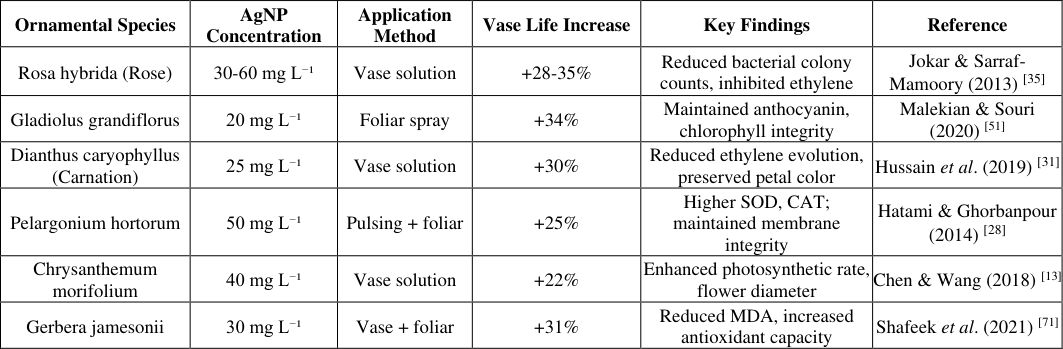 Table 2
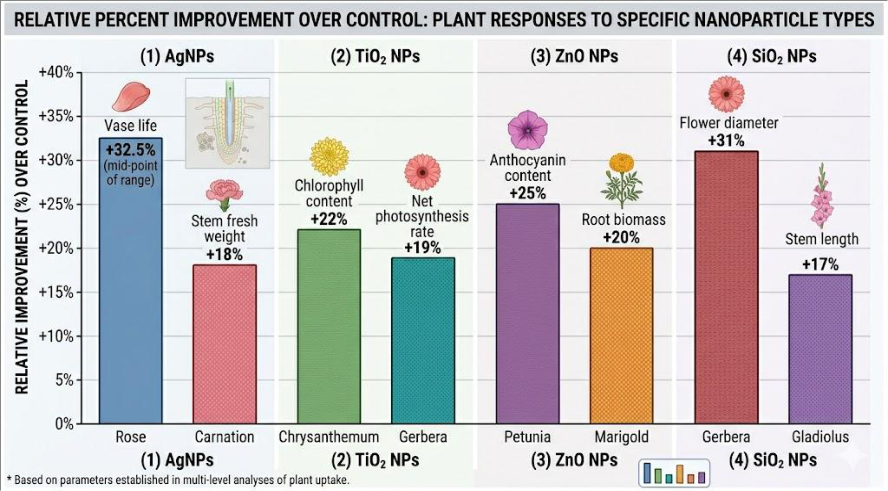 Figure 2
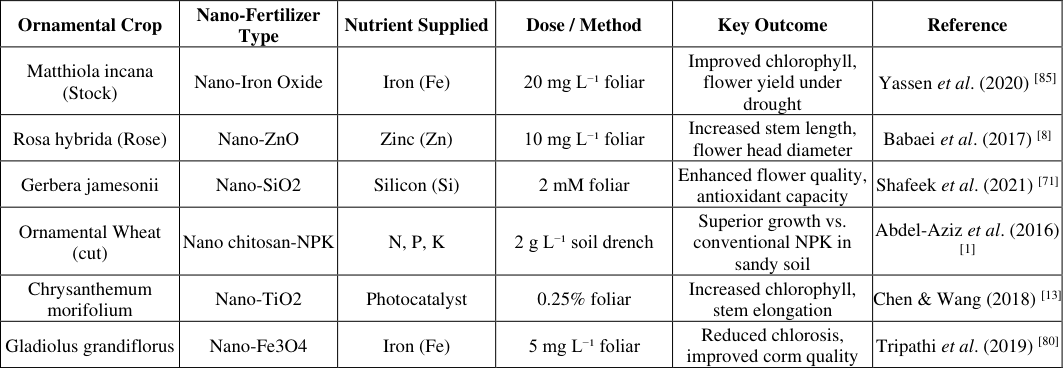 Table 3
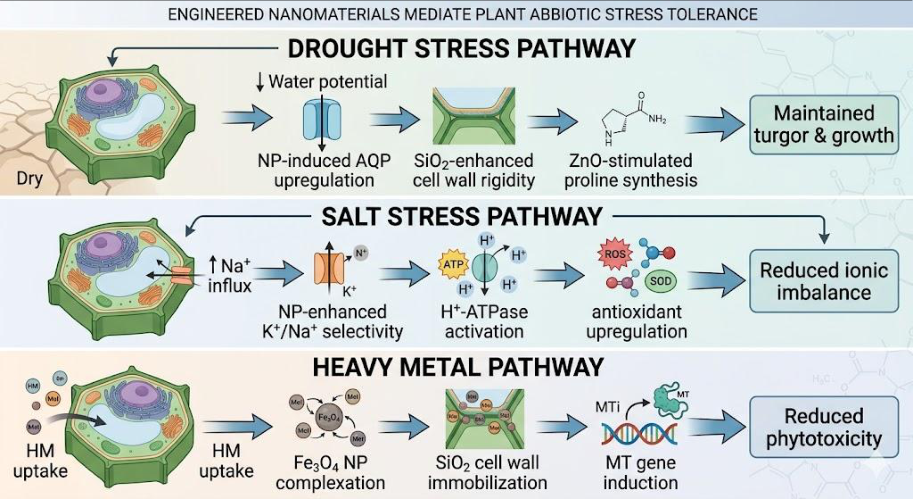 Figure 3
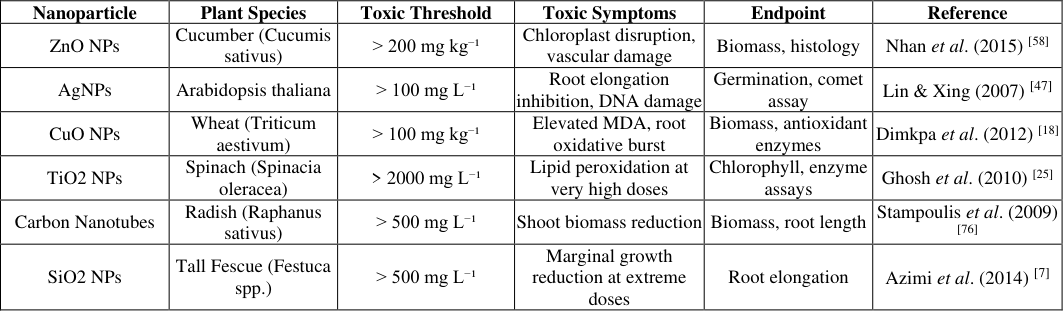 Table 4
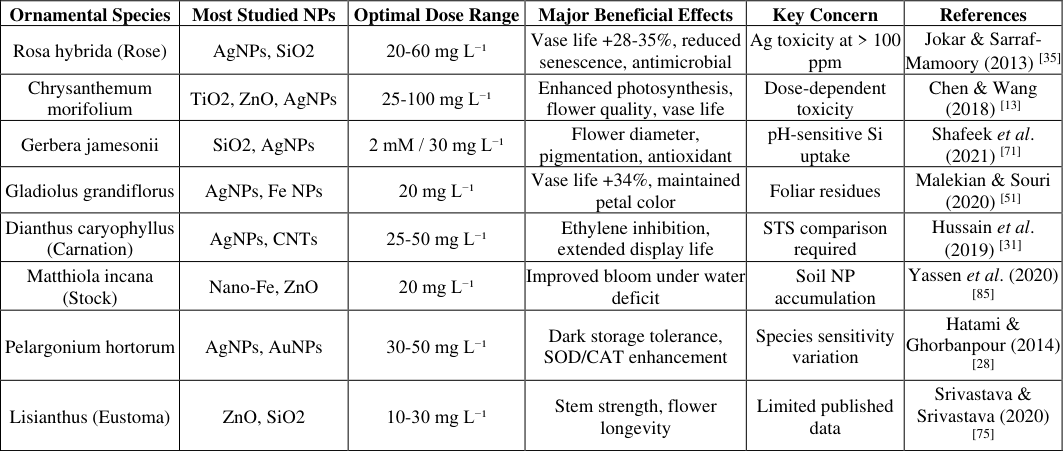 Table 5
Introduction
Ornamental Horticulture falls under the domain of floriculture and constitutes a major segment of agriculture that is economically as well as aesthetically very important. According to statistics, the global Ornamental Plants market that includes cut flowers, pot plants, bedding plants, nursery plants, and landscape plants has been estimated to have revenues of more than USD 50 billion in 2023 and will continue to grow at a CAGR higher than 6%. The main producers in this global interconnected chain of production include Netherlands, Colombia, Ecuador, Kenya, India, and China (Usman et al., 2020) [81] . In spite of all the economic importance associated with this industry, there are several major challenges facing the industry in various ways. Losses in cut flowers post-harvest occur through ethylene-induced aging, presence of stem-blocking microbes in vase water, water stress, and physical damage in transit amounting to 20-40 percent of the losses (Hussain et al., 2019) [31] . In production itself, ornamental crops face many problems from the abiotic conditions such as drought, salinity, heat, and excessive heavy metals which decrease their quality and vase life along with reduction in flower size and coloring. Biotic dangers arise from fungi like Botrytis cinerea, Fusarium, and Pythium and bacteria like Pseudomonas cichorii, Erwinia chrysanthemi cause significant crop losses and necessitate extensive pesticide inputs with attendant environmental consequences (Tímár and Gáborjányi, 2012) [79] . Against this backdrop, nanotechnology has proven itself to be a valuable array of tools that can tackle multiple factors simultaneously. Being defined as the technology of engineering at the nanoscale (1-100 nm), nanotechnology results in the creation of materials possessing unique physicochemical properties due to their high surfaceto-volume ratio, quantum effect, and higher reactivity (Sekhon, 2014; Sanzari et al., 2019) [68,70] . Such properties allow nanoparticles to interact with biological processes of plants at the molecular level, thus affecting enzyme activity, gene regulation, cell membrane permeability, ROS scavenging, and hormones in ways that cannot be achieved with the help of conventional chemicals (Nair et al., 2010; Van Aken, 2015) [56,82] . Nanotechnology is used throughout the lifecycle of plants, as it has found application in the enhancement of seed germination and seedling emergence, stimulating plant growth and flowering, acting as a carrier of controlledrelease fertilizers and plant growth regulator, increasing vase life of cut flowers, providing nano-fungicides and bactericides, and imparting resistance to environmental stressors (Khan et al., 2017; Paramo et al., 2020) [37,59] . In particular, silver nanoparticles (AgNPs) have gained significant interest as vase life enhancers, capitalizing on the well-established antimicrobial potential of these particles to minimize bacterial counts in vase solutions and thereby avoid stem clogging a key factor contributing to early wilting (Jokar & Sarraf-Mamoory, 2013; Malekian & Souri, 2020) [35,51] . Nano-silicon, nano-zinc, and nano-titanium dioxide have been explored as growth, coloring, and stress resistance enhancers for ornamental plants (Reyes-Pérez et al., 2019; Shafeek et al., 2021) [66,71] . This review will address the wide spectrum of nanotechnology uses in floriculture and ornamental horticulture by discussing current research findings regarding the modes of action of nanoparticles, cropspecific responses, post-harvest applications, nanofertilizers, nano-pesticides, phytotoxicity, and regulation, with the objective of pinpointing potential benefits and pitfalls associated with the adoption of nanotechnologies in ornamental crops cultivation.
Types of Nanoparticles used in floriculture
Nanoparticles employed in ornamental horticulture research span a chemically diverse array of materials, each with distinct physicochemical properties, modes of action, and suitability for specific horticultural applications. A systematic classification is presented in Table 1. [56] ; Sekhon (2014) [70] ; Sanzari et al. (2019) [68] ; Paramo et al.
Metal and Metal oxide nanoparticles
Metallic nanoparticles, especially silver nanoparticles (AgNPs) and gold nanoparticles (AuNPs), have been some of the most widely investigated materials in ornamental plants. Silver nanoparticles can be produced by chemical reduction, biological synthesis, and green synthesis techniques based on plant extract or fungi/bacteria (Guilger-Casagrande and Lima, 2019) [27] . The mode of action of silver nanoparticles in plants includes modulation of ethylene biosynthesis and inhibition of microbial cell membranes, thus making them effective in post-harvest treatments (Sharma et al., 2012) [73] . Gold nanoparticles have also been shown to induce growth in Arabidopsis thaliana and Brassica juncea due to their remarkable biocompatibility and plasmon resonance characteristics by modulating the activity of ROS scavenging enzymes (Kumar et al., 2013; Arora et al., 2012; Govorov and Carmeli, 2007) [5,26,42] . Even more diverse are metal oxide nanoparticles. ZnO NPs provide zinc, which is a micronutrient necessary for proper plant growth, in nano form and simultaneously trigger enzymes for antioxidants (Burman et al., 2013; Raliya and Tarafdar, 2013) [11,64] . TiO2 NPs have been effectively used for enhancing chlorophyll production and increasing
photosynthesis efficiency by virtue of their light-catalysis effect in ornamental plants (Hong et al., 2005; Feizi et al., 2012) [22,29] . Iron oxide nanoparticles deal with iron deficiency in ornamental plants cultivated in alkaline and waterlogged soil conditions (Kim et al., 2015; Martinez-Fernandez et al., 2023) [40,53] .
Carbon-based nanoparticles
The Carbon Nanotubes (CNTs), which include Single-Walled CNTs (SWCNTs) and Multi-Walled CNTs (MWCNTs), constitute a special group of nano-materials having extremely high tensile strength, electrical conductivity, and biological properties. In plant science, CNTs are known to increase water absorption and water transport through formation of channels similar to that produced by aquaporins for water movement, as well as induce cell division by activating water channels proteins [38,43,83] . The observation on increased germination and root growth in ornamental plants such as tobacco and tomato suggest their applicability to ornamentals seedlings production.
Biopolymer-based nanoparticles
The use of chitosan nanoparticles has gained much attention because of their biodegradability, biocompatibility, and natural antimicrobial nature (Kadam and Bhatt, 2021; Saharan et al., 2013) [36,67] . In decorative horticulture, chitosan NPs play two functions: first, they work as carrier agents for macronutrient and micronutrient delivery to plant roots and leaves, second, as fungicidal substances protecting plants from phytopathogens like Botrytis cinerea and Alternaria species, which normally cause damage to cut flowers. Choudhary et al. (2019) [14] observed that Cuchitosan NPs could promote resistance gene expressions in decorative plants. Li et al. (2019) [46] found better growth results in wheat seedlings.
Nanoparticle uptake, translocation, and mechanisms of action
Understanding how nanoparticles enter, move through, and interact with plant tissues is fundamental to both optimizing beneficial applications and assessing phytotoxicological risks. Multiple routes of NP entry into ornamental plant systems have been characterized (Ali et al., 2021; Nair et al., 2010) [3,56] [56] ; Ali et al. (2021) [3] ; Larue et al. (2012) [44] ]
Root uptake and Translocation
Nanoparticles in either soil or hydroponics solution come into contact with the roots and can bind onto the cell walls of plant tissues, enter via endocytosis, or translocate apoplastically (between cells) or symplastically (inside cells) (Larue et al., 2012) [44] . Nanoparticles with smaller sizes (<20 nm) are able to diffuse through cell wall pores, which vary between 3-8 nm across different plants, and enter into the symplast; on the other hand, nanoparticles with larger sizes tend to travel apoplastically until they reach the Casparian strip, at which point they cannot proceed anymore without entering into the symplast. Afterward, NPs get loaded into the xylem of the plant and transported upward to aerial parts of the plant body. The journey of TiO2 NPs has been traced via synchrotron X-ray fluorescence studies in wheat plants (Larue et al., 2012) [44] .
Foliar uptake
Foliar treatment is one of the major routes of application used in the management of ornamental crops where NPs may enter via stomatal openings, cuticular waxes, and trichomes present in the leaf (Ali et al., 2021) [3] . Stomatal openings (which range between 5-15 μm when opened) enable the entry of clusters of NPs into the substomatal cavity, whereas hydrophobic pathways enable the entry of lipid-coated and/or functionalized NPs through the cuticle. Foliar-absorbed NPs can eventually enter the phloem stream and move throughout the plant, including its reproductive structures. Nano-silicon sprayed onto gerbera plants was absorbed in its petals (Shafeek et al., 2021) [71] . [37,80,82] .
Molecular mechanisms of action
Molecular mechanisms of action
Post-harvest applications: Vase life extension of cut flowers
Post-harvest handling is the most economically significant and studied field of application of nanotechnology in the field of floriculture. Life expectancy of cut flowers depends on the interaction between such processes as ethylenemediated senescence, clogging of vessels with biofilms of microorganisms, oxidative stress, water metabolism, and carbohydrate exhaustion (Hussain et al., 2019) [31] . Among all other nanoparticles, AgNPs have been found to be very efficient in this regard.
Silver nanoparticles and Vase life
The AgNPs have probably become the most commonly used nano-additive in cut flower vase life studies. The dual role played by AgNPs in inhibiting bacteria blocking stems, and their ability to inhibit ethylene production by acting as competitors for ethylene receptors in the process of releasing silver ions makes them highly efficient for improving vase life in flowers. According to Jokar and Sarraf-Mamoory (2013) [35] , AgNPs were highly efficient in extending vase life in cut roses (Rosa hybrida). Optimal concentrations of AgNPs ranged between 30-60 mg L⁻¹, which increased the vase life without any adverse phytotoxic symptoms. In another study, Malekian and Souri (2020) [51] indicated that 20 mg L⁻¹ nano-silver spray significantly increased gladiolus (Gladiolus grandiflorus) vase life by 34%, while preserving high levels of anthocyanin and chlorophyll content.
Additionally, in their study involving Pelargonium hortorum plants stored under dark conditions, Hatami and Ghorbanpour (2014) [28] found that 50 mg L⁻¹ AgNPs performed better than STS and control treatments in terms of membrane stability, fresh weight, and enhanced antioxidant enzyme activities. AgNPs were also confirmed by Sharma et al. (2012) [73] to be highly efficient in improving oxidative stress tolerance in Brassica juncea. Jokar & Sarraf-Mamoory (2013) [35] Gladiolus grandiflorus 20 mg L⁻¹ Foliar spray +34% Maintained anthocyanin, chlorophyll integrity
Nano-silver in specific ornamental crops
Malekian & Souri (2020) [51] Dianthus caryophyllus (Carnation) 25 mg L⁻¹ Vase solution +30% Reduced ethylene evolution, preserved petal color Hussain et al. (2019) [31] Pelargonium hortorum 50 mg L⁻¹ Pulsing + foliar +25% Higher SOD, CAT; maintained membrane integrity
Hatami & Ghorbanpour (2014) [28] Chrysanthemum morifolium 40 mg L⁻¹ Vase solution +22% Enhanced photosynthetic rate, flower diameter Chen & Wang (2018) [13] Gerbera jamesonii 30 mg L⁻¹ Vase + foliar +31% Reduced MDA, increased antioxidant capacity Shafeek et al. (2021) [71] MDA = Malondialdehyde; SOD = Superoxide Dismutase; CAT = Catalase
Other nanoparticles in post-harvest management
Apart from AgNPs, some other types of nanoparticles have been found useful after harvest. Nano-silicon dioxide has been used in preservative solutions for roses and lilies, developing a biocompatible film over the walls of the xylem vessels that inhibits microbial growth without causing any plant toxicity linked with metal ions (Rastogi et al., 2019) [65] . Nano-titanium dioxide in vase solutions has proven effective in preserving chlorophyll content in chrysanthemums through PSII efficiency maintenance and lowering chlorophyllase enzyme activity (Chen and Wang, 2018) [13] . Chitosan nanoparticles coating on cut flower stems have been found to form a semi-permeable nanofilm which inhibits water loss but allows gas exchange, thus increasing the shelf life of roses and alstroemeria (Xing et al., 2011; Kadam and Bhatt, 2021) [36,84] . Sub-phytotoxic concentrations (1-10 mg L⁻¹) of nano-zinc oxide in vase solutions have antimicrobial action against pseudomonads and bacilli, the main stem blocking bacteria, while also providing zinc, the co-factor of antioxidant enzyme systems in senescing petals (Srivastava and Srivastava, 2020) [75] . Yassen et al. (2020) [85] found that spraying nano-iron on stock flowers (Matthiola incana) increased their bloom period and improved anthocyanin concentration under water stress conditions.
Nanoparticles for growth promotion and flowering enhancement
Growth promotion through nanomaterial application has been documented across diverse ornamental and floriculture species. Effects manifest at multiple developmental stages, from germination through vegetative growth, flower initiation, and quality parameters including stem length, flower size, color intensity, fragrance compound accumulation, and dry matter content.
Seed germination and Seedling establishment
Seed germination is an essential bottleneck in ornamental plant cultivation, especially for ornamental species having dormancy demands or refractory germination characteristics. Several studies have shown that NP seed priming or priming solutions enhance germination via means such as enhanced seed water imbibition rates due to nano-channel formation (in case of CNTs), enzyme activation (α-amylase, protease) to utilize the seed reserves, and promotion of mitosis in root tip meristematic cells (Lu et al., 2002; Lin and Xing, 2007) [47,49] . The addition of CNTs (10-40 µg/mL) significantly boosted germination rates and seedling fresh biomass in tomato an extensively grown ornamental plant by boosting aquaporin-mediated water absorption (Khodakovskaya et al., 2012) [38] . Low concentrations of ZnO NPs (<50 mg/L) boosted germination rates and root length of ornamental grasses and bedding plants, whereas high doses (>200 mg/L) exhibited inhibitory impacts, emphasizing dose-dependent responses (Lee et al., 2013; Almutairi and Alharbi, 2015) [4,45] .
Vegetative growth and Photosynthesis
Nano-TiO2 has gained prominence as an effective photosynthesis stimulant in ornamentals. According to Hong et al., nano-TiO2 increased photosynthesis in spinach through promotion of the Hill reaction and activation of PSI leading to improved light energy conversion efficiency.
Chen and Wang (2018) [13] furthered the study in ornamental crops by demonstrating that 0.25% (w/v) of TiO2 NPs resulted in increased levels of chlorophyll a and b, higher rates of net photosynthesis, and improved stomata conductivity, culminating in increased stem length and early floral initiation. Similar observations regarding photosynthesis stimulation in ornamental canola were reported by Mahmoodzadeh et al. (2013) [50] and attributed to improvement in thylakoid membrane activities with exposure to nano-TiO2. Nano-silicon dioxide formulations appear particularly effective in improving ornamental plant quality characteristics such as leaf area index, stem diameter, and internodal length. The studies by Suriyaprabha et al. (2012) [78] and Azimi et al. (2014) [7] showed considerable growth stimulation with SiO2 NP treatment in grass varieties of importance in turf and landscaping, with improved growth due to increased silicon content leading to increased structural strength and pest resistance in cell walls. [60,74] . Nano-silicon application caused an increase in flower diameter, ray florets, and pigmentation levels (anthocyanins and carotenoids) in gerberas, with the optimum SiO2 NP concentration being 2 mM (Shafeek et al., 2021) [71] . Low concentrations of gold nanoparticles (< 10 μg mL⁻¹) have been found to stimulate the synthesis of volatile compounds in Pelargonium and Lavandula species via upregulating terpene synthase gene transcription (Kumar et al., 2013; Govorov & Carmeli, 2007) [26,42] . [Chen & Wang (2018) [13] ; Shafeek et al. (2021) [71] ; Malekian & Souri (2020) [51] ; Reyes-Pérez et al. (2019) [66] ] [10,48,63] .
Flowering quality and Pigmentation
Flowering quality and Pigmentation
Macro-nutrient nano-fertilizers
There have been efforts to formulate nanocoatings containing nitrogen, phosphorus, and potassium using chitosan, alginate, and silica shell as matrices, allowing the gradual release of nutrient ions that can be absorbed by plants (Abdel-Aziz et al., 2016; Choudhary et al., 2019) [1,14] . According to Abdel-Aziz et al. (2016) [1] , the use of nano chitosan-NPK fertilizers has proven to promote greater ornamental wheat growth than traditional NPK fertilizers because of the continual release of nutrients and decreased loss due to leaching. Also, studies conducted by Farnia and Omidi (2015) [21] proved the effectiveness of using nano zinc chelate fertilizers alongside biofertilizers in promoting vegetative growth in ornamental maize crops experiencing drought stress. [24,33,80] . According to Yassen et al. (2020) [85] , the use of nano-iron in Matthiola incana plants experiencing drought resulted in increased chlorophyll content, stomatal conductance, and number of flowers as iron deficiency caused chlorosis in the plants. Foliar application of zinc oxide nanoparticles as a source of micronutrient in ornamental roses was found to increase leaf zinc content, PAL enzyme activity, and flower quality characteristics such as stem length and head diameter (Babaei et al., 2017; Raliya & Tarafdar, 2013) [8,64] . Kim et al. (2015) [40] explained the mechanism behind iron nanoparticle action as activating plasma membrane H+-ATPase and facilitating stomatal opening. [85] Rosa hybrida (Rose) Nano-ZnO Zinc (Zn) 10 mg L⁻¹ foliar Increased stem length, flower head diameter Babaei et al. (2017) [8] Gerbera jamesonii Nano-SiO2 Silicon (Si) 2 mM foliar Enhanced flower quality, antioxidant capacity Shafeek et al. (2021) [71] Ornamental Wheat (cut) Nano chitosan-NPK N, P, K 2 g L⁻¹ soil drench Superior growth vs. conventional NPK in sandy soil
Micro-nutrient nano-fertilizers
Abdel-Aziz et al. (2016) [1] Chrysanthemum morifolium Nano-TiO2 Photocatalyst 0.25% foliar Increased chlorophyll, stem elongation Chen & Wang (2018) [13] Gladiolus grandiflorus Nano-Fe3O4 Iron (Fe) 5 mg L⁻¹ foliar Reduced chlorosis, improved corm quality Tripathi et al. (2019) [80] Note: All doses cited are optimal doses from respective studies; phytotoxicity thresholds vary by species
Nanoparticle-mediated abiotic stress tolerance in ornamental plants
Abiotic stress factors such as drought, salinity, heavy metal toxicity, and extreme temperatures greatly impact the beauty and economic value of ornamentals. Nanoparticles have been found to be highly effective as stress-relieving substances that influence plant stress responses on physiological, biochemical, and molecular levels (Rastogi et al., 2019; Usman et al., 2020) [65,81] .
Drought stress
It is clear that silicon dioxide and zinc oxide nanoparticles can effectively reduce the impact of drought stress in ornamental plants. According to Ashkavand et al., 2015 [6] SiO2 NPs at 1 mM were able to increase drought tolerance in hawthorn seedlings that are commonly used for decorative purposes. Compared to drought-stressed plants, treated hawthorns showed a greater amount of water in their leaves, less accumulation of proline, and lower membrane electrolyte leakage. Sun et al. indicated that nano-ZnO caused drought tolerance in ornamental varieties of maize through the involvement of melatonin signaling. Specifically, ZnO NP treatment caused the upregulation of SNAT1 and COMT genes responsible for melatonin synthesis. Moreover, Farnia and Omidi (2015) [21] claimed that a mixture of nano-zinc chelates and nano-biofertilizer could greatly increase yield in water-stressed ornamentals.
Salinity stress
In addition to inhibiting the growth of many ornamental plants commercially valuable, salt stress also has a detrimental effect on many plants grown in arid and semiarid areas where irrigation water contains a high concentration of salts. Nano-silicon was found to be effective in overcoming salt stress through: (i) selective intake of K+ by exclusion of Na+ ions; (ii) silicification of endodermal cells preventing Na+ bypass; (iii) stimulation of plasma membrane H+-ATPase for active transport of K+; and (iv) increased activity of antioxidant enzymes eliminating ROS generated due to salt stress (Garg and Bhandari, 2014; Reyes-Pérez et al., 2019) [23,66] . Reyes-Pérez et al. (2019) [66] reported that treatment with nanosilicon and nano-selenium together resulted in the mitigation of the negative impact of 50 mM NaCl on growth of chrysanthemum by sustaining higher stomatal conductance and CO2 assimilation than salt stress alone. Mohamed et al. (2017) [55] examined the interactive influence of salinity and AgNP treatment on plant physiology in wheat and ornamental grasses; their study showed that low doses of AgNPs (25 mg L⁻¹) alleviated the salt-induced reduction of photosynthesis and chlorophyll content, probably because of the silver-ion-mediated alteration in ethylene production. Chrysargyris et al. (2019) [15] reported that ornamental Mentha species exposed to combined salinity and copper stress showed significant protective effects of nano-silicon supplementation on growth and essential oil quality.
Heavy metal stress
The presence of heavy metals in the substrate used for growing ornamental plants, especially cadmium, lead, zinc, and copper in urban soils and substrates, leads to adverse effects on the phytotoxicology of such plants and poses risks to human health. Iron oxide nanoparticles have been found to increase the complexation of metal ions and cause changes in soil redox reactions, thus lowering metal availability in rhizospheres of ornamental plants (De La Rosa et al., 2013) [17] . The use of silicon nanoparticles decreases heavy metal translocation to aerial parts of the plants via silification of cell walls and increased gene expression of metallothioneins (Shahid et al., 2014; Marchiol et al., 2016) [72] . [65] ; Reyes-Pérez et al. (2019) [66] ; Shahid et al. (2014) [72] ]
Nano-pesticides and disease management in floriculture
Plant disease management in ornamental horticulture has historically relied on broad-spectrum synthetic fungicides and bactericides, with attendant risks of pathogen resistance development, environmental contamination, and phytochemical residues on marketable flowers (Jampílek and Kráľová, 2017; Hosmani, 2014). [30,32] Nanotechnology offers alternatives through nano-formulated pesticides with enhanced target specificity, reduced dose requirements, and controlled release profiles, as well as through inherently antimicrobial nanoparticles.
Nano-silver as antimicrobial agent
The broad spectrum antimicrobial properties of the AgNPs have also been thoroughly studied among the main floriculture pathogens. Pham et al. (2019) [61] noted that AgNPs decorated onto graphene oxide composites had strong antibacterial activity against the Pseudomonas cichorii, one of the major causative agents of bacterial spots in ornamental plants, but much less phytotoxicity than the same amount of silver ions. El-Temsah & Joner (2012) [20] assessed the effectiveness of both AgNPs and iron NPs as antimicrobial tools to control pathogens borne within seeds of ornamental plants and found the former to be much more effective than the latter. Guilger-Casagrande & Lima (2019) [27] provided an overview on plant-based synthesis of AgNPs, highlighting the ability to generate AgNPs with different functionalization properties through greener approaches.
Chitosan nanoparticle fungicides
Chitosan is a natural polymer made from crustacean chitin and exhibits inherent antifungal potential by interfering with the membrane stability of fungi and their ergosterol biosynthesis pathway. The preparation of chitosan in the form of nanoparticles significantly improves antifungal potency through an increase in the contact surface area and better adhesion to plants (Saharan et al., 2013; Kadam and Bhatt, 2021) [36,67] . Saharan et al. (2013) [67] demonstrated that the antifungal effectiveness of chitosan NPs at 0.1% (w/v) was much better than chitosan powder in terms of inhibiting the germination of Botrytis cinerea, the pathogen responsible for gray mold in roses and other cut flowers. Choudhary et al. (2019) [14] took the study further by showing that Cu-chitosan NPs activated systemic disease resistance in ornamental plants through the upregulation of PR-protein gene expression (PR-1, PR-5) and β-1,3glucanase activity.
RNA interference and nano-delivery for pest management
A novel approach to ornamental crops is the delivery of dsRNA nanoparticles that initiate an RNAi gene silencing response against targeted pests or pathogens. According to Mitter et al. (2017) [54] , the novel approach involves the utilization of clay nanosheets to deliver the dsRNA nanoparticles. Their research indicates that bionanoparticles of clay-dsRNA remain active on the plants' surfaces for up to 30 days during natural weathering, which represents a remarkable improvement compared to the conventional unprotected dsRNA nanoparticles that degrade within a few hours. The proposed technology would provide an enormous potential for the management of economically important ornamental horticultural pests such as Thrips palmi, Frankliniella occidentalis, and various aphids.
Phytotoxicology of nanoparticles in ornamental plants
Despite numerous reports of beneficial effects, nanoparticles also carry significant phytotoxicological potential that must be rigorously characterized before widespread deployment in ornamental crop systems. Phytotoxicity is dosedependent, species-specific, nanoparticle type-specific, and strongly influenced by soil physicochemistry and plant growth stage (Stampoulis et al., 2009; Dimkpa et al., 2012) [18, 76] .
Mechanisms of phytotoxicity
The primary modes of action that result in NP-induced toxicity among ornamentals include: (i) excessive production of ROS beyond the antioxidative capabilities of the plant, resulting in membrane lipid peroxidation (high MDA content), protein oxidation, and DNA damage (Ahmed et al., 2017; Ghosh et al., 2010) [2,25] ; (ii) disruption of the chloroplast thylakoid membranes and vascular bundles, demonstrated in cucumbers due to high doses of ZnO NPs (Nhan et al., 2015) [58] ; (iii) direct genotoxicity involving DNA double-strand breaks caused by NPs measured using a comet assay on root meristem tips (Ghosh et al., 2010) [25] ; and (iv) metal ion competition, which refers to an excess of NP-provided metal ions that interfere with other essential metal ions (Zhao et al., 2014; Patra et al., 2013) [60,86] .
Species-specific and Dose-dependent effects
One of the key lessons learned from the phytotoxicology literature relates to the dose dependency of the influence of nanoparticles on ornamental plants, which follows the hormesis pattern where low dosages stimulate and higher ones inhibit plant growth (Lin & Xing, 2007; Savithramma et al., 2012) [47,69] . Stampoulis et al. (2009) [76] pointed out another important issue, stating that phytotoxicity studies are strongly assay dependent, with hydroponic bioassays always resulting in higher measured toxicity when compared to soil tests, an important consideration for the study of ornamental crops, which can grow in various mediums including rock wool and peat. Ko et al. (2019) [41] found that ZnO NPs affect the soil bacterial population structure near the roots of ornamental legumes, even at dosages where no visible plant phytotoxic effects were observed. [58] AgNPs Arabidopsis thaliana > 100 mg L⁻¹ Root elongation inhibition, DNA damage Germination, comet assay Lin & Xing (2007) [47] CuO NPs Wheat (Triticum aestivum) > 100 mg kg⁻¹ Elevated MDA, root oxidative burst Biomass, antioxidant enzymes Dimkpa et al. (2012) [18] TiO2 NPs Spinach (Spinacia oleracea) > 2000 mg L⁻¹ Lipid peroxidation at very high doses Chlorophyll, enzyme assays Ghosh et al. (2010) [25] Carbon [39,56] . Controlled-release formulations reduce the frequency of application, minimize losses to leaching and volatilization, and can be engineered for pH-, temperature-, or enzymetriggered release.
Polymer nanoparticle carriers
Nanoparticles from biopolymers such as chitosan and alginate have been designed as carriers for PGR delivery to ornamental plants for regulated release of hormones such as gibberellic acids, cytokinins, and auxins. The review by Kadam and Bhatt (2021) [36] provides evidence on nanochitosan encapsulated gibberellin GA3 delivery for stem elongation in ornamental bulbous plants, whereby they show higher effectiveness than bulk GA3 due to their continuous release and efficient absorption. Chitosan NPs with plant elicitors, such as salicylic acid and jasmonic acid, have also been tested as primers for SAR induction in ornamental roses and carnations (Saharan et al., 2013; Choudhary et al., 2019) [14,67] . [59, 13] .
Clay nanocomposites
The potential of halloysite nanotubes and LDH clay nanocomposites as carriers of organic pesticides, phytohormones, and RNA has been evaluated for their application in ornamental crops. Being highly biocompatible and cost-effective, along with their availability, makes them promising candidates for use on a commercial scale. Mitter et al. (2017) [54] revealed that using BioClay, which is essentially halloysite clay nanoparticles containing dsRNA, can be used to provide long-lasting protection against viral infection of ornamental pepper and tobacco crops. The clay matrix ensures that the dsRNA remains protected from exposure to UV radiation and RNase enzyme degradation, making it available for a sustained period.
11. Green synthesis of nanoparticles for floriculture NP synthesis employing highly toxic chemical reducing and stabilizing agents poses the potential dangers of toxicity associated with the by-products formed during the process, high energy consumption, and pollution of agricultural products by residual chemicals (Guilger-Casagrande and Lima, 2019; Chakravarthy and Bhatt, 2021) [12,27] . The method of green synthesis of nanoparticles employs plant extracts, microbial metabolites, and agricultural waste streams as reducing agents and capping agents and presents a more environmentally friendly strategy for NP production. AgNP synthesis using plant extracts involves the use of extracts derived from plants of horticultural origin, such as rose (Rosa damascena), jasmine (Jasminum sambac), chrysanthemum leaves, and marigold (Tagetes erecta) flower extracts (Chakravarthy and Bhatt, 2021; Guilger-Casagrande and Lima, 2019) [12,27] . The phytochemicals present in these plant extracts act not only as reducing agents but also as capping agents and produce nanomaterials with a particular surface chemistry that is more plantcompatible than that produced through conventional chemical means. The idea of synthesizing NPs using the waste material generated from flower cultivation operations can be an ideal example of recycling the product in the floriculture industry (Chakravarthy and Bhatt, 2021) [12] .
12. Crop-Specific Responses: Synthesis of Key Findings Jokar & Sarraf-Mamoory (2013) [35] Chrysanthemum morifolium TiO2, ZnO, AgNPs 25-100 mg L⁻¹ Enhanced photosynthesis, flower quality, vase life
Dose-dependent toxicity
Chen & Wang (2018) [13] Gerbera jamesonii SiO2, AgNPs 2 mM / 30 mg L⁻¹ Flower diameter, pigmentation, antioxidant pH-sensitive Si uptake Shafeek et al.
(2021) [71] Gladiolus grandiflorus AgNPs, Fe NPs 20 mg L⁻¹ Vase life +34%, maintained petal color Foliar residues Malekian & Souri (2020) [51]
Species sensitivity variation
Hatami & Ghorbanpour (2014) [28] Lisianthus (Eustoma) ZnO, SiO2 10-30 mg L⁻¹ Stem strength, flower longevity
Limited published data
Srivastava & Srivastava (2020) [75] STS = Silver Thiosulfate (conventional ethylene inhibitor for comparison)
Regulatory frameworks and safety considerations
The application of nanotechnology in ornamental horticulture involves complicated regulation frameworks that vary considerably from one region to another (Usman et al., 2020; Sekhon, 2014) [70,81] [32,59] . The lack of food safety regulatory obstacles should be considered as a distinguishing feature of ornamental flowers compared to crops, which can significantly expedite the process of obtaining the necessary regulatory approval pathway for nano-horticultural products in some jurisdictions. However, occupational exposure standards and environmental release regulations remain critical compliance requirements (Van Aken, 2015) [82] .
Challenges, research gaps, and future perspectives
While the body of research on nanotechnology applications in floriculture has expanded substantially over the past two decades, several critical gaps and methodological challenges must be addressed before widespread commercial adoption can be responsibly achieved (Usman et al., 2020; Sanzari et al., 2019; Das and Maiti, 2022) [16,68,81] .
Methodological standardization
One major issue that comes up while reviewing the literature on nanotechnology applications in floriculture is the great variation in experimental protocols, such as the methods used to prepare NPs and their physical characteristics, stabilization and coating techniques, plant media composition, modes of administration, growth phases, and environmental conditions. Standard protocols for biological assays, standardized reporting criteria for NP physicochemical characteristics (hydrodynamic diameter, zeta potential, agglomeration), and consistent metrics are sorely needed (Stampoulis et al., 2009; Dimkpa et al., 2012) [18, 76] . While the OECD Testing Programme on nanomaterials offers a guideline, its application to floriculture needs to be adapted.
Long-term soil and environmental fate
Most studies involving nanotechnology and floriculture involve experimentation with NPs on a short time scale, which is inadequate for the characterization of NP fate in crop-growing media that can be used more than once throughout several cropping periods. In soil, silver nanoparticles, zinc oxide nanoparticles, and carbon nanotubes are able to persist and reach toxic amounts during several cropping periods (Ko et al., 2019; Nekrasova et al., 2011) [41,57] . Field-scale experiments using commercial crops grown in greenhouses such as roses and outside like chrysanthemums are critical but have not been reported.
Economic feasibility and scalability
The economic viability of nano-technology based treatments compared to existing methods should be carefully analyzed. Although nano-silver solutions prove themselves more efficient than regular vase preservative treatments, the price per liter still is significantly higher compared to that of STS, aluminium sulfate, and other biocide preservatives (Malekian and Souri, 2020; Jokar and Sarraf-Mamoory, 2013) [35,51] . The creation of economically viable processes of synthesis, usage of waste from agriculture to produce NPs, and the economies of scale in production may help make nano-horticultural technologies economically viable. Das and Maiti (2022) [16] especially emphasize the need to conduct techno-economic analysis for nano-fertilizers used in floriculture.
Integration with Precision Horticulture
One very promising direction for the future lies in the convergence of nanotechnology with precision horticulture, which includes sensor systems, growth-monitoring by Internet of Things, machine learning-based decision support systems, and precision applicators. Real-time sensors that can detect stress signals from plants, pathogens, or nutrients deficiency can be integrated with nano-formulations of treatments to develop precision management systems for ornamental crops (Khot et al., 2012; Sekhon, 2014) [39,70] . In such scenarios, NP efficiency will increase, environmental pollution will be minimized, and profits will be maximized at the same time.
Conclusion
The application of nanotechnology presents a revolutionary paradigm shift for floriculture and ornamental horticulture, which entails highly efficient solutions to the problems of plant production and post-harvest care that impede economic viability in this important area. Based on the literature presented above, a range of promising applications of various NPs can be highlighted: silver NPs for increasing vase life and managing microorganisms, nano-silicon and zinc for improving stress tolerance, TiO2 for enhancing photosynthesis, chitosan nanoparticles for nutrient and biological agent release, and nano-clays for RNA bioagents. While much progress has been made in terms of elucidating the mechanism underlying NP activity in ornamental plants from simple observation of growth and longevity improvement to molecular analysis of ROS regulation, alterations in gene expression, and hormone interaction there are still many unresolved issues related to the longterm persistence of NPs in the environment, species-specific standardization of dosage, and regulatory coordination. It should be taken into account that, similar to other biological responses, NP activities in ornamental plants exhibit a concentration-dependent dualism.
Figures and tables from the paper
References
84 in the original paper- Abdel-Aziz HMM, Hasaneen MNA, Omer AM. Nano chitosan-NPK fertilizer enhances the growth and productivity of wheat plants grown in sandy soil. Spanish Journal of Agricultural Research. 2016;14(1):e0902.
- Ahmed B, Dwivedi S, Abdin MZ, Azam A, Al-Shaeri M, Khan MS, et al. Mitochondrial and chromosomal damage induced by oxidative stress in Zn2+ ions, ZnObulk and ZnO-NPs treated Allium cepa roots. Scientific Reports. 2017;7:40685.
- Ali S, Mehmood A, Khan N. Uptake, translocation, and consequences of nanomaterials on plant growth and stress adaptation. Journal of Nanomaterials. 2021;2021:6677616.
- Almutairi ZM, Alharbi A. Effect of silver nanoparticles on seed germination of crop plants. Journal of Advances in Agriculture. 2015;4(1):280-285.
- Arora S, Sharma P, Kumar S, Nayan R, Khanna PK, Zaidi MGH. Gold-nanoparticle induced enhancement in growth and seed yield of Brassica juncea. Plant Growth Regulation. 2012;66:303-310.
- Ashkavand P, Tabari M, Zarafshar M, Tokic M, Djilianoska D. Effect of SiO2 nanoparticles on drought resistance in hawthorn seedlings. Forest Research and Engineering. 2015;1(1):1-10.
- Azimi R, Borzelabad MJ, Feizi H, Azimi A. Interaction of SiO2 nanoparticles with seed prechilling on germination and early seedling growth of tall fescue (Festuca arundinacea Schreb.). Polish Journal of Chemical Technology. 2014;16(3):25-29.
- Babaei K, Sharifi RS, Pirzad A, Khalilzadeh R. Effects of protein hydrolysate and zinc nanoparticle on seed germination characteristics of wheat (Triticum aestivum L.) under salinity stress. Journal of Seed Science and Technology. 2017;39(2):185-194.
- Baskar V, Safia N, Preethy KS, Dhivya S, Thiruvengadam M, Sathishkumar R. A comparative study of phytotoxic effects of metal oxide (CuO, ZnO and Fe3O4) nanoparticles on in vitro grown Abelmoschus esculentus. Plant Biosystems. 2021;155(2):374-383.
- Bhatt P, Bhatt K, Bhatt ID, Saxena A. Nano-enabled agri-product development and its implication on crop productivity. Agronomy. 2020;10(1):1575.
- Burman U, Saini M, Kumar P. Effect of zinc oxide nanoparticles on growth and antioxidant system of chickpea seedlings. Toxicological and Environmental Chemistry. 2013;95(4):605-612.
- Chakravarthy M, Bhatt ID. Green synthesis of metallic nanoparticles using plant extracts and their application in floriculture. Journal of Plant Biochemistry and Biotechnology. 2021;30:671-690.
- Chen J, Wang X. Titanium dioxide nanoparticles enhance the photosynthetic efficiency of chrysanthemum. Horticultural Plant Journal. 2018;4(5):179-187.
- Choudhary RC, Kumaraswamy RV, Kumari S, Sharma SS, Pal A, Raliya R, et al. Cu-chitosan nanoparticle boost defense responses and plant growth in maize (Zea mays L.). Scientific Reports. 2019;9:9754.
- Chrysargyris A, Papakyriakou E, Petropoulos SA, Tzortzakis N. The combined and single effect of salinity and copper stress on growth and quality of Mentha spicata plants. Journal of Hazardous Materials. 2019;368:584-593.
- Das CK, Maiti S. Nano-fertilizers in floriculture: opportunities and challenges. Advances in Horticultural Science. 2022;36(2):103-119.
- De La Rosa G, Lopez-Moreno ML, Hernandez-Viezcas JA, Peralta-Videa JR, Gardea-Torresdey JL. Toxicity and biotransformation of ZnO nanoparticles in the desert plants Prosopis juliflora-velutina, Simmondsia chinensis, and Parkinsonia florida. International Journal of Nanotechnology. 2013;10:701-716.
- Dimkpa CO, McLean JE, Latta DE, Manangon E, Britt DW, Johnson WP, et al. CuO and ZnO nanoparticles: phytotoxicity, metal speciation and induction of oxidative stress in sand-grown wheat. Journal of Nanoparticle Research. 2012;14:1125.
- Doshi R, Braida W, Christodoulatos C, Wazne M, O'Connor G. Nano-aluminum: transport through sand columns and environmental effects on plants and soil communities. Environmental Research. 2008;106(3):296-303.
- El-Temsah YS, Joner EJ. Impact of Fe and Ag nanoparticles on seed germination and differences in bioavailability during exposure in aqueous suspension and soil. Environmental Toxicology. 2012;27(1):42-49.
- Farnia A, Omidi MM. Effect of nano zinc-chelate and nano-biofertilizer on yield and yield components of maize (Zea mays L.) under water stress conditions. Indian Journal of Natural Sciences. 2015;5(30):49224930.
- Feizi H, Rezvani Moghaddam P, Shahtahmassebi N, Fotovat A. Impact of bulk and nanosized titanium dioxide (TiO2) on wheat seed germination and seedling growth. Biological Trace Element Research. 2012;146(1):101-106.
- Garg N, Bhandari P. Silicon nutrition and mycorrhizal inoculations improve growth, nutrient status, K+/Na+ ratio and yield of Cicer arietinum L. under salinity stress. Plant Growth Regulation. 2014;78(3):371-387.
- Ghafari H, Razmjoo J. Effect of foliar application of nano-iron oxidase, iron chelate and iron sulphate rates on yield and quality of wheat. International Journal of Agronomy and Plant Production. 2013;4(8):1997-2003.
- Ghosh M, Bandyopadhyay M, Mukherjee A. Genotoxicity of titanium dioxide (TiO2) nanoparticles at two trophic levels: plant and human lymphocytes. Chemosphere. 2010;81(10):1253-1262.
- Govorov AO, Carmeli I. Hybrid structures composed of photosynthetic system and metal nanoparticles: plasmon enhancement effect. Nano Letters. 2007;7(3):620-625.
- Guilger-Casagrande M, Lima R. Synthesis of silver nanoparticles mediated by fungi: a review. Frontiers in Bioengineering and Biotechnology. 2019;7:287.
- Hatami M, Ghorbanpour M. Effect of nanosilver on physiological performance of Pelargonium plants exposed to dark storage. Journal of Horticultural Research. 2014;22(1):117-128.
- Hong F, Yang F, Liu C, Gao Q, Wan Z, Gu F, et al. Influences of nano-TiO2 on the chloroplast aging of spinach under light. Biological Trace Element Research. 2005;104(3):249-260.
- Hosmani SP. Application of nanotechnology in plant disease management. Plant Cell Biotechnology and Molecular Biology. 2014;15(3-4):75-84.
- Hussain S, Sharma V, Arora M. Applications of nanoparticles in postharvest technology of flowers and ornamental plants. International Journal of Current Microbiology and Applied Sciences. 2019;8(2):16401654.
- Jampílek J, Kráľová K. Nanopesticides: preparation, targeting and controlled release. In: Nano-Biopesticides Today and Future Perspectives. Academic Press; 2017. pp. 81-127.
- Janmohammadi M, Navid A, Segherloo AE. Effect of nano Fe-chelated fertilizer and biological fertilizer on growth parameters and yield of wheat. New Findings in Agriculture. 2016;3(1):1-13.
- Jin Y, Fan X, Li X, Zhang Z, Sun L, Fu Z, et al. Distinct physiological responses of Alternanthera philoxeroides to a concentration gradient of silver nanoparticles. Environmental Pollution. 2017;221:256264.
- Jokar M, Sarraf-Mamoory R. Effect of nano silver on preservation of cut roses. New Findings in Agriculture. 2013;7(4):387-396.
- Khan MN, Mobin M, Abbas ZK, AlMutairi KA, Siddiqui ZH. Role of nanomaterials in plants under challenging environments. Plant Physiology and Biochemistry. 2017;110:194-209.
- Khodakovskaya MV, de Silva K, Biris AS, Dervishi E, Villagarcia H. Carbon nanotubes induce growth enhancement of tobacco cells. ACS Nano. 2012;6(3):2128-2135.
- Khot LR, Sankaran S, Maja JM, Ehsani R, Schuster EW. Applications of nanomaterials in agricultural production and crop protection: a review. Crop Protection. 2012;35:64-70.
- Kim JH, Oh Y, Yoon H, Hwang I, Chang YS. Iron nanoparticle-induced activation of plasma membrane H+-ATPase promotes stomatal opening in Arabidopsis thaliana. Environmental Science and Technology. 2015;49(2):1113-1119.
- Ko KS, Kong IC, Hah SS. Zinc oxide nanoparticles affect plant growth and soil bacterial community structure in the rhizosphere of Phaseolus radiatus. Environmental Pollution. 2019;254:113006.
- Kumar V, Guleria P, Kumar V, Yadav SK. Gold nanoparticle exposure induces growth and yield enhancement in Arabidopsis thaliana. Science of the Total Environment. 2013;461:462-468.
- Lahiani MH, Dervishi E, Chen J, Nima Z, Gaume A, Biris AS, et al. Impact of carbon nanotube exposure to seeds of valuable crops. ACS Applied Materials & Interfaces. 2013;5(16):7965-7973.
- Larue C, Laurette J, Herlin-Boime N, Khodja H, Fayard B, Flank AM, et al. Accumulation, translocation and impact of TiO2 nanoparticles in wheat (Triticum aestivum spp.): influence of diameter and crystal phase. Science of the Total Environment. 2012;431:197-208.
- Lee S, Kim S, Kim S, Lee I. Assessment of phytotoxicity of ZnO NPs on a medicinal plant, Fagopyrum esculentum. Environmental Science and Pollution Research. 2013;20(2):848-854.
- Li R, He J, Xie H, Wang W, Bose SK, Sun Y, et al. Effects of chitosan nanoparticles on seed germination and seedling growth of wheat. International Journal of Biological Macromolecules. 2019;126:91-100.
- Lin D, Xing B. Phytotoxicity of nanoparticles: inhibition of seed germination and root growth. Environmental Pollution. 2007;150(2):243-250.
- Lu CM, Zhang CY, Wen JQ, Wu GR, Tao MX. Research of the effect of nanometer materials on germination and growth enhancement of Glycine max and its mechanism. Soybean Science. 2002;21(3):168172.
- Mahmoodzadeh H, Nabavi M, Kashefi H. Effect of nanoscale titanium dioxide particles on the germination and growth of canola (Brassica napus). Journal of Ornamental Horticultural Plants. 2013;3(1):25-32.
- Malekian B, Souri MK. Nano-silver spray improves vase life of cut gladiolus flowers. Journal of Ornamental Plants. 2020;10(3):167-177.
- Marchiol L, Mattiello A, Pošćić F, Fellet G, Zavalloni C, Carlino E, et al. Changes in micromorphology and physiology of barley (Hordeum vulgare) exposed to metal-based manufactured nanomaterials. Environmental and Experimental Botany. 2016;124:7686.
- Martinez-Fernandez D, Barroso D, Komárek M. Root water transport of Helianthus annuus L. under iron oxide nanoparticle exposure. Environmental Science and Pollution Research. 2023;23(2):1732-1741.
- Mitter N, Worrall EA, Robinson KE, Xu ZP, Carroll BJ. Induction of virus resistance by exogenous application of double-stranded RNA. Current Opinion in Virology. 2017;26:49-55.
- Mohamed AKSH, Qayyum MF, Abdel-Hadi AM, Rehman RA, Ali S, Rizwan M. Interactive effect of salinity and silver nanoparticles on photosynthetic and biochemical parameters of wheat. Archives of Agronomy and Soil Science. 2017;63(12):1736-1747.
- Nair R, Varghese SH, Nair BG, Maekawa T, Yoshida Y, Kumar DS. Nanoparticulate material delivery to plants. Plant Science. 2010;179(3):154-163.
- Nekrasova GF, Ushakova OS, Ermakov AE, Uimin MA, Byzov IV. Effects of copper(II) ions and copper oxide nanoparticles on Elodea densa Planch. Russian Journal of Ecology. 2011;42(6):458-463.
- Nhan LV, Ma C, Rui Y, Liu S, Li X, Xing B, et al. Phytotoxic mechanism of nanoparticles: destruction of chloroplasts and vascular bundles and alteration of nutrient absorption in cucumber (Cucumis sativus) exposed to ZnO nanoparticles. PLOS ONE. 2015;10(4):e0125580.
- Paramo LA, Feregrino-Perez AA, Guevara R, Mendoza S, Esquivel K. Nanoparticles in agroindustry: applications, toxicity, challenges, and trends. Nanomaterials. 2020;10(9):1654.
- Patra P, Choudhury SR, Mandal S, Bhowmik A, Goswami A, Saha S, et al. Effect sulfur and ZnO nanoparticles on stress physiology and plant (Vigna radiata) nutrition. Advanced Science, Engineering and Medicine. 2013;5(7):1-5.
- Pham CH, Yi J, Cha JM. Bactericidal efficiency of silver nanoparticle-coated graphene oxide composite and its toxicity to plant pathogenic fungi. Journal of Nanomaterials. 2019;2019:8826147.
- Pradhan S, Patra P, Das S, Chandra S, Mitra S, Dey KK, et al. Photochemical modulation of biosafe manganese nanoparticles on Vigna radiata: a detailed molecular, biochemical, and biophysical study. Environmental Science and Technology. 2013;47(22):13122-13131.
- Rahmani F, Peymani A, Danafar H. Nano-fertilizers for sustainable crop production under environmental stress: a comprehensive review. Biointerface Research in Applied Chemistry. 2016;6(6):1559-1564.
- Raliya R, Tarafdar JC. ZnO nanoparticle biosynthesis and its effect on phosphorous-mobilizing enzyme secretion and indole acetic acid production by Bacillus strain CZJS-R01. Journal of Agricultural and Food Chemistry. 2013;61(5):1245-1250.
- Rastogi A, Tripathi DK, Yadav S, Chauhan DK, Živčák M, et al. Application of silicon nanoparticles in agriculture. 3 Biotech. 2019;9(3):90.
- Reyes-Pérez JJ, Méndez-Trujillo V, Valdez-Salas B, González-Mendoza D, Bello-Solis JM, SanchezViveros G, et al. Nano-silicon and nano-selenium reduced the stress caused by NaCl salinity in chrysanthemum. Notulae Botanicae Horti Agrobotanici Cluj-Napoca. 2019;47(3):826-833.
- Saharan V, Mehrotra A, Khatik R, Rawal P, Sharma SS, Pal A. Synthesis of chitosan-based nanoparticles and them in vitro evaluation against phytopathogenic fungi. International Journal of Biological Macromolecules. 2013;62:677-683.
- Sanzari I, Leone A, Ambrosone A. Nanotechnology in plant science: to make a long story short. Frontiers in Bioengineering and Biotechnology. 2019;7:120.
- Savithramma N, Ankanna S, Bhumi G. Effect of nanoparticles on seed germination and seedling growth of Boswellia ovalifoliolata an endemic and endangered medicinal tree taxon. Nano Vision. 2012;2(1):61-68.
- Sekhon BS. Nanotechnology in agri-food production: an overview. Nanotechnology, Science and Applications. 2014;7:31-53.
- Shafeek MR, Zaki MF, Helmy YI, El-Desouky HS, Sharaf MS. Foliar application of nano-silicon on growth, flower quality and antioxidant activity of gerbera (Gerbera jamesonii). Horticulture International Journal. 2021;5(1):13-20.
- Shahid M, Pourrut B, Dumat C, Nadeem M, Aslam M, Pinelli E. Heavy-metal-induced reactive oxygen species: phytotoxicity and physicochemical changes in plants. Reviews of Environmental Contamination and Toxicology. 2014;232:1-44.
- Sharma P, Bhatt D, Zaidi MGH, Saradhi PP, Khanna PK, Arora S. Silver nanoparticle-mediated enhancement in growth and antioxidant status of Brassica juncea. Applied Biochemistry and Biotechnology. 2012;167(8):2225-2233.
- Singh A, Singh NB, Hussain I, Singh H, Yadav V, Singh SC. Green synthesis of nano zinc oxide and evaluation of its impact on germination and metabolic activity of Solanum lycopersicum. Journal of Biotechnology. 2016;233:84-94.
- Srivastava A, Srivastava S. Role of nanotechnology in ornamental horticulture: a review. Journal of Pharmacognosy and Phytochemistry. 2020;9(4):10671074.
- Stampoulis D, Sinha SK, White JC. Assay-dependent phytotoxicity of nanoparticles to plants. Environmental Science and Technology. 2009;43(24):9473-9479.
- Sun L, Song F, Guo J, Zhu X, Liu S, Liu F, et al. NanoZnO-induced drought tolerance is associated with melatonin synthesis and metabolism in maize. International Journal of Molecular Sciences. 2020;21(3):782.
- Suriyaprabha R, Karunakaran G, Yuvakkumar R, Prabu P, Rajendran V, Kannan N. Growth and physiological responses of maize (Zea mays L.) to porous silica nanoparticles in soil. Journal of Nanoparticle Research. 2012;14:1294.
- Tímár I, Gáborjányi R. Possibilities of using nanotechnology to combat plant diseases. Acta Phytopathologica et Entomologica Hungarica. 2012;47(2):229-249.
- Tripathi DK, Singh S, Gaur S, Singh S, Yadav V, Liu S, et al. Acquisition and homeostasis of iron in higher plants and their probable role in abiotic stress tolerance. Frontiers in Environmental Science. 2019;6:86.
- Usman M, Farooq M, Wakeel A, Nawaz A, Cheema SA, et al. Nanotechnology in agriculture: current status, challenges and future opportunities. Science of the Total Environment. 2020;721:137778.
- Van Aken B. Gene expression changes in plants and microorganisms exposed to nanomaterials. Current Opinion in Biotechnology. 2015;33:206-219.
- Wang X, Han H, Liu X, Gu X, Chen K, Lu D. Multiwalled carbon nanotubes can enhance root elongation of wheat (Triticum aestivum) plants. Journal of Nanoparticle Research. 2012;14:841.
- Xing Y, Li X, Xu Q, Yun J, Lu Y, Tang Y. Effects of chitosan coating enriched with cinnamon oil on qualitative properties of sweet pepper (Capsicum annuum L.). Food Chemistry. 2011;124(4):1443-1450.
- Yassen AA, Zaghloul SM, Khaled SM. Application of nano-iron and its effect on growth, yield and flower quality of Matthiola incana under water deficit conditions. Middle East Journal of Agriculture Research. 2020;9(2):329-340.
- Zhao L, Peralta-Videa JR, Rico CM, HernandezViezcas JA, Sun Y, Niu G, et al. CeO2 and ZnO nanoparticles change the nutritional qualities of cucumber (Cucumis sativus). Journal of Agricultural and Food Chemistry. 2014;62(13):2752-2759.