
Research article · 2021 · Full text
International Journal of Advanced Chemistry ResearchUsing plant extracts and bio-waste for green synthesis of metal oxide nanoparticles (CeO₂, Ag) for biomedical applications
Volume 3(1) · Pages 54–58 · DOI: 10.33545/26646781.2021.v3.i1a.450 ↗
Research areasNanoparticles: synthesis and applicationsNanomaterials for catalytic reactionsEnvironmental remediation with nanomaterials
Abstract
Author-writtenThe development of environmentally benign synthesis strategies for nanomaterials has become a critical focus in nanobiotechnology. Green synthesis of metal and metal oxide nanoparticles using plant extracts and bio-waste offers a sustainable, cost-effective, and non-toxic alternative to conventional physicochemical methods. This study comprehensively reviews the biosynthesis of cerium oxide (CeO₂) and silver (Ag) nanoparticles mediated by plant-derived biomolecules and agro-industrial waste. Phytochemicals such as flavonoids, phenolic acids, terpenoids, and proteins play a dual role as reducing and stabilizing agents, facilitating nanoparticle formation through redox reactions and surface capping mechanisms (Nadeem et al., 2020). The resulting nanoparticles exhibit controlled morphology, high surface area, and enhanced stability, with sizes typically ranging from 5-100 nm depending on synthesis conditions. CeO₂ nanoparticles demonstrate unique redox cycling (Ce³⁺/Ce⁴⁺), enabling both antioxidant and pro-oxidant behavior, while Ag nanoparticles provide strong antimicrobial effects through reactive oxygen species (ROS) generation and membrane disruption. Furthermore, hybrid nanocomposites such as Ag/CeO₂ exhibit synergistic properties, significantly improving antibacterial and anticancer efficacy. Biomedical applications of these green-synthesized nanoparticles include antimicrobial therapy, targeted cancer treatment, wound healing, drug delivery, and bioimaging. Despite promising results, challenges such as variability in plant extract composition, limited reproducibility, and insufficient clinical validation remain. Overall, plant- and bio-waste-mediated nanoparticle synthesis represents a promising frontier for sustainable nanomedicine, bridging green chemistry with advanced biomedical applications.
Summary
Source-checkedPlain-language reading of the full paper, prepared with AI and checked against the text. Each point links to the authors' own words.
Why it matters
- Green synthesis using plant extracts and bio-waste is a sustainable and non-toxic alternative to traditional chemical methods for creating nanoparticles. View evidence ↗
- Conventional nanoparticle synthesis methods are often problematic because they use hazardous chemicals and consume high amounts of energy. View evidence ↗
- Cerium oxide (CeO2) and silver (Ag) nanoparticles are highly valued for their catalytic, antimicrobial, antioxidant, and anticancer properties. View evidence ↗
The question
- The paper aims to review the mechanisms, characteristics, and biomedical uses of CeO2 and Ag nanoparticles synthesized via green methods. View evidence ↗
What they did
- Plant-derived phytochemicals, including flavonoids and proteins, act as both reducing and stabilizing agents to form nanoparticles. View evidence ↗
- The synthesis process starts when phytochemicals donate electrons to reduce metal precursor ions like Ag+ and Ce4+. View evidence ↗
- UV-Visible spectroscopy is used to confirm silver nanoparticle formation, typically showing an absorption peak between 400-450 nm. View evidence ↗
- Transmission Electron Microscopy (TEM) is used to observe that these nanoparticles are generally well-dispersed and range from 5-100 nm in size. View evidence ↗
What they found
- CeO2 nanoparticles can act as both antioxidants and pro-oxidants due to their unique Ce3+/Ce4+ redox cycling. View evidence ↗
- Silver nanoparticles exert strong antimicrobial effects by disrupting membranes and generating reactive oxygen species (ROS). View evidence ↗
- Combining silver and cerium oxide into Ag/CeO2 hybrid nanocomposites creates synergistic effects that improve anticancer and antibacterial efficacy. View evidence ↗
- CeO2 nanoparticles show selective anticancer potential by protecting normal cells while inducing cell death (apoptosis) in cancer cells. View evidence ↗
- In wound healing, silver nanoparticles inhibit infection while cerium oxide nanoparticles support tissue regeneration. View evidence ↗
- CeO2 nanoparticles may treat neurodegenerative disorders by reducing inflammation and protecting neural tissues from oxidative damage. View evidence ↗
What it means
- The authors conclude that green nanotechnology successfully connects environmental sustainability with advanced medical innovation. View evidence ↗
- The authors note that the field is limited by inconsistent plant extract compositions, poor reproducibility, and a lack of clinical validation. View evidence ↗
Visual summary
2 visualsIllustrations explain the paper; they do not show study data.
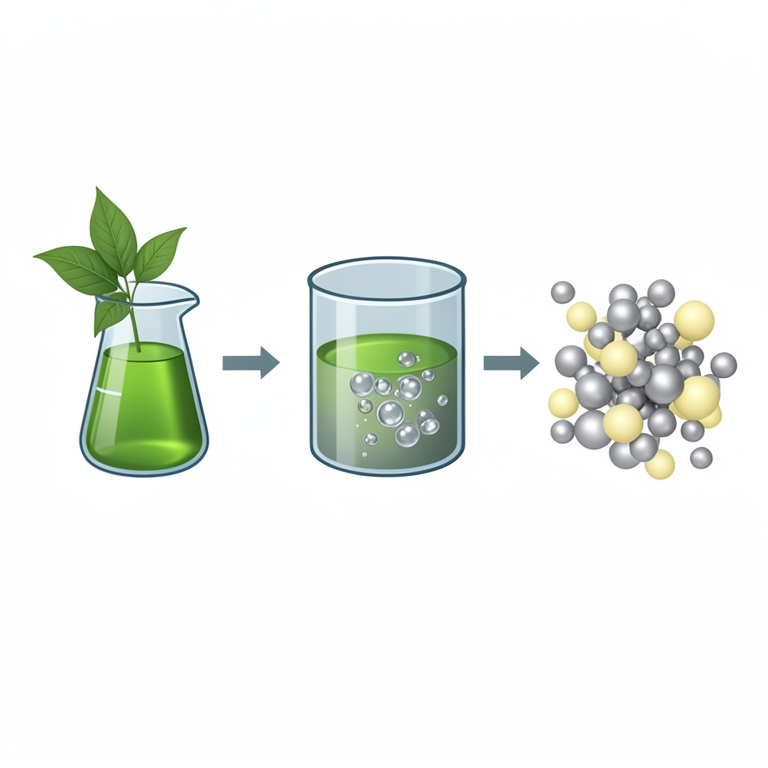
Green Synthesis Process
AI-generated conceptual illustration (green leaves, plant extract liquid, and silver and cerium oxide nanoparticles). It explains the idea and does not show study data.
View source evidence ↗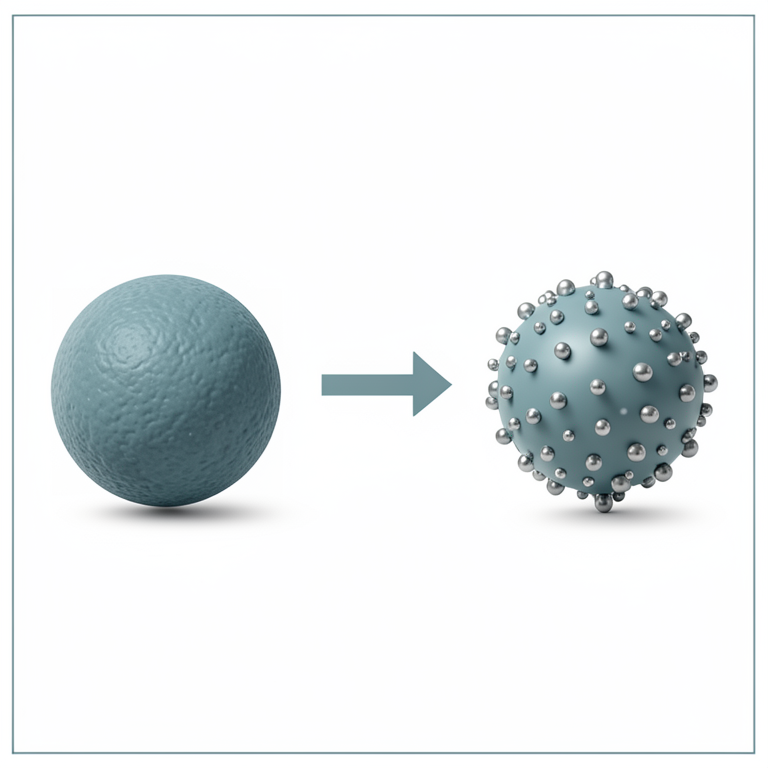
Synergistic Hybrid Nanoparticles
AI-generated conceptual illustration (Cerium oxide and silver hybrid nanoparticles). It explains the idea and does not show study data.
View source evidence ↗Introduction
Nanotechnology has emerged as one of the most transformative fields in modern science, offering innovative solutions across medicine, environmental science, and materials engineering. Nanoparticles, typically ranging from 1 to 100 nm in size, exhibit unique physicochemical properties such as high surface area, quantum effects, and enhanced reactivity, which distinguish them from their bulk counterparts (Charbgoo et al., 2017) [3] . Among these, metal and metal oxide nanoparticles (MONPs) particularly cerium oxide (CeO₂) and silver (Ag) nanoparticles have gained significant attention due to their remarkable catalytic, antimicrobial, antioxidant, and anticancer properties. CeO₂ nanoparticles are especially notable for their redox-active surface chemistry, characterized by the reversible transition between Ce³⁺ and Ce⁴⁺ oxidation states. This property enables them to act as both reactive oxygen species (ROS) scavengers and generators, making them highly valuable in biomedical applications such as cancer therapy, neuroprotection, and tissue regeneration. Despite these advantages, conventional methods for nanoparticle synthesis including chemical reduction, sol-gel processes, and physical techniques often involve hazardous chemicals, high energy consumption, and environmentally harmful by-products. These limitations have prompted the development of green synthesis approaches, which utilize biological systems such as plant extracts, microorganisms, and bio-waste materials as eco-friendly alternatives.
Plant-mediated synthesis has gained particular prominence due to its simplicity, scalability, and efficiency. Plant extracts are rich in bioactive compounds such as polyphenols, flavonoids, alkaloids, and proteins, which act as natural reducing and stabilizing agents during nanoparticle formation. This eliminates the need for toxic reagents while enhancing the biocompatibility and stability of the resulting nanoparticles. In recent years, the integration of green chemistry and nanotechnology has led to the development of bio-inspired nanomaterials with improved therapeutic performance. Greensynthesized nanoparticles have demonstrated significant potential in various biomedical applications, including antimicrobial therapy, anticancer treatment, drug delivery, wound healing, and bioimaging. Additionally, hybrid systems such as Ag/CeO₂ nanocomposites have shown synergistic effects, combining the antioxidant properties of cerium oxide with the antimicrobial efficacy of silver. However, despite rapid progress, several challenges remain, including variability in plant extract composition, lack of standardization, limited reproducibility, and insufficient clinical validation. Addressing these challenges is essential for translating laboratory-scale research into real-world biomedical applications. Therefore, this paper aims to provide a comprehensive overview of the green synthesis of CeO₂ and Ag nanoparticles using plant extracts and bio-waste, with a particular focus on synthesis mechanisms, physicochemical characteristics, and biomedical applications. The study also highlights current limitations and future research directions in this rapidly evolving field.
Mechanism of Green Synthesis 2.1 Role of Phytochemicals in Nanoparticle Formation
The green synthesis of metal and metal oxide nanoparticles is primarily driven by phytochemicals present in plant extracts and bio-waste materials. These include flavonoids, phenolic acids, alkaloids, terpenoids, proteins, and polysaccharides, which act as both reducing and stabilizing agents. The presence of functional groups such as hydroxyl, carbonyl, and amine enables these biomolecules to interact with metal ions and facilitate their transformation into nanoparticles. The efficiency of this process depends on the composition and concentration of these bioactive compounds.
Reduction of Metal Ions
The mechanism begins with the reduction of metal precursor ions such as Ag⁺ and Ce⁴⁺ through electron donation by phytochemicals. During this step, silver ions are reduced to metallic silver (Ag⁰), while cerium ions undergo redox reactions forming cerium oxide (CeO₂) nanoparticles via Ce³⁺/Ce⁴⁺ transitions. This redox process is influenced by environmental conditions such as pH, temperature, and reaction time, which control the kinetics and efficiency of nanoparticle formation.
Nucleation and Growth Process
After reduction, the generated metal atoms aggregate to form small clusters known as nuclei. These nuclei serve as seeds for further growth, where nanoparticles increase in size through coalescence and Ostwald ripening. The rate of nucleation and growth determines the final size, shape, and distribution of nanoparticles. Controlled growth is essential for achieving uniform and functionally effective nanostructures.
Stabilization and Capping Mechanism
Phytochemicals adsorb onto the surface of newly formed nanoparticles, acting as natural capping agents that prevent aggregation and enhance stability. This capping layer also influences surface charge, dispersion, and interaction with biological systems. Stabilization is crucial for maintaining nanoparticle integrity and improving their biocompatibility (Nasrollahzadeh et al., 2019) [11] .
Mechanism Specific to CeO₂ and Ag Nanoparticles
In cerium oxide nanoparticles, the mechanism involves oxygen vacancy formation and reversible redox cycling between Ce³⁺ and Ce⁴⁺ states, which contributes to their antioxidant and catalytic properties. In contrast, silver nanoparticles exhibit strong surface plasmon resonance and antimicrobial activity due to their ability to generate reactive oxygen species. In hybrid systems such as Ag/CeO₂ nanocomposites, plant-derived compounds facilitate simultaneous reduction and deposition, resulting in synergistic biological effects.
Green Synthesis of Cerium Oxide (CeO₂) Nanoparticles
The green synthesis of cerium oxide nanoparticles using plant extracts or bio-waste involves an eco-friendly and efficient approach that replaces conventional chemical methods. Typically, a cerium precursor such as cerium nitrate [Ce(NO₃)₃] or cerium chloride is dissolved in an aqueous medium and mixed with plant extract under controlled conditions. The phytochemicals present in the extract act as reducing and stabilizing agents, facilitating the conversion of cerium ions into cerium oxide nanoparticles. During this process, hydrolysis and oxidation reactions occur, leading to the formation of CeO₂ through intermediate cerium hydroxide species (Nadeem et al., 2020) [10] . The synthesis conditions, including pH, temperature, and reaction time, significantly influence the morphology, crystallinity, and size of the nanoparticles. Typically, alkaline conditions favor the formation of stable CeO₂ nanoparticles with uniform. The synthesized nanoparticles are then collected through centrifugation, washed to remove impurities, and calcined at elevated temperatures to enhance crystallinity and remove residual organic compounds.
Green Synthesis of Silver (Ag) Nanoparticles
Silver nanoparticles are among the most widely synthesized nanomaterials using green methods due to their strong antimicrobial properties. In plant-mediated synthesis, silver nitrate (AgNO₃) is commonly used as the precursor. The plant extract is added to the silver salt solution, where phytochemicals reduce Ag⁺ ions to metallic silver (Ag⁰). This process is often indicated by a visible color change from pale yellow to brown due to surface plasmon resonance, confirming nanoparticle formation (Ahmed et al., 2016) [1] . The synthesis is typically carried out under mild conditions, making it energy-efficient and scalable. Parameters such as extract concentration, temperature, and pH control the rate of reduction and the resulting nanoparticle size and shape. The nanoparticles are stabilized by biomolecules present in the extract, which prevent aggregation and enhance their dispersion. The resulting Ag nanoparticles generally exhibit in the range of 10-50 nm and show enhanced biological activity due to their biofunctionalized surface (Nasrollahzadeh et al., 2019) [11] .
Synthesis of Ag/CeO₂ Nanocomposites
Recent advancements have focused on the synthesis of hybrid nanocomposites such as Ag/CeO₂ using green methods. In this approach, plant extracts facilitate either simultaneous or sequential synthesis of both components. Typically, CeO₂ nanoparticles are first synthesized and then decorated with silver nanoparticles through in situ reduction of Ag⁺ ions. Alternatively, both metal precursors can be reduced together in a single-step process. These nanocomposites exhibit enhanced physicochemical and biological properties due to synergistic interactions between silver and cerium oxide. The presence of Ag improves antimicrobial activity, while CeO₂ contributes antioxidant and catalytic properties. Green synthesis of such composites using plant extracts like Curcuma longa or Matricaria chamomilla has demonstrated improved stability, reduced toxicity, and superior biomedical performance.
Factors Affecting Green Synthesis
The synthesis of nanoparticles using plant extracts is highly sensitive to experimental conditions. Parameters such as pH, temperature, concentration of metal precursors, and type of plant extract influence the size, morphology, and yield of nanoparticles. Higher temperatures generally accelerate reaction rates, while pH affects the ionization of phytochemicals and their reducing capacity. Additionally, variability in plant composition can lead to differences in nanoparticle characteristics, highlighting the need for standardization.
Advantages of Green Synthesis Approach
The use of plant extracts and bio-waste for nanoparticle synthesis offers several advantages, including eco-friendliness, cost-effectiveness, and elimination of toxic chemicals. This method also enhances the biocompatibility of nanoparticles due to the presence of natural capping agents. Furthermore, it supports sustainable development by utilizing renewable biological resources and reducing environmental impact.
Characterization Techniques 4.1 UV-Visible Spectroscopy (UV-Vis Analysis)
UV-Visible spectroscopy is one of the primary techniques used to confirm the formation of nanoparticles in green synthesis. It monitors the optical properties arising from surface plasmon resonance (SPR) in metallic nanoparticles such as silver. Typically, Ag nanoparticles exhibit a characteristic absorption peak around 400-450 nm, indicating successful reduction of Ag⁺ ions. In the case of CeO₂ nanoparticles, absorption peaks are usually observed in the UV region due to charge transfer transitions between O²⁻ and Ce⁴⁺ ions. This technique provides rapid and non-destructive confirmation of nanoparticle formation.
X-ray Diffraction (XRD) Analysis
XRD is used to determine the crystalline structure, phase purity, and average crystallite size of nanoparticles. Green-synthesized CeO₂ nanoparticles typically show characteristic diffraction peaks corresponding to a cubic fluorite structure. The crystallite size can be estimated using the Debye-Scherrer equation. For silver nanoparticles, distinct peaks corresponding to the facecentered cubic (fcc) structure are observed. XRD analysis confirms the successful formation of crystalline nanomaterials.
Fourier Transform Infrared Spectroscopy (FTIR)
FTIR analysis is used to identify functional groups present in plant extracts that are involved in the reduction and stabilization of nanoparticles. Peaks corresponding to hydroxyl, carbonyl, and amine groups indicate the presence of biomolecules such as polyphenols and proteins on the nanoparticle surface. These functional groups play a crucial role in capping and stabilizing nanoparticles, thereby enhancing their biocompatibility (Nasrollahzadeh et al., 2019) [11] .
Scanning Electron Microscopy (SEM)
SEM provides information about the surface morphology and आकार of nanoparticles. It allows visualization of particle distribution, aggregation, and surface texture. Greensynthesized nanoparticles often exhibit spherical or -هبش spherical shapes with relatively uniform distribution. SEM is particularly useful for analyzing surface features at high resolution.
Transmission Electron Microscopy (TEM)
TEM is a powerful technique used to determine the shape, and internal structure of nanoparticles at the nanoscale. It provides high-resolution images that reveal particle distribution and crystallinity. TEM analysis of green-synthesized CeO₂ and Ag nanoparticles typically shows well-dispersed particles in the range of 5-100 nm, depending on synthesis conditions.
Dynamic Light Scattering (DLS) and Zeta Potential Analysis
DLS is used to measure the hydrodynamic size distribution of nanoparticles in colloidal solutions, while zeta potential analysis provides information about surface charge and stability. A high absolute value of zeta potential indicates good stability and reduced aggregation. These techniques are essential for evaluating nanoparticle dispersion and suitability for biomedical applications.
Biomedical Applications 5.1 Antimicrobial Activity
Green-synthesized CeO₂ and Ag nanoparticles exhibit strong antimicrobial properties against a wide range of microorganisms, including Gram-positive and Gram-negative bacteria as well as fungi. Silver nanoparticles, in particular, are highly effective due to their ability to attach to microbial cell membranes, penetrate cells, and disrupt vital cellular functions. They generate reactive oxygen species (ROS), which induce oxidative stress, leading to protein denaturation, DNA damage, and eventual cell death (Ahmed et al., 2016) [1] . CeO₂ nanoparticles also contribute to antimicrobial activity through redox cycling between Ce³⁺ and Ce⁴⁺, enabling ROS generation under certain conditions. When combined as Ag/CeO₂ nanocomposites, these materials exhibit enhanced antimicrobial efficacy due to synergistic interactions (Nadeem et al., 2020) [10] .
Anticancer Activity
Green-synthesized nanoparticles have shown promising anticancer potential due to their ability to selectively target cancer cells. CeO₂ nanoparticles are unique because they can act as antioxidants in normal cells while inducing oxidative stress in cancer cells, thereby promoting apoptosis. This selective behavior is attributed to differences in cellular pH and redox environment. Silver nanoparticles also exhibit cytotoxic effects against cancer cells by generating ROS, disrupting mitochondrial function, and triggering programmed cell death pathways. Additionally, plant-derived capping agents enhance cellular uptake and reduce toxicity toward healthy tissues. Hybrid nanocomposites such as Ag/CeO₂ further improve anticancer efficacy through combined mechanisms.
Antioxidant Activity
CeO₂ nanoparticles are well known for their antioxidant properties, primarily due to their reversible redox cycling between Ce³⁺ and Ce⁴⁺ states. This allows them to scavenge free radicals and mimic the activity of natural enzymes such as catalase and superoxide dismutase. These properties make CeO₂ nanoparticles highly suitable for applications in oxidative stress-related diseases, including neurodegenerative disorders and inflammation (Charbgoo et al., 2017) [3] . Green synthesis enhances antioxidant activity by introducing phytochemicals onto the nanoparticle surface, which further contribute to free radical scavenging.
Wound Healing Applications
Green-synthesized nanoparticles have demonstrated significant potential in wound healing due to their combined antimicrobial and anti-inflammatory properties. Silver nanoparticles prevent infection by inhibiting microbial growth, while CeO₂ nanoparticles promote tissue regeneration through antioxidant activity. These nanoparticles also stimulate collagen synthesis, angiogenesis, and faster re-epithelialization of damaged tissues. The presence of plant-derived biomolecules on nanoparticle surfaces further enhances healing by improving biocompatibility and reducing toxicity.
Drug Delivery Systems
Nanoparticles synthesized via green methods are increasingly being explored as drug delivery carriers due to their small size, large surface area, and ability to be functionalized. CeO₂ nanoparticles can be engineered to carry therapeutic agents and release them in a controlled manner at target sites. Silver nanoparticles can also be conjugated with drugs or biomolecules to enhance delivery efficiency. The natural capping agents from plant extracts provide functional groups that facilitate drug binding and targeted delivery, making these nanoparticles suitable for advanced therapeutic applications.
Bioimaging and Diagnostic Applications
CeO₂ nanoparticles possess unique optical and redox properties that make them suitable for bioimaging and diagnostic applications. Their power to interact with biological systems and generate detectable signals enables their use in imaging techniques. Additionally, surface-modified nanoparticles can act as contrast agents or biosensors for detecting specific biomolecules. Silver nanoparticles also contribute to diagnostic applications due to their strong surface plasmon resonance properties, which are useful in biosensing and imaging technologies.
Anti-inflammatory and Neuroprotective Applications
CeO₂ nanoparticles have shown potential in reducing inflammation and protecting neural tissues by scavenging reactive oxygen species and reducing oxidative damage. These properties make them promising candidates for treating diseases such as Alzheimer's, Parkinson's, and other neurodegenerative disorders. Green-synthesized nanoparticles enhance these effects due to improved biocompatibility and reduced toxicity.
Advantages of Green Synthesis 6.1 Eco-Friendly and Sustainable Approach
Green synthesis of nanoparticles using plant extracts and biowaste is inherently environmentally friendly, as it eliminates the use of toxic chemicals and hazardous solvents commonly employed in conventional methods. This approach aligns with the principles of green chemistry by reducing environmental pollution and minimizing harmful by-products. Additionally, the use of renewable biological resources ensures sustainability and supports environmentally responsible nanomaterial production.
Cost-Effectiveness and Energy Efficiency
One of the major advantages of green synthesis is its costeffectiveness. Plant materials and bio-waste are inexpensive, widely available, and often considered waste products, making them ideal raw materials. Furthermore, the synthesis process typically occurs under mild conditions, such as room temperature and atmospheric pressure, significantly reducing energy consumption compared to high-temperature or highpressure conventional methods.
Elimination of Toxic Chemicals
Traditional nanoparticle synthesis methods often rely on toxic reducing and stabilizing agents, which can pose risks to both human health and the environment. In contrast, green synthesis utilizes natural biomolecules as reducing and capping agents, eliminating the need for harmful chemicals. This makes the resulting nanoparticles safer for biomedical applications, particularly in drug delivery and therapeutic use (Nasrollahzadeh et al., 2019) [11] .
Enhanced Biocompatibility
Nanoparticles synthesized using plant extracts are generally more biocompatible due to the presence of naturally derived surface capping agents. These biomolecules not only stabilize the nanoparticles but also improve their interaction with biological systems. As a result, green-synthesized nanoparticles exhibit reduced cytotoxicity and improved suitability for medical applications such as wound healing, anticancer therapy, and drug delivery.
Simplicity and Scalability
Green synthesis methods are relatively simple and do not require complex instrumentation or highly controlled environments. The procedures typically involve mixing plant extracts with metal precursors, making them easy to perform and scale up for industrial production. This simplicity enhances their practical applicability in large-scale nanoparticle manufacturing.
Utilization of Bio-Waste (Waste-to-Wealth Concept)
The use of agricultural and food waste, such as fruit peels and plant residues, adds significant value to otherwise discarded materials. This "waste-to-wealth" approach not only reduces environmental waste but also contributes to the circular economy by converting low-value biomass into high-value nanomaterials.
Improved Stability and Functionalization
Phytochemicals present in plant extracts act as natural capping agents, providing stability to nanoparticles and preventing aggregation. These biomolecules also introduce functional groups onto the nanoparticle surface, enabling further modification and enhancing their applicability in biomedical fields such as targeted drug delivery and biosensing.
Future Perspectives 7.1 Standardization and Reproducibility of Green Synthesis
One of the most critical future directions in green nanoparticle synthesis is the development of standardized protocols to ensure reproducibility and consistency. Variability in plant extract composition due to differences in species, geographical conditions, and extraction methods often leads to inconsistent nanoparticle properties. Future research should focus on identifying key bioactive compounds responsible for reduction and stabilization, enabling controlled and reproducible synthesis processes.
Scale-Up and Industrial Production
Although green synthesis is effective at the laboratory scale, its transition to industrial-scale production remains a challenge. Future efforts should aim to design scalable, continuous, and cost-efficient production systems. Integration of bioreactors and optimization of reaction parameters will be essential for largescale manufacturing of nanoparticles suitable for commercial and biomedical applications.
Advanced Functionalization and Hybrid Nanomaterials
Future research is expected to focus on the development of advanced nanocomposites and multifunctional nanoparticles. Hybrid systems such as Ag/CeO₂ and other metal oxide composites can provide synergistic effects, enhancing antimicrobial, anticancer, and catalytic properties. Surface functionalization with targeting ligands, polymers, or biomolecules will further improve specificity and efficiency in biomedical applications.
Clinical Translation and Toxicity Evaluation
Despite promising in vitro and in vivo results, the clinical application of green-synthesized nanoparticles is still limited. Comprehensive toxicity studies, long-term biocompatibility assessments, and pharmacokinetic analyses are required before clinical approval. Future studies must address safety concerns, including nanoparticle accumulation, metabolism, and potential side effects, to enable successful translation into clinical practice.
Integration with Drug Delivery and Theranostics
Green nanoparticles hold significant potential in advanced biomedical technologies such as targeted drug delivery and theranostics (combined therapy and diagnostics). Future developments may involve smart nanoparticles capable of controlled drug release, real-time imaging, and disease-specific targeting. This integration can revolutionize personalized medicine and improve treatment outcomes (Mukherjee & Patra).
Conclusion
The green synthesis of metal and metal oxide nanoparticles using plant extracts and bio-waste represents a transformative approach in the field of nanotechnology, offering a sustainable, eco-friendly, and cost-effective alternative to conventional synthesis methods. This study highlights the successful synthesis of cerium oxide (CeO₂) and silver (Ag) nanoparticles through biologically mediated processes, where phytochemicals act as natural reducing and stabilizing agents. Such approaches not only eliminate the use of toxic chemicals but also enhance the biocompatibility and functional properties of the resulting nanoparticles. CeO₂ nanoparticles exhibit unique redox behavior through Ce³⁺/Ce⁴⁺ cycling, enabling both antioxidant and therapeutic applications, while Ag nanoparticles demonstrate strong antimicrobial activity due to their ability to generate reactive oxygen species and disrupt microbial systems. The combination of these nanoparticles into hybrid nanocomposites further enhances their biomedical potential through synergistic effects. Green-synthesized nanoparticles have shown promising applications in antimicrobial therapy, anticancer treatment, wound healing, drug delivery, and bioimaging. Despite these advancements, challenges such as lack of standardization, variability in biological sources, scalability issues, and limited clinical validation remain significant barriers to practical implementation. Addressing these limitations through improved synthesis control, advanced characterization, and rigorous toxicity studies will be essential for future progress. In conclusion, green nanotechnology bridges the gap between sustainability and advanced biomedical innovation. With continued research, interdisciplinary collaboration, and technological integration, plant-and bio-waste-mediated nanoparticle synthesis holds immense potential to contribute to next-generation healthcare solutions and environmentally responsible material science.
References
16 in the original paper- Ahmed S, Ahmad M, Swami BL, Ikram S. A review on plant extract mediated synthesis of silver nanoparticles for antimicrobial applications. Journal of Advanced Research. 2016;7(1):17-28.
- Anjum S, Abbasi BH, Shinwari ZK. Plant-mediated green synthesis of silver nanoparticles for biomedical applications: challenges and opportunities. Pakistan Journal of Botany. 2016;48(5):1731-1760.
- Charbgoo F, Ahmad MB, Darroudi M. Cerium oxide nanoparticles: green synthesis and biological applications. International Journal of Nanomedicine. 2017;12:14011413.
- Dhall A, Self W. Cerium oxide nanoparticles: a brief review of their synthesis methods and biomedical applications. Antioxidants. 2018;7(8):97.
- Gurunathan S, Han JW, Eppakayala V, Kim JH. Green synthesis of silver nanoparticles using plant extracts and their antibacterial activity. Colloids and Surfaces B: Biointerfaces. 2013;102:112-119.
- Iravani S. Green synthesis of metal nanoparticles using plants. Green Chemistry. 2011;13:2638-2650.
- Kalakotla S, Jayarambabu N, Mohan GK. Herbal-mediated synthesis of cerium oxide and silver nanoparticles and their biomedical applications. Colloids and Surfaces B: Biointerfaces. 2019;181:1-10.
- Mittal AK, Chisti Y, Banerjee UC. Synthesis of metallic nanoparticles using plant extracts. Biotechnology Advances. 2013;31(2):346-356.
- Mittal J, Batra A, Singh A, Sharma MM. Phytofabrication of nanoparticles through plant as nanofactories. Advances in Natural Sciences: Nanoscience and Nanotechnology. 2014;5(4):043002.
- Nadeem M, Khan R, Afridi K, Nadhman A. Green synthesis of cerium oxide nanoparticles (CeO₂ nanoparticles) and their antimicrobial applications: a review. International Journal of Nanomedicine. 2020.
- Nasrollahzadeh M, Sajadi SM, Iravani S. Green synthesis of nanoparticles using plant extracts: a review of the mechanisms and applications. Journal of Cleaner Production. 2019;231:596-615.
- Rai M, Yadav A, Gade A. Silver nanoparticles as a new generation of antimicrobials. Biotechnology Advances. 2009;27(1):76-83.
- Rai P, Mehrotra S, Priya S, Gnansounou E. Silver nanoparticles as a potential antibacterial agent. Journal of Nanoscience and Nanotechnology. 2016;16(1):1-17.
- Rajeshkumar S, Naik P. Synthesis and biomedical applications of cerium oxide nanoparticles: a review. Biotechnology Reports. 2018;17:1-5.
- Sharma VK, Yngard RA, Lin Y. Silver nanoparticles: green synthesis and antimicrobial activities. Advances in Colloid and Interface Science. 2009;145(1-2):83-96.
- Singh KRB, Nayak V, Sarkar T, Singh RP. Cerium oxide nanoparticles: properties, biosynthesis and biomedical application. RSC Advances. 2020;10:27194-27214.