
Research article · 2026 · Full text
International Journal of Biology SciencesPost-thaw Quality Assessment of Cryopreserved Murrah Bull Semen: A Comparison of Conventional & Sex-sorted types
Volume 8(4) · Pages 34–40 · DOI: 10.33545/26649926.2026.v8.i4a.617 ↗
Research areasSperm and Testicular FunctionReproductive Physiology in LivestockAnimal Genetics and Reproduction
Abstract
Author-writtenThis study was planned to compared the post-thaw quality of conventional cryopreserved and sex-sorted cryopreserved Murrah bull semen. Samples were thawed properly and evaluated for quality parameters like progressive motility, viability, acrosomal integrity and combined morphological abnormalities using phase-contrast microscopy and eosin-nigrosine, Giemsa and Rose Bengal staining. Statistical analyses (Mann-Whitney U, Fisher’s exact test) revealed no significant differences between groups for motility, live sperm percentage, acrosome integrity or abnormality rates (p > 0.05). Spearman correlation indicated a strong positive association between motility and viability (ρ = 0.58) and negative correlations with structural defects (ρ ≈ −0.59). Hierarchical clustering separated functional (motility, viability) from structural (acrosome, abnormalities) traits. We concluded that under these conditions, sex-sorting steps did not substantially compromise the basic post-thaw sperm quality, implicating cryopreservation as the principal determinant of observed changes.
Summary
Source-checkedPlain-language reading of the full paper, prepared with AI and checked against the text. Each point links to the authors' own words.
Why it matters
- Livestock production is economically vital to India, contributing over 5.50% of the national Gross Value Added (GVA) between 2022 and 2023. View evidence ↗
- The Murrah buffalo is the most prevalent breed in India, representing 42.8% of the total buffalo population. View evidence ↗
- Sex-sorting technology is used in the dairy industry to increase the probability of female calves, which optimizes resource use by producing more productive animals. View evidence ↗
The question
- The study aimed to compare the post-thaw sperm quality parameters of conventional cryopreserved semen versus sex-sorted cryopreserved semen from Murrah bulls. View evidence ↗
What they did
- The researchers analyzed 54 conventional semen straws and 79 sex-sorted cryopreserved semen straws. View evidence ↗
- Semen quality was assessed using phase-contrast microscopy for motility and specific stains (Eosin-nigrosine, Rose Bengal, and Giemsa) to evaluate viability, abnormalities, and acrosomal integrity. View evidence ↗
- Data analysis was conducted using R version 4.5.2, employing non-parametric tests for statistical comparisons. View evidence ↗
What they found
- There were no statistically significant differences (P<0.05) between unsorted and sex-sorted semen regarding individual motility and the percentage of live sperm. View evidence ↗
- Differences in acrosomal integrity and abnormalities were statistically non-significant (P<0.05), although an effect size of approximately 1.51 was observed for both. View evidence ↗
- A strong positive correlation (ρ = 0.58) was found between motility and viability, meaning higher motility was associated with higher sperm viability. View evidence ↗
- Motility was inversely correlated (ρ = -0.59) with structural defects, including acrosome integrity and overall abnormalities. View evidence ↗
- Hierarchical clustering separated the parameters into two groups: a structural-defect cluster (acrosomal integrity and abnormalities) and a functional viability cluster (motility and live score). View evidence ↗
What it means
- The authors concluded that sex sorting did not substantially impair the post-thaw quality of Murrah bull semen in terms of motility, vitality, acrosomal integrity, or morphology. View evidence ↗
- The authors suggest that cryopreservation, rather than the sex-sorting process, is the primary factor affecting the quality of thawed semen. View evidence ↗
- The authors note that a larger sample size may be necessary to accurately determine the exact differences between unsorted and sex-sorted semen due to observed percent differences and moderate effect sizes. View evidence ↗
Visual summary
1 visualsIllustrations explain the paper; they do not show study data.
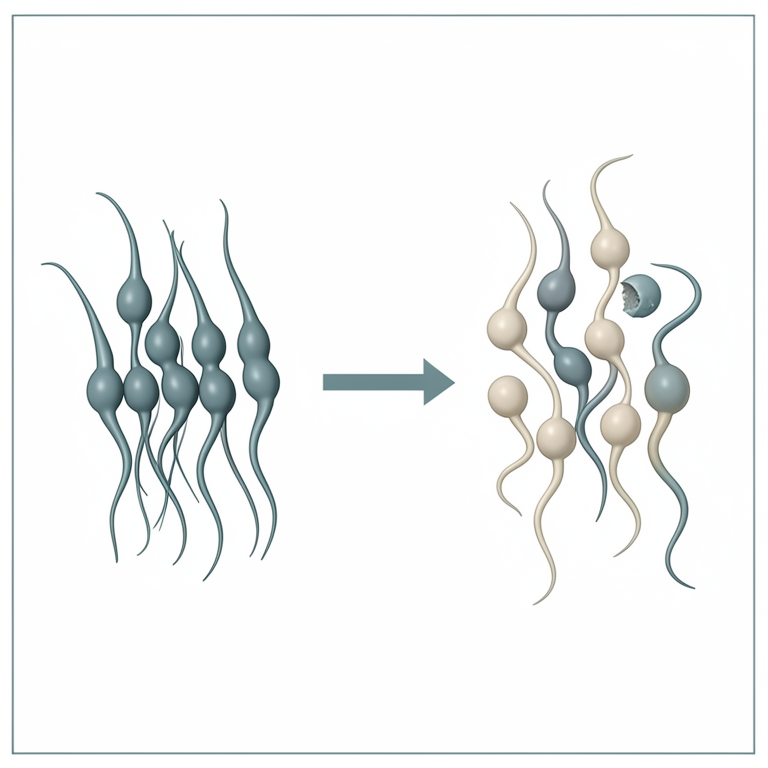
Semen Quality Parameter Clustering
AI-generated conceptual illustration (Murrah bull sperm cells). It explains the idea and does not show study data.
View source evidence ↗Figures & tables
From the original paper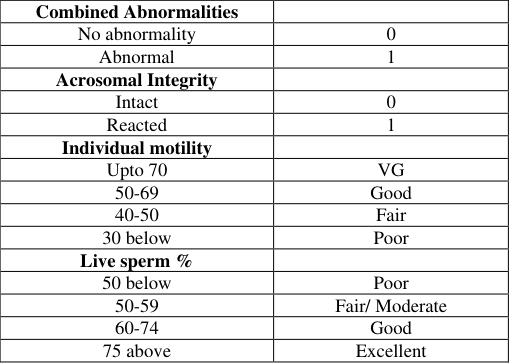 Table 1
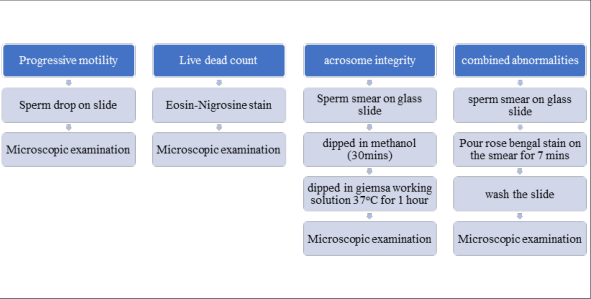 Figure 1
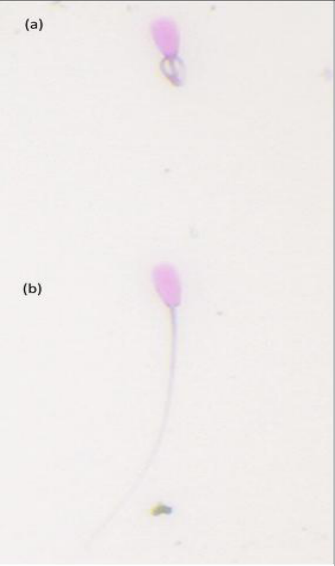 Fig. 2
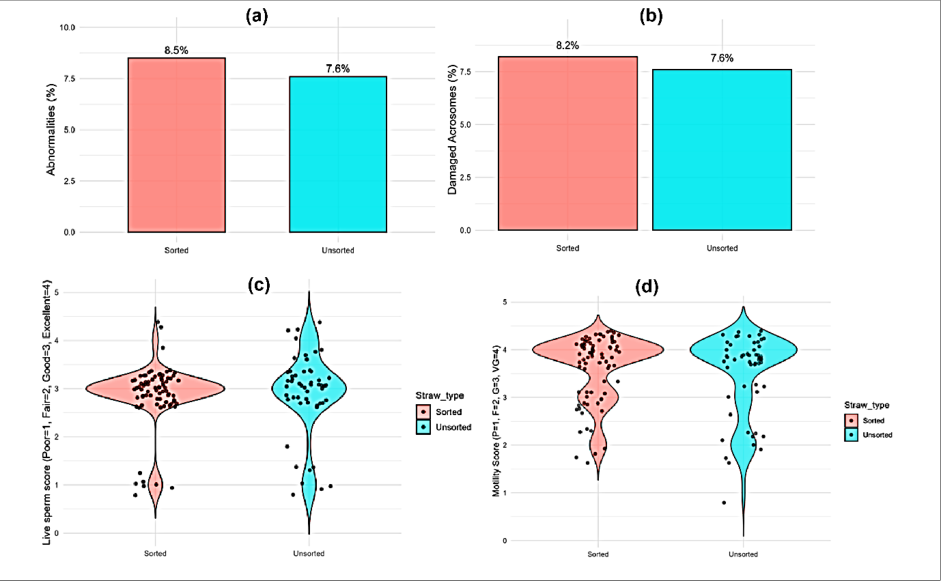 Figure 3
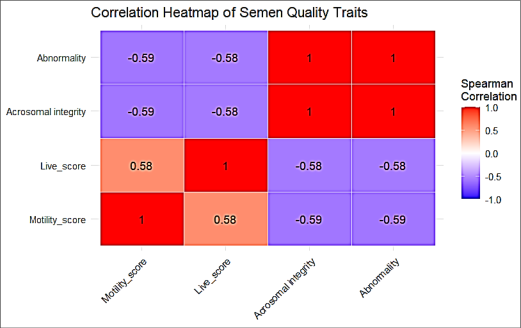 Figure 4
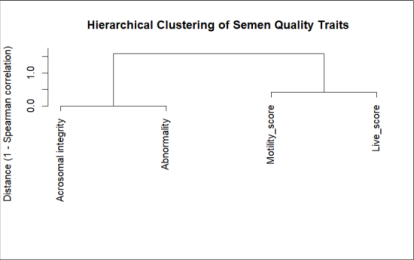 Figure 5
Introduction
In 2022-2023, livestock production made up over 5.50% of India's Gross Value Added (GVA) and 30.23% of the GVA from the agriculture and related sectors, highlighting the sector's significant economic importance. These numbers demonstrate India's standing as one of the top livestock-producing nations in the world [1] . Because of their high-fat milk production, disease resistance, and ability to adapt to tropical conditions, buffaloes are crucial to the smallholder farming systems that predominate in rural India. Also, India has a large buffalo population (109.85 million) which contributes about 45.0% of the total milk production of country (20 th Livestock census) [2] , and about 31.58% of this buffalo milk is obtained from registered breeds and rest 13.49% from non-descript animals [2] . Murrah is the most common breed of buffalo, accounting for 42.8% of overall population, this includes 32.8 million graded and 14.2 million purebred individuals [4] . They are native to Punjab and Haryana and are known for their high lactation yields [5] . They have also been exported as live animals or frozen semen to enhance dairy herds in the Middle East [6] , Asia [7] , and Latin America [8] . However, despite advancements, only about 40% of female buffaloes that are actively reproducing have AI coverage [3] . Murrah bull spermatozoa possess critical characteristics that augment fertilization success, including elevated progressive motility (70-80% in fresh semen), viability (85-90%), and acrosome integrity (90-95%), underpinned by vigorous mitochondrial activity [9,10,11,12,13] . Murrah semen is appropriate for artificial insemination (AI) since these characteristics are correlated with reproductive outcomes [9] . Nevertheless, similar to other bovines, Murrah sperm are vulnerable to cryopreservation, handling, sex sorting procedures and oxidative stress, which can result in decreased viability (50-60%), acrosome integrity (60-70%), and post-thaw motility (40-50%), as well as an increase in morphological abnormalities (15-25%) [14, 6, 15] . By facilitating the broad distribution of exceptional genetics, optimizing the use of elite sires, and producing financial gains, artificial insemination using cryopreserved semen has transformed cattle breeding [16,17] . With osmotic changes, cold shock, ice crystal formation, reactive oxygen species (ROS) generation, ion channel disruption, and ATP depletion, cryopreservation causes cryoinjury, which leads to DNA fragmentation, acrosomal damage, membrane destabilization, and loss of motility [16,18,17,19,15,20] . Fertility is compromised when up to 40-70% of spermatozoa sustain fatal or sub-lethal injury [17] .
A new emerging trend is the adoption of sex sorting technique in livestock sector. Sex sorting of spermatozoa allows for increased probability of a particular sex of calf, in this case female calves. AI from sex sorted semen is especially useful in dairying industry as it gives birth to mostly female offsprings, thus efficiently streamlining the resources into productive animals only. Sex sorting or sperm sorting of spermatozoa is achieved by flowcytometry, which allows for separation of X bearing and Y bearing live spermatozoa, which can be used in artificial insemination procedures. It has been shown that flow cytometry achieves high sorting purity (~90%) based on a DNA differential, of around 3.59% between X-and Y-sperm, in Murrah buffaloes [21,22] . However, compared to conventional semen, the method results in decreased post-thaw motility, viability, mitochondrial potential, and acrosome integrity due to the added stressors of mechanical shear, Hoechst staining, and UV exposure [23,24] . Hence, the average conception rates with sex-sorted Murrah semen is around 40.54%, which is lower than 50% for conventional semen, mainly due to fewer cells per dose and amplified bull fertility variations [25,26,27] . Keeping these facts, the current study was planned to study the sperm quality parameters between conventional and sex sorted cryopreserved semen of Murrah bull.
Materials and Methods
Materials and Methods
Sampling
For this study, frozen semen straws of both conventional and sex sorted type were procured from centres of Department of Animal Husbandry and Dairying, Govt. of M.P. Conventional semen straws (n=54) and sex-sorted cryopreserved semen straws (n=79), were obtained and brought to the molecular laboratory at Animal Biotechnology Centre, NDVSU in liquid nitrogen filled cylinder for further processing.
Sample Preparation
Using sterile tweezers or forceps with cryoprotectant gloves, conventional and sex-sorted cryopreserved semen straws were carefully removed from the cryo-cylinder. Straws were thawed in a water bath at 37°C for one minute. After wiping the straws to prevent contamination, a sterile scissor or straw cutter was used to cut the laboratory end, and a sterile micropipette or AI gun was inserted from the factory end to push and decant the semen from the straws. sodium citrate dehydrate with 5 gm of eosin stain was mixed followed by heating till boiling of the solution and was filtered and then stored at room temperature.
Stains
Commercially available nigrosine (HIMEDIA) was used to make 1:3 of eosin-nigrosine stain solution. d) Giemsa stain: 1gm Giemsa stain powder was grounded along with 98ml methanol. Subsequently, 32ml glycerol was added to the mixture and stored at 37 o C for a month. During this period the stain mixture was mixed well for a few minutes every day and before use. For making working solution, in borosilicate glass bottle, 3.00 ml of Giemsa stock solution was added followed by 2.00 ml of Sorenson's 0.1M phosphate buffer and 35.00 ml double glass distilled water and was mixed gently and stored.
Spermatozoa evaluation for quality parameters
Both conventional cryopreserved and sex-sorted cryopreserved semen straws were used to study quality parameters. The individual motility (percentage of progressively motile spermatozoa) was evaluated as described before [31] . The percentage of live and dead spermatozoa were estimated by staining with Eosinnigrosine stain [32] . The combined abnormalities were analyzed by staining with Rose Bengal stain as described before [33] , and the acrosomal integrity was studied by staining the semen smears with Giemsa stain as described before [34] . The combine workflow of sample processing and sperm parameter evaluation is given in Fig. 1.
a) Individual motility (percentage of progressively motile spermatozoa):
A heated-stage phase-contrast microscope (40X magnification) kept at 37°C was used to observe progressively motile spermatozoa. A drop of frozen-thawed semen was carefully placed on a microscope slide and covered with a coverslip and examined. Total of 200 spermatozoa were systematically counted across multiple fields, and the percentage motility was calculated using the following formula:
Progressive sperm motility (%) = live spermatozoa/ total spermatozoa counted x 100 b) Sperm viability (live percentage): Sperm viability was tested using eosin-nigrosine staining method. The sperm viability (%) was observed on the basis of live spermatozoa and their intact membrane structure and hence it prevented stain from entering sperm membrane. A thin smear was prepared from thawed semen using spreader on a sterile glass slide kept on warm stage at 37 0 C and stained with eosin: nigrosine (1:3) stain. The slide was air-dried and examined under 100× magnification. About 200 sperms were counted. Sperms that were colorless (unstained) were classified as live and sperms which showed any pink or red coloration were considered as dead (stained). Number of live spermatozoa (%) were calculated using formula:
Percent live spermatozoa = Live spermatozoa/ Total spermatozoa counted ×100 c) Combined abnormalities: The frozen-thawed semen was examined for combined abnormalities after staining with Rose Bengal. Spermatozoa were counted across various areas using 40X and 100X magnifications. Slides stained with Rose Bengal revealed spermatozoa with varied abnormalities in the head, tail, and midpiece regions. The stain gave the spermatozoa a pink color, making it easier to identify and examine and defects. A thin smear of thawed semen was prepared on a clean glass slide and allowed to air dry. Rose Bengal stain was added to the slide having semen smear and incubated for 7-8 minutes at room temperature. The slide was then thoroughly cleaned with running tap water, air-dried, and examined under microscope. d) Acrosomal integrity: A sperm smear was made on a clean glass slide, rapidly air-dried by hand waving, and then fixed in methanol for 30 minutes. The smeared slide was then transferred to a coupling jar containing a working solution of Giemsa stain and incubated at 37°C for 1 hour. After staining, slides were air-dried and examined under oil immersion at 100× magnification. Spermatozoa with intact acrosomes (a dark purple stain) and those with damaged acrosomes (no staining) were tallied over numerous fields. The percentage of spermatozoa with intact acrosomes was then evaluated using the formula: Acrosome integrity = Total number of sperms with intact acrosome/ Total spermatozoa counted ×100
Statistical analysis
Statistical analysis was done in R 4.5.2. As the data comprised of heterogenous measurement scales, the individual motility and live sperm percentage were first converted into categorical type using Chenoweth et al. (1993) [35] . Abnormalities and acrosomal integrity were coded as per given in Table 1. Analyses were performed in R (version 4.5.2) using base functions for descriptive statistics and non-parametric tests. Data visualization was carried out with the ggplot2 package, while tidyr was used for data reshaping. Correlation matrices were computed using Spearman's rank correlation and visualized as clustered heatmaps with the pheatmap package.
| Combined Abnormalities | — |
|---|---|
| No abnormality | 0 |
| Abnormal | 1 |
| Acrosomal Integrity | |
| Intact | 0 |
| Reacted | 1 |
| Individual motility | |
| Upto 70 | VG |
| 50-69 | Good |
| 40-50 | Fair |
| 30 below | Poor |
| Live sperm % | |
| 50 below | Poor |
| 50-59 | Fair/ Moderate |
| 60-74 | Good |
| 75 above | Excellent |
Table text extracted from the original PDF; superscript letters are shown inline. The original table image is below.
View original table image
Results
Descriptive statistics were computed as percentage as the data was in categorical form. For individual motility, the unsorted straws showed 62.0% in very good category, and 27.8% in good category. The sorted straws showed 57% in very good category and 17% in good category. Both the straws showed some level of damaged acrosomal integrity, for unsorted straws it was 7.6% and for sorted straws it was 8.2%. Abnormalities were grouped as either having abnormalities (combined of all types) or no abnormality (Fig. 2). The unsorted straws showed 7.6% total abnormalities and sorted showed 8.5% total abnormalities. Similarly, live sperm count was categorized as good, excellent, poor and fair. The unsorted straws showed 69.6% in good category and 19% in excellent category, the sorted straws showed 59% as good category and 10% in excellent category of live sperm count. A comparative illustration of semen quality parameters is given in Fig 3.
Comparison of semen quality parameters
Unsorted and sex sorted semen straws were statistically compared, using R package, to assess any difference between their studied quality parameters viz., motility, live sperm %, acrosomal integrity, and abnormality.
For individual motility and live sperm percentage, Mann Whitney U test with effect size estimation was performed.
Although both the parameters showed percent difference between both types of straws, statistically the difference between unsorted and sex sorted straws in individual motility and live sperm percentage was found to be nonsignificant (P<0.05). The effect was for individual motility was 0.02 and for live sperm percentage was -0.06 indicating close negligible effect size. Similarly, for acrosomal integrity and abnormalities Fisher's exact test was used. For both traits, the difference between the unsorted and sex sorted straws was non-significant (P<0.05). However, the effect size for acrosomal integrity and abnormalities both was approximately 1.51. This indicates that there is a meaningful difference between the unsorted and sex sorted straws for these two traits, however a large sample size may be required to accurately assess the result statistically.
Spearman rank correlation and hierarchical clustering
Spearman's rank correlation analysis was used to find out correlation between traits among the two groups of straws. The correlation matrix is shown in Fig. 4. Expectedly, there was a strong positive connection (p = 0.58) between motility score and live score, indicating that samples with higher motility had higher viability. In contrast, motility score was inversely associated with structural defects, indicating an inverse connection with both acrosome integrity and overall abnormalities (p = -0.59). This suggests that as the frequency of morphological abnormalities or reactive acrosomes increases, sperm motility decreases correspondingly. Hierarchical clustering analysis confirmed the correlation findings by dividing the parameters into two functional clusters. Acrosomal integrity and abnormality formed a strongly linked cluster (Distance = 0), highlighting their shared importance as indications of structural defects or damage. In contrast, motility score and live score grouped separately, indicating functional viability features (Fig 5 .).
Discussion
This study explored the variations in post thaw sperm quality parameters, of Murrah buffalo semen, of sex sorted and unsorted types. There was no significant differences between sex-sorted and conventional semen in terms of progressive motility, live sperm (%), acrosomal integrity, or combination abnormalities, contrary to previous findings. Although percent difference exists and a considerable effect size was observable for acrosomal integrity and abnormalities but the overall model remained nonsignificant.
Progressive motility
Previous studies have consistently reported reduced progressive motility in sex-sorted semen compared with conventional semen. For example, Carvalho et al. (2018) demonstrated significantly lower mitochondrial membrane potential, reduced plasma membrane stability, and markedly decreased total and progressive motility in sorted samples of both Bos taurus and Bos indicus [28] . Similarly, Gaddam et al. (2022) reported superior motility in unsorted semen [36] , and Rajalakshmi et al. (2025) identified altered membrane characteristics in sex-sorted samples [37] . In contrast, our findings revealed no significant differences in motility between the two straw types, with minimal effect sizes suggesting biological comparability. Advances in flow cytometry, improved cryoprotectants, controlled laser exposure, and enhanced sorting efficiency may have mitigated mechanical and oxidative stress during processing. Moreover, immediate post-thaw evaluation under standardized conditions likely reduced variability associated with prolonged incubation or capacitation-related instability. Finally, the categorical scoring system employed [35] may not detect subtle kinematic differences that are readily identified using computer-assisted sperm analysis (CASA).
Live Sperm Percentage (Viability)
Assessment of live sperm percentage by eosin-nigrosin staining demonstrated no significant difference between sexsorted and conventional cryopreserved semen (Mann-Whitney U test: W = 2001.5, p = 0.39), with a negligible effect size (-0.062). The overall mean live score was 2.87 (median 3.0), corresponding predominantly to the "good" category (60-74% live sperm) [35] , indicating preserved postthaw membrane integrity in both groups. Spearman's rank analysis showed a positive correlation between viability and motility (ρ = 0.58) and negative correlations with acrosomal defects and morphological abnormalities (ρ ≈ -0.58). Hierarchical clustering grouped viability with motility as functional traits, distinct from structural defect indicators, while principal component analysis revealed strong positive loading of viability metrics on the primary components explaining most dataset variance. These findings are consistent with recent buffalo cryopreservation studies reporting post-thaw viability of 60-70%. For example, Bansal et al. (2025) reported 66.72 ± 2.18% live sperm at optimal ejaculate concentrations (1.2-1.5 × 10⁹ sperm/mL) [29] ; Riwua et al. (2023) observed 66.45 ± 2.31% viability using soybean lecithin-based extenders [38] ; Said et al. (2024) documented variability (48.62 ± 2.14% to 64.78 ± 2.36%) associated with proteomic factors [39] ; and Mu et al. (2024) reported 65.28 ± 2.14% baseline viability in unsorted semen, increasing to >68% following microfluidic selection [40] . The concordance of our results with these reports likely reflects advances in extender formulations, cryoprotectants, controlled freezing protocols, and improved flow cytometry parameters that reduce oxidative and mechanical stress. Future research could use proteomic markers to forecast and improve results, while these insights enable the adoption of sex-sorted semen without viability trade-offs, potentially boosting herd genetics in programs that prioritize female progeny.
Acrosomal Integrity and Combined Abnormalities
In our study, acrosomal integrity and morphological abnormalities (Rose Bengal stain) did not differ significantly between sex-sorted and conventional cryopreserved semen (Fisher's Exact Test: p = 0.546), with negligible effect size, indicating that sorting did not induce measurable structural damage. Hierarchical clustering grouped acrosomal integrity and abnormalities into a distinct structural-defect cluster (distance ≈ 0), separate from functional traits (motility, viability). Spearman's analysis showed negative correlations of structural defects with motility (ρ = -0.59) and viability (ρ ≈ -0.58), while PCA demonstrated negative loading of these parameters on primary components, suggesting cryopreservation rather than sorting as the principal source of structural stress. Comparable post-thaw acrosomal integrity (62-74%) has been reported in buffalo semen [34,41] . Yadav et al. (2019) observed up to 67.58 ± 0.44% live sperm with intact acrosomes following glutathione supplementation [42] . Morphological abnormalities in bovine semen generally range from 8-10% and remain <20% post-thaw [43] , while 8.83 ± 0.17% abnormalities in sex-sorted bulls have been reported [37] . A weak negative association between abnormalities and acrosomal integrity (ρ = -0.178, p < 0.05) was also reported [44] . Overall, structural parameters remained within acceptable limits (<20%), supporting the suitability of sex-sorted semen for artificial insemination.
Conclusion
The present study revealed that in cryopreserved Murrah bull semen, under the assessed conditions, sex sorting did not substantially impair progressive motility, vitality, acrosomal integrity, or morphological normality. Cryopreservation seems to be the principal factor influencing the quality of post-thawed semen, and both functional and structural metrics showed consistent biological integration. Although, percent difference and moderate effect size indicates that more number of samples may need to decipher the exact differences between the two groups (unsorted and sex sorted cryopreserved semen).
Acknowledgement
AcknowledgementThe authors would like to thank Department of Animal Husbandry and Dairying, M.P. for providing the semen samples required for the study. The first author is also thankful to the Director of Instructions, NDVSU for providing the necessary financial support to carry out this research work.
References
41 in the original paper- Press Information Bureau (PIB). Year-end review 2024: Department of Animal Husbandry and Dairying [Internet]. 2024 [cited 2026 Apr 5]. Available from: https://www.pib.gov.in/PressReleasePage.aspx?PRID= 2086052
- Datta TK. Our buffalo breeding experience in India: A journey of the last 50 years. In: Proceedings of the 13th World Buffalo Congress; 2023. Vol. 33(Suppl):1-10. ICAR-Central Institute for Research on Buffaloes. Available from: https://doi.org/10.52973/rcfcv-wbc006
- Warriach HM, McGill DM, Bush RD, Wynn PC, Chohan KR. A review of recent developments in buffalo reproduction. Asian-Australas J Anim Sci. 2015;28(3):451-455.
- Tyagi SK, Mehrotra A, Singh A, Kumar A, Dutt T, Mishra BP, et al. Comparative signatures of selection analyses identify loci under positive selection in Murrah buffalo of India. Front Genet. 2021;12:673697.
- Anonymous. Partnership between Brazil and India to ensure buffalo semen imports for Embrapa [Internet]. 2019 [cited 2026 Apr 5]. Available from: https://www.embrapa.br
- Singh RK, Kumaresan A, Mir MA, Kumar P, Chhillar S, Tripathi UK, et al. Computer assisted sperm analysis: Relationship between movement characteristics of buffalo spermatozoa and sire fertility. Indian J Anim Res. 2016;51(4):660-664.
- Singh P, Kaur S, Kumar A, Kashyap N, Mukhopadhyay CS, Malhotra P. Comparative study of semen quality traits between Murrah and Nili Ravi buffalo bulls. Indian J Anim Res. 2023;57(8):1-6.
- Xiong Z, Zhang H, Huang B, Liu Q, Wang Y, Shi D, et al. Expression pattern of prohibitin, CAPZB and tektin2 gene in Murrah buffalo sperm and its relationship with motility. Asian-Australas J Anim Sci. 2018;31(11):1729-1737.
- Deshmukh B, Verma A, Gupta ID, Kashyap N, Saikia J. SNP identification in SPAG11B gene and its International Journal of Biology Sciences https://www.biologyjournal.net association with sperm quality traits in Murrah bulls. Indian J Anim Res. 2021;55(9):1005-1009.
- Revanasiddu D, Ramesha KP, Kour RJ, Kumar AM, Divya P, Kataktalware MA, et al. Genetic variants in MSY region of ZNF280BY gene and association with semen quality traits. Indian J Anim Res. 2019;53(9):1135-1139.
- Minervini F, Rosangela G, Pizzi F, Dell'Aquila M, Barile VL. Assessment of functional parameters of frozen-thawed buffalo spermatozoa. Reprod Domest Anim. 2012;48(2):317-324.
- Watson PF. The causes of reduced fertility with cryopreserved semen. Anim Reprod Sci. 2000;61:481492.
- Makhanbetova A, Savvulidi FG, Ptáček M, Langerová L, Kulataev B, Malmakov N. Association between semen variables and sperm freezability in rams. Czech J Anim Sci. 2025;70(3):93-101.
- Zhang R, Wang X, Liu R, Mei Y, Miao X, Ma J, et al. Proteomics and metabolomics analyses of bovine sperm cryoinjury. BMC Genomics. 2025;26(1):63.
- Ibrahim MA. Bull sperm cryopreservation: Current status and future perspectives. Ger J Vet Res. 2024;4(1):9-22.
- Ahmed H, Andrabi SMH, Shah SAH, Jahan S. Effect of cryopreservation on CASA characteristics and fertility of buffalo spermatozoa. CryoLetters. 2019;40(3):173180.
- Purdy PH. A review on goat sperm cryopreservation. Small Rumin Res. 2006;63(3):215-225.
- Kumar N, Gebrekidan B, Gebrewahd TT, Hadush B. Sexed semen technology in cattle. Indian J Anim Health. 2017;56(2):157-168.
- Moruzzi JF. Selecting mammalian species for determination of X-and Y-bearing sperm. J Reprod Fertil. 1979;57:319-323.
- Garner DL, Seidel GE Jr. History of commercializing sexed semen for cattle. Theriogenology. 2008;69(7):886-895.
- Underwood SL, Bathgate R, Eamens AL, Gibb Z, Aitken RJ. Role of oxidative stress in stallion sperm functionality. Anim Reprod Sci. 2010;118(1):90-96.
- Bhagat RL, Ismail SMA, Sontakke SH, Joshi SA, Khadse JR, Shivarudrappa B. Performance of buffalo sex sorted semen in southern India. Int J Vet Sci Anim Husbandry. 2024;9(5):195-199.
- Sawant SS, Patil MG, Ingawale M, Hase PB. Effect of sexed and conventional semen on pregnancy rate in Murrah buffaloes. Indian J Vet Sci Biotechnol. 2022;18(4):143-144.
- Rhinehart J. Role of gender-sorted semen in rebuilding beef herd [Internet]. 2015 [cited 2026 Apr 5].
- Carvalho JdO, Sartori R, Rodello L, Mourão GB, Bicudo SD, Dode MAN. Flow cytometry sex sorting affects sperm longevity. Livest Sci. 2018;207:30-37.
- Bansal K, Jhamb D, Yadav U, Meel M, Gupta A, Bala R, et al. Optimal ejaculate concentration for buffalo semen cryopreservation. Front Vet Sci. 2025;12:1594298.
- Kaiin EM, Gunawan M, Maulana T. Morphometry and abnormality of sex-sorted sperm of buffalo. Nusant Biosci. 2017;9(2):175-180.
- Ramos L, Boer P, Meuleman EJH, Braat DDM, Wetzels AMM. Evaluation of ICSI-selected epididymal sperm samples. J Androl. 2004;25(3):406-411.
- Blom E. One-minute live-dead sperm stain using eosinnigrosin. Fertil Steril. 1950;1(2):176-177.
- Pervage S, Hassan MR, Ershaduzzaman M, Khandoker MAMY. Preservation of liquid semen and artificial insemination in sheep. J Bangladesh Agric Univ. 2009;7(2):305-308.
- Chowdhury S, Das S, Gupta T, Sana D, Bose S. Evaluation of frozen semen by acrosomal integrity and sperm concentration. Explor Anim Med Res. 2014;4(1):101-107.
- Chenoweth PJ, Hopkins FM, Spitzer JC, Larsen RE. Guidelines for bull breeding soundness evaluation. Soc Theriogenology. 1993;B-10:1-20.
- Gaddam N, Viroji Rao ST, Putty K, Sakaram D, Ganji VK. Assessment of sex sorted semen in cattle breeds. Res Square. 2022:1-12.
- Rajalakshmi R, Rangasamy S, Krishnakumar K, Jawahar KTP, Chitra R. In vitro assessment of spermatological parameters in sex-sorted semen. Haryana Vet. 2025;64(1):66-70.
- Riwua RMJ, Arifianti RI, Karja NWK. Lecithin diluents for cryopreservation of buffalo semen. Trop Anim Sci J. 2023;46(4):396-402.
- Said S, Maulana T, Putra WPB, Iskandar H, Hasan F, Kaiin EM, et al. Sperm protein profile and frozen semen quality. J Adv Vet Anim Res. 2024;11(4):846855.
- Mu Y, Zhou X, Li L, Liu X, Wen X, Zhang L, et al. Automatic high-throughput sperm selection. Med. 2024;5:603-621.
- Rautela R, Bisla A, Ngou AA, Kumar A, Ghosh SK, Srivastava N. Efficacy of stains for plasmalemma and acrosome integrity. Indian J Anim Sci. 2020;90(2):185187.
- Yadav D, Singh V, Yadav S, Patel A, Kumar A, Yadav S, et al. Effect of glutathione on sperm viability and acrosomal integrity. J Pharmacogn Phytochem. 2019;8(3):4796-4800.
- Gupta S, Singh M. Morphological abnormalities in semen of Jersey bulls. J Entomol Zool Stud. 2018;6(5):2219-2222.
- Sharma M, Singh M, Kapoor S, Jasial S. Interrelationship between semen evaluation parameters. Open Vet J. 2012;2:26-31.