
Research article · 2026 · Full text
International Journal of Agriculture and NutritionNutriment benefits and breeding strategies to improve quality traits of chickpea
Volume 8(4) · Pages 09–15 · DOI: 10.33545/26646064.2026.v8.i4a.366 ↗
Research areasGenetic and Environmental Crop StudiesBotanical Research and ChemistryFood and Agricultural Sciences
Abstract
Author-writtenChickpea (Cicer arietinum L.) is a nutritionally dense pulse crop that plays a crucial role in global food and nutrition security. Rich in high-quality plant-based protein, it serves as an excellent meat substitute, particularly in vegetarian diets and in regions where animal protein is economically or culturally inaccessible. India remains the leading producer and consumer of chickpeas, reflecting the crop’s deep integration into traditional diets. The use of chickpeas dates back thousands of years, with archaeological and historical records documenting their significance in Middle Eastern, Mediterranean, and South Asian cuisines. Nutritionally, chickpeas are valued not only for their protein content (17-24% of seed dry weight), but also for their richness in non-starch carbohydrates, dietary fiber, vitamins, and essential minerals like iron, zinc, and magnesium. The low glycemic index and calorie content make chickpeas suitable for managing blood sugar levels and supporting weight control. Furthermore, they are gluten-free and low in allergens, making them widely acceptable across dietary restrictions. Chickpeas also contain health-promoting phytochemicals such as saponins, flavonoids, and phenolic compounds, which exhibit antioxidant and anti-inflammatory effects. These contribute to potential protective roles against cardiovascular diseases, diabetes, and certain cancers. Breeding programs aim to enhance nutritional traits through traditional selection, molecular tools, and genomics. However, improving seed quality is challenged by genetic complexity and environmental influences. Addressing these limitations through integrated breeding and biotechnology offers a promising path forward.
Summary
Source-checkedPlain-language reading of the full paper, prepared with AI and checked against the text. Each point links to the authors' own words.
Why it matters
- Chickpea is a nutrient-dense pulse crop essential for global food and nutrition security. View evidence ↗
- Due to its high-quality plant-based protein, chickpea is an effective meat substitute for vegetarians or those with limited access to animal protein. View evidence ↗
- Chickpeas are valued for their protein (17-24% of seed dry weight), non-starch carbohydrates, dietary fiber, vitamins, and minerals such as magnesium, zinc, and iron. View evidence ↗
The question
- The review aims to detail the nutritional characteristics of chickpeas, compare desi and kabuli types, and elaborate on breeding strategies to improve nutritional content. View evidence ↗
What they did
- The authors conducted a literature review to synthesize data on chickpea nutrition and breeding. View evidence ↗
What they found
- The carbohydrate content in chickpeas is reported to range from 50% to 58%. View evidence ↗
- One study found that Kabuli chickpeas have a lower protein content (20.55%) compared to desi types (29.2%). View evidence ↗
- With a fat content of 6.04%, chickpea has the highest fat content among legumes. View evidence ↗
- Beta-carotene levels vary by type, ranging from 22 micrograms per gram in yellow cotyledon kabuli seeds to 44 micrograms per gram in green cotyledon desi seeds. View evidence ↗
- Phenolic content in chickpea seeds ranges from 0.64 to 3.03 g/kg, while tannins range from traces to 5.1 g/kg. View evidence ↗
- Phytic acid, which can hinder digestion, is present in chickpea seeds at levels between 5.8 and 12.1 g/kg. View evidence ↗
- Cooking and soaking for 24 hours can eliminate 66% of raffinose and 50% of stachyose. View evidence ↗
- The fatty acid composition of chickpea consists of approximately 66% polyunsaturated, 19% monounsaturated, and 15% saturated fatty acids. View evidence ↗
- Iron and zinc content are positively correlated with each other and seed weight, but negatively correlated with overall seed yield. View evidence ↗
What it means
- The authors conclude that future research should prioritize improving nutritional quality without compromising crop yield or stress resistance. View evidence ↗
- The authors state that the nutritional benefits of chickpeas can be further enhanced through targeted breeding for quality. View evidence ↗
Visual summary
1 visualsIllustrations explain the paper; they do not show study data.
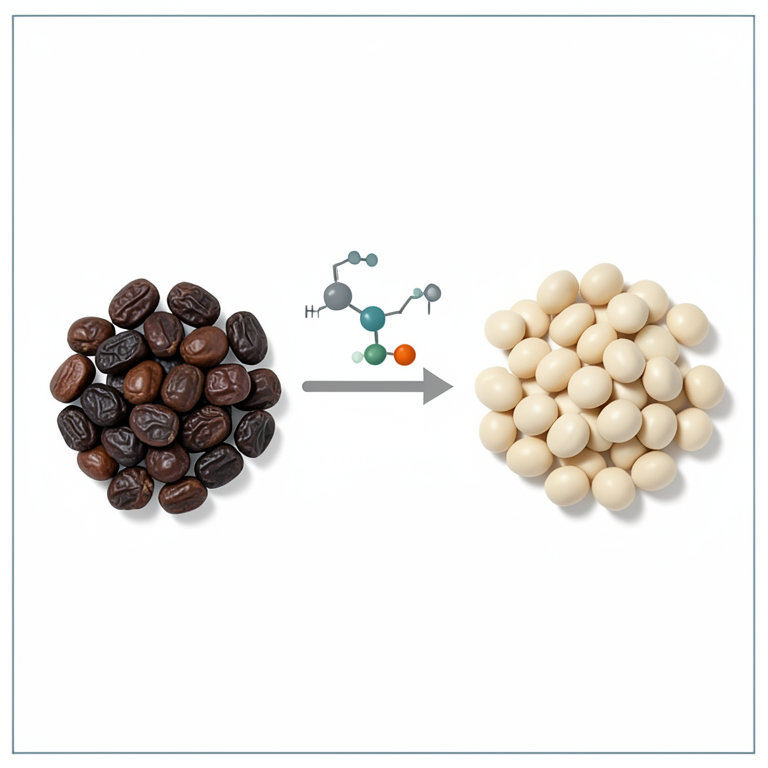
Desi vs Kabuli Comparison
AI-generated conceptual illustration (Desi and Kabuli chickpea seeds). It explains the idea and does not show study data.
View source evidence ↗Introduction
Chickpea (Cicer arietinum L.) is a nutrient rich legume crop which is widely used for human consumption and cultivated as Rabi season cool annual crop. After field peas and dry beans, chickpea occupies the third key position among pulse crops cultivated worldwide (Jukanti et al., 2012) [30] . It is considered as an alternate for meat as it is rich in protein. The chickpea crop covers an area of 14.81 mha around the world and the production obtained is 18.09 mt with a productivity of 1222 q/ha in 2022 with India being the largest producer and consumer (FAOSTAT, 2024) [14] . Seventy percentage of world's chickpea production comes from India, Pakistan, Turkey and Iran. The chickpea is also cultivated in 59 countries (Jukanti et al., 2012) [30] including Australia, Ethiopia, Myanmar, Mexico, Canada and USA. Human consumption of Chickpea has been continuous starting from ancient times on account of its excellent nutritional characteristics (Jukanti et al., 2012) [30] . Diverse micronutrients are essential for nutritional security and to combat physiological disorders like obesity and diabetes which could be achieved by supplementing cereals, the staple food of many regions with pulses like chickpea as they are blended with high fibre and low glycemic index (Gupta et al., 2023) [21] . Consumption of considerable quantity of protein rich foods could fight widespread protein malnutrition in developing countries particularly among infants and children. Being a cheap source of protein chickpea acts as an alternate for animal protein to consumers globally with low income particularly in developing countries where large population has limited access to animal protein (Ramalho Ribeiro and Portugal Melo, 1990) [41] . Legume protein has predominant content of albumin and globulin concentrated with globulin protein vicilin, convicilin and legumin along with small quantities of prolamines and gluteins (Rachwa-Rosiak et al., 2015) [40] . Though productivity of agricultural crops has enhanced, more than 820 million populations in the world suffers for food availability and malnutrition is reported in 2 billion humans (Jha et al., 2024) [27] .
Chickpea is a valuable micronutrient source with high iron, zinc, magnesium and copper content. Zinc and Iron are the micronutrients essential for development and growth. Chickpea is having high nutritional value with potential functionality to fight against several diseases (Kerem et al., 2007) [61] . Apart from having rich protein and dietary fibre this pulse crop is demonstrated to possess high fibre and hence its consumption is recommended to control various diseases (Jukanti et al., 2012) [30] . Evidence is available to show that regular intake of pulses decreases serum cholesterol (Ha et al., 2014) [62] due to low glycemic index of pulses. The additional health benefits pulses provide are they decrease blood pressure (Jayalath et al., 2014) [26] . The fibre in chickpea plays a vital role in reducing weight, risk of stroke, type 2 diabetes, coronary heart disease, gastrointestinal disorders and hypertension (Bhagyawant et al., 2019) [5] . Previous research observed that the bioactive compounds in chickpea has antihypertensive effect (Summo et al., 2019) [49] . Zhang et al., 2011 [58] reported that chickpea protein is identified to have balanced high bioavailable and rich essential amino acids and the protein hydrolysate has various bioactivities like decrease in antigenic activity and inhibition of ACE (angiotensin I converting enzyme). Chickpea have appreciable antioxidant properties as they are loaded with polyphenols (Azarpazhooh and Boye 2012) [63] . In this review details of nutritional characteristics of chickpea, the discrepancies between desi and kabuli types along with breeding strategies to improve nutritional content of chickpea were elaborated.
Nutritional differences in chickpea types
These two types of chickpea viz., desi and kabuli types which vary not only morphologically but also in nutrition present in seed. The nutritional factors especially the amount of protein and its composition is not only governed by genotypes but also by environment factors including location, crop season and various analysis methods adopted by different researchers (Zia-Ul-Haq et al., 2007) [60] . The leaf nutritional factors remain same for both the types and in the dry matter, the major nutritional factors studied are calcium, potassium, phosphorus, magnesium while the minor nutritional factors are iron, zinc, manganese, copper, boron and nickel. Chickpea seed has abundant protein source with dense dietary protein, high non starch carbohydrates, enhanced digestibility, while low in calories and allergens though deficit in methionine and cysteine, the essential sulphur containing amino acids (Grasso et al., 2022) [18] . Chickpea is mainly composed of carbohydrates, protein, fat, fibre, vitamins and micronutrients (Grasso et al., 2022) [18] . Besides, chickpea is enriched with antioxidants due to the presence of phenols, isoflavones, tannins, sterols and carotenoids along with anti glycemic and tumour fighting properties (Rachwa-Rosiak et al., 2015) [40] . The divergent micronutrient requirements can be met only when cereals are consumed with pulses as pulse crops like chickpea is composed of vital micronutrients, dietary fibre and low glycemic carbohydrates which is essential for reducing the diabetics risk and obesity (Gupta et al., 2023) [21] . Remarkably, chickpea is rich in essential amino acids which is above the recommendation of the WHO (Onder et al., 2023) [38] Apart from chickpea seed which is primarily consumed the chickpea leaves are also rich in nutrients and is consumed as leafy vegetable. The chickpea leaf consumption fetches vitamins such as phylloquinone, ascorbate and β-carotene along with other carotenoids which serves as antioxidant (Kaur and Kapoor, 2002) [31] . The presence of essential minerals in chickpea is significantly higher than that in cabbage and spinach.
Carbohydrates
The carbohydrate content in chickpea ranges from 50-58% (Jukanti et al., 2012) Apart from starch cellulose, hemicellulose and pectin accounts for 4-13%, 3.5-8.8% and 1.5-3.8% respectively (Wood and Grusak, 2007). On comparing desi and kabuli types of chickpea it was observed that both has more of amylopectin than amylose but kabuli has more amylose compared to desi types (Grasso et al., 2022) [18] . The soluble sugars were reported to be high in wild species of chickpea than cultivated and found to have positive association with starch content (Kaur et al., 2019) [32] . The quality of carbohydrate available in chickpea is with low glycemic index (Abbo et al., 2005) [1] . Chickpea is a rich source of carbohydrate when compared to other pulses particularly ribose, galactose, fructose and glucose as monosaccharides, sucrose and maltose as disaccharide and raffinose, verbascose, stachyose and ciceritol as oligosaccharides (Han and Baik, 2006) [24] . In plants, sucrose is the abundant disaccharide followed by α-galactoside (Jones et al., 1999) [28] . The prime αgalactosides found in chickpea fall under two main categories. The trisaccharide raffinose, the tetrasaccharide stachyose and pentasaccharide verbascose forms one group (Han and Baik, 2006) [24] while galactosyl cyclitols forms the other group which also includes ciceritol. Insignificant fractional variation was found for carbohydrates among desi chickpea and kabuli chickpea types (Wang and Daun, 2004) [52] . The variability ranged genetically for raffinose content from 10.33mg/g in a wild accession of chickpea to 0.66 mg/g in a kabuli variety of chickpea (Kaur et al., 2019) [32] . In a correlation study analyzing the association between raffinose oligosaccharides with other carbohydrates it was found to have significant positive association with other sugars in both chickpea types (Gangola et al., 2013) [15] . Though raffinose causes flatulence it is found to be beneficial in promoting prebiotic bacterial growth and in prevention of allergies, obesity, diabetics etc., and in plants they impart abiotic and biotic stress tolerance in addition to regulation of seed viability (Elango et al., 2022) [11] .
Protein
Pulses including chickpeas are nutritious for a long time due to its protein rich properties. On comparison the kabuli chickpea types have more digestibility than desi chickpea (Sánchez-Vioque et al., 1999) [45] . Chickpea is rich in amino acids except for sulphur containing amino acids which could be compensated with cereals (Zia-Ul-Haq et al., 2007) [60] . Limited studies have reported that chickpea also have deficit in aspartic acid and arginine. Desi and Kabuli types of chickpeas do not differ significantly for amino acid content (Wang and Daun 2004) [52] . The protein content significantly varies between desi and kabuli types (Jukanti et al., 2012) [30] and again between genotypes (Wang and Daun, 2006) [53] . Gaur et al., 2016 [16] from his study reported that Kabuli chickpea types have lesser protein content of 20.55% than desi types of chickpea with 29.2% while Kou et al., 2013 reported protein content as 22.2% in desi and 23.4% in kabuli types. The difference between desi and kabuli types mainly based on the genotypes selected in the study. The globulin, prolamine, gutein and albumin content also differs significantly as reported in various studies based on the genotypes selected.
Oil
Chickpea is the pulse crop with fat content of 6.04% which is highest among the legumes (Allen et al., 2006) [64] and the oil is comprised primarily of unsaturated fatty acids (Gul and Egesel, 2008) [20] . Lipid profile of this crop has storage lipids, primarily triacylglycerols, and membrane lipids like phospholipids, sphingolipids, glycolipids, and phytosterols along with storage and membrane lipids account for fat content in chickpea (Madurapperumage et al., 2021) [35] . Triacylglycerols contribute 56-67% and phospholipids 17-20% (Zia-Ul-Haq et al., 2007) [60] . Fascinatingly, raw chickpea has more polyunsaturated fatty acids than cooked ones (Wallace et al., 2016) [51] . Several studies have reported divergently for fat content variation, which ranges from 3.8 to 10% (Jukanti et al., 2012) [30] . The chickpea oil contains linoleic acid predominantly followed by oleic and palmitic acid (Gul and Egesel, 2008) [20] .
Fibre
Chickpea, being a rich source of fibre and unsaturated fatty acid, it is regarded as food that reduces cholesterol. (Jukanti et al., 2012) [30] . The composition of dietary fibre is mainly of polysaccharides or oligosaccharides and lignin along with other plant related substances (AACC, 2001) [3] . Pulses varies in dietary fibre quantities and variations are observed in ratio of soluble to insoluble fibre content (Tosh and Yada, 2010) [50] . Slow digestion takes place for soluble dietary fibre in colon but insoluble remains metabolically inert and helps in colonic bacterial growth and thereby bowel movement (Tosh and Yada, 2010) [50] .
Vitamins
The crop is rich in vitamins like riboflavin, thiamin, niacin, folate and β-carotene the precursor of vitamin A. (Abbo et al., 2005) [1] . and contain tocopherols. The availability of vitamin B2, vitamin B5 and vitamin B6 are equivalent or more as compared to other legumes. Raw chickpea has more vitamin A than cooked chickpeas as cooking causes significant reduction in vitamins (Wallace et al., 2016) [51] . Vitamin A precursor, β-carotene is present in chickpea in significant amounts ranging from 22micrograms per gram of yellow cotyledon kabuli seed to 44micrograms per gram of green cotyledon desi seeds (Rezaei et al., 2019) [43] . The same group of researchers also reported that predominant carotenoids found in green cotyledon chickpea variety seeds are lutein and zeaxanthin with high provitamin A comprising β-carotene and β cryptoxanthin. The flavonoids, phenolics, anthocyanins and the Carotenoid content are higher in desi, dark brown seeds as compared to kabuli, beige seeds (Zhao et al., 2021) [59] Chickpeas have vast genetic variation for different B vitamins which includes thiamine, riboflavin and niacin and significant variations were observed between desi and kabuli chickpeas for different B vitamins (Jukanti et al., 2012) [30] . Vitamin E also called as tocopherol has four forms -α, β, γ and δ, among these gamma tocopherol is a natural antioxidant and chickpea oil is rich in tocopherol.
Micronutrients
The micronutrients rich in chickpea seeds are iron, zinc, calcium, copper and manganese. Desi chickpea types have significantly higher calcium content than kabuli types but remain similar for other mineral content (Wang and Daun 2004) [52] . The iron and zinc content were positively correlated among themselves and with hundred seed weight, but all these three characters were negatively correlated with seed yield across environments, driving breeding for increased nutrient content at the cost of yield. Hence it is recommended that moderate yield should be concentrated with high micronutrients rather than primarily increasing nutrient leaving grain yield (Srungarapu et al., 2022) [48] . The availability of various micronutrients like copper, iron, zinc, magnesium, manganese, calcium, sodium, potassium, phosphorus and chromium had been reported by different workers (Wang & Daun 2004) [52] .
Bioactive compounds
Epidemiological studies reported an inverse association between the consumption of legumes and the incidence of age-related diseases (Kris-Etherton et al., 2002) [34] . The beneficial effect of legumes on health could be attributed to their content of phenolics and flavonoids which are the most active antioxidant compounds in foods (Dudonne et al., 2009) [9] . Furthermore, anti-oxidant defences rely heavily on minerals in the diet, such as Fe, Mn, Cu, Zn, and Mg (Evans & Halliwell, 2001) [12] . Dietary antioxidant compounds can stimulate cellular defences and help prevent oxidative damage (Dudonne et al., 2009) [9] . There are several research focusing on various methods utilized in calculating antioxidant property. These methods could be organised as Hydrogen Atom Transfer (HAT) or Electron Transfer (ET) based assays. The second classification contains the total phenols method by utilizing the phenols to calculate the antioxidant property of fruits, vegetables, legumes and other products. The two protease inhibitors present in chickpea are trypsin and chymotrypsin. These two have an important role in fighting the stress induced by biotic and abiotic factors (Sharma and Suresh 2015) [46] . However, on consumption, these inhibits proteolytic enzymes leading to difficulties in protein digestion (Gupta et al. 2017) [23] . These protein digestion inhibitors can be degenerated using high temperature for an hour (El-Adawy 2002) [10] . Previously amylase was considered as an antinutritional factor, present studies show slow release of glucose on consumption. (Sievenpiper et al. 2009) [47] . The inhibition of amylase activity variation is found to be 0.05-8.7 IU/mg, and the glycoproteins such as lectins or hemagglutinins present in chickpea binds reversibly with specific sugar molecules. On consumption the chickpea phytolectins interacts with erythrocytes and glycoprotein causing hemagglutination. (Gupta et al. 2017) [23] . These compounds are degenerated on cooking and got reduction upto 77% in germinating seeds (El-Adawy 2002) [10] . Autoclaving reduces the polyphenols by 21 to 31 percent while sprouting by 19-28 percent (Jood et al. 1987) [29] . The sum of all phenolic content varies between 0.64 to 3.03 g/kg and tannins varies between traces to 5.1 g/kg in the seeds of chickpea. The hard to cook nature of pulses including chickpea is proposed to be due to presence of phyric acid. This imbibes most of the phosphorus content leading to indigestion. On sprouting the phytic acid is degenerated by phytase enzyme and in 48 hours' significant reduction is observed (El-Adawy 2002) [10] . According to the literature studied, phytic acid composition in chickpea ranges between 5.8 and 12.1 g/kg of chickpea seeds. Oligosaccharides in chickpea are not digested in humans because the intestinal mucosa lacks the α-1,6-galactosidasehydrolytic enzyme required for its breakdown. Microflora in the lower intestine breaks down these undigested oligosaccharides, thus causing the production of flatus. Stachyose is the principal oligosaccharide in chickpea. Soaking for 24 hours and cooking eliminates 66 percent raffinose and an extent of 50 percent stachyose present in chickpea. Oligosaccharides could be removed by germination (Mahmood et al. 2018) [36] . Soaking and heat treatment is observed to eliminate the toxin completely. The acute haemolytic property associated with natural surfactant, saponins is traditionally known to cause toxicity (Rao and Koratkar 1997) [42] . Saponin is also known to be eliminated on cooking (El-Adawy 2002) [10] .
Pharmacological activities of green coffee beans 4.1 Anti-cancer properties
Chickpea has lectins, biopeptides like protein hydrolysates, histidine, albumin hydolysates etc., are the phytochemicals involved in increasing the chickpea potentiality in preventing cancerous growth. Lectins present in chickpea have activity which inhibits MCF 7 cancer cells causing tumours in breast (Gupta et al., 2018) [22] . Some of the natural antioxidants found in chickpea are detailed below. Protein hydrolysates are reported to combat colon cancer (Altomare et al., 2021) [2] . Albumin hydrolysates are present in chickpea peptide which are anti cancerous (Sallam et al., 2021) [44] and found to show inhibition of MCF 7 (Michigan Cancer Foundation 7) and MDA-MB-231 (MD Anderson Metastatic Breast 231) both cause breast cancer by enhancing the activity of tumor suppressor gene p53 (Xue et al., 2015) [56] . Formononetin and biochanin A are the Isoflavonoids present in chickpea along with their related glycosides (Wu et al., 2012) [55] .
Antidiabetic activity
Blood sugar could be controlled by consumption of chickpea as it has low digestible starch, rich dietary fibre, protein and due to its hormonal balances as nutrient rich foods are more supportive in controlling diabetic diets than usage of overprocessed carbohydrates (Nam et al., 2023) [37] . Low glycemic index is found in many pulse crops which includes chickpea (Sievenpiper et al., 2009) [47] which helps in blood sugar control by regulation of glucose levels in blood stream (Gkountenoudi-Eskitzi et al., 2023) [17] . Through investigation of peptide sequences it was found that SPGAGKG is an active peptide in chickpea which inhibits the alpha glucosidase and DPP IV compounds and hence this peptide could act as an important source for controlling blood sugar (Chandrasekaran and De Mejia, 2022) [6] .
Anti-obesity activity
Chickpea because of its richness in isaflavones which are different from other flavonoids due to their benzenoid B ring associated with third carbon in planar ring system exhibits anti-obesity activity due to the suppression against oxidation and inflammation (Correa et al., 2019) [7] . Fermented chickpea using lactiplantibacillus species from salted oyster found to be a promising product for reducing obesity and fat accumulation which also includes white adipose tissues
Anti-hypertensive activity
Peptide present in chickpea is inhibitory to angiotensin I converting enzyme and hence have anti-hypertensive activity. Apart from peptides chickpea hydrolysates also have ACE I inhibition activity. These hydrolysates or peptides were from enzymes secreted either gastrointestinal or non-gastrointestinal. These enzymes include pepsin, flavourzyme, trypin and more importantly alcalase (Yust et al., 2003) [57] .
Anti-inflammatory activity
Chickpea oil is found to have anti-inflammatory activity and found to have considerable reduction in pain and stiffness when applied. Hence it has therapeutic significance. Phenolic compounds present in chickpea too have antiinflammatory activity. It was also reported that chickpea peptides have profound effect on healing inflammation (Hernandez et al., 2019) [25] 5. Quality enhancement objectives in chickpea breeding 5.1 Protein rich chickpea The pulses protein content is highly influenced by environmental impact and cultivar too play a prominent role (Wang and Daun, 2006) [53] . Among the various studies analyzing seed protein content in chickpea variability was observed by many researchers and a range of 4.6 -33.9% seed protein content was reported by Bhagyawant et al., 2018. Fascinatingly, the seed protein content varied in commercial cultivars between 18.19 -30.44% while germplasm accession recorded high values in a range of 19.41 -33.56% (Grewal et al., 2023) [19] . Studies have compared the seed protein content and found it to be higher desi followed by kabuli and wild relatives (Jha et al., 2024) [27] . Using germplasm with high seed protein content, the protein content in chickpea can be further increased and exploited commercially.
Chickpea with enhanced seed protein content
Quality empowerment in chickpea, especially seed protein content needs attention and studies on seed protein content is incomplete. Seed protein content is reported to be negatively correlated with yield (Srungarapu et al., 2022) [48] , mentioning a compromise between seed protein content, size of seed, and economic yield (Gaur et al., 2016) [16] . Nevertheless, identification of transgressive segregants with increased seed protein content and enhanced grain yield could combat protein hunger through development of chickpea cultivars rich in seed protein content (Gaur et al., 2016) [16] . Commercial cultivars with rich seed protein content, viz., GNG 2144, H-82-2, L 144, Pusa 112, and Pusa 5023 (Grewal et al., 2023) [19] , could act as potential donors for chickpea crop improvement programmes focused with enhancing seed protein content and yield in future.
High protein efficiency ratio by increasing the amino acids methionine and tryptophan
Some commercial varieties in chickpea were found to exhibit more content of essential amino acids than that recommended by WHO (Grewal et al., 2023) [19] . The desi chickpea types have more methionine than the kabuli chickpea and variability was also found in lysine, leucine and serine content. Hence protein efficiency could be improved and biofortified varieties in chickpea could be developed.
Chickpea with low antinutritional factors
The presence of antinutritional factors like tannins, saponins, trypsin inhibitor and phytic acid has been reported in chickpea (Kaur et al., 2019) [32] which inhibits the nutrient bioavailability. Variation in the amount of antinutrients has been observed by many researchers in chickpea and hence rigorous selection could be employed for developing chickpea with low antinutrients
Increased PUFA like oleic and linoleic acids
On comparing similar edible pulses such as lentil with chickpea, the oleic and linoleic are the polyunsaturated fatty acids higher in chickpea. The composition of fatty acids in chickpea is approximately 66 percentages of polyunsaturated 19% of monounsaturated and 15% of saturated fatty acids with desi having more of oleic acid and kabuli with high linoleic acids (Wang and Daun 2004) [52] . Thus, crossing kabuli with desi types would increase both these aminoacids.
5.6Mineral rich chickpea (Calcium, potassium and iron)
On average hundred grams of chickpea raw seed could meet the daily human dietary iron and zinc requirement while 200g of chickpea is needed to meet magnesium requirement (FAO 2002) [13] . On comparison with beans and lentils, chickpea is low in iron content (Quinteros et al., 2001) [39] . Research on chickpea minerals is less and could be furthered for production of mineral rich chickpea.
Chickpea varieties rich in ascorbic acid and carotene
Chickpea is a comparatively rich source of folate along with vitamin B2, Vitamin B5 and Vitamin B6 than other pulse crops (Lebiedzinska and Szefer, 2006) [65] In general, the carotenoids concentration other than lycopene is more in wild types than the domesticated types of chickpeas (Abbo et al 2005) [1] . Hence wide hybridization could address the carotene rich chickpea.
Breeding strategies used in quality enhancement
Advancement in identification of QTLs linked with increased nutritional profile and genome wide association of protein, beta-carotene, iron, zinc, phosphorus, calcium and potassium in a group of chickpea genotypes. Biotechnological interventions for biofortification of chickpea included combination of chickpea nicotianamine synthase 2 (CaNAS2) and soybean ferritin (GmFER) genes that have recorded to improve iron content from the transgenic seeds, however, more research is needed in this aspect (Das et al., 2023) [8] .
Conclusion
This review describes the nutritional characteristics of chickpea with various ways in which it could be enhanced and the constraints faced in enhancing the nutritional characteristics. Chickpea is a cheap protein source enriched with dietary fibre, minerals and vitamins. The nutritional benefits both directly and indirectly plays a role in disease prevention which has been outlined in many studies. These characteristics could be enhanced through breeding for quality. The constraints and ways for quality enhancement are also discussed in this review. Future research needs to be focused on quality improvement without sacrificing yield and stress resistance.
Acknowledgement
AcknowledgementsThe authors acknowledge all authors of the original articles cited in this review.
References
65 in the original paper- Abbo S, Molina C, Jungmann R, Grusak MA, Berkovitch Z, Reifen R, et al. Quantitative trait loci governing carotenoid concentration and weight in seeds of chickpea (Cicer arietinum L.). Theor App Genet. 2005;111(1):185-195.
- Altomare A, et al. Association between dietary habits and fecal microbiota composition in irritable bowel syndrome patients: A pilot study. Nutrients. 2021;13(5):1479.
- American Association of Cereal Chemists [AACC]. The definition of dietary fibre. (Report of the Dietary Fibre Definition Committee to the Board of Directors of the AACC.) Cereal Foods World. 2001;46:112-126.
- Barbana C, Boye JI. Angiotensin I-converting enzyme inhibitory activity of chickpea and pea protein hydrolysates. Food Res Int. 2010;43:1642-1649.
- Bhagyawant SS, Narvekar DT, Gupta N, Bhadkaria A, Gautam AK, Srivastava N. Chickpea (Cicer arietinum L.) lectin exhibit inhibition of ace-I, α-amylase and αglucosidase activity. Protein Pept Lett. 2019;26:494501.
- Chandrasekaran S, De Mejia EG. Optimization, identification, and comparison of peptides from germinated chickpea (Cicer arietinum) protein hydrolysates using either papain or ficin and their relationship with markers of type 2 diabetes. Food Chem. 2022;374:131717.
- Corrêa TAF, Rogero MM, Hassimotto NMA, Lajolo FM. The two-way polyphenols-microbiota interactions and their effects on obesity and related metabolic diseases. Front Nutr. 2019;6:188.
- Das A, Mondol B, Singh P, Thakur S. Genetic Improvement of Nutraceutical Traits in Chickpea (Cicer arietinum L.). In: Kole C, editor. Compendium of Crop Genome Designing for Nutraceuticals. Springer, Singapore; 2023. p. 615-652.
- Dudonne S, Vitrac X, Coutiere P, Woillez M, Mérillon JM. Comparative study of antioxidant properties and total phenolic content of 30 plant extracts of industrial interest using DPPH, ABTS, FRAP, SOD, and ORAC assays. Journal of Agricultural and Food Chemistry. 2009;57(5):1768-1774.
- El-Adawy TA. Nutritional composition and antinutritional factors of chickpeas (Cicer arietinum L.) undergoing different cooking methods and germination. Plant Foods for Human Nutrition. 2002;57(1):83-97.
- Elango D, Rajendran K, van der Laan L, Sebastiar S, Raigne J, Thaiparambil NA, et al. Raffinose family oligosaccharides: Friend or foe for human and plant health? Front Plant Sci. 2022;13:828095.
- Evans P, Halliwell B. Micronutrients: oxidant/antioxidant status. British Journal of Nutrition. 2001;85(S2):S67-S74.
- FAO. Human vitamin and mineral requirement. Report of a joint FAO/WHO expert consultation, Bangkok, Thailand. 2002.
- FAOSTAT. FAO statistical year book. Food and Agriculture organization of the United Nations. 2024 [cited 2024]. Available from: http://www.faostat.fao.org.
- Gangola MP, Khedikar YP, Gaur PM, Båga M, Chibbar RN. Genotype and growing environment interaction shows a positive correlation between substrates of International Journal of Agriculture and Nutrition https://www.agriculturejournal.net raffinose family oligosaccharides (RFO) biosynthesis and their accumulation in chickpea (Cicer arietinum L.) seeds. J Agric Food Chem. 2013;61(21):4943-4952.
- Gaur PM, Singh MK, Samineni S, Sajja SB, Jukanti AK, Kamatam S, et al. Inheritance of protein content and its relationships with seed size, grain yield and other traits in chickpea. Euphytica. 2016;209:253-260.
- Gkountenoudi-Eskitzi I, Kotsiou K, Irakli MN, Lazaridis A, Biliaderis CG, Lazaridou A. In Vitro and in Vivo Glycemic Responses and Antioxidant Potency of Acorn and Chickpea Fortified Gluten-Free Breads. Food Res Int. 2023;166:112579.
- Grasso N, Lynch NL, Arendt EK, O'Mahony JA. Chickpea protein ingredients: A review of composition, functionality, and applications. Compr Rev Food Sci Food Saf. 2022;21(1):435-452.
- Grewal SK, Sharma KP, Bharadwaj RD, Hegde V, Sidhu SK, Singh S, et al. Characterization of chickpea cultivars and trait specific germplasm for grain protein content and amino acids composition and identification of potential donors for genetic improvement of its nutritional quality. Plant Genet Resour. 2023;20(6):383393.
- Gul MK, Egesel C. The effects of planting time on fatty acids and tocopherols in chickpea. Eur Food Res Technol. 2008;226:517-522.
- Gupta A, Tripti S, Singh SP, Bhardwaj A, Srivastava D, Kumar R. Prospects of microgreens as budding living functional food: Breeding and biofortification through OMICS and other approaches for nutritional security. Front Genet. 2023;14:1053810.
- Gupta N, Bisen PS, Bhagyawant SS. Chickpea lectin inhibits human breast cancer cell proliferation and induces apoptosis through cell cycle arrest. Protein Pept Lett. 2018;25(5):492-499.
- Gupta RK, Gupta K, Sharma A, Das M, Ansari IA, Dwivedi PD. Health risks and benefits of chickpea (Cicer arietinum) consumption. Journal of Agricultural and Food Chemistry. 2017;65(1):6-22.
- Han I, Baik BK. Oligosaccharide content and composition of legumes and their reduction by soaking, cooking, ultrasound and high hydrostatic pressure. Cereal Chem. 2006;83(4):428-433.
- Hernandez RLM, Gonzalez De Mejia E. Enzymatic production, bioactivity, and bitterness of chickpea (Cicer arietinum) peptides. Compr Rev Food Sci Food Saf. 2019;18(6):1913-1946.
- Jayalath VH, de Souza RJ, Sievenpiper JL, Ha V, Chiavaroli L, Mirrahimi A, et al. Effect of Dietary Pulses on Blood Pressure: A Systematic Review and Meta-analysis of Controlled Feeding Trials. American Journal of Hypertension. 2014;27(1):56-64.
- Jha R, Zhang K, He Y, Mendler-Drienyovszki N, Magyar-Tábori K, Quinet M, et al. Global nutritional challenges and opportunities: Buckwheat, a potential bridge between nutrient deficiency and food security. Trends Food Sci Technol. 2024;145:104365.
- Jones DA, DuPont MS, Ambrose MJ, et al. The discovery of compositional variation for the raffinose family of oligosaccharides in pea seeds. Seed Sci Res. 1999;9(4):305-310.
- Jood S, Chauhan BM, Kapoor AC. Polyphenols of chickpea and blackgram as affected by domestic processing and cooking methods. Journal of the Science of Food and Agriculture. 1987;39(2):145-149.
- Jukanti AK, Gaur PM, Gowda CLL, Chibbar RN. Nutritional quality and health benefits of chickpea (Cicer arietinum L.): a review. British J Nut. 2012;108(S1):11-26.
- Kaur C, Kapoor HC. Anti-oxidant activity and total phenolic content of some Asian vegetables. Int J Food Sci Technol. 2002;37(2):153-161.
- Kaur K, Grewal SK, Gill PS, Singh S. Comparison of cultivated and wild chickpea genotypes for nutritional quality and antioxidant potential. J Food Sci Technol. 2019;56:1864-1876.
- Kou X, Gao J, Xue Z, Zhang Z, Wang H, Wang X. Purification and identification of antioxidant peptides from chickpea (Cicer arietinum L.) albumin hydrolysates. LWT Food Sci Technol. 2013;50(2):591598.
- Kris-Etherton PM, Hecker KD, Bonanome A, Coval SM, Binkoski AE, Hilpert KF, et al. Bioactive compounds in foods: their role in the prevention of cardiovascular disease and cancer. The American Journal of Medicine. 2002;113(9):71-88.
- Madurapperumage A, Tang L, Thavarajah P, Bridges W, Shipe E, Vandemark G, et al. Chickpea (Cicer arietinum L.) as a source of essential fatty acids-a biofortification approach. Front Plant Sci. 2021;12:734980.
- Mahmood T, Hameed T, Hasnain S, Ali S, Qayyum A, Mehmood A, et al. Assessment of flatulence causing agents in Chickpea (Cicer arietinum L.) and their possible removal. Food Science and Technology. 2018;38(1):120-125.
- Nam T, Kim A, Oh Y. Effectiveness of Chickpeas on Blood Sugar: A Systematic Review and Meta-Analysis of Randomized Controlled Trials. Nutrients. 2023;15(21):4556.
- Onder S, Can Karaca A, Ozcelik B, Alamri AS, Ibrahim SA, Galanakis CM. Exploring the amino-acid composition, secondary structure, and physicochemical and functional properties of chickpea protein isolates. ACS Omega. 2023;8(2):1486-1495.
- Quinteros A, Farre R, Lagarda MJ. Optimization of iron speciation (soluble, ferrous and ferric) in beans, chickpea and lentils. Food Chem. 2001;75(3):365-370.
- Rachwa-Rosiak D, Nebesny E, Budryn G. Chickpeascomposition, nutritional value, health benefits, application to bread and snacks: a review. Crit Rev Food Sci Nutr. 2015;55(8):1137-1145.
- Ramalho Ribeiro J, Portugal Melo I. Composition and nutritive value of chickpea. In: Saxena M, Cubero J, Wery J, editors. Present Status and Future Prospects of Chickpea Crop Production and Improvement in the Mediterranean Countries. CIHEAM: Zaragoza, Spain; 1990. p. 107-111.
- Rao AV, Koratkar R. Anticarcinogenic effects of saponins and phytosterols. In: Shahidi F, editor. Antinutrients and phytochemicals in food. ACS Symposium Series. American Chemical Society: Washington, DC, USA; 1997. p. 313-324.
- Rezaei MK, Deokar AA, Arganosa G, Roorkiwal M, Pandey SK, Warkentin TD, et al. Mapping quantitative trait loci for carotenoid concentration in three F2 International Journal of Agriculture and Nutrition https://www.agriculturejournal.net populations of chickpea. Plant Genome. 2019;12(3):112.
- Sallam AO, et al. The ameliorative effects of Lcarnitine against cisplatin-induced gonadal toxicity in rats. 2021;41(1).
- Sánchez-Vioque R, Clemente A, Vioque J, et al. Protein isolates from chickpea (Cicer arietinum L.): chemical composition, functional properties and protein characterization. Food Chem. 1999;64(2):237-243.
- Sharma R, Suresh CG. Genome-wide identification and structure function studies of proteases and protease inhibitors in Cicer arietinum (chickpea). Computers in Biology and Medicine. 2015;56:67-81.
- Sievenpiper JL, Kendall CWC, Esfahani A, Wong JMW, Carleton AJ, Jiang HY, et al. Effect of non-oilseed pulses on glycaemic control: a systematic review and meta-analysis of randomised controlled experimental trials in people with and without diabetes. Diabetologia. 2009;52:1479-1495.
- Srungarapu R, Mahendrakar MD, Mohammad LA, Chand U, Jagarlamudi VR, Kondamudi KP, et al. Genome-wide association analysis reveals trait-linked markers for grain nutrient and agronomic traits in diverse set of chickpea germplasm. Cells. 2022;11(15):2457.
- Summo C, De Angelis D, Ricciardi L, Caponio F, Lotti C, Pavan S, et al. Nutritional, physico-chemical and functional characterization of a global chickpea collection. J Food Compos Anal. 2019;84:103306.
- Tosh SM, Yada S. Dietary fibres in pulse seeds and fractions: Characterization, functional attributes, and applications. Food Res Int. 2010;43(2):450-460.
- Wallace TC, Murray R, Zelman KM. The nutritional value and health benefits of chickpeas and hummus. Nutrients. 2016;8(12):766.
- Wang N, Daun JK. The Chemical Composition and Nutritive Value of Canadian Pulses. Canadian Grain Commission Report. 2004:19-29.
- Wang N, Daun JK. Effects of variety and crude protein content on nutrients and anti-nutrients in lentils (Lens culinaris). Food Chem. 2006;95(3):493-502.
- Wood JA, Grusak MA. Nutritional value of chickpea. In: Yadav SS, Redden B, Chen W, Sharma B, editors. Chickpea breeding and management. CAB International, Wallingford; 2007. p. 101-142.
- Wu Z, et al. Germination dramatically increases isoflavonoid content and diversity in chickpea (Cicer arietinum L.) seeds. Journal of Agricultural and Food Chemistry. 2012;60(35):8606-8615.
- Xue Z, et al. Antioxidant activity and anti-proliferative effect of a bioactive peptide from chickpea (Cicer arietinum L.). Food Research International. 2015;77:75-81.
- Yust MM, Pedroche J, Giron-Calle J, Alaiz M, Millán F, Vioque J. Production of Ace Inhibitory Peptides by Digestion of Chickpea Legumin with Alcalase. Food Chem. 2003;81(3):363-369.
- Zhang T, Li Y, Miao M, Jiang B. Purification and characterisation of a new antioxidant peptide from chickpea (Cicer arietium L.) protein hydrolysates. Food Chem. 2011;128(1):28-33.
- Zhao X, Sun L, Zhang X, Wang M, Liu H, Zhu Y. Nutritional components, volatile constituents and antioxidant activities of 6 chickpea species. Food Biosci. 2021;41:100964.
- Zia-Ul-Haq M, Iqbal S, Ahmad S, Imran M, Niaz A, Bhanger M. Nutritional and compositional study of desi chickpea (Cicer arietinum L.) cultivars grown in Punjab, Pakistan. Food Chem. 2007;105(4):1357-1363.
- Kerem Z, Lev-Yadun S, Gopher A, Weinberg P, Abbo S. Chickpea domestication in the Neolithic Levant through the nutritional perspective. Journal of Archaeological Science. 2007 Aug 1;34(8):1289-93.
- Ha M, Kim VN. Regulation of microRNA biogenesis. Nature reviews Molecular cell biology. 2014 Aug;15(8):509-24.
- Azarpazhooh E, Boye JI. Composition of processed dry beans and pulses. Dry beans and pulses production, processing and nutrition. 2012 Nov 5:101-28.
- Allen AP, Gillooly JF. Assessing latitudinal gradients in speciation rates and biodiversity at the global scale. Ecology letters. 2006 Aug;9(8):947-54.
- Lebiedzińska A, Szefer P. Vitamins B in grain and cereal-grain food, soy-products and seeds. Food Chemistry. 2006 Mar 1;95(1):116-22.