
Research article · 2026 · Full text
International Journal of Advanced Chemistry ResearchEffect of Polymer Structure on Glass Transition Temperature: A Comparative DSC Study of Polyamide and Polyester
Volume 8(3) · Pages 32–36 · DOI: 10.33545/26646781.2026.v8.i3a.368 ↗
Research areasMaterial Dynamics and PropertiesPolymer crystallization and propertiesAgricultural and Food Sciences
Abstract
Author-writtenForest being the most important resosurce for the welfare of humankind, provide many tangible and intangible benefits to human beings. In many countries, people are dependent on forests for various produces of which fuelwood is the main component. Fuelwood is the principal energy service provider to about 70% of the Indian population as it is extensively used for cooking and heating purposes. Lack of alternative sources of fuelwood makes the rural population mostly dependent on adjoining forest resources which ultimately results in the depletion of forest resources. The aim of present study was to examine the patterns of fuelwood consumption and their ecological implications in two villages namely village Chhani and village Lanchan of Bhaderwah forest division (J&K). The study was based on general survey and interview and it was observed that 12 plant species such as Pinus wallichiana, Pinus roxburgii, Cedrus deodara, Quercus floribunda, Quercus leucotrichophora, Quercus semicarpifolia, Lyonia ovalifolia, Aesculus indica, Pyrus pashia, Indigofera species, Alnus nitida and Abies pindraw were utilized as source of fuel wood in the study area. However, C. deodara, Q. floribunda and P. wallichiana were the most exploited fuel wood plant species. The preference for these species were due to ease of their availability and better fuel quality. Increase in fuel wood harvest caused intense forest degradation and biodiversity loss. The forests of the study area demand immediate attention in order to conserve the depleting forest structure. The policy makers must provide a sustainable solution to reduce the overexploitation of forest resources.
Summary
Source-checkedPlain-language reading of the full paper, prepared with AI and checked against the text. Each point links to the authors' own words.
Why it matters
- The glass transition temperature (Tg) is a critical parameter for polymers because it marks the shift from a rigid glassy state to a flexible rubbery state, affecting processing and mechanical stability. View evidence ↗
- Aromatic polyamides typically have higher Tg values than aromatic polyesters because strong hydrogen bonding in polyamides restricts chain motion, whereas ester linkages in polyesters increase flexibility. View evidence ↗
- Adding naphthalene moieties to a polymer backbone can improve thermal resistance and increase chain rigidity through steric hindrance and conjugation. View evidence ↗
The question
- The study aims to use differential scanning calorimetry (DSC) to compare the thermal transition behavior of aromatic polyamides and polyesters synthesized from naphthalene-based monomers. View evidence ↗
What they did
- The aromatic polyamide was synthesized by reacting N-(3,5-diaminophenyl)-4-(naphthalen-8-yloxy) benzamide with aromatic diacids in NMP under a nitrogen atmosphere. View evidence ↗
- The aromatic polyester was produced via interfacial polycondensation of 3,5-dihydroxy-N-(4-(naphthalen-8-yloxy)phenyl)benzamide with IPC/TPC in a biphasic system. View evidence ↗
- Polymer structures were confirmed using 1H NMR spectroscopy at 400 MHz and 13C NMR spectroscopy at 100 MHz. View evidence ↗
- The glass transition temperature (Tg) was identified as the midpoint of the heat capacity change during the second heating scan. View evidence ↗
What they found
- The synthesized aromatic polyamides showed high glass transition temperatures ranging from 265 to 300 °C. View evidence ↗
- The aromatic polyesters exhibited significantly lower glass transition temperatures, ranging from 109 to 129 °C. View evidence ↗
- The higher Tg in polyamides is primarily due to strong intermolecular hydrogen bonding between amide groups, which restricts chain movement. View evidence ↗
- The lower Tg in polyesters is attributed to flexible ester and ether linkages that increase chain mobility and reduce intermolecular interactions. View evidence ↗
What it means
- The authors conclude that polyamides have a substantially higher degree of chain rigidity and restricted motion than polyesters, as evidenced by the higher Tg values. View evidence ↗
- The study provides a basis for designing polymers with specific thermal properties by balancing thermal resistance and processability. View evidence ↗
Visual summary
1 visualsIllustrations explain the paper; they do not show study data.
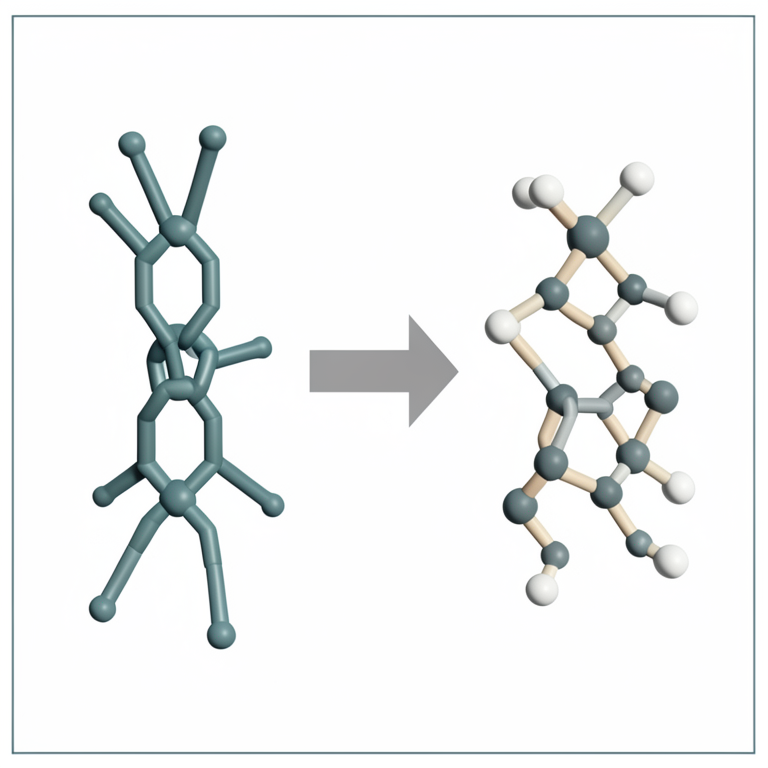
Molecular Rigidity Comparison
AI-generated conceptual illustration (Polyamide and polyester molecular chains). It explains the idea and does not show study data.
View source evidence ↗Figures & tables
From the original paper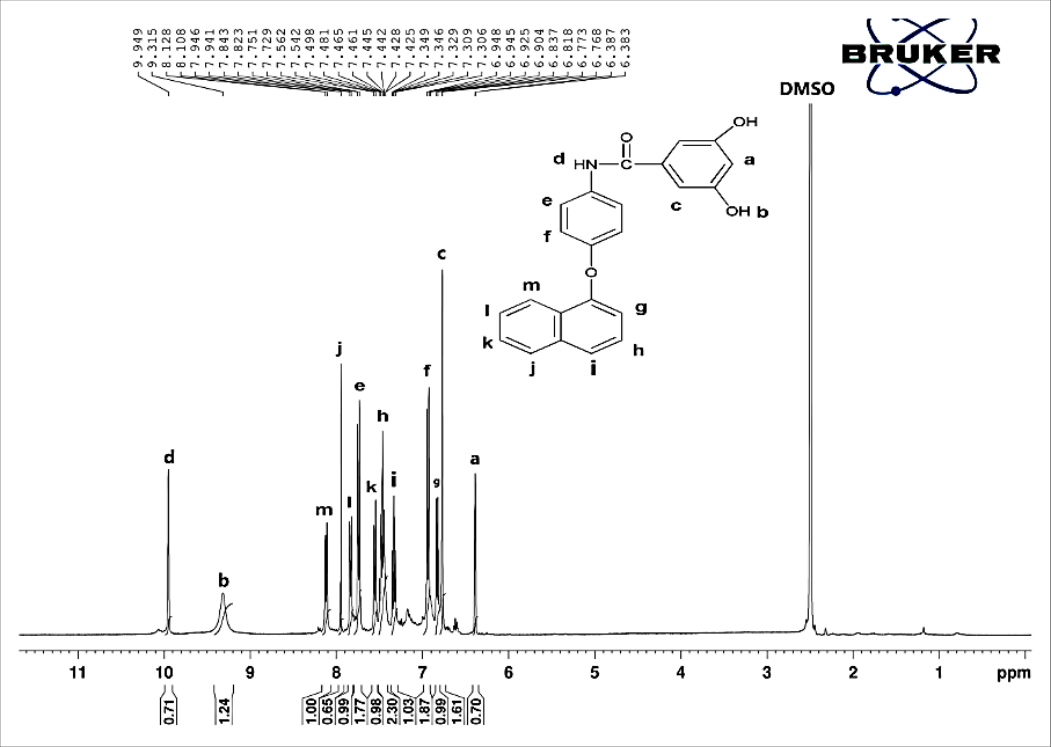 Figure 1
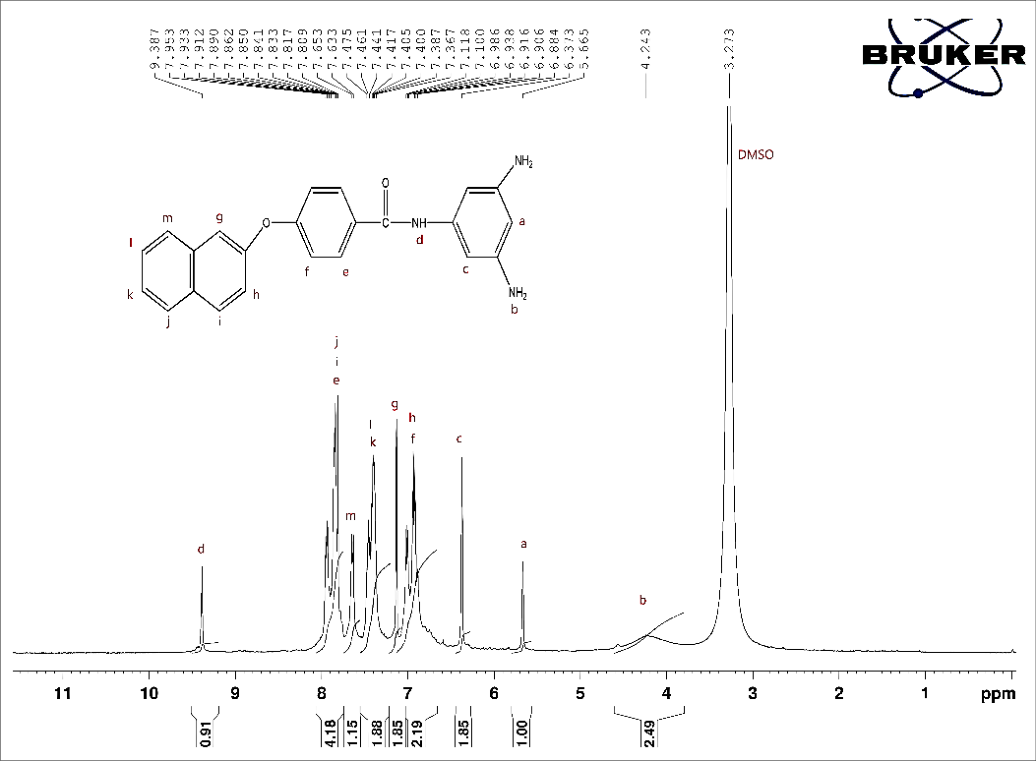 Figure 2
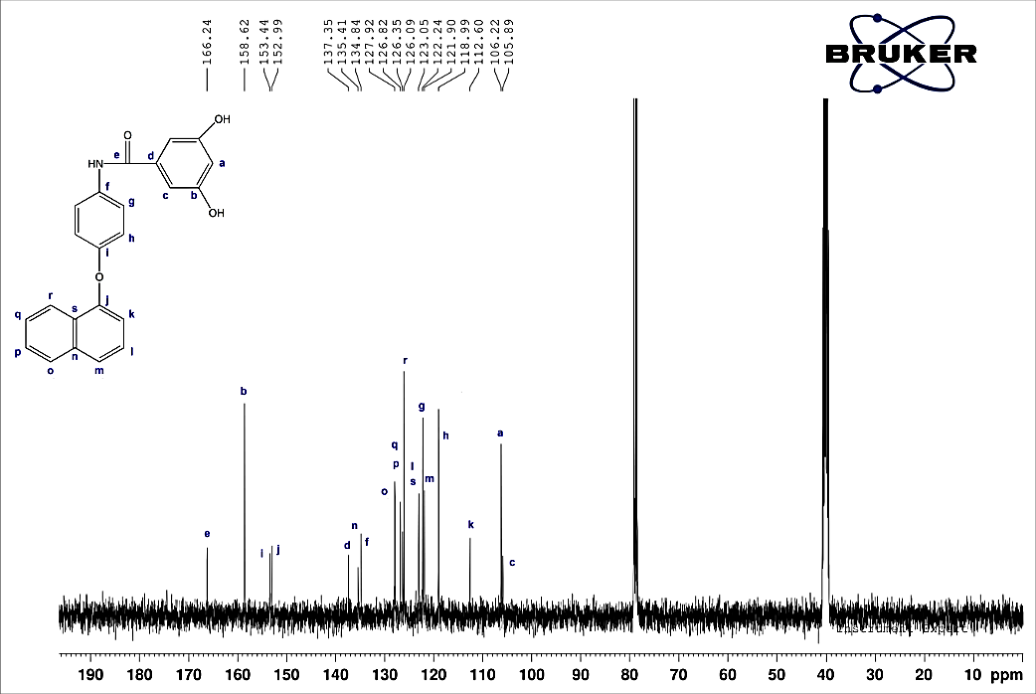 Figure 3
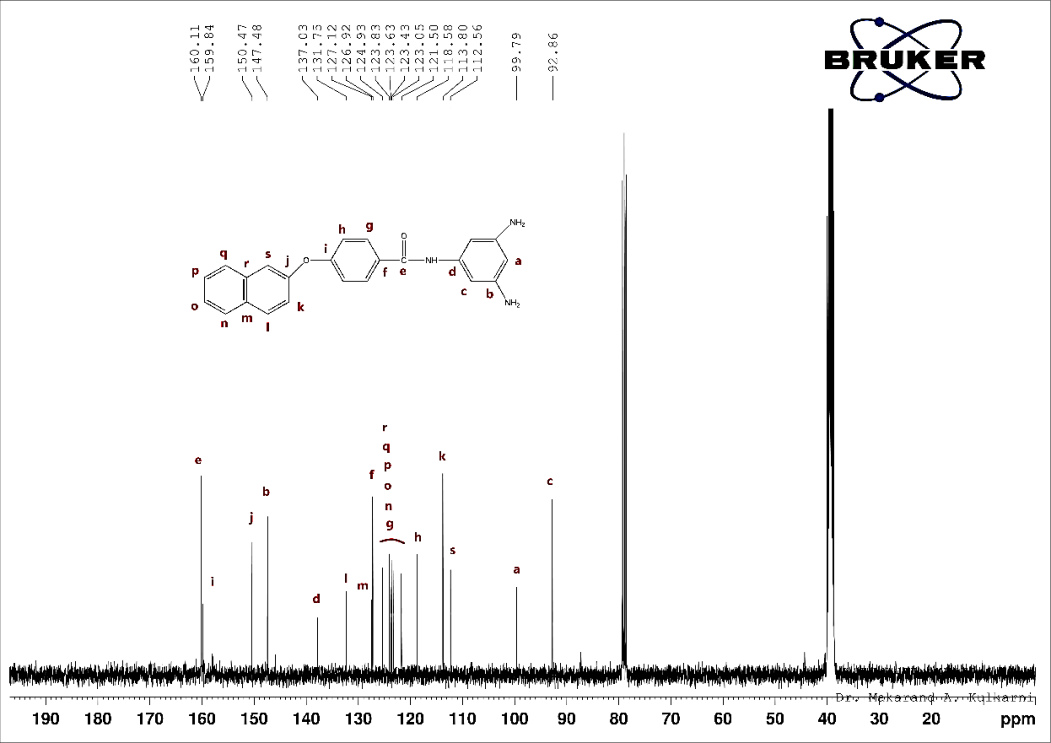 Figure 4
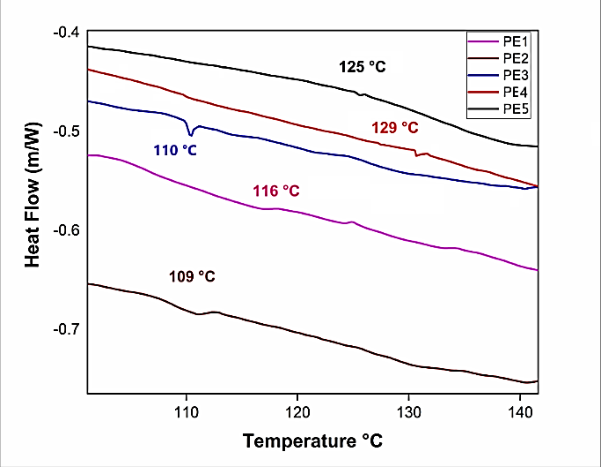 Figure 5
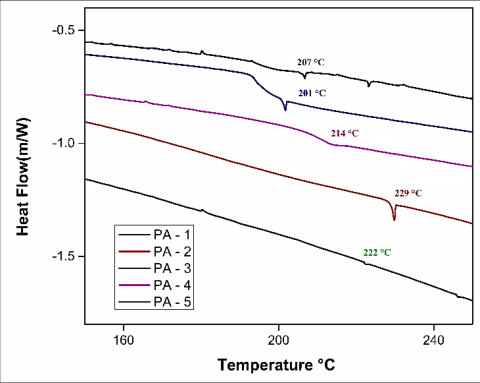 Figure 6
Introduction
Thermal transition properties, particularly the glass transition temperature (Tg), play a crucial role in determining the performance and applicability of polymeric materials. The Tg reflects the temperature at which a polymer transitions from a rigid, glassy state to a more flexible, rubbery state, and is therefore a key parameter governing mechanical behavior, dimensional stability, and processing conditions [1][2][3] . Aromatic polymers such as polyamides and polyesters are widely studied due to their excellent thermal and mechanical properties. The thermal transition behavior of these polymers is strongly influenced by their molecular architecture, including backbone rigidity, intermolecular interactions, and the presence of functional groups. Aromatic polyamides exhibit high Tg values due to strong intermolecular hydrogen bonding between amide groups, which significantly restricts segmental chain motion. In contrast, aromatic polyesters contain ester linkages that impart greater flexibility to the polymer chain, resulting in lower Tg values and enhanced processability [4][5][6] . To further tailor the thermal properties of these polymers, structural modifications such as the incorporation of bulky aromatic units have been extensively explored. The introduction of naphthalene moieties into the polymer backbone increases chain rigidity and enhances thermal resistance by promoting conjugation and steric hindrance. Additionally, the presence of ether and amide linkages can influence chain mobility and intermolecular interactions, thereby affecting the glass transition behavior [7][8] .
International Journal of Advanced Che mis try Research 2026; 8(3): 32-36
Although several studies have reported the thermal properties of modified polyamides and polyesters individually, direct comparative studies focusing on their thermal transition behavior are relatively limited. A systematic comparison between these two classes of polymers derived from similar monomer systems is essential to understand the influence of molecular structure on Tg [910] . In this context, the present study aims to investigate and compare the thermal transition behavior of aromatic polyamide and polyester derived from naphthalene-based monomers using differential scanning calorimetry (DSC).
The study provides insights into how variations in polymer backbone structure and intermolecular interactions influence glass transition temperature and overall thermal performance.
Experimental 2.1 Materials and Polymer Preparation
The aromatic polyamide and polyester used in this study were synthesized from naphthalene-based monomers via solution polycondensation and interfacial polymerization techniques, respectively. All reagents were of analytical grade and used as received.
Synthesis of Polymers
The polyamide was prepared by reacting the diamine monomer N-(3,5-diaminophenyl)-4-(naphthalen-8-yloxy) benzamide with aromatic diacids in NMP using triphenyl phosphite and pyridine under nitrogen atmosphere at elevated temperature. The polyester was synthesized by interfacial polycondensation of 3,5-dihydroxy-N-(4-(naphthalen-8yloxy)phenyl)benzamide with IPC/TPC using a phase transfer catalyst in a biphasic system.
Results and Discussion
Results and Discussion
Thermal Transition Behavior (DSC Analysis)
The thermal transition behavior of the synthesized aromatic polyamide and polyester was investigated using differential scanning calorimetry (DSC). The DSC thermograms revealed a significant difference in the glass transition temperatures (Tg) of the two polymer systems, highlighting the strong influence of molecular structure on thermal properties. The polyamide exhibited remarkably high glass transition temperatures in the range of 265-300 °C, indicating a highly rigid polymer structure with restricted chain mobility. Such high Tg values suggest that the polyamide maintains its structural integrity even at elevated temperatures, making it suitable for high-temperature applications. In contrast, the polyester exhibited significantly lower Tg values in the range of 109-129 °C. The lower Tg indicates increased segmental mobility and reduced rigidity of the polymer chain. This difference in thermal transition behavior clearly reflects the variation in intermolecular interactions and backbone flexibility between the two systems.
Interpretation of Tg Difference
The significantly higher Tg of the polyamide is primarily attributed to the presence of strong intermolecular hydrogen bonding between amide groups. These hydrogen bonds act as physical crosslinks, restricting chain movement and requiring higher thermal energy to achieve the glass transition. Additionally, the rigid aromatic backbone and the incorporation of bulky naphthalene moieties further limit chain flexibility, thereby contributing to the elevated Tg values observed for the polyamide system. On the other hand, the polyester exhibits lower Tg due to the presence of flexible ester and ether linkages. These linkages reduce intermolecular interactions and increase chain mobility, allowing the polymer to undergo glass transition at lower temperatures. The absence of strong hydrogen bonding in the polyester further contributes to its lower Tg.
Structure-Thermal Transition Relationship
The comparative study clearly establishes that the thermal transition behavior of polymers is strongly governed by their molecular architecture. Polymers with rigid backbones and strong intermolecular interactions exhibit higher Tg values, whereas those with flexible structures and weaker interactions show lower Tg. Although the presence of naphthalene units enhances rigidity in both systems, the effect is significantly amplified in the polyamide due to the combined influence of hydrogen bonding and aromatic structure.
Conclusion
A comprehensive comparative study of the thermal transition behavior of aromatic polyamide and polyester derived from naphthalene-based monomers was performed using differential scanning calorimetry. The results reveal that the polyamide exhibits significantly higher glass transition temperatures (265-300 °C) compared to the polyester (109-129 °C), indicating a substantially higher degree of chain rigidity and restricted segmental motion. The elevated Tg of the polyamide is attributed to strong intermolecular hydrogen bonding, rigid aromatic backbone, and the presence of bulky naphthalene moieties, which collectively enhance structural rigidity and reduce chain mobility. In contrast, the polyester exhibits lower Tg due to flexible ester and ether linkages, resulting in increased chain mobility and improved processability. This study clearly demonstrates that the thermal transition behavior of polymers is strongly governed by molecular architecture and intermolecular interactions. The findings provide important insights for designing polymeric materials with tailored thermal properties, particularly for applications requiring a balance between thermal resistance and processability.
Figures and tables from the paper
References
10 in the original paper- Odian G. Principles of Polymerization. 4 th ed. Hoboken: Wiley; 2004.
- Flory PJ. Principles of Polymer Chemistry. Ithaca: Cornell University Press; 1953.
- Morgan P. Aromatic Polyamides (Aramids): Synthesis, Properties, Applications. New York: Wiley; 1989.
- Liaw DJ, Wang KL, Huang YC, Lee KR, Lai JY, Ha CS. Advanced polyamides for high-performance applications. Prog Polym Sci. 2012;37(7):907-974.
- Higashi F, Yamazaki N. Phosphorylation polycondensation method for aromatic polyamides. J Polym Sci Part A Polym Chem. 1974;12(10):21492157.
- Hergenrother PM. High-performance polymers: synthesis and properties. High Perform Polym. 2003;15(1):3-45.
- Choudhury AR, Bhowmick AK, De SK. Thermal properties of aromatic polyamides. Polym Int. 2003;52(3):351-358.
- Saha S, Ramesh C. Synthesis and thermal stability of aromatic polyamides. Polym Bull. 2014;71(6):15411554.
- Wang Y, Feng J, Zhou W. Thermal degradation behavior of aromatic polymers. Polym Degrad Stab. 2017;144:213-220.
- Nandgaonkar AG, Garnier G, John AA. Thermal stability and char formation in aromatic polymers. Ind Eng Chem Res. 2020;59(10):4660-4669.