
Research article · 2026 · Full text
International Journal of Geography Geology and EnvironmentEvaluation of spontaneous combustion risks in Ha Lam anthracite seams using temperature-programmed oxidation and fire indices
Volume 8(3) · Pages 85–91 · DOI: 10.22271/27067483.2026.v8.i3a.497 ↗
Research areasCoal Properties and UtilizationGeoscience and Mining TechnologyCoal and Its By-products
Abstract
Author-writtenThis study aims to evaluate the characteristics of gas emission and the evolution of fire indicators during the coal oxidation process through a heating experiment on the HLPA-01 coal sample within a temperature range of 50 °C to 350 °C. The results indicate that as the temperature increases, the O2 concentration gradually decreases, while the concentrations of CO2, CO, H2, and light hydrocarbons significantly increase. The sharp rise in CO levels when temperatures exceed 150 °C reflects the intensification of incomplete oxidation within the coal. Light hydrocarbons, including C2H4, C2H6, C3H6, and C3H8, also emerge prominently at high temperatures due to the thermal decomposition of the coal's organic structure. Fire indicators, including WP1, WP2, WP3, and the Graham Index, calculated from the emitted gas components, show an upward trend with temperature, reflecting the increasing oxidation intensity of the coal. The findings of this research provide a scientific foundation for utilizing indicator gases and fire indices in the monitoring and early warning of spontaneous combustion risks in coal mines.
Summary
Source-checkedPlain-language reading of the full paper, prepared with AI and checked against the text. Each point links to the authors' own words.
Why it matters
- Spontaneous combustion, or self-heating, is one of the most severe and complex hazards in underground coal mining. View evidence ↗
- This phenomenon causes economic loss through resource depletion and threatens worker safety via the emission of toxic gases like carbon monoxide. View evidence ↗
- In mines using mechanized longwall top-coal caving, the buildup of coal fines in the goaf can change how coal oxidizes and releases gases. View evidence ↗
The question
- The study aims to determine gas emission characteristics and calculate fire indices to evaluate the spontaneous combustion susceptibility of Ha Lam Anthracite. View evidence ↗
What they did
- Five coal samples (HLPA-01 through HLPA-05) were collected from the longwall faces of Seams 7, 10, and 11 at the Ha Lam mine. View evidence ↗
- The researchers used a programmed heating process, raising the sample temperature from 30 °C to 350 °C at a constant rate. View evidence ↗
- The study monitored the concentrations of CO, CO2, CH4, H2, C2H4, and C2H6 during the heating process. View evidence ↗
- The Graham Index and WP indices were used to assess how the coal oxidation progressed. View evidence ↗
What they found
- All coal samples were classified as Group II (Low susceptibility), with Sza values between 12.16-14.69 °C/min and activation energy between 55.42 and 61.70 kJ/mol. View evidence ↗
- Carbon monoxide (CO) levels in sample HLPA-01 increased from 67 ppm at 50 °C to 22,481 ppm at 350 °C. View evidence ↗
- Hydrogen (H2) concentration increased from 15.75 ppm to 1,167.88 ppm, indicating the thermal decomposition of the coal's organic structure. View evidence ↗
- The WP1 fire index rose from 380 at 50 °C to a peak of approximately 5,255 at 175 °C before declining. View evidence ↗
- The WP2 index increased progressively with temperature, reaching approximately 0.52 at 350 °C. View evidence ↗
- The Graham index showed a continuous upward trend, increasing from 0.0062 at 50 °C to approximately 0.1136 at 325 °C. View evidence ↗
What it means
- The authors conclude that indicator gases and fire indices can provide a scientific basis for early detection of endogenous fire risks in mine monitoring systems. View evidence ↗
- Future research is needed to investigate oxidation kinetics under actual mine ventilation conditions and integrate monitoring with predictive risk models. View evidence ↗
Visual summary
3 visualsIllustrations explain the paper; charts are replotted from the paper's own table values.
Gas Evolution Trends
AI-generated conceptual illustration (anthracite coal sample in a heating furnace). It explains the idea and does not show study data.
View source evidence ↗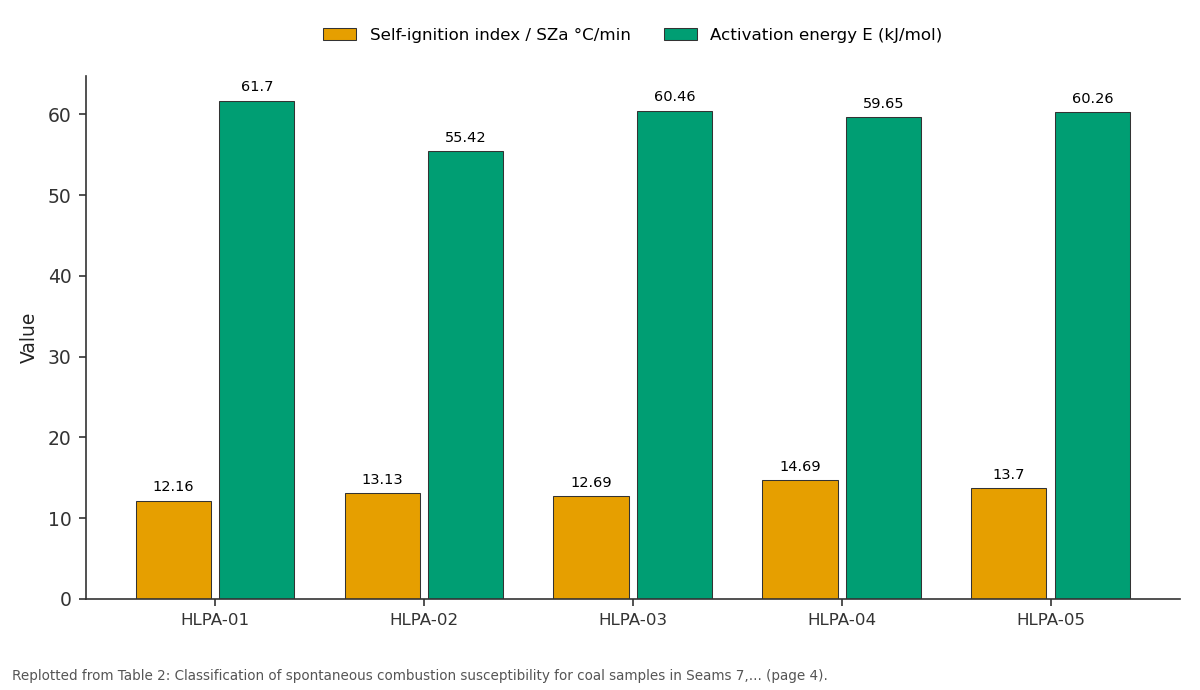
Self-ignition index / SZa °C/min and Activation energy E (kJ/mol): HLPA-01 vs HLPA-02 vs HLPA-03 vs HLPA-04 vs HLPA-05
Replotted from Table 2 (page 4) of the original paper. Every bar is the paper's own table value.
View source evidence ↗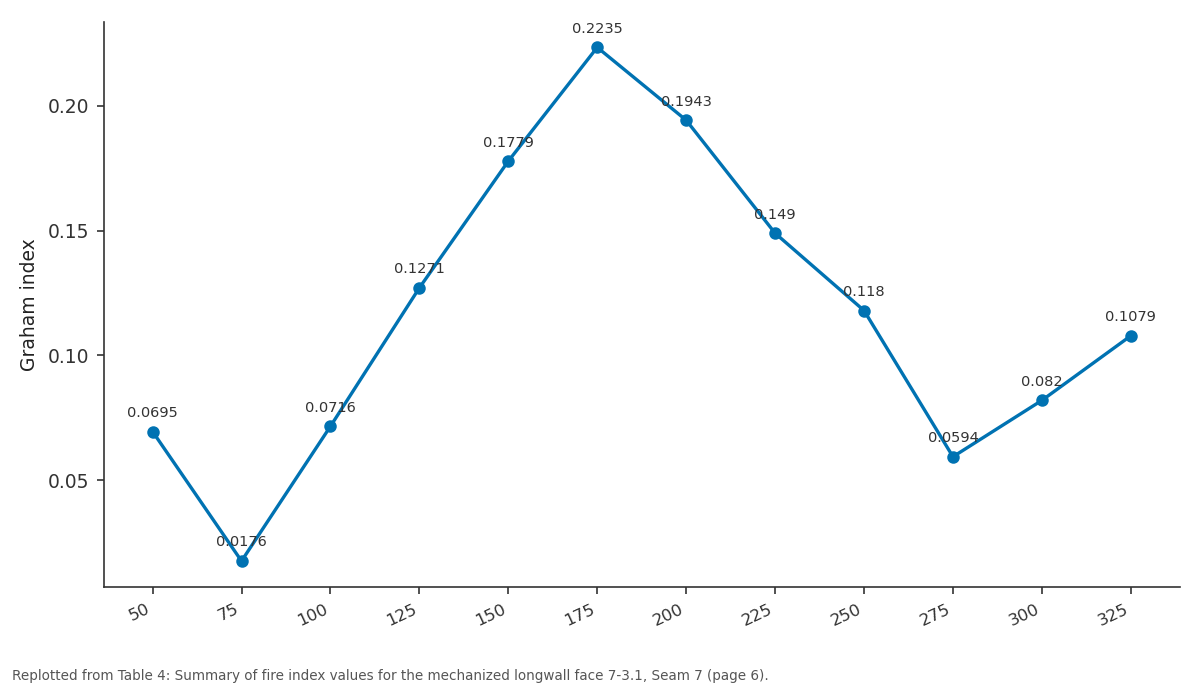
WP4: 50 vs 75 vs 100 vs 125 vs 150
Replotted from Table 4 (page 6) of the original paper. Every bar is the paper's own table value.
View source evidence ↗Figures & tables
From the original paper Table 1
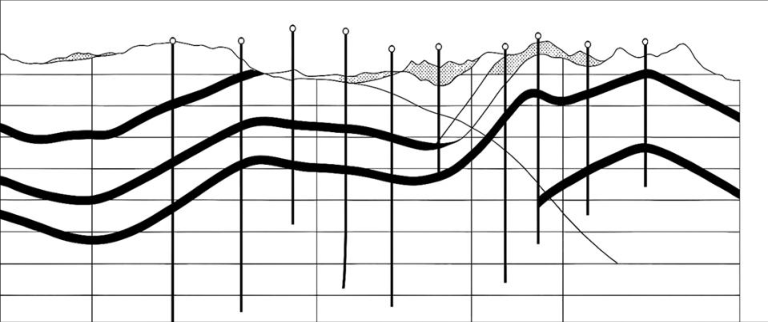 Figure 1
 Table 2
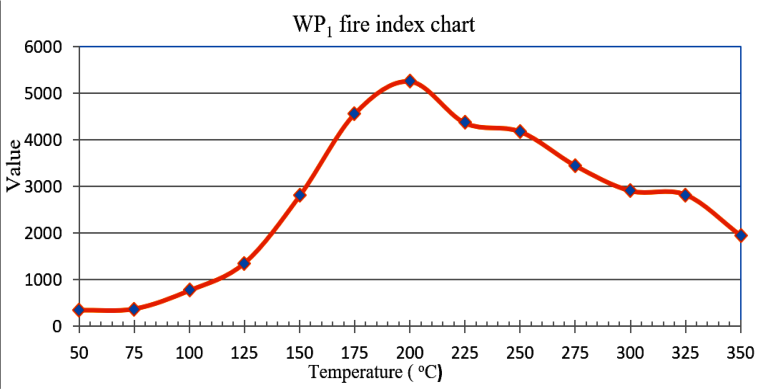 Figure 2
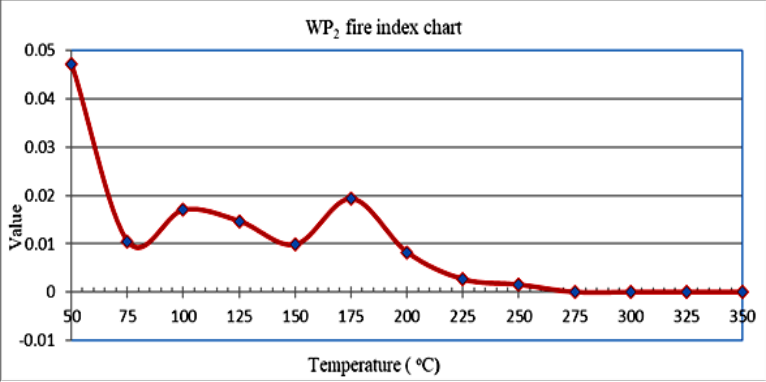 Figure 3
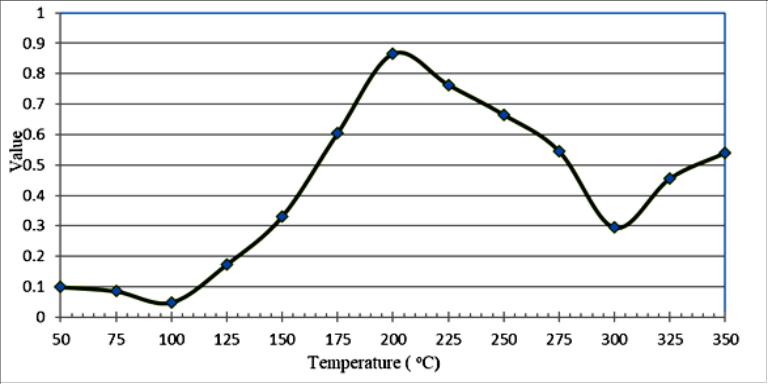 Figure 4
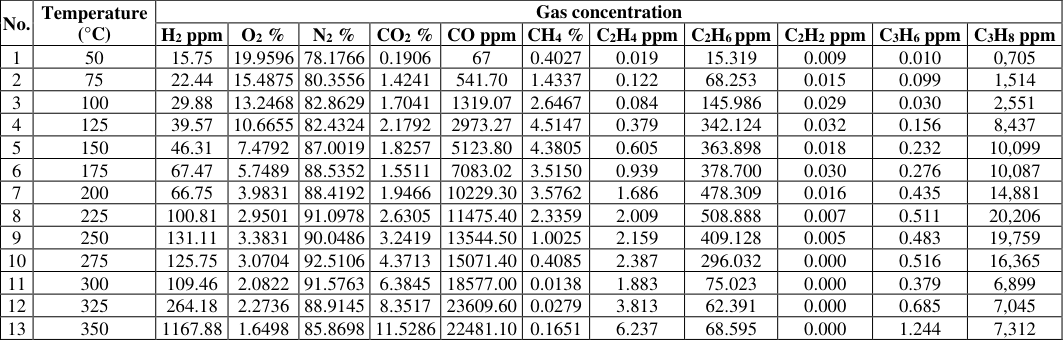 Table 3
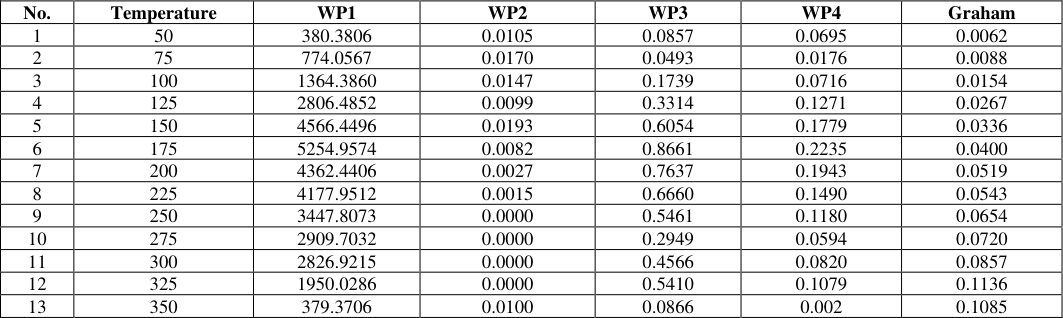 Table 4
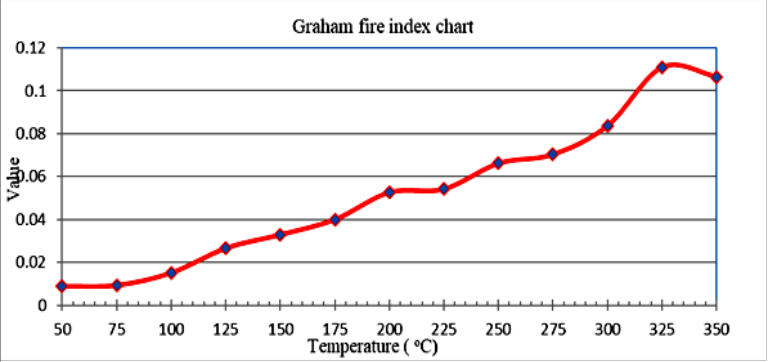 Figure 5
Introduction
In the mining industry, particularly in underground coal mining, spontaneous combustion (also known as the self-heating of coal) has long been considered one of the most severe and complex hazards [1] . This phenomenon originates from the natural oxidation process of coal; when the heat generated from oxidation accumulates over time without being adequately dissipated, the temperature of the coal mass reaches a critical value, leading to self-ignition [2] . Spontaneous combustion not only results in the loss of coal resources and economic damage but also directly threatens the safety of workers due to the emission of toxic gases, most notably carbon monoxide (CO) [3,4] . In Vietnam, alongside the roadmap to increase production for national energy security, mines under the Vietnam National Coal-Mineral Industries Holding Corporation Limited (TKV) are trending toward deeper extraction levels. Increasing mining depth implies facing higher strata pressure, elevated seam temperatures, and more complex ventilation conditions [5] . Worldwide, spontaneous combustion is recognized as a primary cause of mine fires and catastrophic accidents [2,4] . According to numerous studies, the early detection of coal self-heating through the analysis of indicator gases produced during oxidation is one of the most effective methods for identifying spontaneous combustion risks at an early stage [1,6,7] . Commonly used indicator gases for assessing coal self-heating include carbon monoxide (CO), carbon dioxide (CO 2 ), hydrogen (H 2 ), and light hydrocarbons such as ethylene (C 2 H 4 ) and ethane (C 2 H 6 ) [8,9] . The variation in the concentrations of these gases relative to temperature reflects the oxidation intensity of the coal and is widely applied in the monitoring and management of spontaneous combustion in underground coal mines [10] . The phenomenon of coal spontaneous combustion is primarily explained by the slow oxidation of carbonaceous matter in coal when exposed to atmospheric oxygen. This oxidation is an exothermic reaction, with heat generation ranging from approximately 2.0 -4.0 cal/ml of O 2 under standard conditions [11] . When the generated heat accumulates within the coal mass and is not adequately dissipated into the surrounding environment, the coal temperature gradually rises, potentially leading to selfignition [12] . In addition to the direct oxidation of coal, several other factors can influence heat generation within the coal mass, such as the presence of pyrite minerals, microbial activity, geothermal conditions, or water adsorption within the coal structure [13] . However, numerous studies have indicated that the oxidation of organic matter in coal remains the predominant mechanism leading to spontaneous combustion [1,13,14] . Globally, various methods have been proposed and applied to research the susceptibility of coal to self-ignition. These methods are typically based on laboratory-scale studies of coal oxidation and the analysis of gases evolved during the heating process. Countries have developed diverse evaluation methodologies, among which the most common are temperature-programmed heating of coal samples and gas composition analysis to identify indicator gases characteristic of the self-heating process [7,[15][16][17] . Currently, in Vietnam, research methodologies for assessing coal spontaneous combustion susceptibility are primarily referenced from Russian and Polish standards. The Russian method is widely adopted due to its relatively straightforward experimental procedures and minimal equipment requirements. However, when applied to Vietnamese coal seams, certain characteristic parameters such as moisture content, gas content, and ventilation conditions require calibration to ensure site-specific accuracy [18] . The coal seams in the Quang Ninh region predominantly consist of Anthracite, characterized by high carbon content, low volatile matter, and a relatively stable structure [19] . Nevertheless, under underground mining conditions with high ventilation rates and significant strata pressure, slow oxidation can still occur, leading to selfheating [20] . In contrast, the Polish method is based on laboratory-scale coal sample heating and the analysis of gases evolved during oxidation. This methodology has been extensively applied in studies evaluating coal spontaneous combustion susceptibility across European mines [21] . Based on the collected gas compositions, specific fire indices are calculated to assess the coal's sensitivity to self-ignition. This method is currently being utilized by the Mine Safety Center in numerous studies to evaluate the spontaneous combustion potential of coal seams in the Quang Ninh region [18] . According to reports from the Vietnam National Coal-Mineral Industries Holding Corporation Limited, underground mining operations in the Quang Ninh region have recorded numerous instances of spontaneous combustion hotspots in longwall faces and goaf areas, particularly in thick seams with complex ventilation conditions. Ha Lam Coal Joint Stock Company -Vinacomin is a key subsidiary of the coal industry, operating modern mechanized longwalls in Seam 7 and Seam 11, which contribute millions of tons to annual production. However, the mining history of Seams 7, 10, and 11 has documented several areas requiring the construction of isolation seals and the injection of Nitrogen gas to mitigate spontaneous heating hotspots. Notably, the implementation of fully mechanized longwall top-coal caving technology in these thick seams results in a significant volume of residual coal fines being left in the goaf. This creates a favorable environment for coal oxidation and subsequent heat accumulation [18] . Despite numerous studies on coal spontaneous combustion susceptibility in the Quang Ninh region, in-depth research regarding indicator gases and fire indices specifically for the Anthracite coal at Ha Lam mine remains limited. Notably, under the implementation of fully mechanized longwall topcoal caving technology, the accumulation of coal fines in the goaf can significantly alter the characteristics of the oxidation process and gas evolution [18] . Therefore, the objective of this study is to determine the gas emission characteristics during the oxidation of Ha Lam Anthracite through laboratory-scale heating experiments, while simultaneously calculating specific fire indices to evaluate the spontaneous combustion susceptibility of the investigated coal seams. Furthermore, the obtained results will serve as a foundational database for establishing risk assessment criteria and supporting mine gas monitoring efforts in underground coal mines with similar geological conditions.
The study area
The study area is the Ha Lam Coal Mine, located in Ha Lam Ward, Ha Long City, Quang Ninh Province. Situated approximately 7 km northeast of Ha Long's city center and near National Highway 18A, the mine benefits from favorable coal transportation and access to regional technical infrastructure. Ha Lam Mine belongs to the Quang Ninh Coal Basin, one of Vietnam's largest and most significant coal basins, dating back to the Late Triassic and primarily containing high-rank anthracite coal. The mine covers a total area of approximately 8.64 km 2 , defined within the HN-72 coordinate system (X: 2,318,000May 16, 2008, by the Vietnam National Coal-Mineral Industries Holding Corporation: bordered by the Nui Beo mine to the east, Suoi Lai mine to the north, Binh Minh mine to the west, and National Highway 18A to the south. The research scope extends from the outcrop down to a depth of approximately -800 m. Within the mine field, 12 coal seams with industrial value have been identified, notably Seams 14, 13, 11, 10, 9, 7, 6, 5, and 4. Reserves are primarily concentrated in the northern block of the F.L Fault within the Ha Lam anticlines and synclines. The mining area is heavily influenced by a tectonic fault system oriented NW-SE, where the F.L fault serves as the primary structural divide and governs the distribution of coal seams. Seams 7, 10, and 11 vary from medium to very thick, with relatively complex to complex structures, an average dip angle of 20 -45°, and variability coefficients for thickness and dip angle generally below 35%. The coal seams are characterized by a high degree of metamorphism, low volatile matter, and high fixed carbon content, which are typical of anthracite in the Quang Ninh basin. The engineering geological conditions are characterized by roof and floor rocks consisting mainly of siltstone, sandstone, and claystone, interbedded with weak carbonaceous clay layers. These conditions facilitate underground mechanized mining but also pose risks of floor heave and roof collapse. Furthermore, during underground operations, particularly in mechanized areas employing topcoal caving, a certain amount of coal fines can accumulate in the goaf, promoting slow oxidation and increasing the risk of spontaneous combustion. The coal in this region, categorized as anthracite and semi-anthracite, is primarily used for energy production. Specifically, the Seam 11 mechanized longwall face is a key focus of this study. The geological structural characteristics of the study area are illustrated in Figure 1. HLPA-03, HLPA-04, and HLPA-05, corresponding to their respective sampling locations within the study area. These samples were gathered from the coal face and the top-coal area, strictly following the sampling protocols prescribed by TKV. After collection, the coal samples were crushed and screened to achieve the required particle size. The samples were then dried under laboratory conditions prior to testing. The experiments were performed using a coal sample heating system integrated with a gas composition analysis system, allowing for the monitoring of evolved gas variations during the coal oxidation process relative to temperature. The gases monitored during the experiment include CO, CO 2 , CH 4 , H 2 , C 2 H 4 and C 2 H 6 . Based on the gas components evolved during coal oxidation, specific indices for evaluating the oxidation degree and spontaneous combustion risk were determined. In this study, the Graham Index and WP indices were utilized to assess the progression of the coal oxidation process. The Graham Index is defined by the following formula:
• CO: Carbon monoxide concentration (% or ppm).
• O2: Oxygen concentration (%).
The WP index (Wskaźnik Pożarowy) is determined using the following formulas:
• CO: Carbon monoxide concentration (% or ppm).
• CO2: Carbon dioxide concentration (%).
The experiment was conducted using the Olpinski method, in which the coal sample is heated in an airflow. The temperature change of the sample over time is monitored to determine the self-ignition index (Sza) and the activation energy (Ea) of the coal oxidation process. During the experiment, the coal sample is subjected to a programmed heating rate within a temperature range of 30 °C to 350 °C at a constant rate. Air is continuously supplied to the reaction chamber to ensure a stable oxidation process. The experimental results are used to classify the coal's spontaneous combustion susceptibility according to the Polish standard PN-90/G-04558 and the assessment guidelines of the Vietnam National Coal-Mineral Industries Holding Corporation (TKV). Based on the determined selfignition index (Sza) and activation energy (Ea), the spontaneous combustion susceptibility of the coal is classified according to the Polish standard PN-90/G-04558 (Table 1). In addition to classifying the spontaneous combustion susceptibility, other parameters such as the oxidation heat of the coal sample, the incubation period (induction time), and the standard characteristic curves of the coal samples were also determined. These parameters serve as a foundational database for evaluating the specific self-heating characteristics of the coal within the study area. However, despite being classified as having low susceptibility to spontaneous combustion, the risk of endogenous fires persists under actual underground mining conditions. This risk is primarily attributed to residual coal remaining in the goaf, the accumulation of coal fines after extraction, the disruption of coal structures due to strata pressure, and prolonged exposure to oxygen within the ventilation environment. These factors can accelerate the low-temperature oxidation of coal, leading to the evolution of indicator gases such as CO and CO 2 . Simultaneously, this process causes localized heat accumulation within the coal mass, creating favorable conditions for the development of spontaneous combustion.
Results and Discussion
Results and Discussion
Gas emission characteristics during the coal heating process
The heating process of sample HLPA-01 from 50 °C to 350 °C shows a distinct variation in the composition of evolved gases (Table 3). Note that the total gas content may appear less than 100% because several components are represented in ppm (parts per million). The oxygen (O 2 ) concentration decreased sharply from approximately 19.96% to 1.65%, reflecting the consumption of oxygen during the coal oxidation reaction. Conversely, the carbon dioxide (CO 2 ) concentration increased steadily from 0.19% to 11.53%, as it is the primary product of the complete oxidation of carbon. The high CO 2 values recorded at elevated temperatures may be attributed to the accumulation of oxidation products within the reaction chamber and the relatively low gas flow rate during the experiment. A significant rise in carbon monoxide (CO) concentration was also recorded as temperature increased. At 50 °C, the CO concentration was only about 67 ppm, but it surged to 22,481 ppm at 350 °C. The rapid increase of CO between 150 °C and 250 °C indicates that the oxidation reaction has entered an intensive stage, characteristic of the coal's self-heating process. Simultaneously, the hydrogen (H 2 ) concentration rose from 15.75 ppm to 1,167.88 ppm, reflecting the occurrence of thermal decomposition and cracking of the organic structures within the coal at high temperatures. Light hydrocarbons such as ethylene (C 2 H 4 ), ethane (C 2 H 6 ), propane (C 3 H 8 ), and propylene (C 3 H 6 ) also appeared and increased with temperature. Among these, ethylene (C 2 H 4 ) and propylene (C 3 H 6 ) are considered critical indicator gases for spontaneous combustion during the medium-temperature stage; specifically, C 2 H 4 is often used as a characteristic indicator for the thermal decomposition phase of coal. The emergence of these gases from approximately 150-200 °C indicates that the thermal breakdown of the coal's organic structure has become significant. These trends align with the general mechanism of the coal self-heating process, which consists of three main stages:
| No. | Temperature (°C) | Gas concentration | — | — | — | — | — | — | — | — | — | — |
|---|---|---|---|---|---|---|---|---|---|---|---|---|
| H2 ppm | O2 % | N2 % | CO2 % | CO ppm | CH4 % | C2H4 ppm | C2H6 ppm | C2H2 ppm | C3H6 ppm | C3H8 ppm | ||
| 1 | 50 | 15.75 | 19.9596 | 78.1766 | 0.1906 | 67 | 0.4027 | 0.019 | 15.319 | 0.009 | 0.010 | 0,705 |
| 2 | 75 | 22.44 | 15.4875 | 80.3556 | 1.4241 | 541.70 | 1.4337 | 0.122 | 68.253 | 0.015 | 0.099 | 1,514 |
| 3 | 100 | 29.88 | 13.2468 | 82.8629 | 1.7041 | 1319.07 | 2.6467 | 0.084 | 145.986 | 0.029 | 0.030 | 2,551 |
| 4 | 125 | 39.57 | 10.6655 | 82.4324 | 2.1792 | 2973.27 | 4.5147 | 0.379 | 342.124 | 0.032 | 0.156 | 8,437 |
| 5 | 150 | 46.31 | 7.4792 | 87.0019 | 1.8257 | 5123.80 | 4.3805 | 0.605 | 363.898 | 0.018 | 0.232 | 10,099 |
| 6 | 175 | 67.47 | 5.7489 | 88.5352 | 1.5511 | 7083.02 | 3.5150 | 0.939 | 378.700 | 0.030 | 0.276 | 10,087 |
| 7 | 200 | 66.75 | 3.9831 | 88.4192 | 1.9466 | 10229.30 | 3.5762 | 1.686 | 478.309 | 0.016 | 0.435 | 14,881 |
| 8 | 225 | 100.81 | 2.9501 | 91.0978 | 2.6305 | 11475.40 | 2.3359 | 2.009 | 508.888 | 0.007 | 0.511 | 20,206 |
| 9 | 250 | 131.11 | 3.3831 | 90.0486 | 3.2419 | 13544.50 | 1.0025 | 2.159 | 409.128 | 0.005 | 0.483 | 19,759 |
| 10 | 275 | 125.75 | 3.0704 | 92.5106 | 4.3713 | 15071.40 | 0.4085 | 2.387 | 296.032 | 0.000 | 0.516 | 16,365 |
| 11 | 300 | 109.46 | 2.0822 | 91.5763 | 6.3845 | 18577.00 | 0.0138 | 1.883 | 75.023 | 0.000 | 0.379 | 6,899 |
| 12 | 325 | 264.18 | 2.2736 | 88.9145 | 8.3517 | 23609.60 | 0.0279 | 3.813 | 62.391 | 0.000 | 0.685 | 7,045 |
| 13 | 350 | 1167.88 | 1.6498 | 85.8698 | 11.5286 | 22481.10 | 0.1651 | 6.237 | 68.595 | 0.000 | 1.244 | 7,312 |
Table text extracted from the original PDF; superscript letters are shown inline. The original table image is below.
View original table image
1. Low-temperature oxidation: Characterized by oxygen consumption and CO 2 generation.
Temperature acceleration and CO evolution:
Reflecting the acceleration of the oxidation reaction.
Thermal decomposition and light hydrocarbon evolution:
Occurring once the temperature exceeds the critical threshold.
Trends of fire indices
Based on the results of the gas composition analysis, the fire indices WP 1 -WP 4 and the Graham index were calculated to describe the progression of the coal self-heating process (Table 4). The WP 1 index exhibits a strong upward trend, rising from 380 at 50 °C to a peak of approximately 5,255 at 175 °C, before gradually decreasing as the temperature continues to rise. This trend is illustrated in Figure 2. The initial surge in WP 1 reflects the rapid increase in CO evolution during the intensive oxidation stage. The WP 2 index reflects the relationship between CO and CO 2 . The WP 2 values increase progressively with temperature, reaching approximately 0.52 at 350 °C (Figure 3). This trend indicates an intensifying coal oxidation process, leading to a significant increase in CO production relative to CO 2 within the gas mixture. The Graham index (Graham's ratio) also exhibits a continuous upward trend with temperature, rising from 0.0062 at 50 °C to approximately 0.1136 at 325 °C, reflecting the increasing oxidation level of the coal. In actual mining conditions, Graham index values are significantly lower than laboratory results due to the dilution effect caused by the ventilation air stream. Nevertheless, the rising trend of this index remains a crucial indicator for the early identification of spontaneous combustion. This trend is illustrated in Figure 5. The increase in the Graham index indicates a progressively intensifying oxidation stage and reflects the growing risk of endogenous fires under hightemperature conditions. the coal self-heating process. In particular, the WP 1 and Graham indices are considered critical criteria for assessing endogenous fire risks and implementing timely preventive measures. Thus, the study's findings not only provide insights into the gas emission characteristics during coal oxidation but also contribute to establishing a scientific basis for monitoring and warning of endogenous fires in coal mines. Furthermore, results highlight that developing standard characteristic curves for indicator gases and fire indices is of paramount importance for the surveillance and early detection of endogenous fires. By comparing gas samples collected in the field with the standard characteristic curves established in the laboratory, the development stage of the self-heating process can be identified, and the internal temperature of the coal mass can be estimated. Implementing this method, combined with periodic gas monitoring systems at the longwall faces, allows for the early detection of abnormal signs. Consequently, preventive measures such as enhancing ventilation, injecting inert gases, or isolating hazardous areas can be deployed promptly. This approach significantly enhances the level of safety in underground mining operations at the Ha Lam mine.
| No. | Temperature | WP1 | WP2 | WP3 | WP4 | Graham |
|---|---|---|---|---|---|---|
| 1 | 50 | 380.3806 | 0.0105 | 0.0857 | 0.0695 | 0.0062 |
| 2 | 75 | 774.0567 | 0.0170 | 0.0493 | 0.0176 | 0.0088 |
| 3 | 100 | 1364.3860 | 0.0147 | 0.1739 | 0.0716 | 0.0154 |
| 4 | 125 | 2806.4852 | 0.0099 | 0.3314 | 0.1271 | 0.0267 |
| 5 | 150 | 4566.4496 | 0.0193 | 0.6054 | 0.1779 | 0.0336 |
| 6 | 175 | 5254.9574 | 0.0082 | 0.8661 | 0.2235 | 0.0400 |
| 7 | 200 | 4362.4406 | 0.0027 | 0.7637 | 0.1943 | 0.0519 |
| 8 | 225 | 4177.9512 | 0.0015 | 0.6660 | 0.1490 | 0.0543 |
| 9 | 250 | 3447.8073 | 0.0000 | 0.5461 | 0.1180 | 0.0654 |
| 10 | 275 | 2909.7032 | 0.0000 | 0.2949 | 0.0594 | 0.0720 |
| 11 | 300 | 2826.9215 | 0.0000 | 0.4566 | 0.0820 | 0.0857 |
| 12 | 325 | 1950.0286 | 0.0000 | 0.5410 | 0.1079 | 0.1136 |
| 13 | 350 | 379.3706 | 0.0100 | 0.0866 | 0.002 | 0.1085 |
Table text extracted from the original PDF; superscript letters are shown inline. The original table image is below.
View original table image
Conclusion
This study evaluated the spontaneous combustion susceptibility of coal in Seams 7, 10, and 11 at Ha Lam Coal Joint Stock Company -Vinacomin by analyzing the selfignition index, activation energy, gas emission characteristics during coal oxidation, and fire state assessment indices. The analysis of the self-ignition index (Sza) and activation energy (Ea) indicates that the coal samples from the investigated seams belong to Group II -Low susceptibility, according to the PN-90/G-04558 standard. Temperature-programmed oxidation experiments revealed that the concentrations of CO, CO 2 , CH 4 , and particularly ethylene (C 2 H 4 ) progressively increased with temperature, reflecting an escalation in the intensity of coal oxidation and thermal decomposition. Fire indices, including Graham's ratio and WP indices, exhibited a sharp upward trend within the 200-300 °C range, signifying an increased risk of endogenous fire development during the high-temperature stage. These research findings provide a scientific basis for utilizing indicator gases and fire indices within mine gas monitoring systems to facilitate the early detection of endogenous fire risks. This is of significant importance for mine fire prevention and control, contributing to the enhancement of safety standards in underground coal mining at the Ha Lam mine. Future work should focus on more detailed investigations into the oxidation reaction kinetics of coal under actual mine ventilation conditions, as well as the integration of gas monitoring methods with predictive models for endogenous fire risk to improve the effectiveness of early warning systems in underground mining.
Figures and tables from the paper
References
21 in the original paper- Anghelescu L, Diaconu BM. Advances in detection and monitoring of coal spontaneous combustion: techniques, challenges, and future directions. Fire. 2024;7(10):354.
- Onifade M, Genc B. A review of research on spontaneous combustion of coal. International Journal of Mining Science and Technology. 2020;30(3):303311.
- Onifade M. Countermeasures against coal spontaneous combustion: a review. International Journal of Coal Preparation and Utilization. 2022;42(10):2953-2975.
- Kong B, et al. A review on the mechanism, risk evaluation, and prevention of coal spontaneous combustion in China. Environmental Science and Pollution Research. 2017;24(30):23453-23470.
- Chu TKL, et al. State governance of coal mining industry towards sustainable development in Vietnam. Inżynieria Mineralna. 2021;(2):275-282.
- Hao J, et al. Multi-stage indicator gas selection and early-warning method for coal spontaneous combustion. Case Studies in Thermal Engineering. 2025;107516.
- Wang F, et al. Analysis of the current status and hot technologies of coal spontaneous combustion warning. Processes. 2023;11(8):2480.
- Wojtacha-Rychter K, Smoliński A. Sorption characteristic of coal as regards gas mixtures emitted in the process of the self-heating of coal. In: E3S Web of Conferences. EDP Sciences; 2017.
- Xie Y. Study on the mechanism of spontaneous combustion of coal and its index gases in Tingnan Coal Mine. 2022;1-10.
- Carras JN, et al. Greenhouse gas emissions from lowtemperature oxidation and spontaneous combustion at open-cut coal mines in Australia. International Journal of Coal Geology. 2009;78(2):161-168.
- Acharya A. Assessment of spontaneous heating of coals by thermal analysis technique. 2016;1-10.
- Wang X, Zhang G. Spontaneous combustion of coal. Springer; 2020.
- Onifade M, Genc B. Spontaneous combustion liability of coal and coal-shale: A review of prediction methods. International Journal of Coal Science and Technology. 2019;6(2):151-168.
- Shi Q, et al. Effects of oxidation temperature on microstructure and spontaneous combustion characteristics of coal: a case study of Shendong longflame coal. Energy. 2023;284:128631.
- Xu X, Zhang F. Evaluation and optimization of multiparameter prediction index for coal spontaneous combustion combined with temperature programmed experiment. Fire. 2023;6(9):368.
- Singh P. An investigation into spontaneous heating characteristics of coal and its correlation with intrinsic properties. 2014;1-10.
- Nimaje D, Tripathy D. Characterization of some Indian coals to assess their liability to spontaneous combustion. Fuel. 2016;163:139-147.
- Loi PK. Assessing the level of spontaneous combustion of coal in coal seams and proposing solutions for preventing endogenous combustion in seam 7 of Ha Lam Coal Joint Stock Company -Vinacomin. 2022.
- Nguyen QN, et al. Current status of coal mining and some highlights in the 2030 development plan of coal industry in Vietnam. Inżynieria Mineralna. 2021;1-10.
- Liang Y, Wang S. Prediction of coal mine goaf selfheating with fluid dynamics in porous media. Fire Safety Journal. 2017;87:49-56.
- Dudzińska A. The effect of pore volume of hard coals on their susceptibility to spontaneous combustion. Journal of Chemistry. 2014;2014(1):393819.