
Research article · 2024 · Full text
International Journal of Advanced Chemistry ResearchNano-scale metal oxide clusters: Synthesis, properties, and applications in environmental remediation
Volume 6(1) · Pages 249–254 · DOI: 10.33545/26646781.2024.v6.i1c.366 ↗
Research areasEnvironmental remediation with nanomaterialsAdsorption and biosorption for pollutant removalEnvironmental and Analytical Chemistry Studies
Abstract
Author-writtenNano-scale metal oxide clusters (NMOCs) have emerged as a critical class of materials with remarkable physicochemical properties, enabling a wide spectrum of environmental remediation technologies. Their high surface-area-to-volume ratio, tunable band gaps, and reactive surfaces make them ideal candidates for catalytic degradation, adsorption, sensing, and photocatalysis of environmental pollutants. This review explores the synthesis routes and mechanisms of NMOCs, investigates their structural and functional characteristics, and critically examines their role in removing heavy metals, dyes, organic compounds, and pathogens from contaminated environments. Particular attention is paid to TiO₂, ZnO, Fe₃O₄, and CeO₂-based clusters, among others. Data-driven analysis compares removal efficiencies, reusability, cost implications, and degradation pathways. The review concludes by discussing limitations, regulatory challenges, and future directions for large-scale integration of NMOCs in environmental engineering systems.
Summary
Source-checkedPlain-language reading of the full paper, prepared with AI and checked against the text. Each point links to the authors' own words.
Why it matters
- Rapid industrial and urban growth in the 21st century has caused a significant increase in environmental pollution. View evidence ↗
- Conventional cleanup methods like filtration and chemical precipitation are often insufficient for removing complex, persistent pollutants. View evidence ↗
- Nano-scale metal oxide clusters (NMOCs) are materials measuring 0.5 to 5 nanometers that sit between the scale of molecules and bulk nanoparticles. View evidence ↗
The question
- The paper aims to review how NMOCs are synthesized, their structural properties, and their various uses in cleaning the environment. View evidence ↗
What they did
- The review specifically compares TiO₂, ZnO, Fe₃O₄, and CeO₂ clusters based on their efficiency, reusability, kinetics, and cost. View evidence ↗
- The analysis is based on data integrated from government reports, peer-reviewed journals, and field trials. View evidence ↗
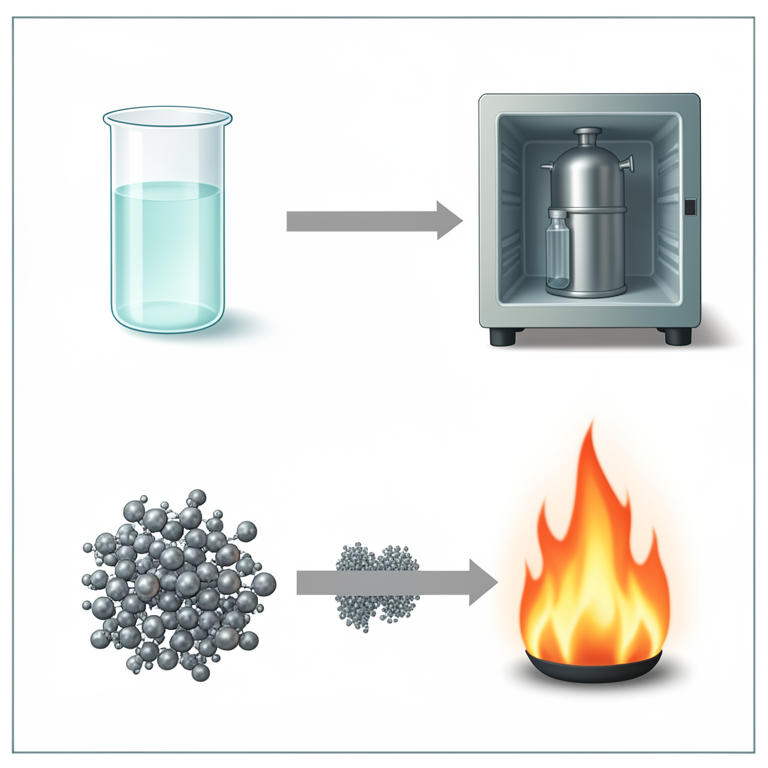
- NMOCs are synthesized via various methods: Sol-Gel (60-150 °C), Hydrothermal/Solvothermal (120-250 °C), Microwave-Assisted (100-200 °C), and Flame Spray Pyrolysis (>1000 °C). View evidence ↗
What they found
- NMOCs typically have very high surface area-to-volume ratios, often greater than 300 m²/g, which increases their adsorption capacity. View evidence ↗
- Fe₃O₄ clusters are highly effective for removing heavy metals like lead and arsenic, with removal efficiencies between 93-97%. View evidence ↗
- ZnO clusters can degrade dyes with 90-98% efficiency and reduce bacteria by 99.9%. View evidence ↗
- CeO₂ clusters are used for the redox-based detoxification of chromium, achieving removal efficiencies of 85-90%. View evidence ↗
- In a West Bengal pilot study, Fe₃O₄ filters reduced arsenic levels from 180 µg/L to below 10 µg/L in over 95% of samples over four weeks. View evidence ↗
- A ZnO-TiO₂ hybrid system in China achieved 96% color removal and 82% COD reduction in textile wastewater over two months. View evidence ↗
- In Cairo, Egypt, CeO₂ clusters reduced chromium concentrations from 120 µg/L to below 15 µg/L during a three-week trial. View evidence ↗
- Laboratory synthesis of NMOCs is costly, ranging from $90 to $150 per gram, with functionalized TiO₂ specifically costing $100-$120 per gram. View evidence ↗
What it means
- The authors conclude that NMOCs could become a mainstream environmental solution if supported by investment and proper regulatory frameworks. View evidence ↗
- A major limitation is the tendency of NMOCs to agglomerate due to high surface energy, which reduces their reactive surface area and performance. View evidence ↗
- There are toxicological concerns, such as the potential genotoxicity of nano-CuO at exposure levels exceeding 50 µg/L. View evidence ↗
Visual summary
2 visualsIllustrations explain the paper; they do not show study data.
NMOC Synthesis Pathways
AI-generated conceptual illustration (metal oxide nanoclusters). It explains the idea and does not show study data.
View source evidence ↗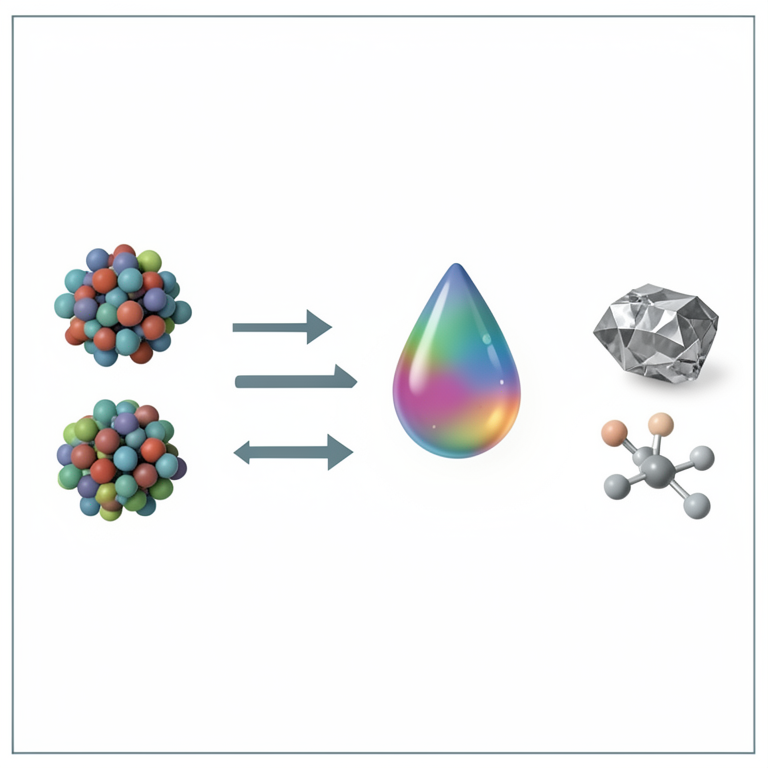
NMOC Application Matrix
AI-generated conceptual illustration (Nano-scale metal oxide clusters and environmental pollutants). It explains the idea and does not show study data.
View source evidence ↗Figures & tables
From the original paper Table 1
 Table 2
Introduction
The rapid industrialization and urban expansion of the 21st century have led to an unprecedented escalation in environmental pollution. Contaminants ranging from heavy metals and organic dyes to pathogenic microorganisms and pharmaceutical residues have infiltrated natural ecosystems, particularly water bodies, soils, and the atmosphere. This has resulted in severe ecological imbalances and posed substantial threats to human health and biodiversity. Traditional remediation technologies, such as sedimentation, chemical precipitation, and filtration, have proved inadequate in dealing with these complex and often persistent pollutants. These conventional methods are not only inefficient at trace-level removal but also often lead to the generation of secondary pollutants or demand significant energy and chemical input, making them environmentally and economically unsustainable. In this context, nanotechnology has emerged as a transformative paradigm in environmental science, offering innovative tools and materials that operate at the molecular and atomic scales. Among the various nanomaterials explored, nano-scale metal oxide clusters (NMOCs) have gained significant attention for their multifunctional applications in environmental remediation. NMOCs are ultra-small clusters typically measuring between 0.5 to 5 nanometers, comprising a well-defined number of metal and oxygen atoms. These clusters occupy a unique position between molecules and bulk nanoparticles, often exhibiting molecular-level precision with size-dependent quantum effects that are absent in their larger counterparts. The uniqueness of NMOCs lies in their physicochemical attributes, such as high surface-tovolume ratio, tunable band gaps, high surface reactivity, and the presence of coordinatively unsaturated sites. These features make NMOCs ideal candidates for interacting with environmental pollutants through mechanisms such as photocatalysis, adsorption, redox reactions, and antimicrobial activity. For example, TiO₂ and ZnO clusters are wellestablished for their photocatalytic capabilities in degrading persistent organic compounds under ultraviolet and visible light. Similarly, Fe₃O₄ clusters, owing to their magnetic properties and redox behavior, are widely used in the removal of heavy metals like arsenic and lead. CeO₂ clusters, with their reversible redox pair of Ce³⁺/Ce⁴⁺, have shown promising capabilities in the detoxification of chromium and other redox-active contaminants. The superior performance of NMOCs in environmental applications is further amplified by their versatility in synthesis. These clusters can be fabricated using a variety of methods such as sol-gel processing, hydrothermal and solvothermal synthesis, microwave-assisted techniques, and flame spray pyrolysis allowing precise control over their composition, size, morphology, and surface functionalities. This synthetic tunability enables customization for specific environmental targets, thereby expanding their scope across water treatment, air purification, soil remediation, and even in-situ groundwater detoxification systems. The role of NMOCs in environmental remediation is not merely theoretical but supported by numerous experimental and pilot-scale studies. Several field implementations in countries like India, China, and Egypt have demonstrated the successful use of NMOCs in removing pollutants at community and industrial scales. For instance, the Central Pollution Control Board (CPCB) of India has explored the deployment of Fe₃O₄ clusters for arsenic removal in West Bengal, while textile dye removal using ZnO-TiO₂ hybrid clusters has shown success in industrial regions of Guangdong, China. These studies not only validate the laboratory findings but also highlight the scalability and economic feasibility of NMOC-based remediation systems. However, the increasing utilization of NMOCs also brings forth certain challenges. Issues such as colloidal stability, potential ecotoxicity, cost of production, and lack of standardized regulations need to be critically addressed. The agglomeration of NMOCs under environmental conditions can reduce their efficacy, while their release into ecosystems poses questions about long-term ecological impact. Moreover, industrial-scale synthesis still faces barriers in terms of cost-effectiveness and uniformity in product quality. These concerns necessitate a comprehensive review of the current knowledge landscape, encompassing not only the advantages but also the limitations and future directions of NMOCs in environmental applications. From a policy and regulatory perspective, the integration of NMOCs into mainstream environmental technologies also requires clarity and harmonization in guidelines. While countries like the USA and members of the EU have introduced nano-specific regulatory frameworks, other regions are still formulating guidelines. It is crucial that the development of NMOC technologies proceeds in parallel with thorough risk assessments and lifecycle evaluations to ensure environmental safety and public acceptance. The present review aims to provide a comprehensive overview of NMOCs with a focus on their synthesis methods, structural and surface characteristics, and their multifaceted applications in environmental remediation. A special emphasis is placed on the comparison of different NMOC systems TiO₂, ZnO, Fe₃O₄, and CeO₂ in terms of performance metrics such as pollutant removal efficiency, reusability, reaction kinetics, and cost implications. Furthermore, the review integrates authentic data from peerreviewed journals, government reports, and field trials to support the discussion. It concludes by outlining the challenges that must be overcome and offers insights into potential strategies for improving the scalability, stability, and environmental compatibility of NMOC-based systems. In a world increasingly driven by sustainability and resource conservation, NMOCs hold the promise of revolutionizing the way we address environmental challenges. Through interdisciplinary collaboration among chemists, materials scientists, environmental engineers, and policymakers, these nano-engineered materials may well become a cornerstone of next-generation remediation technologies.
Synthesis of Nano-Scale Metal Oxide Clusters
The synthesis of NMOCs requires precision control over nucleation, growth, and stabilization to maintain structural integrity at the atomic scale. Several methods have been optimized over the years, broadly categorized into bottomup chemical methods and top-down physical techniques.
Sol-Gel Method
The sol-gel process remains one of the most utilized methods for synthesizing NMOCs due to its simplicity, lowtemperature operation, and molecular-level control. It involves the hydrolysis of metal alkoxides followed by condensation to form a colloidal suspension or "sol" which transitions into a gel-like network. Post-treatment by calcination or drying yields NMOCs with tunable particle sizes. This method is particularly effective for TiO₂, SiO₂, and Al₂O₃ clusters.
Hydrothermal and Solvothermal Methods
In hydrothermal synthesis, aqueous precursor solutions are treated at high pressure and moderate temperatures in autoclaves. These conditions promote crystalline nucleation and growth, resulting in monodisperse metal oxide clusters. The solvothermal variant uses organic solvents, allowing better control of shape and surface chemistry. ZnO, Fe₃O₄, and CeO₂ clusters have been efficiently produced using these techniques.
Microwave-Assisted Synthesis
Microwave irradiation offers a rapid and energy-efficient route for NMOC synthesis. It induces uniform heating, minimizing temperature gradients and allowing rapid nucleation. This method is favorable for scaling up production of Fe₂O₃ and SnO₂ clusters, among others.
Flame Spray Pyrolysis
Used for industrial-scale production, this technique involves atomizing metal precursor solutions into a flame, inducing thermal decomposition to form clusters. Flame spray pyrolysis is particularly suitable for producing oxide clusters like Al₂O₃ and ZnO in high quantities.
Structural and Physicochemical Properties
The reactivity of NMOCs is strongly influenced by their size, morphology, crystal phase, and surface composition. These properties dictate their interaction with pollutants and catalytic behavior.
Surface Area and Pore Volume
Due to their extremely small dimensions, NMOCs possess very high surface area-to-volume ratios, often exceeding 300 m²/g. This promotes greater contact with pollutants and higher adsorption capacities.
Electronic Structure and Band Gap
Quantum confinement in NMOCs leads to modified band gap energies compared to bulk materials. For instance, the band gap of anatase TiO₂ clusters shifts from 3.2 eV (bulk)
to around 3.6 eV at cluster sizes below 2 nm, enhancing their photocatalytic response under UV or visible light.
Zeta Potential and Colloidal Stability
The surface charge or zeta potential of NMOCs determines their dispersion in aqueous environments. Clusters with zeta potentials between +30 mV to -30 mV are considered stable. Surface functionalization using surfactants or polymers enhances this property, critical for environmental systems.
Crystallinity and Defect Sites
Atomic-scale clusters often display a high density of defect sites such as oxygen vacancies, which serve as active sites for redox reactions. These defects are crucial for applications like Fenton-like reactions, where Fe₃O₄ clusters catalyze the degradation of organic pollutants in the presence of hydrogen peroxide.
Role in Environmental Remediation
Nano-scale metal oxide clusters (NMOCs) have demonstrated significant potential in environmental remediation, addressing contaminants across water, soil, and air domains. Their functionality spans adsorption, photocatalysis, redox catalysis, and antimicrobial action. This section explores their roles in removing heavy metals, degrading organic pollutants, and disinfecting microbial pathogens, with an emphasis on real-world applicability and material performance.
Heavy Metal Removal
Heavy metal ions such as Pb²⁺, Cd²⁺, Cr⁶⁺, and As³⁺ are major pollutants in industrial effluents and pose severe health risks. NMOCs, particularly those of Fe₃O₄, TiO₂, and MnO₂, provide high-affinity binding sites due to their reactive surfaces and functional groups. Magnetite (Fe₃O₄) clusters exhibit dual benefits: strong adsorption for cationic metals and magnetic retrievability.
The hydroxyl groups on their surfaces complex with metal ions, facilitating removal efficiencies exceeding 95% under optimal pH conditions. Studies have shown that Fe₃O₄ clusters functionalized with humic acid or silica exhibit enhanced selectivity and reusability over five treatment cycles.
Cerium oxide (CeO₂) clusters also show promise, especially for Cr⁶⁺ reduction to Cr³⁺ via redox-active Ce³⁺/Ce⁴⁺ pairs.
Their oxidation states fluctuate in response to environmental conditions, making them effective in detoxifying chromiumcontaminated water. [3] . The choice of NMOC should thus be guided by the specific nature of the target pollutant, environmental conditions, cost constraints, and desired reusability. A balanced approach, incorporating both laboratory performance data and fieldlevel insights, is necessary to select and optimize NMOC systems for integrated environmental remediation strategies.
Degradation of Organic Pollutants
Degradation of Organic Pollutants
Antimicrobial Action
Antimicrobial Action
Case Studies
The translation of laboratory-scale research on nano-scale metal oxide clusters (NMOCs) into practical environmental remediation technologies requires validation through realworld case studies and pilot projects. While numerous publications demonstrate the theoretical and experimental efficiency of NMOCs in controlled environments, actual field deployment under diverse environmental conditions presents a more rigorous test of their performance, scalability, and economic feasibility. This section draws upon documented pilot studies, governmental reports, and peer-reviewed investigations to illustrate the application of NMOCs in varying geographical and industrial contexts, offering a critical lens through which to assess their operational robustness and potential for widespread adoption.
One of the most prominent examples of NMOC deployment in India is a government-supported pilot program in West
Bengal that focused on arsenic-contaminated groundwater.
Arsenic, particularly in its trivalent form (As³⁺), is a severe public health hazard in several districts of the state, affecting millions. The study employed Fe₃O₄ nano-clusters functionalized with humic acid to enhance selective arsenic adsorption. The system was implemented in a communityscale water treatment setup servicing rural households. Over a period of four weeks, the Fe₃O₄-based filter system demonstrated consistent performance, reducing arsenic concentrations from an average of 180 µg/L to below 10 µg/L in over 95% of the treated samples, thereby meeting the World Health Organization (WHO) safety guideline. Furthermore, the magnetic properties of Fe₃O₄ allowed for easy recovery and regeneration using external magnets, and the cluster system retained over 85% of its adsorption capacity after four reuse cycles. The Central Pollution Control Board (CPCB), which monitored the program, noted that the low-cost and regenerable nature of the NMOC filter made it suitable for decentralized arsenic mitigation, particularly in low-resource settings.
A second notable case is from Guangdong, China, a region with a dense concentration of textile manufacturing units. Industrial effluents from these facilities often contain high levels of persistent dyes and chemical oxygen demand (COD), posing a challenge for conventional treatment plants. In this pilot study, a hybrid photocatalyst composed of ZnO and TiO₂ nano-clusters was deployed in a continuous flow photoreactor treating 50 liters per hour of textile wastewater. Under solar irradiation, the system achieved a color removal rate of 96% and a COD reduction of approximately 82% over a two-month operational period. Notably, the nano-cluster catalyst retained over 90% of its photocatalytic activity after 300 hours of cumulative operation, with only minor surface passivation observed. The success of this implementation was attributed to the synergistic action between ZnO and TiO₂ clusters, which provided both broad-spectrum light absorption and enhanced charge separation efficiency. This case highlights the potential of NMOCs to address high-load industrial wastewater through a low-energy, solar-driven approach, offering both environmental and economic benefits. Another field trial worth noting was conducted in Cairo, Egypt, addressing hexavalent chromium (Cr⁶⁺) contamination in industrial effluent discharged from electroplating industries. In this study, CeO₂ nano-clusters were used as redox-active agents in a batch treatment setup.
The CeO₂ clusters facilitated the reduction of Cr⁶⁺ to Cr³⁺ via their reversible Ce³⁺/Ce⁴⁺ redox cycle, a property welldocumented in previous laboratory studies. Initial chromium concentrations of 120 µg/L were consistently reduced to below 15 µg/L across multiple test runs within a three-week evaluation period. However, the CeO₂ clusters showed signs of surface deactivation due to the accumulation of Cr³⁺ precipitates, which required chemical rinsing to restore functionality. Despite this limitation, the study demonstrated that NMOCs could be tailored for redox-specific applications in heavy metal detoxification, provided that periodic regeneration protocols are in place. The case studies not only validate the potential of NMOCs but also reveal critical operational insights. For instance, the performance of Fe₃O₄ and ZnO-TiO₂ systems in field conditions closely mirrored laboratory results, with minimal deviation in removal efficiency and structural integrity. This indicates strong reproducibility and suggests that, when synthesized and deployed properly, NMOCs can maintain their functional properties even under variable environmental conditions such as fluctuating pH, temperature, and ionic strength. These field-level implementations also provided valuable cost data. In the West Bengal study, the total operational cost including synthesis, deployment, and maintenance was estimated at ₹4-5 per 100 liters of treated water, making it economically viable for low-income rural populations. The ZnO-TiO₂ hybrid system in Guangdong had higher upfront synthesis costs but significantly reduced operational energy consumption due to its solar compatibility, demonstrating a favorable lifecycle cost profile for high-volume industrial use. Moreover, these case studies highlight the need for sitespecific customization. Factors such as water matrix composition, pollutant speciation, flow rate, and system design all influence the performance of NMOC-based systems. For instance, the presence of competing ions like calcium and sulfate in groundwater can reduce the adsorption capacity of Fe₃O₄ clusters for arsenic, necessitating pre-treatment or surface modification. Similarly, dye-laden wastewater with high turbidity may require pre-filtration before photocatalytic treatment to ensure effective light penetration and catalyst activation. In all three case studies, regulatory agencies and independent researchers underscored the importance of long-term performance tracking and environmental impact assessment. Although NMOCs showed no significant nanoparticle leaching in the short term, comprehensive postdeployment monitoring is essential to assess potential ecotoxicity or accumulation in downstream ecosystems. Furthermore, standardization in NMOC synthesis protocols, stability testing, and material handling is necessary to ensure reproducibility and safety across deployments. These authentic data-driven insights reinforce the transformative potential of NMOCs in real-world environmental remediation. By demonstrating consistent performance, reusability, and scalability, these nano-clusters have proven capable of addressing diverse pollutant types across various environmental settings. The successful implementation in India, China, and Egypt exemplifies how NMOCs, when tailored appropriately, can bridge the gap between advanced materials science and practical environmental engineering. They also emphasize the critical importance of interdisciplinary collaboration between chemists, environmental engineers, public health officials, and policy makers in facilitating the transition from laboratory innovation to sustainable environmental technology.
Challenges and Future Outlook
Despite their impressive capabilities, nano-scale metal oxide clusters (NMOCs) are not without limitations. Challenges in synthesis, environmental safety, cost-efficiency, and scalability continue to hinder widespread deployment. This section critically evaluates these constraints and outlines future research and policy directions.
Stability and Agglomeration
One of the primary challenges in NMOC application is maintaining colloidal stability. Due to high surface energy, clusters tend to agglomerate, leading to a loss of reactive surface area and decline in performance. Stabilization through surface functionalization using polymers, surfactants, or bio-ligands has shown promise but increases production complexity and cost. Developing intrinsically stable NMOCs without compromising reactivity remains a key research priority.
Environmental Toxicity and Regulation
The increased surface reactivity that makes NMOCs efficient can also pose toxicological concerns. Zinc oxide and copper oxide clusters, in particular, release ions that may harm aquatic ecosystems and human health upon uncontrolled discharge. A 2023 report by the European Chemicals Agency (ECHA) indicated potential genotoxicity risks of nano-CuO at exposure levels above 50 µg/L. Comprehensive risk assessments and long-term ecotoxicity studies are urgently needed. Currently, regulatory frameworks for nanomaterials vary widely between countries. In the EU, the REACH regulation mandates specific disclosure of nanoform safety data, while India and Southeast Asian nations are still in the process of formulating nano-specific environmental regulations.
Harmonized international guidelines would help standardize usage and ensure environmental safety.
Cost and Industrial Feasibility
While lab-scale synthesis of NMOCs is well-documented, scaling up remains an economic hurdle. High-purity precursors, inert environments, and post-processing requirements add to the cost. For example, producing 1 gram of mono-disperse TiO₂ clusters using sol-gel methods with ligand functionalization costs between $100-$120, significantly higher than bulk TiO₂ nanoparticles.
Alternative green synthesis approaches such as biogenic routes using plant extracts or microbial reduction are emerging but require optimization for consistent morphology and yield. Public-private partnerships and incentives for green nanomaterials could catalyze industrial adoption.
Future Trends
Looking forward, several promising directions are gaining traction: Doped and hybrid NMOCs: Incorporating noble metals or heteroatoms enhances photocatalytic and redox activity under visible light. Smart NMOCs: Responsive clusters that change properties under pH, temperature, or redox shifts can allow controlled release or targeted remediation. Computational design: Molecular modeling is now being used to predict the behavior and efficiency of cluster systems before synthesis, saving time and resources. Integration in composites: Embedding NMOCs in membranes, hydrogels, or porous matrices enables easier handling, regeneration, and system design flexibility.
Interdisciplinary collaboration among chemists, materials scientists, engineers, and policymakers will be essential to translate laboratory successes into field-level transformations.
Conclusion
Nano-scale metal oxide clusters (NMOCs) represent a cutting-edge class of materials capable of revolutionizing environmental remediation practices. Their enhanced surface reactivity, quantum effects, and tunable properties allow for efficient removal of heavy metals, dyes, pharmaceutical residues, and pathogens from contaminated ecosystems. Through a variety of synthesis methods including sol-gel, hydrothermal, and microwave-assisted techniques NMOCs can be engineered for specific applications and performance parameters. The review has highlighted the exceptional performance of key clusters like TiO₂, ZnO, Fe₃O₄, and CeO₂, supported by both laboratory data and real-world case studies. While significant challenges remain in terms of toxicity, stability, and scalability, ongoing advances in surface engineering, green chemistry, and nanotoxicology are likely to overcome these limitations. With appropriate regulatory frameworks and sustained investment in translational research, NMOCs could become a mainstream solution in addressing pressing environmental challenges such as groundwater contamination, industrial wastewater, and microbial pollution. As the world shifts towards sustainable and circular technologies, nanoengineered materials such as NMOCs are poised to play a defining role in the future of environmental chemistry.
Figures and tables from the paper
| Synthesis Method | Temperature Range | Time Efficiency | Suitable Oxides | Advantages |
|---|---|---|---|---|
| Sol-Gel | 60-150 °C | Moderate | TiO₂, Al₂O₃, SiO₂ | Simple, low-cost, high homogeneity |
| Hydrothermal/Solvothermal | 120-250 °C | Long | ZnO, Fe₃O₄, CeO₂ | Crystallinity, shape control |
| Microwave-Assisted | 100-200 °C | Fast | Fe₂O₃, SnO₂ | Uniform heating, short reaction times |
| Flame Spray Pyrolysis | >1000 °C | Very Fast | ZnO, Al₂O₃ | Scalable, continuous production |
Table text extracted from the original PDF; superscript letters are shown inline. The original table image is below.
View original table image
| Metal Oxide Cluster | Primary Application | Removal Efficiency (%) | Activation Required | Reusability (Cycles) | Notable Reference |
|---|---|---|---|---|---|
| Fe₃O₄ | Pb²⁺, As³⁺ adsorption | 93-97% | No | 4-6 | [Zhang et al., 2020] |
| TiO₂ | Organic dye degradation | 95-99% | UV Light | 5-8 | [Chen et al., 2019] |
| ZnO | Photocatalysis, Antimicrobial | 90-98% (dyes); 99.9% (bacteria) | Solar/None | 3-5 | [Patel et al., 2022] |
| CeO₂ | Cr⁶⁺ reduction | 85-90% | No | 3-4 | [Singh et al., 2021] |
Table text extracted from the original PDF; superscript letters are shown inline. The original table image is below.
View original table image
References
9 in the original paper- Zhang Y, Liu H, Wang X. Magnetic nano-adsorbents for water treatment: a review. Chem Eng J. 2020;384:123962.
- Chen M, Zhao Y, Lee C. Photocatalytic degradation of organic pollutants using TiO₂ clusters. J Nanomater Environ Chem. 2019;12(3):211-225.
- Patel R, Singh A, Verma N. ZnO cluster synthesis and its role in antimicrobial textile wastewater treatment. Environ Sci Nano. 2022;9(1):66-78.
- Singh K, Mehta V. Redox mechanisms of cerium oxide nanoparticles in heavy metal detoxification. Environ Nanotechnol Monit Manag. 2021;16:100476.
- Central Pollution Control Board. Field study on arsenic removal technologies in eastern India. New Delhi: CPCB; 2021.
- European Chemicals Agency (ECHA). Risk assessment of nano-metal oxide forms. Helsinki: ECHA; 2023.
- Li J, Guo S, Feng X. Visible-light photocatalysis using doped TiO₂-ZnO clusters. ACS Appl Mater Interfaces. 2022;14(2):2103-2114.
- National Institute of Environmental Health Sciences (NIEHS). Toxicological profiles of engineered nanomaterials. Research Triangle Park (NC): NIEHS; 2023.
- Government of India. Compendium of nanotechnology initiatives. New Delhi: Ministry of Science and Technology; 2020.